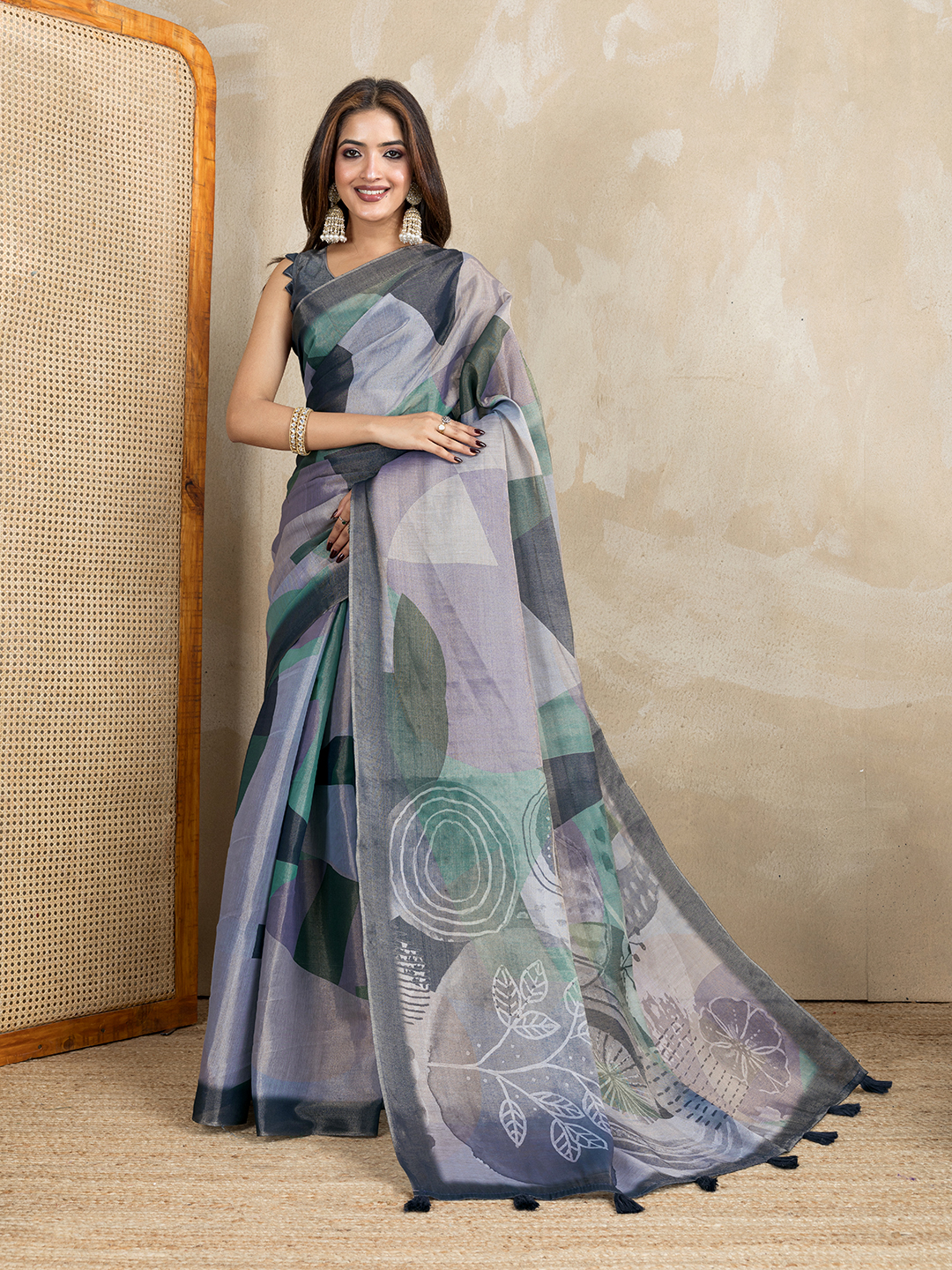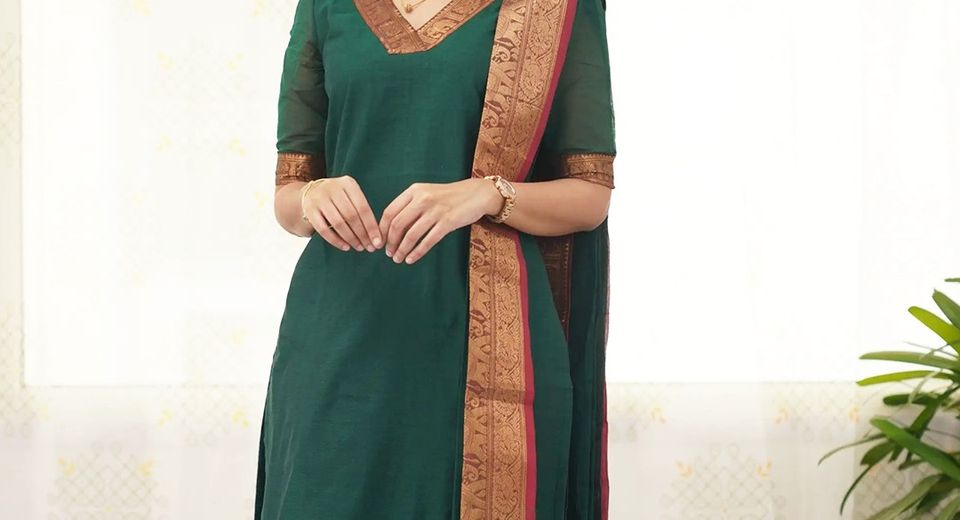
Kurtis That Work Better When You Spend Most of the Day Sitting need to do more than look polished. A desk job, long commute, online class, stitching session or full day at home can leave you adjusting a tight waistband, pulling down a short hem or fighting a dupatta that keeps sliding. The right salwar suit reduces those distractions through breathable fabric, a forgiving silhouette, a stable trouser waist and enough room across the hips and knees.
Comfort doesn't mean choosing shapeless clothing. A straight kurta, A-line kurti or carefully cut pant set can look structured while allowing you to sit cross-legged, bend towards a laptop or remain seated for several hours. The useful question isn't simply whether a kurti looks attractive on a hanger, but whether the fabric, seams and proportions still work after repeated sitting.
What makes Kurtis That Work Better When You Spend Most of the Day Sitting comfortable?
A comfortable sitting-day kurti has breathable fabric, non-restrictive ease, a waistband that doesn't dig in and a hem that stays manageable when the wearer bends or crosses her legs. These details matter more than surface decoration when clothing remains in contact with the body for eight or ten hours.
Start with ease, which means the extra room built into a garment beyond your body measurements. A kurta that matches your bust measurement exactly may feel fine while standing but pull across the chest and stomach while seated. For a daily kurta, look for enough ease to create a small fold of movement rather than a strained, completely flat front. Excessive volume can also be inconvenient, so the goal is controlled room rather than an oversized shape.
The waist deserves special attention in a salwar suit. A fixed, tight waistband can press into the abdomen when the body bends at the hips. Elasticated or partially elasticated trousers usually offer more comfort, provided the elastic is wide, soft and correctly positioned. A mid-rise trouser often stays more comfortable than a very high rise during prolonged sitting.
Side slits influence movement as much as the cut of the kurta. Slits that begin too low can restrict the hips when you sit, while very high slits may require leggings or a longer inner layer for coverage. A moderate side opening, combined with a hem that reaches around the knee or lower, usually balances mobility and modesty for everyday wear.
Which fabrics suit Kurtis That Work Better When You Spend Most of the Day Sitting?
Cotton, khadi cotton and lightweight silk blends generally suit long seated hours because they offer airflow and a less clingy hand feel. Fabric weight, weave and finishing still matter, so the fibre name alone can't predict comfort.
Why cotton remains useful for long workdays
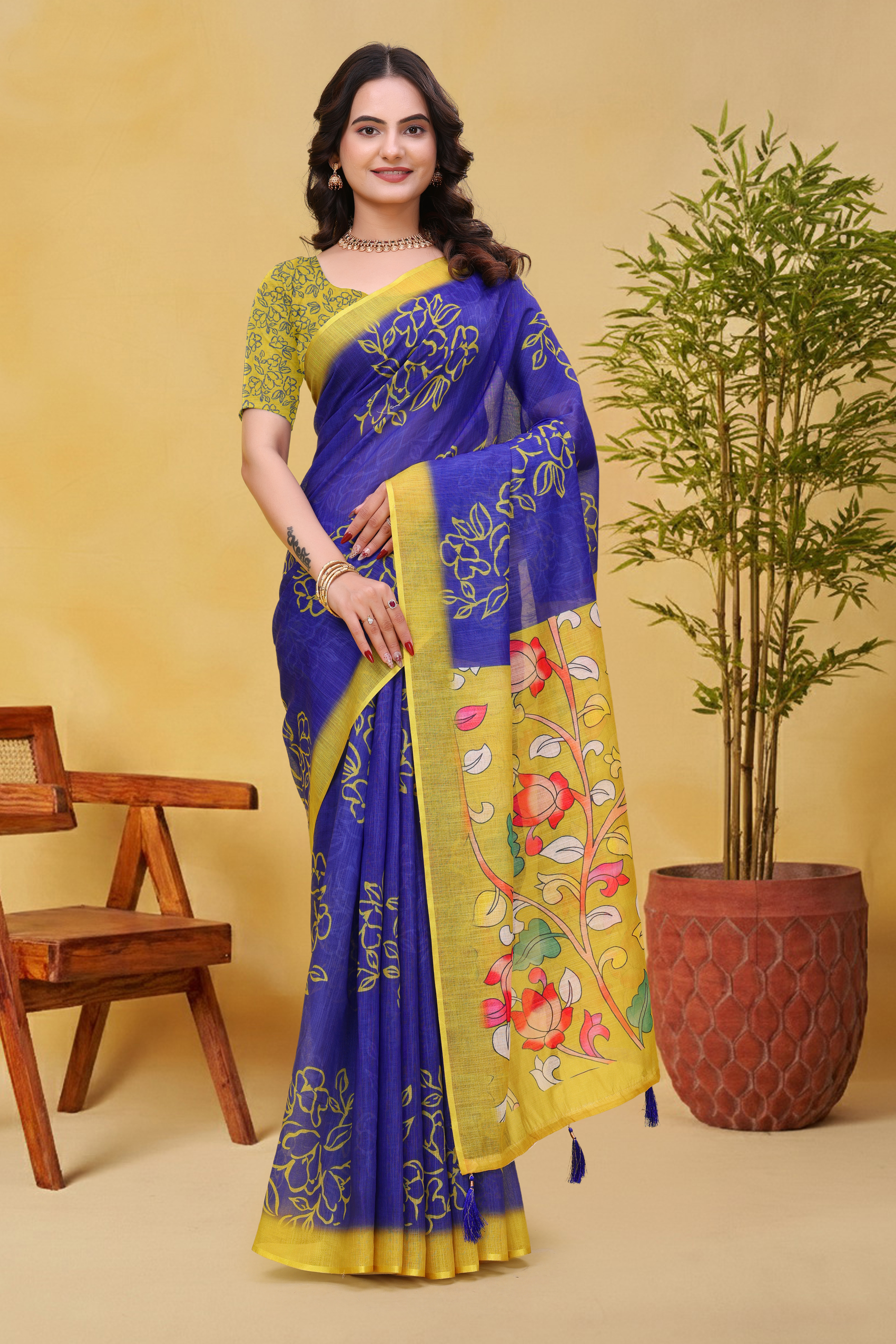
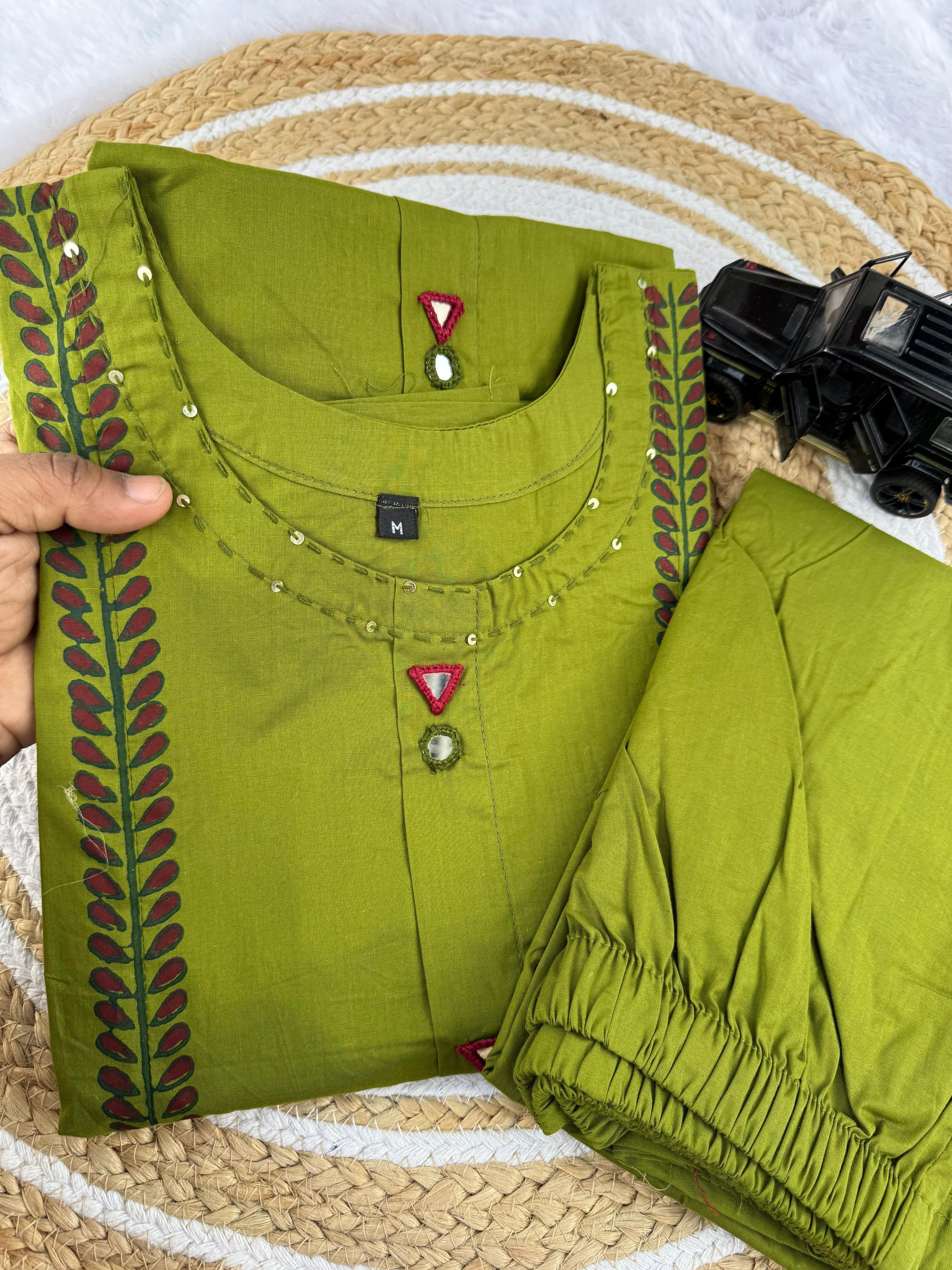
Cotton is a practical choice for warm Indian weather and frequent washing. Cotton absorbs moisture and usually feels less sticky than many synthetic fabrics during a humid commute or an unconditioned workday. Elegant Pink Print Daily Wear Kurta Set shows how a lively print can add visual interest without requiring heavy embellishment or a complicated styling routine.
Printed cotton can crease at the lap after sitting, but creasing isn't automatically a quality problem. A quick steam or a few minutes on a hanger may restore the surface. Dense rayon can appear smooth and drape well, yet some rayon garments feel warmer against the skin and may lose shape if washed carelessly. Check the care label before selecting a fabric for frequent use.
When khadi cotton or Chanderi silk makes sense
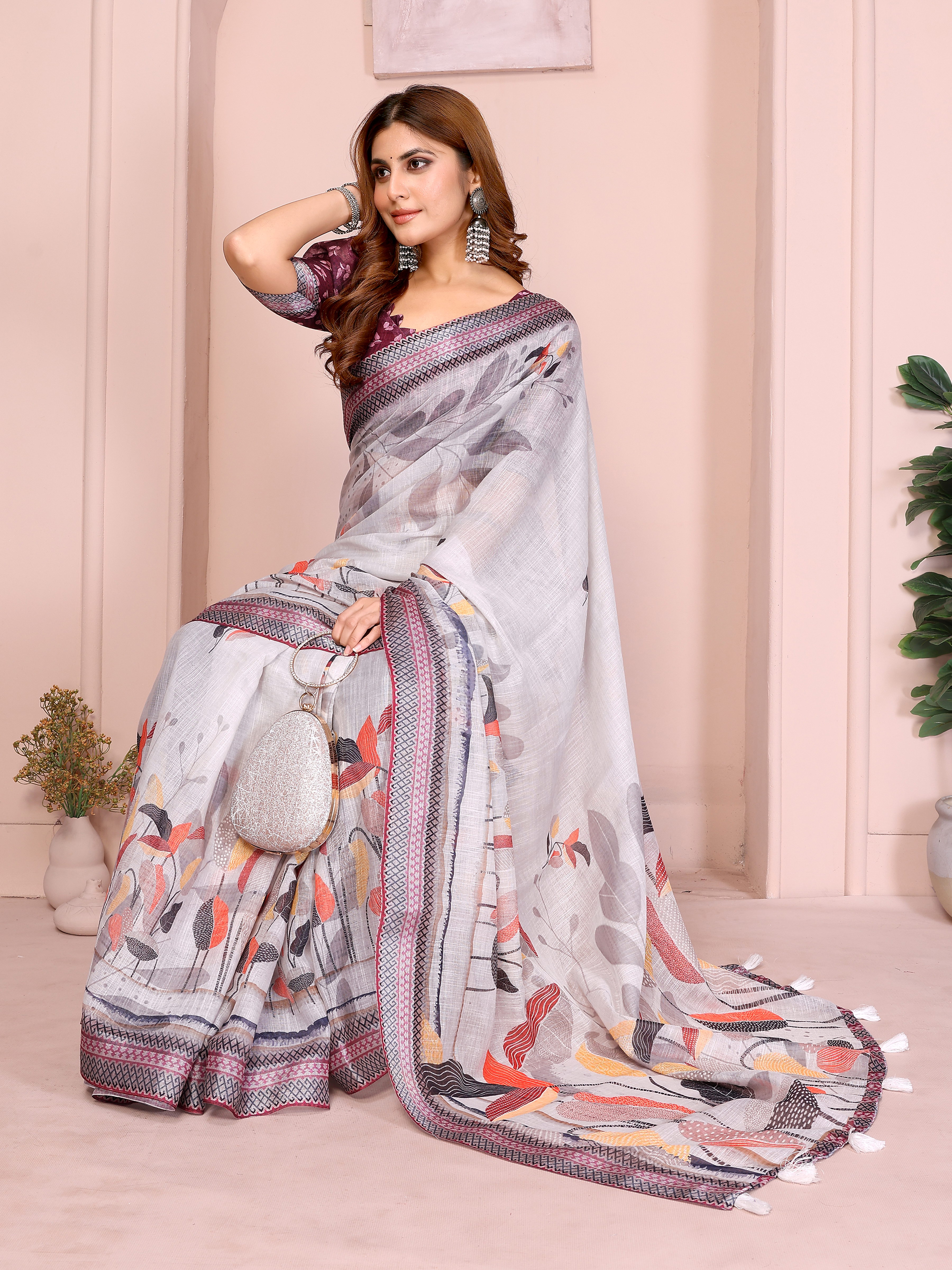
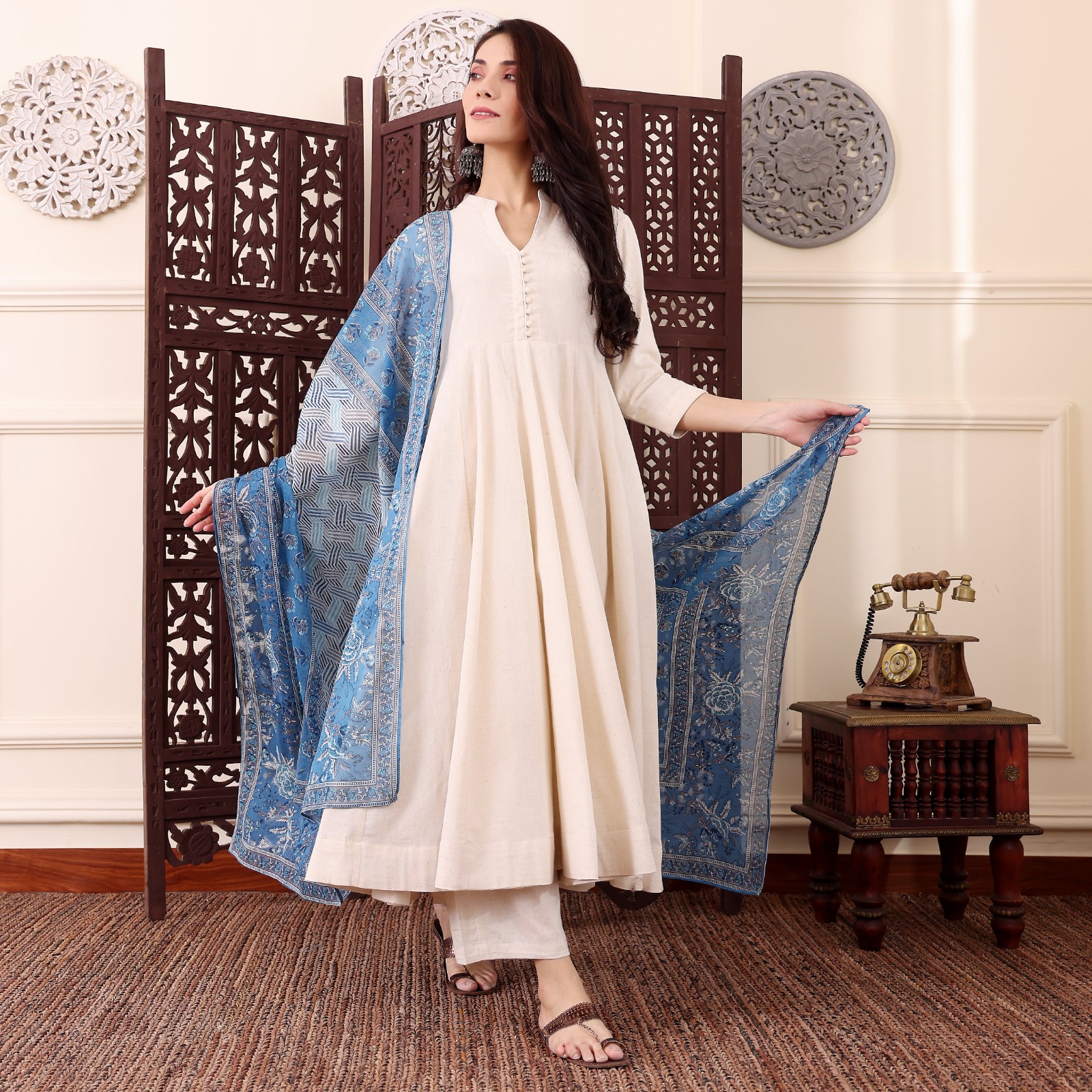
Khadi cotton works well when you want air circulation and a lightly textured surface. The texture can disguise minor creases better than a very smooth solid fabric, although khadi cotton may feel firmer at first and soften after washing. Cream Khadi Cotton Straight Kurta Set with Dupatta illustrates how a fabric-and-silhouette combination can remain composed without relying on elaborate ornament.
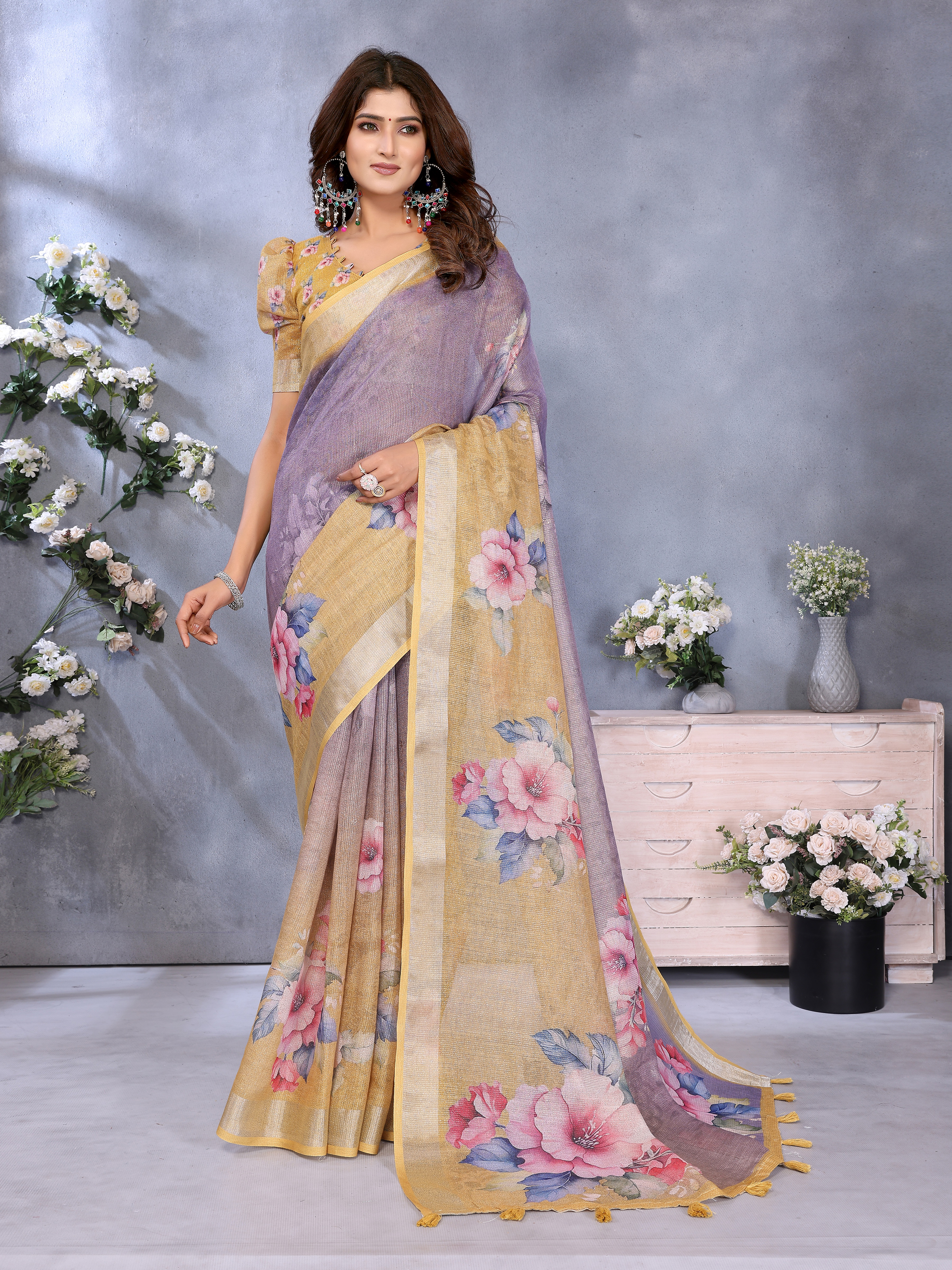
Chanderi silk is lighter and more refined than everyday cotton, making it useful for a seated day that continues into a meeting, family visit or small celebration. Chanderi silk can be more delicate and transparent than opaque cotton, so a lining or suitable inner layer may be necessary. Cream Chanderi Silk Kurti Pant Dupatta Set for Women demonstrates why a lightweight fabric should be evaluated with the full set, including the opacity of the kurta and the grip of the trouser fabric.
Which fabrics need closer inspection?
Polyester-heavy fabric can be easy to wash but may trap heat, especially under direct sunlight or during a long commute. Stiff brocade, thick zari work and heavily layered panels may look festive but can press into the thighs when seated. Embellishment should be placed where it won't rub against the chair, armrest or desk edge for hours.
Which silhouettes make Kurtis That Work Better When You Spend Most of the Day Sitting?
A straight kurta with moderate ease, an A-line kurti and a relaxed pant set are usually the most practical silhouettes for prolonged sitting. The best choice depends on where the volume is placed and whether the hem interferes with the knees.
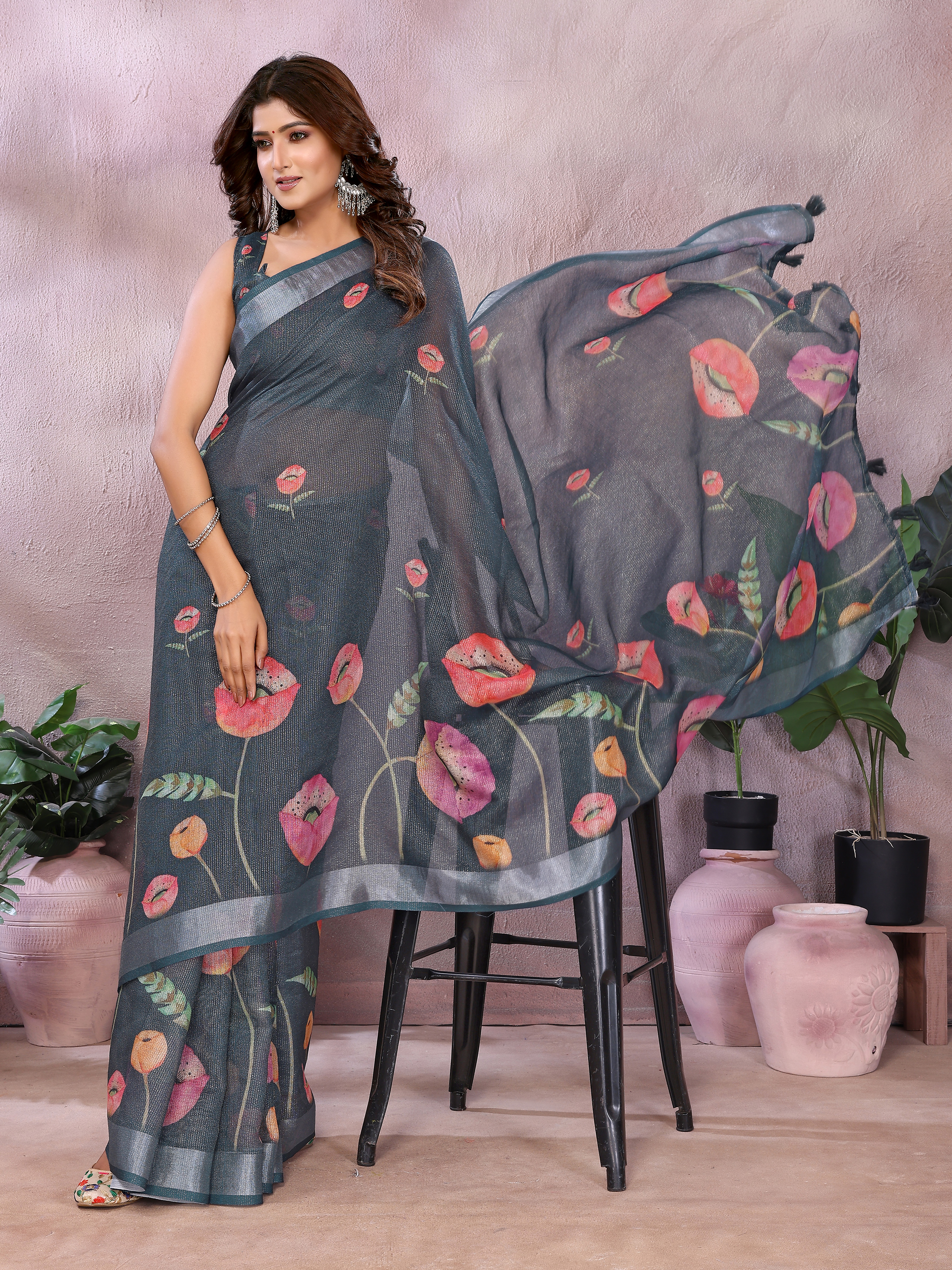
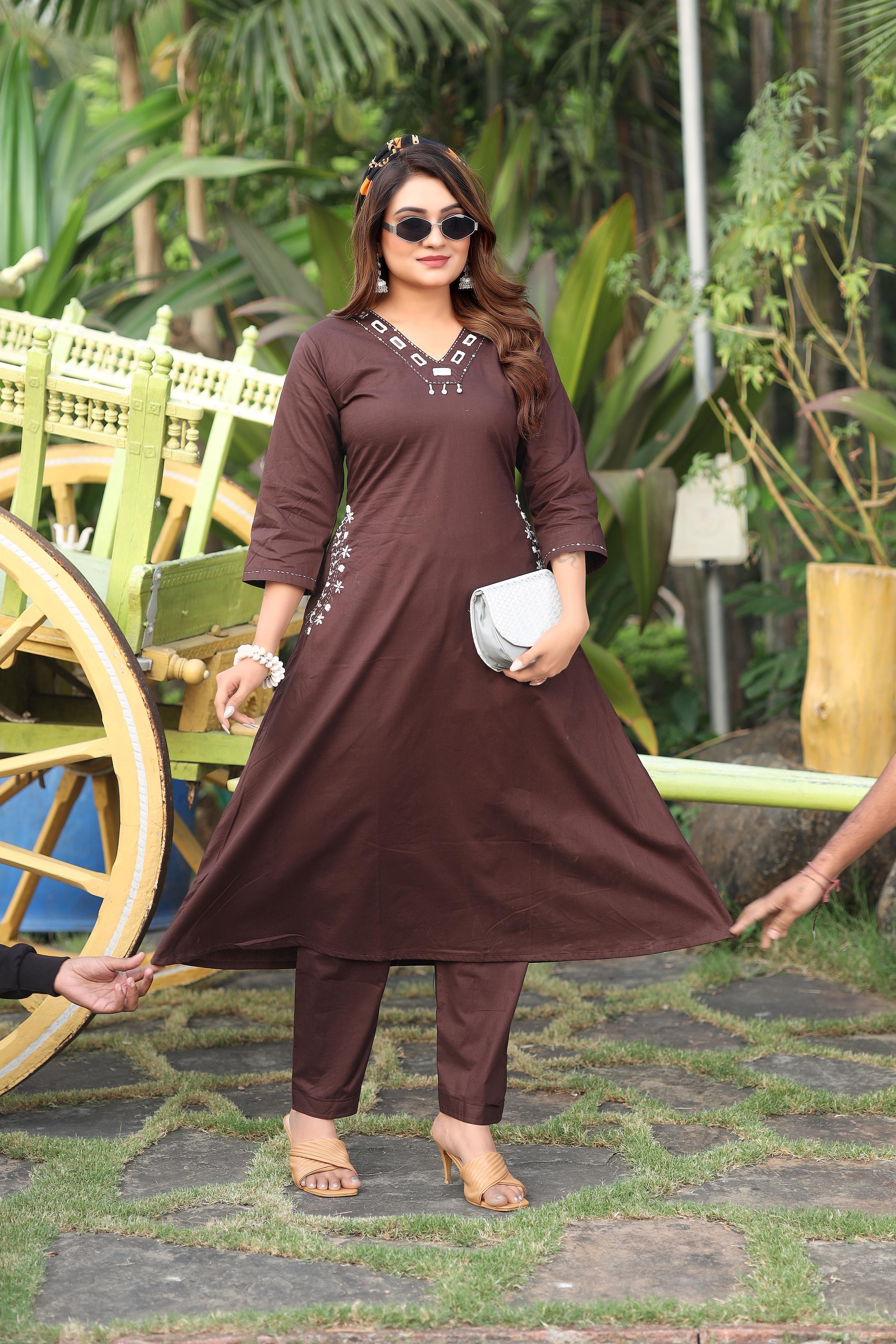
A straight kurta gives a clean vertical line and works well with trousers, cigarette pants or leggings. The cut should not taper sharply at the hips. An A-line kurti widens gradually from the bust, which creates additional room around the stomach and thighs without adding bulk at the shoulders. Designer Cotton A-Line Kurti Pant Set with Mirror Work offers a useful example of how an A-line shape can retain structure while providing movement.
A pant set can be more convenient than a traditional salwar when you move between a chair, stairs and public transport. Straight pants take less fabric around the knees, while a relaxed pant provides more room for bending. Very resistant cigarette pants may look tailored but can pull behind the knee after sitting. Palazzo trousers provide maximum ease, although a wide hem can get under a chair or brush against the floor.
Anarkali silhouettes require more careful selection for desk use. A lightly flared Anarkali with a soft, breathable fabric can be comfortable, but a heavy flare may bunch around the thighs when seated. A high flare beginning at the waist can also create extra fabric under a desk. Anarkali suits are better reserved for days when movement and sitting patterns are less demanding unless the skirt is light and well proportioned.
How should you assess Kurtis That Work Better When You Spend Most of the Day Sitting online?
Assess the measurement chart, garment length, fabric composition, closure details and trouser construction before buying a kurti online. Product photographs alone can't show whether a waistband twists or a side slit pulls during sitting.
- Compare garment measurements: Measure a kurta you already wear comfortably and compare bust, hip, shoulder and length measurements with the size chart. Do not rely only on your usual letter size, because ease differs between straight, A-line and flared cuts.
- Check the hip measurement: The hip area often determines sitting comfort. A kurta or trouser that's comfortable at the bust can still feel restrictive at the thighs when you sit.
- Inspect the waistband: Look for elastic, a drawstring, a side zip or a flat-front construction. A drawstring allows adjustment, but a stiff cord or bulky knot can become uncomfortable under a long kurta.
- Read the length: A short kurta may rise above the hips when seated, while an excessively long kurta can catch beneath the thighs. A knee-length or slightly longer hem is often versatile for daily wear.
- Identify the lining: Lining can improve opacity but reduce airflow. A lined Chanderi silk kurta can feel more formal and secure, while an unlined cotton kurta may feel cooler.
- Look at the dupatta fabric: A heavy dupatta can slide, bunch at the waist or require repeated adjustment. Lightweight cotton, voile or soft silk usually behaves better for desk work than a stiff, embellished drape.
Photographs can also reveal useful construction clues. A model sitting or turning sideways may show whether the back hem lifts, whether the trouser fabric pulls at the knee and whether the kurta has enough room across the seat. A product description that states fabric and care instructions gives more reliable information than a vague label such as premium material.
Which colours and details help Kurtis That Work Better When You Spend Most of the Day Sitting?
Medium-scale prints, textured weaves and darker or mid-tone colours usually hide light creasing and minor marks better than very pale, perfectly smooth surfaces. Practicality doesn't require plain clothing; it requires details that don't create constant maintenance.
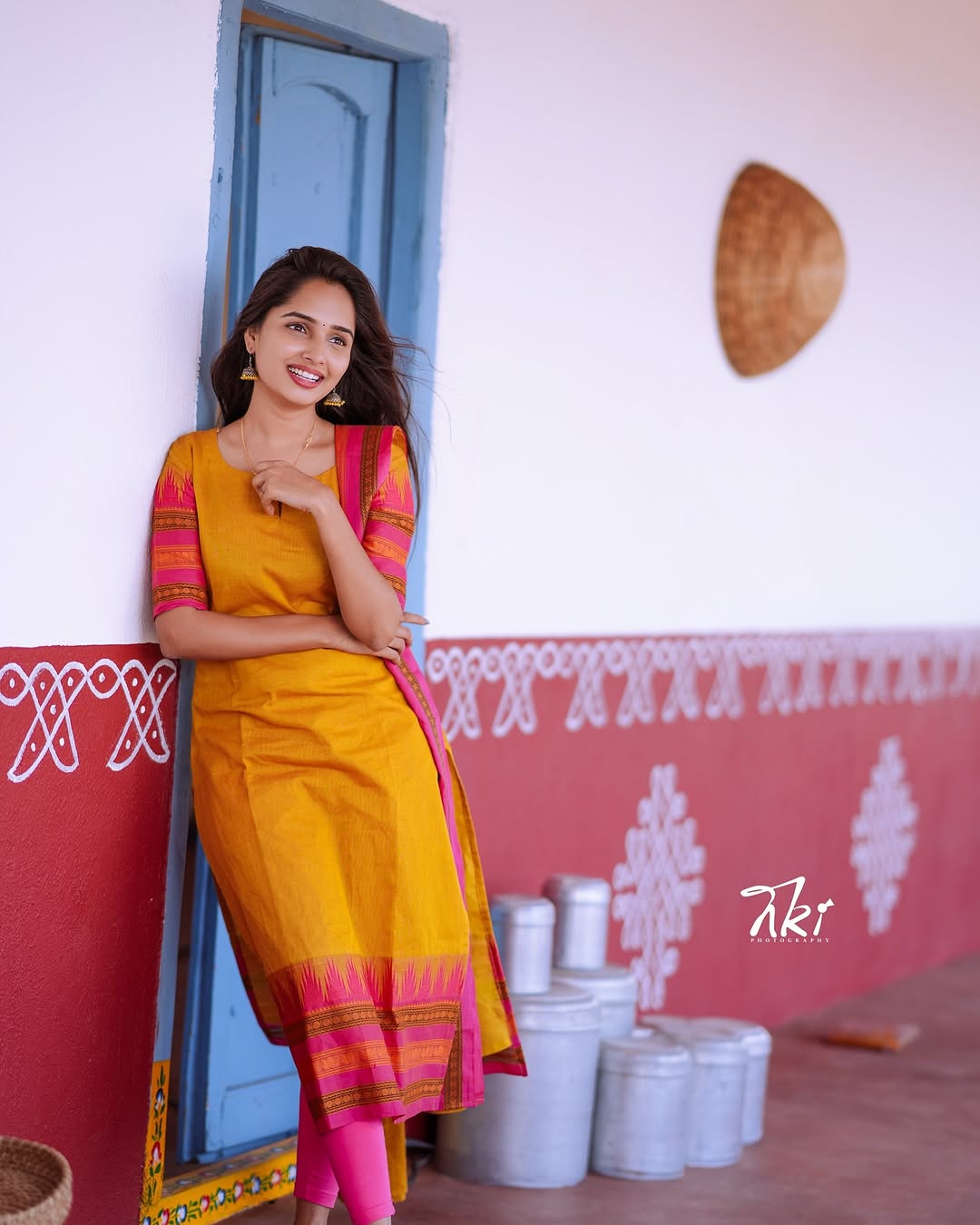
Kalamkari Print Salwar Suits can bring an expressive pattern to a work wardrobe while distributing attention across the garment rather than highlighting every fold at the lap. Maharashtra Paithani Inspired Salwar Suits and Odisha Sambalpuri Salwar Suits offer woven or heritage-inspired visual character, but examine fabric weight and surface before choosing them for a full day in a chair.
Bandhej and Patiala styling need a little more thought for seated comfort. Gujarat Bandhej Salwar Suits can work well when the kurta and salwar remain lightweight. Punjab Patiala Salwar Suits provide generous fabric around the legs, which is comfortable for bending but may gather beneath the thighs in a low chair. A chair with adequate seat depth makes a fuller salwar easier to manage.
Mirror work, zari and dense embroidery are best placed on the yoke, neckline or upper sleeve when an outfit is intended for long sitting. Embellishment across the seat or lower back can press against upholstery. Designer details should support the way you'll wear the garment, not merely increase visual weight.
How can you style and care for Kurtis That Work Better When You Spend Most of the Day Sitting?
Style a sitting-day kurti with a stable trouser, a lightweight dupatta and footwear that keeps the hem clear of the floor. Care for the garment according to its fibre so repeated washing doesn't turn a comfortable fit into a tight or distorted one.
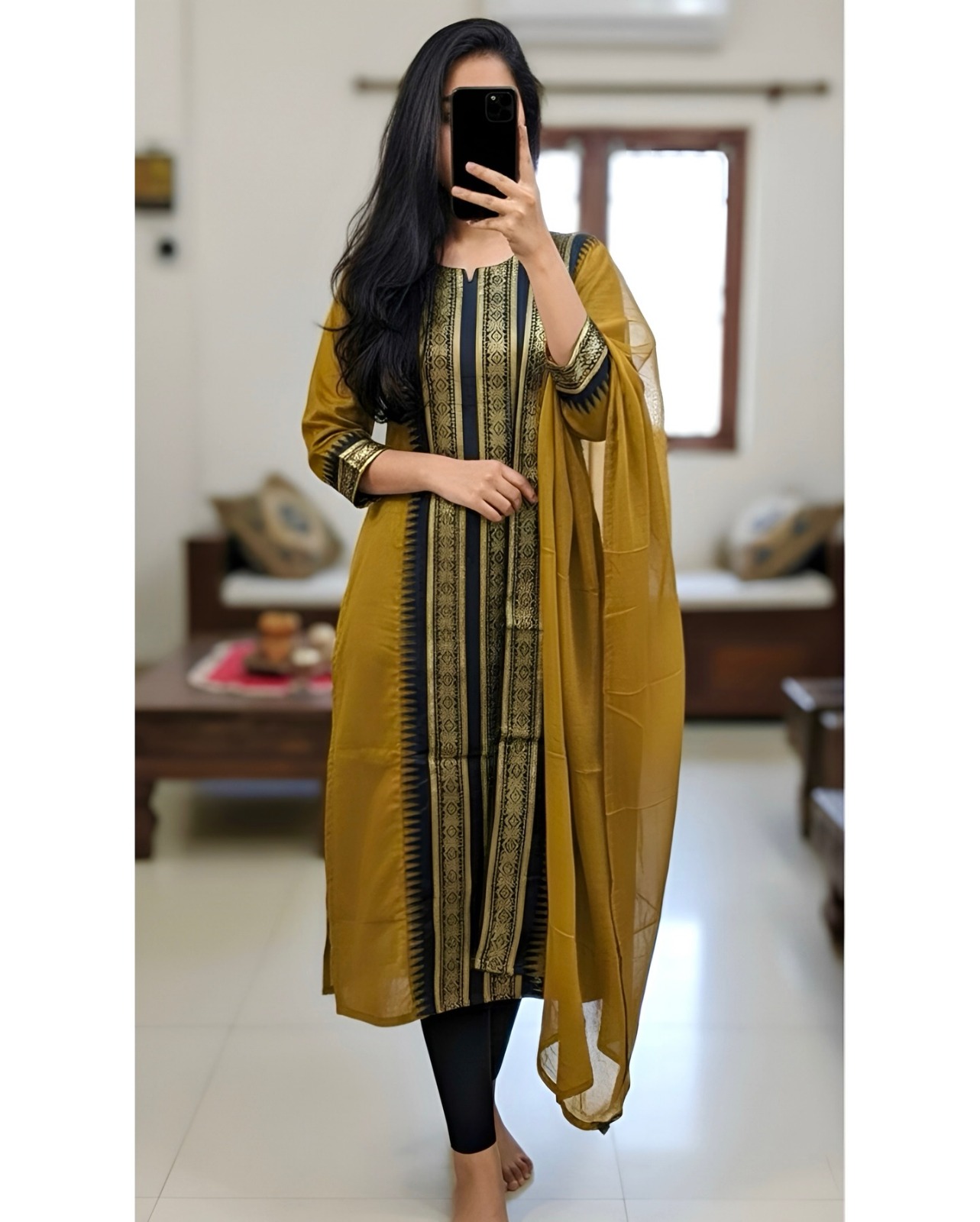
A shorter dupatta can be easier at a desk than a very long one. Drape one end over the shoulder and secure the other end near the opposite side seam with a small, discreet pin if the fabric keeps sliding. Avoid placing a large brooch directly where your back meets a chair, because the metal can create pressure during long meetings.
Choose footwear with a low, stable heel or a cushioned flat sole when the day includes commuting and sitting. Footwear that changes posture significantly can pull the kurta forward at the hips and make the back hem rise. A trouser hem should sit above the floor without exposing the ankle excessively when seated.
Wash cotton and khadi cotton according to the care label, preferably using a mild detergent and moderate water temperature. Drying a garment harshly in direct sun can fade prints and weaken some finishes. Chanderi silk generally benefits from gentler handling, shade drying and careful ironing on the reverse side. Store embroidered pieces folded with soft tissue between embellished surfaces to reduce snagging.
Before wearing a new set for an entire workday, sit in it for fifteen minutes at a desk, walk up stairs and bend to pick up an object. That short test can reveal waistband pressure, trouser twisting, a sharp seam or a dupatta that will become irritating by lunchtime. A garment that passes these simple movements is more likely to serve comfortably from morning to evening.
Common Questions About Choosing Sitting-Friendly Kurtis
Which kurti fabric is best for sitting at work all day?
Cotton and khadi cotton are usually the most practical choices because they allow airflow and handle frequent washing. Lightweight Chanderi silk can suit a more formal seated day, but check lining, opacity and care requirements before buying.
Is a straight kurta or A-line kurti more comfortable for long sitting hours?
An A-line kurti usually offers more room around the stomach and hips, while a straight kurta can feel more streamlined. The better choice is the silhouette with moderate ease and no pulling across the hips or thighs when seated.
Are elasticated pants better for a salwar suit worn all day?
Elasticated or partially elasticated pants can be more comfortable because they accommodate changes in posture and reduce pressure on the abdomen. A wide, soft elastic is preferable to a narrow elastic that rolls or digs into the skin.
What kurti length works best when sitting?
A knee-length or slightly longer kurti is often practical for daily wear because it provides coverage without creating excessive fabric under the thighs. The ideal length also depends on the wearer's height, trouser style and whether the kurta has side slits.
Can Patiala salwar suits be comfortable for desk work?
Patiala salwar suits can be comfortable because their gathered fabric allows generous leg movement. The extra fabric may bunch beneath the thighs in a shallow chair, so a deeper seat and a lightweight salwar improve the experience.
How can I stop a dupatta from becoming uncomfortable while sitting?
Choose a lightweight dupatta and place the bulk away from the waist and lower back. A discreet pin near the shoulder or side seam can prevent repeated slipping, but avoid heavy brooches where the back presses against a chair.