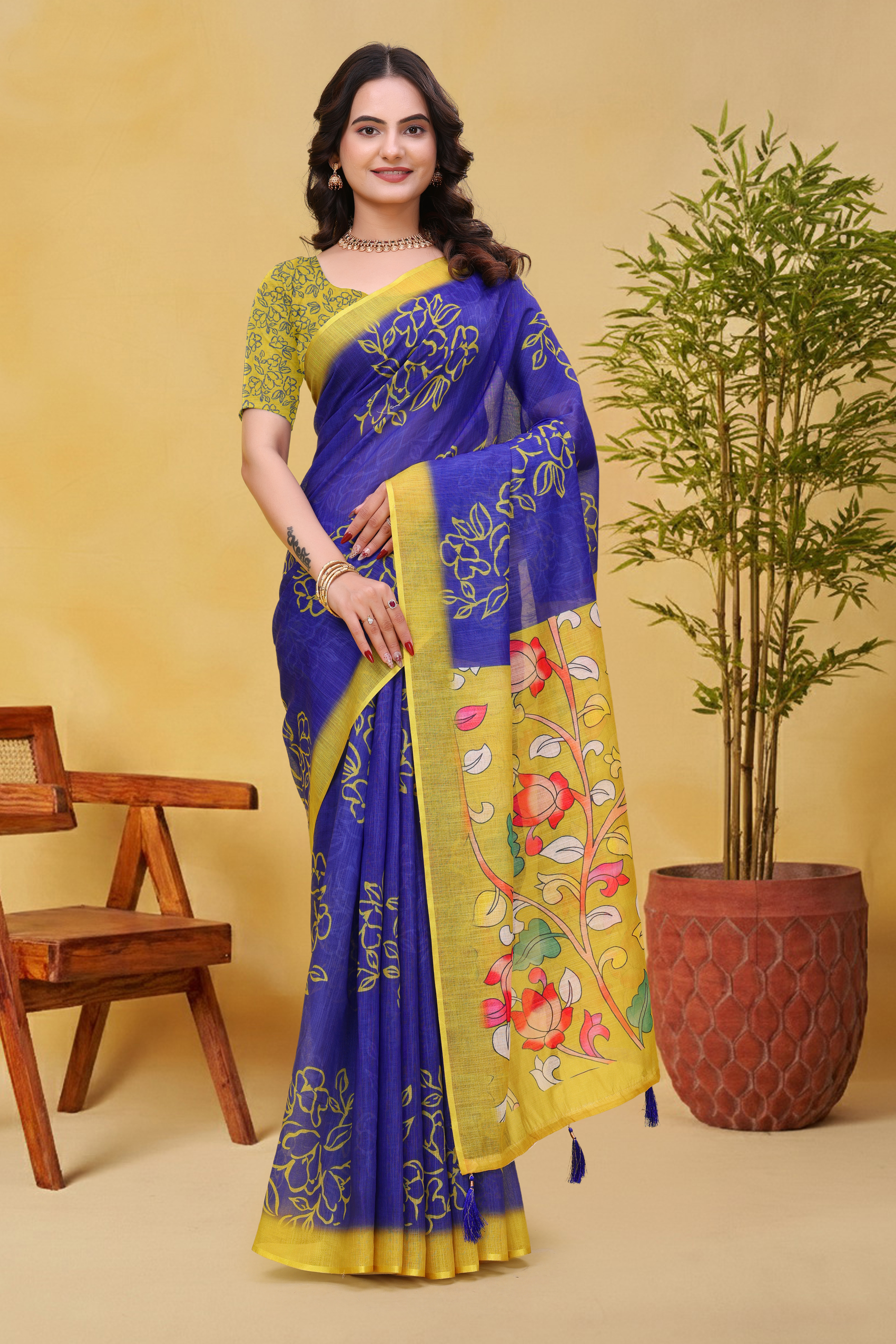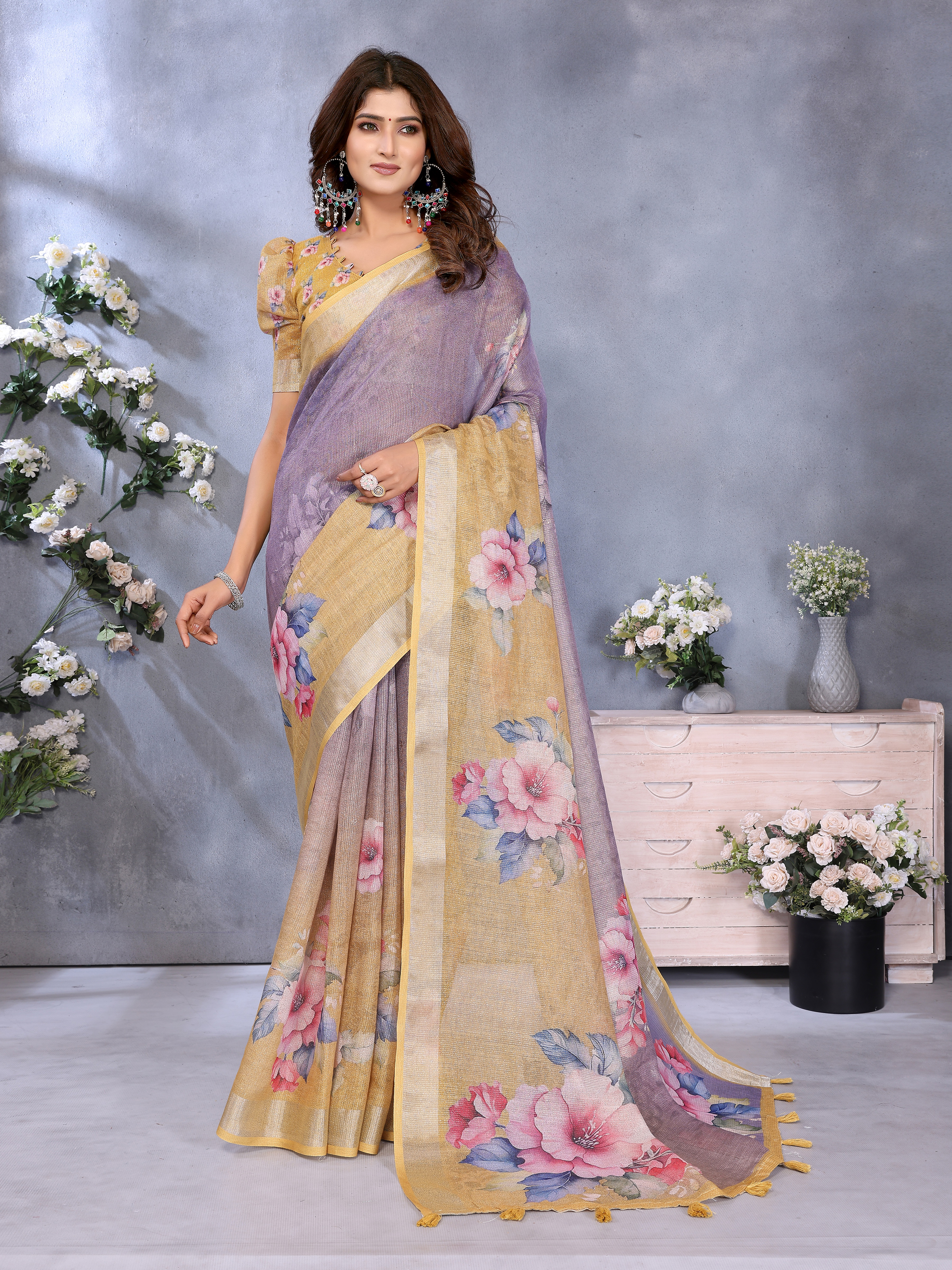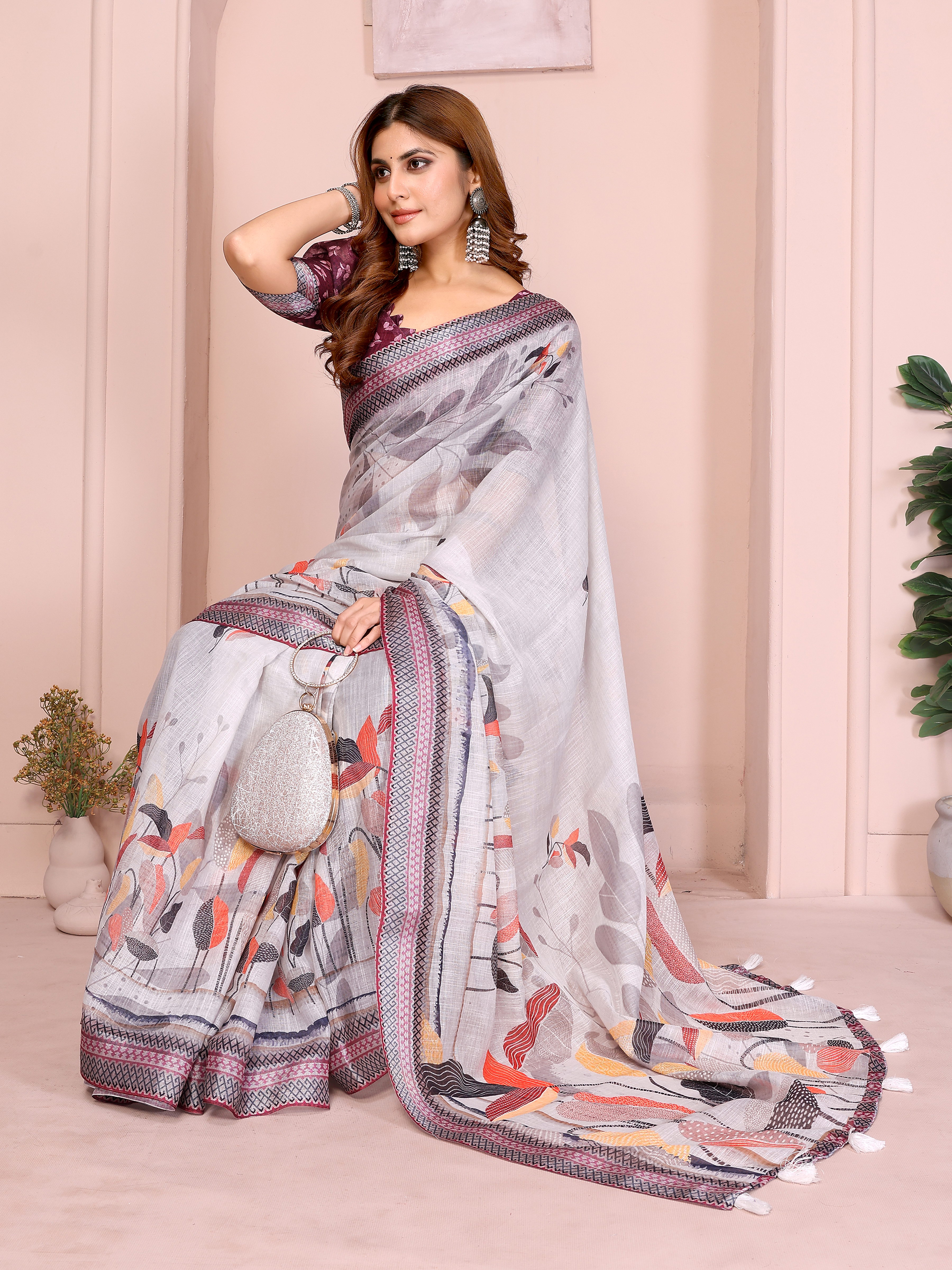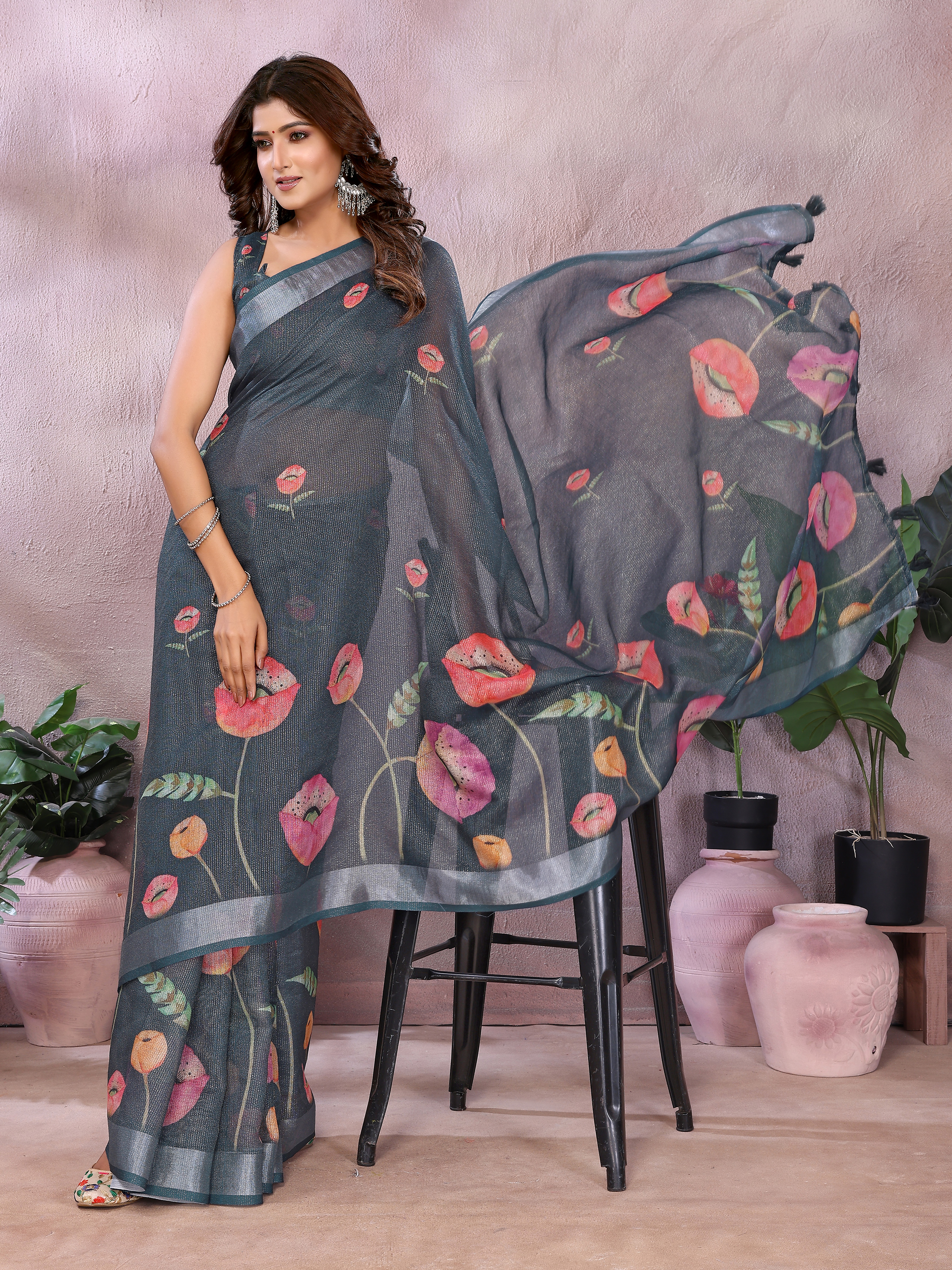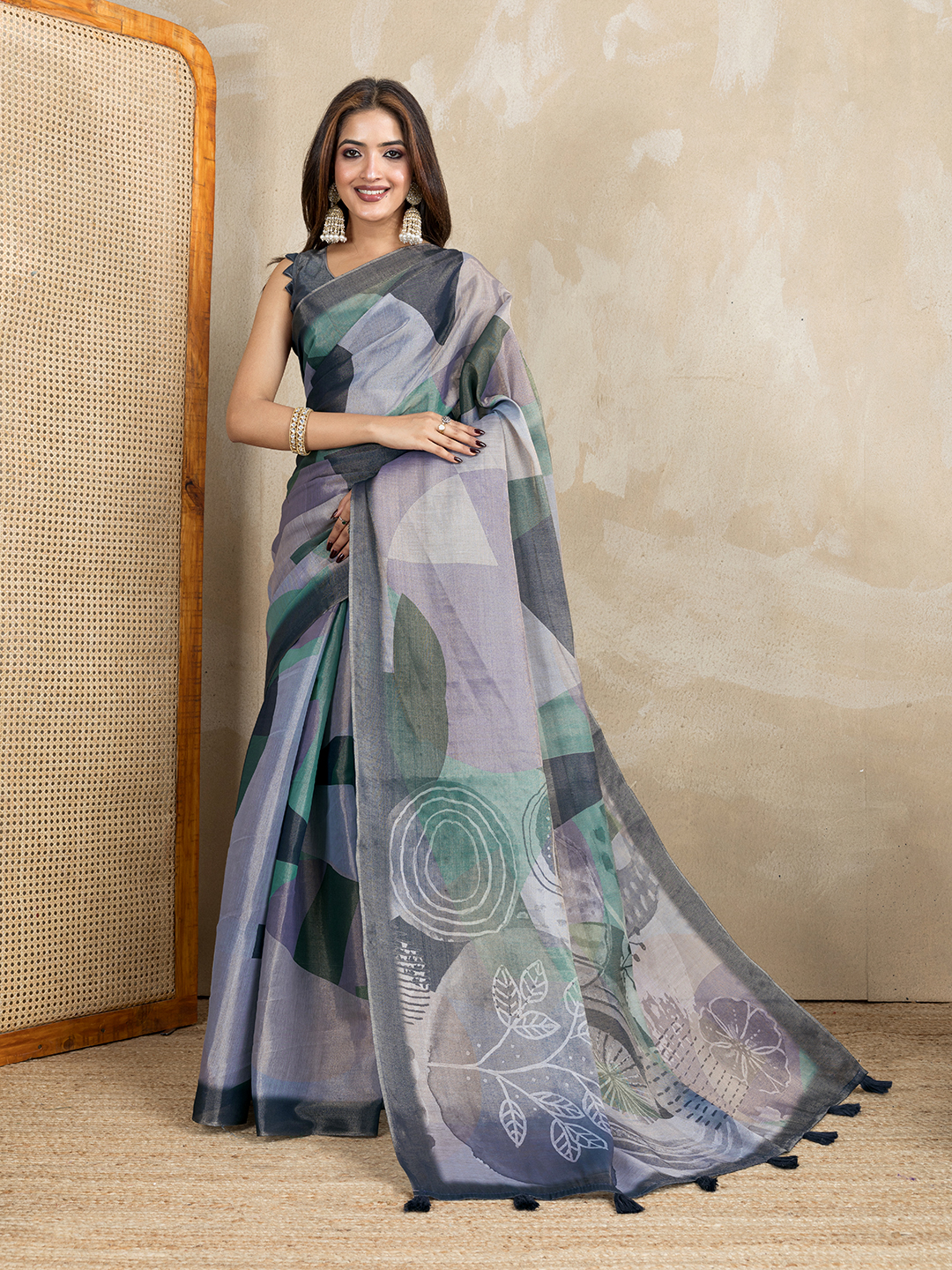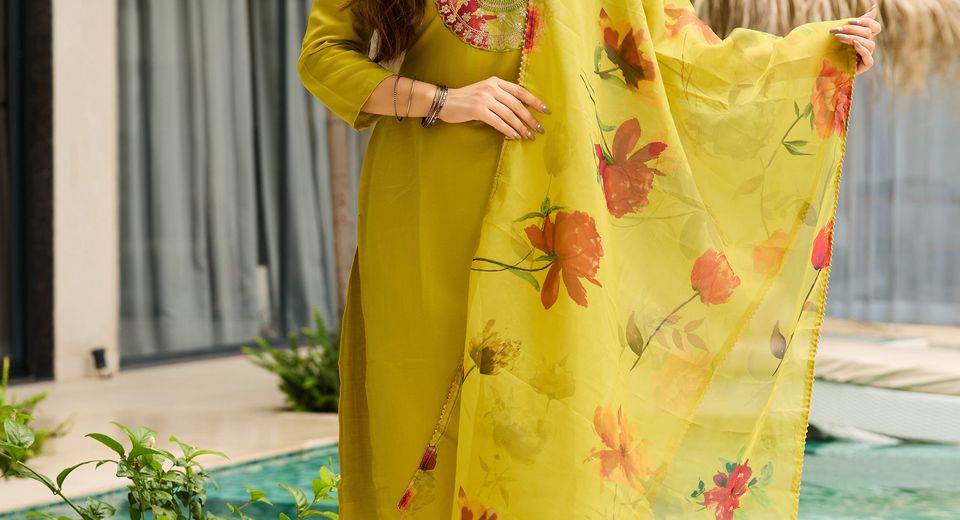
Kurtis That Stay Comfortable During Long Commutes in Hot Weather must handle heat, perspiration, movement and crowded transport without becoming difficult to wear. A breathable fabric helps, but comfort also depends on the kurti's cut, sleeve shape, trouser ease, dupatta weight, colour and care routine. Whether a daily journey involves a bus, local train, metro, auto-rickshaw or a combination of all four, a few deliberate choices can make a salwar suit feel considerably fresher by the time you reach work or college.
The most useful approach is to judge an outfit as a complete commuting system rather than selecting a kurti by appearance alone. A soft cotton kurta with a narrow trouser, slippery lining and loose dupatta may still feel inconvenient. A moderately loose cotton pant set with secure seams, a manageable dupatta and enough room at the armhole can perform better for a two-hour journey.
What makes Kurtis That Stay Comfortable During Long Commutes in Hot Weather?
Kurtis That Stay Comfortable During Long Commutes in Hot Weather combine breathable fibres, air-moving silhouettes, low-friction construction and practical styling. Cotton, khadi cotton and cotton-rich fabrics generally allow better moisture absorption than many fully synthetic fabrics, while a straight or lightly A-line cut prevents fabric from clinging to the body.
Breathability isn't identical to thinness. Extremely thin fabric may feel airy but can become transparent, crease rapidly or stick to damp skin. A medium-light cotton with a comfortable weave often provides a better balance for daily wear. Khadi cotton can offer a textured, airy hand feel, while woven cotton may feel smoother against the skin and easier to press.
Movement matters as much as airflow. A kurti needs sufficient room across the chest, upper arm and hip so that sitting, climbing stairs and holding a handrail don't pull at the seams. A hem that falls around the knee or mid-calf is often easier to manage on public transport than a very long, heavily flared silhouette.
Which fabric details matter during a hot commute?
Cotton and khadi cotton are dependable choices for hot-weather commuting because they absorb perspiration and usually feel less clammy than polyester-heavy fabric. Chanderi, silk blends and dense synthetic materials can look elegant, but they may require more careful judgement about lining, weave and airflow before being chosen for a long daily journey.
Surface decoration also affects comfort. Heavy zari, thick embroidery, large appliqué panels and dense mirror work can add weight and trap warmth around the chest or sleeves. Light woven motifs, printed surfaces and restrained embroidery are usually easier for repeated commuting. The Designer Cotton A-Line Kurti Pant Set with Mirror Work illustrates an important compromise: cotton supports everyday comfort, while mirror work should be checked for weight and possible rubbing at the underarm or shoulder.
How should you choose the kurti silhouette for a long journey?
A straight or gently A-line kurti with room for movement is usually the most practical silhouette for a long hot-weather commute. The shape should skim the body without pulling across the bust, waist or hips, and the side openings should allow comfortable sitting and walking.
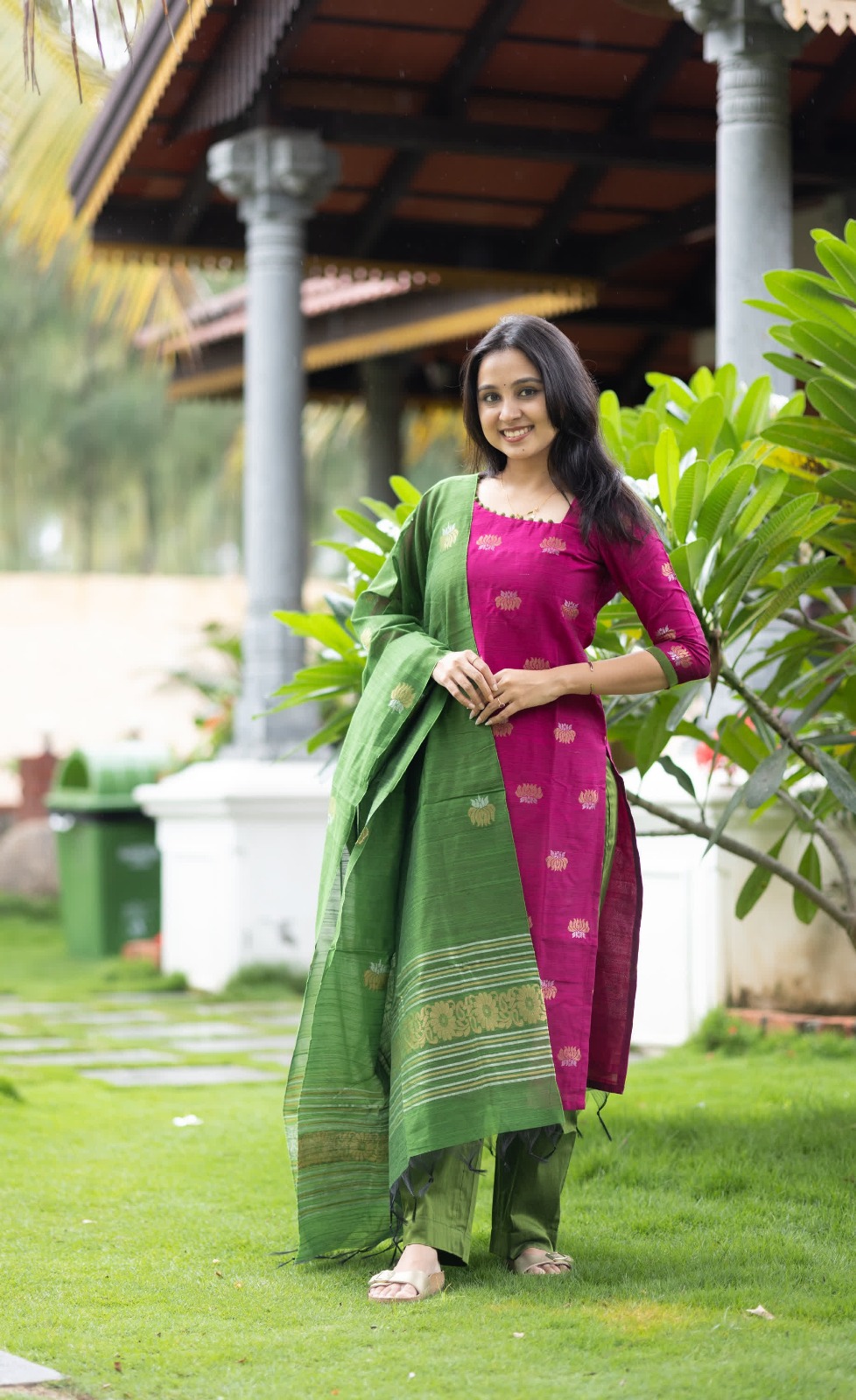
A straight kurta works well with a relaxed pant because both pieces remain relatively stable while entering a vehicle or sitting on a seat. An A-line kurti creates additional space around the lower body, which can help when walking quickly or sitting for extended periods. A very full Anarkali can provide air around the legs, but its flare may catch on armrests, turnstiles, escalator edges or neighbouring passengers in a crowded carriage.
Armhole and sleeve construction deserves a close look. A deep armhole can expose the inner garment and allow friction, while a very tight armhole restricts reaching and produces sweat marks. Elbow-length or three-quarter sleeves offer useful coverage without the warmth of long, close-fitting sleeves. Sleeves with a little ease at the bicep are more comfortable when the arm stays bent around a metro pole.
Hem length should suit the route. A knee-length kurti is easy to step over and less likely to brush against wet pavements, while a mid-calf kurti offers more coverage with a neat trouser set. Anyone who regularly rides a two-wheeler should avoid a loose trailing hem and check that the side slits don't catch on the vehicle.
Why do pants often matter more than the kurti?
Pants determine a large part of seated comfort because tight waistbands, narrow thighs and rough seams remain in contact with the body for the entire journey. Choose a waistband that stays secure without digging in, and look for enough ease at the seat and knee to sit without pulling.
Relaxed straight pants and moderately wide-leg pants can work well with a kurti, provided the hem doesn't drag. Elasticated or partly elasticated waists may be useful for daily travel, but the elastic should lie flat and retain recovery after washing. A salwar with excessive gathers can feel warm around the upper leg, while a very narrow cigarette pant may restrict movement during stairs and boarding.
The Royal Orange Kurti Pant Set and Mustard Yellow Cotton Kurti Pant Set for Women show why coordinated pant sets can be useful for commuters: the pieces are designed to work together, reducing the need to match separate garments before an early departure. A coordinated set isn't automatically comfortable, so waistband ease, fabric weight and trouser length still deserve a practical check.
Which colours and prints work best in heat, dust and daily travel?
Mid-tone prints and colours are generally the most forgiving choice for hot-weather commuting because they hide minor perspiration, dust and incidental marks better than very pale solids. Colour doesn't change the temperature of a garment dramatically, but darker fabrics can absorb more radiant heat when exposed to strong direct sunlight.

White, cream and pale yellow can feel visually light, but these shades show dust, water marks and underarm moisture quickly. Orange, rust, mustard, indigo, green and multi-colour prints can be more practical for repeated travel. The Rust Printed Cotton Kurta Set with Pant and Dupatta brings an useful example of how a printed cotton surface can be easier to maintain visually than an unpatterned light-coloured outfit.
Print scale also affects perceived wear. Small or medium motifs distribute attention across the garment, whereas a large central motif can show creasing more clearly. Kalamkari Print Salwar Suits offer an example of how a print-led outfit can add visual interest without relying on heavy surface embellishment. Printed cotton should still be washed according to its care label, since repeated hot washing can fade pigment and weaken fibres.
How can you make a dupatta commute-friendly?
A commute-friendly dupatta should be light enough to stay comfortable, short enough to control and secure enough not to fall into wheels, doors or food. Dupattas made from airy cotton or a light woven fabric are usually easier for daily travel than heavy velvet, dense brocade or heavily embellished styles.
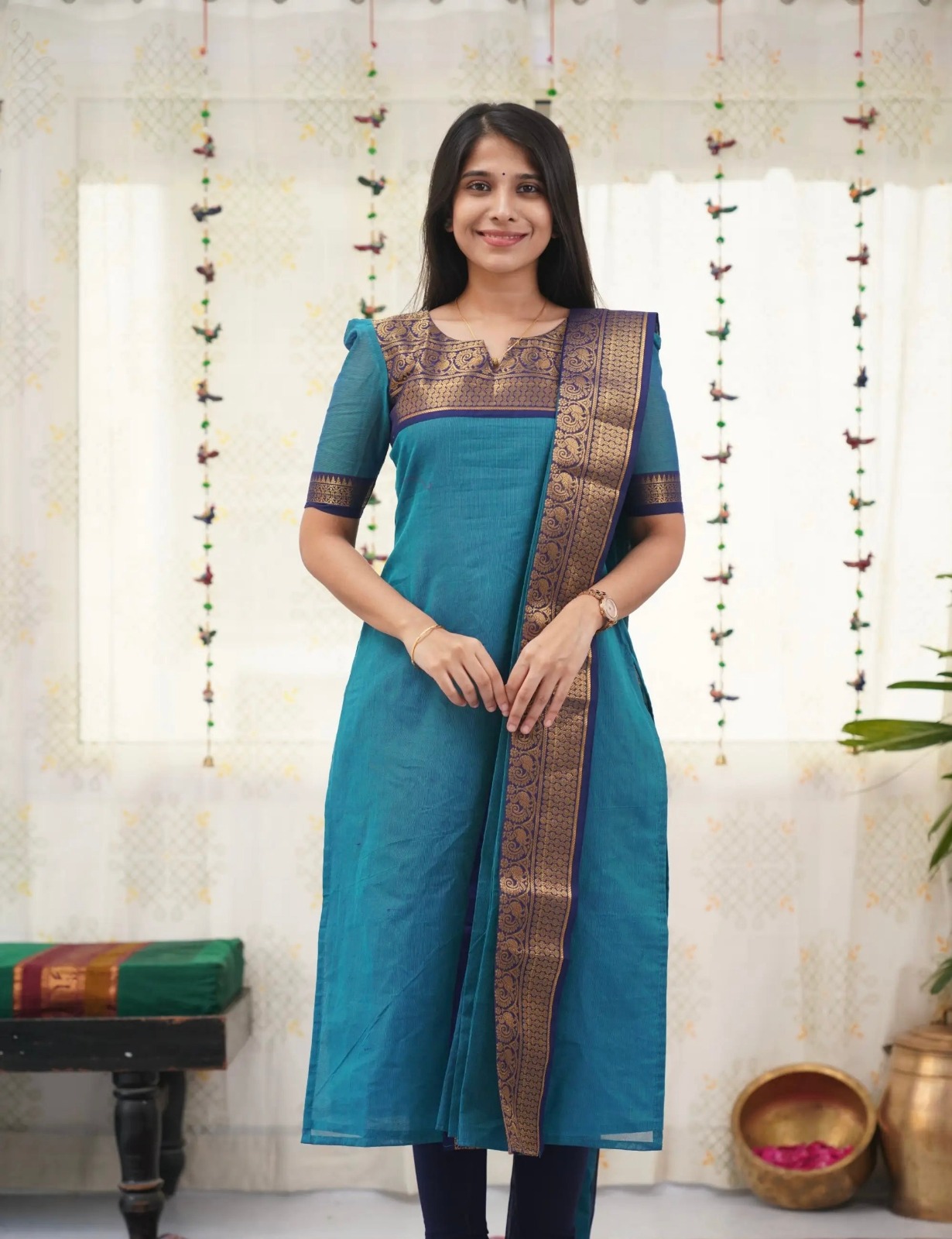
For a bus or metro journey, place both ends of the dupatta toward the front of the body and secure one shoulder with a small, discreet pin. A soft loop around the neck can work for walking, but a very tight wrap may increase warmth. On a two-wheeler, a long loose dupatta presents a safety risk; secure it firmly under the body of the outfit or select a shorter, lighter option.
Organza has a crisp, low-weight feel but can shift more readily than cotton. The Lavender Kurti Pant Set with Organza Dupatta may suit a shorter commute or a workplace where a polished finish matters, but the organza dupatta should be pinned before leaving rather than adjusted repeatedly in a crowded vehicle. A woven dupatta may lie more predictably during sitting and standing.
The Cream Khadi Cotton Straight Kurta Set with Dupatta demonstrates an useful everyday direction: a khadi cotton base can feel breathable, while a matching dupatta maintains a coordinated appearance. Before buying, check whether the dupatta width is manageable for your route and whether its edges snag easily on a bag strap.
How should regional design traditions guide a summer salwar suit?
Regional textile traditions can add character to a summer wardrobe, but comfort depends on the actual fibre, weight and finish rather than the regional name alone. A printed, woven or cotton-based interpretation may be more practical for commuting than a heavily embellished festive version of the same visual tradition.
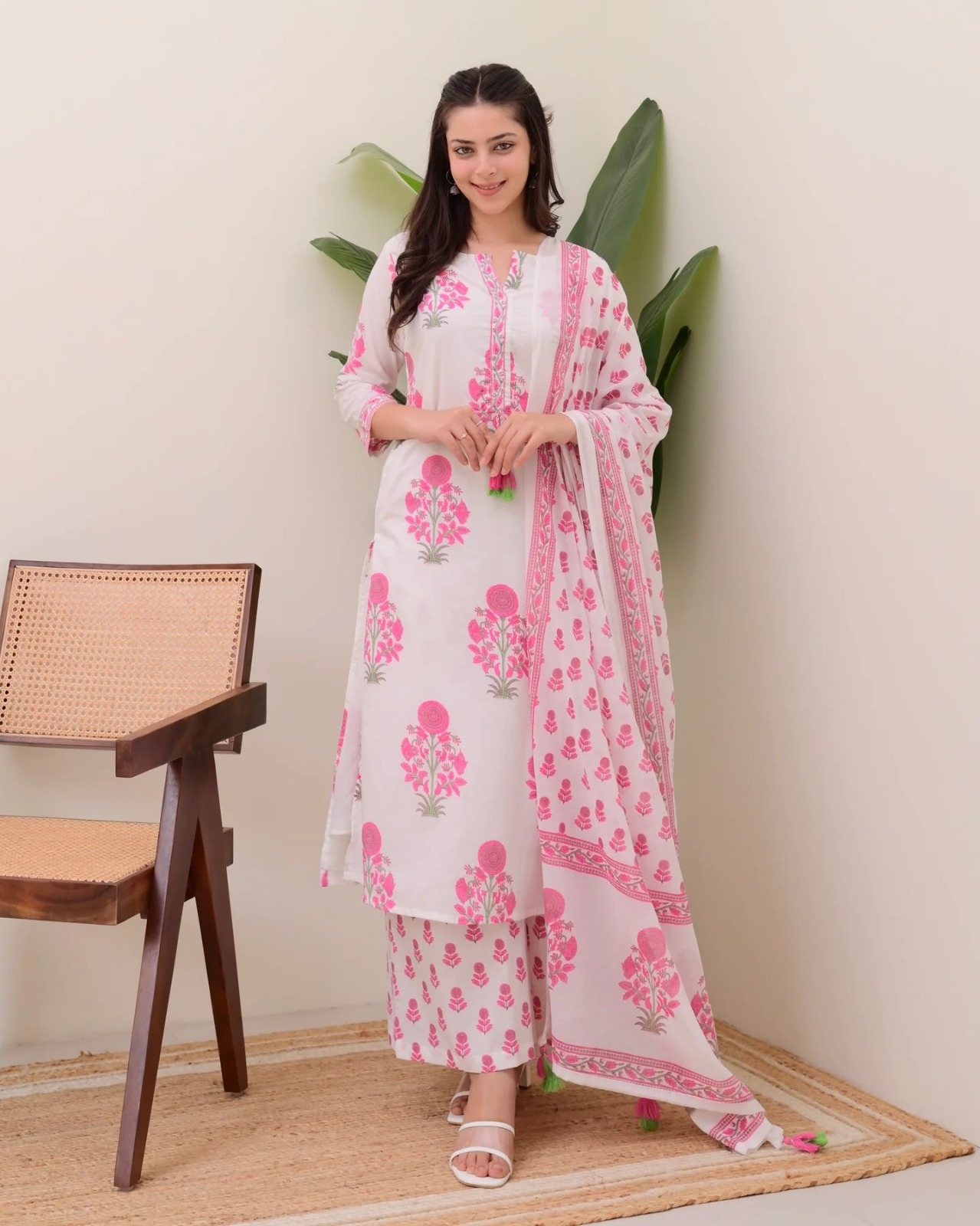
Maharashtra Paithani Inspired Salwar Suits can take Paithani-style colour relationships and motifs into a more wearable suit format. Gujarat Bandhej Salwar Suits can offer warm tie-dye patterning that disguises minor travel marks. Odisha Sambalpuri Salwar Suits may appeal to shoppers who prefer distinctive woven or ikat-inspired visible language. Each option should still be assessed for fabric density, lining, embellishment and care requirements.
Punjab Patiala Salwar Suits traditionally suggest a roomier lower silhouette, which can provide freedom around the legs. However, extra gathers also mean more fabric, more warmth and a greater chance of snagging in crowded spaces. A moderate-volume Patiala-inspired trouser is generally easier for a daily commute than an excessively gathered version.
The Classic Yellow Cotton Kurti Set with Woven Dupatta gives another practical lesson: a woven dupatta can create texture and visual depth without requiring dense embellishment. Woven surfaces may crease differently from printed cotton, so folding the dupatta loosely and hanging the set after use helps preserve its appearance.
What should you check before buying a commuter kurti set?
An useful pre-purchase check covers fabric, measurements, construction, care, opacity and the route itself. Product photographs can't show how a waistband feels while seated or whether a sleeve restricts movement, so measurements and garment details deserve close attention.
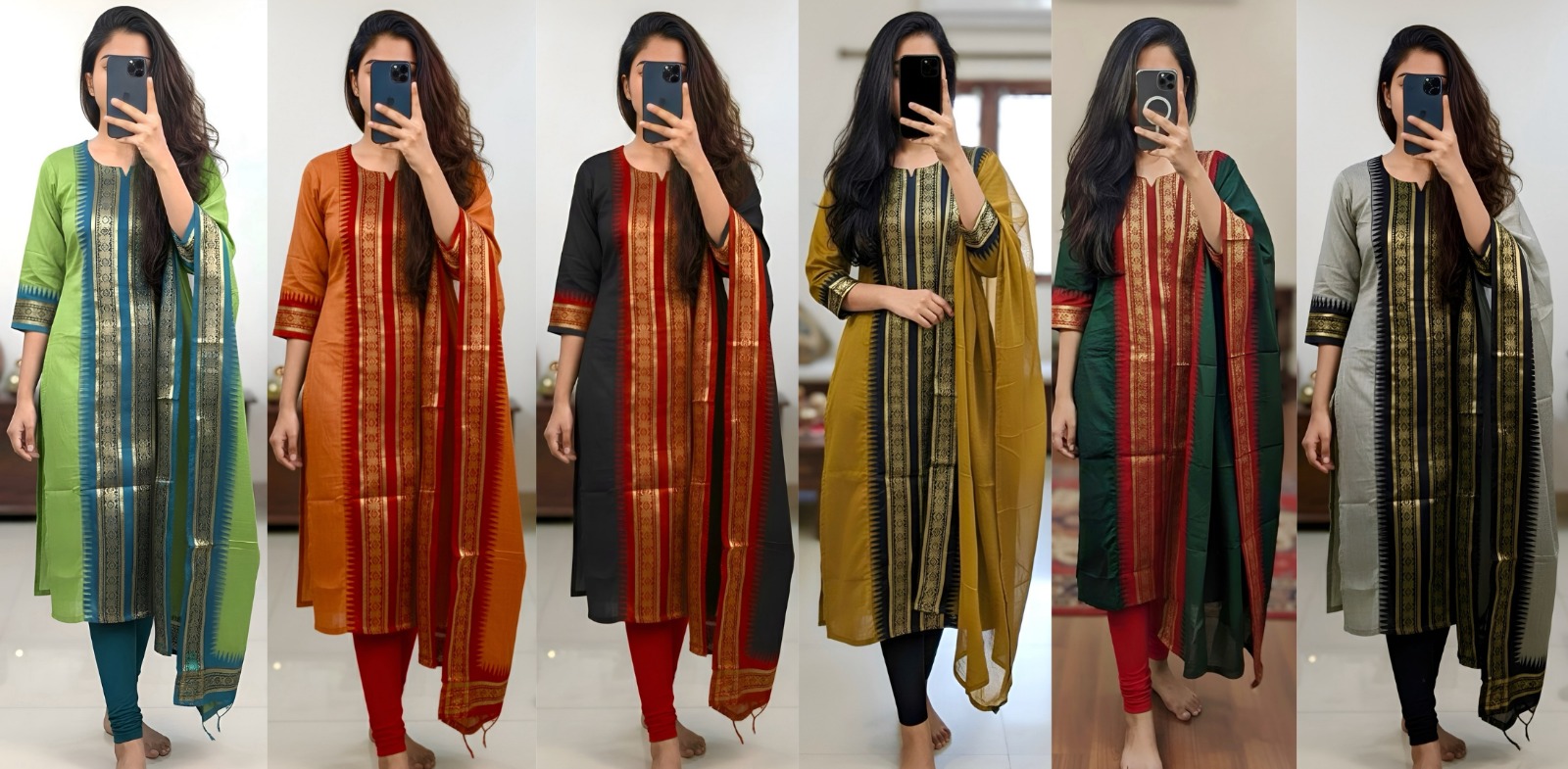
- Measure the bust and hip: Compare body measurements with the garment chart and allow movement ease. A chest measurement that matches the body exactly can feel restrictive when reaching or sitting.
- Check trouser length: The hem should clear the floor and remain manageable with your usual footwear. Extra length can collect dust and become hazardous on stairs.
- Inspect lining information: A full synthetic lining may reduce airflow even when the outer fabric is cotton. A partial lining or a comfortable cotton lining may be more suitable in heat.
- Look at seam placement: Side seams, armholes and waist seams should not sit where a bag strap or crossbody pouch rubs repeatedly.
- Assess embellishment: Mirror work, zari and metal details can catch on bags or feel abrasive. Turn the garment inside out mentally and consider whether the backing will touch the skin.
- Read the care label: Cotton may shrink, bleed or stiffen if washed incorrectly. A garment requiring frequent dry cleaning is rarely the most convenient choice for daily commuting.
- Test the complete outfit: Sit for ten minutes, raise both arms, walk up stairs and wear the intended bag. These simple checks reveal more than standing in front of a mirror.
The Orange Ethnic Kurti Dupatta Set with Jacquard Work can work as a more decorative option when the commute is followed by a meeting or social plan, but jacquard texture and embellishment should be weighed against the duration of travel. A daily commuter may prefer to reserve heavier details for shorter routes or days with door-to-door transport.
How do you care for cotton kurtis after a sweaty commute?
Air the garment promptly, wash according to its care label and avoid storing perspiration-soaked cotton in a closed wardrobe. Immediate airing reduces stale odour and gives moisture time to evaporate before laundering.
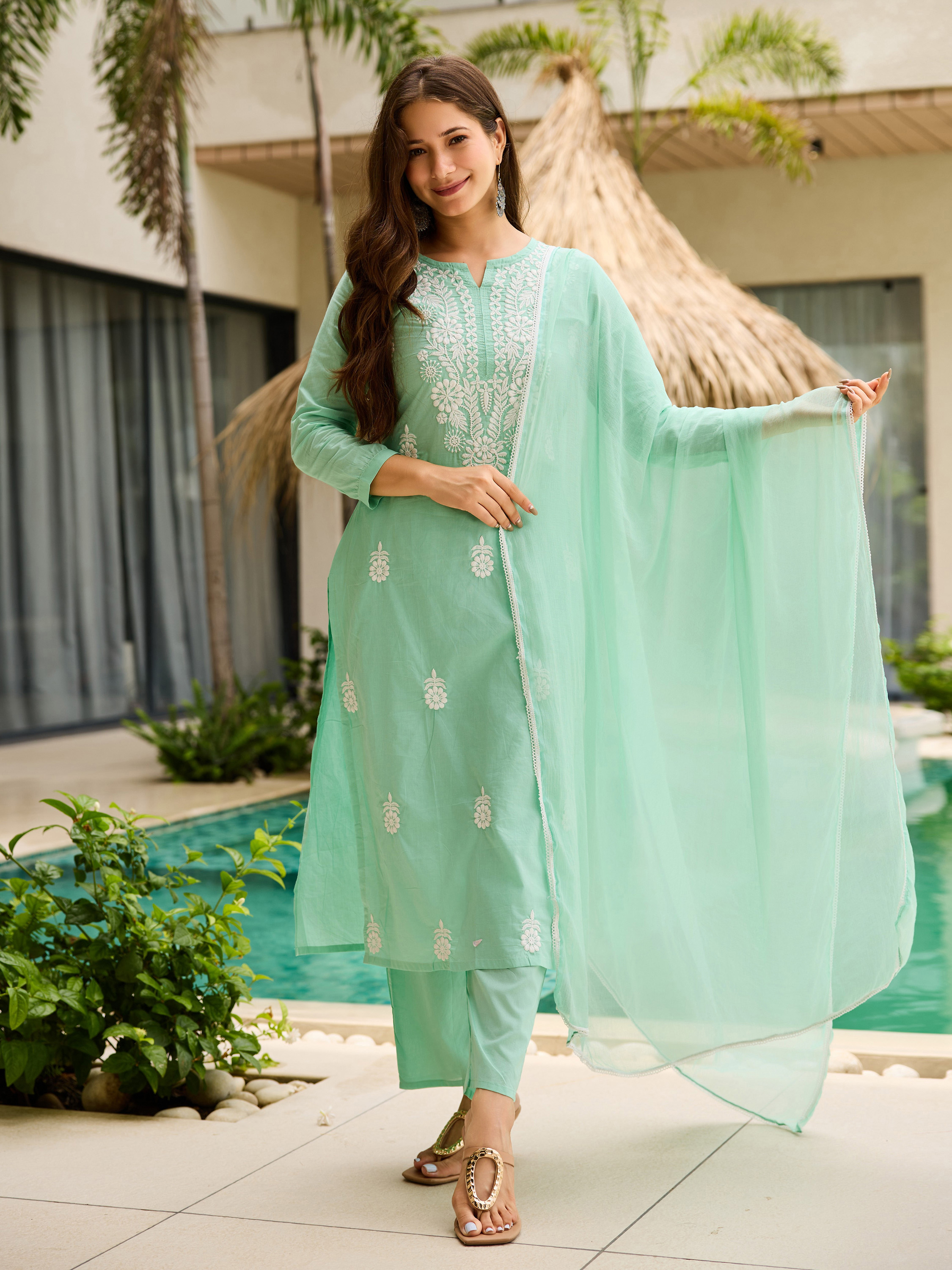
Turn printed and embellished kurtis inside out before washing. Cold or cool water is safer for many cotton prints than hot water, and a mild detergent helps reduce colour loss. Separate strong colours from pale garments, especially during the first few washes. Do not wring mirror work or delicate woven dupattas aggressively; press out water gently and dry them away from harsh midday sun when the care label recommends shade drying.
Drying position affects shape. Hang a kurti from the shoulder seams or lay a heavier cotton garment flat if the fabric stretches when wet. Remove the outfit from the line once dry rather than leaving it in intense sunlight for hours. Light ironing while the fabric is slightly damp can reduce the need for high heat, which helps protect prints and elastic.
Rotate at least three comfortable summer sets when possible. Rotation gives each garment time to dry fully and reduces repeated washing of the same fabric. A small cotton handkerchief, breathable inner layer and washable bag liner can also reduce the amount of sweat transferred to the kurti during a long journey.
What does a practical hot-weather commute wardrobe look like?
A practical wardrobe includes two or three breathable everyday sets, one slightly more polished option and a dependable dupatta strategy. The goal isn't to own many similar outfits but to have enough variety in colour, print and silhouette for different route lengths and workplace requirements.
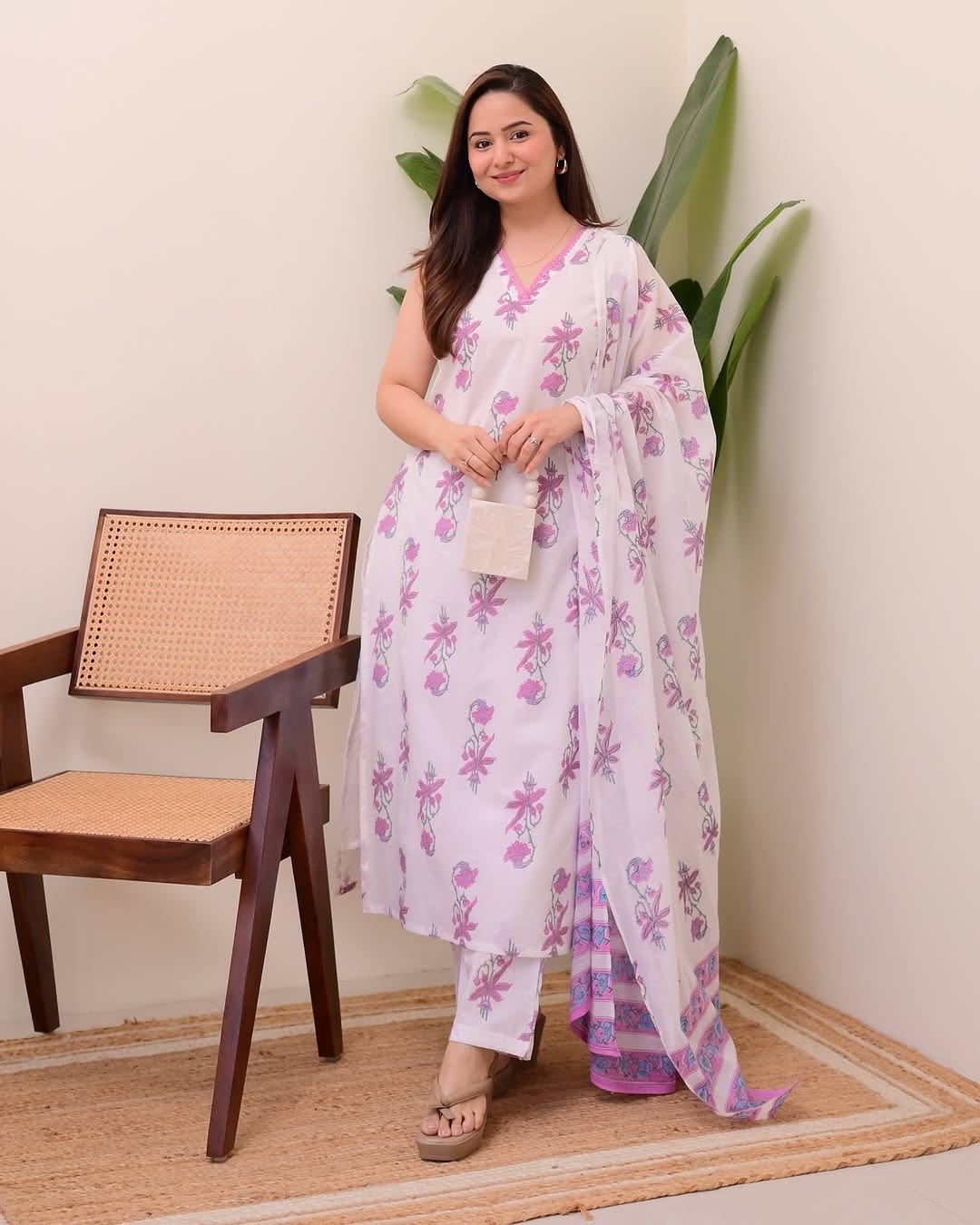
For the longest journeys, prioritise cotton or khadi cotton, moderate ease and minimal surface decoration. For a shorter air-conditioned commute, a more structured option such as a jacquard or organza-detailed set may be comfortable enough. For days involving outdoor walking, choose a print and colour that won't make dust or small water marks immediately visible.
Regional collections can broaden the wardrobe without compromising practicality when the fabric details are checked carefully. Kalamkari Print Salwar Suits may suit a print-focused work wardrobe, while Maharashtra Paithani Inspired Salwar Suits, Gujarat Bandhej Salwar Suits and Odisha Sambalpuri Salwar Suits can provide different pattern languages for rotation. The strongest choice remains the set that lets you sit, walk, carry your bag and arrive feeling reasonably fresh.
Kurtis That Stay Comfortable During Long Commutes in Hot Weather are selected through small functional decisions: breathable fibre, useful ease, a stable waistband, controlled volume, manageable sleeves and a secure dupatta. These details matter more than a trend label because they continue working through every transfer, staircase and crowded platform.
Common Questions About Comfortable Kurtis for Hot Commutes
Which fabric is best for a kurti during a long hot-weather commute?
Cotton and khadi cotton are usually among the most practical choices because they absorb perspiration and generally feel less clammy than polyester-heavy fabrics. A medium-light weave is often more useful than an extremely thin fabric that becomes transparent or wears quickly.
Are loose kurtis more comfortable for travelling in summer?
Moderately loose straight and A-line kurtis are usually comfortable because they allow air movement and easier sitting. Extremely oversized garments can catch on handles, doors and bags, so the best fit provides movement without excessive trailing fabric.
Is a dupatta practical for a long metro or bus commute?
A dupatta is practical when it is lightweight, controlled and secured at the shoulder. Pin both ends toward the front, avoid very long loose drapes near vehicle doors or wheels, and choose a shorter or lighter style for two-wheeler travel.
Do dark-coloured kurtis feel hotter in summer?
Dark colours can absorb more radiant heat in direct sunlight, but fabric weight, weave and airflow usually have a greater effect on comfort during a commute. Mid-tone prints are often a practical compromise because they hide dust and perspiration better than pale solids.
How can cotton kurtis be prevented from shrinking?
Follow the care label, wash cotton in cool or lukewarm water and avoid high-heat drying unless the label permits it. Drying the garment in shade and handling it gently while damp can also help preserve its size and colour.
What trouser style is comfortable for a long commute?
Relaxed straight pants or moderately wide-leg pants with a secure, non-digging waistband are generally comfortable for sitting and walking. Avoid hems that drag and very narrow trousers that restrict the knee or pull across the seat.