

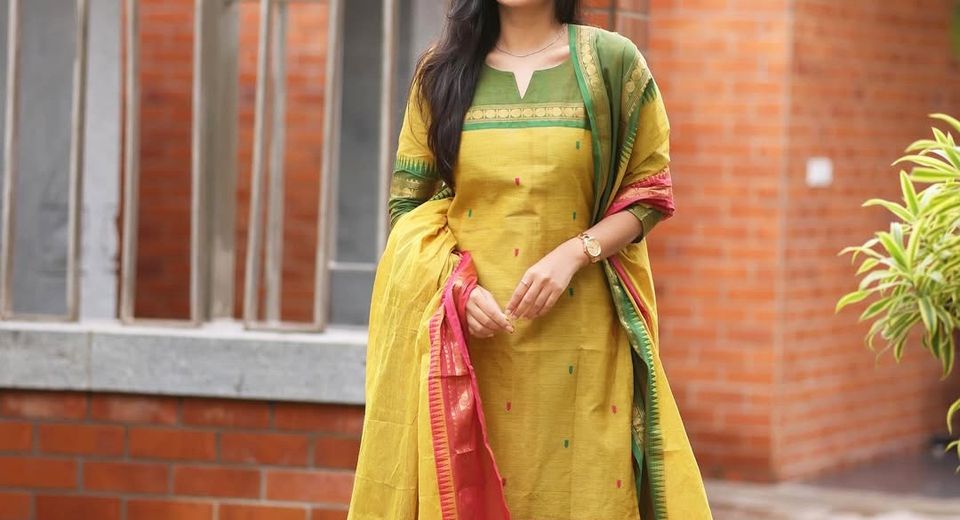
Kurtis for Hot and Humid Weather That Stay Comfortable All Day depend on more than a loose cut or a pale colour. Fabric absorbency, air circulation, seam placement, lining, sleeve length and the amount of fabric touching the skin all affect how comfortable a salwar suit feels after several hours. A well-chosen kurti can work for commuting, office hours, errands and a family gathering without becoming heavy, clammy or restrictive.
Hot Indian weather creates two separate clothing problems. High temperature makes trapped heat uncomfortable, while humidity slows the evaporation of sweat from the skin. The most useful summer kurti therefore absorbs or releases moisture reasonably well, leaves room for air movement and avoids unnecessary layers. The guide below explains how to assess those details before buying and how to style a kurti pant set for practical daily wear.
Why humidity changes the way a kurti feels
Humidity makes breathable construction more important because sweat evaporates slowly when the air already contains substantial moisture. A garment that feels acceptable in dry heat can feel sticky in coastal or monsoon weather if the weave is dense, the fit is tight or the lining is synthetic.
Natural fibres such as cotton are often comfortable because cotton can absorb perspiration and feels relatively soft against the body. Cotton doesn't dry instantly, however, so a completely soaked cotton kurti may cling until it dries. A lightweight, moderately loose cotton weave usually performs better than a thick, heavily starched one. Cotton blends can dry faster, but the exact fibre mix and fabric density matter more than the word "blend" alone.
Airflow also depends on the garment's pattern. A straight kurti with a little ease at the waist allows heat to escape more effectively than a close-fitting style. Side slits, shorter hems, breathable sleeves and trousers with room around the calf can improve movement without making the outfit look oversized. A very wide flare may create air circulation, but extra fabric can also feel cumbersome during crowded commutes or brisk walking.
Which fabrics work best for hot and humid days?
Lightweight cotton is the most dependable everyday choice for hot and humid weather because cotton combines absorbency, softness and easy home washing. Choose a fine or medium-weight weave with a breathable hand feel rather than a thick fabric with heavy surface treatment.
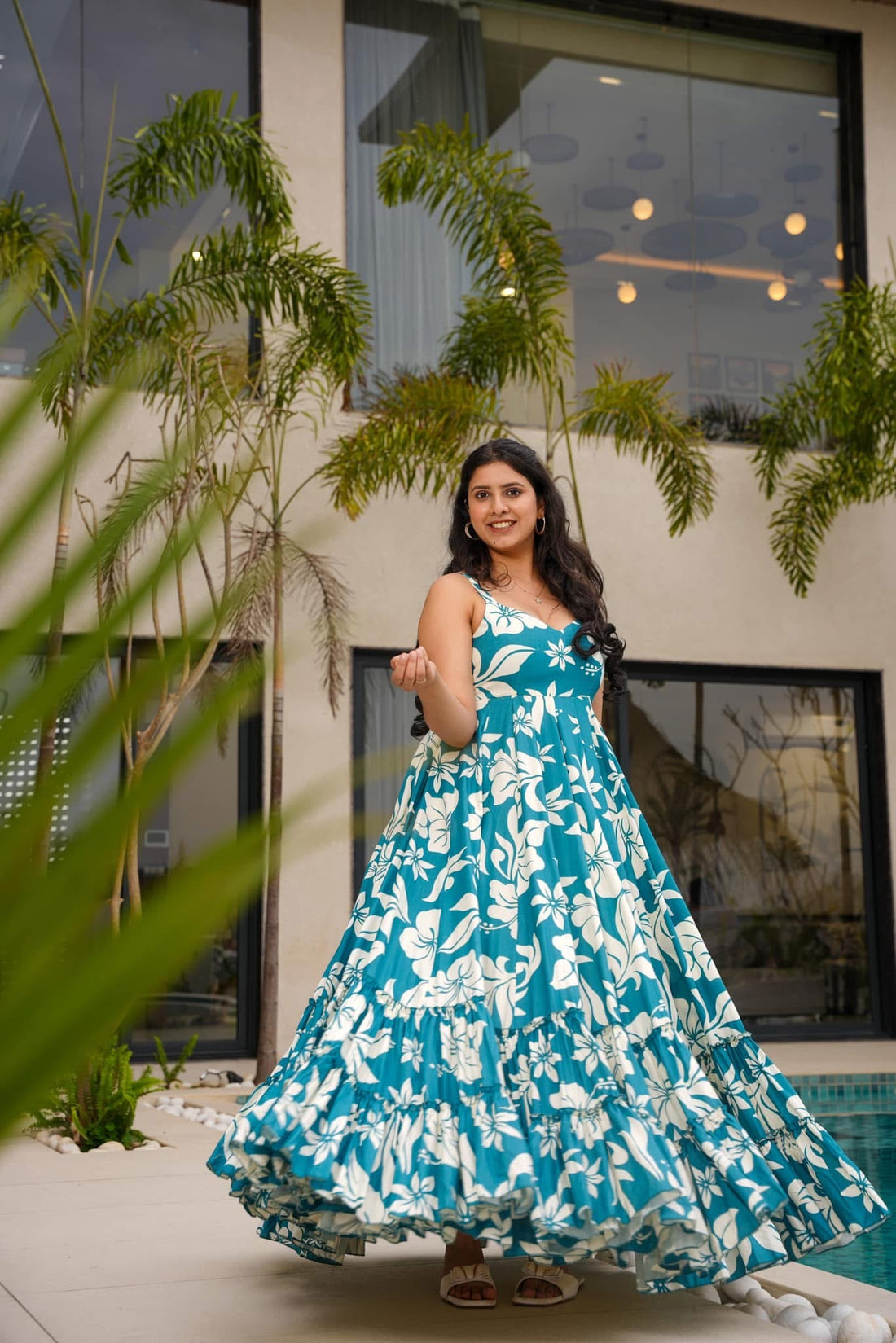
Cotton for commuting and daily wear
Cotton A-line and straight kurtis suit repeated summer use because both silhouettes provide moderate ease without excessive volume. The Teal Cotton A-Line Kurti Pant Set with Handwork demonstrates why small decorative details are preferable to a heavily embellished surface for daytime wear. The Red Cotton A-Line Kurti Set with Mirror Work Design can work for a casual festive plan, but mirror work should be checked for weight and stiffness around the chest, sleeves and underarm area.
Printed cotton is especially useful when a wardrobe needs frequent rotation. The Grey Printed Cotton Kurti Pant Set for Women Daily Wear and Sky Blue Printed Cotton Kurti Pant Set for Women offer examples of how prints can make perspiration marks and minor creasing less visually obvious than a very dark solid garment. A print doesn't make fabric cooler by itself, so check the weave and lining before judging comfort.
Silk, jacquard and decorative fabrics
Silk and jacquard can be suitable for a short indoor event, but they're not automatically the best choices for a full day in humid weather. The Chic Red Floral Silk Kurta Pant Dupatta Set for Women is better reserved for air-conditioned gatherings, evening visits or occasions where the outfit won't be worn continuously outdoors. Silk can feel smooth and light, yet a dense weave, polyester lining or embellished dupatta can reduce ventilation.
Jacquard work adds texture and visual interest but can increase weight and reduce flexibility. The Orange Ethnic Kurti Dupatta Set with Jacquard Work is more practical for a brief celebration than for a long, hot commute. A decorative set becomes more wearable in summer when the kurti remains unlined or lightly lined, the dupatta is optional and the trousers are not narrow at the ankle.
Rayon, polyester and blended fabrics
Rayon can feel cool and fluid at first contact, although a heavy rayon garment may keep moisture and take longer to dry. Polyester generally dries quickly but can find less comfortable against sweaty skin when the weave is tight. Fabric labels, garment weight and ventilation should therefore be evaluated together alternatively of choosing solely by fibre name.
A useful home test is to hold the fabric near a window and compare how much light passes through the weave. The test isn't a scientific measurement, but it can reveal whether a supposedly summer-friendly material is unusually dense. Touching the inside seam and checking for a plastic-feeling lining can also identify construction choices that may become uncomfortable after two or three hours.
How should the kurti fit for all-day comfort?
A comfortable summer fit leaves approximately 5 to 10 centimetres of ease around the fullest part of the body, depending on the fabric and personal preference. The measurement prevents the kurti from clinging while preserving a neat outline.
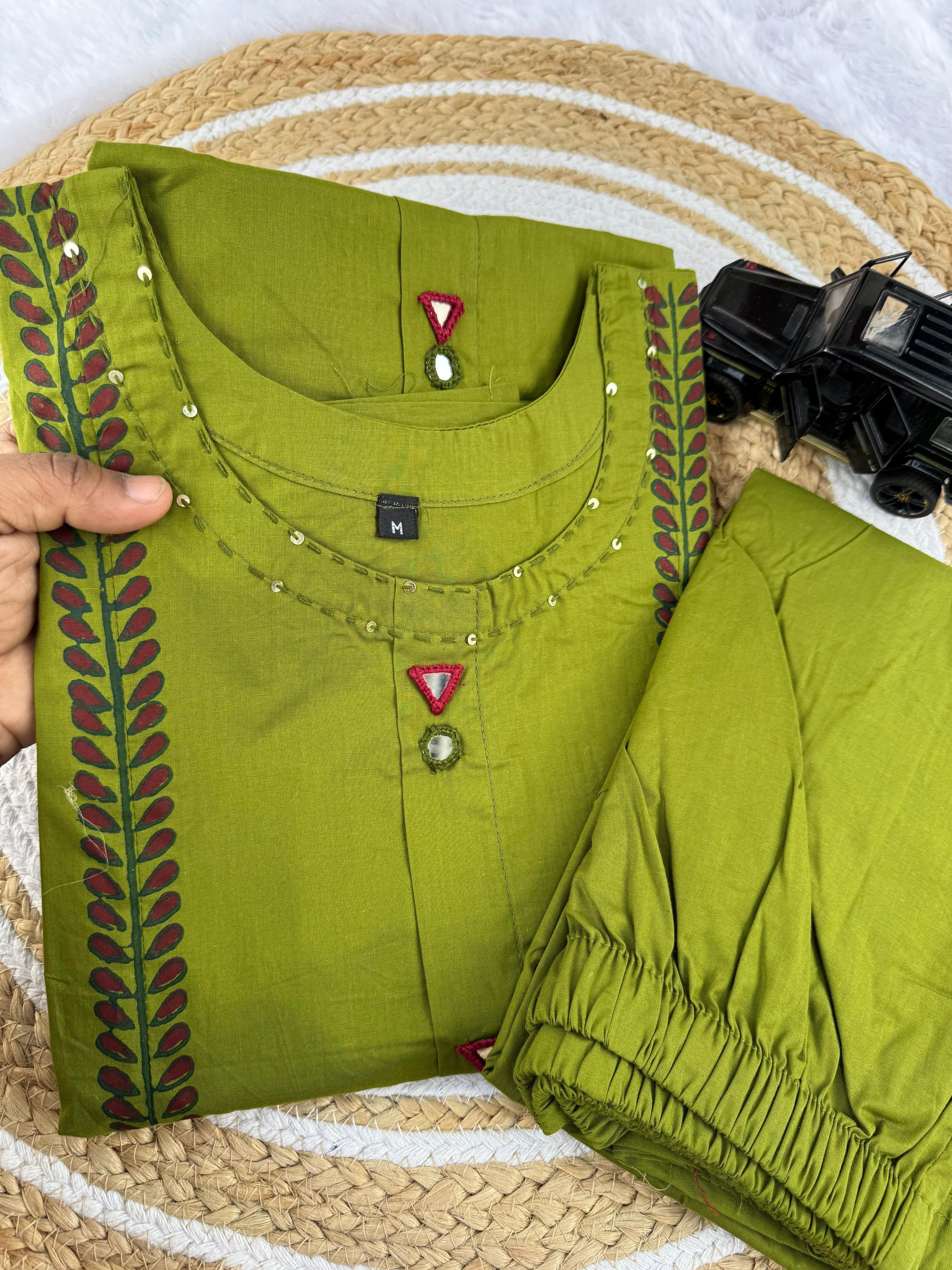
Shoulder seams should sit near the natural shoulder edge rather than pulling towards the neck or falling several centimetres down the arm. Armholes need enough room for ordinary movement without cutting into the underarm. A quick fitting check includes raising both arms, sitting down, bending slightly and walking for a minute. If the hem rides up, the sleeve pulls or the trouser waistband digs in, the outfit is unlikely to remain comfortable through a full workday.
A-line kurtis distribute fabric away from the waist and hip, which can help airflow while offering a polished shape. Straight kurtis are easier to layer and often take up less space in a bag. Anarkali silhouettes may be visually graceful but can feel warm when several panels, linings and gathers accumulate around the legs. For humid weather, moderate flare is usually more practical than maximum volume.
Trousers deserve equal attention. Pant-style bottoms should allow the knees and calves to move freely, while a soft elastic or partially elasticated waistband can be more comfortable than a rigid, tightly fitted waist. Palazzo trousers create airflow around the legs but may be inconvenient on crowded transport or wet streets. A cropped trouser can feel cooler, provided the hem remains appropriate for the setting and doesn't restrict movement.
Kurtis for Hot and Humid Weather That Stay Comfortable All Day need practical details
Practical details determine whether a summer kurti remains wearable after repeated movement, perspiration and washing. Small design choices often matter more than surface decoration.
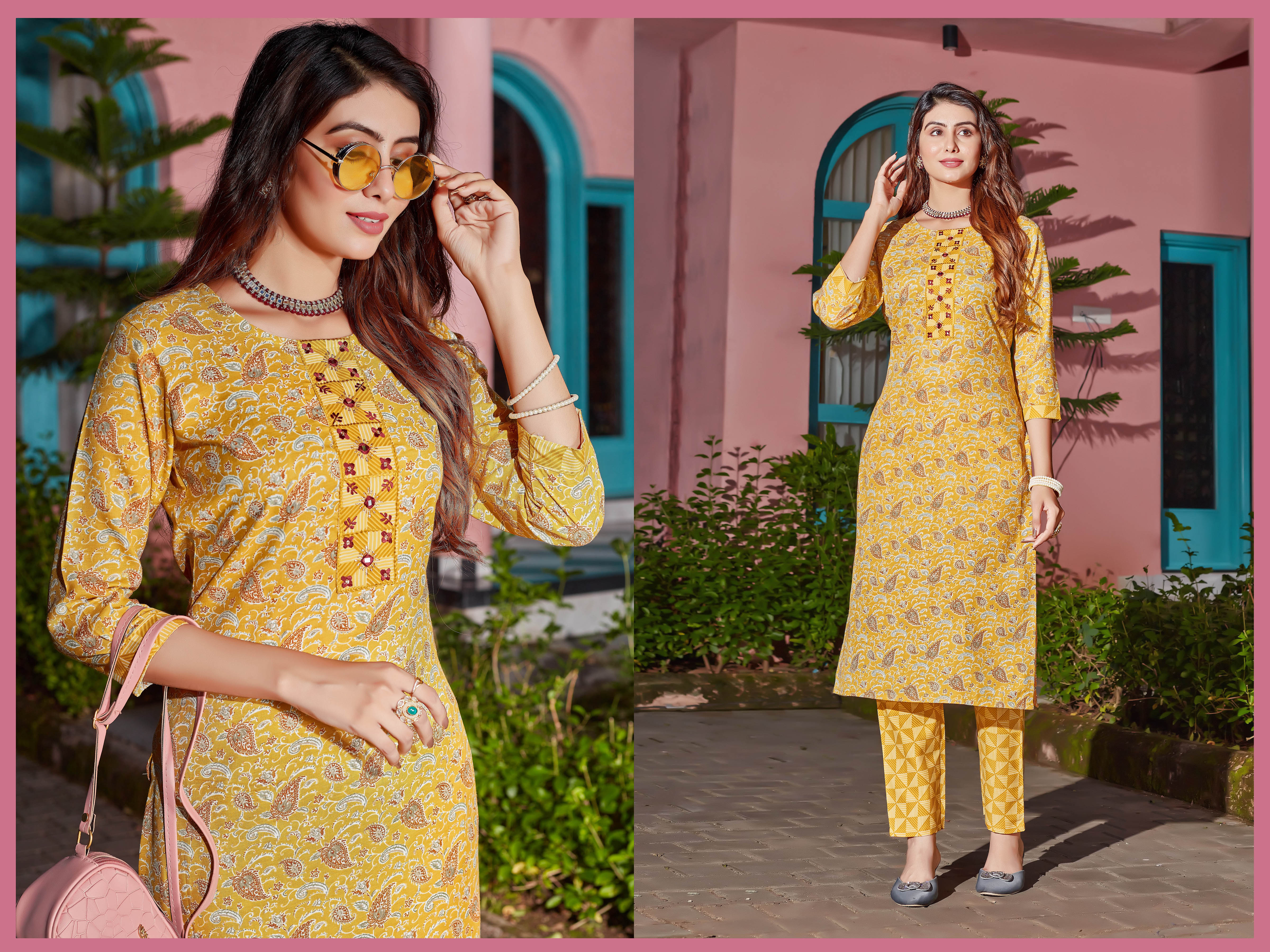
- Check the lining: A full synthetic lining can trap warmth, while a light cotton lining or a carefully finished unlined weave may feel more breathable. Check whether the lining extends into the sleeves and bodice.
- Inspect the neckline: A neckline should sit flat without pressing against the throat. A modest V-neck, round neck or open collar can improve perceived ventilation, but comfort and personal dress preferences remain the priority.
- Look at the sleeve: Short and three-quarter sleeves are usually easier in heat than tight full sleeves. A sleeve with a little width allows air movement and reduces underarm friction.
- Consider pocket placement: Pockets placed inside a side seam are useful, but bulky contents can pull the fabric against the body. A large phone or wallet may be more comfortable in a small bag.
- Examine embellishment: Sequins, mirrors, thick embroidery and metallic zari can add weight or scratch sensitive skin. Decorative work should not sit directly on a high-friction area.
- Check opacity: Very thin summer fabric may require an extra camisole, which can cancel out its ventilation advantage. Look for a weave that remains opaque without multiple underlayers.
The Elegant Pink Print Daily Wear Kurta Set illustrates a useful everyday direction: a printed kurta set can look finished without relying on dense embellishment. For a more colourful wardrobe, the Royal Orange Kurti Pant Set brings brightness while retaining the practical simplicity of a coordinated kurti and pant combination. Colour doesn't determine temperature, but lighter or mid-tone prints can make water marks and repeated wear less conspicuous.
How can a salwar suit stay cool while looking occasion-ready?
A summer salwar suit stays more comfortable when one statement element replaces several heavy layers. A printed kurti, a lightly worked dupatta or a pair of earrings can provide occasion polish without adding a thick lining, dense embroidery and a weighty stole at the same time.
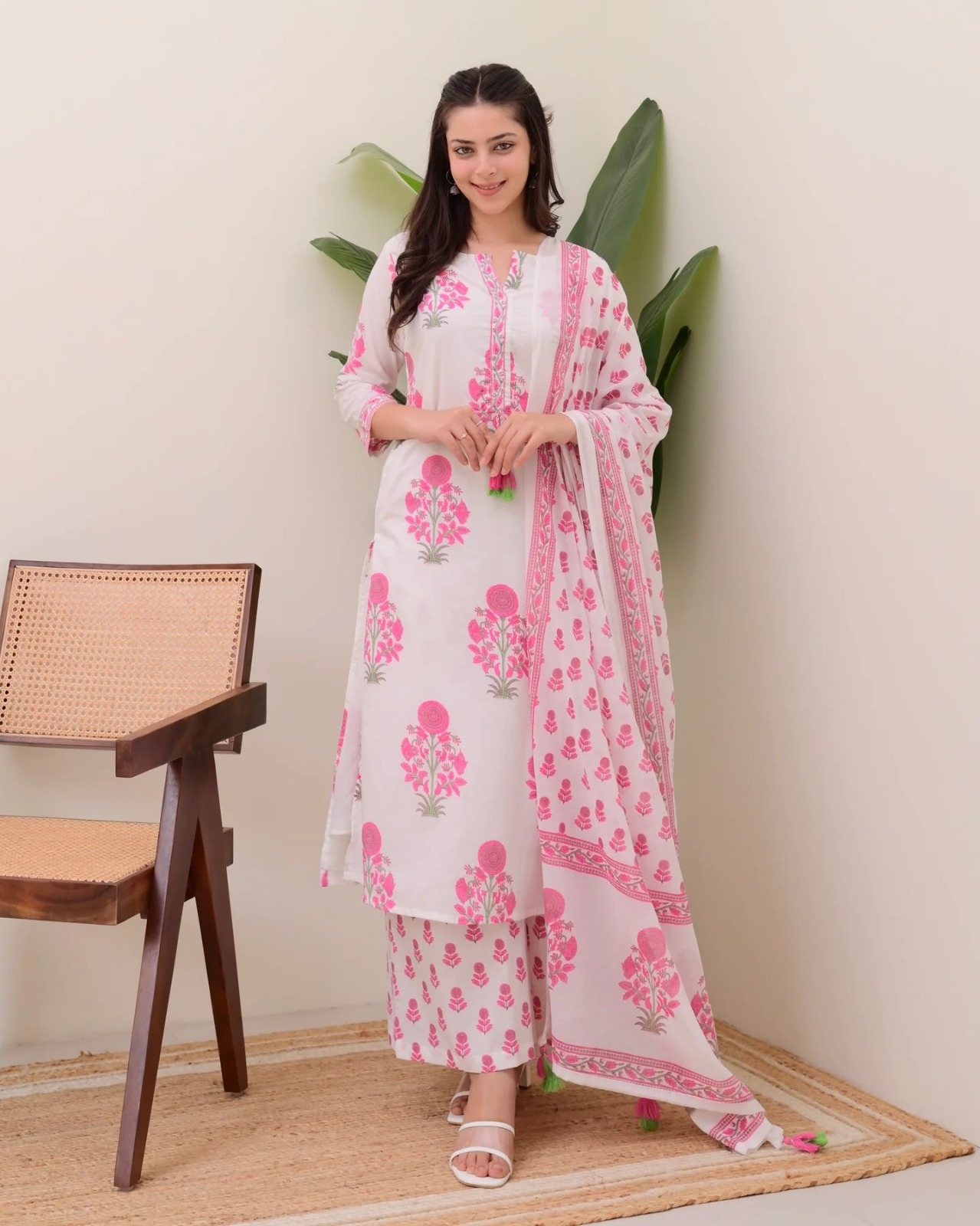
For cultural prints, Kalamkari Print Salwar Suits and Odisha Sambalpuri Salwar Suits can inspire a colour-led styling approach. Pair a patterned kurti with simple footwear and minimal jewellery so the outfit remains visually interesting without excessive layering. Gujarat Bandhej Salwar Suits offer another route to festive colour; a light dupatta can be draped over one shoulder rather than wrapped tightly around the neck.
Maharashtra Paithani Inspired Salwar Suits and Punjab Patiala Salwar Suits suit occasions where a more distinctive regional reference is desired. Paithani-inspired motifs can be balanced with a plain, breathable bottom, while Patiala-inspired volume should be considered carefully in humid weather because extra pleats add fabric around the legs. A shorter dupatta drape or a breathable cotton stole can reduce the amount of material carried through the day.
Footwear also changes comfort. Open-back sandals or breathable flat shoes can help on hot days, but the sole should provide enough support for walking. Heavy synthetic footwear can make the entire outfit feel warmer, especially when a long kurti covers the ankle area and limits air movement.
Colour, print and styling choices for sweaty days
Mid-tone prints are often the easiest summer choice because they disguise minor water marks and wrinkles without absorbing as much visible heat as very dark surfaces may appear to do. Colour alone doesn't make a garment cooler, so fabric weight and airflow remain the deciding factors.

Small-scale florals, geometric motifs and irregular hand-inspired prints can be forgiving during long wear. Large high-contrast designs create a stronger visual effect but may draw attention to creasing at the waist or hip. A coordinated pant set simplifies dressing and prevents the need to match separate pieces when the wardrobe needs a quick, reliable outfit.
Dupattas need deliberate handling in humid weather. A loose one-shoulder drape improves ventilation compared with a tight loop around the neck. If the dupatta is heavily worked, carry it for the arrival or indoor portion of an event and remove it during travel where appropriate. Keeping a lightweight cotton scarf in a tote can provide a fresher layer after commuting without making the main outfit heavier.
How should summer kurtis be washed and stored?
Summer kurtis last longer when they're washed soon after heavy perspiration, dried in shade or gentle sunlight and stored only after they're completely dry. Damp storage encourages odour, mildew and colour transfer, particularly during the monsoon.
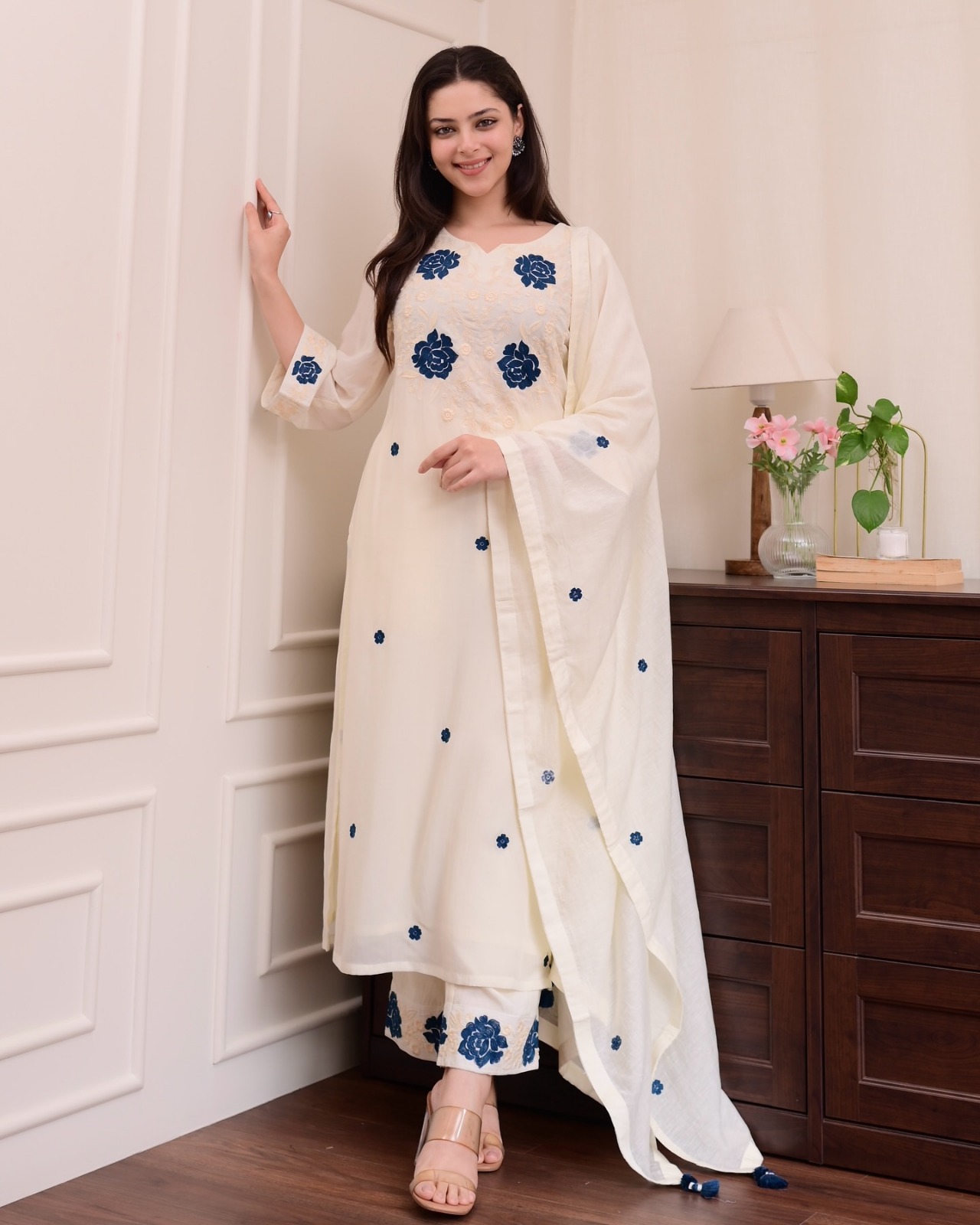
Read the care label before washing printed cotton, silk, jacquard or embellished garments. Cold or lukewarm water reduces shrinkage risk for many cotton garments, while harsh detergent and prolonged soaking can weaken colour and decorative work. Turn printed kurtis inside out, separate strong dyes from pale garments and avoid vigorous rubbing over mirror work, zari or handwork.
Line drying in strong direct midday sun can fade some dyes over time. A ventilated shaded area is generally gentler, although a short period of mild sunlight may help dry cotton quickly. Iron cotton while it's slightly damp on the reverse side, and use a pressing cloth over silk, embroidery or metallic decoration. Store folded cotton sets in a dry cupboard rather than leaving them compressed in a travel bag.
Rotating at least three to five everyday sets gives each garment time to dry fully between wears and reduces washing stress on any single kurti. A spare cotton camisole, absorbent handkerchief and small folding bag are inexpensive additions that make long summer days easier without changing the outfit's appearance.
A simple buying checklist for humid-weather kurti sets
The most reliable purchase combines a breathable or moderately light fabric, a relaxed but not oversized fit, a comfortable waistband and decoration placed away from friction points. The checklist below can be used online or in a shop.
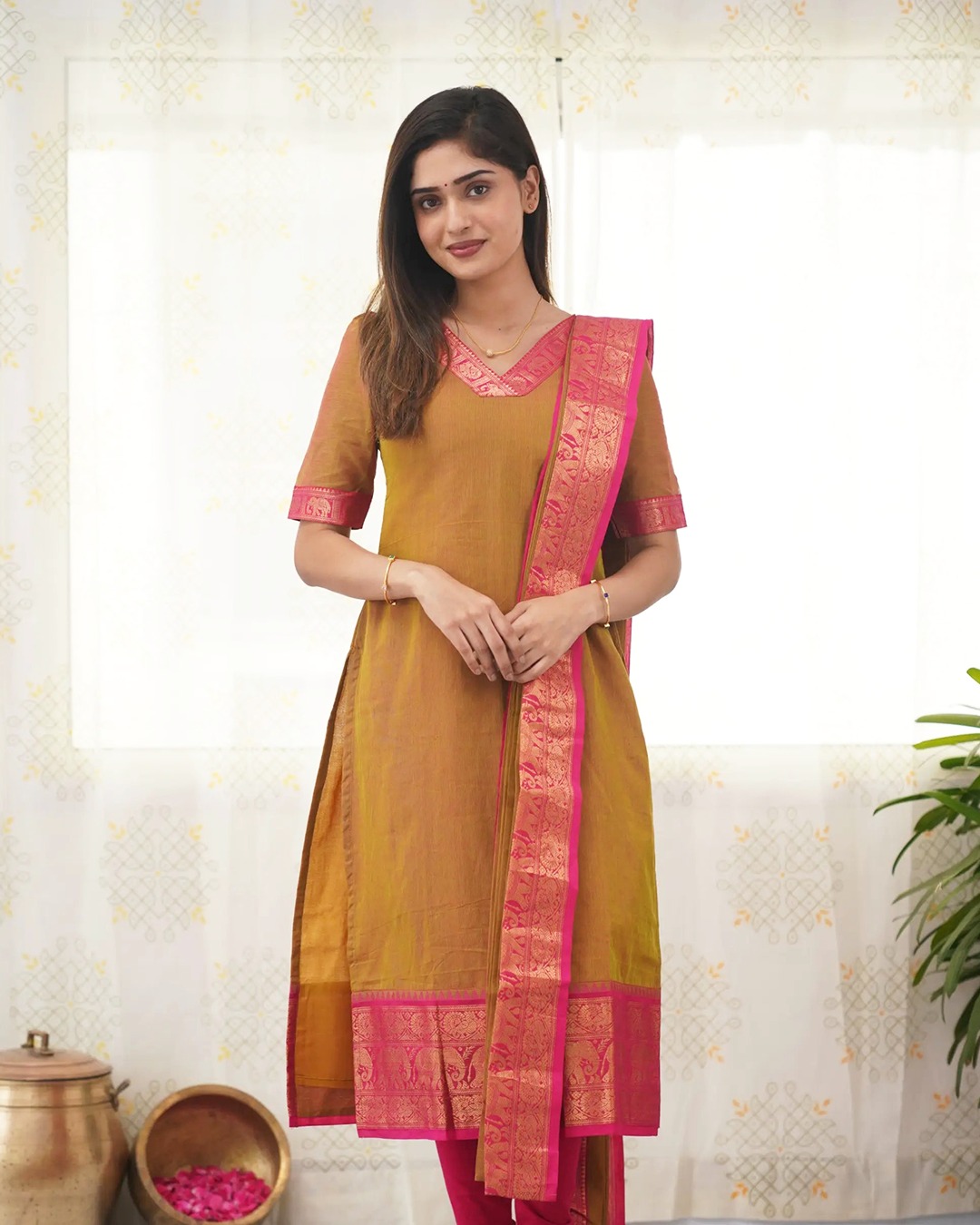
- Read the fibre and care information instead of relying on the word "summer."
- Check whether the garment has a synthetic lining and whether the lining reaches the sleeves.
- Compare the kurti length, sleeve width, side-slit height and trouser rise with a garment that already fits well.
- Allow room for sitting, raising the arms and walking, not just standing for a photograph.
- Assess the total weight of the kurti, pant and dupatta together.
- Choose prints or mid-tone colours if visible perspiration marks are a concern.
- Confirm that mirrors, zari, sequins or embroidery don't scratch the underarm, neckline or waist.
- Plan how the outfit will be washed, dried and stored before buying a delicate fabric.
Kurtis for Hot and Humid Weather That Stay Comfortable All Day are finally selected through construction, not through trend labels. A breathable cotton set with moderate ease may outperform a fashionable but tightly lined garment, while a simple printed kurti can serve more occasions than a heavily embellished one. When fabric, fit and care are considered together, salwar suits become practical summer clothing rather than outfits reserved for short indoor events.
Common Questions About Comfortable Kurtis for Humid Weather
Which fabric is best for kurtis in hot and humid weather?
Lightweight cotton is usually the most dependable choice because it absorbs perspiration and feels breathable against the skin. A fine cotton weave with moderate ease is generally more comfortable than thick, heavily starched cotton. Rayon can feel fluid, but the fabric weight and lining should be checked because heavy rayon may retain moisture.
Are cotton kurti pant sets comfortable for all-day wear?
Cotton kurti pant sets can be comfortable for all-day wear when the fabric is light, the fit is not tight and the trousers allow movement. Cotton absorbs sweat but may stay damp longer than quick-drying synthetics, so a breathable weave and regular garment rotation are useful. A soft waistband and practical sleeve width also make a noticeable difference.
Is rayon better than cotton for humid weather?
Rayon is not automatically better than cotton for humid weather. Rayon can feel cool and drape well, while lightweight cotton usually offers more dependable absorbency and easier care. Choose by checking fabric weight, weave, lining and drying requirements rather than fibre name alone.
How loose should a kurti be for summer?
A kurti should usually have about 5 to 10 centimetres of ease around the fullest body measurement, adjusted for the fabric and personal preference. The garment should allow sitting, raising both arms and walking without pulling or clinging. Excessive volume can also feel inconvenient, so a moderate A-line or straight fit is often practical.
How can I style a salwar suit without feeling hot?
Use one lightweight statement element instead of several heavy layers. Pair a breathable printed kurti with simple jewellery, comfortable footwear and a loose one-shoulder dupatta drape. Removing a heavy dupatta during travel or choosing a plain, lighter bottom can reduce heat and bulk.
How should cotton kurtis be washed in summer?
Cotton kurtis should be washed according to the care label, preferably with mild detergent and cold or lukewarm water. Turn printed garments inside out, avoid harsh rubbing over mirror work or zari, and dry garments fully in a ventilated shaded area before storage. Damp storage should be avoided because it can cause odour and mildew.


