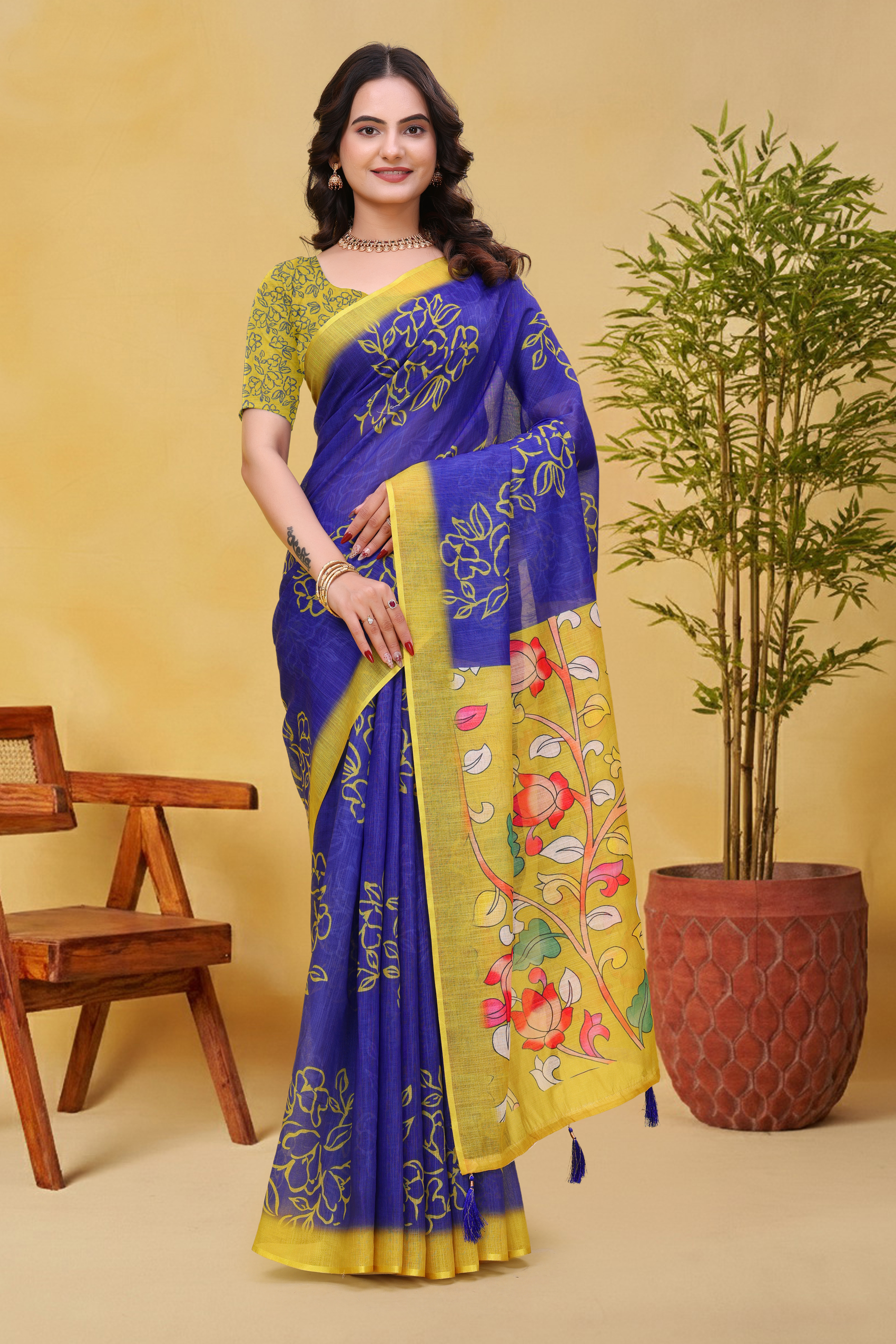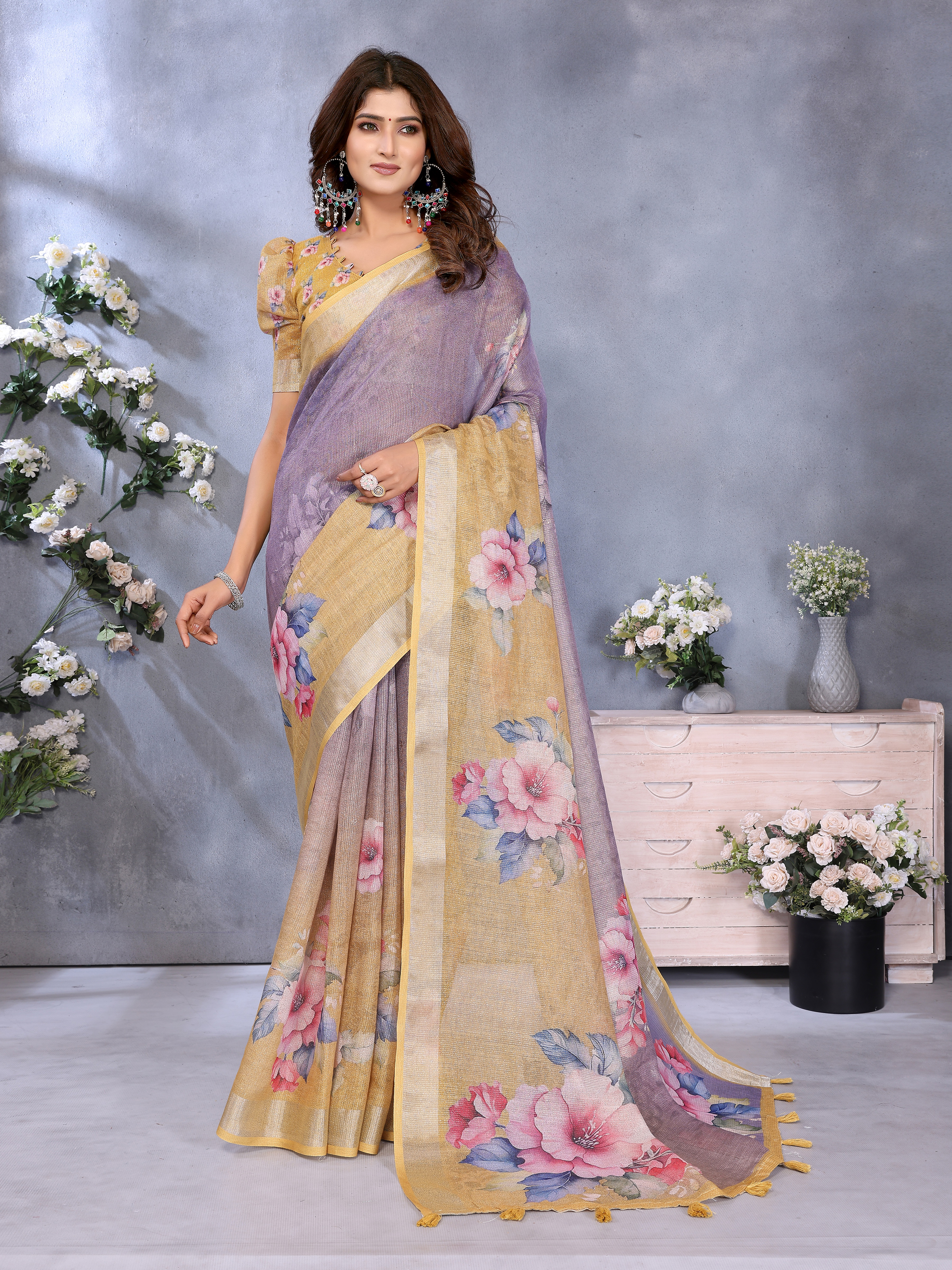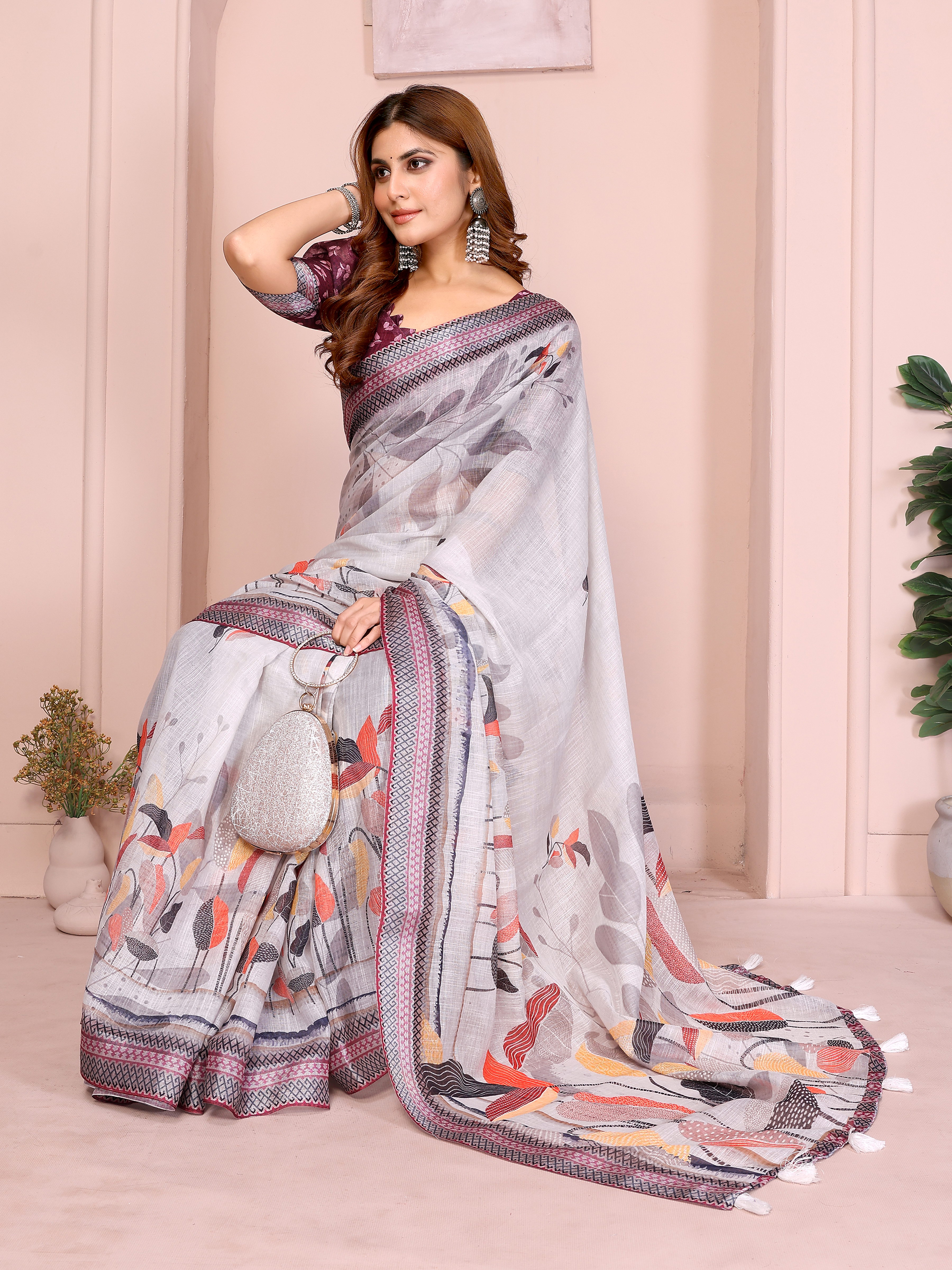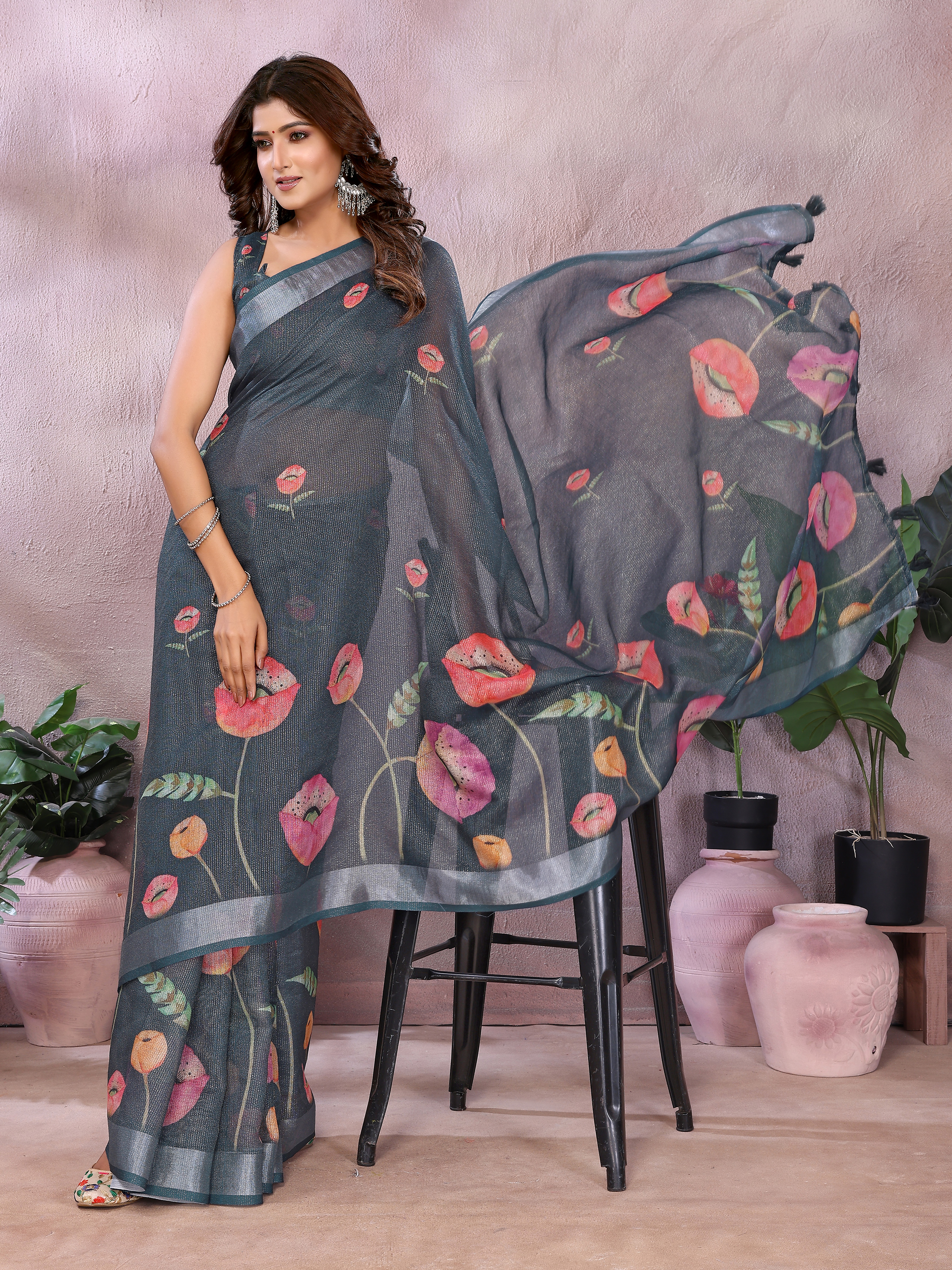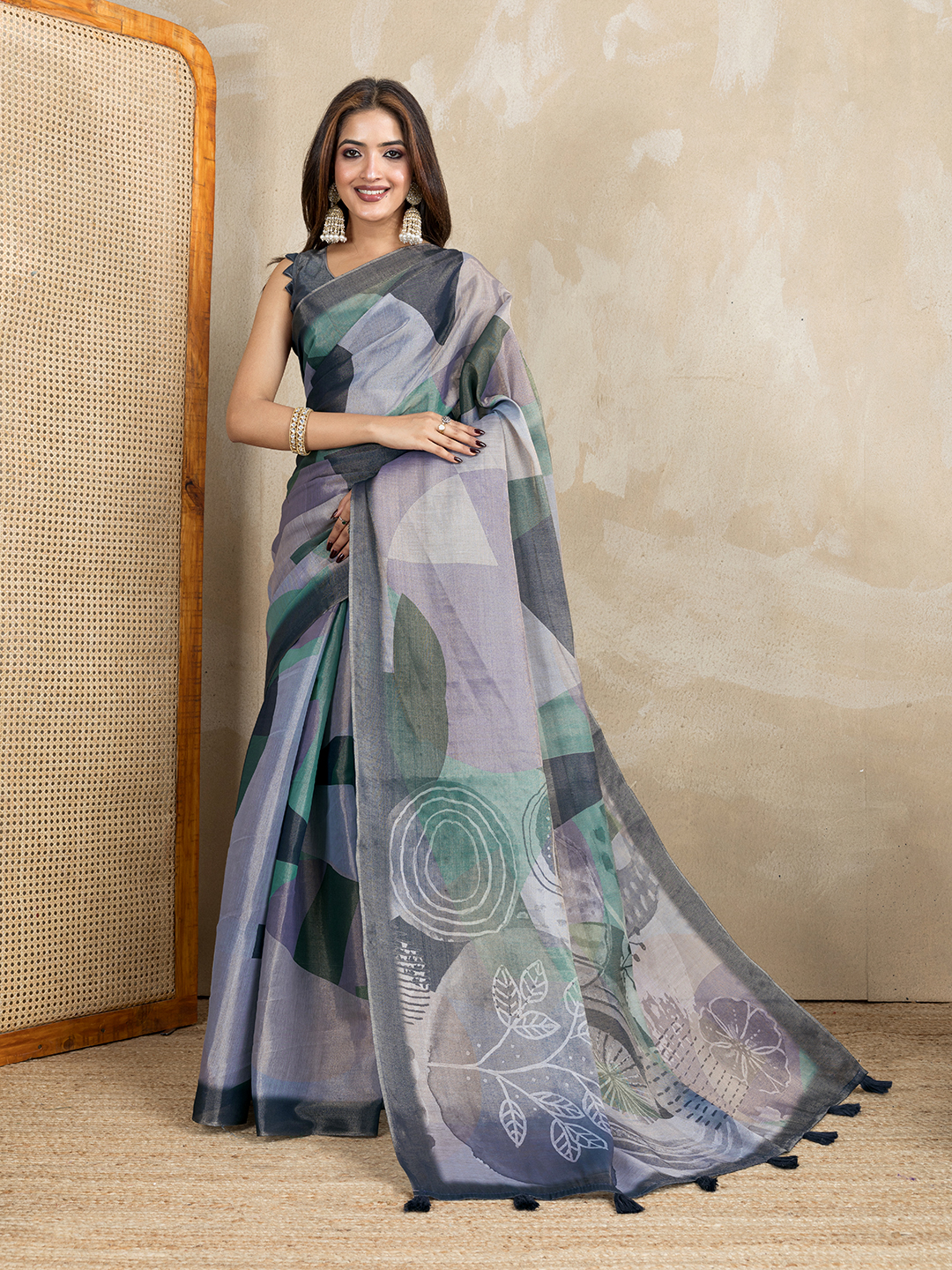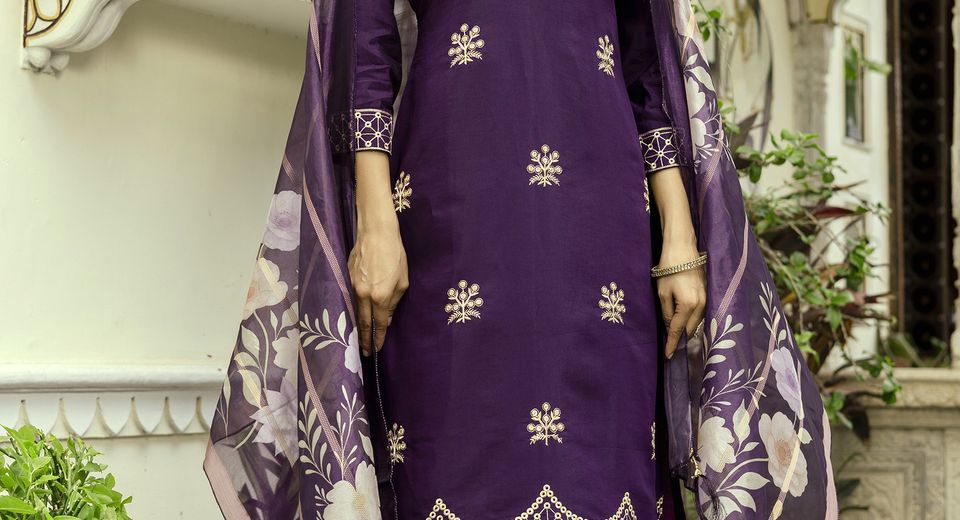
Kurti Yokes Can Change the Fit More Than the Overall Size. A yoke is the shaped panel around the upper chest, shoulders or back of a kurti, and its width, depth, fabric and seams determine how the garment sits before the rest of the silhouette even begins. Two kurtis marked medium can therefore feel completely different across the bust, armhole and shoulder line. Reading the yoke is especially important when buying a readymade salwar suit online, because a beautiful print can't compensate for pressure at the upper chest or excess fabric near the neckline.
Overall size still matters, but size primarily gives you a measurement range. The yoke controls how that range is distributed across the body. A shallow yoke may leave more room below the bust, while a deep fitted yoke can take up space across the chest and make the same size feel restrictive. Understanding that relationship makes online shopping more accurate and reduces the temptation to choose a larger size simply because the neckline or upper panel looks structured.
What a kurti yoke actually does
A kurti yoke anchors the garment at the shoulders and upper torso, then connects that stable area to the body or flare below it. The panel may run from shoulder to bust, from neckline to underbust, or across the back and front as a decorative band. Yokes can be cut in one piece, joined with seams, embroidered, woven, or made from a contrasting fabric.
The yoke performs three practical jobs. It determines where the garment hangs from the body, controls ease across the upper bust, and creates the visual break between the face and the lower silhouette. In an anarkali or flared salwar suit, the lower fabric may have generous volume, but the wearer will still feel uncomfortable if the yoke is too narrow at the armhole or too short over the bust.
A yoke also changes the position of decorative weight. Heavy zari, embroidery or woven motifs placed on a shoulder yoke can pull the fabric backward or downward. A lighter cotton panel may move easily, while a dense jacquard or silk panel can hold its shape and make a kurti feel more tailored. The construction therefore matters as much as the nominal garment size.
Why Kurti Yokes Can Change the Fit More Than the Overall Size
Kurti Yokes Can Change the Fit More Than the Overall Size because the yoke determines the garment's first point of contact with the body. If the shoulder seam, neckline, bust line and armhole are positioned incorrectly, adding a few centimetres to the overall size may not solve the problem. A larger body panel can create looseness at the waist while the yoke remains awkward across the chest.
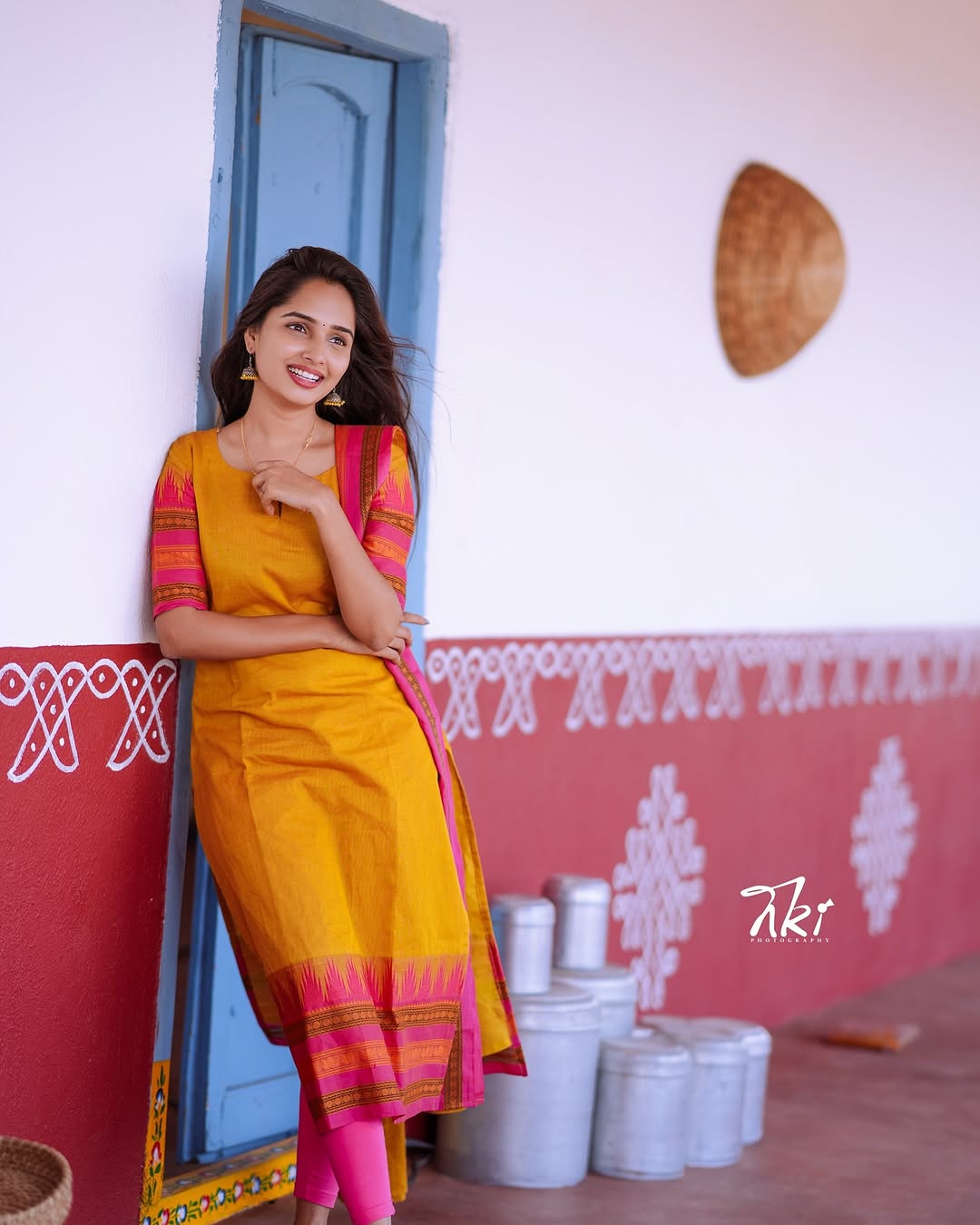
Yoke depth and bust comfort
Yoke depth changes where the garment begins to release away from the body. A yoke ending just above the bust may allow a relaxed fall below it, while a yoke extending to the underbust can create a more defined shape. For a fuller bust, the second design can feel tight if the panel has little ease, even when the waist and hip measurements are generous.
Deep yokes also affect vertical comfort. When a panel is too short, the seam can sit above the natural bust point and pull diagonally toward the armholes. When a panel is too long, the garment can bunch below the bust or make the torso appear compressed. A useful online check is to compare the listed front length, yoke depth if provided, and bust measurement rather than relying on size alone.
Shoulder width and armhole position
Shoulder width has a greater effect on movement than many shoppers expect. A narrow yoke can pull the neckline backward, raise the armhole and restrict forward reach. A wide yoke can slide toward the upper arm, causing the sleeve seam to sit too low and making the kurti look oversized even when the bust measurement is correct.
Armhole shape is connected to the yoke because the armhole often begins at or beside the yoke seam. A high, sharply cut armhole gives a neat outline but needs accurate shoulder and bust placement. A lower armhole feels relaxed but may produce folds under the arm. These differences explain why one medium straight suit can feel more comfortable than another medium kurti with a similar bust measurement.
How fabric and construction alter yoke fit
Fabric changes yoke fit by controlling stretch, weight, stiffness and recovery. Cotton usually feels breathable and stable, but woven cotton has little natural stretch unless the cut includes extra ease. Silk can drape smoothly while retaining a firm yoke shape. Jacquard and dense woven fabrics may feel more structured than their measurements suggest because the fabric doesn't yield easily under pressure.
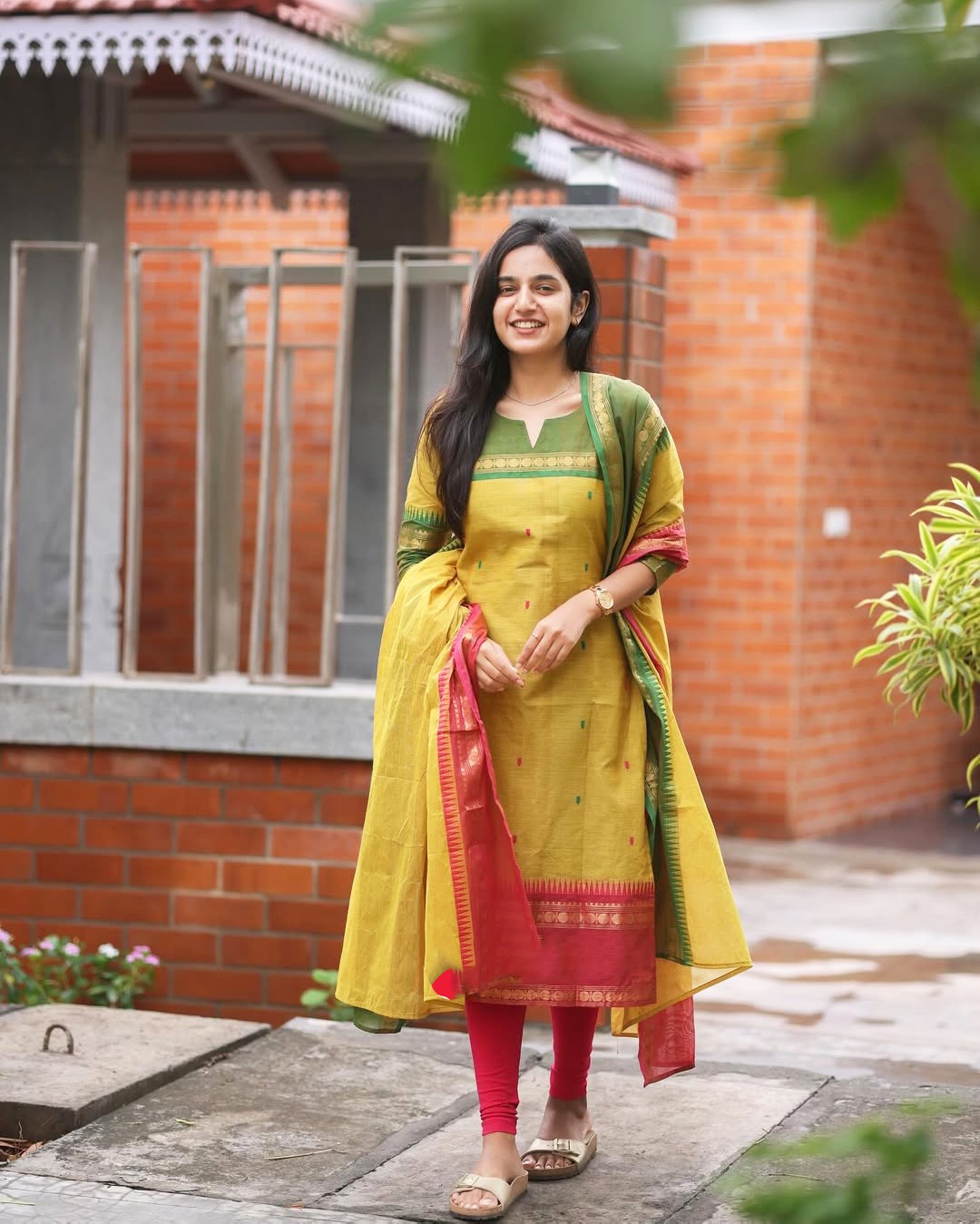
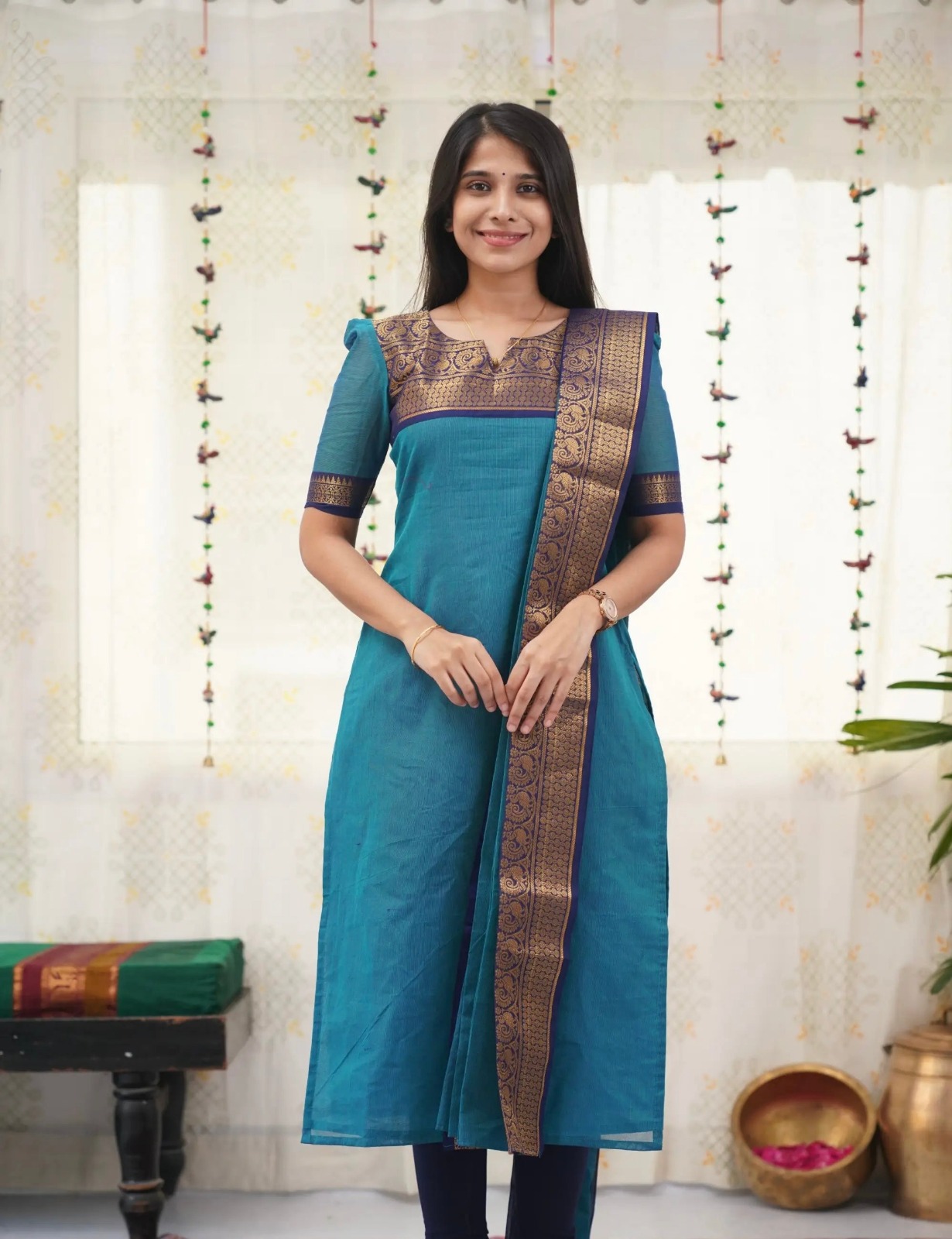
The Blue Ethnic Cotton Kurti Set with Zari Work illustrates why surface decoration deserves attention. Zari work adds visual and sometimes physical weight to the upper section, so the shoulder and neckline should sit securely without pulling. A cotton yoke with embroidery may need slightly more ease than a plain cotton yoke if the decorative stitching reduces flexibility.
The Black Kanchi Cotton Kurti Dupatta Set for Women and the Blue Kanchi Cotton Jacquard Kurti with Elegant Dupatta represent two different ways a woven cotton kurti can behave. Kanchi cotton can feel crisp, while jacquard construction may have a firmer surface and more defined motif. Check shoulder, bust and armhole measurements carefully when a yoke is woven rather than cut from a soft, fluid fabric.
Seam placement makes another measurable difference. A horizontal yoke seam can add structure and release the lower body, but a seam crossing the fullest part of the bust may need additional ease. Princess seams can shape the torso without a separate horizontal band, while gathers below a yoke create room without enlarging the shoulders. Lining, interfacing and piping can further reduce flexibility around the neckline.
How to read measurements when buying a salwar suit online
Use the garment measurements, not your usual letter size, when choosing a yoke-led kurti. Measure your fullest bust point, natural waist and shoulder width with the tape level and comfortably close to the body. Then compare those measurements with the seller's garment chart, noting whether the chart gives body measurements or finished-garment measurements.
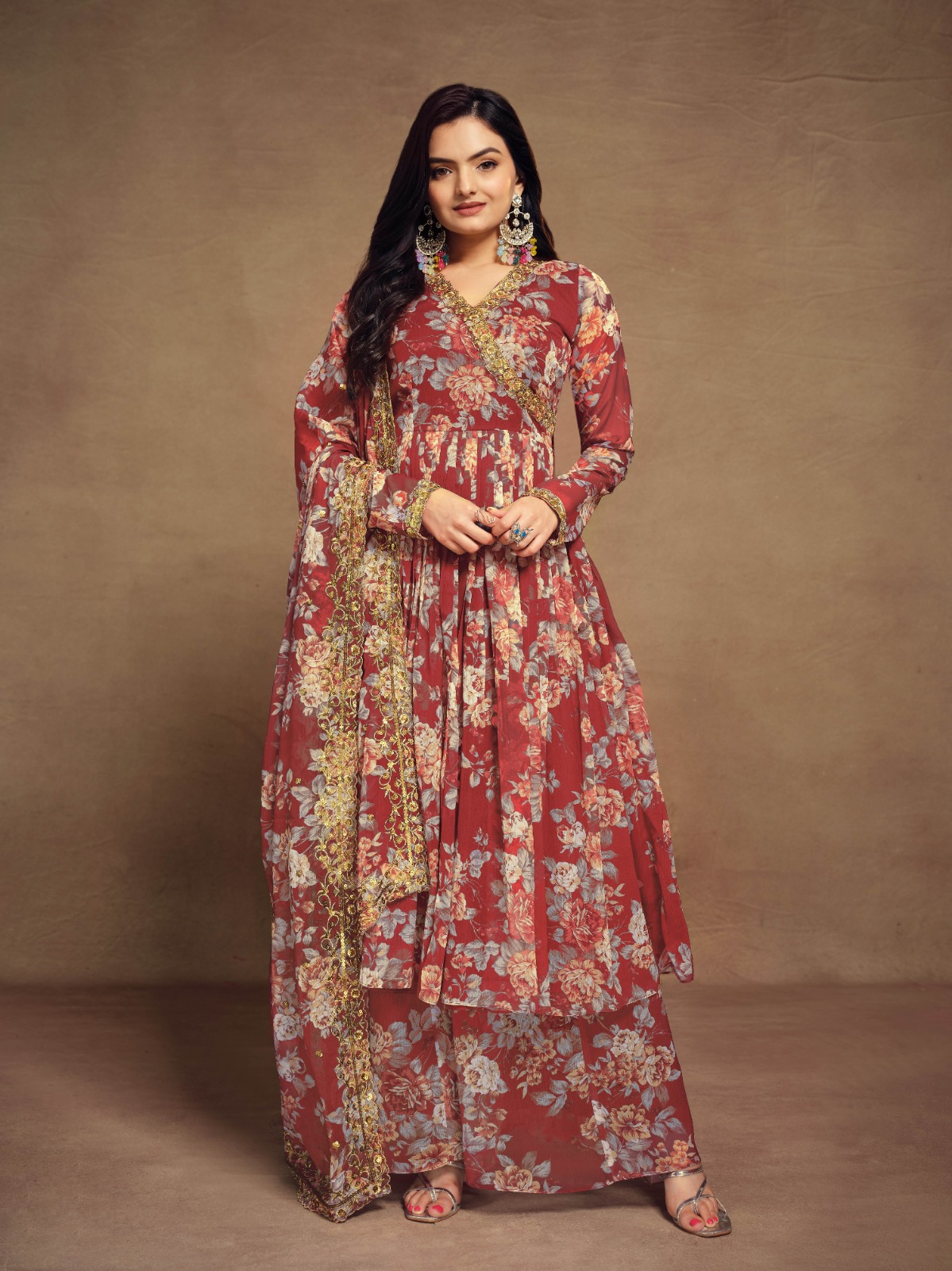
- Measure shoulder width: Run the tape from the end of one shoulder bone to the other across the back. A shoulder difference of even 1 to 2 centimetres can affect where the yoke and sleeve sit.
- Measure bust accurately: Keep the tape horizontal across the fullest part of the bust and avoid pulling it tight. For a non-stretch woven kurti, finished bust ease of approximately 5 to 10 centimetres is often more comfortable for everyday movement, although the ideal amount depends on the cut.
- Check front length: Compare shoulder-to-bust and shoulder-to-hem proportions if those details are listed. A petite wearer may need less yoke depth, while a longer torso may need a deeper panel to prevent the seam from sitting too high.
- Study the sleeve and armhole: A sleeve circumference chart can reveal whether comfort is limited at the arm rather than the bust. A generous bust measurement can't correct a restrictive armhole.
- Allow for fabric behaviour: Treat Banarasi silk, jacquard, woven cotton and embroidered cotton as fabrics that usually offer limited stretch. Do not assume a larger size will drape better if the shoulder width becomes excessive.
When the chart lists only bust, waist and hip, use the product photographs to inspect the yoke seam. A seam ending above the bust suggests a relaxed lower body, while a panel continuing toward the underbust usually indicates more shaping. The Maroon Ethnic Weave Kurti Set with Elegant Dupatta and Classic Maroon Woven Kurti Set for Women are useful examples of why a woven upper section should be judged for structure as well as colour.
Choosing yoke shapes for different bodies and styling needs
The most comfortable yoke shape depends on where you prefer room and structure. A broad square or shallow round yoke can distribute visual emphasis across the shoulders. A V-shaped yoke creates a vertical line and may make the torso appear longer. A high, close neckline gives coverage but requires accurate neck and shoulder measurements because there's less room for the garment to settle.
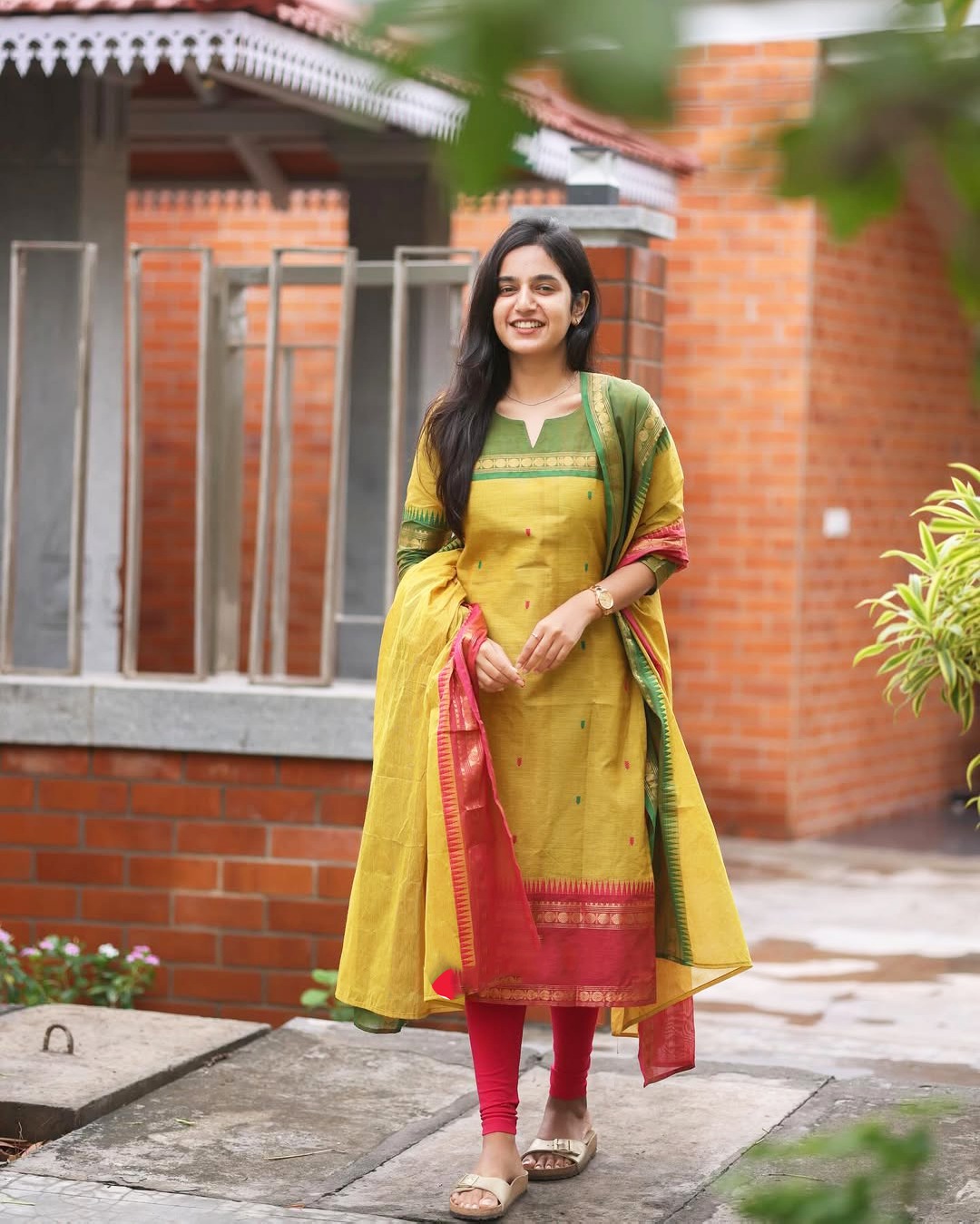
For a fuller bust
A fuller bust generally benefits from a yoke with enough horizontal ease and a seam positioned above, below or around the fullest point rather than cutting directly across it. A gently shaped panel, side opening or controlled gathers can provide room without adding width at the shoulders. Avoid judging fit from the front photograph alone; diagonal drag lines from the bust toward the armhole are a more useful warning sign.
For narrow or sloping shoulders
Narrow or sloping shoulders usually need a yoke that stays close to the shoulder line without excess width. A very broad contrast panel can slide outward and make the garment look loose. Narrow piping, vertical embroidery or a modest V-shaped yoke can provide definition while preserving movement.
For petite and long-torso proportions
Petite proportions often suit a shorter yoke and a controlled vertical design because a deep ornate panel can visually shorten the torso. A long torso may need a deeper yoke or a longer front length so that the upper seam doesn't sit too high. The Royal Orange Kurti Pant Set demonstrates how a strong colour and clean silhouette can remain balanced when the yoke-to-hem proportion is considered rather than treated as decoration alone.
Yoke details that deserve a closer inspection
Decorative details can change comfort even when they don't change the printed size. Dense embroidery may stiffen a panel, zari may add weight, and a heavily lined neckline may feel warmer or less flexible. Examine whether embellishment stops before the armhole and whether the yoke seam is finished smoothly, especially if the garment will be worn for several hours.
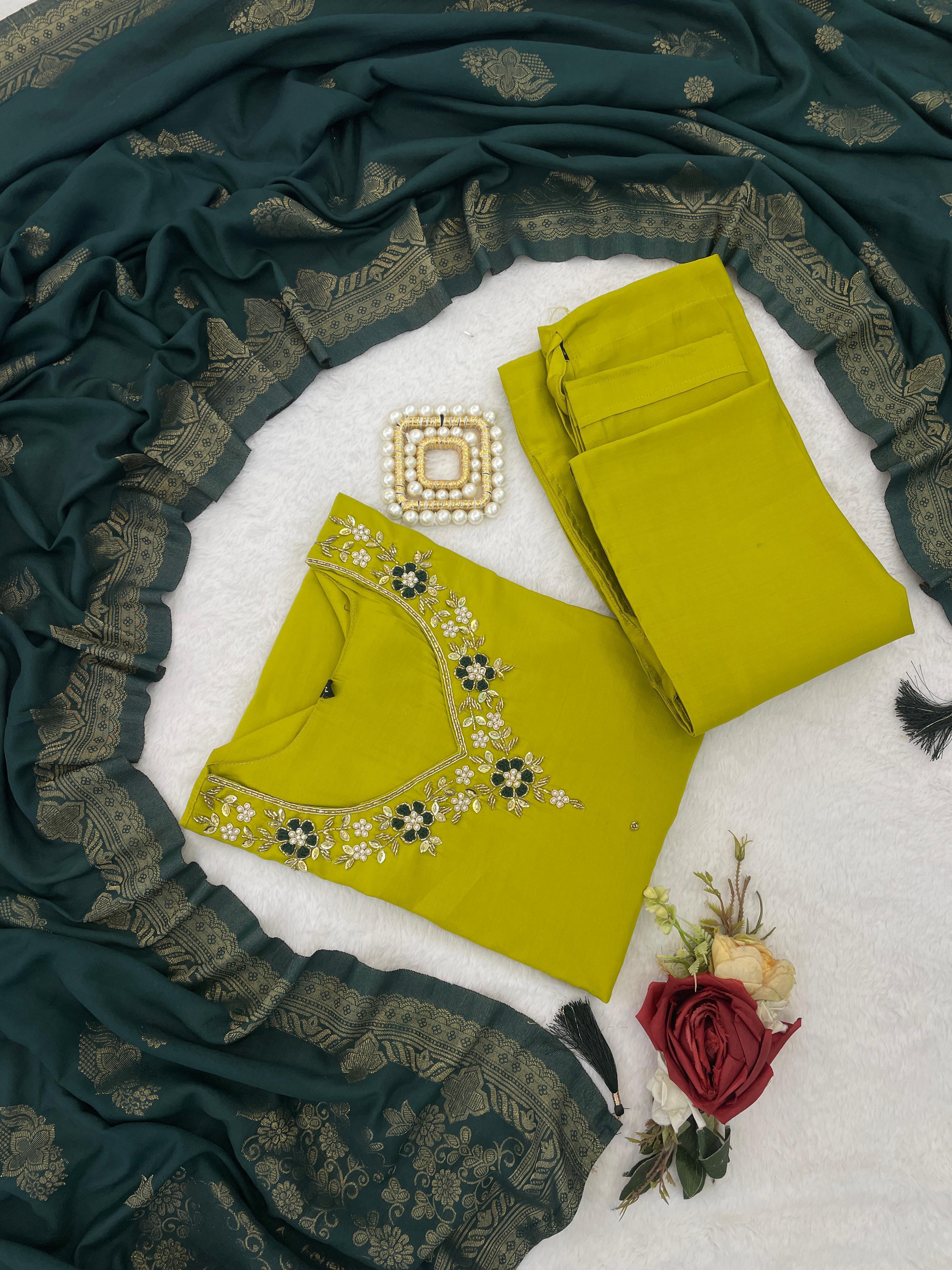
The Mustard Silk Embroidered Kurti Palazzo Dupatta Set should be assessed for the combined effect of silk, embroidery and a palazzo silhouette. A flowing palazzo can offer lower-body comfort, but the upper yoke still needs enough room for sitting, lifting the arms and carrying the dupatta. The Rust Orange Embroidered Kurti Set with Dupatta similarly shows why embellishment placement matters: a dense chest motif can make a fitted panel feel firmer than a plain panel in the same nominal size.
Print scale also influences perceived proportion. Kalamkari Print Salwar Suits may use a large motif that makes a yoke appear wider, while Maharashtra Paithani Inspired Salwar Suits may use border-inspired placement that draws attention to a structured upper section. Visual proportion can't replace measurement, but it helps explain why two garments with identical dimensions can look very different on the body.
How to test a yoke after delivery
Test a new kurti over the undergarments you normally wear before removing tags or beginning alterations. Stand naturally, raise both arms, sit in a chair and reach forward. A correctly fitted yoke should stay broadly in place without pulling the neckline backward, cutting into the underarm or forcing the bust seam to rise.
Look for four specific signs. Horizontal strain lines across the chest usually indicate insufficient bust ease. Diagonal lines from the neckline toward the armhole may indicate a shoulder or armhole mismatch. A neckline that gapes can mean excess width in the yoke or a shape that doesn't follow your upper chest. A seam that twists toward the back can signal that the shoulder is too narrow or the front balance is wrong.
Minor issues can sometimes be altered, but not every yoke is easy to adjust. A side seam may provide room for a tailor to add, while a decorated yoke with fixed neckline finishing offers less flexibility. Letting out a waist seam won't correct a short yoke, narrow shoulder or restrictive armhole. Ask an experienced tailor to assess the panel before making changes, particularly when zari, silk or jacquard is involved.
Matching yoke structure to the occasion
Everyday salwar suits usually work best with breathable fabrics, moderate yoke structure and enough bust ease for repeated movement. Punjab Patiala Salwar Suits often pair a more relaxed lower silhouette with a kurti, so the upper fit should provide comfortable arm movement rather than relying on the volume of the Patiala salwar to compensate.
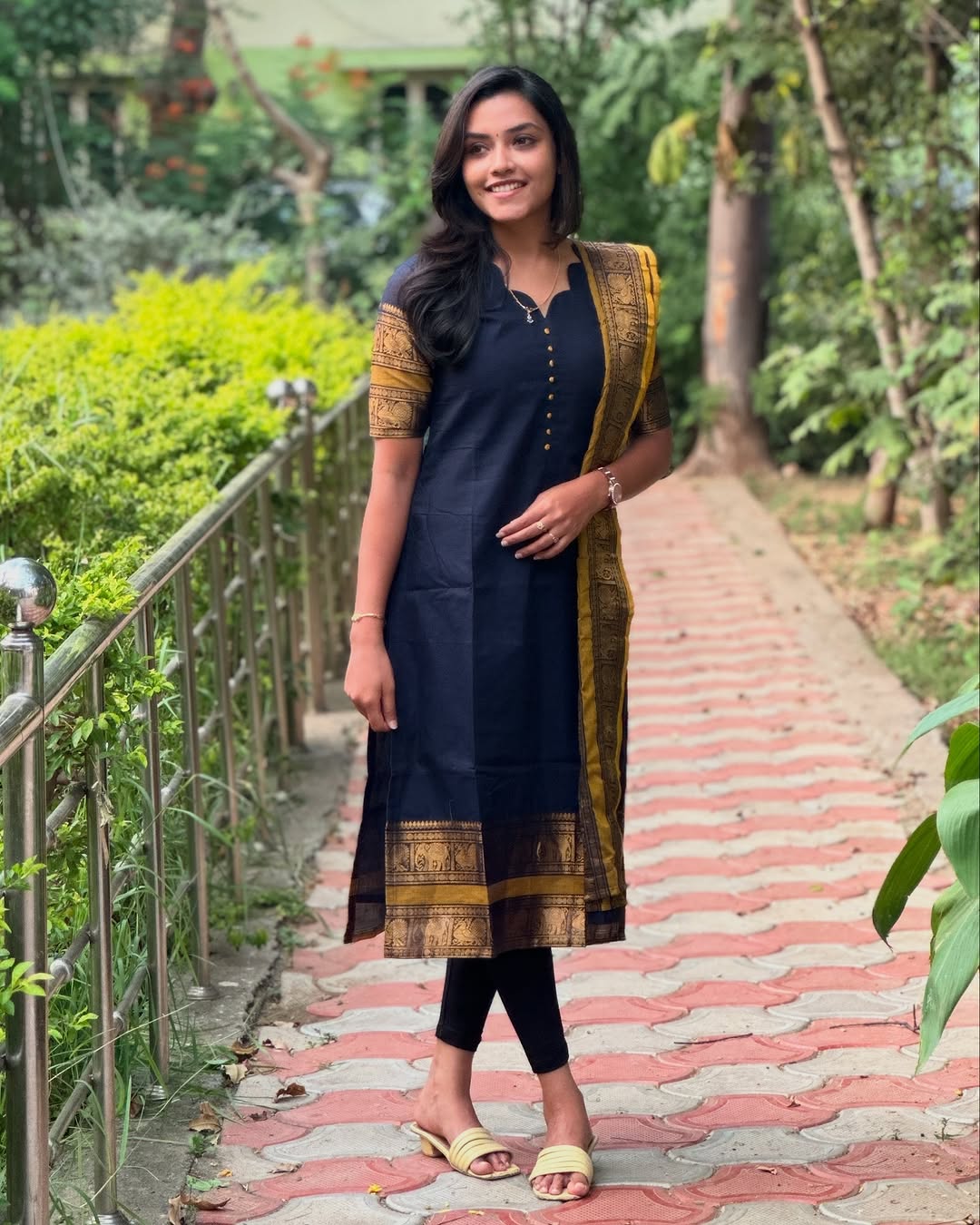
Festive designs can support firmer yokes because embroidery, woven motifs and zari create a dressed-up appearance, but festive wear still requires sitting and arm movement. Gujarat Bandhej Salwar Suits and Odisha Sambalpuri Salwar Suits can bring strong textile identity through colour and pattern; a well-positioned yoke ensures that the motif remains balanced instead of twisting across the bust.
For a practical buying decision, rank fit priorities in this order: shoulder width, bust ease, armhole comfort, yoke depth, then waist and hip preference. A slightly relaxed lower body can usually be styled with a belt, side alteration or the natural fall of the fabric. A yoke that's too tight at the shoulders or bust is much harder to make comfortable without changing the garment's construction.
Kurti Yokes Can Change the Fit More Than the Overall Size, but the best choice isn't automatically the loosest one. The right yoke supports the shoulders, follows the upper bust without strain and releases enough fabric below the panel for natural movement. Reading those details alongside the measurement chart helps you choose a salwar suit for comfort, proportion and repeated wear rather than relying on a familiar size label.
Common Questions About Kurti Yoke Fit and Salwar Suit Sizing
Can a kurti in my usual size still feel tight because of the yoke?
Yes. A yoke can be narrow at the shoulders, bust or armholes even when the overall size matches your measurements. A structured woven or embroidered yoke has little give, so compare shoulder width, bust ease and armhole measurements instead of relying only on S, M, L or XL.
How much bust ease should a readymade cotton kurti have?
A non-stretch cotton kurti often feels comfortable with roughly 5 to 10 centimetres of finished-garment ease over the body bust measurement. The right amount depends on the silhouette, yoke depth, sleeve design and how relaxed you want the garment to feel.
Does a deep yoke make a kurti more comfortable for a fuller bust?
A deep yoke can improve comfort when it has enough horizontal ease and releases below the fullest bust point. A deep but tightly fitted yoke can create more pressure than a shallow yoke, so the seam position and finished bust measurement must be checked together.
What does a diagonal pull line on a kurti yoke mean?
A diagonal pull line from the bust or neckline toward the armhole usually indicates insufficient bust ease, an incorrect shoulder position or a restrictive armhole. Moving to a larger size may help, but it can also make the shoulders too wide if the yoke proportions remain unsuitable.
Can a tailor enlarge a tight kurti yoke?
A tailor can sometimes add room through side seams or reshape an armhole, but a tight decorated yoke may have limited alteration allowance. Letting out the waist will not fix a narrow shoulder, short yoke or neckline that pulls backward, so inspect seam allowances before approving alterations.
Should I choose a larger size if the kurti yoke feels restrictive?
Choose a larger size only after checking whether the extra shoulder and bust width will still suit your proportions. A larger size may solve chest pressure, but it can create dropped shoulders and excess fabric at the waist; a different yoke shape or cut may be the better solution.