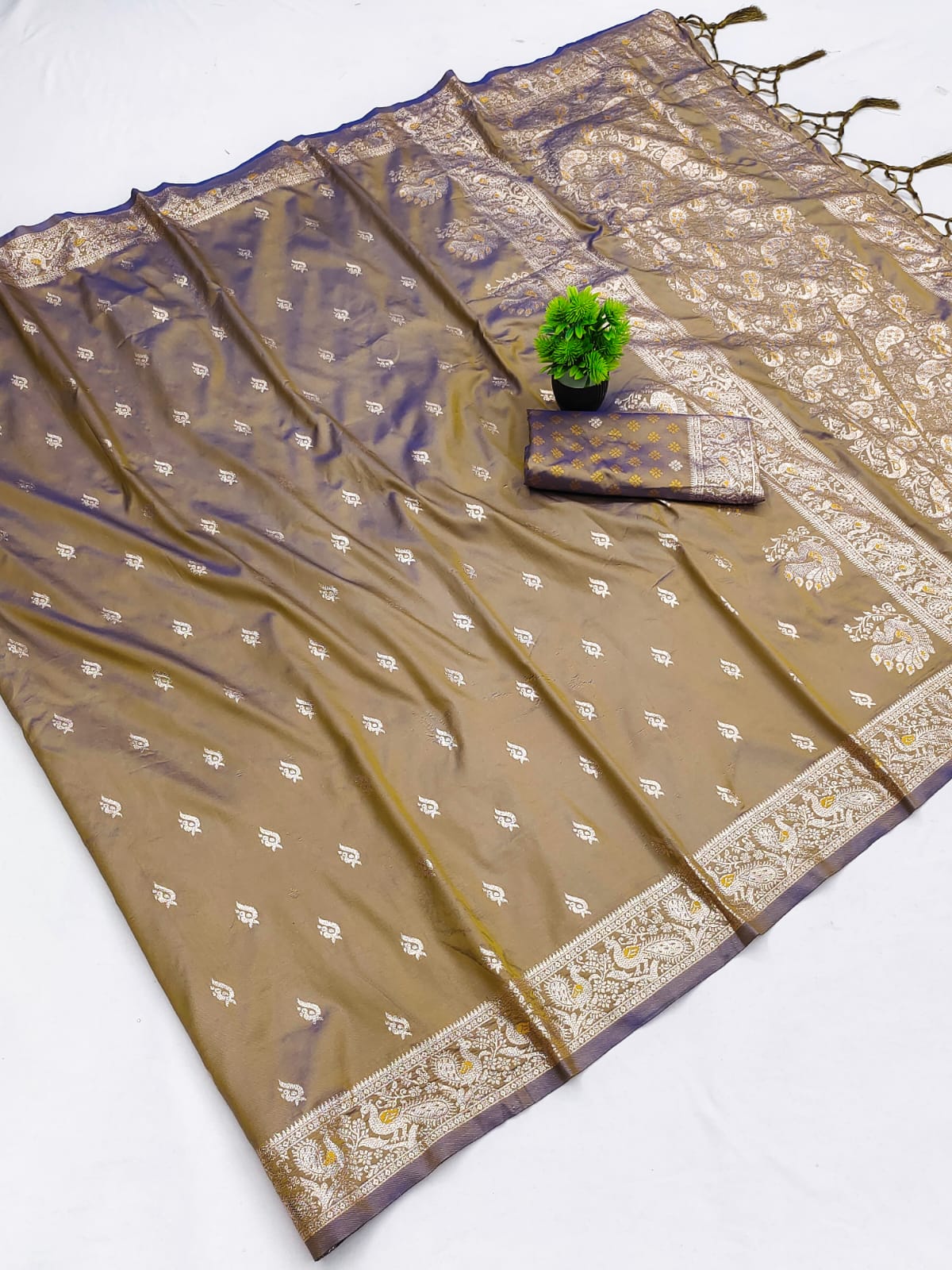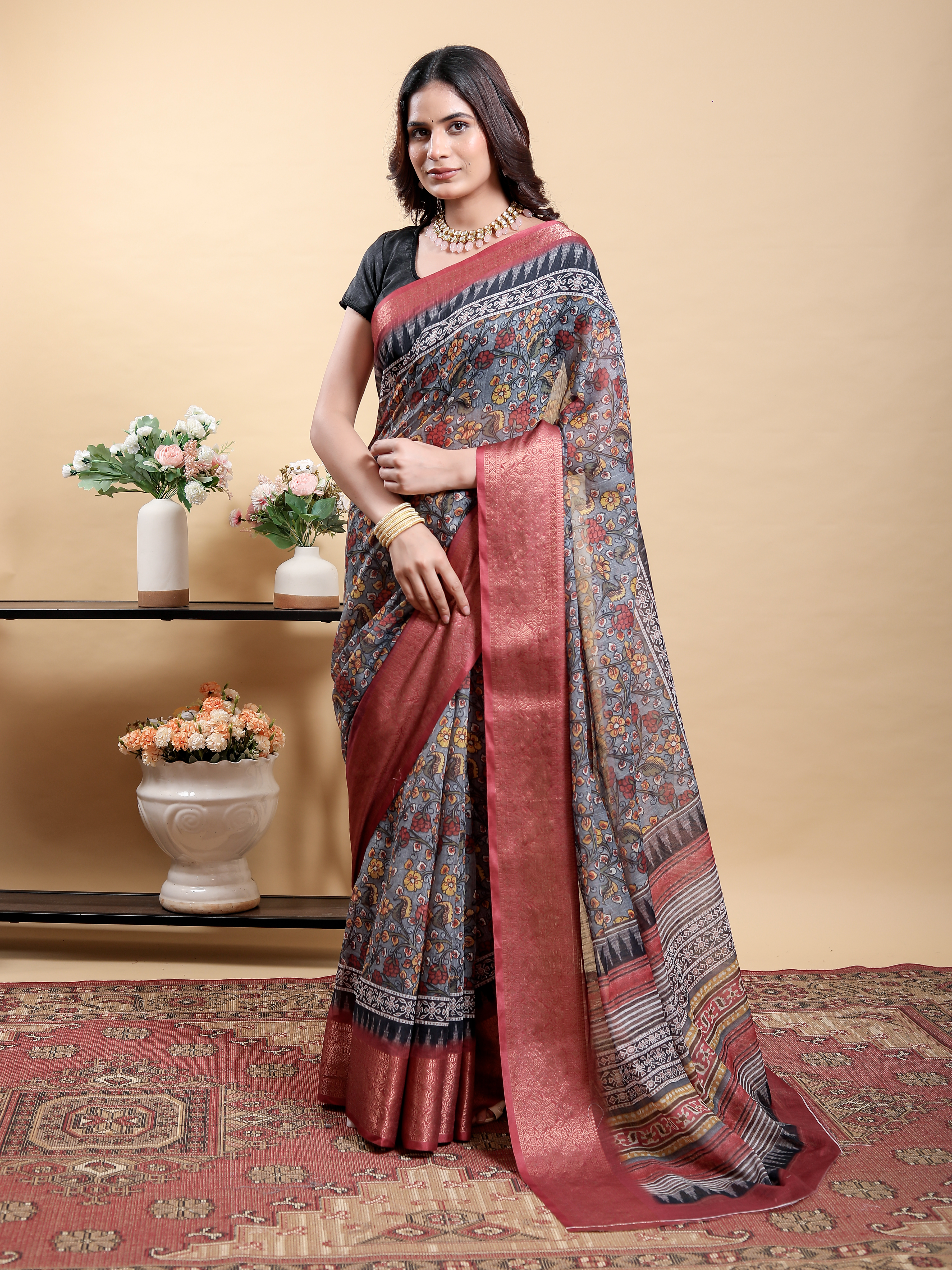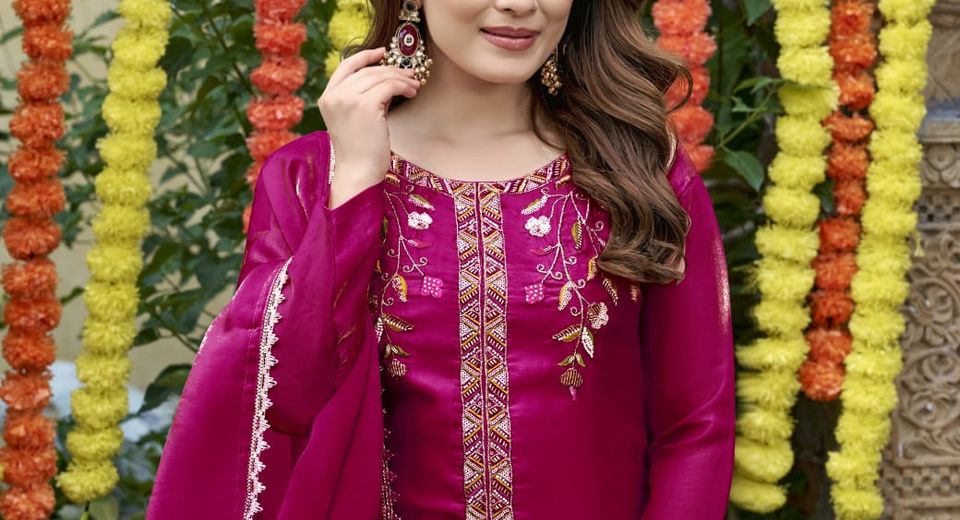
A Jodhpur Fort Wedding Outfit With Comfortable Footwear needs to survive more than a photograph. A wedding at Mehrangarh Fort or another historic venue can involve uneven stone floors, staircases, open courtyards, dry heat, evening wind and several hours of standing. The most successful outfit combines a celebration-appropriate silhouette with breathable fabric, secure construction and footwear that supports walking without looking casual.
Jodhpur's royal architecture invites rich colour and traditional textiles, but a practical choice matters more than excessive embellishment. A carefully selected saree, sarara, lehenga or kurta set can look ceremonial while allowing you to move between the baraat, pheras, family portraits and dinner. The key is to plan for the venue's surfaces and timetable before choosing the final accessories.
What should a Jodhpur fort wedding outfit include?
A Jodhpur fort wedding outfit should include one festive Indian garment, one secure layer or fastening strategy, lightweight accessories and footwear with a stable sole. The exact combination depends on the ceremony, weather and amount of walking required.
For a daytime Haldi ceremony, breathable cotton, Chanderi, linen blends or light silk can prevent the outfit from feeling heavy under Rajasthan's sun. For a wedding ceremony after sunset, Banarasi silk, tissue, Vichitra silk and embellished georgette provide more visual richness. Jewel tones such as maroon, rani pink, rust orange, purple and emerald complement sandstone walls without competing with the bride's outfit.
Choose a hemline that clears the ground by at least 1 to 2 centimetres when worn with the intended footwear. That small allowance helps prevent a lehenga, palazzo hem or saree edge from catching on rough stone. A tailor can also add discreet hooks, waist ties or a stronger petticoat waistband to improve security during walking.
Which silhouette works best for walking across a fort?
A palazzo suit, sarara suit or structured kurta-and-pant set usually offers the easiest movement across a fort venue. Wide trousers don't require the same careful foot placement as a full skirt, and a dupatta can be pinned at the shoulder and waist for greater control.
A saree remains practical when the pleats are measured to the correct length and the pallu is secured with hidden pins. A pre-pleated saree or a lightweight silk saree is especially useful for guests who expect to climb stairs. A lehenga works well when the skirt has a comfortable waistband, moderate flare and a blouse that stays in place without constant adjustment.
How do you choose fabric for Jodhpur weather?
Choose a fabric according to the time of day: cotton, Chanderi and light georgette suit warmer daytime functions, while Banarasi silk, Vichitra silk and tissue work well for cooler evening celebrations. Fabric weight, lining and embroidery determine comfort as much as the fibre name.
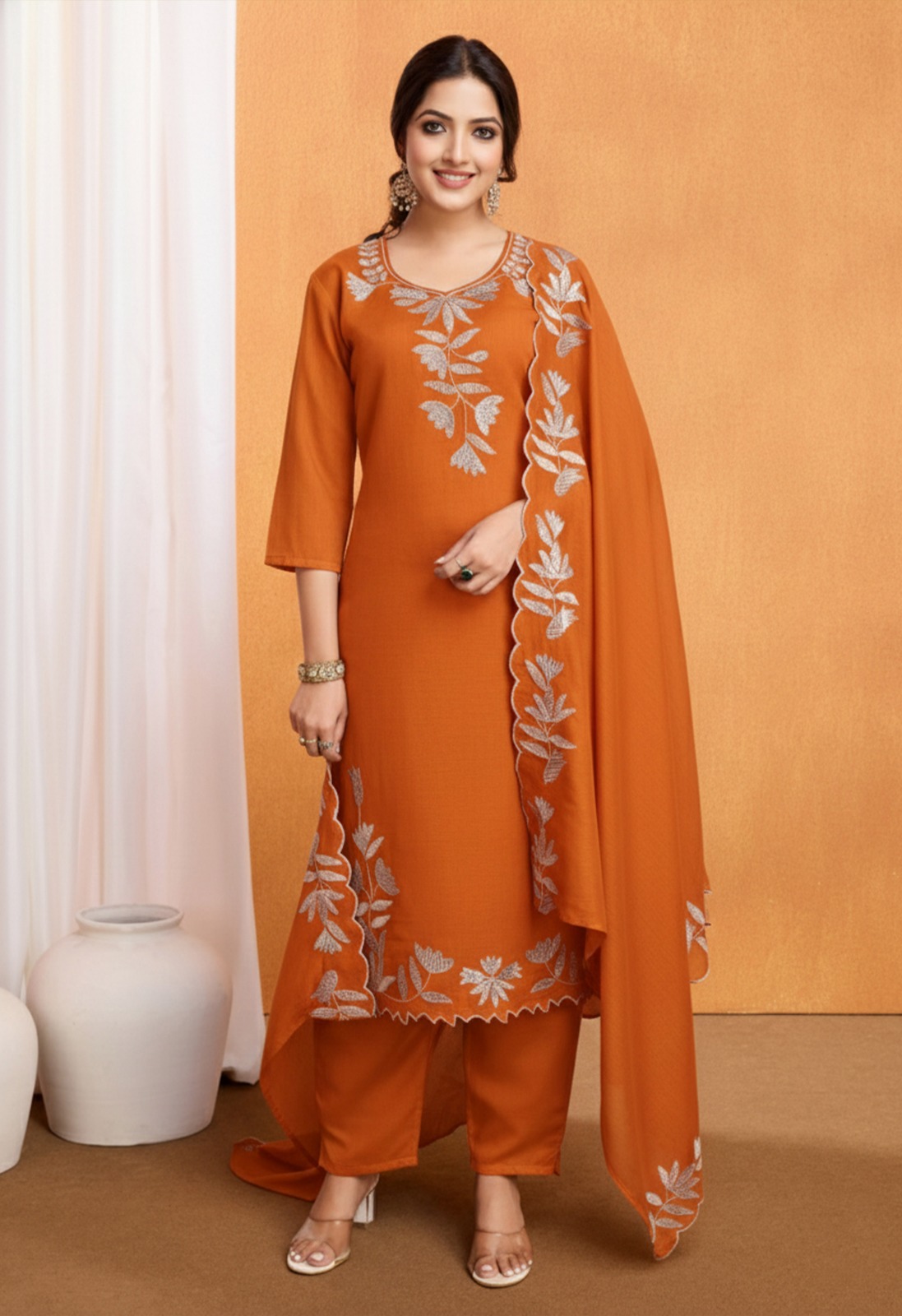
Jodhpur can feel hot and bright during the day, even when the calendar places the wedding in a cooler season. A heavily lined polyester garment may trap heat, while a breathable cotton-silk blend can feel more comfortable during outdoor rituals. Look for a lining that ends close to the garment hem rather than extending beyond it, especially in a saree blouse or lehenga skirt.
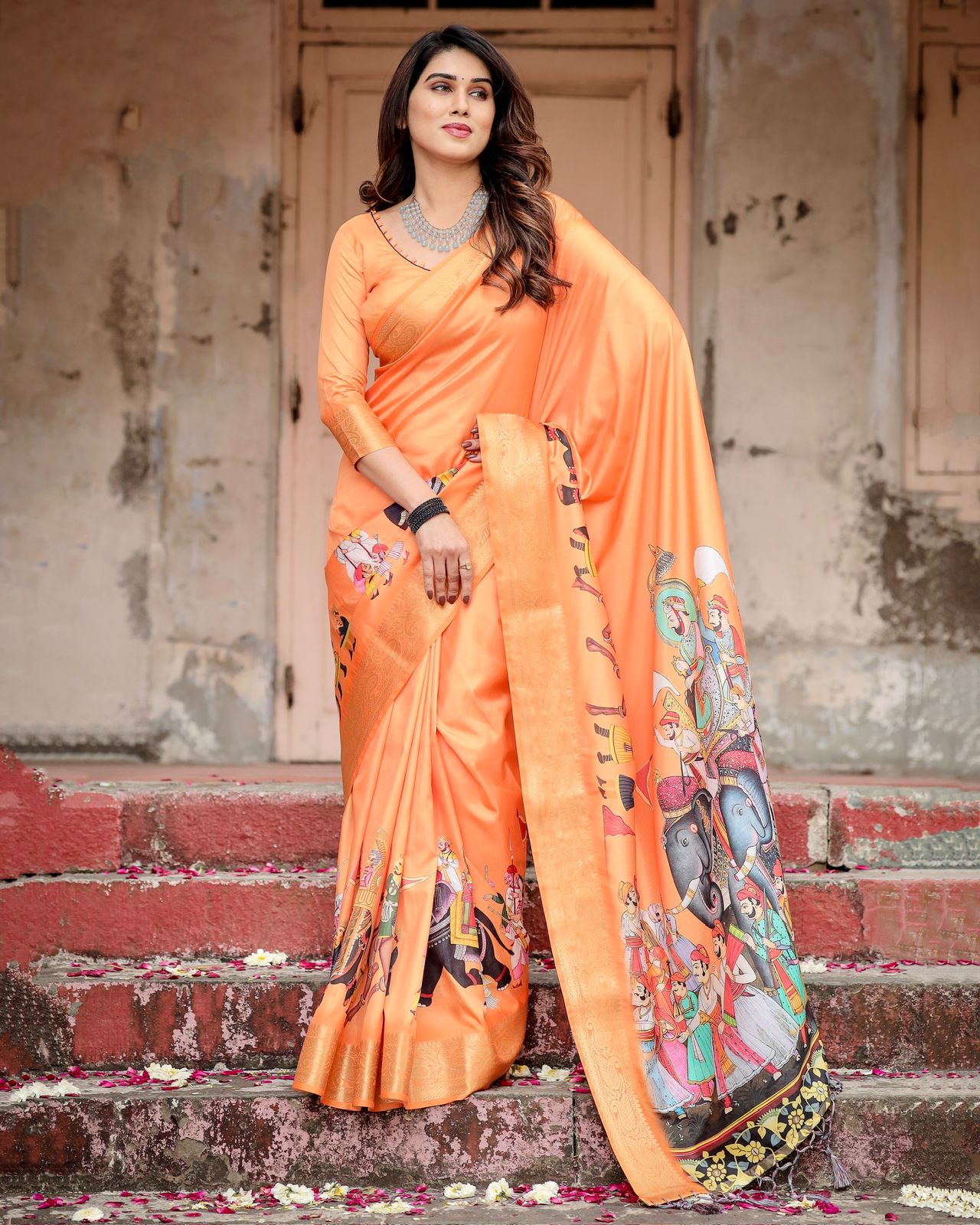
For a daytime guest look, the Pink Tissue Handloom Cotton Saree With Zari Weave | Varnavi demonstrates how a lighter base can still carry a festive zari surface. The Orange Rajasthani Print Tussar Silk Saree with Zari adds regional character through print and texture, while tussar silk gives the saree enough body for a defined drape. Both styles benefit from a breathable blouse and minimal underlayers.
Evening celebrations allow deeper colour and more surface detail. The Maroon Banarasi Soft Silk Saree with Golden Zari Border brings the unmistakable sheen of zari to a formal setting, but a soft silk saree should still be paired with a well-fitted blouse rather than an overly tight one. A little ease around the armhole makes dancing, greeting guests and lifting the pallu easier.
How much embroidery is practical?
Moderate embroidery concentrated on the yoke, border or dupatta is more comfortable than dense embellishment covering every surface. Concentrated work preserves the festive appearance while reducing weight, stiffness and the risk of the garment catching on stone walls or jewellery.
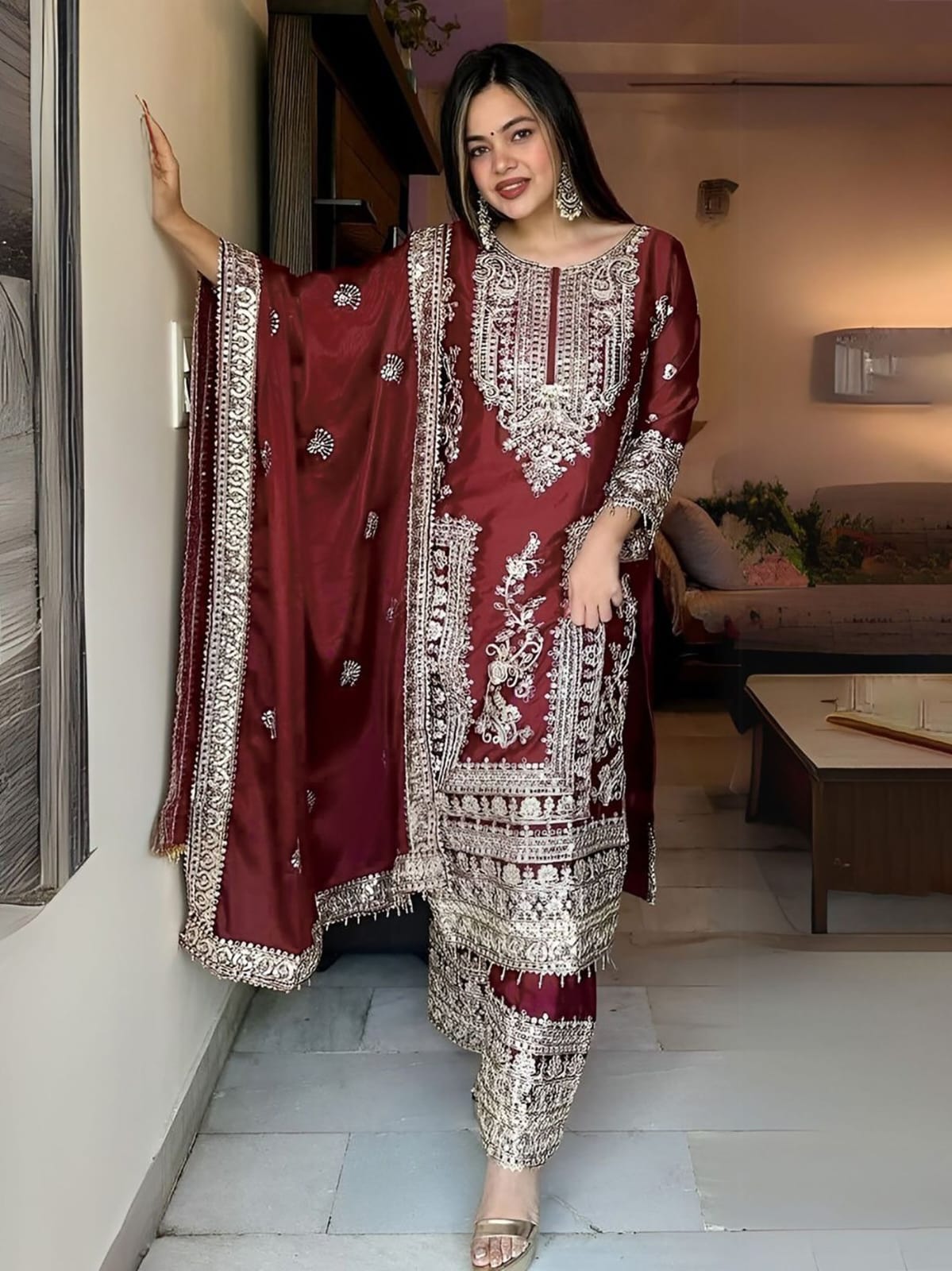
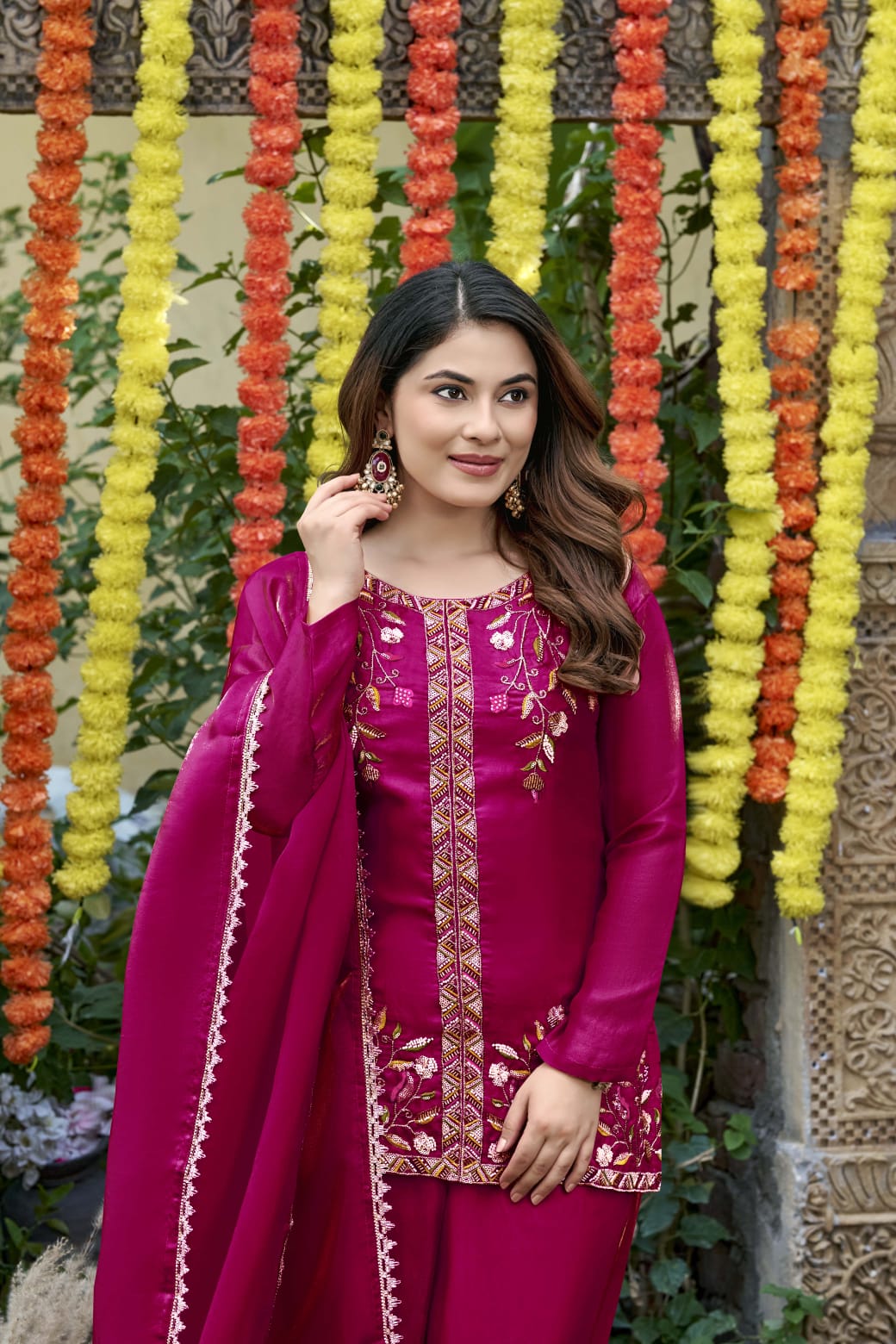
The Maroon Wedding Wear Embroidered Palazzo Suit Set gives an useful approach for a long celebration because trousers divide the visual weight between the upper and lower body. The Rani Pink Frendy Silk Embroidered Sarara Suit Set with Dupatta creates a fuller, more heritage silhouette, so pinning the dupatta securely becomes particularly important when moving outdoors.
Which footwear is comfortable enough for a fort wedding?
Low block heels, cushioned juttis, supportive embellished flats and secure wedge sandals are the most reliable footwear options for a fort wedding. Choose a pair with a firm grip, a closed or well-held toe area and enough room for the feet to swell during a long event.
Historic venues often combine polished interiors with rough stone, cobblestones, ramps and steps. A narrow stiletto can sink into soft ground or make each uneven surface harder to negotiate. A 2 to 4 centimetre block heel gives a little height while offering a broader base than a pencil heel. A flat jutti with a padded insole is an excellent alternative when the outfit already has a strong silhouette.
Test the footwear indoors for at least 30 minutes before the wedding. Walk up and down stairs, sit on a low chair and check whether the heel slips. New shoes should be broken in several days in advance, not on the morning of the ceremony. Gel heel grips, soft toe cushions and blister patches can improve comfort, but they can't fix a fundamentally poor fit.
Can classic footwear look formal?
Time-honoured footwear can look formal when its colour, finish and ornamentation coordinate with the outfit. Velvet juttis with zari, metallic mojaris, embroidered flats and low-heeled sandals can appear ceremonial without sacrificing the stability needed for stone pathways.
Gold or champagne footwear works with zari borders and warm rust or orange garments. Rose gold, antique gold and muted silver pair well with pink, purple and maroon outfits. Avoid matching the shoe colour to every accessory; repeating one metallic detail is usually enough to make the look feel intentional.
Carry a foldable pair of flats only as a backup rather than relying on very thin slippers for the entire evening. A backup shoe is helpful after photographs or dancing, but it should still have a sole that protects the foot from rough ground.
How can you style a saree for stairs and outdoor rituals?
A saree becomes easier to manage on fort steps when the pleats are secured at the waist, the pallu is pinned at the shoulder and the hem is adjusted to the height of the actual footwear. These three changes prevent most common draping problems.
Ask for the saree to be draped with the shoes already on. The front pleats should stand neatly without touching the floor, and the pallu should remain long enough for graceful photographs without dragging behind you. Two small safety pins placed inside the pleats can hold the fold without showing through the fabric.
Pair a heavier saree with a simpler blouse if the event involves substantial walking. The Maroon Banarasi Soft Silk Saree with Golden Zari Border needs little additional decoration because its border supplies the formal detail. The Purple Wedding Wear Embroidered Saree can be styled with compact earrings and a secure low bun so that the saree remains the focal point.
Choose a petticoat with a firm drawstring or elastic waistband that doesn't loosen during movement. A poor petticoat fit can cause the saree to slide, especially when the wearer climbs stairs. A cotton or cotton-satin petticoat can also feel more comfortable than a slippery synthetic lining in warm weather.
How should you style a lehenga or suit for a long celebration?
A long-celebration lehenga or suit should have controlled volume, a secure waist and a dupatta arrangement that leaves both hands reasonably free. These details make greetings, dining and walking between venues easier without reducing the festive effect.
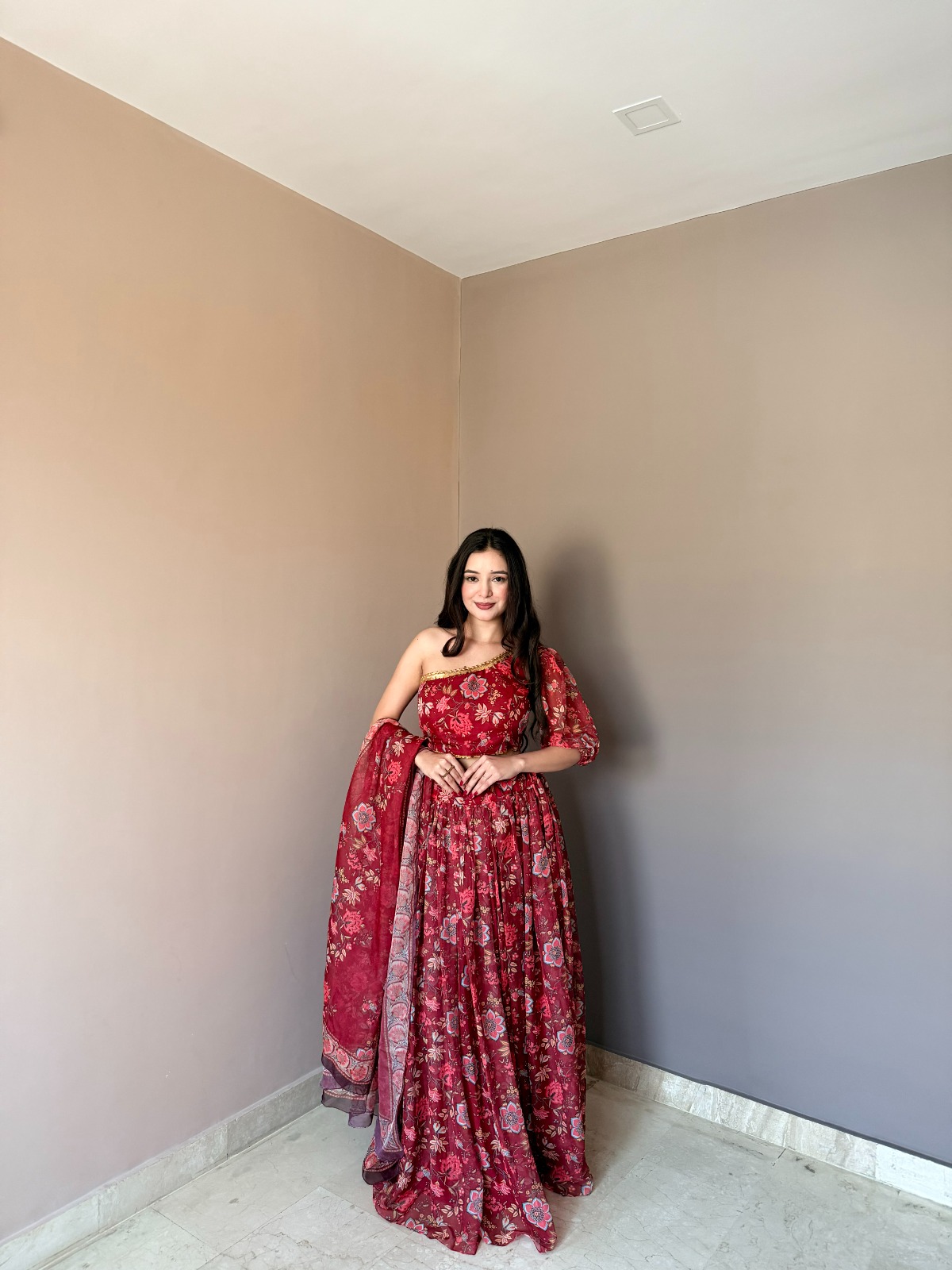
The Pastel Floral Georgette Lehenga Set with Ruffle Blouse is suited to a softer daytime or early-evening mood, particularly when the blouse fits securely at the bust and the ruffle doesn't restrict arm movement. Georgette drapes lightly, but its surface can snag, so avoid letting the skirt trail over rough stone.
The Rust Orange Vichitra Silk Embroidered Kurta Pant Set gives a more streamlined alternative to a full lehenga. Vichitra silk has enough structure for a polished appearance, while the pant silhouette allows a longer stride. Add a light dupatta pinned diagonally across the torso instead of leaving both ends loose.
For a high-energy baraat or reception, the Maroon Wedding Wear Embroidered Palazzo Suit Set can be paired with a short or medium-length kurta and low block heels. Keep the hem clear of the ground, and ask for a lining that doesn't cling to the legs. A small crossbody potli or wristlet is more practical than a large hand-held bag when navigating steps.
Where should the dupatta be pinned?
Pin the dupatta at the shoulder and secure a second point near the waist or opposite hip when the venue involves stairs or wind. A concealed pin placed through the garment seam distributes tension more safely than one pin attached only to delicate embroidery.
For a sarara or palazzo suit, a front drape creates an elegant frame while keeping the trailing edge under control. For a lehenga, an over-the-head drape can be beautiful for the ceremony but may be moved to one shoulder for dinner. Use small safety pins with smooth closures so they don't catch the fabric or scratch the skin.
What accessories suit a Jodhpur fort wedding without adding weight?
Lightweight earrings, one statement bangle stack and a compact embroidered bag provide enough occasion detail without making the outfit tiring. Accessories should complement the architecture and textile rather than compete with heavy embroidery already present on the garment.
Jhumkas or medium chandbalis frame the face in photographs, but very large earrings can become uncomfortable after several hours. Choose a necklace only when the blouse neckline needs balance. A choker may feel restrictive in heat, while a longer pendant can sit more comfortably against a high-neck kurta.
Warm metallics such as antique gold and kundan suit maroon, rust orange and traditional zari. Pearl, silver and soft rose-gold details work particularly well with pastel pink, purple and floral georgette. A maang tikka should be secured at both the hairline and centre parting if you plan to dance or move between outdoor areas.
Use a bag large enough for a phone, tissues, compact powder, blister patches and a small safety-pin card. Fort venues may require walking between separate spaces, so a bag that closes securely is more useful than a decorative pouch with no fastening.
How do you plan a Jodhpur Fort Wedding Outfit With Comfortable Footwear?
Plan a Jodhpur Fort Wedding Outfit With Comfortable Footwear by mapping the event schedule, testing the full outfit and preparing for temperature changes at least one week before travel. A complete rehearsal reveals problems that are difficult to solve at the venue.
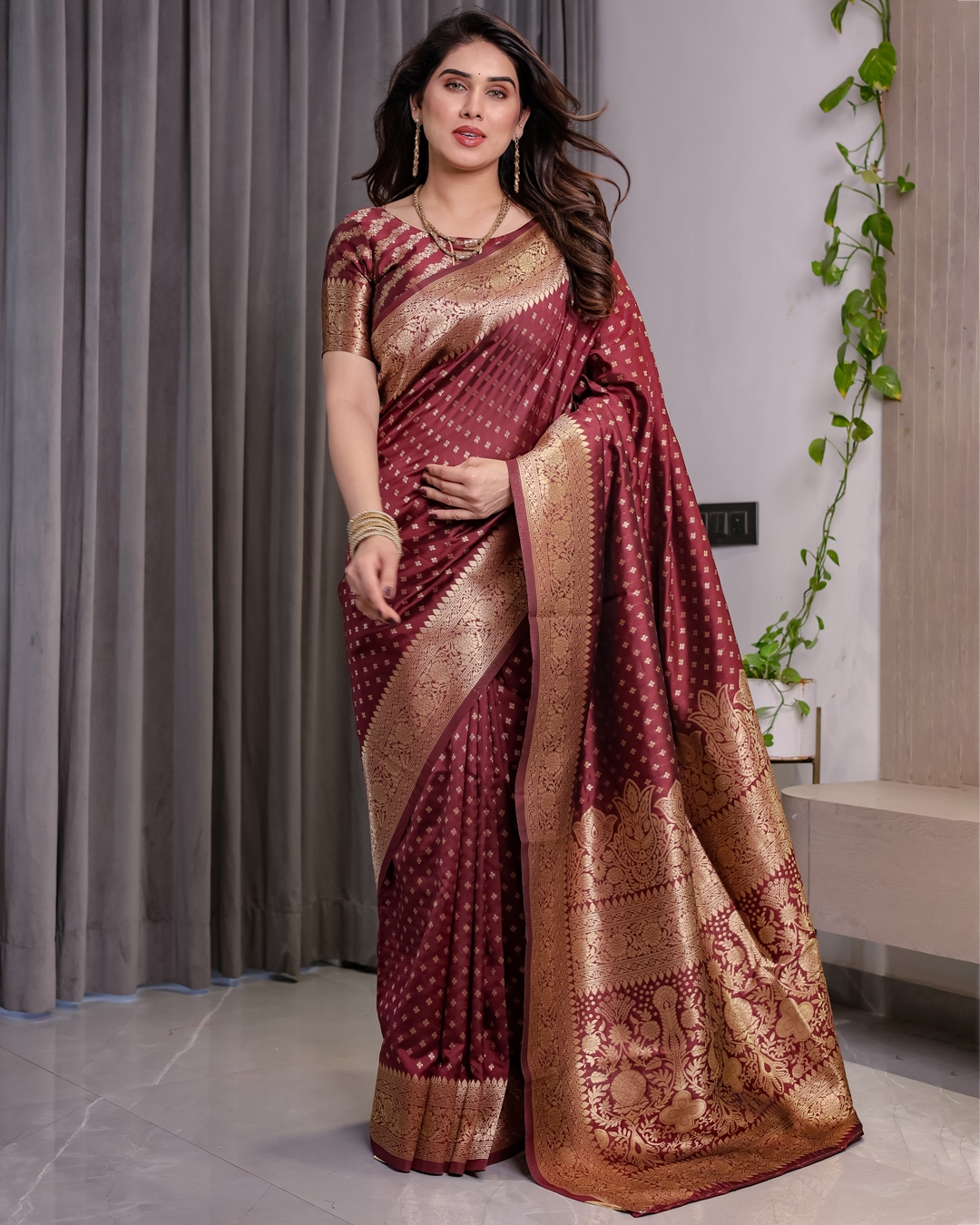
Wear the saree, suit or lehenga with the final blouse, jewellery and shoes. Walk for 15 minutes, climb several stairs and sit down without changing the drape. Check whether the waistband rolls, the blouse rubs under the arm, the footwear slips or the dupatta catches on door handles.
Pack a small repair kit containing two sizes of safety pins, fashion tape, blister plasters, a needle, matching thread and one spare earring back. Carry a lightweight stole or shawl for a winter evening because open courtyards can feel cold after sunset. A breathable inner layer is more useful than adding a heavy jacket over detailed embroidery.
Consider using a garment bag for silk and embellished outfits, and keep zari away from damp toiletries during travel. Fold soft silk with tissue paper between embellished sections to reduce snagging. Unpack the outfit as soon as you arrive so creases can relax before steaming or pressing.
The strongest wedding look for a historic venue isn't the one with the most ornamentation. The strongest wedding look is the one that remains graceful after stairs, photographs, rituals, wind and several hours of conversation. When colour, fabric, drape and footwear are chosen together, comfort becomes part of the style rather than an afterthought.
Practical Questions About Dressing for a Jodhpur Fort Wedding
What is the most comfortable outfit for a Jodhpur fort wedding?
A palazzo suit, sarara suit or structured kurta-and-pant set is usually the most comfortable choice because the silhouette allows a longer stride. A lightweight saree with secured pleats also works well when the hem is adjusted to low block heels or stable flats.
Which shoes are best for walking around a fort wedding venue?
Cushioned juttis, supportive embellished flats, low block heels and stable wedges are the best options for uneven stone surfaces. Break in the shoes before the wedding and avoid narrow stilettos unless you will spend nearly all of the event indoors.
Can I wear a saree to a Jodhpur fort wedding?
Yes, a saree is suitable for a Jodhpur fort wedding when the pleats are secured and the pallu is pinned at the shoulder. Banarasi silk, tussar silk, tissue cotton and soft silk offer different levels of structure and formality for daytime or evening ceremonies.
How can I stop my dupatta from slipping during a wedding?
Pin the dupatta at the shoulder and secure a second point near the waist or opposite hip. A concealed safety pin through a seam provides stronger support than attaching a pin only to delicate embroidery.
What should I wear to a daytime Haldi ceremony in Jodhpur?
Choose breathable cotton, Chanderi, light georgette or a cotton-silk blend in a cheerful colour for a daytime Haldi ceremony. Keep the embroidery moderate and select footwear with a washable or easy-to-clean surface because turmeric can stain fabric and shoes.
How far in advance should I prepare my wedding outfit and shoes?
Prepare the outfit and footwear at least one week in advance, then rehearse the complete look by walking and climbing stairs. This timeframe leaves room for hemming, blouse adjustments, shoe exchanges and dupatta alterations before travel.