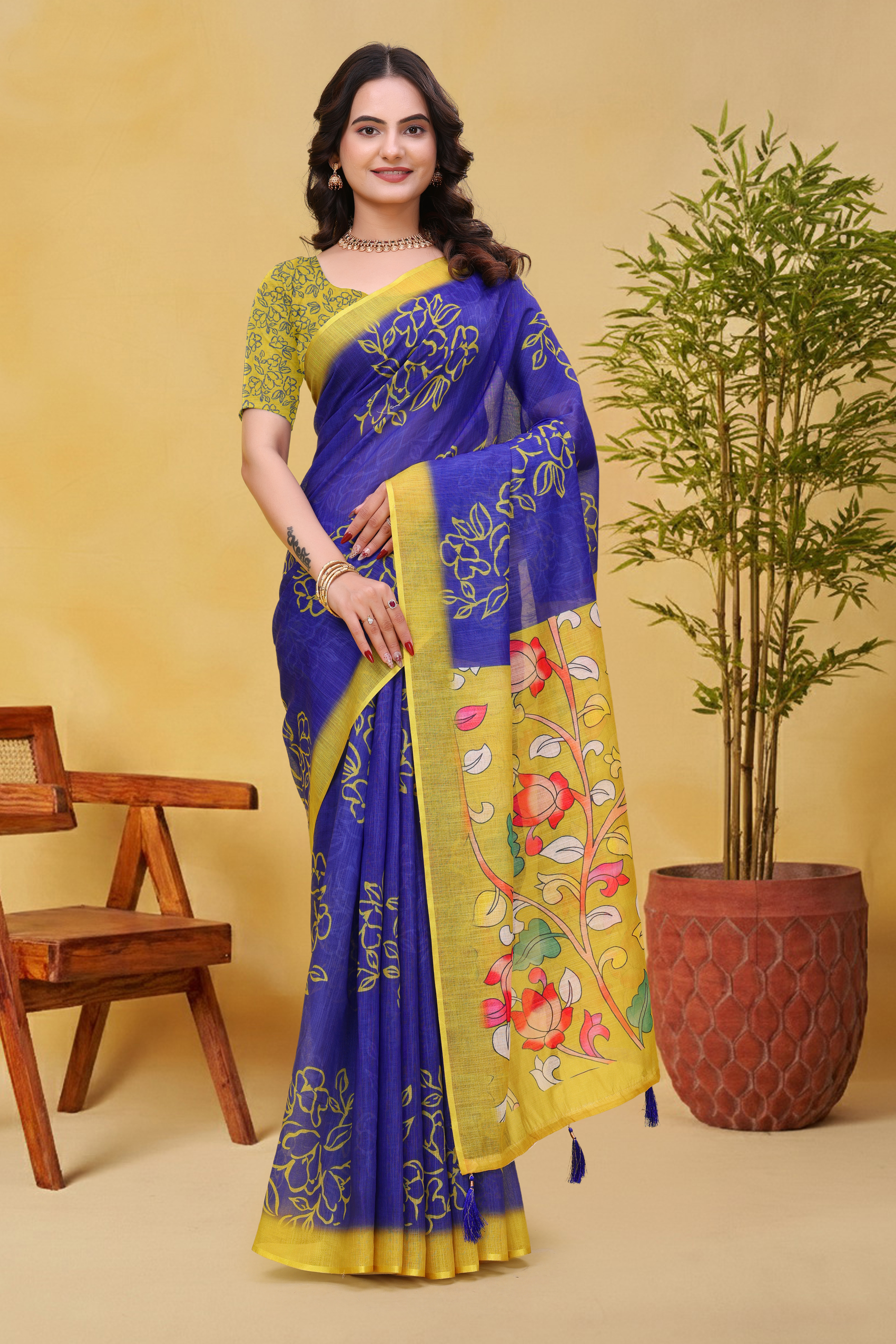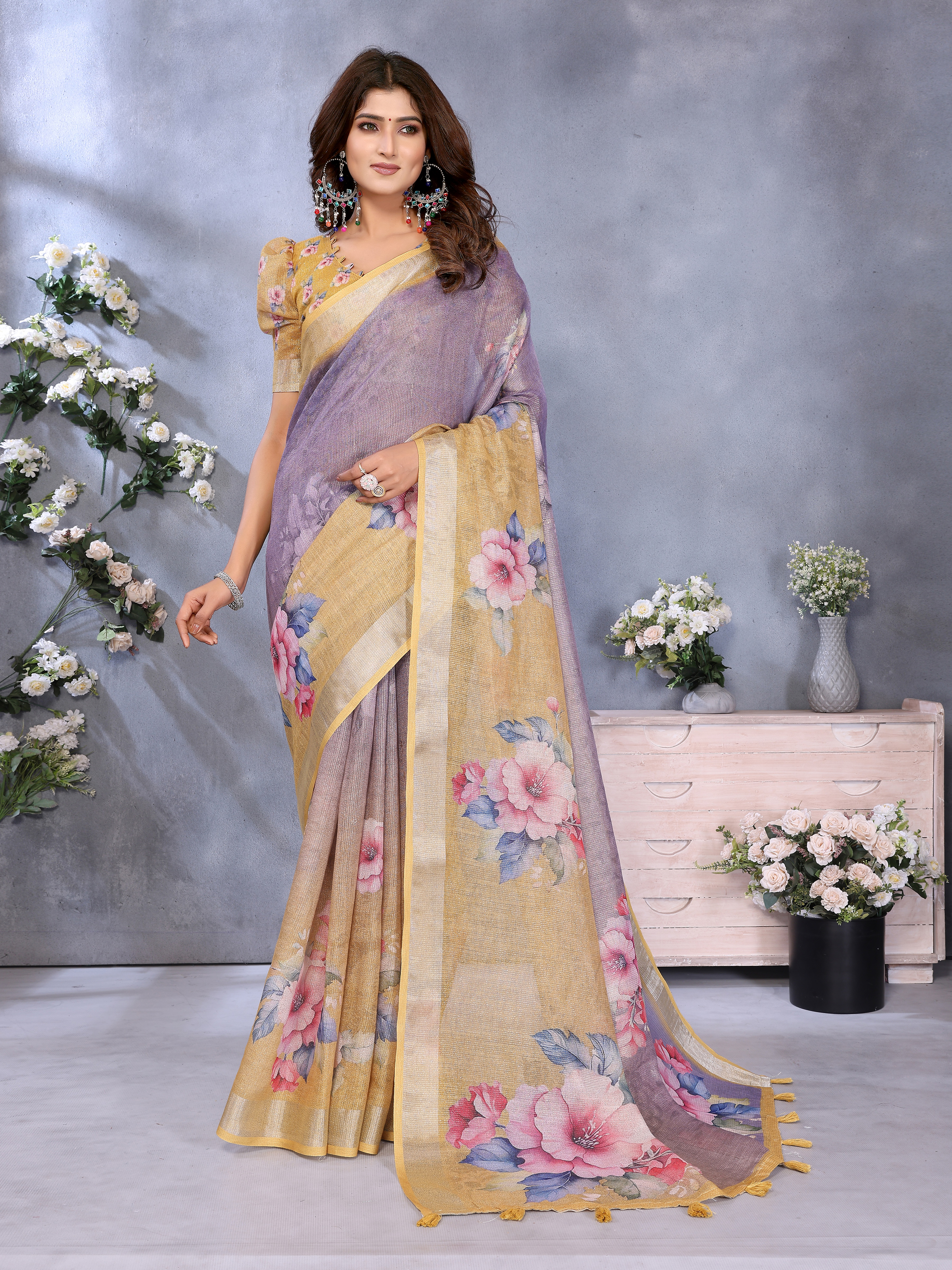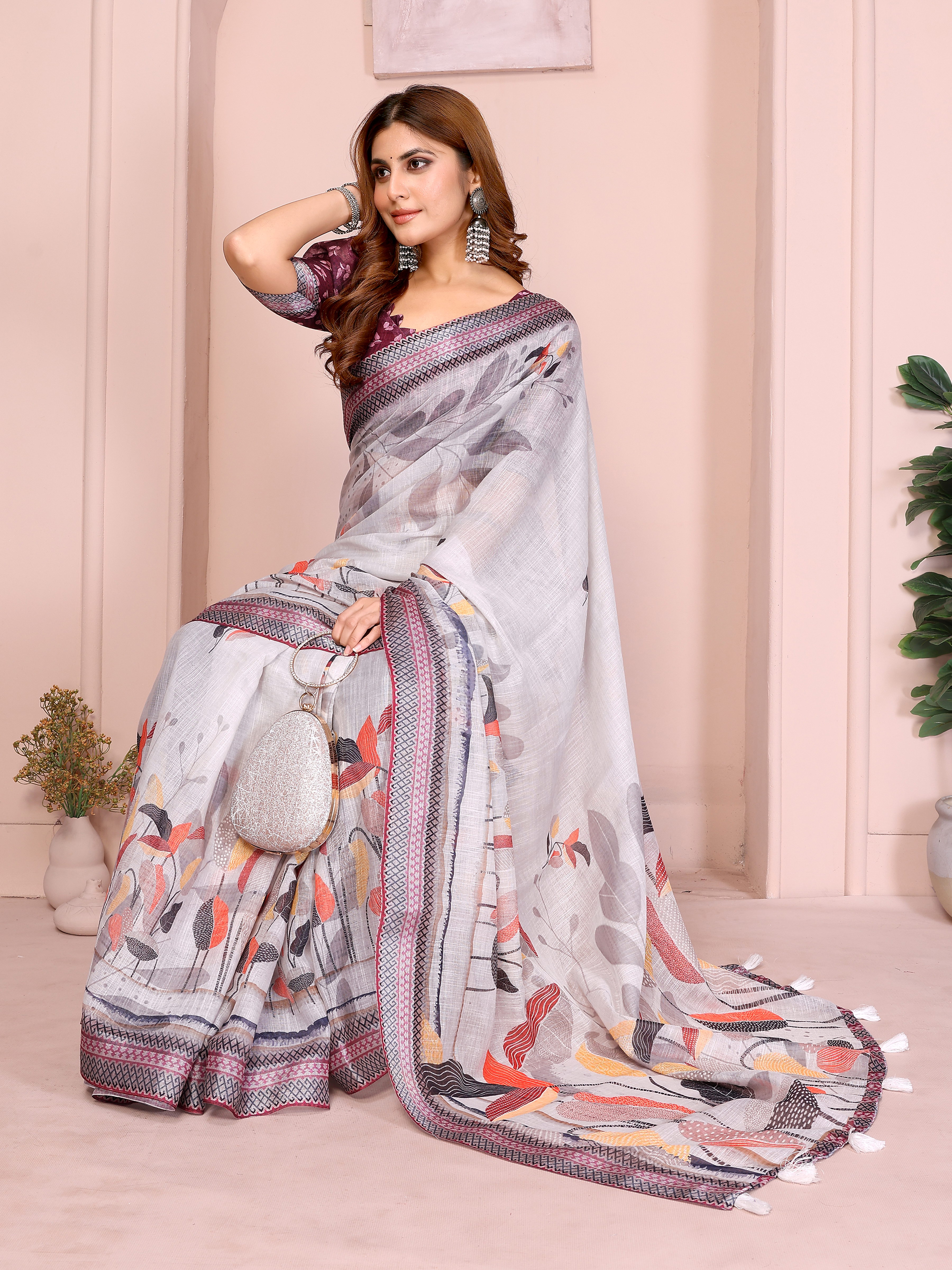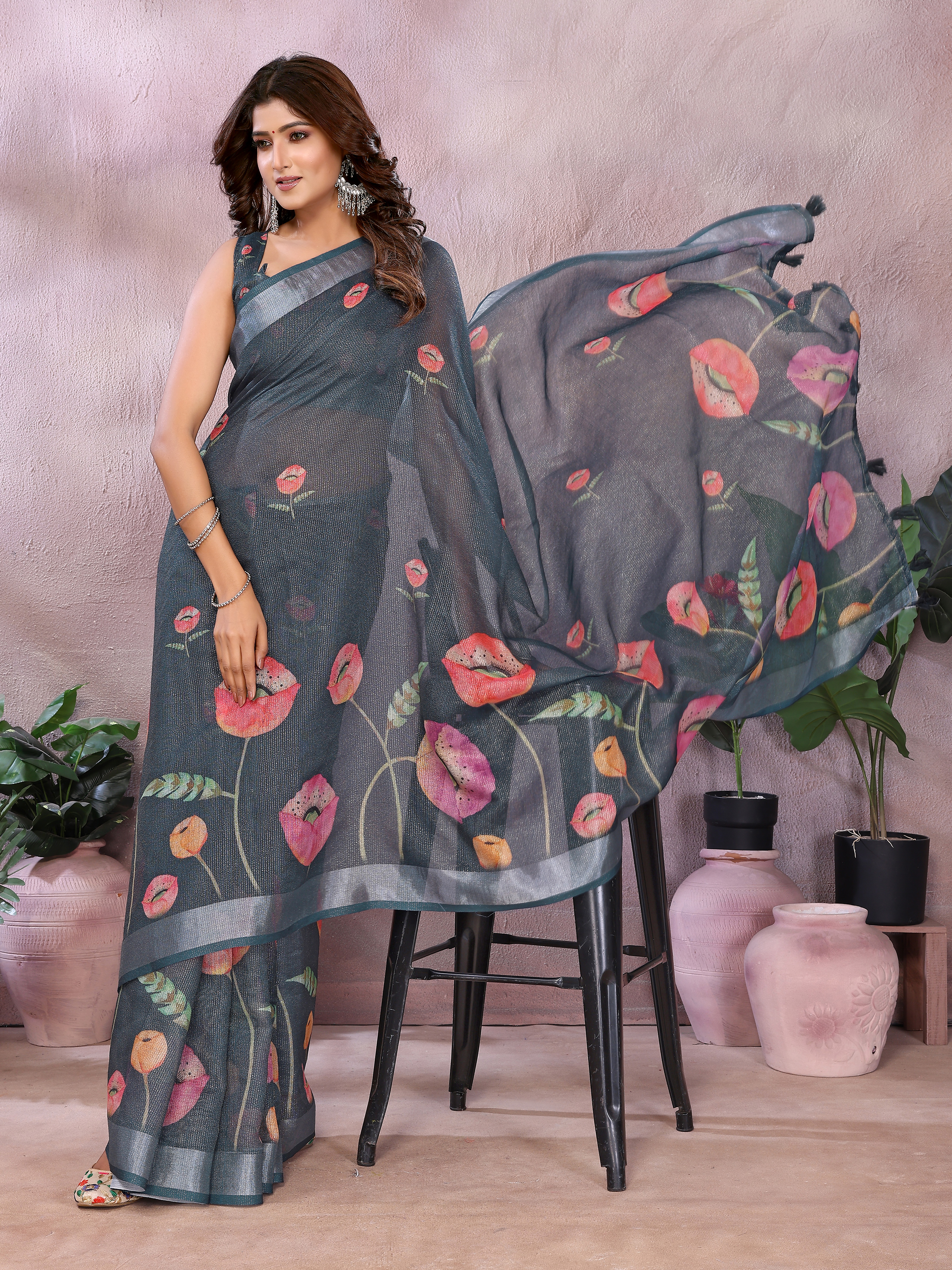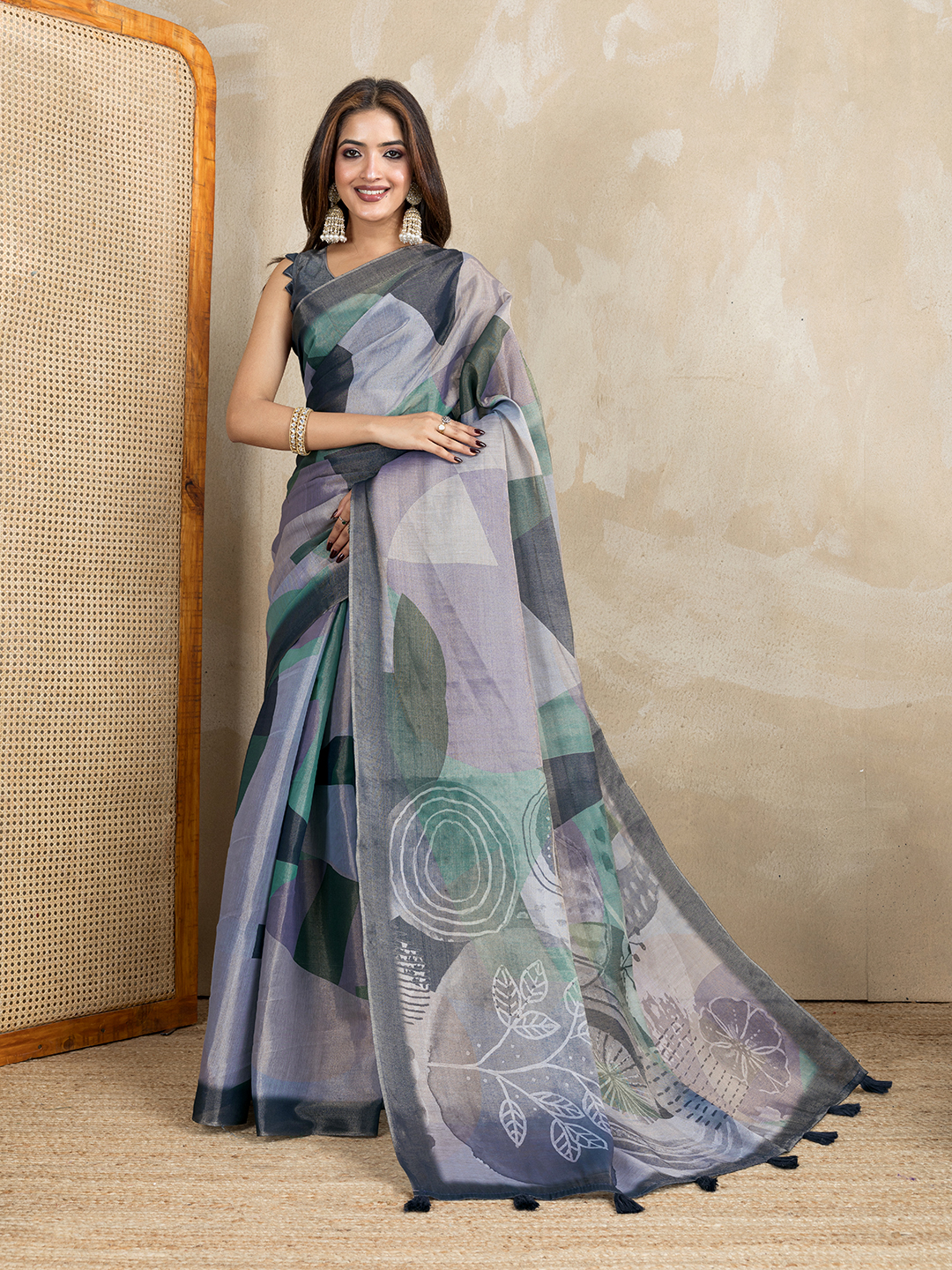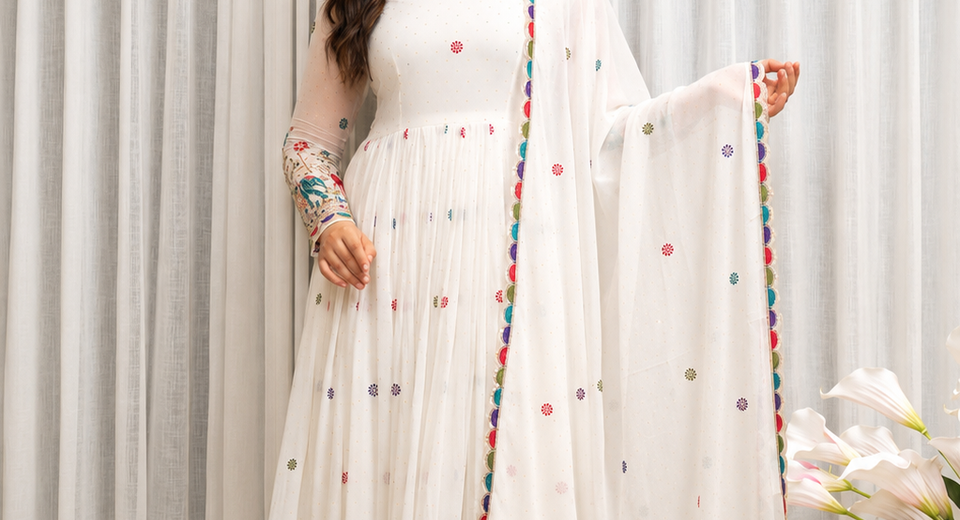
Jaal Embroidery Makes a Suit Feel Rich Without Relying on a Heavy Border because the eye reads a connected field of motifs as one luxurious surface. Instead of concentrating all decoration along the hem, neckline or sleeve edge, jaal embroidery distributes flowers, vines, leaves, butis or geometric forms across the kurta. The result can look elaborate while remaining lighter, more fluid and easier to wear than a suit dominated by a thick border.
That distinction matters when choosing a salwar suit for a wedding, festive dinner or formal gathering. A heavy border creates a strong horizontal line, while a well-spaced jaal guides the eye vertically and across the garment. Understanding that visual difference helps you judge embroidery quality, select a flattering silhouette and style a Readymade salwar Suit Dupatta without making the outfit look overloaded.
Jaal Embroidery Makes a Suit Feel Rich Without Relying on a Heavy Border: What creates the effect?
Jaal embroidery looks rich when motif scale, spacing, thread contrast and garment coverage work together. The richness comes from visual continuity rather than simply from the quantity of thread, sequins or zari.
In textile design, a jaal is an interconnected or repeated pattern that resembles a net. The connections may be literal vines and stems, or they may be created by repeating floral, paisley or abstract motifs at measured intervals. A scattered arrangement has breathing space between individual motifs; a jaal gives those motifs a relationship, so the surface feels intentionally composed.
Three details usually create the impression of depth. First, larger motifs establish the main rhythm. Second, smaller leaves, dots or tendrils fill selected gaps without closing every area. Third, tonal variation, such as deep red thread on black fabric or pale gold work on maroon, creates layers that a single flat colour can't provide.
Jaal embroidery can also make a plain silhouette feel more designed. A straight kurta with a connected floral field gains presence without needing a wide hem. An Anarkali with vertical or radiating jaal placement can appear graceful because the embroidery follows the garment's fall. A palazzo suit benefits from a detailed kurta balanced by cleaner trousers, allowing the upper half to remain the focal point.
Jaal Embroidery Makes a Suit Feel Rich Without Relying on a Heavy Border: How does it compare?
Jaal embroidery spreads attention over the garment, whereas a heavy border concentrates attention at one edge. Neither approach is automatically better, but each creates a different proportion and wearing experience.
A broad border adds weight to the hem and can make a suit feel grand, especially when it includes zari, sequins, gota or dense threadwork. The same border can visually shorten a petite wearer if its width and contrast are too strong. A thick sleeve or dupatta border can also make the outfit feel busy when the kurta already contains a large neckline design.
Jaal embroidery offers a softer alternative because the eye moves between motifs rather than stopping at a hard horizontal band. Medium-sized motifs placed from the upper chest to the lower kurta can create length. A partial jaal on the bodice and sleeves can look polished for formal salwar suit ladies dressing without requiring a fully embellished hem.
The choice also affects movement. A very decorated border becomes visually and physically prominent when the hem swings or the dupatta folds over it. Distributed embroidery remains visible in more positions, including while sitting, walking or draping the dupatta over one shoulder. That versatility is useful in readymade salwar suits, where the wearer can't always alter the placement after purchase.
A heavy border still has a role in bridal and traditional dressing. Kanjeevaram-inspired metallic ideas, zari-rich festive suits and ornate ceremonial Anarkalis can benefit from a defined lower edge. The point is proportion: a connected jaal can provide richness when a wide border would overwhelm the garment, the wearer or the event.
Jaal Embroidery Makes a Suit Feel Rich Without Relying on a Heavy Border: Which fabrics support it?
Crepe, silk blends, georgette, velvet accents and selected cotton weaves can all support jaal embroidery, but each fabric changes how the motifs appear and how the suit should be worn.
Crepe and fluid fabrics
Crepe gives jaal motifs a smooth background and a soft fall, making it suitable for festive and party wear. The fabric doesn't compete with a connected embroidered pattern, so a multicolour design can remain legible instead of looking crowded. Multicolor Embroidered Crepe Maxi Suit Set for Festive Wear demonstrates why a flowing surface can carry decorative work across a longer silhouette.
Crepe generally suits evening functions because its fluid drape and polished surface respond well to indoor lighting. Check whether the fabric is lined before buying, especially when embroidery is concentrated around the bodice. A lining that ends above the hem can change the way the lower jaal appears and may affect comfort during extended wear.
Silk-look fabrics and zari accents
Silk and silk-look fabrics reflect light, so even moderate embroidery can appear festive. Black Red Fendy Silk 3 Piece Readymade Salwar Suit Set shows how a dark base can make red and metallic accents look more dimensional without depending on a broad border.
Zari works particularly well when it outlines rather than completely fills the jaal. Gold zari on maroon, antique zari on black and silver-toned work on jewel colours each create a different mood. Dense zari can feel formal and bridal; fine outlining is more adaptable for a reception, festive lunch or evening celebration.
Cotton for daytime dressing
Cotton salwar suits are practical for daytime because cotton breathes and absorbs moisture better than many synthetic alternatives. A cotton base looks most balanced with thread-led jaal embroidery, restrained mirror work or small floral motifs rather than very dense metallic filling.
The same design principle works for a formal salwar suit ladies may wear to a daytime work event, cultural programme or family gathering. A lighter base, moderate motif size and controlled colour contrast preserve polish without making the suit resemble evening wear.
Jaal Embroidery Makes a Suit Feel Rich Without Relying on a Heavy Border: How should colour be judged?
Colour contrast and motif density should be judged together because a sparse bright design can look stronger than a dense tonal design. Looking only at the number of motifs gives an incomplete idea of visual richness.
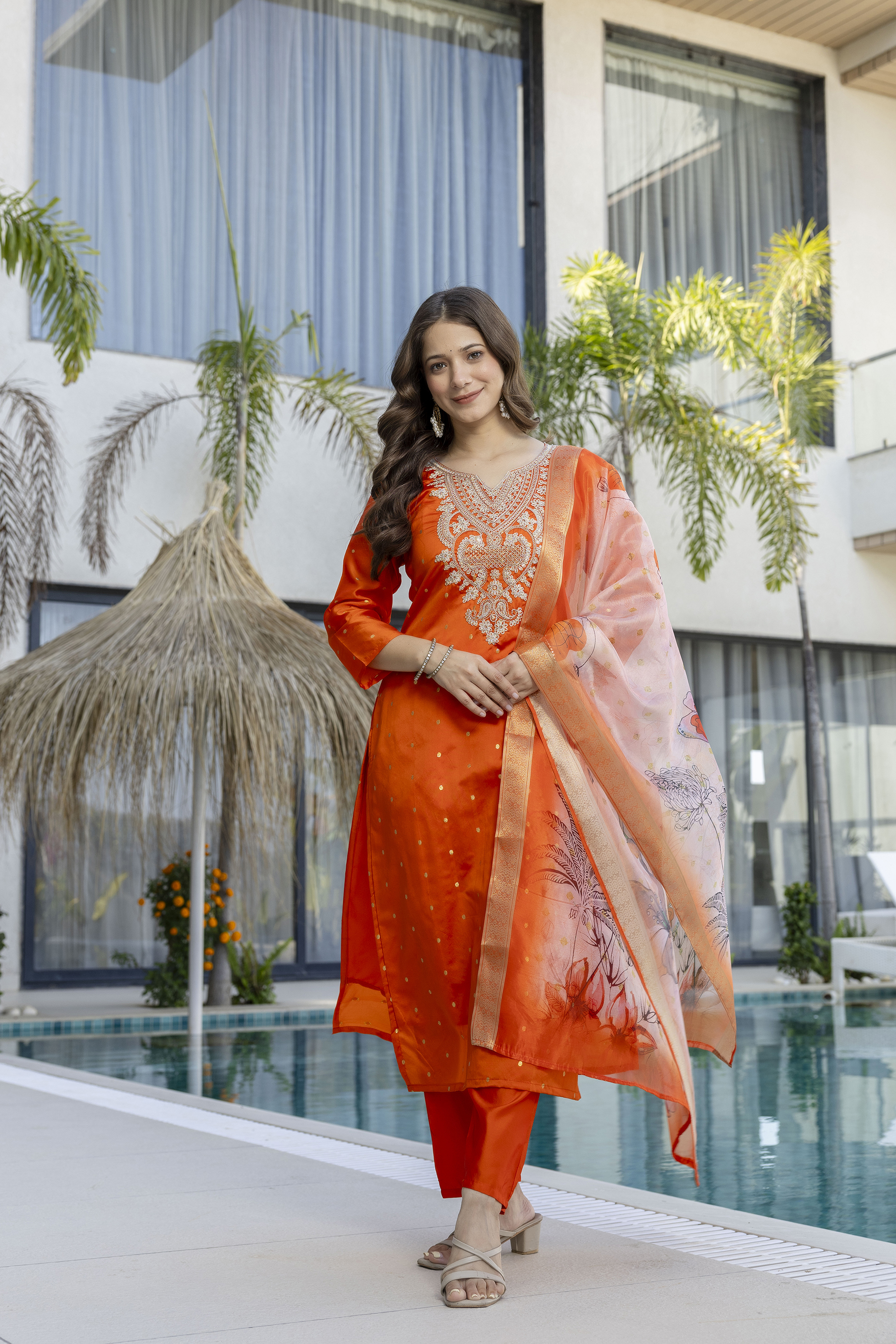
High-contrast embroidery is immediately noticeable. White floral embroidery on black creates a crisp, graphic surface, as seen in Black White Floral Embroidered Readymade Salwar Suit. Such a suit needs fewer competing accessories because the contrast already supplies definition.
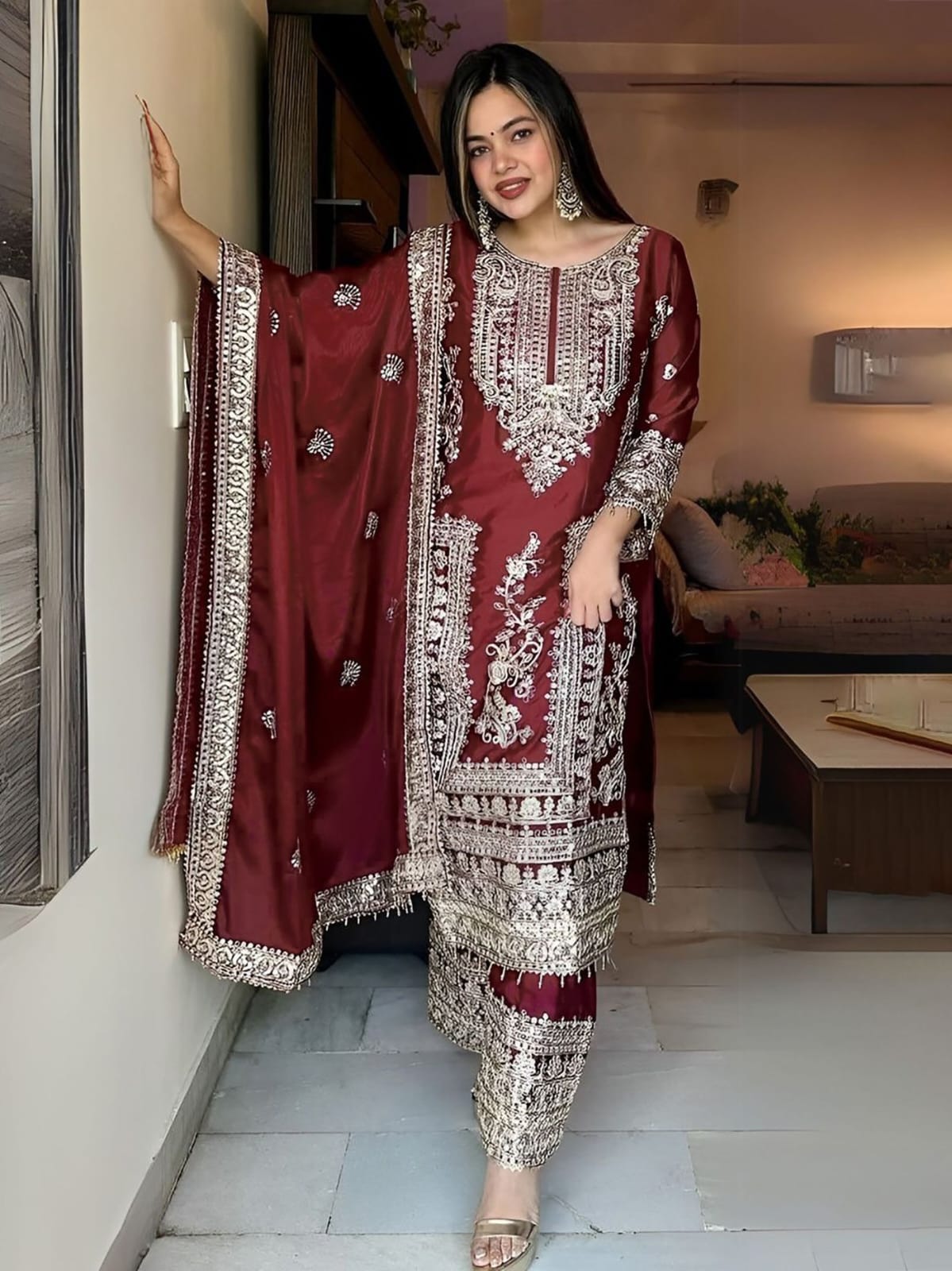
Low-contrast embroidery creates a quieter, more fluid impression. Maroon embroidery on a maroon or wine base can look deep and occasion-appropriate, especially when the work uses different textures or a small amount of metallic highlight. Maroon Wedding Wear Embroidered Palazzo Suit Set uses the strength of a rich base and coordinated decoration to create ceremony-ready impact without requiring a massive border.
Motif density should also relate to the wearer's scale and the garment's length. Small, closely packed motifs can disappear on a long Anarkali, while very large motifs may dominate a short kurta. Medium motifs with clear gaps are usually the most versatile choice for a Salwar Suit Design Girl seeking a polished, contemporary appearance.
Examine the embroidery from a normal viewing distance of about one metre. If the pattern merges into a single dark mass from that distance, the suit may need a contrasting dupatta or simpler accessories. If the motifs vanish entirely, the garment may look plainer than expected in photographs and evening light.
Black and red create a dramatic party-wear combination, while maroon and antique gold suggest a more time-honoured wedding mood. Multicolour embroidery can look youthful on a maxi silhouette, but one shade should still repeat in the dupatta, footwear or jewellery to keep the outfit visually connected.
Jaal Embroidery Makes a Suit Feel Rich Without Relying on a Heavy Border: How can the dupatta complete it?
The dupatta should either echo one element of the jaal or provide calm space around it; repeating every detail can make the outfit appear excessively busy.
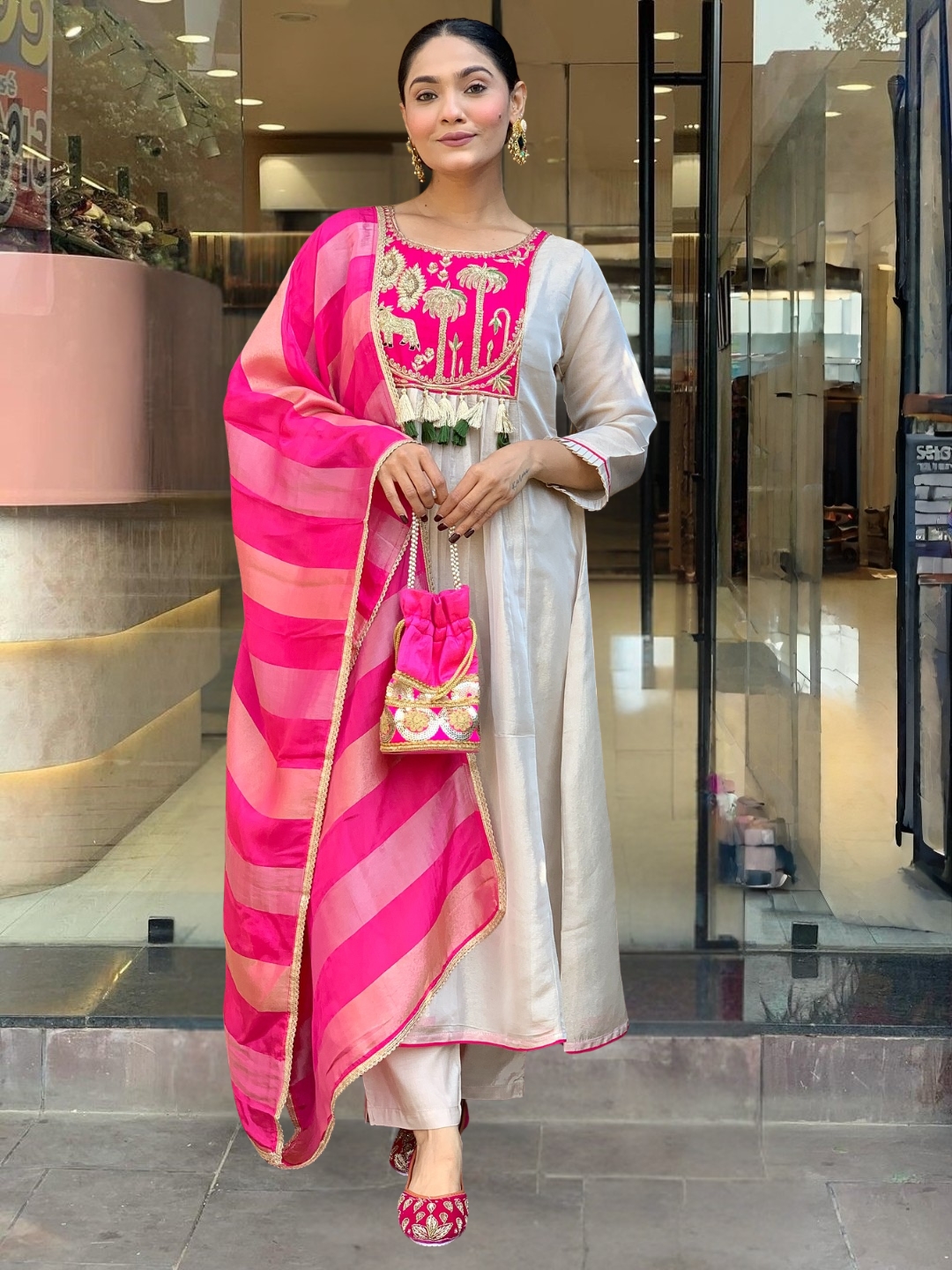
A plain or lightly bordered dupatta works when the kurta carries dense all-over embroidery. A dupatta with small butis can work when the kurta has a partial jaal, because the scattered motifs extend the design without creating a second heavy panel. Maroon Embroidered Jalpari Kurta Pant Dupatta Set illustrates the value of treating the three-piece outfit as one visual composition rather than styling each piece independently.
For a Readymade salwar Suit Dupatta, check the width, length and transparency before deciding on a drape. A narrow dupatta may not provide enough coverage for a front-open drape, while a very wide embellished dupatta can conceal the kurta's central jaal. A shoulder drape that leaves the neckline visible often shows the embroidery more effectively than wrapping the entire front.
Colour repetition is usually more elegant than exact pattern repetition. A black suit may take a red-edged or red-accented dupatta. A multicolour crepe suit may need a dupatta that repeats only one secondary shade. Pinning the dupatta at the shoulder can preserve the placement of the embroidery, but leaving one end loose gives a softer finish for festive dressing.
Punjab Phulkari Embroidered Salwar Suits offer an useful styling reference for colour-led surface decoration, where the interest comes from repeated motifs and thread contrast. Kashmir Embroidered Salwar Suits show how delicate floral continuity can create refinement without making every edge heavy. Hyderabad Embroidered Salwar Suits can inspire a richer festive approach when metallic accents and deeper colours are appropriate.
Jaal Embroidery Makes a Suit Feel Rich Without Relying on a Heavy Border: Which silhouettes work?
Straight suits, Anarkalis, palazzo suits and maxi-style suits all work with jaal embroidery when motif placement follows the silhouette's movement and proportion.
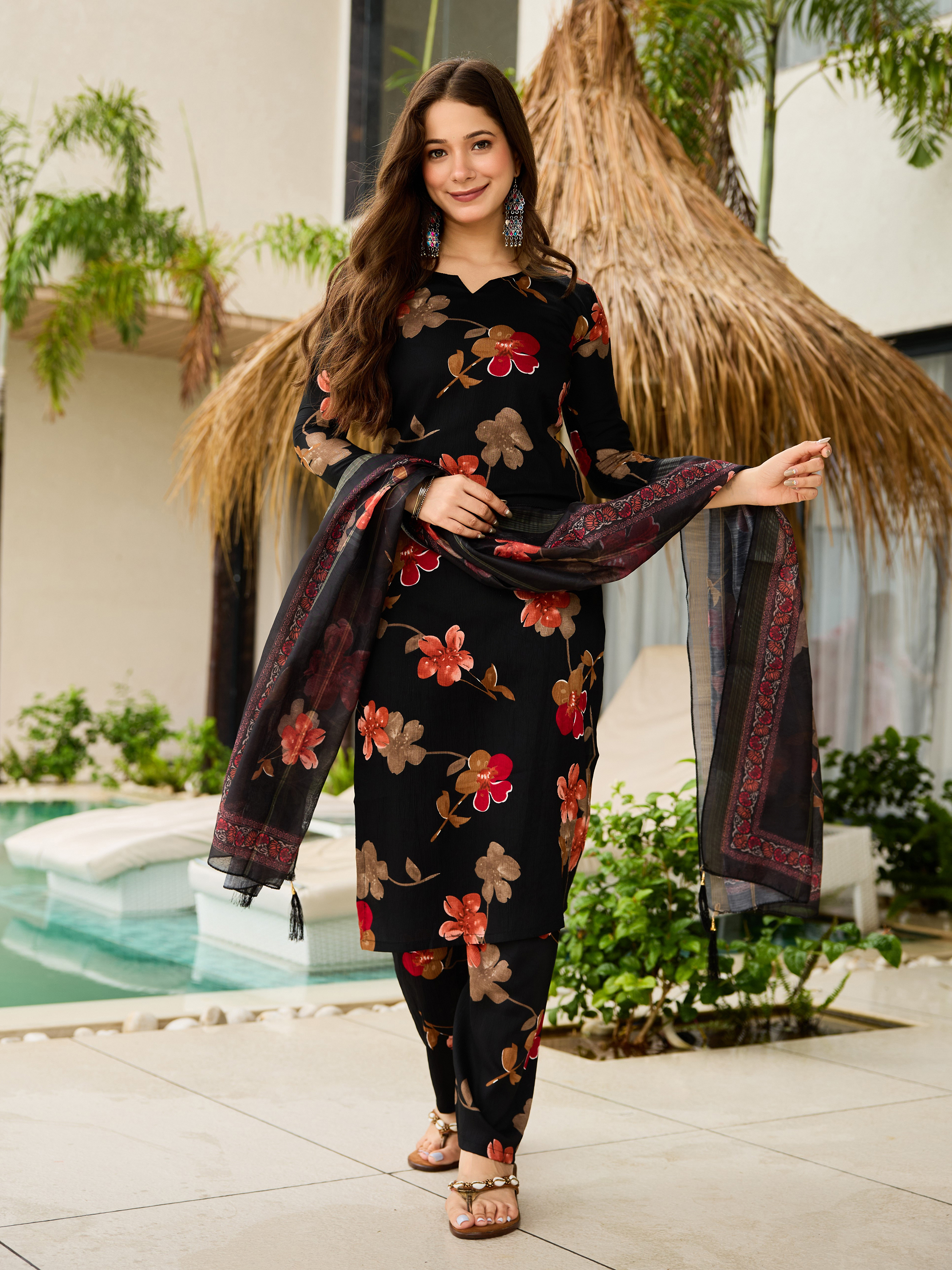
A straight kurta benefits from vertical vines, elongated floral arrangements or a centred front panel. The placement creates length and keeps the sides from appearing too wide. A palazzo suit can carry a more decorative upper half because the wide trouser leg already supplies movement.
An Anarkali needs special attention to where the embroidery begins and ends. A jaal that starts at the yoke and gradually opens toward the flare can reinforce the garment's shape. Black Embroidered Anarkali Suit Set with Zari Work shows how zari can add occasion value while allowing the silhouette to remain the main visual feature.
A shorter kurta with coordinated pants may suit a festive lunch or family event, while a maxi suit can provide more drama for an evening celebration. Black Anarkali Suit with Zari, Sequins & Moti Lace Work uses multiple surface details, so accessories should remain restrained and the dupatta should not introduce another oversized border.
Delhi Chikankari Embroidered Salwar Suits and Lucknow Chikankari Embroidered Salwar Suits demonstrate why texture can replace heaviness. Chikankari's delicate threadwork creates interest through shadow, spacing and craftsmanship rather than a thick metallic edge. These references are particularly useful when selecting a formal salwar suit ladies can wear during the day.
Jaal Embroidery Makes a Suit Feel Rich Without Relying on a Heavy Border: What should buyers check?
Buyers should check motif placement, lining, seam quality, measurements, fabric composition and care instructions before choosing an embroidered suit.
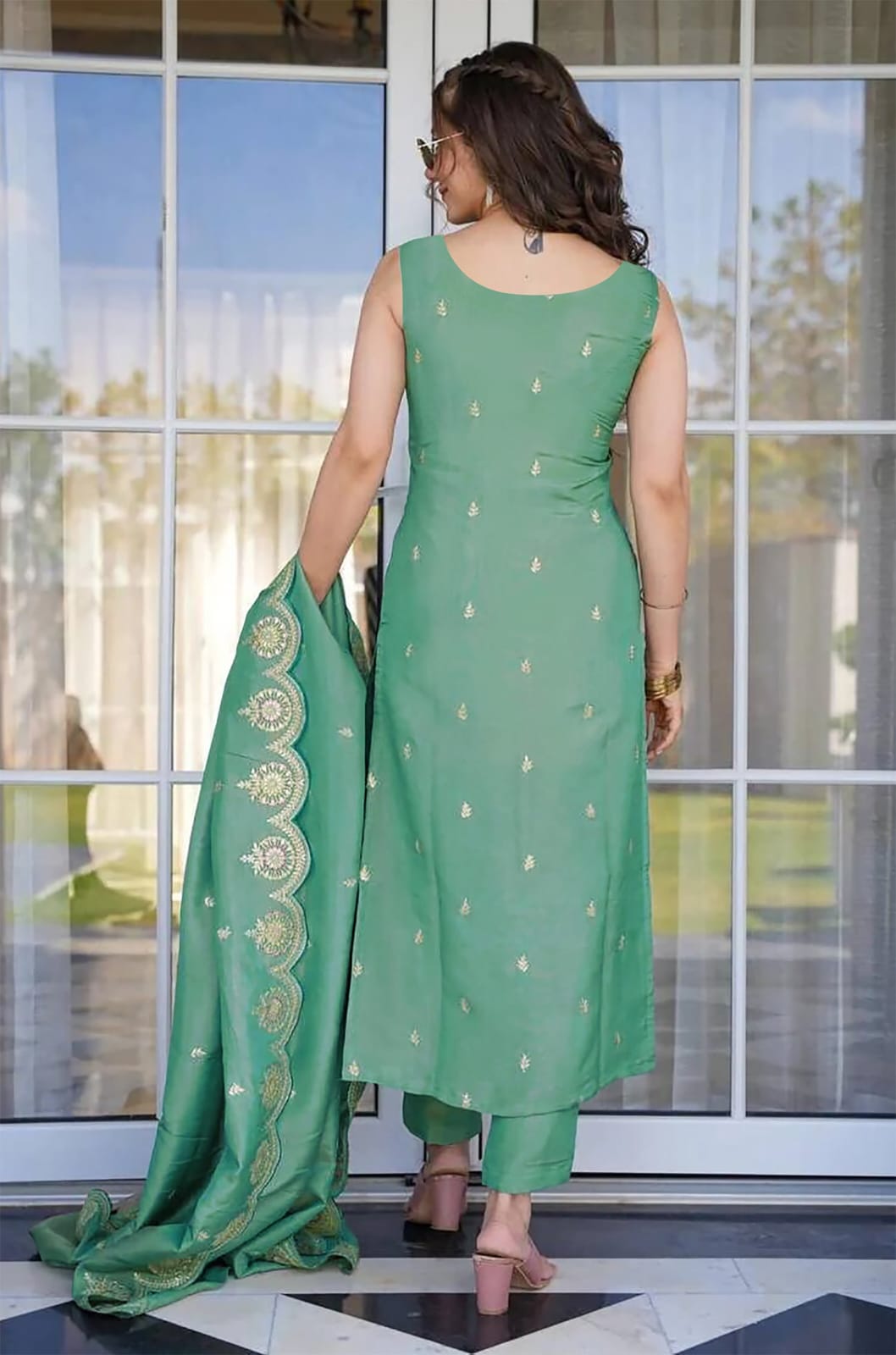
Look at the neckline, armhole and side seams first because embroidery can affect comfort in those areas. Raised sequins, zari ends or dense threadwork should not scratch the underarm or press against the neck. Compare the garment's stated bust, waist, hip and length measurements with a similar suit that fits you well rather than relying only on a general size label.
Check whether the embroidery continues across seams or stops abruptly. Aligned motifs usually indicate more careful construction, although minor variation is normal in handcrafted or irregularly placed work. Examine the reverse side for loose threads, knots and backing; loose ends can catch on jewellery, bangles or handbag hardware.
Care instructions matter because metallic work and synthetic fabrics respond differently to washing. Dry cleaning is usually safer for zari, sequins, moti details and dense embroidery. If a care label permits gentle washing, turn the suit inside out, use cold water, avoid soaking for long periods and dry it flat or in shade. Do not iron directly over embroidery; place a pressing cloth between the iron and fabric or use steam from a safe distance.
Storage also protects the jaal. Fold the suit with soft cotton tissue between heavily embroidered surfaces, keep it away from damp cupboards and avoid hanging very heavy Anarkalis for months because prolonged weight can stretch the shoulders. Air the garment after wearing it before storing it, especially after a Haldi ceremony or a warm outdoor function.
Jaal Embroidery Makes a Suit Feel Rich Without Relying on a Heavy Border: Which occasion suits it?
Jaal-embroidered suits suit weddings, festive gatherings, evening parties, formal daytime events and cultural celebrations when fabric weight and embellishment are matched to the setting.
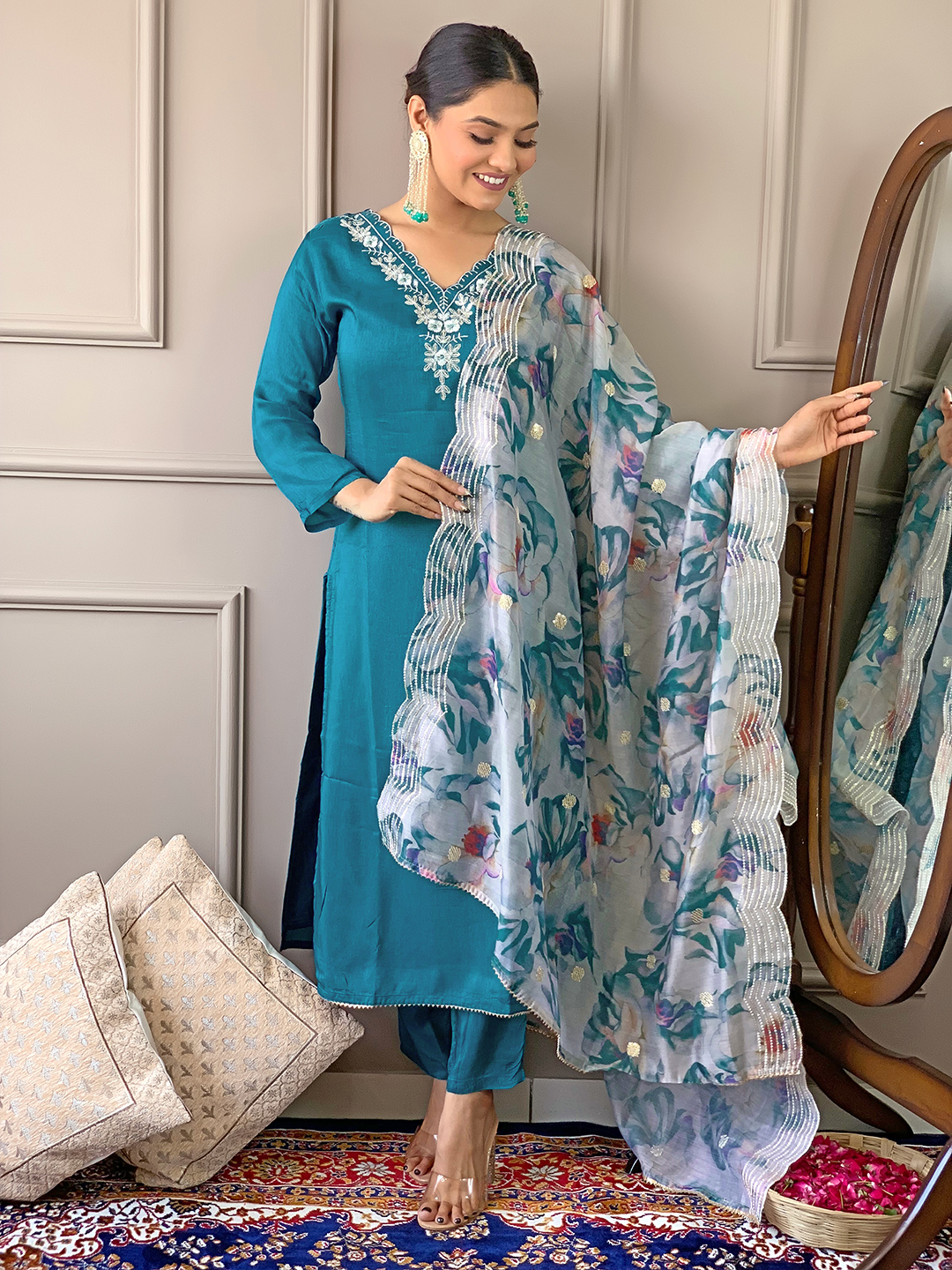
For a Haldi ceremony, choose lighter embroidery, breathable cotton or an easy crepe silhouette so turmeric, sunlight and movement don't make the outfit uncomfortable. For a wedding reception, silk-look fabric, zari outlining and a deep base colour can provide enough formality without a bridal-scale border. A party-wear Salwar Suit women can style with statement earrings often needs only one strong accessory because the embroidered surface already supplies detail.
For formal dressing, select controlled contrast, a clean trouser or palazzo and a dupatta that doesn't compete with the neckline. For a festive family dinner, a multicolour jaal can feel lively when one colour is repeated in the sandals or bangles. The most convincing outfit isn't necessarily the most decorated outfit. It is the one in which embroidery, fabric, fit and movement agree.
A rich-looking salwar suit depends less on maximum embellishment than on where the eye travels across the garment.
Common Questions About Jaal Embroidery on Salwar Suits
Which salwar suit is trending now?
Jaal-embroidered Anarkalis, palazzo suits, maxi suits and coordinated kurta-pant-dupatta sets are strong choices because they combine surface detail with comfortable silhouettes. Multicolour crepe, black-and-red combinations, zari accents and refined floral work are particularly adaptable for festive and party dressing.
Where can I buy women’s suit sets online in India?
Women's suit sets are available through established ethnic-wear websites and online fashion marketplaces in India. Before ordering, compare garment measurements, fabric details, lining information, embroidery close-ups, dupatta dimensions and the stated care instructions.
What is the best app for buying ladies’ suits?
The best shopping app depends on catalogue variety, measurement information, delivery coverage, customer reviews and exchange terms rather than on one universal name. An app is more useful when the listing clearly identifies fabric, silhouette, included pieces and detailed product measurements.
Which brand is best for ladies’ suits?
The best brand for ladies' suits depends on the wearer's preferred fabric, fit, embroidery style and budget. A well-made suit should have accurate measurements, secure embroidery, comfortable seams, a suitable lining and clear care instructions.
How can a heavy embroidered salwar suit look less overwhelming?
Pair a heavily embroidered kurta with a quieter dupatta, simple footwear and one statement accessory. Choosing a connected jaal with breathing space instead of a wide contrasting border can also distribute visual weight more gracefully.
How should a jaal-embroidered salwar suit be washed?
Dry cleaning is generally safer for suits with zari, sequins, moti details or dense embroidery. When the care label allows gentle washing, use cold water, turn the garment inside out, avoid prolonged soaking and never iron directly over the embroidered surface.