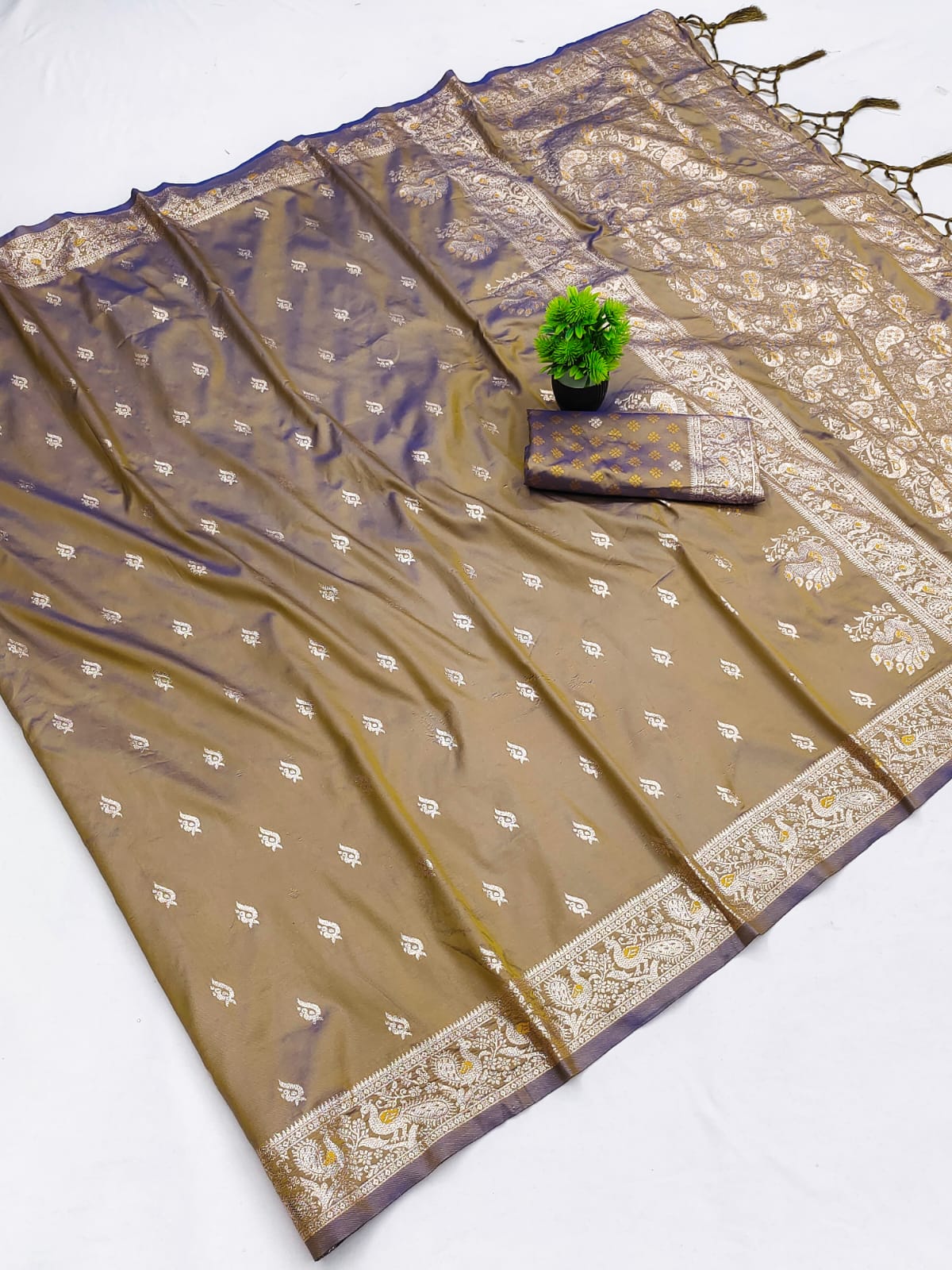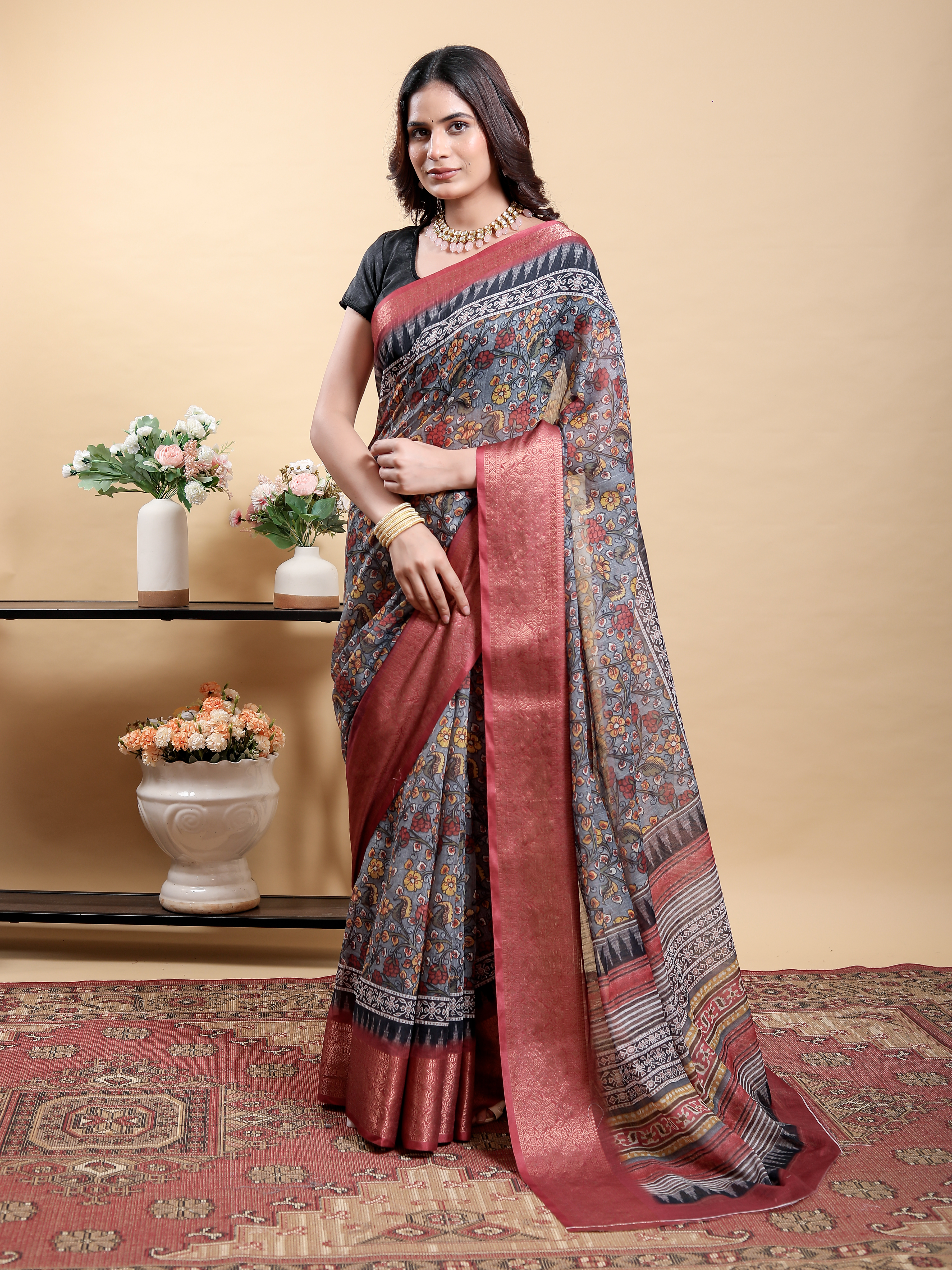
Hyderabad Old City Festive Shopping Without Confusing Khada Dupatta and Sharara becomes much easier when you separate the garment from the drape. A sharara is a pair of wide-legged trousers, while a Khada dupatta is a long, formal dupatta arrangement associated with Hyderabadi dress traditions. Both can appear in embellished festive outfits, but they create various silhouettes, need different measurements and work differently with jewellery and footwear. Knowing the distinction before entering the lanes around Charminar can save time, keep incorrect alterations and help you judge whether an outfit suits a wedding, Eid gathering, Diwali event or family celebration.
Hyderabad Old City Festive Shopping Without Confusing Khada Dupatta and Sharara: What Is the Difference?
A Khada dupatta is a ceremonial draping style, whereas a sharara is a garment worn on the lower half of the body. The word "khada" refers to the dupatta being arranged in a standing, vertical fall around the wearer, usually with one side placed over the shoulder and the other brought across the front or over the head. A sharara has two trouser legs cut with a pronounced flare, commonly widening from the knee or from the upper thigh.
Traditional Khada dupatta ensembles may include a short kurti, long kurta, Anarkali or similarly fitted upper garment. The dupatta is often longer and wider than an everyday scarf because the drape is intended to frame the body. Zari borders, gota, sequins, brocade edging and ornate corner details are common visual features, although contemporary versions vary considerably.
A sharara can be sold with a short kurti, peplum top, Anarkali or plain kameez. The defining feature remains the lower garment rather than the dupatta. A skirt-like flare may make a sharara resemble a lehenga from a distance, but a sharara has a divided trouser construction. A gharara also has divided legs, but its flare usually begins below a fitted or gathered knee section, often with a visible seam or ruffle.
Why do shop descriptions create confusion?
Shop descriptions frequently use "sarara," "sharara," "gharara" and "Khada dupatta" loosely. A three-piece suit can contain a sharara bottom and a conventional dupatta, while an Anarkali set can be styled with a Khada dupatta without containing a sharara at all. Ask the seller to identify the bottom construction and the drape separately instead of relying on the headline name.
Hold the trousers by the waistband and inspect the inner seam. Two distinct legs indicate a sharara or gharara; a single circular panel indicates a skirt. Next, spread the dupatta flat and measure its length and width. A long, heavily bordered dupatta intended for a vertical ceremonial drape should not be judged like a lightweight everyday stole.
Hyderabad Old City Festive Shopping Without Confusing Khada Dupatta and Sharara: How Should You Shop?
Start with the event, the expected level of formality and the amount of walking involved. Charminar-area shopping includes dense lanes, uneven pavements, crowded shops and frequent stops, so a garment that looks impressive on a hanger still needs manageable weight, secure seams and practical footwear compatibility.
Laad Bazaar is widely associated with bangles and wedding shopping, while nearby Old City markets offer clothing, fabrics, jewellery and accessories across different price ranges. Shop owners may show several categories together, so state your requirement precisely: "I need a sharara bottom," "I need a long Khada dupatta," or "I need an Anarkali with a regular dupatta." Specific language reduces the chance of receiving a different silhouette.
What should you ask a seller?
Ask four questions before discussing a discount: "Is the bottom a sharara or gharara?", "Where does the flare begin?", "What is the finished dupatta length?", and "Is the fabric pure silk, silk blend, Chanderi silk or synthetic?" The answers reveal more than a broad label such as bridal, party wear or Hyderabadi style.
Request a measurement tape if the outfit is being altered. Record the natural waist, full hip, inseam, desired trouser length and sleeve length. For a sharara, full hip and thigh ease matter because the flare must move without pulling at the upper leg. For a Khada dupatta, shoulder width and dupatta length determine whether the drape stays in place without constant readjustment.
Ask whether the quoted price includes stitching, lining, can-can, tassels, hooks, edging or alteration charges. Embroidery density and lining quality can make a larger difference to the final price than the base fabric name. A very low quote may exclude finishing work that becomes necessary after purchase.
Hyderabad Old City Festive Shopping Without Confusing Khada Dupatta and Sharara: Which Silhouette Works?
A sharara suits shoppers who want movement, visible flare and a coordinated three-piece outfit that can be worn without mastering a complex drape. A Khada dupatta suits shoppers who want a more formal, vertical and ceremonial appearance, especially with an Anarkali or fitted kurti. Neither option is automatically more traditional or more comfortable; fabric weight, cut and finishing decide the practical result.
When is a sharara the more useful choice?
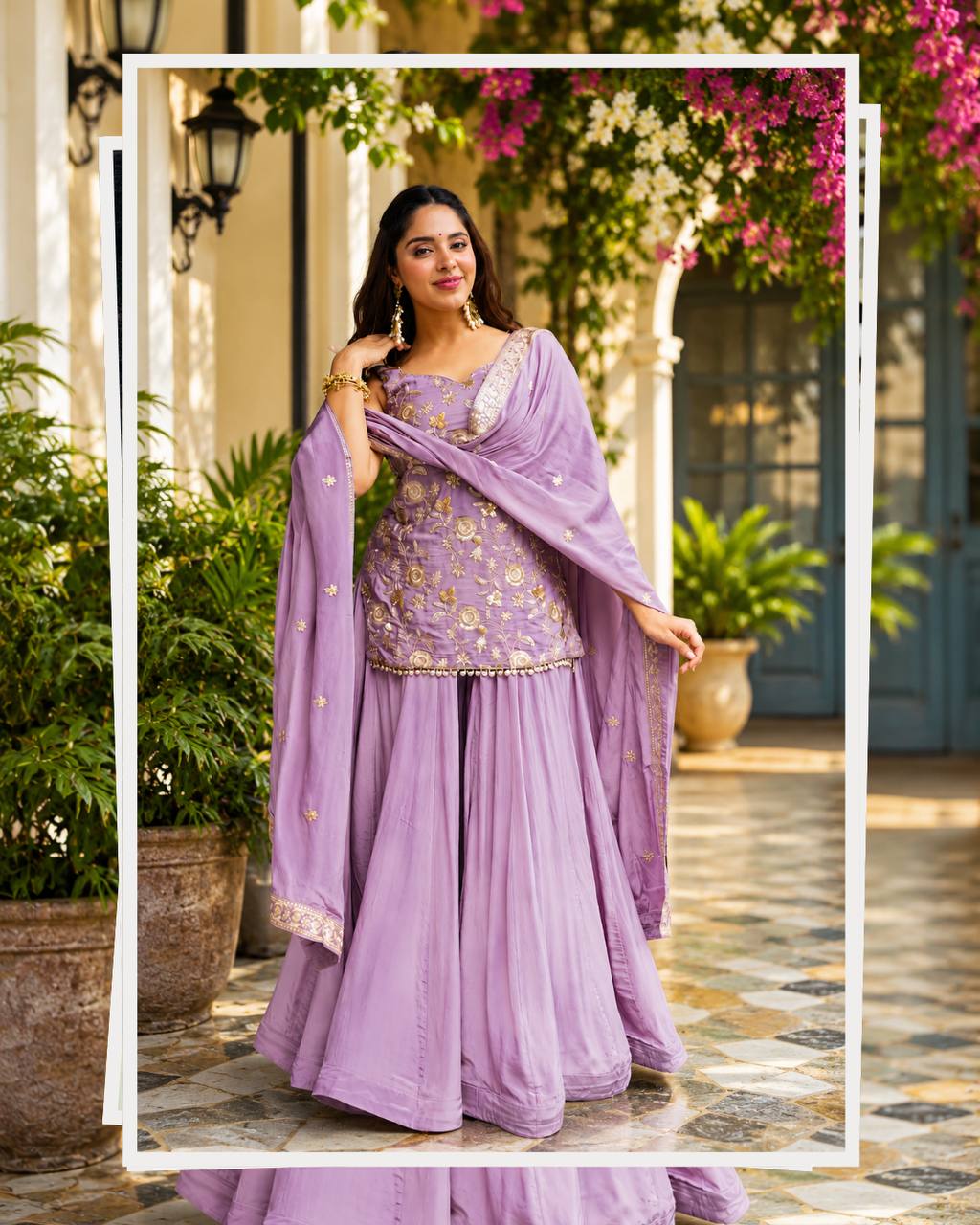
A sharara is a strong choice for sangeet functions, festive dinners, Eid gatherings and dance-heavy celebrations because the divided trouser construction permits easier movement than a narrow churidar. A flared trouser also balances a short kurti or fitted peplum top. Petite wearers may prefer a flare that begins slightly below the knee rather than at the waist, because excessive volume near the hip can visually shorten the body.
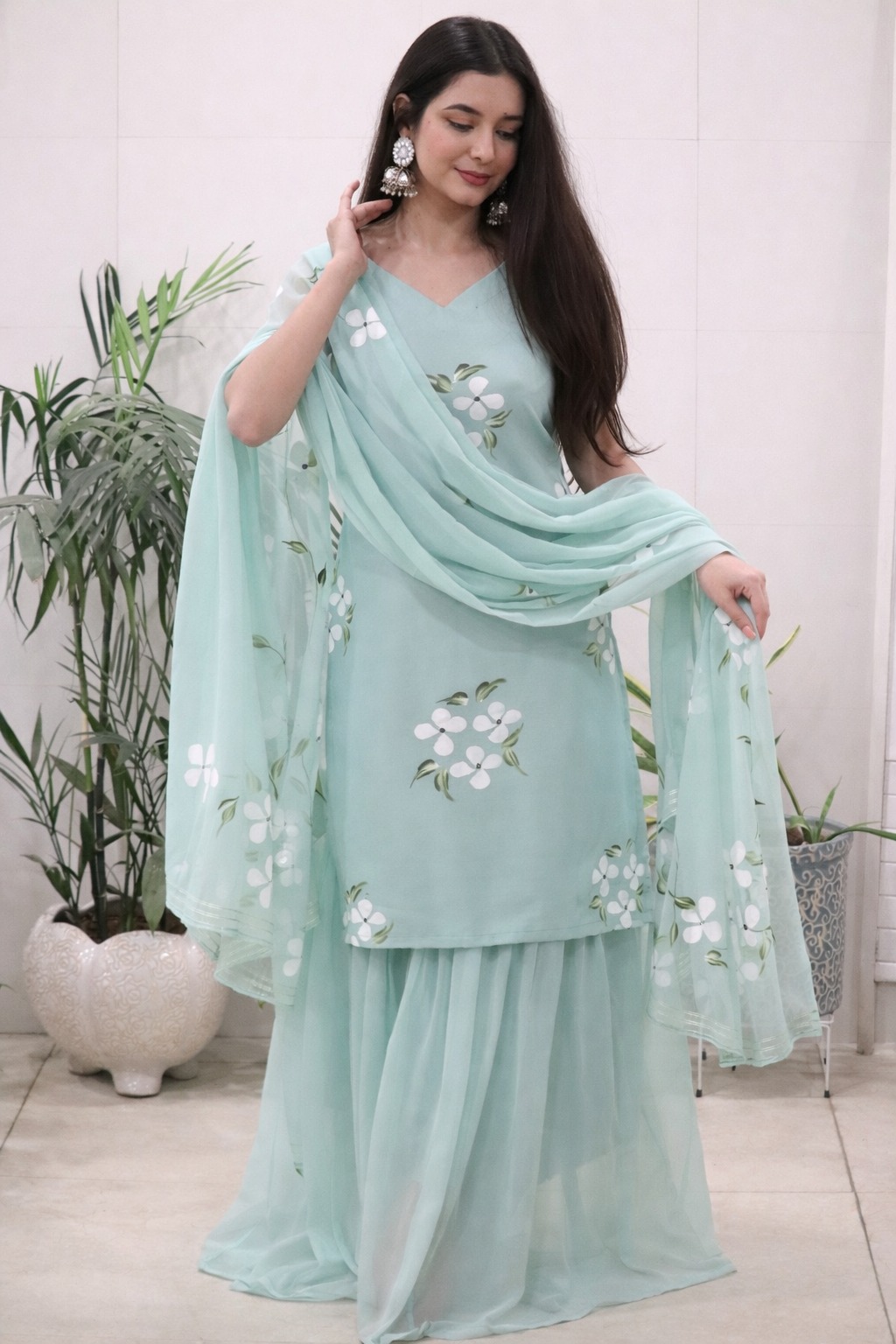
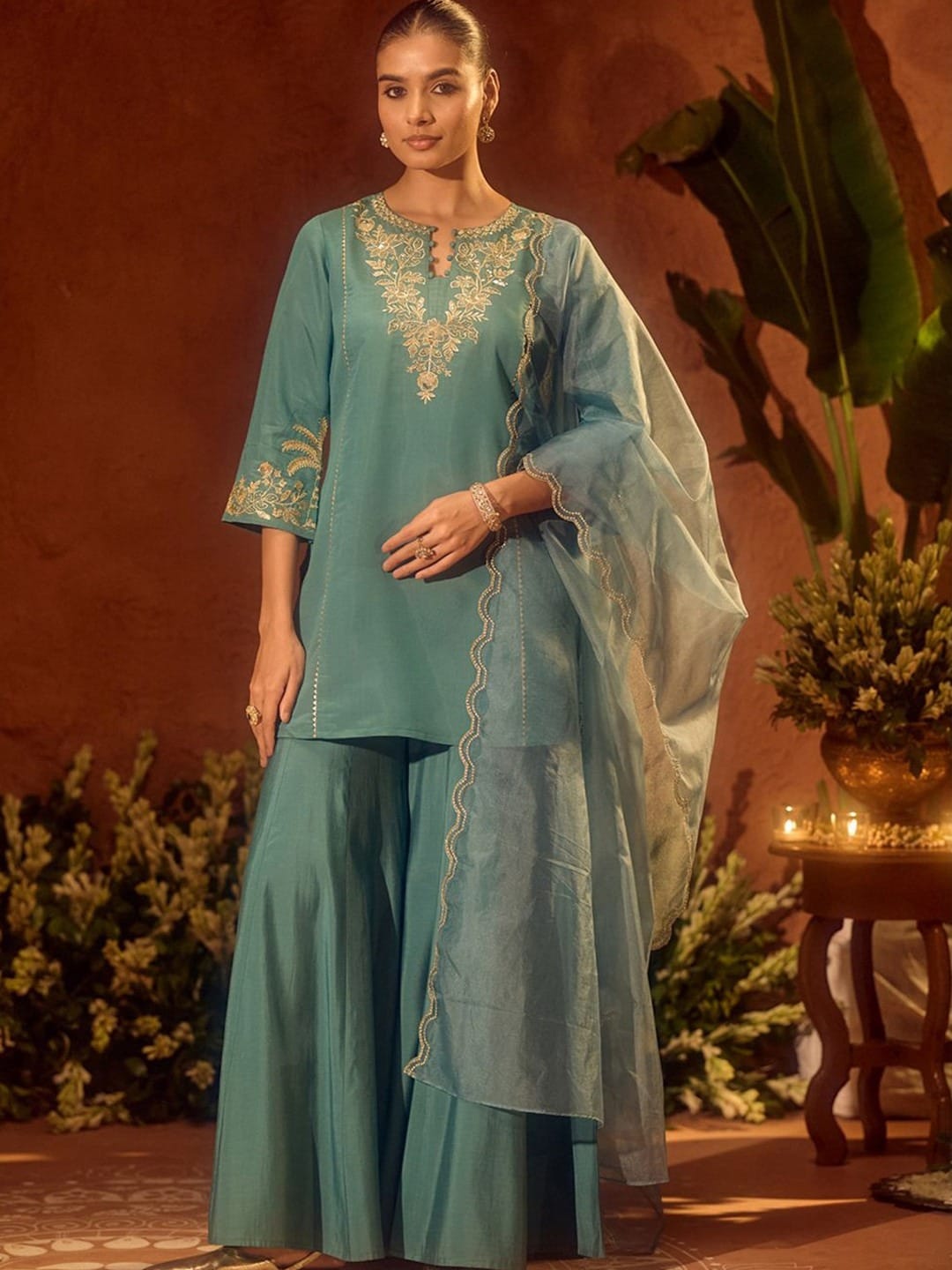
Elegant Mint Green Handpainted Sharara Set with Dupatta demonstrates how surface decoration can remain the focus when the silhouette already has movement. Handpainted details should be checked for colour transfer and care instructions, especially when the garment contains a pale mint base. Pastel Blue Chanderi Silk Embroidered Sarara Set for Women offers another useful comparison because Chanderi silk has a lighter visual character than dense velvet or heavily layered brocade.
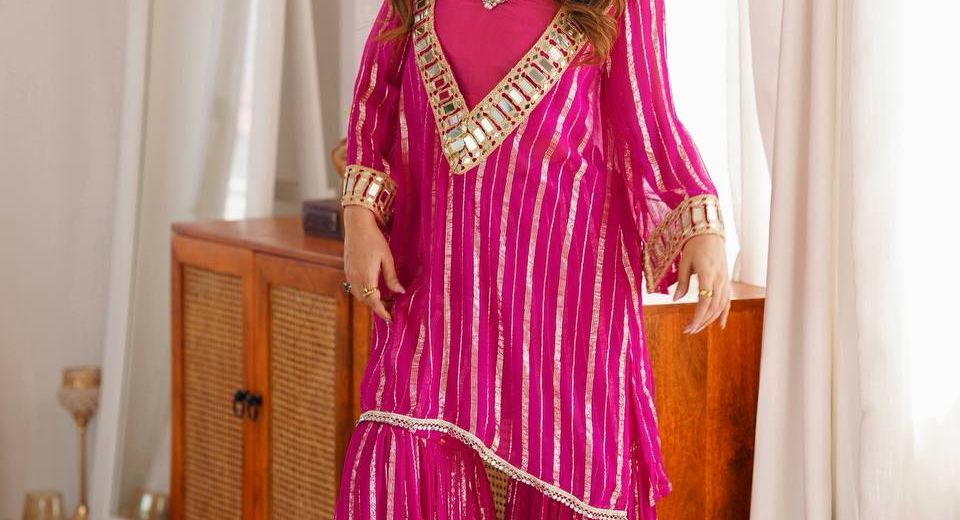
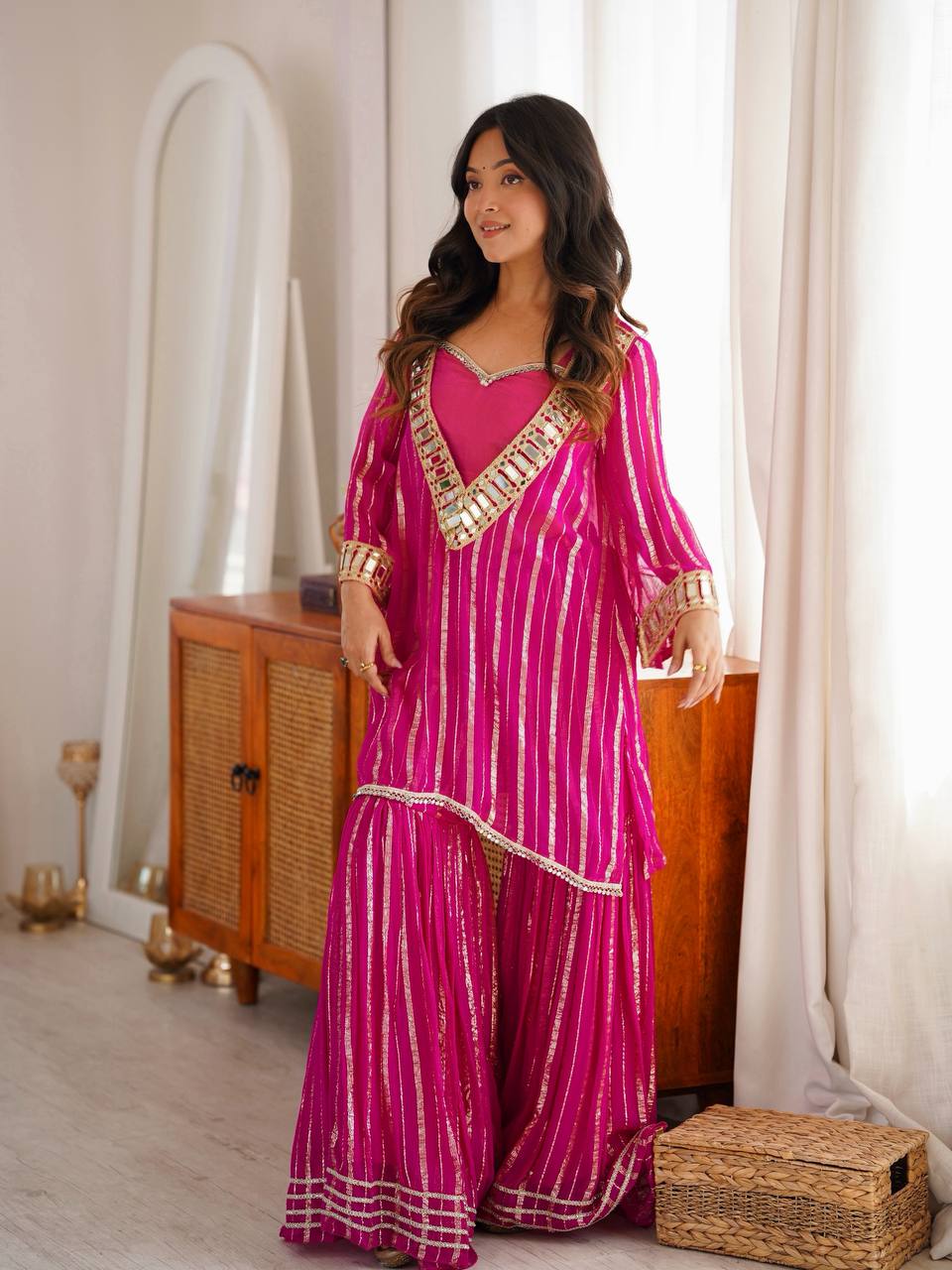
Pink Mirror Work Zari Sharara Suit Set Online - Varnavi provides a useful checklist for examining reflective embellishment. Mirror work should be secured with firm stitches, and zari edges should not scratch the fingers when the fabric is handled. A bright pink base with metallic work can look different under warm shop bulbs and outdoor daylight, so compare both before deciding.
When is a Khada dupatta the more useful choice?
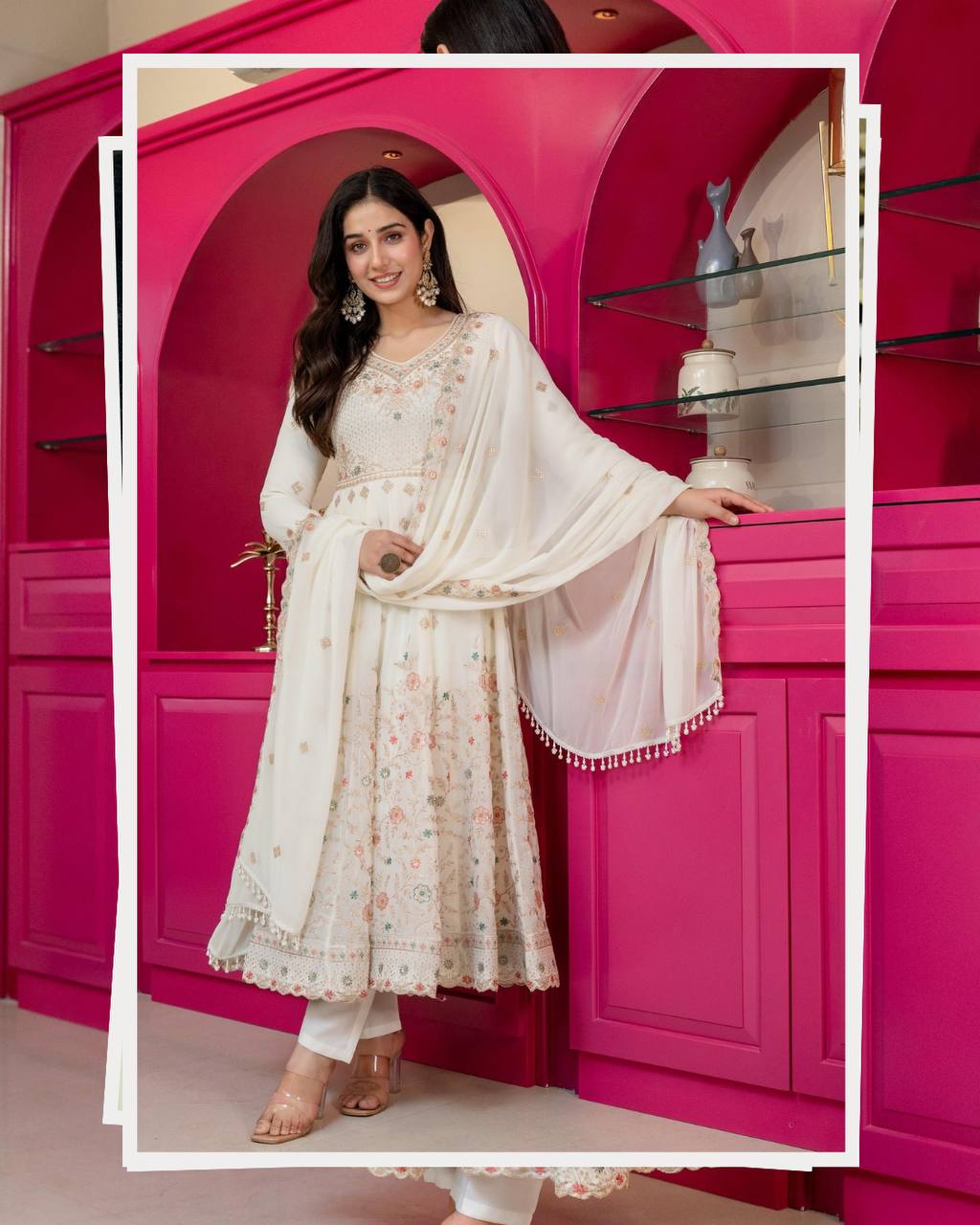
A Khada dupatta is more suitable when the desired outfit depends on a dramatic frame around the face, torso and shoulders. A long Anarkali, embroidered kurta or formal suit can gain height and structure from a bordered dupatta arranged over one shoulder and across the front. The style demands careful pinning, so it works best when the wearer has time to secure the drape before leaving.
Ivory Anarkali Suit With Sequin Zari Embroidery And Dupatta can be evaluated as an Anarkali-led outfit rather than automatically being called a sharara set. Ivory fabric reflects light strongly, so inspect the sequin backing and lining for comfort against the skin. Cream Embroidered Silk Anarkali Suit Set with Sarara belongs to the hybrid category: the Anarkali supplies the long upper silhouette, the sarara supplies the divided lower garment and the dupatta completes the formal styling.
Lavender Zari Sequins Sarara 3 Piece Suit Set | Varnavi illustrates why buyers should inspect the entire three-piece construction. Confirm whether the lower piece is a sharara or gharara, check whether the dupatta is long enough for the intended drape and look for sequins that may catch on the sleeves or jewellery.
Hyderabad Old City Festive Shopping Without Confusing Khada Dupatta and Sharara: Which Fabrics Need Inspection?
Fabric determines comfort, fall, transparency, crease resistance and care requirements. Banarasi silk and brocade usually offer a structured festive appearance but can feel warm and heavy. Chanderi silk is lighter and often has a crisp, airy fall, although delicate zari and embroidery require careful storage. Fandy silk and crunchy silk blends can create body in a sharara, but the exact fibre composition should be confirmed on the label or invoice.
Zari may be made from metallic-coated thread, imitation material or a finer metal-wrapped thread, and the term alone doesn't establish quality. Rub a hidden seam gently against a clean white cloth to check for loose surface colour, without scraping the embroidery. Examine the reverse side for knots, rough backing, exposed sequins and unfinished edges. A lined trouser and smooth inner seam are especially important for a wide sharara because the garment moves repeatedly against the legs.
Grey Fandy Silk Sarara Set with Embroidery and Dupatta is a useful example for checking how a muted colour interacts with metallic work. Grey can make silver zari appear sharper and gold zari appear warmer, so view the outfit under both shop lighting and daylight. Purple Crunchy Silk Sarara Set with Cording Embroidery Work shows why texture deserves attention: cording embroidery can add raised dimension, but raised work should not catch on bangles, handbags or rough seating.
How much embellishment is practical?
Choose dense embroidery on the bodice or dupatta when the event is short and mostly indoors, and choose lighter work when the outfit must be worn for several hours. A heavily embellished dupatta can weigh on one shoulder, while multiple layers of can-can restrict sitting on the floor or climbing stairs. Five minutes of walking, sitting and lifting both arms is a better comfort test than a quick mirror check.
Hyderabad Old City Festive Shopping Without Confusing Khada Dupatta and Sharara: How Do You Check Fit?
A sharara should sit securely at the waist, provide enough hip ease and open into a flare without twisting at the inner seam. Check the waistband closure, elastic quality, lining length and hem balance before accepting the garment. The hem should clear the floor by roughly 1 to 2 centimetres when worn with the intended footwear, unless a deliberate floor-grazing style is being altered for a controlled indoor event.
Walk up several steps, sit on a chair and take a long stride. Pulling across the hips indicates insufficient ease, while a waistband that rolls suggests poor elastic placement or an incorrect size. If the sharara has a separate lining, the lining should not be significantly shorter than the outer layer because the inner fabric may ride up during movement.
Check that the kurti or Anarkali closes comfortably at the bust and doesn't pull across the upper arms. Sleeve circumference matters during festive meals and ceremonies because tight sleeves become uncomfortable before the rest of the outfit does. Examine the shoulder seams for balanced placement and check whether the neckline lies flat without gaping.
How should you test a Khada dupatta drape?
A Khada dupatta should stay secure on the shoulder and reach the intended lower point without dragging on the floor. Pin one shoulder, arrange the opposite side across the front and walk for several minutes before deciding that the length works. A dupatta that's too narrow may fail to create the characteristic framed effect, while excessive width can become heavy and difficult to control.
Use two or three discreet pins rather than relying on a single shoulder pin for a crowded event. Test the drape with the jewellery and blouse or kurti neckline you plan to wear. Heavy earrings, a necklace and a thick embroidered border can compete for the same visual space, so one prominent element should usually lead.
Hyderabad Old City Festive Shopping Without Confusing Khada Dupatta and Sharara: How Should You Care for the Outfit?
Store embellished festive wear flat or folded with acid-free tissue between decorated layers, and keep zari away from damp wardrobes. Do not compress a heavy sharara under everyday clothing because crushed pleats and embroidery can be difficult to restore. Air the outfit after wearing it, but keep direct sunlight away from dark silk, delicate handpainted surfaces and pale dyes.
Dry-clean silk, zari, mirror work and heavily sequinned garments unless the care label specifically permits gentle hand washing. Do not iron directly over zari, sequins, cording embroidery or mirror work. Place a cotton cloth over the reverse side and use the lowest suitable heat only when the fabric instructions allow pressing.
Hang the dupatta on a broad hanger for short-term storage, but fold it for long-term storage if the border is heavy. Refold stored garments every few months to prevent permanent pressure lines. Keep perfume, hair spray and deodorant away from silk and metallic embroidery because alcohol and oils can stain or dull decorative surfaces.
What is the final buying checklist?
Before paying, confirm the garment category, fabric composition, measurements, lining, alteration deadline, care method and included accessories. Photograph the outfit under neutral light if the shop permits it, and retain the bill if the garment requires later alteration. A clear record is particularly useful when a festive outfit contains a separate kurti, sharara and dupatta made from different materials.
- Identify the lower garment: confirm whether it's a sharara, gharara or skirt.
- Measure the drape: check the finished Khada dupatta length and width.
- Test movement: walk, sit, climb a step and raise both arms.
- Inspect the reverse: look for rough embroidery, loose zari and exposed sequins.
- Confirm the price: ask about lining, stitching, alterations and finishing charges.
- Plan care: note whether the outfit needs dry cleaning or specialist storage.
The most reliable way to shop festive clothing in Hyderabad Old City is to name each component accurately. A sharara gives the outfit its flared lower silhouette, while a Khada dupatta creates a formal vertical frame through draping. Once those functions are clear, fabric, colour, embellishment and fit become much easier to compare without being misled by overlapping market terminology.
Common Questions About Hyderabad Old City Festive Shopping Without Confusing Khada Dupatta and Sharara
What is the difference between a Khada dupatta and a sharara?
A Khada dupatta is a long, formal draping arrangement, while a sharara is a pair of flared trousers. A festive outfit can contain either one separately or both together.
Is a sharara the same as a gharara?
No. A sharara usually flares from the upper thigh or waist, while a gharara commonly has a fitted section at the upper leg and a flare beginning below the knee. Market terminology can vary, so inspect the seam and flare placement.
Can an Anarkali be worn with a Khada dupatta?
Yes. An Anarkali can be styled with a Khada dupatta even when the outfit does not include a sharara. The Anarkali supplies the long upper silhouette, while the dupatta creates the formal drape.
Which fabric is comfortable for a festive sharara in Hyderabad?
Lightweight Chanderi silk, breathable blends and lined silk fabrics are often more comfortable for long events than heavily layered brocade or velvet. Check the fibre composition, lining and weather before choosing.
How long should a sharara be?
A sharara should generally clear the floor by about 1 to 2 centimetres with the intended footwear. Measure while wearing the actual sandals or heels because a small height difference can change the hem significantly.
How should zari and sequinned sharara sets be stored?
Store zari and sequinned sets folded with acid-free tissue between embellished layers, away from moisture and direct sunlight. Dry-clean heavily decorated garments unless the care label gives different instructions.