How to Stop a Dupatta From Slipping During a Windy Ceremony starts with anchoring the fabric at more than one point. A single shoulder pin may hold a dupatta indoors, but moving air can lift the free edge, twist the pleats or pull the fabric backward. A secure outdoor drape usually needs one anchor near the shoulder, another at the waist or side seam, and a controlled amount of fabric at the head or arm.
Wind affects dupattas differently according to weave, finish, width and embellishment. Organza and tissue catch air quickly, while cotton and heavier silk generally stay closer to the body but can become uncomfortable when pinned too tightly. The most reliable approach combines a stable drape, concealed fasteners and a short movement test before leaving for the ceremony.
Why Does a Dupatta Slip More Easily Outdoors?
A dupatta slips outdoors because wind creates lift along its loose edges and changes the direction of tension across the fabric. A smooth shoulder, slippery lining, low-friction blouse fabric and heavy border can all make the problem worse.
Wind doesn't pull evenly across a dupatta. The exposed edge receives the first gust, while the section resting on the shoulder may remain still. That uneven force can drag the dupatta across the neckline or make the pallu rotate. A broad dupatta with a large open surface catches more air than a narrow, closely pleated one.
Fabric construction also matters. Organza silk, chiffon and tissue have a firm or slick surface that allows the dupatta to glide over satin, silk blend and embellished blouse fabrics. Chanderi has a comparatively light, crisp hand and may lift at the border even when the centre stays in place. Cotton, viscose and dense silk blends usually offer more friction, but a long loose end can still act like a sail.
Outdoor conditions add movement that indoor dressing rarely accounts for. A garden pathway, beachside venue or open mandap may expose clothing to crosswinds from several directions. Walking, greeting guests and turning for photographs create additional pulls, so a drape that looks secure while standing still may loosen within minutes.
How to Stop a Dupatta From Slipping During a Windy Ceremony
How to Stop a Dupatta From Slipping During a Windy Ceremony becomes simpler when the dupatta is secured in a three-point arrangement: shoulder, waist and opposite side or head.
- Set the shoulder anchor first. Fold the upper edge by 2 to 3 centimetres and place a safety pin through the folded fabric and the strongest part of the blouse or kurta shoulder. Insert the pin from the underside so the clasp is hidden.
- Create controlled pleats. Make five to seven pleats, depending on the dupatta width, and keep the pleated section close to the body. A narrow pleated fall presents less surface area to the wind than a completely open panel.
- Add a waist anchor. Pin the inner layer to the waistband, side seam or a sturdy belt section rather than pinning only the decorative border. The waist pin absorbs downward and sideways movement.
- Secure the opposite side when necessary. A small hidden pin at the opposite hip or underarm keeps the loose end from sweeping behind the body. This placement works particularly well for a front-open drape.
- Test the movement. Walk, sit, turn and raise both arms. If the dupatta pulls at the neckline, loosen the shoulder fold; if the edge lifts, add support lower down instead of tightening the top pin.
The goal isn't to pin every section flat. Excessive pinning can create visible puckering, damage delicate embroidery and restrict natural movement. Two or three well-placed anchors usually perform better than six random pins.
Which Pin and Anchor Techniques Work Best?
Safety pins hidden through reinforced fabric are the most dependable everyday anchor for a windy ceremony. Small brooches, garment magnets and discreet fashion tape can supplement pins, but each method suits a different fabric and outfit structure.
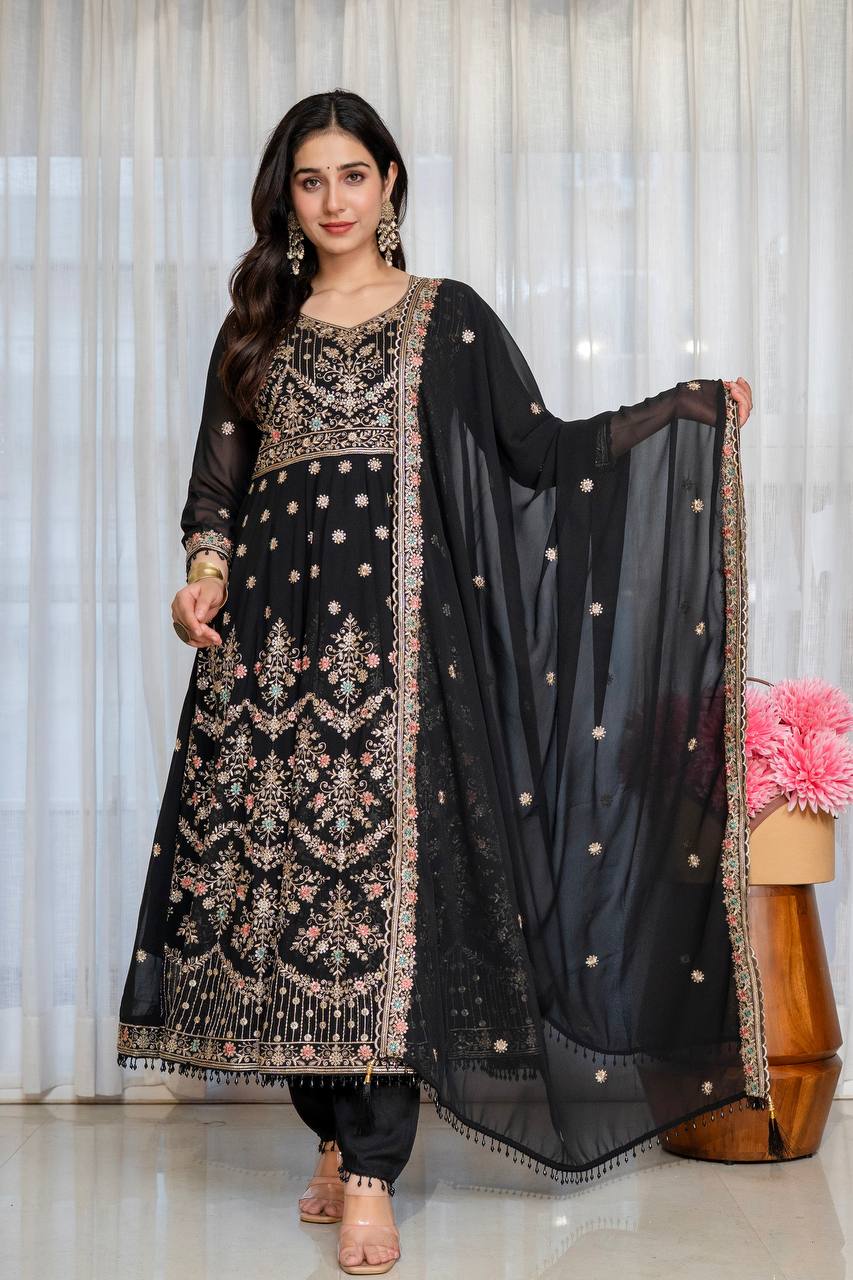
Use safety pins through strong layers
Choose small, sharp safety pins with a secure clasp for lightweight dupattas and medium-size pins for a dense zari border. Pin through the folded upper edge and a seam allowance, waistband or inner lining whenever possible. Avoid pushing a pin repeatedly through a single embroidered motif because repeated punctures can loosen threads.
Use a brooch as a weight, not as the only anchor
A brooch can weigh down a shoulder fold, but a brooch alone may pull the fabric into a sharp point. Place the brooch over a concealed safety pin or a folded section supported from behind. A medium brooch between 15 and 25 grams is usually sufficient for a light dupatta; very heavy jewellery can stretch organza and fine silk.
Try garment magnets carefully
Garment magnets work best when the dupatta and blouse contain enough fabric for the magnet pair to grip without crushing embroidery. Keep magnets away from mobile phones, magnetic cards, watches and medical devices that may be affected by magnets. Test the grip while walking before relying on magnets for a full ceremony.
Use fashion tape only on compatible surfaces
Double-sided fashion tape can stop a small edge from lifting, but fashion tape should not replace structural anchoring. Test the adhesive on an inside seam first, especially on silk, metallic finishes, zari, sequins or dyed fabrics. Remove the tape slowly after the event because a fast pull can disturb surface fibres or embellishments.
How Should Different Dupatta Fabrics Be Secured?
Different dupatta fabrics need different anchor points because fabric weight, friction and surface finish change how wind acts on the drape.
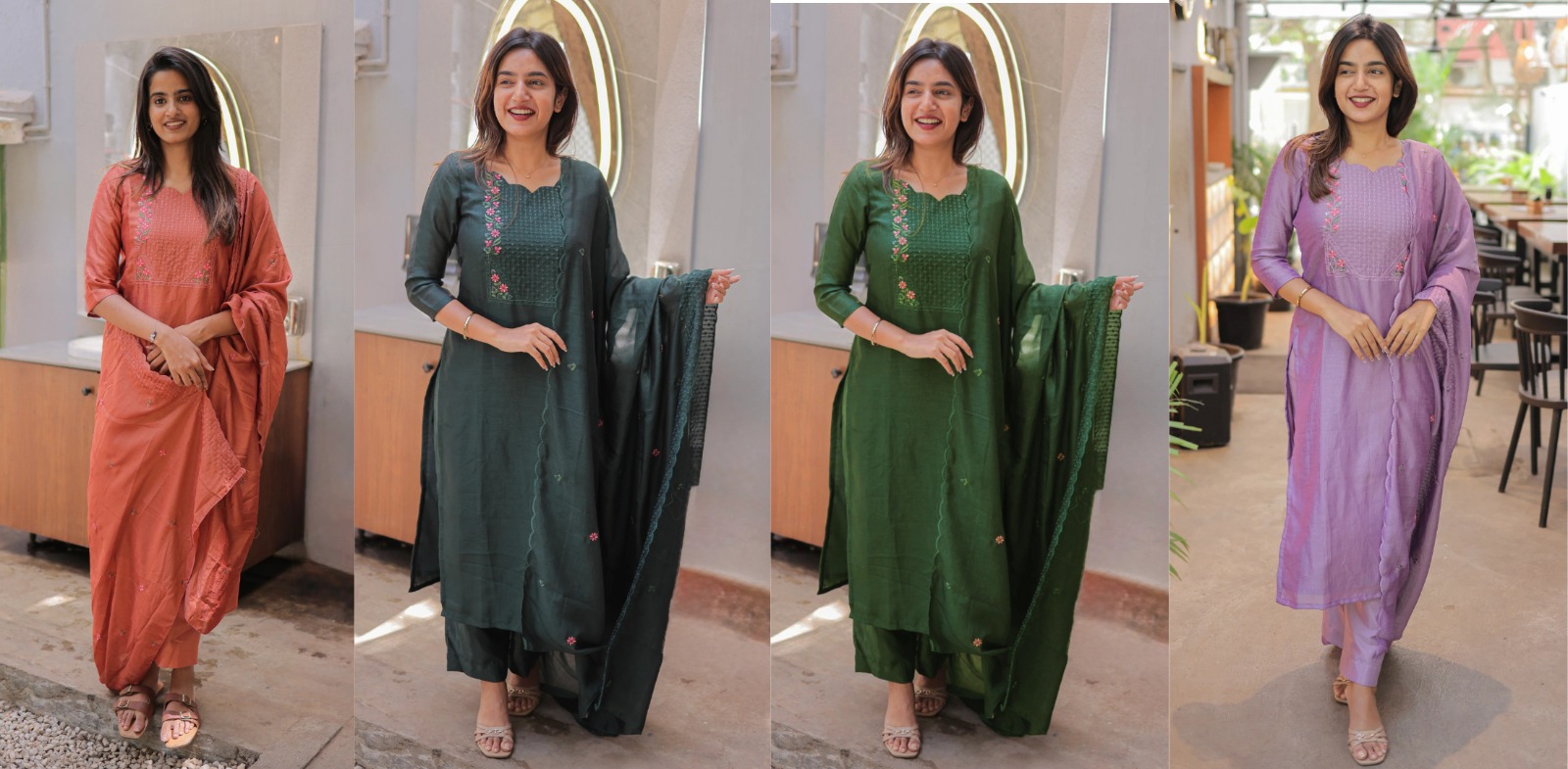
Organza, tissue and net
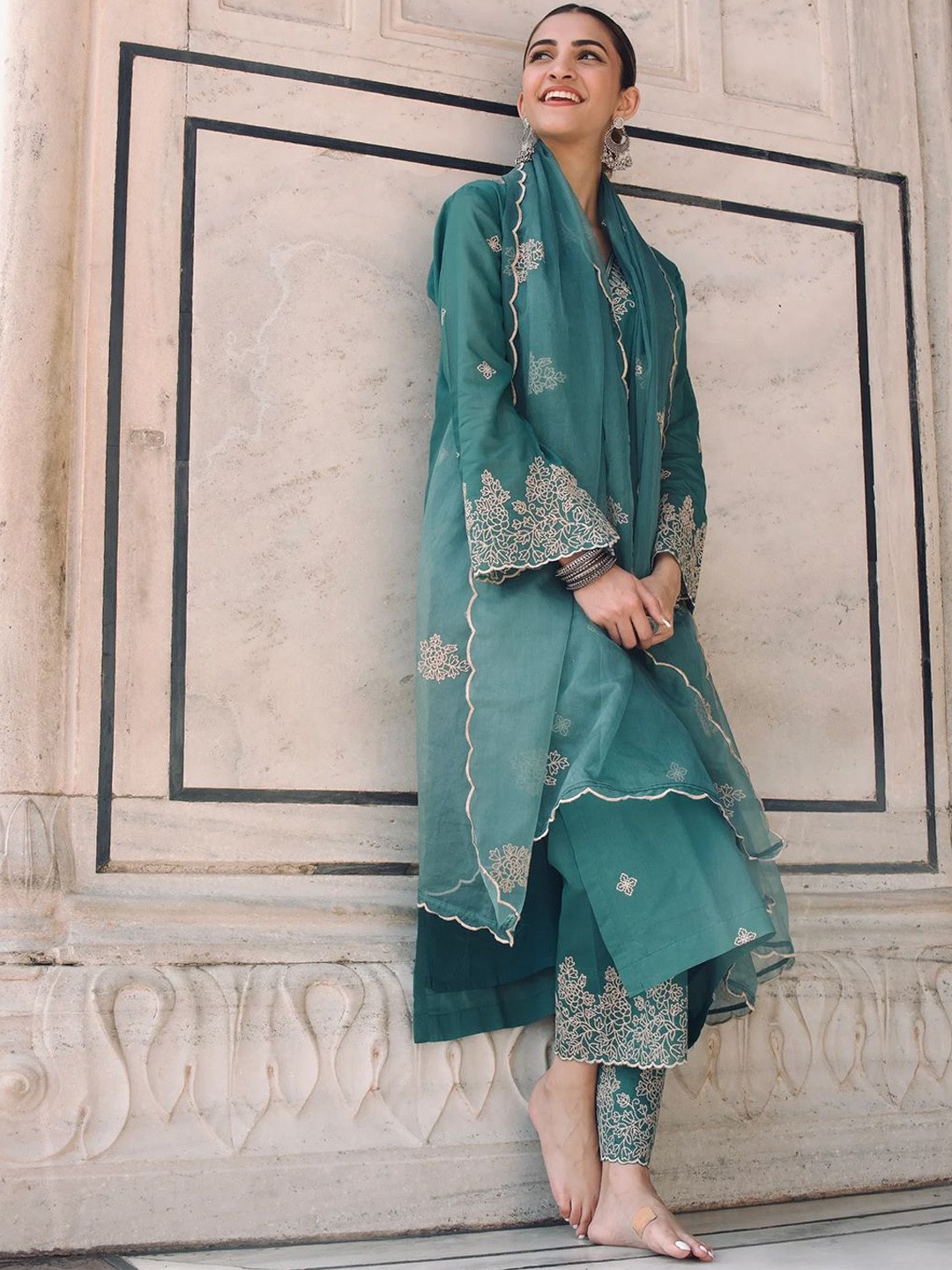
Organza, tissue and net need distributed support because their stiff or open structures catch wind along the entire edge. Use a shoulder pin plus a waist pin, and keep the free end in narrow pleats rather than leaving a broad panel open. The Sky Mint Organza Silk Embroidered Sharara Suit Set demonstrates why this approach matters: a structured, decorated organza dupatta can look airy while still needing support at the waist.
Place pins between embroidery motifs or through a reinforced border where possible. A transparent elastic loop sewn temporarily to the inside edge can also catch a discreet blouse hook, but the loop should be removed after the event if it's not part of the garment design.
Silk, Banarasi silk and zari dupattas
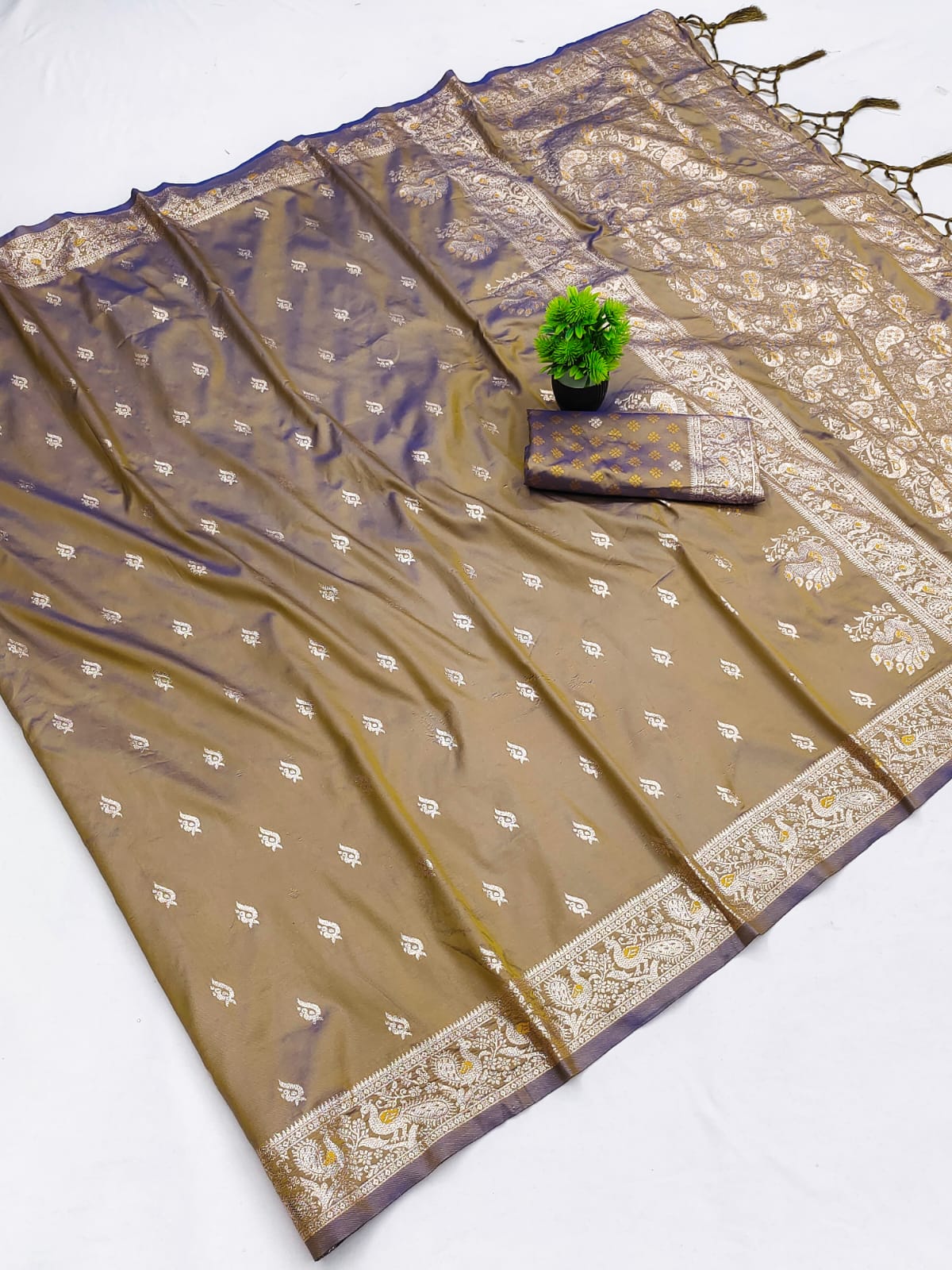
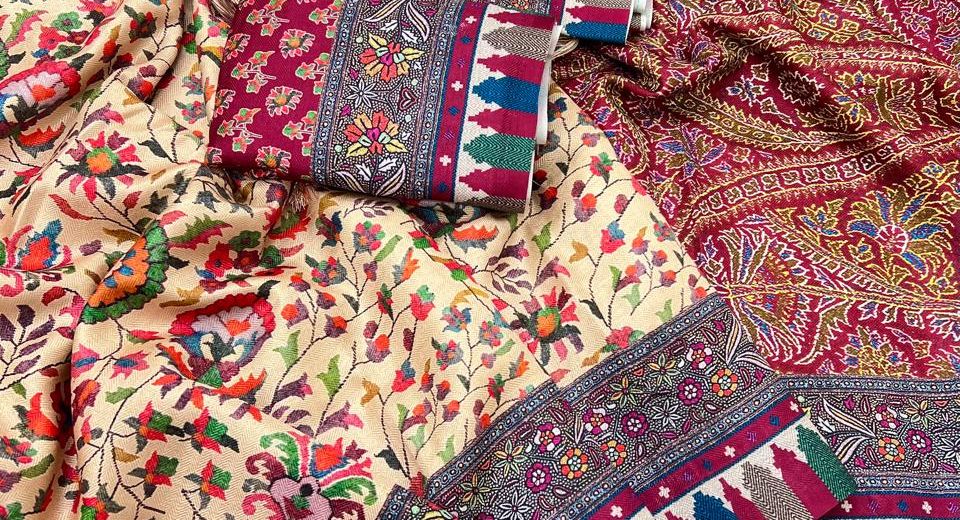
Silk and zari dupattas benefit from a broad fold and a strong anchor rather than many small punctures. Fold the upper edge once, pin through the fold and attach the lower section near the waist. A zari border should not carry all the tension because metallic threads may distort under repeated pulling.
The Navy Blended Silk Zari Kurti Pant Dupatta Set is a useful example of a silk-blend outfit where the dupatta can be kept close to the torso with a shoulder-and-waist arrangement. A heavy silk dupatta may remain stable in a light breeze, but its weight can make an unreinforced shoulder pin drag downward.
Chanderi and cotton
Chanderi and cotton usually offer more grip than organza, but their light borders can still lift in crosswinds. A pin under the shoulder seam and another at the side waist will generally provide enough control without flattening the fabric.
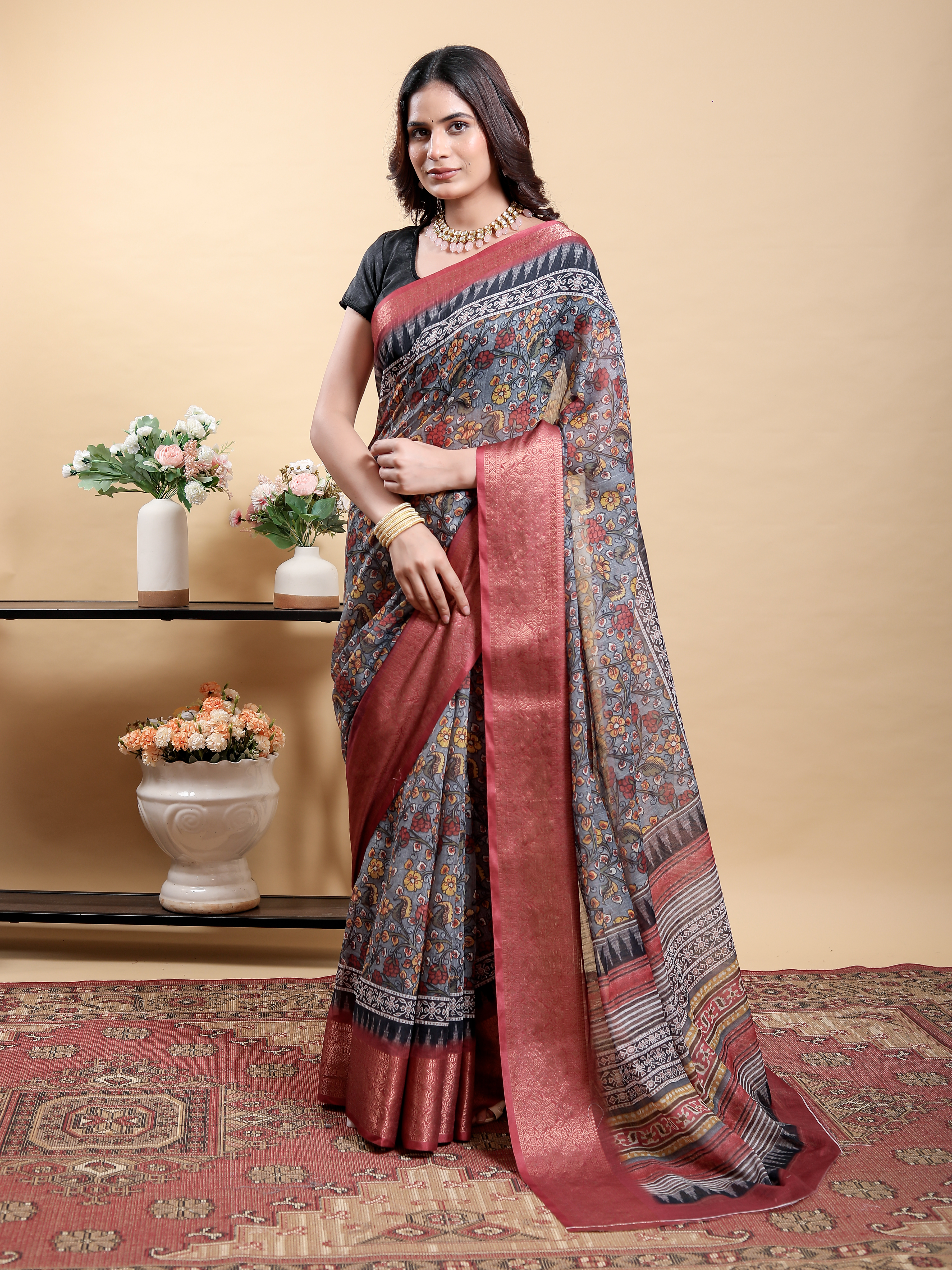
The Navy Floral Woven Chanderi Kurti Pant Dupatta Set and Parrot Kanchi Cotton Kurta Dupatta Set suit a close-to-body drape for outdoor functions. Letting the dupatta fall in a shorter, pleated line reduces snagging on chairs and prevents the lower edge from catching sudden gusts.
Which Drapes Stay Secure During Outdoor Ceremonies?
A shoulder-to-waist drape with a limited loose edge stays secure more reliably than a completely open, single-shoulder drape. The best structure depends on whether the outfit is a lehenga, salwar suit, kurta set or gown.
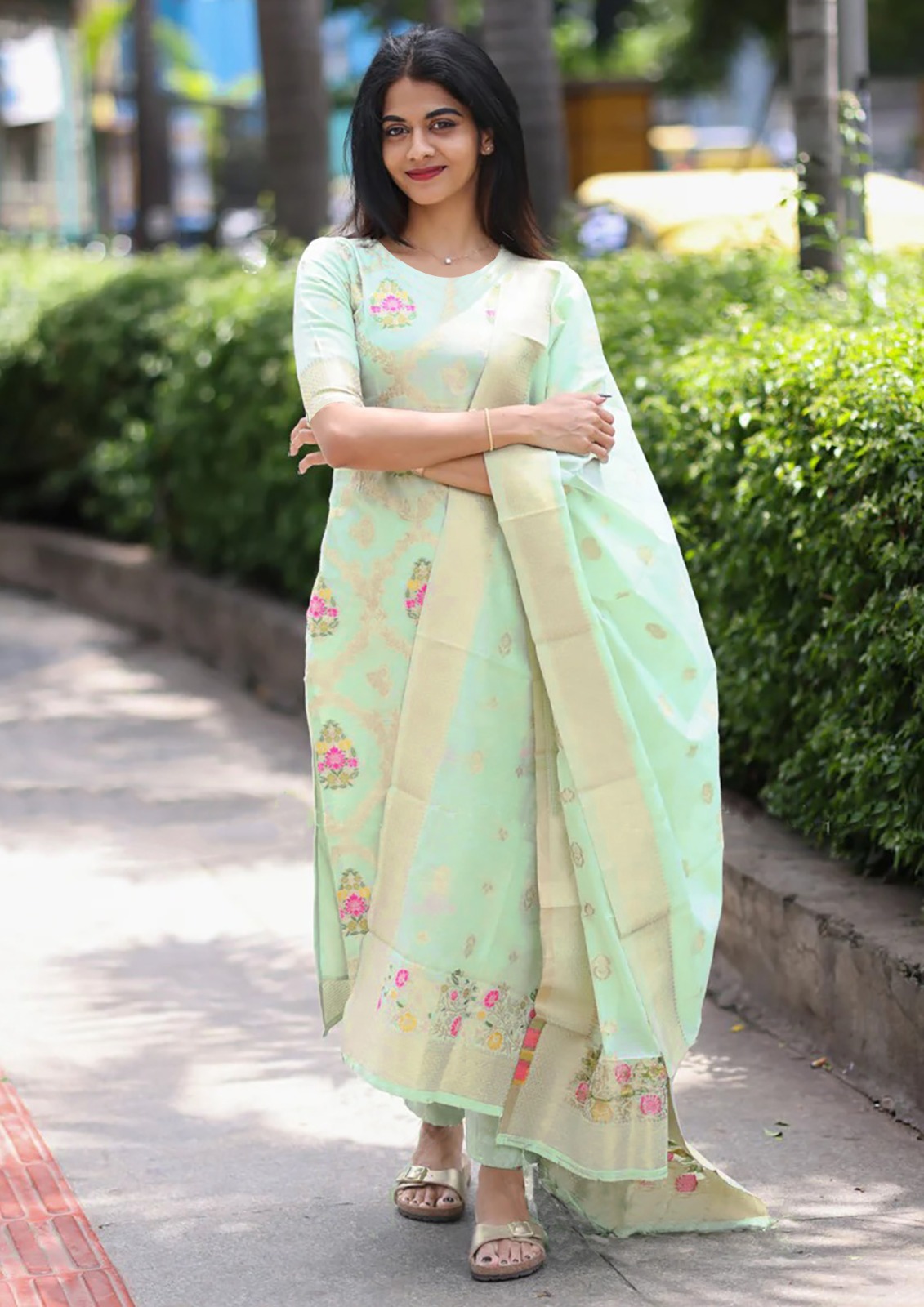
For a lehenga or sharara, pleat the dupatta over one shoulder, cross the inner section lightly across the upper torso and anchor the side near the waistband. Keep enough ease at the chest to sit and breathe comfortably. A head-covering section can be pinned to the hairstyle or secured with two small bobby pins placed through the folded edge, but the pins should not pull directly on hair.
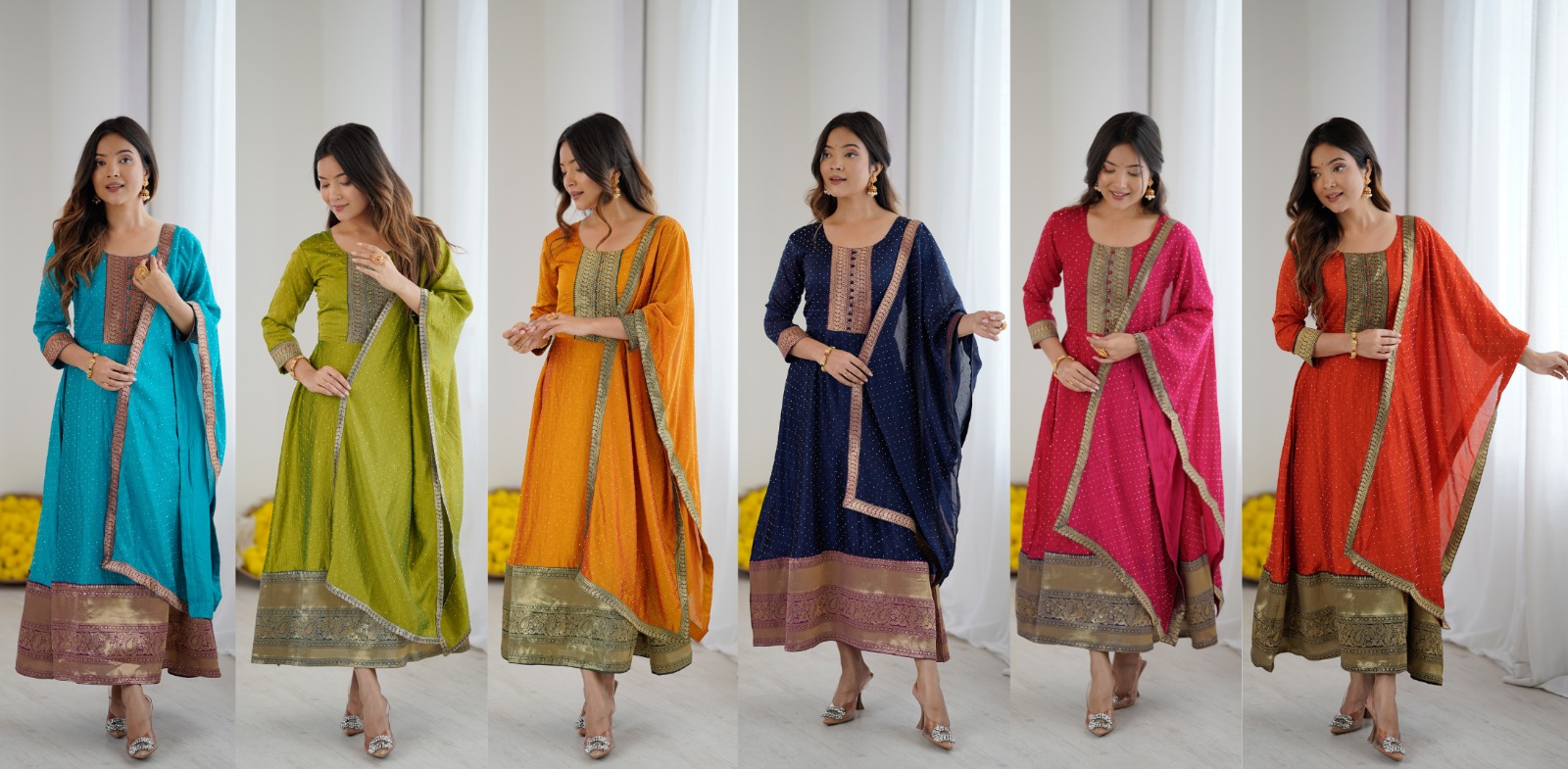
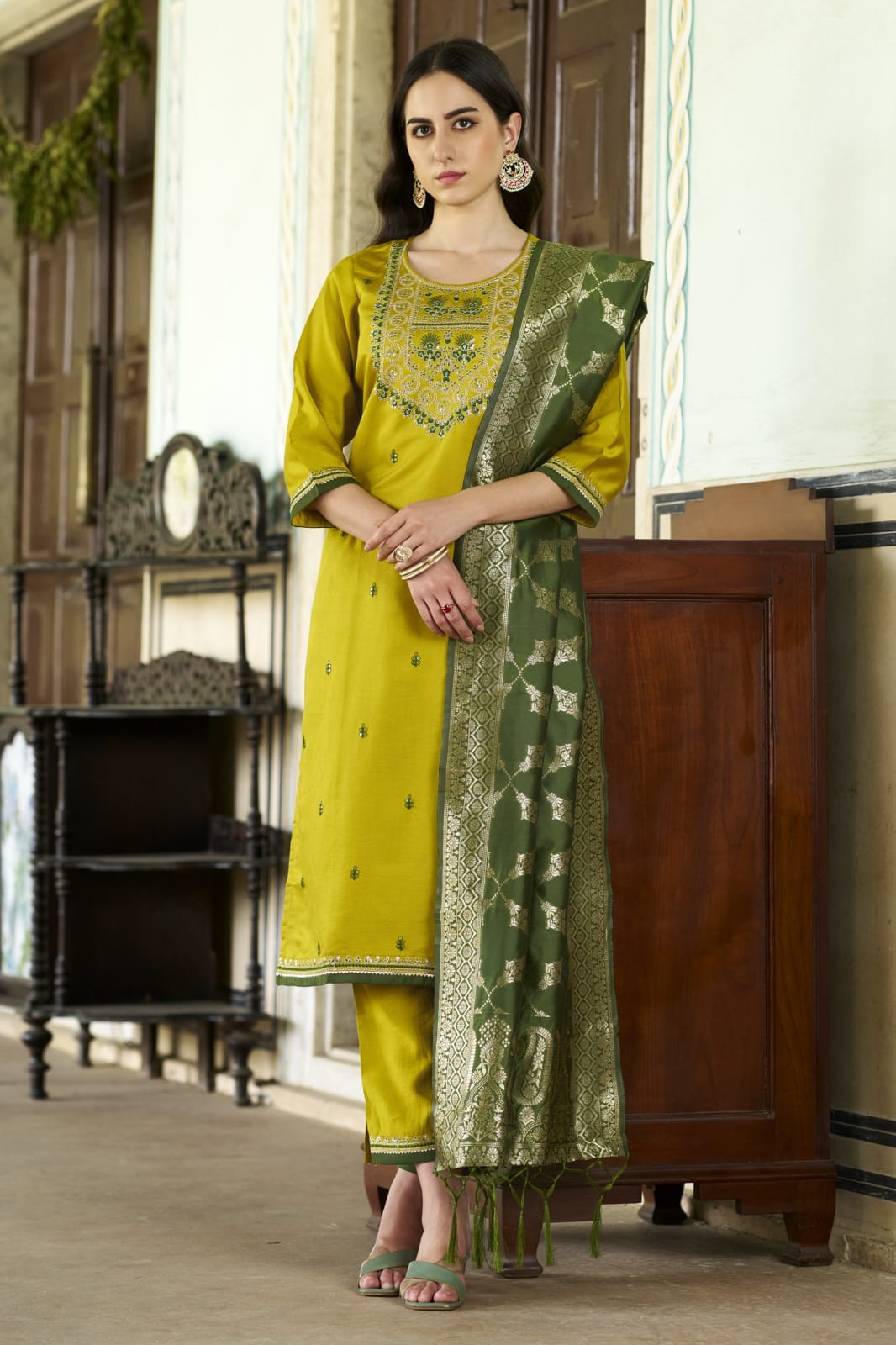
For a salwar suit or kurta set, a front drape with both ends resting near the waist is practical in strong wind. Pin one end near the shoulder and tuck the other end under the opposite arm or at the side seam. The Women's Mustard Silk Blend Kurta Set with Dupatta can be styled this way for a ceremony where mobility matters more than a wide, floating fall.
For a gown with a dupatta, use the gown shoulder seam and waist seam as stable anchor points. The Royal Patola Printed Designer Gown with Elegant Dupatta can support a narrow shoulder fold while a concealed side pin controls the printed lower edge. Avoid attaching a pin only to a loose sleeve or a decorative tassel because those areas can shift independently.
A simple cotton kurta set can use a cross-body drape that leaves both hands free. The Vertical Cotton Straight Kurta Set with Dupatta provides the kind of straight silhouette that pairs well with a pinned shoulder and a side-waist tuck. A more relaxed drape works for mild wind, but a waist anchor remains useful when the ceremony is held in an open courtyard.
How Can You Prepare the Dupatta Before the Ceremony?
Prepare the dupatta at least one day before the ceremony by checking its length, pressing the fold and testing every intended anchor. Preparation reveals slipping problems before hair, makeup and jewellery make adjustments difficult.
- Press the upper fold. Use the correct temperature for the fibre and place a pressing cloth over embroidery, sequins and metallic work. A clean fold gives pins a stable channel.
- Mark anchor positions. Use removable fabric chalk on the inside edge to identify the shoulder, waist and opposite-side points. Avoid permanent pen marks.
- Inspect the blouse or kurta. Identify seams, lining and waistband areas that can safely receive pins. Avoid very thin sleeves, lace-only panels and unsupported decorative trims.
- Pack a repair kit. Carry four small safety pins, two medium safety pins, a spare brooch, fashion tape, a few bobby pins and a small thread snip. Keep the kit in a zip pouch rather than loose in a handbag.
- Perform a movement trial. Stand near a fan on a low setting or walk outdoors for five minutes. Sit on a chair, climb a few steps and turn in both directions while checking whether the dupatta shifts.
A fan test can't reproduce every outdoor condition, but it exposes weak shoulder folds and loose borders. If the dupatta moves during the test, change the anchor placement rather than adding decorative weight immediately.
What Should You Avoid When Securing a Dupatta?
Avoid tightening the dupatta against the neck, pinning through delicate embroidery and using one heavy ornament to control an entire loose panel. These shortcuts may create discomfort or permanent fabric damage.
don't use ordinary office tape, strong craft adhesive or household glue on a dupatta. Adhesive residue can discolour silk, stiffen fibres and attract dirt. Strong clips can also leave pressure marks on organza, tissue and fine net.
don't pin through zari repeatedly in the same spot. Metallic threads can separate from the base fabric, especially when the wearer removes the pin at an angle. Slide the pin through a fold or a plain area beside the border instead.
don't attach the entire weight of a long dupatta to hair. Hairpins may hold a light head covering, but the shoulder and waist should carry the main tension. A scalp-level anchor that feels secure while standing can become painful after several hours.
don't ignore the direction of the wind. If wind usually comes from the left, position the broadest loose section on the right or keep the lower edge closer to the body on the exposed side. Venue entrances, open stages and waterfront spaces often have stronger airflow than the seating area.
When Is a Different Dupatta the Better Solution?
A different dupatta is the better solution when the existing fabric requires so many pins that comfort, movement or garment safety becomes compromised. Weather, venue layout and event duration should influence the final choice.
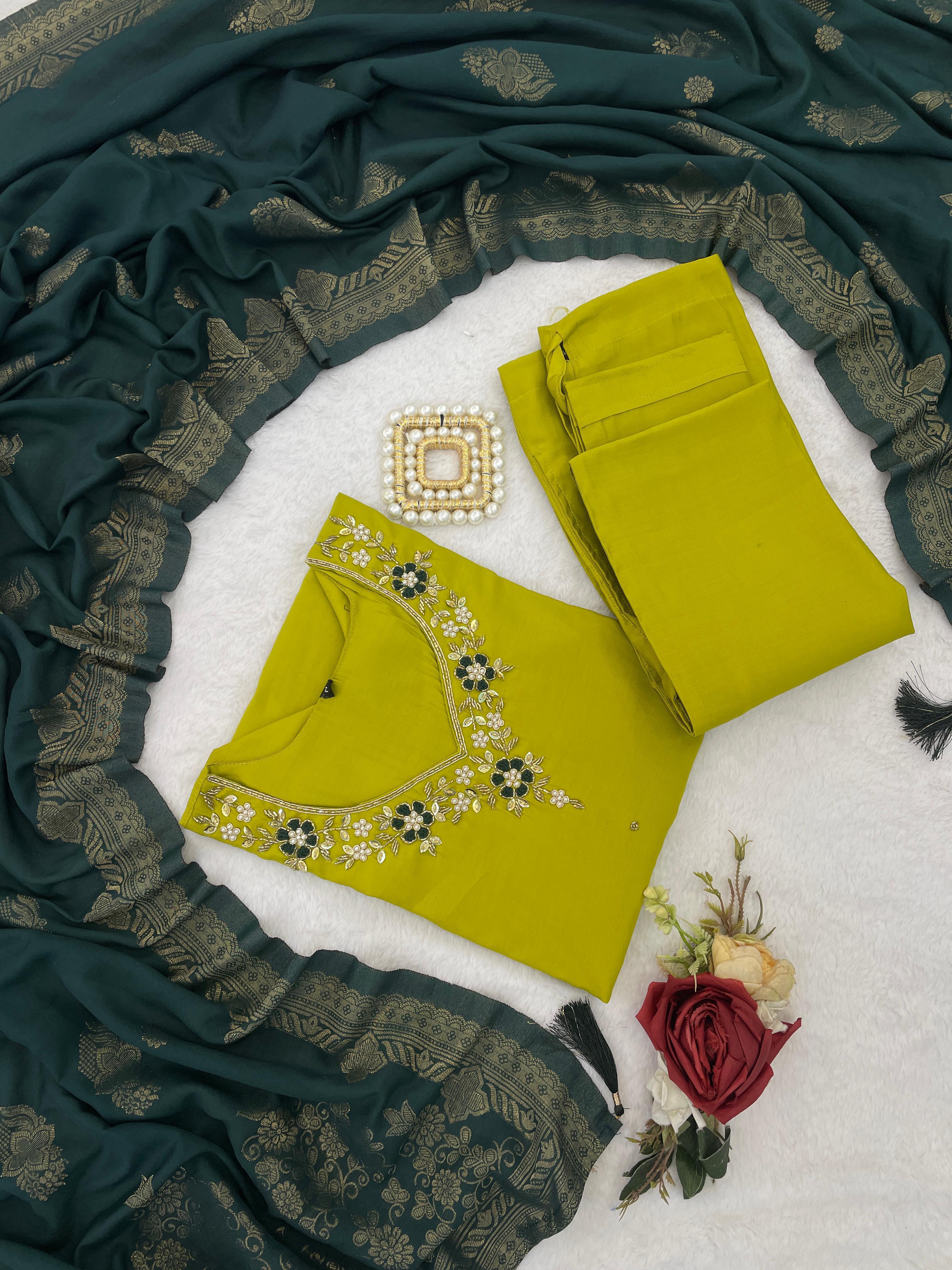
For a two-hour outdoor Haldi ceremony, a cotton or cotton-blend dupatta may be easier to manage than a wide tissue drape. For an evening reception with moderate wind, a heavier silk blend can provide a polished fall with fewer anchors. For a long wedding day, choose a fabric that remains comfortable after repeated sitting, standing and walking.
A shorter dupatta is often more practical than a long one in strong wind. Reducing the free length by 30 to 45 centimetres can lower the amount of fabric available to catch air without changing the basic outfit. The decision should be made during a full outfit trial because shortened fabric changes the position of the border and any decorative motifs.
Secure styling should still look intentional. Concealed pins, a coordinated brooch and tidy pleats can make the anchoring part of the design instead of an emergency fix. The right arrangement lets the dupatta move slightly while preventing sudden lifting, twisting and exposure.
Common Questions About Keeping a Dupatta Secure Outdoors
How many pins should I use to secure a dupatta in windy weather?
Use two or three well-placed anchors: one at the shoulder, one at the waist and, when needed, one at the opposite side. More pins are not automatically safer because excessive puncturing can damage delicate fabrics and create puckering.
Where should I pin a dupatta so it does not pull on my neck?
Pin the upper fold to a strong shoulder seam and support the lower section at the waistband or side seam. Avoid carrying the full weight of the dupatta at the neckline or attaching a heavy brooch to an unsupported edge.
How do I secure an organza dupatta for an outdoor wedding?
Use a shoulder pin and a waist pin, then keep the loose section in narrow pleats. Organza catches air easily, so a broad open panel is less stable than a controlled drape with support at two separate heights.
Can I use fashion tape on a silk or zari dupatta?
Fashion tape can control a small lifting edge, but it should be tested on an inside seam first. Fashion tape should not replace a safety pin on silk or zari, and strong adhesive products should never be used on delicate embellished fabric.
How can I keep a dupatta on my head during a windy Haldi ceremony?
Fold the head edge and secure it with two small bobby pins to the hairstyle while anchoring the shoulder and waist separately. Hairpins should control the head section, not carry the full weight of the dupatta.
Which dupatta fabric is easiest to manage in strong wind?
A medium-weight cotton, cotton blend or silk blend is generally easier to manage than very light organza, tissue or net. A shorter, pleated cotton dupatta usually requires fewer anchors and remains comfortable during walking and sitting.