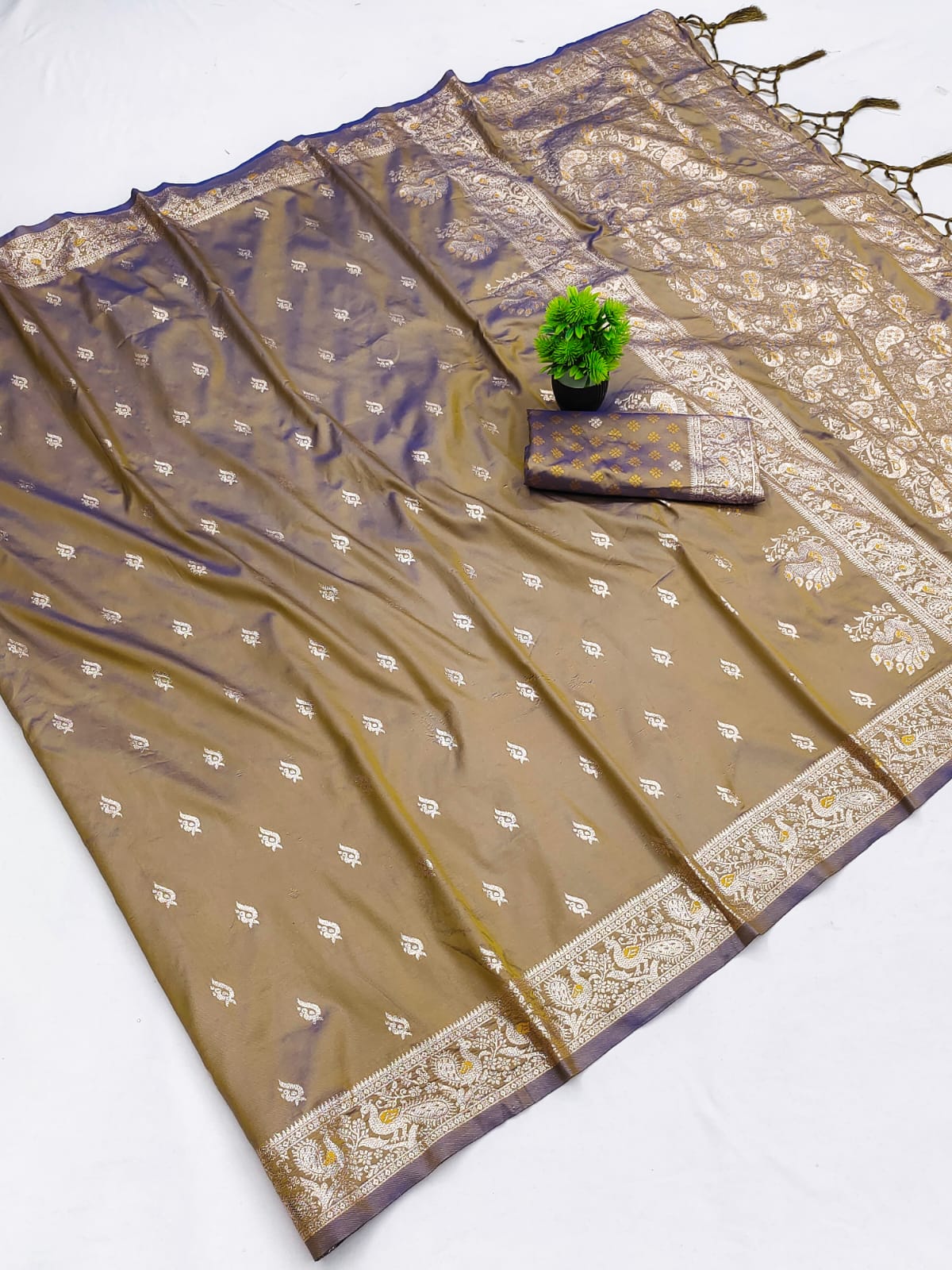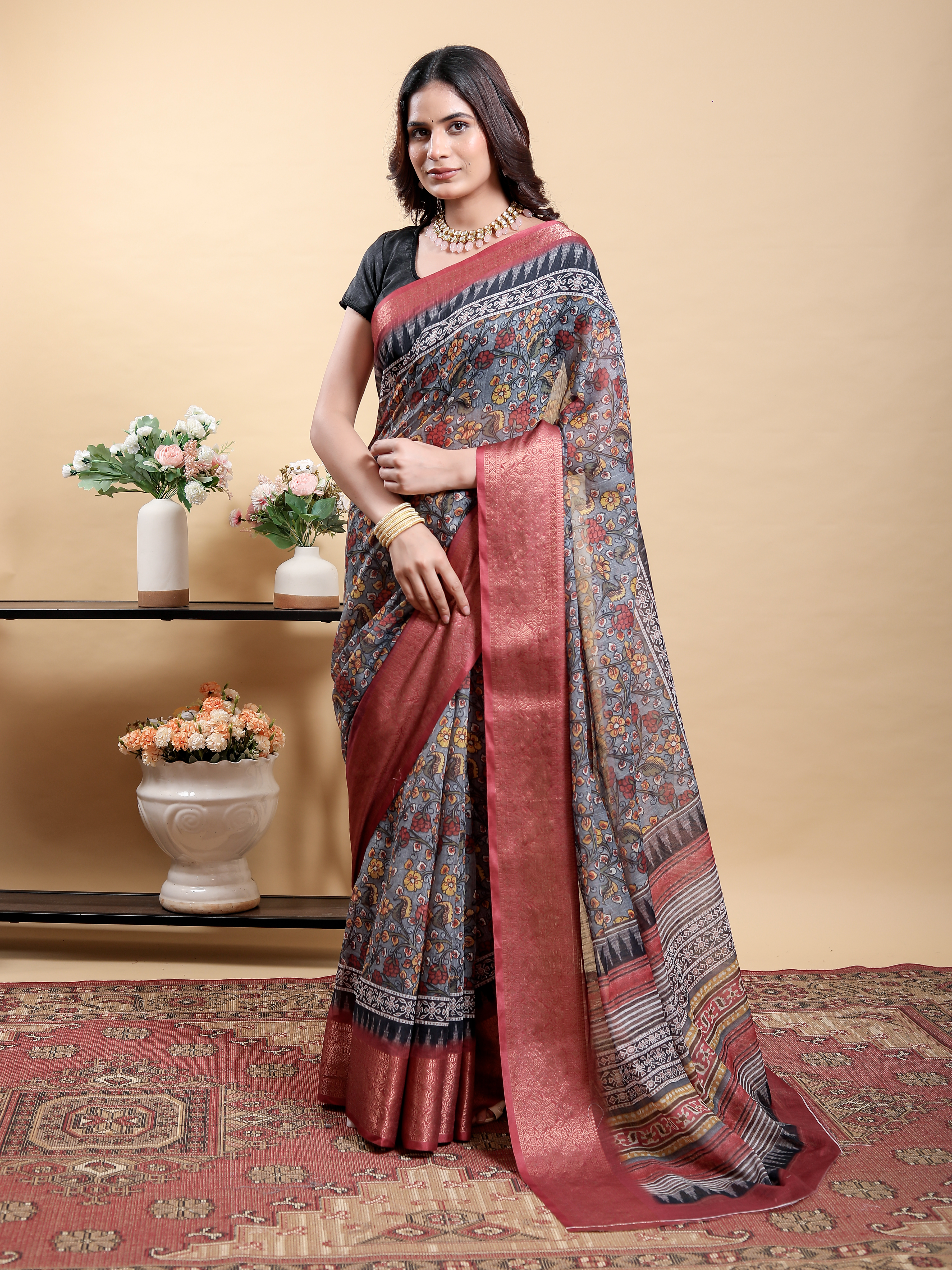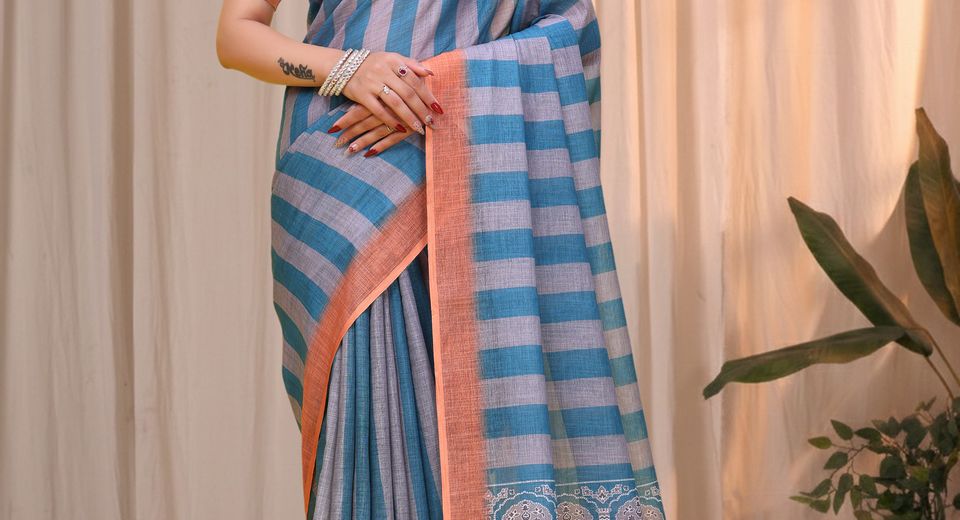
Heat, humidity and several hours of photographs can change the way a festive outfit feels by the time the main ceremony begins. How to Plan a Summer Wedding Outfit Around Breathable Sleeves starts with three practical decisions: choose an airy fabric, select a sleeve shape that allows movement, and keep the blouse lining light. The result can still look celebratory through colour, texture, jewellery and careful finishing, without relying on heavy layers.
A summer wedding outfit needs to work across real conditions: standing near outdoor mandaps, sitting through a long pheras ceremony, travelling between venues and dancing at the reception. Breathable sleeves don't mean plain or underdressed clothing. Linen cotton, Chanderi, lightweight silk blends and fine cotton can support embroidered borders, zari details and elegant silhouettes while allowing heat to escape.
Why Sleeve Breathability Matters at a Summer Wedding
Breathable sleeves matter because they reduce trapped heat and moisture around the upper arms, shoulders and underarm area during long celebrations. A loose sleeve made from a natural or open-weave fabric allows air circulation more effectively than a tight synthetic sleeve with dense lining.
Blouse comfort affects the entire outfit. A sleeve that pulls when you raise your arm can disturb saree pleats, restrict greeting guests and make jewellery feel heavier. A sleeve that ends at an awkward point can also create friction against bangles or cause perspiration to collect at the cuff.
Temperature is only one consideration. Summer weddings often involve intense lighting, warm indoor halls and outdoor travel within the same day. A sleeve with a little ease, a breathable fabric and a clean armhole finish performs better across these changes than a heavily padded or closely fitted design.
Natural fibres are useful because cotton and linen absorb some moisture and feel less clammy than many tightly woven polyester fabrics. Linen cotton is especially practical for daytime sarees because linen contributes airflow and texture, while cotton softens the hand feel and makes the fabric easier to wear for several hours.
How to Plan a Summer Wedding Outfit Around Breathable Sleeves
Plan the outfit by matching the sleeve design to the wedding function, the fabric weight and the amount of movement required. A daytime Haldi ceremony usually suits a short or elbow-length sleeve in a light fabric, while a formal evening reception can accommodate a sheer overlay sleeve, a wider cuff or restrained zari detailing.

Choose the sleeve length first
Elbow-length sleeves provide one of the most dependable balances between coverage and airflow for a summer wedding. Short sleeves ending about 5 to 8 centimetres above the elbow feel cooler, while sleeves reaching the elbow offer a more traditional proportion with sarees and lehengas.
Three-quarter sleeves can work in breathable cotton or linen cotton when the cut is relaxed and the cuff isn't tight. Avoid combining a long, close-fitting sleeve with thick lining, shoulder pads and dense embroidery because several small sources of heat can make the blouse uncomfortable.
Use ease instead of oversized volume
A breathable sleeve should have enough ease for the upper arm to move without creating a bulky silhouette. As a practical fitting check, raise both arms, clasp your hands briefly and sit down before finalising the blouse; the sleeve should not dig into the underarm or pull across the back.
Bell sleeves, gentle gathered sleeves and soft flutter sleeves can create airflow, but excessive volume may catch on bangles, food counters or another guest while dancing. A moderate flare with a stable armhole is more useful than dramatic volume for a wedding outfit that must remain functional.
Which Fabrics Keep a Summer Wedding Blouse Comfortable?
Linen cotton, cotton voile, lightweight Chanderi and fine silk-cotton blends are among the most useful fabrics for a breathable summer wedding blouse. Fabric weight, weave and lining matter as much as fibre content, so a natural-fibre blouse can still feel hot if it's densely layered or heavily embellished.
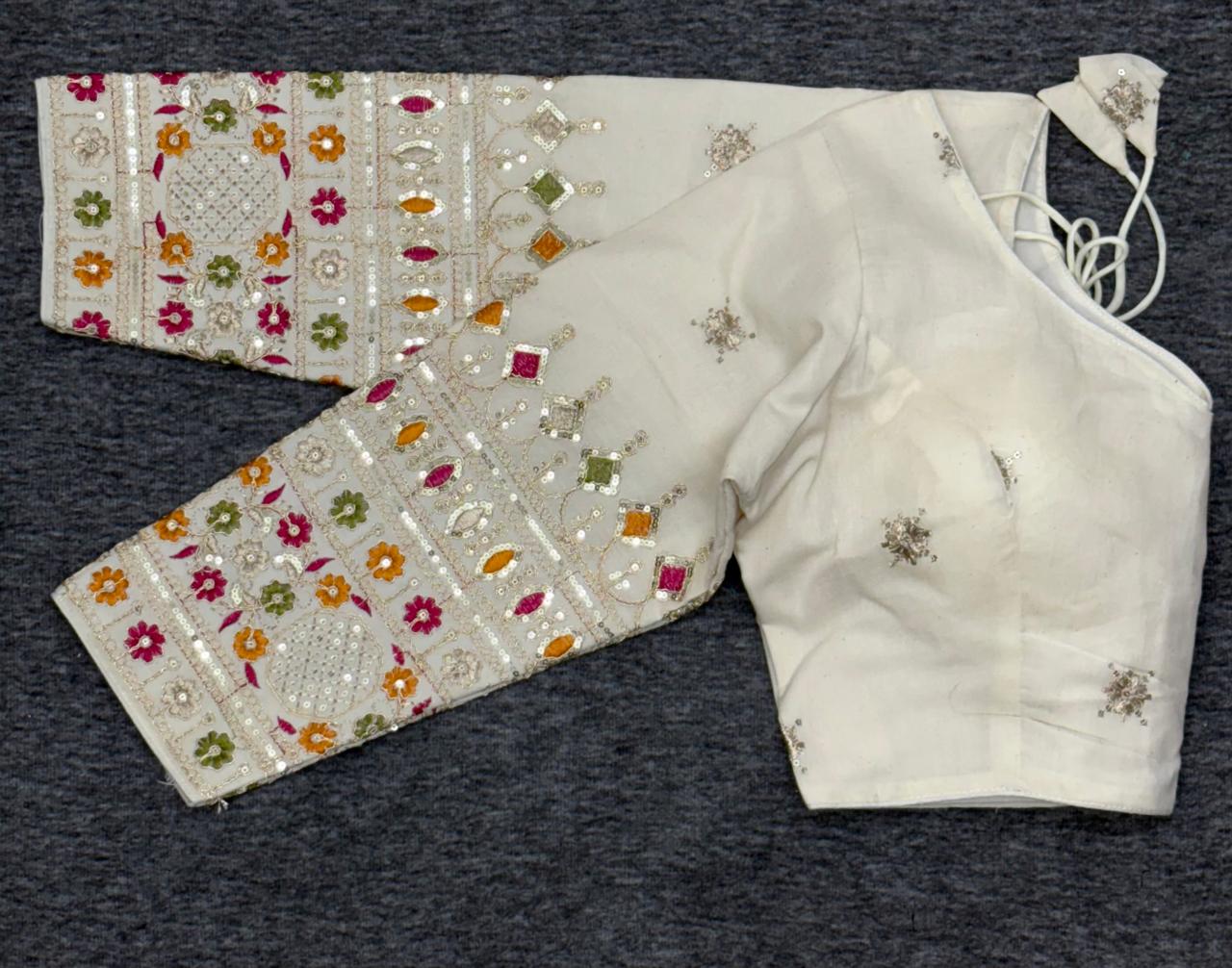
Linen cotton for daytime celebrations
Linen cotton works well for daytime wedding sarees because its slightly textured surface permits airflow and gives printed designs a relaxed richness. Teal Floral Printed Linen Cotton Saree With Matching Blouse demonstrates how a coordinated blouse can create a complete look without adding a second heavy layer.
Peach Multicolor Linen Cotton Saree with Paisley Pallu is another useful direction for a daytime function because a paisley pallu supplies visual detail while the linen-cotton base keeps the overall outfit lighter. Pair the saree with small gold studs, a narrow bangle stack and a low bun when the venue is warm.
Lightweight layers for dressier styling
Chanderi can add a festive sheen without the weight of densely woven brocade, although the blouse lining should remain breathable. Banarasi silk and Kanjeevaram are beautiful choices for more formal weddings, but a Banarasi silk blouse with a close fit and full lining may feel warmer than a fine cotton or silk-cotton alternative.
When zari is important to the look, use it strategically on a border, cuff or neckline rather than covering the entire sleeve. Metallic thread and dense sequins hold heat against the skin, while a narrow zari edge delivers ceremony-appropriate polish with less weight.
Printed sarees that reduce styling pressure
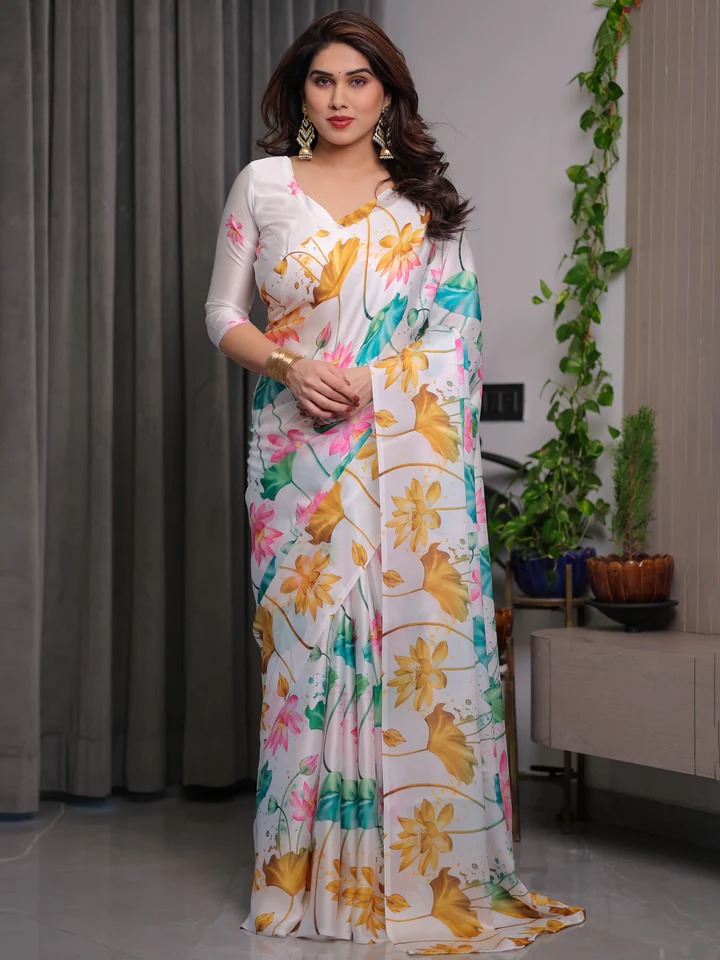
A printed saree can carry enough visual interest that the blouse doesn't need heavy embroidery. Floral Mauve Linen Cotton Printed Saree with Unstitched Blouse allows the blouse fit and sleeve shape to be customised, which is useful when comfort around the armhole is a priority.
Pastel Linen Cotton Floral Print Saree with Designer Blouse offers a softer palette for a daytime wedding, especially when styled with pearl, kundan or polished silver accessories. A pale base doesn't have to look casual when the blouse neckline, drape and jewellery are deliberate.
How Sleeve Shapes Change the Look and Feel
Sleeve shape changes both airflow and visual proportion, so the best choice depends on the saree border, blouse neckline and jewellery. A simple sleeve can look highly occasion-ready when its length and finish repeat a colour from the pallu or border.
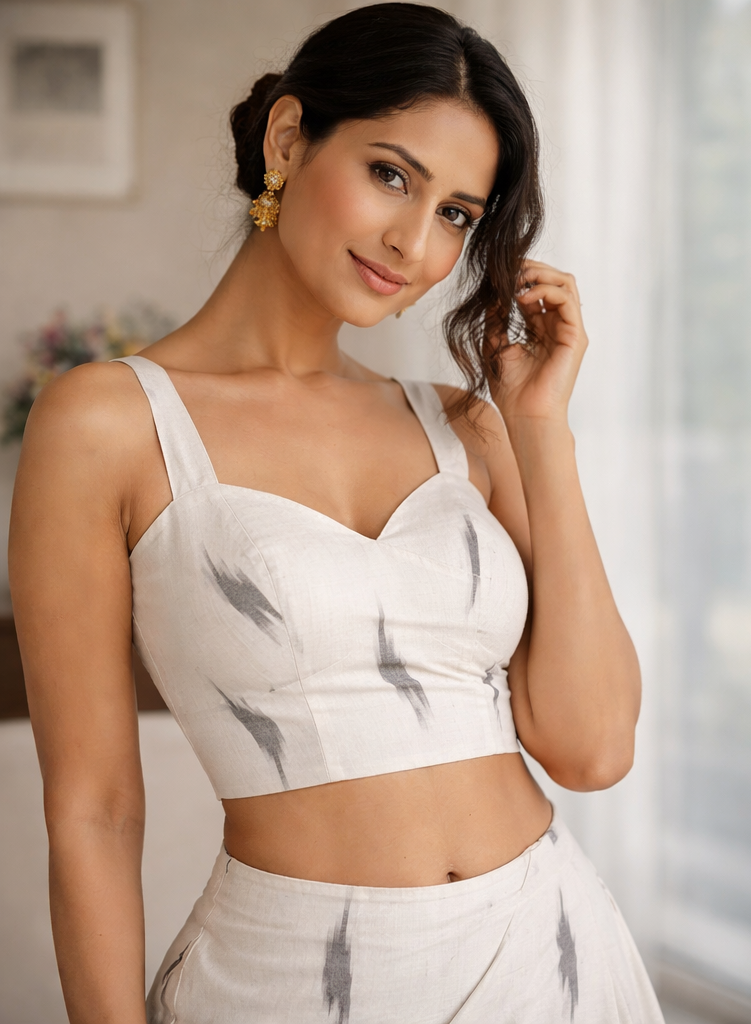
- Elbow sleeves: Elbow sleeves offer reliable coverage and work with most saree drapes, making them suitable for wedding ceremonies and family photographs.
- Short straight sleeves: Short straight sleeves feel cool and modern, particularly with floral prints, but the armhole should not be cut so high that movement becomes restricted.
- Flutter sleeves: Flutter sleeves create a light, feminine line and allow air to move around the upper arm, although a firm shoulder seam prevents the sleeve from slipping.
- Sheer sleeves: Sheer sleeves in organza, net or chiffon can look festive, but a breathable inner panel and limited lining are essential because synthetic sheer layers can still trap heat.
- Slit sleeves: A controlled slit from the lower sleeve to the cuff increases movement and adds interest without exposing the upper arm. The slit should remain secure when the arm is raised.
- Gathered sleeves: Gentle gathers provide ease, while tight elastic at the cuff can create discomfort. A fabric tie or narrow covered button is often more comfortable than firm elastic.
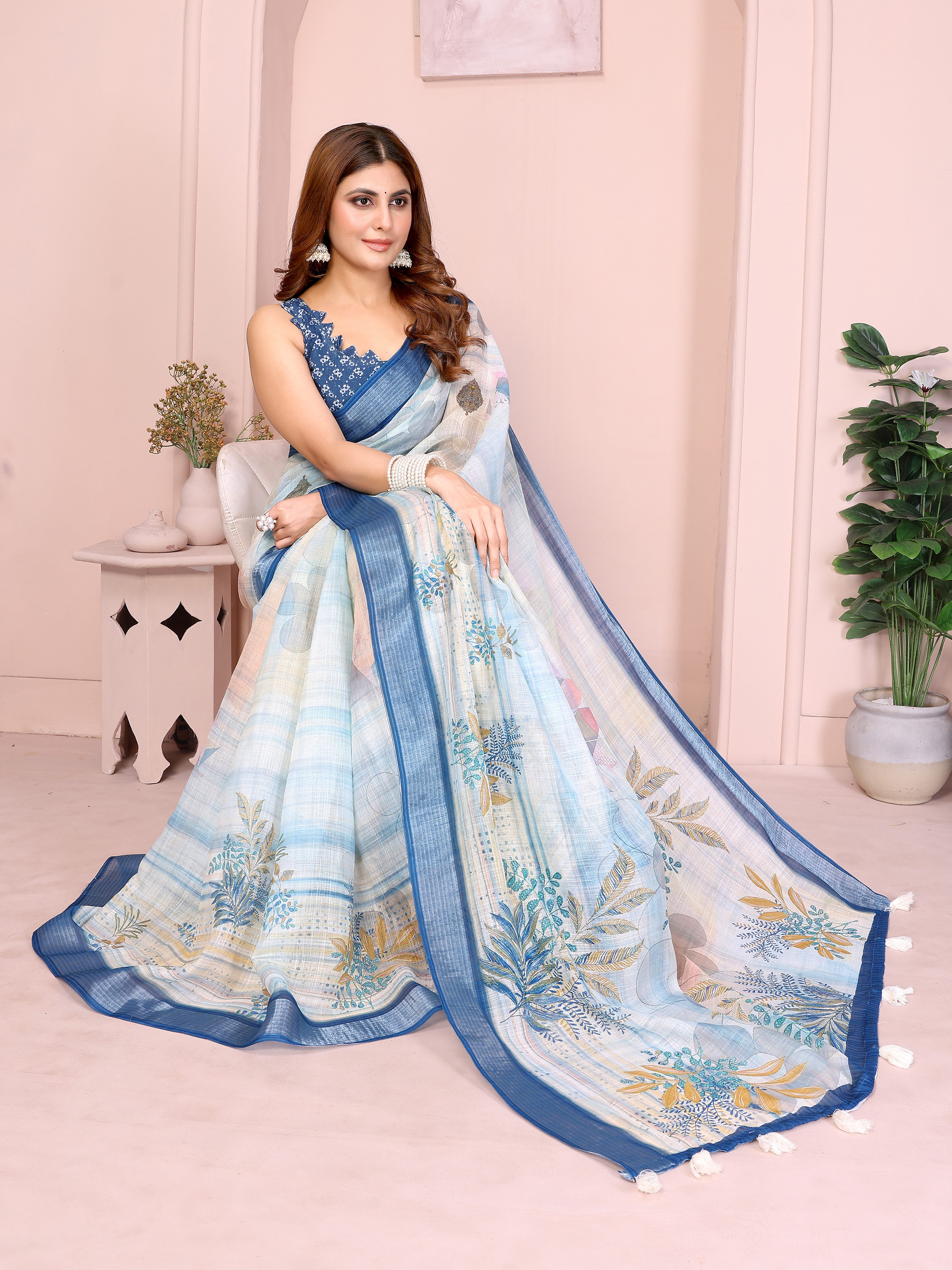
Blue Linen Cotton Floral Print Saree with Plain Dark Border shows why sleeve proportion matters: a plain dark border creates a defined frame, so an airy blouse with a clean sleeve can balance the saree better than an ornate, heavily layered design. Use the border colour in the blouse piping or earrings for a connected finish.
Colour and Styling Choices That Keep the Outfit Light
Light and mid-tone colours usually make a summer wedding outfit feel visually cooler, although colour alone doesn't determine physical comfort. Peach, mauve, lavender, ivory, teal and powder blue work especially well with breathable fabrics because prints and borders can provide festive contrast.
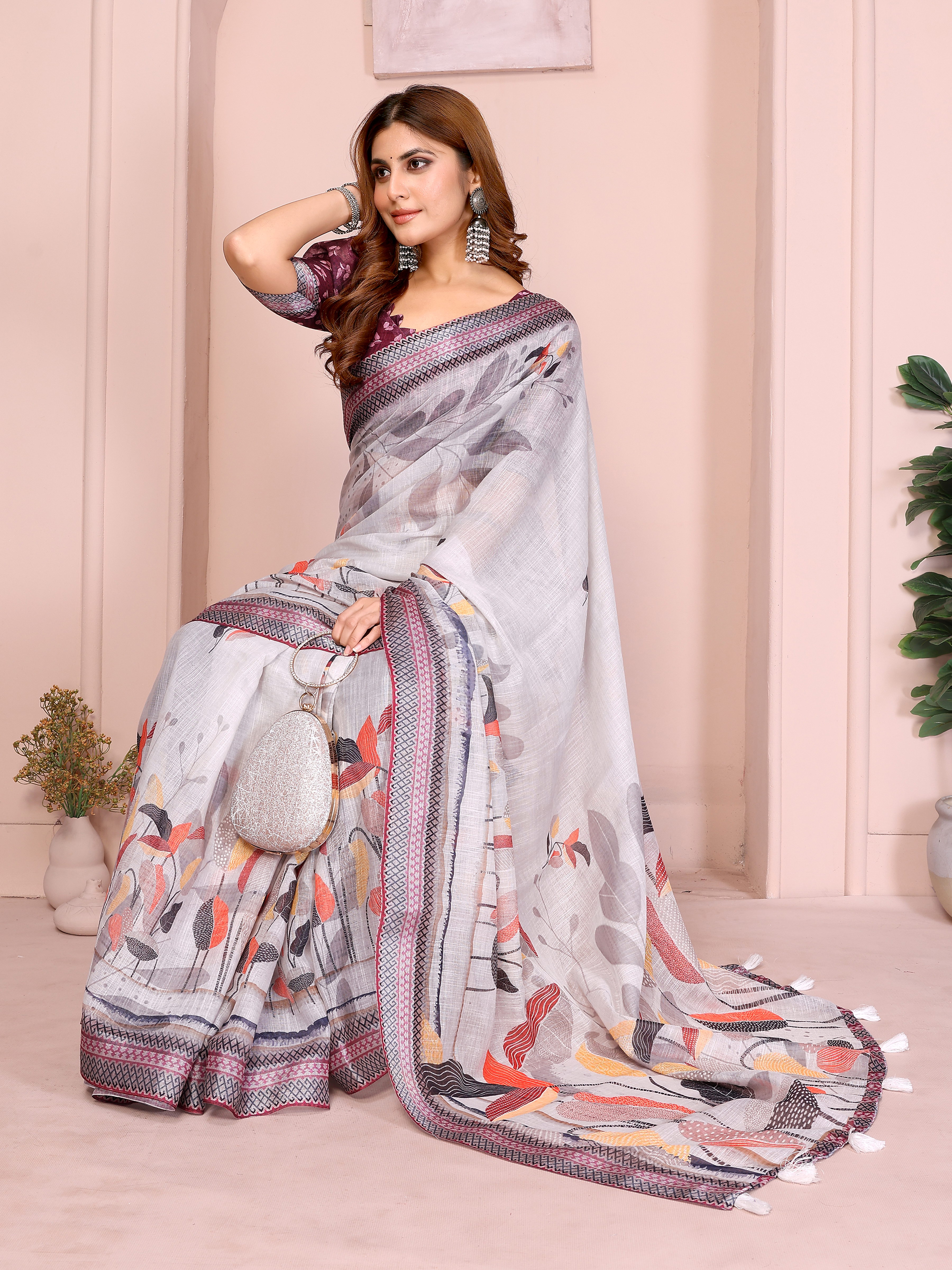
Peach Linen Cotton Floral Print Saree with Blouse for Women can be styled with antique gold for a warm daytime palette or with pearls for a softer garden-wedding effect. Keep the blouse sleeve close to the saree's secondary colour when the print is busy, so the outfit remains composed.
Lavender Floral Linen Cotton Saree with Blouse Online suits a pastel wedding wardrobe, particularly with silver jhumkas, clear crystal details or muted kundan. Lavender also pairs effectively with a deeper plum, wine or charcoal blouse accent when a stronger evening contrast is needed.
Jewellery should support airflow rather than compete with it. Choose one substantial element, such as a choker, jhumka or stack of bangles, and keep the remaining accessories lighter. A high bun or side braid also prevents hair from resting heavily on the neck during outdoor ceremonies.
Makeup and footwear deserve equal planning. Waterproof kajal, a setting spray tested before the wedding and cushioned sandals can prevent small comfort problems from distracting you. A 3 to 5 centimetre heel is usually easier to manage across grass, stone and long reception floors than a very narrow stiletto.
Building One Outfit for Several Wedding Functions
One breathable base can serve multiple wedding functions when accessories and draping change between events. A printed linen-cotton saree with elbow sleeves can work for a daytime engagement, while a more polished pallu arrangement and metallic jewellery can make the same base appropriate for a sangeet.
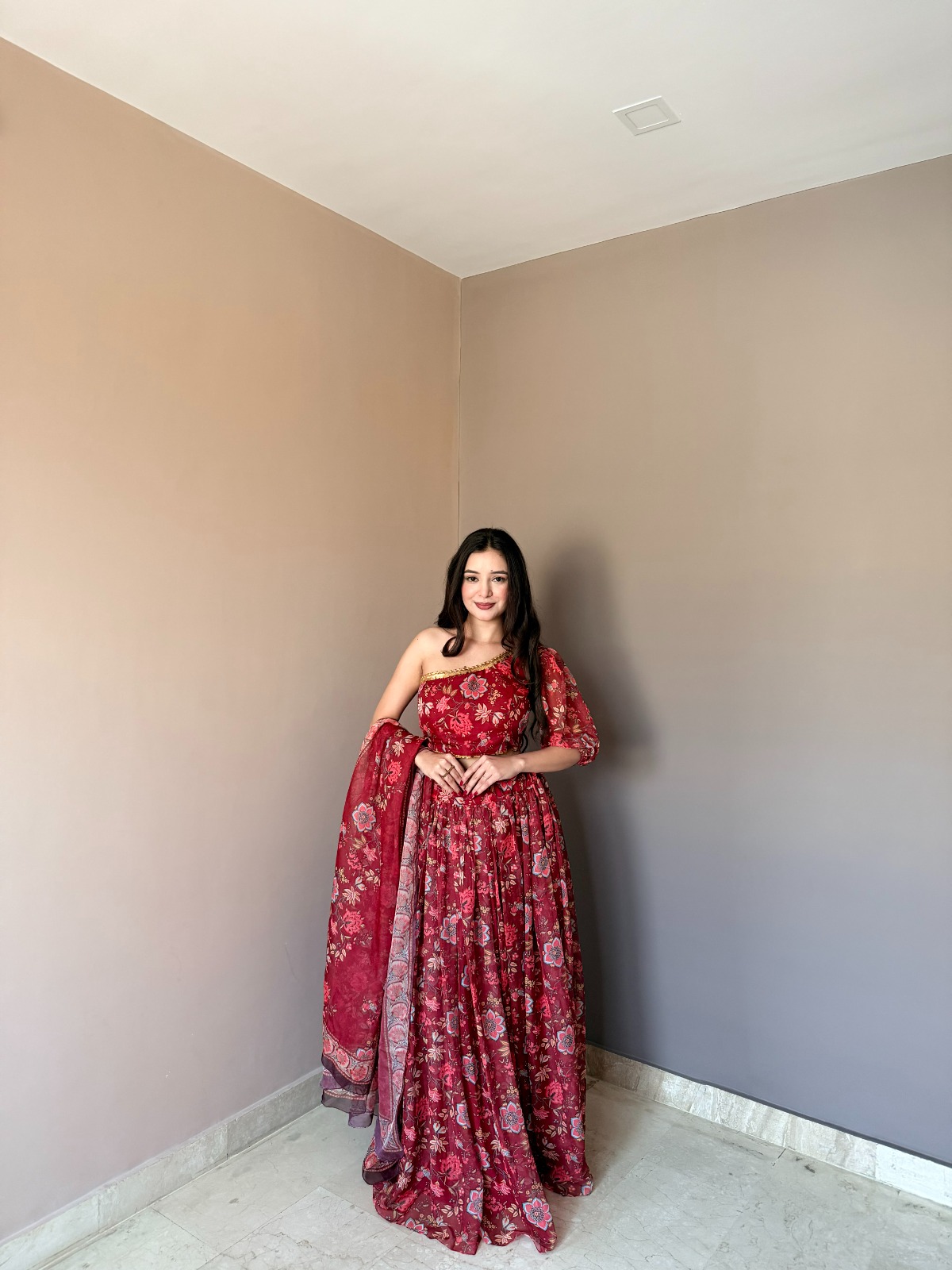
For a Haldi ceremony, choose sleeves that can tolerate movement and a little turmeric exposure. A short straight sleeve or relaxed elbow sleeve is easier to wash and less likely to brush against food, flowers or ritual materials. Avoid delicate trailing cuffs when sitting on the floor or participating in games.
For a Mehendi function, a three-quarter sleeve with moderate ease keeps the arms covered while leaving the hands and forearms accessible for henna. Choose jewellery that can be removed easily before the design is applied, and avoid tight cuffs that may rub against drying mehendi.
For the wedding ceremony, a clean elbow sleeve with a narrow zari border creates a classic finish without the warmth of a fully embellished blouse. For a reception, replace practical daytime accessories with a sculptural earring, a metallic clutch and a more defined drape.
Blue Teal Linen Cotton Saree with Striped Printed Pallu can shift from day to evening through styling rather than additional layers. Keep the daytime version simple with a braid and flat sandals, then add a sleek bun, a belt at the waist or a stronger statement earring for the reception.
Fitting, Lining and Care Details That Make the Difference
The most comfortable summer wedding blouse usually has a smooth armhole, light lining and enough room for natural movement. A tailor should check the shoulder seam, bust fit, underarm curve and sleeve opening together rather than altering only the sleeve length.
Cotton voile or lightweight cotton lining is generally more comfortable in heat than thick polyester lining, especially under the arms. A lining should support opacity and structure without doubling the weight of the blouse. Ask for minimal lining beneath sheer sleeves if the fabric allows it.
Try the finished blouse at least 7 to 10 days before the wedding. Wear it for 30 minutes while walking, sitting and lifting both arms, then check for red marks, damp patches or pulling at the hooks. This test reveals practical problems that a brief fitting in front of a mirror can miss.
Wash or air the saree according to its care instructions before storing it for a future event. Linen cotton can crease naturally, so use a padded hanger for the blouse and fold the saree along soft, wide folds rather than pressing sharp creases into the fabric. Keep zari away from direct perfume and allow perspiration to dry before folding.
Carry a small comfort kit containing safety pins, fashion tape, blotting paper, a handkerchief and one spare blouse hook. These items take little space and can solve common problems without changing the entire outfit.
A Practical Final Checklist Before the Wedding
A summer wedding outfit is ready when the fabric, sleeve, lining and accessories remain comfortable after realistic movement. A final checklist helps prevent a handsome look from becoming difficult to wear.
- Check the weather: Note the expected temperature, humidity and whether the ceremony is outdoors.
- Test the sleeves: Raise both arms, sit on a chair and walk for 10 minutes in the finished blouse.
- Review the lining: Confirm that the lining is light, smooth and not tighter than the outer fabric.
- Balance embellishment: Keep dense embroidery away from most of the sleeve when heat is a concern.
- Pack practical footwear: Choose shoes that suit the venue surface and keep a backup pair if the event involves outdoor walking.
- Plan the drape: Pin the pallu securely but leave enough ease to sit, eat and move your arms.
- Prepare for touch-ups: Carry blotting paper, safety pins and a small sewing kit.
The strongest summer wedding looks combine breathable construction with intentional styling. Linen cotton prints, light Chanderi layers, controlled zari accents and sleeves with genuine ease can create an outfit that remains graceful from the first photograph to the final dance.
Common Questions About Breathable Sleeves for Summer Wedding Outfits
Which sleeve length is most comfortable for a summer wedding saree?
Elbow-length sleeves are usually the most versatile because they provide coverage while allowing airflow and arm movement. Short sleeves can feel cooler, while three-quarter sleeves work best when the fabric is light and the cuff is loose.
Is linen cotton suitable for a wedding guest outfit?
Linen cotton is suitable for daytime wedding events when the saree has a polished print, border or pallu detail. Pairing linen cotton with festive jewellery, a neat drape and a well-finished blouse keeps the outfit celebratory rather than casual.
How can I make a wedding blouse cooler without changing the design?
Replace thick polyester lining with lightweight cotton voile where appropriate, reduce dense sleeve embroidery and add a little ease at the upper arm. A smooth armhole finish and breathable fabric can improve comfort without changing the neckline or overall silhouette.
Are sheer sleeves comfortable in hot weather?
Sheer sleeves can be comfortable when they are loose, lightly lined and made from an airy fabric. Synthetic net or organza may still feel hot if layered over a fully lined sleeve, so limit the inner layers and avoid tight cuffs.
What should I wear to a summer Haldi ceremony if I want sleeves?
Choose a short straight sleeve or relaxed elbow sleeve in washable cotton or linen cotton for a summer Haldi ceremony. Avoid trailing cuffs and heavy embellishment because the outfit needs to allow movement and tolerate turmeric, flowers and outdoor heat.
How early should I test a summer wedding blouse?
Test the finished blouse at least 7 to 10 days before the wedding. Wear it for about 30 minutes while walking, sitting and raising your arms so a tailor has time to correct tight armholes, uncomfortable lining or slipping sleeves.