

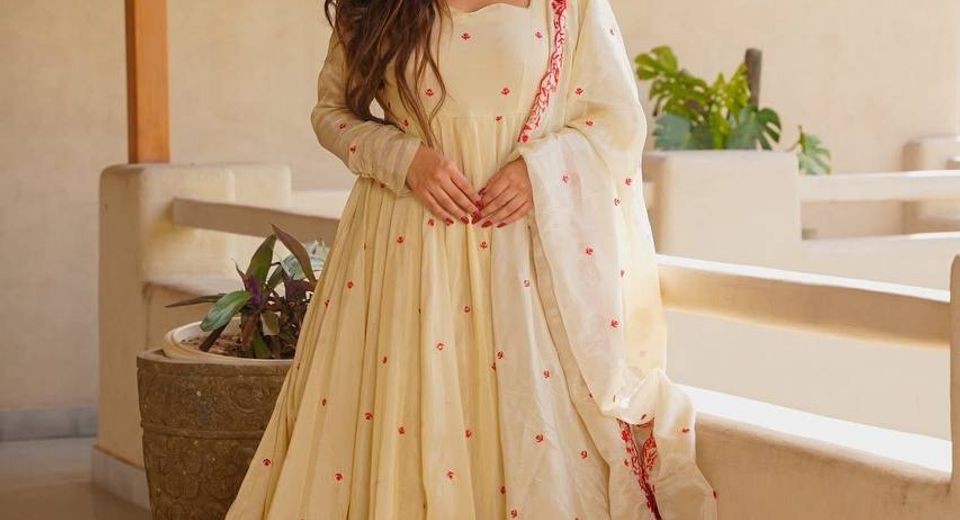
How to Match the Occasion for Heavy Embroidery vs Light Embroidery becomes easier when you assess five details first: the event's formality, time of day, venue, expected movement and your role in the celebration. Heavy embroidery suits ceremonial evening events and grand wedding functions, while light embroidery works better for daytime gatherings, intimate rituals and occasions involving substantial movement. The right choice should look appropriate in photographs, feel comfortable for several hours and support the event rather than compete with it.
How to Match the Occasion for Heavy Embroidery vs Light Embroidery at a glance
Choose heavy embroidery for formal evening weddings, receptions and grand celebrations, and choose light embroidery for daytime functions, intimate rituals, work events and gatherings that involve considerable movement.
Embroidery weight refers to more than the number of motifs on a garment. Dense zari, sequins, beads, resham, cutdana and layered appliqué add visual and physical weight. A garment with embroidery across the bodice, sleeves, hem and dupatta will read as heavier than a garment with a few scattered motifs, even when both use the same thread colour.
Your role at the event is an important deciding factor. A bride, close family member or principal host can usually wear more surface detail than a guest. A guest at a formal reception may wear a rich embroidered saree or an embellished Anarkali, but a quieter design prevents the outfit from looking like bridal wear. Personal style matters, yet the event's hierarchy remains a useful guide.
Use a simple three-question test before choosing an outfit. Will the venue be richly decorated? Will photographs be taken mostly after sunset? Does the invitation suggest formal, festive or wedding attire? Three yes answers point towards heavier embroidery. One or no yes answers usually favour light or medium embroidery.
How to Match the Occasion for Heavy Embroidery vs Light Embroidery at weddings
Heavy embroidery is appropriate for evening weddings, receptions, sangeet celebrations, formal engagement parties and grand festive ceremonies where ornate clothing matches the setting.
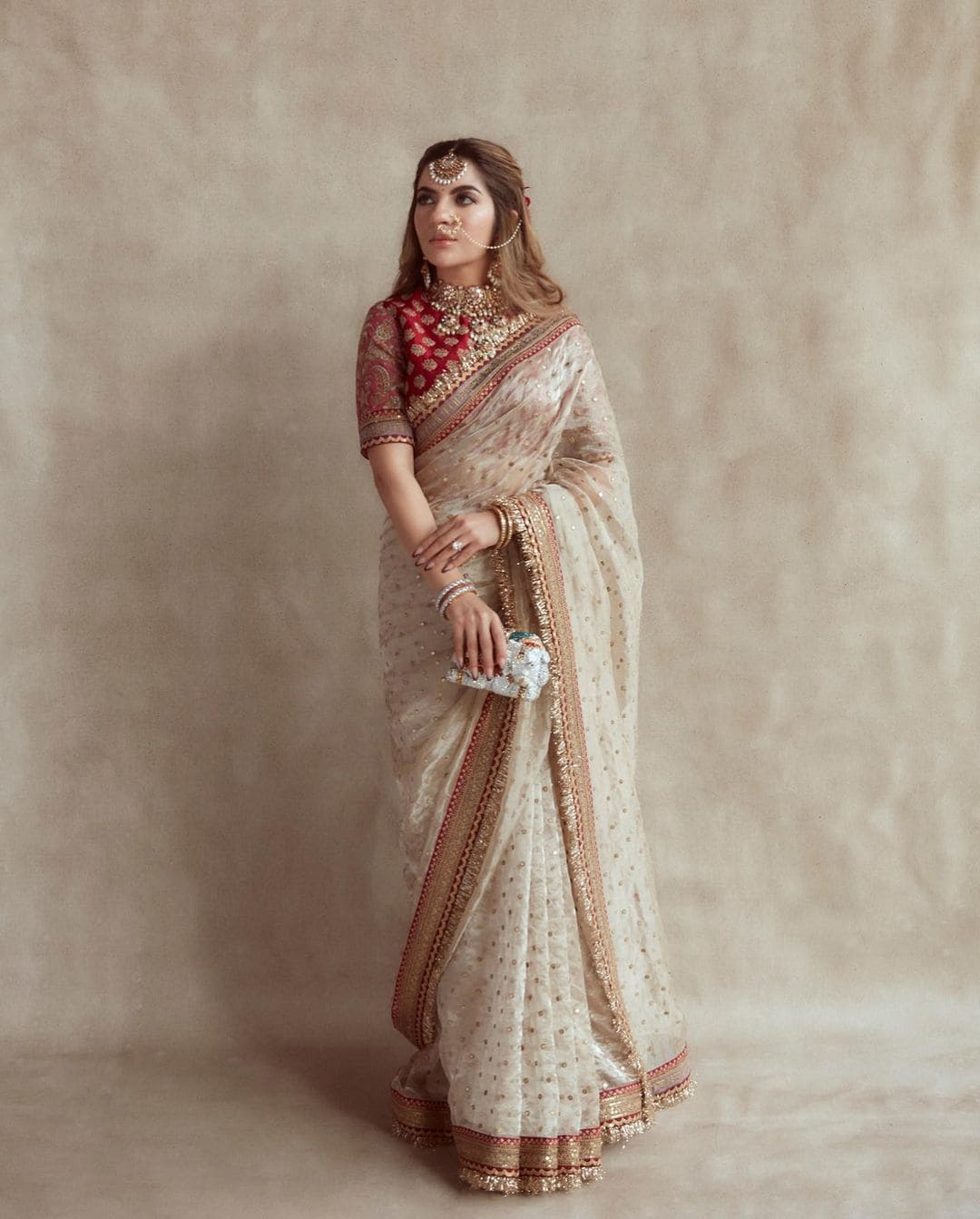
Evening wedding receptions
Artificial lighting gives sequins, zari and metallic thread enough contrast to show their detail. A heavily embroidered Anarkali, saree or kurta set can therefore look balanced in a banquet hall or hotel ballroom. Deep jewel tones such as wine, emerald, navy and rani pink also photograph strongly under warm evening lighting.
Purple Embroidered Silk Anarkali Suit Set for Weddings demonstrates why fabric and embroidery should be considered together. Silk has a natural sheen, so dense embroidery creates a formal finish without requiring excessive accessories. Pair a richly worked Anarkali with restrained earrings, a clean hairstyle and a clutch instead of adding a large necklace, stacked bangles and an ornate maang tikka at the same time.
Sangeet and cocktail-style celebrations
Sangeet functions allow noticeable embellishment because the event is designed around music, performance and evening energy. Sequins and reflective elements are especially effective when guests move under stage lighting. A garment should still permit comfortable arm movement, particularly if dancing is likely.
Rani Pink Heavy Smooth Sitara Saree with Sequin Embroidery suits a high-energy evening setting because sitara work catches light while the saree retains a clearly festive identity. Wear a secure underskirt, test the pallu pleats before leaving home and choose a blouse that allows the shoulders to move freely.
Close family roles
Close family members can select denser embroidery for a wedding ceremony, but the silhouette should remain distinct from the bride's outfit. Avoid combining bridal red heavy embroidery, a full veil and head-to-toe metallic work if the bride is wearing a similar palette. A different colour family, shorter hemline or simpler dupatta creates visual separation.
Black Heavy Silk Crepe Kurta Set with Sequence Embroidery offers a useful direction for a formal family event. Black silk crepe with sequins has evening presence, but a streamlined kurta silhouette can feel less bridal than a heavily flared lehenga. Keep the rest of the styling polished rather than adding several competing statement pieces.
How to Match the Occasion for Heavy Embroidery vs Light Embroidery in daytime settings
Light embroidery works best for daytime weddings, Haldi ceremony gatherings, pujas, family lunches, office celebrations and intimate events where ease and freshness matter more than maximum sparkle.
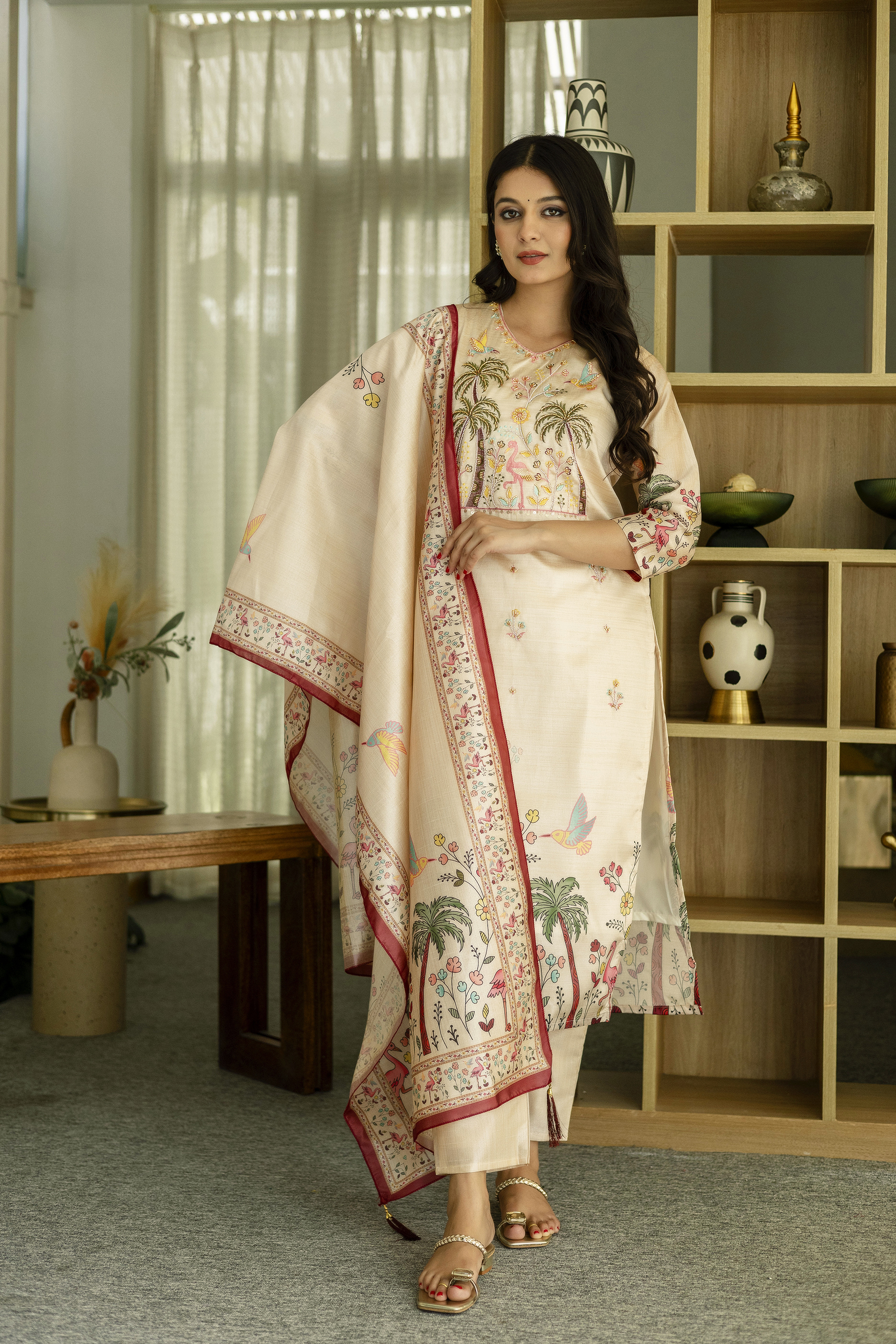
Daytime functions
Natural daylight reveals texture clearly, so dense reflective work can appear visually louder than expected. Cotton-silk, Chanderi, georgette and lightweight crepe with small motifs provide polish without creating a heavily ornamented effect. Pastels, ivory, peach, lavender, powder blue and soft yellow suit daylight because they reflect rather than absorb the available light.
Lavender Georgette Kurti Pant Set with Embroidery & Dupatta illustrates the daytime advantage of controlled decoration. Georgette drapes easily, while a kurti-and-pant silhouette supports sitting, walking and casual photographs. Keep the dupatta lightly pinned at one shoulder if the function involves greeting guests or moving between rooms.
Haldi ceremony and intimate rituals
Light embroidery is practical for a Haldi ceremony because turmeric, water, flowers and frequent movement can damage delicate embellishment. Choose manageable fabrics where possible, and avoid very long hems that can brush against wet floors. Small resham motifs, narrow borders or limited gota work add celebration without making the outfit difficult to handle.
White Embroidered Anarkali Suit Set with Gota Patti Dupatta can work for a daytime ritual when the dress code permits white. Gota Patti gives a festive glint without the continuous surface coverage of heavy sequin work. White can show turmeric, makeup and food marks quickly, so check the care label and avoid wearing the outfit to a ceremony involving direct colour application unless staining is acceptable.
Office and semi-formal celebrations
Light embroidery is safer for an office Diwali event, brand celebration or formal lunch because the outfit remains festive without appearing like evening wedding wear. Place embellishment on one area, such as the neckline, sleeve border or dupatta edge. A structured kurta with tailored trousers or a straight salwar suit often looks more professional than a wide, heavily ornamented skirt.
How to Match the Occasion for Heavy Embroidery vs Light Embroidery by venue and timing
Venue and timing determine how much visual richness an outfit can carry comfortably and proportionately.
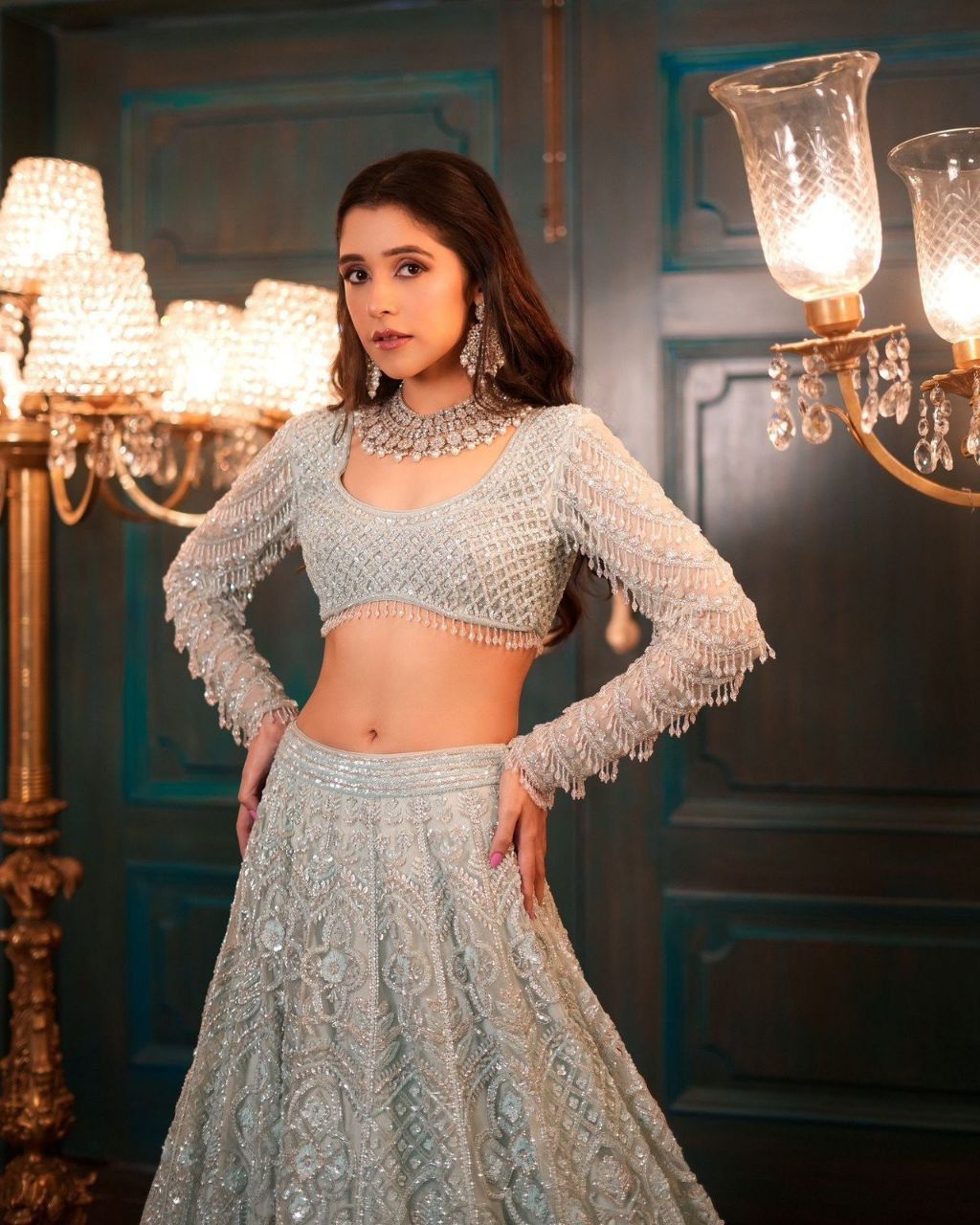
A ballroom, heritage hotel or decorated wedding lawn can support heavy embroidery because the surroundings provide an equally formal visual context. A small restaurant, home puja or garden lunch usually works better with light embroidery, especially when guests sit close together and daylight exposes every reflective detail.
Timing also affects colour and surface shine. Heavy zari and sequins are most natural after sunset, when artificial light creates sparkle. Daytime events favour matte or softly lustrous materials such as Chanderi, cotton-silk, georgette and silk blends, although a narrow metallic border can still look elegant.
Weather and season should influence the decision as much as décor. Dense embroidery on thick velvet, brocade or layered silk may become uncomfortable in humid weather. For a summer wedding, choose light embroidery on georgette, organza, chiffon or breathable silk blends, then add formality through colour, drape and jewellery rather than extra surface work.
Outdoor venues require practical adjustments. Heavy borders can collect dust and drag on grass, while long embellished dupattas can catch on chairs. A medium-weight saree or shorter Anarkali hem may be more useful than a dramatic garment that requires constant adjustment.
How to Match the Occasion for Heavy Embroidery vs Light Embroidery with fabric and silhouette
Light or fluid fabrics generally suit lighter embroidery, while stable fabrics can support heavier embellishment without losing their shape.
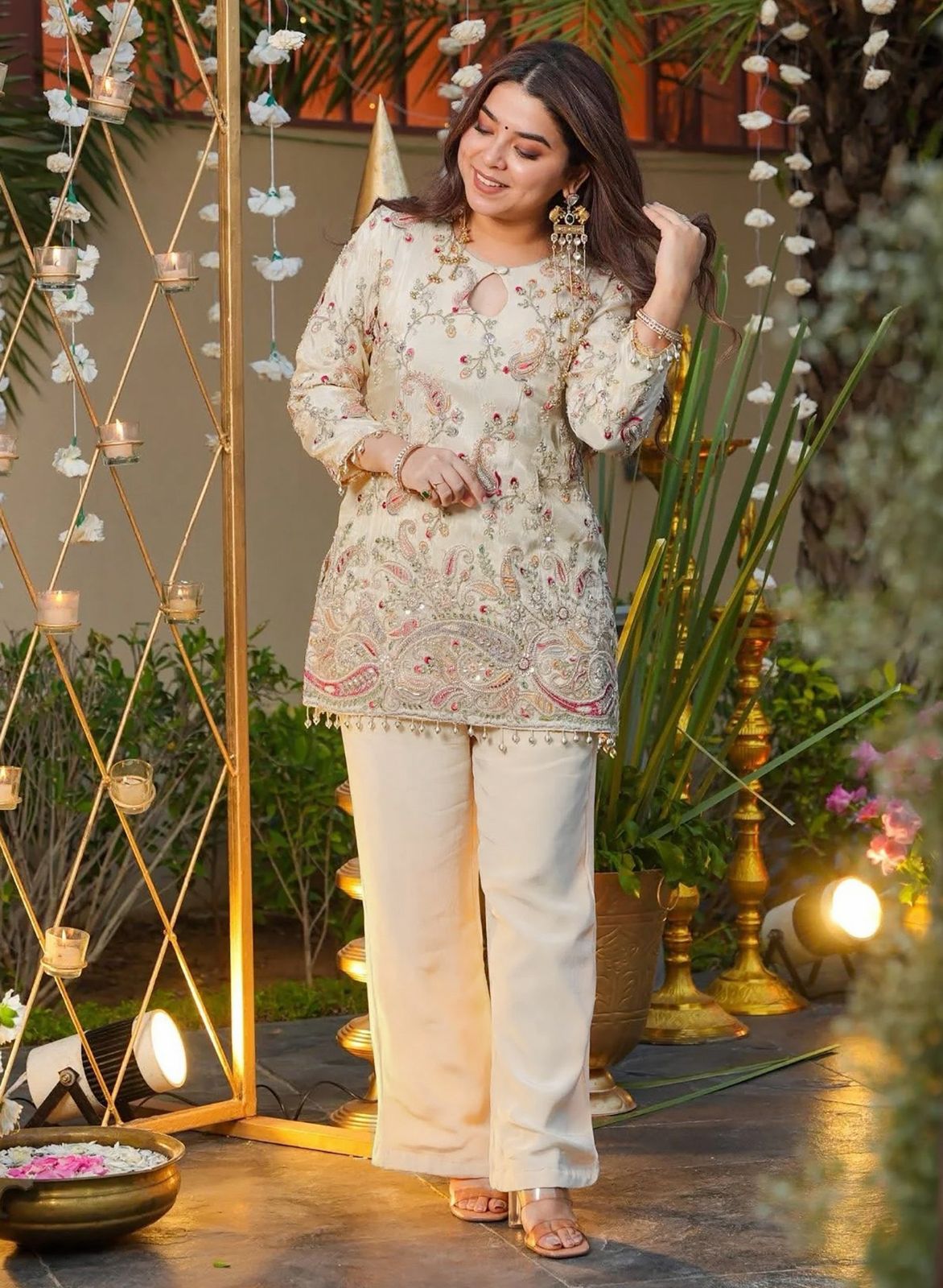
Banarasi silk, raw silk, velvet and heavy satin can carry zari, beads and dense thread work because their structure supports added weight. Georgette, chiffon and soft crepe usually benefit from scattered motifs, fine borders or embroidery concentrated around the yoke. Excessive embellishment can pull delicate fabric downward and change the way the garment drapes.
Black Embroidered Anarkali Suit Set with Zari Work shows how zari can make a relatively simple silhouette look formal. Black creates a strong base for metallic thread, so the outfit may need fewer accessories than a pastel garment with subtle embroidery. Choose antique gold or muted metallic jewellery if the zari is warm-toned; bright silver can look disconnected from gold work.
Silhouette changes how embroidery is perceived. A flared Anarkali with work from the neckline to the hem already has significant visual volume. A straight kurta can handle a stronger neckline or sleeve design because the overall shape remains controlled. A saree with a heavily decorated pallu often needs a simpler blouse, while a plain pallu can support a more elaborate blouse.
Weight also affects comfort. Dense embroidery can add several hundred grams to a garment, and a heavily worked dupatta may become tiring after four or five hours. Test the outfit while sitting, climbing stairs and raising both arms. If the fabric pulls at the shoulders or the hem catches under your footwear, the design isn't practical for the event, regardless of how attractive it looks on a hanger.
How to Match the Occasion for Heavy Embroidery vs Light Embroidery with colour and accessories
Accessories should repeat one important element of the outfit while leaving enough visual space for the embroidery to remain clear.
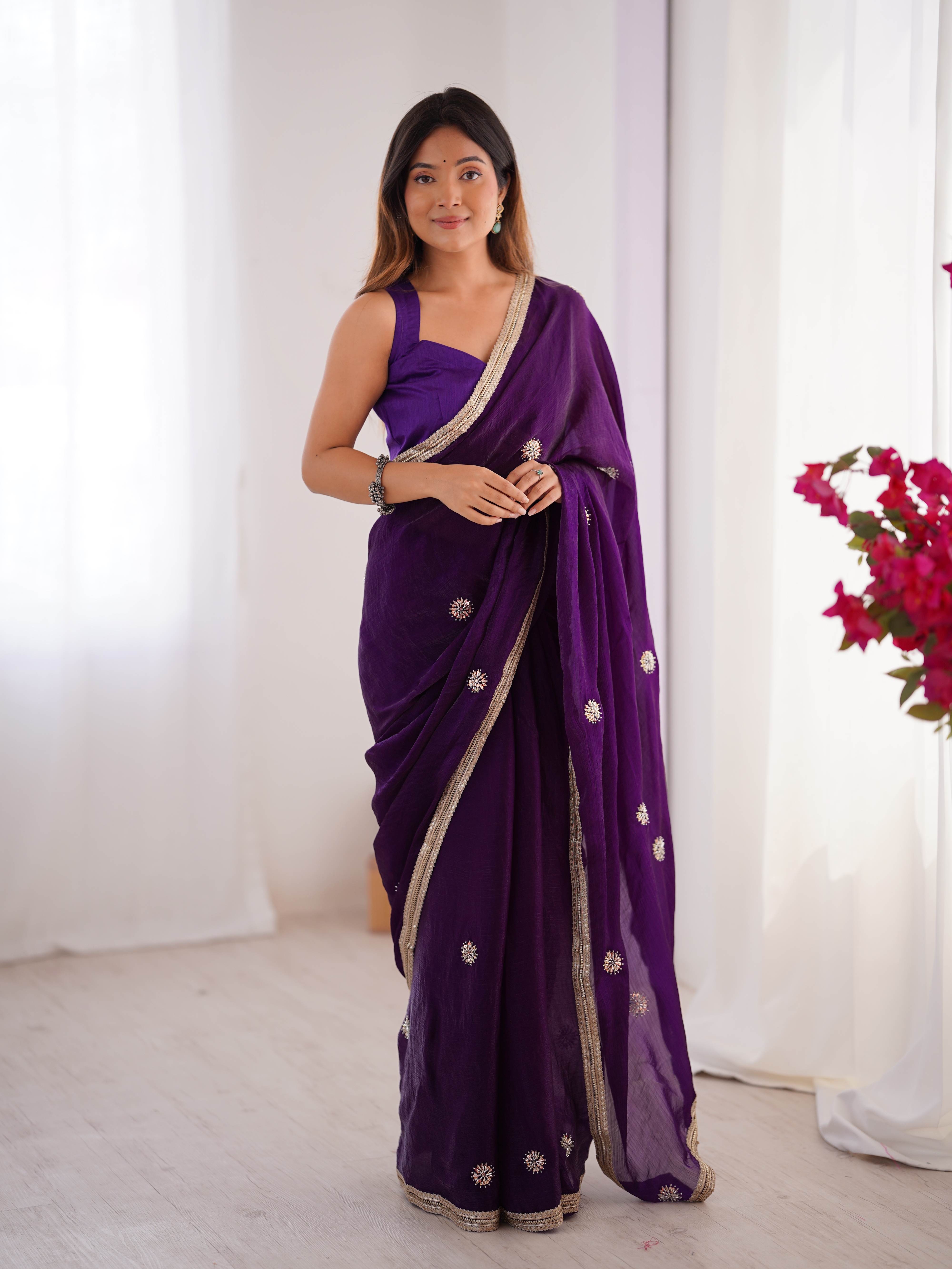
Heavy embroidery usually needs editing rather than addition. If a saree has a broad sequin pallu, wear a simple blouse, one statement earring style and a compact clutch. If an Anarkali has dense zari on the bodice and sleeves, choose a lighter dupatta border and avoid a necklace that competes with the neckline. A single metallic family, such as antique gold or silver, makes an embellished outfit look intentional.
Light embroidery gives you more room to use accessories for formality. A pastel kurta set with small thread motifs can take pearl earrings, a bright potli or a stack of slim bangles. A lightly embroidered saree can support a more noticeable blouse, belt or layered necklace, provided the accessories don't conceal the garment's main motif.
Colour can compensate for restrained surface work. Deep purple, cobalt, forest green, maroon and black look formal even when embroidery is limited. Soft lavender, cream, blush and mint feel lighter and are especially effective for daytime. Cream Embroidered Silk Anarkali Suit Set with Sarara | Varnavi combines a pale base with a festive silhouette, making accessory choice important; a small metallic clutch and medium-sized earrings can add enough evening definition without overwhelming the cream colour.
Contrast also changes perceived weight. Gold embroidery on a dark base looks more prominent than tonal embroidery on a similar-colour base. White thread on pastel georgette reads as delicate, while gold zari on black reads as dramatic. Examine the outfit in daylight and indoor lighting before deciding whether additional jewellery is necessary.
How to Match the Occasion for Heavy Embroidery vs Light Embroidery while staying comfortable
The most suitable embroidery weight is the one that remains comfortable through the event's full duration, including travel, photographs, meals and standing.
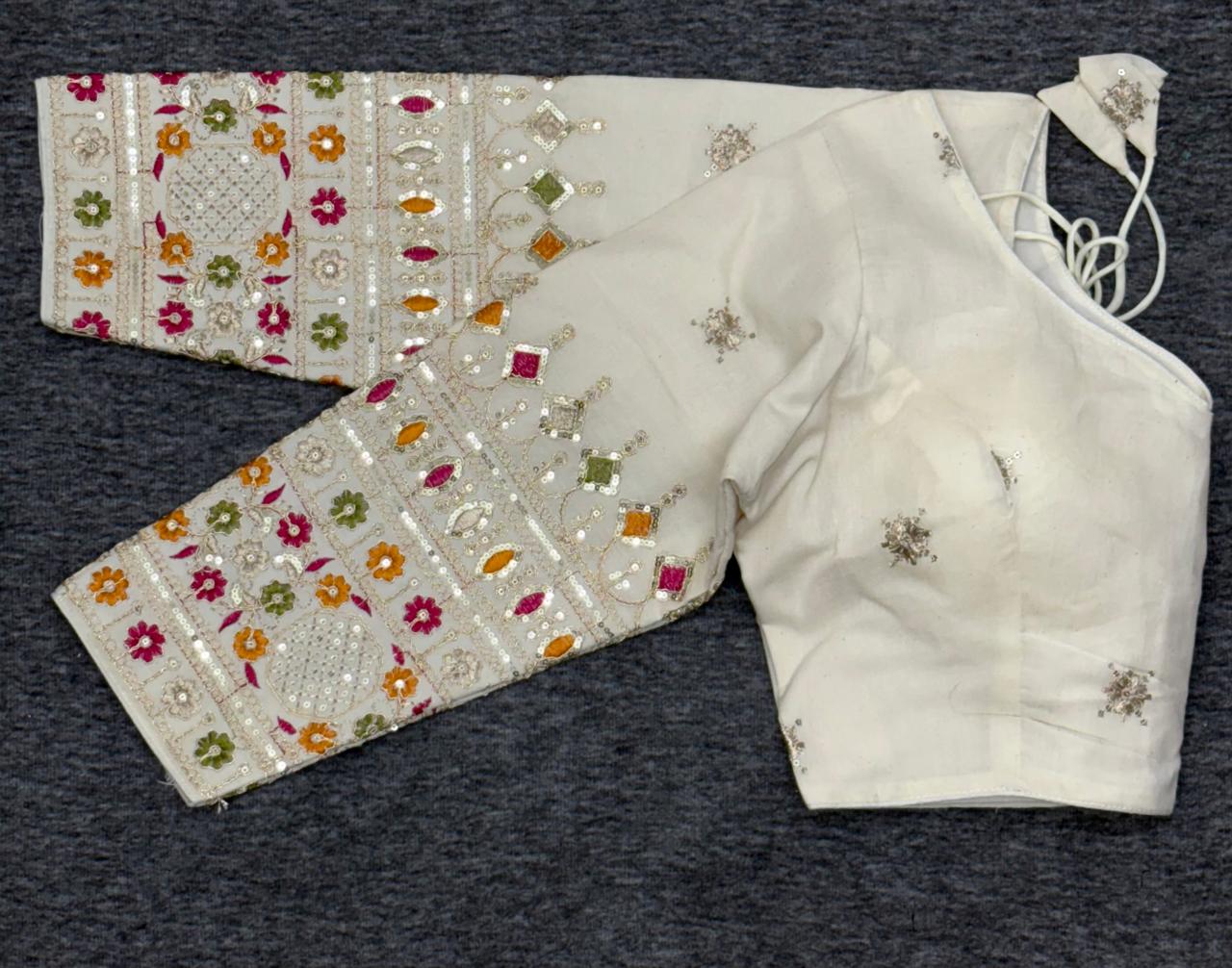
Check the garment at least two days before the function. Wear the intended footwear, walk for ten minutes, sit on a chair and lift both arms. A saree should stay secure at the waist, an Anarkali should not pull at the shoulders and a dupatta should remain manageable without constant pinning.
Movement-heavy events favour lighter construction even when the dress code is formal. For dancing, greeting guests or moving between an outdoor ceremony and an indoor reception, choose embroidery concentrated on the yoke, sleeves or border rather than dense work across every panel. A lighter dupatta can reduce strain without making the outfit look casual.
Care requirements matter after the event. Sequins, zari and beadwork generally need gentle handling, and many heavily embroidered garments require dry cleaning rather than machine washing. Store embroidered clothing folded with clean muslin or hung on a padded hanger, and avoid pressing directly over metallic work. Lightly embroidered cotton or georgette garments may be easier to maintain, but the care label remains the final authority.
For a formal evening event, Black Embroidered Anarkali Suit Set with Zari Work or Purple Wedding Wear Embroidered Saree can provide ceremony-appropriate detail without requiring identical styling. For a lighter festive option, Cream Embroidered Silk Anarkali Suit Set with Sarara | Varnavi or White Embroidered Anarkali Suit Set with Gota Patti Dupatta shows how silhouette and border work can create occasion value without full-surface embellishment.
The best final decision balances social context, lighting, fabric performance, movement and personal comfort. Heavy embroidery should feel deliberate rather than compulsory, and light embroidery should feel polished rather than insufficient. When those five considerations agree, the outfit will usually look right both in person and in photographs.
Common Questions About Choosing Heavy or Light Embroidery for an Occasion
Is heavy embroidery suitable for a daytime wedding?
Heavy embroidery can work for a daytime wedding when the venue and dress code are highly formal, but lighter or medium embroidery is usually more comfortable and visually balanced. Choose breathable fabric, a controlled silhouette and limited metallic shine if the ceremony is outdoors.
What embroidery is best for a Haldi ceremony?
Light embroidery with small resham motifs, a narrow border or limited gota work is best for a Haldi ceremony. Avoid delicate, heavily embellished pieces and long hems if turmeric, water or coloured flowers will come into contact with the outfit.
Can I wear light embroidery to an evening reception?
Light embroidery can suit an evening reception when the fabric, colour and silhouette provide enough formality. A dark jewel tone, silk base, polished drape or statement accessory can make a lightly embroidered outfit appropriate without adding dense sequins everywhere.
Which fabrics are better for heavy embroidery?
Banarasi silk, raw silk, velvet, heavy satin and structured silk blends generally support dense embroidery well. Georgette, chiffon and soft crepe are more comfortable with scattered motifs, fine borders or embroidery concentrated on the bodice.
How can I avoid looking overdressed in heavy embroidery?
Balance heavy embroidery with a simpler silhouette, restrained jewellery and one consistent metallic tone. Avoid combining a heavily worked outfit with an equally ornate dupatta, necklace, headpiece and clutch unless the event specifically calls for bridal-level dressing.
How can I make light embroidery look more festive?
Use colour, drape and accessories to increase the formality of light embroidery. A deep jewel tone, silk or Chanderi fabric, elegant footwear, a structured clutch and one noticeable jewellery piece can make a lightly embroidered outfit suitable for a celebration.


