

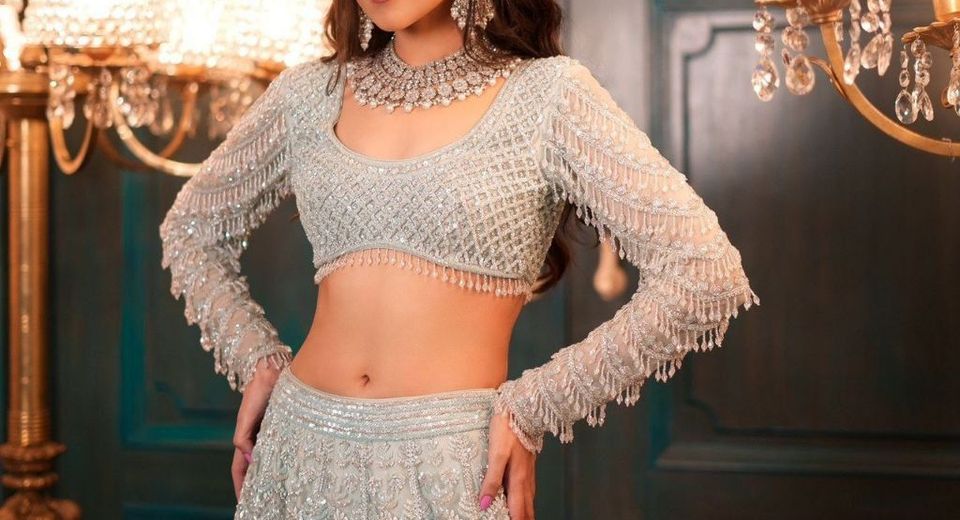
How the Fabric Moves, Feels and Photographs for Net Lehengas determines whether a beautiful outfit remains comfortable after three hours of greetings, photographs and dancing. Net creates volume without the dense weight of brocade, but the final experience depends on the lining, can-can, embroidery, waistband and blouse construction beneath it. Understanding those details makes shopping for a wedding, Mehendi ceremony or festive evening far more predictable.
A net lehenga can look airy in a product photograph yet feel structured when layered over lining and a stiff underskirt. Another design may appear simple on a hanger but produce graceful movement because the net panels are cut generously. The useful question isn't simply whether net looks pretty; the useful question is how the complete garment behaves on the body.
How the Fabric Moves, Feels and Photographs for Net Lehengas in Real Wear
Net lehengas usually move with a light, floating swish, feel smooth or slightly textured depending on the weave and embellishment, and photograph best when their layers have room to separate.
Movement comes from three connected parts: the outer net, the lining and the volume underneath. Soft net follows the legs more closely, while layered butterfly net creates a wider flare. A lining prevents transparency and gives embroidery a stable surface, but a thick lining can reduce the floating quality shoppers expect from net. A can-can layer adds lift at the hem and makes twirling more dramatic, although too much stiffness can make sitting and climbing stairs less relaxed.
Touch also changes across the garment. Unembellished net may feel light and cool against a lining, whereas sequins and metallic threadwork add weight and texture around the waist or hem. The blouse is usually the part that influences comfort most because fitted seams, sleeves, hooks and embroidery stay against the upper body for longer than the moving skirt.
How the Fabric Moves, Feels and Photographs for Net Lehengas During Long Events
A comfortable net lehenga has a supportive waistband, a breathable lining, secure closures and enough ease for sitting, walking and raising the arms.
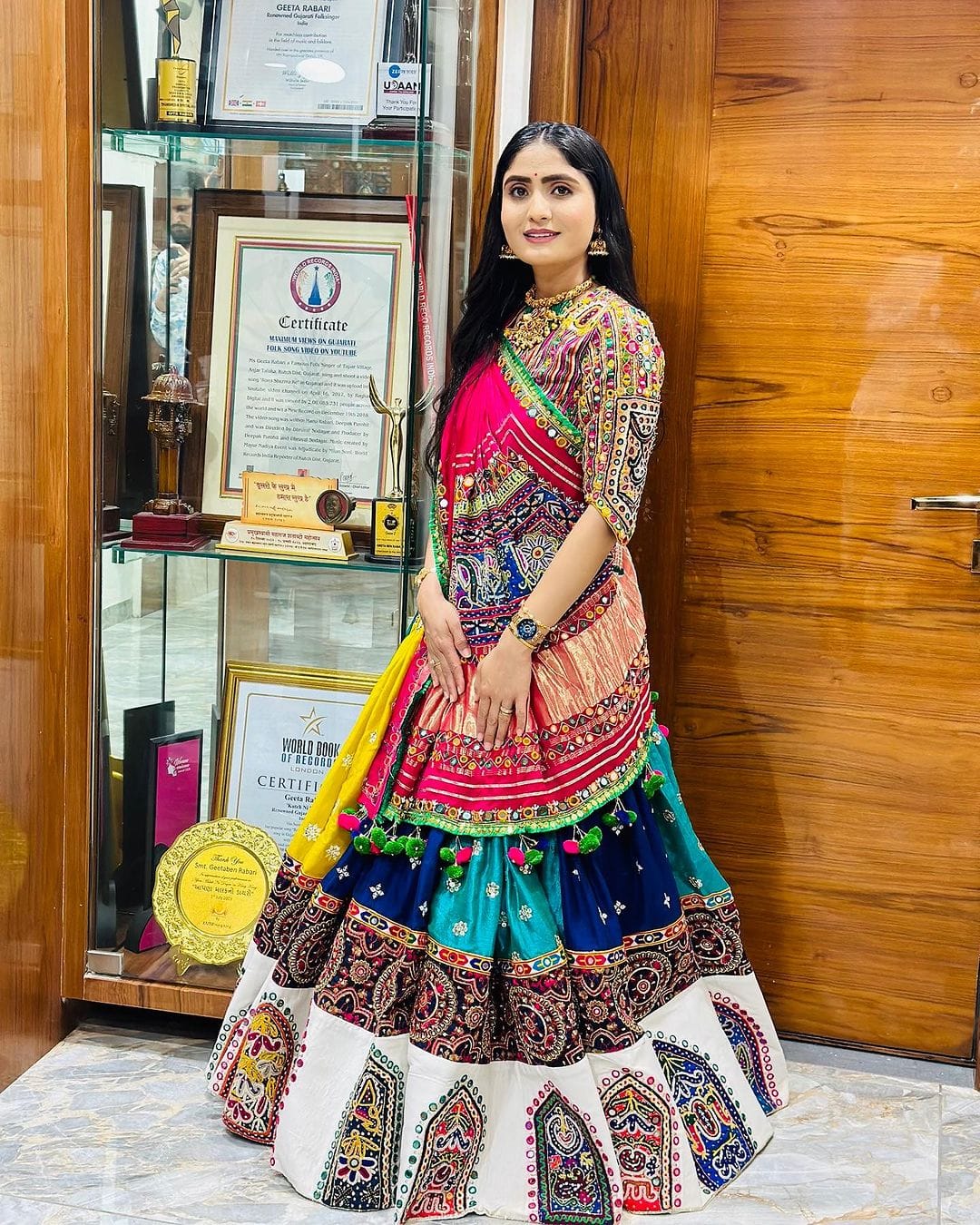
Check the waistband before judging the appearance. A broad, properly finished waistband distributes pressure better than a narrow cord or rigid edge. The skirt should close without pulling across the stomach when you sit. Wear the complete set and sit on a firm chair for five minutes; tightness, scratchy embellishment and slipping fabric become obvious during that test.
Blouse fit deserves the same attention as skirt fit. A fully stitched choli is convenient for shoppers who want predictable proportions, but a ready-made blouse still needs the correct bust, shoulder and armhole measurements. Raise both arms, turn at the waist and take a deep breath. A choli that looks neat while standing but restricts the shoulders will become tiring during family photographs and dancing.
Skin sensitivity can also influence the choice. Sequins, metallic thread and unfinished embroidery should not rub directly against the underarm or neckline. A soft inner facing, camisole or tailor-added lining can help. For a girl's lehenga, lighter embellishment and a flexible waistband are particularly practical because children move continuously and rarely remain posed for long.
Fully stitched choli shopping is easiest when measurements are treated as garment information rather than approximate body labels. Compare bust, waist, shoulder and sleeve measurements with a well-fitting blouse already in your wardrobe. Allow a small comfort margin for movement, especially when the choli has non-stretch lining or dense embroidery.
How the Fabric Moves, Feels and Photographs for Net Lehengas While Walking and Twirling
Net layers increase flare and visual movement, while the number and stiffness of layers determine how easily the skirt folds, turns and settles.
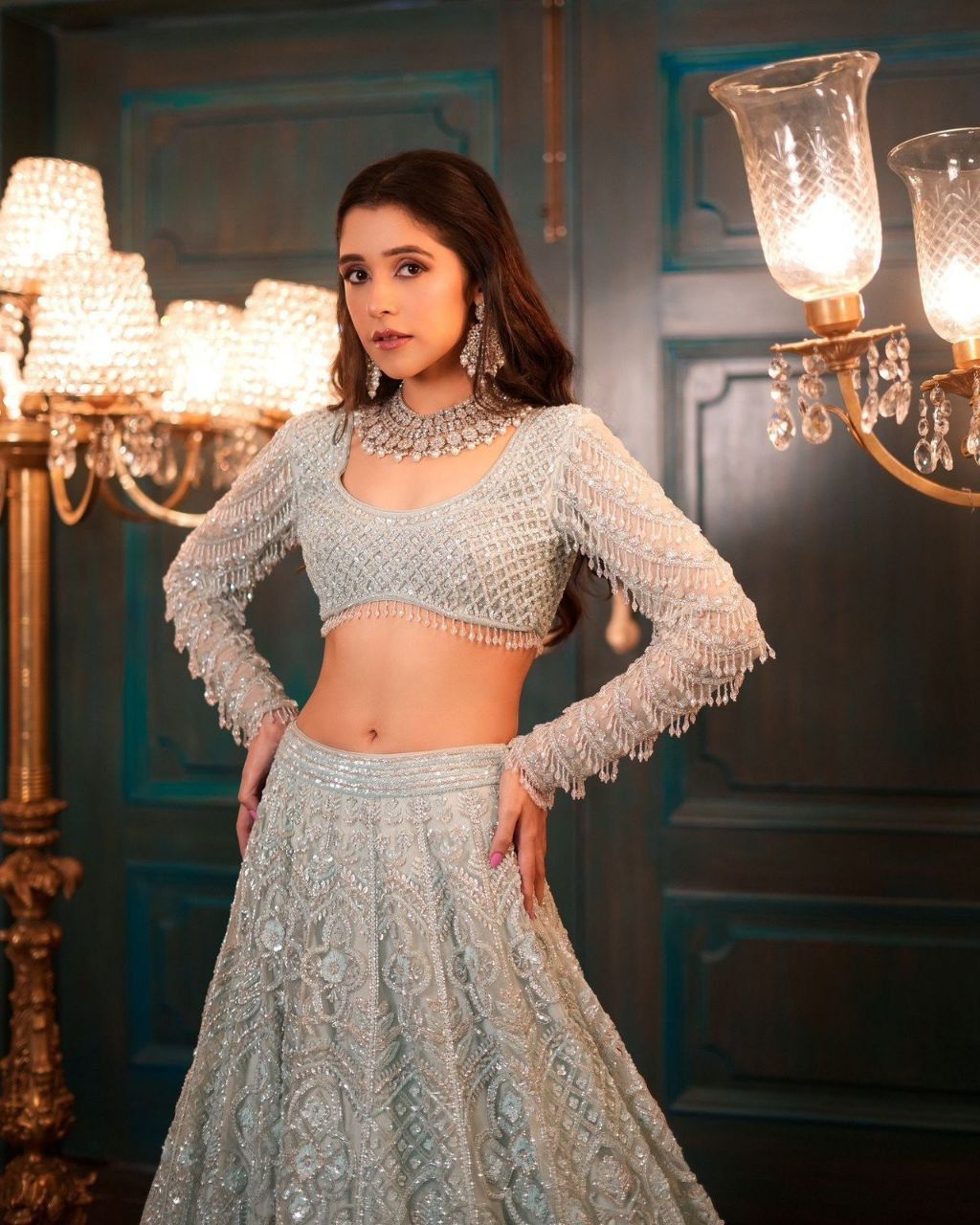
A skirt with a single soft layer generally follows the body and creates a quieter silhouette. Multiple net layers create air pockets between fabrics, so the hem lifts away from the legs as you walk. Butterfly net is often chosen for this reason: the skirt can look voluminous without requiring the dense body of a heavy silk or brocade lehenga.
Embroidery placement changes movement as well. Motifs concentrated at the hem make the lower edge visually energetic, while scattered floral motifs allow more of the base net to move freely. Lime Floral Embroidered Butterfly Net Lehenga Set shows why floral distribution matters: the eye follows the motifs as the skirt turns, rather than seeing only a solid band of decoration.
Sequins create a different effect. Sequins catch light with small flashes as the wearer walks, but dense sequin work can make the skirt heavier than a lightly embroidered net design. Pink Sequins Embroidered Butterfly Net Lehenga Set is better evaluated in motion than on a hanger because the sparkle changes with every turn and the embellishment may influence the hem's fall.
Before an event, practise three movements in the full outfit: walking up a staircase, turning once without lifting the skirt and sitting with the dupatta in place. These actions reveal whether the hem catches on footwear, whether the lining climbs and whether the flare needs a discreet hand lift.
How the Fabric Moves, Feels and Photographs for Net Lehengas in Portraits
Photographs are strongest when the lehenga has visible separation between layers, controlled shine and a silhouette that remains clear from the waist to the hem.
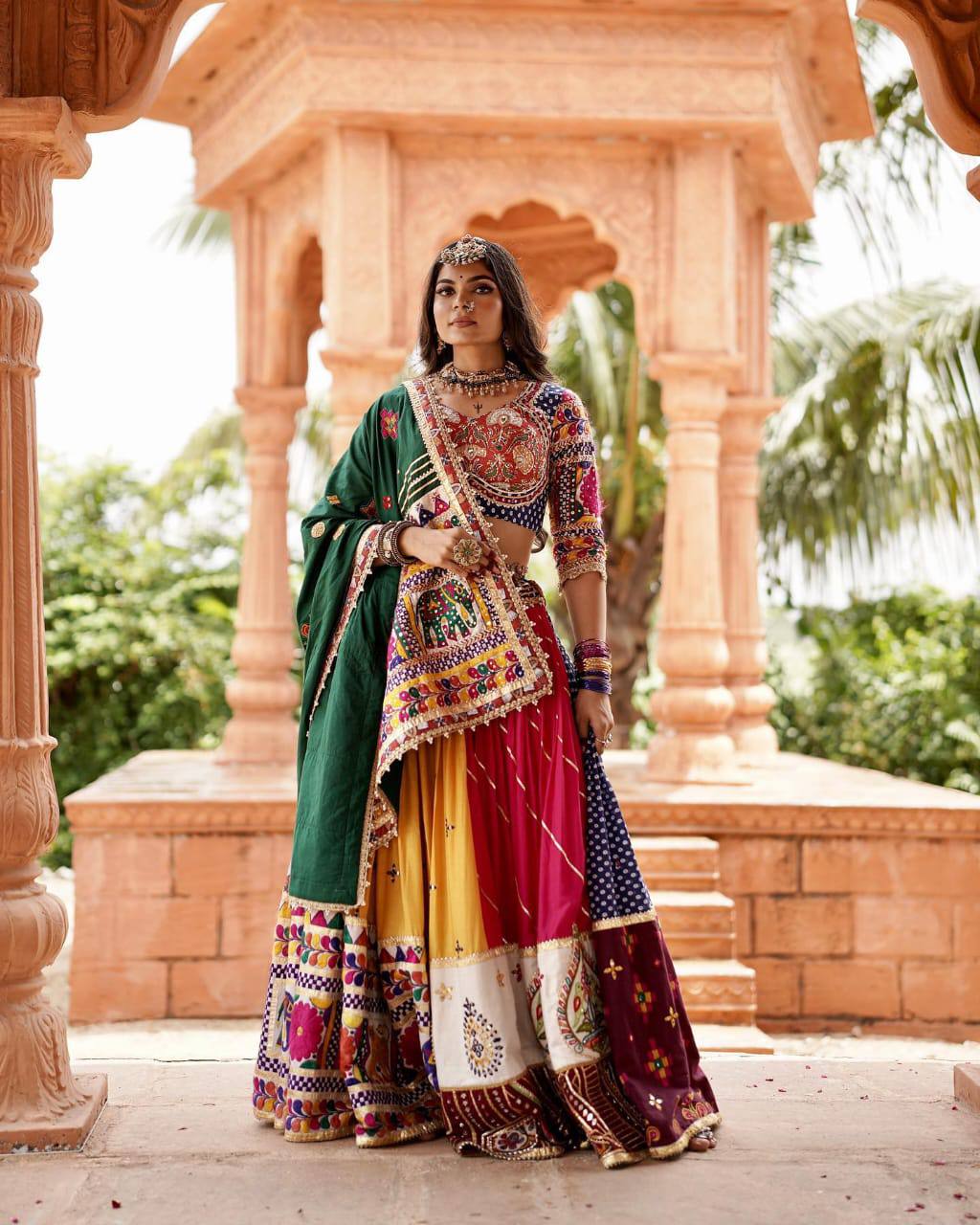
Cameras record contrast more reliably than subtle texture. A pale net over a matching lining may look delicate in person but lose definition against a pale venue wall. Embroidery, a slightly deeper lining tone or a contrasting dupatta border can preserve the outline without making the look harsh. Pastel Grey Embroidered Butterfly Net Lehenga Set is an example of a pale palette that benefits from careful lighting and a clean background.
Reflective surfaces need balance. Zari, sequins and metallic embroidery can appear luminous in warm indoor light, but direct flash may create bright spots that hide stitch detail. Ask the photographer for one test image before the main portraits. If the embellishment looks flat, turn the body slightly toward the light; if the sequins flare white, move farther from the direct source.
Net also photographs differently at different distances. Full-length photographs show the flare, hemline and dupatta placement. Waist-up photographs emphasise the blouse neckline, shoulder fit and facial framing. A bridal or wedding look with detailed choli work should include both types, because a wide group photograph can't show fine embroidery clearly.
Movement photographs need preparation. A still pose displays symmetry, while a slow turn displays the skirt's volume. Keep one foot slightly ahead, hold the dupatta away from the skirt and allow the outer net to settle before the shutter. Excessive lifting can bunch the layers and make the skirt look shorter than intended.
How the Fabric Moves, Feels and Photographs for Net Lehengas Compared with Satin and Roman Silk
Net prioritises lightness and visible flare, satin prioritises surface sheen and fluid fall, while Roman silk usually gives a more substantial hand and structured appearance.
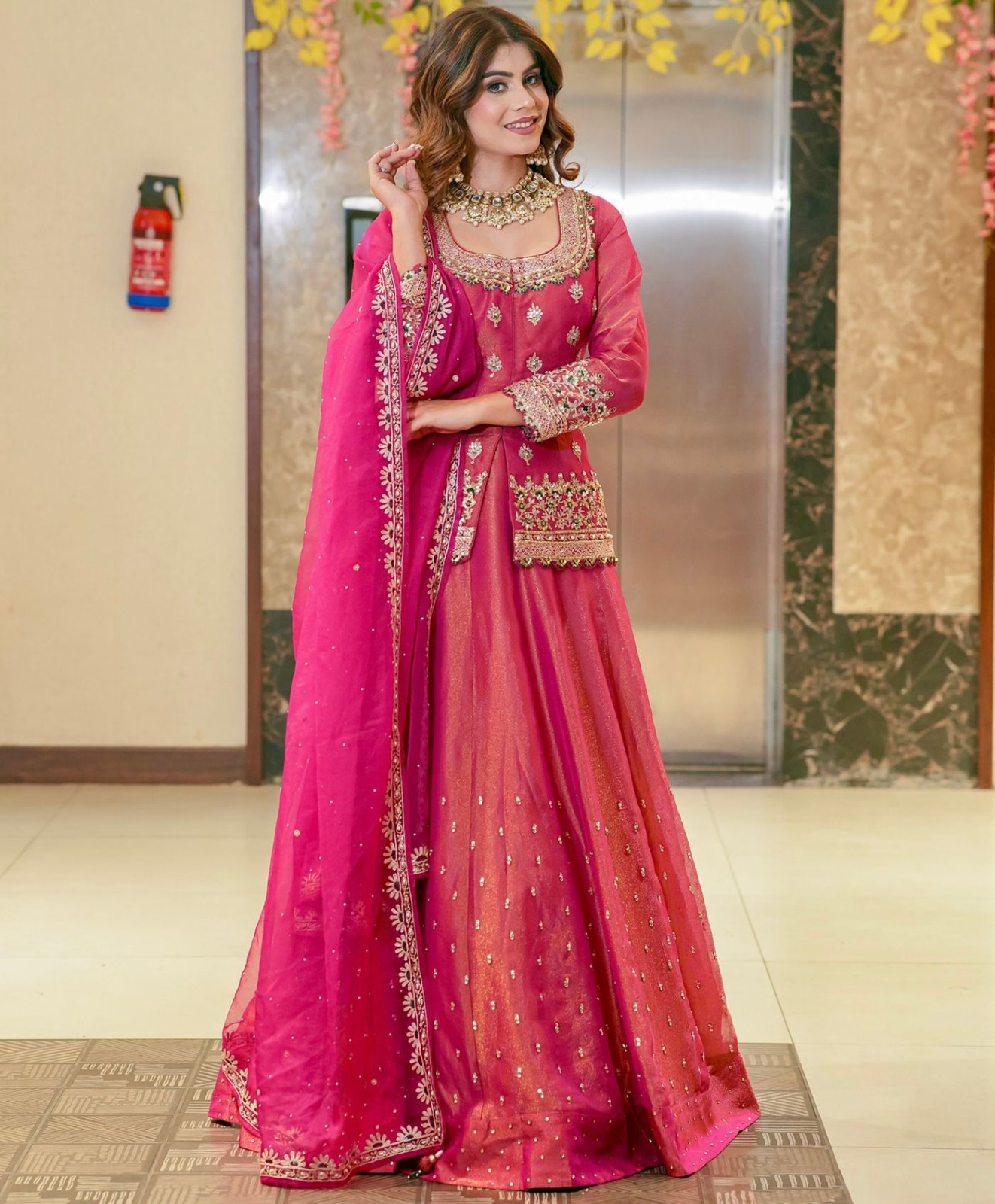
Net works well when the desired result is an airy silhouette with layered volume. Satin reflects light across a smoother surface and can skim the body more closely, so creases and fit become more visible in photographs. Dusty Pink Satin Embroidered Lehenga Set Online illustrates why satin needs attention to pressing and posture: its smooth surface can show folds more clearly than textured net.
Roman silk offers another visual balance. Roman silk generally feels more grounded than lightweight net and can support a cleaner, less cloud-like shape. Pink Embroidered Roman Silk Lehenga Set Online suits shoppers who prefer visible body in the skirt rather than a floating, layered profile.
Fabric choice should follow the event and the wearer's priorities. For a warm outdoor Mehendi ceremony, a lighter net construction may feel easier than a heavily layered skirt. For a formal indoor reception, satin or Roman silk can provide a polished surface under controlled lighting. Bridal buyers should also consider how long the outfit will be worn, because a spectacular silhouette is less useful if the waistband or blouse becomes uncomfortable before the ceremony ends.
How the Fabric Moves, Feels and Photographs for Net Lehengas in Different Colours
Colour controls visual weight, while embroidery controls where the viewer notices shape, movement and detail.
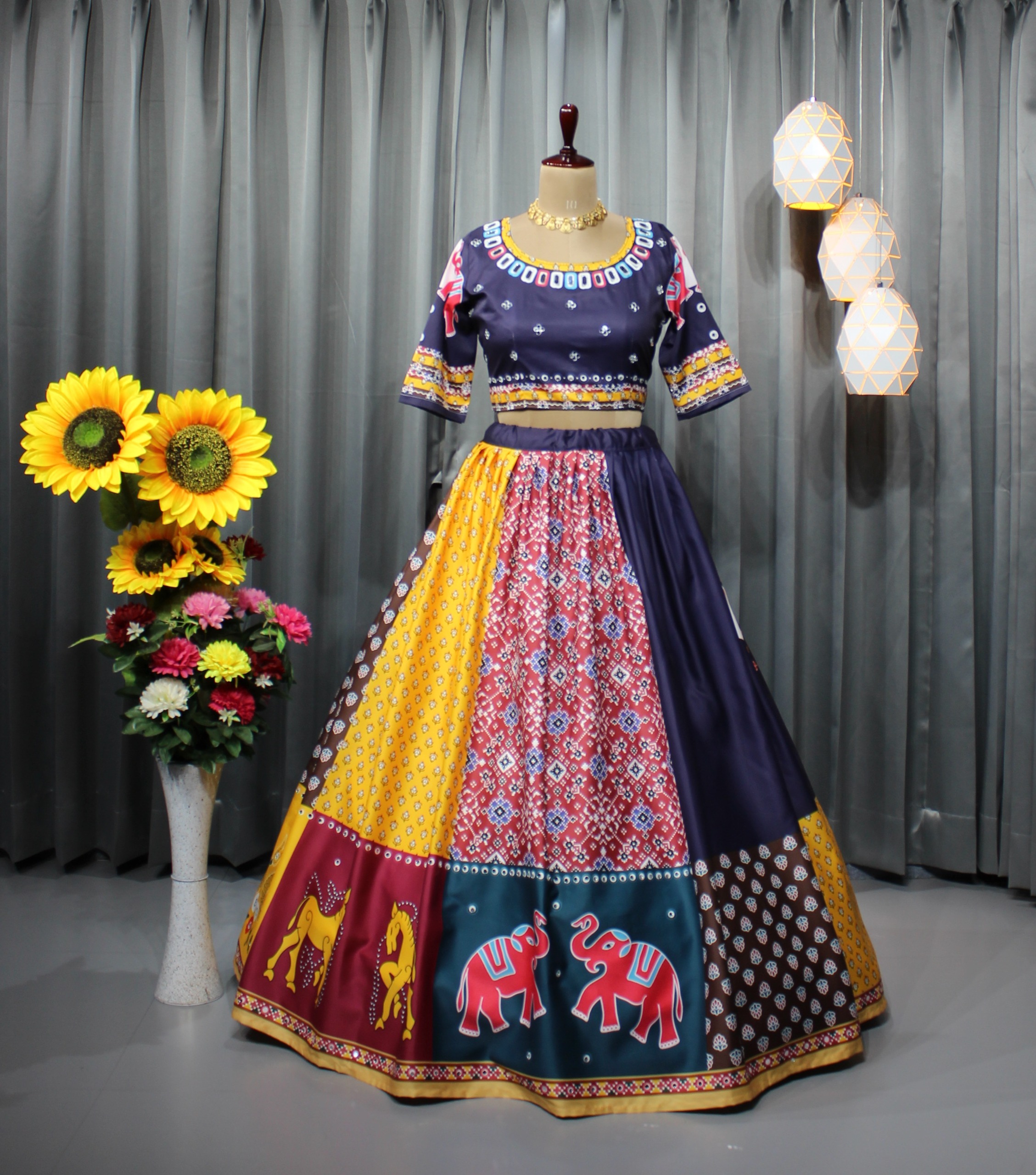
Light colours reflect more light and can make net layers appear larger in photographs. Pink, cream, mint and pastel grey often show the softness of net clearly, but they need tonal contrast between the skirt, dupatta and background. Cream Peacock Embroidered Net Lehenga Set for Women uses a pale base with a defined motif, a useful direction for photographs where the embroidery must remain visible without overpowering the wearer.
Green shades connect naturally with Mehendi styling, although the exact undertone matters. A cool mint reads delicate, while a deeper green looks more saturated in evening photographs. Mint Embroidered Lehenga Set with Net Dupatta for Women can be styled with warm gold jewellery to create separation between a cool garment and warm skin tones.
Red carries strong visual weight and often remains prominent in group photographs. Red Butterfly Net Sequins Lehenga Set Wedding Wear can suit a celebratory setting where the outfit needs to hold attention, but reflective sequins should be tested under the venue's lighting before final styling.
Collection browsing can narrow the colour decision. Mehendi Lehengas and Green Lehengas are useful starting points for daytime pre-wedding events. Yellow Lehengas can bring brightness to a Haldi ceremony, while Ready Made Lehenga options help shoppers who need a complete outfit without a long tailoring timeline. Semi Stitched Lehengas Collection can suit buyers who want some adjustment in length, waist or blouse fit before the event.
How the Fabric Moves, Feels and Photographs for Net Lehengas Before Ordering
The safest purchase decision comes from checking measurements, construction, event conditions and care requirements before focusing on colour alone.
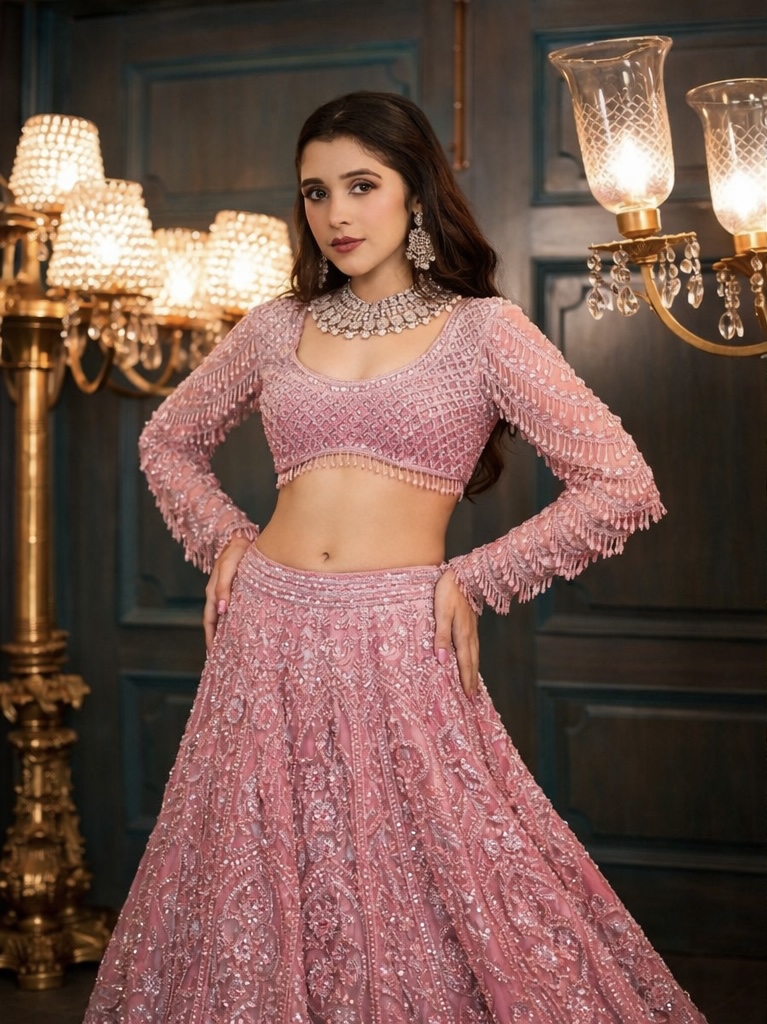
First, measure the body while wearing the undergarments intended for the blouse. Record bust, underbust, waist, high hip and full-length measurements. Compare those numbers with the garment's measurement chart, not only with a general small, medium or large label. A skirt that's too long can catch under footwear, while a short skirt can expose the lining during a twirl.
Second, inspect the product description for lining, closure type, included dupatta and degree of stitching. A ready-made set may include a fully stitched choli and finished skirt, while a semi-stitched design may require tailoring. Buyers who need the outfit within a week should account for alteration time, pressing and a complete fitting rather than assuming the parcel can be worn immediately.
Third, match the garment to the venue. Outdoor daylight reveals transparency, uneven hems and colour undertones more clearly than warm indoor light. A crowded wedding venue requires secure hooks, comfortable footwear and a dupatta arrangement that doesn't constantly slip. A designer or bridal look with heavy embroidery may need a stronger hanger and careful transport to prevent the net from catching on jewellery.
Care begins before the first wear. Keep net away from rough surfaces, hang the lehenga on a padded hanger and store it in a breathable garment bag rather than compressed plastic for long periods. Do not iron sequins or zari directly. Use a low-temperature reverse-side press through a cotton cloth only when the care label permits it, and choose professional cleaning for dense embroidery or colour-sensitive embellishment.
A practical final test combines all four priorities: stand, walk, sit and take a photograph in the complete outfit. The result should show a clear silhouette, comfortable movement, secure blouse fit and embroidery that remains visible under realistic light. That test tells you more than a hanger view or a single studio image.
Common Questions About How the Fabric Moves, Feels and Photographs for Net Lehengas
Are net lehengas comfortable for a full wedding day?
Net lehengas can remain comfortable for a full wedding day when the waistband is supportive, the lining is breathable and the blouse allows arm movement. Try sitting, walking and raising both arms in the complete outfit before the event.
Do net lehengas look good in photographs?
Net lehengas photograph well when the layers have visible separation, the background contrasts with the colour and reflective embellishment is tested under the venue lighting. Full-length and waist-up photographs show different strengths of the outfit.
Is a fully stitched choli better for net lehenga shopping?
A fully stitched choli is convenient when the listed bust, shoulder and armhole measurements match your body closely. A semi-stitched or adjustable blouse may be better when you expect tailoring changes or need a more personalised fit.
How can I make a net lehenga look fuller?
A layered net skirt or a moderate can-can layer can make a net lehenga look fuller. Excessive stiffness may restrict sitting and walking, so test the complete skirt before choosing maximum volume.
Which net lehenga colour works for a Mehendi or Haldi ceremony?
Green and mint shades suit Mehendi ceremonies, while yellow shades are natural choices for a Haldi ceremony. Choose a lining and dupatta with enough tonal contrast for the colour to remain visible in bright daylight photographs.
How should an embroidered net lehenga be stored?
Store an embroidered net lehenga on a padded hanger inside a breathable garment bag, away from rough surfaces and direct sunlight. Avoid direct ironing over sequins or zari, and use professional cleaning for dense embellishment unless the care label states otherwise.


