

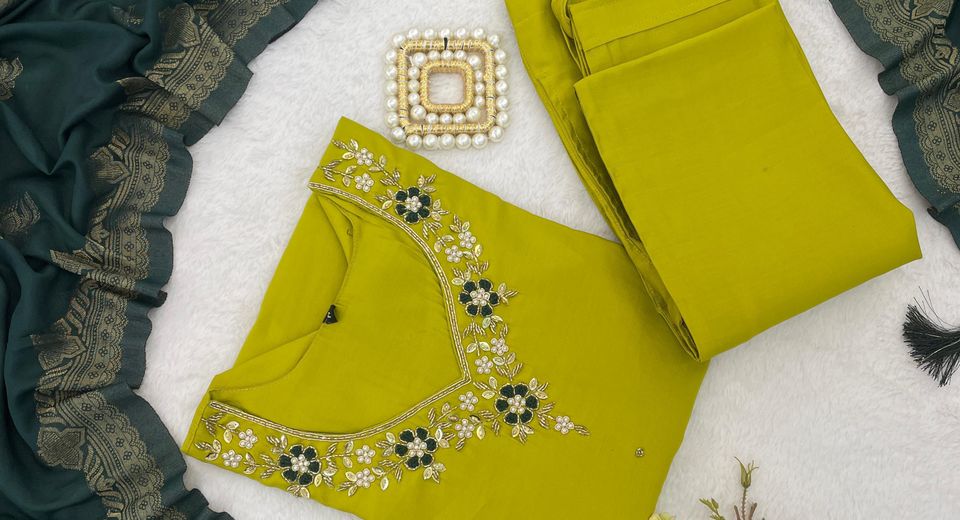
Removing a sleeve changes more than the amount of skin visible at the arm. A strappy kurti creates an uninterrupted vertical line from the shoulder to the hem, alters the apparent width of the upper body, and changes how a dupatta, trousers and jewellery sit around the frame. How Sleeveless Kurtis Change the Silhouette and When to Wear Them therefore comes down to proportion, construction and context rather than a simple question of trend.
A well-cut sleeveless kurti can make a straight outfit appear longer, give a palazzo set more ease, or bring sharper definition to a festive ensemble. A poorly placed armhole can do the opposite by pulling across the bust, exposing undergarments or making the shoulder line look wider than intended. The useful decision isn't whether sleeveless dressing is flattering in general, but which cut, fabric and styling arrangement creates the balance you want.
How Sleeveless Kurtis Change the Silhouette and When to Wear Them
Sleeveless kurtis lengthen the visible upper body by removing the horizontal interruption created by a sleeve seam and cuff. The eye follows the shoulder, side seam and hem more continuously, especially when the kurti and bottom share a similar colour value.
A straight sleeveless kurti usually gives a clean column effect. A lightly shaped waist adds definition without creating the pronounced flare of an Anarkali. A short kurti paired with a high-waisted palazzo or cigarette pant shifts attention towards the waist and legs. A long kurti with narrow trousers emphasises vertical length, while a long kurti with a broad palazzo creates a more architectural, relaxed outline.
The shoulder line also matters. Narrow shoulder straps expose more of the arm and can make the shoulder appear delicate, but straps that are too narrow may look insubstantial beside a fuller bust or a heavy dupatta. A broad sleeveless shoulder visually stabilises zari, jacquard or embroidered details because the garment has more fabric to support the neckline and drape.
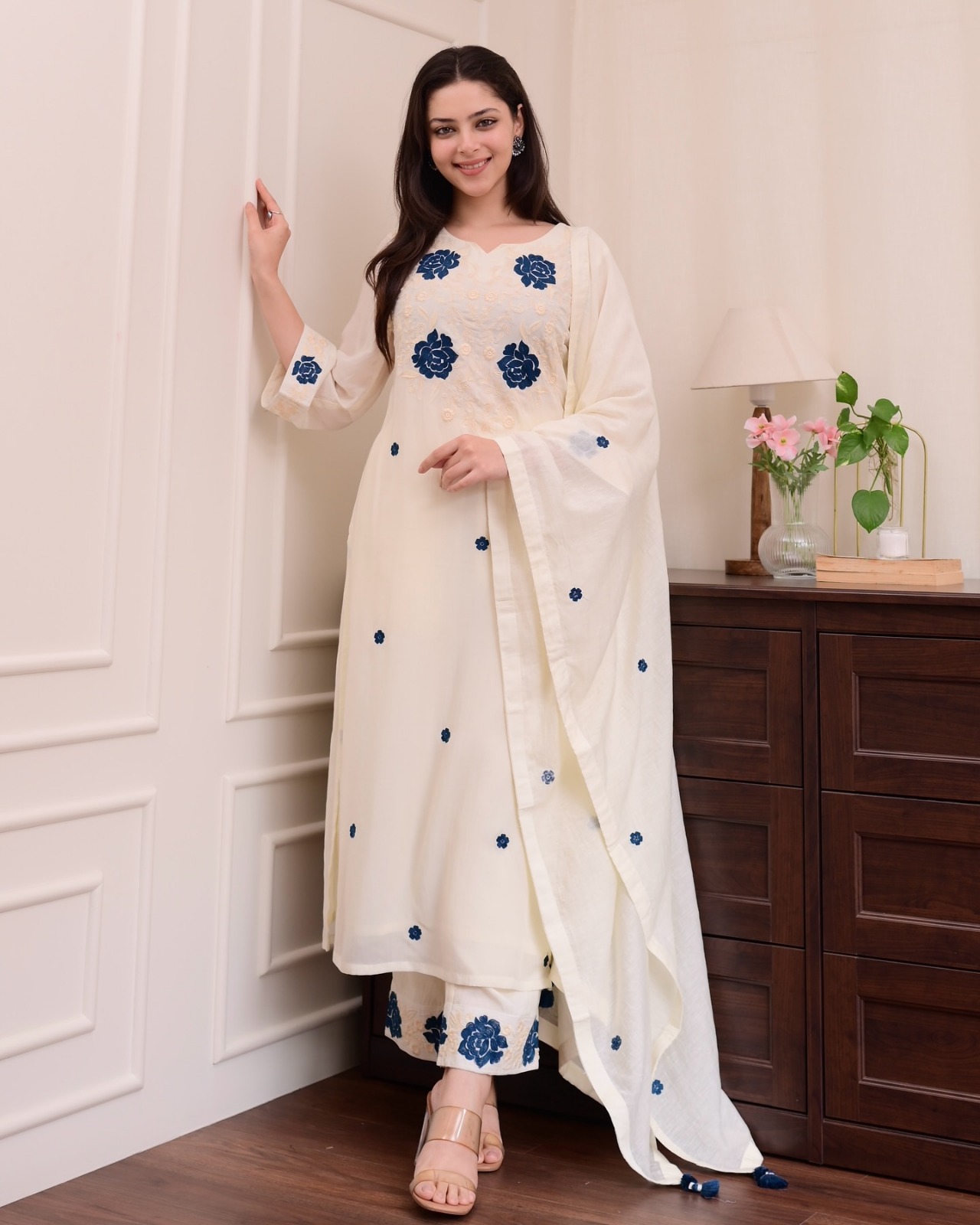
Colour can reinforce the effect. A monochrome cream kurti-and-pant combination reads as a longer uninterrupted shape, while a contrasting dupatta introduces a deliberate horizontal or diagonal break. The Designer Cream Straight Kurti Set with Dupatta demonstrates why neutral colour and a straight cut work well together: the base remains visually quiet, so the dupatta can frame rather than fragment the body.
Which sleeveless cut creates the most balanced shape?
A moderately wide shoulder, a smooth armhole and a hem that suits the bottom create the most balanced sleeveless shape for everyday dressing. Extreme cuts are more dependent on body proportion, fabric weight and the way the garment will be layered.
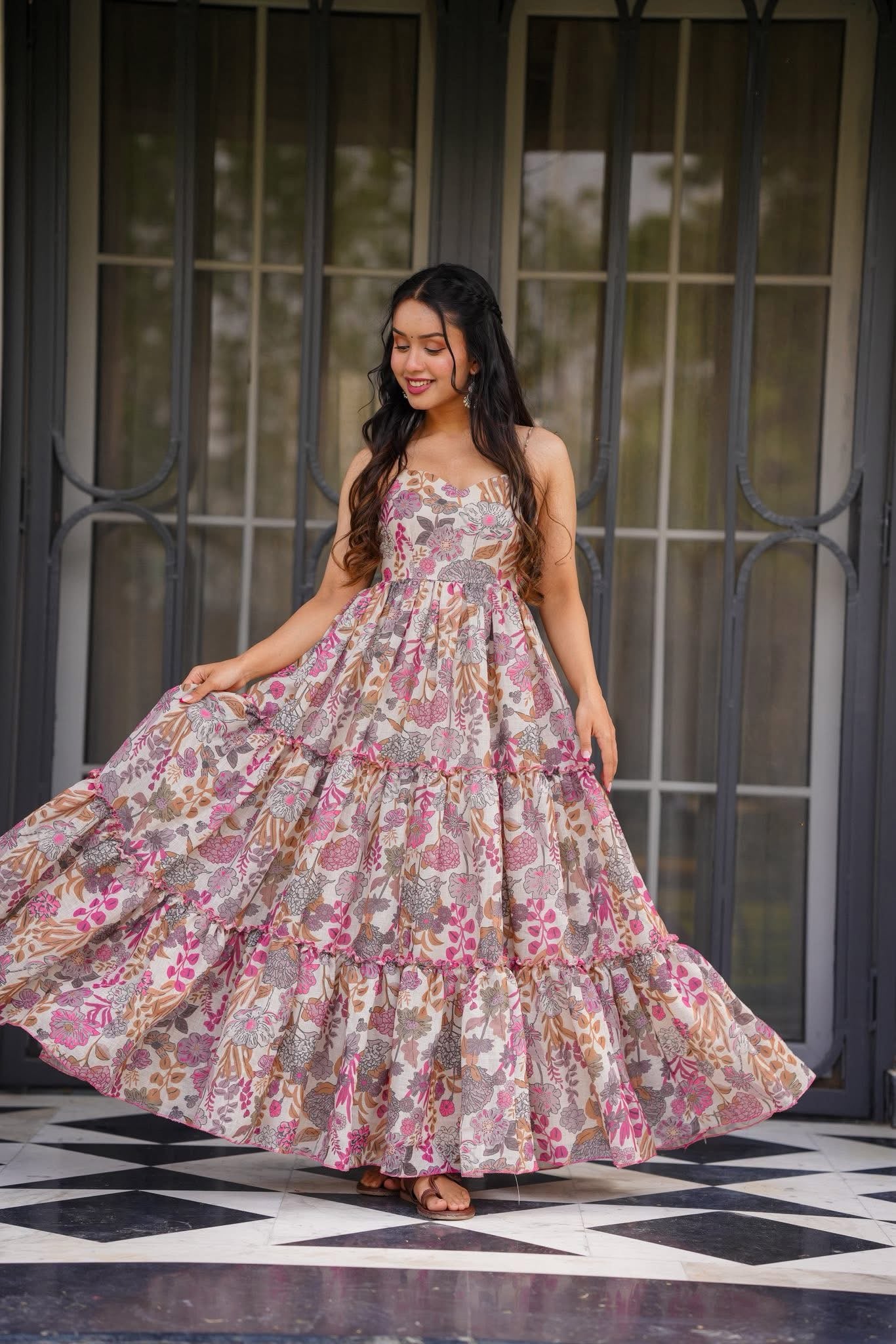
Armhole depth and shoulder width
An armhole should follow the body without cutting into the front or revealing the side of the bra. A deep armhole may make the torso look longer, but it also needs a coordinated camisole or inner layer. A high armhole gives more coverage and a tailored appearance, although excessive tightness can cause diagonal wrinkles from the bust towards the underarm.
The shoulder edge should end close to the natural shoulder point rather than dropping over the upper arm. A shoulder that's too narrow can make a fitted bodice feel tight; a shoulder that's too wide can create a square outline. Try raising both arms before deciding on a fit, because an armhole that seems acceptable while standing may restrict movement when reaching for a bag or greeting someone.
Neckline, bust and hemline
A V-neckline adds a downward direction and can balance a fuller bust or a broad face. A round neckline offers a softer, more compact impression. A square neckline highlights the collarbone and gives a structured sleeveless kurti a sharper finish. High necks work particularly well with minimal jewellery, but they can make a heavy fabric feel visually dense around the face.
The hem should relate to the bottom rather than follow a fixed rule. A knee-length kurti leaves room for a flowing palazzo, while a calf-length straight kurti usually pairs more neatly with slim pants or a narrow churidar. A long side slit adds movement to a straight shape, but a deep slit can expose the upper thigh when the wearer sits or climbs stairs. Practical mobility is part of silhouette planning.
How should fabric and colour be chosen for a sleeveless kurti?
Light to medium-weight fabrics with enough body hold the sleeveless line cleanly, while very limp fabrics need careful lining and very stiff fabrics need a precise armhole. Cotton, Chanderi silk, Roman silk and Kanchi cotton each create a different visual result.
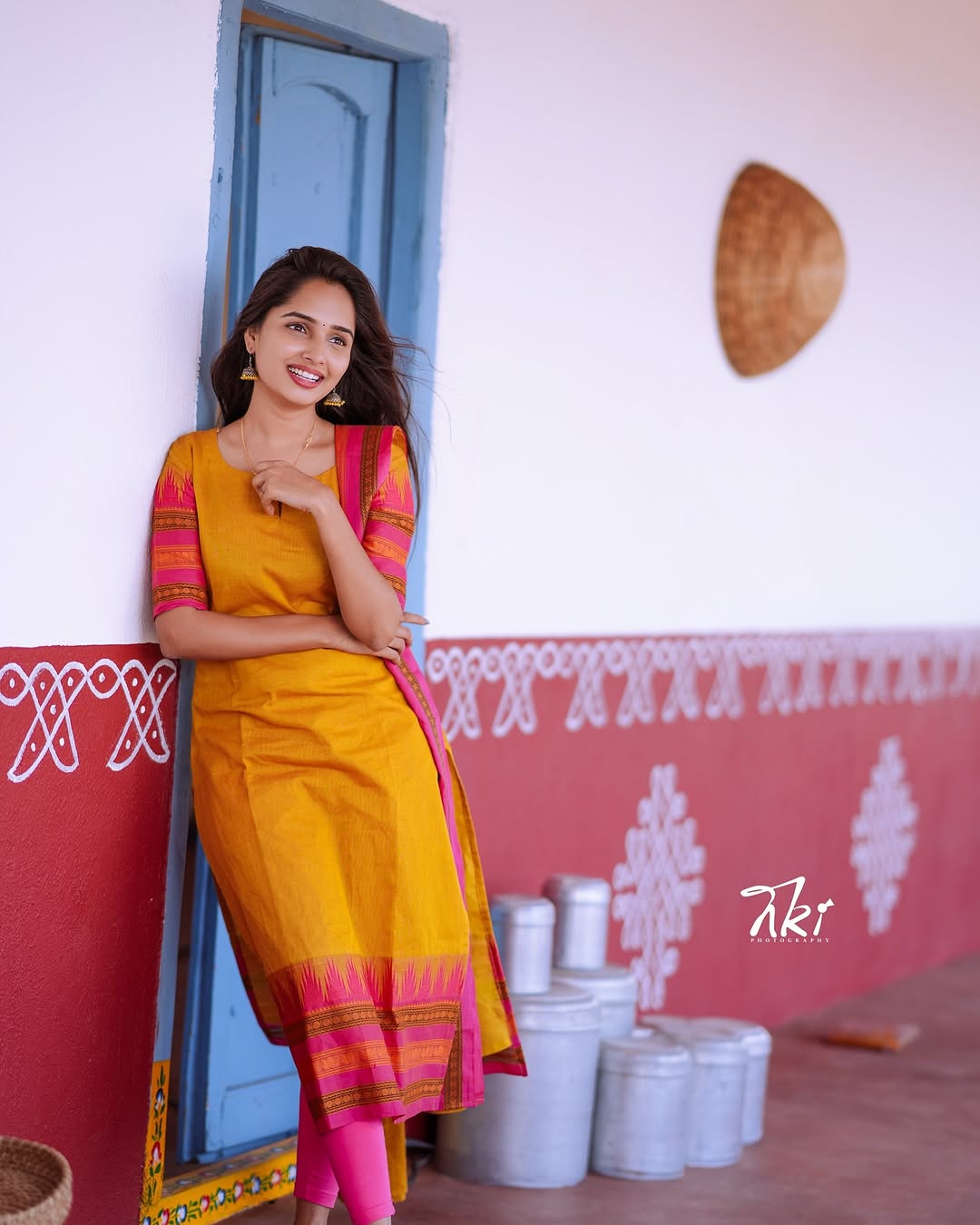
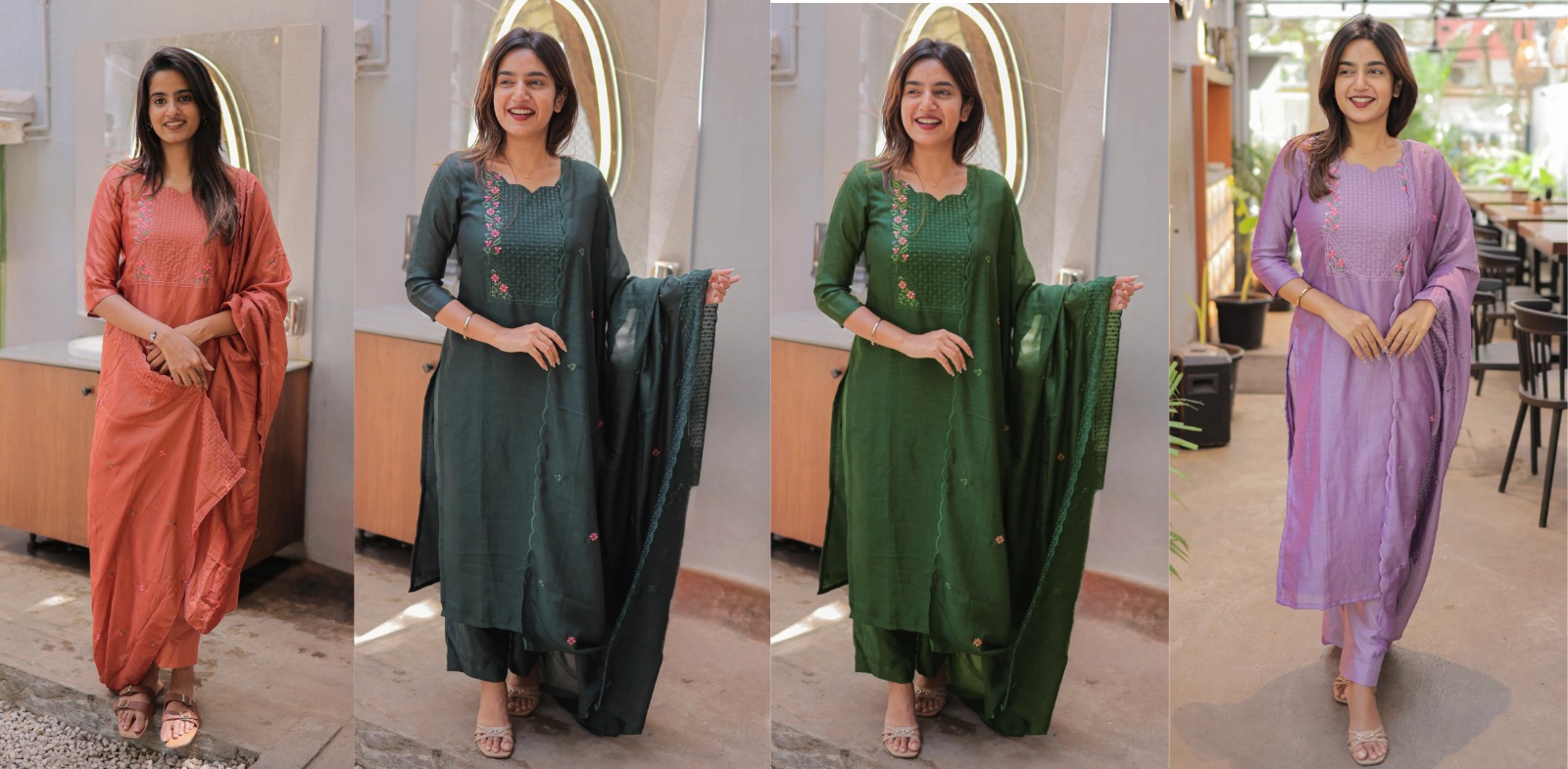
Kanchi cotton gives a crisp, breathable structure that supports straight side seams and woven borders. The Navy Kanchi Cotton Kurti Set with Woven Dupatta brings an useful example of how a deeper colour and firm textile can make a sleeveless outline look composed rather than flimsy. The Black Kanchi Cotton Kurti Dupatta Set for Women uses the same broad principle differently: black absorbs visual breaks, making the shape appear more streamlined.
Chanderi silk has a lighter, slightly luminous presence and can make a sleeveless kurti feel dressier without a heavily embellished surface. The Cream Chanderi Silk Kurti Pant Dupatta Set for Women suits occasions where an airy, elongated line is more useful than a voluminous one. Chanderi silk should be stored folded in breathable cotton and protected from rough jewellery because snags can show on its finer surface.
Roman silk and jacquard create more visual weight. The Designer Roman Silk Kurti Set with Jacquard Dupatta is better balanced with restrained accessories because the dupatta already contributes texture. A large necklace, broad belt and ornate earrings together may compete with the collarbone and shoulder area instead of defining it.
Colour placement can also change apparent proportion. A darker sleeveless kurti with a lighter dupatta draws focus towards the face and centre line. A bright bottom with a quiet kurti expands the lower half visually. A border at the hem adds width at the point where it appears, so a broad zari border can make a long garment look shorter and more grounded.
When are sleeveless kurtis suitable for work and daytime wear?
Sleeveless kurtis are suitable for work and daytime wear when the armhole gives secure coverage, the fabric is opaque enough for the setting, and the styling remains easy to move in.
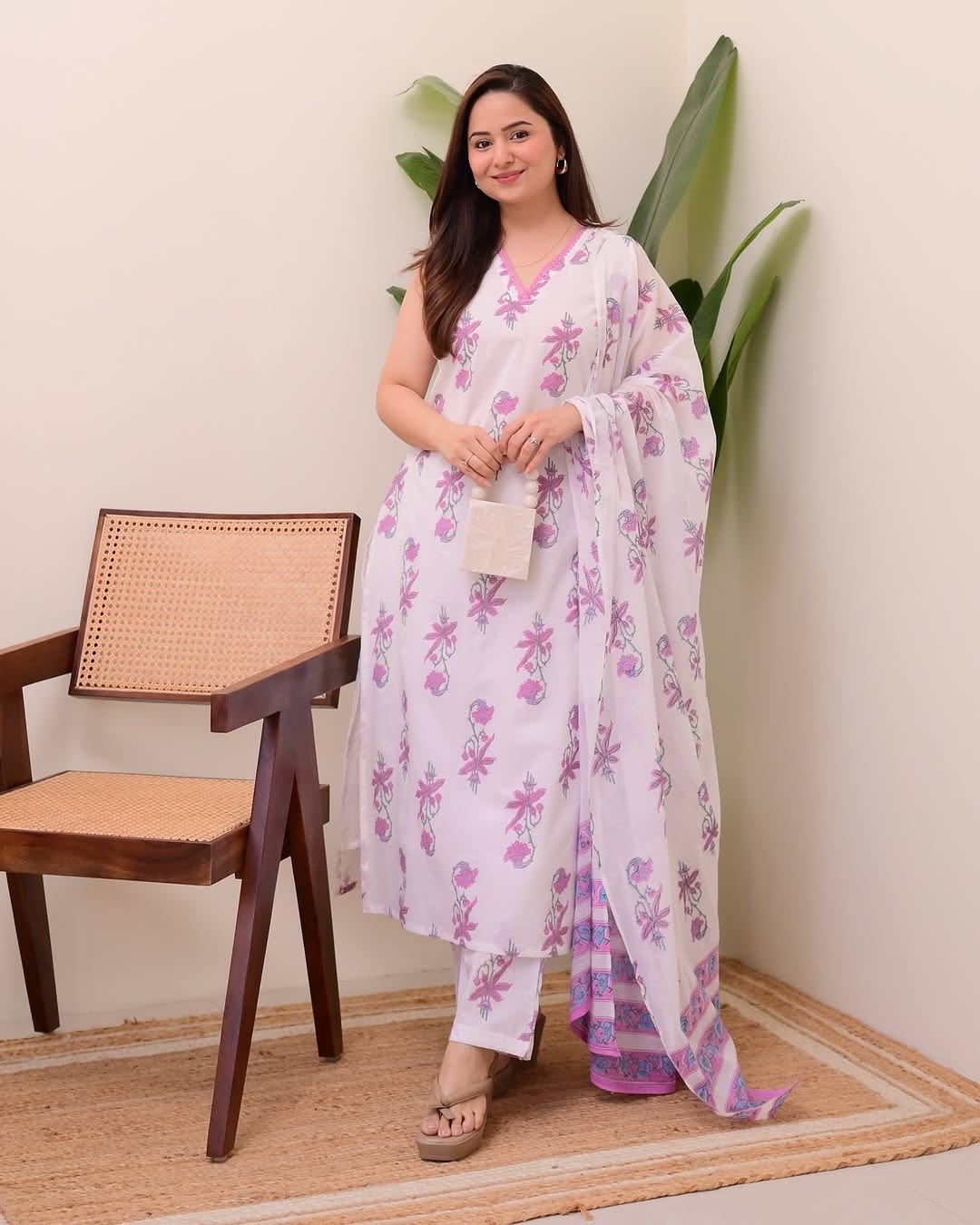
For a conservative office, choose a shoulder width of roughly 5 to 8 centimetres, a neckline that doesn't require constant adjustment and a hem that reaches at least the knee. A matching or tonal straight pant keeps the outfit polished. A lightweight dupatta can provide additional coverage during meetings without hiding the cut completely.
For a creative workplace, a sleeveless kurti can carry more contrast through a woven dupatta, geometric print or cropped trouser. The Navy Kanchi Cotton Kurti Set with Woven Dupatta works particularly well for daytime because breathable cotton manages heat better than many synthetic blends and the woven surface supplies interest without excessive sparkle.
Choose lining according to opacity rather than habit. A pale garment may need a full lining even when the outer textile feels substantial. A separate cotton camisole should match the skin or the kurti closely; a sharply contrasting inner layer can create an unintended band beneath the armhole and interrupt the clean vertical effect.
When do sleeveless kurtis work best for festive and family occasions?
Sleeveless kurtis work best for festive and family occasions when the fabric, dupatta and jewellery provide enough ceremony to balance the simpler shoulder line.
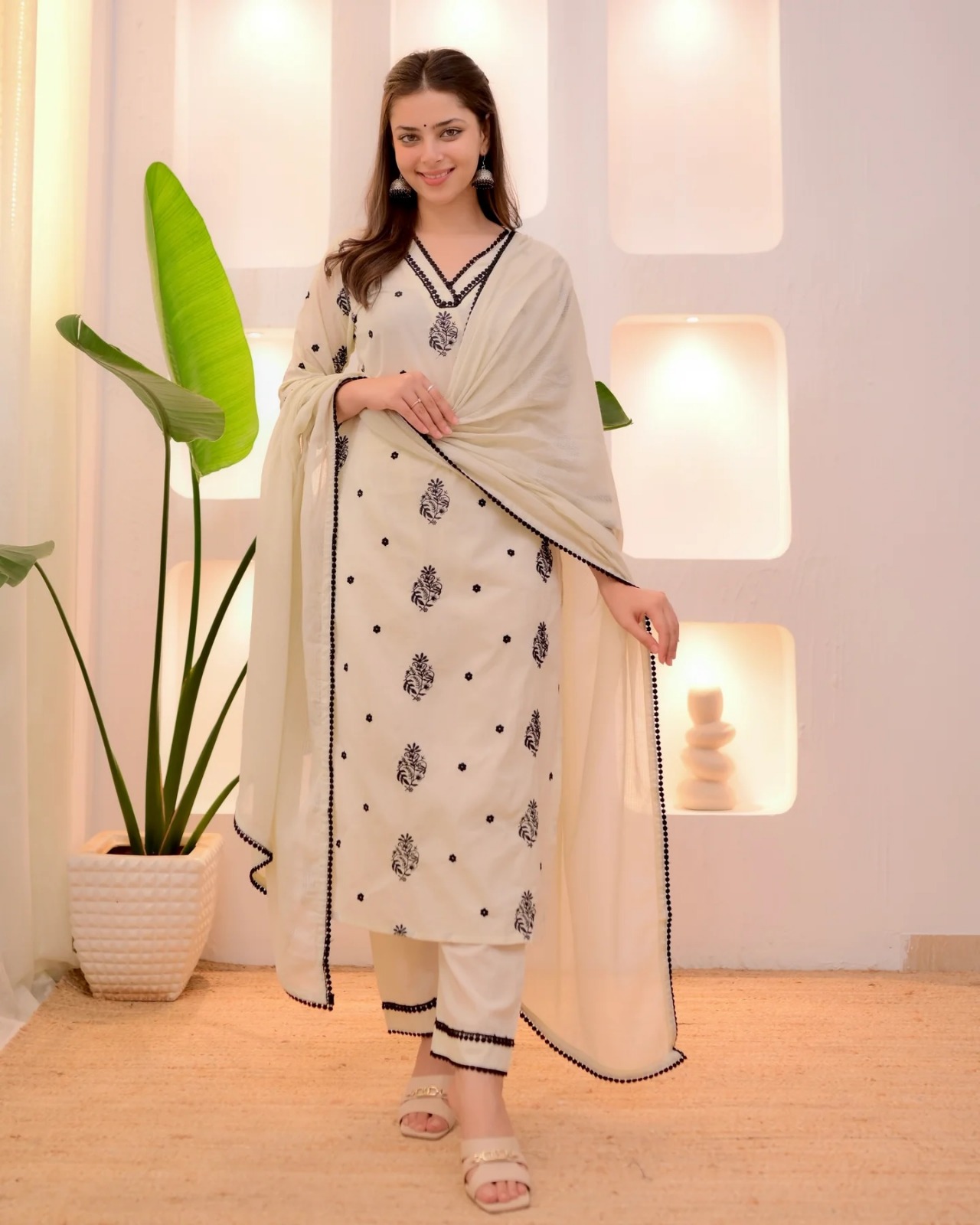
Festive dressing doesn't require sleeves if the surface has craft, texture or a considered drape. Zari, jacquard, woven borders and silk blends add formality while the sleeveless cut keeps the outfit visually light. The Kanchi Cotton Zari Woven Kurti Set with Traditional Dupatta shows how a structured cotton base can become occasion-ready through metallic woven detail rather than excessive volume.
A Haldi ceremony often involves movement, warm weather and close contact with turmeric, so a sleeveless kurti with a secure armhole and washable or responsibly chosen fabric can be practical. Yellow, green, cream and pink create a festive palette, but the best colour depends on whether the garment must tolerate stains and repeated sitting on the floor. The Trendy Green Ethnic Kurti Dupatta Set for Festive Wear brings colour into the outfit while retaining the coordinated three-piece structure needed for family photographs.
For an evening gathering, a wine, black or deep blue sleeveless kurti can carry stronger jewellery and a more dramatic dupatta. The Elegant Wine Ethnic Kurti Set with Dupatta creates depth through colour, so gold-toned earrings or a narrow bracelet may be enough. Keep the neckline visible when the kurti already has a strong colour story; covering it with a bulky necklace can remove the lengthening effect.
Regional textile references can guide styling without forcing a costume-like result. Kalamkari Print Salwar Suits bring narrative motifs and earthy contrast, Maharashtra Paithani Inspired Salwar Suits suggest jewel-toned borders and traditional richness, and Gujarat Bandhej Salwar Suits offer lively tie-dye pattern. Pairing one such visual language with a sleeveless cut works best when the remaining accessories are edited.
How can a dupatta and bottom change the final proportion?
A dupatta changes the final proportion by adding a new line across the shoulder, torso or hip, while the bottom determines whether the outfit reads as narrow, fluid or expansive.
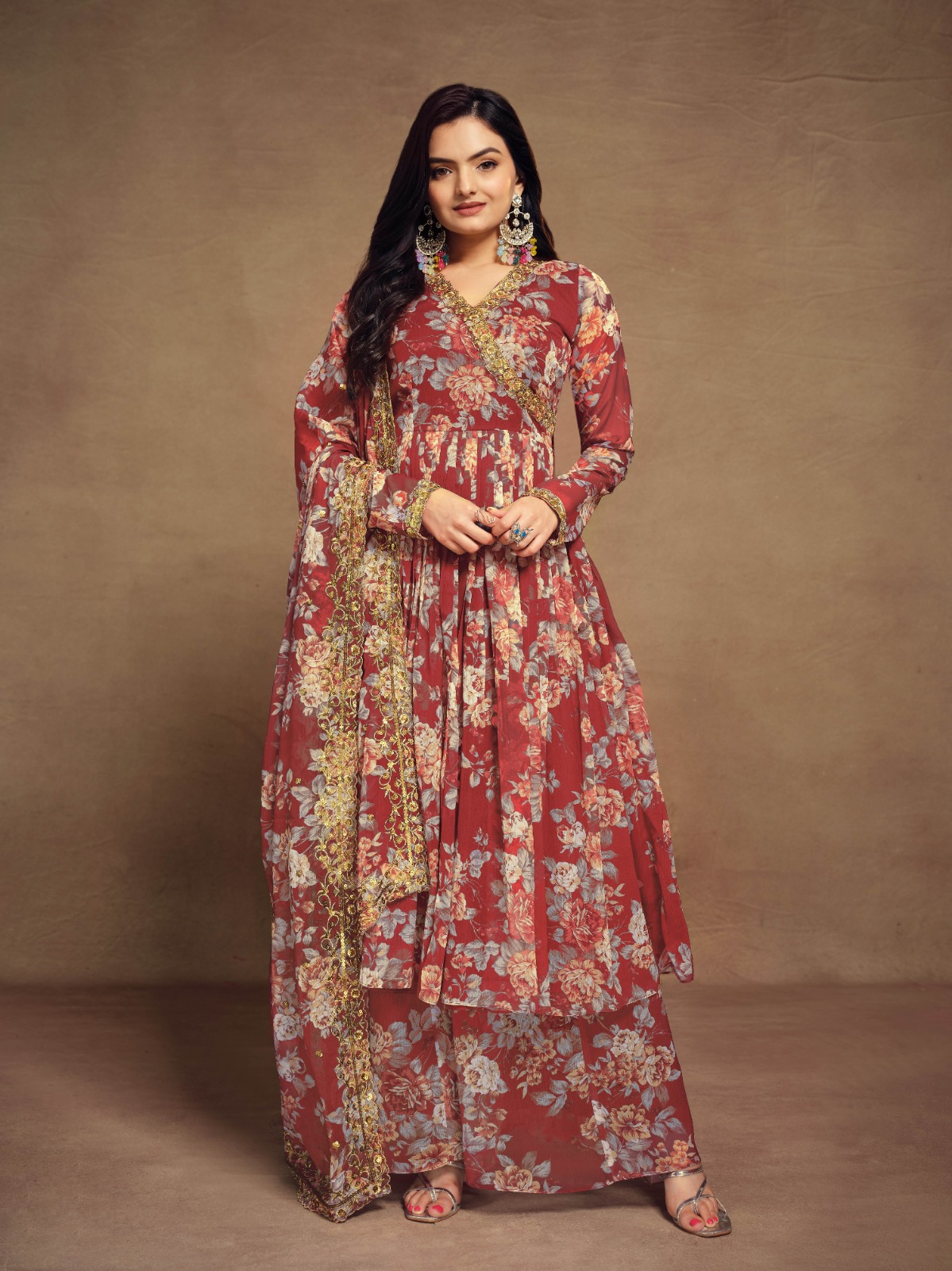
A dupatta worn over one shoulder preserves most of the sleeveless line and creates a diagonal that can make the outfit feel dynamic. A front drape covers the chest and upper torso, which is useful when more modesty or warmth is needed, but it also shortens the visible uninterrupted line. A neatly folded dupatta placed around the neck adds horizontal width and suits a long, narrow face or a very straight body line.
Narrow cigarette pants create a column under a straight kurti. Palazzo pants introduce width at the lower half and are most balanced when the sleeveless kurti is either relatively fitted or long enough to connect the upper and lower volumes. A Patiala salwar produces pleats and volume, making it more successful with a shorter sleeveless kurti that allows the lower shape to remain visible.
Punjab Patiala Salwar Suits offer a clear example of this lower-body volume, while Odisha Sambalpuri Salwar Suits can bring a strong border or woven visual rhythm into the outfit. The sleeveless kurti should not compete with every textile detail at once. If the bottom is patterned, select a quiet kurti colour or repeat one shade from the textile in the dupatta.
A belt can define the waist, but a belt isn't automatically slimming. A narrow belt over a fluid kurti creates a focal point; a wide belt over a stiff fabric may add bulk at the midsection. Test the complete outfit while sitting, because a belt or tucked dupatta can shift and produce bunching that's invisible when standing.
How should a sleeveless kurti be layered for coverage and comfort?
A sleeveless kurti can be layered with a fitted inner, shrug, jacket or dupatta, and the correct choice depends on coverage, temperature and the garment's armhole.
A close-fitting camisole is the least disruptive layer because it follows the same outline. Match the neckline and armhole of the inner to the kurti; a high camisole under a low V-neck can appear accidental rather than styled. A short jacket adds structure and warmth but creates a second shoulder line, so the jacket should have a smooth sleeve head and should not pull across the kurti.
A long open-front shrug creates two vertical lines and can make a plain sleeveless kurti appear longer. Choose a shrug that ends above or below the widest part of the hip rather than exactly at it. A dupatta is more adaptable for Indian family settings because it can be worn over both shoulders for coverage, shifted to one shoulder for ease, or folded across the front while travelling.
Layering also affects ventilation. Cotton inner layers are usually more comfortable in humid Indian weather than non-breathable synthetics. Leave enough ease at the armhole for the additional layer; a kurti that fits perfectly over bare skin may become restrictive over a camisole. Check the care label before combining fabrics that require different washing methods.
How can regional salwar suit traditions inform sleeveless styling?
Regional salwar suit traditions inform sleeveless styling through textile scale, colour contrast and the amount of volume used below the waist.
Kalamkari Print Salwar Suits usually carry enough narrative pattern to make a sleeveless kurti the quieter component of the outfit. Maharashtra Paithani Inspired Salwar Suits benefit from attention to border placement, so keep the upper-body jewellery controlled and let the woven edge remain visible. Gujarat Bandhej Salwar Suits can support a brighter contrast between kurti and dupatta, provided one colour is repeated to unite the look.
Odisha Sambalpuri Salwar Suits often bring a strong geometric or traditional textile identity. A clean sleeveless shape gives those motifs space rather than adding another competing pattern. Punjab Patiala Salwar Suits require special attention to the balance between a compact upper garment and a voluminous salwar; a cropped or knee-length sleeveless kurti usually shows that proportion more clearly than a very long one.
These references are styling tools, not rigid rules. The same sleeveless kurti can look understated with straight pants, festive with a zari dupatta, or regionally inspired with a patterned bottom. The consistent principle is to assign one dominant visual feature to the outfit and let the other pieces support it.
A practical fitting checklist before you buy
The most reliable test is a movement check performed in the complete outfit rather than a standing mirror check alone.
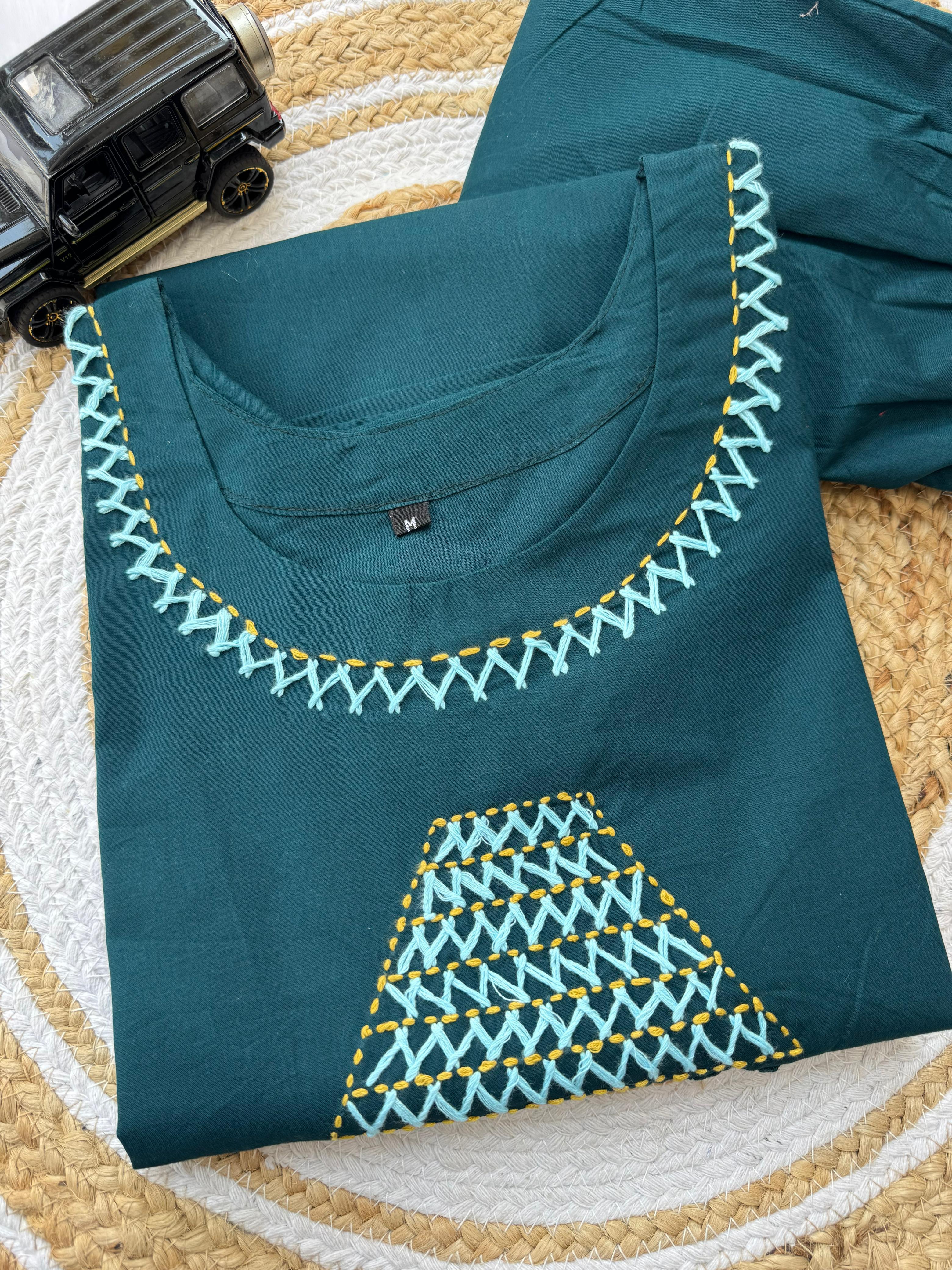
- Raise both arms: the armhole should not pull the bust seam upward or expose the bra band.
- Sit and bend: confirm that the neckline, side slit and hem remain secure in a natural seated position.
- Check the shoulder: the seam should rest near the shoulder point without slipping down the arm.
- Inspect opacity: view pale fabrics in daylight and under indoor lighting before relying on a single inner layer.
- Test the dupatta: drape the intended dupatta and see whether its weight pulls the sleeveless shoulder out of shape.
- Compare the hem: assess the kurti with the actual pant, palazzo or salwar because the same hem can look long with one bottom and short with another.
- Plan care: zari and silk blends may need gentle washing or dry cleaning, while many cotton sets can be easier to maintain for frequent wear.
How Sleeveless Kurtis Change the Silhouette and When to Wear Them becomes a practical wardrobe question once these details are considered. Select the shoulder and armhole for comfort, choose the fabric for climate and occasion, then use the dupatta and bottom to complete the proportions. A sleeveless salwar suit can be office-appropriate, festive or relaxed without changing its essential cut; the surrounding styling determines the message.
Common Questions About Styling and Wearing Sleeveless Kurtis
Do sleeveless kurtis make the arms look bigger?
Sleeveless kurtis do not automatically make the arms look bigger. Armhole placement, shoulder width, fabric stiffness and the contrast between the kurti and skin affect the result; a moderately wide shoulder and smooth armhole usually create a balanced outline.
Can I wear a sleeveless kurti to the office?
You can wear a sleeveless kurti to many offices when the shoulder is broad enough, the armhole is secure and the neckline provides appropriate coverage. Pairing the kurti with straight pants and a lightweight dupatta creates a more formal finish.
Which bottom works best with a sleeveless straight kurti?
Straight pants or cigarette pants create the longest, narrowest column under a sleeveless straight kurti. Palazzos add lower-body volume and work best when the kurti is fitted or long enough to connect the two shapes.
How can I wear a sleeveless kurti more modestly?
Wear a fitted camisole, a short structured jacket or a dupatta over both shoulders for additional coverage. The inner layer should match the neckline and armhole so the outfit retains a deliberate, clean appearance.
Are sleeveless kurtis suitable for a Haldi ceremony?
Sleeveless kurtis are suitable for a Haldi ceremony when the armhole permits movement and the fabric can handle the event's heat and activity. A coordinated festive dupatta and a practical colour choice can make the outfit comfortable for photographs and family rituals.
What jewellery suits a sleeveless kurti?
Earrings, a slim bracelet or a short necklace suit a sleeveless kurti because the open shoulder and collarbone already provide visual space. Choose one dominant jewellery feature when the kurti has zari, jacquard, a bold print or a richly woven dupatta.


