

How Linen Blends Salwar Suits Feel and Fall on the Body depends on more than the word linen on a fabric label. The percentage of linen, the companion fibre, the weave, the fabric weight and the garment cut all change how a salwar suit sits at the shoulder, skims the torso and moves around the legs. A linen-cotton blend can feel cool and lightly crisp, while a softer blend may hang closer to the body and crease more visibly.
That distinction matters when choosing between a straight kurta with pants, a flowing kameez with a salwar, or unstitched suit material that will be tailored to your measurements. Understanding linen-blend behaviour helps you select the right size, lining, silhouette and occasion rather than judging a suit by colour alone.
How Linen Blends Salwar Suits Feel and Fall on the Body: the basic sensation
A linen-blend salwar suit usually feels breathable, dry to the touch and lightly textured, with more structure than rayon or many fluid synthetics. Linen fibres absorb moisture and release heat comparatively well, while cotton can make the hand feel softer and more familiar against the skin.
The exact sensation changes with the blend ratio. A linen-cotton fabric may have a gently papery touch when new, then become more supple after careful washing. A linen-viscose fabric generally feels smoother and falls with more fluidity. A linen-silk fabric can feel polished and slightly lustrous, although silk changes the price, shine and care requirements.
Texture isn't the same as roughness. Good linen blends may show small slubs, which are thicker irregular sections in the yarn. Slubs create visual character and prevent a plain suit from looking flat, but the neckline and armhole should not feel scratchy or abrasive.
Warm-weather comfort comes from airflow as much as from fibre content. A loosely woven linen blend allows air to pass through the garment, whereas a dense weave or heavy lining can make even a natural-fibre suit feel warm. Two suits labelled linen can therefore perform differently in the same climate.
How Linen Blends Salwar Suits Feel and Fall on the Body in different cuts
Linen blends usually create a clean, gently structured fall that follows the body without clinging tightly. The fabric often holds a kurta's shoulder line and side seams better than a very soft knit or slippery synthetic, while still allowing movement through the chest and hips.
A straight linen-blend kurta tends to hang in a near-vertical line from the shoulder. That shape can visually lengthen the torso, especially when the hem ends just below the knee and the side slits begin around mid-thigh. An A-line cut distributes extra fabric gradually from the bust, giving more room over the stomach and hips without producing a bulky lower half.
Pants made from linen blends normally show a relaxed rather than body-hugging outline. The fabric may hold a front crease for a while, but movement, sitting and humidity soften that crease. A narrow ankle pant can look neat in a firmer blend; a wide-leg pant needs sufficient fabric weight so the hem doesn't stand away from the leg.
A traditional salwar requires more volume than a straight pant. Linen-cotton fabric can support the gathered shape around the waist and upper leg, but excessive stiffness may make the gathers look puffed. A softer blend gives a more natural drop through the crotch and calf.
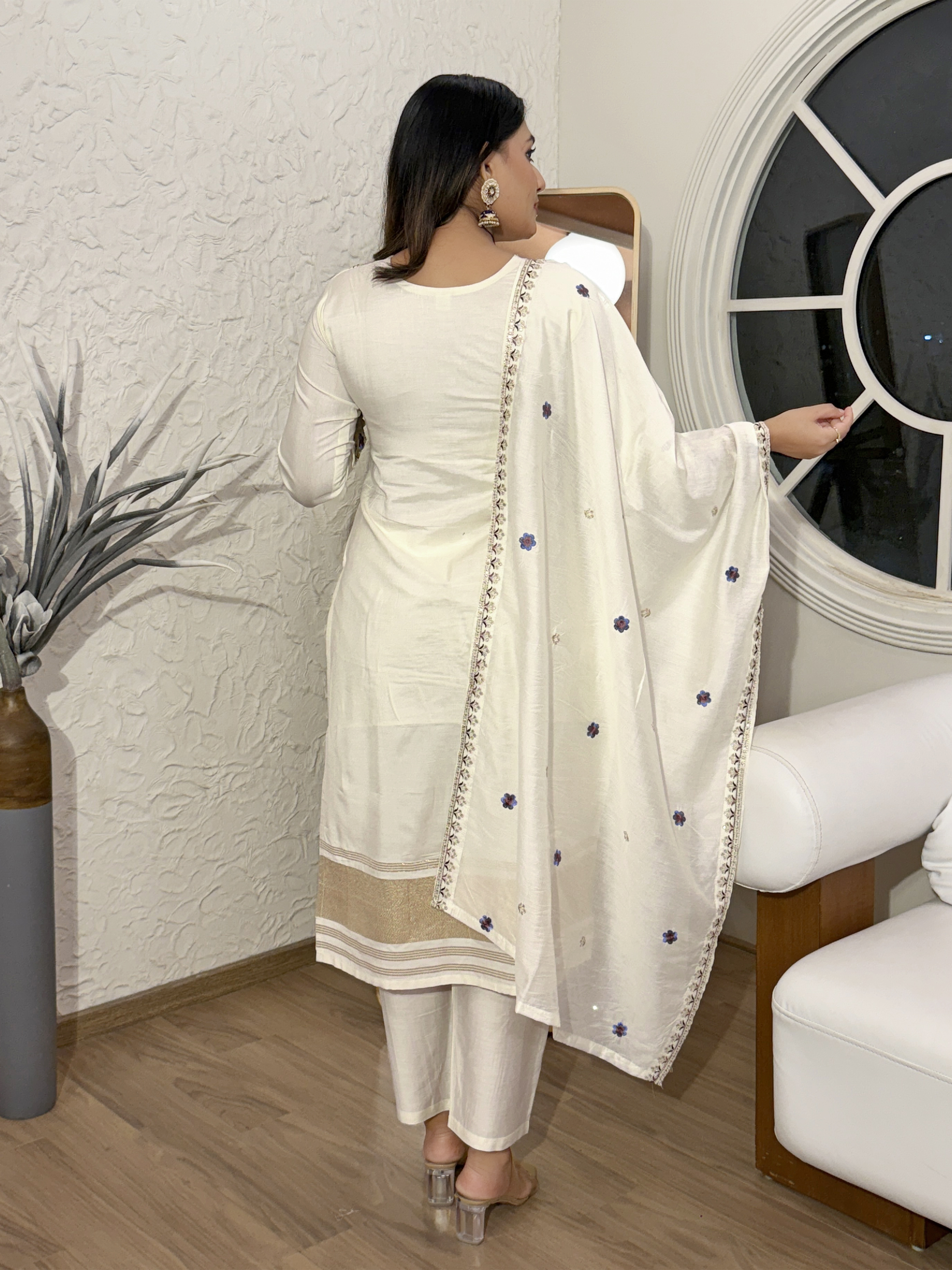
The dupatta reveals drape most clearly. A light linen blend may sit neatly over one shoulder but can develop angular folds instead of cascading waves. A cotton-rich, gauzy or loosely woven version usually bends more easily around the neck. A heavier woven dupatta creates definition but may pull at the neckline if the kurta fabric is very light.
How Linen Blends Salwar Suits Feel and Fall on the Body by silhouette
Linen-cotton blends work especially well for straight kurtas, relaxed pants and everyday co-ordinated sets because they balance breathability with enough body to retain a simple shape.

How Linen Blends Salwar Suits Feel and Fall on the Body in straight kurtas
A medium-weight linen-cotton blend is a reliable choice for a straight kurta and ankle-pant combination. The kurta won't collapse against the torso, and the pants can keep a clean line without appearing rigid. Blue Linen Cotton Floral Print Saree with Plain Dark Border offers a useful comparison for understanding how a linen-cotton surface can combine visible textile texture with an easy, breathable appearance, even though it's a saree rather than a salwar suit.
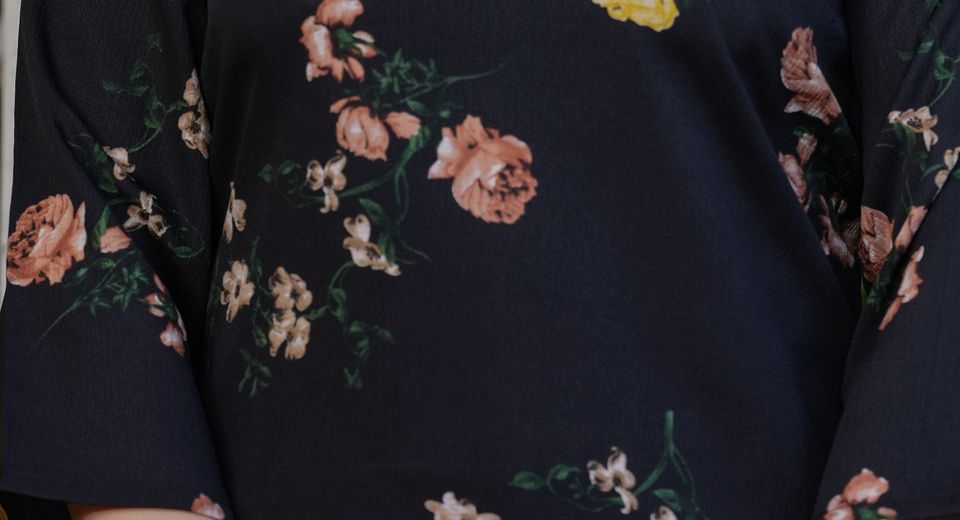
Printed linen cotton often looks more relaxed than solid linen because the print breaks up creasing. Floral placement also affects proportion: smaller motifs can look quieter on a short kurta, while large motifs need enough uninterrupted surface to remain readable.
How Linen Blends Salwar Suits Feel and Fall on the Body in A-line shapes
A softer linen blend suits an A-line or lightly flared kameez because the fabric can open from the waist without forming hard triangular folds. A very crisp fabric may need a side panel or additional flare to prevent the hem from looking stiff.
Long flares require attention to weight. A garment with six or more panels can become heavy at the hem if the fabric is dense, particularly when paired with embroidery or a lined dupatta. For a comfortable daily suit, moderate flare usually creates a better balance between movement and weight.
How Linen Blends Salwar Suits Feel and Fall on the Body in wide-leg bottoms
Linen blends can work for palazzos when the fabric has enough fluidity to move away from the thigh and return without ballooning. A stiff linen-cotton blend is more suitable for a structured wide leg than for a dramatic gathered sharara.
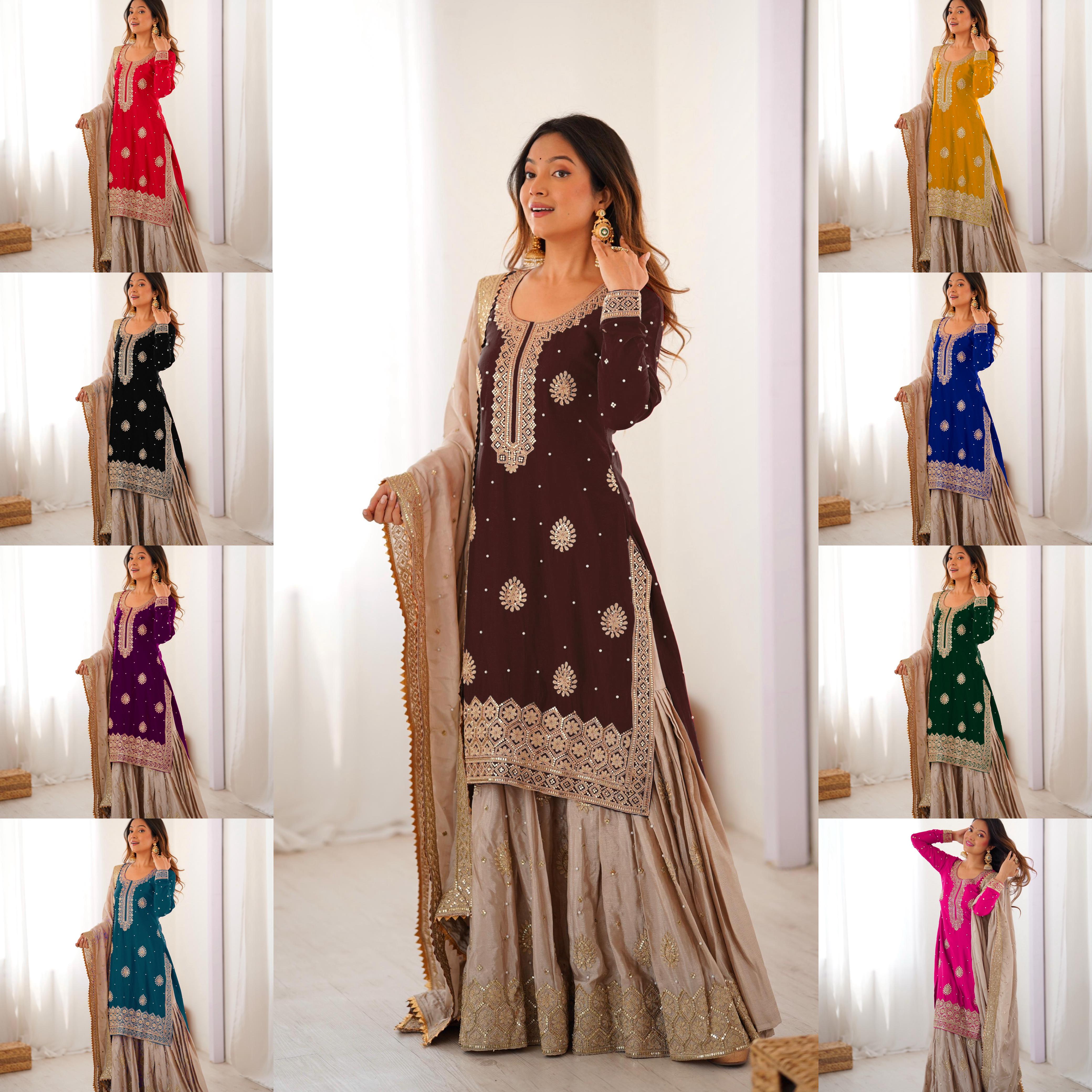
Brown Chinon Silk Sharara Suit Set for Women illustrates the opposite end of the drape spectrum: Chinon silk generally looks smoother and more fluid than linen blends. Comparing the two helps shoppers recognise that a linen-blend sharara will usually look more textural and architectural, not glossy or liquid.
How Linen Blends Salwar Suits Feel and Fall on the Body at different blend ratios
there's no single ideal linen percentage because the best blend depends on the desired hand-feel, drape, climate and care routine. Fibre percentages are useful, but weave density and finishing can change the result as much as the label.
- About 20-40% linen: This range can add breathability and texture while retaining much of the softness and resilience of cotton or another companion fibre. The fabric is often easier for daily wear and less prone to an aggressively crisp hand.
- About 40-60% linen: This middle range usually gives a recognisable linen character with moderate structure, visible texture and good airflow. It can suit straight kurtas, relaxed pants and summer layering.
- Above 60% linen: A higher linen share often brings stronger texture, a cooler dry touch and more pronounced creasing. The garment can look elegant and natural, but it needs careful pressing and may feel firmer until washed.
A product described only as linen blend doesn't provide enough information to predict the final fall. Ask for the fibre composition, fabric weight, lining details and whether the piece is pre-washed. Those details are particularly important for unstitched suits, because tailoring can add ease, seams and lining that change how the material behaves.
Pure salwar suits made from one fibre can offer a more predictable hand-feel, but a blend may be more practical. A linen-cotton combination can balance cooling comfort with easier everyday maintenance, while a pure linen suit may show stronger creases and a more pronounced dry texture. The best choice depends on whether the priority is softness, structure, airflow or formal finish.
How Linen Blends Salwar Suits Feel and Fall on the Body after fitting
Choose a linen-blend salwar suit with enough ease for sitting, arm movement and post-wash comfort rather than selecting a close fit based only on the bust measurement. Linen blends don't always stretch substantially, so a tight armhole or hip line can restrict movement.
Measure the bust, waist, hip, shoulder and upper arm, then compare those measurements with the garment's finished measurements. For a woven kurta, 3-5 inches of total bust ease often feels comfortable for everyday wear, while a closer festive cut may use less. The suitable amount depends on the cut and personal preference; a straight kurta needs different ease from a fitted princess-seam design.
Allow extra consideration for shrinkage. Linen-cotton fabrics may shrink slightly after the first wash, especially if they have not been pre-washed. A tailor can leave additional seam allowance at the side seams, but seam allowance can't solve a garment that's already too short at the sleeve or hem.
Check the shoulder before judging the overall fit. A dropped shoulder can make a linen-blend kurta appear intentionally relaxed, while a shoulder seam extending too far down the arm can make the garment look oversized. The side seam should fall reasonably straight without pulling across the bust or swinging dramatically away from the hip.
For a salwar or pant, sit down during a fitting. The waistband should remain secure without digging in, and the crotch should not pull when the knees bend. Linen blends can feel comfortable while standing but reveal insufficient rise or hip ease when the wearer sits.
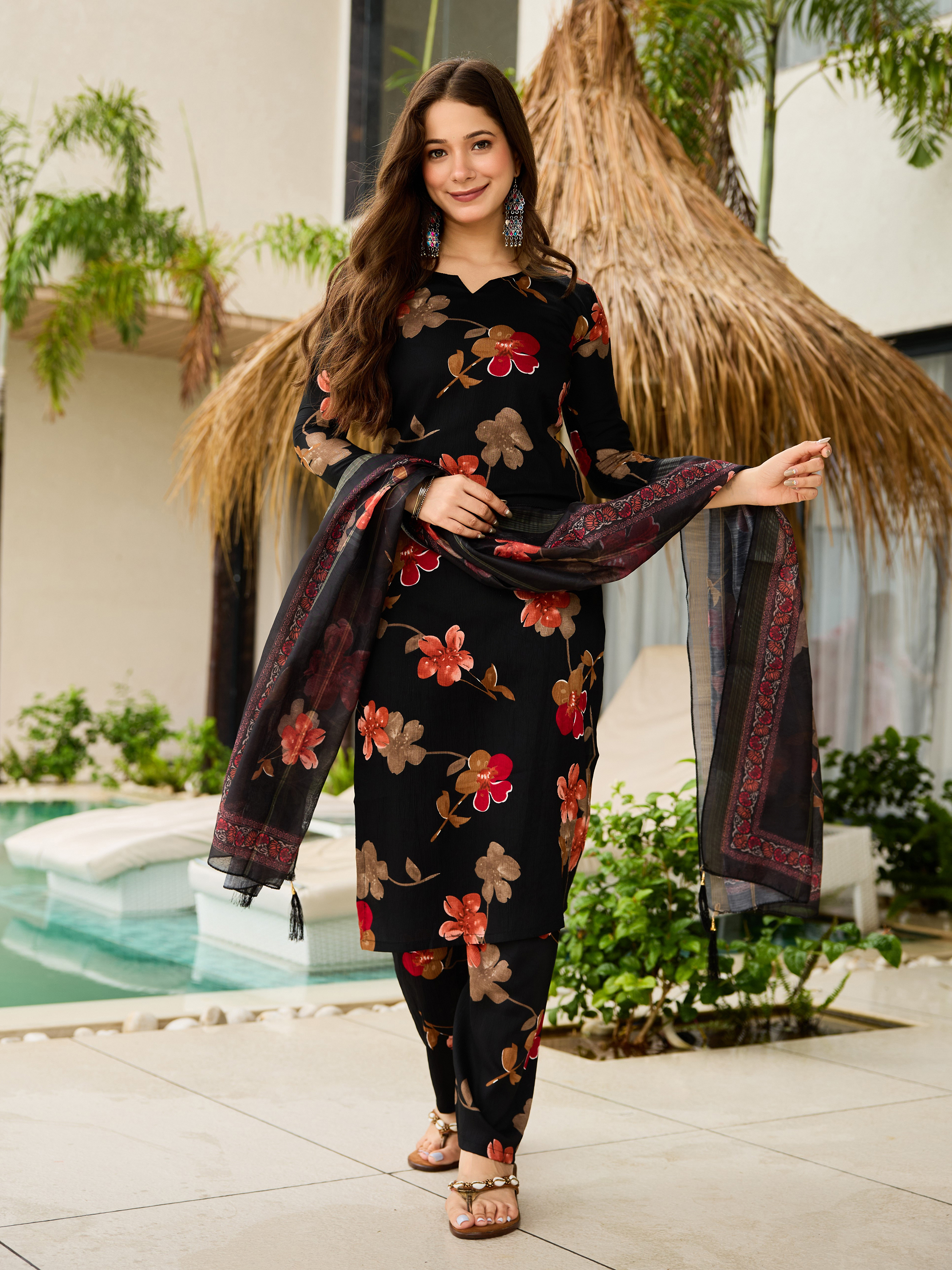
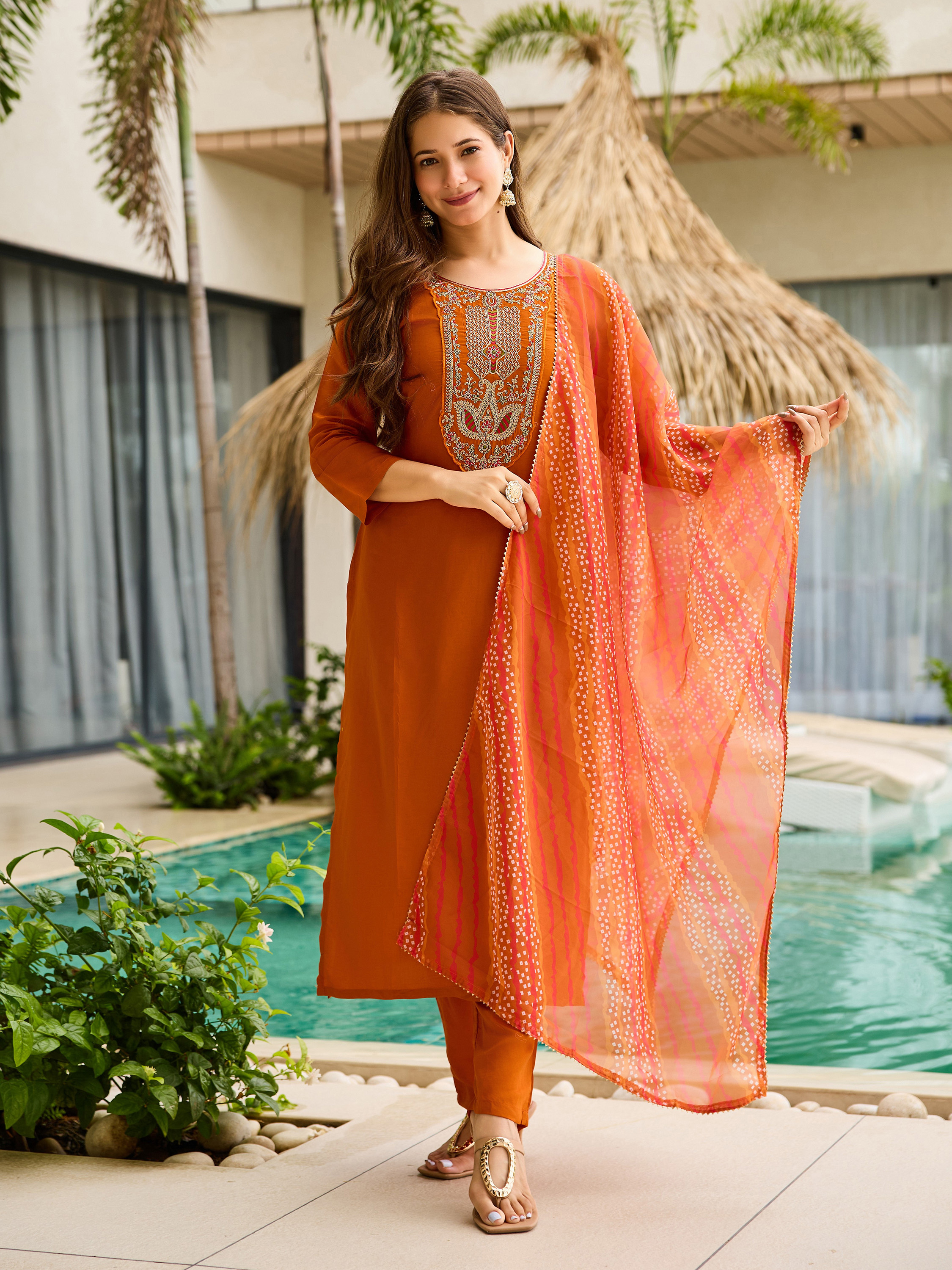
Midnight Black Blossom Salwar Suit is an example of how a dark, printed suit can make structure easier to read: seam lines, sleeve volume and the vertical fall of the kurta remain visually clear. Royal Orange Kurti Pant Set demonstrates a more coordinated approach, where the relationship between top length and pant width becomes central to the overall proportion.
How Linen Blends Salwar Suits Feel and Fall on the Body beside other fabrics
Linen blends occupy the middle ground between crisp natural-fibre tailoring fabrics and highly fluid dress materials. The comparison below explains why the same silhouette can look entirely different in another textile.
- Compared with pure cotton: Linen blends often feel cooler and more textured, while pure cotton can feel softer and more stable after repeated washing. Cotton may hold colour well, but linen contributes a distinctive dry hand and relaxed crease.
- Compared with Chanderi: Chanderi usually appears lighter, sheerer and more subtly luminous, particularly in festive silhouettes. Linen blends look more matte, grounded and daytime-appropriate unless combined with a shiny fibre or embellishment.
- Compared with Banarasi silk: Banarasi silk has a richer surface, stronger sheen and more formal presence because of its silk base and zari work. Linen blends are generally easier to wear in warm daytime settings and create a less ornate fall.
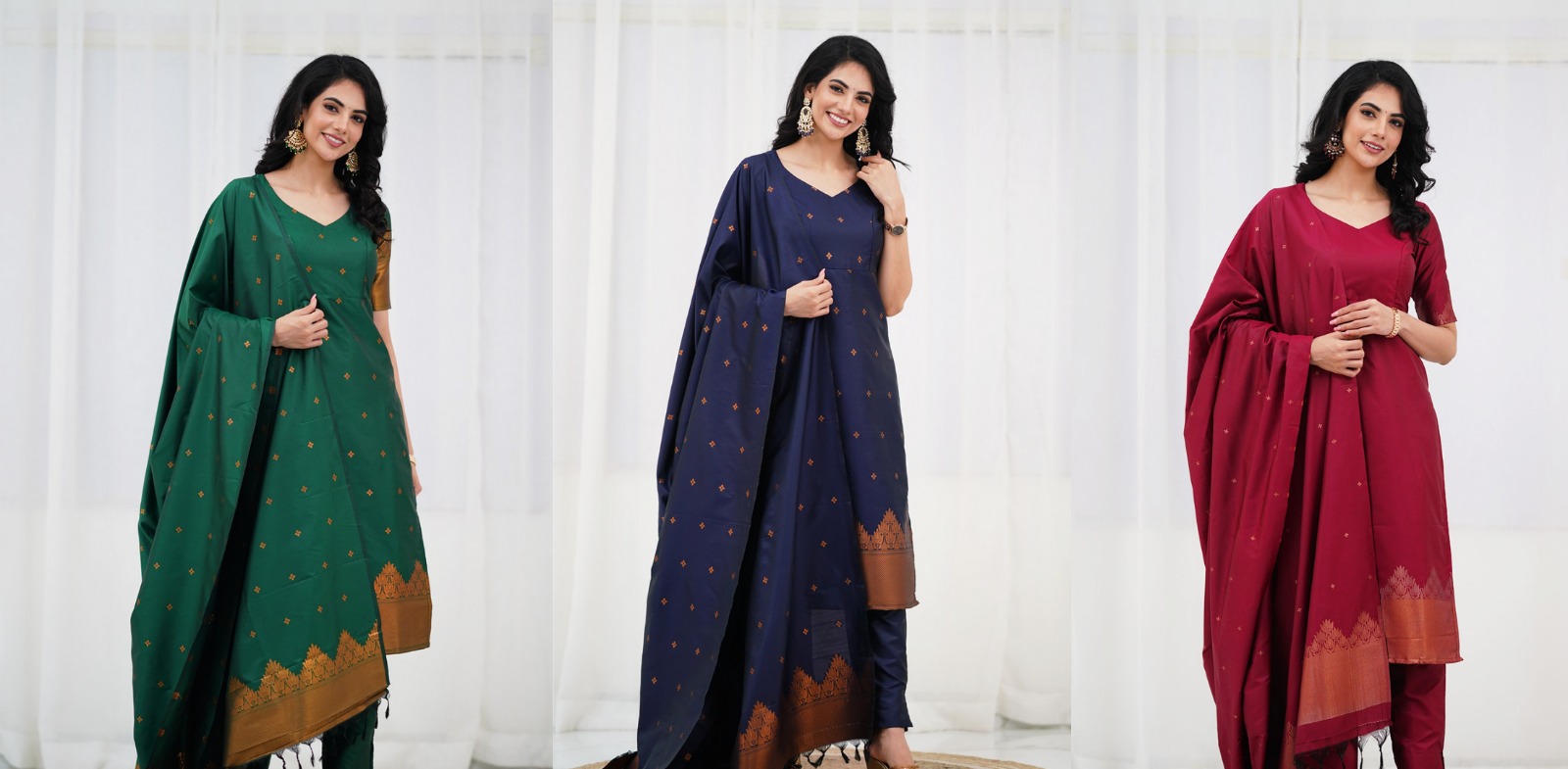
- Compared with Kanjeevaram-inspired silk: Kanjeevaram-style fabrics are associated with a firm, ceremonial drape and pronounced woven borders. Linen blends create a lighter, more relaxed outline suited to contemporary separates.
- Compared with Chinon silk: Chinon silk generally has a smoother, softer-looking fall, while linen blends show more surface texture and hold sharper folds. The difference is especially visible in dupattas and wide-leg bottoms.
SilkGlow Cream Salwar suit sits conceptually on the dressier side of the comparison because the name signals a polished, luminous styling direction. A linen-blend suit can reach a more formal finish through embroidery, a well-pressed surface, zari accents or a carefully structured dupatta, but its natural texture usually remains visible.
How Linen Blends Salwar Suits Feel and Fall on the Body with regional styling
Linen blends pair naturally with regional design languages when the embellishment respects the fabric's texture and moderate structure. Heavy ornament can overpower a lightweight linen base, while restrained embroidery, printed panels and woven borders usually complement it.
Kalamkari Print Salwar Suits can inspire a grounded daytime look because Kalamkari-style motifs work well with matte, textural fabrics. Maharashtra Paithani Inspired Salwar Suits suggest a more border-focused styling direction, where a carefully placed contrast border can give a linen-blend kurta sharper definition.
Punjab Phulkari Embroidered Salwar Suits show how bright embroidery can become the focal point against a comparatively quiet ground. A linen-blend base can support that contrast, provided the embroidery isn't so dense that it makes the garment heavy or stiff.
Karnataka Silk Salwar Suits and Kashmir Embroidered Salwar Suits offer useful references for occasion dressing, even when the wearer chooses linen rather than silk or heavily embellished fabric. Pairing linen with a structured dupatta, metallic earrings and a defined sandal can make the look suitable for a daytime celebration without imitating the weight of ceremonial silk.
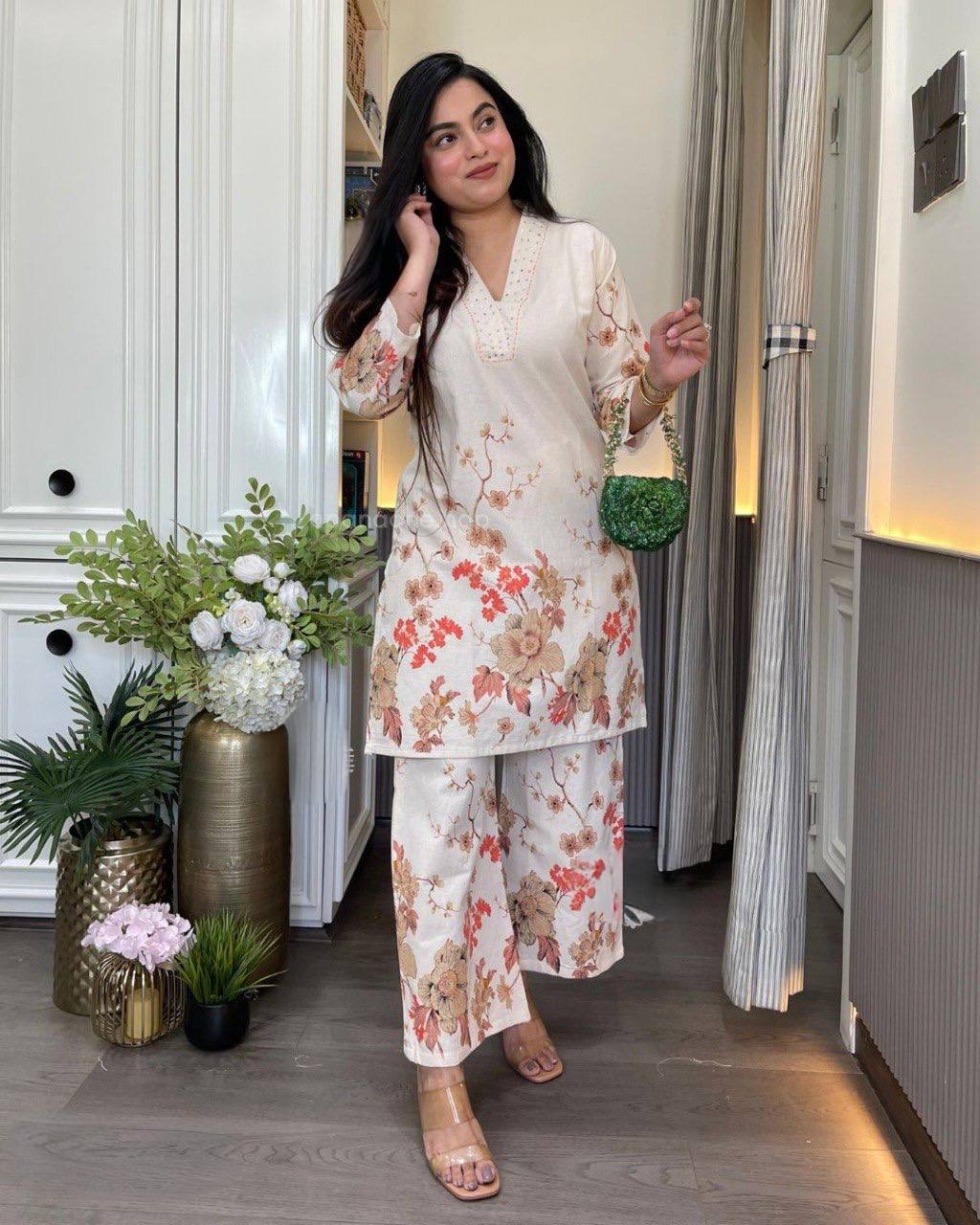
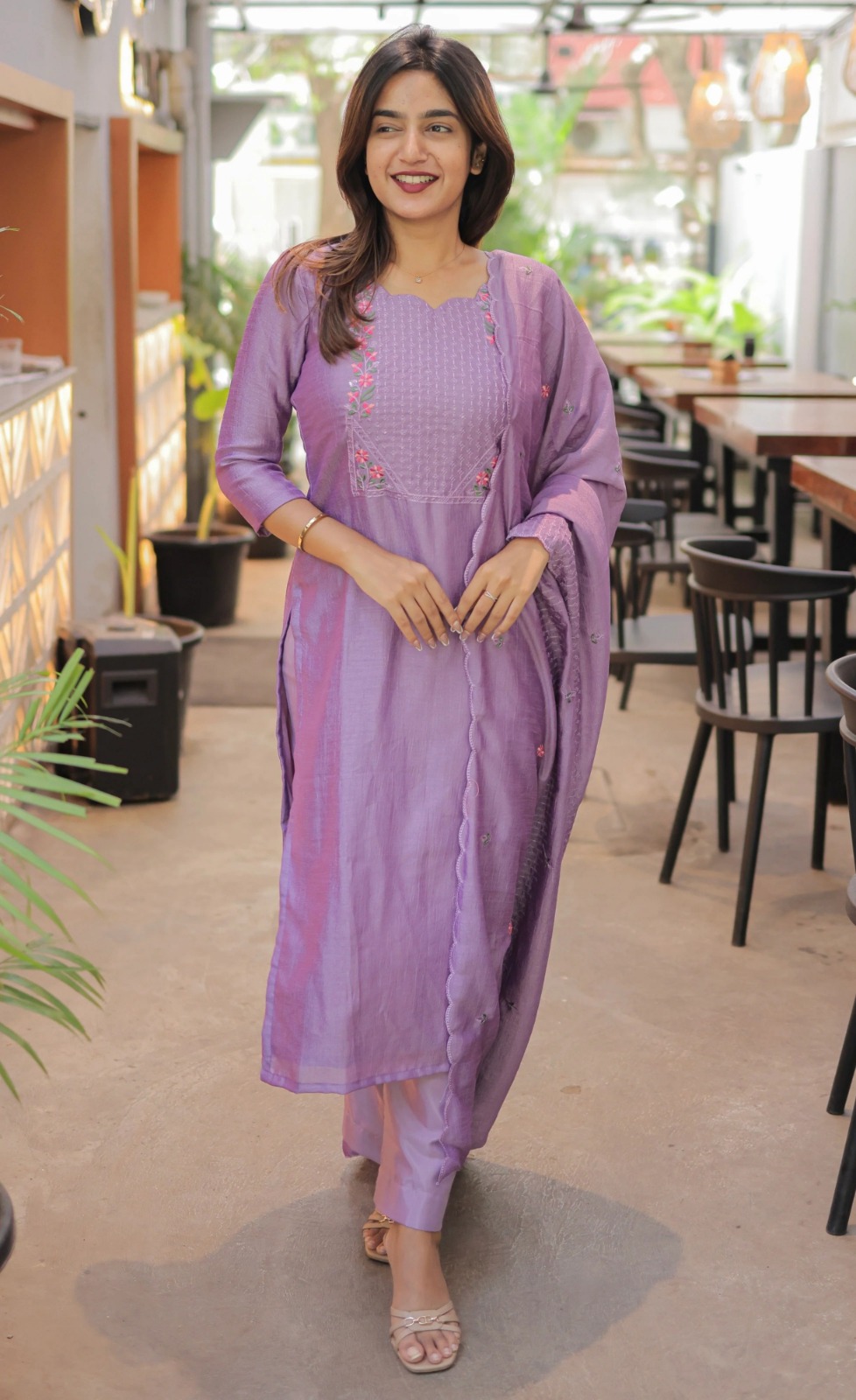
Ivory Floral Linen Cotton Co-Ord Set for Women demonstrates how a lighter neutral and coordinated separates can emphasise the easy, modern side of linen cotton. Lavender Cotton Kurta Set with Embroidery Dupatta Set suggests another practical styling formula: a breathable base paired with a more decorative dupatta so the outfit gains occasion character without adding dense embellishment to every panel.
How Linen Blends Salwar Suits Feel and Fall on the Body after washing and pressing
Careful washing and pressing make linen blends softer and more controlled, but excessive heat can cause shrinkage, colour change or a permanently flattened texture. Check the garment label first because the correct method depends on the companion fibre, dye and embellishment.
- Wash gently: Use cool or lukewarm water and a mild detergent. Avoid strong bleach, which can weaken fibres and alter printed or dyed surfaces.
- Reduce friction: Turn printed garments inside out and choose a gentle cycle or hand wash. Do not scrub embroidered panels or wring the kurta aggressively.
- Dry in shade: Reshape the shoulders, side seams and hem while damp, then dry away from harsh direct sun. Hanging a heavy wet suit from a thin hanger can stretch the shoulder.
- Press with control: Iron linen blends while slightly damp on the reverse side, using a medium setting unless the care label says otherwise. A pressing cloth protects dark colours, embroidery and delicate finishes.
- Store with airflow: Fold clean linen-blend suits rather than compressing them in plastic for long periods. Leave space between garments so residual moisture doesn't create a stale smell.
Some creasing is part of linen's visual identity rather than a defect. Press the collar, placket, sleeve cuffs and front panels when a sharper appearance is needed, but allow gentle creases through the lower kurta and dupatta to retain a natural fall.
When assessing a linen-blend suit online, look for composition, garment measurements, lining information, close-up fabric images and care instructions. Those details reveal more about likely comfort and drape than a broad description such as premium linen.
How Linen Blends Salwar Suits Feel and Fall on the Body: final buying checklist
A suitable linen-blend salwar suit should match the wearer's preferred level of texture, the required amount of movement and the amount of care they're prepared to provide. No blend is automatically right for every body shape or occasion.
- Check the exact fibre composition instead of relying on the word linen alone.
- Choose a softer blend for flowing A-line shapes and a firmer blend for clean straight cuts.
- Compare finished garment measurements with body measurements and allow practical ease.
- Inspect the shoulder, armhole, hip and sitting comfort during a fitting.
- Expect moderate creasing and use pressing to refine, not erase, the fabric's character.
- Choose a lighter dupatta for relaxed movement or a structured dupatta for a more formal outline.
- Confirm whether an unstitched suit includes enough fabric for the desired sleeve, hem and flare.
The most useful question isn't whether linen is good or bad for salwar suits. The useful question is whether the specific linen blend, cut and finishing produce the texture, airflow and fall you want for your wardrobe and climate.
Common Questions About Linen-Blend Salwar Suit Drape
Do linen-blend salwar suits crease easily?
Yes, linen-blend salwar suits usually develop visible creases, although the amount depends on the linen percentage, weave and finishing. A linen-cotton blend often creases less dramatically than a high-linen fabric, and pressing the collar, placket and front panels can restore a neat appearance.
Are linen-cotton salwar suits comfortable in hot weather?
Linen-cotton salwar suits can be comfortable in hot weather when the weave is breathable and the lining is light. A dense fabric, synthetic lining or heavily embroidered construction can reduce airflow, so composition alone does not determine comfort.
Is linen blend better than pure linen for a salwar suit?
A linen blend is often easier for everyday wear because cotton or another companion fibre can add softness, stability and easier maintenance. Pure linen may offer stronger breathability and a more distinctive texture, but it can crease more and feel firmer before washing.
How much ease should a linen-blend kurta have?
A woven linen-blend kurta commonly needs about 3-5 inches of total bust ease for comfortable everyday movement, although the ideal amount depends on the cut and personal preference. The armhole, upper arm, hip and sitting comfort should also be checked rather than relying on bust ease alone.
Can linen-blend salwar suits be worn to festive events?
Linen-blend salwar suits can suit daytime festive events when styled with embroidery, a defined dupatta, zari accents, jewellery and polished footwear. For evening ceremonies requiring a glossy or highly formal appearance, Banarasi silk, Kanjeevaram-inspired silk or another dressier fabric may provide a more ceremonial finish.
How should a linen-blend salwar suit be washed?
Wash a linen-blend salwar suit in cool or lukewarm water with mild detergent, reduce friction and dry it in the shade after reshaping the garment. Iron the suit on the reverse side while slightly damp, using the care-label temperature and extra protection for prints or embroidery.


