

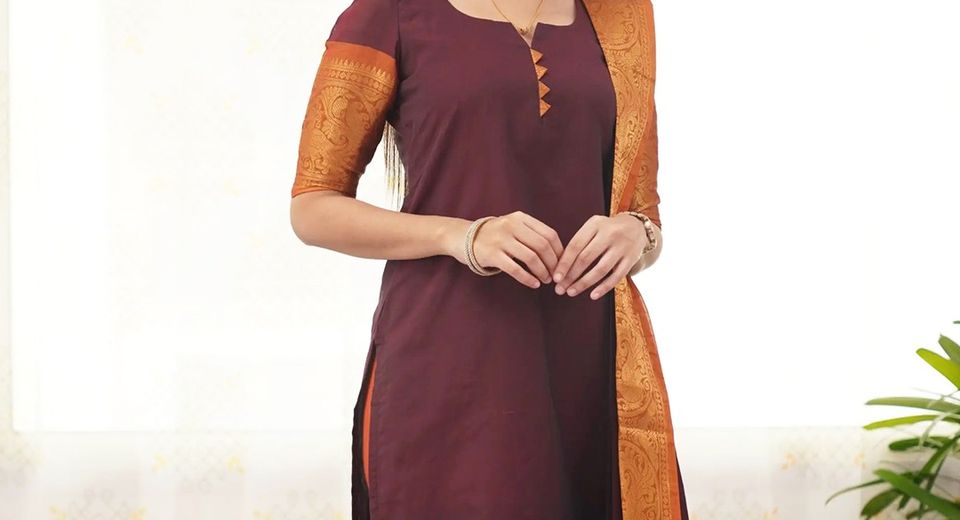
A richly woven dupatta can transform a plain kurti, but wearing the same statement layer repeatedly requires more than changing your earrings. Heavy Dupatta Rewear Ideas With Simple Kurtis and Suits work best when you control proportion, colour, fabric weight and drape. A zari-bordered dupatta may look festive with one outfit, relaxed with a cotton kurti and contemporary with tailored trousers on another day.
The practical advantage is considerable: a single Banarasi silk, Chanderi silk, organza or embroidered dupatta can create several distinct combinations without purchasing a new three-piece set each time. The key is to make the base garment quieter than the dupatta while changing at least two visible styling details, such as the bottom silhouette, neckline, drape or accessories.
Why Heavy Dupattas Work With Simple Kurtis
Heavy dupattas work with simple kurtis because the undecorated base gives the ornate layer enough visual space to lead the outfit. A plain straight kurti allows zari, thread embroidery, woven motifs, tassels or a broad border to remain clearly visible instead of competing with another elaborate surface.
Heaviness can come from several sources. Banarasi silk and Kanjeevaram-inspired weaves have body because of their dense yarns and zari work. Chanderi can feel lighter in weight while still appearing formal because of its luminous surface and woven motifs. Velvet details, dense embroidery, multiple borders and lined organza also add visual or physical weight.
A simple kurti doesn't have to mean a dull kurti. A clean neckline, one strong colour and an uncomplicated cut provide an useful foundation. The Kanchi Cotton Zari Woven Kurti Set with Traditional Dupatta demonstrates how cotton and zari can sit together, while a separate plain ivory, black, mustard or deep green kurti can make a statement dupatta appear newly styled.
Heavy Dupatta Rewear Ideas With Simple Kurtis and Suits
Pair a woven dupatta with a solid straight kurti
A solid straight kurti is the most reliable companion for a heavy woven dupatta. Choose a kurti in one colour pulled from the dupatta rather than attempting to match every thread. For example, a maroon dupatta can sit with an ivory kurti, a mustard kurti or a muted rose kurti, depending on whether the result should feel heritage or modern.
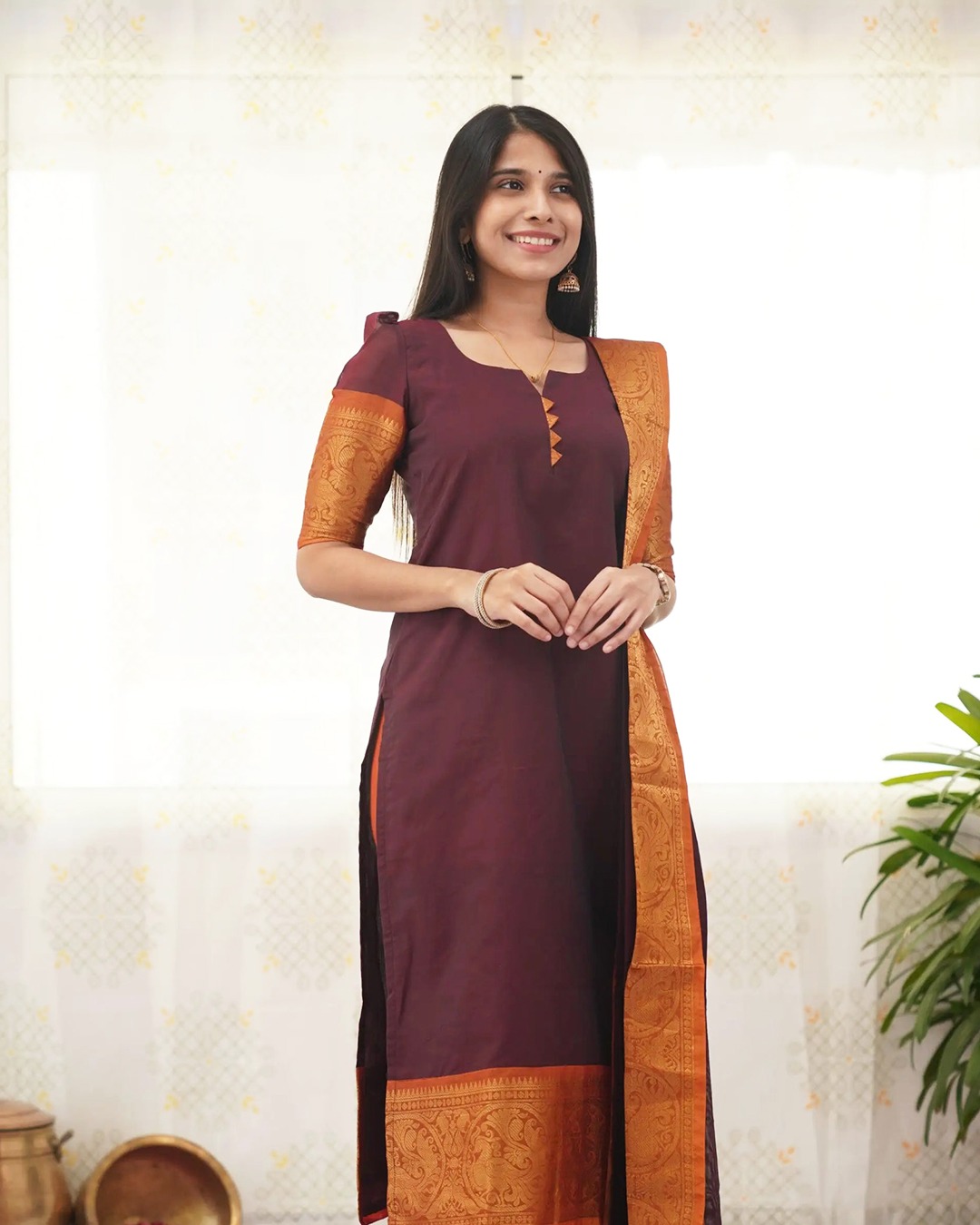
Keep the lower half equally calm with cigarette pants, straight trousers or a narrow churidar. A long straight kurti and a dupatta with a broad border create a vertical line, especially when the dupatta is worn over one shoulder and allowed to fall near the ankle. A short kurti with the same dupatta looks more relaxed with wide-leg pants.
Change the bottom silhouette before changing the kurti
Changing the bottom silhouette makes a familiar kurti-and-dupatta combination look substantially different. Pair a heavy dupatta with cigarette pants for a neat daytime appearance, palazzos for movement and comfort, or a flared sharara for a more celebratory proportion.
The Lavender Georgette Kurti Pant Set with Embroidery & Dupatta shows why a narrow pant works with a fluid upper layer: the fitted lower line prevents the outfit from appearing bulky. For a different interpretation, wear a heavy dupatta over a plain kurti and wide palazzos, then keep the front of the kurti mostly uncovered so the outfit retains definition.
Use a simple kurti as a colour bridge
A colour-bridge kurti repeats one minor shade from a complex dupatta and makes the full outfit appear intentional. A green thread in a multicoloured dupatta can connect to a plain green kurti, while a small gold motif can be echoed through muted beige rather than bright metallic fabric.
The Mustard Designer Kurti Dupatta Set with Rich Weaving is an useful example of warm colour coordination. A mustard base can be reworked with a maroon, rust, cream or bottle-green dupatta, provided the intensity of the colours is balanced. Avoid adding a third bright colour through footwear or a handbag; metallic tan or neutral accessories will keep the textile work prominent.
How to Balance Fabric Weight and Proportion
Balance fabric weight by placing a structured or dense dupatta over a smoother, lighter base and by avoiding too many voluminous layers at once. A heavy Banarasi silk dupatta with a heavily flared anarkali can overwhelm a smaller frame, while the same dupatta with a straight kurti and slim trousers looks deliberate.
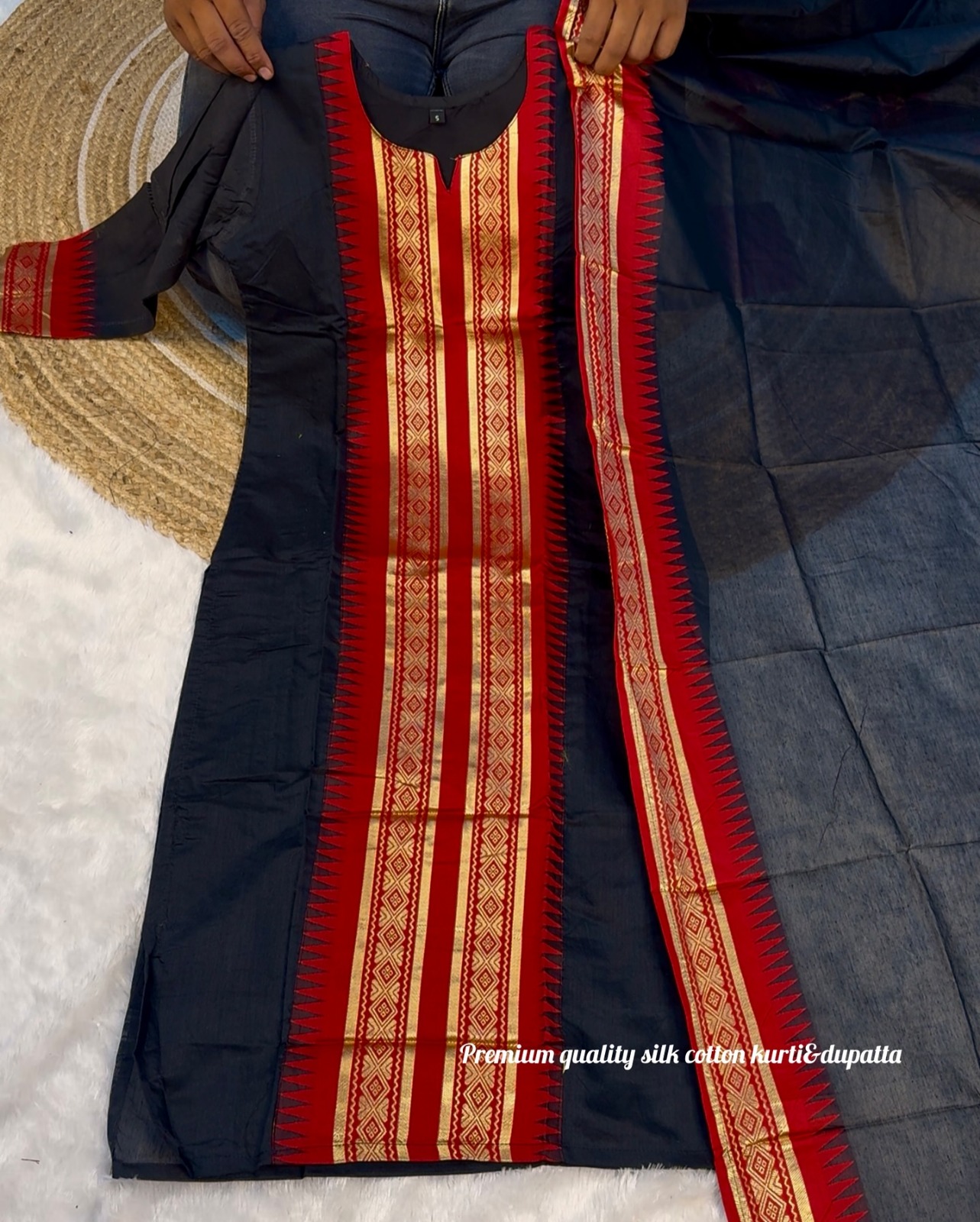
Shorter kurtis can handle broad borders because the hem and border don't create competing long lines. Longer kurtis work well with narrower borders or an open front drape. If the dupatta is made from stiff organza, pinning one shoulder and letting the other end fall in a clean line is often more flattering than repeatedly pleating the fabric.
The Yellow Kurti with Organza Dupatta illustrates an useful contrast: organza holds shape and creates volume, so a plain kurti underneath keeps the silhouette controlled. With a separate heavy dupatta, use the same principle by choosing a fluid base such as cotton, rayon or soft georgette when the top layer is crisp.
Body proportions also influence draping. A broad front panel can visually widen the torso, while a long vertical fall can lengthen it. People who prefer less fabric across the chest can pleat the dupatta narrowly, place the pleats over one shoulder and leave the opposite side open.
Five Outfit Formulas for Different Occasions
Daytime family gathering
A daytime family gathering suits a cotton kurti, straight pants, a woven dupatta and flat juttis. Choose small earrings and a low bun so the look remains comfortable for several hours. Cotton bases are especially practical for warm weather because the dupatta supplies polish without requiring a fully embellished suit.
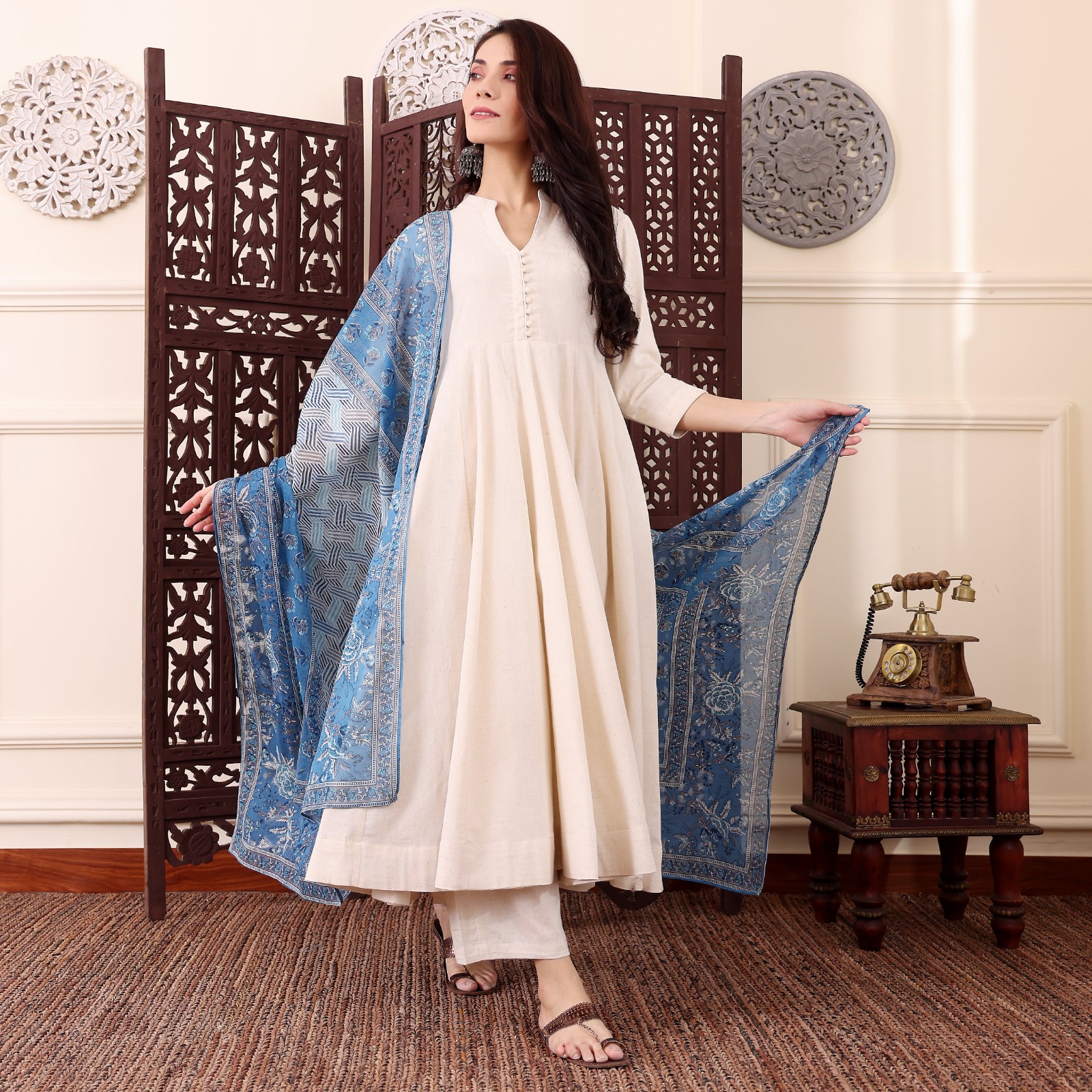
A Maroon Ethnic Weave Kurti Set with Elegant Dupatta can inspire this formula, but the same styling logic works with a plain cream kurti and a separate maroon woven dupatta. Fold the dupatta once lengthwise, place it over one shoulder and secure it discreetly near the waist if you expect to move frequently.
Haldi ceremony
A Haldi ceremony calls for washable or easy-care base layers, secure draping and colours that don't make turmeric marks immediately obvious. A simple yellow, green, ivory or coral kurti with a richly coloured dupatta creates a festive result without putting heavy embroidery close to every surface.
For a Haldi ceremony, avoid dragging a long dupatta through crowded seating or applying perfume directly to zari and metallic borders. The Trendy Green Ethnic Kurti Dupatta Set for Festive Wear suggests how a bright base can support a decorative layer; a plain green kurti can also be paired with a gold, mustard or pink dupatta for a related but distinct look.
Evening puja or dinner
An evening puja or dinner benefits from a dark solid kurti, narrow trousers, a luminous dupatta and modest jewellery. Deep navy, maroon, charcoal, emerald and plum make gold zari or antique zari appear more defined under warm indoor lighting.
The Maroon Heritage Weave Kurti Dupatta Set offers another direction for this combination. To rewear a similar dupatta, replace the matching kurti with a cream or black one, switch from jhumkas to a single statement ring and carry a small structured bag. The change in base and accessories makes the textile layer look purposeful rather than repeated.
Wedding guest outfit
A wedding guest outfit needs one convincing focal point, and a heavy dupatta can provide that focal point when the kurti and bottom remain clean. Add embellished footwear, a small potli or a restrained choker, but avoid matching heavy decoration on every item.
A Cream Chanderi Silk Kurti Pant Dupatta Set for Women demonstrates the appeal of a pale, reflective base for formal dressing. A plain cream Chanderi kurti can be worn with a contrasting Paithani-inspired or zari dupatta, while a darker kurti can make a pale dupatta look sharper. Check the invitation and venue before choosing a train-like drape that may be difficult to manage.
Work-friendly festive dressing
Work-friendly festive dressing works when the heavy dupatta is draped compactly and the rest of the outfit remains tailored. Choose a simple kurti with ankle-length pants, closed-toe flats and a single pair of earrings. A front-open drape or a neatly pinned shoulder prevents the layer from interfering with a desk, commute or presentation.
A plain kurti can also be worn with a dupatta associated with regional textile traditions. Kalamkari Print Salwar Suits (Copy), Maharashtra Paithani Inspired Salwar Suits, Gujarat Bandhej Salwar Suits and Odisha Sambalpuri Salwar Suits each suggest different routes for colour and motif inspiration. Punjab Patiala Salwar Suits offer a more relaxed direction when the dupatta is balanced with a roomier salwar and a shorter kurti.
How to Make the Same Dupatta Look Different
The same dupatta looks different when at least two styling variables change at once. Alter the base colour and bottom shape for one rewear, then alter the drape and jewellery for the next. Merely changing bangles while keeping the same kurti, pants and drape usually produces a look that still feels identical.
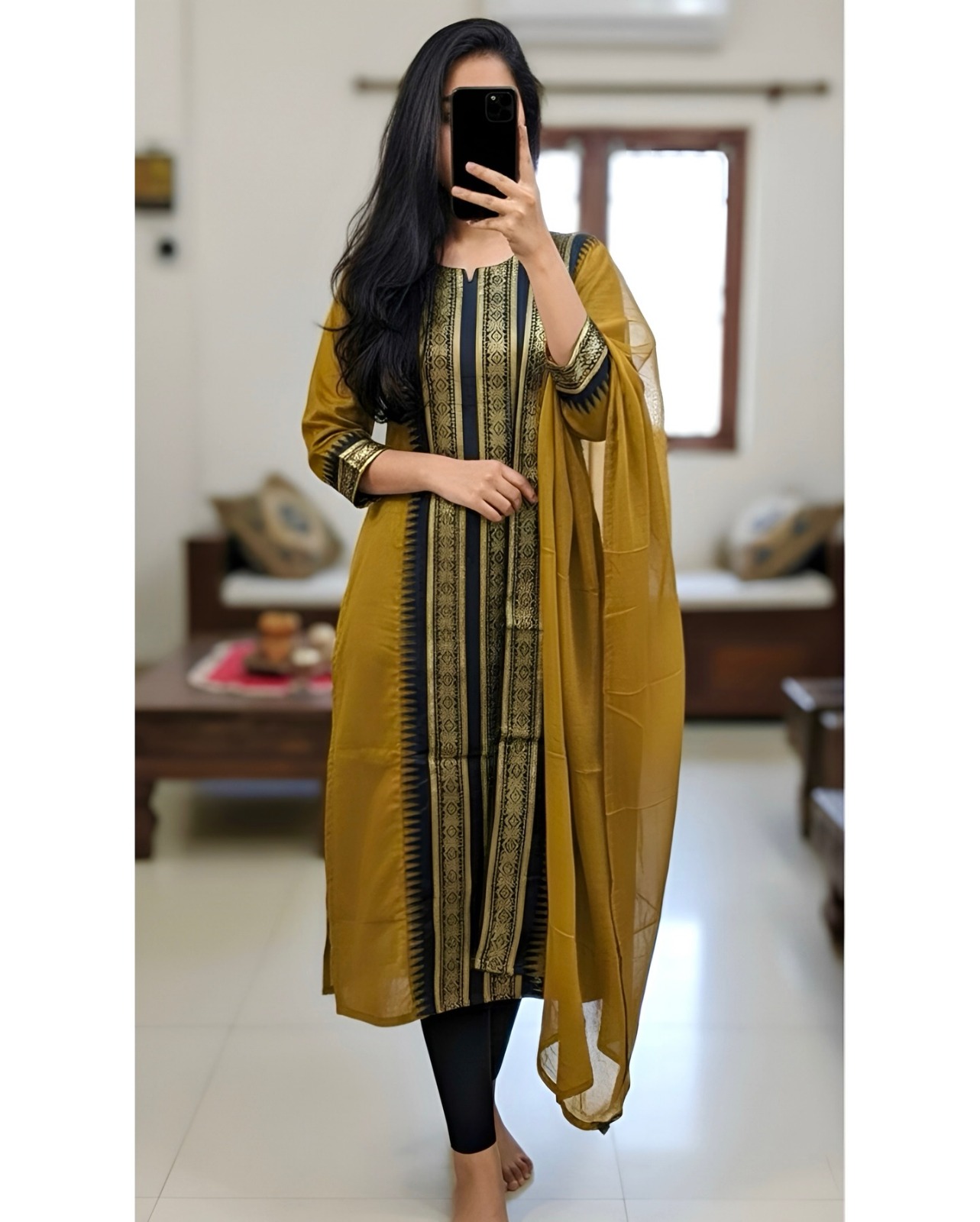
- Change the drape: Use an one-shoulder fall for a long vertical line, a two-shoulder open drape for symmetry, or a front pleat for a formal appearance.
- Change the base colour: Pair a gold dupatta with cream for softness, black for contrast, maroon for richness or bottle green for a time-honoured mood.
- Change the neckline: A round-neck kurti looks understated, while a small V-neck or square neck gives the dupatta a cleaner frame.
- Change the accessories: Use jhumkas for a classic setting, pearls for daytime, oxidised silver for a craft-inspired look and minimal metal for work.
- Change the footwear: Mojaris, kolhapuris, block heels and clean sandals alter the formality without changing the textile.
Photographing each combination in natural light can help identify genuine variation. Compare the full silhouette rather than focusing only on the dupatta, because the visible difference usually comes from the line created by the hem, trouser width and drape.
Care and Storage for Heavy Dupattas
Heavy dupattas last longer when they're stored clean, dry, folded with support and protected from snagging. Do not leave zari, sequins or dense embroidery crushed under a stack of clothes for months, because pressure can flatten surface work and create permanent fold lines.
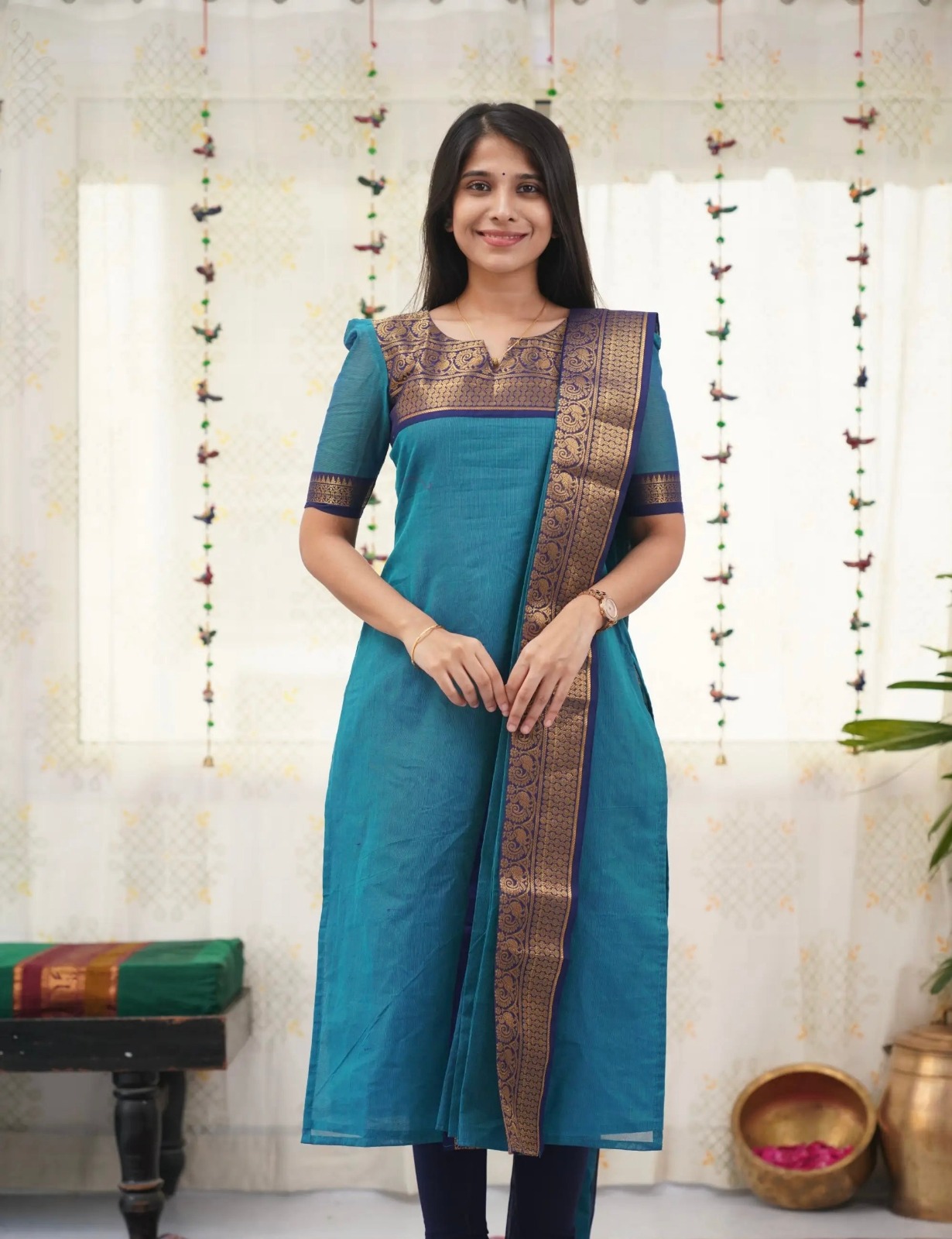
Air the dupatta after wearing it, then check the border for jewellery snags before folding. Follow the garment label for cleaning; many Banarasi silk, Chanderi silk, georgette and embroidered pieces require dry cleaning rather than home washing. If a care label permits gentle washing, use cool water, mild detergent and no wringing, but test colourfastness on a hidden inner edge first.
Fold the dupatta along existing design breaks instead of folding directly across delicate motifs. Place acid-free tissue or a clean cotton cloth between heavily embellished layers, and store the folded piece in a breathable fabric bag. Avoid damp cupboards, direct sunlight and plastic bags that trap moisture.
During travel, roll a fragile dupatta around a clean soft core when possible, then place it above heavier garments. A broad zari border should not be bent sharply inside a small pouch. These small precautions protect the very detail that makes rewearing worthwhile.
A Simple Decision Rule Before You Style
Choose the base garment first by answering three questions: how heavy is the dupatta, how formal is the event and how much movement will the outfit require? A dense, stiff dupatta needs a simpler silhouette; a soft embroidered dupatta can accommodate wider pants; and a crowded venue calls for a shorter, securely pinned drape.
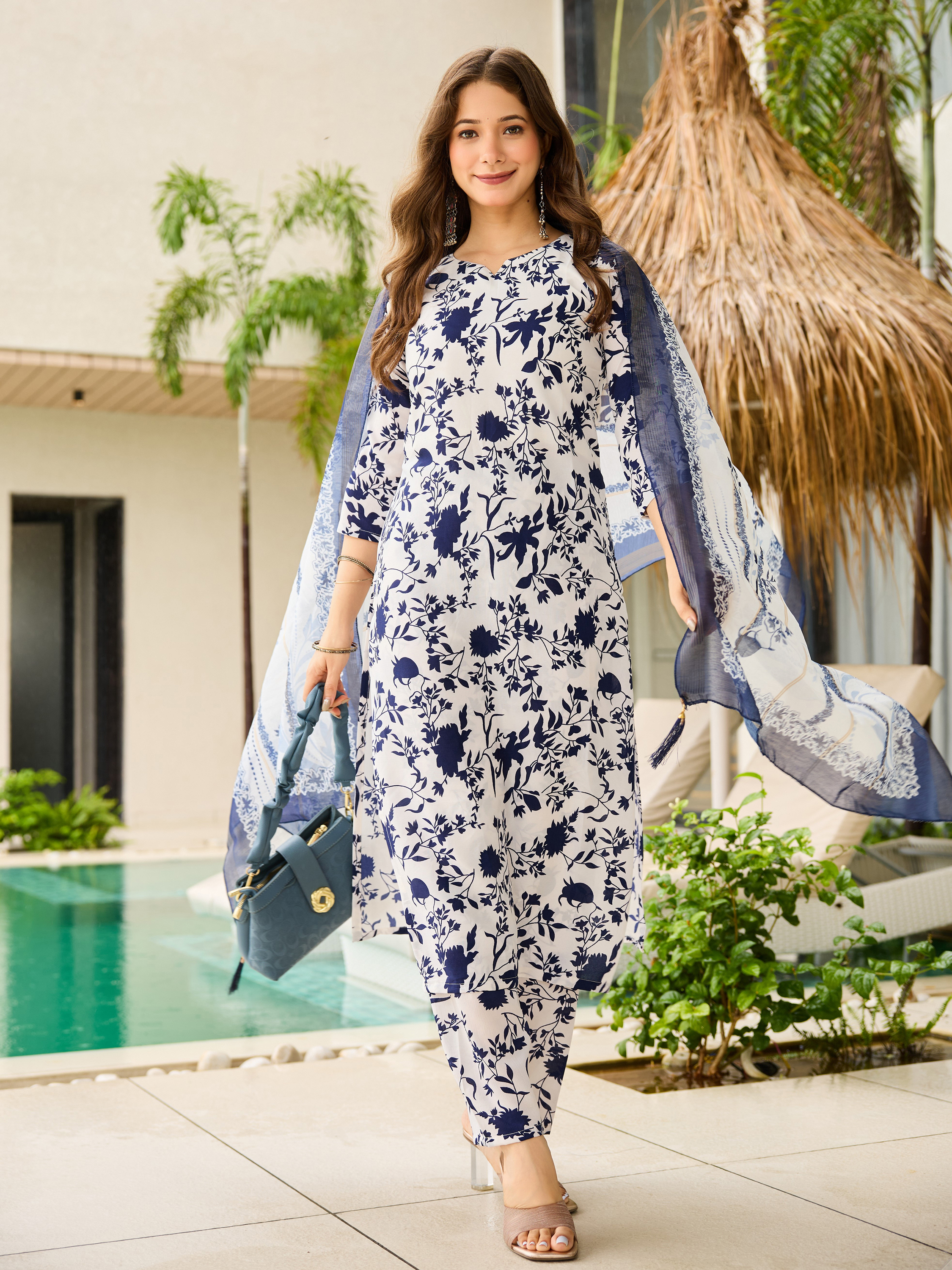
Use the 70-20-10 rule for quick coordination: let approximately 70 percent of the visible outfit remain in a calm base colour, 20 percent come from the statement dupatta or secondary colour, and 10 percent come from jewellery, footwear or a bag. The ratio isn't a strict measurement, but it prevents competing prints and embellishments from obscuring the main textile.
When the dupatta already contains several colours, select one shade for the kurti and keep accessories neutral. When the dupatta is largely monochrome, introduce interest through a contrasting bottom, textured fabric or one sculptural accessory. This method turns Heavy Dupatta Rewear Ideas With Simple Kurtis and Suits into a repeatable wardrobe strategy rather than an one-time festive trick.
Common Questions About Rewearing Heavy Dupattas With Simple Suits
How can I wear a heavy dupatta with a simple kurti?
Wear the heavy dupatta with a solid kurti and an uncomplicated bottom such as straight pants, cigarette trousers or palazzos. Keep the kurti in one colour found in the dupatta, then use a clean one-shoulder or two-shoulder drape so the woven or embroidered work remains visible.
Which kurti colours work best with a heavy dupatta?
Cream, ivory, black, mustard, maroon, bottle green and navy are dependable choices because they support zari, embroidery and multicoloured weaving. For a complex dupatta, repeat one smaller colour rather than matching every shade.
Can I wear a heavy dupatta with palazzo pants?
Yes, a heavy dupatta can work with palazzo pants when the kurti is relatively straight and the drape is controlled. Avoid combining a very flared kurti, wide palazzos and a stiff dupatta unless the event specifically calls for a voluminous silhouette.
How do I make the same dupatta look different each time?
Change at least two visible elements, such as the kurti colour, bottom silhouette, drape, neckline or jewellery. A gold dupatta can look soft with cream, dramatic with black and festive with maroon when the base shape and accessories also change.
Is organza suitable for rewearing with simple suits?
Organza is suitable because its structure creates a polished outline over a plain kurti, but it can add volume and may crease sharply. Pair organza with a fluid or straight base, pin the shoulder securely and follow the care label instead of ironing directly over embellishment.
How should I store a heavy zari or embroidered dupatta?
Air the dupatta after use, check for snags, fold it along safe design lines and place tissue or clean cotton between embellished layers. Store it in a breathable fabric bag away from moisture, direct sunlight and heavy pressure.


