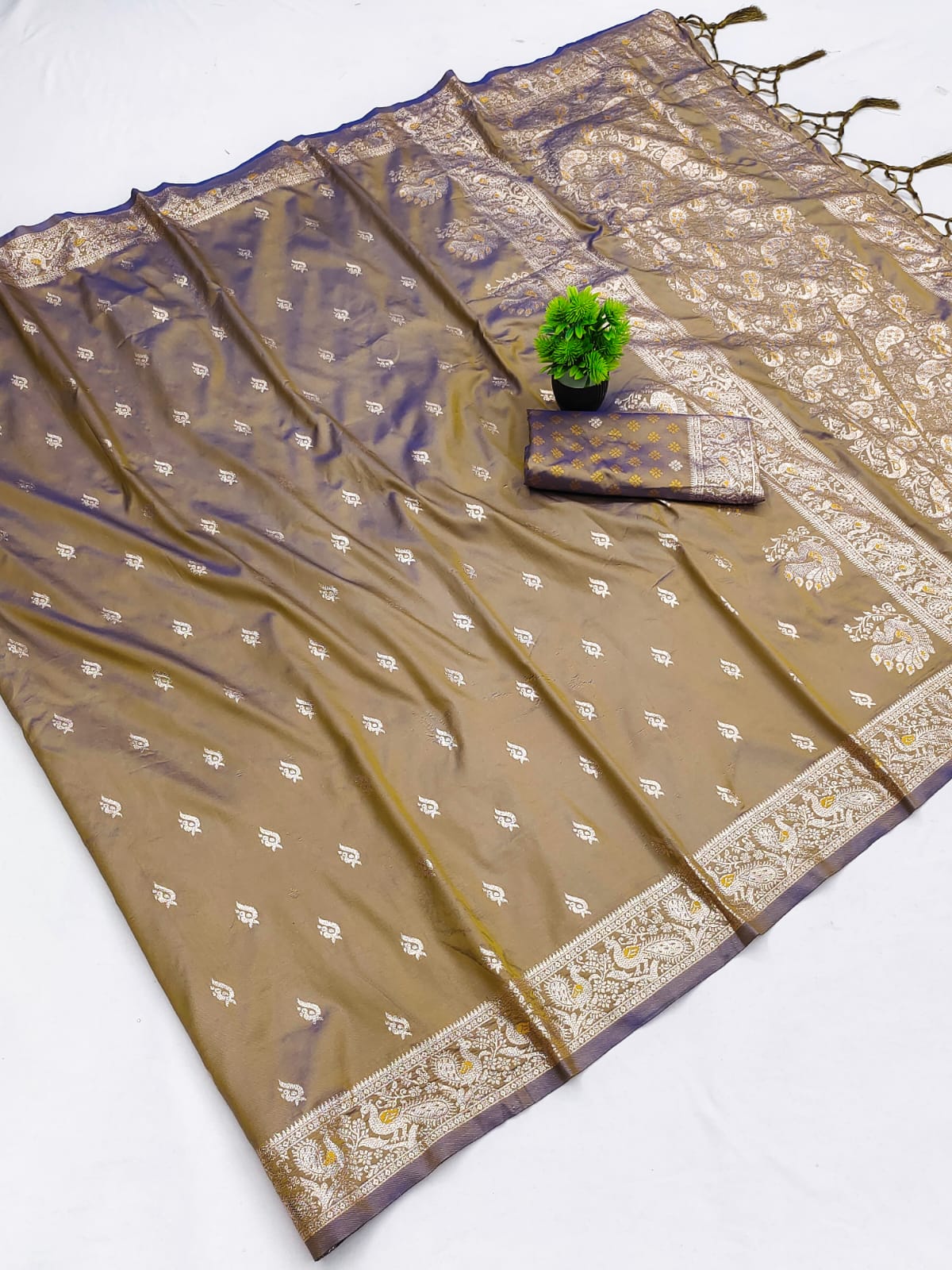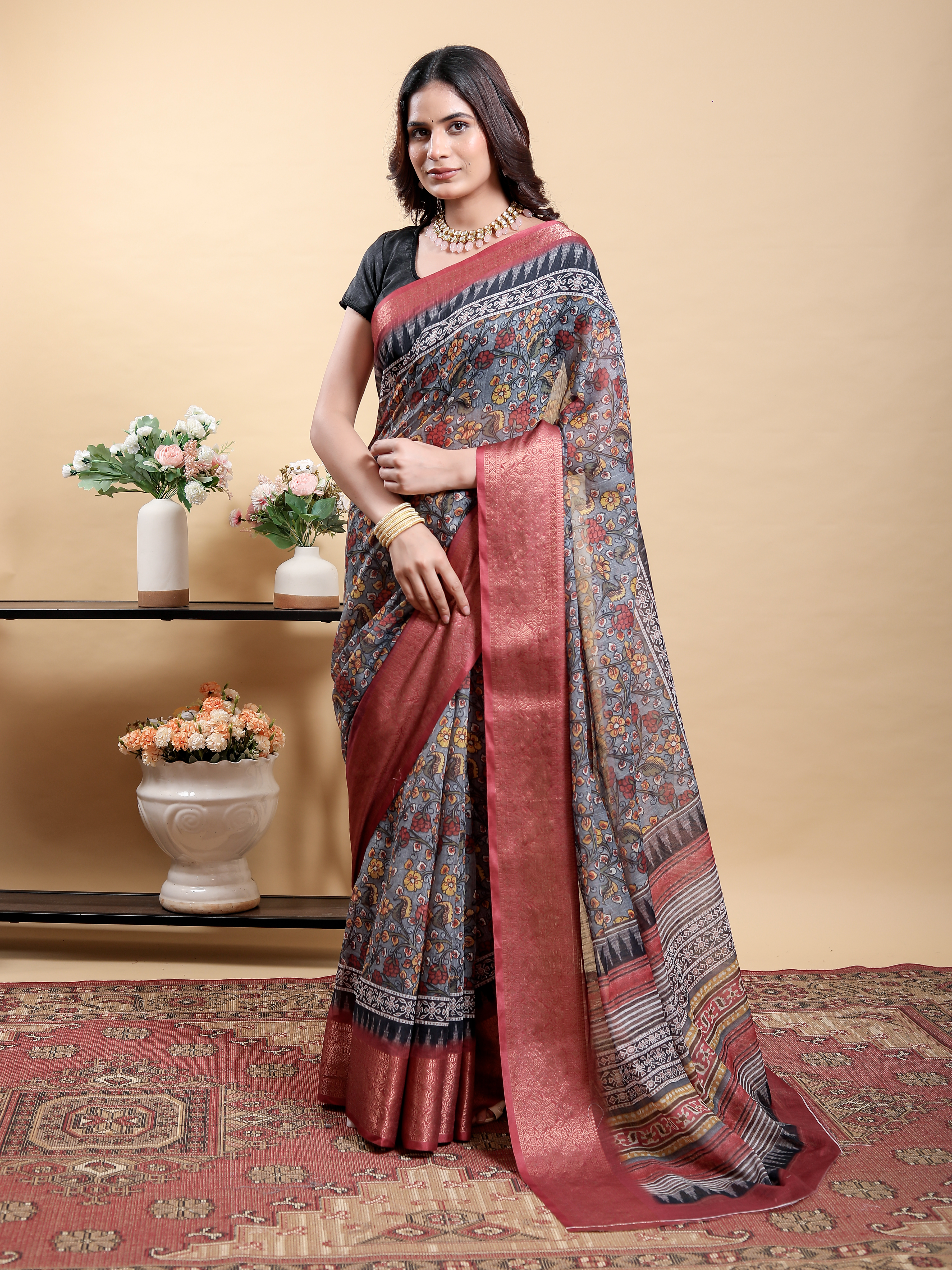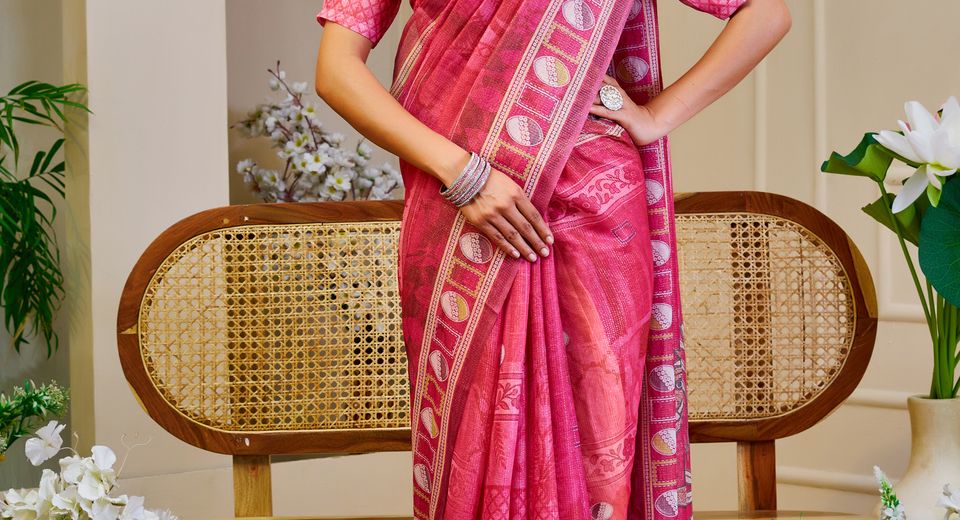
A Handwoven Stole as an Alternative to a Full Dupatta gives an ethnic outfit a lighter layer without removing the visual details that make Indian dressing distinctive. A carefully chosen stole can add zari, woven texture, contrast colour or a graceful border to a kurti, suit, gown or saree-inspired ensemble. The practical difference is substantial: a stole generally uses less fabric, occupies less space and requires fewer adjustments than a full dupatta.
The choice works particularly well for office gatherings, travel, festive lunches and events where you need to move comfortably. The right stole still needs proportion, structure and a suitable weave. Length, width, fibre, border placement and the way the stole is secured all affect whether the finished outfit looks intentional or simply incomplete.
Handwoven Stole as an Alternative to a Full Dupatta: Why the Swap Works
A handwoven stole can replace a full dupatta when comfort, controlled volume and ease of movement matter more than generous coverage. A full dupatta may measure roughly 2.25 to 2.5 metres in length and 0.9 to 1.15 metres in width, while many stoles are narrower and easier to keep over one shoulder or around the neck.
The reduced width changes the silhouette. A full dupatta creates a broad vertical panel across the torso and can be spread over both shoulders. A stole creates a more defined line, which suits straight kurtis, tailored co-ord sets and minimally embellished salwar suits. Narrower fabric also reduces bulk around the elbows when you're writing, eating or carrying a handbag.
A handwoven stole can preserve the richness associated with traditional textiles through visible slubs, small pattern variations, zari accents and contrasting selvedges. The textile can therefore provide ceremony without the maintenance demands of a heavily embellished dupatta. A stole is also easier to fold into a small handbag or overnight case, making it useful for destination celebrations and work-to-evening dressing.
Coverage remains the main trade-off. A stole won't provide the same front and shoulder coverage as a full dupatta, so the outfit should have a well-finished neckline and a comfortable base layer. For religious visits, formal family functions or personal modesty preferences, a wider dupatta may remain the better choice.
Handwoven Stole as an Alternative to a Full Dupatta: Choosing the Fabric
Cotton, silk blends, Chanderi, Maheshwari-style weaves and light jacquard fabrics make effective handwoven stoles because they balance drape, breathability and visual texture. The best fabric depends on the outfit, season and level of formality rather than on weave name alone.
Cotton for daytime and warm weather
Cotton stoles are the most practical choice for humid weather, commuting and repeated wear. Kanchi cotton with zari can look festive while remaining more breathable than dense silk or synthetic jacquard. A cotton stole also sits securely because its surface usually has more grip than very smooth silk.
The Kanchi Cotton Zari Woven Kurti Set with Classic Dupatta demonstrates how cotton and zari can share a festive vocabulary. If a similar set is worn with a separate handwoven stole, repeat one colour from the kurti or border rather than adding a third dominant shade. Cotton can crease, so fold the stole along the grain and steam it lightly before wearing.
Silk and silk blends for festive dressing
Silk and silk-blend stoles suit evening occasions because they catch light and create a smoother, more fluid drape. Banarasi silk, Paithani-inspired zari work and Dola silk can add formality even when the stole has a simple rectangular shape.
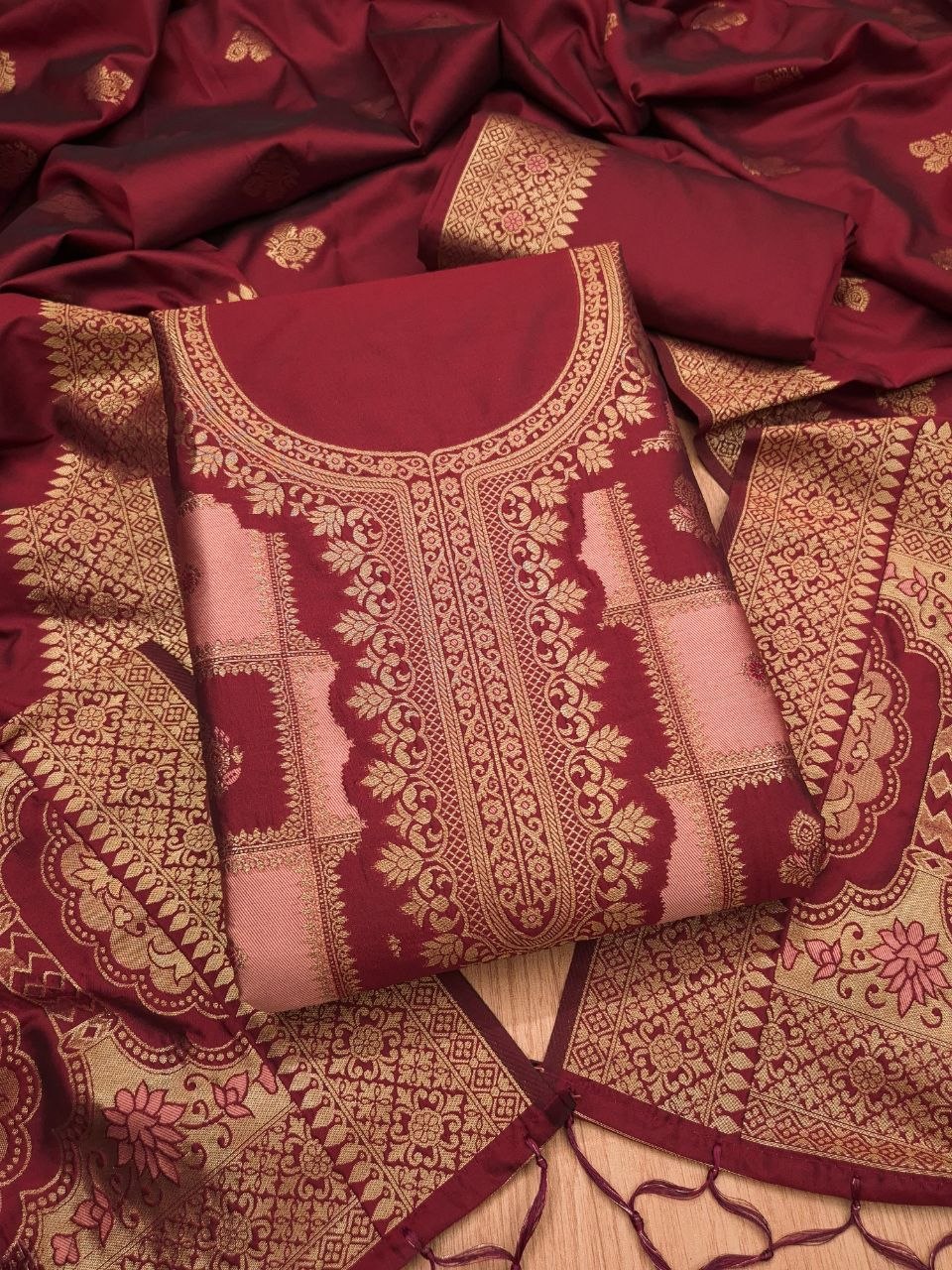
The Maroon Paithani Style Zari Woven Unstitched Suit Material shows how a strong jewel tone and zari vocabulary can carry an outfit visually. A handwoven stole in related maroon, antique gold or muted green can complement such a palette without competing with the woven motif.
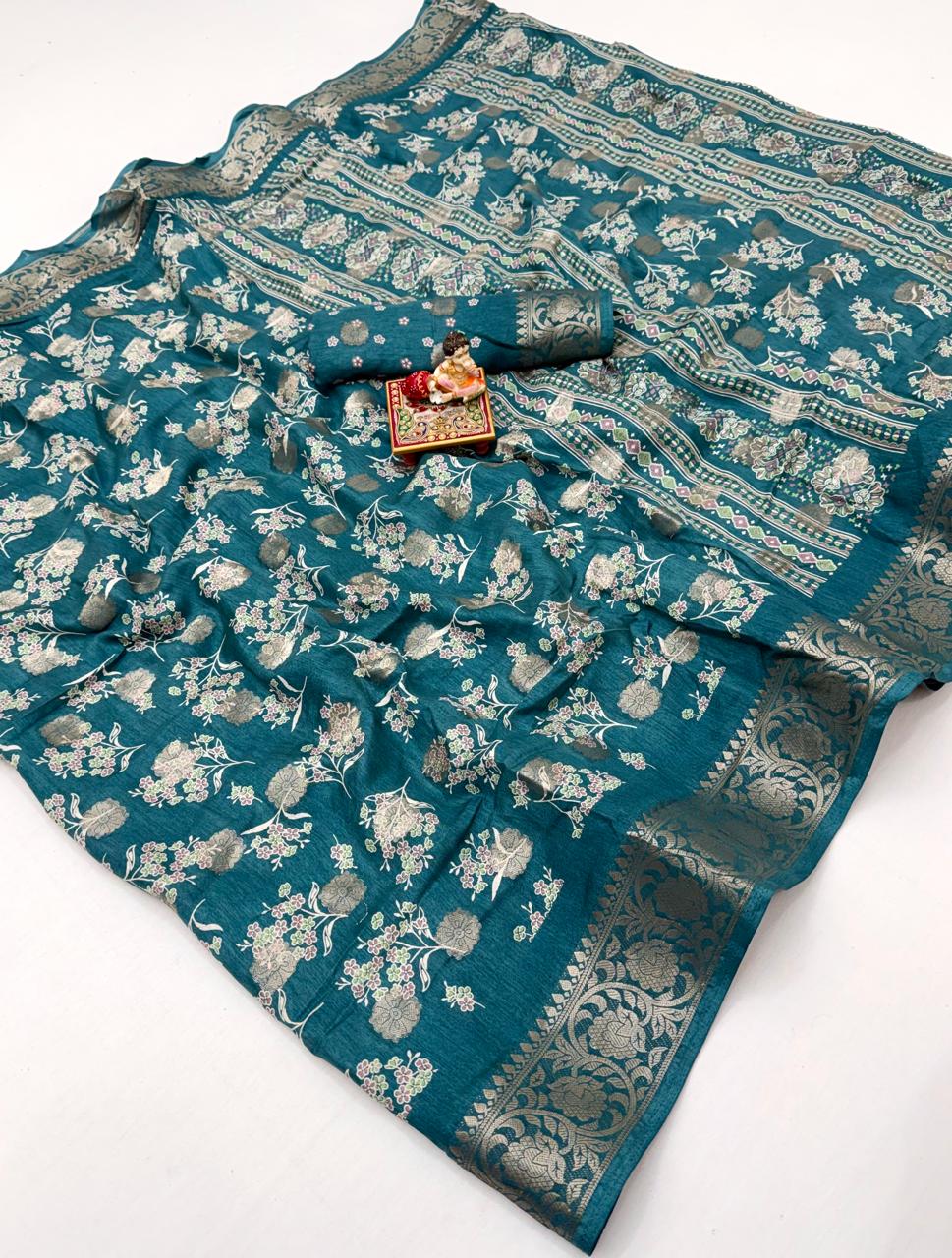
Dola silk has a softer fall and a subtle sheen that works particularly well with a restrained kurti or blouse. The Teal Ethnic Dola Silk Saree With Elegant Jacquard Border illustrates the effect of combining saturated colour with a defined woven border. A stole inspired by that colour relationship can be folded so that the border remains visible instead of disappearing around the neck.
Chanderi and jacquard for structured elegance
Chanderi is suitable when you want translucency, a crisp hand and a refined daytime finish. A light Chanderi stole can soften a solid-colour kurti without adding heavy weight. Jacquard is more structured and often displays motifs on the surface itself, making it useful when the outfit has minimal embroidery.
The vichitra Jacquard Woven Gown Dupatta Set and Kanchi Cotton Jacquard Woven Kurti Dupatta Set show two ways woven pattern can create visual interest. A stole paired with a jacquard outfit should usually be quieter in motif or colour; matching a busy jacquard against another dense pattern can make the neckline and upper body look crowded.
Handwoven Stole as an Alternative to a Full Dupatta: Matching Colour and Texture
Match a handwoven stole to the outfit by repeating one existing colour, balancing the fabric weight and choosing a border that supports the garment's proportions. Exact colour matching is less important than creating a deliberate relationship between the stole and the main outfit.

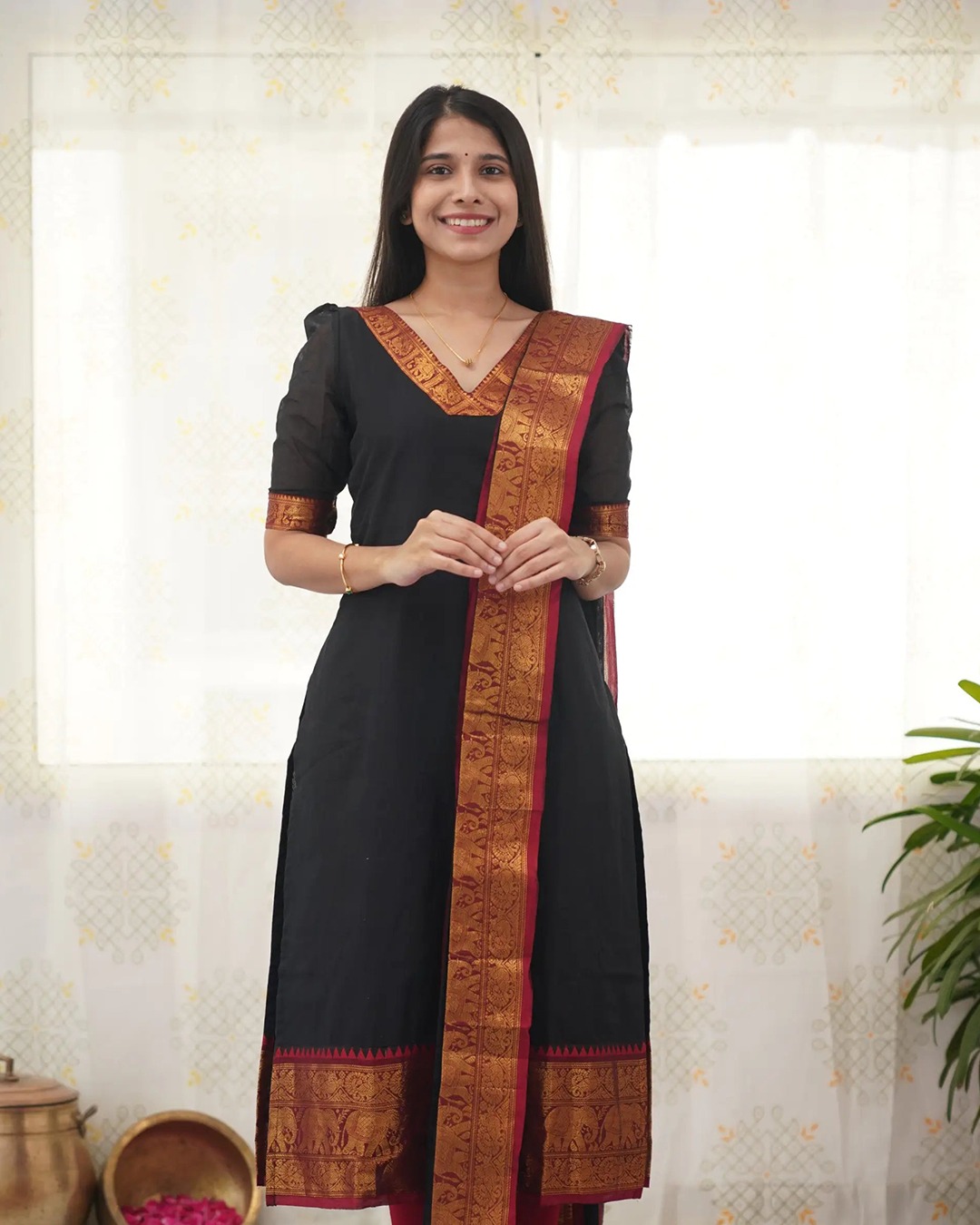
For a black kurti, antique gold, rust, emerald or ivory can provide contrast while retaining a heritage mood. The Black Heritage Weave Kurti Dupatta Set offers an useful styling reference: a black base allows woven heritage detail to become the focus. A narrow stole can be worn over one shoulder with the border facing outward, creating a clean vertical accent.
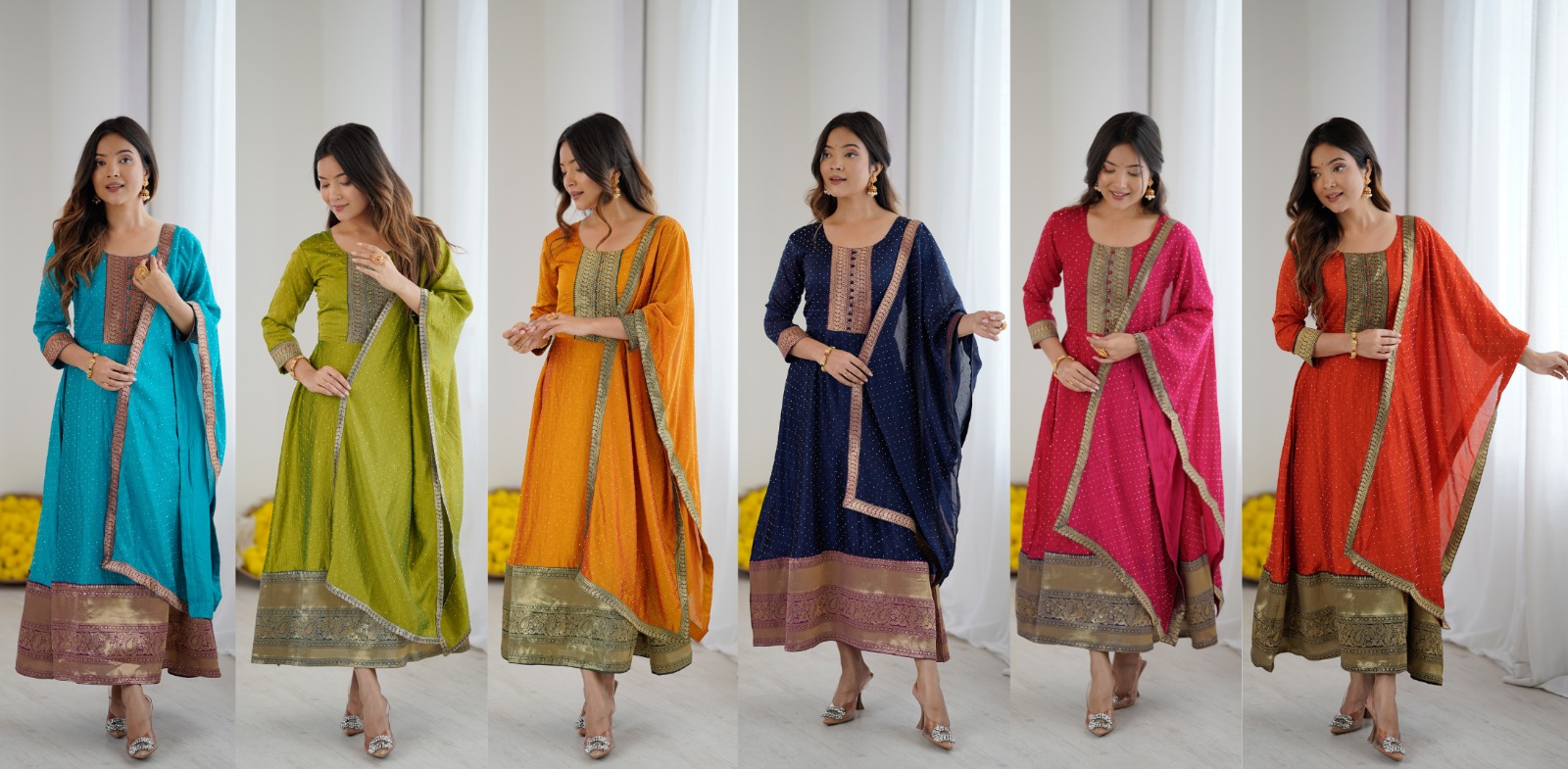
Maroon works with antique gold, copper, dull mustard, forest green and dusty pink. The Maroon Heritage Weave Kurti Dupatta Set and Maroon Ethnic Weave Kurti Set with Elegant Dupatta both suggest how a deep red family can support woven detail without requiring excessive jewellery. With maroon clothing, choose one metallic family for the stole and accessories; mixing bright silver, yellow gold and rose gold can make the look less cohesive.
For a printed kurti, select a stole that repeats the smallest or least dominant print colour. For an embroidered kurti, select a stole with a quieter surface and allow the embroidery to remain the focal point. For a plain kurti, a zari border, jacquard motif or contrasting selvedge can supply the detail that a full dupatta would normally provide.
Fabric weight should also match. A dense Banarasi silk stole can overwhelm a thin rayon kurti, while a very light cotton stole may look underdressed beside a heavily embellished anarkali. A practical rule is to pair soft with soft, structured with structured, and use one contrasting element at a time.
Handwoven Stole as an Alternative to a Full Dupatta: Draping Methods
The most versatile drape is a single-shoulder fall with the two ends kept at different lengths, because the arrangement shows the weave while maintaining a slim vertical line. Place the centre of the stole behind the neck or slightly to one side, let one end fall near the hip and bring the other end across the front before securing it at the opposite shoulder.
Single-shoulder drape
A single-shoulder drape suits straight kurtis, cigarette pants and palazzo suits. Keep the front end long enough to reach the upper thigh or knee, depending on your height and the stole length. A small brooch or concealed safety pin can prevent slippage, but place the pin through a seam allowance or border rather than through a delicate zari motif.
Neck loop for travel and daily wear
A loose neck loop provides the most secure drape for commuting and travel. Fold the stole lengthwise once, place it around the neck and pass both ends through the fold. Avoid tightening the loop; a relaxed opening preserves the fabric's drape and prevents pressure at the neckline.
Two-shoulder frame
A two-shoulder frame gives the closest visual substitute for a dupatta while using less fabric. Place the stole evenly across the back of the neck, allow both ends to fall in front and pin each side near the shoulder seam. This method works best with a stole that's at least 65 to 75 centimetres wide and has a defined border.
Waist-secured drape
A waist-secured drape is useful with a long kurti or gown when you want to show the waistline and keep the ends controlled. Fold the stole lengthwise, bring it around the back and secure it with a slim belt or a hidden pin at the side seam. Do not use this method on fragile zari without testing the fastening first.
Handwoven Stole as an Alternative to a Full Dupatta: Styling by Occasion
A handwoven stole works for casual, professional and festive settings when the weave, colour and amount of ornamentation match the event. The same rectangular textile can look informal with cotton separates or ceremonial with silk, zari and jewellery.
For an office celebration, choose cotton, Chanderi or restrained jacquard in navy, ivory, black, muted teal or maroon. Pair the stole with straight trousers or a clean palazzo silhouette and keep jewellery small. A narrow border worn vertically creates polish without the volume of a full dupatta.
For a Haldi ceremony, breathable cotton is usually more comfortable than heavy silk because turmeric ceremonies involve movement, sitting on the floor and possible staining. Choose mustard, marigold, coral, leaf green or pink, and avoid wearing an expensive zari stole if the fabric may come into direct contact with turmeric paste. A washable cotton stole can be kept as a practical second layer.
For a daytime family gathering, Chanderi or cotton zari brings enough occasion detail without looking too formal. Pair the stole with jhumkas, flat sandals and a compact shoulder bag. A low-contrast border looks polished in natural light and doesn't compete with floral prints or mirror work.
For an evening reception, choose silk, silk blend or a rich jacquard with zari. Keep the drape controlled and let one visible border provide the main accent. A small clutch and one substantial accessory usually create a more balanced finish than several competing metallic details.
For travel, select a crease-tolerant cotton or cotton-silk blend measuring approximately 70 to 90 centimetres in width. Roll the stole rather than folding it tightly, place it in a breathable fabric pouch and carry one safety pin with a smooth head. A light stole can serve as an extra shoulder layer in air-conditioned venues.
Handwoven Stole as an Alternative to a Full Dupatta: Care and Buying Checks
Check fibre content, finished measurements, border construction and care instructions before buying a handwoven stole. These details predict comfort and durability more reliably than a product photograph alone.
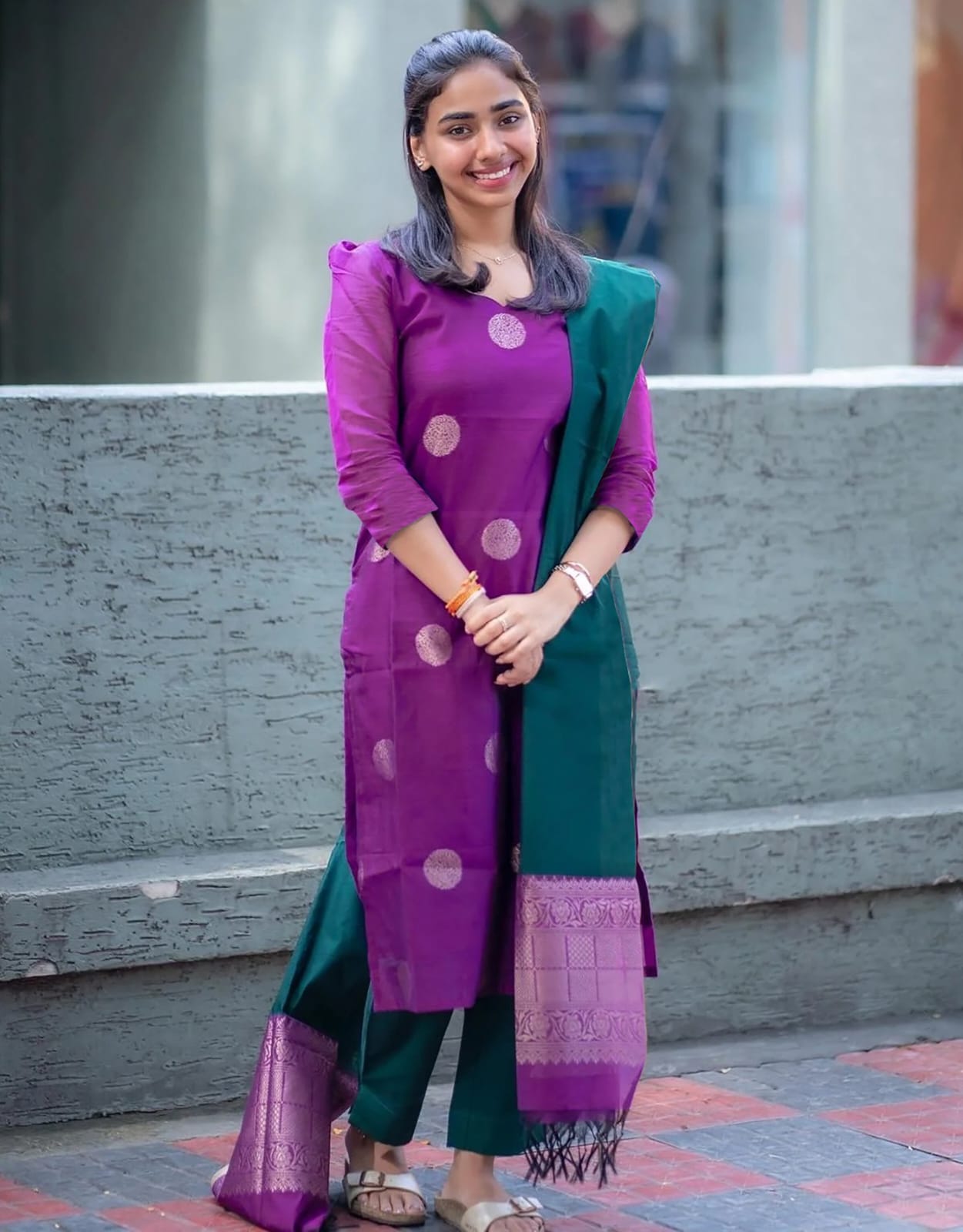
Measure the stole against your height and intended drape. A length of 1.8 to 2 metres suits an one-shoulder or neck-loop style for many adults, while a shorter stole may work better as a compact scarf. A width of 60 to 75 centimetres brings useful coverage without reproducing the bulk of a full dupatta.
Inspect both edges for a secure selvedge or neatly finished hem. Loose zari threads, uneven tassels and pulled supplementary-weft motifs can worsen with repeated pinning. Slight irregularities in a handwoven surface are normal, but open seams and unstable borders indicate construction problems rather than handmade character.
Wash cotton separately in cool water with a mild detergent during the first few washes because excess dye can transfer. Dry cotton and Chanderi away from direct, harsh sunlight. Dry-clean silk, zari-heavy fabric and delicate jacquard unless the care label specifically permits gentle hand washing.
Store a zari stole flat or rolled in unbleached muslin rather than sealed plastic. Refold stored textiles every few months to prevent permanent crease lines, and keep neem leaves or a cedar sachet nearby without allowing either to touch the fabric directly. Never iron zari at a high temperature; place a cotton pressing cloth between the iron and the textile.
The Kanchi Cotton Jacquard Woven Kurti Dupatta Set and Black Heritage Weave Kurti Dupatta Set also underline an important buying principle: woven detail can provide enough finish that the accessory doesn't need excessive decoration. Choosing a well-proportioned stole is often more effective than adding multiple layers.
Handwoven Stole as an Alternative to a Full Dupatta: Making the Final Choice
Choose a handwoven stole when you want easier movement, less fabric around the arms and a focused display of colour or weave. Choose a full dupatta when you need broader coverage, a time-honoured two-shoulder silhouette or a more generous drape for a formal ceremony.
Before dressing, ask three practical questions: Does the stole provide the coverage you need, does its weight suit the garment, and can the chosen drape stay secure for several hours? A positive answer to all three usually produces a comfortable and intentional outfit.
The most successful styling doesn't treat the stole as a reduced version of a dupatta. The most successful styling uses the stole's narrower proportions, visible border and easier handling as deliberate design features. That approach makes handwoven texture relevant to contemporary ethnic wardrobes while respecting the craft and visual language of Indian textiles.
Common Questions About Choosing a Handwoven Stole Instead of a Dupatta
Can a handwoven stole replace a dupatta with a salwar suit?
Yes, a handwoven stole can replace a dupatta with a salwar suit when the outfit provides sufficient neckline and torso coverage. Choose a stole that complements the suit's fabric weight and use a shoulder pin or two-shoulder frame when you need a secure drape.
What is the best stole size for replacing a full dupatta?
A stole measuring about 1.8 to 2 metres long and 60 to 75 centimetres wide works for many single-shoulder, neck-loop and two-shoulder drapes. Taller wearers or people seeking more front coverage may prefer a longer or wider stole.
Which fabric is best for a handwoven stole in summer?
Cotton and light Chanderi are usually the best summer choices because they breathe better than dense silk and jacquard. Cotton zari can provide festive detail while remaining practical for daytime wear.
How do you stop a silk or zari stole from slipping?
Secure a silk or zari stole with a concealed pin placed near the shoulder seam, a small brooch or a carefully positioned belt. Avoid piercing prominent zari motifs and test the fastening on an inconspicuous section first.
Can a handwoven stole be worn with a saree?
Yes, a handwoven stole can be worn with a saree when the colours and fabric weights work together. Use the stole as a narrow shoulder layer or let one bordered end fall vertically, but avoid combining two heavily patterned textiles unless one has a noticeably quieter surface.
How should a handwoven stole with zari be washed?
A zari-heavy handwoven stole should generally be dry-cleaned unless its care label permits gentle hand washing. Store the stole rolled or flat in breathable muslin, keep it away from direct sunlight and use low heat with a pressing cloth if ironing is permitted.