Guwahati Bihu Shopping Without Treating All Silk as Muga starts with one important distinction: Muga names a particular Assamese silk fibre, not every saree with a golden sheen or a silk label. A Bihu shopper who separates Muga, Eri, Pat, Tussar, viscose and cotton blends can compare prices more fairly, choose a comfortable drape for April weather and ask better questions in a store or online.
Rongali Bihu brings festive buying into busy markets, boutiques and digital catalogues across Guwahati. The rush to buy quickly can make familiar words blur together. A saree described as "silk," "Muga-inspired" or "golden silk" may be attractive and entirely suitable for a celebration, but those descriptions don't automatically confirm that the saree is woven from pure Muga silk.
Guwahati Bihu Shopping Without Treating All Silk as Muga: what should you identify first?
Identify the fibre content, weave, place of manufacture, border or pallu technique and care instructions before comparing a Bihu saree's price. A product name alone can't establish whether a saree is pure Muga silk.
Muga silk comes from the Antheraea assamensis silkworm, traditionally associated with Assam. The fibre is known for a naturally warm, lustrous appearance that can become richer with use and careful handling. Genuine Muga silk is valuable because the raw material, rearing conditions, yarn preparation and weaving process all affect cost.
Eri silk, also called Endi or Errandi silk, has a softer and often slightly textured hand. Eri silk is widely associated with Assam and other parts of Northeast India. Pat silk generally refers to smooth, bright white or pale silk traditionally used in Assamese textiles. Tussar silk comes from a different group of silkworms and usually has a more irregular texture and earthy surface than Pat silk.
Viscose silk, art silk and polyester silk are manufactured fibres designed to imitate the appearance or fall of silk. Cotton is a plant fibre, even when a saree title pairs the word "cotton" with Muga to describe a blend, contrast or design direction. The reliable way to settle that question is to read the composition information or ask the seller directly.
Guwahati Bihu Shopping Without Treating All Silk as Muga: how do the fibres differ?
Muga silk differs from other Assamese and silk-look fabrics through its specific silkworm origin, naturally golden lustre, distinctive fibre character and higher material value. Colour, shine and a zari border alone can't prove Muga content.
Muga, Eri and Pat silk
Muga silk usually has a warm golden tone, but the finished colour can change through dyeing, blending or finishing. Eri silk tends to feel softer and more wool-like, making it appealing for relaxed drapes and cooler months. Pat silk is smoother and more reflective, with a clean surface that suits crisp traditional sarees.
These categories can overlap in a shopper's visual impression, especially under bright boutique lighting. A yellow-gold Pat saree may look more "Muga" than a naturally pale Muga saree with a restrained finish. Touch can offer clues, but touch isn't a laboratory test and should not replace a composition label.
Tussar, viscose and cotton blends
Tussar silk often shows slubs, a gently uneven texture and a muted, organic sheen. Those characteristics are normal for Tussar and are not evidence of poor quality. Viscose Gajji silk has a smooth, fluid surface and can reproduce the rich look associated with formal silk sarees at a lower price point, but viscose isn't Muga silk.
A Muga cotton saree title may indicate cotton as the principal body fabric, a cotton-Muga blend or a naming convention that needs clarification. Ask whether Muga appears in the body, border, pallu or yarn blend, and ask for the percentage if a blend is claimed. Fibre content affects price, breathability, durability and care.
Guwahati Bihu Shopping Without Treating All Silk as Muga: which saree suits Rongali Bihu?
A breathable saree with a manageable drape, secure pleats and a festive border usually works well for Rongali Bihu in Guwahati. April can be warm and humid, so weight and air movement matter as much as shine.
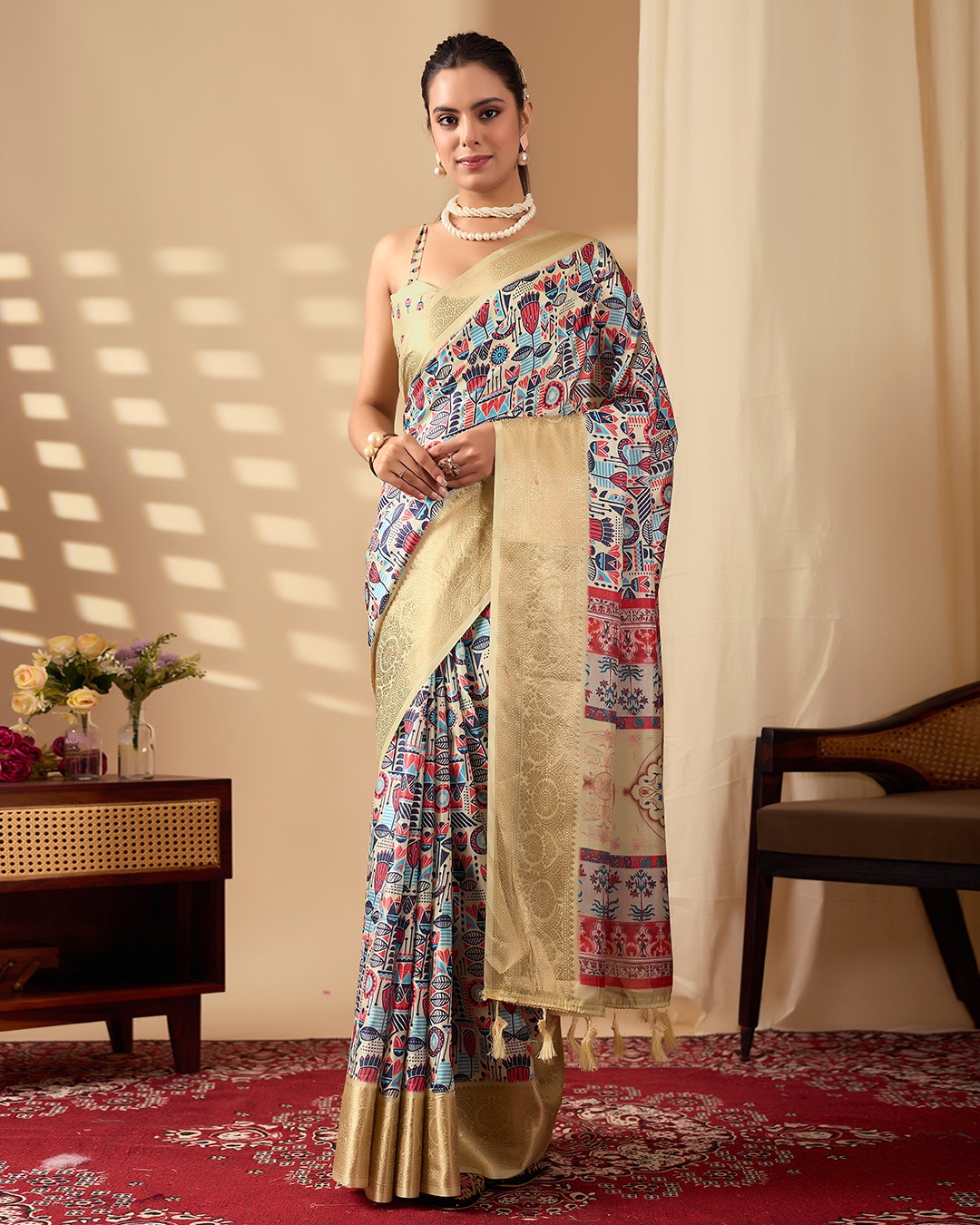
Time-honoured Assamese styling often brings attention to the mekhela sador silhouette, red-and-white colour associations, woven motifs and locally meaningful patterns. A saree can feel appropriate for Bihu when it uses Assamese-inspired colour or motif details without claiming to be a classic Muga textile. The distinction allows you to appreciate design without confusing cultural reference with fibre identity.
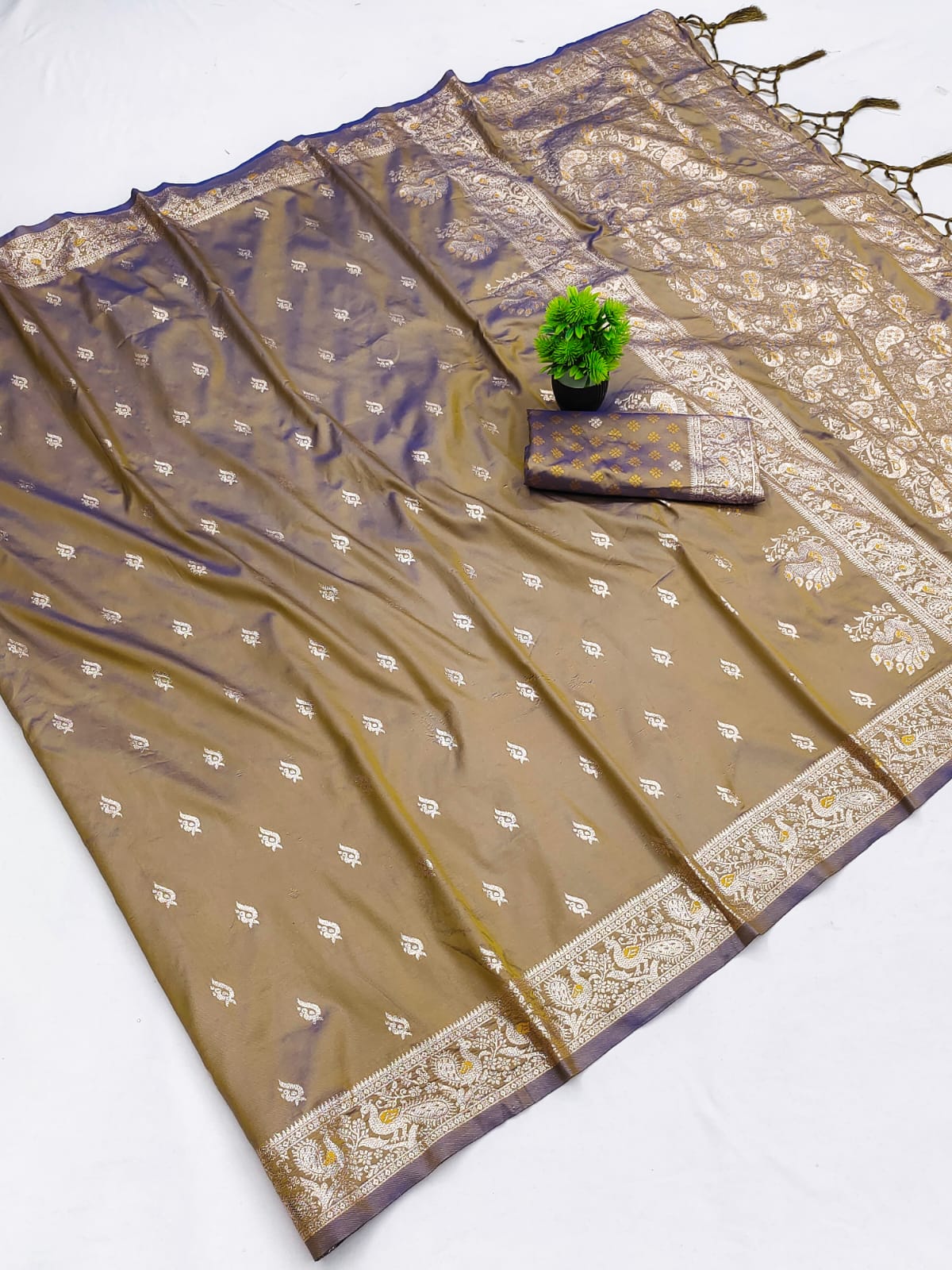
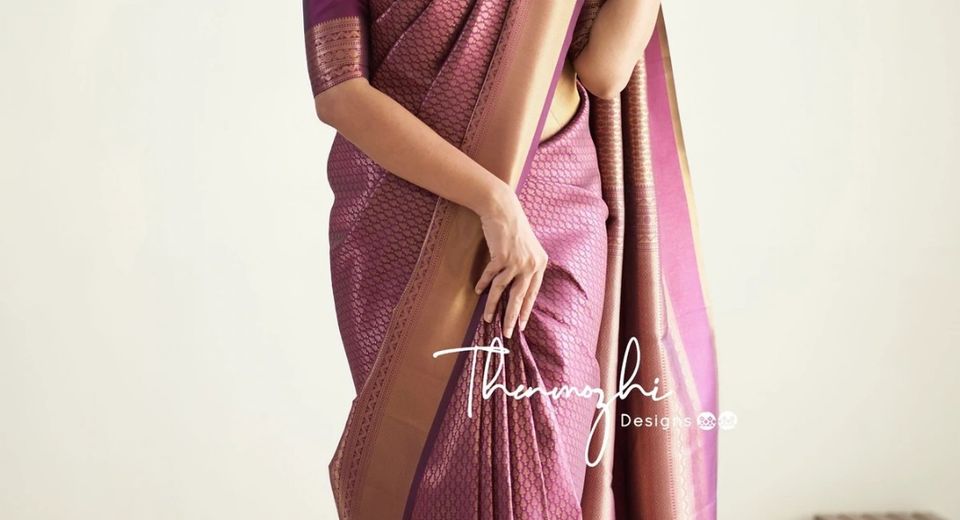
The Blush Peach Muga Cotton Saree with Jamdani Lotus Pallu and Lavender Muga Cotton Saree with Lotus Jamdani Pallu show why the full name deserves attention. "Muga Cotton" raises a composition question, while "Jamdani Lotus Pallu" points to decorative motif treatment on the pallu. Confirm whether the Muga is pure, blended or limited to a particular section.
The Sage Green Muga Cotton Saree with Lotus Jamdani Pallu offers a softer colour direction for daytime Bihu gatherings. Sage green and lavender can photograph well in outdoor light, while cotton content may feel comfortable during extended wear. Comfort still depends on the actual fibre ratio, finishing and weave, so a written description remains important.
A saree with a dense zari border or rich pallu can become warm and heavy during a long afternoon. For a community event, choose a border that stays flat, a pallu that doesn't drag and a blouse fabric that allows shoulder movement. For an evening cultural programme, heavier surface detail can work well because indoor lighting highlights metallic work and the temperature may be more comfortable.
Guwahati Bihu Shopping Without Treating All Silk as Muga: how should you compare prices?
Compare price only after matching fibre content, weave complexity, embellishment, provenance and finishing. Two sarees can look similar on a phone screen while differing significantly in raw material and labour.
Pure Muga silk generally commands a higher price than viscose, polyester or cotton because the fibre is less widely available and requires specialised production. A saree with handwoven Jamdani motifs, hand embroidery or substantial zari may cost more even when the base fabric isn't pure Muga. Conversely, a high price doesn't prove authenticity; documentation and transparent product information still matter.
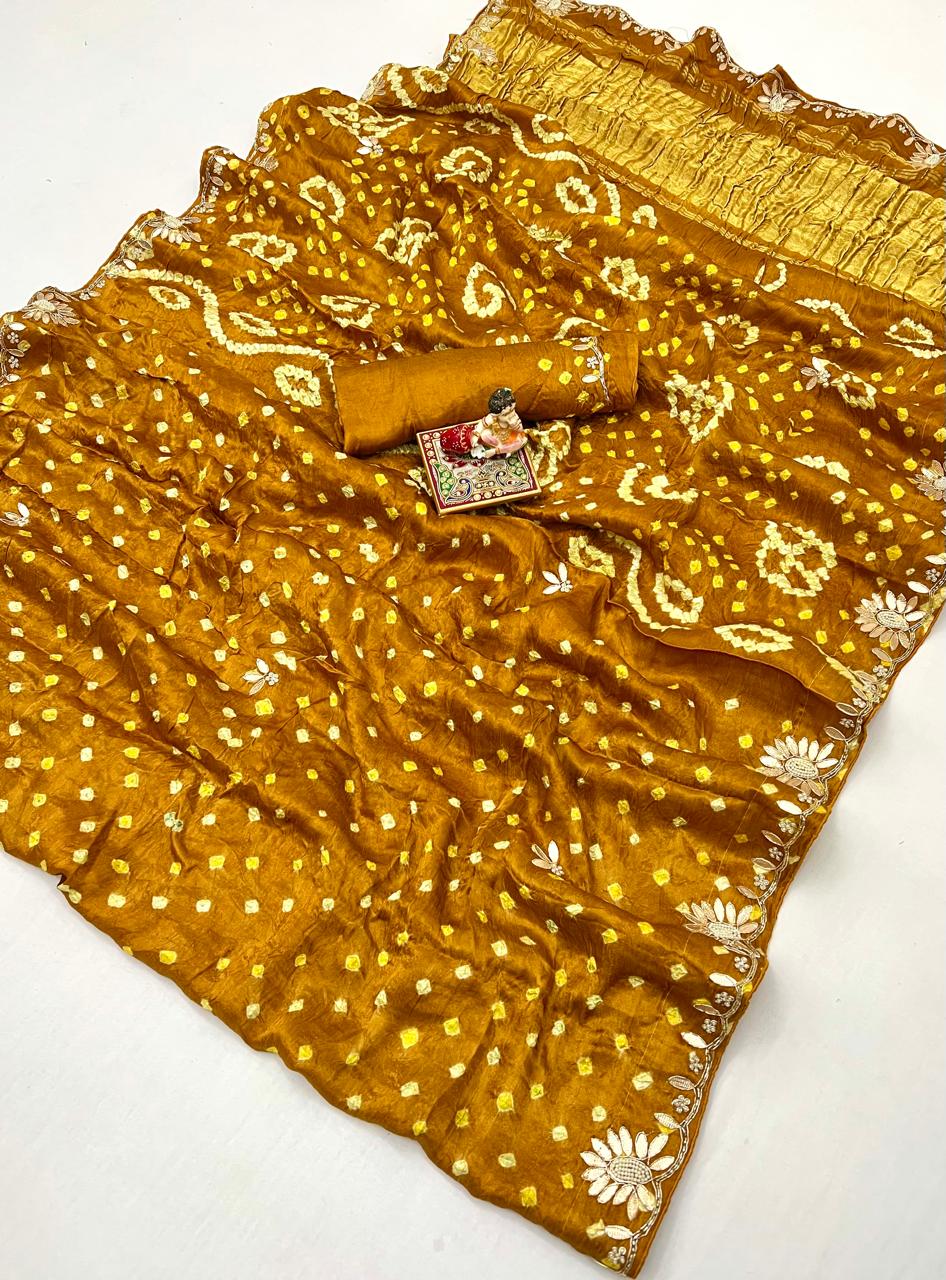
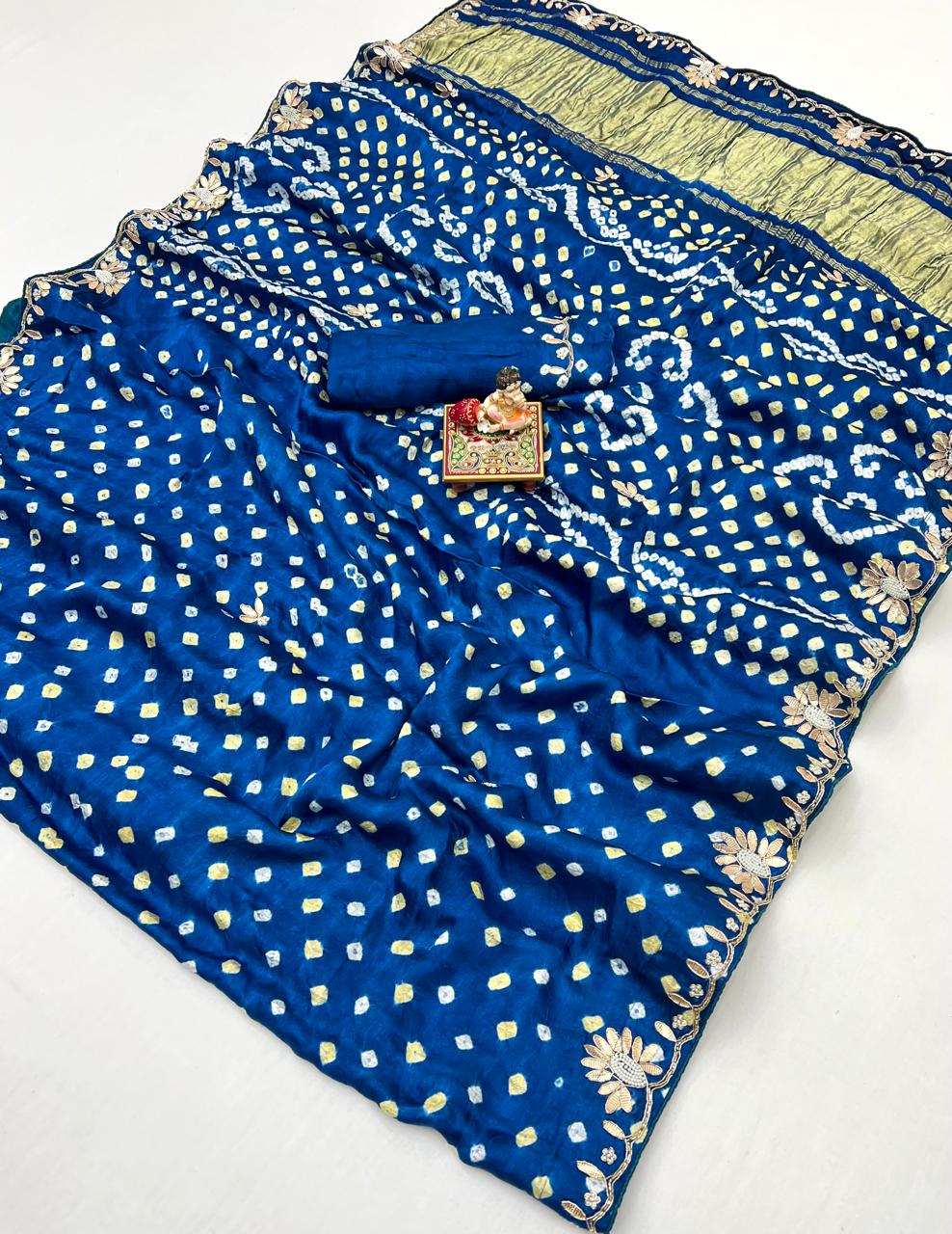
The Mustard Bandhani Viscose Gajji Silk Saree with Handwork is an useful example of why naming should be read literally. Viscose Gajji silk can offer a glossy, dressy surface, while handwork adds labour and visual detail. The saree may be a strong festive choice, but "viscose" means it should not be priced or represented as pure Muga silk.
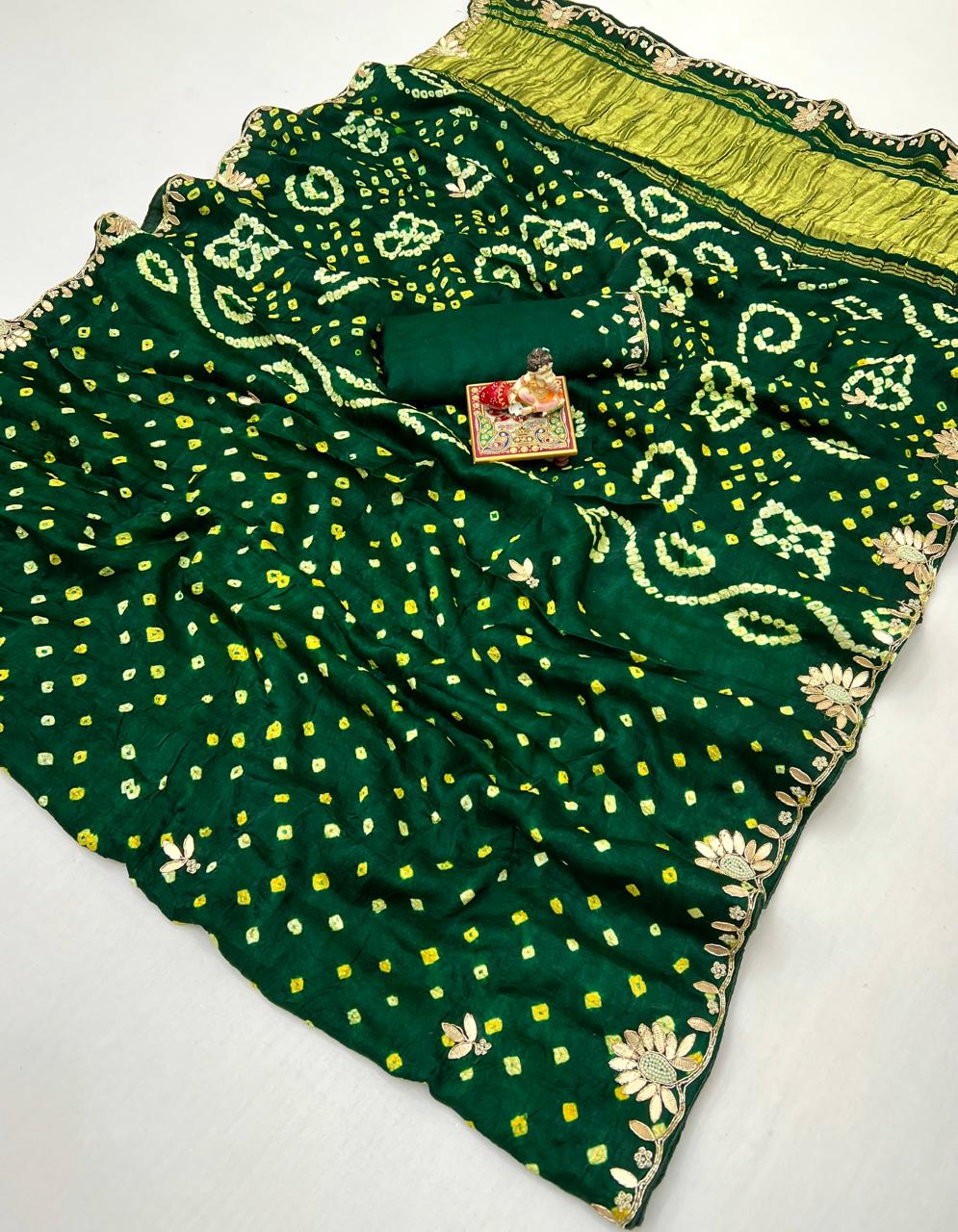
The Blue Bandhani Viscose Gajji Silk Saree with Gota Patti and Green Bandhani Viscose Gajji Silk Saree with Gota Patti use Bandhani and Gota Patti details to create a celebratory effect. Bandhani refers to a resist-dyeing tradition involving tied sections, while Gota Patti uses metallic ribbon or applique work. Neither technique changes viscose into Muga, and both may require specific care to protect their surface decoration.
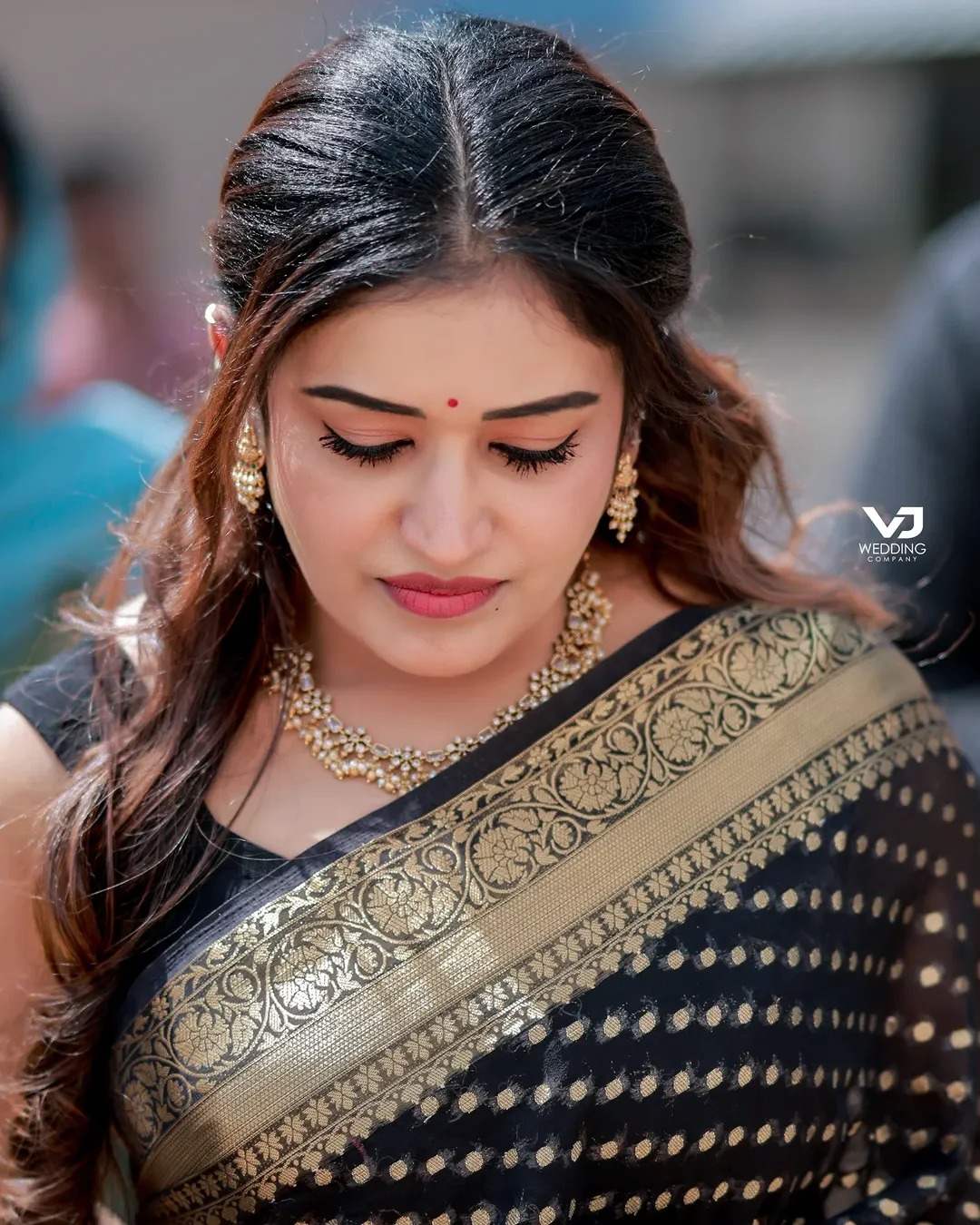
The Black Gold Jacquard Lichi Silk Saree with Rich Pallu demonstrates another naming issue. "Jacquard" describes a weaving method capable of creating raised or patterned designs, while "Lichi silk" may be a trade or market descriptor rather than a guarantee of a particular Assamese silk fibre. Ask for the actual composition before using the word Muga in a price comparison.
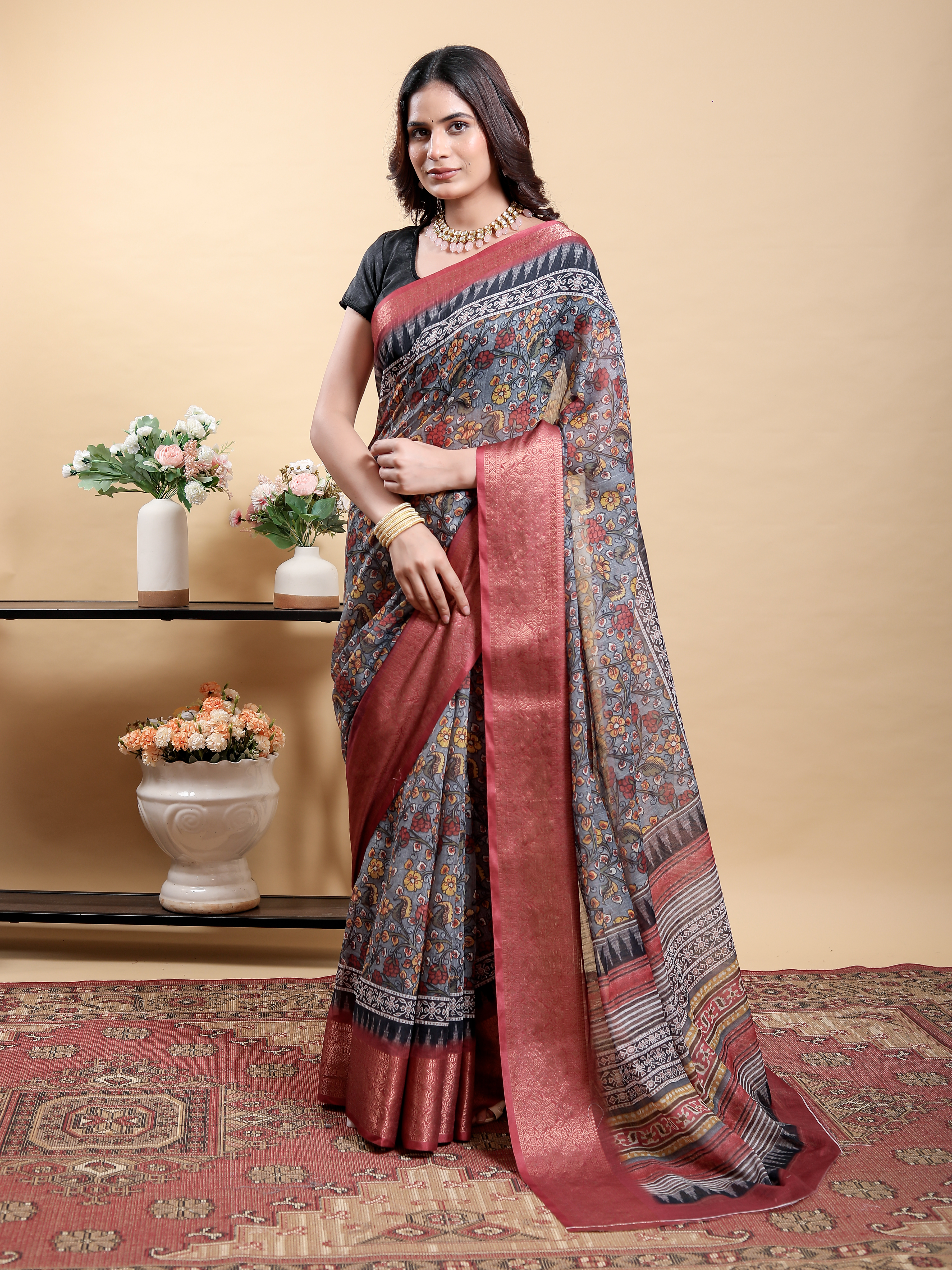
The Green Mughal Print Tussar Silk Saree with Zari Border brings a different combination of texture, print and metallic detail. Tussar silk has its own value and visual identity; it doesn't need to be presented as Muga to be a worthwhile festive saree. A fair comparison should consider the Tussar base, print process, zari content and finishing together.
Guwahati Bihu Shopping Without Treating All Silk as Muga: what should you ask a seller?
Ask about fibre percentage, weaving location, the placement of Muga, production technique and care before paying. Clear answers are more useful than broad claims such as "premium silk" or "heritage finish."
- Composition: Ask whether the saree is pure Muga, a Muga blend, Muga cotton, Eri, Pat, Tussar, viscose or polyester.
- Location: Ask where the yarn was produced and where the saree was woven. A saree inspired by Assamese design isn't necessarily woven in Assam.
- Technique: Clarify whether motifs are handwoven, printed, embroidered, appliqued or machine-made.
- Proof: Request a bill or product description that records the stated fibre content and any handloom or certification claim.
- Care: Ask whether dry cleaning is required and whether zari, Gota Patti, Jamdani work or dye needs special handling.
Online shoppers should enlarge close-up photographs of the border, pallu and reverse side. A detailed listing should state fibre composition, saree length, blouse-piece inclusion, dispatch timeline and care method. A seller who can't clarify whether "Muga" describes the fibre or only the colour and styling should not be treated as a source for a pure-Muga claim.
Guwahati Bihu Shopping Without Treating All Silk as Muga: how do you inspect a saree?
Check the label, surface, measurements, embellishment and return terms before paying. A five-minute inspection can prevent an expensive misunderstanding after the saree reaches home.
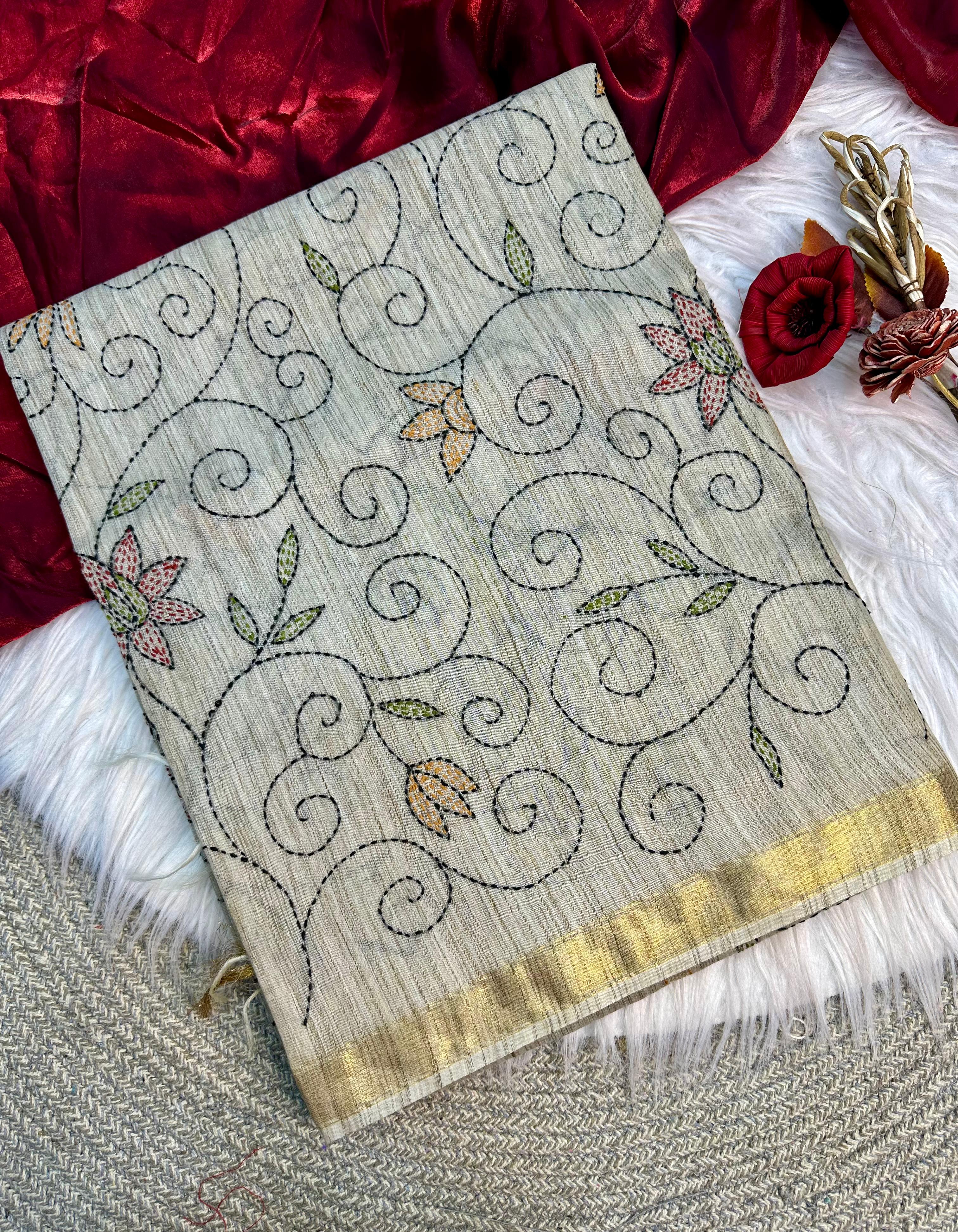
Hold the saree in daylight if possible and look for uneven dye, pulled threads, loose zari and abrupt pattern breaks. A handwoven saree can contain small irregularities that reflect human production, but large snags, unstable borders or missing motifs deserve discussion. Examine the pallu attachment and blouse piece because those areas reveal whether the listed design matches the delivered item.
Measure the saree and blouse piece against the stated dimensions. A standard saree may be approximately 5.3 to 5.5 metres, while a saree with a blouse piece can be longer, but measurements vary by product. Confirm the exact length if you're tall, prefer wider pleats or plan to wear a specific drape.
Check embellishment by gently running a clean hand over the reverse side without pulling threads. Raised zari, Gota Patti and handwork should be secured rather than loosely floating across the fabric. A pallu that feels significantly heavier than the body may need stronger pleating and careful pinning during dancing or movement.
Guwahati Bihu Shopping Without Treating All Silk as Muga: how should you care for the purchase?
Store Muga, Eri, Pat, Tussar and embellished sarees clean, dry, folded in breathable fabric and away from direct sunlight. Care instructions vary by fibre and surface work, so the seller's written guidance should take priority.
Air a saree after wearing it before folding it for storage. Refold silk and silk blends every few months to prevent permanent creases along the same lines. Use a clean muslin or cotton cover instead of airtight plastic for long-term storage, and keep zari away from moisture, perfume and damp wooden shelves.
Dry cleaning is generally safer for pure silk, deep dyes, zari and extensive handwork than repeated home washing. Viscose and cotton blends may have different instructions, but "washable" doesn't mean that hot water, wringing or harsh detergent is safe. Test no home stain-removal method on a valuable saree without professional advice.
For a Bihu wardrobe, the most useful purchase isn't automatically the saree with the brightest gold surface. A correctly described Muga saree can be chosen for its fibre heritage, while Eri, Pat, Tussar, cotton and viscose can be selected honestly for comfort, texture, budget or design. Reading the label carefully makes the shopping decision more informed and protects the value of Assamese textile traditions.
Questions Guwahati Shoppers Ask Before Buying a Bihu Silk Saree
How can I tell whether a saree is really Muga silk?
Check the fibre composition and ask whether Muga is present in the entire body, a blend, the border or only the pallu. Golden colour and shine can suggest Muga but cannot prove it, so a written product description or seller confirmation is essential.
Is a Muga cotton saree the same as a pure Muga silk saree?
No, a Muga cotton saree is not automatically the same as a pure Muga silk saree. The title may describe a cotton-Muga blend or Muga detailing, so ask for the fibre percentage and the part of the saree containing Muga.
Is Eri silk suitable for Rongali Bihu in Guwahati?
Yes, Eri silk can be suitable for Rongali Bihu, particularly when you want a soft, textured and comfortable drape. Eri silk is different from Muga silk, so the distinction should remain clear when comparing composition and price.
Why does a viscose Gajji silk saree cost less than a Muga silk saree?
Viscose Gajji silk is a manufactured fibre, while Muga silk comes from the Assam silkworm Antheraea assamensis. Raw material availability, rearing, yarn preparation and weaving generally make pure Muga more expensive, although embellishment and workmanship also affect the final price.
Can I wear a Tussar silk saree for Bihu celebrations?
Yes, Tussar silk is an appropriate festive choice when its earthy texture and natural slubs suit your style. Tussar is not Muga, but it can offer a breathable, distinctive and dressy alternative when paired with a suitable blouse and accessories.
How should I store a zari saree after Bihu?
Air the saree before storage, fold it along different lines every few months and keep it in breathable muslin away from moisture, perfume and direct sunlight. Dry cleaning is usually safer for extensive zari or handwork than repeated washing at home.