

Getting Kurti Length and Proportions Right With Palazzos can change the entire impression of a salwar suit. A kurti that ends at the widest part of the calf may shorten the legs, while a hem that stops several centimetres above the knee can make a voluminous palazzo look disconnected. The most reliable approach is to compare the kurti hem, palazzo width, waist position and footwear as one outfit instead of judging each garment separately.
Palazzos create a broad, fluid lower silhouette. The kurti therefore needs a deliberate relationship with that volume: a shorter hem exposes more of the leg and gives a contemporary look, while a mid-thigh or knee hem keeps the outfit easy to move in. A longer straight kurti creates a column over wider trousers. Small changes of 5 to 8 centimetres can make a noticeable difference, particularly for petite wearers or very wide palazzos.
Getting Kurti Length and Proportions Right With Palazzos Starts With the Silhouette
Kurti and palazzo proportions matter because two loose garments can visually merge into one wide shape when their lengths and volumes are not balanced. A well-proportioned outfit creates a clear vertical line from shoulder to hem while allowing the palazzo fabric to move underneath.
The key measurements are kurti length, palazzo rise, trouser width, side opening and footwear height. A kurti that finishes above the widest section of the hip generally leaves more definition around the waist and hip. A kurti that falls below the hip creates more coverage, but the garment should either taper gently or maintain a clean straight line so that the body doesn't appear surrounded by unstructured fabric.
Print scale affects proportion as well. A small floral print, such as the pattern on the Peach Printed Cotton Kurti Pant Set for Women Casual, keeps a relaxed, readable surface. Large contrast motifs can make a short, wide silhouette appear visually busier. Embroidery concentrated around the neckline or upper chest draws the eye upwards and can support a longer kurti without making the outfit feel heavy.
Fabric weight changes the result too. Chiffon and lightweight blends fall close to the body, whereas silk and heavier cotton hold their shape. A fluid palazzo can support a longer kurti because the combined silhouette remains narrow in movement. A stiff, very wide palazzo usually looks more balanced with a shorter or straight-cut kurti.
Getting Kurti Length and Proportions Right With Palazzos Requires Three Useful Length Ranges
The most useful kurti length ranges with palazzos are 28 to 34 inches for a short contemporary look, 36 to 42 inches for a versatile mid-length look, and 44 to 48 inches for a longer straight silhouette.
Short kurtis from 28 to 34 inches
A 28- to 34-inch kurti usually ends around the upper thigh to mid-thigh on an average-height adult. This length works well with high-waisted palazzos because the trouser waistband sits close to the natural waist and the shorter top preserves leg length. A short kurti is especially useful when the palazzo has a dramatic flare, because the exposed space between the hem and shoe prevents the lower half from looking like one uninterrupted block of fabric.
The short format needs a stable waistband and a neat side seam. A hem that rises above the fullest part of the hip may feel restrictive when sitting, so compare the garment hip measurement with your own body measurement and allow at least 5 to 8 centimetres of ease for comfortable movement.
Mid-length kurtis from 36 to 42 inches
A 36- to 42-inch kurti is the most adaptable length for everyday palazzo sets because it offers coverage without hiding the trouser shape completely. The hem commonly falls around the knee or just below it, depending on height. This range suits straight, moderately flared and printed palazzos and works with flats, juttis and low block heels.
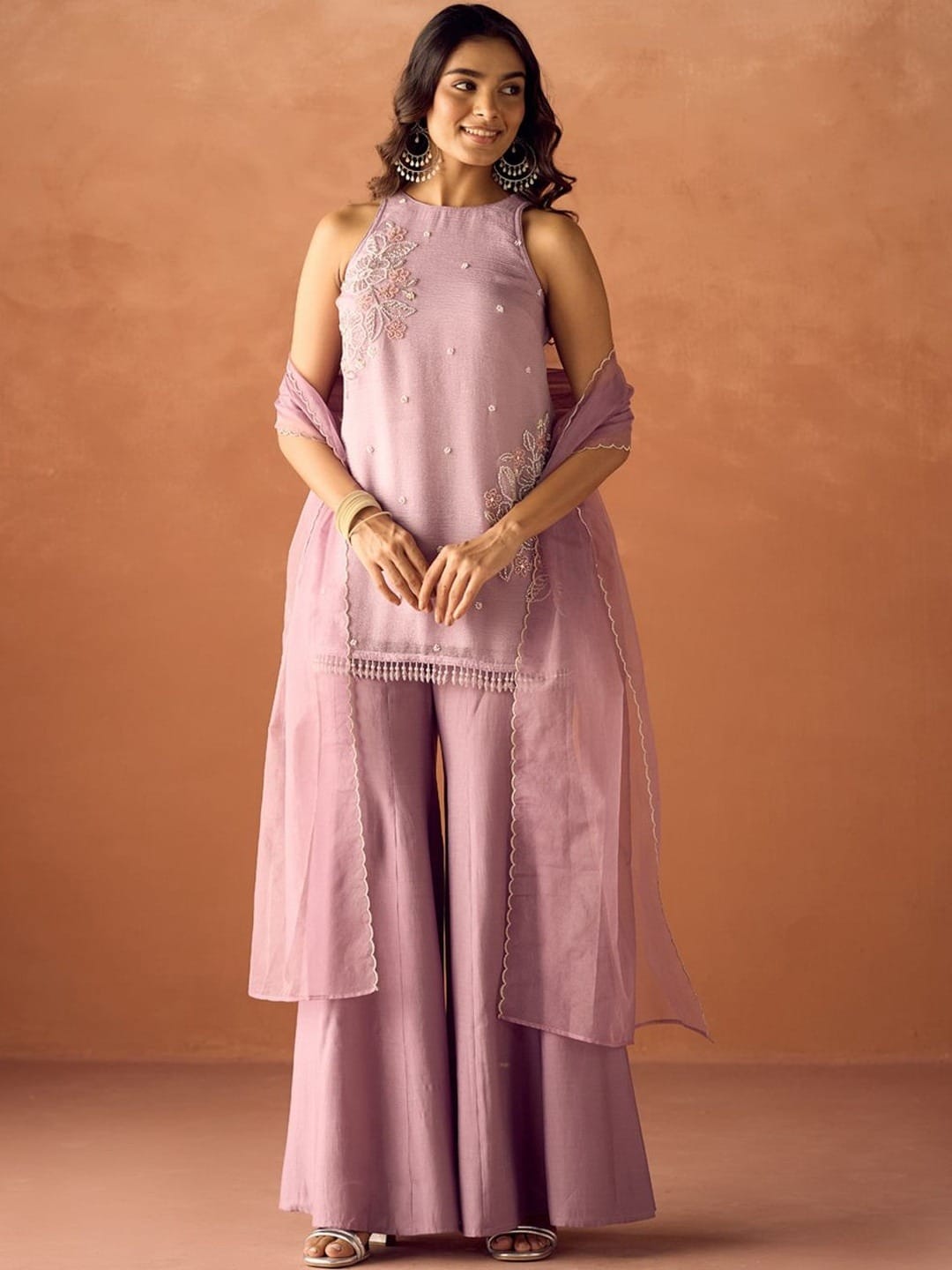
The Mauve Crunchy Silk Embroidered Kurti Palazzo Set for Women benefits from a measured mid-length approach. Silk embroidery already adds visual detail, so keeping the hem clean and the accessories controlled helps the silhouette remain legible rather than crowded.
Long kurtis from 44 to 48 inches
A 44- to 48-inch kurti usually falls below the knee and may approach the calf on shorter wearers. This length works best with straight or gently flared palazzos, side slits and a relatively uncluttered front. The long line can make the body appear taller when the kurti and palazzo share a similar colour family.
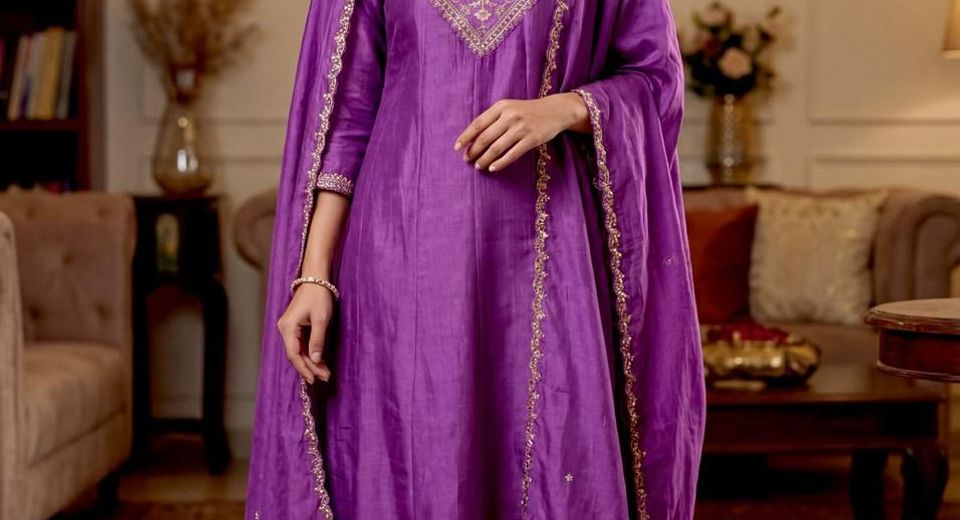
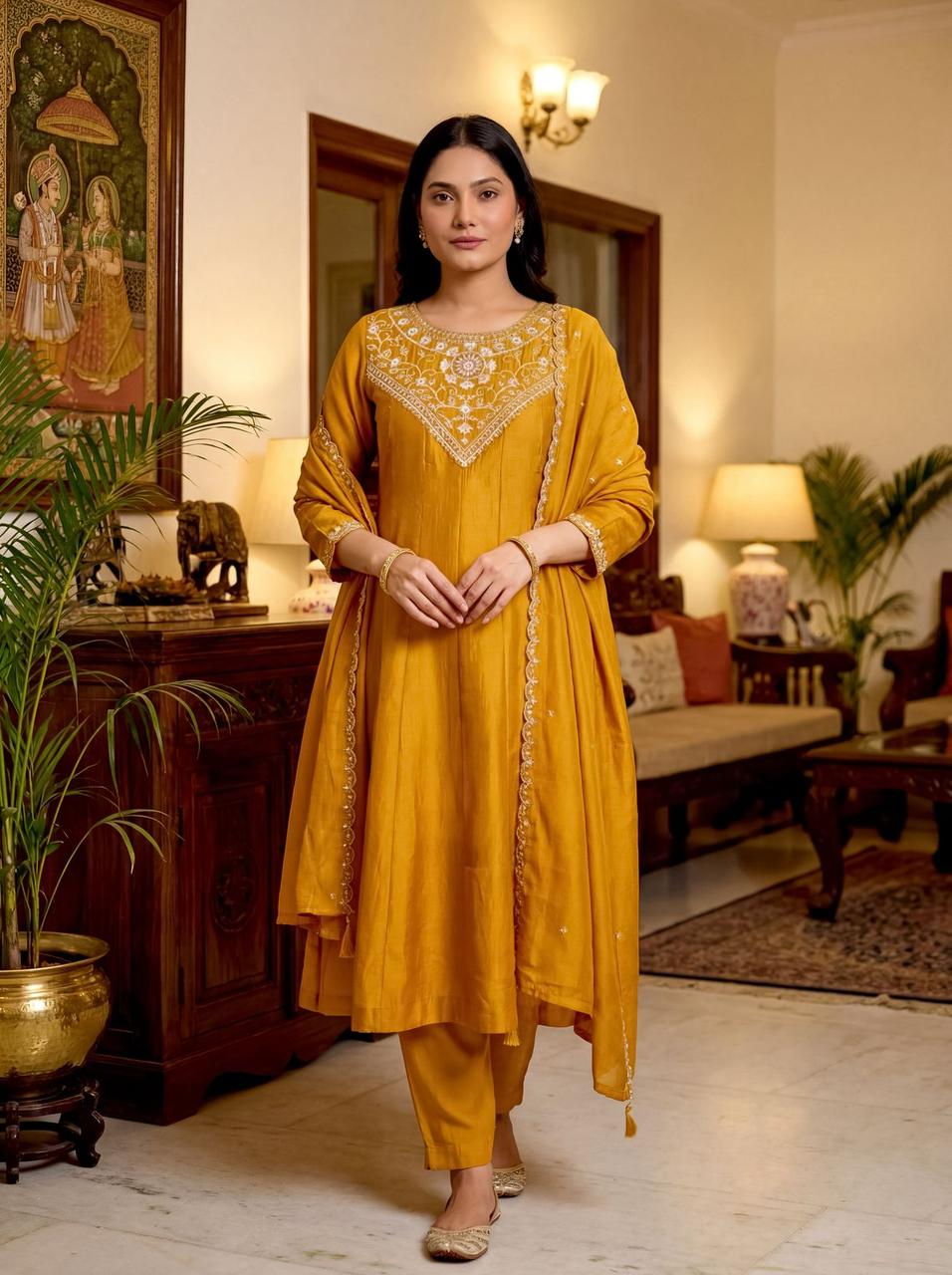
A long kurti should not finish exactly at the widest part of the calf unless the look is intentionally dramatic. A hem ending 5 to 7 centimetres above the ankle or around the lower calf often creates a cleaner break. The Purple Silk Embroidered Kurti Palazzo Dupatta Set and Mustard Silk Embroidered Kurti Palazzo Dupatta Set can both support longer hems when the side opening reveals enough of the palazzo movement.
Getting Kurti Length and Proportions Right With Palazzos Depends on Palazzo Width
Palazzo width should guide kurti length: the wider the trouser leg, the more carefully the kurti hem must establish a visible break or a controlled vertical line.
A narrow palazzo with a leg width of approximately 25 to 30 centimetres can support almost any kurti length because it behaves similarly to a relaxed straight trouser. A medium palazzo measuring roughly 30 to 38 centimetres at the hem pairs especially well with a knee-length or mid-thigh kurti. A very wide palazzo measuring more than 38 centimetres at the hem often looks sharper with a shorter kurti or a long straight kurti with side slits.
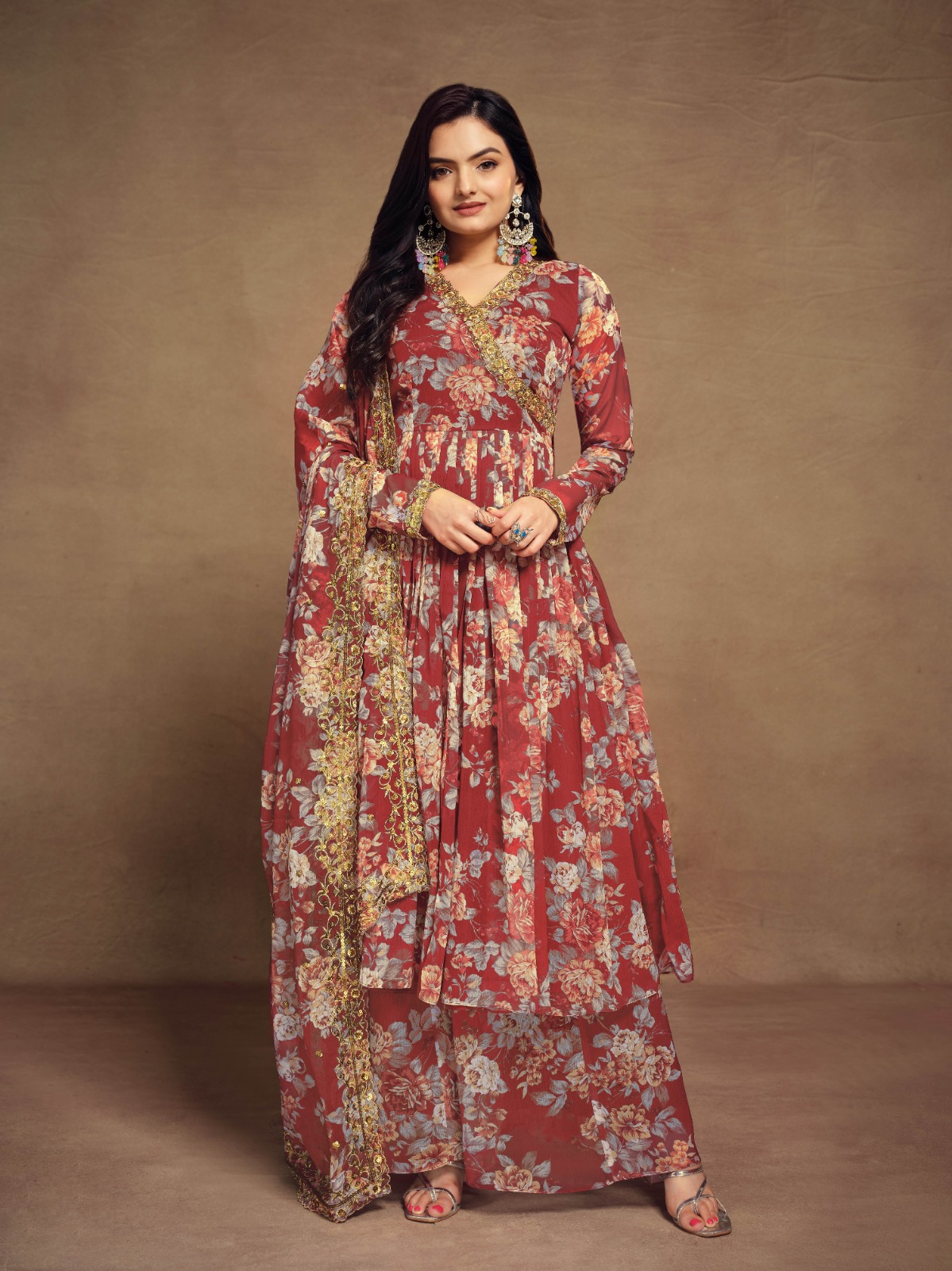
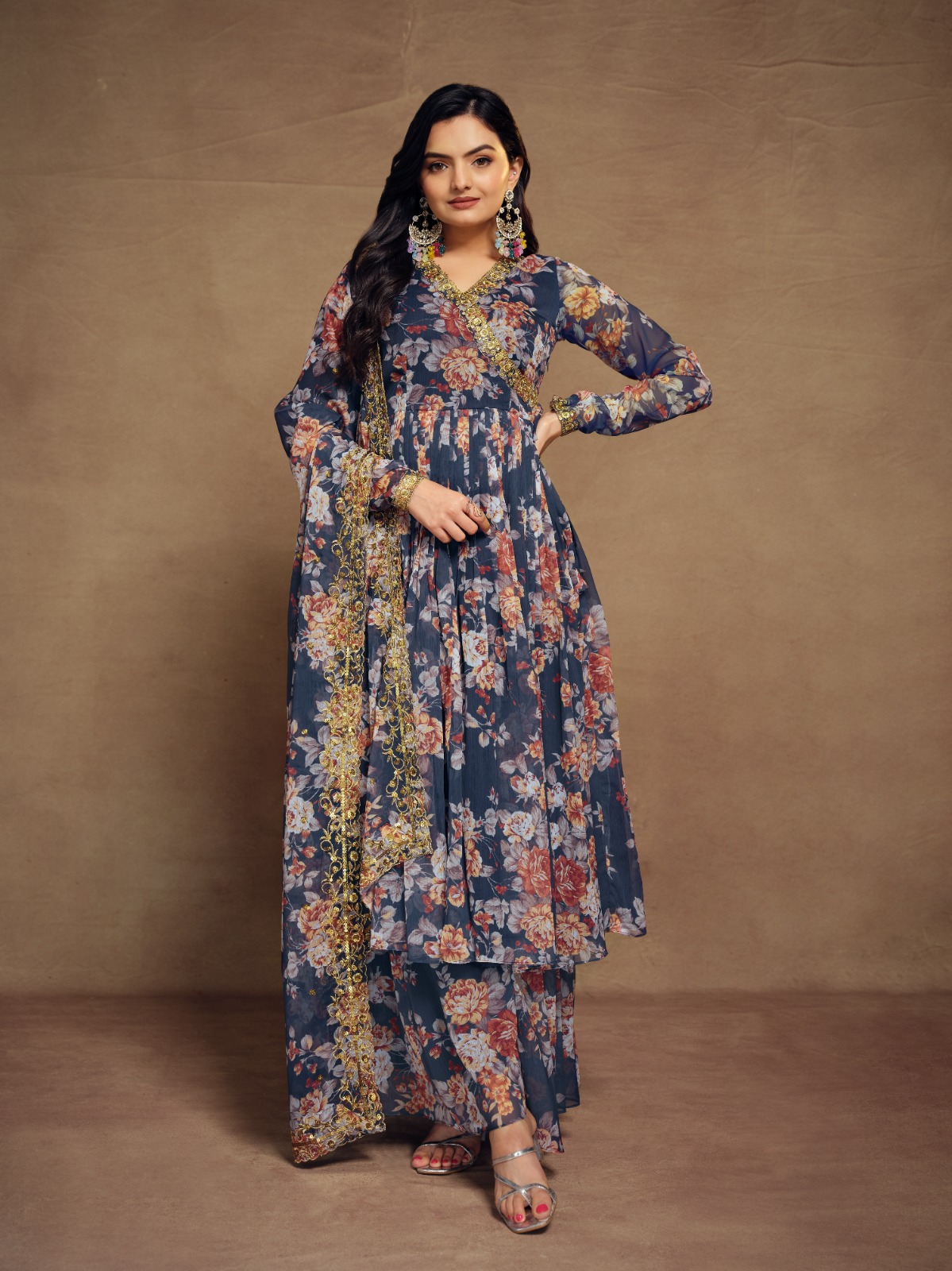
don't judge width from the hanger alone. A palazzo cut from chiffon, crepe or another fluid fabric may look narrow when still and flare during walking. A cotton or silk palazzo may hold a more architectural shape. The Shop Floral Digital Printed Chiffon Kurti Palazzo Set with zari embroidery illustrates why fabric fall matters: a soft drape can carry a longer top without creating the same visual bulk as a crisp fabric.
Proportion also depends on where the palazzo waistband sits. A high-rise waistband visually lengthens the legs and can accommodate a shorter kurti. A low-rise waistband lowers the apparent leg line, so a very short kurti may make the torso look long and the legs look short. If the waistband sits below the natural waist, a mid-length kurti usually creates a calmer balance.
Use side openings to control a long silhouette
A side slit of 25 to 45 centimetres can reveal the palazzo and break up the visual mass of a long kurti. A straight kurti with side slits is often more flattering than a shorter, heavily flared kurti over an already wide palazzo. The slit also improves stride and prevents the kurti from catching against the trouser fabric.
Getting Kurti Length and Proportions Right With Palazzos for Different Body Proportions
The most effective kurti shape is the one that creates balance between shoulder width, waist definition, hip coverage and lower-body volume; no single cut is universally flattering.
For petite frames
Petite wearers often benefit from a kurti ending above the knee, a higher waistline and a low-contrast kurti-palazzo colour pairing. A 28- to 38-inch length can preserve leg visibility, especially with pointed juttis or sandals that show the top of the foot. Vertical embroidery, narrow borders and an open neckline reinforce the upward direction.
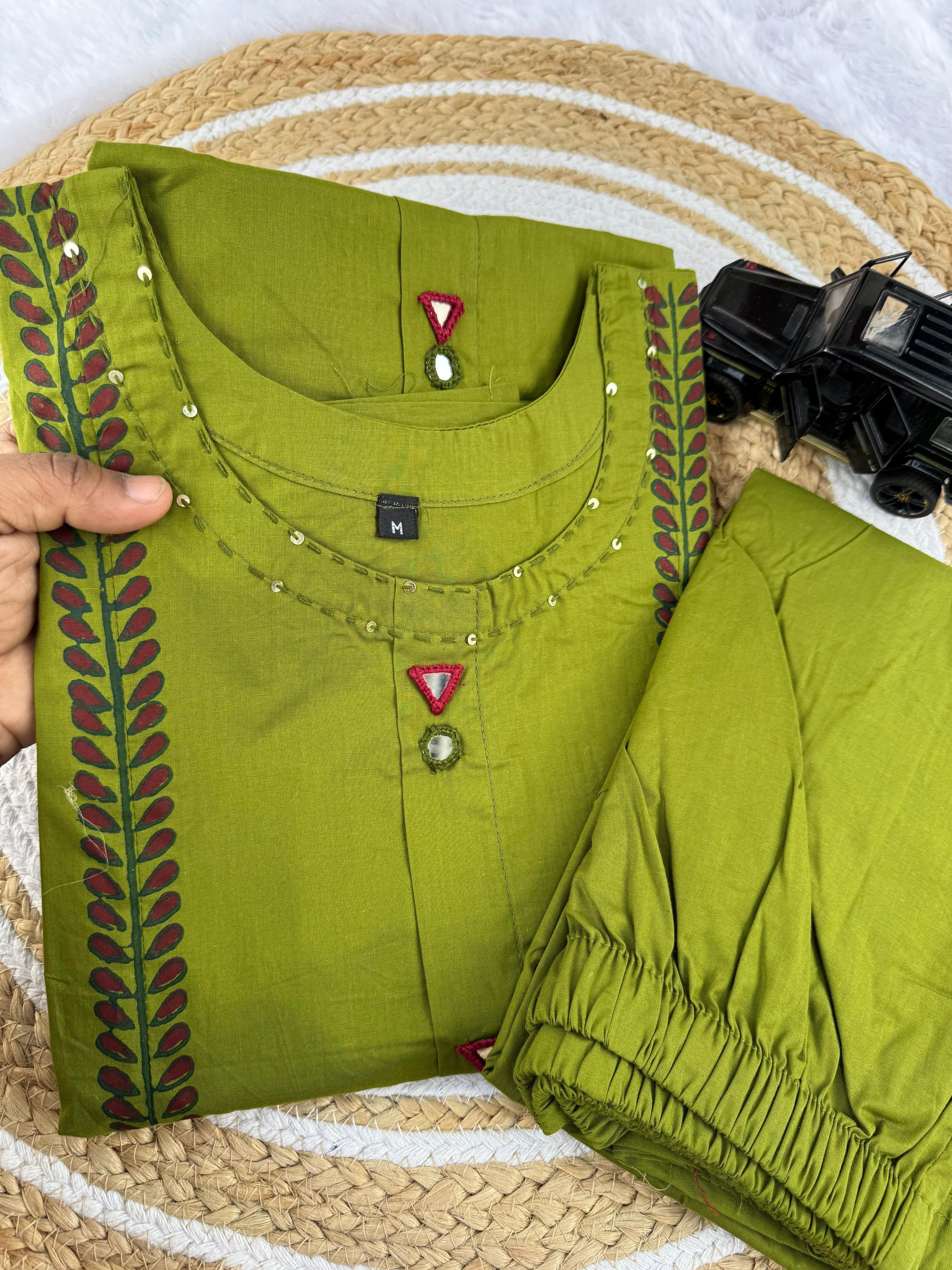
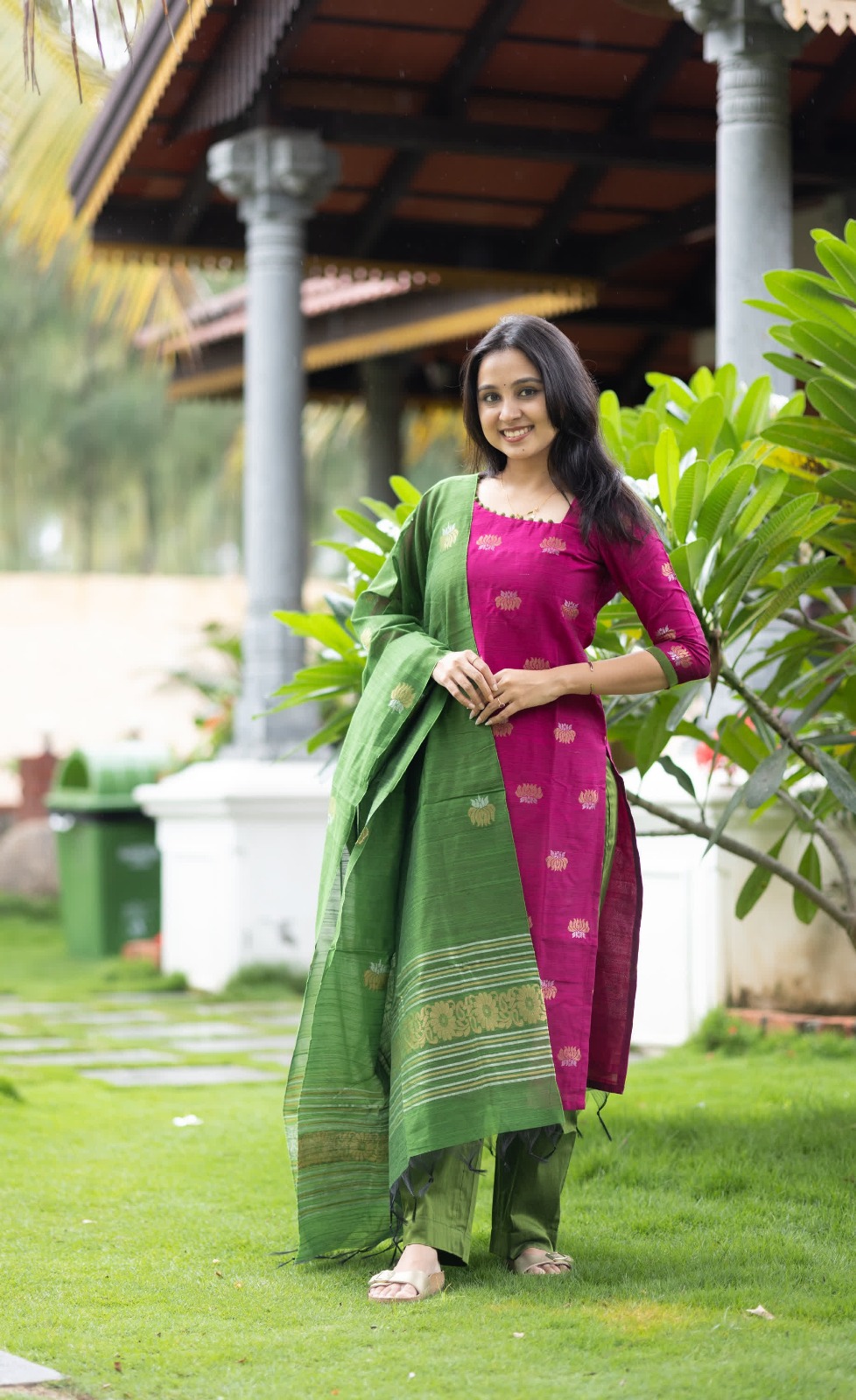
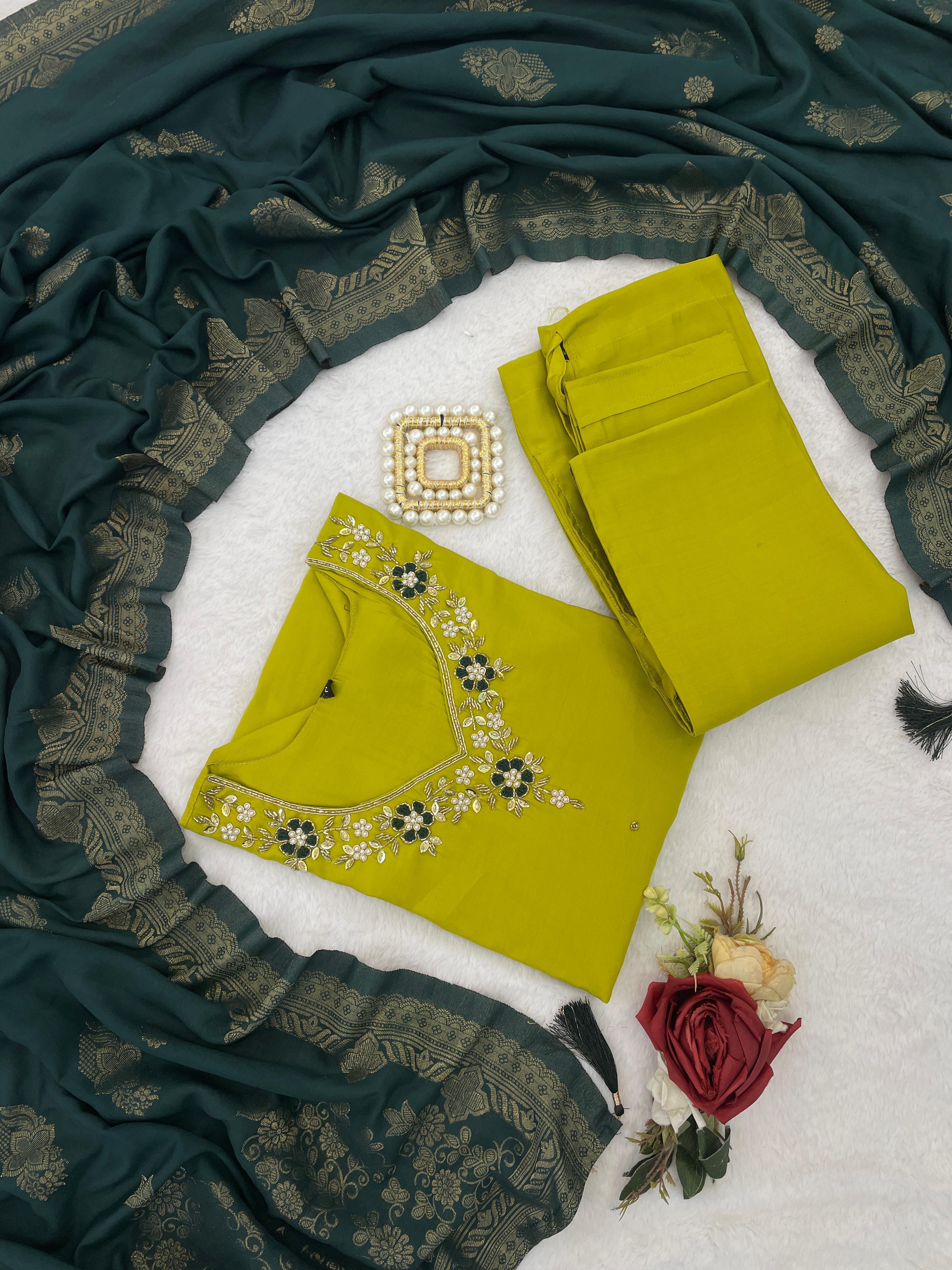
Avoid combining a very long, wide kurti with an equally wide palazzo unless the outfit includes a clear vertical element such as a front opening, side slits or a narrow dupatta drape. The Graceful Parrot Green Straight Kurti Dupatta Set brings an useful reference for a straighter, less voluminous line when a wearer wants coverage without adding unnecessary width.
For taller frames
Taller wearers can carry 42- to 48-inch kurtis, longer side slits and larger prints because additional vertical length prevents the outfit from looking top-heavy. A long kurti looks particularly polished with a matching or tonal palazzo and a dupatta worn in a narrow single-shoulder fall.
Very tall wearers should check shoulder and sleeve placement rather than focusing only on hem length. A shoulder seam that sits too high and a sleeve that ends too early can make a long kurti look undersized. The Olive Designer Kurti Set with Amrai Silk Dupatta shows how a distinct dupatta texture can add horizontal interest without requiring a broad or heavily flared kurti.
For fuller hips or a fuller midsection
A straight or gently A-line kurti with side slits usually gives the cleanest balance for fuller hips or a fuller midsection. A hem that finishes just below the hip's widest point, around the knee, or at a deliberately long lower-calf position avoids stopping at the broadest area. Moderate ease is more useful than oversized volume because excessive fabric can make the silhouette wider.
Choose a palazzo with a flat front waistband, smooth pleats and a fabric that drapes rather than stands away from the body. A dupatta worn vertically from one shoulder can lengthen the front view, while a short, wide cross-body drape can add width around the waist.
Getting Kurti Length and Proportions Right With Palazzos Through Accurate Measurements
Measure your body and compare the measurements with the garment chart before buying because stated size labels are not consistent across salwar suit sellers.
- Measure kurti length: Stand upright and measure from the highest shoulder point beside the neck to the intended hem. Repeat the measurement over a similar top and note whether you prefer the hem at mid-thigh, knee or calf.
- Measure bust and hip: Keep the tape level and don't pull it tight. Record the fullest bust and hip measurements, then compare them with the garment chart.
- Measure the rise: For palazzos, measure from the natural waist over the body and down to the point where the crotch should sit. A rise that's too short can pull the waistband down and change the apparent kurti length.
- Measure the inseam: Measure from the crotch to the desired trouser hem. Add the height of the footwear you expect to wear, since a palazzo that grazes the floor with flats may need different styling with block heels.
- Check ease: Everyday cotton palazzos generally need enough room for sitting and climbing stairs, while fluid festive palazzos should not be so loose that the waistband shifts during movement.
Read the garment description for lining, closure, waistband construction and fabric composition. An elasticated waistband can offer more flexibility, but a flat-front waistband usually creates a smoother line under a short kurti. If the kurti is embroidered, also check whether the embroidery adds weight that could pull the garment down after washing.
Getting Kurti Length and Proportions Right With Palazzos Across Indian Styling Traditions
Regional textile references can add character to a kurti-palazzo outfit when the silhouette remains controlled. Print and weave traditions influence how much visual volume an outfit can carry.
Kalamkari Print Salwar Suits often bring dense botanical storytelling and earthy contrast, so a plain or tonal palazzo can prevent the outfit from appearing crowded. Maharashtra Paithani Inspired Salwar Suits may include jewel tones and border-led detailing, which work well with a clean straight kurti and restrained accessories.
Gujarat Bandhej Salwar Suits and Odisha Sambalpuri Salwar Suits can carry strong pattern rhythm through tie-dye or woven motifs. When a textile has a busy surface, keep the kurti hem deliberate and avoid adding a heavily flared palazzo in a competing print. Punjab Patiala Salwar Suits have a different volume language because Patiala pleats already create fullness below the waist; a shorter, more fitted kurti usually provides better balance than a long, loose layer.
For festive dressing, the Floral Digital Printed Chiffon Kurti Palazzo Set with Zari Embroidery shows how a light, patterned fabric and zari embroidery can provide occasion presence without requiring a very wide silhouette. Let the print or zari lead, then use one strong accessory rather than several competing elements.
Getting Kurti Length and Proportions Right With Palazzos for Shoes and Dupattas
Footwear and dupatta placement complete the proportion because both can lengthen, widen or visually interrupt the outfit.
Flat juttis and sandals suit 36- to 42-inch kurtis and medium-width palazzos for daily wear. Low block heels of 3 to 5 centimetres support longer kurtis by lifting the palazzo hem slightly and preventing fabric from pooling. Pointed footwear creates a longer visible line than rounded footwear, although comfort and safe walking should take priority.
For a short kurti, keep the palazzo hem close to the top of the foot rather than dragging on the floor. For a long kurti, check the combined hem position in a full-length mirror. The lower edge should not sweep the ground, and the side slit should open naturally when you take a normal step.
A dupatta can either clarify or obscure the silhouette. A narrow vertical drape from one shoulder reinforces a long line. A neatly folded dupatta placed over both shoulders creates symmetry with a straight kurti. A broad cross-body drape adds a diagonal line but may make a voluminous palazzo outfit look wider around the waist.
Colour placement matters as much as shape. A tonal kurti and palazzo create a continuous column, while a high-contrast combination creates a visible horizontal division. Use tonal dressing when you want more height and contrast when you want the outfit to feel more graphic and deliberately segmented.
Getting Kurti Length and Proportions Right With Palazzos Before You Place an Order
Before ordering a kurti-palazzo set, identify the intended hem position, waistband height, palazzo width and footwear rather than relying on the product photograph alone.
- For a contemporary look: Choose a 28- to 34-inch kurti, a high-rise palazzo and visible footwear.
- For everyday versatility: Choose a 36- to 42-inch straight or lightly A-line kurti with a medium-width palazzo.
- For a taller, flowing look: Choose a 44- to 48-inch kurti with side slits and a straight or gently flared palazzo.
- For a printed outfit: Keep either the kurti or palazzo visually quieter so the print has room to read.
- For festive embroidery: Let zari, silk texture or concentrated neckline work provide the focal point, and keep the accessories proportional.
Try the complete outfit while standing, sitting and walking. A proportion that looks attractive in a still photograph may feel restrictive at the hip, catch at the knee or drag at the ankle in real movement. A final mirror check from the front, side and back will reveal whether the kurti hem sits at a flattering point and whether the palazzo falls cleanly from the waistband.
Common Questions About Kurti Length and Palazzo Proportions
What is the best kurti length to wear with palazzo pants?
A 36- to 42-inch kurti is the most versatile choice for palazzo pants because it offers coverage while preserving the trouser shape. Choose 28 to 34 inches for a shorter contemporary look or 44 to 48 inches for a longer straight silhouette.
Can I wear a long kurti with wide palazzo pants?
Yes, a long kurti can work with wide palazzo pants when the kurti has a straight cut, side slits and a clean front. Avoid combining two heavily flared pieces unless the outfit is intentionally dramatic and uses a clear vertical colour line.
Should a kurti be shorter with high-waisted palazzos?
A high-waisted palazzo usually works well with a shorter kurti because the raised waistband lengthens the visible leg line. A mid-thigh or knee-length kurti can also work when the wearer wants more coverage.
What kurti length suits petite women with palazzos?
Petite women often suit a 28- to 38-inch kurti that ends above or around the knee. A high waist, tonal colours, vertical embroidery and footwear that shows the top of the foot can help preserve visual height.
How should I style a dupatta with a long kurti and palazzo?
A narrow vertical drape from one shoulder usually works best with a long kurti and palazzo because it reinforces the outfit's length. A neatly folded two-shoulder drape provides symmetry, while a wide cross-body drape adds more width around the waist.
How much ease should palazzo pants have?
Palazzo pants should allow comfortable sitting, walking and stair climbing without the waistband shifting. Compare the garment chart with your hip measurement and look for a flat-front or well-finished elastic waistband, depending on the level of support and flexibility you prefer.


