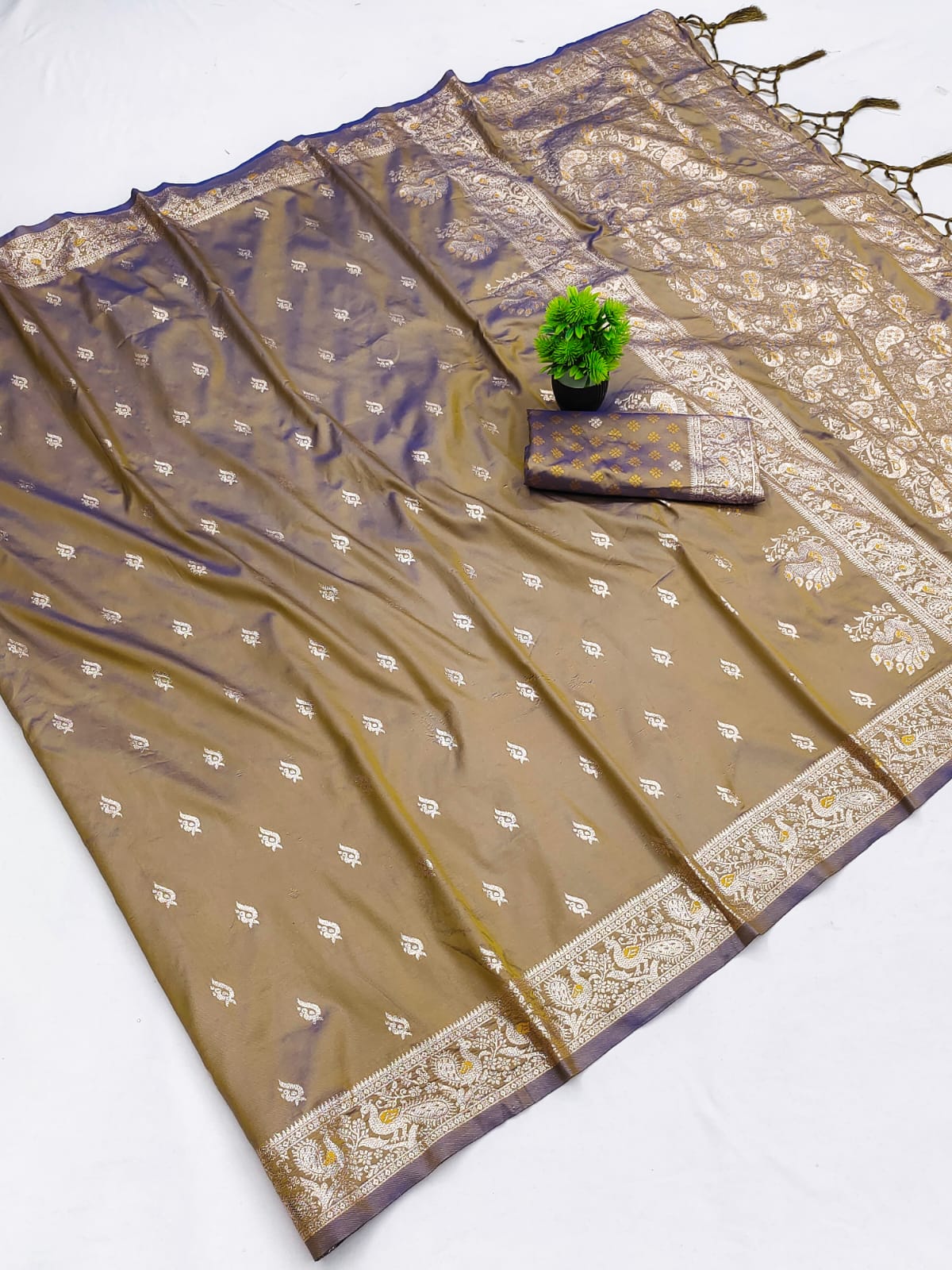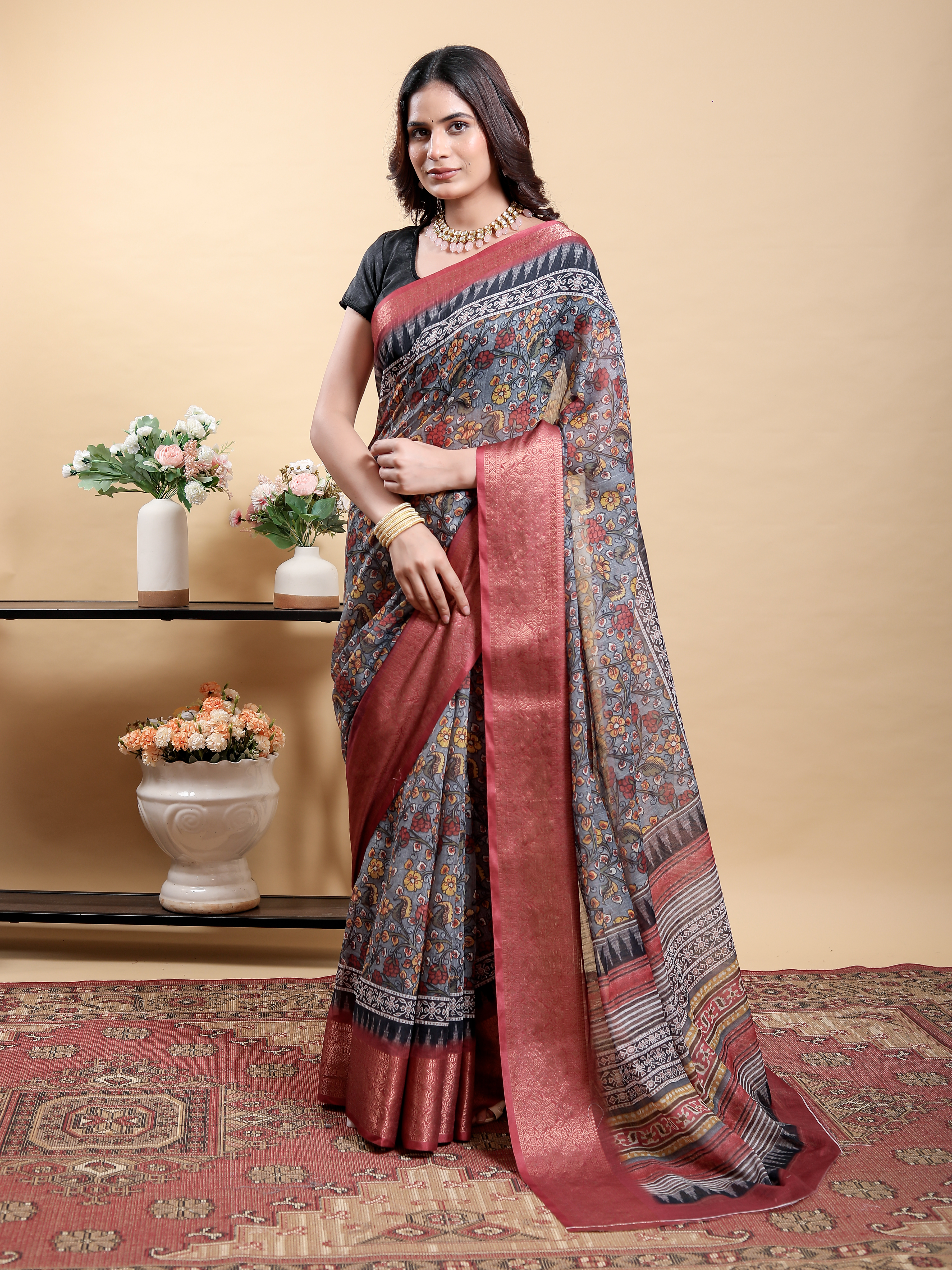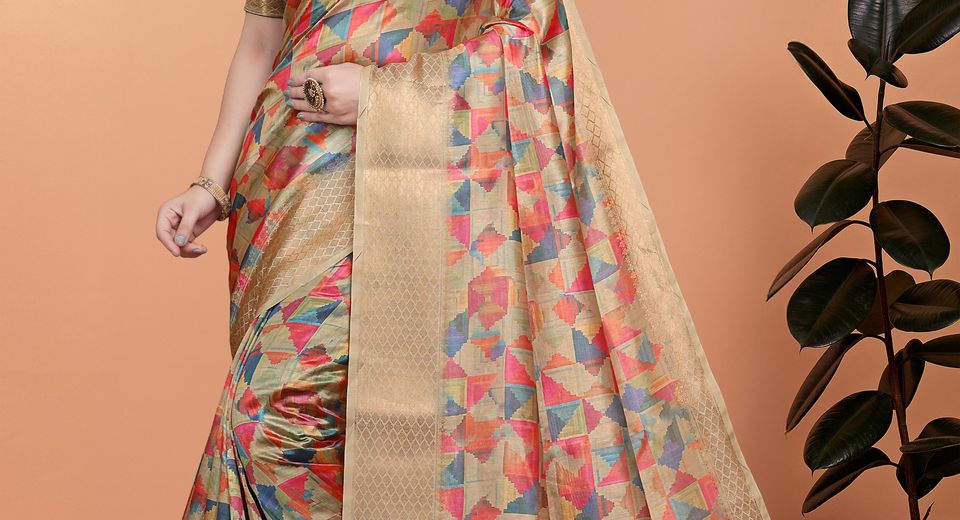
Family Diwali Outfit Planning Without Everyone Wearing the Same Fabric becomes much easier when the family coordinates a visual story instead of copying one garment formula. A shared palette, varied textures and related levels of embellishment can make a group look intentional in photographs while allowing a silk saree, a cotton kurta, a contemporary co-ord set and a comfortable children's outfit to coexist.
The most useful rule is to match one design decision and vary the other two. A family can share jewel tones while mixing Banarasi silk, Chanderi, linen cotton and tissue cotton. Another family can use ivory and mustard across different silhouettes, with zari appearing only in one or two outfits. The result feels festive without looking like a uniform.
Family Diwali Outfit Planning Without Everyone Wearing the Same Fabric: Why avoid one material?
A family should avoid using the same fabric for every Diwali outfit because identical materials can create visual heaviness, repeated comfort problems and a less interesting group photograph.
Silk, velvet, brocade and heavily embroidered textiles can look luxurious, but several people wearing them together may make the overall styling appear dense. The practical issue matters just as much. A heavy silk outfit may suit an evening puja, while a child, an older relative or someone cooking and moving between rooms may need breathable cotton or a lighter blend.
Different fabrics also respond differently to Diwali lighting. Banarasi silk reflects warm lamps with a rich, concentrated sheen. Chanderi catches light more delicately. Linen cotton absorbs some glare and gives photographs a relaxed, matte balance. Tissue cotton adds a crisp surface without the weight of densely woven silk.
Fabric variety can show family relationships without erasing personal style. One person may wear a saree, another a kurta set, another a co-ord set and another a palazzo outfit. A common colour family keeps these choices connected even when the materials are not.
Family Diwali Outfit Planning Without Everyone Wearing the Same Fabric: How to choose colours
Create a family Diwali colour palette by choosing two anchor colours, one supporting neutral and one optional metallic accent before selecting individual garments.
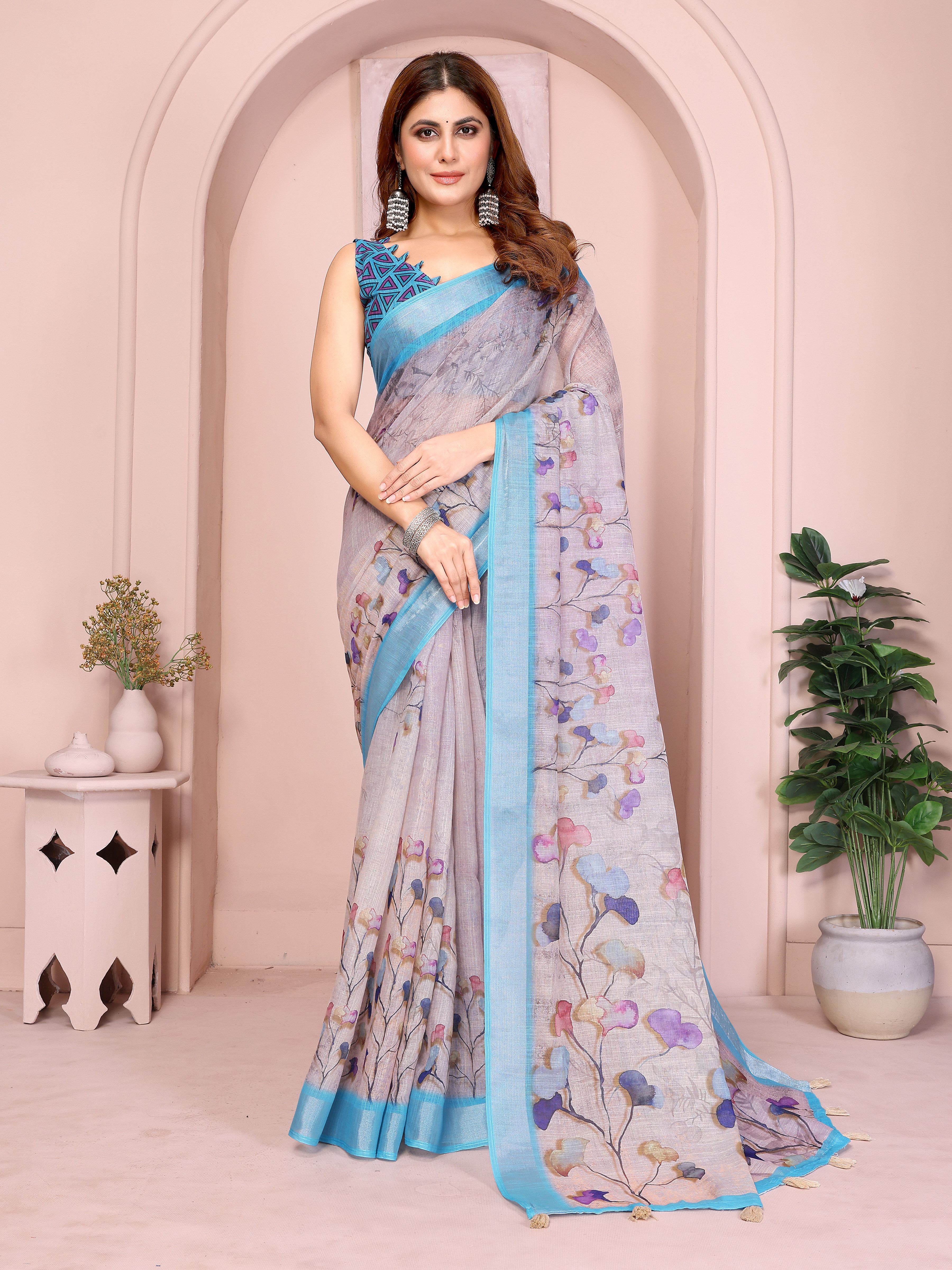
An effective palette has a dominant colour that appears in at least three outfits, a secondary colour that links two or three people, and a neutral that prevents the group from looking over-styled. Diwali-friendly combinations include emerald with ivory and antique gold, teal with mustard and beige, rose pink with plum and champagne, or deep blue with copper and off-white.
Family members don't need to wear the exact same shade. Teal can appear as a saree, a dupatta border or a small embroidered motif. Mustard can be the main colour in one kurta set and a minor thread detail in another outfit. Ivory can work as a blouse, jacket, palazzo, kurta or scarf.
Metallic accents need restraint. Gold zari suits traditional palettes and warm lighting, while silver embroidery can sharpen cooler colours such as blue, lilac and teal. Antique gold generally connects more easily with multiple fabrics than highly reflective yellow gold because antique gold looks less stark beside linen cotton and handloom cotton.
- Anchor colour: Use the strongest family colour in three or more outfits.
- Supporting colour: Repeat the second colour in borders, jackets, dupattas or embroidery.
- Neutral: Add ivory, beige, taupe, charcoal or soft grey to create breathing room.
- Accent: Reserve zari, sequins or metallic jewellery for selected looks rather than every person.
Family Diwali Outfit Planning Without Everyone Wearing the Same Fabric: Which fabrics work?
Chanderi, linen cotton, tissue cotton, viscose blends and handloom cotton can replace matching silk while keeping a family Diwali wardrobe festive and varied.
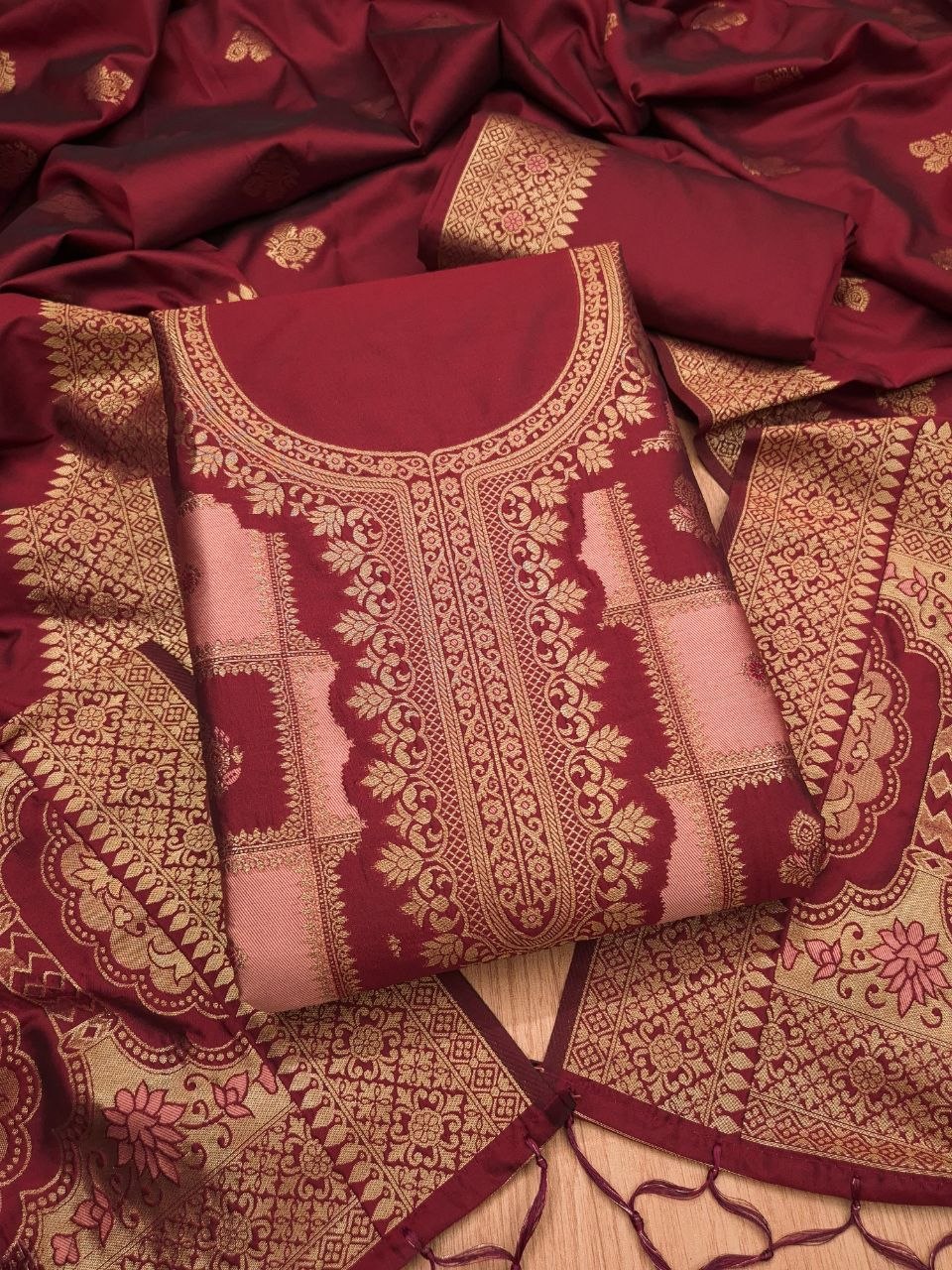
Chanderi: Chanderi has a light, slightly sheer character and often works well for elegant kurta sets, sarees and dupattas. Mustard Viscose Chanderi Kurta Set with Sequence Embroidery can serve as the brighter anchor outfit in a family palette, especially when the rest of the group wears softer neutrals or blues.
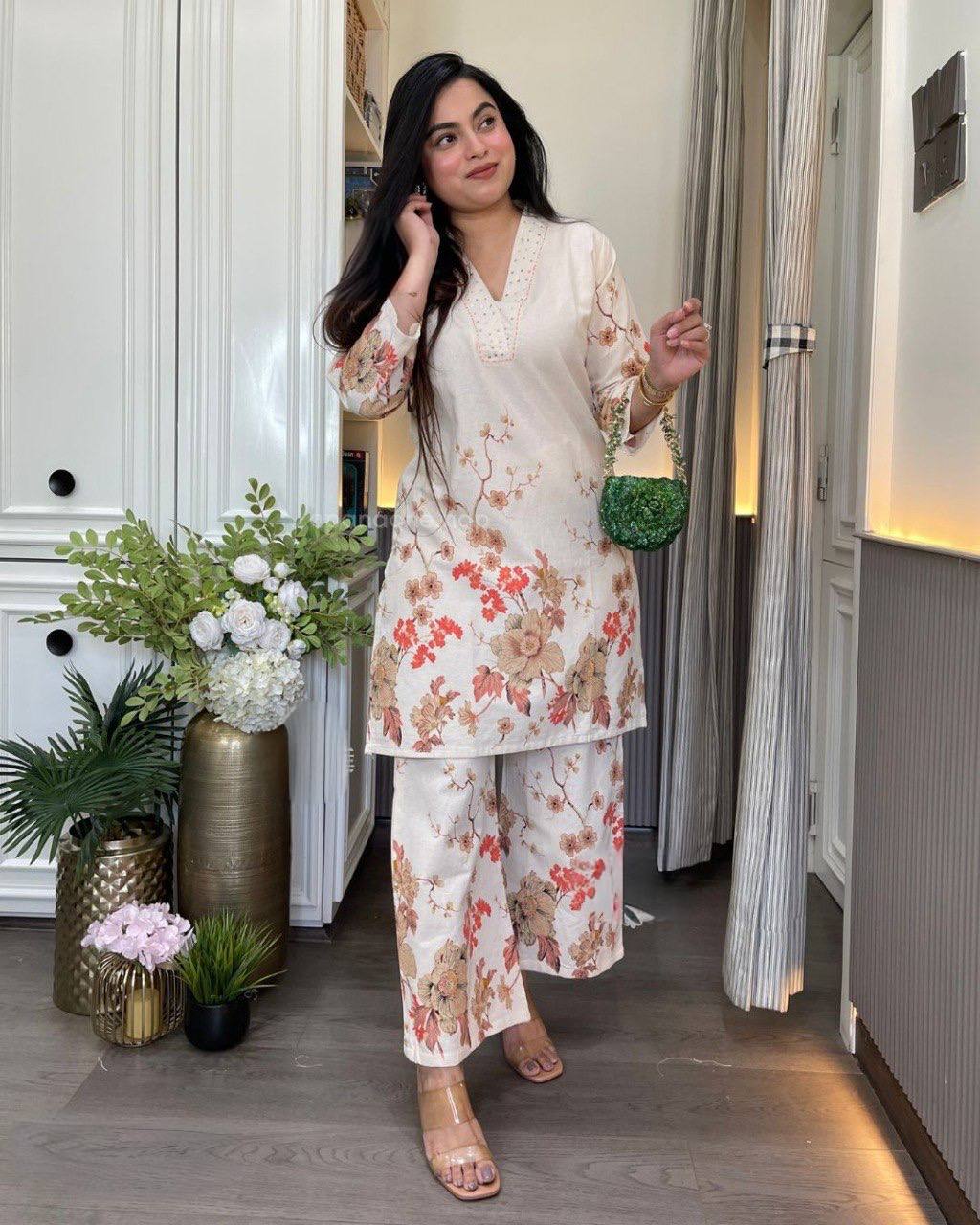
Linen cotton: Linen cotton offers breathability and a gently textured, matte appearance. Ivory Floral Linen Cotton Co-Ord Set for Women from Varnavi can balance a shinier saree in family photographs, particularly for daytime card parties, home visits or a long evening involving frequent movement.
Tissue cotton: Tissue cotton has a crisp hand and a subtle reflective quality, so it looks festive without the density of brocade. Teal Tissue Cotton Saree With Floral Print - Varnavi provides colour and surface interest while remaining visually lighter than a heavily woven silk saree.
Handloom cotton: Handloom cotton gives a grounded, artisanal finish. Blue Tissue Handloom Cotton Saree With Zari | Varnavi's can stand beside a more fluid co-ord set because the zari creates a festive bridge while the cotton keeps the overall group from becoming too formal.
Viscose blends: Viscose blends often drape smoothly and can carry embroidery without feeling as rigid as structured brocade. Viscose blends suit people who want movement, particularly in palazzo sets, contemporary kurta sets and jackets.
Fabric selection should also reflect the time of day. Cotton, linen cotton and light Chanderi are practical for daytime Diwali gatherings. Silk, velvet and denser embroidered fabrics are more suitable for cooler evenings or formal dinners, when their weight is less uncomfortable.
Family Diwali Outfit Planning Without Everyone Wearing the Same Fabric: How to coordinate silhouettes
Different silhouettes look coordinated in family photographs when they share proportion, colour placement or one repeated detail.
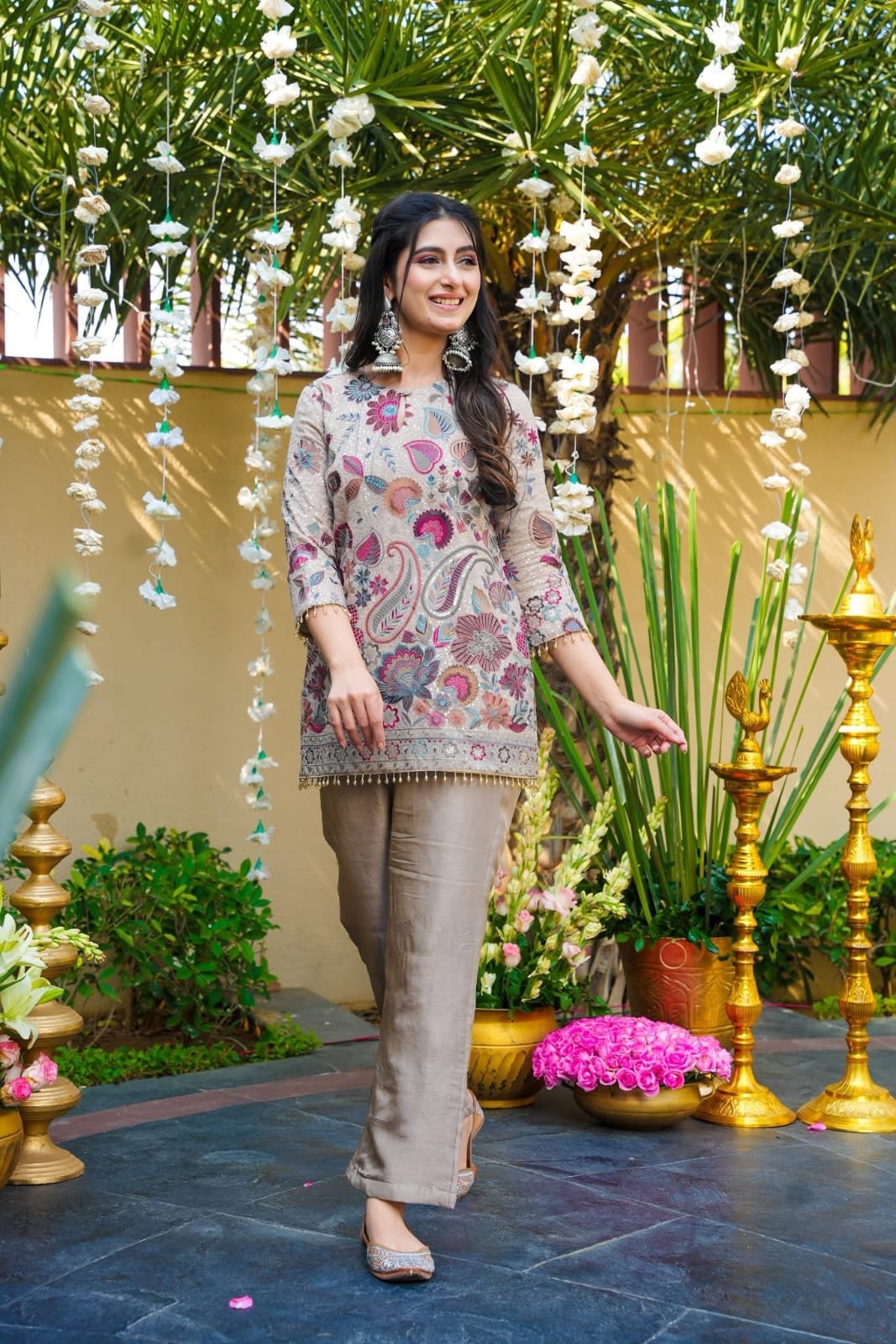
Consider balancing visual volume. If one person wears a broad silk saree with a statement blouse, another can wear a straight kurta with cigarette pants, while a third chooses a cropped jacket with palazzos. Matching three voluminous outfits can obscure body shape and make the group look crowded. Pairing one flowing silhouette with one tailored silhouette and one softly structured silhouette creates variation.
Modern Taupe Vichitra Silk Embroidered Co-Ord Set for Women illustrates how a contemporary co-ord can take the place of a heritage saree while still carrying festive texture. The taupe shade can connect to ivory, beige, gold or muted rose elsewhere in the family wardrobe.
Women's Embroidered Crop Top & Jacket Palazzo Set | Varnavi can add a layered, celebratory shape to a group that already includes sarees and kurta sets. The jacket creates vertical lines in photographs, while palazzos provide movement and comfort for standing, greeting guests and participating in games.
Use one repeated detail to finish the coordination. The detail could be floral embroidery, a narrow zari border, antique-gold jewellery, a similar neckline or a common dupatta drape. Repetition works best when it occupies a small area rather than covering every garment.
How should children and older relatives fit into the plan?
Children and older relatives should receive the same colour direction but more comfortable fabrics, secure fastenings and easier proportions.
For children, avoid long trailing dupattas, scratchy sequins near the neck and complicated layers that require constant adjustment. A soft kurta, elasticated palazzo or lightweight lehenga separates can echo the family's anchor colour without reproducing an adult outfit.
Older relatives may prefer a saree with a lighter fall, a pre-stitched drape, a straight kurta set or a blouse with comfortable sleeve openings. Breathable cotton, linen cotton and light viscose can be more practical than heavy silk during a long puja or a warm indoor gathering.
Family Diwali Outfit Planning Without Everyone Wearing the Same Fabric: How to plan the schedule
Plan outfits around the schedule by assigning fabric weight and footwear needs to each event before buying or tailoring garments.
A Diwali week may include office celebrations, a family puja, a card evening, visits to relatives and a formal dinner. These settings don't demand the same degree of ornamentation. A daytime outfit should tolerate heat, travel and repeated sitting. An evening outfit can carry more sheen, embroidery or jewellery because artificial light rewards reflective surfaces.
- Seven to ten days before: Confirm the events, indoor or outdoor setting, expected weather and whether anyone must travel between venues.
- Five to seven days before: Finalise the family palette and check that each person has suitable footwear, underlayers and jewellery.
- Two to four days before: Steam or press garments, test hooks and zips, and confirm that saree pleats, dupattas and jacket sleeves allow comfortable movement.
- One day before: Photograph each complete outfit in similar lighting so missing accessories and colour clashes are visible before the event.
Footwear deserves early attention because footwear changes the practicality of an outfit. A saree requiring a high heel may not suit someone managing children or standing during a long puja. Flat embellished juttis, low wedges and cushioned sandals can work with festive outfits if the hemline is checked in advance.
Family Diwali Outfit Planning Without Everyone Wearing the Same Fabric: Which accessories connect looks?
Accessories connect different fabrics most effectively when they repeat a metal, motif or colour rather than an entire jewellery set.

Antique-gold jhumkas can link a linen cotton co-ord to a Chanderi kurta without making either garment look identical. A pearl detail can soften ivory and taupe outfits. Green glass bangles, a teal potli or a mustard hair accessory can carry a family colour from one outfit to another without forcing every person into the same textile.
Keep the scale of accessories different for different members. A statement necklace may suit a plain saree, while a heavily embroidered kurta may need only earrings and bangles. Children can wear a small brooch, a fabric hairband or comfortable sandals instead of elaborate jewellery. Older relatives may prefer lightweight earrings and a secure clutch or cross-body potli.
Repeat motifs selectively. Floral prints can connect Teal Tissue Cotton Saree With Floral Print - Varnavi and Blue Tissue Cotton Saree With Floral Print | Varnavi without requiring both wearers to choose the same colour. A floral motif can then be echoed through a printed dupatta, embroidered neckline or floral earrings in a third outfit.
Family Diwali Outfit Planning Without Everyone Wearing the Same Fabric: What should be checked before buying?
Before buying, check the complete outfit from fabric comfort and alteration needs to colour balance, care requirements and movement.

- Check opacity: Chanderi, lightweight organza-like surfaces and pale linen cotton may need a suitable lining or slip.
- Check shrinkage: Washable cotton and linen blends can change slightly after laundering, so pre-washed fabric is preferable when tailoring is close to the event.
- Check embellishment: Sequins and zari should not catch on jewellery, seating or children's clothing.
- Check length: Test saree falls, palazzo hems and kurta lengths with the intended footwear.
- Check care labels: Many embellished silk and Chanderi garments require dry cleaning, while some cotton garments can be gently hand-washed.
- Check photographs: Take a family test photograph in warm indoor light and daylight because colours can change noticeably between settings.
Care planning protects the wardrobe after Diwali. Fold zari sarees with soft muslin or cotton between layers, avoid storing embellished garments in compressed plastic for long periods, and allow perfume or moisture to dry before packing clothing away. Linen cotton benefits from gentle pressing, while high heat can damage synthetic or viscose blends.
The strongest family styling plan leaves room for individual preference. One person may choose a saree, another may prefer a kurta, and another may feel most confident in a jacketed palazzo set. When colour, texture or a small accessory creates the connection, the family can look united without sacrificing comfort, identity or the distinctive beauty of each fabric.
Practical Questions About Coordinating Family Diwali Outfits
How can a family coordinate Diwali outfits without wearing matching clothes?
Choose a shared colour palette and repeat one small detail, such as zari, floral embroidery or antique-gold jewellery. Let each person select a different fabric and silhouette within that visual direction.
Which fabrics are comfortable for a long Diwali celebration?
Linen cotton, handloom cotton, tissue cotton and lightweight viscose are generally comfortable for extended wear. Chanderi can also work well when the garment has suitable lining and the weather is not too warm.
Can family members wear different colours in Diwali photographs?
Family members can wear different colours if the shades belong to one related palette. Teal, mustard, ivory and antique gold, for example, can look connected even when each person wears a distinct dominant colour.
How many colours should a family use for coordinated Diwali outfits?
Two anchor colours, one neutral and one metallic accent are usually enough. Adding many unrelated bright colours can make a group photograph look busy, especially when the outfits already contain embroidery or prints.
What should children wear for a coordinated Diwali family look?
Children should wear comfortable, secure outfits in one of the family's anchor colours rather than exact adult replicas. Soft cotton, short or secured dupattas, flexible waistbands and flat footwear make festive clothing easier to manage.
How should Diwali sarees and kurta sets be stored after the celebration?
Clean garments according to their care labels, dry them fully and fold zari or embellished pieces with soft muslin or cotton between layers. Store clothing in a breathable cover away from direct sunlight and avoid prolonged compression in plastic.