

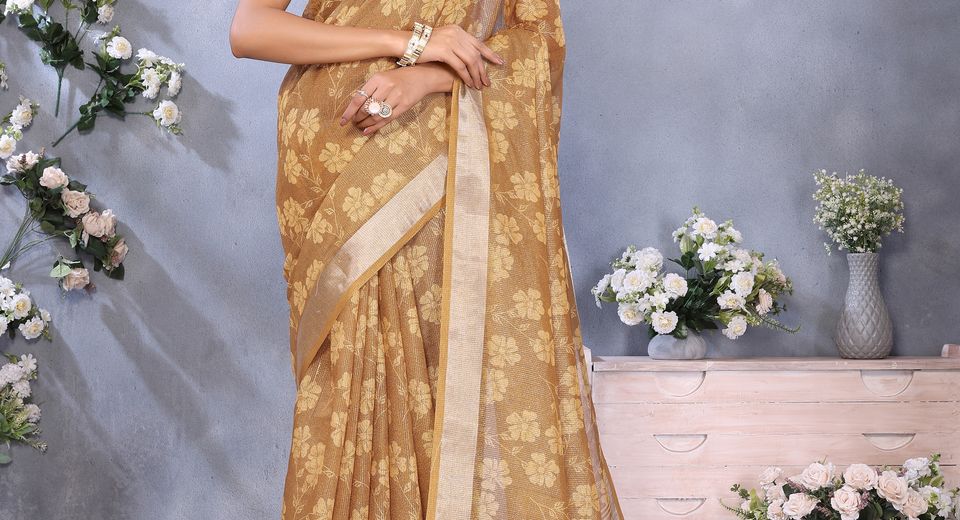
Fabric Pleat and Blouse Balance for Saree for Curvy Women can make the difference between a drape that feels secure and one that needs constant adjustment. The most important decisions are practical: choose a fabric with enough body, keep the front pleats controlled, give the blouse genuine support, and place the pallu so it falls smoothly rather than adding bulk. A beautiful saree doesn't need to hide a curvy figure; it needs proportion, comfort and reliable construction.
Curves vary from person to person, so no single pleat count or blouse neckline works for everyone. Waist height, bust fit, shoulder width, saree length, footwear and the way you like to move all affect the final result. The following method helps you test those variables before an important event.
Why Fabric Pleat and Blouse Balance for Saree for Curvy Women Matters
Fabric, pleats and blouse structure must work together because each element controls a different part of the saree's silhouette. Fabric determines how much volume the saree creates, pleats determine how the front falls, and the blouse anchors the upper half of the drape.
A lightweight saree can look elegant but may cling to the waist or shift around the bust if the petticoat and blouse are not fitted properly. A very stiff saree can hold a sharp shape but may create a wide, rigid block across the midsection. A medium-weight saree often provides the most forgiving balance because the material falls away from the body without becoming shapeless.
Body-skimming doesn't mean body-hugging. A good drape follows the natural line of the body while allowing approximately 2 to 3 inches of movement at the waist and enough ease across the bust for sitting, walking and raising the arms. The saree should stay in place because of correct anchoring, not because the wearer has tied it painfully tight.
Which Saree Fabrics Create the Most Balanced Drape?
Medium-weight linen cotton, cotton silk, soft handloom cotton and fluid blends generally create a balanced saree drape for curvy women. These fabrics offer enough fall to lengthen the silhouette while retaining enough structure for neat pleats.

Linen cotton for controlled softness
Linen cotton has a lightly structured fall that can keep the front pleats visible without looking excessively stiff. The subtle texture also reduces the appearance of small creases caused by movement. A design such as Pastel Linen Cotton Floral Print Saree with Designer Blouse shows how a breathable fabric and a coordinated blouse can create a connected vertical look.
Multicolor Linen Cotton Floral Saree with Blouse Online is another useful example of how print scale affects proportion. A medium floral print can distribute visual attention across the saree, while a very large motif placed directly at the widest part of the body may feel less balanced. Print placement matters as much as colour.
Handloom cotton and zari for body
Handloom cotton can work particularly well for daytime events because the fabric usually holds a practical pleat without feeling slippery. Pastel Floral Tissue Handloom Cotton Saree with Zari Weaves illustrates a useful combination: a cotton base gives the drape structure, while zari adds light-reflecting detail along selected areas.
Zari borders can visually frame the lower edge, but a very broad, high-contrast border may shorten the appearance of the legs when worn with flat footwear. A narrower border or a border that blends with the base colour usually creates a longer uninterrupted line.
When lighter fabrics need extra planning
Lightweight linen cotton and tissue fabrics need careful anchoring because they may shift more easily than heavier silk. Peach Linen Cotton Floral Print Saree with Blouse for Women can be made more stable with a well-fitted petticoat, a firm waist tie and discreet safety pins placed at the shoulder and waist.
Slippery satin-like fabrics require even more attention to the waistband and pallu. If the saree slides while walking, adding more pleats won't solve the problem; improving the base layer and anchoring points will.
How Should Front Pleats Be Sized for a Curvy Figure?
Front pleats should usually be medium-width, evenly spaced and placed slightly to the side of the natural centre line when that position creates a smoother fall. The goal is a flat, vertical panel rather than maximum pleat volume.
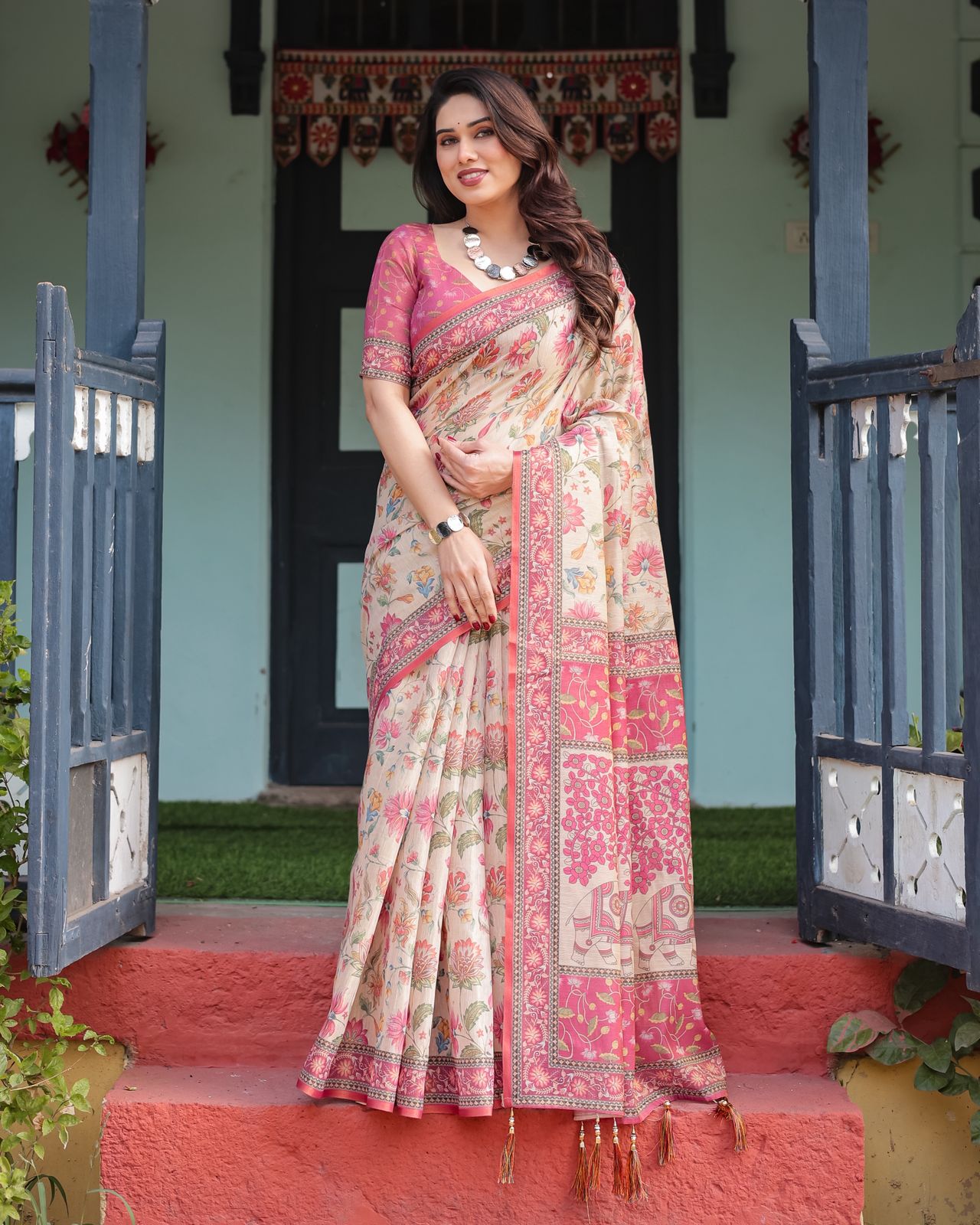
Start with five to seven pleats measuring roughly 4 to 5 inches each, depending on the saree fabric and the amount of material available. A very lightweight saree may need narrower pleats to prevent collapse, while a firm cotton can support broader pleats. The correct number is the number that fits securely beneath the waistband without creating a bulky stack.
Make every pleat the same width from top to bottom. Uneven pleats often create diagonal lines that pull across the stomach or hip. Pressing the pleats with the hands before pinning helps, but pressing with a hot iron should be done only after checking the fabric's care instructions.
The pleat panel should begin below the bust and finish close to the floor, with the hem hovering approximately 1 to 2 centimetres above the ground when worn with the intended footwear. Starting the pleats too high can add congestion beneath the bust. Starting them too low can create a collapsed waistline and make walking difficult.
A side-set pleat panel can be helpful when the wearer prefers less fabric directly over the abdomen. The adjustment should remain subtle. Moving the pleats too far toward the hip can pull the pallu and create tension at the shoulder.
What Blouse Construction Supports a Comfortable Saree Drape?
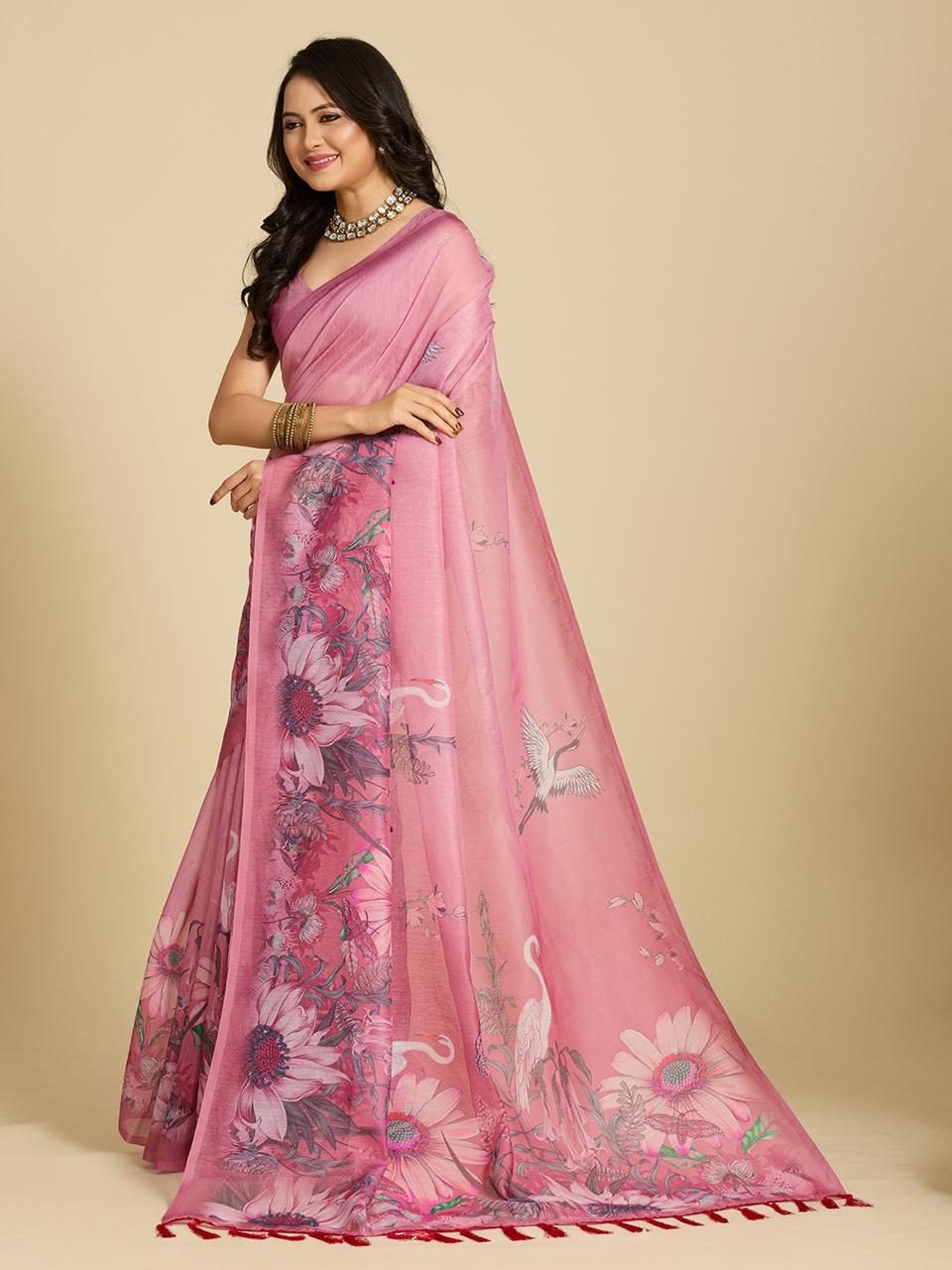
A supportive blouse needs the correct bust measurement, a stable shoulder seam, a secure underbust fit and enough ease for breathing. Sleeve length and neckline are style choices, but construction determines whether the saree remains comfortable throughout the day.
Measurements that matter more than the label
Measure the fullest bust, underbust, shoulder width, armhole depth and desired blouse length while standing naturally. The blouse should not ride upward when both arms are lifted. A blouse that fits only while standing still isn't properly fitted for a saree event.
Underbust support is especially useful for heavier sarees or long functions. A broad waistband, princess seams, a structured lining or carefully placed darts can distribute tension more comfortably than a very tight narrow band. Built-in cups may help some wearers, but cups alone can't correct an incorrect blouse pattern.
Necklines, sleeves and back details
A moderate V-neck, square neck or softly curved scoop neck can create a clear vertical opening without compromising support. A very high neckline may make the upper body look compact, while an extremely deep neckline may require additional adhesive or constant adjustment.
Elbow-length sleeves can balance a fuller upper arm and give the blouse more visual weight. Sleeves should have approximately 1 to 2 inches of ease around the upper arm, depending on the fabric. Armholes that cut in deeply can cause discomfort and pull the blouse upward.
A broad back panel, hook-and-eye closure or side zip can provide more reliable support than a delicate tie-only design. If you prefer a back-tie blouse, use ties as decoration or secondary adjustment rather than relying on them to hold the full garment in position.
Teal Floral Linen Cotton Saree with Elegant Contrast Border demonstrates why blouse colour can be used strategically. A blouse that repeats the border shade connects the upper and lower halves, while a sharply contrasting blouse creates a deliberate break. Neither choice is automatically more flattering; the better option depends on whether you want continuity or a defined waist point.
How Should the Pallu Be Placed for Proportion and Movement?
The pallu should be anchored at the shoulder and allowed to fall in a clean vertical line, with enough width to cover the bust comfortably without adding unnecessary layers. A pallu length of approximately 40 to 45 inches after pleating works for many open-pallu drapes, but personal height and saree width can change that measurement.
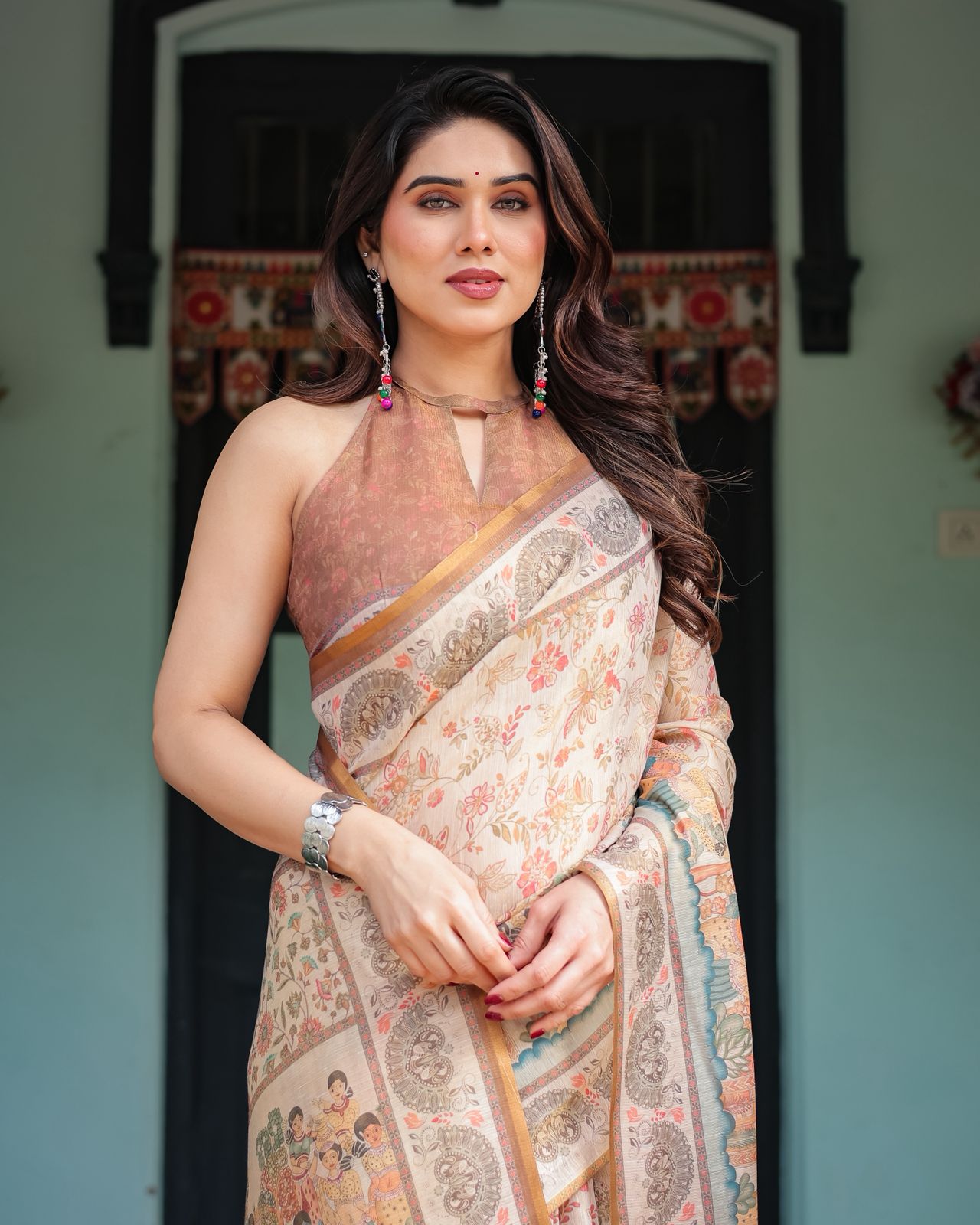
Pin the pallu first at the shoulder, then check the front and side views before adding a second discreet pin near the bust or underarm. The pallu should not pull the blouse sideways when you move your arms. A hidden pin placed through the blouse lining is safer for delicate sarees than repeatedly pinning through the visible border.
An open pallu creates a strong vertical line and can feel cooler during daytime events. A neatly pleated pallu gives a more formal appearance and reduces movement, but it adds layers across the front. With a fuller bust, keep pleated pallu folds narrow and even rather than making a wide fan.
Cream & Blue Floral Linen Cotton Saree with Contrast Border is a good example of how a contrast border can guide pallu placement. Keeping the border visible from shoulder to lower edge creates a continuous line. Allowing the border to twist at the bust can interrupt that line and make the pallu look shorter.
How Can You Build Fabric Pleat and Blouse Balance for Saree for Curvy Women at Home?
You can test saree balance at home in approximately 20 minutes by wearing the complete base outfit, footwear and blouse before final pinning. A mirror check from the front, side and back will reveal problems that a front-only view hides.
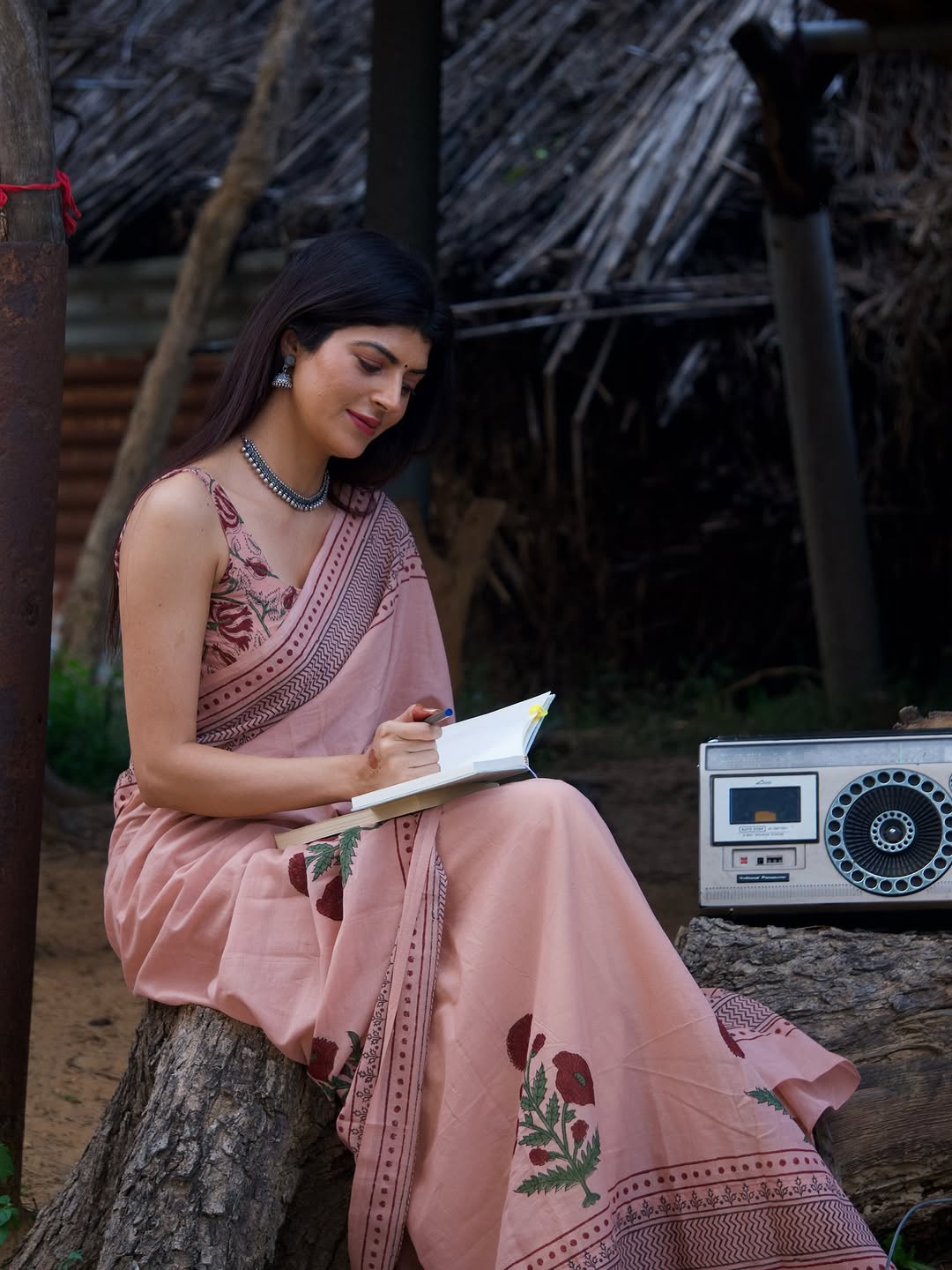
- Wear the intended footwear first. Heel height changes the saree length, pleat fall and position of the lower border.
- Secure the petticoat at the natural waist. Tie the waistband firmly enough to stay in place, but leave room for normal breathing and sitting.
- Check the blouse before draping. Raise both arms, sit down and turn sideways. Correct the blouse if the armhole digs in or the hem rises excessively.
- Create the front pleats. Use five to seven consistent pleats, align the lower edges and check that the pleat stack isn't thicker than the waistband can comfortably hold.
- Walk for five minutes. A saree that looks good while standing may still pull at the knees, loosen at the waist or shift at the shoulder.
- Test the pallu. Lift one arm, sit and turn. Add a hidden pin only where movement shows a genuine need for extra security.
For an affordable wardrobe experiment, the collection Sarees from Rs 1000 to Rs 1500 can be useful for testing silhouettes before investing in a heavily embellished saree. Sale collections such as Sarees Under 20% Off and Sarees Under 10% Off may also help you compare fabric weights and blouse constructions at a lower cost. The key comparison isn't the discount; it's how the saree behaves after ten minutes of movement.
Which Styling Details Improve Balance Without Adding Bulk?
Small styling decisions can improve proportion when they preserve vertical lines and avoid unnecessary layers at the waist. Match the petticoat colour closely to the saree, keep the waistband smooth and choose jewellery that complements rather than competes with the blouse neckline.
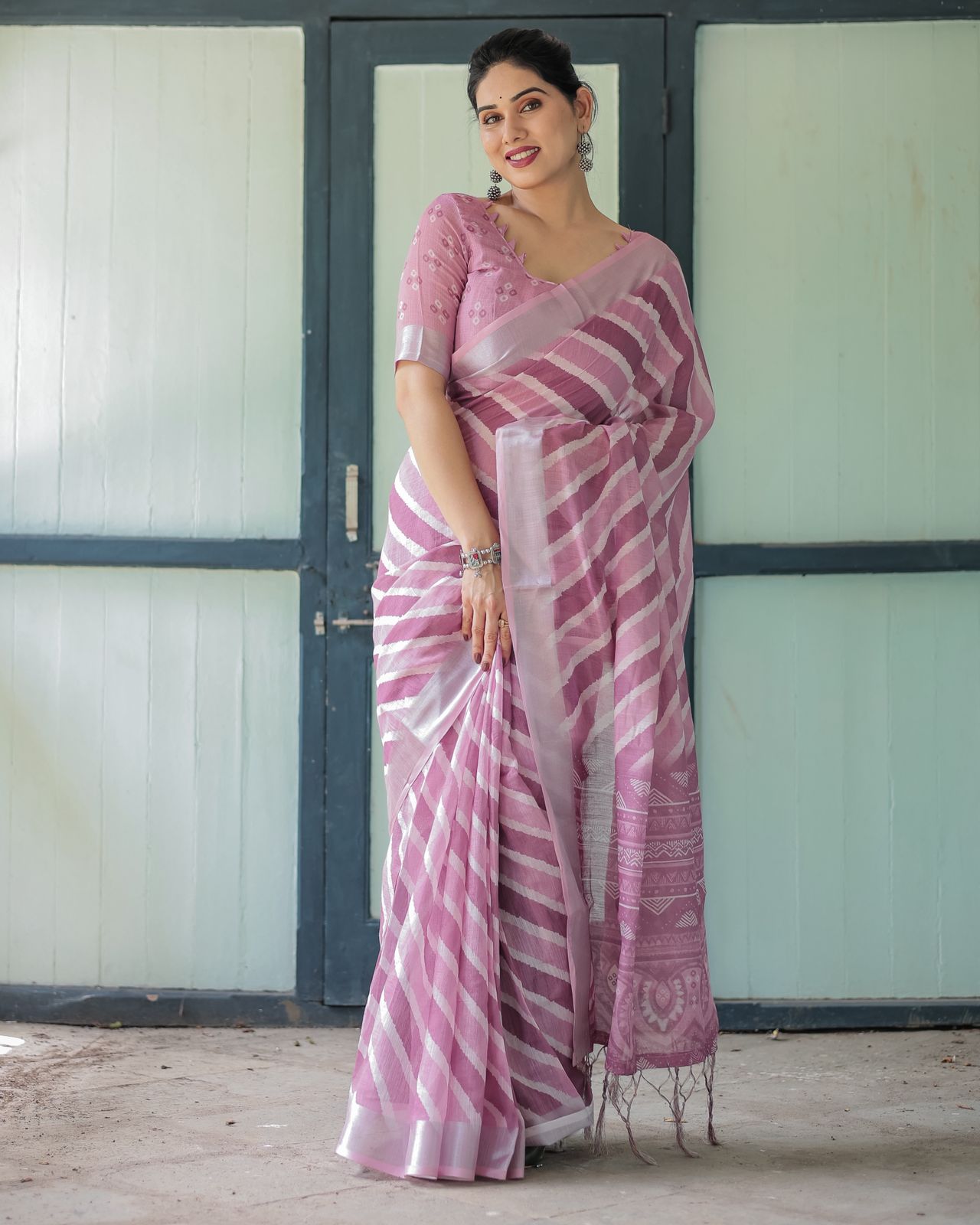
A long necklace or a narrow pendant can echo the vertical fall of an open pallu. Medium-sized earrings often provide enough occasion detail without adding visual heaviness near the bust. If the saree has a strong zari border, keep the blouse embellishment focused at the neckline or sleeves instead of repeating heavy work across every surface.
Wine Fandy Solid Saree With Blouse For Women by VARNAVI shows how a solid colour can create a continuous visual field when the wearer wants the drape itself to lead the styling. A solid saree can also make pleat irregularities more visible, so careful folding and pinning become especially important.
Printed sarees offer more camouflage for minor creasing, while solid sarees show the exact quality of the pleat line. Floral designs such as those on Pastel Linen Cotton Floral Print Saree with Designer Blouse can soften the geometry of the drape, but the print should not replace good fit.
Comfort should remain the final test. A saree that requires repeated pulling, an underwire that digs in or a blouse that restricts breathing will affect posture, and posture changes the entire silhouette. A well-balanced saree allows the wearer to sit, walk, greet guests and enjoy the event without guarding every movement.
Common Questions About Saree Pleats and Blouse Fit for Curvy Women
Fabric Pleat and Blouse Balance for Saree for Curvy Women improves when the wearer evaluates comfort and movement alongside appearance. The following answers address common fitting decisions.

Common Questions About Saree Pleats and Blouse Fit for Curvy Women
Which saree fabric is easiest for a curvy woman to drape?
Medium-weight linen cotton, soft handloom cotton and cotton-silk blends are generally the easiest because they hold pleats while falling smoothly over the body. Very slippery or very stiff fabrics can also work, but they require more careful anchoring and blouse fitting.
How many saree pleats should a curvy woman make?
Five to seven medium-width pleats work well for many sarees, with each pleat measuring about 4 to 5 inches. The correct number depends on the saree width and fabric; the pleat stack should fit comfortably beneath the waistband without creating bulk.
Should saree pleats be placed in the centre or on the side?
Centre pleats create a traditional symmetrical line, while slightly side-set pleats can reduce fabric concentration over the abdomen. Choose the position that lets the pleats fall vertically without pulling the pallu or twisting at the hip.
What blouse design gives the best support for a fuller bust?
A blouse with accurate bust and underbust measurements, a stable shoulder seam, a lined front and well-shaped darts usually provides the best support. Elbow-length sleeves, moderate necklines and a broad back panel can improve comfort, but no design compensates for incorrect measurements.
How can I stop a lightweight saree from slipping?
Use a correctly tied petticoat, a blouse with a secure shoulder fit and discreet pins at the shoulder and waist. Lightweight fabrics need stable anchoring rather than tighter wrapping, because excessive tension can cause pulling and uneven pleats.
Can a curvy woman wear a saree with a contrast border?
Yes, a contrast border can create a clear frame and strengthen the vertical line of the drape. Keep the border visible and avoid allowing it to twist across the bust; footwear, pallu placement and border width determine the final proportion.


