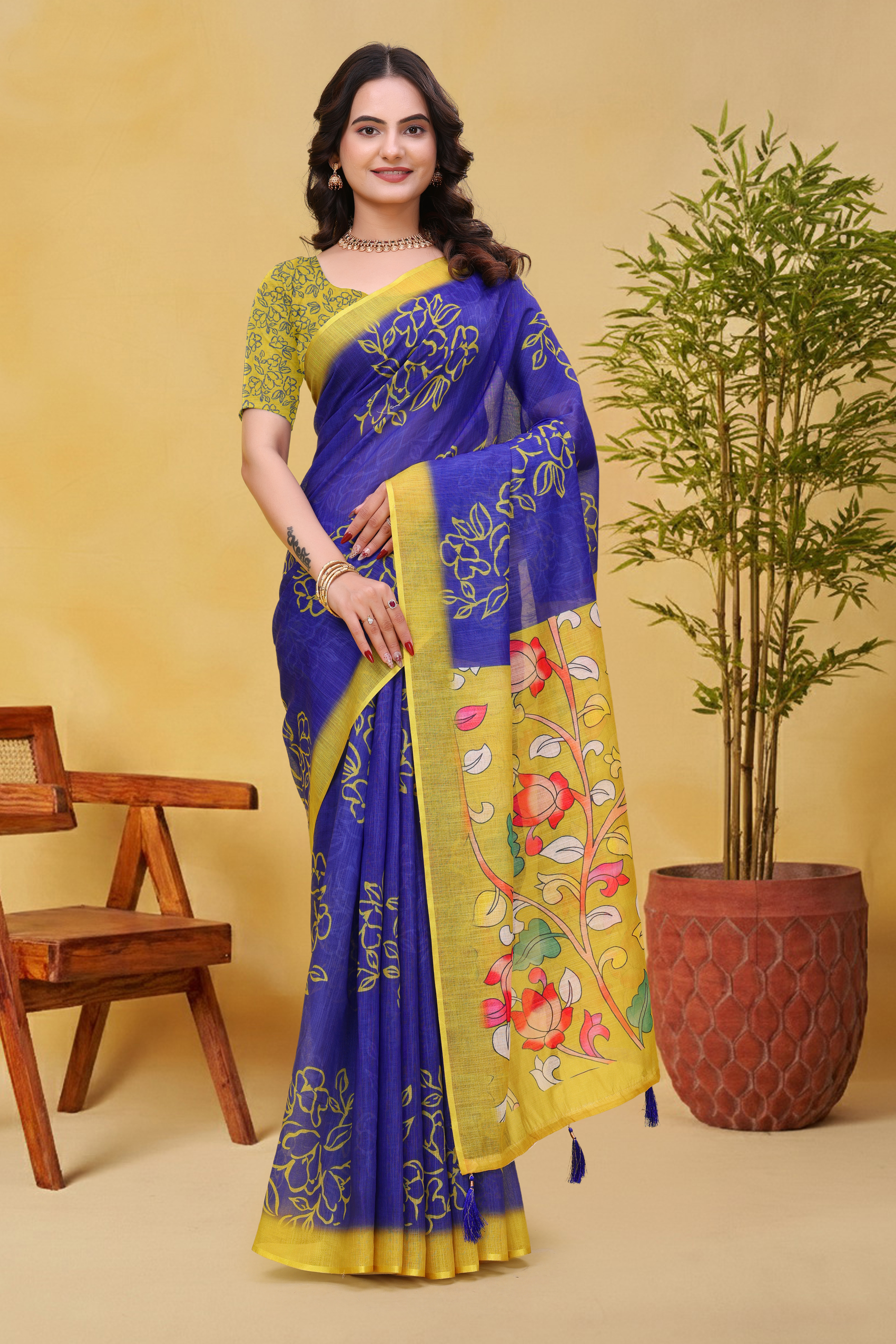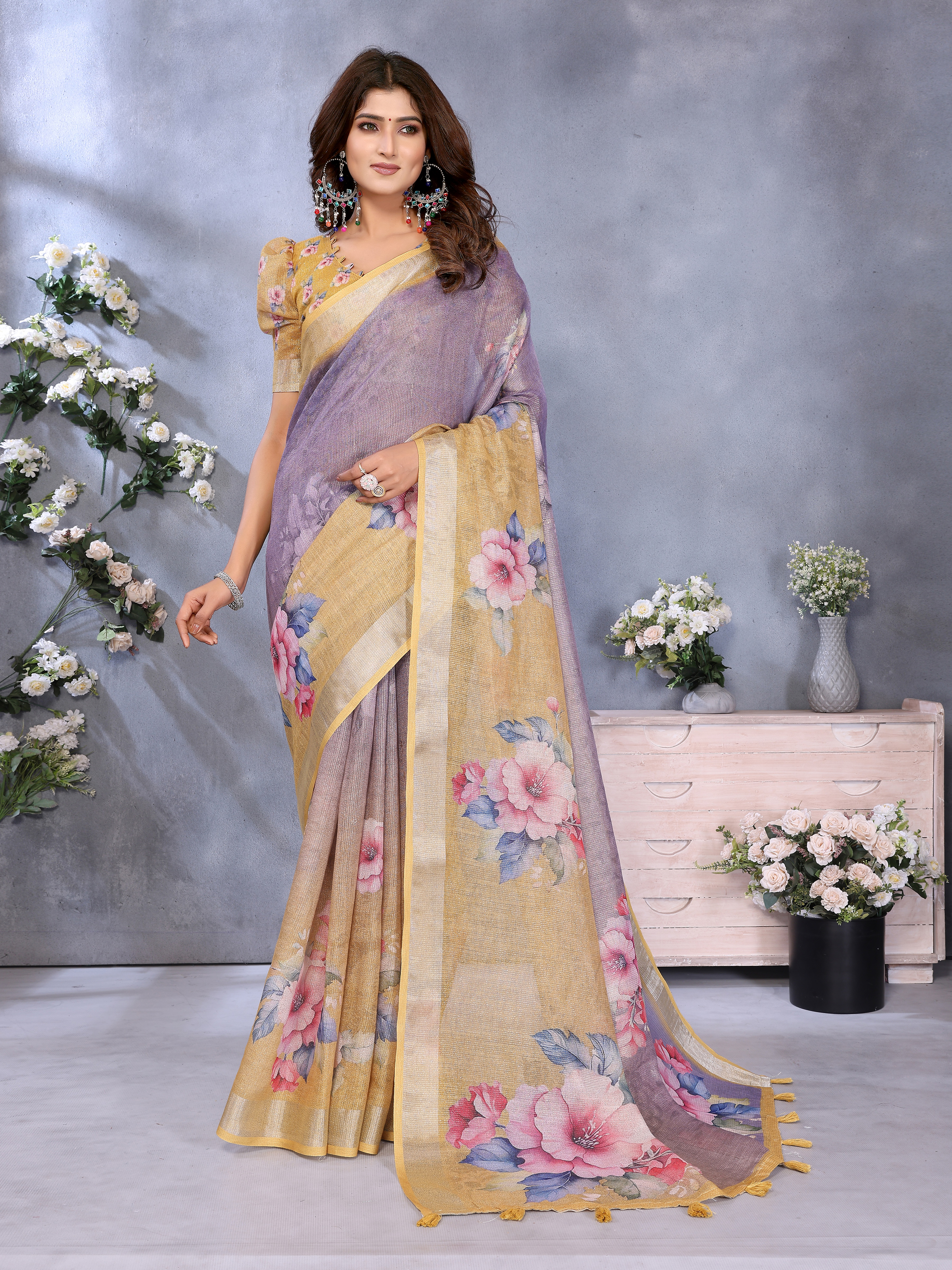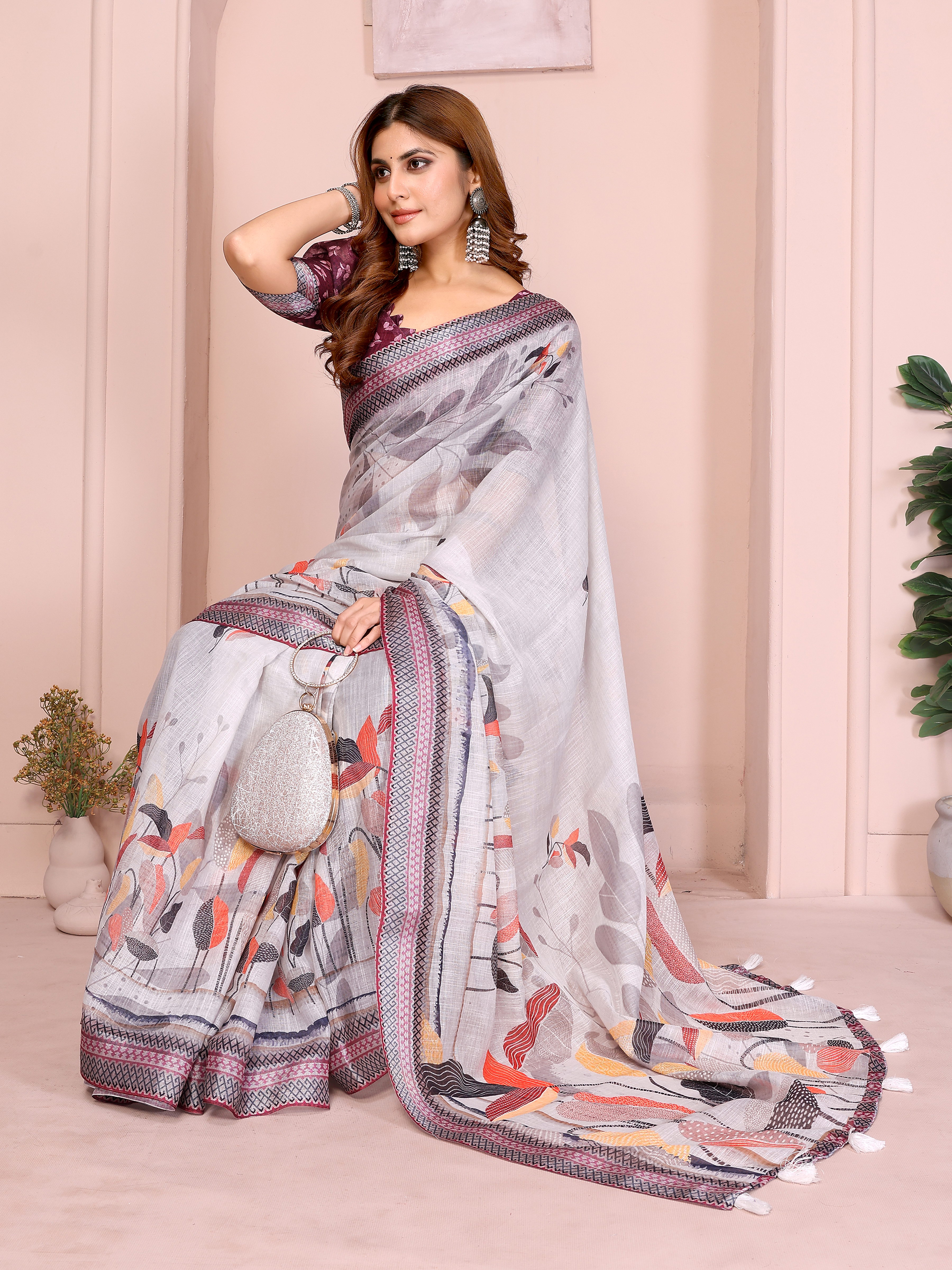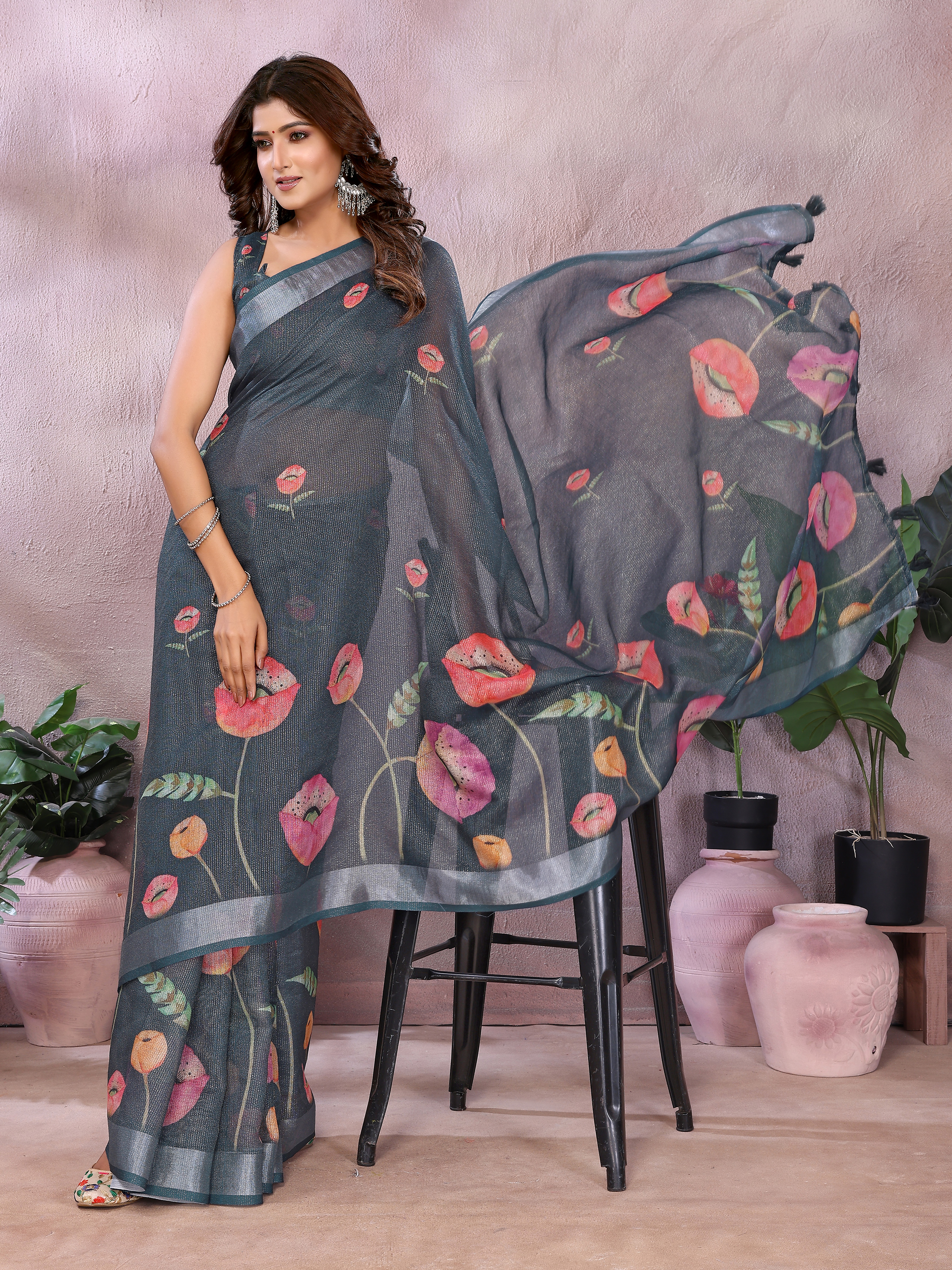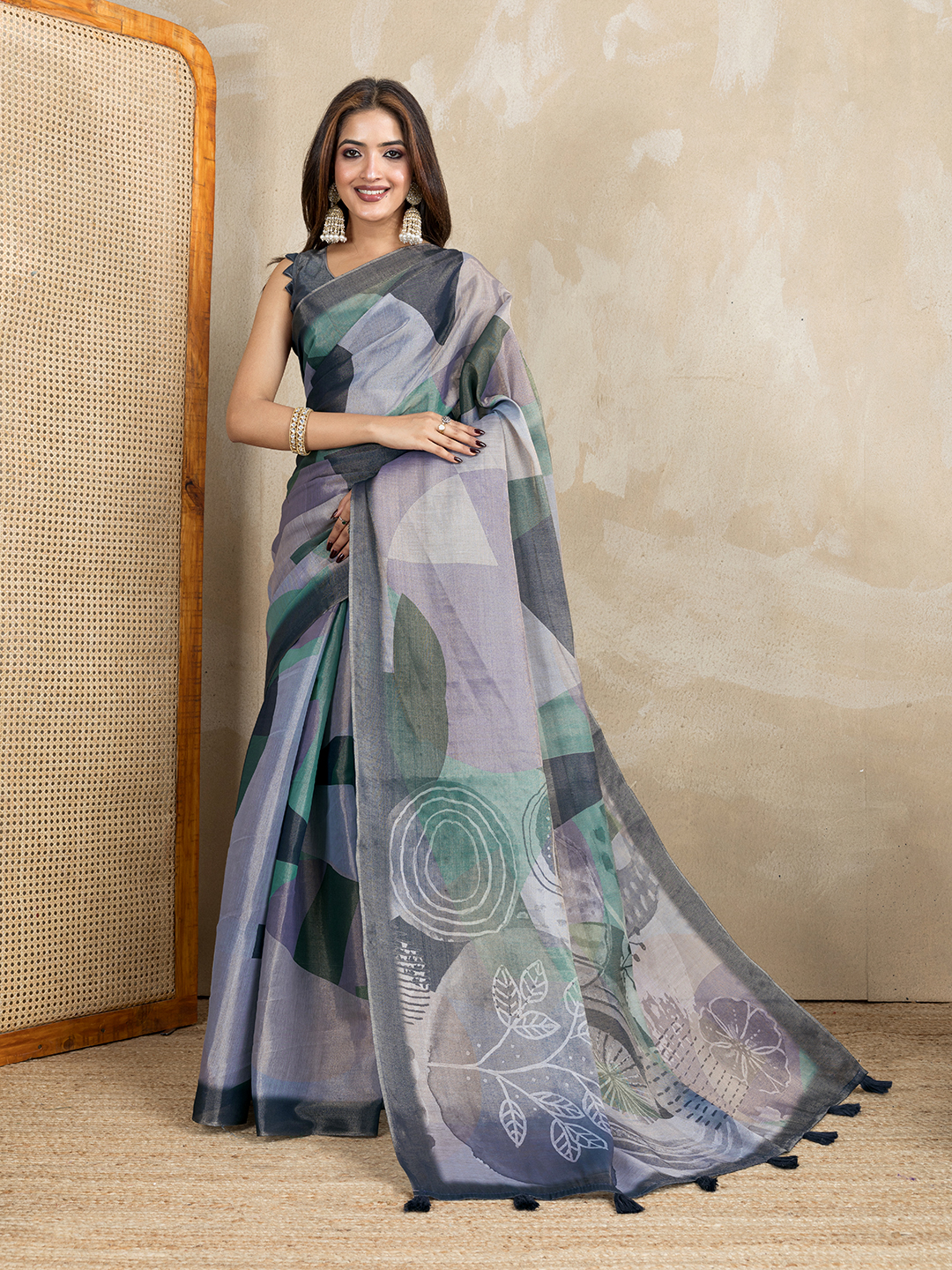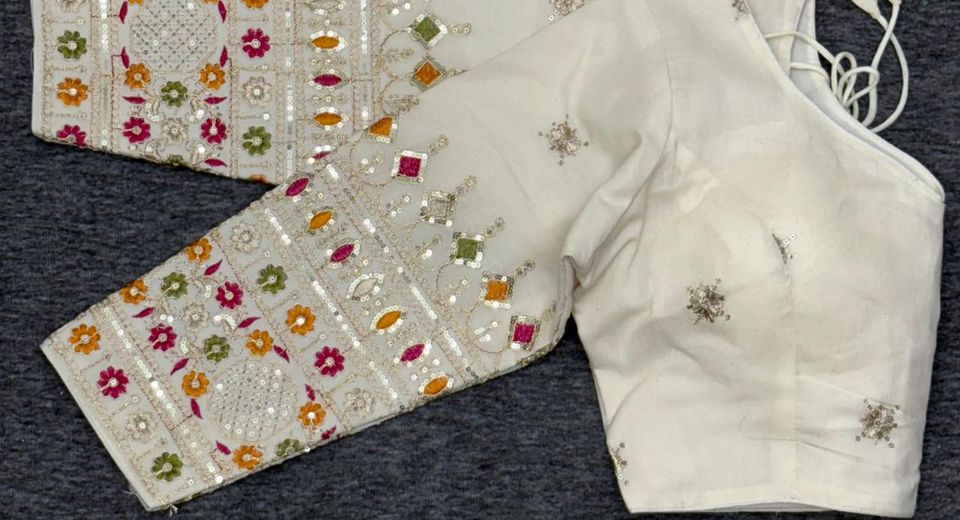
A blouse can fit the bust and still resist a successful alteration. Embroidery Placement Can Make a Blouse Alteration Much Harder when a motif, zari border, bead line or decorative panel crosses the seam that needs to move. Understanding the relationship between ornament and construction helps you choose a readymade blouse more intelligently, especially when buying silk, cotton or a designer saree blouse online.
The useful question isn't simply whether a blouse can be made larger or smaller. The useful question is whether a tailor can change the garment without cutting through an important motif, disturbing the neckline balance or leaving an obvious gap in the embroidery. A plain side seam may allow a modest 1 to 2 centimetre adjustment, while a densely embellished princess seam may offer almost no safe alteration room.
Embroidery Placement Can Make a Blouse Alteration Much Harder at the Seams
Embroidery affects alterations because decorative work is usually completed after fabric panels are cut and joined, making every seam part of the visual design. Moving a seam can split a flower, interrupt a geometric repeat or leave an unworked strip beside a newly positioned edge.
A blouse normally contains several possible adjustment points: side seams, shoulder seams, darts, back seams, hook panels and sometimes the armhole. Each point changes a different measurement. A side-seam adjustment changes bust and waist circumference; a shoulder adjustment changes neckline position and armhole balance; a back adjustment can affect hooks, dori placement and comfort while sitting.
Embroidery Placement Can Make a Blouse Alteration Much Harder when the decoration has no empty margin beside a seam. A tailor may be able to release a plain lining seam, but the embroidered outer layer may still restrict movement. The lining and shell therefore need to be inspected separately rather than treated as one continuous piece.
Small decorative details can also hide construction. Moti work, sequins and dense thread embroidery may cover a seam allowance, while a zari line can make even a minor crookedness visible. A blouse that looks flexible from the front may have very little usable fabric underneath its ornament.
Embroidery Placement Can Make a Blouse Alteration Much Harder Around Necklines
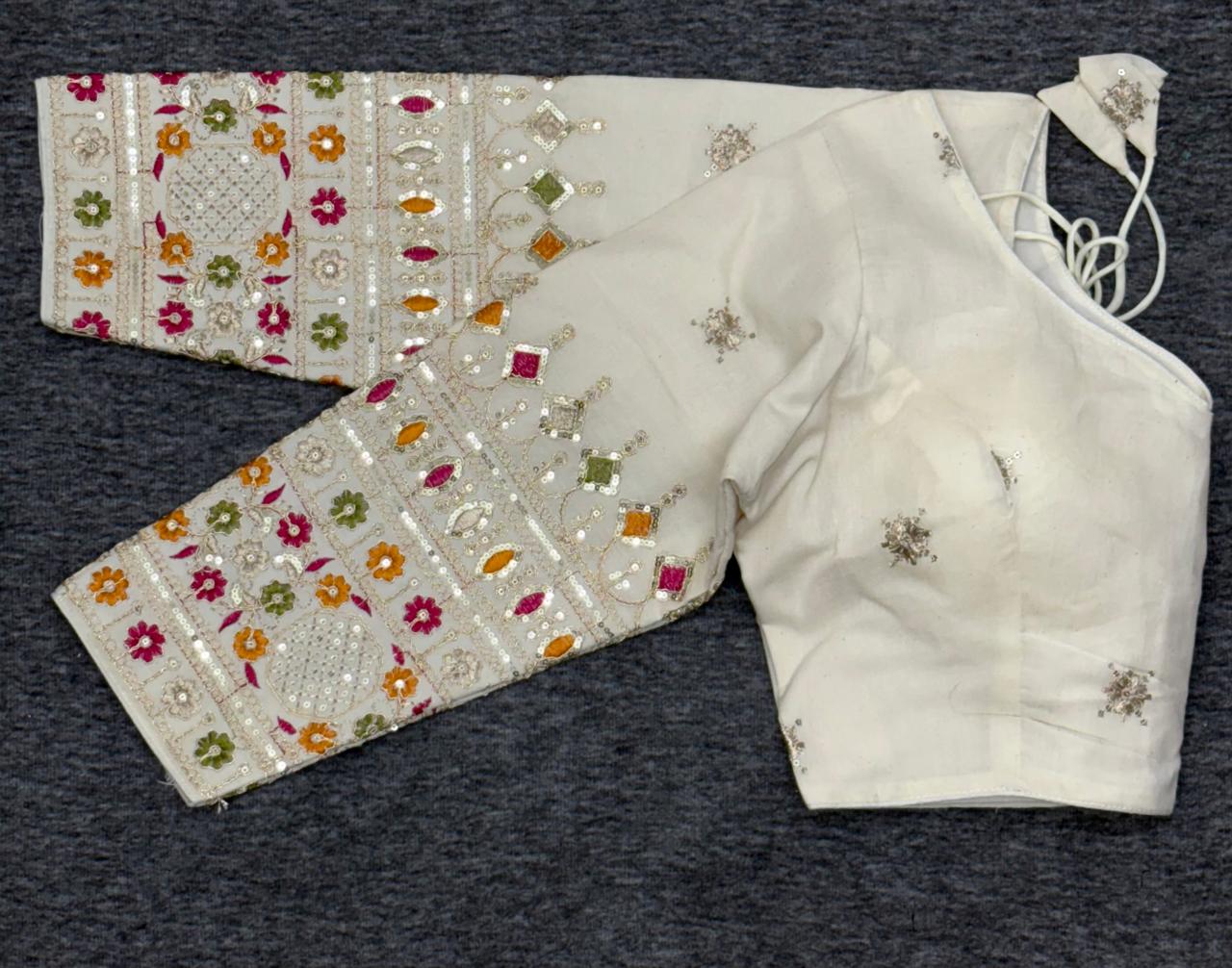
Embroidery placed directly over a seam creates the greatest alteration risk. Motifs that sit near the neckline, armhole, princess line, bust dart, waist edge or back opening are particularly difficult to move without changing the appearance of the blouse.
Neckline and shoulder details
Neckline embroidery is difficult to lower or reshape because the motif usually follows the original cut edge. Lowering a round, V-neck or boat neck can remove part of a border and may require reworking the edge by hand. Shoulder motifs are equally sensitive because shortening or widening the shoulder shifts the neckline and armhole together.
A high-neck blouse with a continuous embroidered border often has less adjustment freedom than a sleeveless blouse with isolated motifs. The difference isn't about whether the blouse is expensive; it's about whether the ornament leaves an unworked area around the construction lines.
Armhole and side-seam motifs
Armhole embroidery limits changes to the bust, shoulder and underarm area. Raising an armhole can cut into a motif, while lowering it may expose an unembroidered section or make the blouse gape. Side-seam embroidery is troublesome when a tailor needs to let out the bust or waist because the motif may have to be unpicked before the seam can open.
Back panels, borders and hook areas
Back embroidery becomes difficult to alter when a border runs across the hook panel or when a central motif must remain aligned after the width changes. Adding fabric at the sides can make the back look wider without solving a tight central opening. A narrow plain hook extension is usually easier to modify than a fully embroidered back panel.
Continuous borders deserve special attention. A border along the lower edge, neckline or sleeve can often be shortened, but extending it requires matching the repeat, colour and thread direction. A tailor may preserve the garment's fit while accepting a small interruption in the border; a perfectly invisible extension isn't always possible.
Embroidery Placement Can Make a Blouse Alteration Much Harder to Plan Online
Inspect the seam lines, embroidery margins and inside construction before buying a readymade blouse. A five-minute measurement check can reveal whether the blouse has practical alteration room.
- Compare finished measurements. Match bust, underbust, waist, shoulder and armhole measurements with a blouse that already fits you. Do not rely only on your usual saree size because brands measure differently.
- Look at the side seams. Turn the blouse inside out and identify whether the outer fabric and lining have separate seam allowances. A visible plain allowance of about 1 to 2 centimetres may provide limited room, but a tailor must confirm how much can be released safely.
- Trace the ornament across each seam. Ask whether a flower, zari stripe, bead row or printed repeat crosses the seam. A motif that stops before the seam gives more freedom than a motif that's cut in half by it.
- Examine the darts. Bust darts covered with embroidery are harder to move. A dart can be shifted only after checking the bust point, motif balance and position of the lining.
- Measure the shoulder and neckline. A blouse that's correct at the bust but short at the shoulder may need structural changes rather than a simple side adjustment.
- Check the fastening. Hooks, zips, fabric-covered buttons and dori ties require different alteration approaches. A hook panel with its own plain extension is generally more workable than a central embroidered zip panel.
- Inspect the hem and sleeve edge. Borders may restrict shortening or lengthening. A sleeve with a fixed embroidered cuff can't always be shortened from the cuff without losing its finish.
Photographs can conceal these details, so ask for the garment's measurement chart and close-up images of the neckline, side seam, back opening and inside finish. The Classic Festive Wear Blouse for Stylish Saree Look should be assessed by construction and measurement, not only by its front view.
Embroidery Placement Can Make a Blouse Alteration Much Harder for a Tailor
A tailor can usually make modest side-seam, hook-extension and plain-hem adjustments when embroidery doesn't cross the working area. The safe amount depends on seam allowance, fabric stability, lining construction and the location of the decorative work.
Taking in a blouse is often easier than letting it out because excess fabric can be removed from a plain seam. Even taking in has limits: removing 2 centimetres from each side can change the position of side motifs, darts and the armhole. A tailor should distribute the adjustment rather than creating a sharp new line at one point.
Letting out a blouse is more uncertain. A tailor may release a seam allowance, add a matching panel or insert fabric under the arm. Each solution creates a different visual result. Matching Banarasi silk, Kalamkari cotton or an ikat weave exactly can be difficult because colour, texture and pattern repeat vary between fabrics.
Shoulder adjustments are possible in some blouses, but they can alter the neckline depth and armhole curve. A shoulder seam covered by embroidery may need careful hand-unpicking and re-sewing. A tailor should test the change with temporary stitches before permanently cutting or pressing the garment.
Lengthening a blouse from the lower edge is practical when the hem is plain. Lengthening a bordered blouse may require adding a contrast band or moving the original border, while shortening a blouse can remove the most visible decorative finish. The wearer should approve the proposed finish before the fabric is cut.
A readymade blouse should therefore be taken to the tailor before an important event if more than a minor adjustment is expected. A fitting appointment 7 to 14 days before a wedding or Haldi ceremony leaves time to correct a neckline, fastening or sleeve issue without rushing delicate embroidery.
Embroidery Placement Can Make a Blouse Alteration Much Harder in Silk and Cotton
Fabric affects alteration difficulty because silk, cotton and woven blends respond differently to unpicking, pressing and added seams. Embroidery placement still matters most, but fabric behaviour determines whether the alteration will remain neat after wear.

Silk, zari and Banarasi silk
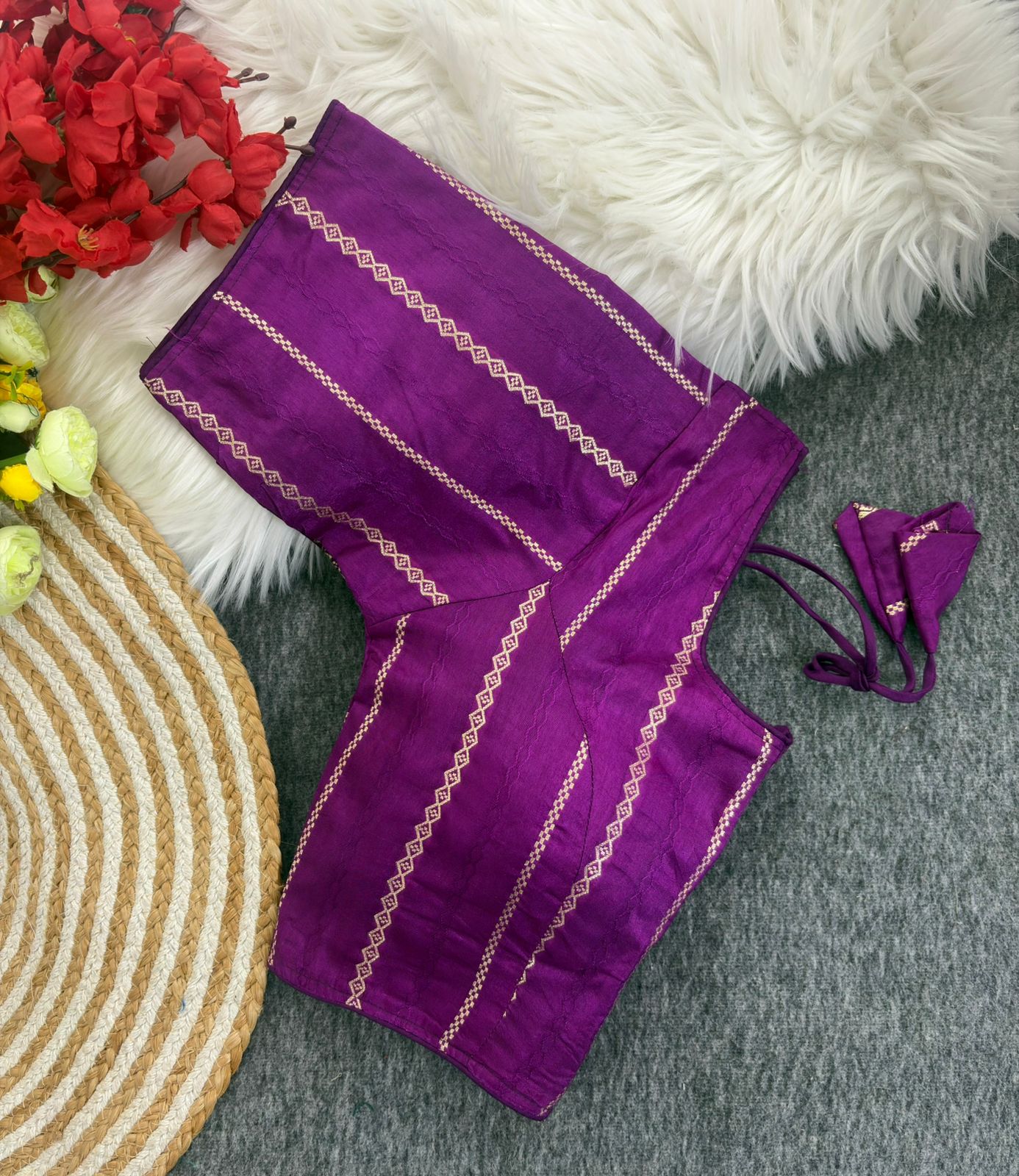
Silk can show needle holes, pressure marks and seam impressions after stitching is removed. Banarasi silk with zari requires especially gentle handling because metallic threads can catch or loosen during unpicking. The Banarasi Silk Golden Jari Padded Blouse for Women may look structured and polished, but its zari placement should be checked before any neckline, side-seam or length adjustment.
Silk blouses also need correct pressing temperature and a protective cloth. Excessive heat can flatten texture or create a shine line along a newly moved seam. Silk alteration should be completed by a tailor familiar with delicate woven fabrics rather than treated like a basic synthetic blouse.
Cotton and ikat
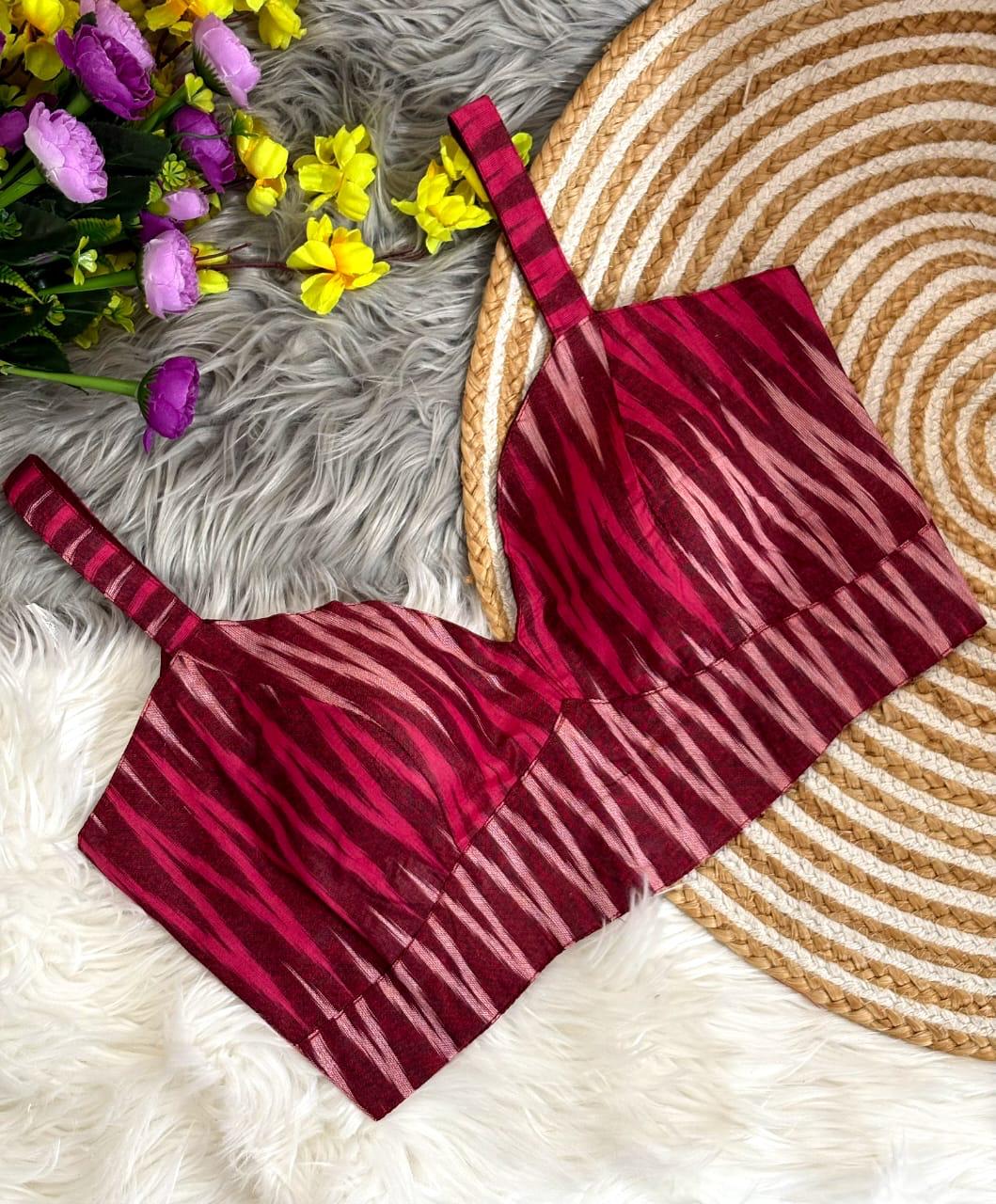
Cotton generally tolerates pressing and routine stitching better than delicate silk, but printed and woven patterns make alignment important. Ikat motifs don't always form exactly straight repeats, so a side panel may look intentionally irregular before alteration and visibly mismatched afterwards.
The Ikkat Cotton Padded Blouse for Women Sleeveless and the Brown Ikat Cotton Padded Blouse Sleeveless Stylish may be comfortable for repeated wear, yet an alteration must preserve the direction and placement of the ikat pattern. Cotton can also shrink if washed after tailoring, so pre-washed fabric and care instructions matter before adding a panel or changing the hem.
Kalamkari cotton
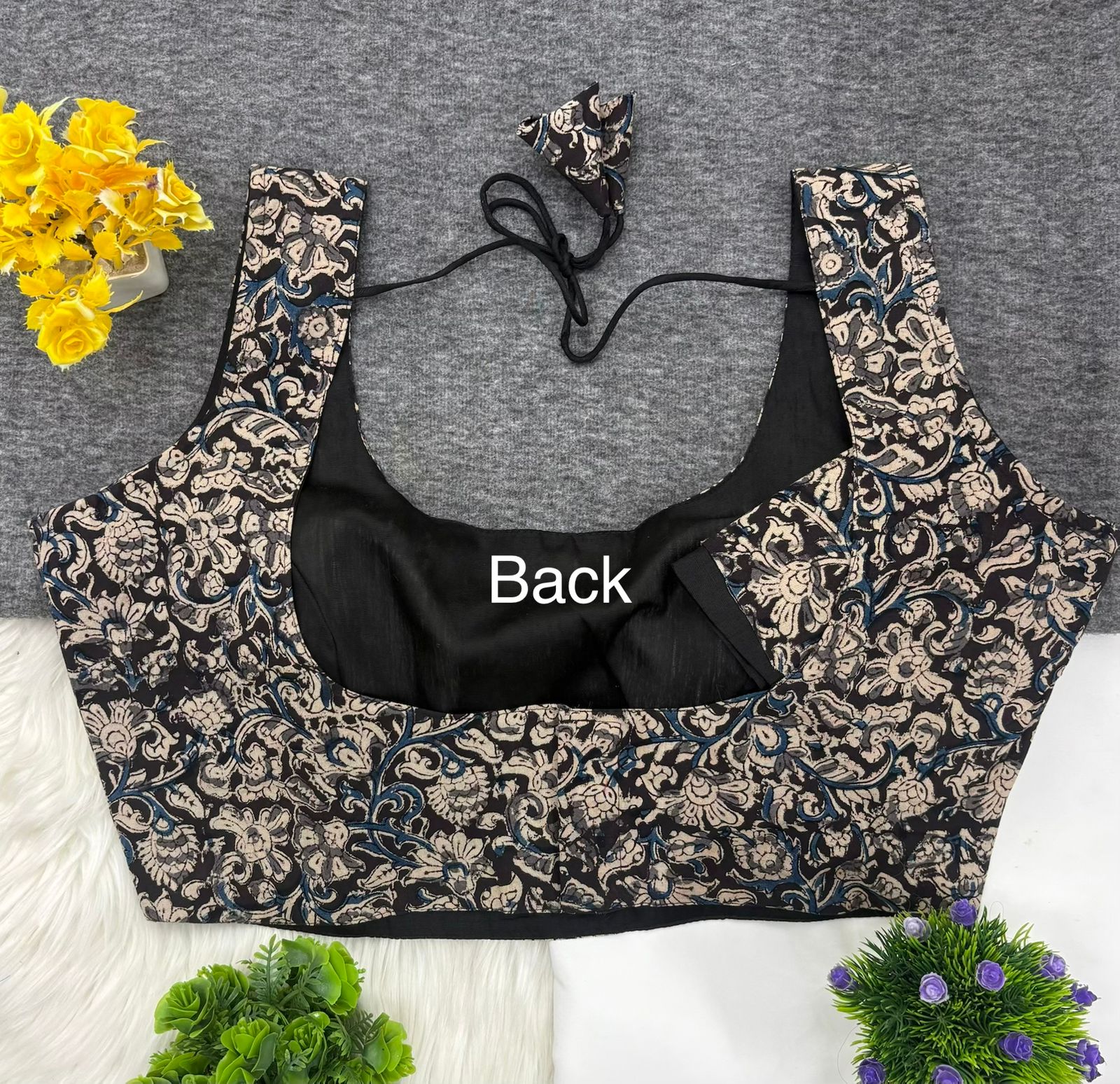
Kalamkari cotton needs motif planning because a large floral or figurative print can be disrupted by moving a seam. The Pure Kalamkari Cotton Padded Blouse for Women and the Kalamkari Cotton V Neck Collar Blouse for Women illustrate why neckline shape and print placement need to be considered together. A V-neck cut can remove part of a central motif even when the side seams remain untouched.
The Cream Ikat Cotton Padded Blouse Sleeveless Trendy offers another useful comparison: a light ground can make a shifted or newly added seam more noticeable. Darker fabric doesn't automatically hide an alteration either, because contrast stitching and broken woven patterns can remain visible.
Embroidery Placement Can Make a Blouse Alteration Much Harder to Judge After Fitting
Judge the altered blouse while wearing the saree and standing in natural movement, not only while looking at the blouse on a hanger. The saree's drape, pallu weight and pleat position can change how a neckline, armhole or side motif appears.
Raise both arms, sit down, bend slightly and place one hand at the waist during the fitting. These movements reveal whether the armhole cuts in, the hook panel pulls or the padded cups shift. A blouse that looks smooth when standing still may need another adjustment if the embroidery strains across the bust.
Check motif alignment from the front, side and back. A central flower should not appear noticeably displaced from the sternum, and a continuous border should not climb sharply at one side unless the design intentionally does so. Compare the left and right shoulder, sleeve edge and bust area under even lighting.
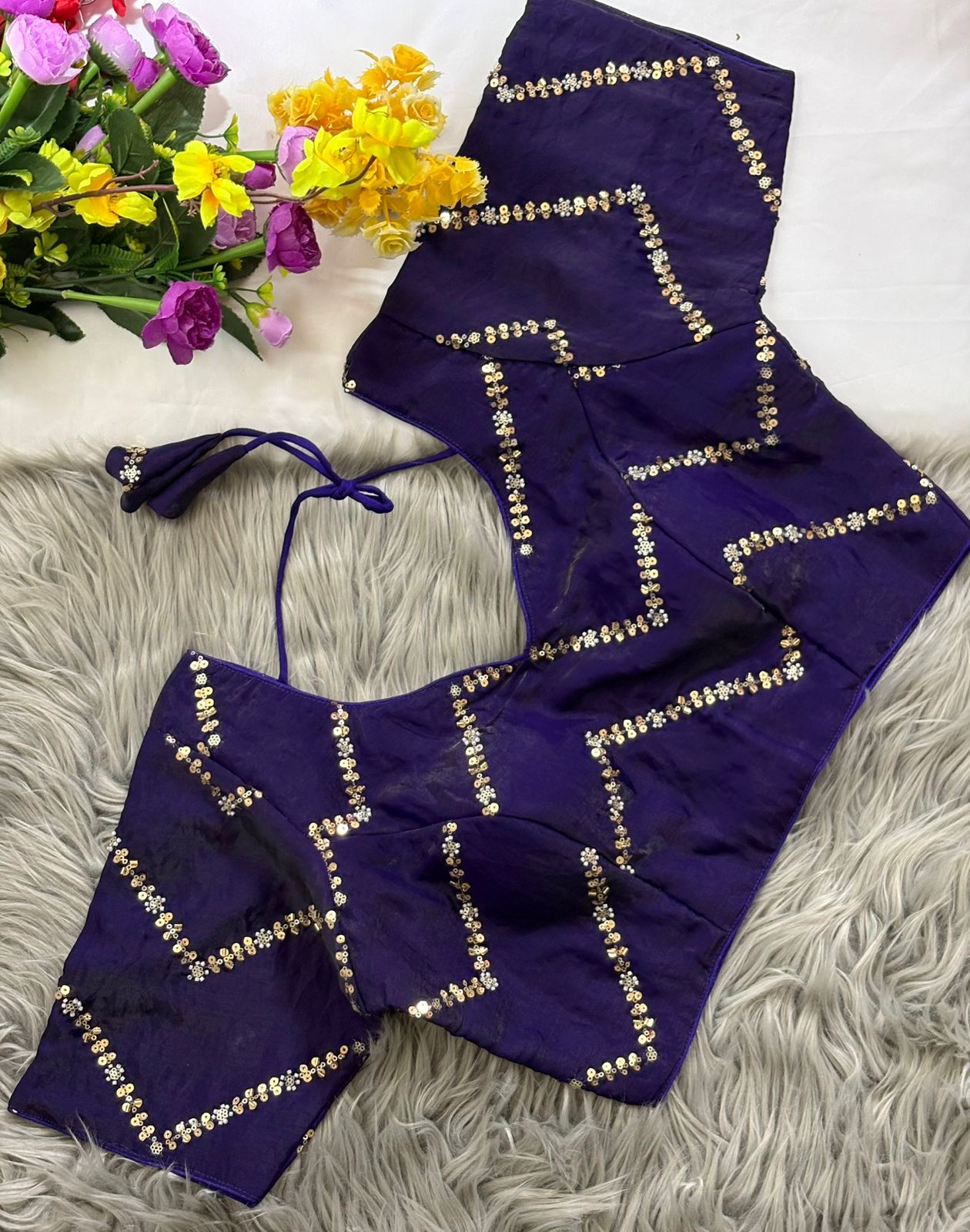
The Fendy Silk Zigzag Moti Work Readymade Blouse deserves a close inspection of its beadwork before fitting because raised moti details can catch on pins and may make a seam harder to open. The Kalamkari Cotton V Neck Collar Blouse for Women also shows why the collar, V point and front motif need to remain visually balanced after any neckline correction.
For a blouse intended for a designer saree, take the saree or a matching fabric swatch to the fitting. Colour contrast, border width and pallu placement can make a small alteration more or less conspicuous. A blouse doesn't need to match the saree's embroidery exactly, but the scale of its motifs should look deliberate after tailoring.
Embroidery Placement Can Make a Blouse Alteration Much Harder to Avoid
Choose the least embroidered construction when you already know that significant resizing may be needed. A plain side seam, separate hook panel, adjustable tie or unembellished hem gives a tailor more options than continuous work across every panel.
For buyers between two sizes, prioritise the measurement that's hardest to change. Bust and armhole fit usually deserve more attention than a slightly loose waist because a waist seam can sometimes be taken in without disturbing the neckline or shoulder. A shoulder that's too narrow, however, may require more invasive reconstruction.
The Ikkat Cotton Padded Blouse for Women Sleeveless and Brown Ikat Cotton Padded Blouse Sleeveless Stylish are useful examples of why fabric pattern matters even when heavy embroidery is absent. The Banarasi Silk Golden Jari Padded Blouse for Women demonstrates the additional care required when zari and padding share a structured front. The Fendy Silk Zigzag Moti Work Readymade Blouse shows why raised embellishment needs a careful inside inspection.
Wash and store the blouse according to its fibre and ornament before arranging a final fitting. Silk and zari generally need gentle professional care, while cotton may require pre-shrinking or careful washing to prevent later fit changes. Never assume that a blouse altered before its first wash will retain identical measurements afterwards.
Good purchasing decisions begin with a realistic alteration plan. When a motif stops short of a seam, the lining has usable allowance and the fastening can be moved independently, a readymade blouse may adapt well. When embroidery crosses the neckline, dart, armhole and hook panel together, selecting a closer size is usually safer than relying on extensive tailoring.
Common Questions About Embroidered Blouse Alterations
Can an embroidered readymade blouse be altered to a larger size?
An embroidered readymade blouse can sometimes be enlarged by releasing seam allowances or adding side, underarm or hook-panel inserts. The alteration is safest when embroidery does not cross the seam and matching fabric is available; continuous motifs and zari borders can make an invisible enlargement impossible.
Is it easier to make an embroidered blouse smaller?
Making an embroidered blouse smaller is usually easier because excess fabric can be removed from a plain seam. Taking in the blouse can still disturb darts, armholes and side motifs, so the tailor should distribute the reduction and check the garment while it is worn.
Can the neckline of a silk blouse be altered?
A silk blouse neckline can be altered when the edge has enough plain fabric and the embroidery does not follow the original cut line. Lowering or reshaping a zari or bead-encrusted neckline may leave needle marks, remove motifs or require hand reworking.
How much seam allowance is needed to alter a readymade blouse?
About 1 to 2 centimetres of usable seam allowance may permit a modest adjustment, but the exact amount depends on the shell, lining, embroidery and seam position. A visible allowance is not automatically usable if the decorative work or fabric grain prevents the seam from being moved.
Are cotton blouses easier to alter than silk blouses?
Cotton blouses are generally more tolerant of pressing and unpicking than silk blouses, but ikat and Kalamkari motifs still need careful alignment. Silk can show needle holes and pressing marks, while cotton can shrink after washing, so both fabrics require fibre-appropriate handling.
What should I check before buying a designer readymade saree blouse?
Check the finished bust, underbust, waist, shoulder and armhole measurements, then inspect where embroidery crosses seams, darts, the neckline and the hook panel. A designer readymade saree blouse with a plain adjustment area is usually more adaptable than one with continuous ornament across every construction line.