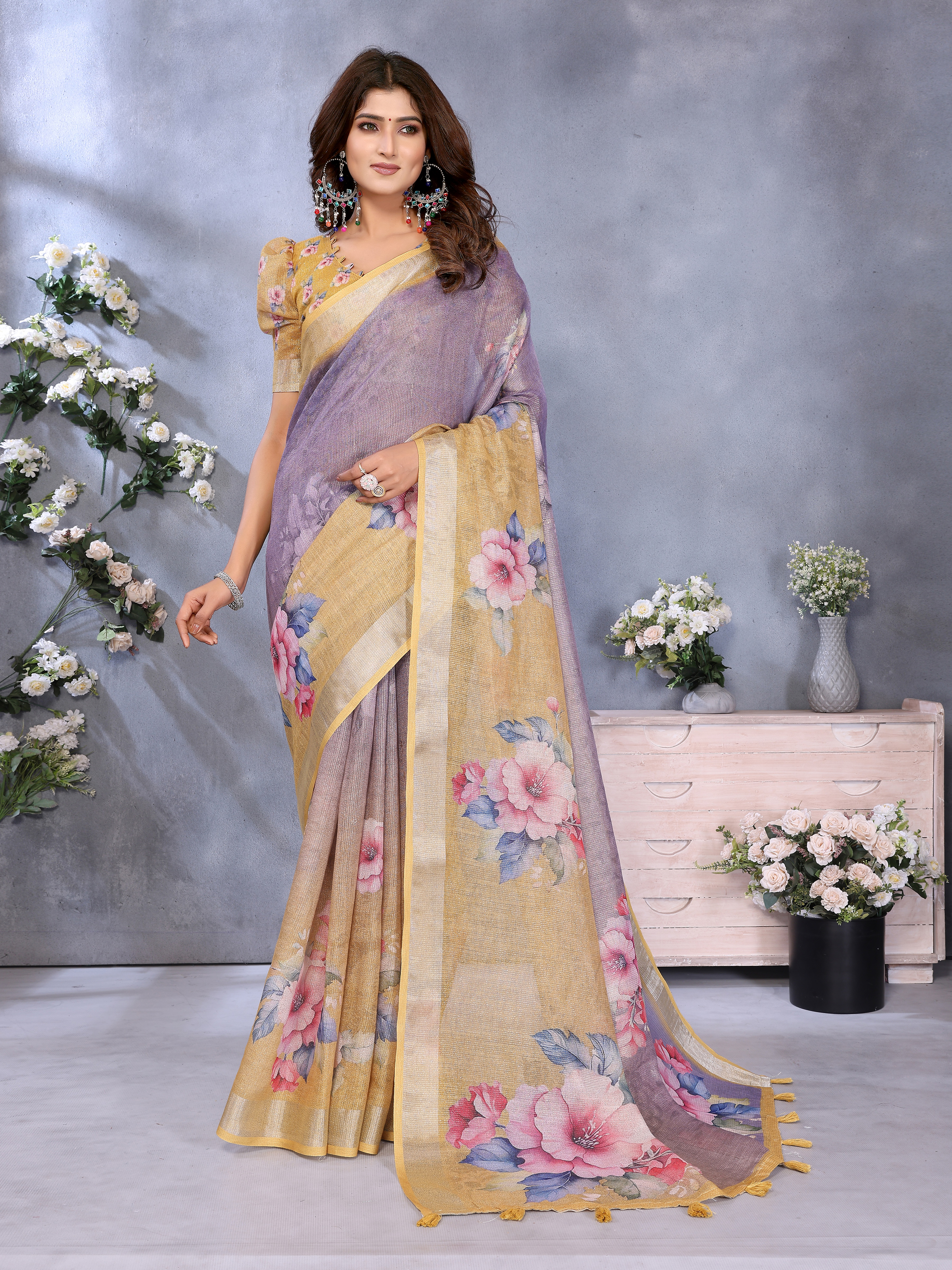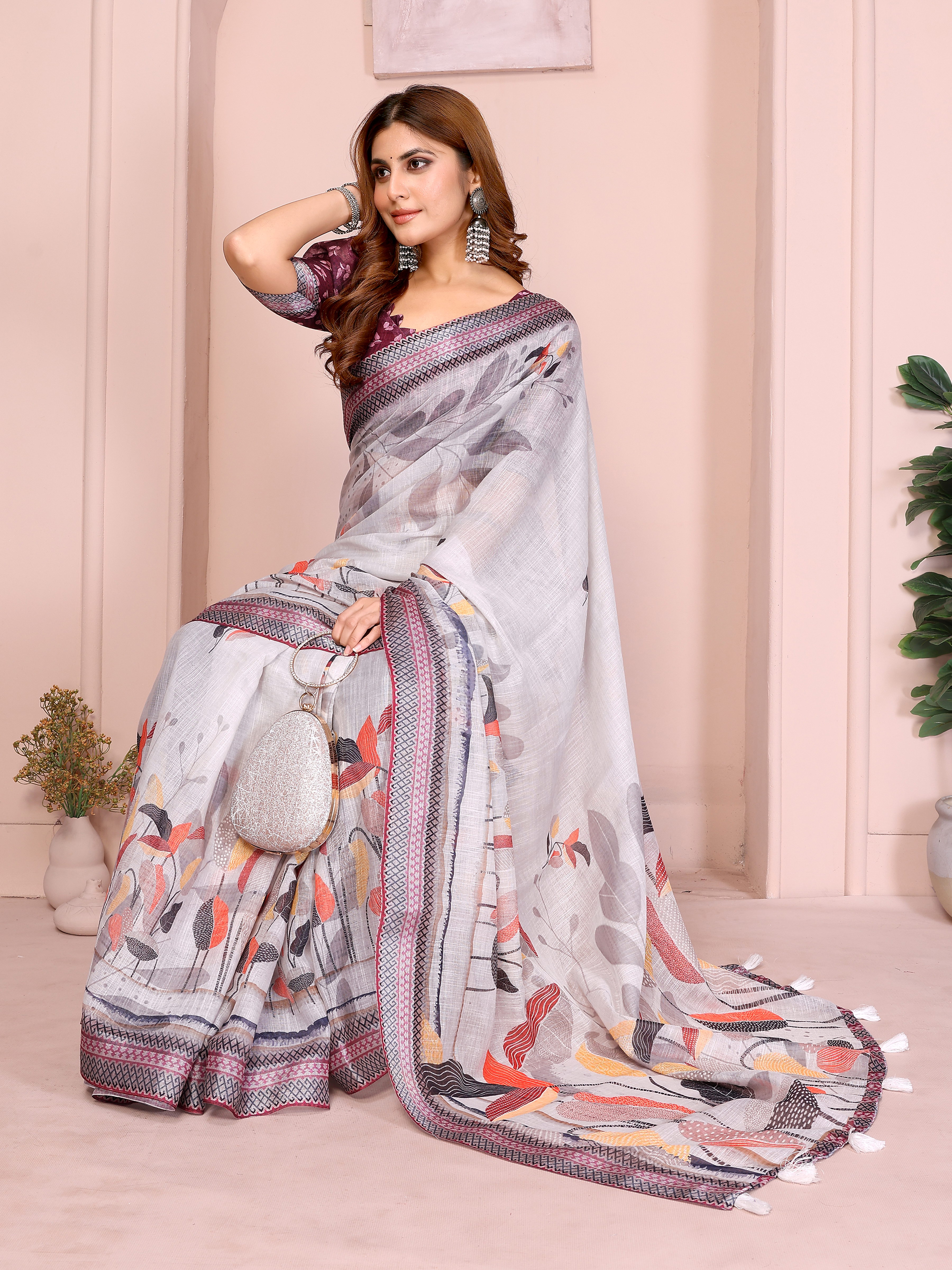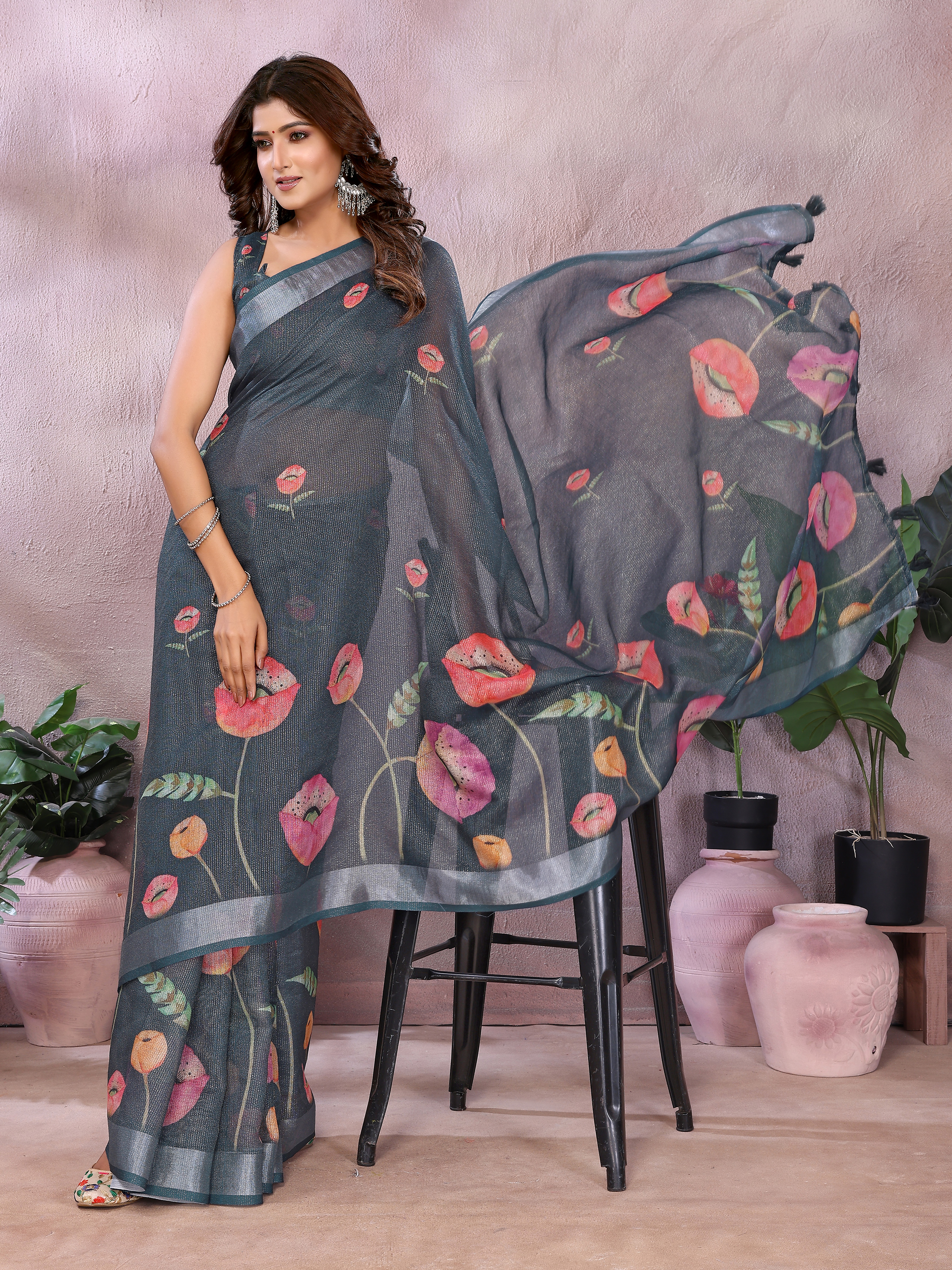


A lehenga can survive many celebrations, but repeated professional cleaning can gradually affect the details that make it special. Dry Cleaning a Lehenga Too Often Can Be Harder on Embellishments Than You Think because sequins, zari, metallic thread, beads, adhesive-backed stones and delicate net respond differently to solvents, heat and machine movement. The safest routine combines limited dry cleaning with careful airing, prompt stain treatment and breathable storage.
The right approach depends on the lehenga's base fabric, the type of decoration and what happened during wear. A lightly worn festive set may need only airing and a small amount of spot care, while a bridal lehenga exposed to perspiration, food, makeup or damp weather should be assessed by a specialist before storage.
Why Dry Cleaning a Lehenga Too Often Can Be Harder on Embellishments Than You Think
Repeated dry cleaning can loosen, dull, bend or distort embellishments even when the fabric itself still looks clean. A cleaning cycle may involve solvent exposure, tumbling, agitation, pressing and finishing, and every stage can place stress on decorative work.
Sequins may lose surface shine after repeated friction, particularly when loose pieces rub against one another. Metallic zari can become less lustrous or develop a flattened appearance under pressure. Hand embroidery may remain attached but lose its original texture when threads are repeatedly compressed during pressing.
Adhesive-set stones require extra caution because some solvents can weaken the adhesive holding them in place. A missing stone isn't always evidence of poor workmanship; repeated movement, heat and cleaning chemicals can all contribute to gradual loss.
Butterfly net and other open, lightweight fabrics can snag on rough surfaces inside a cleaning machine or against heavier trim. Satin can show pressure marks or changes in surface sheen when handled aggressively. Pink Sequins Embroidered Butterfly Net Lehenga Set illustrates why a decorated net garment should not be treated like an undecorated everyday skirt.
Dry cleaning should remove genuine soil and stains, not serve as an automatic step after every single wear.
How Often Should an Embellished Lehenga Be Dry-Cleaned?
An embellished lehenga should be dry-cleaned when it has visible soil, persistent odour, body-oil buildup or a stain that can't be safely spot-treated. A lehenga worn for two or three hours in a clean indoor setting may not need immediate cleaning if it's aired and stored correctly.

there's no universal number of wears because perspiration, climate, makeup and venue conditions vary. In humid weather, allow a worn lehenga to air for several hours before packing it away. Do not leave the garment in direct sunlight, since strong sunlight can fade coloured fabric and some embroidery.
Inspect the waistband, underarm area, neckline and hem after every event. These zones collect the most perspiration, foundation, perfume residue, dust and floor contact. A small mark treated promptly is usually less risky than sending the complete garment through multiple cleaning cycles for a stain that could have been isolated.
Wedding and bridal lehengas deserve an additional inspection before long-term storage. If a bridal skirt has absorbed oil, turmeric, alcohol, food or moisture, professional cleaning is safer than sealing the problem inside a garment bag. If the lehenga is clean and dry, unnecessary cleaning before storage can create more wear than benefit.
Does a fully stitched lehenga need different care?
A fully stitched lehenga doesn't automatically need more frequent dry cleaning, but its fixed construction can make targeted treatment more difficult. A ready-made choli, attached waistband or permanently finished hem may be harder to open, separate or reverse during stain treatment.
People comparing fully stitched choli shopping with semi-stitched options should ask how the entire set will be cleaned, not only how it will fit. A ready-made garment such as Dusty Pink Satin Embroidered Lehenga Set Online should be examined for care labels, lining, detachable dupatta details and areas where embroidery meets seams.
Which Embellishments Are Most Vulnerable During Cleaning?
Glued stones, loose sequins, metallic zari, delicate threadwork and lightweight net are among the embellishments most vulnerable to repeated cleaning. Vulnerability depends on attachment method, density, fabric tension and the pressure used during finishing.

Sequins, beads and stones
Sequins and beads can catch on one another or on a cleaning bag, while stones may loosen if adhesive softens. Turned or crushed sequins can also create uneven shine across a panel. Ask the cleaner to inspect loose decorations before starting and to return any detached pieces with the garment.
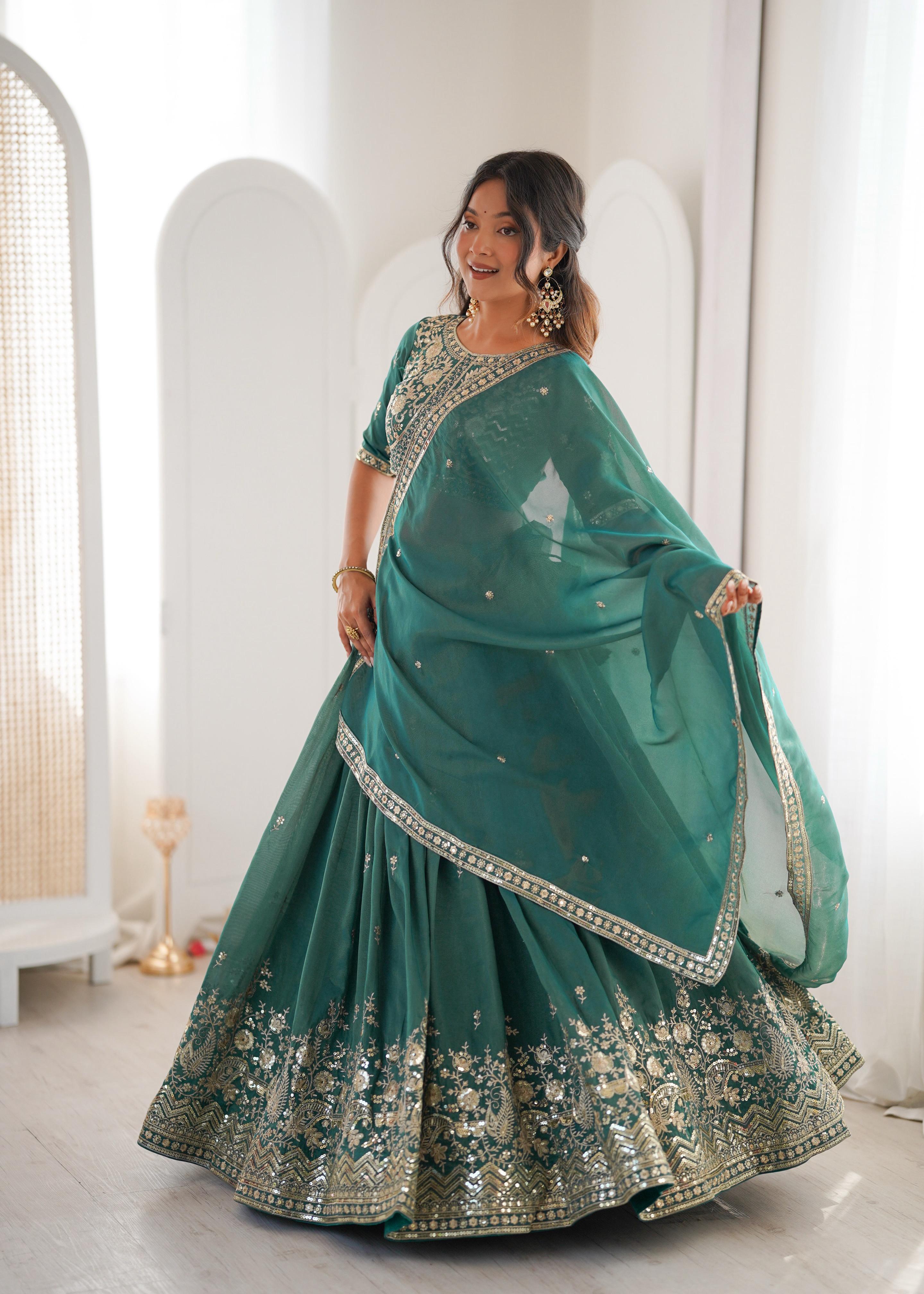
Green Chinon Silk Sequins Embroidered Lehenga Set combines a delicate-looking base with sequin decoration, so a cleaner should know that solvent choice and agitation matter. The garment should not be processed like an undecorated skirt.
Zari and metallic embroidery
Zari is a metallic thread or metallic-looking decorative element that can react visibly to friction, moisture and chemicals. Zari work should be protected from harsh brushing and high direct heat, especially around dense borders and motifs.
Designer Threadwork Silk Lehenga Choli Set with Dupatta demonstrates why the word threadwork alone doesn't settle the care question. A professional should check whether the embroidery includes metallic thread, beads, sequins or mixed materials before selecting a process.
Net, satin and soft embroidered surfaces
Net fabrics can snag, while satin surfaces can reveal scuffs, pressure lines and changes in lustre. Dense embroidery adds weight to the base fabric, which means hanging the garment incorrectly can stretch seams or pull at decorated areas.
Pastel Grey Embroidered Butterfly Net Lehenga Set and Magenta Satin Embroidered Lehenga Set Online represent two different handling concerns: lightweight net needs snag prevention, while satin needs protection from abrasion and uneven pressing. Both should be placed in a clean cotton cover rather than a tightly packed plastic sleeve.
What Should You Do After Wearing a Lehenga?
After wearing a lehenga, air every separate piece in a shaded, dust-free place for several hours before storage. A simple post-event routine can reduce odour and moisture without subjecting embellishments to another full cleaning cycle.
Remove jewellery, safety pins and temporary fashion tape before folding the garment. These items can snag embroidery or leave adhesive behind.
Check the hem, waist, neckline and dupatta border under good light. Mark the location of any stain with a removable note instead of rubbing it.
Blot fresh liquid with a clean white cloth. Press gently from the outside edge toward the centre, and never scrub sequins or metallic embroidery.
Allow perspiration to evaporate before folding. Do not use a hairdryer, iron or perfume spray to disguise odour.
Store the skirt, choli and dupatta separately with acid-free tissue around heavy borders or raised embroidery.
Food, oil, lipstick and turmeric stains require caution because home remedies can permanently alter colour or texture. Lemon juice, baking soda, bleach, detergent and alcohol-based sprays are poor choices for an embellished lehenga. A small hidden-area test isn't a guarantee that a visible panel will react in the same way.
How Should a Cleaner Handle an Embroidered Lehenga?
A cleaner should inspect the garment, identify decoration materials and agree on the cleaning method before processing the complete lehenga. The customer should disclose stains, previous repairs, loose sequins, colour-transfer concerns and any adhesive decorations.
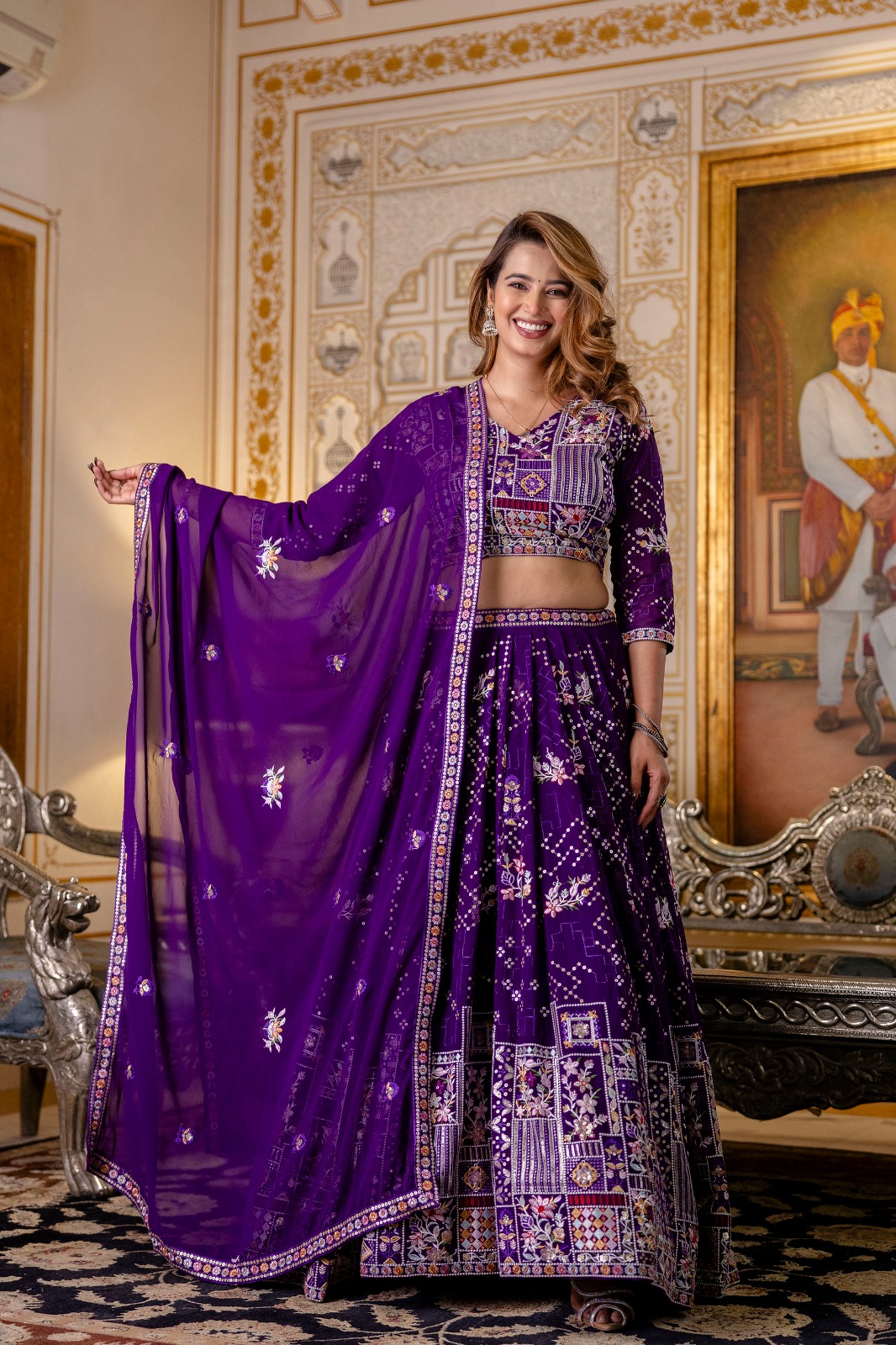
Ask four practical questions at the counter: Will the lehenga be cleaned separately? What solvent or process is recommended for the fabric? Will the garment be placed in a protective mesh bag? How will the cleaner control pressing around stones and embroidery?
Professional cleaning doesn't always mean conventional machine dry cleaning. A specialist may recommend low-agitation treatment, controlled wet cleaning, local stain removal or hand finishing, depending on the fabric and embellishment. The suitable method must be chosen after inspection rather than promised from a product name alone.
Request a written note for valuable bridal or designer garments, including the condition of the embellishments before cleaning. Photograph the front, back, borders and any existing loose work. This record helps distinguish pre-existing damage from damage discovered after collection.
Never accept a garment that's still damp or strongly solvent-smelling for immediate long-term storage. Let the lehenga air in a shaded room until the smell has dissipated and the fabric feels fully dry.
How Can You Store a Lehenga Between Weddings and Festivals?
Store a lehenga flat or on a broad padded hanger inside a breathable cotton garment bag, away from sunlight, damp walls and crowded wardrobes. Heavy skirts should usually be folded with tissue support rather than left hanging for months.

Fold along broad natural panels instead of pressing raised embroidery directly against another decorated section. Place soft tissue between zari borders, sequins and stonework to reduce friction. Refold the garment every few months so one crease doesn't become permanent.
Keep the storage area dry, but don't place mothballs, incense, essential oils or strongly scented products directly beside the lehenga. These substances can leave odours or residues that are difficult to remove from satin, silk and net.
Mehendi Lehengas, Yellow Lehengas and Green Lehengas may be worn for events involving outdoor seating, flowers, food and coloured powders. Such use makes hem inspection especially important. A garment from a Ready Made Lehenga range should still receive the same storage care as a custom bridal piece.
A Semi Stitched Lehengas Collection can offer alteration flexibility, but unstitched or partially stitched panels still need protection from dampness and abrasion. Keep matching blouse pieces and dupattas with the skirt, but avoid compressing the full set into a small suitcase for extended periods.
When Is Professional Cleaning Essential?
Professional cleaning is essential when a lehenga has an oil-based stain, widespread perspiration, mould, strong odour, colour transfer or moisture damage. Specialist attention is also appropriate before storing a heavily worn bridal lehenga for several years.

don't delay treatment for milk, ghee, foundation, lipstick, turmeric or sugary drinks. Such substances can oxidise, attract insects or become harder to remove as they age. Tell the cleaner exactly when and how the stain occurred, because the correct response differs for oil, protein, dye and cosmetic marks.
For a valuable designer or bridal lehenga, choose a cleaner experienced with embellished Indian garments rather than relying only on the nearest general laundry. Ask whether the cleaner has handled sequins, zari, silk, satin, georgette, chinon silk and butterfly net. A specialist who understands fabric construction can reduce unnecessary agitation and high heat.
Cleaning is only one part of preservation. Inspect seams, hooks, tassels, can-can layers and borders before each major event. Small repairs made early prevent loose trim from catching during dressing, dancing or transport.
Careful maintenance also makes shopping more practical. Whether choosing a designer bridal set, a girls' festive lehenga or a lighter wedding outfit, compare the construction and care demands with the number of times the garment is likely to be worn. A beautiful set that can be aired, repaired and stored properly often serves better than one that requires aggressive cleaning after every event.
Common Questions About Caring for Embellished Lehengas
Can I wear a lehenga more than once without dry cleaning it?
Yes, a lehenga can often be worn again without full dry cleaning if it has no visible stain or persistent odour. Air each piece in shade, inspect high-contact areas and store it only after perspiration and moisture have evaporated.
Does dry cleaning damage sequins and zari?
Repeated cleaning can dull sequins, loosen adhesive-set stones and flatten or reduce the lustre of zari. A specialist should inspect the embellishments and choose low-agitation handling, protective packaging and controlled pressing.
How do I remove a fresh stain from an embroidered lehenga?
Blot a fresh stain with a clean white cloth and avoid rubbing the embroidery. Do not apply bleach, detergent, lemon juice or baking soda; send oil, turmeric, lipstick and food stains to a professional cleaner as soon as possible.
How should I store a bridal lehenga after the wedding?
Store a clean, fully dry bridal lehenga in a breathable cotton garment bag with acid-free tissue between heavy borders and embellishments. Fold heavy skirts with support, keep them away from sunlight and damp walls, and refold them every few months.
Is a ready-made lehenga easier to maintain than a semi-stitched lehenga?
A ready-made lehenga may be easier to wear immediately, but it is not necessarily easier to clean. Fixed waistbands, finished seams and attached details can make local stain treatment more difficult, while semi-stitched panels may offer greater access but still need careful storage.
Should a lehenga be dry-cleaned before long-term storage?
A lehenga should be professionally cleaned before long-term storage when it has stains, perspiration, oil or strong odour. A clean garment does not need an unnecessary cleaning cycle; airing, inspection and breathable storage may be safer for delicate embellishments.