

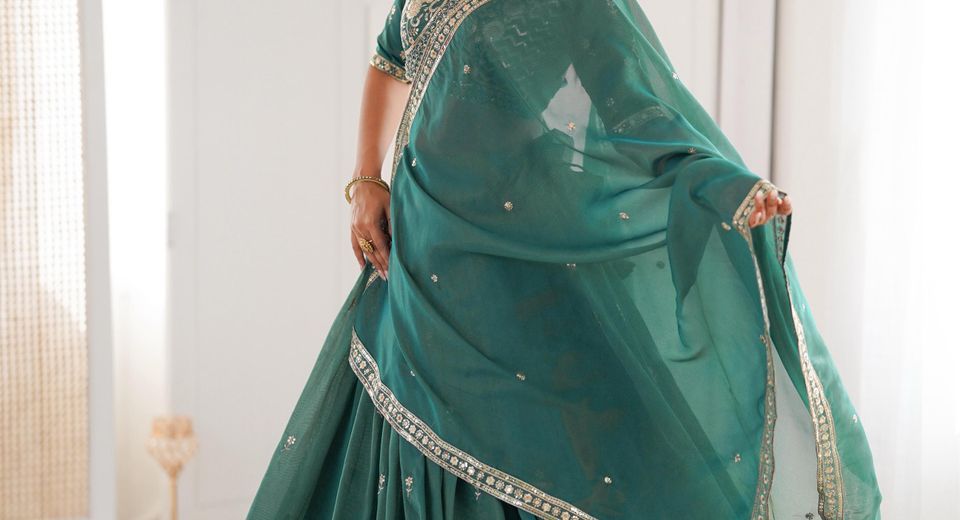
A lehenga can look perfectly finished on a hanger and still feel too sheer, scratchy or restrictive once you put it on. Does Your Lehenga Need Extra Lining? Signs to Check Before Wearing it's a useful question whenever you're buying a readymade, semi-stitched, designer or bridal lehenga, especially online. The answer depends on the fabric, the existing inner layer, the density of embroidery, the fit at the waist and how much you need to move.
Extra lining isn't automatically an improvement. A second layer can make a skirt more opaque and structured, but it can also add heat, bulk and stiffness. A careful check before the event will tell you whether the lehenga needs another lining, a replacement lining, a separate underskirt or no alteration at all.
Start With Four Practical Checks
A lehenga needs extra lining when the skirt remains visibly transparent, uncomfortable or unstable during normal movement after its current lining has been tested.
First, stand in bright daylight and place your hand behind the skirt. Check the front, sides, back and the area below the embroidery rather than inspecting only the heavily decorated panels. A fabric can appear opaque where zari, sequins or threadwork is concentrated and become translucent in the plain spaces between motifs.
Second, walk, sit on a chair and climb two or three steps while wearing the intended blouse and footwear. Watch whether the skirt clings to your legs, catches on your shoes or reveals the outline of the petticoat, shapewear or legs. A lining that looks adequate while standing may fail when the fabric stretches across the hips during sitting.
Third, check the waist and seams from the inside. Loose lining at the waistband, exposed seam allowances, scratchy overlocking or unfinished edges can cause discomfort even when the outer fabric isn't see-through. Fourth, photograph the outfit with and without flash. Camera flash can reveal transparency that's difficult to notice in a warm indoor room.
Test Transparency in Different Light
A transparency test requires daylight, movement and a flash photograph because each method reveals a different problem.
Hold the skirt approximately 30 centimetres away from a window or bright light and ask another person to inspect it from several angles. Do not rely on a mirror alone, because mirrors show the front under one lighting direction. A white lining can reduce visibility but may change the colour of a pale pink, yellow or pastel skirt; a skin-toned lining usually preserves the surface colour more discreetly.
Check the Fabric Before Altering It
Organza, net, chiffon, lightweight satin and some thin silk blends are the fabrics most likely to need an additional or better-chosen lining.
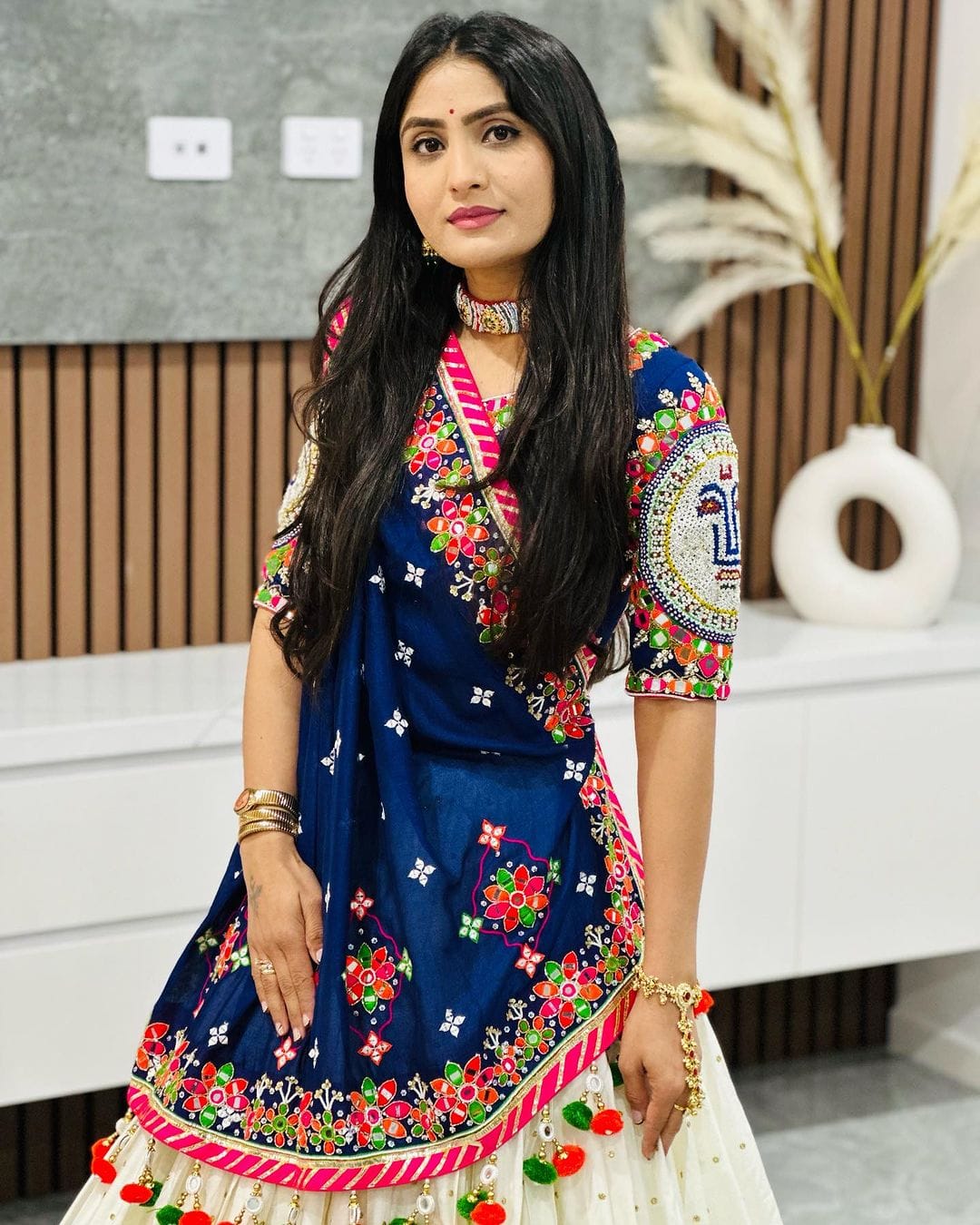
Organza has a crisp, translucent structure, so Red Floral Organza Lehenga Set with One Shoulder Blouse may need an opaque underskirt if the existing layer doesn't cover the full length. Net and tulle can be intentionally sheer, but a separate inner skirt is sensible when the wearer wants full leg coverage. Chiffon drapes beautifully yet may cling to hosiery or shapewear without a smooth lining.
Satin presents a different issue. Satin can be opaque while standing but show tension lines, underwear edges or shapewear boundaries when pulled across the hips. Magenta Satin Embroidered Lehenga Set Online and Dusty Pink Satin Embroidered Lehenga Set Online should be tested while walking and sitting, not judged only by their surface appearance.
Silk and heavier woven fabrics usually need less additional lining, although the inner construction still matters. Banarasi silk, brocade and dense silk embroidery may feel heavy against the body if the lining is rough or too tight. Wine Pink Embroidered Silk Lehenga Set Online can benefit more from a smooth lining replacement than from simply adding another thick layer.
Butter silk and muslin vary considerably in weight. Multicolor Printed Butter Silk Lehenga Choli Set may require a lightweight inner skirt if the print leaves large pale areas, while Vibrant Mirror Work Muslin Lehenga Choli Set Online needs an inspection of both opacity and the weight of mirror embellishment. Embellishment can pull the outer layer downward without making the fabric more opaque.
Do Not Rely on Embroidery Alone
Embroidery doesn't guarantee opacity because decorated motifs can leave large uncovered sections between them.
Zari, sequins, mirror work and dense threadwork can hide small areas of fabric while the spaces around each motif remain visible. Heavy embellishment also creates friction, so a smooth lining can protect the wearer and reduce snagging on skin or hosiery. Check the entire circumference of the skirt, including the less decorated back panel and the lower hem.
Choose the Right Inner Material
A good lehenga lining is opaque enough for the intended lighting, smooth against the skin, securely attached and loose enough to allow the outer skirt to fall naturally.
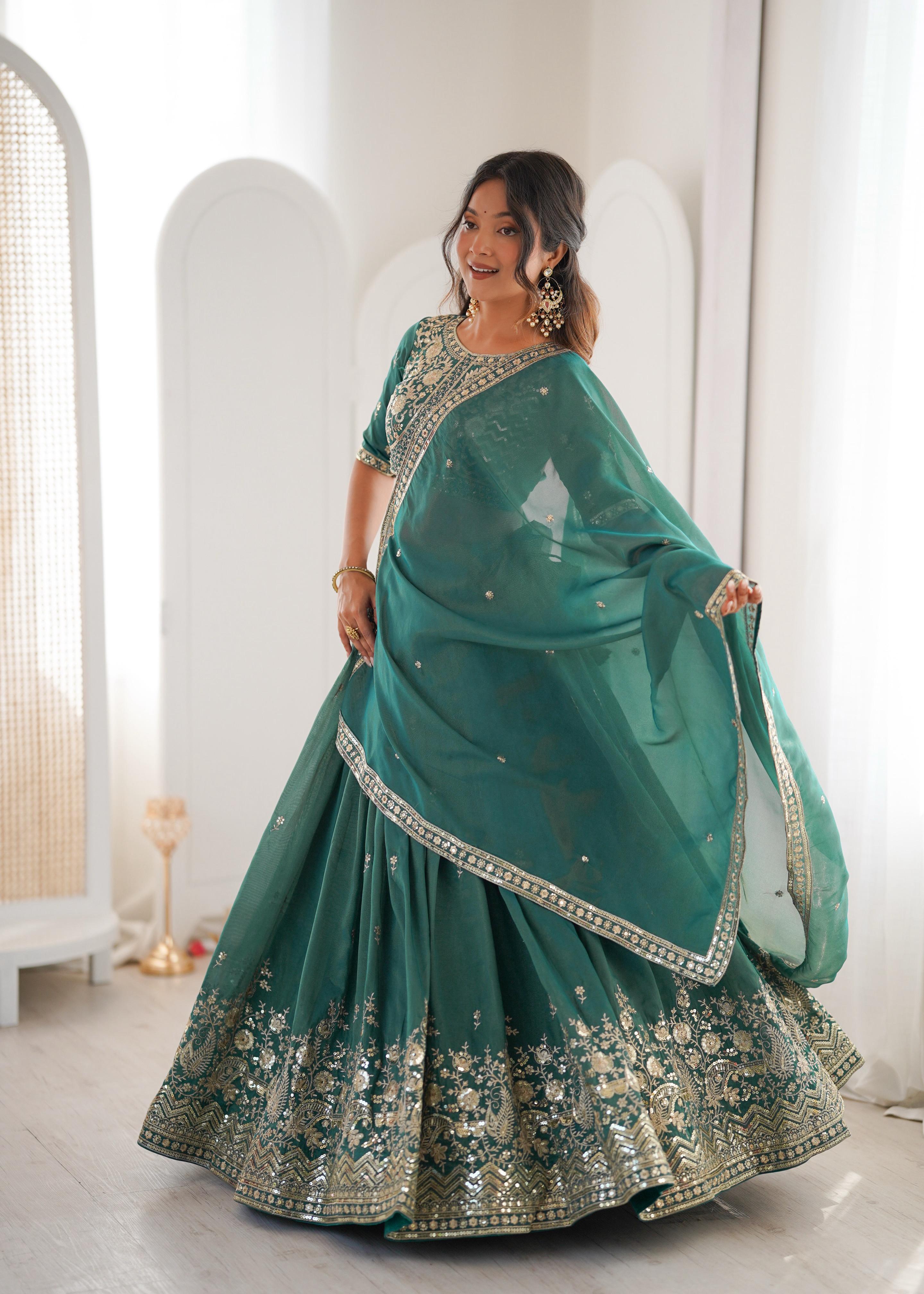
Polyester lining is common because it's affordable, durable and easy to sew, but low-quality polyester can trap heat and feel clammy during a long wedding function. Cotton voile or cotton cambric feels more breathable and works well for daytime Haldi ceremony outfits, although cotton can add slight bulk and may crease. Satin lining slides smoothly beneath an embellished skirt, but a very slippery lining can make the waistband shift if the lehenga doesn't have a properly fitted belt.
For a full-length skirt, the lining should generally finish close to the hem without extending below the outer fabric. A lining that's 2 to 3 centimetres shorter than the skirt often prevents peeking at the bottom while allowing the outer hem to move freely. A tailor should secure the lining at the waistband and, where appropriate, at side seams or selected points so that it doesn't twist independently of the skirt.
Check the lining width at the hip. The inner layer should not be cut so narrowly that it pulls horizontally when you sit. A practical fitting allowance depends on the design, but the lining should permit a comfortable seated position without straining the zipper, hooks or waistband. A tailor can add a small walking slit or ease at the lining if the outer skirt is narrow.
Compare an Attached and Separate Layer
A separate underskirt is better when the outer lehenga has delicate construction, unusual volume or a lining that can't be altered without disturbing embroidery.
An attached lining gives a clean finish and keeps the layers aligned, which suits most fully stitched lehengas. A separate petticoat or underskirt is easier to wash, replace and adjust, and it can be useful for a semi-stitched lehenga whose final waist and length have not been fixed. A separate layer also allows you to choose a breathable material for a long bridal ceremony.
don't insert a stiff can-can layer merely to solve transparency. Can-can creates volume rather than coverage and may change the fall, waist balance and walking comfort of the lehenga. Add can-can only when the silhouette needs extra flare and the waistband has enough room to accommodate it.
Check Comfort Before the Event
Extra lining can reduce comfort when it increases heat, friction, waistband pressure or the total weight of an already embellished skirt.
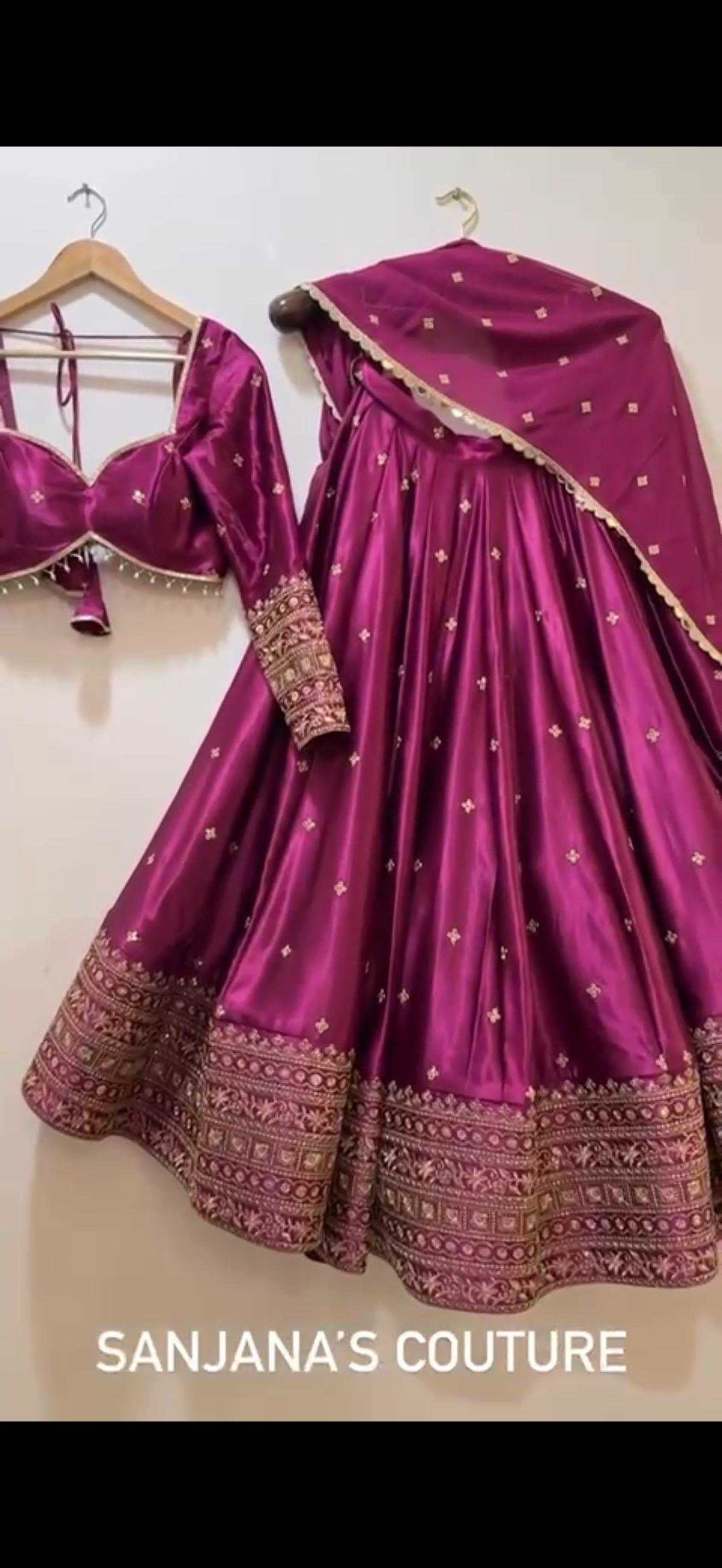
Wear the complete outfit at home for 20 to 30 minutes before making a permanent alteration. Include the blouse, dupatta, footwear, jewellery and any shapewear planned for the event. Heat around the waist and upper thighs, prickling at the hem, restricted steps and pressure from the zip are signs that the solution may be a softer or better-cut lining rather than an additional layer.
Chafing commonly appears at the waistband, inner thigh, side seam and lower hem. A seam allowance that rubs against skin can be covered with a soft binding or repositioned. Scratchy sequins and mirror work near the waist may need a narrow protective facing. Do not apply adhesive tape directly to delicate silk, satin or organza because residue and pulling can damage the surface.
Weight deserves special attention in bridal wear. Green Chinon Silk Sequins Embroidered Lehenga Set may already place considerable load on the waistband because sequins are distributed over a fluid fabric. Adding a heavy cotton lining can make the skirt sag and put stress on hooks or a zip. In such a case, a lightweight opaque lining or a separate smooth underskirt is usually more practical.
Ask Before Buying Readymade Wear
Ask for exact information about the existing lining, skirt length, waist construction and alteration allowance before choosing a readymade or designer lehenga.
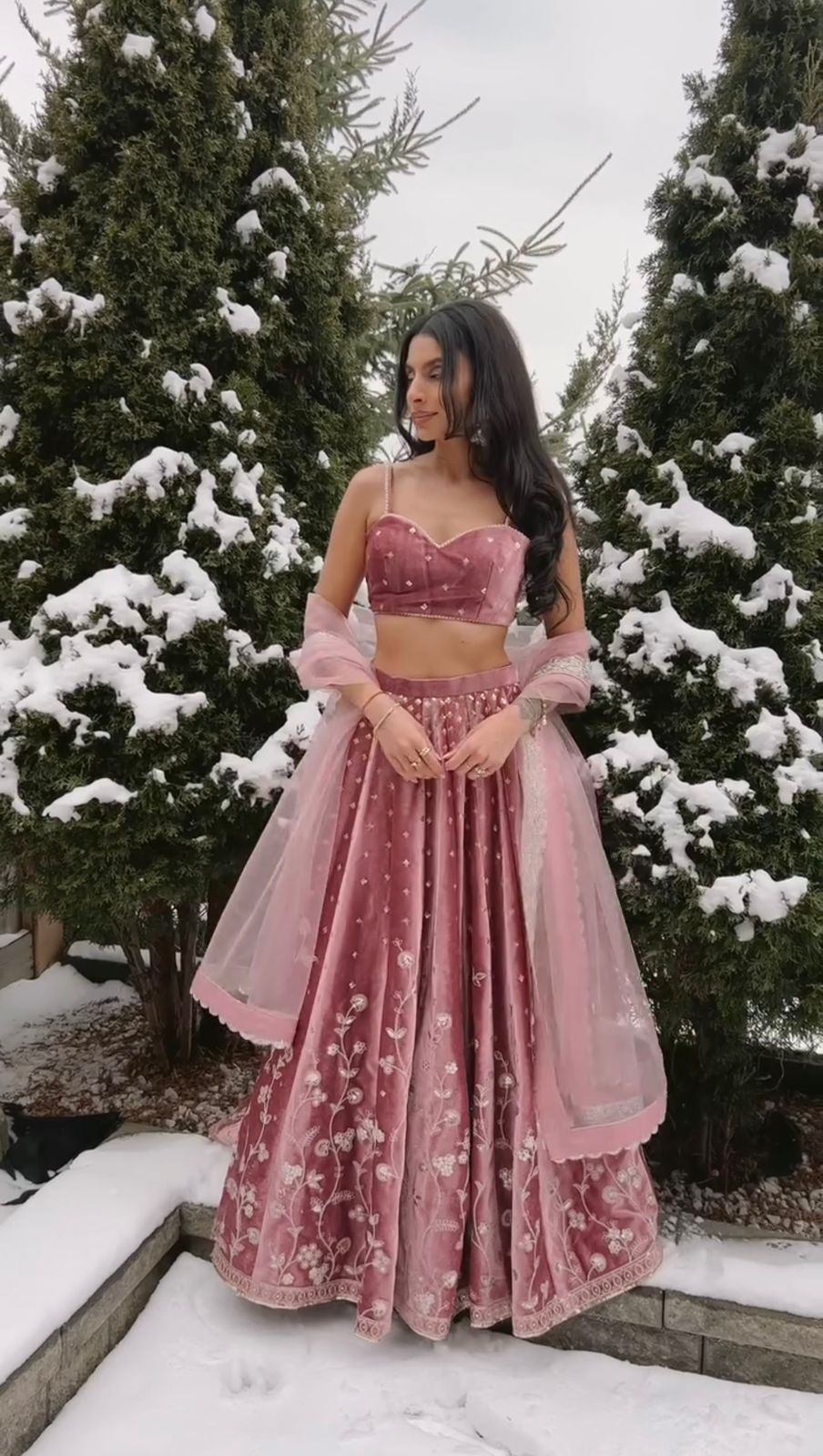
Product photographs rarely show the inner layer clearly, so ask whether the skirt is fully lined, partially lined or supplied with a separate inner skirt. Confirm whether the choli is fully stitched, whether the waist has a zip or hooks and whether the lining can be opened for alteration. Fully stitched choli shopping is convenient when the measurements are close to the size chart, but a fitted choli leaves less room for correction than a semi-stitched design.
Ready Made Lehenga is useful when you need a predictable outfit quickly, but compare your body measurements with the garment measurements rather than ordering by a familiar clothing size. Measure the waist at the point where the lehenga will sit, the fullest hip, the desired skirt length and the blouse bust area. For Semi Stitched Lehengas Collection, check which parts are adjustable and which parts require a tailor before dispatch or after delivery.
Bridal lehengas deserve an earlier fitting schedule. Arrange the first trial at least three weeks before the wedding if possible, leaving time for one fitting, one movement test and a final press. A small lining correction can usually be handled quickly, but changes involving a waistband, side seam, heavy embroidery or a concealed zip may require several days.
Colour and occasion also affect the decision. Yellow Lehengas and Green Lehengas worn for a daytime Mehendi ceremony may benefit from breathable cotton-blend lining, while a heavily embellished evening bridal skirt may need a smoother lining that reduces friction under strong lights. Mehendi Lehengas should be tested for movement because dancing, sitting on low seating and walking outdoors expose problems that a static fitting misses.
Know When a Tailor Should Help
A tailor should handle lining changes when transparency involves the waistband, the skirt has heavy embellishment or the requested alteration changes the garment's fall.
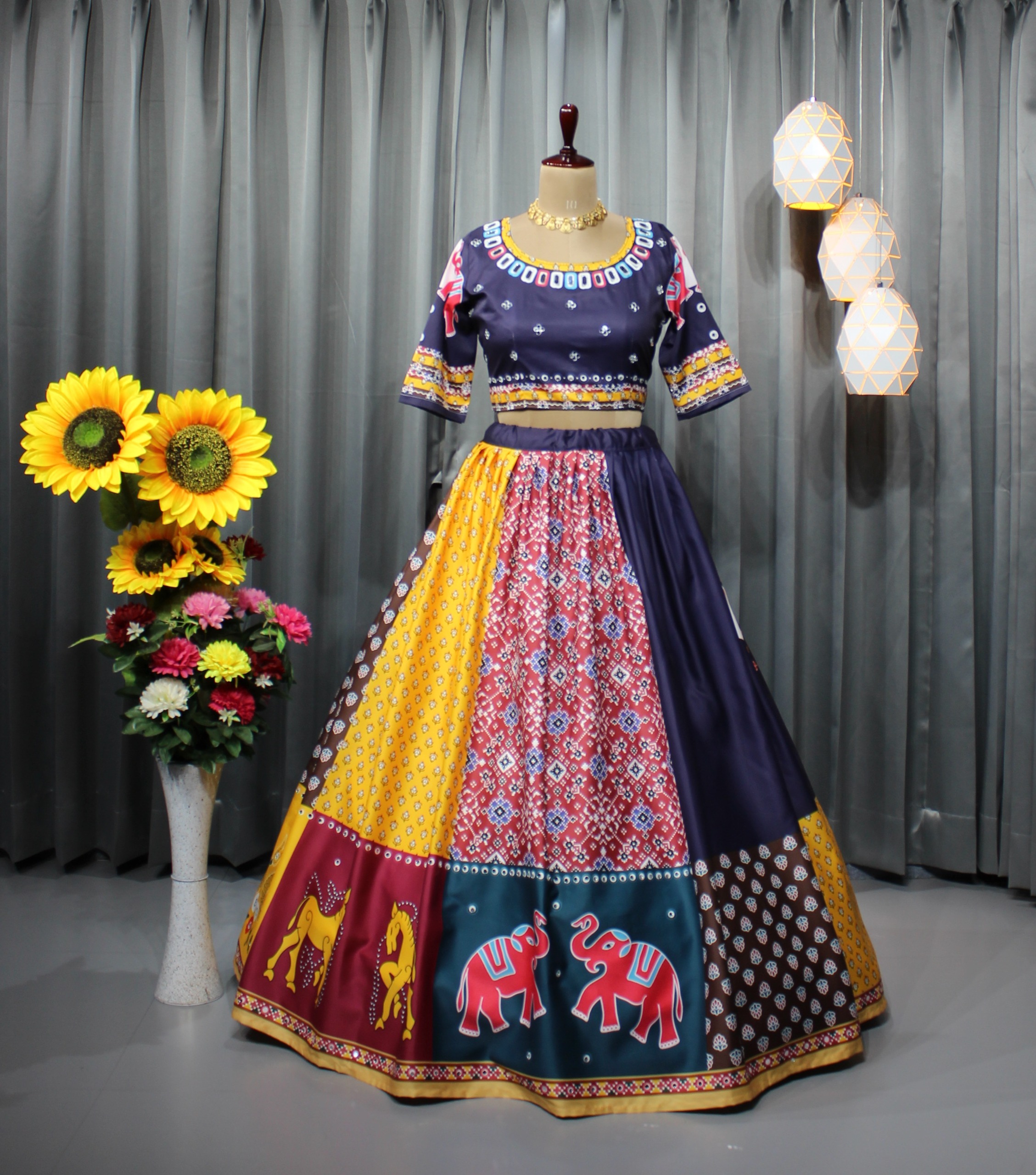
A tailor can replace a poor lining, add an inner skirt, widen a tight lining, secure a twisting layer or create a clean opening around a zip and hook closure. A professional can also match the lining colour to the outer fabric instead of defaulting to white, which may show through pastel organza or thin satin.
don't cut the lining at home if the lehenga has zari borders, mirror work, sequins or a shaped hem. Cutting too close to the lower edge can weaken the seam, expose the inner layer or disturb the balance between the outer skirt and lining. A tailor should preserve the hem allowance and inspect whether embellishment threads are holding the lining and outer fabric together.
Take the footwear you'll actually wear to the fitting. A heel difference of 2 to 3 centimetres can change the required skirt length and reveal a lining that was previously hidden. Sit on a firm chair, walk at a normal pace and raise your arms while the tailor checks the blouse and waistband. These actions create a more reliable fit than standing still for a few minutes.
Use This Final Pre-Wear Checklist
A lehenga is ready to wear when the inner layer passes the opacity, movement, comfort, construction and care checks under realistic conditions.
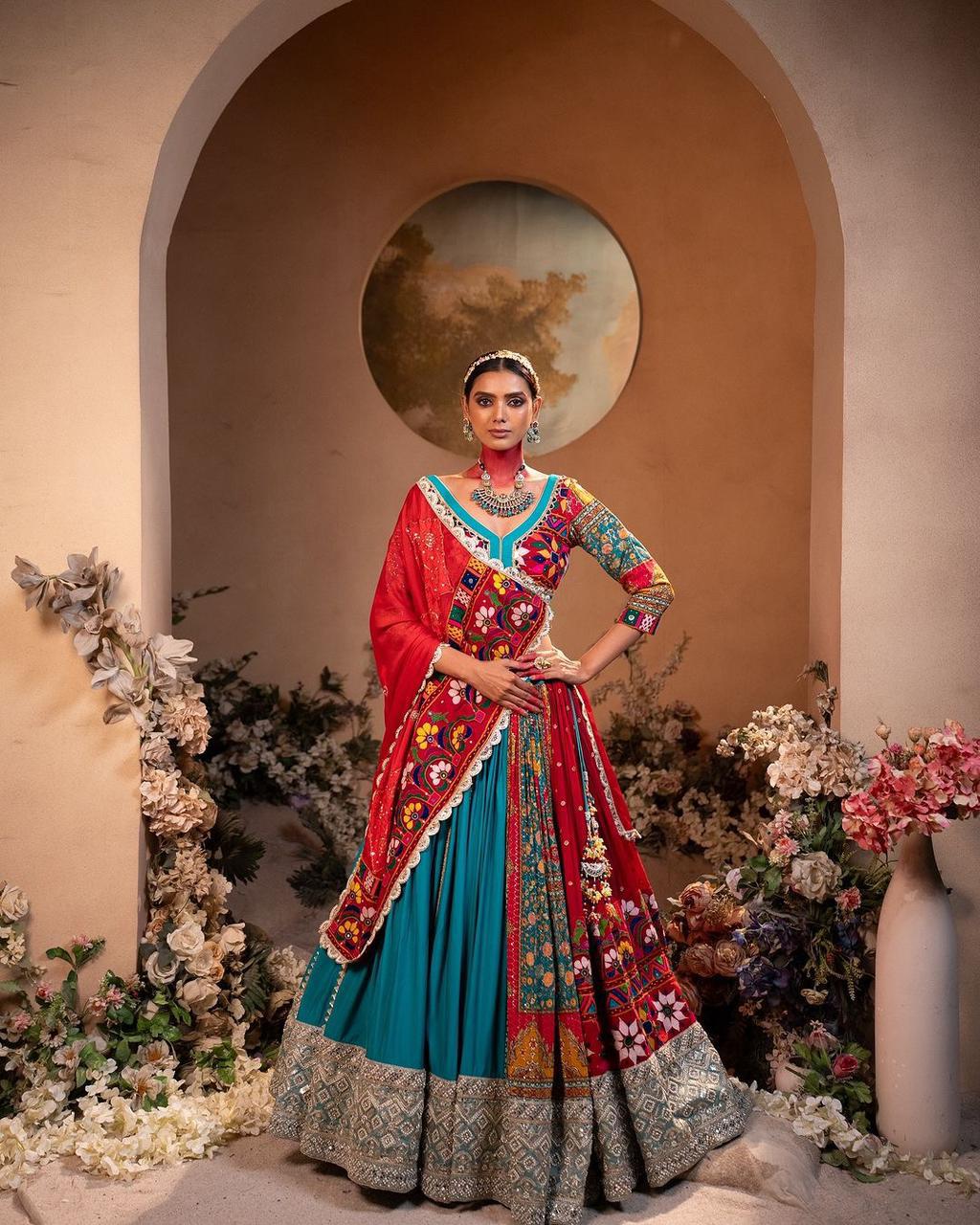
- Check the skirt in daylight, indoor light and flash photography.
- Inspect plain fabric between embroidery, not only the decorated motifs.
- Walk, sit, climb steps and turn while wearing the complete outfit.
- Confirm that the lining doesn't pull across the hips or twist around the legs.
- Check the waistband, zip, hooks, seam allowances and lower hem from the inside.
- Wear the outfit for 20 to 30 minutes to identify heat, itching or chafing.
- Choose cotton voile, cotton cambric, satin or lightweight polyester according to climate and fabric weight.
- Ask a tailor to handle changes involving embellishment, borders, zips or heavy bridal construction.
Extra lining should solve a specific problem rather than become a default addition. A well-chosen layer improves opacity and comfort, while an unnecessary layer can make a beautiful lehenga hot, heavy and difficult to move in. Testing the complete outfit before the event gives you enough information to make the smallest alteration that produces the best fit.
Common Questions About Lehenga Lining, Comfort and Fit
How do I know if my lehenga is too transparent?
Check the skirt in daylight, indoor lighting and a flash photograph while standing and moving. If the outline of your legs, petticoat or shapewear is visible through plain sections of the fabric, the lehenga may need a more opaque lining or a separate underskirt.
Can I add lining to a readymade lehenga?
Yes, a tailor can usually add or replace lining in a readymade lehenga. Alterations are simplest when the skirt has a plain waistband, but heavy embroidery, zari borders, sequins and concealed zips require more careful work.
Which lining is best for a bridal lehenga?
A smooth, lightweight and sufficiently opaque lining is usually best for a bridal lehenga. Satin lining reduces friction, while cotton voile or cotton cambric can feel more breathable; the right choice depends on the outer fabric, climate and skirt weight.
Does a net or organza lehenga always need an extra layer?
No, a net or organza lehenga does not always need another layer if the existing lining provides adequate coverage. Test the skirt in bright light and during movement because transparency often appears in the plain panels between embroidery.
Should lehenga lining be attached or separate?
An attached lining keeps the layers aligned and gives a neat finish, while a separate underskirt is easier to replace, wash and adjust. A separate layer is particularly useful for semi-stitched lehengas or delicate outer fabrics that should not be opened unnecessarily.
How early should I check the lining before a wedding?
Check the lining at least three weeks before a wedding when possible. That timeframe usually leaves room for a fitting, a movement test and a tailor's correction if the waistband, hem, zip or embellishment needs careful alteration.


