Does a Net Dupatta Make Sense at a Cold Weather Wedding? Yes, but a net dupatta should be treated as a decorative outer layer rather than the main source of warmth. Net adds transparency, volume and movement to a lehenga or saree, while insulation must come from the blouse, lining, underskirt, shawl or an additional wrap underneath. The right decision depends on the outdoor temperature, ceremony length, wind exposure and the number of layers your outfit can comfortably accommodate.
A net dupatta can look entirely appropriate at a winter wedding when the styling plan accounts for the cold. A lightweight net drape may be comfortable inside a heated banquet hall in Delhi, Mumbai or Hyderabad, but it can feel inadequate during a late-night pheras ceremony, a December baraat or a reception held on an open lawn. Knowing what net does and doesn't provide makes the choice much easier.
Does a Net Dupatta Make Sense at a Cold Weather Wedding Indoors?
A net dupatta makes sense indoors when the venue is heated and the rest of the outfit provides sufficient coverage. A banquet hall at 18°C to 22°C presents a very different comfort problem from an open lawn at 10°C, even if both weddings take place in December.
The most useful distinction is between visual coverage and actual warmth. A heavily embroidered net dupatta may look substantial because zari, threadwork or sequins cover large sections, yet exposed net areas still allow cold air to pass through. A plain net dupatta offers even less protection. The garment can therefore be ideal for photographs and indoor movement while remaining unsuitable as the only layer for a winter night outdoors.
Consider the complete wedding schedule before choosing the fabric. A daytime Haldi ceremony at 18°C is different from a 10 p.m. Reception at 8°C. A guest who moves directly from a heated car into an enclosed venue needs less insulation than someone standing beside an open mandap for two hours. Temperature, wind and sitting time matter more than the calendar month alone.
Ask the venue three practical questions before finalising the outfit: Will the ceremony be outdoors, how long will guests remain outside, and are heaters placed near the seating area? A net dupatta works more easily when the answers indicate short outdoor intervals and reliable indoor heating.
Does a Net Dupatta Make Sense at a Cold Weather Wedding for Warmth?
Net brings very little warmth because its open structure allows air movement. Net can reduce the feeling of exposed skin when draped over the shoulders, but net doesn't replace a lined blouse, thermal camisole, warm underskirt or wool wrap.
Several construction details change how cold a net outfit feels:
- Mesh openness: Fine, closely woven net blocks slightly more air than a wide-hole mesh, but neither construction insulates like velvet or wool.
- Embroidery coverage: Dense threadwork, sequin panels and zari borders add weight and reduce airflow in specific areas, but decorative work doesn't create a complete insulating layer.
- Wind exposure: Outdoor wind passes through net quickly, especially across the shoulders, back and arms.
- Moisture: Dew on a winter lawn can make a net hem damp, while perspiration beneath synthetic lining can make the body feel colder after leaving a warm room.
- Drape position: A dupatta worn only over one shoulder leaves the neck and upper back exposed; a front drape brings more coverage but may restrict movement.
An useful rule is to match the outfit to the lowest temperature and longest outdoor interval you expect, not to the warmest part of the event. If the forecast is below 12°C and the programme includes more than 20 to 30 minutes outside, plan a genuine insulating layer in addition to net.
Embroidery weight should also be judged carefully. A sequin-covered net dupatta may feel heavier in the hand than an unembellished one, but weight alone doesn't indicate warmth. Warmth comes from dense fibres, trapped air and coverage, not from sparkle or surface decoration.
Does a Net Dupatta Make Sense at a Cold Weather Wedding with Layers?
A net dupatta works with winter layering when the base garments are warm, smooth and fitted enough to prevent visible bunching. The best layering plan protects the torso first, because the shoulders, back and chest lose comfort quickly in cold air.
Does a Net Dupatta Make Sense at a Cold Weather Wedding with a Blouse?
A lined blouse with full or three-quarter sleeves gives more warmth than a sleeveless blouse under a net dupatta. Satin, silk, velvet and cotton-silk linings feel warmer against the skin than an unlined synthetic shell.
A discreet thermal camisole can work beneath a blouse if the neckline, armhole and colour remain invisible. For a lehenga, choose a blouse with a closed back, a higher neckline or detachable sleeves when the venue is cold. For a saree, a fitted long-sleeved blouse under a net pallu gives the sheer layer a polished appearance while reducing exposed skin.
Skin-coloured thermals are useful under pale outfits, but a matching inner layer is usually safer beneath strongly coloured fabric. Test the complete combination in daylight before the wedding, because a thermal layer that looks invisible indoors may show through flash photography.
Does a Net Dupatta Make Sense at a Cold Weather Wedding with a Lehenga Skirt?
A lehenga skirt with a cotton, satin or silk lining feels warmer than an unlined net skirt. A can-can layer adds shape but doesn't automatically provide meaningful insulation.
If the skirt is transparent or heavily flared, a full-length underskirt can prevent cold air from moving directly around the legs. Velvet panels, brocade waistbands and Banarasi silk details can add density to a winter outfit without making the complete ensemble excessively heavy.
Roman silk has a denser surface and more body than open net, making the Pink Embroidered Roman Silk Lehenga Set Online an useful example of a warmer visual direction. The lining and construction still need inspection because an outer fabric name alone can't guarantee comfort.
Does a Net Dupatta Make Sense at a Cold Weather Wedding with a Shawl?
A pashmina-style shawl, wool stole or silk-wool blend wrap gives more warmth than a second transparent dupatta. Carrying the wrap folded over the arm allows you to wear the net dupatta for photographs and use the warmer layer during travel, outdoor rituals or late-night departures.
Colour coordination keeps the extra wrap from looking like an afterthought. Ivory works with cream and pastel outfits, deep wine complements red and pink, and charcoal or muted grey balances silver embroidery. A compact wool stole is usually easier to manage than a large blanket-style shawl when greeting guests or holding a clutch.
Does a Net Dupatta Make Sense at a Cold Weather Wedding for Lehenga Styling?
Net wedding outfits suit a cold venue best when net is concentrated in the dupatta or overlay and the foundation garment is dense, lined and easy to layer. A structured blouse and substantial skirt are more adaptable than a fully sheer, minimally lined set.
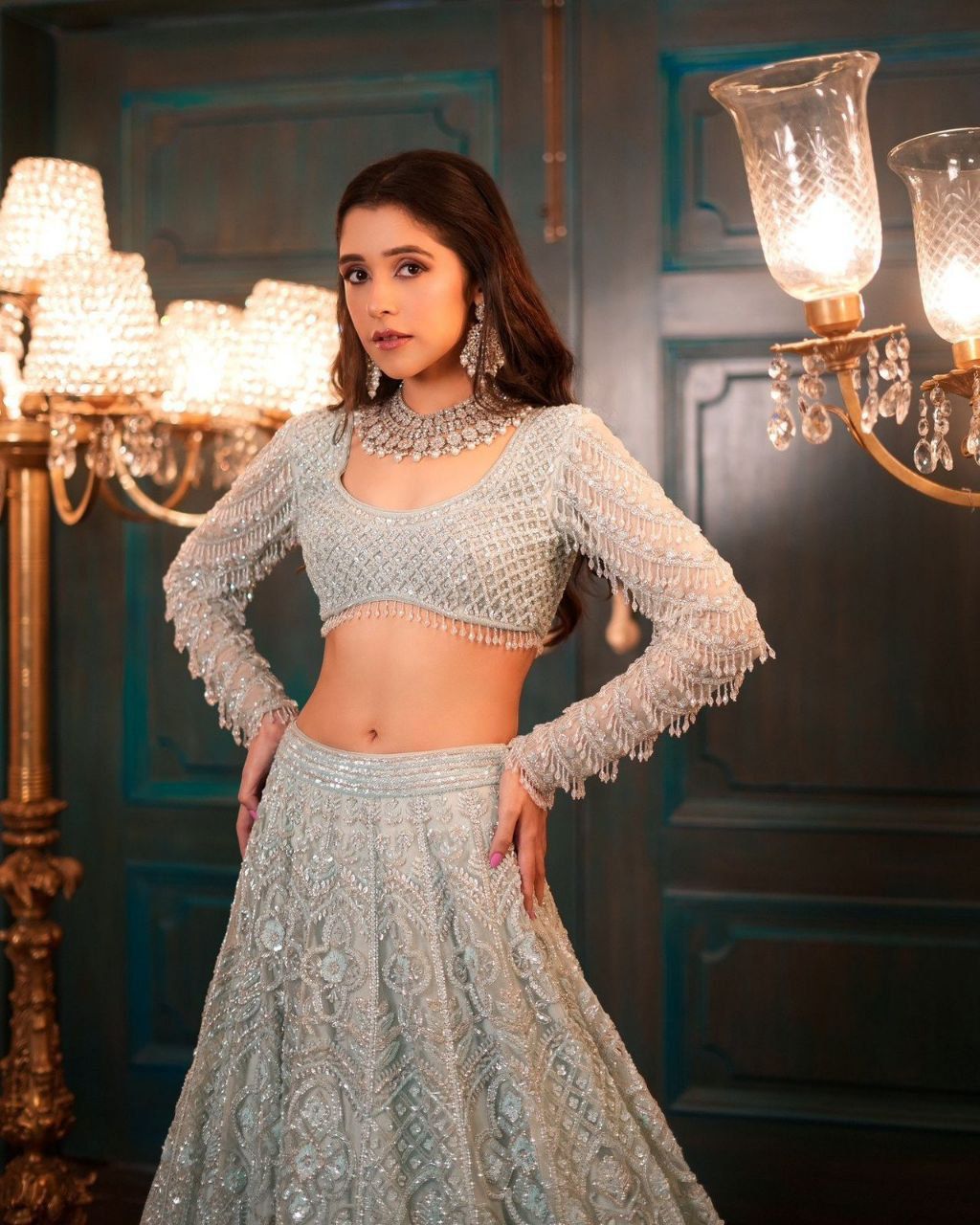
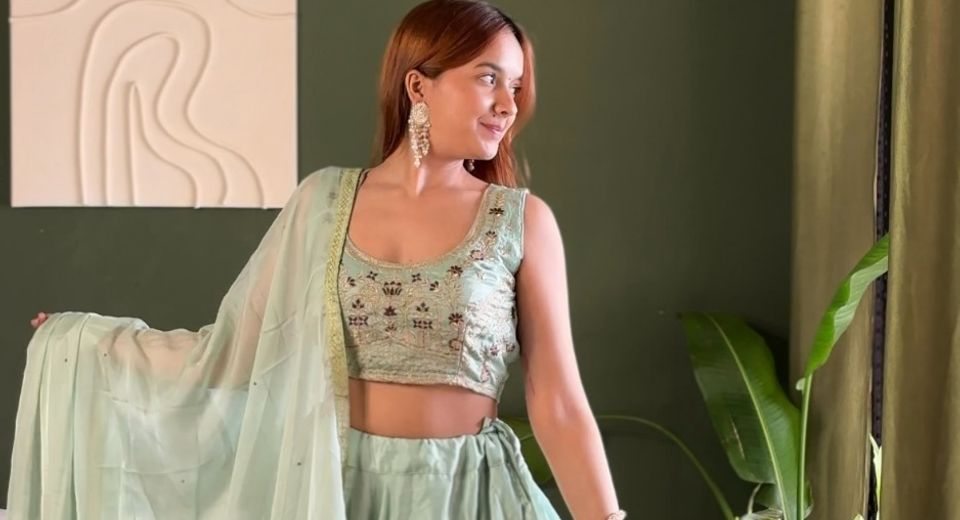
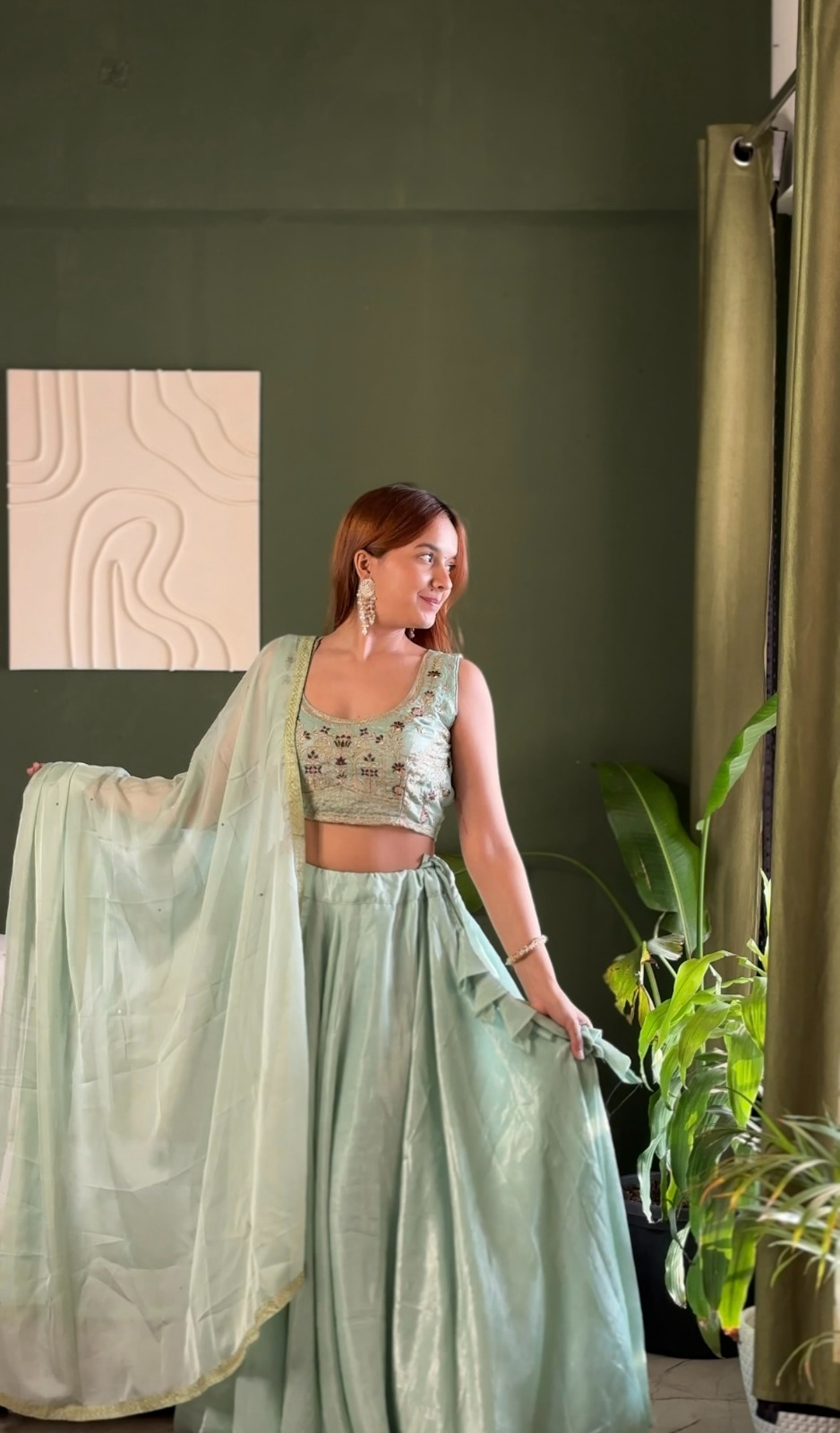
The Mint Embroidered Lehenga Set with Net Dupatta for Women can work for an indoor winter reception when paired with a lined blouse, closed footwear and a coordinated shawl. Mint and other pale colours look striking under warm venue lighting, but the sheer dupatta should not be expected to cover the warmth gap by itself.
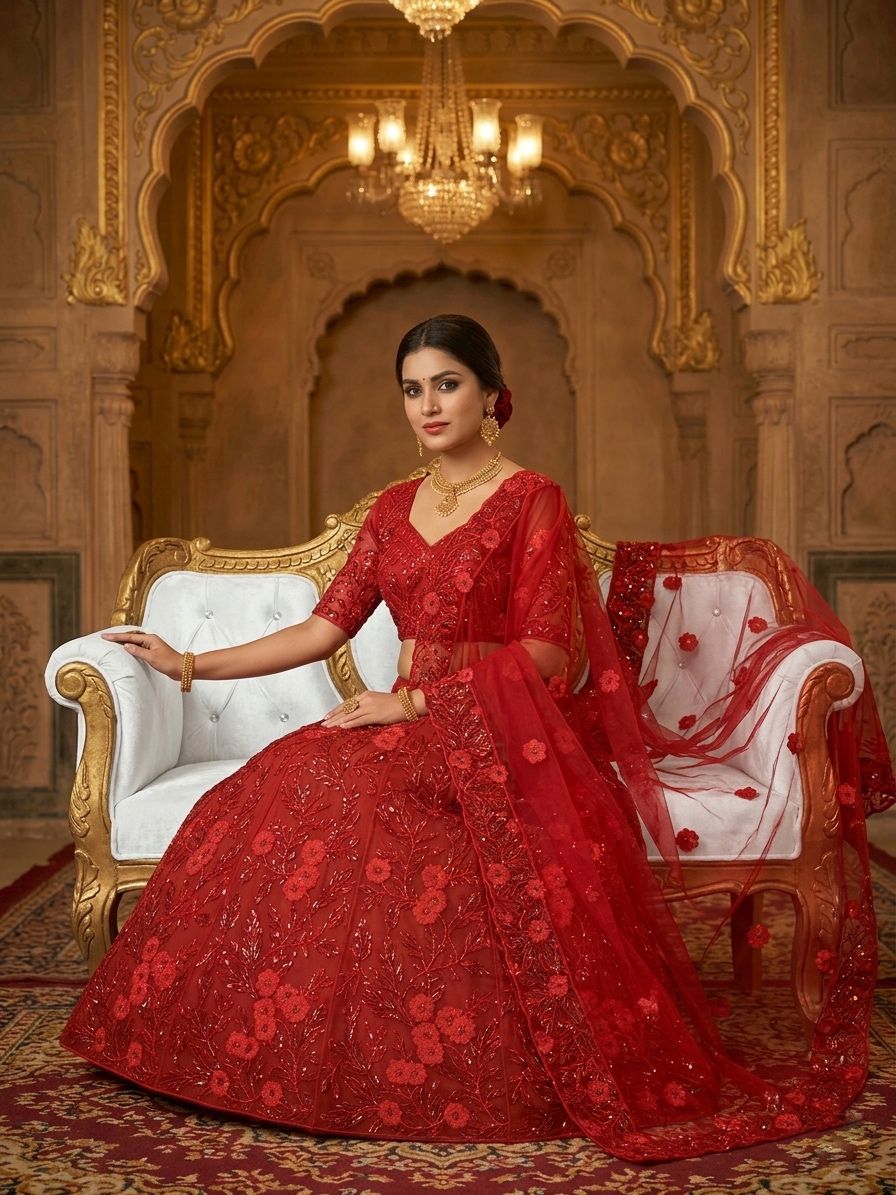
The Red Butterfly Net Sequins Lehenga Set Wedding Wear is visually suited to evening celebrations because red and reflective embellishment photograph well under low light. Sequins can make the net feel heavier in the hand, but a red sequin surface still needs a warm blouse and a separate wrap if the ceremony takes place outside.
The Pastel Grey Embroidered Butterfly Net Lehenga Set gives a softer palette for a daytime wedding or indoor cocktail event. Pastel grey pairs easily with a silver-grey shawl, and the neutral colour allows a thicker blouse layer to remain visually discreet.
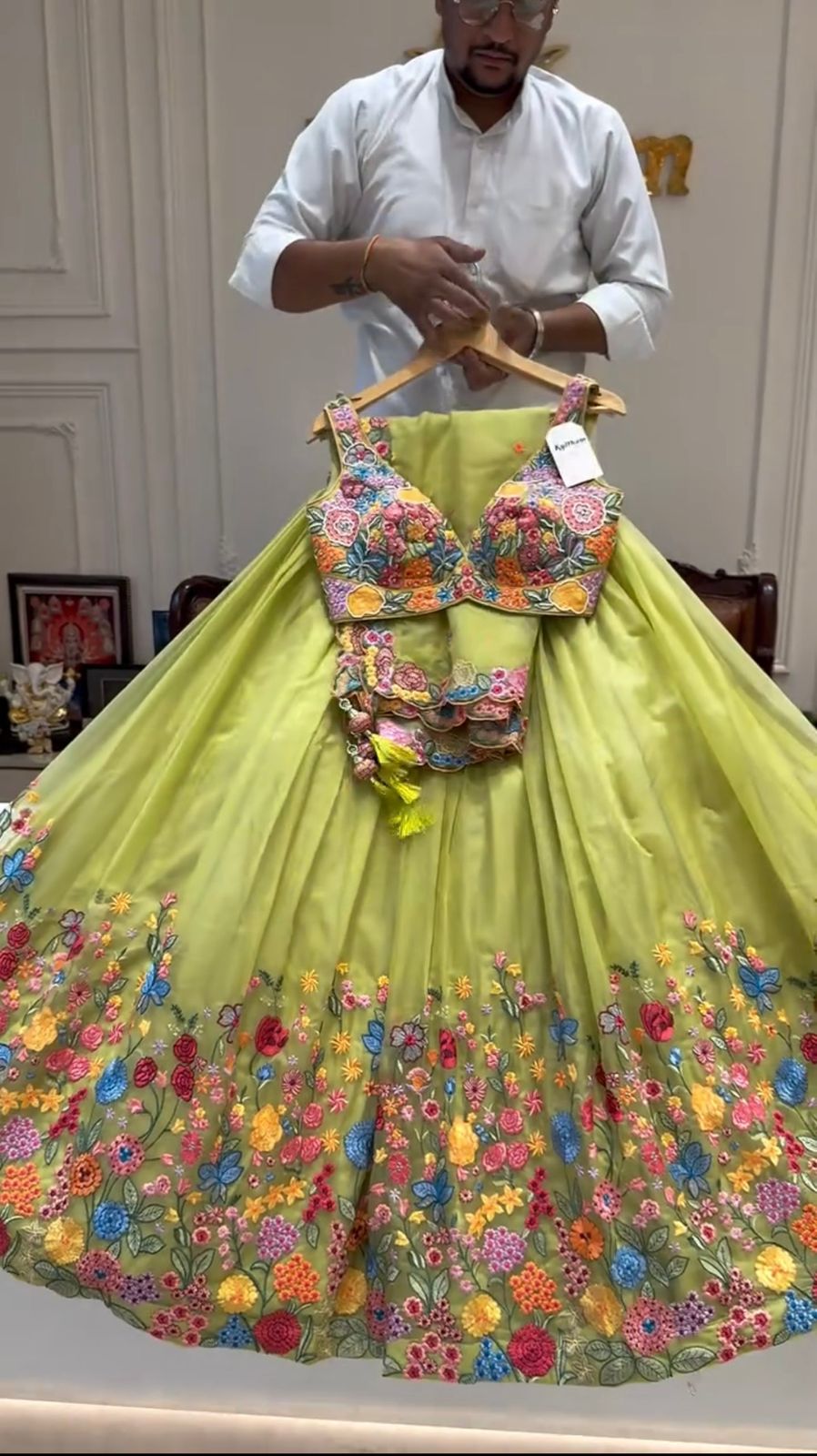
The Lime Floral Embroidered Butterfly Net Lehenga Set is more suitable for a daytime function where the temperature is milder. Lime embroidery brings freshness to a winter wardrobe, while a cream or beige wool stole can soften the contrast and provide practical coverage during travel between venues.
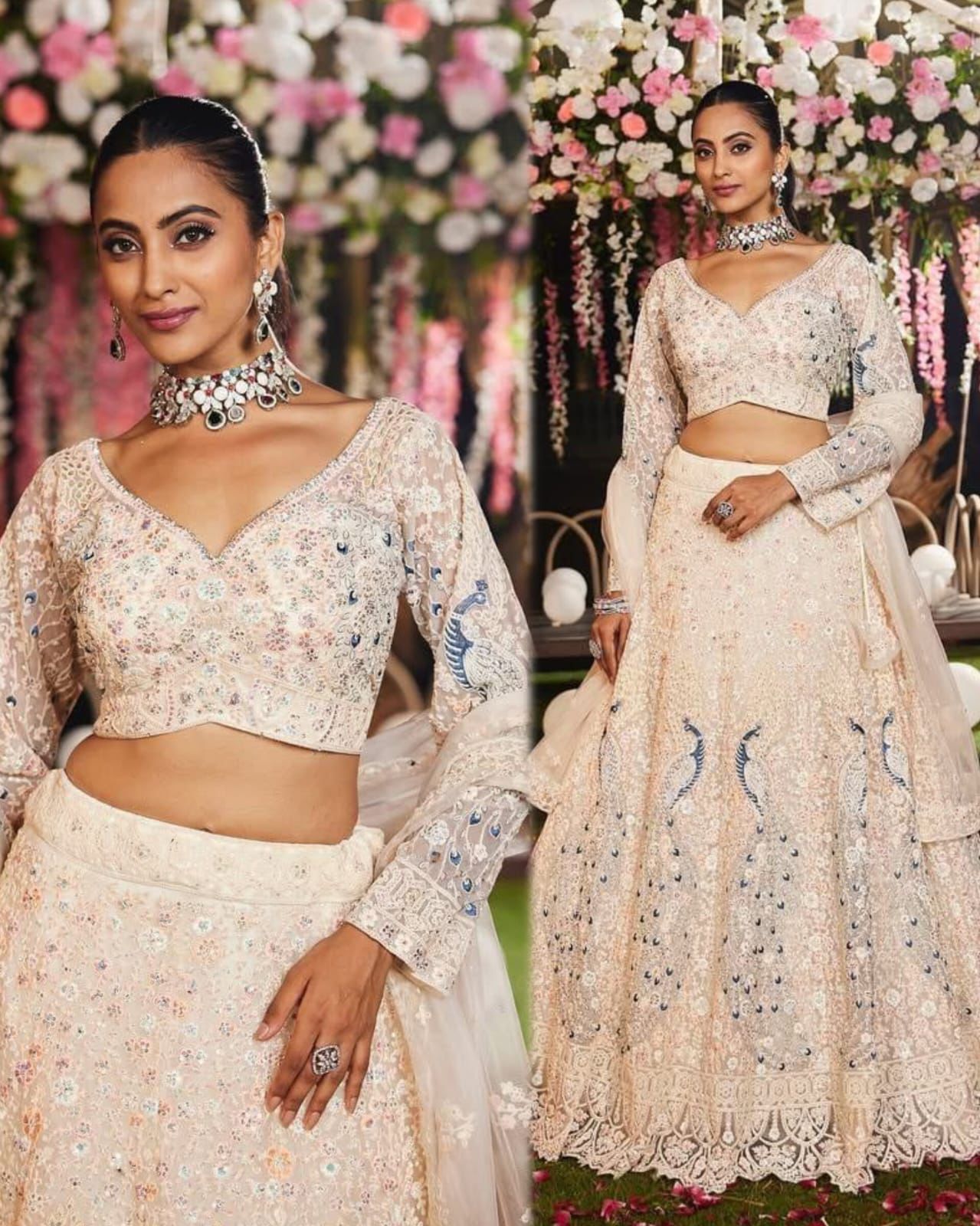
The Cream Peacock Embroidered Net Lehenga Set for Women demonstrates why embroidery placement matters. A dense peacock motif can frame the body beautifully, but exposed net around the arms and shoulders remains vulnerable to cold air. Full sleeves or a fitted thermal layer underneath can preserve the silhouette without hiding the embroidery.
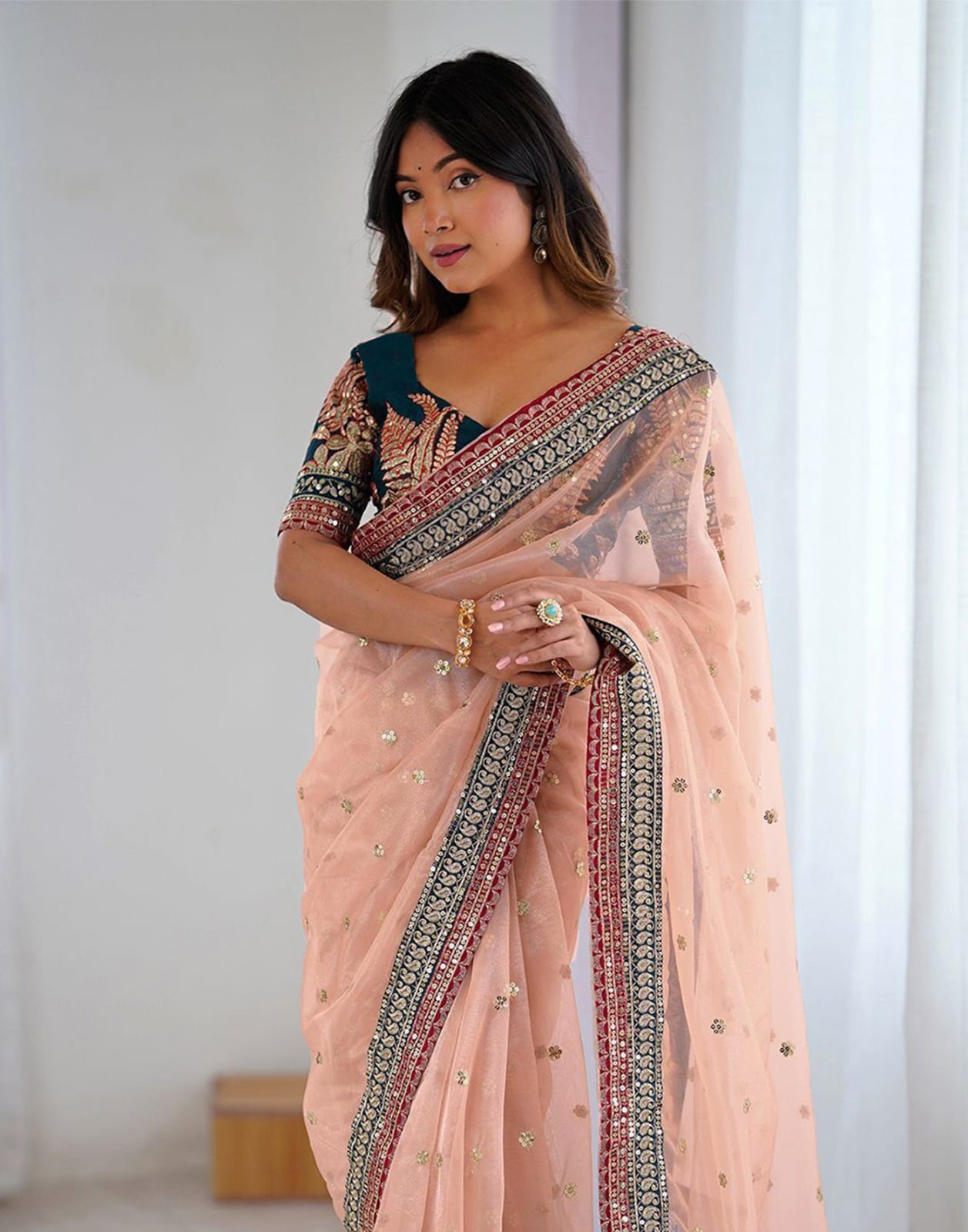
A Peach Embroidered Net Party Wear Saree with Blouse is easier to adapt when the blouse has sleeves and the saree is worn with a warm petticoat or underskirt. A saree also allows a shawl to be added without disrupting a skirt waistband, although the pallu may need discreet pins to prevent slipping over a smoother winter wrap.
Does a Net Dupatta Make Sense at a Cold Weather Wedding Outdoors?
For an outdoor winter ceremony, style the net dupatta as the visible layer and keep an insulating wrap available for the entire period of standing or sitting outside. Pinning the dupatta securely at the shoulder and waist prevents wind from pulling it across the face or loosening the drape.
A two-point or three-point pinning method works better than a single shoulder pin in cold weather. Place one concealed pin near the shoulder, one at the waist or side seam and, if the fabric is heavily embroidered, one near the opposite forearm. Use small safety pins with rounded edges so they don't snag the mesh.
Keep the most delicate net edge away from rough seating, outdoor heaters and jewellery with sharp hooks. Net can catch on bangles, embroidered potlis and chair backs more easily than Chanderi or a densely woven silk. A short, controlled drape is safer for a baraat or lawn reception than a long train that can collect dew and dust.
Footwear also affects warmth. Closed-toe juttis, embellished loafers or block-heeled pumps protect the feet better than open sandals on a cold lawn. Warm socks can be worn under closed footwear if the shoe has enough room; tight shoes reduce circulation and may make feet feel colder.
Keep a practical arrival and departure plan. A long coat can cover the outfit during a car journey, but remove the coat carefully to avoid catching the net. A large scarf or wool wrap should be stored in a breathable garment bag rather than compressed with damp footwear, because moisture and pressure can distort embroidered mesh.
Does a Net Dupatta Make Sense at a Cold Weather Wedding Compared with Other Fabrics?
Choose a different dupatta fabric when the wedding is mostly outdoors, the forecast is below 12°C or the ceremony will continue late into the night. Velvet, wool-silk, brocade, Banarasi silk and densely woven silk generally provide more coverage than net.
Velvet brings a plush surface and strong visual depth, making it useful for evening winter weddings. Wool-silk blends provide warmth with less bulk than pure wool. Brocade gives structure and decorative richness, while Banarasi silk offers a dense weave and a formal finish. These fabrics may be heavier to drape and less transparent than net, so they change the silhouette as well as the comfort level.
Chanderi can suit a mild winter daytime wedding because its weave has more body than very open net, but Chanderi isn't a substitute for wool in genuinely cold weather. Silk can feel comfortable indoors and photographs elegantly, yet a thin silk dupatta still needs support from warm base layers outside.
Choose net when transparency, embroidery and movement are central to the outfit and when a second warm layer is practical. Choose a denser fabric when carrying an extra wrap would be inconvenient, when the event is on an exposed lawn or when you expect to remain outdoors for more than half an hour.
Does a Net Dupatta Make Sense at a Cold Weather Wedding After Careful Preparation?
A net dupatta can make sense after careful preparation, provided the outfit is tested for warmth, movement and security before the wedding day. A short trial at home can reveal problems that are easy to miss during a quick fitting.
Wear the complete outfit, including the blouse, underskirt, footwear, jewellery and intended wrap, for 20 minutes. Sit on a chair, walk up stairs, raise both arms and practise entering a car. Check whether the dupatta catches on earrings, whether the pins hold, whether the shawl covers the embroidery attractively and whether the skirt hem touches the floor.
Check the weather forecast 24 hours before the event and adjust the plan if the predicted temperature falls. Pack two spare rounded safety pins, a small transparent thread kit, fashion tape, a warm wrap and a breathable bag for storing the net after use.
After the wedding, air the net garment away from direct sunlight and strong heat. Do not iron mesh directly; place a pressing cloth between the iron and the fabric or use professional steaming suited to the embroidery. Store the dupatta folded over acid-free tissue, away from rough decorations and damp clothing.
The final answer is practical rather than absolute: a net dupatta is a good choice for a cold weather wedding when it completes a layered outfit, but it's a poor choice as the only protection against winter air. Match the dupatta to the venue, build warmth into the blouse and skirt, and carry a coordinated shawl whenever outdoor time is uncertain.
Common Questions About Wearing a Net Dupatta at a Cold Weather Wedding
Does a net dupatta keep you warm at a winter wedding?
A net dupatta provides very little insulation because its open structure allows air to pass through. A lined blouse, warm underskirt and wool or silk-wool wrap should provide the actual warmth.
Can I wear a net dupatta to an outdoor wedding in December?
You can wear a net dupatta outdoors in December if you add a genuine insulating layer and secure the drape with concealed pins. Below 12°C or during long late-night ceremonies, a velvet, wool-silk or densely woven silk dupatta may be more comfortable.
How can I layer a net dupatta without ruining the outfit?
Wear a fitted thermal camisole under a lined blouse, choose a skirt with a full lining and carry a coordinated wool or pashmina-style wrap. Matching the inner layer to the outfit colour helps prevent visible lines beneath transparent net.
Is an embroidered net dupatta warmer than a plain net dupatta?
An embroidered net dupatta can feel heavier and block air in areas covered by threadwork, sequins or zari. Embroidery does not provide the same insulation as a dense fabric, so the outfit still needs warm foundation layers.
What dupatta fabric is warmest for a winter wedding?
Velvet, wool-silk blends and densely woven brocade generally provide more warmth than net. Banarasi silk and other dense silks can work for milder winter conditions, especially when paired with a lined blouse and a shawl.
How do I stop a net dupatta from blowing in the wind?
Use concealed pins near the shoulder, waist and opposite forearm, especially when the dupatta has a heavy embroidered border. Keep the drape shorter outdoors and avoid letting the hem trail across damp grass or rough seating.