A wedding outfit can look perfect on the hanger and become frustrating after one evening if its care requirements don't suit your life. Do Fabric Care Claims Matter When Buying Wedding Outfits? Yes, because washing instructions, fibre content, embellishment details and storage needs tell you how much use, maintenance and cost you can realistically expect from a saree, sharara, salwar suit or gown.
Care information doesn't replace checking colour, fit or comfort. Care information adds a practical layer to the buying decision. A Banarasi silk saree that needs specialist cleaning, a cotton saree that can be gently hand-washed and a zari-heavy outfit that must be stored away from moisture offer different kinds of value. Understanding those differences helps you choose weddingwear for the ceremony, the next family event and the years in between.
Start With the Label
Fabric care claims matter because they indicate whether an outfit can survive cleaning, repeated wear and long-term storage without losing its shape, colour or surface finish.
Wedding clothing often combines several materials in one garment. A saree may contain silk, cotton, polyester tissue, zari and printed sections. A sharara suit may pair a Chinon silk lower with a lined bodice, metallic thread and a delicate dupatta. Each component can respond differently to water, heat, friction and chemicals.
Care claims also reveal the difference between an occasional heirloom and a practical repeat-wear purchase. "Dry clean only" may be sensible for a heavily embellished lehenga, but the instruction means you need access to a reliable cleaner and should budget for cleaning after the event. "Gentle hand wash" sounds easier, but a buyer still needs to know whether the fabric can bleed, stretch or catch on zari.
An useful care claim should tell you more than "handle with care." Look for named instructions such as cold-water hand wash, mild detergent, no wringing, shade drying, low-temperature ironing or professional dry cleaning. Specific language gives you a routine; vague language gives you a warning but not a method.
Check the Fibre and Finish
Check fibre content, weave, surface treatment, lining, embellishment and colour before treating a wedding outfit as easy-care.

Fibre content affects maintenance
Fibre content affects shrinkage, breathability, drying time and resistance to friction. Cotton is generally breathable and comfortable for daytime weddings, while silk offers a fluid fall and rich lustre but usually needs more careful cleaning. Synthetic fibres can improve crease resistance and affordability, although high heat may damage synthetic surfaces.
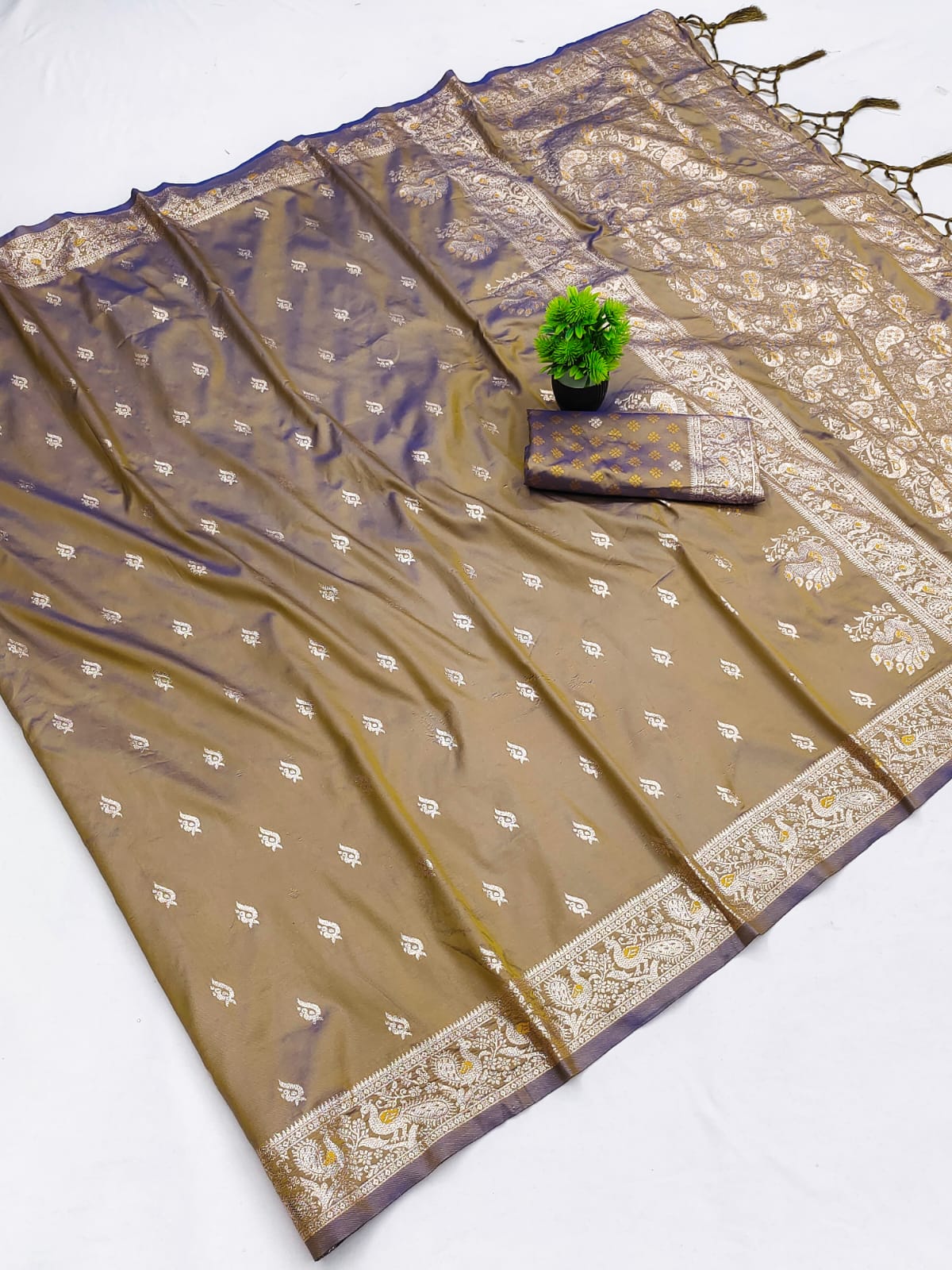
Maslin silk, Chanderi, Banarasi silk, tissue cotton and Chinon silk don't behave identically. A Wedding Wear Maslin Silk Zari Woven Saree Online may need a different cleaning routine from a lightweight Chanderi saree, even when both are described as festive silk blends. Ask whether the fabric is pure, blended or finished with a coating, because the fibre name alone may not explain the full care requirement.
Weave and finish affect snagging
Weave density and surface finish influence snagging and abrasion. Tissue fabrics have a crisp, luminous character but can catch on jewellery, rough bangles or textured seating. Jacquard fabrics contain woven patterns that are more integrated than surface prints, yet loose threads can still be pulled by sharp accessories.
The vichitra Jacquard Woven Gown Dupatta Set demonstrates why the complete outfit matters more than the word "jacquard" alone. The gown, lining and dupatta may each need protection from friction, and the dupatta may require separate folding to prevent snagging on the gown's surface.
Zari needs separate attention
Zari, sequins, stones, beads and metallic prints raise the risk of tarnishing, snagging and pressure damage. Zari should not be assumed to be waterproof simply because it's woven into the fabric. Perspiration, perfume and damp storage can affect metallic threads over time.
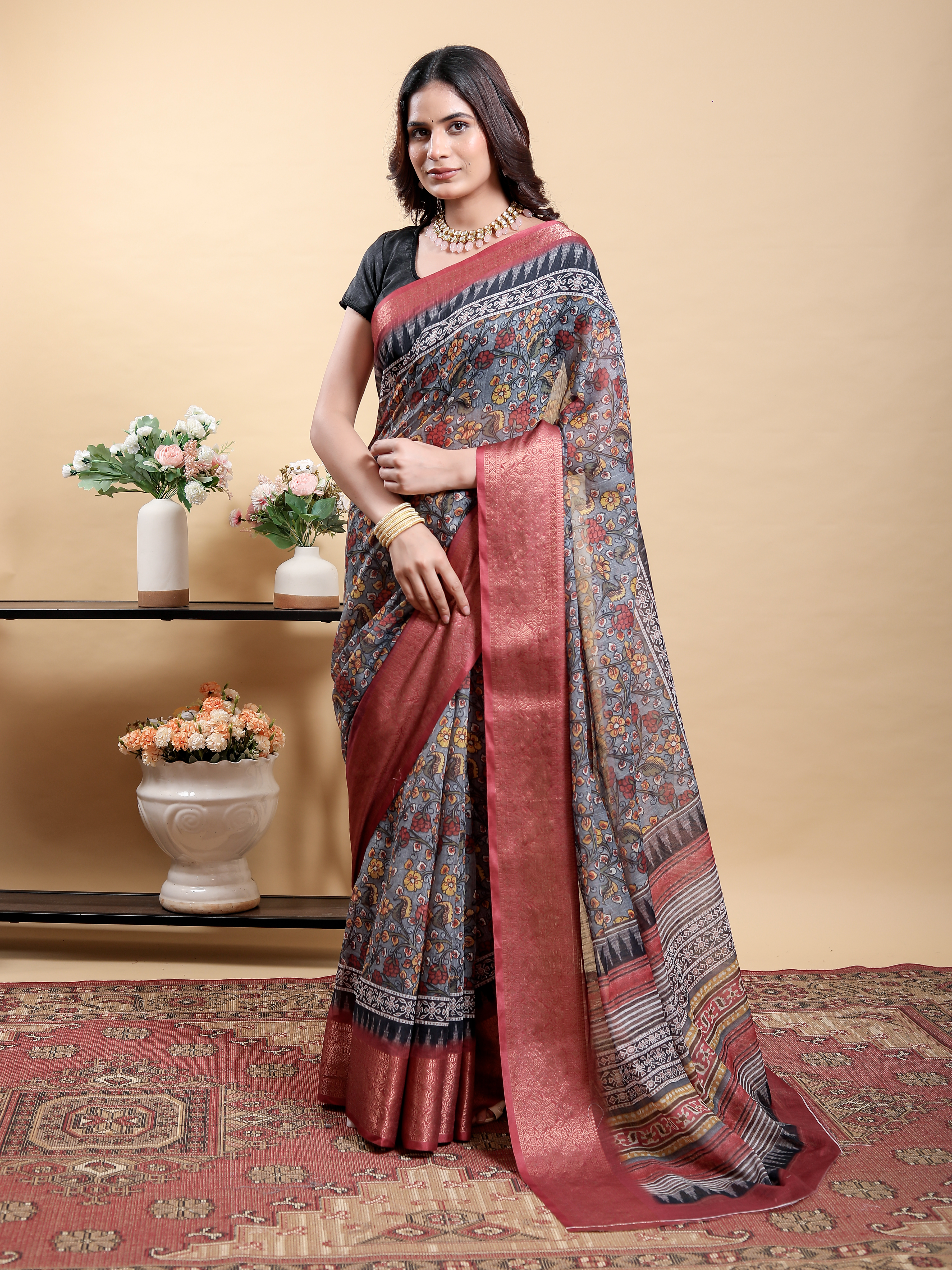
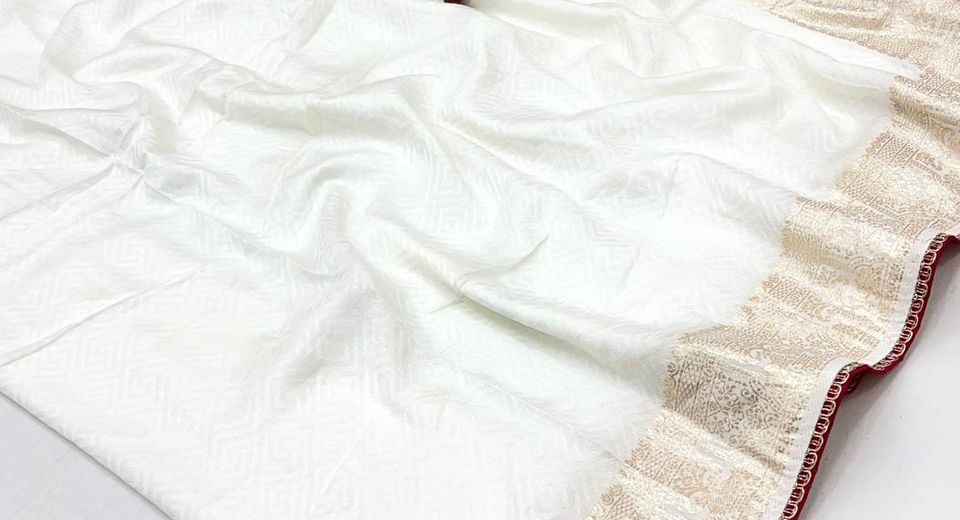
A saree with floral zari may be easier to wear than a fully sequinned garment, but it still needs careful folding and a breathable storage method. Cream Tissue Handloom Cotton Saree with Floral Zari Shimmer and Pastel Floral Tissue Handloom Cotton Saree with Zari Weaves show why buyers should inspect both the textile body and the decorative areas before choosing a cleaning method.
Calculate the Real Value
Care claims change outfit value by determining the real cost and effort required after purchase, not merely the price paid at checkout.
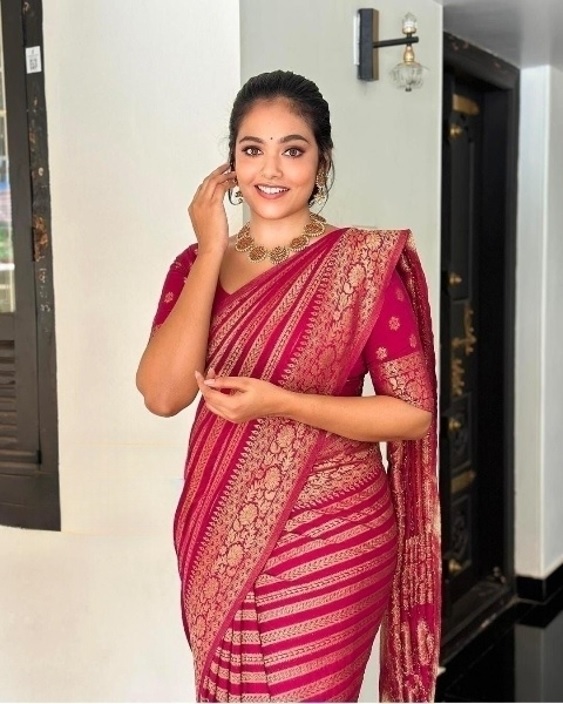
Consider three costs: professional cleaning, repair and opportunity cost. A dry-clean-only saree may cost more to maintain, while a fragile dupatta may require extra time to pack and store. An outfit that can't be worn near food, rain or crowded dancing may be beautiful but less versatile than a simpler piece with dependable care instructions.
Care requirements also affect repeat wear. A Wine Tissue Handloom Cotton Saree with Zari & Floral Prints can work for a wedding reception, festive lunch or family celebration, but its tissue surface and zari deserve protection from rough handbags and repeated pressing. A buyer who expects frequent use should compare that maintenance need with the lower handling demands of a less delicate weave.
Cost per wear is a helpful calculation. Add the purchase price, expected cleaning costs and likely repair expenses, then divide the total by the number of occasions you expect to use the outfit. An expensive saree worn eight times with sensible care may offer better value than a cheaper outfit worn once because cleaning, storage or discomfort makes repeat use inconvenient.
Care claims can also protect resale, gifting and inheritance value. A saree stored clean, dry and folded correctly is more likely to remain presentable for a sister, daughter or future ceremony. A garment repeatedly exposed to plastic, dampness or high ironing temperatures can develop odour, yellowing, weakened fibres or permanent creases.
Understand Dry Cleaning
"Dry clean only" means the outfit should be handled by a professional cleaner who can assess its fibre, dye, lining and embellishment before treatment.

Dry cleaning isn't a guarantee that every stain will disappear. Tell the cleaner whether the mark is oil, makeup, food, turmeric or perspiration, and show the exact location before handing over the garment. Turmeric from a Haldi ceremony can be especially difficult to remove if it's rubbed into the fibres or left untreated for several days.
don't automatically use a home washing machine for a dry-clean-only wedding saree. Agitation can pull zari, distort a blouse, loosen beads or cause colour transfer between contrasting panels. Home steamers and irons can also flatten texture or melt synthetic decorative elements when held too close.
Ask three practical questions before buying a dry-clean-only outfit: Does the seller identify the fabric composition? Does the outfit contain detachable embellishments or a separate lining? Can a local cleaner handle zari, silk and delicate Indian textiles? Clear answers make the care claim actionable rather than alarming.
Spot treatment still has a place, but it should be conservative. Blot a fresh liquid mark with a clean, white, absorbent cloth, avoid rubbing and keep the garment away from heat until a professional gives advice. Household bleach, lemon juice and strong stain removers can create permanent colour loss on silk, tissue and dyed cotton.
Compare Garment Types
Compare an outfit's care burden with the event conditions, expected number of wears and amount of movement involved.
Sarees
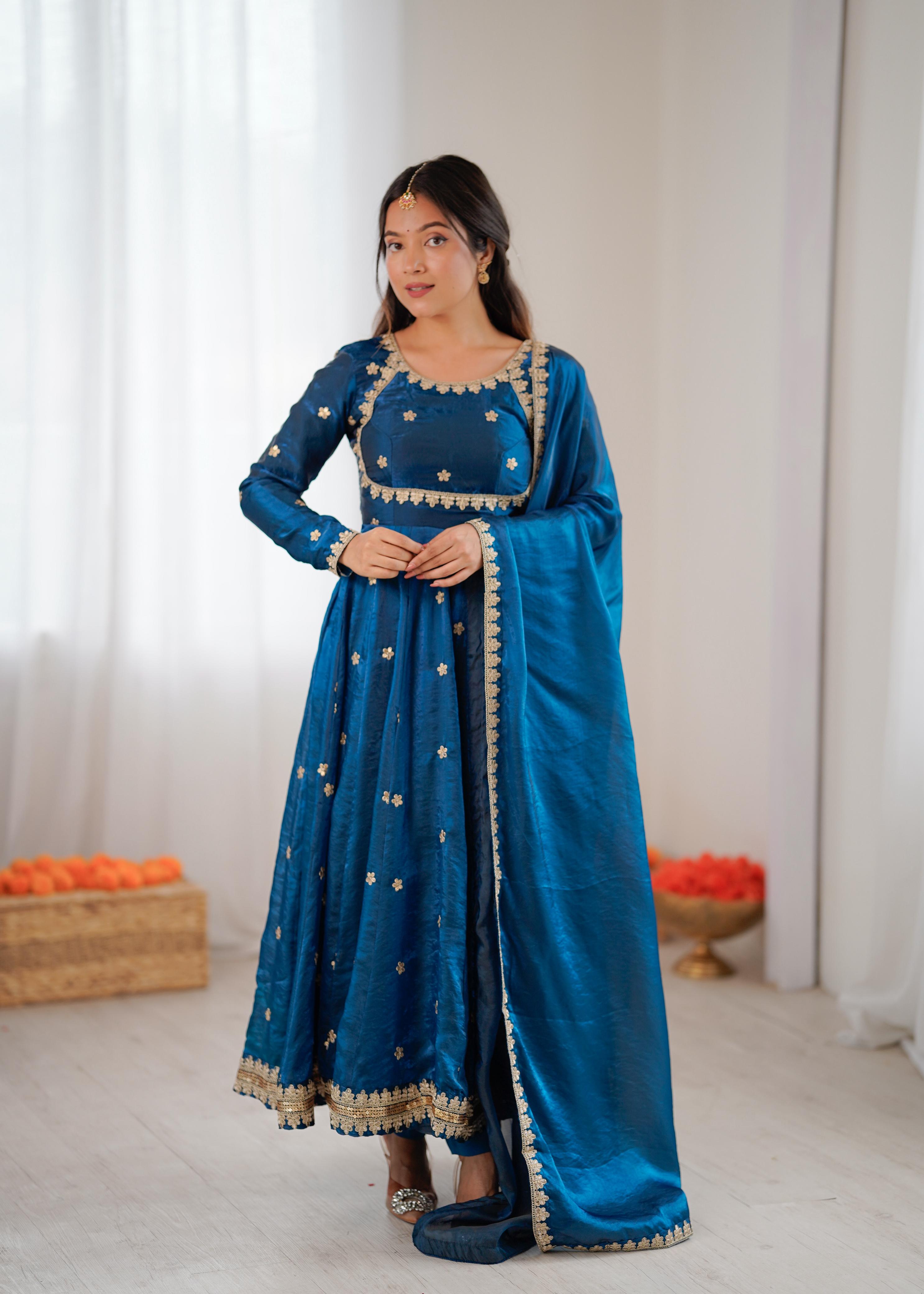
Check the body fabric, border, pallu and blouse separately. A saree may have a washable-looking cotton body but a zari border that requires gentler treatment. Fold the pallu inward, avoid hanging heavy zari sarees on thin wire hangers for long periods and refold stored sarees every few months to reduce permanent fold stress.
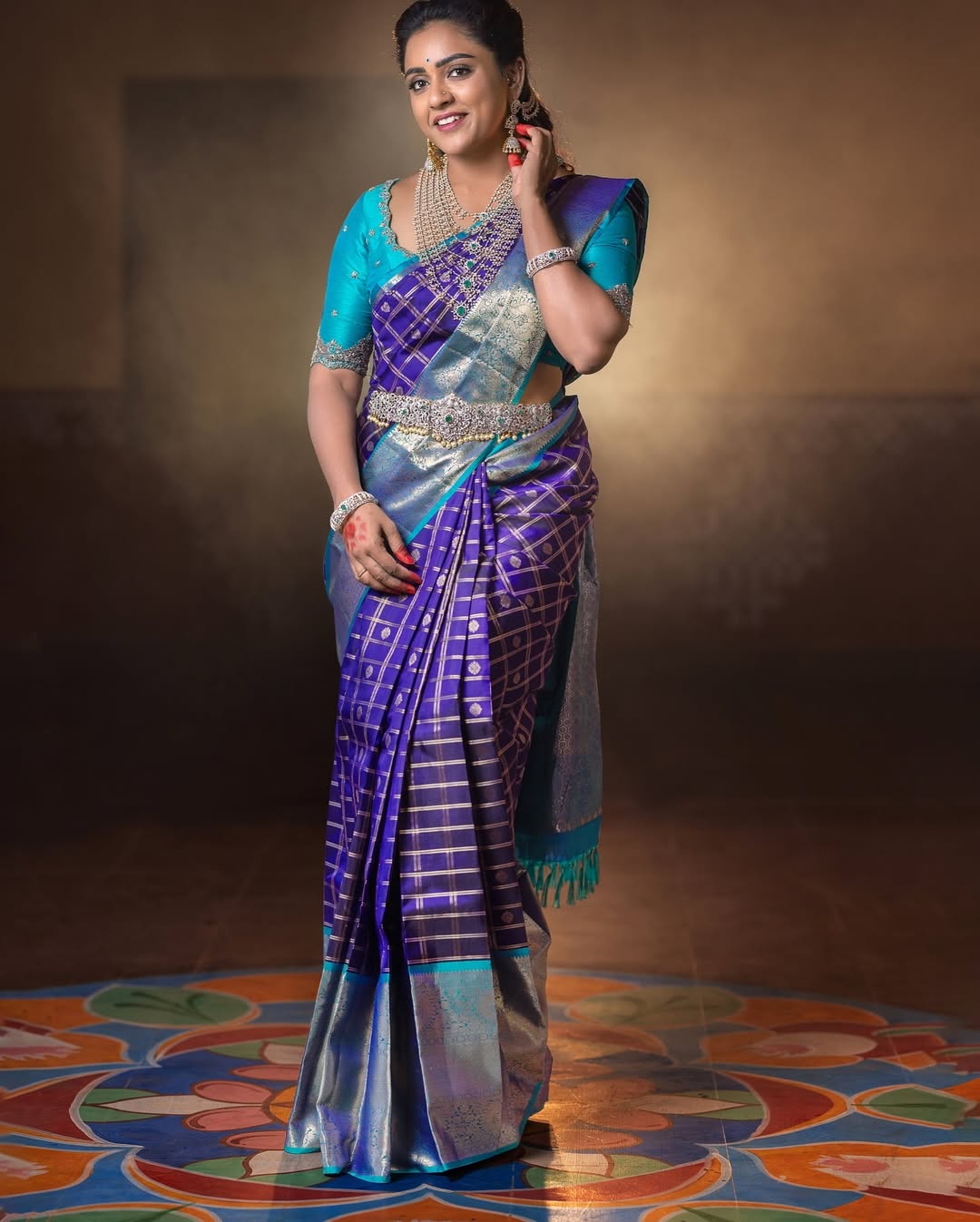
The Cream Pink Tissue Handloom Cotton Saree with Zari may suit a festive ceremony where lightness and sheen matter, but the tissue and zari combination calls for careful packing. The Wedding Wear Wine Purple Maslin Silk Saree is another example of a wedding piece where colour depth, silk texture and metallic weaving make professional cleaning and low-friction storage sensible.
Sharara suits
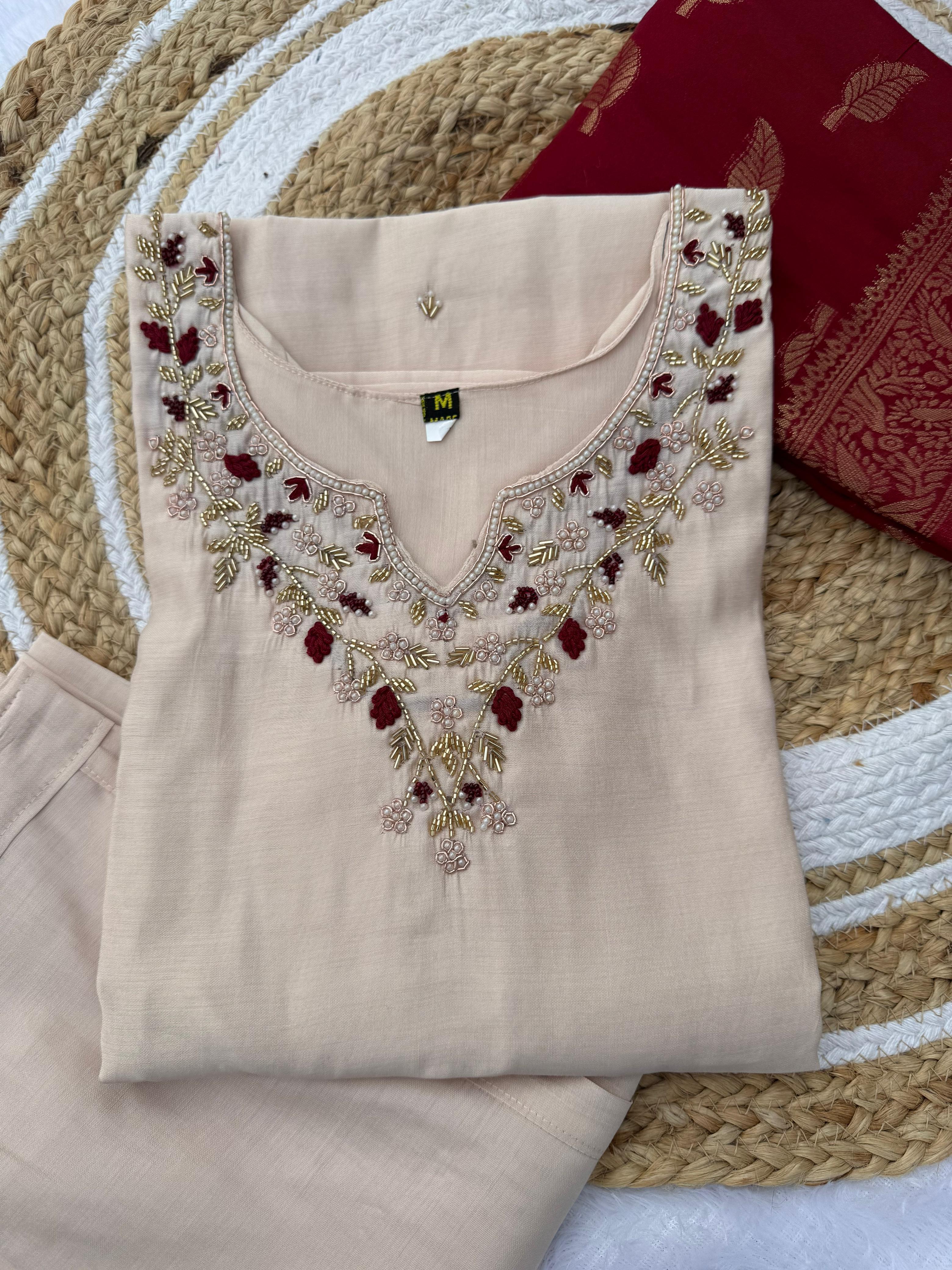
Inspect the waist elastic, lining, trouser flare and dupatta edging. Sharara trousers experience friction at the hem and movement around the knees, while a long dupatta may touch floors, food and cosmetics. The Brown Chinon Silk Sharara Suit Set for Women should be checked for lining instructions and seam stability before the first wear, especially if the sharara is heavily flared.
Gowns and coordinated sets
Examine whether the gown can be turned inside out, whether the lining is removable and whether the dupatta has separate care instructions. A gown with a structured shape may lose its form if folded tightly, while a soft dupatta can develop snags when stored against sequins or hooks.
For a saree such as the Wine Tissue Handloom Cotton Saree with Zari & Floral Prints, colour and metallic decoration should be assessed together rather than separately. For a set such as the vichitra Jacquard Woven Gown Dupatta Set, the full care routine should cover every component, including the dupatta and attached trims.
Match Care to the Event
Wedding events increase fabric risk because food, perspiration, cosmetics, turmeric, outdoor dust and prolonged sitting expose garments to more stress than a short indoor celebration.
A Haldi ceremony requires special caution because turmeric paste can leave a strong yellow mark, especially on pale silk, tissue and cotton. Wear an outfit that can tolerate accidental splashes or choose a piece whose care instructions allow prompt professional cleaning. Do not scrub turmeric into the fabric, because friction spreads the pigment and may roughen the surface.
Outdoor daytime weddings create different risks. Dust can settle along a saree hem or sharara flare, while direct sunlight may affect sensitive dyes if garments are left exposed for hours. A breathable cotton saree can feel more comfortable than a dense synthetic layer, but cotton can still retain food and perspiration marks if it's packed away damp.
Reception venues create friction risks from chairs, handbags, car seats and jewellery. Check the blouse armhole, underarm area and pallu before buying an outfit for several hours of movement. Soft lining, secure seams and enough ease at the waist can improve repeat wear as much as the outer fabric does.
Carry a small emergency kit containing a clean white cloth, safety pins, a spare hook and a resealable bag for a damp accessory. The bag should hold a soiled blouse or dupatta temporarily, not store the entire outfit overnight. Air the garment fully before folding it for cleaning or storage.
Use a Buyer's Checklist
Use a five-minute care check before purchase: identify the fibres, read the cleaning instruction, inspect embellishments, estimate maintenance cost and confirm storage needs.
- Read the fibre details. Note whether the item is cotton, silk, a blend, tissue, Chinon silk, Maslin silk or another named material.
- Separate the components. Check the saree body, border, blouse, lining, dupatta, trousers and decorative trims individually.
- Inspect the surface. Look for zari, sequins, beads, metallic prints, loose threads and raised textures that may snag or tarnish.
- Ask about colourfastness. Strong contrast between a dark border and a pale body increases the importance of professional cleaning and cautious moisture exposure.
- Price the maintenance. Include likely cleaning, alteration, repair and storage costs in the total buying decision.
- Plan the first wear. Avoid wearing a new delicate outfit before checking its hooks, seams, lining and comfort during movement.
- Plan storage. Use clean, breathable fabric covers, keep garments away from damp walls and don't seal natural fibres in plastic for long periods.
Care information deserves extra weight when the outfit is expensive, heavily embellished, pale in colour, intended for repeated use or likely to be stored for several months. Care information deserves slightly less weight when the garment is inexpensive, simple, comfortable and intended for a single low-risk event, although every textile still benefits from correct storage.
The most useful buying question isn't whether an outfit is delicate. The useful question is whether the outfit's care routine fits the number of times you expect to wear it, the events you attend and the cleaning services available near you. That answer turns a handsome wedding purchase into a practical one.
Questions to Ask About Wedding Outfit Fabric Care
Do fabric care claims matter when buying wedding outfits?
Yes, fabric care claims matter because they reveal the cleaning, drying, ironing and storage routine an outfit requires. Those instructions affect cost per wear, repeat use and the risk of damaging silk, cotton, tissue, zari or embellishments.
Can I wash a wedding saree at home?
You can wash some simple cotton sarees at home if the care label specifically permits gentle hand washing. Sarees containing silk, zari, heavy prints, sequins or contrasting colours are safer with professional advice because water and friction may cause bleeding, shrinkage or surface damage.
How should I care for a zari saree after a wedding?
Air a zari saree away from direct sunlight, then have it professionally cleaned if it has perspiration, food or makeup marks. Fold the saree with the zari surface protected, use a breathable fabric cover and keep it away from moisture and plastic storage.
Is dry cleaning safe for silk weddingwear?
Professional dry cleaning is generally suitable for silk weddingwear when the cleaner understands delicate silk, dyes, zari and embellishments. Share the fibre details and point out stains before cleaning, and do not assume dry cleaning can remove every old or heat-set mark.
How can I remove turmeric from a Haldi ceremony outfit?
Blot excess turmeric gently and avoid rubbing, bleach, lemon juice or heat. A professional cleaner should assess the stain as soon as possible because turmeric can become harder to remove after it penetrates silk, tissue, cotton or a blended fabric.
What wedding outfit fabric is easiest to maintain?
A simply constructed cotton outfit with limited embellishment is usually easier to maintain than zari-heavy silk, sequinned tissue or structured garments with multiple linings. The care label remains decisive because blends, dyes, finishes and decorative details can change the recommended routine.