

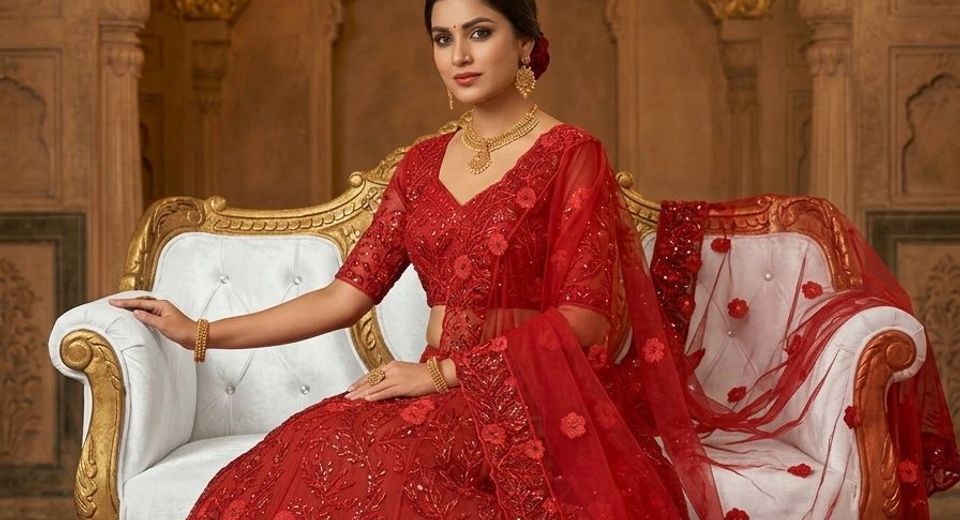
A destination wedding lehenga for hot and humid locations needs more than a beautiful colour and generous flare. The right outfit manages heat through breathable fabric, limited layers, a comfortable lining and secure construction, while still creating the richness expected at a wedding. Coastal Goa, Kerala, Sri Lanka and Bali may all feel warm, but humidity, wind and evening temperatures vary, so the best choice depends on the venue, ceremony time and amount of walking involved.
Comfort matters because a wedding outfit is rarely worn for only an hour. A bride may pass four to eight hours in a lehenga, moving between makeup, photographs, rituals, dining and dancing. A guest or bridesmaid may need to walk across grass, climb steps or sit on the floor. Fabric weight, waistband pressure and dupatta security therefore deserve as much attention as colour and embroidery.
What makes a destination wedding lehenga for hot and humid locations comfortable?
A destination wedding lehenga for hot and humid locations should allow airflow, avoid excessive inner layers and fit securely without compressing the body. A lightweight outer fabric can't compensate for a thick polyester lining, a rigid can-can skirt or a blouse that restricts the ribcage.
Humidity slows the evaporation of sweat, which makes dense synthetic fabrics feel warmer against the skin. A practical warm-weather lehenga often uses net, georgette, chiffon, cotton-silk blends, organza or lightweight butter silk. The construction matters as much as the shell fabric: a breathable skirt with an airless lining can still become uncomfortable after a short time outdoors.
Check four details before purchasing. First, ask for the approximate garment weight, particularly when the skirt has a heavy flare. Second, inspect the lining to see whether it's smooth and free from scratchy seams. Third, check whether sequins or zari have exposed edges that could irritate the skin. Fourth, confirm that the waistband allows sitting, walking and bending without digging into the stomach.
Which fabrics suit a destination wedding lehenga for hot and humid locations?
Georgette, chiffon, net, organza, cotton-silk blends and lightweight butter silk are generally more useful than velvet or heavily layered brocade for warm-weather weddings. Each fabric has advantages, so the choice should match the ceremony, styling and expected movement.
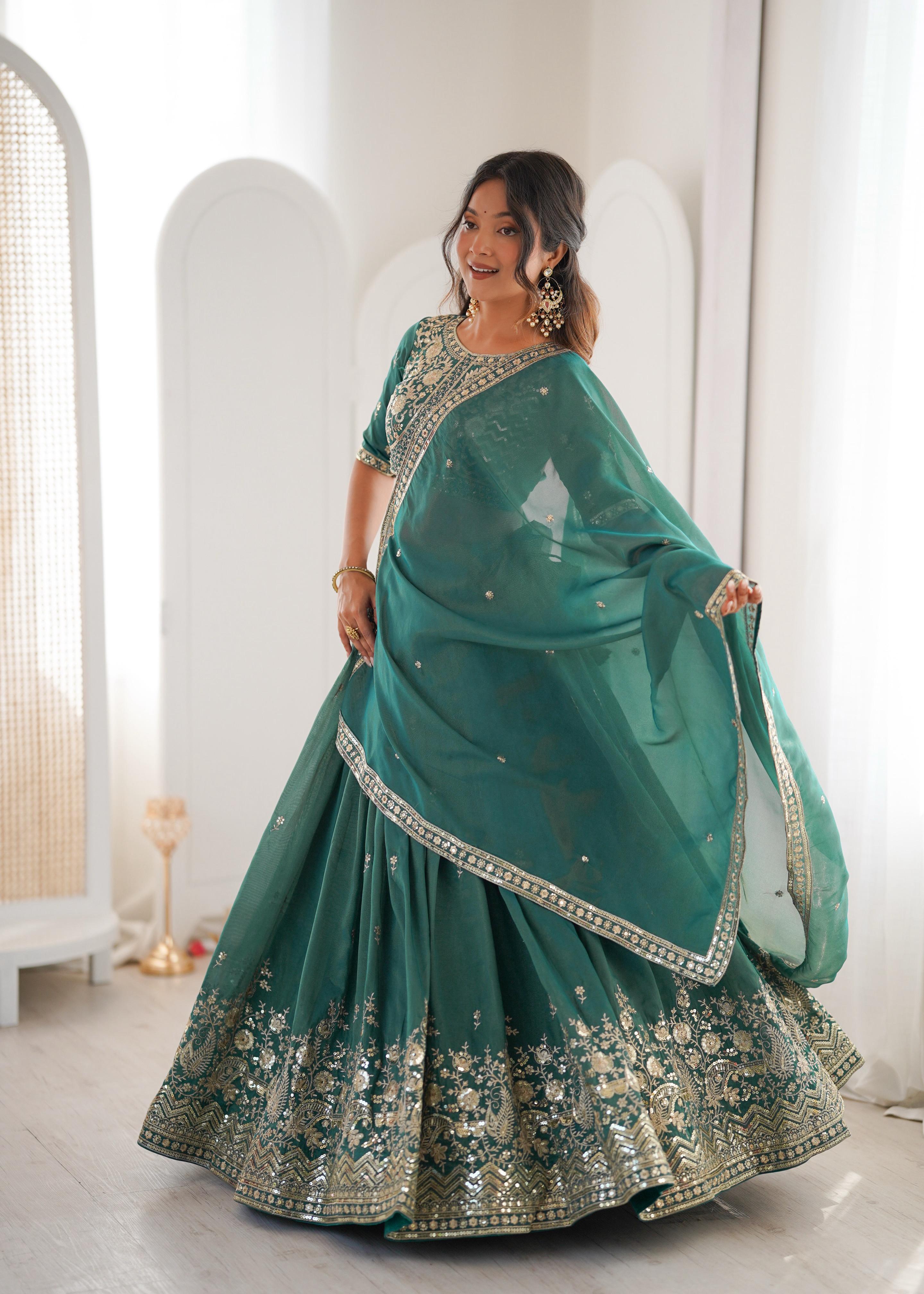
Net, georgette and chiffon for airflow
Net, georgette and chiffon create a lighter visual impression and allow a skirt to move without excessive stiffness. Net works well for a generous flare and an airy dupatta, but the base skirt needs a soft lining because open net can feel rough or transparent. Georgette falls fluidly and resists the bulky shape created by multiple stiff layers. Chiffon is very light, although sharp jewellery and rough surfaces can snag it.
Red Butterfly Net Sequins Lehenga Set Wedding Wear shows why net remains popular for festive outdoor dressing: sequins provide sparkle without requiring a thick brocade base. Pink Sequins Embroidered Butterfly Net Lehenga Set offers a softer colour direction with a similarly light-looking surface. Sequins still add weight, so pair either style with restrained jewellery and avoid adding a second heavily decorated dupatta.
Butter silk and satin for fluid movement
Butter silk has a smooth fall and can feel less rigid than structured silk brocade. Satin creates a polished finish for photographs, but polyester satin may hold warmth against the skin. A satin lehenga is more comfortable when the blouse is relaxed, the lining is smooth and the wearer has access to an air-conditioned room during breaks.
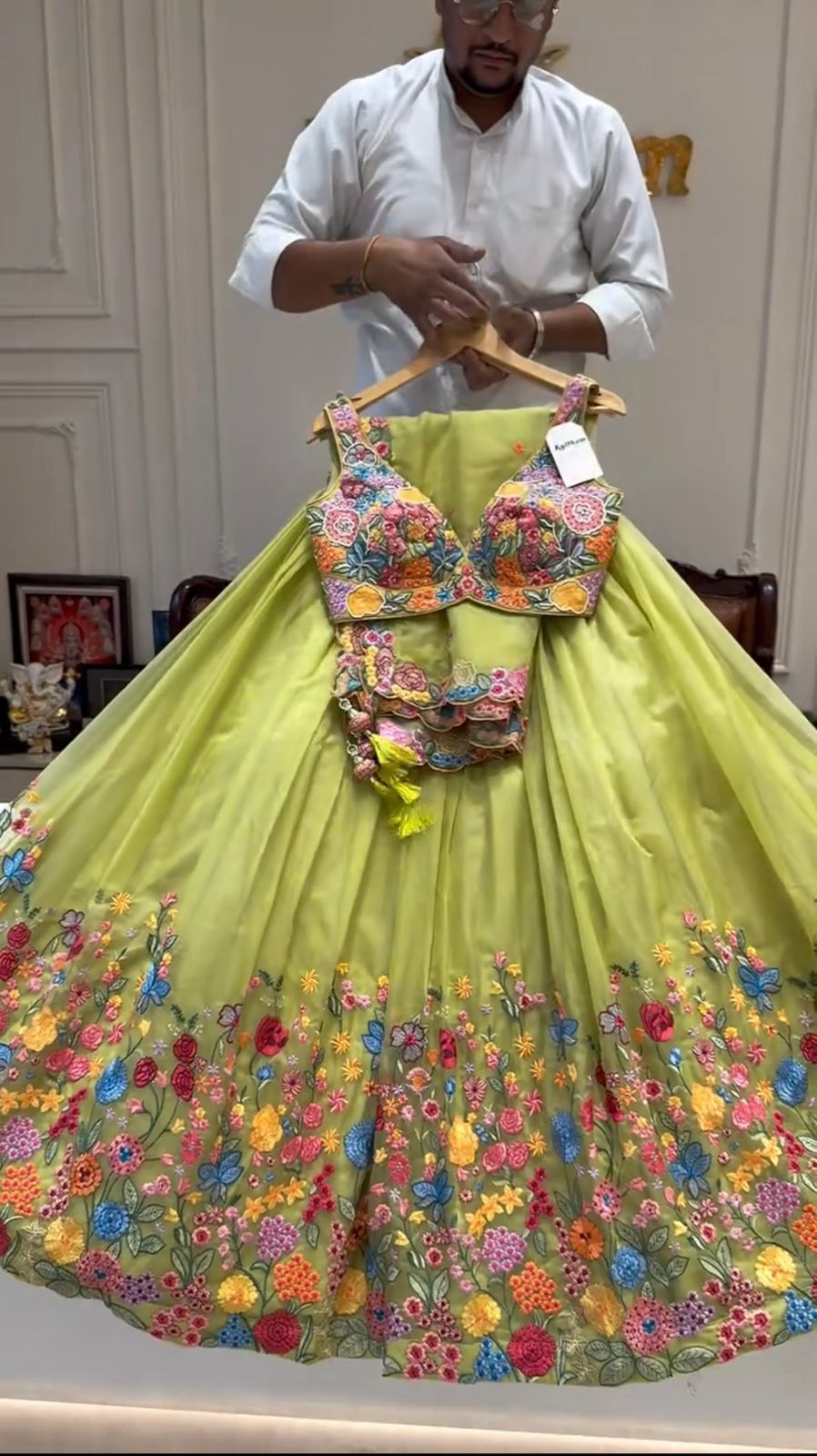
Stylish Multicolor Butter Silk Lehenga Choli Set demonstrates how colour variation and fluid movement can provide visual impact without relying on a dense, heavily layered skirt. Banarasi silk, raw silk and velvet remain attractive options for cooler evenings or indoor receptions, but they may feel excessive during a sunny ceremony. Kanjeevaram-inspired borders or motifs can provide a traditional silk reference without requiring a full heavy-silk outfit.
How should you line a destination wedding lehenga for hot and humid locations?
A destination wedding lehenga for hot and humid locations should have a smooth, breathable lining with enough room for movement and no unnecessary underskirts. Cotton voile, lightweight cotton lining or soft viscose can feel more comfortable than thick polyester, provided the garment remains opaque and well finished.
The lining should not fit like shapewear. Enough ease is necessary for sitting, climbing stairs and walking across sand or grass without pulling at the seams. The exact allowance depends on the pattern and body shape, but a rigid waistband should never be accepted simply because the standing fit looks neat.
A fitting should include sitting on a chair, walking ten steps, bending slightly and lifting both arms. These actions reveal tightness that may not be obvious in front of a mirror. A blouse that feels acceptable while standing can restrict breathing or pull at the armhole once the wearer sits down.
Can-can creates dramatic volume but also adds heat and weight. A moderate flare often performs better for a beach wedding, garden ceremony or outdoor Haldi ceremony. Pink Bridal Sequins Lehenga Set with Heavy Flare may work beautifully for a grand indoor reception or a cooler evening, but the venue temperature and walking distance should be considered before selecting a heavy-flare design for daytime wear.
Which silhouette works in a destination wedding lehenga for hot and humid locations?
An A-line or lightly flared silhouette usually gives the best balance of airflow, movement and photographic volume in hot weather. A panelled skirt can create graceful movement without the bulk of several stiff underskirts, while a comfortable high-waisted cut can lengthen the body visually.
Mermaid and very fitted lehengas keep fabric close to the legs, which can feel restrictive when walking or sitting in humid conditions. A moderate flare leaves space between the legs and skirt, allowing more movement of air. A very wide circular skirt may look dramatic but can become difficult on staircases, boats, narrow pathways and windy beaches.
Blouse design also changes the heat level. Sleeveless, cap-sleeve and short-sleeve blouses expose more skin to moving air. A wide neckline often feels less restrictive than a high, tightly closed neck. If additional coverage is needed, an airy sheer sleeve or relaxed elbow sleeve is usually more comfortable than a thick padded sleeve.
A structured bust cup can provide support, but excess padding and deep lining add warmth. The blouse should fit firmly at the bust and shoulder without squeezing the ribcage. Raise both arms, sit down and take several steps during the fitting. Pulling at the armhole, slipping at the neckline or pressure beneath the bust indicates that an alteration is needed.
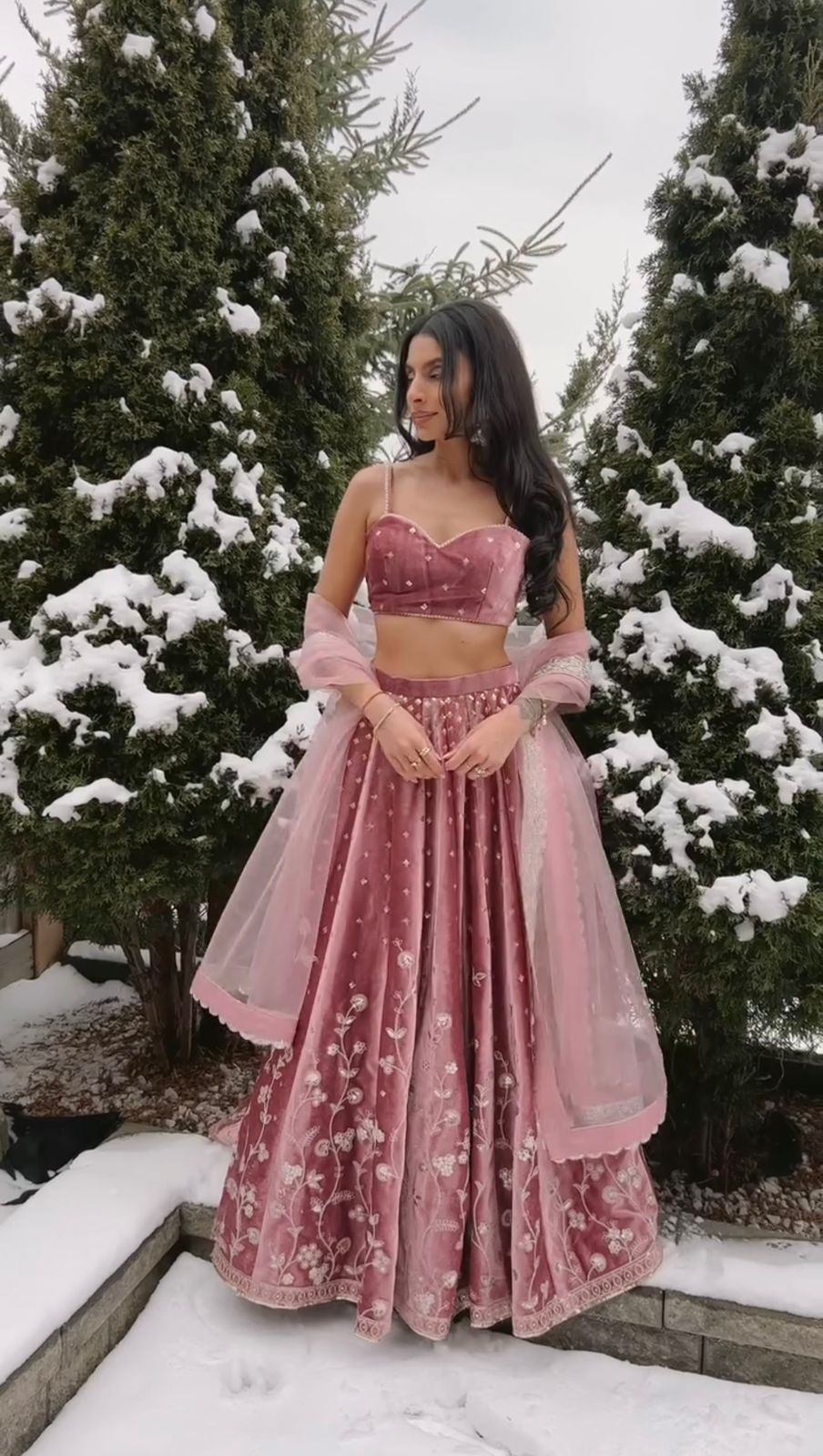
Magenta Satin Embroidered Lehenga Set Online shows how a saturated colour can carry an outfit when the silhouette remains relatively simple. Dusty Pink Satin Embroidered Lehenga Set Online brings a softer evening direction. Both satin-based outfits benefit from a blouse that doesn't add a second dense layer across the torso.
How can you secure a destination wedding lehenga for hot and humid locations?
A single lightweight dupatta secured at the shoulder and waist is usually the most practical arrangement for a destination wedding lehenga for hot and humid locations. Net, chiffon and light georgette are easier to pin and less tiring than a heavily embroidered silk dupatta.
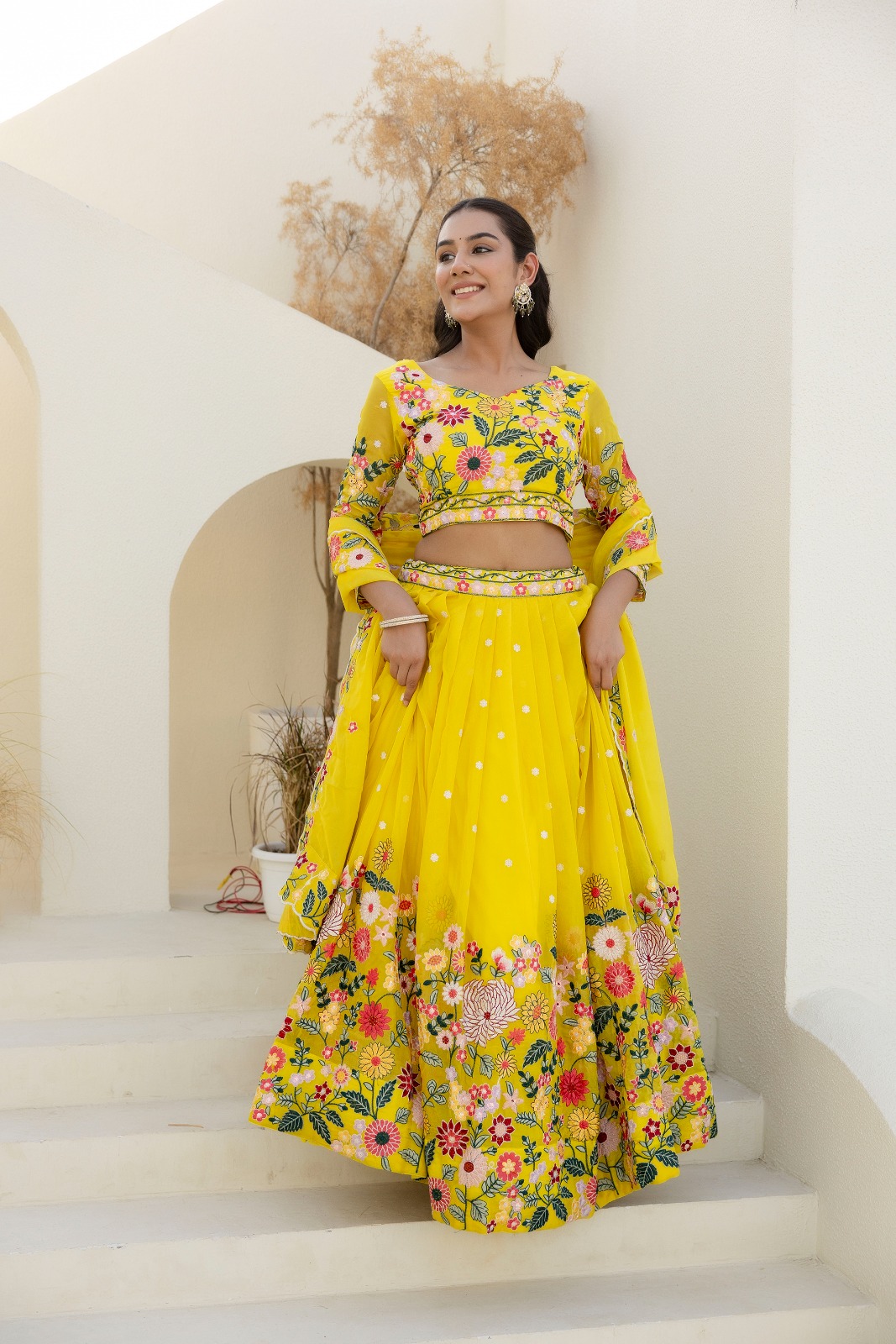
Use small safety pins with covered heads or discreet brooches to secure delicate fabric. Pin the shoulder pleats first, then attach one point near the waist or hip so the dupatta doesn't slide backward while walking. A hidden loop sewn into the blouse can hold a pin more securely than attaching the pin to a thin strap.
Coastal wind requires extra planning. A loose dupatta can lift, catch on décor or expose the blouse while walking. A shorter front drop, one shoulder pin and one waist anchor provide better control. A second lightweight scarf can be carried for photographs, but wearing multiple layers throughout an outdoor ceremony may increase discomfort.
Mint Embroidered Lehenga Set with Net Dupatta for Women illustrates a lighter-looking skirt-and-dupatta direction for daytime functions. Lime Floral Embroidered Butterfly Net Lehenga Set can suit a garden or Haldi setting, where fresh shades complement natural surroundings. Turmeric, sandalwood paste and flower water can stain delicate surfaces, so a washable or less precious dupatta is often the wiser choice for Haldi.
Which colours and embellishments suit a destination wedding lehenga for hot and humid locations?
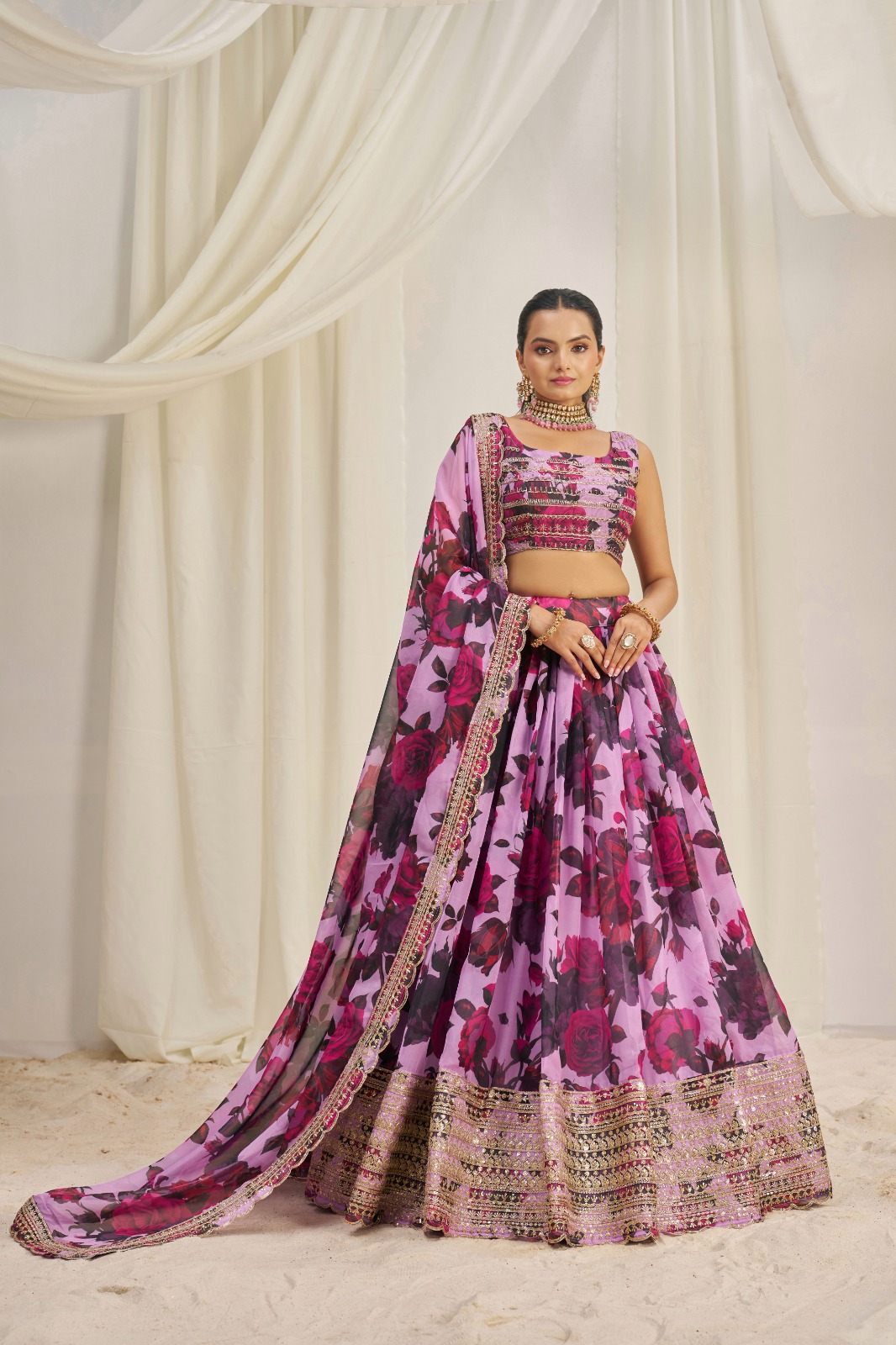
Medium-to-bright colours and fresh pastels generally photograph well in strong outdoor light, but a daylight camera test gives the most reliable answer. Coral, fuchsia, magenta, emerald, mint, lime, dusty rose and pink can all work when the shade complements the venue and the wearer's undertone.
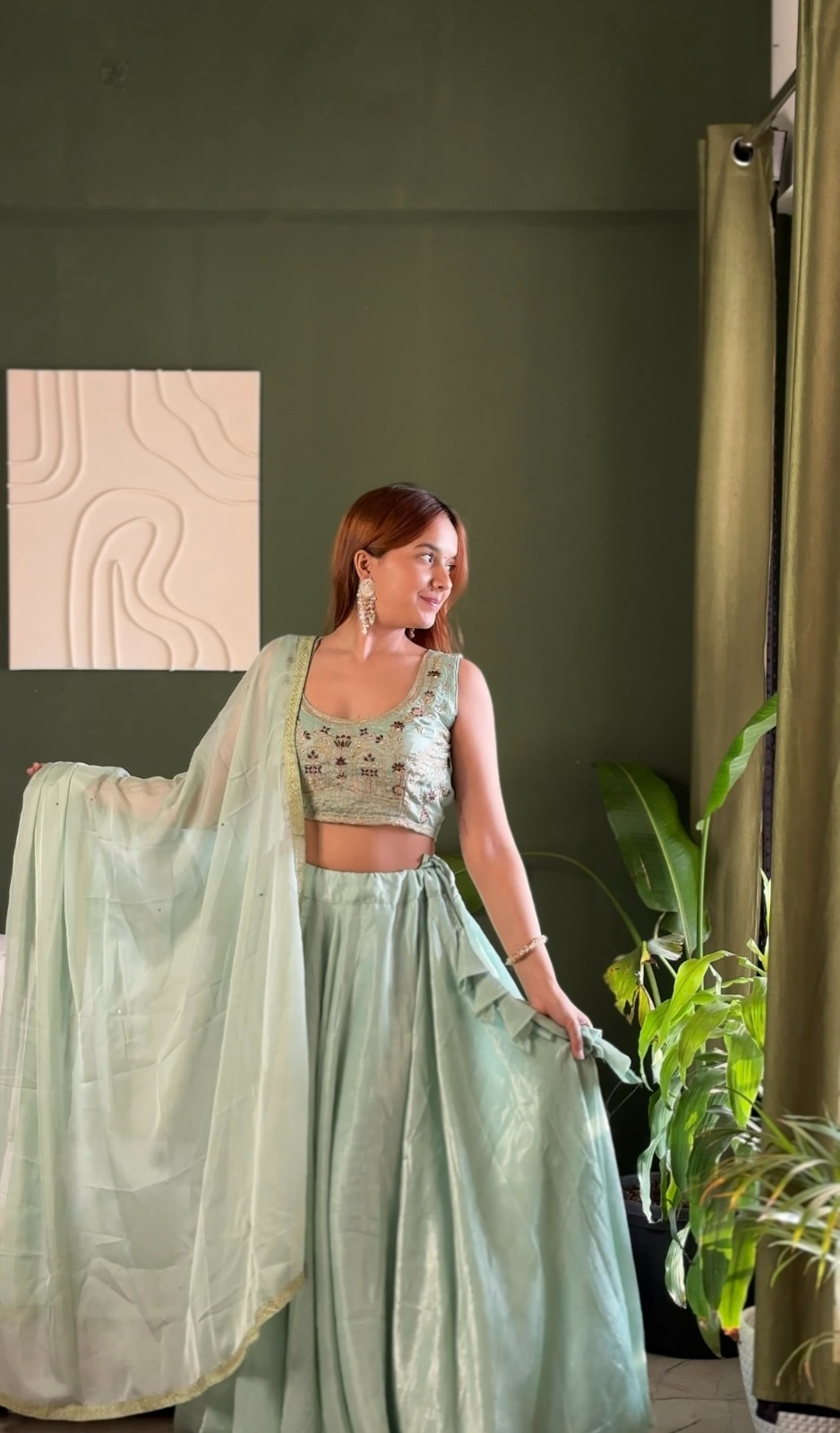
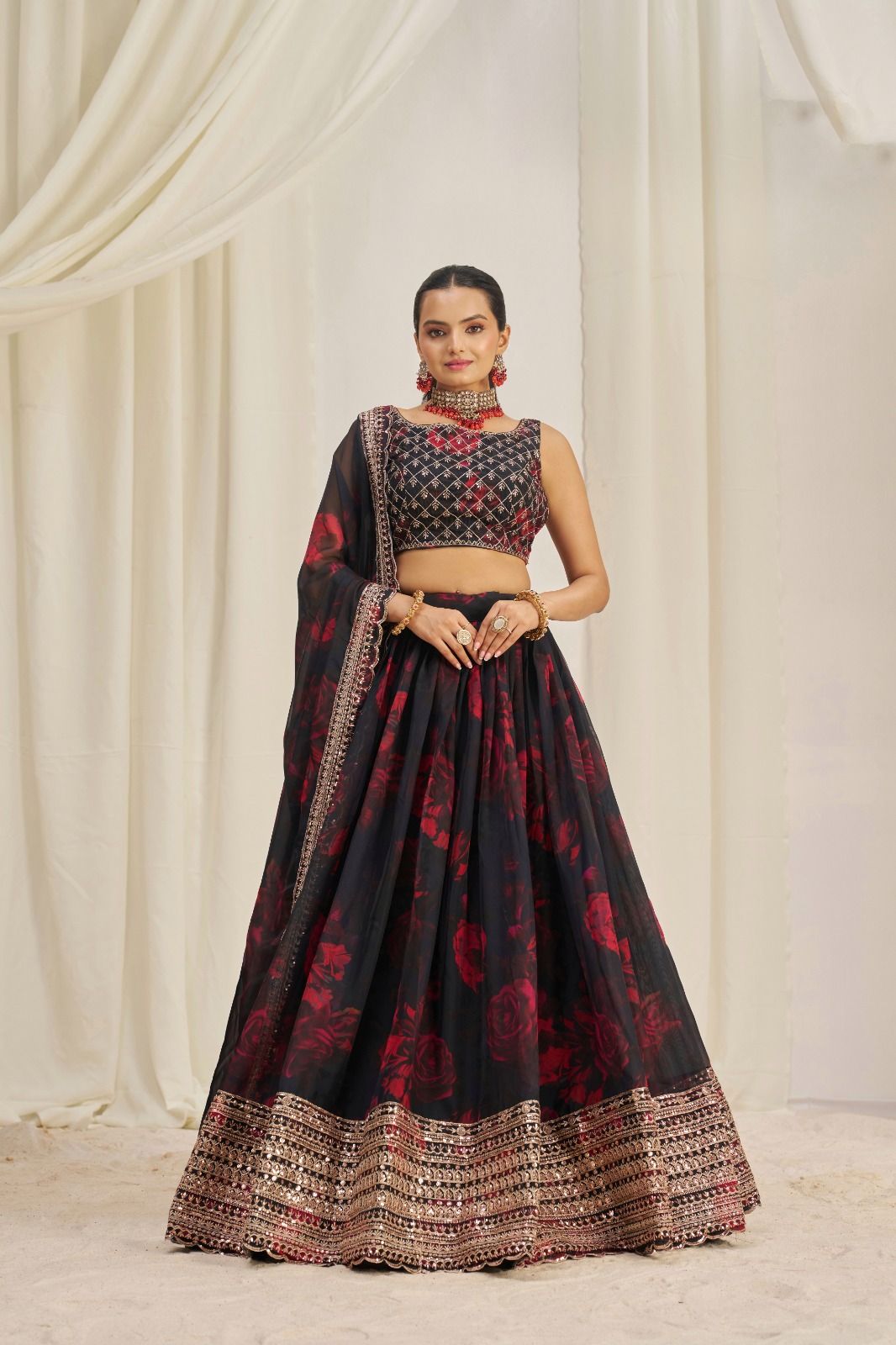
Direct sunlight can cause mirror work and large sequins to produce distracting hotspots in photographs. Fine sequins, tonal thread embroidery, small pearls and restrained zari usually preserve more surface detail. Dense gold work remains festive but increases both visual and physical weight. Concentrating heavier decoration on the border or blouse can create a bridal effect while leaving the centre of the skirt lighter.
Pink Lehengas Under 4000 with 50% Discount can be an useful starting point for a bridesmaid or guest who wants a festive pink outfit without choosing a heavily embellished bridal ensemble. Bridesmaid Lehengas Under 5500 may help coordinate a group, but each bridesmaid should confirm the wedding palette before selecting mint, lime, coral or pink individually.
Net Lehengas Under 4500 with 51% Discount gives another direction for shoppers comparing lighter-looking silhouettes. Silk Lehengas Under 3000 may be more suitable for an evening function or an indoor venue where temperature control reduces the discomfort associated with a denser weave. Haldi Lehengas Under 5500 can help narrow the search for bright, practical outfits intended for a ceremony where staining is a realistic concern.
How should you shop and pack a destination wedding lehenga for hot and humid locations?
Buy the outfit early enough for one fitting, one alteration and one full trial with the intended footwear. Two weeks may be sufficient for a ready-to-wear lehenga requiring minor adjustment, while four to six weeks is safer when the blouse, lining or waistband needs significant alteration.
Record the waist, upper waist, hip, blouse bust, underbust, shoulder, armhole and skirt length. Take measurements while wearing the undergarments and heel height planned for the wedding. A skirt that's too long can drag through wet grass or sand, while a skirt that's too short may reveal the footwear or look unbalanced in photographs.
Pack the lehenga in a breathable cotton garment bag rather than sealing it in plastic for the entire journey. Plastic can trap moisture and encourage a stale smell in humid conditions. Place tissue paper between embellished layers, keep jewellery in a separate pouch and carry a small sewing kit with spare hooks, thread and covered safety pins.
Unpack the outfit as soon as you reach the destination and hang it in a dry, shaded room. Avoid placing heavy garments directly under strong hotel hairdryers or irons. If wrinkles appear, use a steamer at a safe distance after testing a hidden area, or ask the hotel tailor or laundry service for guidance on sequins, satin and net.
What is the final checklist for a destination wedding lehenga for hot and humid locations?
The final checklist is simple: choose a breathable shell, request a comfortable lining, limit rigid underskirts, test the blouse through movement, secure the dupatta at two points and match the embellishment level to the heat. A destination wedding lehenga for hot and humid locations should be tested in conditions that resemble the real event rather than judged only under changing-room lights.
- Confirm the fabric, lining composition and approximate garment weight.
- Wear the complete outfit for at least 30 minutes before travelling.
- Test sitting, walking, bending, raising the arms and using the washroom.
- Carry covered safety pins, fashion tape, a small sewing kit and stain-removal wipes.
- Keep a lightweight backup blouse or scarf if the itinerary includes several outdoor functions.
- Store the lehenga away from direct sunlight, plastic wrapping and damp bathroom areas.
Practical preparation doesn't reduce the glamour of bridalwear. Breathable fabrics, controlled volume and secure styling allow the wearer to enjoy the ceremony, photographs and dancing without constantly adjusting the outfit.
Questions About Choosing a Lehenga for Hot and Humid Destination Weddings
Which fabric is best for a lehenga in a hot and humid destination?
Net, georgette, chiffon, organza, cotton-silk blends and lightweight butter silk are generally comfortable choices because they can feel lighter and allow easier movement. Comfort still depends on the lining, embroidery density and number of underskirts.
Can I wear a heavily embroidered bridal lehenga in humid weather?
You can wear a heavily embroidered lehenga in humid weather, but choose it for a shorter ceremony or an air-conditioned evening reception. For a long daytime event, reduce the weight through a lighter lining, fewer stiff layers and concentrated embroidery on the border or blouse.
Is satin suitable for a destination wedding lehenga?
Satin is suitable when the event is indoors or after sunset and the blouse and lining are not overly heavy. Polyester satin can hold warmth, so test the complete outfit for at least 30 minutes before committing to it for an outdoor ceremony.
How do I stop a lehenga dupatta from slipping in coastal wind?
Secure the dupatta at the shoulder and waist using covered safety pins, a discreet brooch or a hidden blouse loop. A shorter front drop and lightweight net, chiffon or georgette provide better control than a heavy, loosely draped silk dupatta.
Is a heavy-flare lehenga practical for a beach wedding?
A heavy-flare lehenga can be difficult on sand, narrow pathways and stairs because the extra layers add weight and collect moisture. An A-line or moderate-flare skirt is usually easier to walk in, especially for a daytime beach ceremony.
How should I pack a lehenga for a humid destination wedding?
Pack the lehenga in a breathable cotton garment bag and keep embellished layers separated with tissue paper. Unpack the outfit promptly on arrival, hang it in a dry shaded room and avoid storing it in sealed plastic where trapped moisture can create odour.


