Crinoline Gives Lehenga Volume Without the Same Feel as Layered Can Can, and that difference matters when a full skirt must look festive but remain wearable for several hours. The two constructions can create a broad silhouette, yet they do not distribute stiffness, weight or movement in exactly the same way. Understanding the difference helps with wedding shopping, fully stitched choli shopping and choosing between a Ready Made Lehenga and a semi stitched design.
A lehenga's visible drama comes from more than embroidery or fabric. The underskirt, lining, flare, waistband and support layers determine whether the skirt falls close to the legs, opens into a soft bell shape or holds a wide circular outline. A practical choice begins by matching that construction to the event, the wearer's height and the amount of walking, sitting and dancing involved.
Crinoline Gives Lehenga Volume Without the Same Feel as Layered Can Can: what happens inside the skirt?
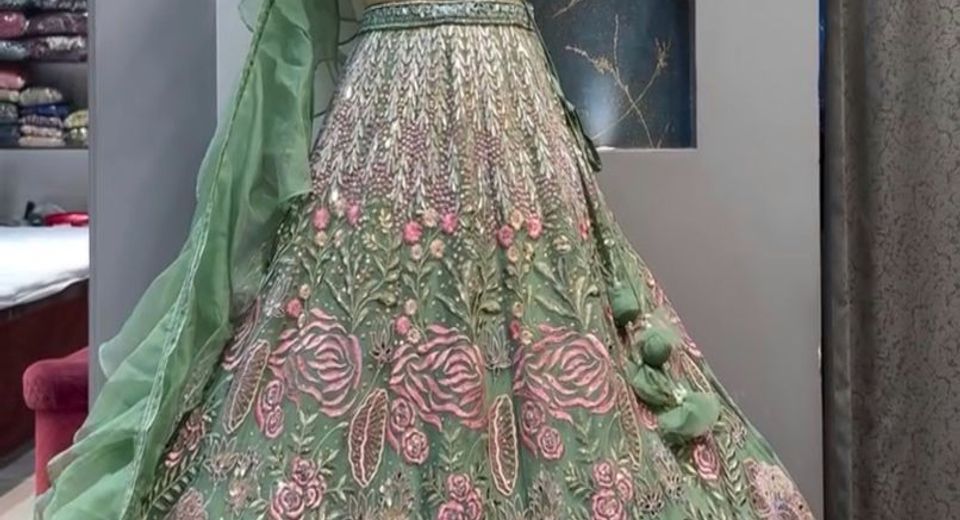
Crinoline gives a lehenga volume by adding a structured net or petticoat layer beneath the outer skirt, allowing the hem to stand away from the legs. The support creates fullness while leaving more space between the body and the embroidered surface, so the skirt can look larger without relying only on many stacked can-can layers.
Traditional crinoline may refer to a stiff woven fabric, but contemporary lehengas commonly use net, tulle or a hoop-supported underskirt for a similar shaping purpose. The exact result depends on the net's stiffness, the number of tiers, the circumference of the flare and the placement of the support. A firm lower tier creates a more pronounced hem, while softer netting gives a rounded shape that collapses more naturally when the wearer sits.
Crinoline also protects the outer skirt from constant contact with the ankles and footwear. That extra clearance can help sequins, zari and dense embroidery move cleanly instead of catching against sandals. A crinoline layer does not automatically make a lehenga lightweight, because the skirt's surface fabric, lining and embellishment still contribute most of the total weight.
Crinoline Gives Lehenga Volume Without the Same Feel as Layered Can Can: how are the constructions different?
Layered can-can creates volume through several rows or layers of stiff net, whereas crinoline usually provides support through a more concentrated structured layer or underskirt. Layered can-can can feel firmer around the knees and hem because multiple tiers resist compression; crinoline can produce a similarly full outline with a different pressure pattern.
The distinction is not always consistent across stores. Some designers use "can-can" for any stiff net lining, while others reserve the term for multiple graduated layers. A product description that says "heavy flare" may indicate generous fabric volume rather than a specific internal construction. Asking for a lining photograph, tier count or approximate hem circumference gives a more reliable answer than depending on terminology alone.
Crinoline Gives Lehenga Volume Without the Same Feel as Layered Can Can: why can it feel more comfortable?
Crinoline can feel more comfortable because it may concentrate shaping in selected areas instead of surrounding the full skirt with many stiff net tiers. Reduced bulk at the knees can make walking, climbing stairs and sitting easier, although comfort still depends on the waistband, lining and stiffness of the individual garment.
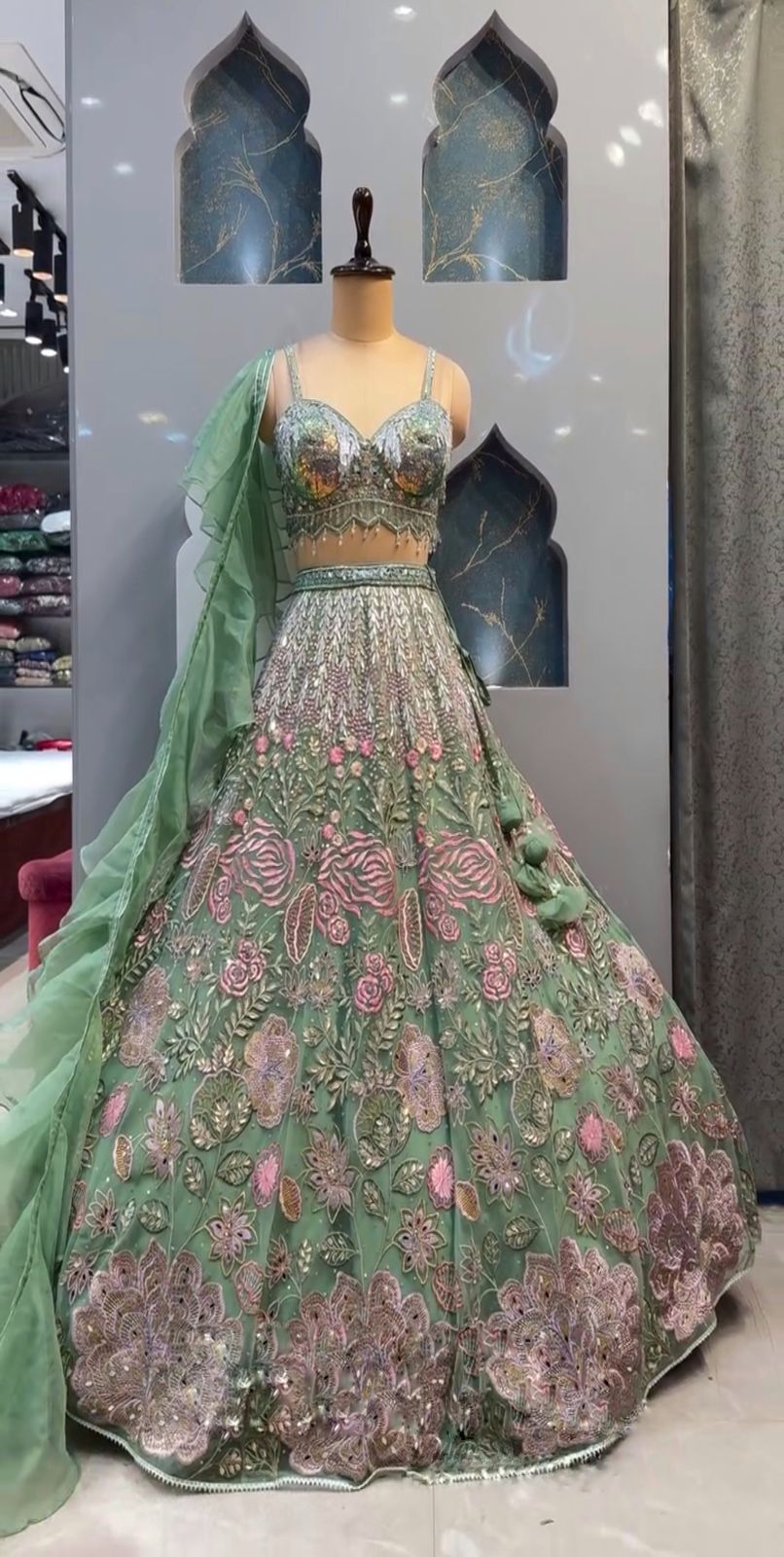
A layered can-can skirt is useful when a very wide, architectural silhouette is the priority. Each additional layer can hold the outer fabric away from the body, which photographs dramatically in bridal portraits and dance entrances. The trade-off may include greater heat, more rustling, a wider turning radius and extra fabric gathering at the waist.
Crinoline does not mean a flat or understated lehenga. A structured underskirt can support a strong flare while allowing the upper skirt to move more softly. The result often suits a wearer who wants visible volume for a sangeet or reception but does not want a rigid frame during a long Haldi ceremony or family function.
Comfort should be tested in movement rather than judged while standing still. Walk ten steps, sit on a chair, lift the skirt slightly to climb a step and rotate once. A waistband that digs in, a hem that trips the feet or netting that scratches the thighs is a fit problem even when the silhouette looks excellent in a mirror.
Crinoline Gives Lehenga Volume Without the Same Feel as Layered Can Can: which fabrics work best?
Chinon silk, satin, georgette, net and butterfly net can all work with crinoline, but each fabric produces a different kind of volume. Smooth Chinon silk and satin show a clean rounded outline, georgette gives softer movement, and net or butterfly net creates a lighter-looking layered effect.
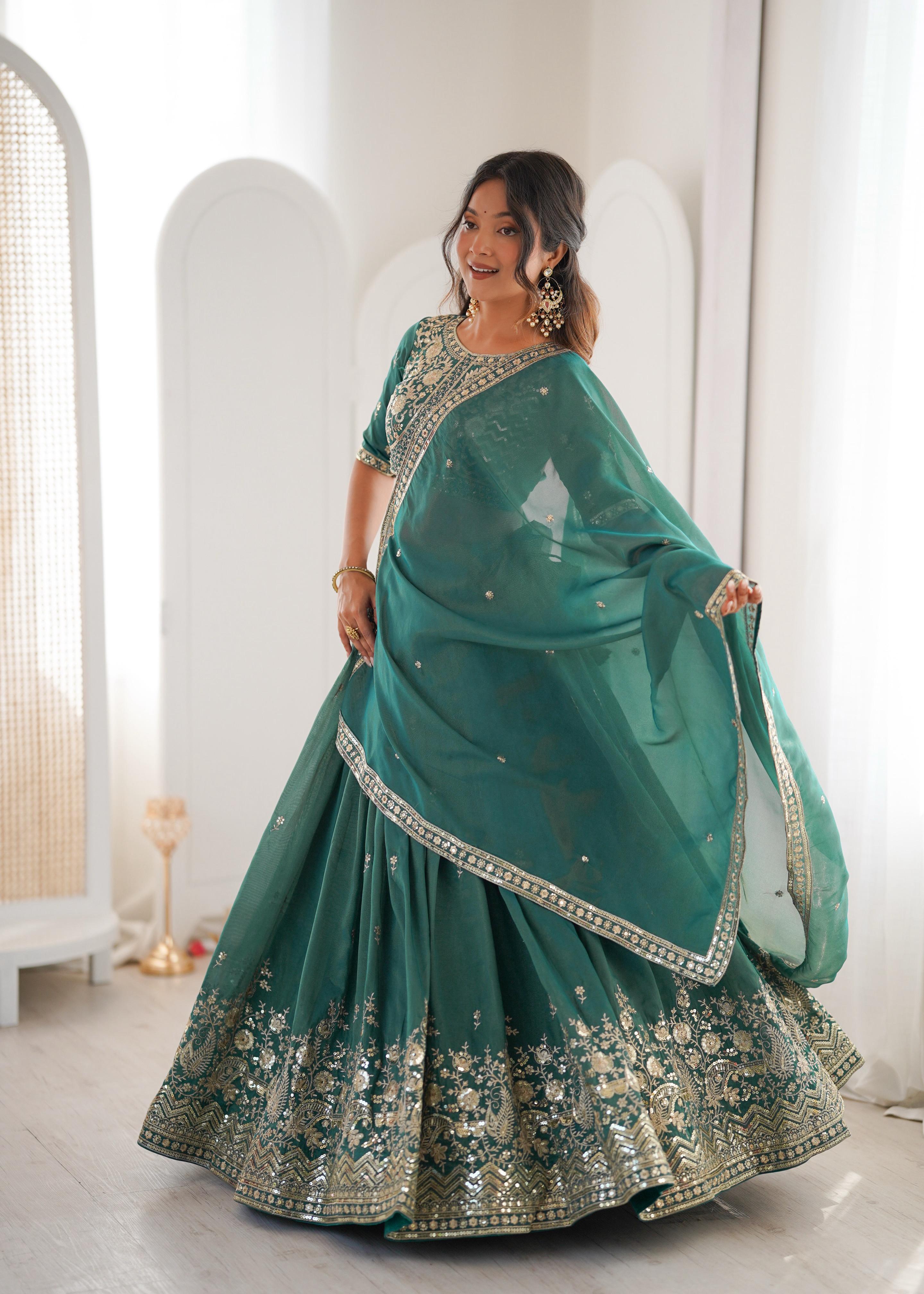
Green Chinon Silk Sequins Embroidered Lehenga Set illustrates why a smooth, embellished surface benefits from controlled support: a shaped underskirt can keep the sequined skirt away from the legs without hiding the fabric's fluid sheen. Pink Chinon Silk Sequins Embroidered Lehenga Set Sale offers the same fabric category as a useful comparison when budget and occasion planning are part of the decision.
Butterfly net has a delicate, airy appearance, but the name does not guarantee a weightless garment. Embroidery, lining and the number of net layers still affect the final feel. Pink Sequins Embroidered Butterfly Net Lehenga Set and Pastel Grey Embroidered Butterfly Net Lehenga Set show how a net-based outer layer can pair with a structured inner shape while retaining a soft visual finish.
Georgette usually benefits from moderate rather than extreme support. Pastel Floral Georgette Lehenga Set with Ruffle Blouse is a useful example of why a softer skirt may need enough structure to reveal its flare, but not so much stiffness that the floral surface loses its natural movement. A crinoline should support the fabric's character instead of forcing every fabric into the same silhouette.
Crinoline Gives Lehenga Volume Without the Same Feel as Layered Can Can: how much flare suits each event?
Choose flare according to the event's movement, venue and dress code: moderate crinoline suits ceremonies and repeated sitting, while a more expansive can-can construction suits a high-impact bridal entrance or staged photography. The right volume is the amount that preserves comfortable movement after the blouse, dupatta and jewellery are added.
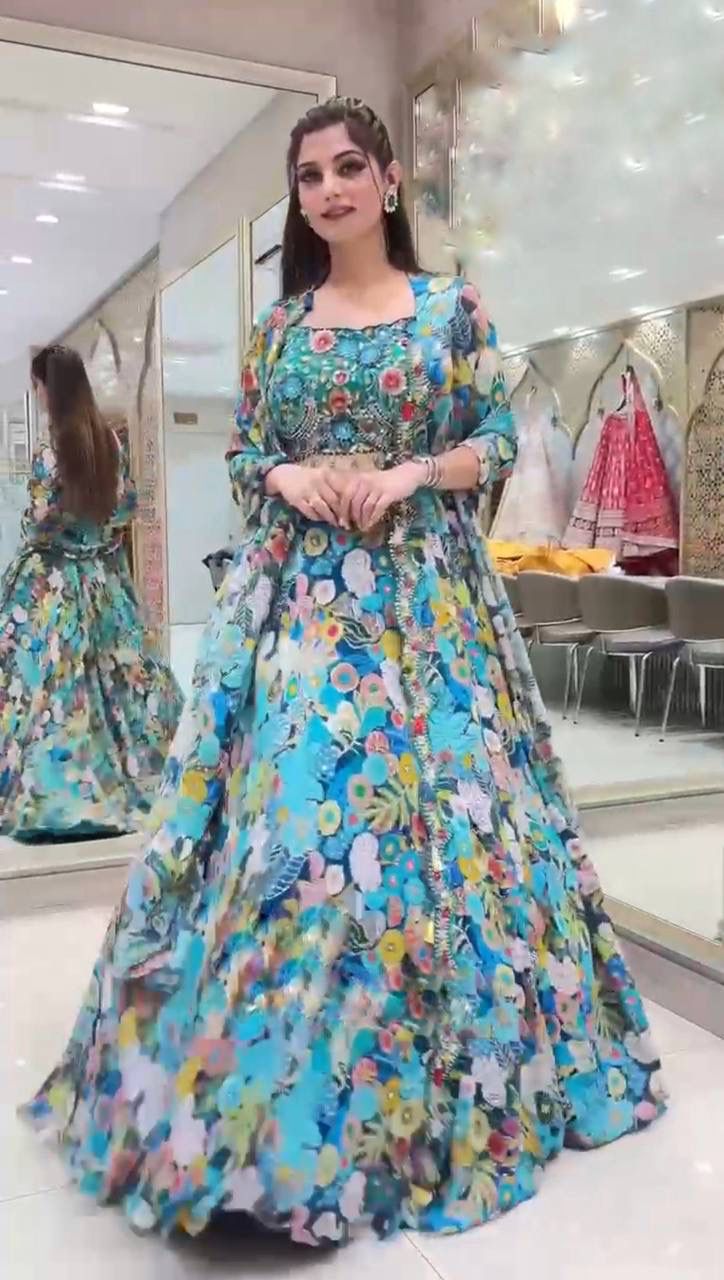
Crinoline Gives Lehenga Volume Without the Same Feel as Layered Can Can for Haldi and daytime functions
A moderate flare with a breathable lining is usually more practical for a Haldi ceremony because daytime heat, turmeric, outdoor movement and informal seating can make heavy layered skirts uncomfortable. Yellow Lehengas and Green Lehengas often suit these settings, particularly when the look relies on colour and embroidery rather than maximum circumference.
A skirt with crinoline can retain enough shape for photographs while making it easier to sit on a low seat or move between guests. Avoid a hem so wide that it repeatedly touches the floor, especially at outdoor venues where dust and moisture can collect along the edge.
Crinoline Gives Lehenga Volume Without the Same Feel as Layered Can Can for sangeet and reception dressing
A medium-to-full flare works well for sangeet and reception wear because it supports spins, group photographs and a visibly festive silhouette without requiring a bridal-scale underskirt. Magenta Satin Embroidered Lehenga Set Online demonstrates how saturated colour and a smooth surface can create visual impact even when the internal volume is carefully controlled.
Dance movement needs clearance rather than only width. Check that the hem does not catch on footwear and that the inner layer does not rise above the outer hem while turning. A blouse with a stable neckline and a dupatta secured at two points will also make a full skirt easier to manage.
Crinoline Gives Lehenga Volume Without the Same Feel as Layered Can Can for bridal wear
Bridal lehengas can use either crinoline or layered can-can, depending on the desired silhouette, embroidery density and length of wear. Pink Bridal Sequins Lehenga Set with Heavy Flare is suited to a conversation about dramatic volume, but "heavy flare" should prompt questions about the skirt's lining, waistband and total weight rather than an assumption that maximum stiffness is automatically better.
Bridal shoppers should wear the footwear planned for the ceremony during alterations. A difference of 2 to 3 centimetres in heel height can change the hem clearance, the visible flare and the point at which the skirt breaks over the floor. A bridal skirt that looks perfect barefoot may drag once its final styling is complete if the length was not checked with the intended shoes.
Crinoline Gives Lehenga Volume Without the Same Feel as Layered Can Can: what should you check before buying?
Check the waist construction, finished length, lining, flare, closure and alteration allowance before buying a ready made or semi stitched lehenga. These details determine whether the crinoline-supported silhouette will sit smoothly or create pulling, twisting and uneven volume.
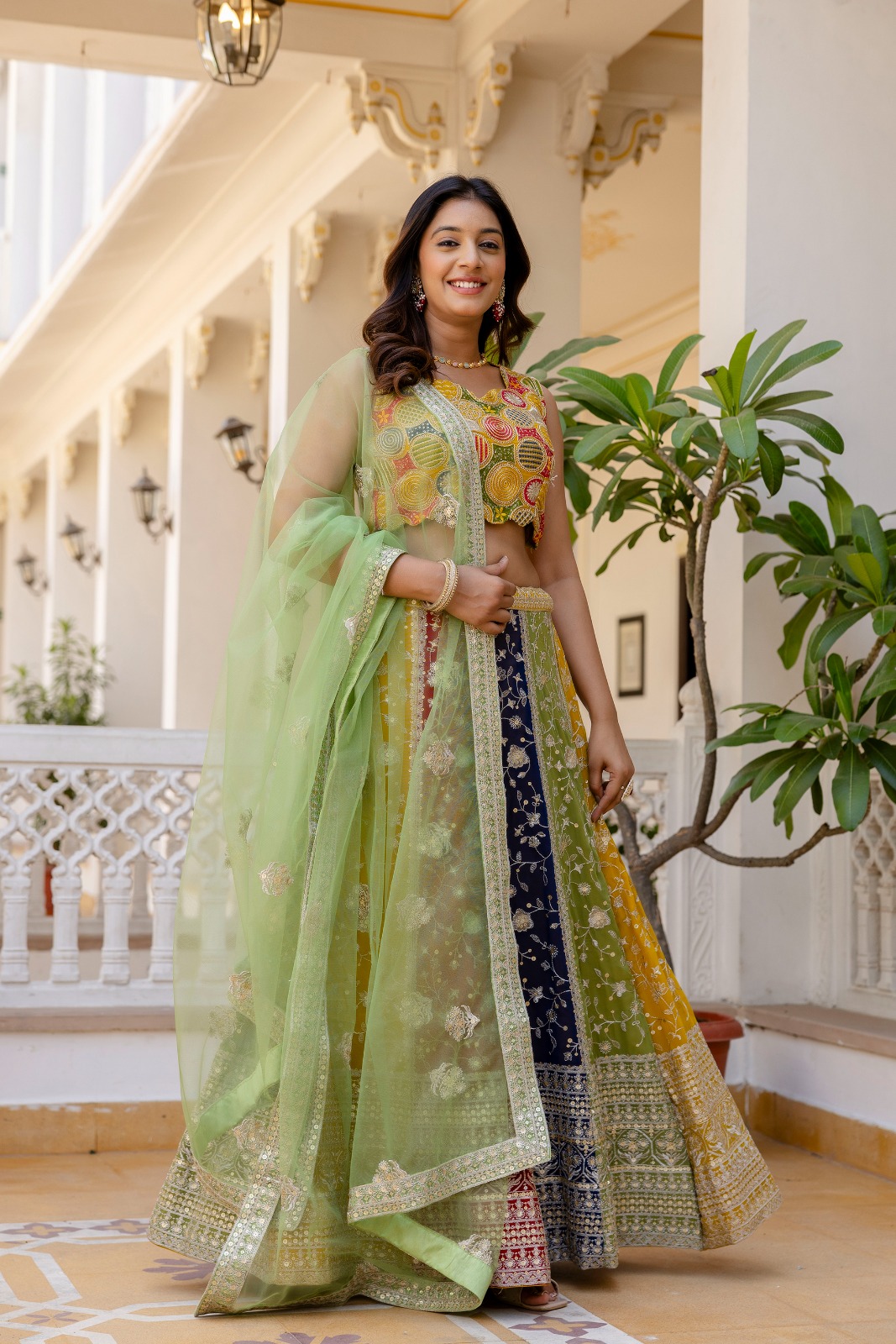
Ready Made Lehenga designs offer speed and convenience because the blouse and skirt are already constructed, but the waist and bust measurements must be compared with the garment's actual measurement chart. "Ready made" does not mean universally adjustable. Confirm whether the blouse has seam allowance, whether hooks can be moved and whether the skirt uses a drawstring, side zip or back zip.
A Semi Stitched Lehengas Collection can provide more flexibility for bust, waist and blouse length because final tailoring remains possible. Semi stitched does not remove the need for a skilled tailor: the flare must be distributed evenly, the crinoline must sit at the intended height and the blouse neckline must be balanced with the dupatta.
Ask whether the crinoline is attached to the skirt or supplied as a separate underskirt. An attached layer gives a consistent silhouette but may be harder to remove for laundering or for a later styling change. A separate underskirt allows the same lehenga to be worn with less volume, provided the outer skirt still falls neatly without the support.
Measure the natural waist, fullest hip and shoulder-to-floor length while wearing the planned footwear. Compare those measurements with the size chart instead of selecting a size only by usual clothing preference. A skirt that is too tight at the waist can compress the support layer and make the flare appear uneven, while a skirt that is too loose may rotate during walking.
Crinoline Gives Lehenga Volume Without the Same Feel as Layered Can Can: how do you maintain the shape?
Maintain a crinoline-supported lehenga by storing the skirt on a wide hanger, avoiding prolonged compression and following the care label for the outer fabric and net layers. Care matters because crushed support can produce a lopsided hem even when the embroidery remains intact.
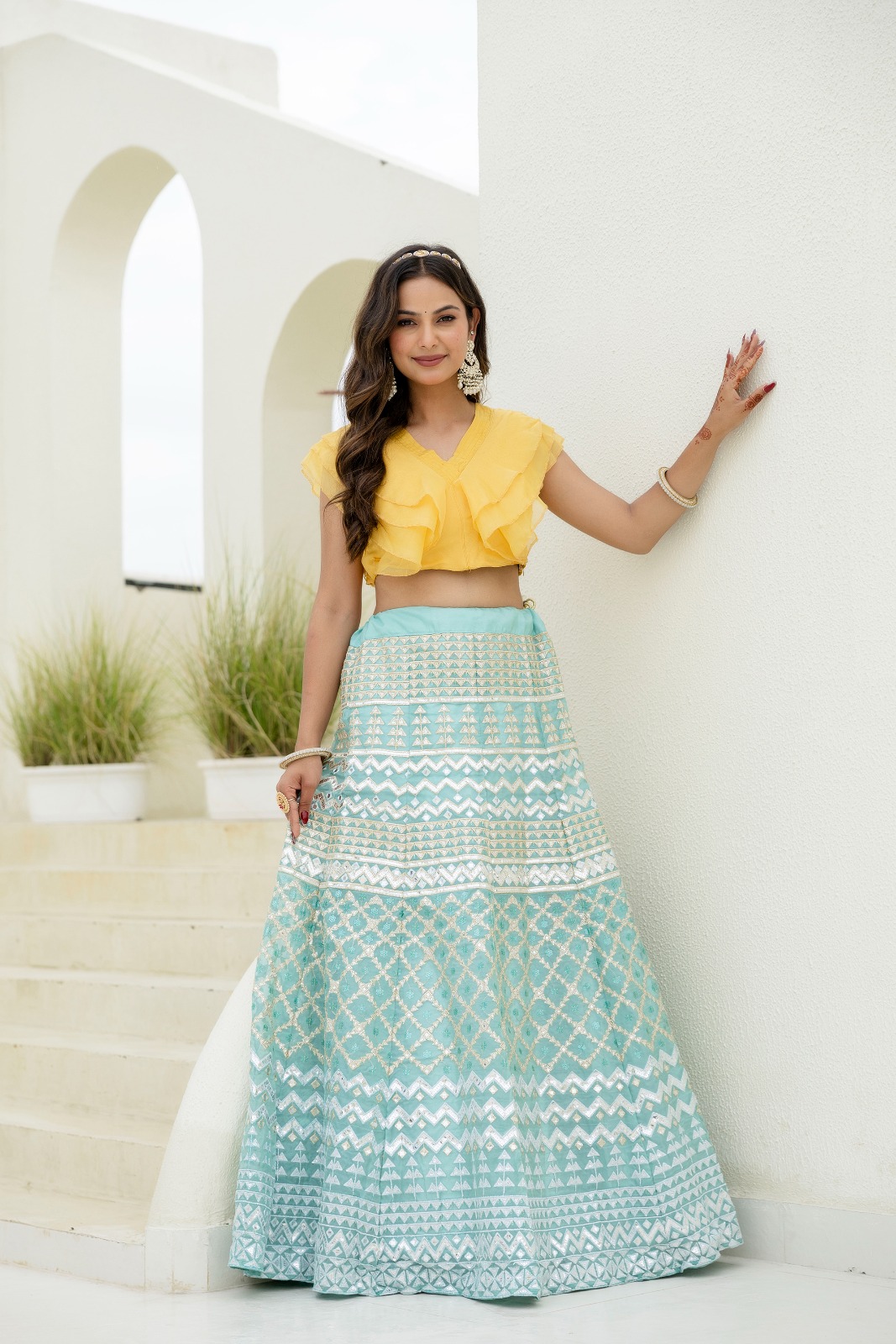
Do not fold a heavily structured lehenga into a small bag immediately after an event. Hang the skirt in a cool, dry place for several hours so moisture and body heat can dissipate, then fold it along broad panel lines with soft muslin or acid-free tissue between embellished surfaces. Store the blouse and dupatta separately if their weight presses down on the crinoline.
Do not apply a hot iron directly to net, sequins, zari or synthetic satin. A garment steamer used at a safe distance can relax light creases, but a tailor or professional cleaner should handle severe crushing, stains and reshaping. Machine washing is unsuitable for most embellished lehengas because agitation can distort the support and loosen decorative elements.
Before an important wedding, inspect the hem, hooks, zip, waistband and inner net rather than checking only the visible embroidery. A small loose thread is easier to repair before the event than after it catches on footwear. These checks preserve both the silhouette and the comfort that made the construction worthwhile.
Crinoline Gives Lehenga Volume Without the Same Feel as Layered Can Can: the practical buying decision
Choose crinoline when you want a visibly full lehenga with a comparatively less rigid experience, and choose layered can-can when maximum structured width is more important than softness and compact movement. Neither construction is universally superior because the best option depends on fabric, flare, body measurements, venue and duration of wear.
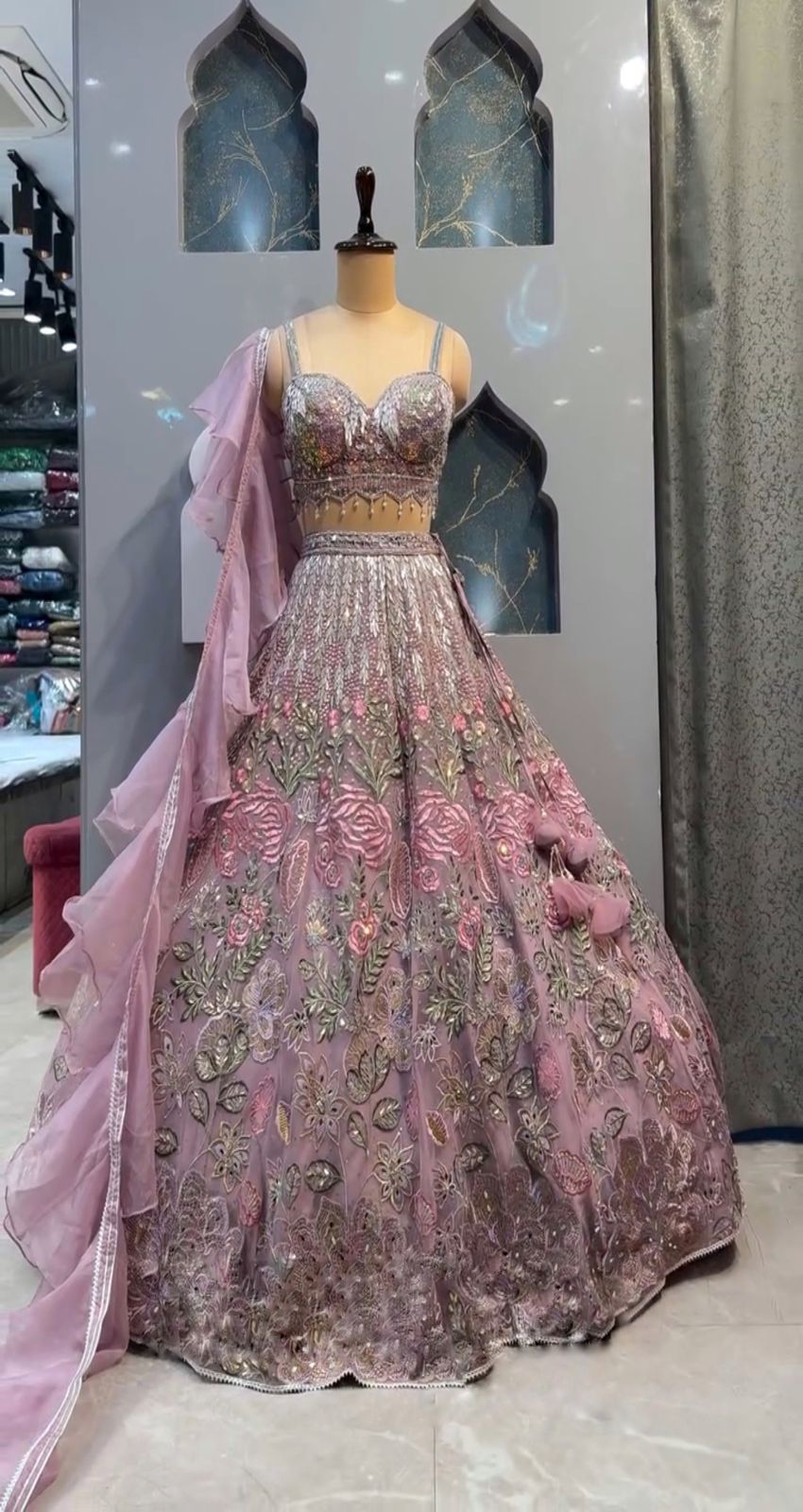
For a daytime function, a medium flare, lighter embellishment and breathable lining can be more useful than an extremely wide skirt. For a bridal portrait or formal reception, a fuller support system may justify its extra weight if the waistband is comfortable and the wearer has assistance while moving. A well-fitted blouse, secure dupatta and correct hem length complete the comfort equation.
Product photographs reveal colour and surface detail, but they rarely show how an underskirt behaves while sitting or walking. Ask specific questions about the lining, number of net tiers, finished length and whether the support is removable. Those answers turn a vague search for a "voluminous lehenga" into a more reliable purchase decision.
The most successful lehenga is the one that keeps its intended shape without controlling every movement. Crinoline can provide that balance for many wedding and festive looks, particularly when the construction is matched thoughtfully to the fabric and the wearer's plans.
Common Questions About Crinoline and Lehenga Volume
Does crinoline make a lehenga look as full as can-can?
Crinoline can create a very full lehenga silhouette, but the result depends on the stiffness, tier placement and circumference of the support layer. Layered can-can generally feels more rigid because several net tiers hold the skirt away from the body.
Is a crinoline lehenga more comfortable for long wedding functions?
A crinoline lehenga can be more comfortable when it reduces stiffness around the knees and uses a breathable lining. Comfort still depends on the waist fit, skirt weight, embellishment and whether the wearer needs to sit, walk or dance for several hours.
Can crinoline be removed from a ready made lehenga?
Crinoline can be removed only when the support is attached in a removable or alteration-friendly way. Ask whether the net is stitched into the skirt or supplied as a separate underskirt before purchasing.
Is crinoline suitable for a bridal lehenga?
Crinoline is suitable for bridal wear when the bride wants substantial flare without the full stiffness of multiple can-can layers. The final choice should account for embroidery weight, ceremony duration, footwear, venue and the bride's ability to move comfortably.
How should a crinoline lehenga be stored?
Store a crinoline lehenga on a wide hanger or fold it along broad panel lines with soft tissue between embellished sections. Avoid compressing the skirt in a small bag for long periods, and follow the care label rather than machine washing the garment.
Should I choose a ready made or semi stitched lehenga for better flare?
A ready made lehenga offers faster wear, while a semi stitched lehenga allows more control over waist, blouse and length adjustments. Flare quality depends on the construction and tailoring, not on the ready made or semi stitched label alone.