

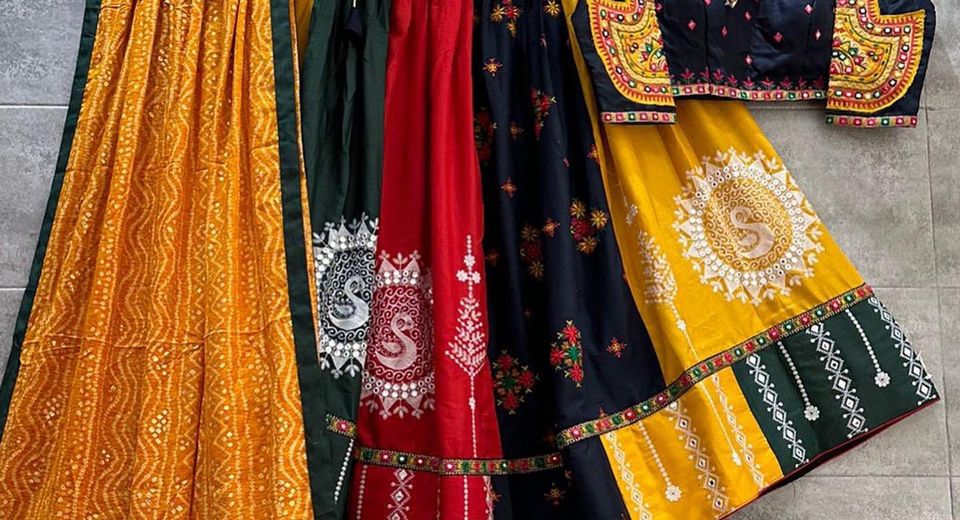
Cotton Silk Lehengas for Comfort Drape and Seasonal Wear solve a common outfit problem: a lehenga should look festive without becoming heavy, stiff or uncomfortable after two hours. Cotton silk combines cotton's relatively breathable hand with silk's smoother surface and gentle lustre, creating a skirt that can hold shape while remaining easier to wear than heavily layered bridal fabrics.
The result depends on more than the fibre label. Weave density, lining, embellishment, waistband construction and skirt volume all change how a cotton silk lehenga feels in January, during a humid Haldi ceremony or at an indoor evening reception. Knowing what to check helps you select a practical outfit instead of judging comfort from photographs alone.
Why Cotton Silk Works for Comfortable Lehenga Dressing
Cotton silk works well for comfortable lehenga dressing because the cotton component can improve air movement and absorb some moisture, while the silk component adds smoothness, drape and a refined sheen. The exact balance varies between fabrics, so "cotton silk" should not be treated as one fixed weight or finish.
A tightly woven cotton silk skirt usually hangs with more body than plain cotton and less stiffness than many synthetic brocades. That balance is useful when you want a defined flare without wearing several heavy can-can layers. A silk-rich cotton silk may feel smoother and look more luminous, whereas a cotton-rich blend may feel drier and more casual.
Comfort also comes from friction control. A smooth lining reduces rubbing at the thighs, and a properly finished waistband prevents the skirt from digging into the waist while sitting. A lehenga with moderate flare, a breathable lining and lightweight embroidery can feel more comfortable than a lighter-looking skirt covered in dense sequins.
Fabric names such as Banarasi silk, Kanjeevaram and Chanderi describe different textile traditions and structures, so they should not be used interchangeably with cotton silk. Banarasi silk often has a pronounced zari surface, Kanjeevaram is known for its traditional silk structure and contrast borders, and Chanderi is valued for its light, translucent character. Cotton silk occupies a useful middle ground for shoppers seeking polish with manageable weight.
How the Drape Changes with Weave, Lining and Flare
The drape of a cotton silk lehenga depends primarily on fabric weight, weave density, lining and the amount of structure added below the skirt.
Weight and movement
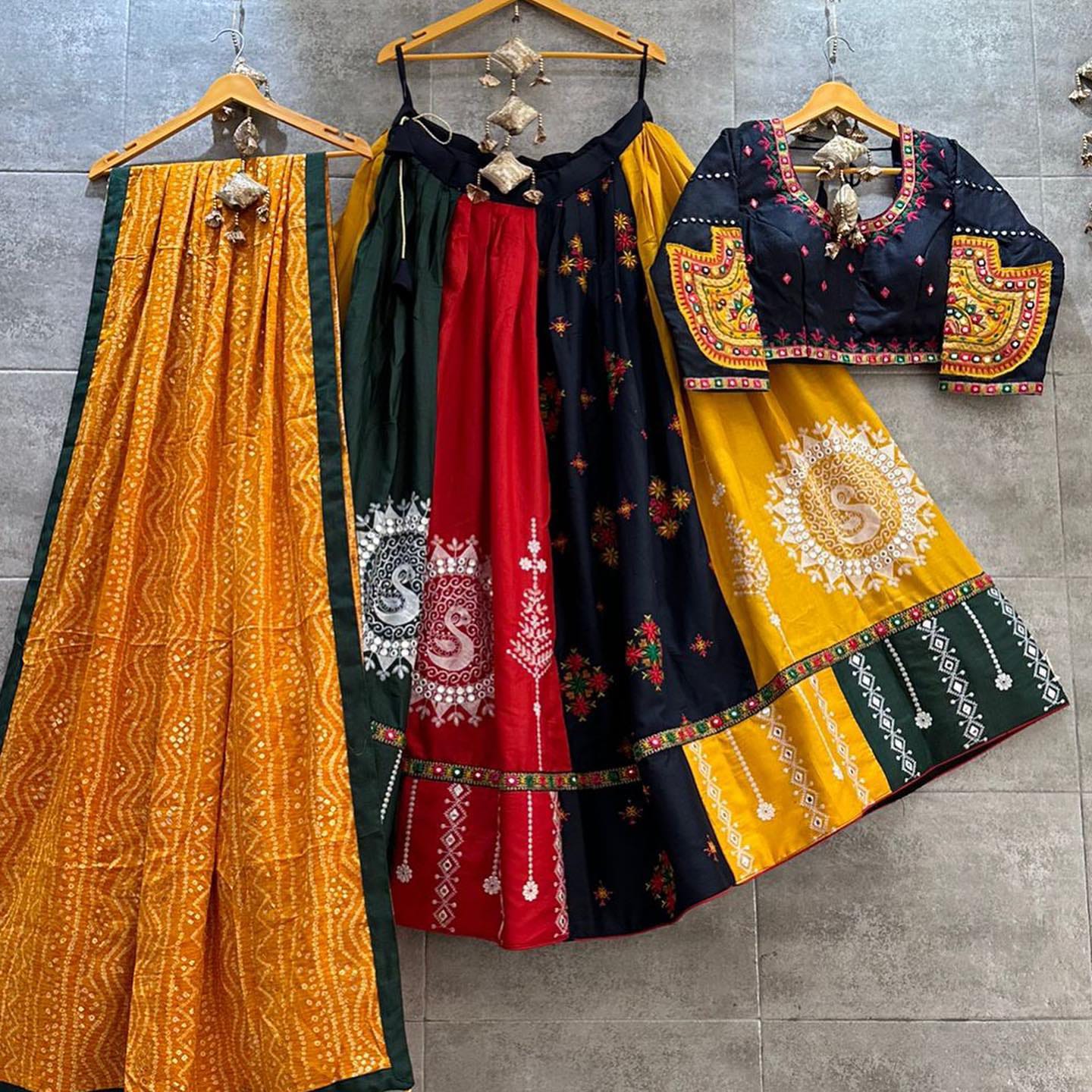
A medium-weight cotton silk usually creates a controlled A-line or soft circular drape rather than a clingy fall. A lighter version moves more easily when walking and suits daytime functions, while a denser version gives a more formal silhouette and supports woven motifs or zari borders.
Ask for the approximate skirt weight when shopping online if the information is available. A skirt below roughly 700 grams before lining and accessories generally feels easier for long daytime wear, although construction matters more than a single number. A wide 12-panel skirt can distribute weight comfortably, while a narrow skirt with heavy border work may pull downward from one side.
Lining and underskirt construction
A cotton voile or soft cotton-blend lining can improve airflow in warm weather, while satin lining helps the skirt glide over slips and petticoats. Satin can feel warmer against the skin, so it's more suitable for air-conditioned venues or evening wear than for an outdoor summer ceremony.
Can-can creates volume but also adds weight and heat. One narrow lower layer can provide a graceful flare without making the lehenga difficult to sit in. Multiple stiff net layers are better reserved for dramatic bridal silhouettes, especially when the ceremony involves stairs, outdoor movement or hours of standing.
Waistband and closure
A broad waistband distributes pressure more evenly than a narrow cord, and a side zip combined with a hook-and-eye closure gives a cleaner fit than an over-tight drawstring. Leave enough ease to sit comfortably after a meal; a waistband that feels perfect while standing may become restrictive during a reception.
Cotton Silk Lehengas for Comfort Drape and Seasonal Wear Across the Indian Calendar
Cotton Silk Lehengas for Comfort Drape and Seasonal Wear are especially useful because styling can adapt to heat, humidity, monsoon conditions and cooler evenings without replacing the entire outfit.
Summer and humid weather
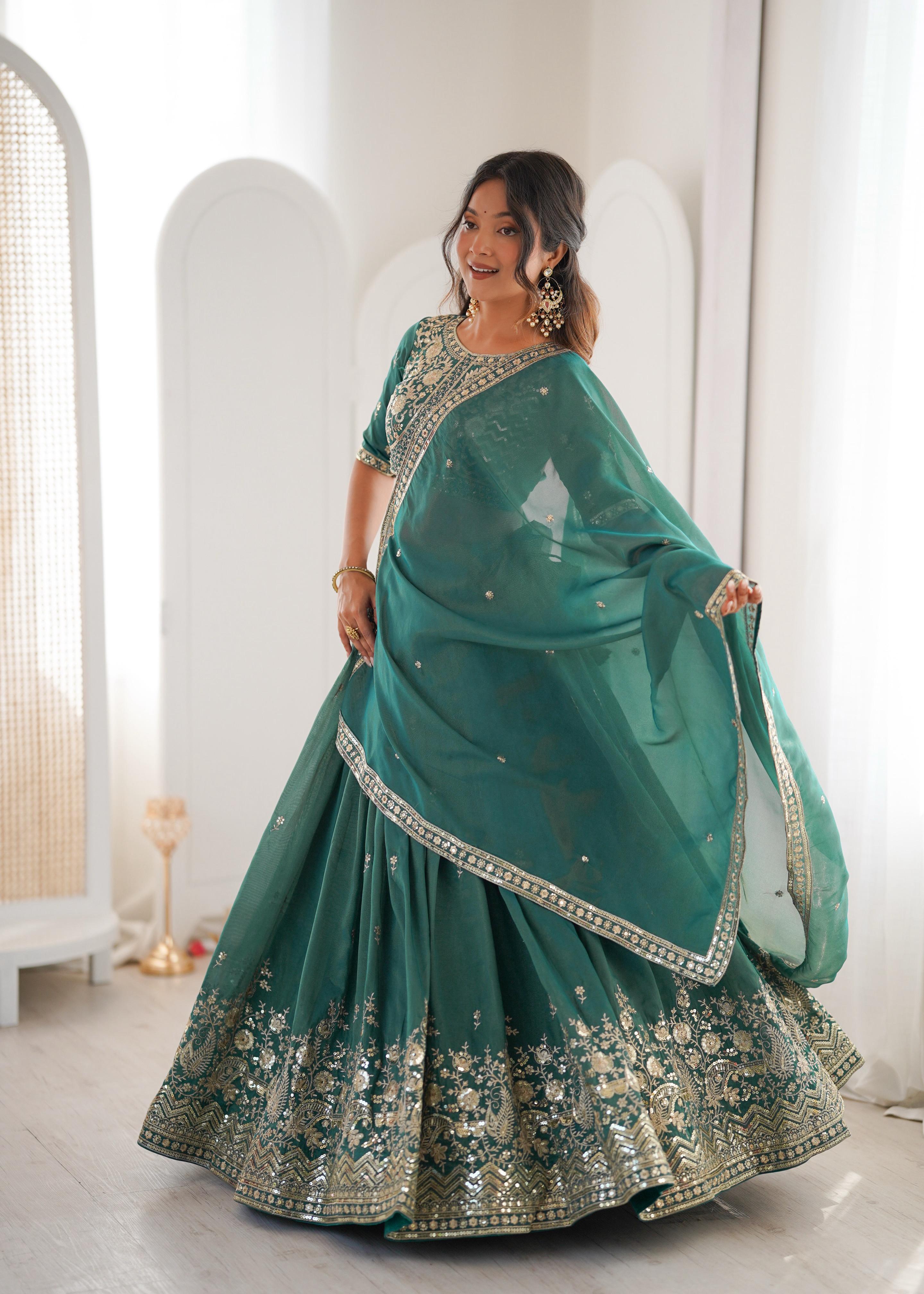
For summer, choose a cotton-rich blend, a breathable lining and a skirt with moderate flare. Light colours such as ivory, blush, powder blue, sage and soft yellow absorb less visual heat, although colour itself doesn't determine fabric breathability. Pair the lehenga with a sleeveless or short-sleeved blouse, a lightweight dupatta and minimal layered jewellery.
Outdoor Haldi ceremony dressing requires extra attention to movement and maintenance. A washable or easily spot-cleaned lining, secure hooks and a dupatta that can be pinned at the shoulder are more valuable than excessive surface work. The collection titled Haldi Lehengas Under 5500 can help with occasion-specific colour research, but the fabric details still need checking on each individual garment.
Monsoon
During monsoon, avoid leaving cotton silk damp inside a garment bag because moisture can encourage odour, dye transfer or mildew. Choose a shorter blouse hem only when it suits the silhouette, keep the skirt away from wet floors and carry a separate cloth bag for temporary storage after an event.
Small motifs and mid-tone colours are practical for rainy-season functions because minor splashes are less conspicuous than they're on a fully white skirt. Avoid packing a damp dupatta directly against the lehenga, particularly when the dupatta contains metallic zari or coloured embroidery.
Autumn and winter
For cooler evenings, cotton silk works well with a fuller sleeve, a brocade or velvet blouse and a lined dupatta. A heavier border can add visual richness without requiring a fully embellished skirt. A shawl or cropped jacket worn over the blouse can provide warmth while preserving the waistline of the lehenga.
Even in winter, indoor venues may become warm under strong lighting and crowded seating. A breathable blouse back, cotton lining and controlled skirt volume keep the outfit practical for dancing, photographs and extended wear.
Choosing Colour, Surface Work and Blouse Design
The most wearable cotton silk lehenga usually balances one strong visual feature with quieter supporting details.
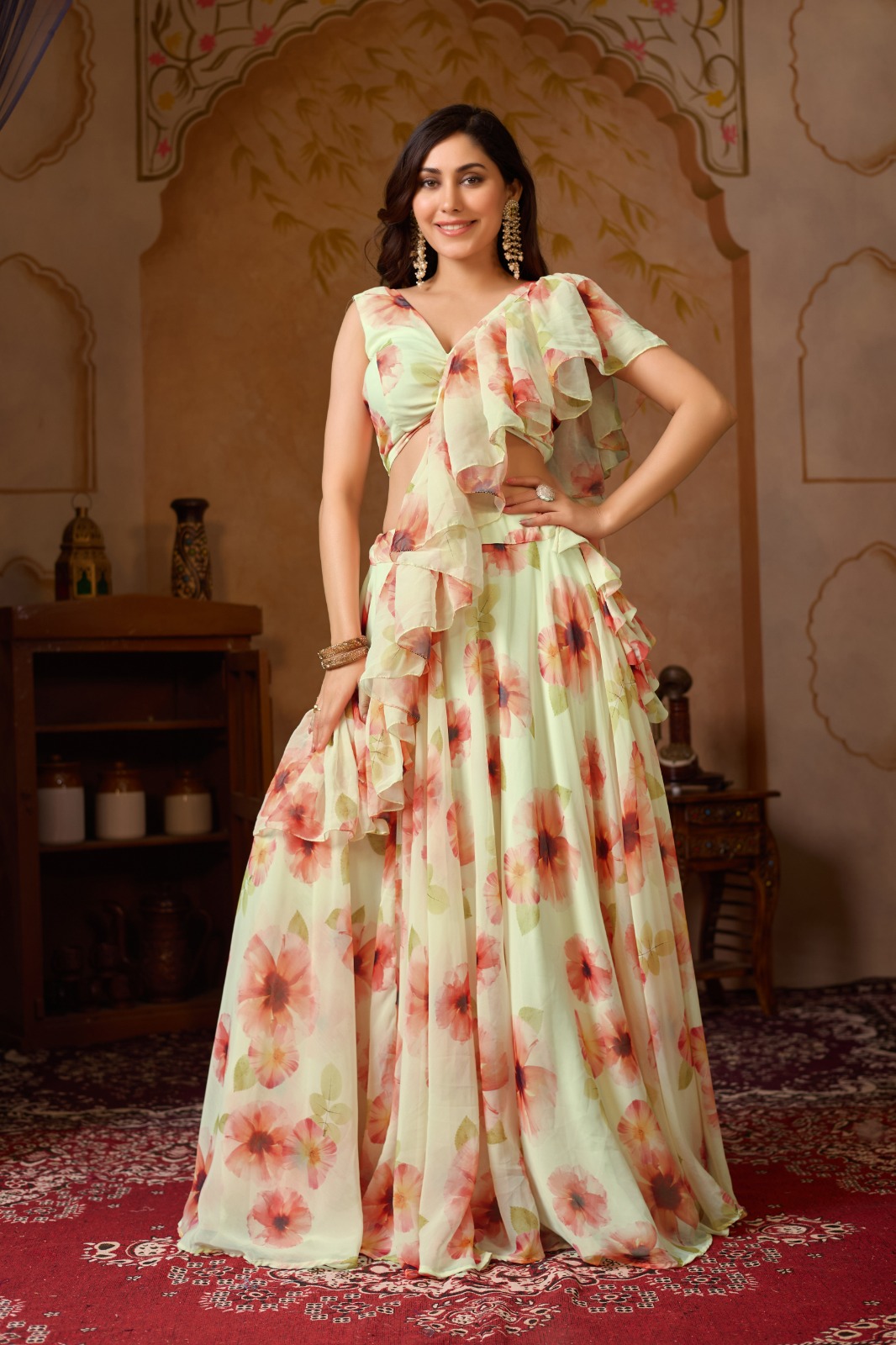
For daytime celebrations, a pastel skirt with tonal threadwork looks lighter than dense contrast embroidery. For evening receptions, jewel tones such as wine, emerald, navy and deep rose create depth, while a restrained zari border supplies shine without covering the entire surface. Mirror work can be striking but may add weight and create hard points against the body if the backing is poorly finished.
The Stylish White Mirror Work Lehenga for Festive Wear demonstrates why surface work needs to be assessed alongside comfort: mirror decoration can define a festive look, but the wearer should check the reverse side for secure stitching and soft backing. The Cream Ethnic Lehenga Choli with Mirror Work Design offers another useful styling reference for neutral palettes, where the blouse or jewellery can supply colour.
A blouse with a breathable cotton lining is preferable for warm venues. Elbow-length sleeves offer more coverage without the heat of heavily padded full sleeves, while a modest back opening can improve ventilation. Avoid excessive padding when the skirt already has substantial volume; visual balance usually improves when only one part of the outfit carries dramatic structure.
Accessories should follow the fabric's level of sheen. Polki, kundan, pearls and oxidised silver can all work, but wearing heavy necklaces, oversized earrings, a waist belt and a heavily embellished dupatta together may make a cotton silk lehenga feel visually and physically overloaded.
How to Compare Cotton Silk Lehengas Before Buying
Compare cotton silk lehengas by checking fibre information, lining, measurements, weight, embellishment and return-ready construction rather than relying on the word "silk" in a product title.
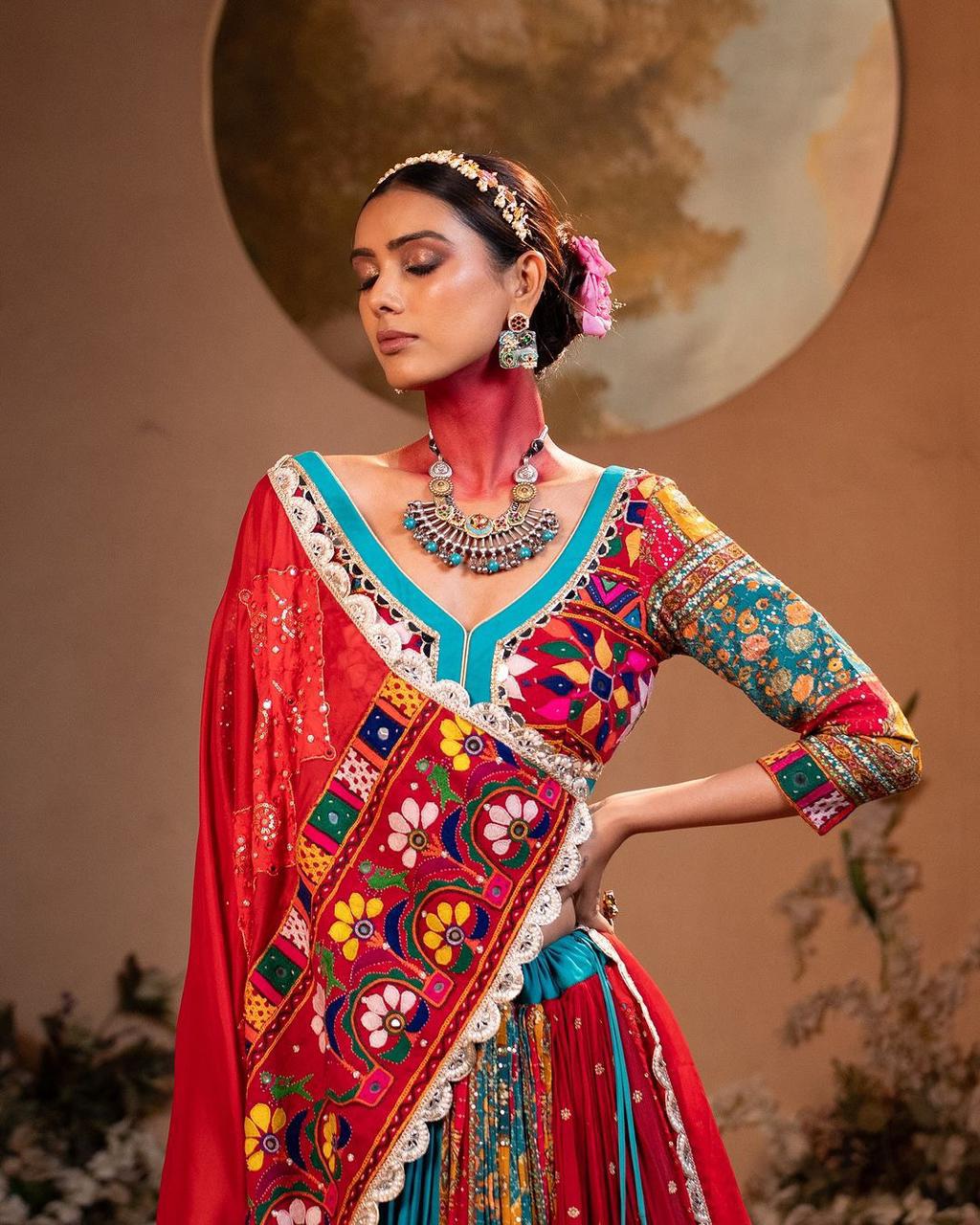
- Read the composition: Check whether the garment states a cotton-silk blend, silk blend or only a silk-look synthetic fabric. Polyester satin can resemble silk in photographs but behaves differently in heat and care.
- Check garment measurements: Compare waist, skirt length, blouse measurements and maximum expansion with a well-fitting garment. A drawstring may offer adjustment, but a zip-only waistband usually has less flexibility.
- Inspect lining information: Look for cotton, voile, satin or polyester lining details. Ask whether the blouse and skirt are both lined because a lined skirt doesn't guarantee a lined blouse.
- Estimate embellishment weight: Threadwork is usually lighter than dense sequins, metal appliqué or large mirrors. Heavy embroidery concentrated on the hem can pull the skirt down unevenly.
- Assess the dupatta: A lightweight organza or chiffon dupatta creates a different comfort profile from a dense velvet, brocade or heavily embroidered layer. Dupatta weight matters when the outfit is worn for several hours.
- Confirm alteration scope: Check whether the blouse has extra seam allowance and whether the skirt length can be altered without cutting through the border. An extra 2 to 3 centimetres of seam allowance can make tailoring easier.
Budget collections can be useful for comparing silhouettes, but a low price doesn't automatically indicate a lighter garment. Silk Lehengas Under 3000 may contain varied fibre blends, while Pink Lehengas Under 4000 with 50% Discount is more useful as a colour and price reference than as proof of fabric composition. Product-level specifications remain decisive.
Styling Cotton Silk Lehengas for Different Functions
Cotton Silk Lehengas for Comfort Drape and Seasonal Wear can move between family functions, festive evenings and semi-formal celebrations when the styling changes deliberately.
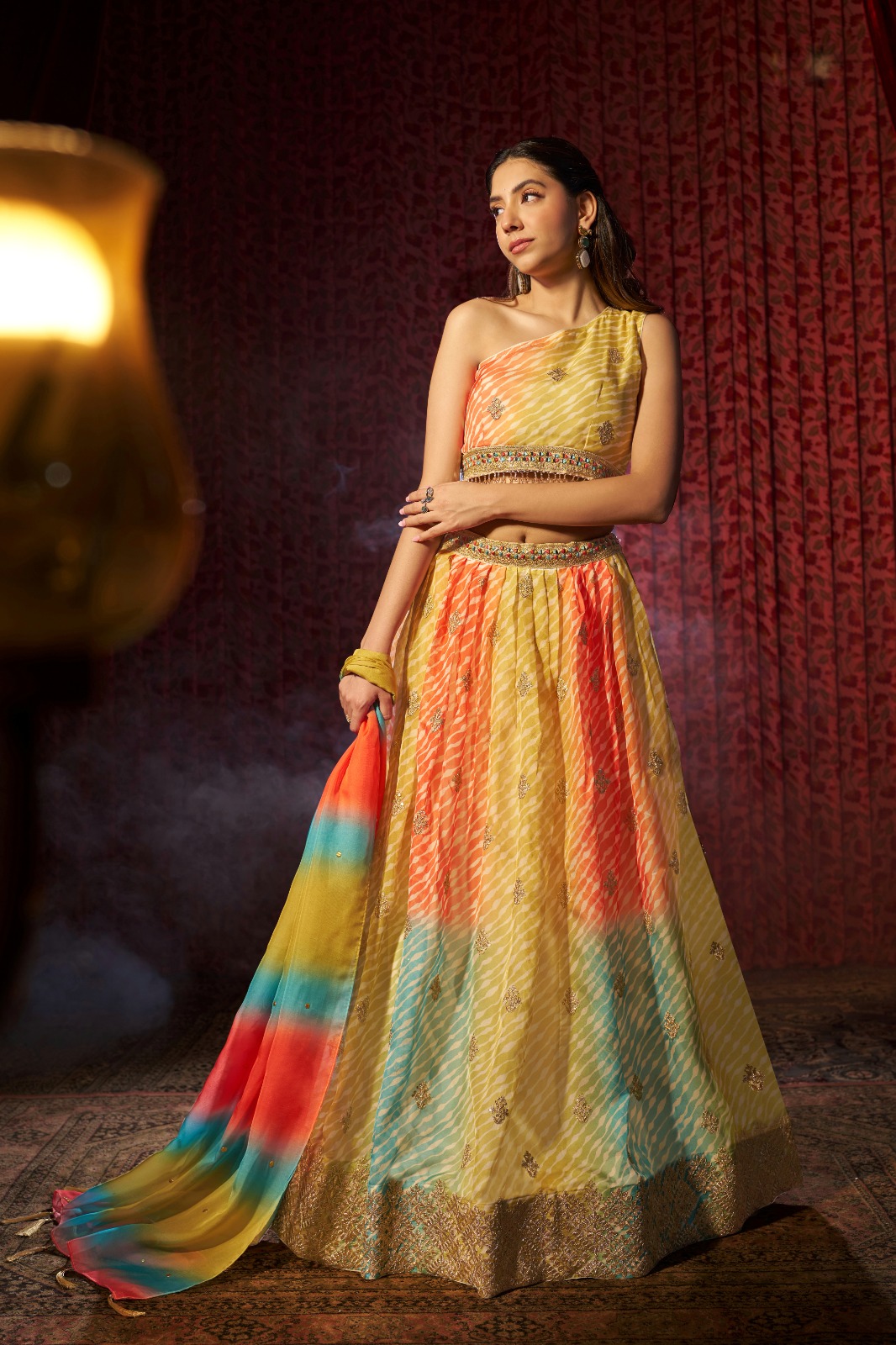
Daytime family function
Choose a soft-colour skirt, small earrings, a compact potli and flat embellished sandals for a daytime family function. A pinned dupatta keeps both hands free and prevents the fabric from dragging across food, turmeric or damp ground.
The Stylish Multicolor Butter Silk Lehenga Choli Set shows how a multicolour palette can reduce the need for extensive jewellery. Select one colour from the skirt for the blouse accessories, then keep the remaining pieces neutral so the outfit retains visual clarity.
Wedding guest dressing
Wedding guest dressing benefits from a richer blouse, a defined dupatta drape and one statement accessory. The Designer Threadwork Silk Lehenga Choli Set with Dupatta is a useful reference for coordinating threadwork with a formal dupatta, while the Wine Pink Embroidered Silk Lehenga Set Online suggests how a deeper colour can create evening presence without requiring a black outfit.
Bridesmaid Lehengas Under 5500 is a practical collection to consult when coordinating a group, but bridesmaids should confirm whether the chosen style permits walking, sitting and carrying ceremonial items. Matching colour doesn't require identical blouse cuts, especially when body proportions and weather conditions differ.
Reception or evening celebration
For an evening reception, pair a cotton silk skirt with metallic earrings, a structured blouse and a carefully folded dupatta. The Premium Black Muslin Cotton Lehenga Choli Set illustrates the appeal of a dark cotton-based palette, while the Dusty Pink Satin Embroidered Lehenga Set Online shows how a smoother, more reflective finish changes the overall mood.
Net Lehengas Under 4500 with 51% Discount can provide ideas for adding a sheer layer, but net and cotton silk should not be assumed to offer the same comfort. Use net strategically in the dupatta or blouse sleeve when you want transparency without adding a full net skirt beneath the cotton silk layer.
Care That Preserves Cotton Silk Drape
Proper care preserves cotton silk's surface, colour and fall by limiting moisture, heat and unnecessary abrasion.
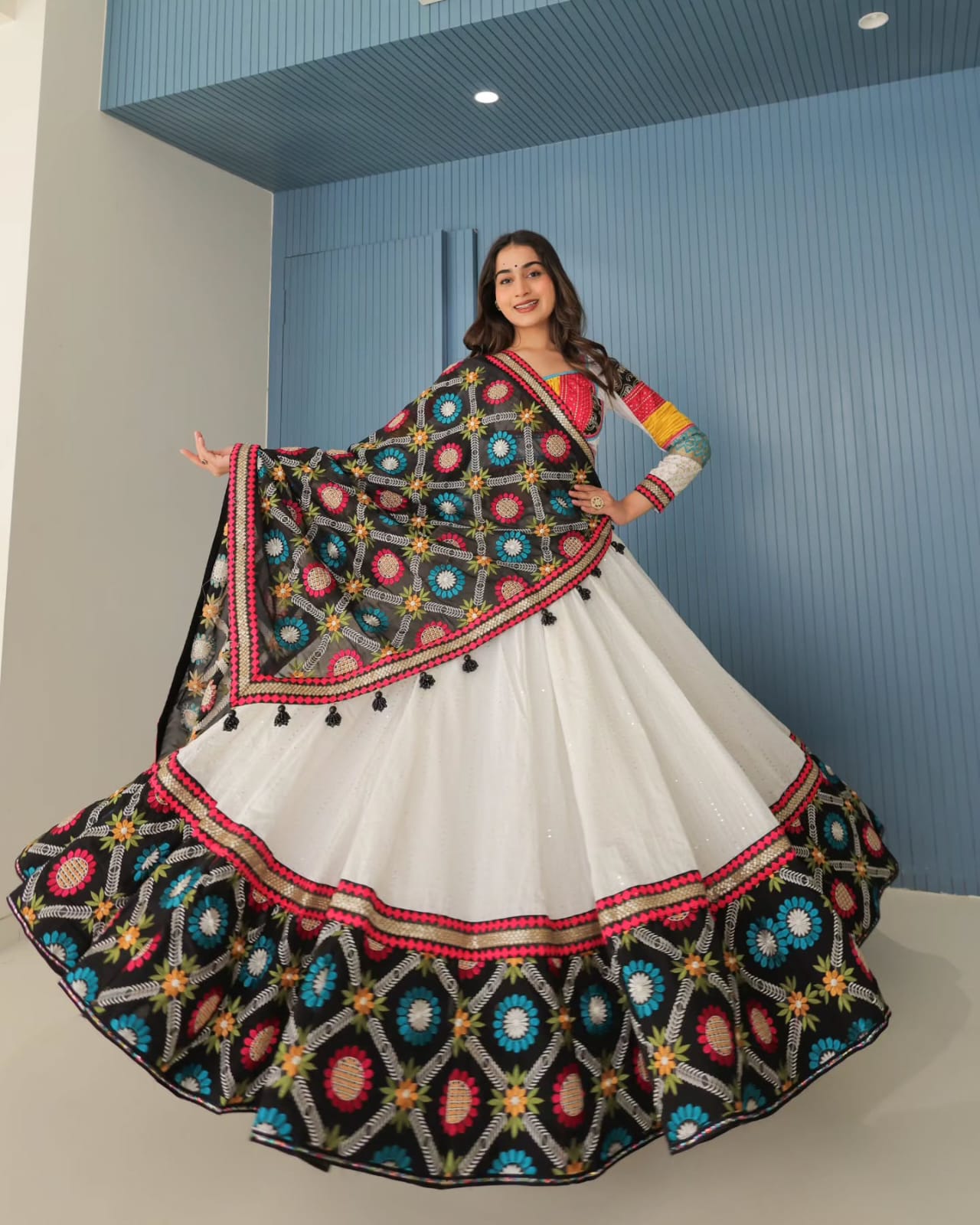
Read the garment care label first because silk content, dye type and embellishment can change the recommended method. Dry cleaning is usually the safer choice for embellished lehengas, zari, mirrors and unstable dyes. Do not machine-wash a structured skirt merely because the cotton component feels washable.
After wearing the lehenga, air the skirt and blouse in shade for several hours before storage. Remove surface dust with a soft brush, but don't scrub embroidery or pull loose threads. Store the lehenga flat or on a broad padded hanger, with acid-free tissue around heavy embellishment to prevent marks on adjacent fabric.
Never store cotton silk in sealed plastic for long periods. A breathable cotton garment bag protects the outfit while allowing residual moisture to escape. Refold the skirt every few months so permanent fold lines don't develop along the same creases.
Use low heat only when the care label permits ironing. Place a pressing cloth between the iron and the fabric, work from the reverse side and avoid pressing directly over zari, mirrors, sequins or raised threadwork. A professional cleaner should handle oil stains, colour bleeding and extensive dampness rather than home remedies involving lemon, detergent or vigorous rubbing.
Is Cotton Silk a Practical Lehenga Fabric?
Cotton silk is a practical lehenga fabric when you want moderate structure, a refined surface and better day-long wearability than a heavily layered ceremonial skirt. The best choice still depends on blend ratio, lining, embellishment and the season of use.
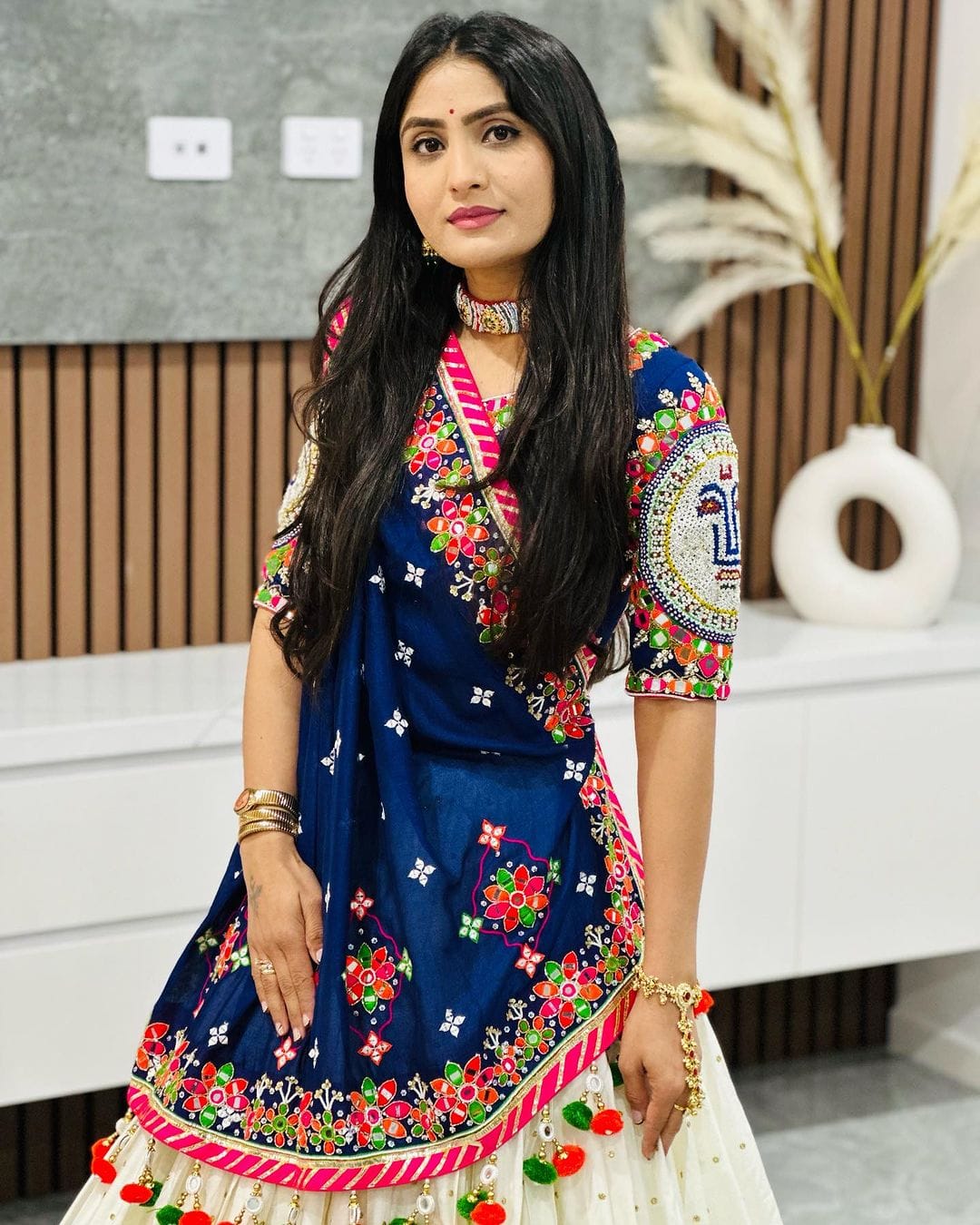
For a summer daytime function, prioritise cotton-rich construction and minimal layering. For an evening wedding, a silk-rich or denser cotton silk with a formal blouse can provide enough sheen without a fully sequinned skirt. For frequent use, select a versatile colour, removable dupatta styling and embroidery that won't date quickly.
A well-chosen cotton silk lehenga can therefore display more than one event. Changing the blouse, jewellery, footwear and dupatta arrangement can shift the outfit from a daytime family celebration to an evening festive gathering while keeping the underlying skirt comfortable and visually composed.
Questions Shoppers Ask About Cotton Silk Lehenga Comfort
Are cotton silk lehengas comfortable in summer?
Cotton silk lehengas can be comfortable in summer when the blend is cotton-rich, the lining is breathable and the skirt has limited extra net or can-can. A lightweight blouse, pinned dupatta and moderate embroidery improve comfort during outdoor functions.
Does cotton silk have a good drape for a lehenga?
Cotton silk generally has a controlled drape with more body than plain cotton and less stiffness than many heavily structured brocades. The final fall depends on weave density, lining, panel construction and the weight of the hem embroidery.
Is cotton silk better than synthetic silk for a wedding guest lehenga?
Cotton silk may feel more breathable and less slippery than synthetic silk, particularly in warm conditions, but synthetic silk can offer stronger shine and easier wrinkle recovery. Compare the actual fibre composition, lining and embellishment instead of choosing from the fabric name alone.
How should a cotton silk lehenga be washed?
A cotton silk lehenga should be washed according to its care label, and embellished styles are usually safest with professional dry cleaning. Avoid soaking, machine washing, direct sunlight and high-heat ironing because these can cause shrinkage, dye bleeding or damage to zari and embroidery.
Can cotton silk lehengas be worn for a Haldi ceremony?
Cotton silk lehengas can suit a Haldi ceremony when the design has secure fastenings, manageable weight and a lining that can be cleaned or protected. Yellow, peach, pink and green work well visually, but turmeric stains still require prompt professional treatment on delicate or embellished fabric.
How can a cotton silk lehenga be made warmer for winter?
A cotton silk lehenga can be made warmer with a lined blouse, fuller sleeves, a velvet or brocade blouse layer and a cropped jacket or shawl. Keeping the skirt moderately layered preserves movement and prevents the outfit from becoming unnecessarily heavy.


