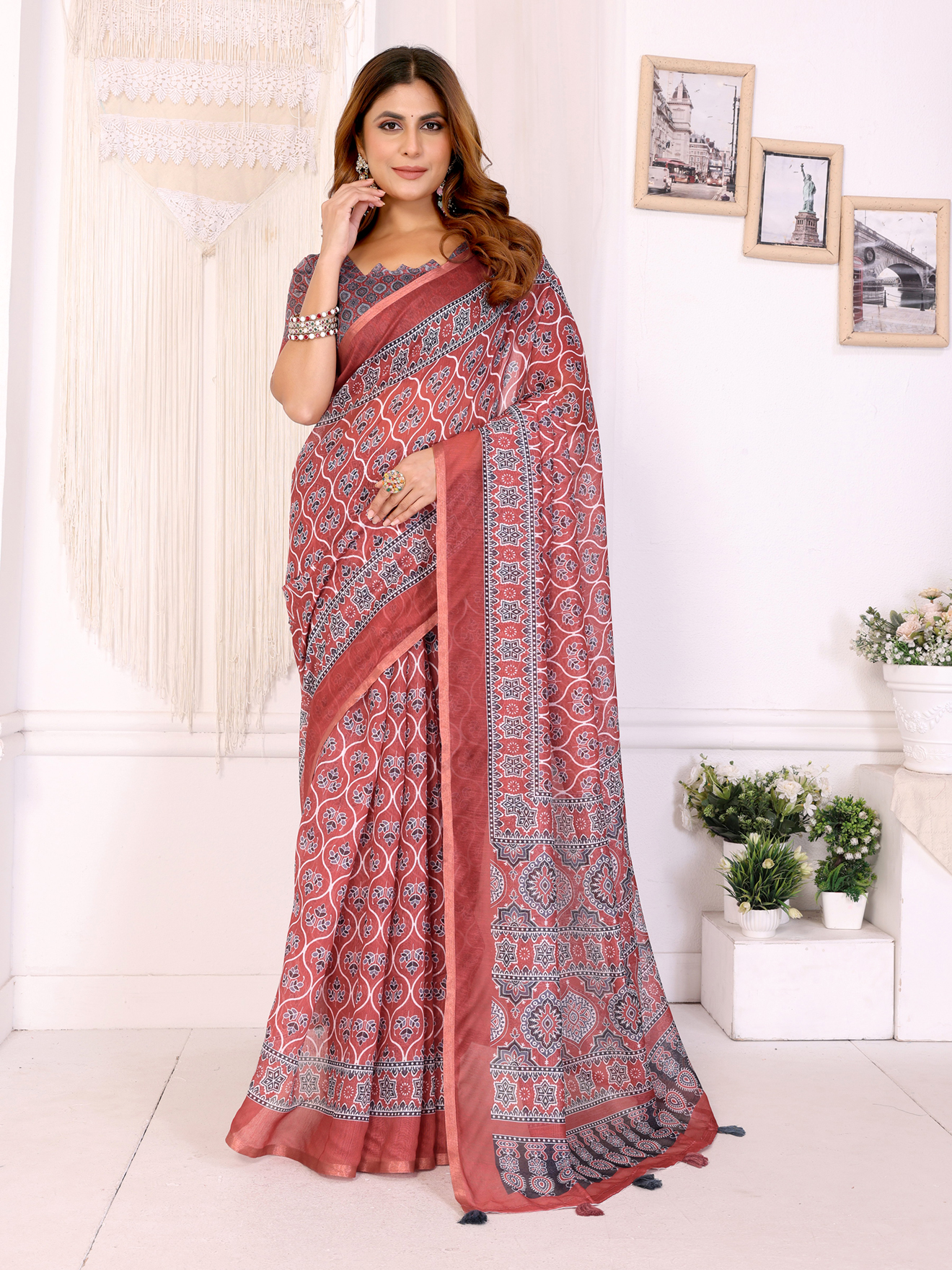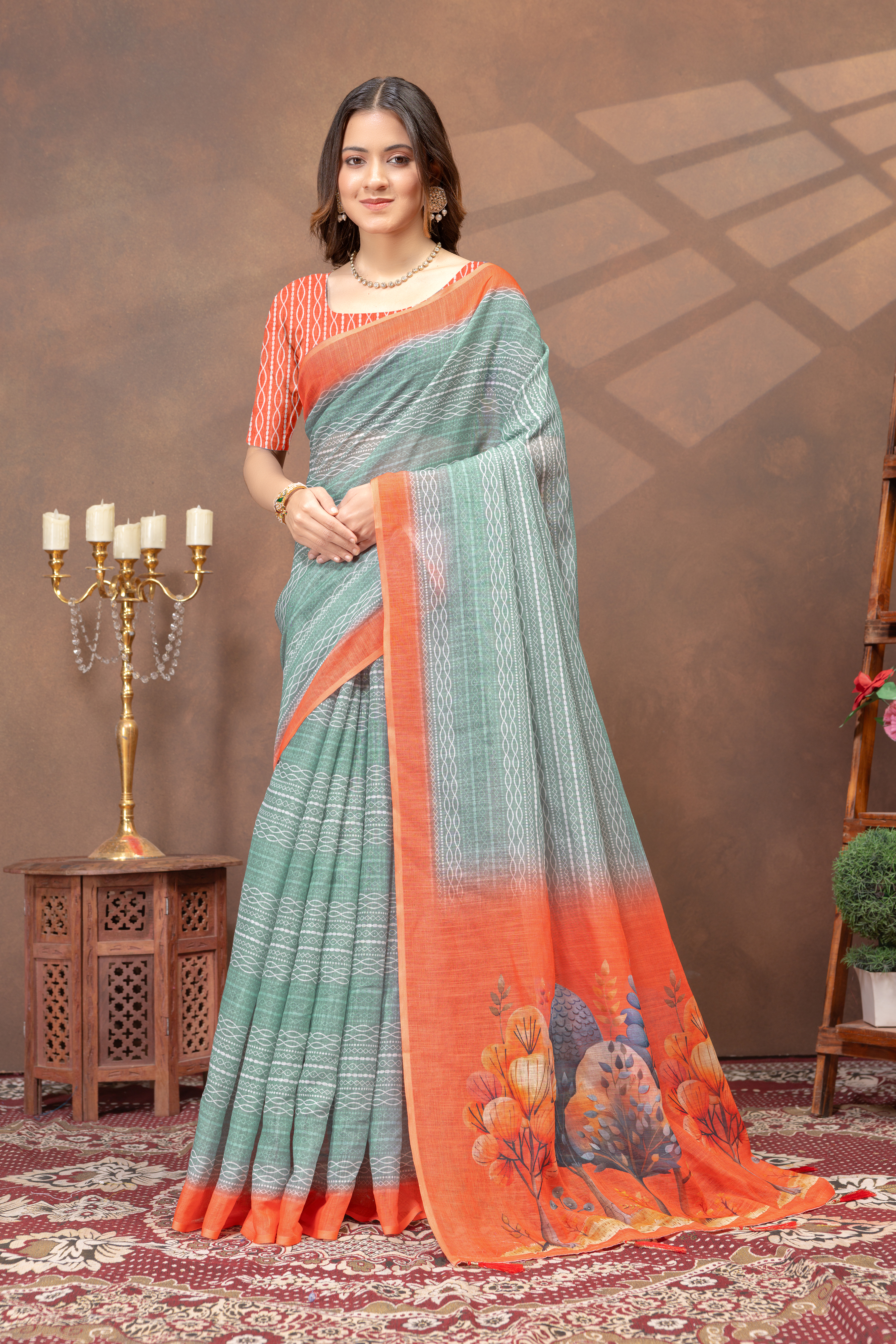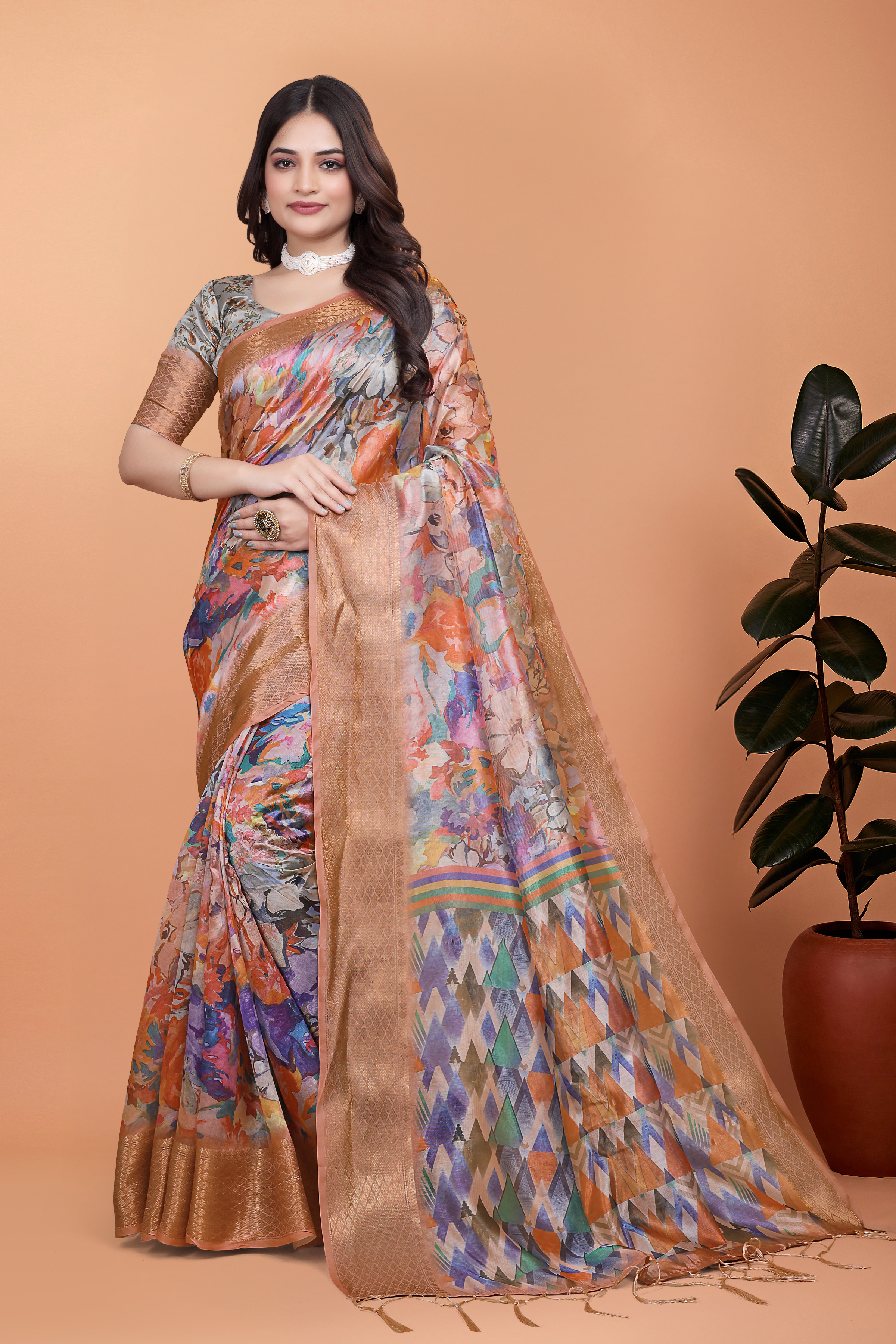
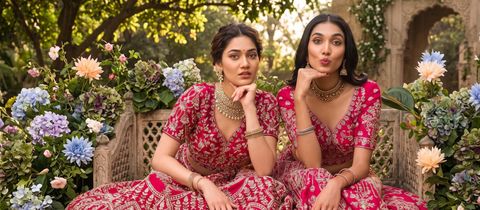
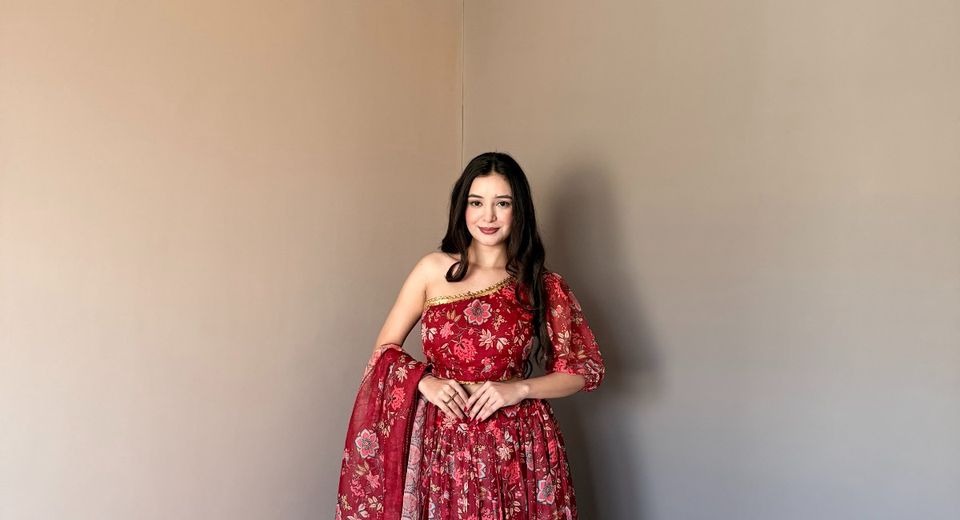
Corset Lehengas Bring Structure to Soft Flowing Skirts by pairing a close-fitting, supportive blouse with a skirt designed to move. The combination creates a defined waist without sacrificing the swish, softness and festive drama associated with a lehenga. For shoppers comparing ready-made, semi-stitched and designer sets, the most important decisions are fit, skirt volume, fabric weight, fastening and the event's dress code.
A corset-inspired choli doesn't have to resemble rigid Western shapewear. In Indian occasion wear, the structure may come from layered lining, princess seams, boning, panelled construction, a broad waistband or a firm hook-and-eye closure. The finished effect can be romantic, traditional, minimal or highly embellished, depending on the textile and dupatta.
Why Corset Lehengas Bring Structure to Soft Flowing Skirts
Corset Lehengas Bring Structure to Soft Flowing Skirts because the fitted upper half gives visual definition to a voluminous lower half. A soft georgette, organza or net skirt can otherwise spread broadly around the body; a shaped bodice creates a clear point where the waist ends and the skirt begins.
The proportion works through contrast. The blouse follows the torso, while gathers, panels or multiple kalis allow the skirt to fall away from the waist. That contrast photographs well from the front and side, and it prevents a full skirt from appearing shapeless when worn with a lightweight dupatta.
Structure also improves movement when the garment is correctly engineered. A firm waistline keeps the lehenga from sliding during walking or dancing, while a lined corset blouse reduces the need to keep adjusting the neckline. The result is particularly useful at a sangeet, reception or long wedding ceremony where the wearer may stand, sit and move repeatedly.
What creates the corset effect?
A corset effect usually comes from vertical seams, a shaped neckline, a defined waist seam and secure internal support rather than from tightness alone. Boning can help a bodice hold its line, but seams and lining are equally important for comfort and appearance.
Decorative lace-up backs, metallic hooks, broad waistbands and panelled embroidery can make the construction visible. A clean, concealed zip produces a more understated finish. Neither approach is automatically better; the right choice depends on whether the outfit is intended for a modern party, a bridal function or a more time-honoured family celebration.
How should the corset blouse fit?
The corset blouse should sit securely at the waist and bust while allowing normal breathing, arm movement and seated comfort. A correct fit leaves no gaping at the neckline, no horizontal pulling across the bust and no digging at the underarm.
Measure the fullest part of the bust, the natural waist and the upper waist where the blouse will actually finish. Do not rely on a single ready-to-wear size if the garment has a strongly shaped bodice. A two-centimetre difference at the waist can change whether the blouse stays anchored or rides up as you move.
Fit checks for fully stitched choli shopping
- Breathing test: Fasten the blouse fully and take a deep breath. The fabric should stretch or ease slightly without pulling the hooks open.
- Arm test: Raise both arms and bring them forward. The neckline should remain stable, and the armhole should not cut into the front of the shoulder.
- Seated test: Sit for five minutes. A properly fitted waist should feel firm but should not press sharply into the ribs.
- Support test: Check whether the lining, cups or seams provide support without forcing the bust into an uncomfortable shape.
- Back test: Examine the zip, hooks or lacing. Closures should lie flat rather than creating a ridge beneath the dupatta.
Fully stitched choli shopping is convenient because the construction is already completed, but alterations may still be needed. A tailor can often adjust side seams, straps, the hemline or the closure position. Alterations become more difficult when heavy embroidery crosses the seam, so inspect the placement before buying.
Which fabrics balance a structured blouse with a soft skirt?
Organza, georgette, net, silk and lightweight woven blends can balance a structured blouse with a soft lehenga skirt, but each fabric creates a different silhouette. Fabric weight, transparency, surface texture and recovery determine how the skirt moves and how much support the blouse needs.
Organza for crisp volume
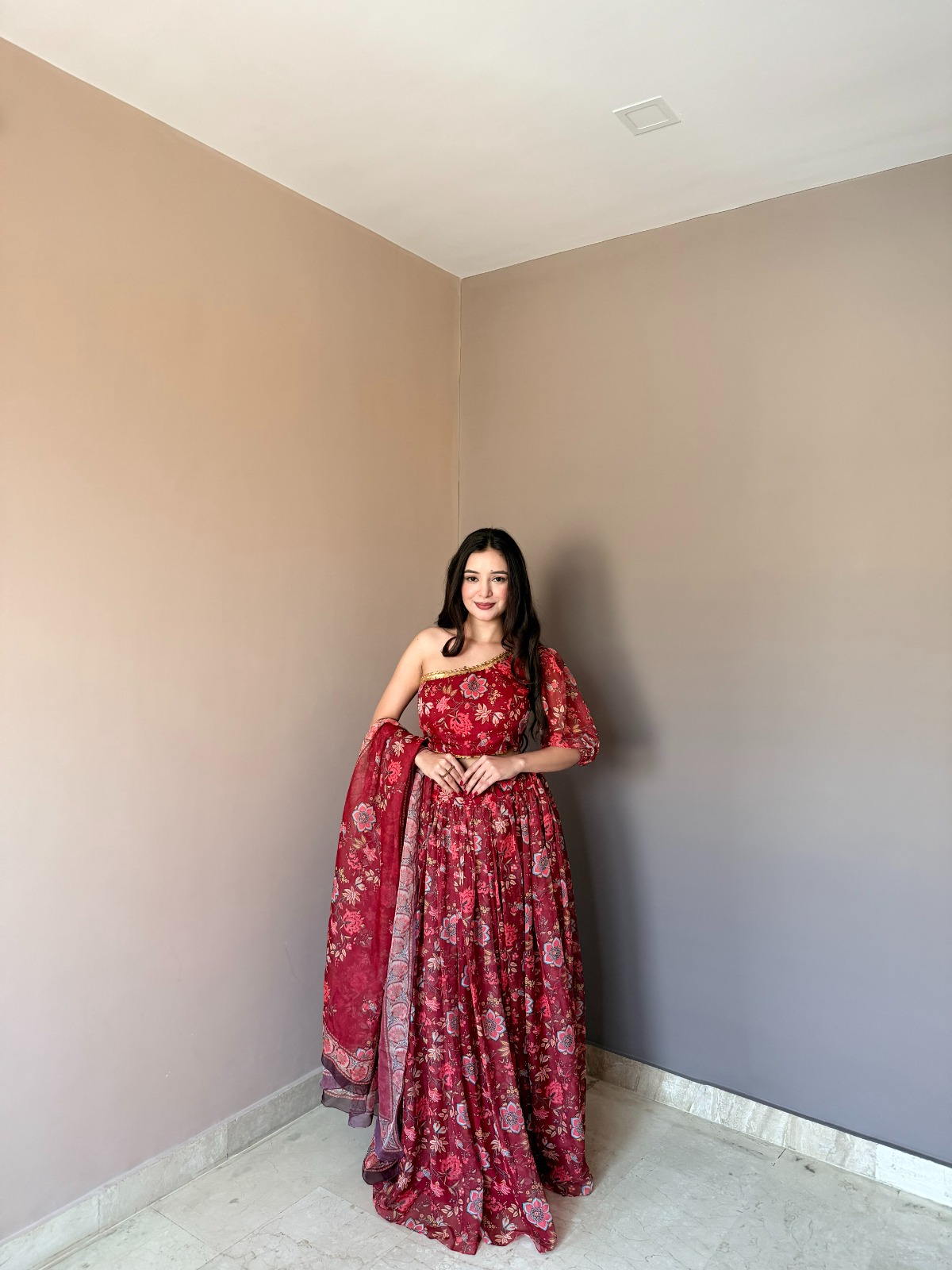
Organza produces a light, airy skirt with noticeable body and a slightly crisp fall. The Red Floral Organza Lehenga Set with One Shoulder Blouse shows how a transparent-looking, structured textile can support a statement upper half without making the entire outfit heavy. Organza works well for daytime weddings, engagement celebrations and photographs where skirt volume matters.
Because organza can hold away from the legs, a lining or underskirt is important for opacity and comfort. Check whether the hem has enough finishing to prevent roughness against the ankles. A slim corset blouse keeps the overall shape balanced when the skirt has several layers.
Georgette for fluid movement
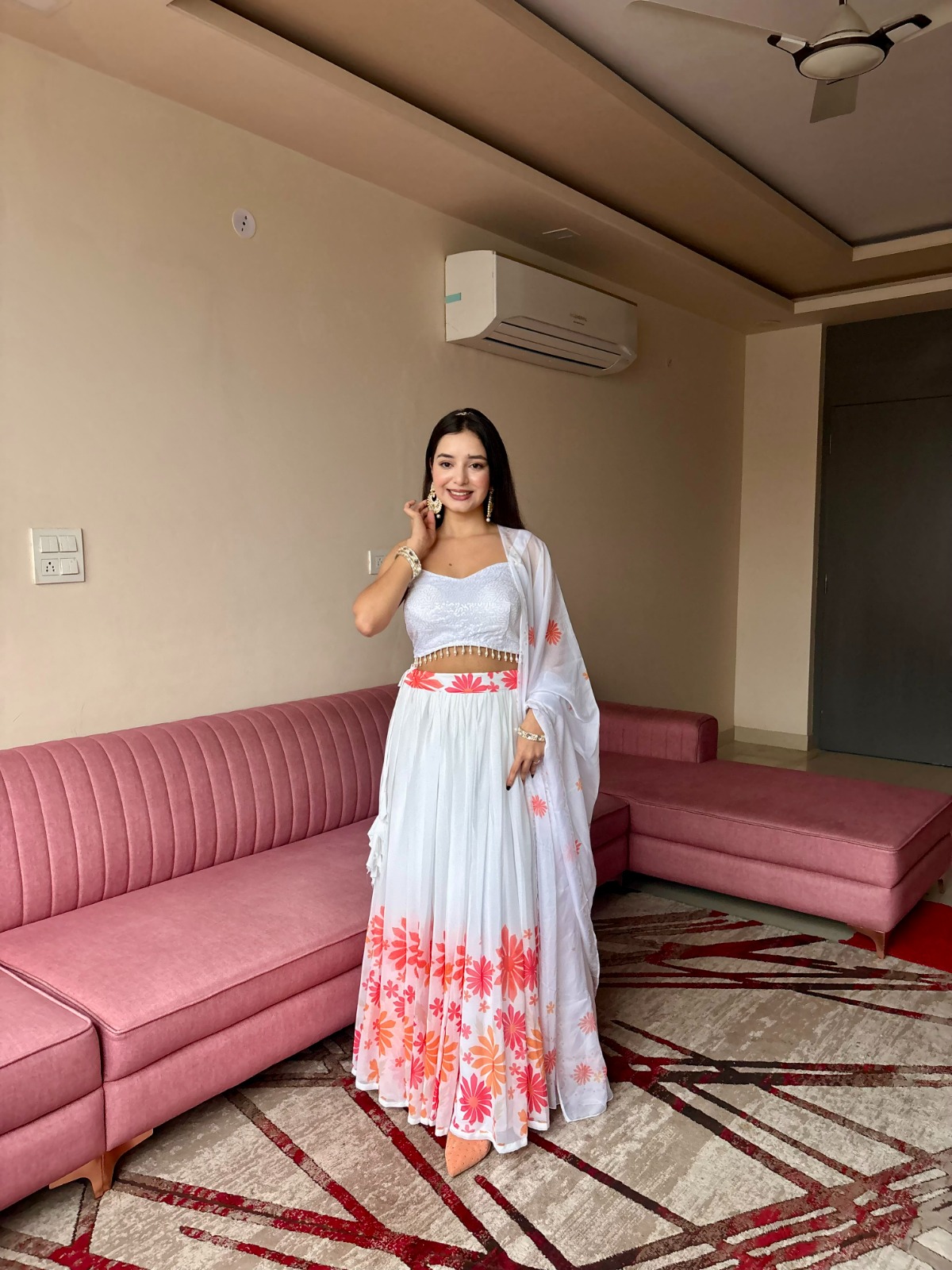
Georgette falls closer to the body and moves smoothly when walking or turning. The Pastel Floral Georgette Lehenga Set with Ruffle Blouse demonstrates a softer proportion, especially when the blouse includes a ruffle or another detail that echoes the skirt's movement. Georgette suits sangeet events, cocktail-style receptions and festive parties because it feels less formal than a heavily embellished silk skirt.
Fluid georgette benefits from a stable waistband and a properly anchored lining. Without those elements, the skirt may twist or shift as the wearer walks. A fitted blouse provides the visual anchor that a very soft skirt may otherwise lack.
Silk and woven textiles for richness
Silk and woven textiles give the corset silhouette a more grounded, classic character. The Designer Threadwork Silk Lehenga Choli Set with Dupatta uses the visual richness associated with silk and threadwork, making it suitable for a formal wedding, reception or family celebration.
Heavier skirts require careful weight distribution. A broad waistband, strong hooks and a secure inner lining help prevent the skirt from pulling downward. When the skirt is substantial, a lightly structured blouse is often more comfortable than an extremely rigid one.
How much skirt volume suits your body and event?
The most wearable skirt volume depends on the wearer's height, the venue, the desired movement and the length of the event. Moderate volume is easier for crowded indoor functions, while fuller volume creates more drama for a stage, reception hall or formal bridal portrait.
A-line panels create controlled flare and are usually easier to walk in than many tightly gathered layers. Circular cuts create a more pronounced twirl. Tiered construction adds visual movement but can add bulk around the hips, especially when the tiers are made from stiff fabric.
Shorter wearers often benefit from a high waist, a continuous colour line and moderate flare rather than a very low waistband and multiple contrasting tiers. Taller wearers can carry broader borders, longer dupattas and more generous skirt volume without the proportions becoming crowded.
The Royal Patola Printed Designer Gown with Elegant Dupatta is useful as a comparison point because a printed, gown-like silhouette can deliver drama without the same layered volume as a heritage lehenga. A printed statement piece may suit a reception or festive dinner when a heavily embroidered bridal skirt would feel excessive.
Which colours and embellishments work with a corset silhouette?
Colours and embellishments should clarify the waist-to-skirt contrast instead of placing equal visual weight everywhere. A quieter skirt with a detailed bodice looks sculpted, while a richly embroidered skirt works best with a blouse whose structure is visible through clean seams or a defined neckline.
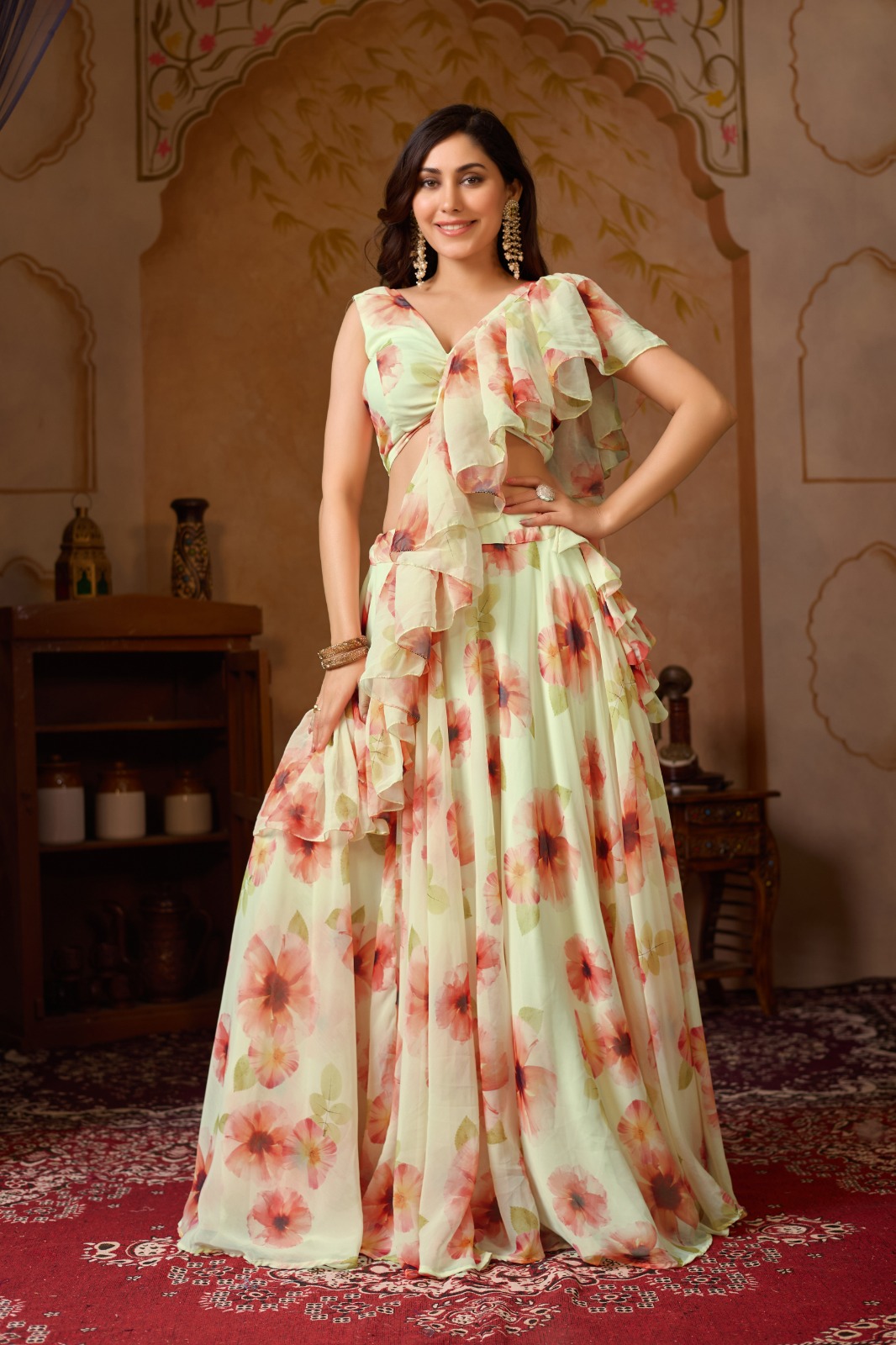
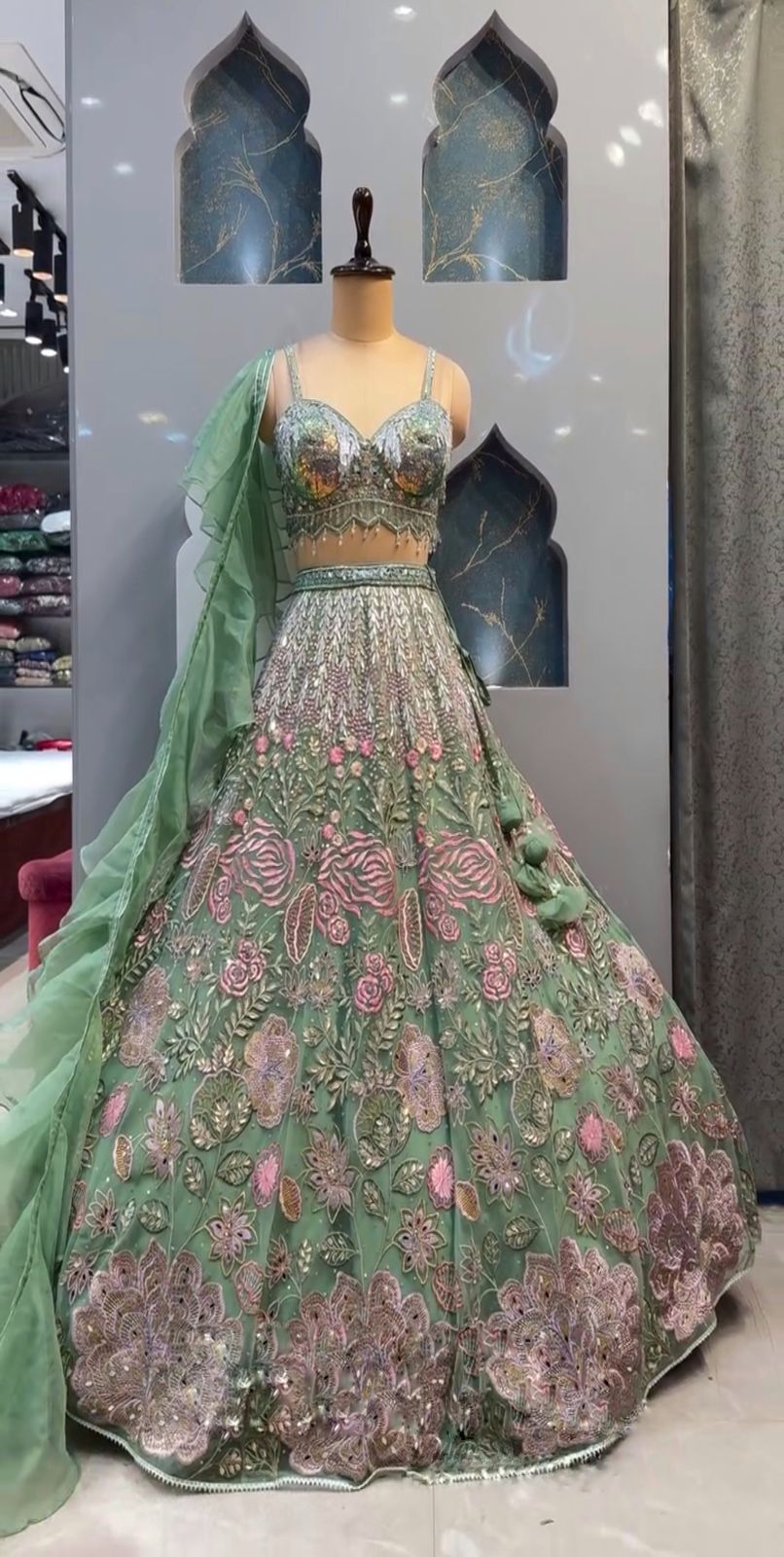
Mint, lime, cream, peach and pastel shades create a light, contemporary result. The Mint Embroidered Lehenga Set with Net Dupatta for Women can suit a daytime wedding or engagement because the cool colour keeps embroidery from appearing too dense. The Lime Floral Embroidered Butterfly Net Lehenga Set creates a brighter festive direction that can work especially well for a mehendi or spring celebration.
Peach and coral tones are flattering for warm indoor lighting and daytime ceremonies. The Peach Floral Organza Lehenga Set with Printed Dupatta pairs a soft base colour with a printed accessory, showing how the dupatta can add contrast without making the blouse compete with the skirt.
Cream and ivory shades place more emphasis on surface detail, texture and silhouette. The Cream Peacock Embroidered Net Lehenga Set for Women can be styled with restrained jewellery when the peacock embroidery already brings a focal point. For bridal dressing, confirm the family or ceremony's colour expectations before choosing ivory, cream or very pale gold.
Zari, sequins, threadwork and printed motifs each reflect light differently. Zari gives a traditional metallic glint, sequins create stronger sparkle under evening lighting, threadwork feels softer and more textural, and prints keep the look lighter. A corset blouse with dense zari may appear more formal than a corset blouse with floral threadwork, even when the skirt volume is identical.
How can you style a corset lehenga for different celebrations?
A corset lehenga can be styled for a mehendi, sangeet, wedding, reception or festive gathering by changing the dupatta placement, jewellery, footwear and amount of embellishment. The base silhouette remains the same, but accessories determine whether the outfit looks relaxed, ceremonial or evening-ready.
Mehendi and daytime functions
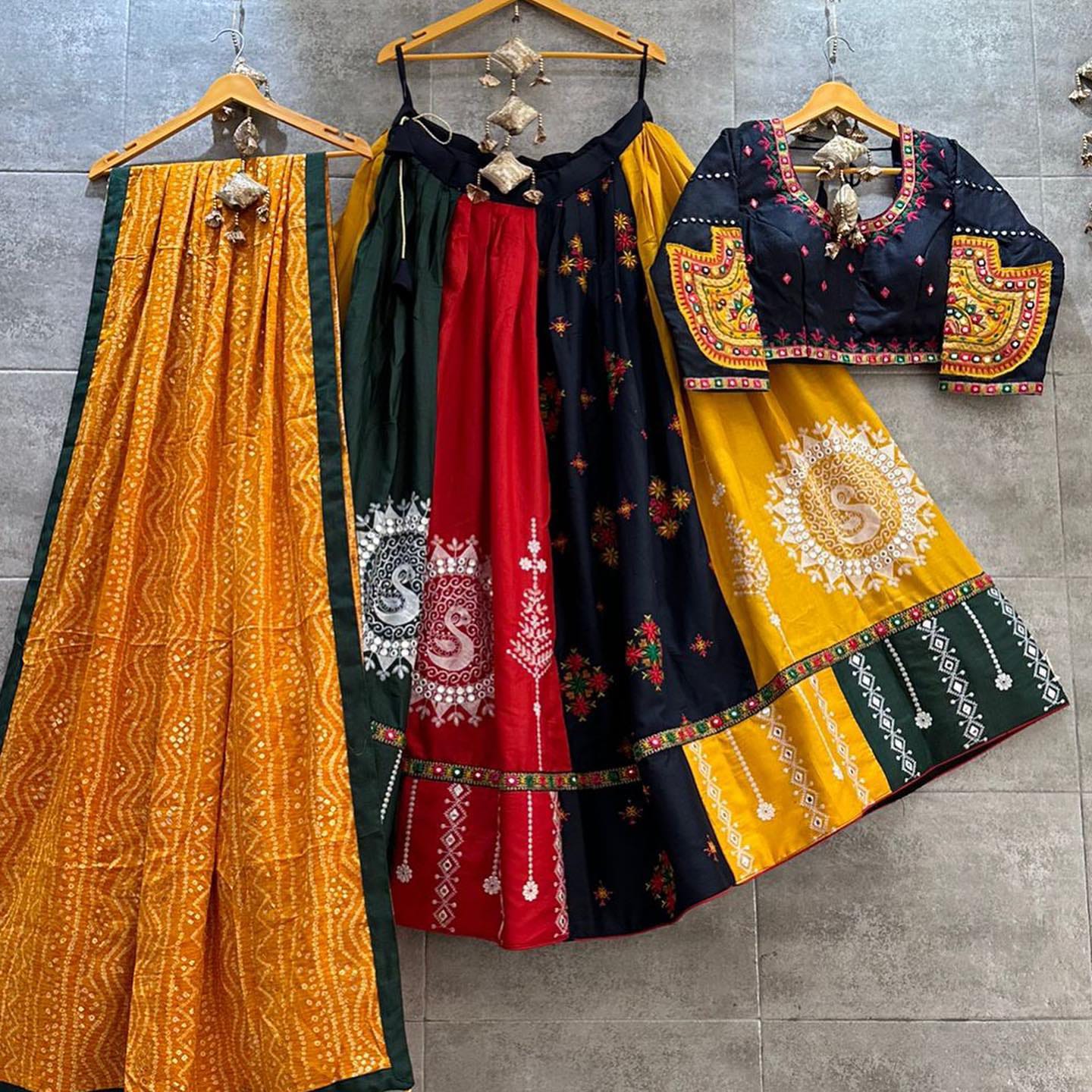
For a mehendi, choose lighter fabrics, breathable linings and jewellery that doesn't catch on the blouse. A single dupatta worn over one shoulder keeps the corset neckline visible and leaves the hands free for movement. The Mehendi Lehengas collection can guide colour choices toward fresh greens, yellows, pinks and floral details without requiring bridal-level ornamentation.
Flat embellished sandals or low block heels are practical for lawns and uneven outdoor surfaces. Keep the blouse fit secure because repeated sitting, standing and arm movement can expose a weak closure or shifting neckline.
Sangeet and reception styling
Sangeet and reception dressing can carry stronger contrast, shimmer and movement. A longer earring, sleek hair or a defined eye balances the structured blouse without adding another large element near the face. A light net dupatta can be pinned at the shoulder and wrist so the skirt remains the main moving feature.
The Green Lehengas collection and Yellow Lehengas collection offer useful directions for celebratory styling. Green can appear refined with antique gold and muted makeup, while yellow becomes more graphic with silver, pearl or contrasting green accents. Choose one dominant metallic finish when the blouse already contains zari or reflective embroidery.
Wedding and bridal functions
Wedding and bridal styling requires extra attention to support, lining and wear time. A second dupatta may be draped over the head or across the torso, so the blouse should remain comfortable under additional fabric. A secure waistband matters more than a very tight fit when the outfit will be worn for several hours.
For a formal wedding, silk, detailed threadwork, zari borders and deeper colours create a ceremonial impression. For a bride's smaller function, a pastel or floral corset lehenga can look intentional when the jewellery and veil are kept proportionate. The word "bridal" should not automatically mean maximum volume; venue size, customs and personal comfort are equally relevant.
Should you choose ready-made or semi-stitched?
Choose ready-made garments for predictable construction and faster dressing, and choose semi-stitched lehengas when you need greater control over waist, length and blouse measurements. The best option depends on how closely standard sizing matches the wearer's proportions and how soon the outfit is needed.
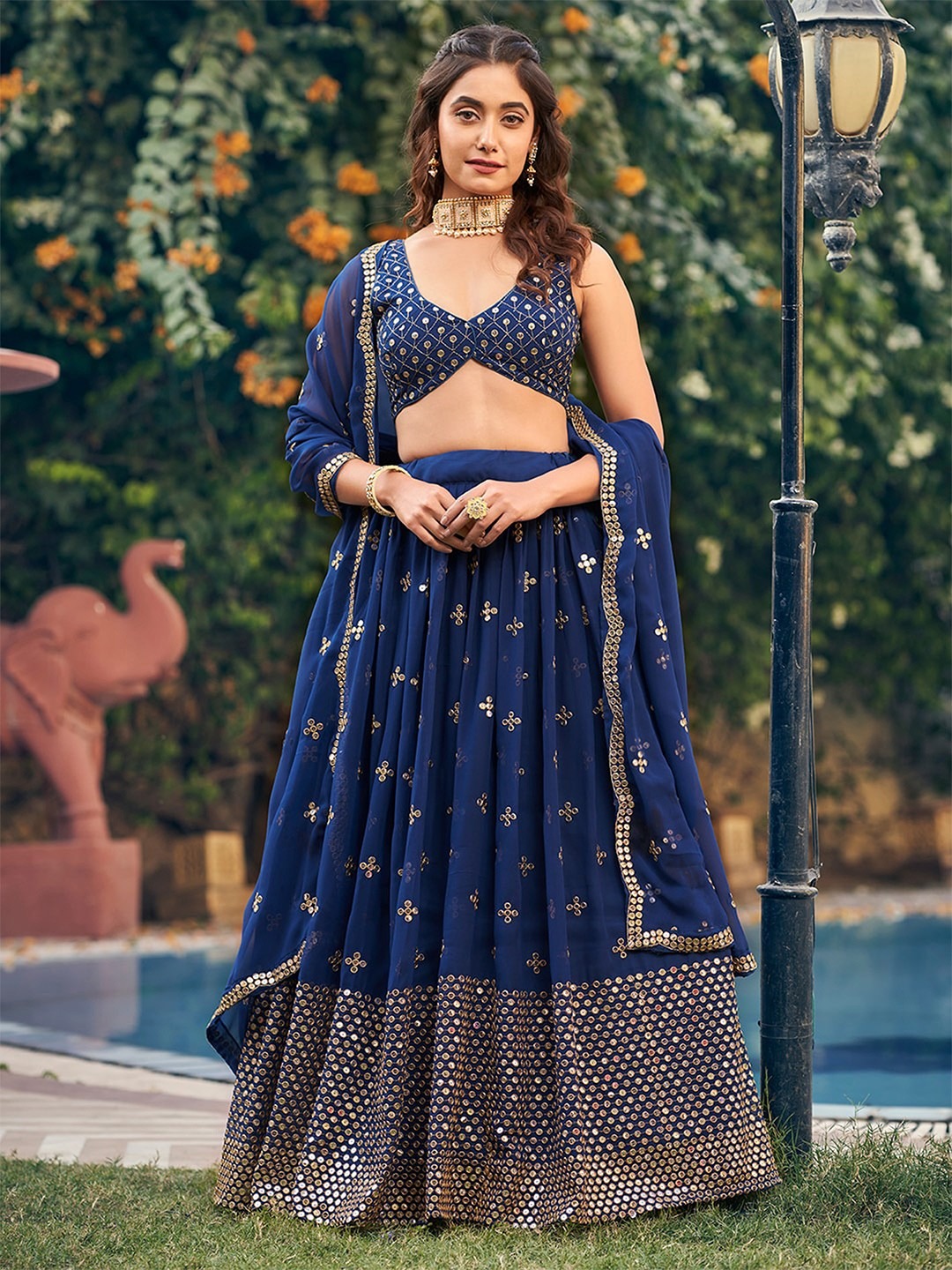
Ready Made Lehenga options are practical when the event is close or when a fully finished set is preferred. Check the actual garment measurements rather than assuming that a labelled medium or large will fit every body shape. Confirm whether the blouse has seam allowance, whether the skirt waistband includes elastic or hooks, and whether the dupatta has finished edges.
A Semi Stitched Lehengas Collection offers more adjustment potential, particularly for skirt length, waist placement and flare. Semi-stitched doesn't always mean completely unfinished; some sets arrive with prepared panels, a partially finished blouse or an adjustable waistband. Ask a tailor to assess the fabric, embroidery and construction before cutting.
Shopping for designer lehengas also requires checking the difference between a design photograph and the delivered construction. Ask for garment measurements, lining details, closure type, alteration limits and dispatch time. A beautiful corset outline is only useful if the blouse can be fastened comfortably and the skirt remains secure during real movement.
Care and packing for a structured lehenga
A structured lehenga should be stored flat or on a broad hanger, with the corset blouse supported so the shoulders don't deform. Fold the skirt along existing seams where possible, and avoid compressing zari, sequins or raised threadwork beneath heavy garments.
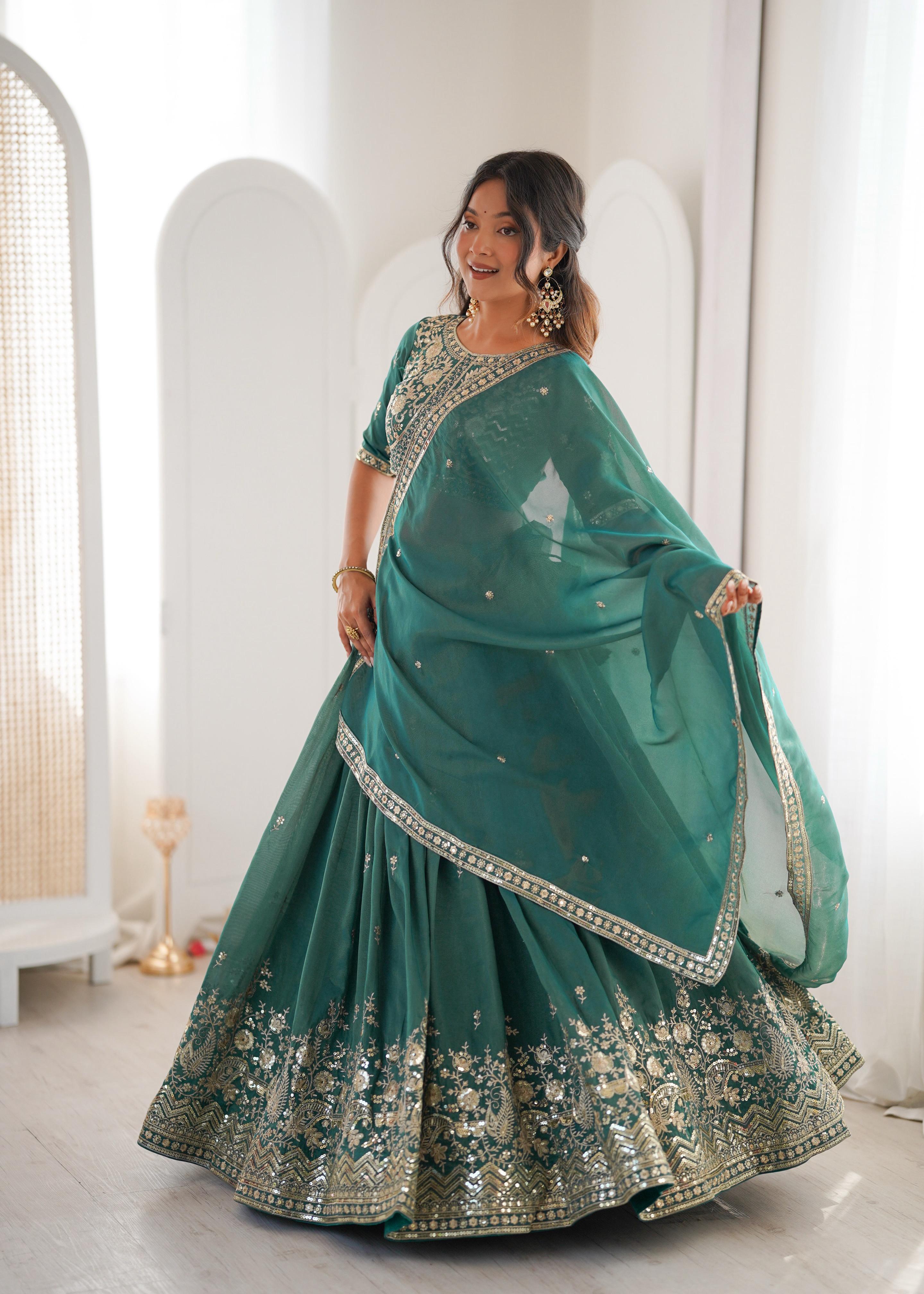
Dry cleaning is generally safer for embellished silk, organza, net and garments with internal boning, but the care label takes priority. Do not soak a lined corset blouse unless the label specifically permits washing. Water can affect interfacing, adhesive elements, colour transfer and the shape of internal support.
After an event, air the garment away from direct sunlight before storing it. Place clean, acid-free tissue between heavily embellished layers if the garment will remain packed for several months. Never iron directly over zari, sequins, embroidery or synthetic net; use a pressing cloth and the lowest suitable heat, or ask a professional cleaner to steam the outfit.
A well-balanced corset lehenga should feel secure at the waist, easy across the shoulders and free through the skirt. The most successful silhouette isn't the tightest one; it's the one that remains composed after hours of sitting, walking and celebration.
Common Questions About Styling and Buying Corset Lehengas
Are corset lehengas comfortable for long wedding functions?
Corset lehengas can be comfortable for long wedding functions when the blouse allows normal breathing and the waist closure does not press into the ribs. Choose breathable lining, test the garment while seated and avoid sizing down for a sharper-looking waist.
What is the difference between a ready-made and semi-stitched lehenga?
A ready-made lehenga arrives with the blouse and skirt constructed to set measurements, while a semi-stitched lehenga leaves some parts adjustable or unfinished for tailoring. Semi-stitched sets offer more control over length and waist placement, but they require alteration time and a capable tailor.
Which fabric is best for a flowing corset lehenga skirt?
Georgette gives the softest fluid movement, organza provides crisp light volume, and silk offers a richer, more formal fall. The best fabric depends on the venue, desired skirt volume, lining and the weight of the embroidery.
Can I wear a corset lehenga to a mehendi ceremony?
A corset lehenga works well for a mehendi ceremony when it uses lightweight fabric, comfortable lining and practical footwear. Floral prints, mint, yellow, lime and green tones create a festive daytime look without the weight of heavily embellished bridal wear.
How should a corset blouse fit at the bust and waist?
A corset blouse should lie flat at the bust, stay secure at the waist and allow deep breathing, arm movement and comfortable sitting. Gaping, sharp pressure, pulling across the hooks or an armhole that cuts into the shoulder indicate that alterations are needed.
Can a corset lehenga be styled for a bridal function?
A corset lehenga can suit a bridal function when the blouse, lining and waistband are built for extended wear and the embellishment matches the ceremony's formality. Silk, zari, threadwork, a formal dupatta and proportionate jewellery can make the silhouette ceremonial without requiring extreme skirt volume.