

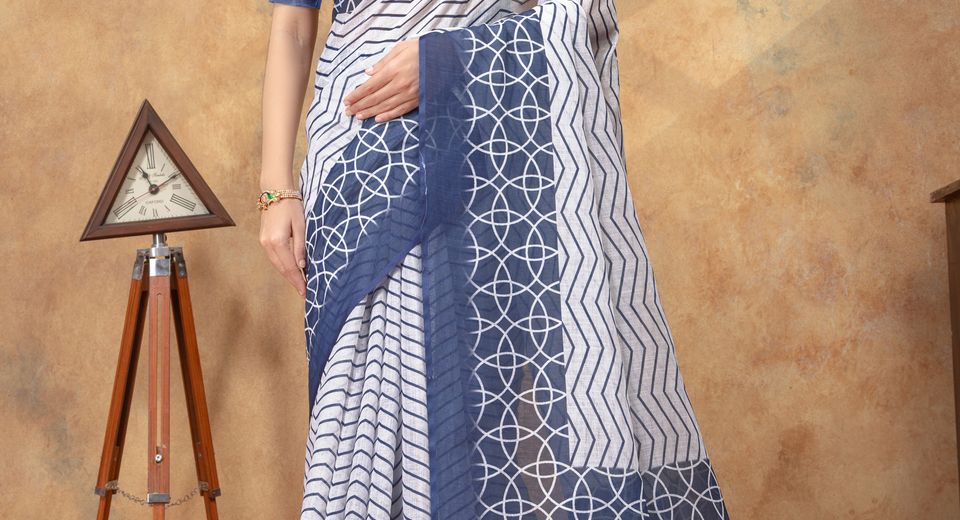
Comparing fit flexibility and value in pre-stitched saree vs traditional saree requires more than checking the price tag. A pre-stitched saree can reduce dressing time and simplify movement, while a traditional saree gives the wearer greater control over the waist, pleats, pallu and final silhouette. The better choice depends on body measurements, the number of hours you'll wear it, how often you restyle clothing and whether you value speed or adaptability.
Both formats use the same essential saree language: a long drape, a pleated front, a pallu and a blouse. The construction differs. A traditional saree arrives as an unstitched length, usually around 5.5 to 6.5 metres, whereas a pre-stitched saree has portions already shaped or joined to guide the drape. Understanding that difference helps you select a saree for weddings, office events, festive gatherings and everyday wear without relying on vague labels such as "easy" or "comfortable".
Comparing Fit Flexibility and Value in Pre-Stitched Saree vs Traditional Saree
Traditional sarees offer more adjustable fit, while pre-stitched sarees offer more predictable fit and faster dressing. That distinction affects comfort, appearance and the number of people who can share or reuse the garment.
A traditional saree is secured at the waist after the wearer chooses the height, tightness and number of pleats. A pre-stitched saree generally uses a fixed waistband, stitched pleats, a shaped lower section or concealed fastening. The pre-stitched format behaves more like a wrap skirt with a pallu attached, so the final result is less dependent on draping skill.
Fit flexibility doesn't mean that one format suits every body better. A traditional saree can accommodate a changing waist measurement by adjusting the inner knot and pleats. A pre-stitched saree can feel more secure for a wearer who wants consistent pleats, but the waistband must match the wearer's actual measurement. A garment with a 30-inch waist can't reliably substitute for a 36-inch waist through draping alone.
What measurements matter before purchase?
The most important measurements are natural waist, full hip, height, blouse size and preferred drape height. Measure the waist where the saree will sit, rather than measuring over bulky clothing. Record the measurement in inches and compare it with the seller's garment measurement, not merely a generic size label.
Height matters because a pre-stitched hem and pallu position are less forgiving than an unstitched length. A traditional saree can be tucked higher or lower and can produce deeper or narrower pleats. A pre-stitched saree with a fixed hem may require alterations if the wearer is significantly shorter or taller than the intended size range.
How does a pre-stitched saree change dressing time and movement?
A pre-stitched saree usually reduces dressing time to roughly five to fifteen minutes, while a traditional saree may take fifteen to forty minutes depending on experience, pleat precision and pinning. The exact time varies with the blouse, shapewear, footwear and desired drape.
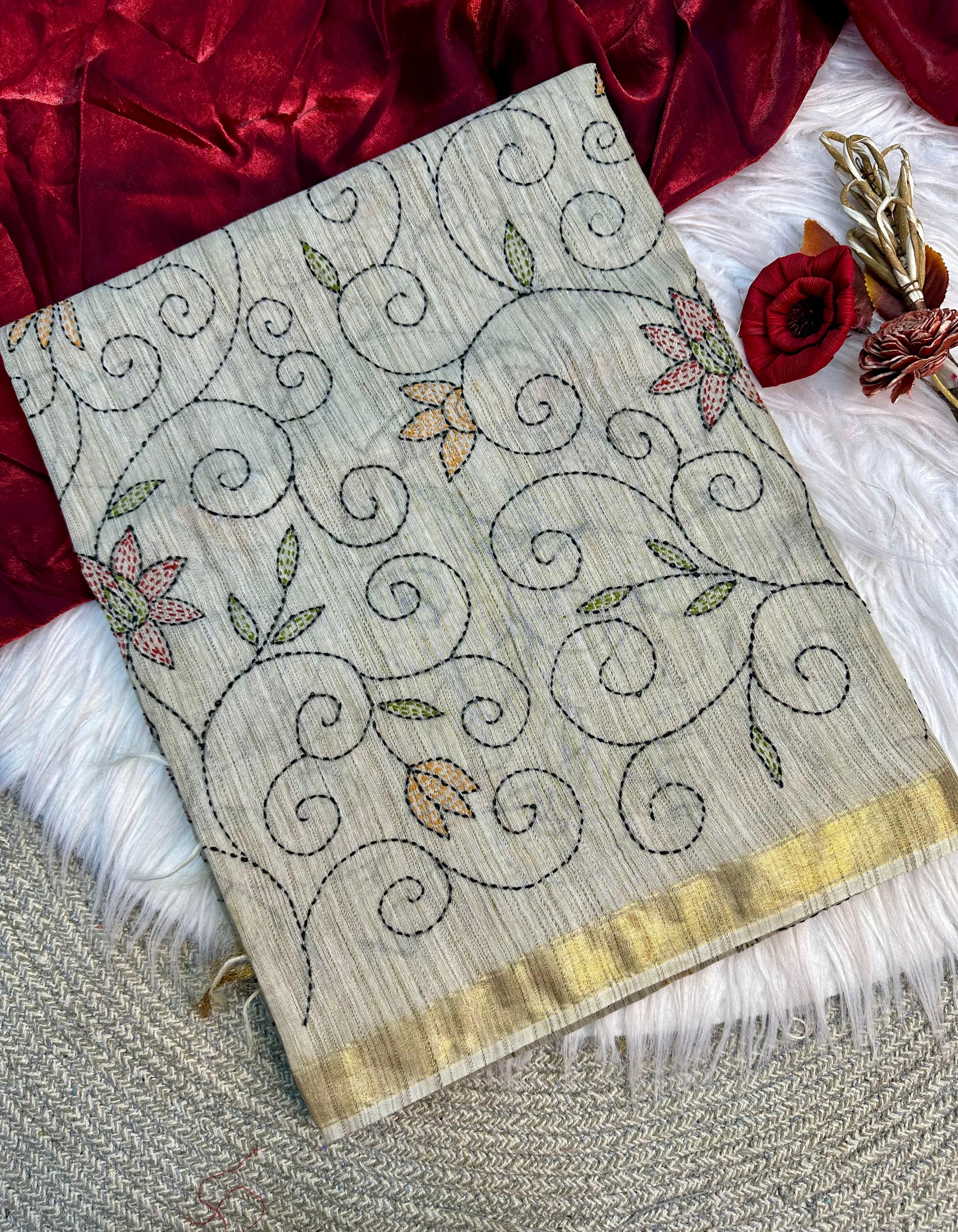
Pre-stitched construction helps when you need to dress without assistance. Stitched pleats maintain their spacing, and a fixed or guided pallu reduces the risk of uneven length. The format is useful for receptions, office celebrations, travel and events where changing clothes promptly matters. A wearer can also sit, crowd and walk with fewer adjustments when the waistband and pleat structure fit correctly.
Traditional draping remains practical rather than inconvenient when you know a reliable method. A well-tucked traditional saree can provide excellent movement because the wearer decides how much fabric to leave around the feet. A shorter walking pleat, secure pins and a petticoat with a firm drawstring can make a traditional saree stable for several hours.
Movement depends on construction as well as format. A heavy zari border, slippery Banarasi silk or densely woven fabric may require more pinning in either format. A light linen cotton or handloom cotton saree may feel easier to manage, but cotton can form sharper pleats that need careful alignment. Footwear should be selected before final hemming or draping because heel height changes the saree's fall.
Which saree gives better fit flexibility for different body shapes?
A traditional saree generally gives better fit flexibility because the wearer can alter the waist position, pleat width, pallu length and front coverage during each drape. A pre-stitched saree gives better repeatability when the garment's measurements match the wearer.
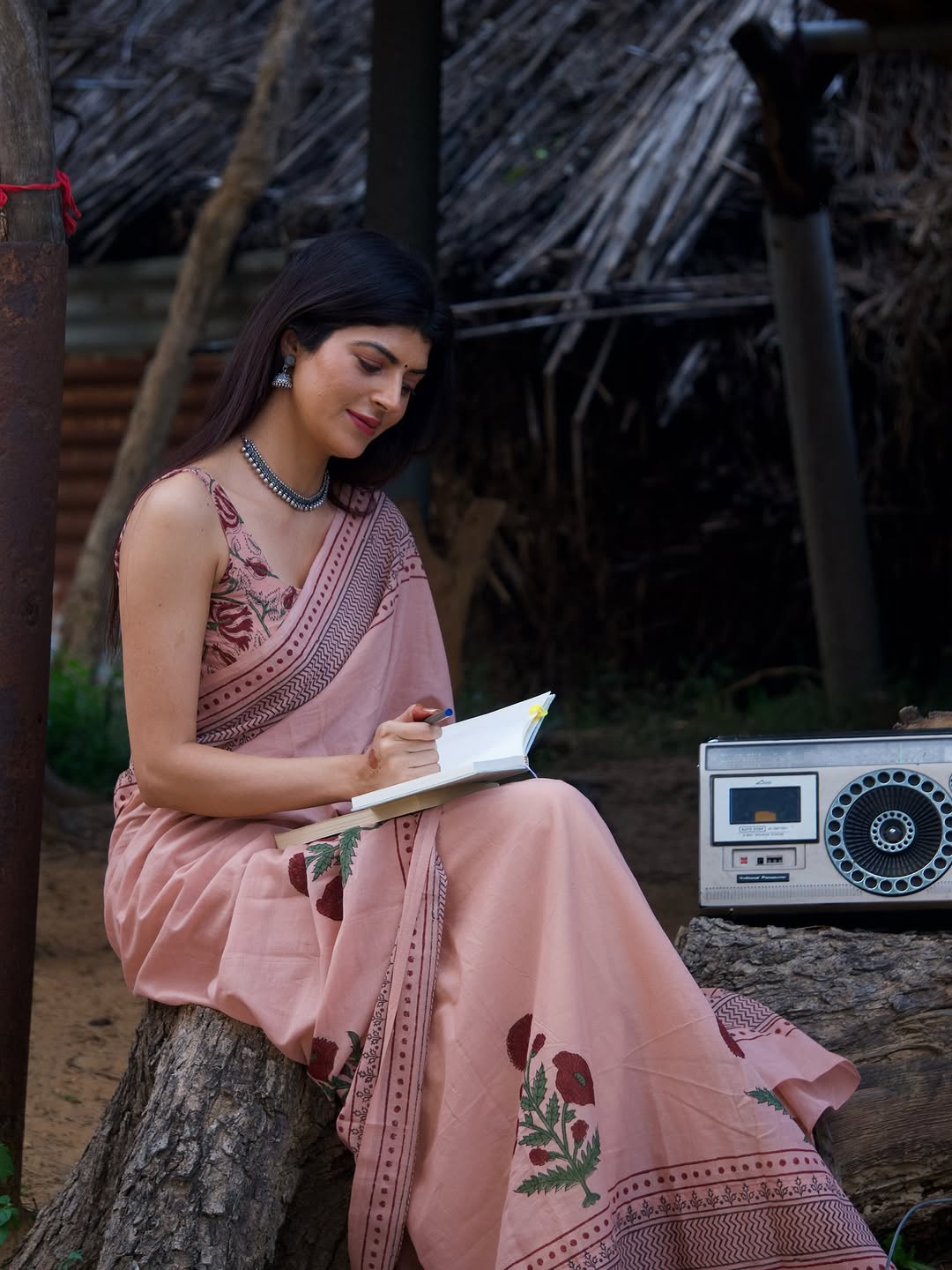
For a fuller hip, a traditional saree allows more fabric to be distributed across the front and side without changing the garment's basic size. A pre-stitched design needs sufficient hip ease and a smooth opening around the lower portion. For a shorter torso, adjusting the traditional saree's waist height can prevent excess fabric above the bust. A pre-stitched style may need tailoring if the attached pallu or waistband sits too high.
For a tall wearer, additional length is valuable in a traditional saree because the garment can be draped lower and still retain a usable pallu. For a petite wearer, a traditional saree can be adapted with narrower pleats or a shorter pallu, while a pre-stitched hem may require alteration. Neither format eliminates the need to check the blouse size, since an accurate saree fit can't compensate for a restrictive blouse.
People whose waist measurement changes over time may find traditional sarees more economical because one garment can continue to fit after minor body changes. A pre-stitched saree remains a good choice when the waistband includes usable adjustment room or when the wearer is buying for a stable size and a specific event.
How should fabric and weave influence the decision?
Fabric weight, surface texture and recovery determine how comfortably either saree format drapes and how much maintenance it needs. Construction alone can't predict comfort.
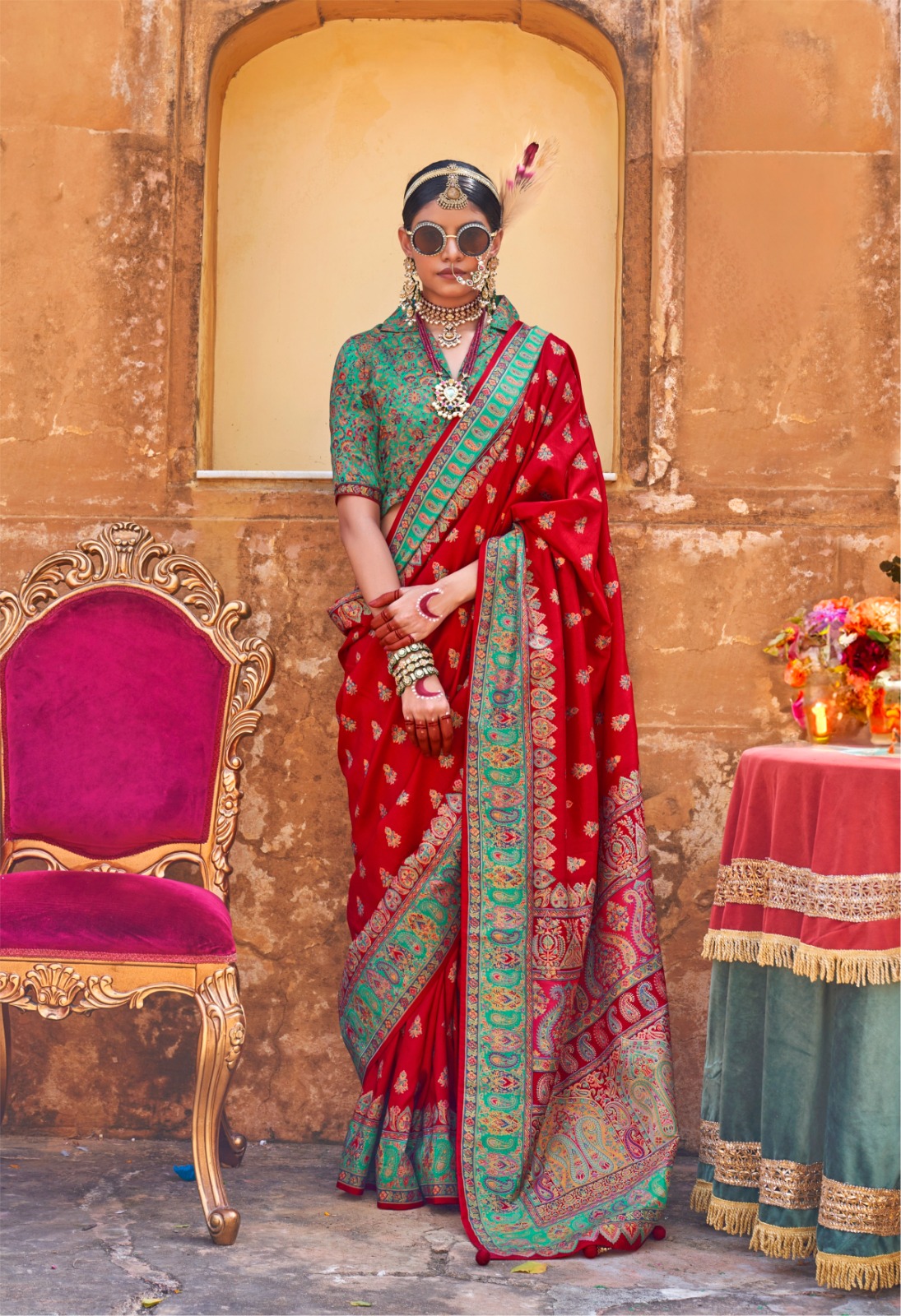
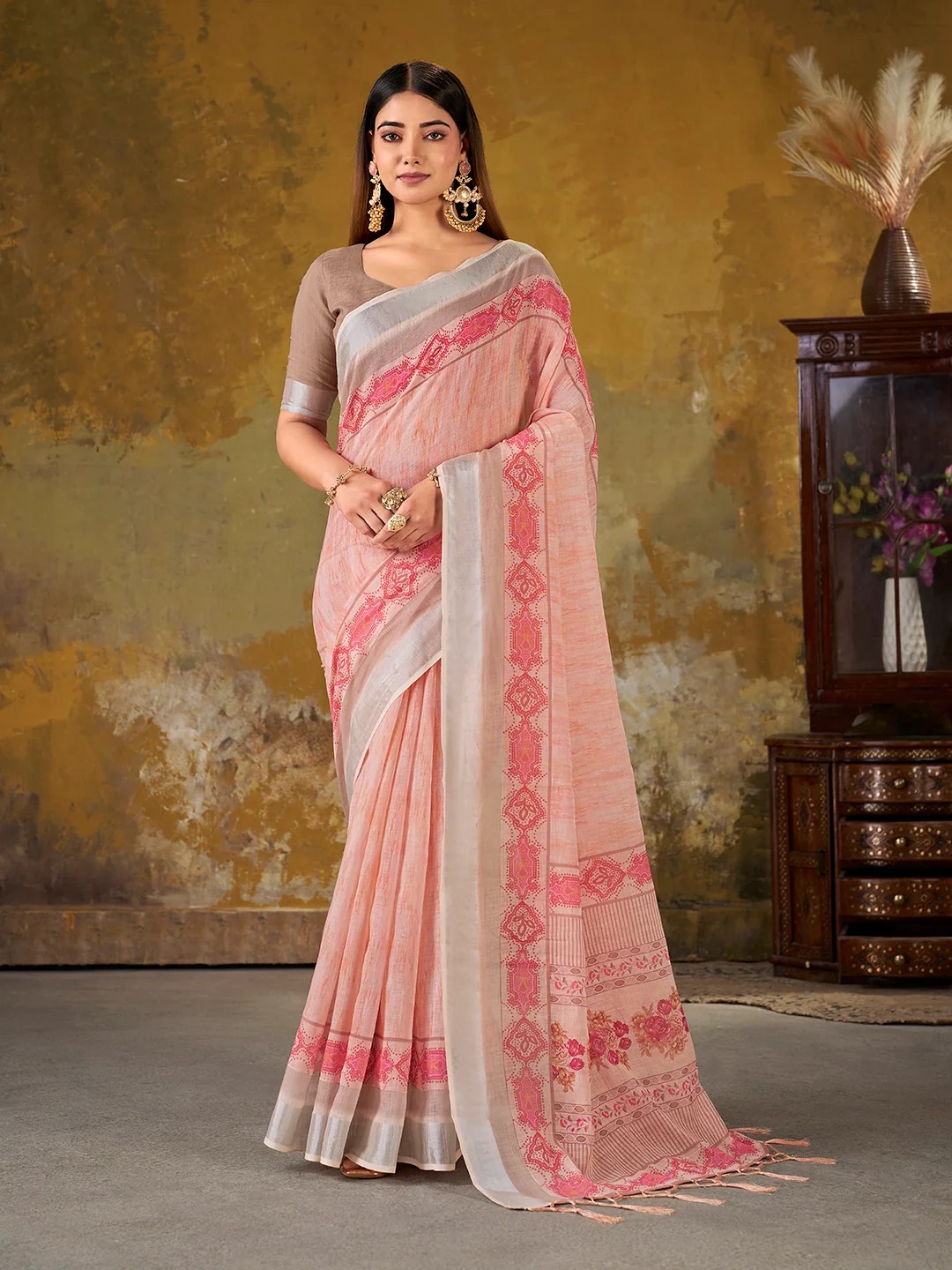
Linen cotton usually offers a structured, breathable hand and can suit daytime wear, but the fabric may crease more visibly at the waist and in the pallu. A piece such as Pastel Linen Cotton Floral Print Saree with Designer Blouse can illustrate why a coordinated blouse reduces preparation time without making the saree itself fully pre-stitched. Pastel Floral Printed Linen Cotton Saree with Blouse and Peach Linen Cotton Floral Print Saree with Blouse for Women similarly show how a ready blouse can narrow the styling decisions involved in a traditional drape.
Handloom cotton generally works well for regular wear because it absorbs moisture and develops character with use. Rust Maroon Handloom Cotton Saree with Floral Print and Traditional has the visual language of a classic cotton saree, where the wearer can decide whether to use compact office pleats or a more relaxed festive drape. Cotton sarees should be stored completely dry because trapped moisture can encourage mildew and weaken fibres.
Silk and zari often create a more formal appearance but may add weight and care requirements. Pastel Floral Tissue Handloom Cotton Saree with Zari Weaves demonstrates why the words "cotton" and "zari" don't automatically mean low-maintenance: metallic yarns and tissue-like surfaces need careful folding and should not be scrubbed. Store zari with a soft cotton or muslin layer, refold it every few months and avoid hanging heavy sarees for very long periods.
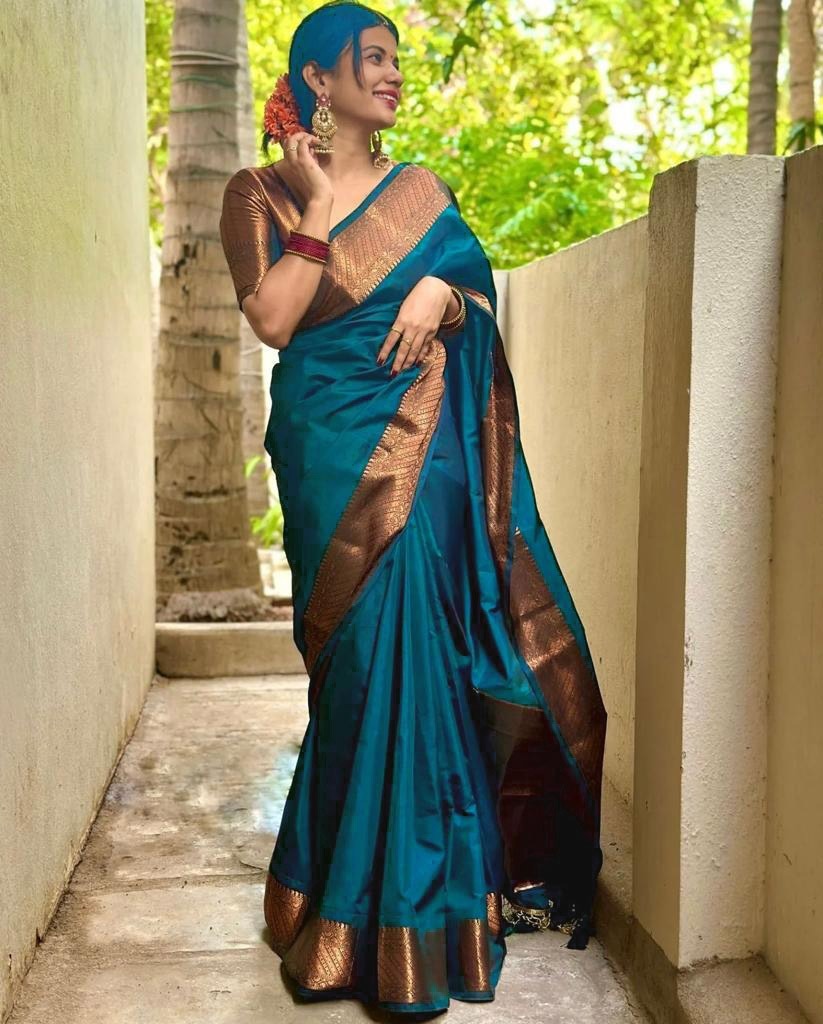
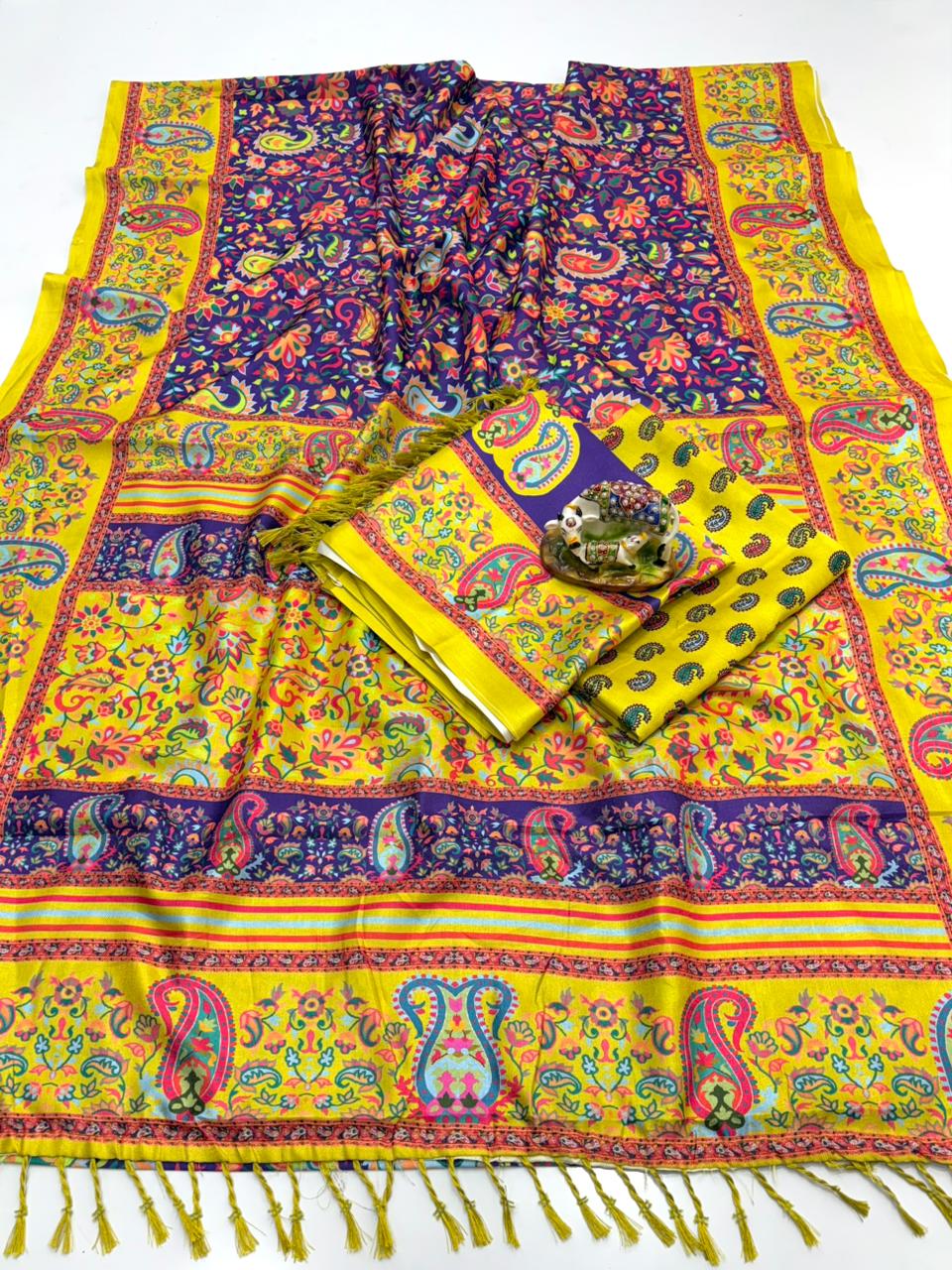
Print placement also affects perceived value. Teal Floral Linen Cotton Saree with Elegant Contrast Border, Peach Floral Linen Cotton Saree with Beautiful Blue Border and Indigo Blue Geometric Print Saree with Contrast Pallu each suggest different visual priorities: a border frames the lower edge, while a contrast pallu draws attention to the shoulder. A traditional drape lets you reposition those elements; a pre-stitched construction may preserve one intended alignment.
What does value mean beyond the purchase price?
Value is the cost of useful wear over time, not simply the lowest listed price. A basic cost-per-wear calculation divides the purchase price plus alterations and care costs by the number of times you expect to wear the saree.
For example, a ₹1,500 traditional cotton saree worn 15 times costs ₹100 per wear before care. If a ₹2,400 pre-stitched saree saves 30 minutes at six events and prevents one paid draping appointment, its higher price may be justified for a busy wearer. If the fixed size limits the garment to two events, the apparent convenience can become poor value.
Traditional sarees often score highly on long-term value because they can be restyled with different blouses, belts, jackets and draping methods. A single printed saree can look substantially different with a high-neck blouse for work, a sleeveless blouse for a daytime gathering or a contrasting blouse for a family celebration. Pre-stitched sarees can also be restyled, but their fixed pleat direction and waistband may limit changes.
Budget shopping should include alteration and blouse costs. A lower-priced traditional saree that needs a new blouse, fall, edging and professional finishing may cost more initially than a ready-to-wear option. The collections Sarees from Rs 1000 to Rs 1500 and Sarees Under 20% Off can be useful starting points for comparing total outfit cost, provided you add tailoring and care to the calculation.
Discount percentage isn't a measure of fabric quality or fit. Collections such as Sarees Under 10% Off, Sarees Flat 60% Off and Sarees Flat 50% Off may present different original prices, materials and product specifications. Compare final price, saree length, blouse inclusion, return terms, wash instructions and alteration requirements rather than choosing the largest discount number.
When is a traditional saree the more practical choice?
A traditional saree is usually the more practical choice when you need adjustable fit, repeated restyling, long-term reuse or one garment for several body measurements. Traditional draping also makes sense when the saree has a valuable border, an unusual pallu or a fabric that needs personalised pleat placement.
Choose a traditional saree for a changing wardrobe because the same six-metre drape can move from daily wear to festive styling through blouse and jewellery changes. Choose it for gifting only when you know the recipient's likely fabric preferences and can include blouse or tailoring support. A saree that fits one person's height and draping habits may not suit another person even when both wear the same clothing size.
Traditional sarees are especially useful for fabrics that benefit from individual handling. A wearer can keep more space in the pleats of a delicate tissue weave, reduce tension at the shoulder or shorten the walking length. A pre-stitched version removes some of that control in exchange for speed.
When does a pre-stitched saree deliver better value?
A pre-stitched saree delivers better value when dressing speed, predictable appearance and independent wear matter more than maximum adjustability. The format suits first-time saree wearers, frequent event attendees, performers, travellers and people who don't have help with pleating.
Pre-stitched construction can also reduce the number of accessories needed for stability. Some designs integrate a waistband, pleat structure or fastening, although the exact construction must be checked in the product measurements. Even with built-in structure, a blouse, suitable underlayer and a few safety pins may still be necessary.
Buyers should check four details before ordering: the waist range, the lower opening or hip measurement, the total length and whether the pallu can be repositioned. Check whether the listed measurements describe the body or the finished garment. Ask for alteration guidance when the waist falls between sizes, because tightening a waistband is generally easier than adding substantial fabric.
How can you make either saree format last longer?
Both traditional and pre-stitched sarees last longer when they're cleaned according to fibre content, dried fully and stored without prolonged compression. Read the care label before washing a linen cotton, handloom cotton, silk, tissue or zari saree.

Air a worn saree before folding it, particularly after a humid event. Remove jewellery pins carefully so that metallic hooks don't pull yarns. For cotton and linen cotton, gentle washing or professional cleaning may be suitable depending on dye and embellishment; test colourfastness on an inconspicuous area when washing instructions permit. Zari, silk and delicate tissue surfaces are safer with professional dry cleaning unless the care label states otherwise.
Fold traditional sarees with the pallu and border aligned, then refold them along different lines every few months to reduce permanent creases. Fold pre-stitched sarees without crushing the waistband, hooks or stitched pleats. Avoid storing either format in direct sunlight, plastic bags that trap moisture or overloaded wardrobes where borders become sharply bent.
The final decision is straightforward: choose a pre-stitched saree when reliable fit and fast dressing solve a real problem, and choose a traditional saree when adaptability, restyling and long-term use matter more. Comparing fit flexibility and value in pre-stitched saree vs traditional saree becomes useful only after you connect the format to your measurements, schedule, fabric choice and expected number of wears.
Practical Questions Before Choosing a Pre-Stitched or Traditional Saree
Is a pre-stitched saree easier to wear than a traditional saree?
Yes, a pre-stitched saree is usually easier to wear because the pleats and pallu are partly structured and require less adjustment. A traditional saree takes longer at first, but practice, a firm petticoat and a few safety pins can make the drape reliable.
Can a pre-stitched saree fit different body sizes?
A pre-stitched saree can fit different body sizes only within its stated waist, hip and height range. Check finished-garment measurements carefully because a fixed waistband offers less flexibility than the adjustable tuck and pleats of a traditional saree.
Which saree is better for a wedding guest who will wear it for many hours?
The better choice depends on fit and fabric, but a correctly sized pre-stitched saree can be convenient for a long wedding event because it needs fewer adjustments. A traditional saree may be more comfortable when you need to control walking length, waist height or pallu placement throughout the day.
Does a traditional saree offer better value than a pre-stitched saree?
A traditional saree often offers better long-term value because it can accommodate small body changes and support many blouse and draping combinations. A pre-stitched saree can offer better value when saved dressing time, independent wear and repeated event use outweigh the limits of a fixed fit.
Are cotton sarees suitable for pre-stitched construction?
Cotton sarees can work well in pre-stitched construction because their structure helps hold pleats, but cotton may crease more visibly and can feel less forgiving around a fixed waistband. Linen cotton and handloom cotton should be checked for care instructions, shrinkage risk and the exact finished measurements.
How do I compare saree discounts with actual value?
Compare the final price with the saree length, blouse inclusion, fabric, tailoring, care and expected number of wears rather than relying on the discount percentage. A simple price-per-wear calculation often reveals whether a low-priced traditional saree or a costlier pre-stitched saree is the better purchase.


