

Comfort Details Worth Checking for Ethnic Footwear for Long Weddings can determine whether you enjoy a full day of rituals, photographs and dancing or spend the evening looking for a chair. Indian weddings often involve several hours of standing, walking across uneven floors and moving between indoor and outdoor spaces. A beautiful jutti, sandal, kolhapuri or low heel needs more than attractive embroidery: it needs a secure fit, supportive construction and enough grip for the venue.
Footwear decisions also depend on the outfit. A saree with zari work may need a slightly raised sole to prevent the hem from dragging, while a sharara or plazo set usually allows more freedom around the ankle. The safest choice is one that complements the clothing without forcing the foot into an unfamiliar shape.
Why Wedding Footwear Needs More Planning Than Everyday Ethnic Shoes
Wedding footwear needs planning because ceremonial schedules place repeated pressure on the heel, forefoot and ankles over six to twelve hours. A short shopping trip may not reveal discomfort that appears after standing through a pheras ceremony, walking on grass or dancing after dinner.
Indian weddings frequently combine several surfaces. Marble, polished tile and hotel flooring can be slippery, whereas grass, gravel and carpet require a sole that bends without catching. Outdoor baraats may add dust and heat, while winter receptions can make stiff leather or synthetic uppers feel less flexible.
The outfit itself changes how you walk. A long saree pallu, a wide sharara, a flared plazo or a heavily embellished kurta set can obscure the feet and make small stumbles more likely. A stable shoe with a controlled heel height helps maintain balance when the hem or dupatta needs occasional adjustment.
An useful wedding test is simple: wear the footwear indoors for 30 minutes while walking, standing and climbing a few steps. Pain, numbness or repeated slipping during the test will usually become worse during a ten-hour celebration.
Comfort Details Worth Checking for Ethnic Footwear for Long Weddings
Comfort Details Worth Checking for Ethnic Footwear for Long Weddings include toe space, heel security, cushioning, sole grip, breathability, flexibility and realistic heel height. Checking these details in a shop or before an online purchase is more reliable than judging softness from photographs.
Toe space and width
Toe space should allow the toes to lie flat without pressing against the front or sides of the shoe. Pointed juttis can look elegant, but a narrow toe box may compress the little toes and create burning or blisters after several hours.
Measure both feet near the end of the day because feet commonly swell slightly after walking and standing. Choose the larger foot when the two feet differ in size. A shoe that feels exact in the morning may feel tight during an evening reception.
Heel security and ankle movement
Heel security comes from a snug back, an adjustable strap or a well-shaped upper that doesn't let the foot slide forward. Loose slip-ons can cause the toes to grip the sole, increasing fatigue in the arch and calf.
Ankle straps should sit securely without cutting into the skin. A strap placed directly over a prominent ankle bone can become painful after repeated movement, so check its position while walking rather than only while standing.
Cushioning and arch support
Cushioning reduces impact, but excessive softness doesn't automatically provide support. An useful insole cushions the heel and ball of the foot while keeping the foot level enough for stable walking.
People with high arches may prefer a gently contoured footbed, while people with flatter feet often benefit from a firm, supportive midsole rather than a very soft foam layer. Removable insoles can help if the footwear has enough internal volume for an orthotic insert.
Grip and sole flexibility
A textured rubber or rubber-blend outsole usually offers more dependable grip than a completely smooth leather sole on polished wedding floors. The outsole should bend near the ball of the foot but should not fold easily through the middle.
Check the sole by pressing the heel and toe in opposite directions. A shoe that twists excessively may feel unstable, while a completely rigid sole can make stairs and uneven ground uncomfortable. Small rubber grip patches can improve traction without changing the traditional appearance of a jutti or sandal.
How to Match Footwear Construction With Indian Wedding Outfits
Footwear construction should match the weight, hemline and movement requirements of the outfit. A saree, kurta set, sharara and plazo set each create different needs around height, toe visibility and ankle clearance.
Sarees and draped outfits
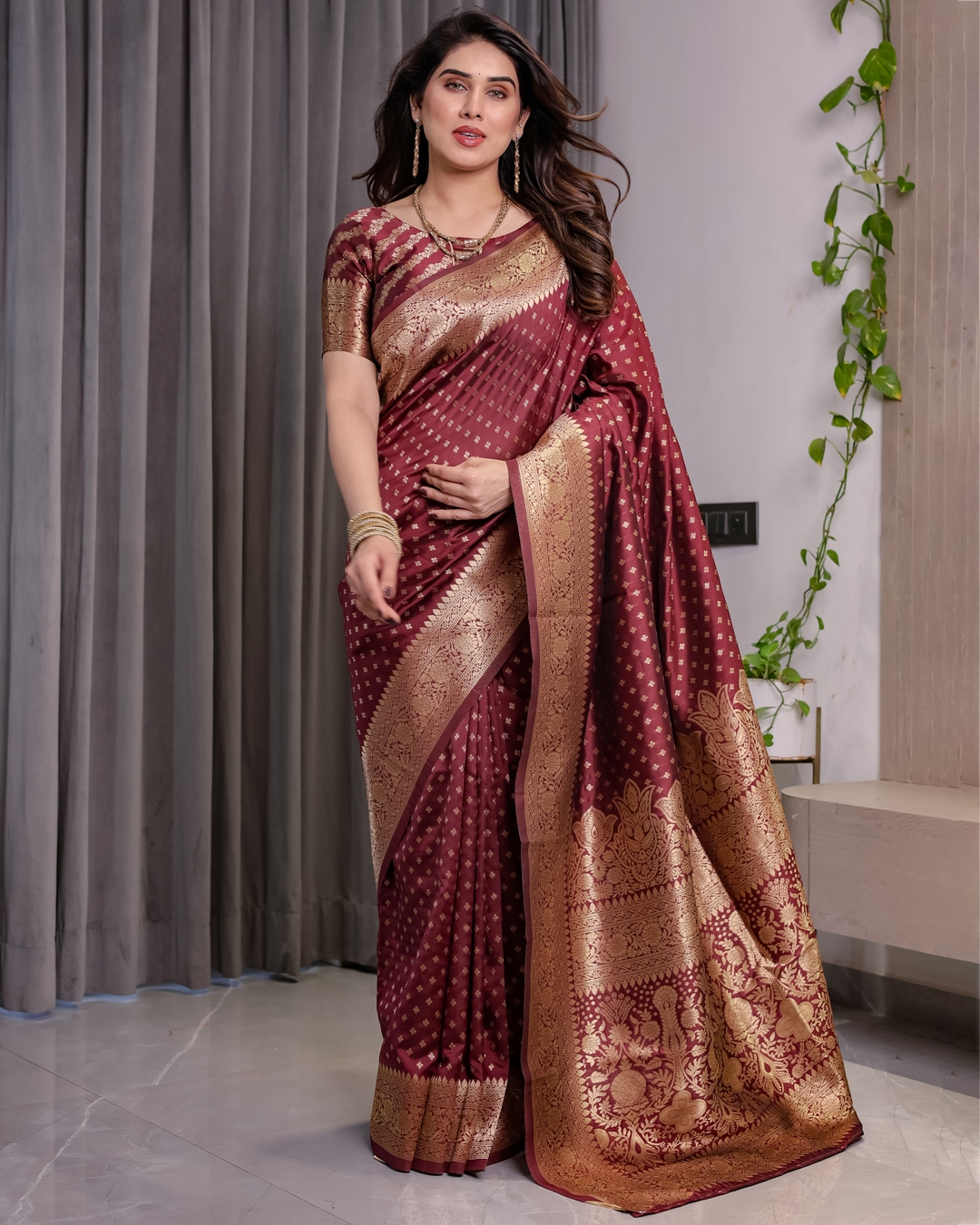
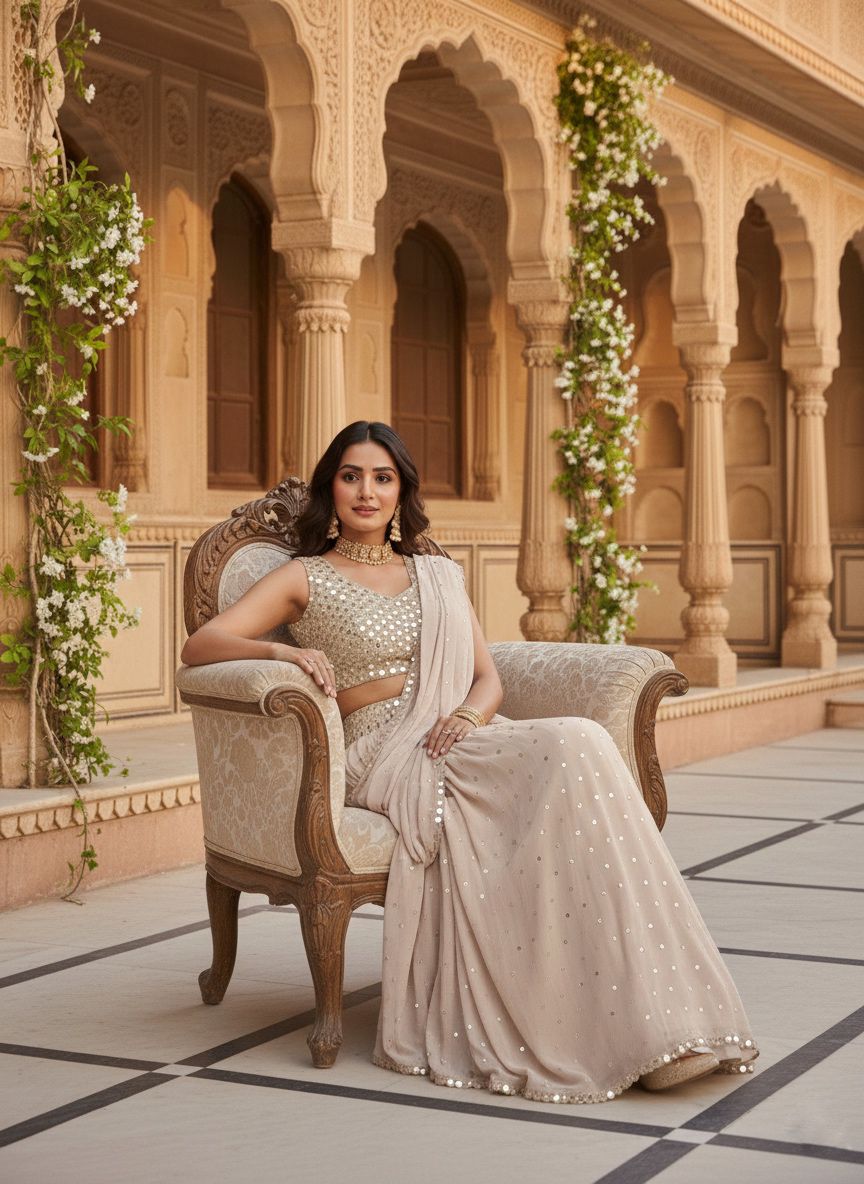
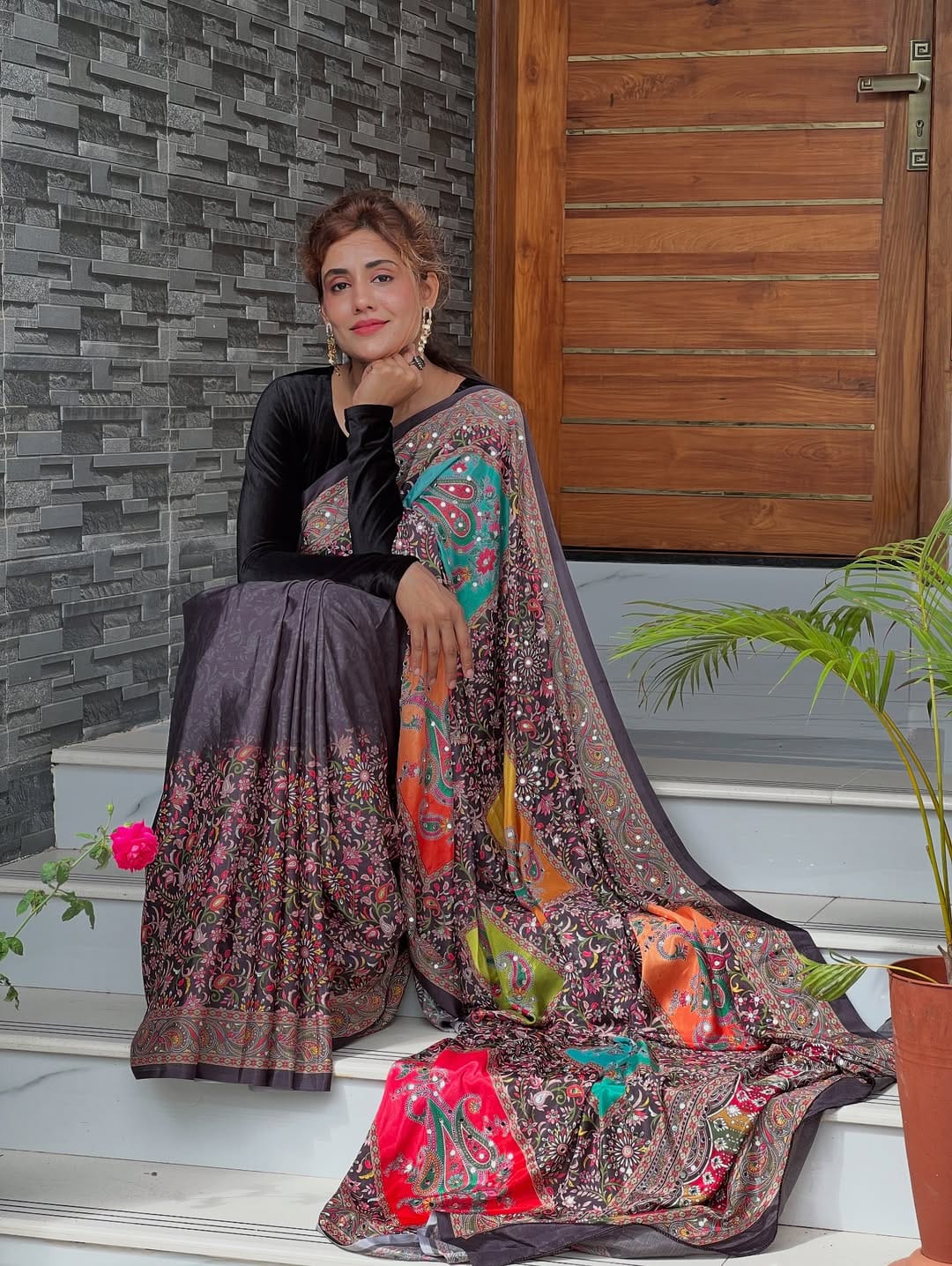
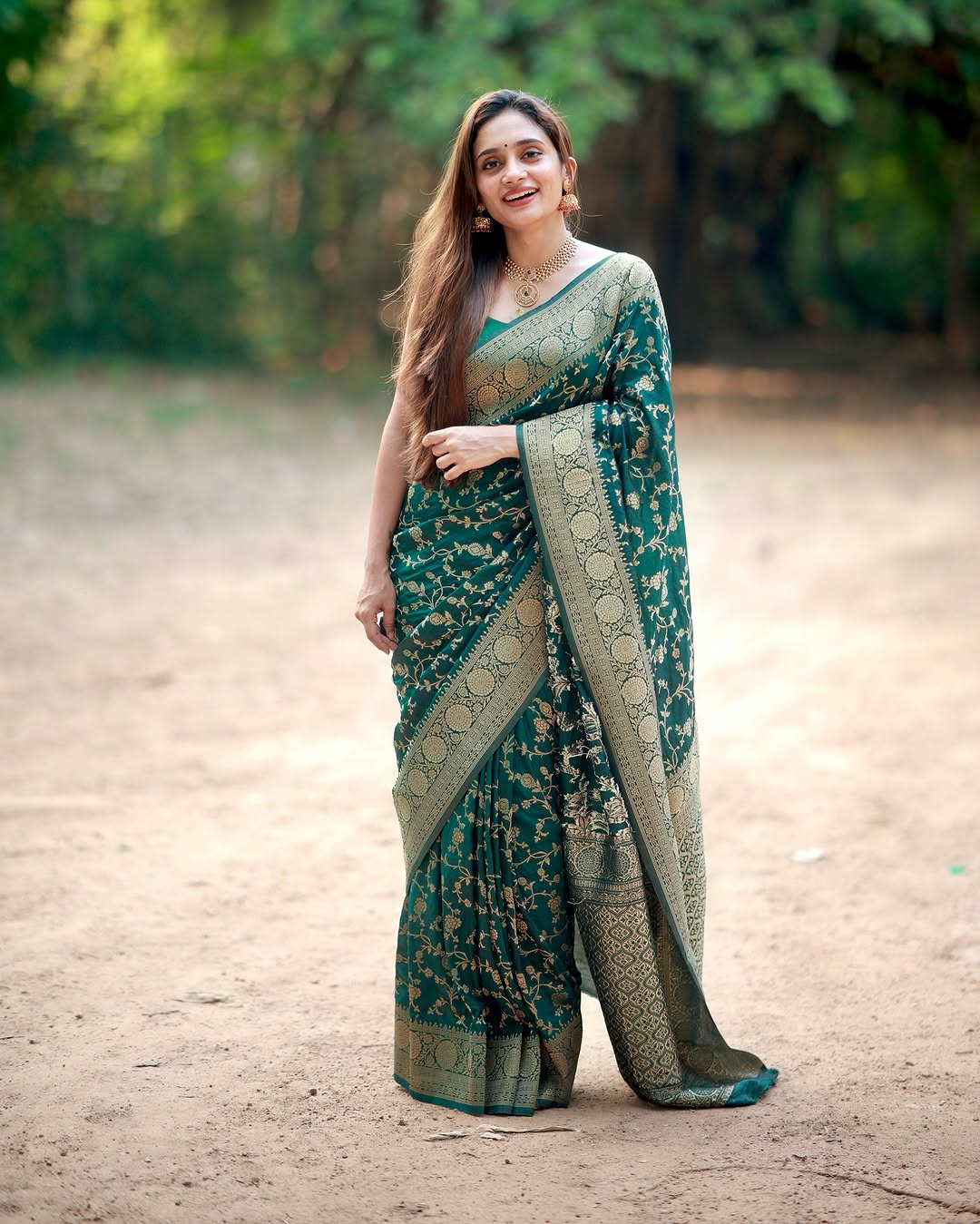
Sarees usually work well with a low block heel, a cushioned sandal or a structured jutti with a secure back. The footwear should be chosen after deciding the saree drape because a higher sole can alter the fall of the pleats and pallu.
A heavy Banarasi silk saree or zari-rich drape may benefit from a stable heel of approximately 1.5 to 2.5 inches, particularly when the wearer wants the hem to clear the floor. A flat shoe is equally practical when the saree is pre-stitched at a shorter length.
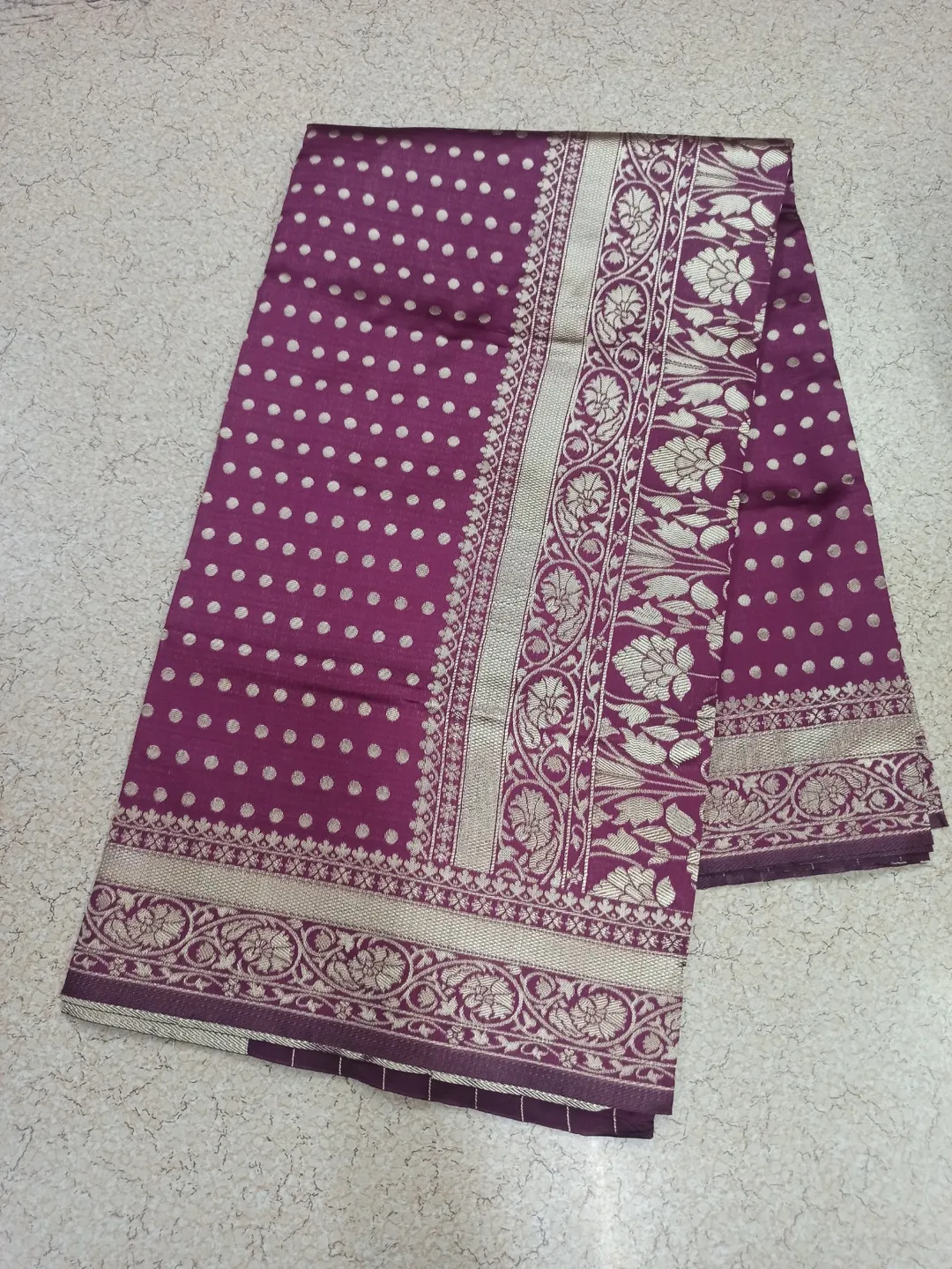
Maroon Cotton Saree with Zari Work for Wedding has a festive surface but a comparatively breathable cotton base, so a gold-toned cushioned sandal or maroon jutti can add polish without competing with the zari. Blue Zari Work Cotton Saree for Wedding pairs naturally with silver, pewter or deep blue footwear, provided the sole has enough grip for walking between functions.
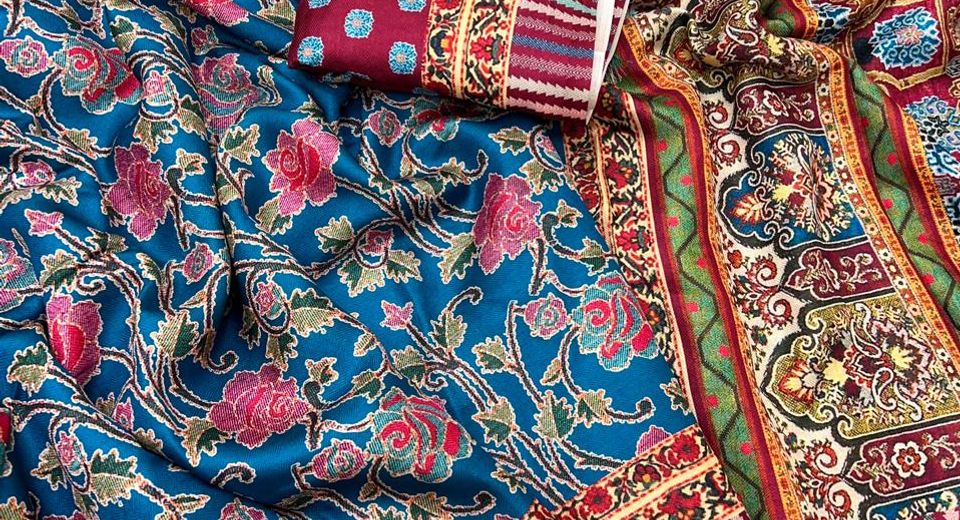
Classic Blue Pashmina Saree With Shawl For Weddings is visually substantial because the shawl adds warmth and volume around the upper body. A closed-toe jutti or low closed-back sandal can balance the winter styling, while a firm sole prevents the outfit from feeling cumbersome during long standing periods.
Kurta sets and straight silhouettes
Kurta sets offer more freedom because the hem generally doesn't wrap around the feet. Flat juttis, low wedges and cushioned sandals are practical choices for ceremonies that require frequent sitting and standing.
Elegant Beige Vichitra Silk Embroidered Kurta Set for Women can be styled with tan, champagne or antique-gold footwear. Neutral shades make dust less noticeable than very pale satin, while a broad front strap can reduce pressure on the toes.
Maroon Viscose Chanderi Silk Embroidered Kurta Set for Women works with maroon, bronze or muted gold footwear. Chanderi silk and embroidery already provide visual detail, so a comfortable shoe with restrained embellishment can create a more balanced outfit.
Sharara and plazo silhouettes
Sharara and plazo outfits need footwear that won't catch on a wide hem or disappear under excessive fabric. A low wedge, platform sandal or flat with a slightly raised sole can provide clearance while remaining steadier than a narrow stiletto.
Brown Chinon Silk Sharara Suit Set for Women can take bronze or brown sandals with a padded footbed. Red Embroidered Georgette Plazo Set for Women allows a red, gold or nude shoe, but a slippery satin upper may be less practical if the wearer expects extensive dancing.
Cream Floral Pashmina Saree With Shawl & Blouse Online benefits from a shoe that supports the soft, layered character of the outfit. A low heel or closed-toe neutral shoe brings warmth and stability without creating a sharp contrast with the cream palette.
Which Ethnic Footwear Styles Stay Comfortable for Long Functions?
Low block heels, cushioned juttis, supportive kolhapuris and broad-strap sandals generally stay comfortable longer than thin stilettos or rigid, narrow slip-ons. The best style still depends on fit, materials and the amount of walking expected.
Juttis and mojaris
Juttis and mojaris are practical for long functions when the toe box is broad enough and the upper has softened before the wedding. Embroidery can create internal friction, so run a hand inside the shoe to check for rough threads, hard seams or exposed adhesive.
Leather and fabric uppers respond differently to use. Leather may soften gradually, while synthetic materials often stretch less and can retain pressure points. A cushioned insole and a thin moisture-wicking sock liner can improve comfort, provided the shoe doesn't become tight.
Kolhapuris and flat sandals
Kolhapuris and flat sandals suit warm-weather weddings because open construction improves ventilation. Broad straps distribute pressure better than narrow metallic bands, and an adjustable buckle is safer than a loose slip-on for active movement.
Flat footwear isn't automatically supportive. A completely thin sole can transmit impact from stone or tile floors, especially for people with sensitive heels. Look for a sole with some shock absorption and a footbed that doesn't collapse under body weight.
Block heels and wedges
Block heels and wedges provide more stability than stilettos because their larger base spreads weight over a wider area. A heel between 1.5 and 2.5 inches is often an useful compromise for a saree or long hem.
Wedges can feel secure on smooth floors but may be awkward on grass, stairs or uneven paving. A low block heel with a textured outsole may be the better choice for a venue that includes lawns, courtyards or cobbled walkways.
How to Break In Ethnic Footwear Without Damaging It
Break in wedding footwear through three to five short indoor sessions rather than one long wear. Start with 20 to 30 minutes on a clean floor, then increase the duration only when there's no rubbing, slipping or numbness.
Wear the same type of socks, tights or foot liners planned for the wedding. Thick socks can temporarily stretch some leather uppers, but they can also conceal a sizing problem. Never rely on painful footwear becoming comfortable after one full day.
For minor rubbing, use a transparent blister patch or a soft heel grip during a test session. Do not place adhesive directly over delicate embroidery, metallic thread or a fabric finish that may lift. A cobbler can sometimes add a thin non-slip sole or adjust a leather strap, but alterations are harder on heavily embellished footwear.
Keep a small emergency kit with blister plasters, moleskin, double-sided fashion tape, spare gel pads and a pair of foldable flats. The backup pair should be tested beforehand because an unfamiliar flat shoe can also rub or lack grip.
A Wedding-Day Checklist for Safer, More Comfortable Footwear
A wedding-day footwear checklist should confirm fit, weather, surface, outfit length and backup plans before leaving home. A few minutes of preparation can prevent discomfort from disrupting important rituals.
- Check the fit: Confirm that the heel doesn't lift excessively and that the toes are not touching the front.
- Check the sole: Test grip on a smooth floor and inspect for loose embellishment, cracks or peeling.
- Check the hem: Wear the actual saree, sharara or plazo length with the chosen footwear before the event.
- Check the venue: Ask whether the function includes grass, stairs, gravel, polished marble or long outdoor walks.
- Check the timing: Wear the footwear for at least 30 minutes at home before applying any protective pads.
- Pack a backup: Carry tested flats or low sandals that coordinate with the outfit and fit inside a tote.
Long weddings reward practical coordination. A shoe that supports the foot, grips the ground and suits the hemline allows the outfit to remain the focus without making comfort an afterthought.
How Should You Choose Ethnic Footwear for a Wedding?
Choose ethnic footwear for a wedding by matching the shoe to the venue, outfit length, expected walking time and your proven comfort level. Prioritise secure fit and grip before colour or embellishment.
For a six-hour indoor reception, a cushioned jutti or low block heel may be sufficient. For a wedding with a baraat, lawn ceremony and dancing, choose a breathable shoe with a stable sole, adjustable fastening and a tested backup pair.
Common Questions About Comfortable Footwear for Long Weddings
What is the most comfortable footwear for attending an Indian wedding?
Cushioned juttis, supportive kolhapuris, broad-strap sandals and low block heels are usually comfortable choices for Indian weddings. The correct option must also provide adequate toe space, heel security and grip for the venue.
Are juttis comfortable for long wedding functions?
Juttis can remain comfortable for long wedding functions when they have a broad enough toe box, a padded insole and a softened upper. Wear juttis for several short indoor sessions before the wedding and check for rough embroidery inside.
What heel height is best for a long wedding?
A stable heel between 1.5 and 2.5 inches is a practical range for many long wedding functions. A low block heel is generally steadier than a narrow stiletto, especially on stairs, lawns and polished floors.
How can I stop ethnic footwear from causing blisters?
Prevent blisters by breaking in the footwear gradually, checking for hard seams and using heel grips or blister patches at known friction points. Do not wait until the wedding day to test adhesive pads or gel inserts.
Should wedding footwear be bought before or after the saree?
Wedding footwear should be selected after the saree, sharara or plazo length is decided, then used during the final fitting. Heel height changes the hemline, pleat fall and the amount of fabric touching the floor.
How can I make flat ethnic footwear more supportive?
Choose flat ethnic footwear with a shock-absorbing sole, a stable footbed and secure straps rather than an extremely thin sole. A removable cushioned insole can help when the shoe has enough room and does not make the fit tight.


