

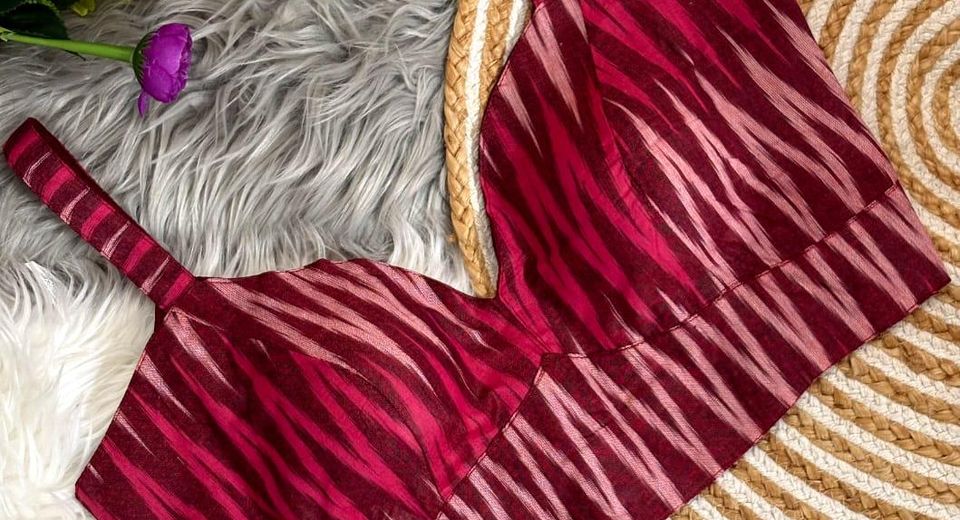
Choosing Padded vs Non-Padded Blouse for Comfort and Shape depends on more than bust support. The right decision also involves fabric, neckline, lining, shoulder width, movement, climate and the saree being worn. A padded blouse can create a smoother outline and reduce the need for a separate bra, while a non-padded blouse may feel lighter, cooler and more adaptable for long hours. Neither construction is automatically better; the useful question is which structure suits your body, outfit and day.
Choosing Padded vs Non-Padded Blouse for Comfort and Shape: What Does Padding Change?
Padding changes a blouse's internal structure by adding shaped foam or fabric cups between the outer material and lining. Padding can provide a defined silhouette, modesty and more consistent coverage under thin or draped sarees. Padding doesn't guarantee a better fit, because a cup can sit incorrectly when the blouse size, bust point or armhole is wrong.
Non-padded construction relies on the blouse fabric, lining, darts, princess seams or tailoring to create shape. A well-cut non-padded blouse can look polished without adding volume, especially when the material has enough body. Cotton, brocade and lined silk often hold their form through cut and stitching rather than foam.
Padding also affects how a blouse behaves during movement. A firmly attached cup can remain stable when the wearer raises an arm or adjusts the saree, whereas a loosely fitted non-padded front can crease or shift. A thick or rigid pad may feel warm and restrictive in humid weather.
Does padding increase bust size?
Padding can create a fuller visual outline, but it doesn't always increase the wearer's actual bust measurement. Thin, moulded cups usually smooth the profile; thicker push-up cups add more projection. A padded blouse with a high neckline can look more structured, while a lightly padded sleeveless blouse may provide shape without a dramatic change in volume.
The visual effect also depends on the blouse fabric and seam placement. Banarasi silk with zari can appear fuller because its woven surface catches light, even when the padding is minimal. Matte cotton generally gives a more restrained result. A professional tailor should check the cup edge, bust point and side seam rather than judging shape from the front alone.
Choosing Padded vs Non-Padded Blouse for Comfort and Shape: When Is Padding Practical?
A padded blouse is practical when you want steady coverage, a smooth front or a defined shape with fewer undergarment layers. Padded construction works especially well for sleeveless designs, fitted readymade blouses and outfits made from lighter sarees where bra lines may show.
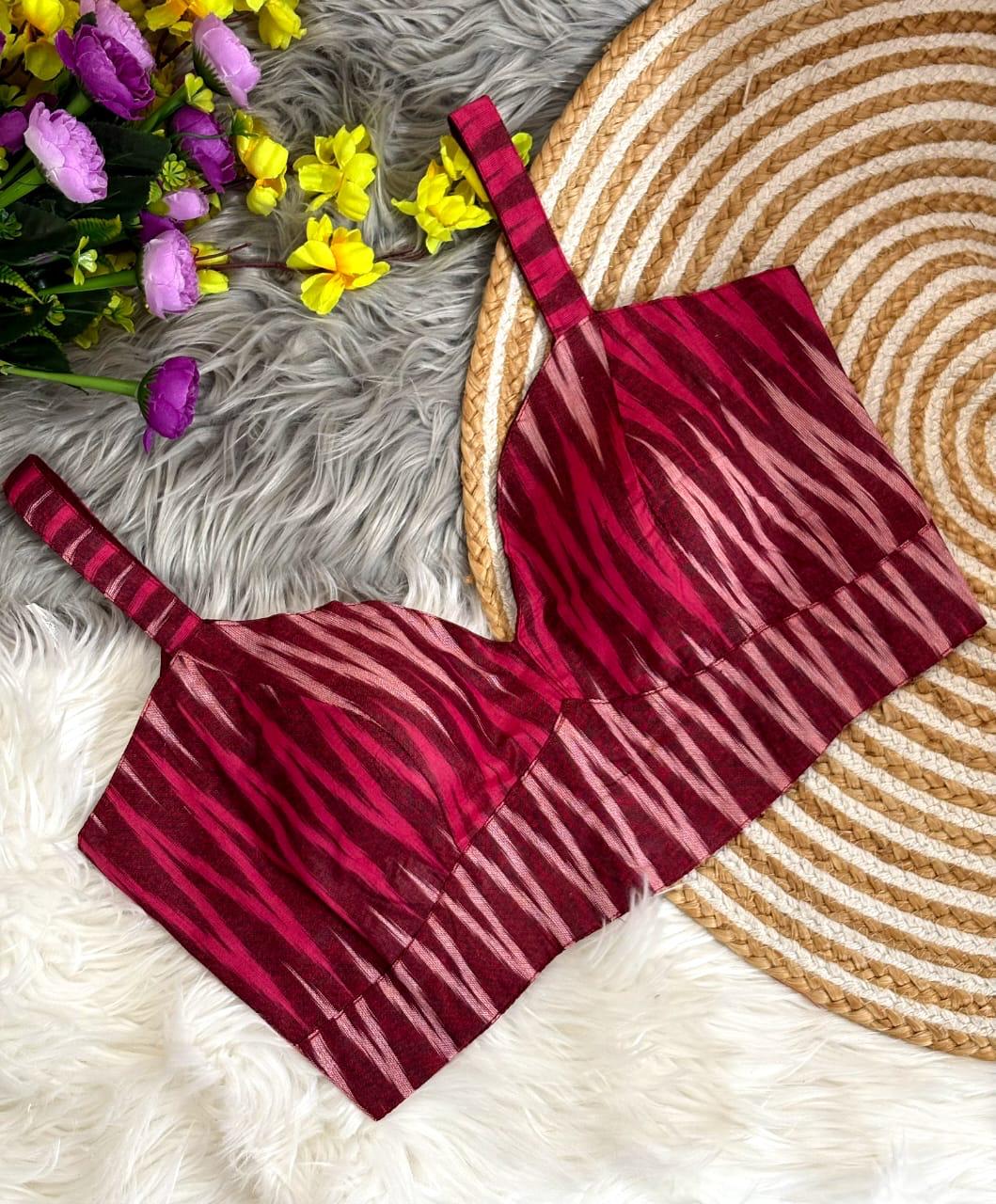
A padded design can be useful during a busy wedding schedule because the blouse needs fewer adjustments between photographs, sitting and dancing. Ikkat Cotton Padded Blouse for Women Sleeveless illustrates how a sleeveless cotton design can combine a clear outline with a breathable-looking outer fabric. Cotton doesn't eliminate heat, but it generally feels less heavy than a densely embellished synthetic layer.
A padded blouse also suits wearers who prefer not to use a separate bra with every saree. That choice remains personal: some people find integrated cups comfortable, while others prefer the control of a separate supportive bra. Brown Ikat Cotton Padded Blouse Sleeveless Stylish and Cream Ikat Cotton Padded Blouse Sleeveless Trendy show how neutral and earthy shades can make a padded blouse easier to repeat with different sarees.
Padding is particularly helpful under a translucent chiffon, organza or lightweight georgette saree because the blouse front is more visible. A matching or closely related pad colour can create a cleaner appearance. Very pale sarees may require attention to lining colour as well, since a strongly contrasting pad can show through even when the outer fabric looks opaque.
Which padded blouse details should you check before buying?
Check the cup thickness, cup placement, lining, armhole, shoulder width and closure before choosing a padded readymade blouse. The cup should sit under the fullest part of the bust without pressing into the side or cutting across the top edge.
- Cup thickness: Light padding is usually easier for everyday wear, while thicker cups create a more sculpted shape.
- Attachment: Stitched-in cups are less likely to shift than loose removable inserts, but they're harder to reposition.
- Armhole: A tight armhole can cause discomfort even when the bust fit looks correct.
- Back closure: Hooks, zips and adjustable features change how closely the blouse can be fitted.
- Lining: A smooth lining reduces friction and helps the outer fabric sit cleanly.
Choosing Padded vs Non-Padded Blouse for Comfort and Shape: When Does Non-Padded Feel Better?
A non-padded blouse often offers better comfort when you prefer a lightweight feel, natural movement and less warmth around the bust. Non-padded construction is also a sensible choice for relaxed cotton sarees, long daytime events and wearers who already prefer a supportive bra underneath.
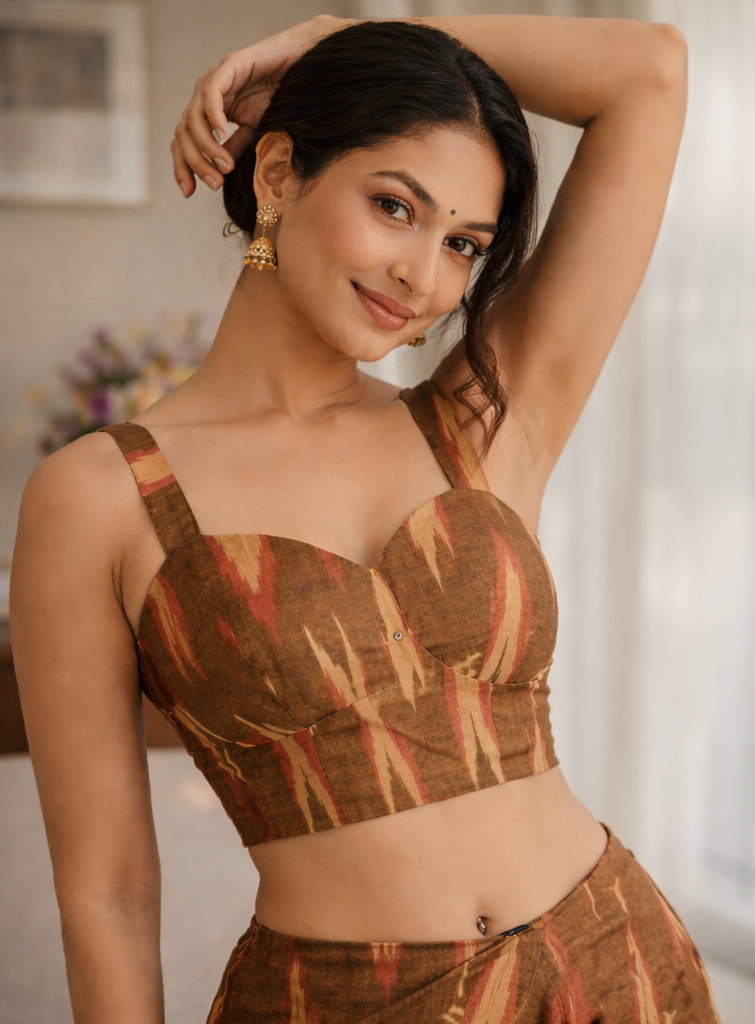
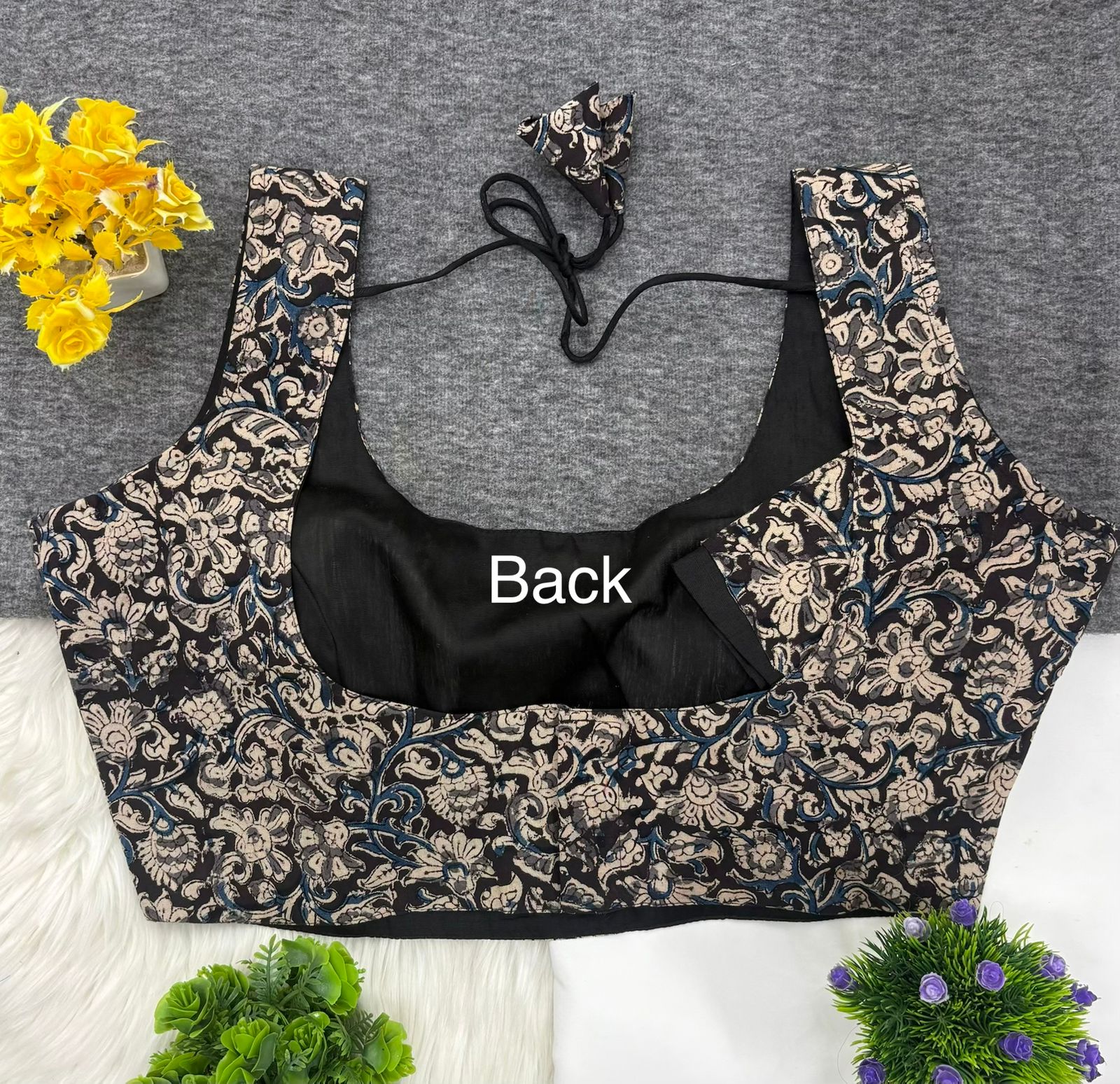
Pure Kalamkari Cotton Padded Blouse for Women demonstrates that a cotton blouse can still use padding when printed fabric and a traditional surface need a defined contemporary shape. For someone seeking the same breathable visual language without integrated cups, a lined non-padded cotton blouse may feel less layered. The decision should be based on construction rather than the word cotton alone, because lining thickness and seam finish affect comfort substantially.
Non-padded blouses can be more forgiving when the wearer's bust shape doesn't match a standard moulded cup. Tailored darts can be adjusted, while a fixed cup has a predetermined curve. This matters when one side is slightly fuller than the other or when the wearer prefers a natural, less rounded outline.
A non-padded blouse may be preferable for classic silk sarees where the saree itself supplies visual weight. Kanjeevaram silk, Banarasi silk and heavily woven brocade don't necessarily need a sculpted blouse front. A structured neckline, clean shoulder seam and suitable lining can provide enough definition without adding foam.
Can a non-padded blouse still provide support?
A non-padded blouse can provide useful support through correct measurements, firm lining, darts, wide shoulder straps and a secure closure. Support comes from the entire garment and the undergarment combination, not from padding alone.
For a non-padded design, measure the fullest bust, underbust, shoulder width and upper arm separately. A blouse that's tight only at the bust can pull across the front, while a blouse that's loose at the bust can create folds beneath the saree pleats. A tailor can improve comfort by adding princess seams or adjusting the bust dart without making the blouse visibly bulky.
Non-padded construction also works well with a V-neck or collar when the wearer wants a sharper line. Kalamkari Cotton V Neck Collar Blouse for Women is a useful example of how neckline design can define the upper body without relying on a moulded cup. V-necks visually lengthen the torso, while collars bring attention to the shoulder and neckline area.
Choosing Padded vs Non-Padded Blouse for Comfort and Shape: How Do Fabric and Occasion Matter?
Fabric and occasion should guide the choice because heat, weight, transparency and movement change how padding feels throughout the day. A blouse for a Haldi ceremony has different practical demands from a blouse worn for a short evening reception.
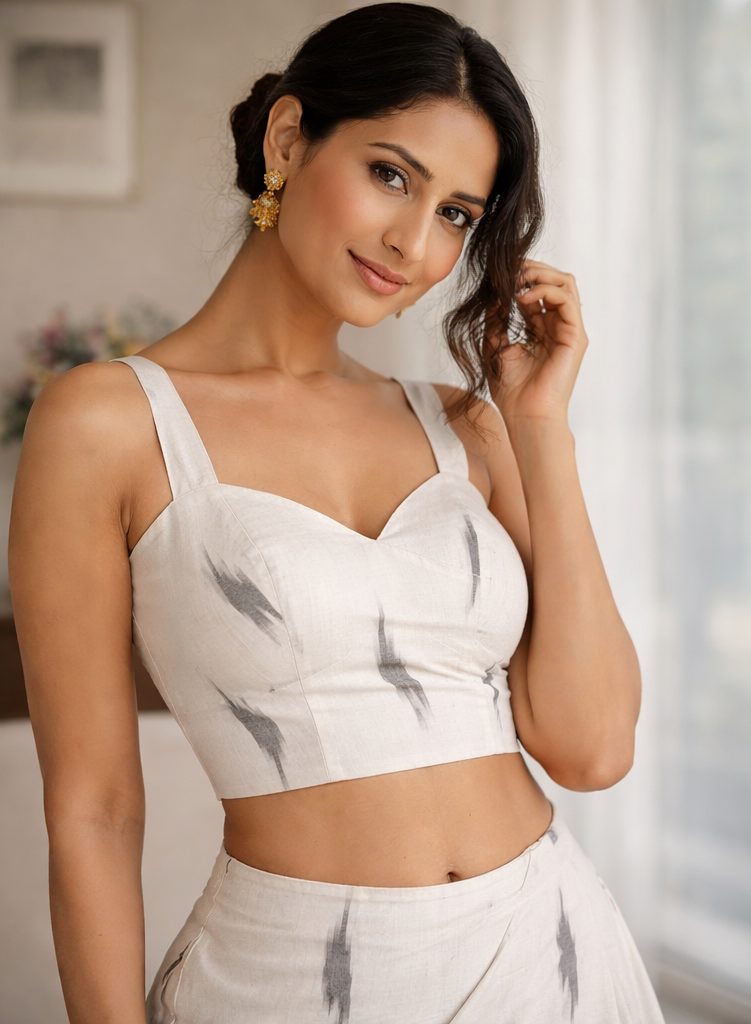
Cotton is usually suitable for daytime gatherings, travel and warm weather. But thick cotton with a heavy lining can still become uncomfortable. Kalamkari cotton and ikat cotton bring pattern and texture, so a simple neckline can prevent the outfit from appearing visually crowded. A padded cotton blouse may suit a fitted contemporary saree, while a non-padded cotton blouse can feel easier during extended wear.
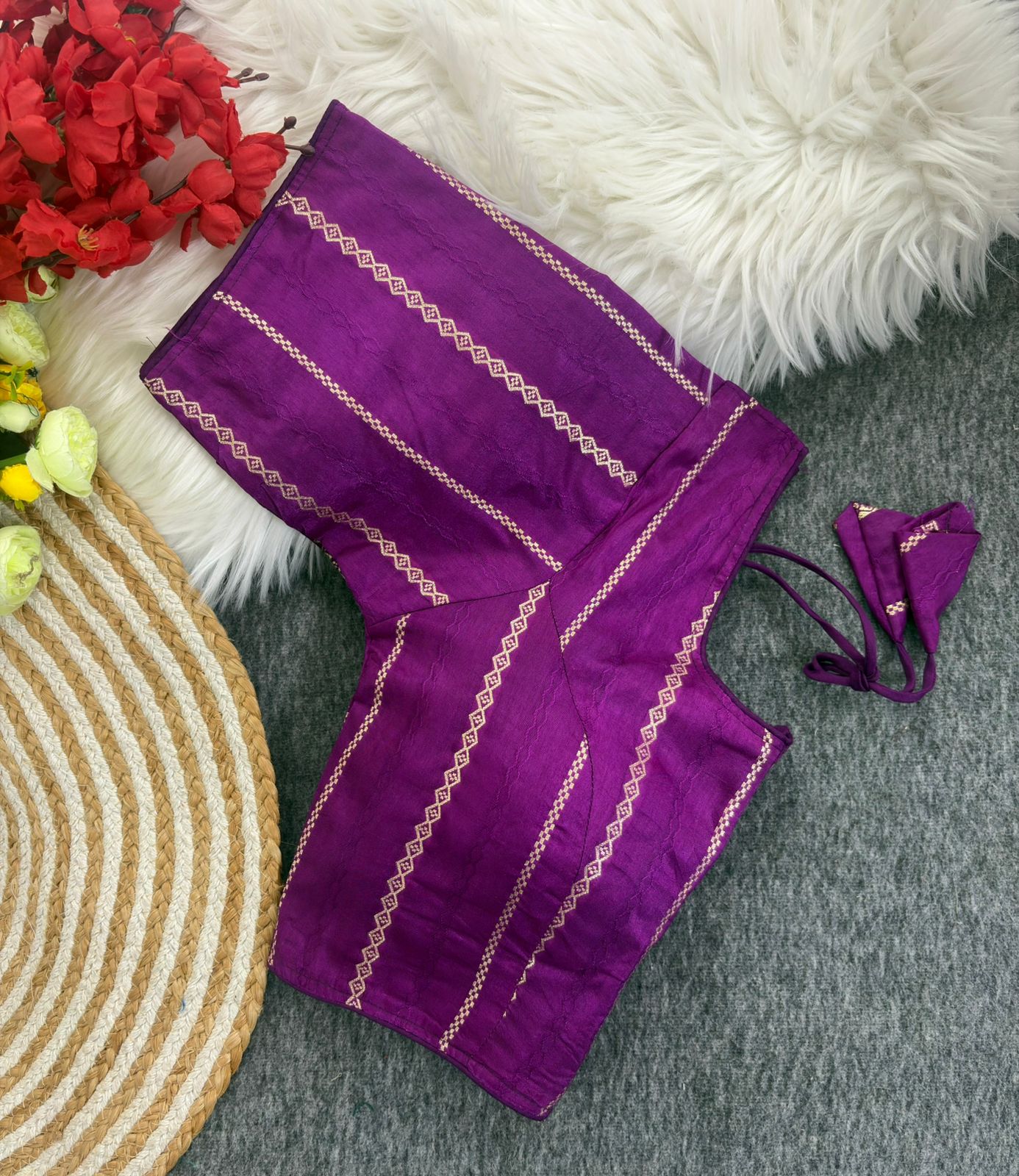
Silk and zari blouses often work for weddings, receptions and formal festivals because their surface has natural richness. Banarasi Silk Golden Jari Padded Blouse for Women uses padding as part of a dressier construction, where a stable outline can balance a richly woven saree. Zari reflects light, so check the blouse in both indoor and daylight conditions before deciding whether additional volume is desirable.
For a classic festive wardrobe, Classic Festive Wear Blouse for Stylish Saree Look can be assessed by its neckline, lining and closure rather than by embellishment alone. A festive blouse worn for four hours should allow comfortable sitting, arm movement and breathing. A beautiful finish can't compensate for shoulder pressure or a restrictive armhole.
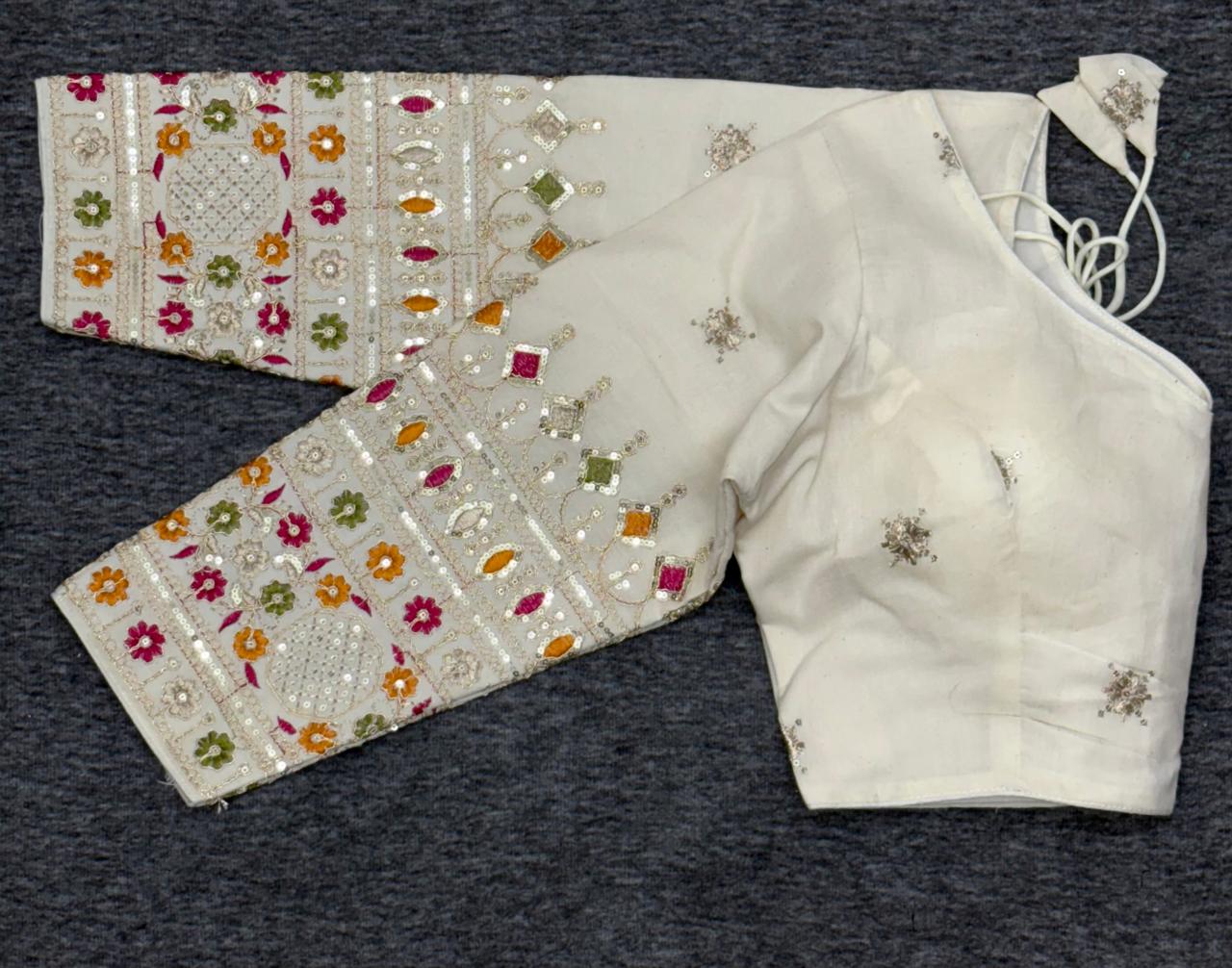
Evening designs may use silk blends, embellishment or decorative texture. Fendy Silk Zigzag Moti Work Readymade Blouse demonstrates why surface decoration should be considered alongside fit. Moti work adds visual detail. A non-padded or lightly padded inner structure can prevent the blouse from feeling unnecessarily rigid.
Choosing Padded vs Non-Padded Blouse for Comfort and Shape: How Should You Check Readymade Fit?
Choose a readymade blouse by comparing garment measurements with your body measurements, then check the bust, shoulder and armhole in that order. Do not select a size from bust measurement alone, because two garments with the same bust circumference can have very different shoulder and armhole proportions.
- Measure the body: Take the fullest bust measurement without pulling the tape tight, then record underbust, shoulder, armhole and upper-arm measurements.
- Compare the chart: Use the garment's finished measurements when available, allowing enough ease for breathing and sitting.
- Check the shoulder seam: The seam should sit close to the natural shoulder edge rather than falling down the arm.
- Inspect the bust line: Horizontal pulling, cup edges, deep folds or gaping indicate a fit problem.
- Test movement: Raise both arms, sit down and bring the arms forward. A suitable blouse should not dig into the underarm or pull sharply across the back.
- Assess the closure: Hooks, zips and tie-backs should close without forcing the fabric or creating a gap.
Readymade blouses are convenient, but standard sizing can't account for every bust, shoulder and torso proportion. Minor alterations are often possible at the side seams, shoulder or hook position. Altering a padded cup itself requires more care because moving the seam without moving the cup can create an uneven outline.
Designer readymade blouses frequently combine decorative surface work with fixed construction, so inspect the inside as carefully as the front. A smooth lining, covered seams and stable hooks are useful indicators for repeated wear. A lower price can become expensive if the blouse needs extensive alteration or can't be worn comfortably for more than an hour.
Choosing Padded vs Non-Padded Blouse for Comfort and Shape: Which Style Works With a Designer Saree?
A padded blouse generally suits a designer saree when the outfit calls for a smooth, sculpted silhouette, while a non-padded blouse suits a softer, more natural line. The saree's drape, transparency, border width and embellishment should determine the final balance.
A heavily embroidered saree usually benefits from a simpler blouse surface, whether padded or non-padded. A printed cotton saree can support a patterned blouse when the colours share one visual link. A silk saree with a broad border may look balanced with a structured neckline and moderate padding rather than a very deep or heavily decorated front.
Neckline also changes perceived shape. A sweetheart or square neck can emphasise the bust line, while a high neck gives more coverage and a formal finish. A V-neck can create length through the centre front, and a boat neck can broaden the visual shoulder line. Sleeveless cuts expose more of the armhole, making correct placement especially important.
Comfort should be judged across the entire wearing period rather than during a two-minute trial. Wear the blouse with the intended saree, sit for at least ten minutes, walk, lift the arms and check whether the pad or seam shifts. A blouse that looks excellent while standing still may feel unsuitable during a full wedding or family celebration.
Choosing Padded vs Non-Padded Blouse for Comfort and Shape: What Is the Final Decision?
Choose padding for smoother coverage, a defined silhouette and reduced dependence on a separate bra; choose non-padding for a lighter feel, natural shaping and easier tailoring. Both options can look elegant when the bust point, shoulder, armhole, lining and closure are correctly proportioned.
For hot daytime wear, start by comparing lined cotton options and consider whether integrated cups will add unnecessary warmth. For a formal silk or zari saree, decide whether the blouse needs a sculpted outline to balance the fabric's richness. For a long event, movement and pressure points matter more than a photograph taken from the front.
The most reliable purchase combines accurate measurements with a clear idea of the saree, venue and wearing time. A padded blouse isn't automatically more supportive, and a non-padded blouse isn't automatically less flattering. Construction quality, correct sizing and personal comfort determine whether the blouse will become a dependable part of the wardrobe.
Common Questions About Choosing a Padded or Non-Padded Saree Blouse
Is a padded blouse more comfortable than a non-padded blouse?
A padded blouse is more comfortable when you want stable coverage and a smooth outline without several undergarment layers. A non-padded blouse may feel cooler and lighter, especially for cotton sarees, humid weather and long daytime events.
Can I wear a padded blouse without a bra?
You can wear a padded blouse without a separate bra if the integrated cups, band and closure provide the coverage and support you personally need. Padding mainly shapes and covers the bust; it does not guarantee the same support as a structured bra.
Which blouse is better for a large bust, padded or non-padded?
Neither option is universally better for a large bust because support depends on measurements, lining, straps, seams and closure. A well-fitted non-padded blouse with firm lining may feel more flexible, while light padding can provide coverage and a smoother outline without adding excessive volume.
Are cotton padded blouses suitable for summer?
Cotton padded blouses can suit summer when the outer fabric, lining and pad are lightweight and breathable. Thick foam, dense lining and tight armholes can still feel hot, so check the complete construction rather than choosing by fabric name alone.
How do I choose a readymade blouse size?
Choose a readymade blouse size by comparing bust, underbust, shoulder and armhole measurements with the garment chart. Check movement after trying it on, because a blouse that fits the bust but restricts the shoulders or underarms needs alteration or a different size.
Does padding work with silk and designer sarees?
Padding works with silk and designer sarees when a smooth, defined silhouette balances the saree's weight, shine or embellishment. Lightly padded designs are often sufficient for Banarasi silk and zari, while a non-padded blouse can look better when the outfit calls for a softer, more natural shape.


