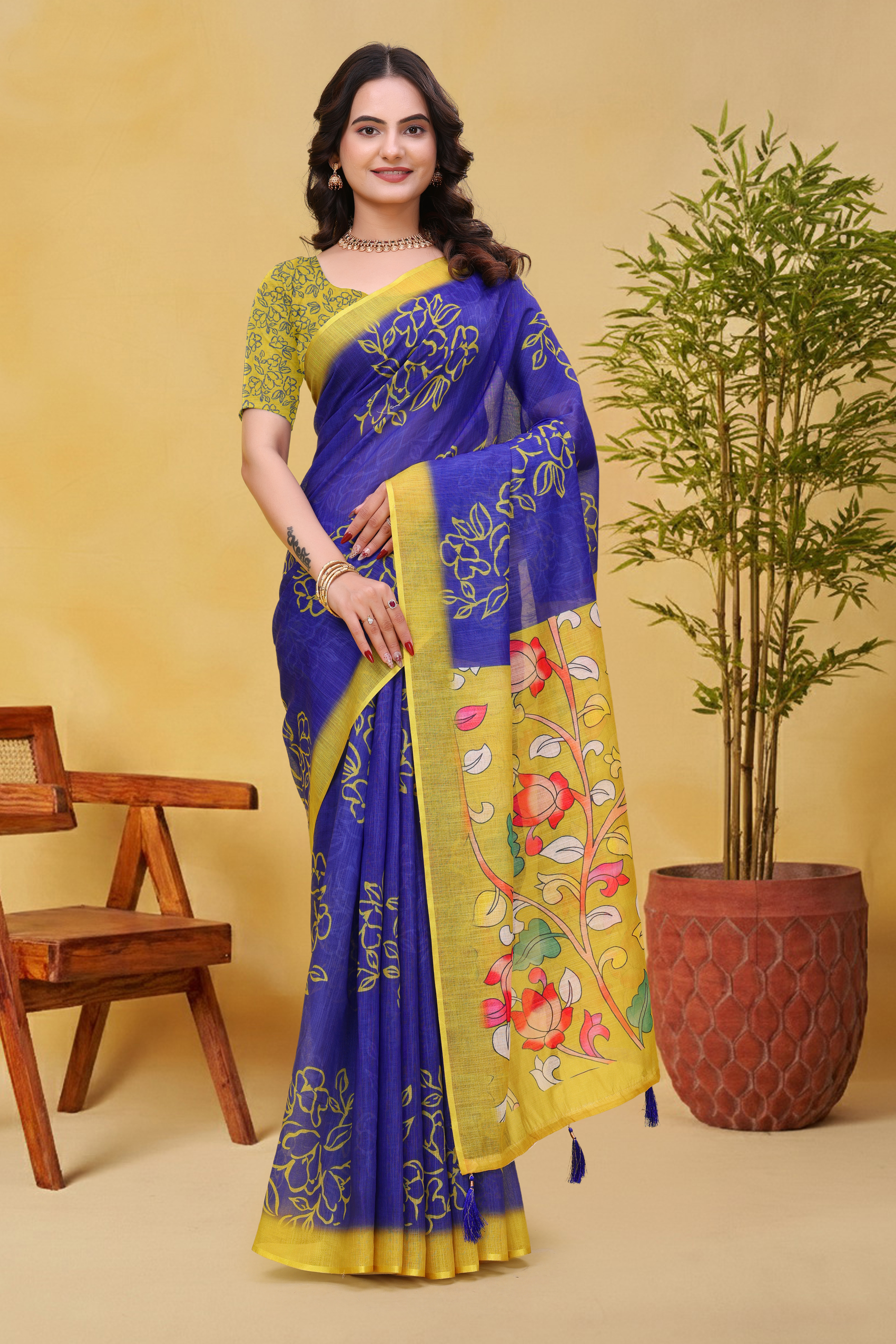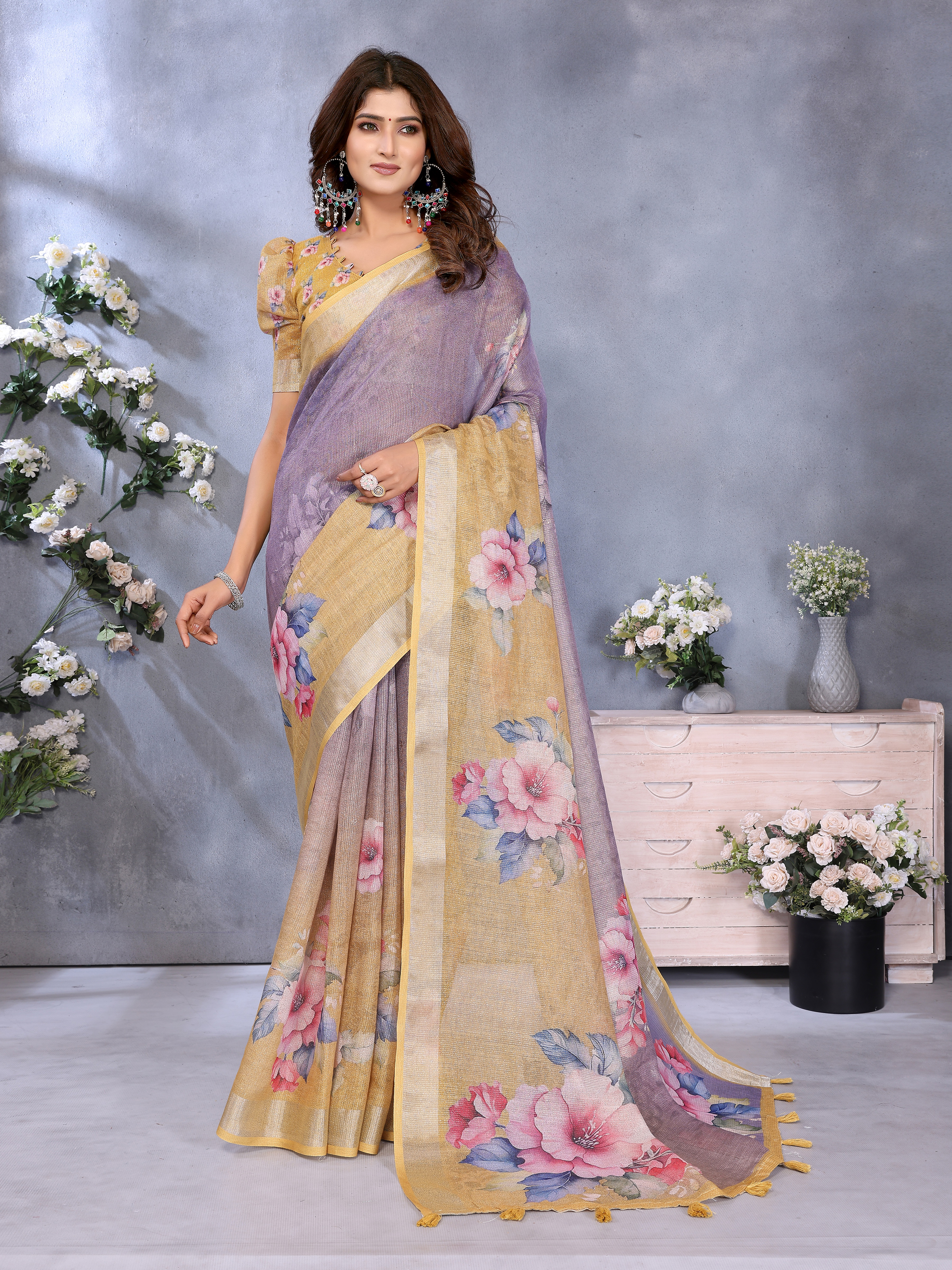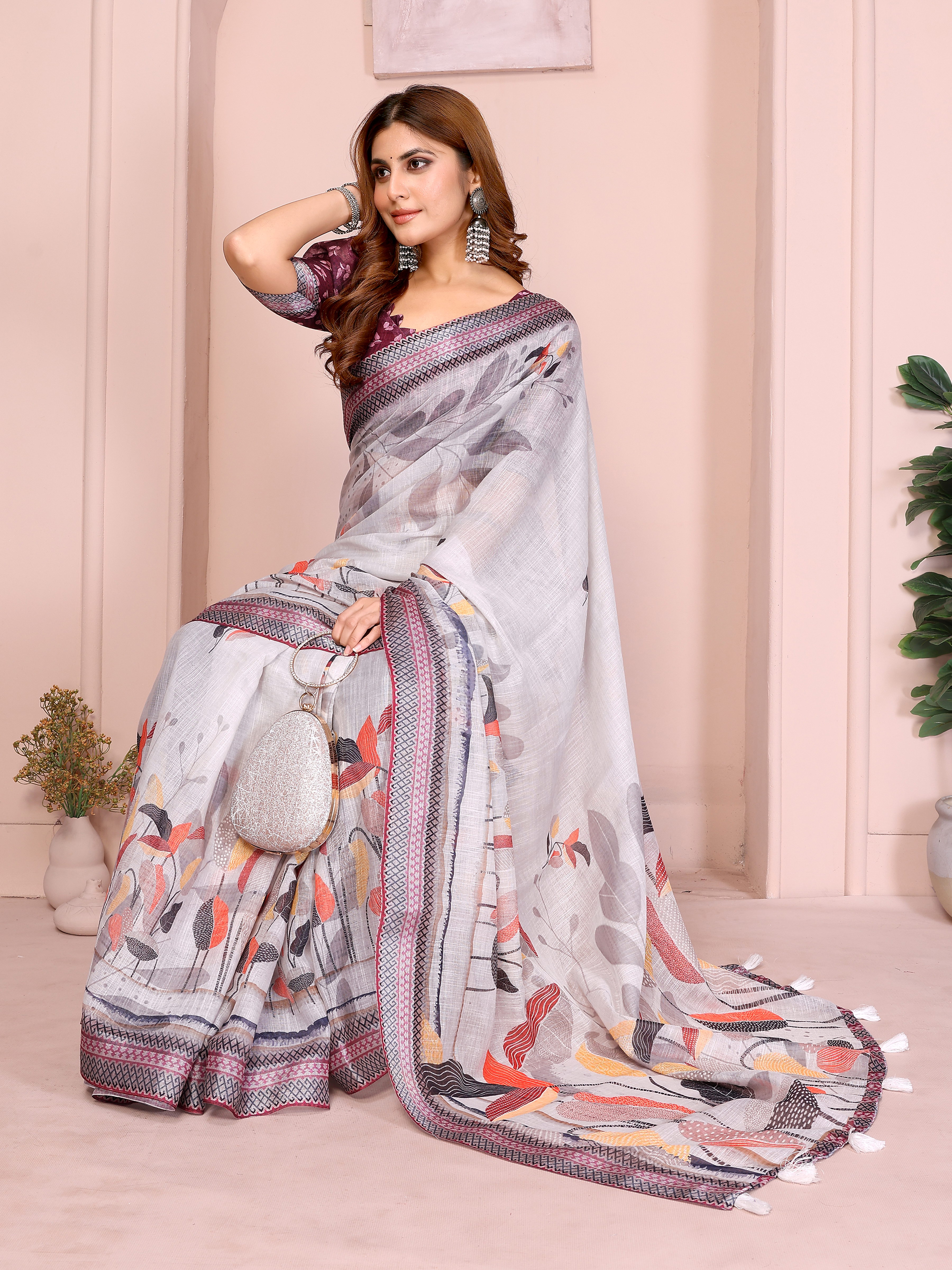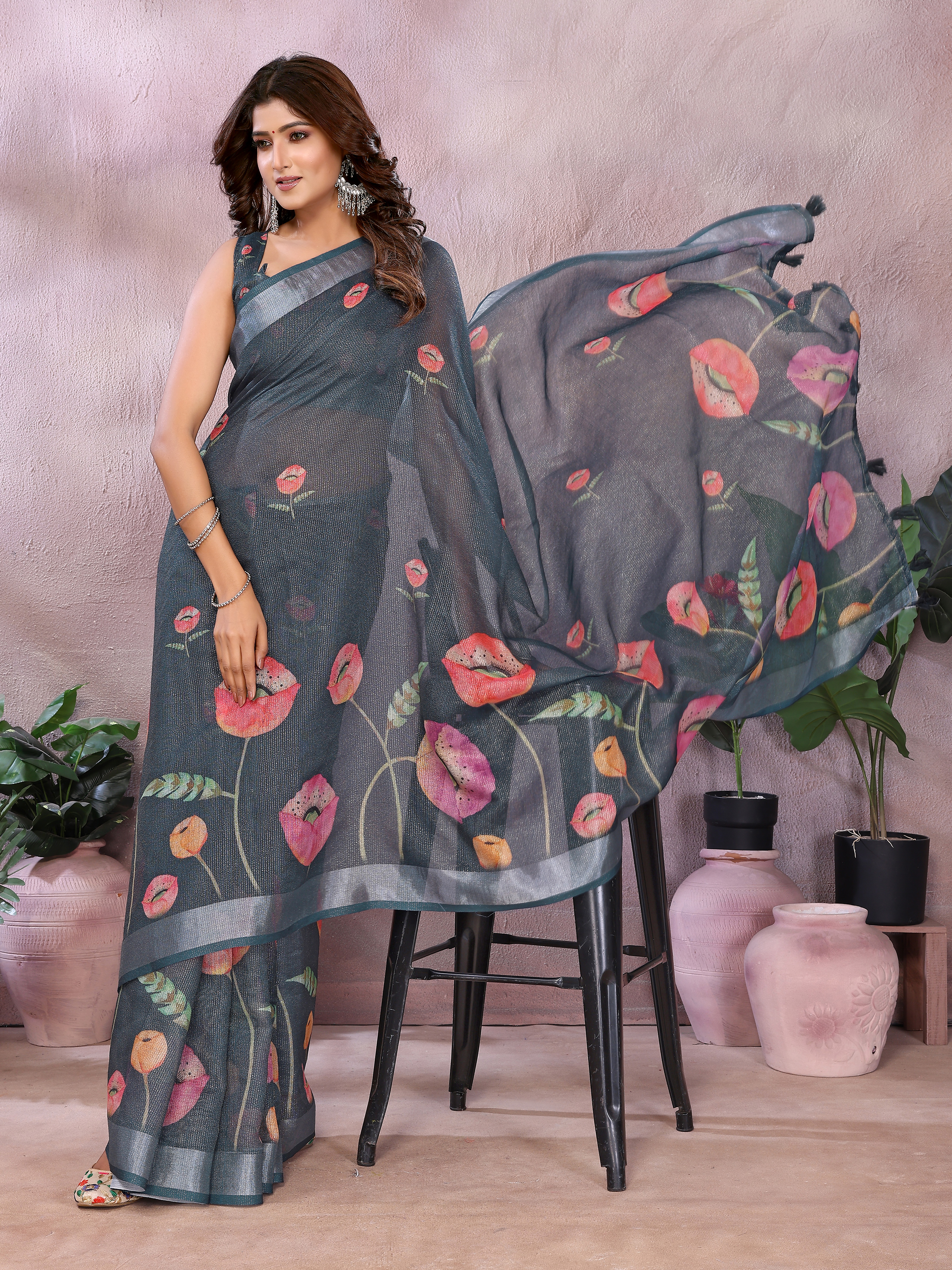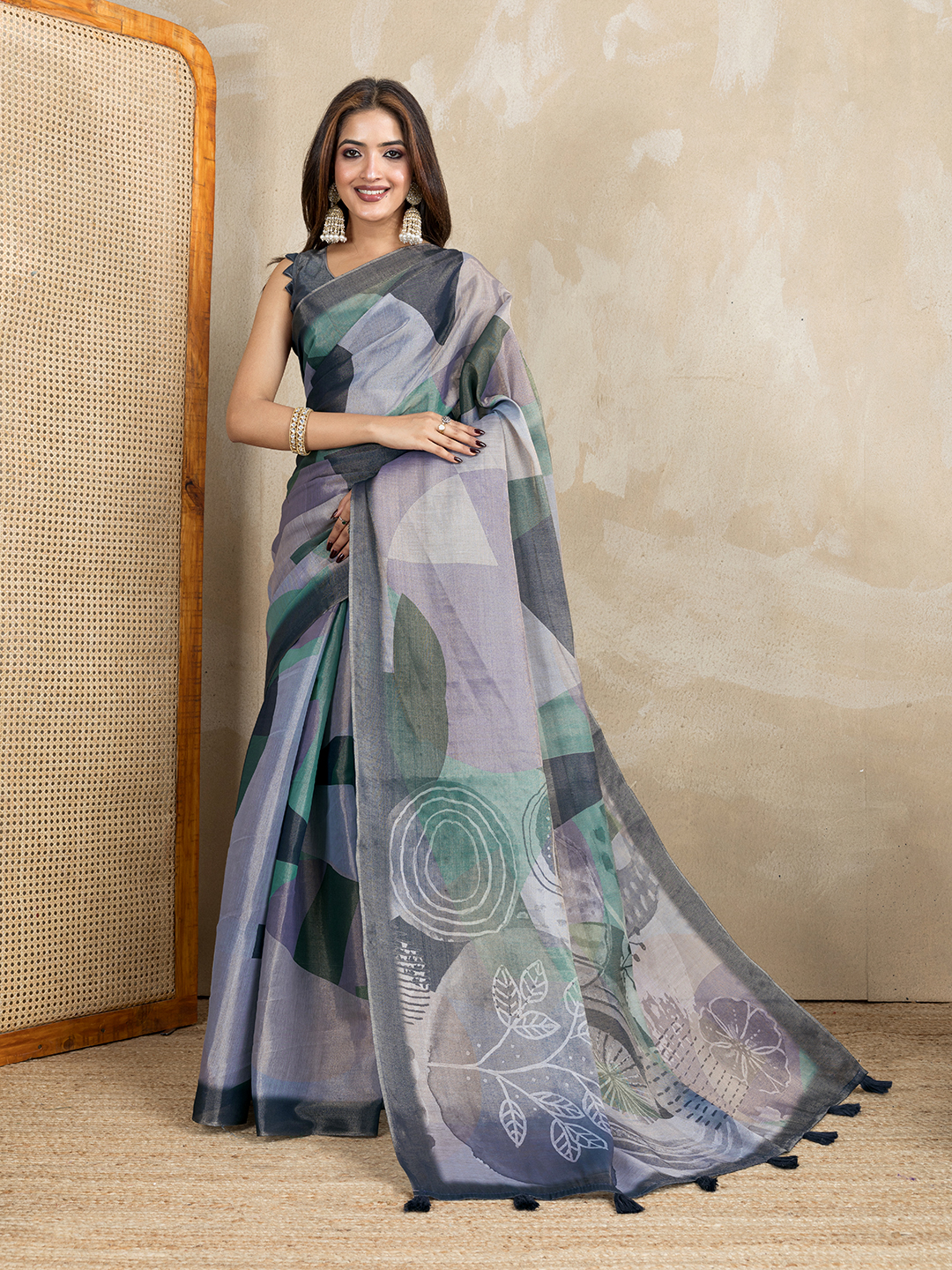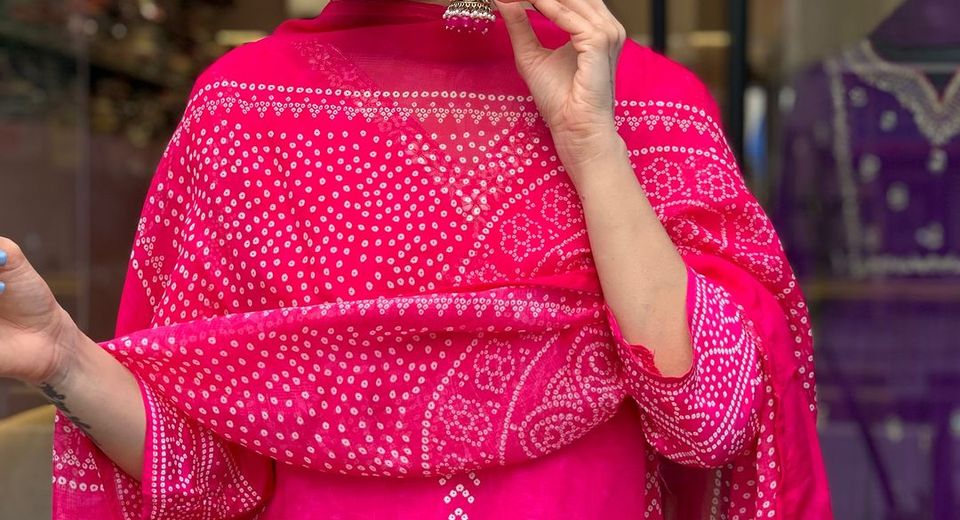
Choosing Kurtis When Your Bust and Hip Measurements Fall Into Different Sizes can feel confusing when an online size chart offers only one size label for the entire garment. The practical solution is to treat the bust and hip as separate fit decisions, then select a silhouette that gives the larger measurement enough room without making the smaller area look oversized. A well-fitting kurti should let you breathe, sit, lift your arms and walk without pulling at the seams.
Read finished garment measurements rather than choosing a familiar size letter alone. A medium in one collection may have a 38-inch finished bust, while another medium may measure 40 inches. The difference between your body measurement and the garment measurement is called ease, and ease determines whether a salwar suit feels comfortable during real movement.
Why Bust and Hip Measurements Often Fall Into Different Sizes
Bust and hip measurements commonly fall into different size categories because bodies don't follow one standard proportion. A woman with a fuller hip, smaller bust, defined waist or straighter torso may naturally need more room below the waist than above it.
Ready-to-wear kurtis are developed from a standard size block. Each larger size increases several measurements together, but those increases may not match every body shape. A kurti that fits the bust can therefore feel tight at the hip, while a kurti selected for the hip can look loose across the chest and shoulders.
Fabric and construction also affect the experience of fit. Firm Kanchi cotton jacquard has less give than a soft knit, while lining, dense embroidery and woven borders can make a garment feel more structured. A side slit can make a straight kurti easier to move in, but a closed hem needs sufficient hip ease for walking and sitting.
Body measurements and garment measurements are different
Body measurements record the circumference of your body, while garment measurements record the finished clothing. A kurti with a 38-inch finished bust isn't automatically designed for a 38-inch bust because zero ease would leave little room for movement.
For a woven cotton kurti, approximately 2 to 4 inches of bust ease is a useful starting range for a regular fit. A close-fitting style may use less, while a relaxed straight kurti may use more. Hip ease deserves equal attention because sitting and walking require movement across the seat and upper thighs.
How to Measure Yourself Before Buying a Kurti
Measure your bust, waist and fullest hip with a flexible tape while wearing the innerwear normally worn under a kurti. Keep the tape level, place one finger beneath it for comfort and record each measurement in inches or centimetres without pulling the tape tight.
- Bust: Measure around the fullest part of the chest, keeping the tape straight across the back.
- Waist: Measure the narrowest natural area, or measure the point where the kurti will sit if the design has a shaped waist.
- Full hip: Measure around the fullest part of the hips and seat, usually 7 to 9 inches below the natural waist.
- Shoulder and length: Check shoulder width and desired kurti length when those measurements are listed, because correct circumference can't compensate for a dropped shoulder or unsuitable hemline.
Compare your numbers with the seller's finished garment chart, not only a generic body-size chart. If the chart describes the body a garment is designed to fit, look for a separate finished-measurement table or ask for one. A chart that lists only "bust" without explaining whether the number refers to the body or garment can lead to an avoidable size mistake.
Measure a kurti that already fits you well for a second reference point. Lay the garment flat, measure from armpit to armpit and double that number for the bust. Repeat the process at the fullest hip area. Flat measurements are not identical to body measurements, but they reveal how much room you personally find comfortable.
Choosing Kurtis When Your Bust and Hip Measurements Fall Into Different Sizes
Choosing Kurtis When Your Bust and Hip Measurements Fall Into Different Sizes works best when you prioritise the area that's harder to alter. For most closed-front kurtis, the bust, armhole and upper arm should not feel tight, while extra width at the side seams can often be reduced by a tailor.
Use the following order when comparing a size chart:
- Check whether the bust measurement leaves room to breathe and move your arms.
- Check whether the hip measurement permits sitting without the side seams straining or the front hem riding up.
- Check shoulder width and armhole depth, which are difficult to improve substantially through alteration.
- Check the kurti length, especially when choosing a larger size that may also add length.
- Identify whether side seams, princess seams or panels make tailoring practical.
If your bust matches a medium but your hip matches a large, the large is usually safer for a straight, closed kurti. A tailor can often take in the side seams above the hip if sufficient seam allowance exists. If your bust matches a large but your hip matches a medium, a larger size may create excess fabric at the shoulders and armhole; a tailor may need to adjust side seams, darts or the upper panel rather than simply shortening the garment.
A three-piece salwar suit can provide additional flexibility because the kurti, bottom and dupatta perform different fit functions. The kurti needs the most careful measurement check, while the pant or palazzo should be assessed separately for waist, hip, thigh and rise comfort.
Which Kurti Silhouettes Handle a Size Difference Best?
Straight, A-line, panelled and empire-line kurtis can accommodate different bust and hip proportions, but each silhouette distributes extra fabric differently. The right choice depends on where you need room and whether you prefer the garment to skim or define the body.
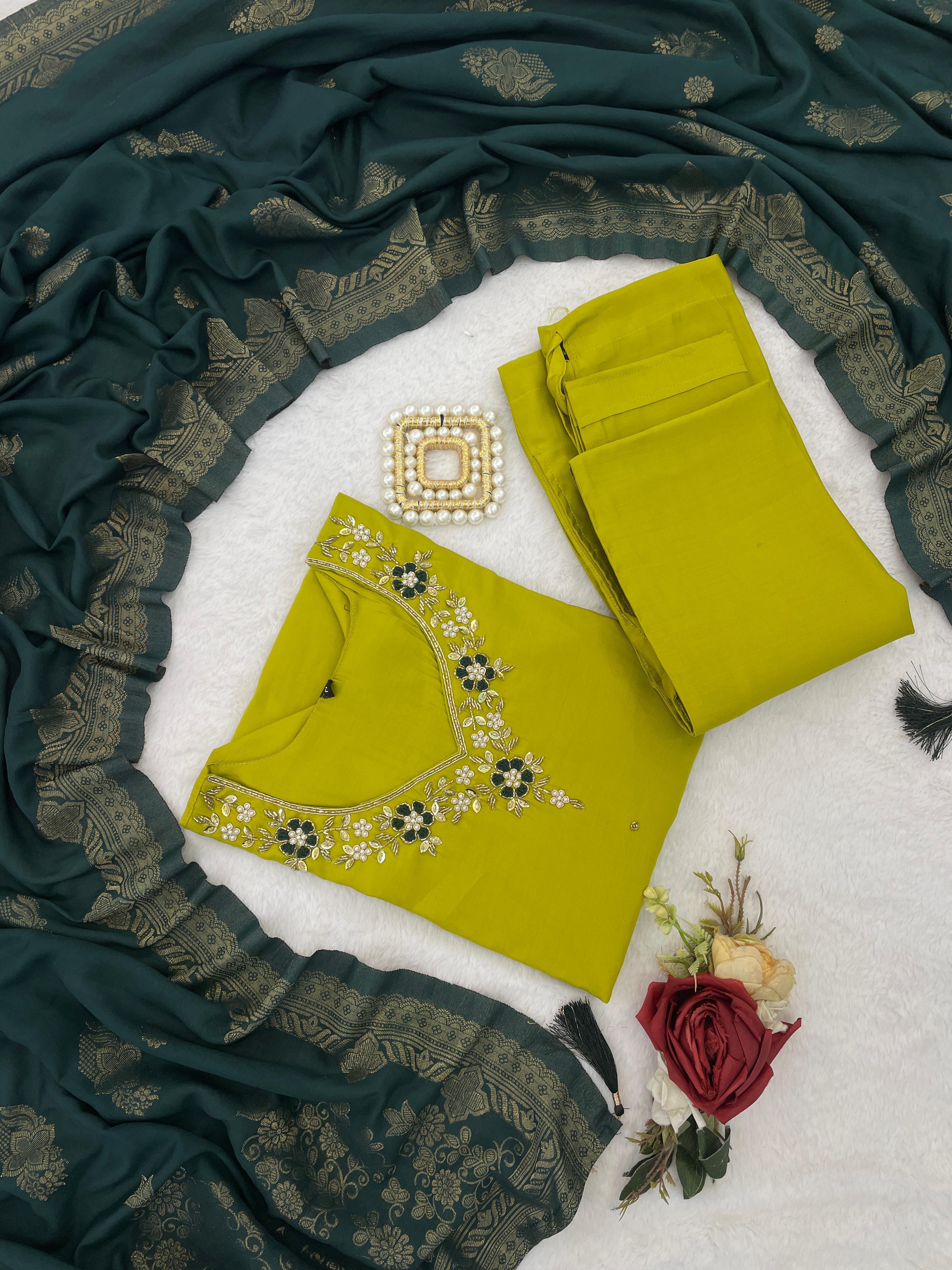
Straight kurtis
Straight kurtis work well when the bust and hip difference is moderate and the garment includes side slits. A straight kurti should usually provide around 3 to 5 inches of hip ease for comfortable movement in woven cotton, although personal preference and slit height change the ideal amount.
The Pink Embroidered Cotton Kurti Pant Dupatta Set is a useful example of why a complete outfit should be judged by the kurti's finished hip measurement, slit position and pant fit rather than by the chest measurement alone. A narrow hem ending at the widest part of the hip needs more room than a longer kurti with generous side slits.
A-line and panelled kurtis
A-line kurtis widen gradually from the bust or waist and are often forgiving when the hip requires a larger size. Panel construction can distribute volume smoothly, although dense embroidery or woven borders may make some panels difficult to take in.
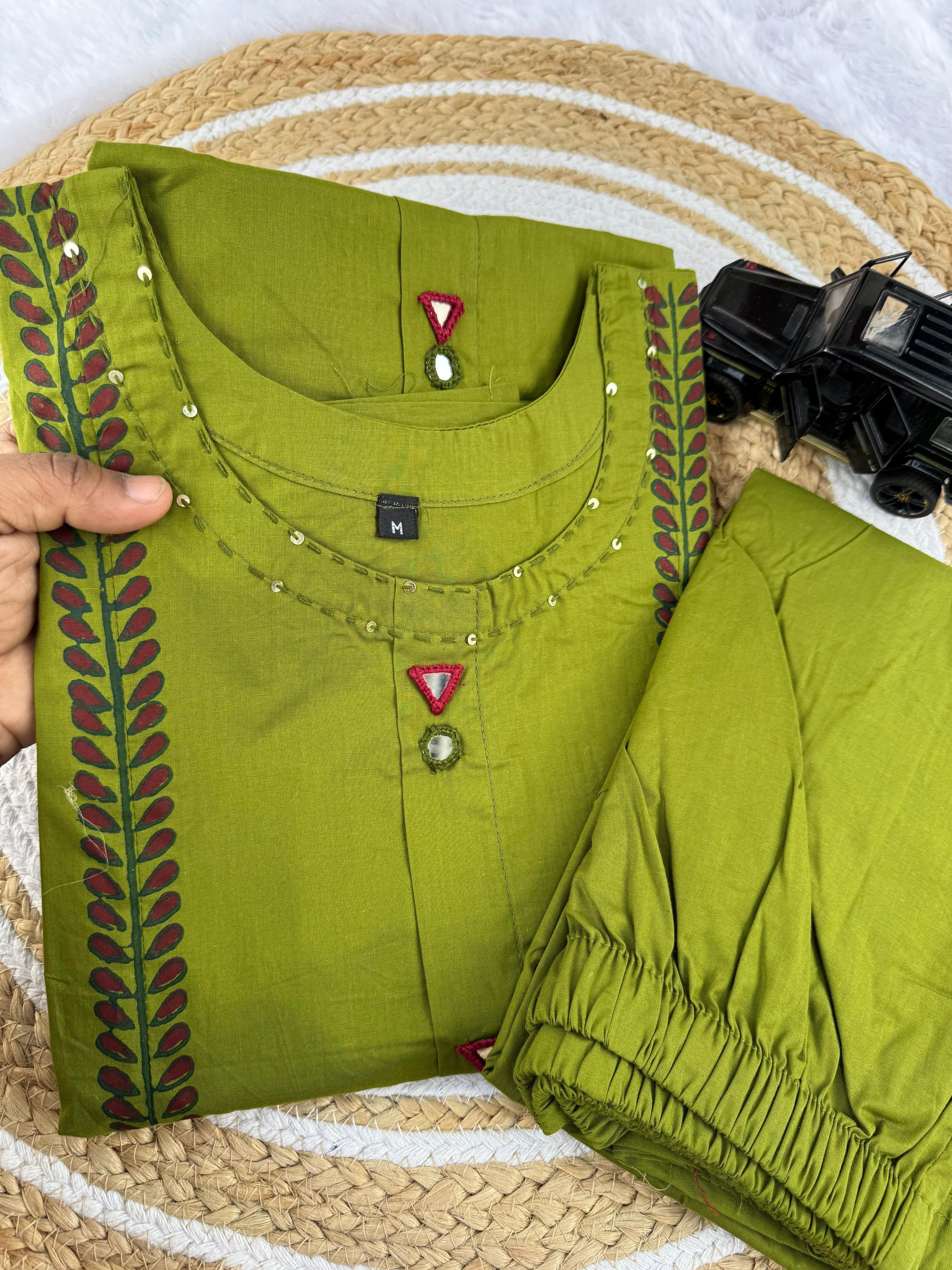
The Mustard Embroidered Kurti Pant Set for Women Festive shows why the full shape matters. Check whether the neckline and shoulders remain aligned when selecting a size for the hips, and check whether the flare creates enough movement without adding unnecessary volume around the bust.
Empire-line and fit-and-flare designs
Empire-line kurtis provide room below the bust, making them useful when the hip is fuller than the bust. The seam under the bust should sit in the correct position; if a larger size creates a loose upper panel, the style may need minor tailoring.
Fit-and-flare kurtis can be comfortable when the waist and hip require room, but the flare should begin at a balanced point rather than ending abruptly at the fullest hip. Longer vertical panels and uninterrupted borders can create visual balance without relying on a tight fit.
How Fabric, Weave and Detail Affect Kurti Fit
Fabric weight, stretch, surface texture and embellishment affect how much ease a kurti needs. Woven cotton generally has limited horizontal stretch, so the finished measurement matters more than the nominal size printed on the label.
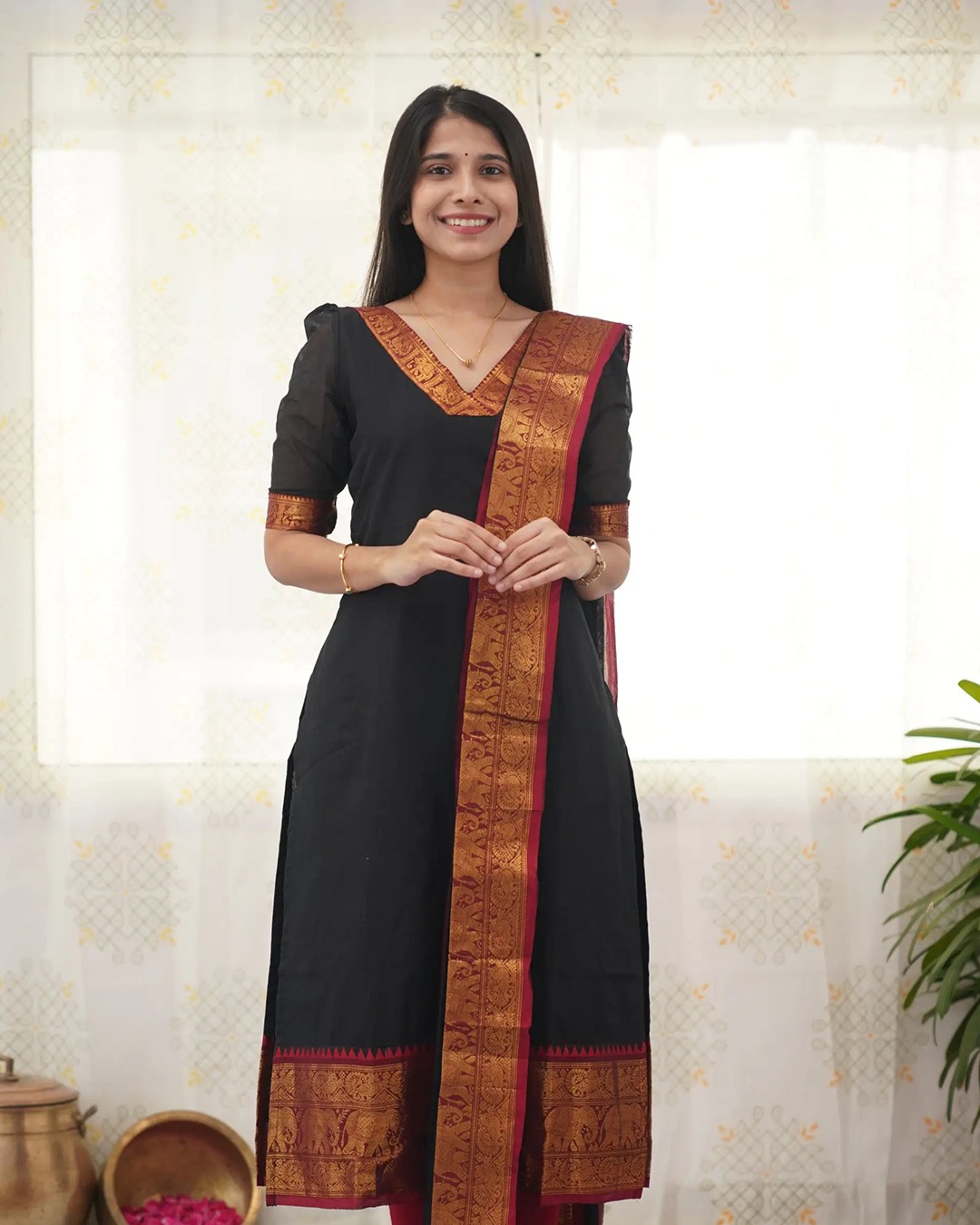
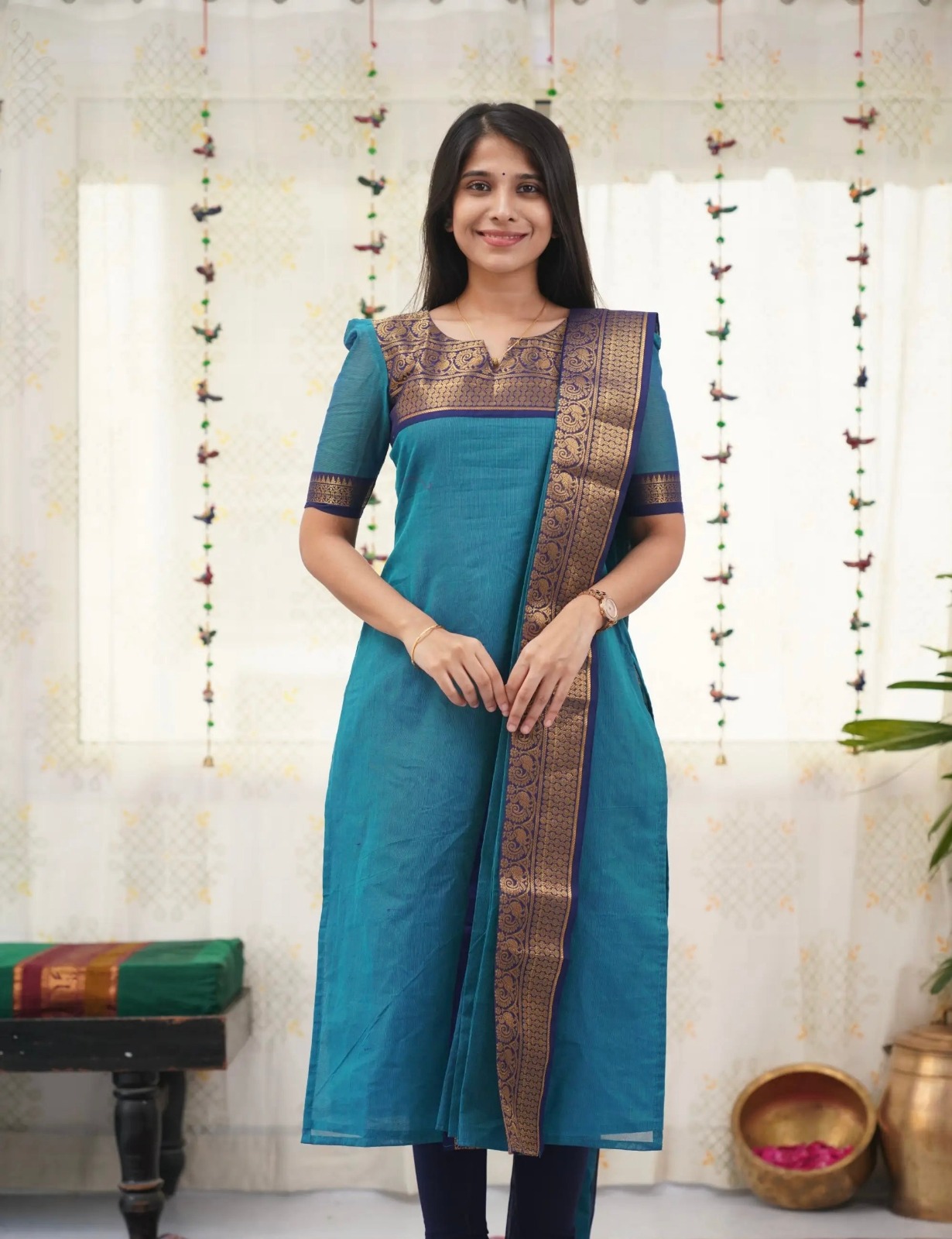
Kanchi cotton jacquard has a structured hand and visible woven pattern, so a close fit can feel restrictive even when the numerical measurement appears correct. The Kanchi Cotton Jacquard Kurti Dupatta Set and Black Kanchi Cotton Jacquard Kurti with Woven Dupatta Set should be evaluated for bust, hip and armhole room as complete woven outfits.
The Mustard Designer Kurti Dupatta Set with Rich Weaving demonstrates why surface detail should be assessed alongside silhouette. A garment with substantial weaving benefits from clean ease rather than being pulled tightly over the body, because strain can distort the motif and stress the seams.
The Blue Kanchi Cotton Jacquard Kurti Dupatta Set and Mustard Kanchi Cotton Kurti Set with Zari Dupatta also show why colour should not be the only buying consideration. Check weave density, lining, sleeve comfort, finished length and care instructions before deciding between two sizes.
Print scale and border placement can influence visual proportion, but visual balance can't replace physical comfort. A dupatta may soften the overall outline, yet it can't correct a tight armhole, pulling side seam or hem that rides up when you sit.
Regional textile-inspired collections also offer different visual and structural effects. Kalamkari Print Salwar Suits often use an expressive printed surface, Maharashtra Paithani Inspired Salwar Suits may emphasise rich traditional colour contrasts, and Gujarat Bandhej Salwar Suits can draw attention through dotted tie-dye patterning. In every case, the garment measurement remains more important than the print or colour when the body falls between sizes.
When Should You Size Up, Size Down or Alter a Kurti?
Size up when the smaller option pulls at the bust, armhole, hip or upper arm, and size down only when the larger option creates excess fabric in areas that a tailor can safely reduce. A tailor can usually remove width more easily than add width to a finished garment.
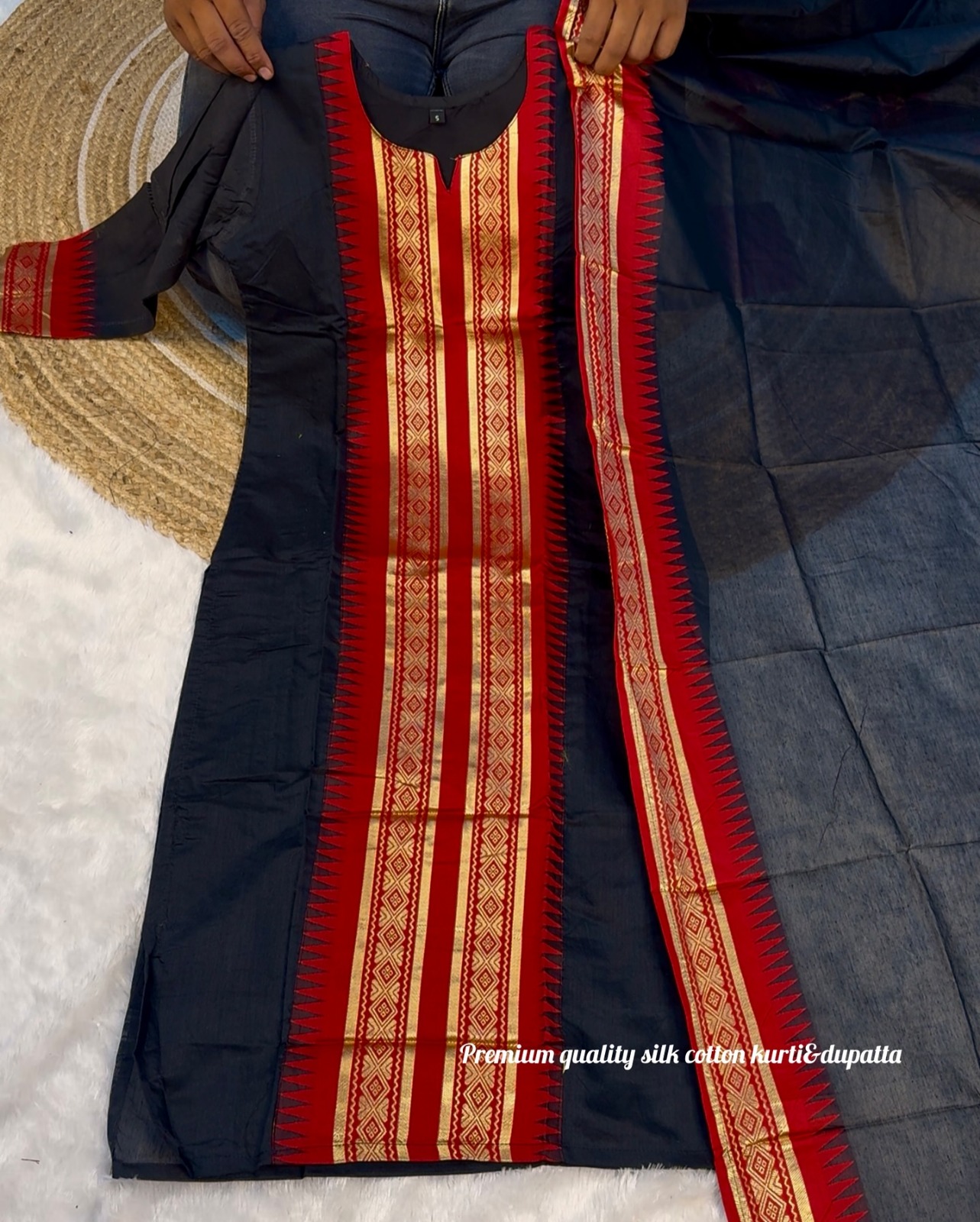
Choose the larger size when the fabric is non-stretch, the design has a closed front, the hip is the widest area or the kurti has little or no side slit. Choose the smaller size only when the bust, armhole and hip all have sufficient ease and the garment doesn't strain during sitting.
Simple alterations include taking in side seams, adjusting a loose waist, shortening sleeves and changing the kurti length. More complicated alterations include reshaping an armhole, moving a shoulder seam, altering a lined bodice or matching a continuous woven border. Ask a tailor to inspect seam allowance before cutting, especially on jacquard, zari or embroidered garments.
don't remove excess fabric from the side seam before checking the garment with the intended bottom. A kurti that appears roomy with leggings may look proportionate with a narrow pant, while a heavily reduced kurti may feel restrictive over a palazzo or salwar with a wider silhouette.
A Simple Fit Check for Online Salwar Suit Shopping
A five-minute comparison can reduce most size errors before placing an order. Write down your bust and hip measurements, identify the two corresponding size categories and compare the finished garment measurements for the exact style.
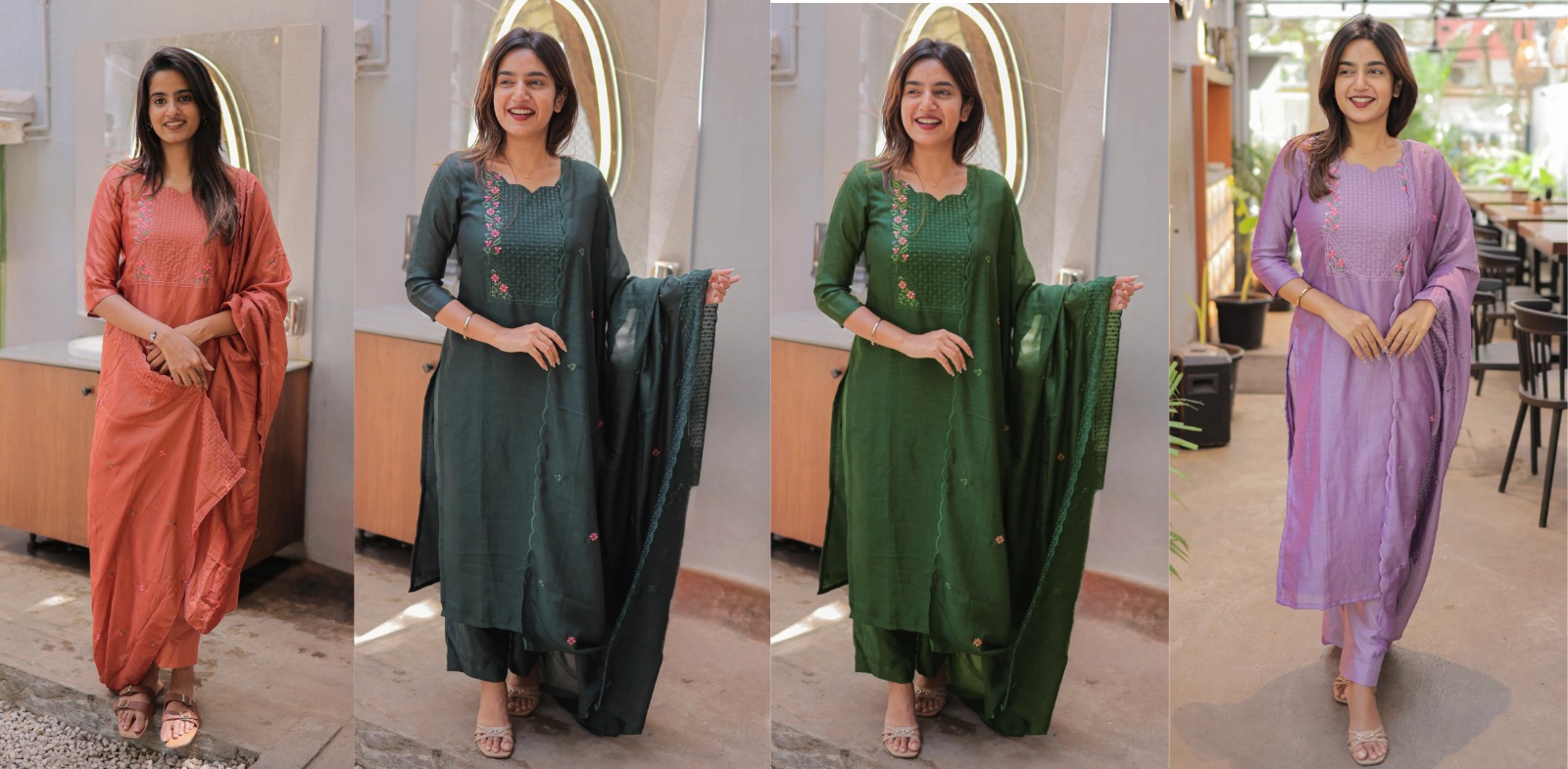
- Check the larger body measurement first: Confirm that the garment has enough room at the bust or hip, depending on which area needs more space.
- Check the shoulder: A shoulder seam should sit close to the natural shoulder edge rather than falling several centimetres down the arm.
- Check the armhole: Raise both arms and look for pulling across the chest or deep horizontal creases below the arm.
- Check the hip: Sit in the kurti and confirm that the side seams remain relaxed and the front hem doesn't lift sharply.
- Check the length: Confirm that the larger size won't become awkwardly long after accommodating the hip.
- Check the alteration potential: Look for side seams, panels and adequate seam allowance before planning any tailoring.
Keep the garment measurement chart and your own measurements together for future purchases. Over time, the record will reveal whether a particular collection runs narrow at the hip, generous at the bust or longer than expected. Such information is more useful than relying on a universal medium, large or extra-large label.
A suitable kurti should feel comfortable before styling begins. When the bust, shoulder, armhole and hip all permit normal movement, a dupatta can be draped freely, embroidery can lie flat and the salwar suit can look polished without constant adjustment.
Common Questions About Buying Kurtis Across Two Sizes
Should I choose a kurti size according to my bust or hip measurement?
Choose the size that accommodates the area that cannot comfortably be altered, usually the bust, armhole or fullest hip. For a straight closed kurti, sizing for the hip is often safer because side seams can frequently be taken in above the hip.
What should I do if my bust is one size and my hips are another?
Compare your measurements with the finished garment chart and select a silhouette with enough ease at both areas. An A-line, panelled or side-slit straight kurti can accommodate the difference more easily than a narrow closed-hem design.
How much extra room should a cotton kurti have?
A woven cotton kurti commonly needs about 2 to 4 inches of bust ease for a regular fit, with additional hip ease if the hem is narrow or closed. The ideal amount depends on the fabric structure, silhouette and how closely you prefer clothing to fit.
Can a tailor fix a kurti that is too large at the bust?
A tailor can often reduce excess width through the side seams, darts or panels when enough seam allowance is available. Shoulder and armhole alterations are more complex, so confirm those areas fit reasonably before buying a larger size for the hips.
Are A-line kurtis good for fuller hips?
A-line kurtis are often suitable for fuller hips because the shape widens gradually below the bust or waist. Check the bust, shoulder and under-bust seam carefully so the upper section does not become loose when the garment is selected for hip comfort.
Do jacquard and embroidered kurtis need more ease?
Structured Kanchi cotton jacquard and heavily embroidered kurtis usually need careful ease because the fabric has limited stretch and surface details can restrict movement. Check the finished bust, hip and armhole measurements rather than relying on the size label alone.