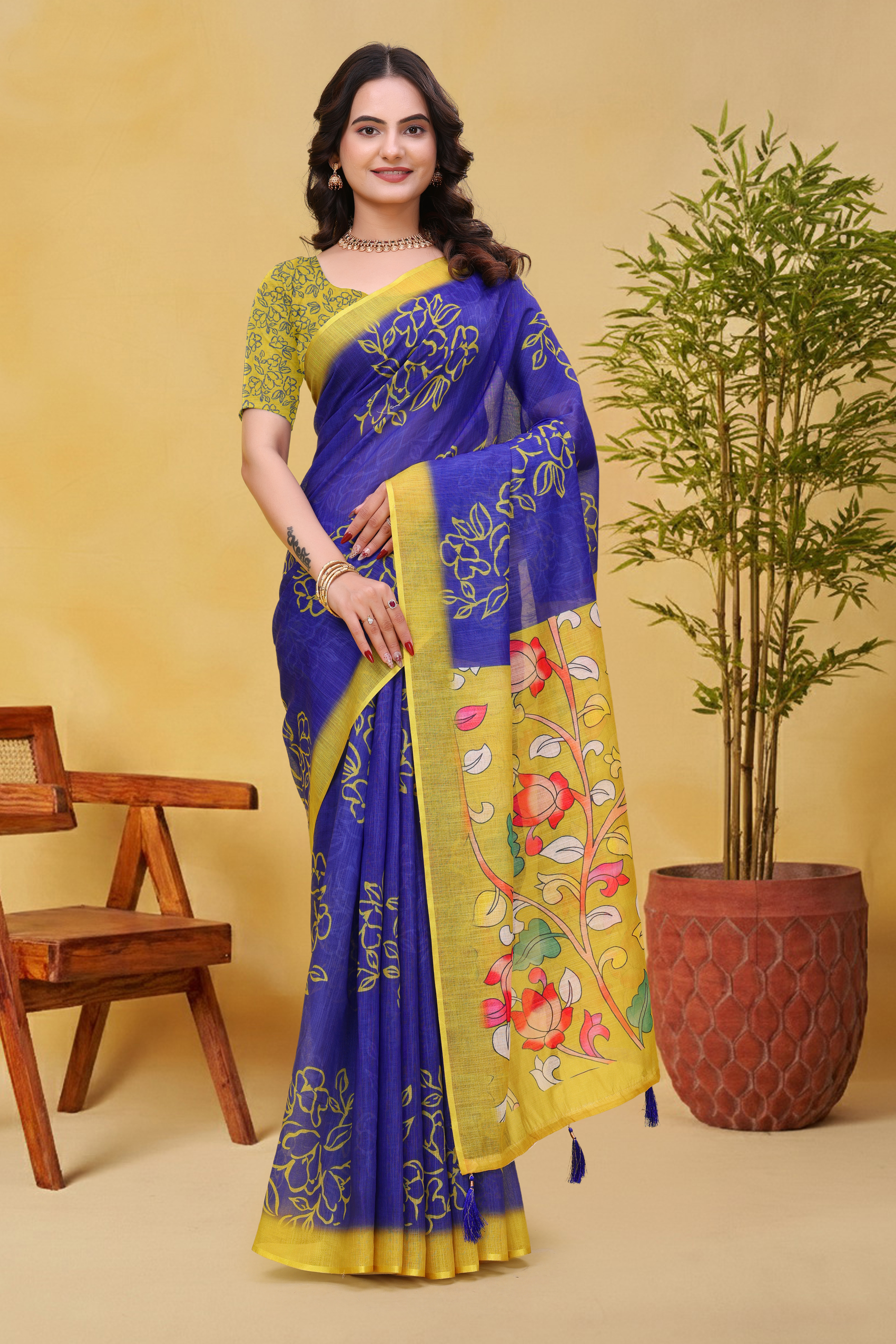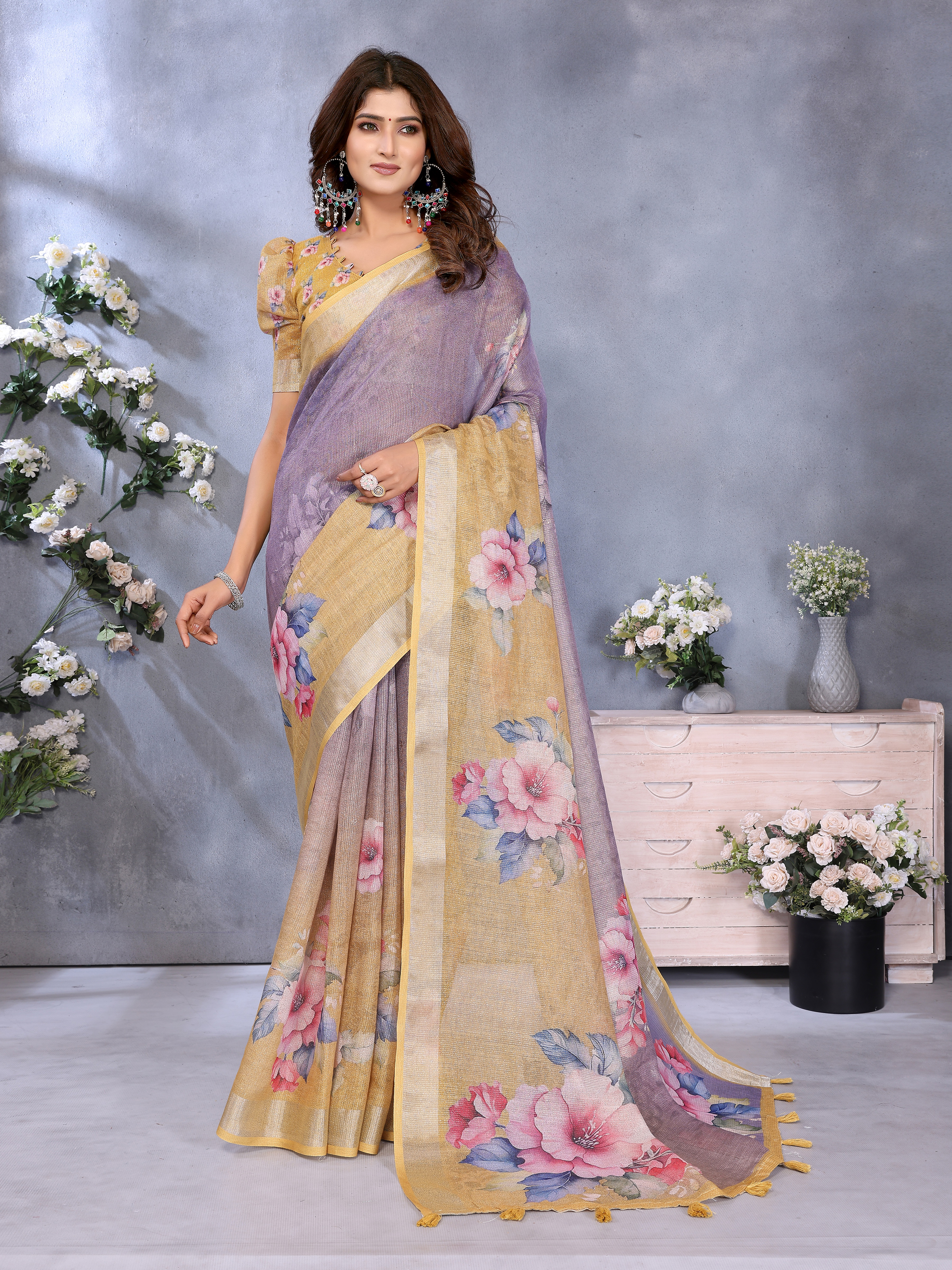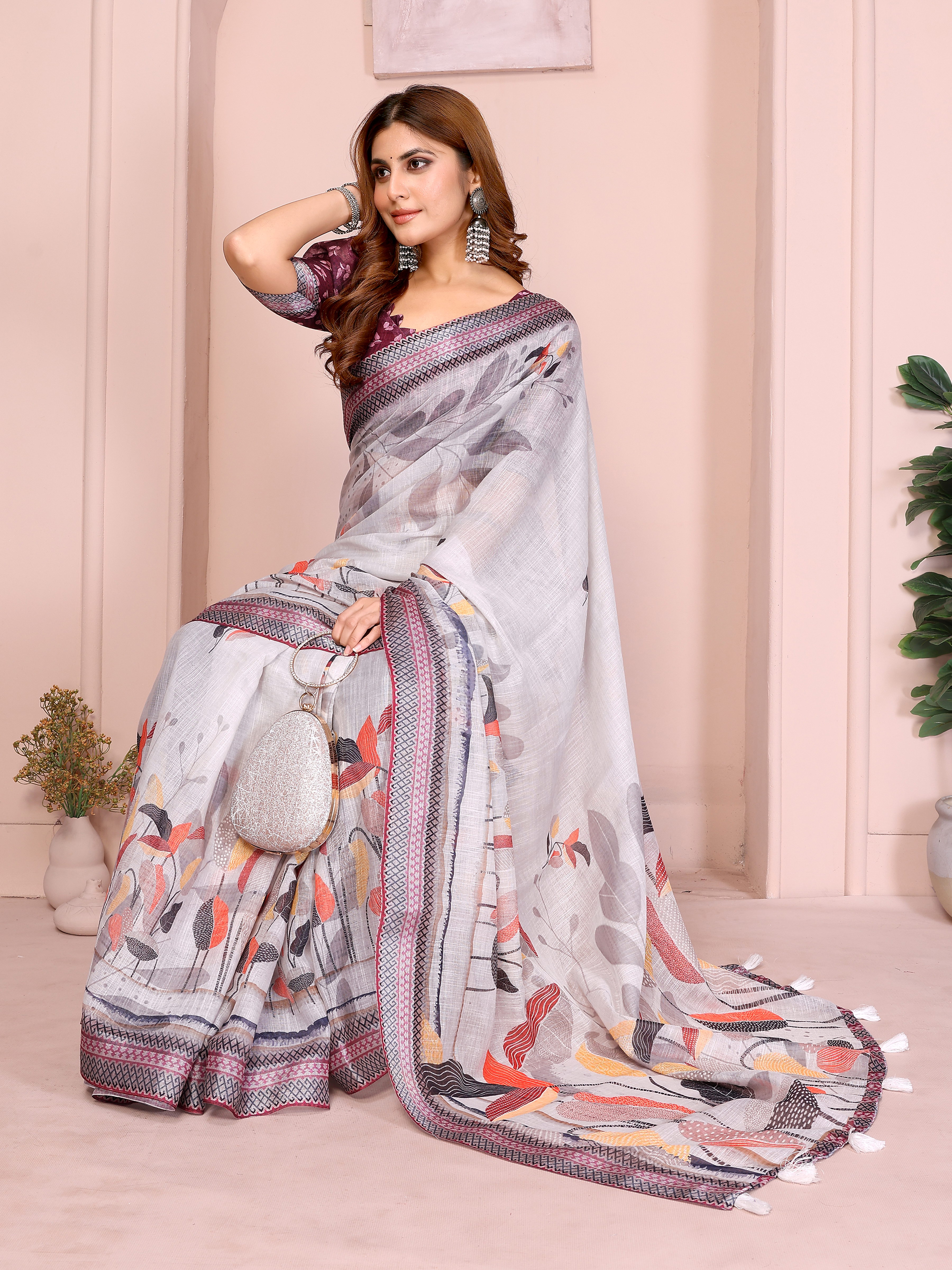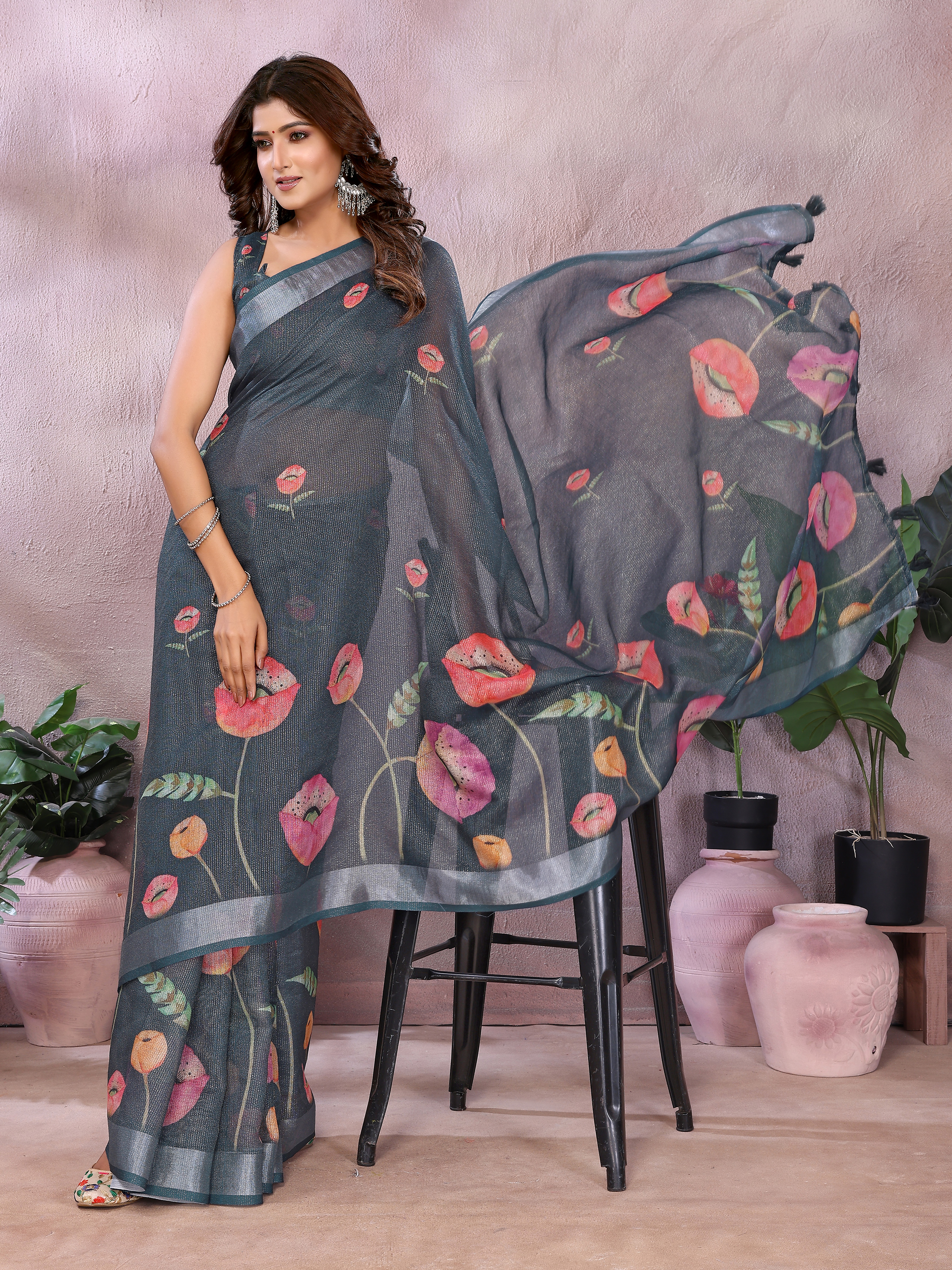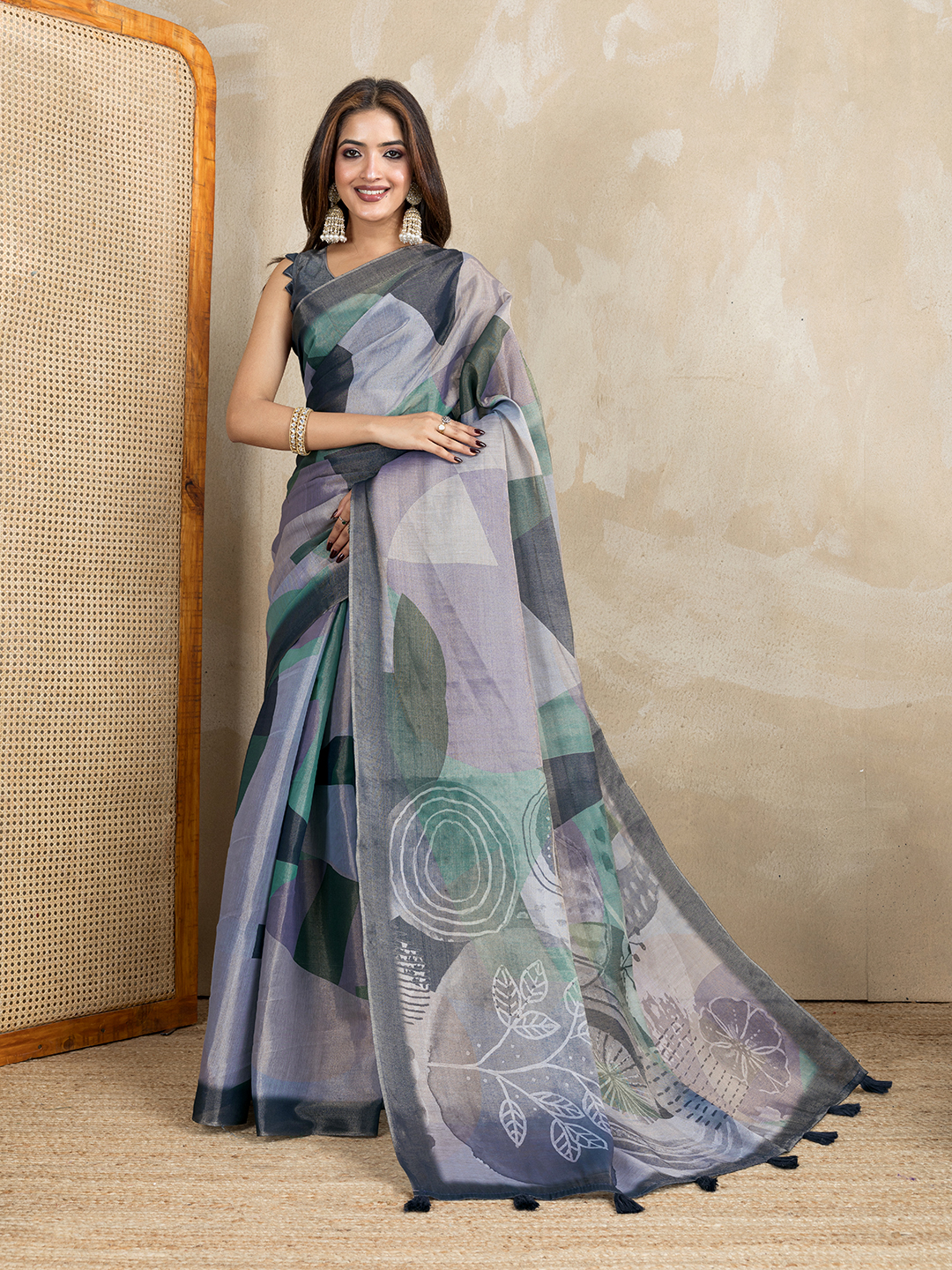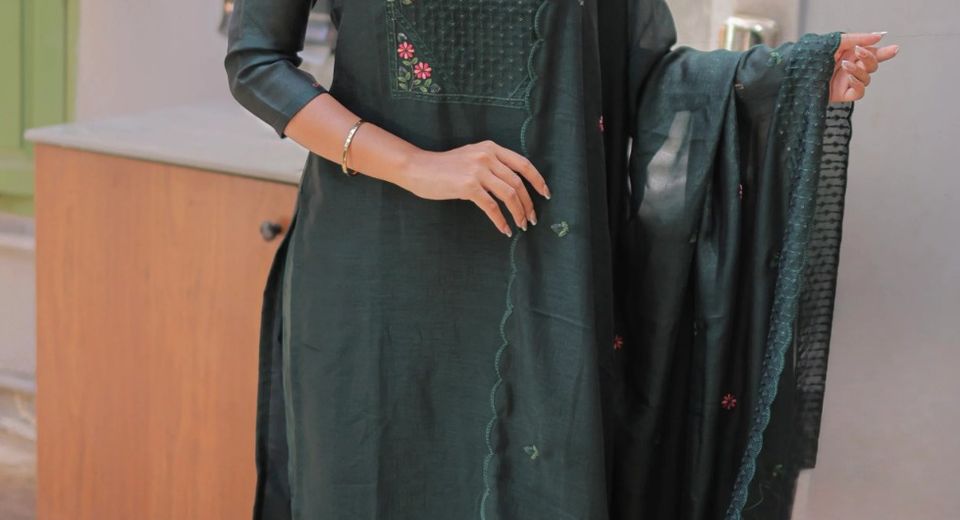
Choosing Kurtis for Women Who Prefer Covered Arms Without Heavy Sleeves becomes much easier when sleeve length, fabric weight and armhole fit are considered together. A kurti can cover the upper arm and reach the wrist without feeling hot, stiff or visually bulky. The most dependable choices combine breathable textiles such as cotton, Chanderi or light silk with a straight or gently shaped silhouette. Sleeve construction matters as much as sleeve length: a thin three-quarter sleeve can provide coverage while allowing more airflow than a puffed or layered full sleeve.
For salwar suits, the final result also depends on the bottom and dupatta. Narrow pants balance a longer sleeve, while palazzos can make a fitted sleeve feel less restrictive. A dupatta adds adjustable coverage for the shoulders and upper arms, but a heavy dupatta can defeat the purpose of choosing a light outfit. The sections below explain how to assess each part before buying.
Choosing Kurtis for Women Who Prefer Covered Arms Without Heavy Sleeves: selecting the right coverage
The best light-coverage sleeve usually ends between the elbow and wrist, follows the arm gently and uses a breathable fabric with minimal extra layers. Sleeve length should be selected according to the amount of coverage needed, the weather and the movement required during the day.
Three-quarter sleeves
A three-quarter sleeve typically ends 5 to 8 centimetres below the elbow, depending on the wearer's height and arm length. The cut covers most of the upper arm and leaves the wrist visible, which helps the outfit feel less enclosed. A straight three-quarter sleeve works particularly well for office wear, shopping and daytime family gatherings because it doesn't catch on jewellery or food while eating.
A sleeve that finishes at the broadest part of the forearm can make the arm appear wider than a sleeve that ends slightly below it. When possible, choose a cuff position that falls on a narrower point of the arm. Approximately 4 to 6 centimetres of ease around the upper arm generally permits comfortable movement without creating a loose, fluttering shape.
Full-length and bracelet sleeves
A full-length sleeve gives the most direct arm coverage, while a bracelet sleeve ends around 3 to 5 centimetres above the wrist bone. Bracelet sleeves are useful when wrist movement, handwashing or frequent phone use matters. A slim sleeve in cotton or Chanderi can look polished without the density created by gathered cuffs, layered net or padded shoulders.
Elasticated cuffs should be checked carefully because narrow elastic can press into the wrist during several hours of wear. A simple hem, a small slit or a lightly structured cuff usually provides easier movement. Bell sleeves and wide flares may technically cover the arm, but their additional fabric can feel heavy and make the silhouette look larger.
Choosing Kurtis for Women Who Prefer Covered Arms Without Heavy Sleeves: comparing fabrics
Cotton, Chanderi silk and light silk blends are generally more comfortable for covered sleeves because they allow better airflow than dense synthetic fabrics or multiple embellished layers. Fabric choice should match the climate, the duration of wear and the amount of surface decoration.
Cotton for heat and daily movement
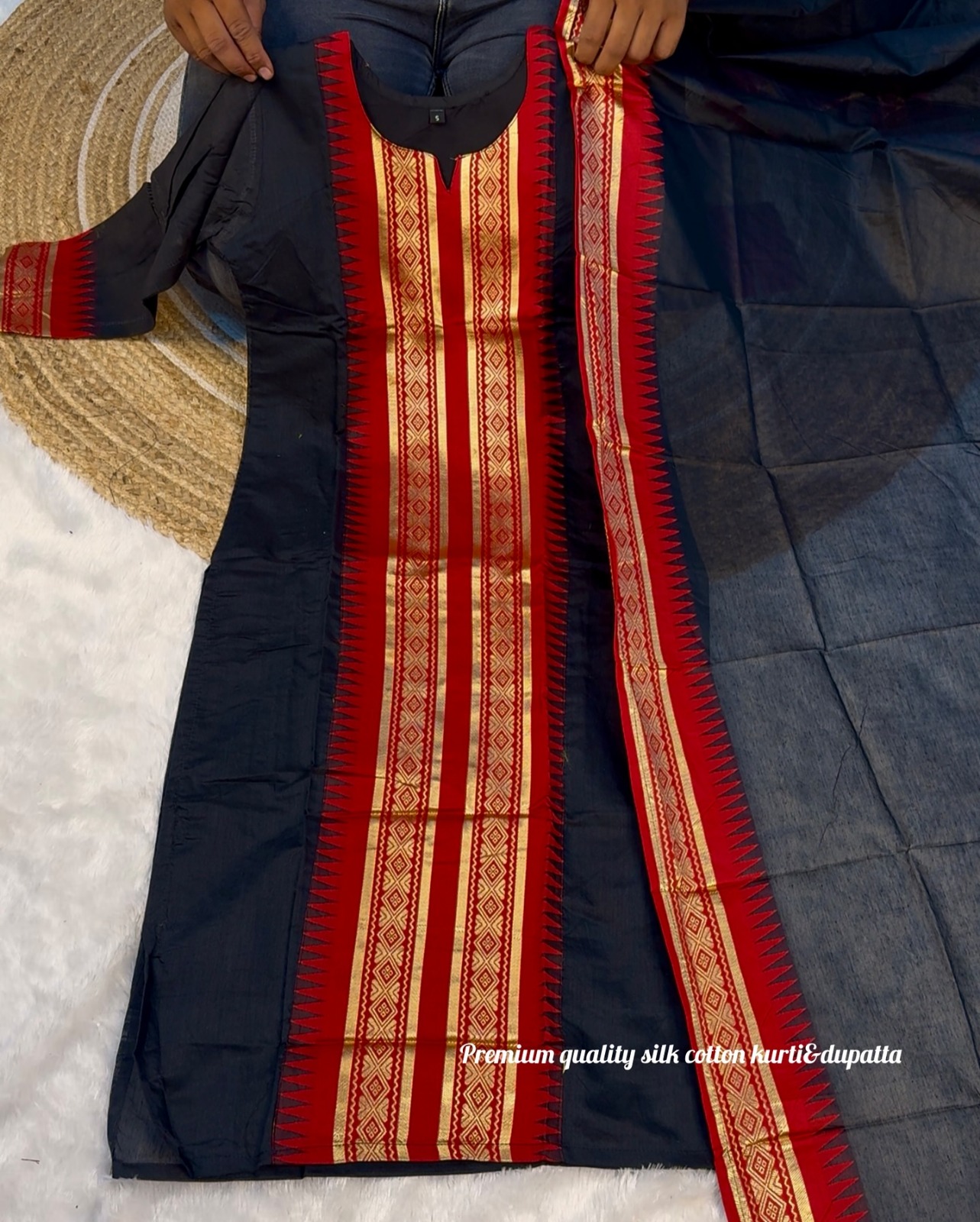
Cotton is a practical choice for warm weather because it absorbs perspiration and usually feels less clingy on the arm. Kanchi cotton can offer a more structured appearance than very soft voile while remaining suitable for daytime wear. Kanchi Cotton Zari Woven Kurti Set with Traditional Dupatta illustrates how woven detail can add interest without requiring a heavily layered sleeve.
Black Kanchi Cotton Kurti Dupatta Set for Women is another useful reference for a covered-arm wardrobe because a dark cotton set can transition between errands, casual work settings and small gatherings. Zari or woven accents should be concentrated on the kurta body or dupatta when light sleeves are the priority. Dense embroidery placed across the sleeve increases weight and may reduce flexibility.
Chanderi for light festive dressing
Chanderi is known for a lightweight hand feel and a slightly sheer, elegant surface, although lining requirements vary by garment. A lined Chanderi sleeve can provide coverage without the thickness of brocade or velvet. Cream Chanderi Silk Kurti Pant Dupatta Set for Women and Pink Embroidered Chanderi Kurta Set with Dupatta show how a festive outfit can retain visual delicacy while using a sleeve to cover the arm.
Chanderi can snag against rough bangles, so smooth jewellery and careful storage are sensible. Chanderi garments should not be treated like everyday cotton: washing instructions, lining and embroidery need to be checked before purchase. A breathable lining is especially important when the sleeve is fully lined.
Silk and crepe for evening occasions
Silk and crepe can work for evening salwar suits when the garment has a clean sleeve cut and limited internal layering. Black Heavy Silk Crepe Kurta Set with Sequence Embroidery is better suited to cooler indoor events or shorter wear than hot outdoor functions because heavy silk crepe and sequence work can retain warmth. Beige Embroidered Silk Kurti Pant Dupatta Set Women offers a softer neutral direction for dressier gatherings, but the wearer should still check whether the sleeve contains a lining or embroidery backing.
Choosing Kurtis for Women Who Prefer Covered Arms Without Heavy Sleeves: checking the fit
A comfortable covered-arm kurti needs enough room at the biceps, shoulder and armhole to permit reaching forward without pulling across the chest. Sleeve length can't compensate for a tight armhole or an overly narrow upper sleeve.
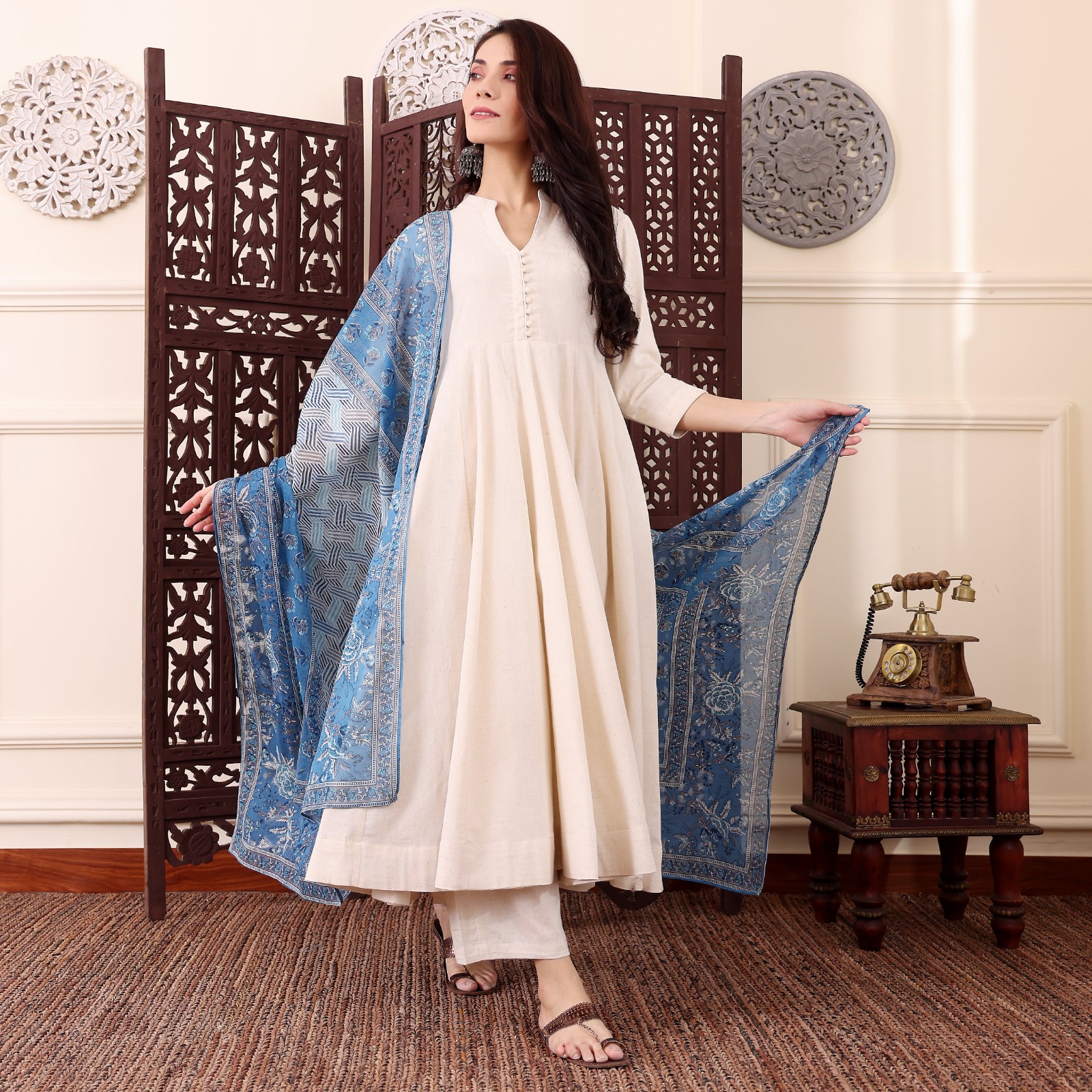
Measure the fullest part of the upper arm with the tape held level and relaxed, then compare that measurement with the garment's stated sleeve or bicep measurement. A wearer who plans to use the kurti in summer may prefer approximately 4 to 6 centimetres of ease around the upper arm. Less ease can look sleek but may feel restrictive; substantially more ease can create folds and extra bulk.
The shoulder seam should sit close to the natural shoulder point rather than dropping several centimetres down the arm. A dropped shoulder can make a sleeve appear wider and add fabric near the underarm. A gusset, side slit or slightly curved armhole can improve movement without widening the entire sleeve.
The practical movement test is useful before keeping a garment. Raise both arms, reach across the body, bend the elbows and sit down while wearing the kurti. If the sleeve pulls at the underarm, the shoulder seam shifts sharply or the cuff cuts into the wrist, the fit isn't suitable for long wear even if the chest measurement is correct.
Choosing Kurtis for Women Who Prefer Covered Arms Without Heavy Sleeves: balancing the silhouette
A straight kurti, lightly flared kurta or controlled A-line shape usually balances covered arms most effectively because each silhouette creates a clear vertical line without adding excess volume at the sleeve.
Straight kurtis and pant sets
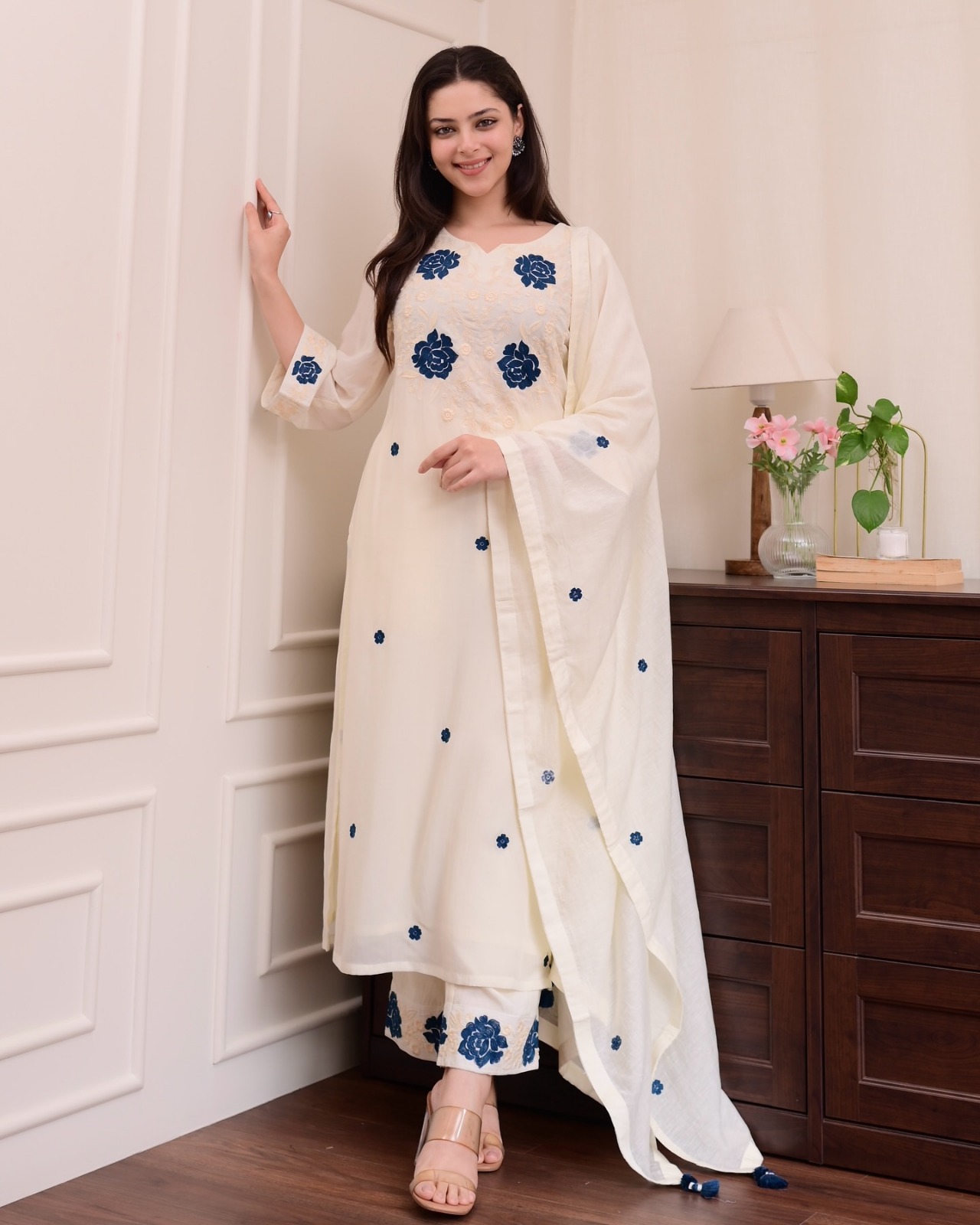
A straight kurti paired with cigarette pants or narrow trousers creates a neat proportion when the sleeves reach the wrist. Designer Cream Straight Kurti Set with Dupatta demonstrates why a clean body shape can keep a fully or nearly fully covered arm from looking visually heavy. A side slit of approximately 20 to 35 centimetres can add walking ease without changing the streamlined appearance.
Straight silhouettes work particularly well for petite wearers when the hem falls around the knee or slightly below it. A very long kurti combined with a full sleeve and a broad dupatta can shorten the visible leg line. Tonal trousers and a dupatta that falls in a long vertical panel can restore length.
Gentle flare and palazzo combinations
A gentle flare can suit women who want more room through the waist and hips, provided the sleeve remains relatively clean. Palazzo trousers introduce width at the lower half, so a fitted or lightly shaped sleeve often creates better balance than a dramatic sleeve. Heavy gathers at both the shoulder and palazzo hem can make the overall outfit look crowded.
Premium Brown Cotton Kurta Set with Chanderi Dupatta brings together a grounded cotton kurta and a lighter, dressier dupatta. The contrast demonstrates a simple styling principle: use one dominant area of volume and keep the other components controlled.
Choosing Kurtis for Women Who Prefer Covered Arms Without Heavy Sleeves: using the dupatta
A lightweight Chanderi, cotton or fine woven dupatta can extend shoulder and upper-arm coverage while remaining cooler than a layered jacket or heavily embroidered overlay. Placement is more important than simply choosing a larger dupatta.
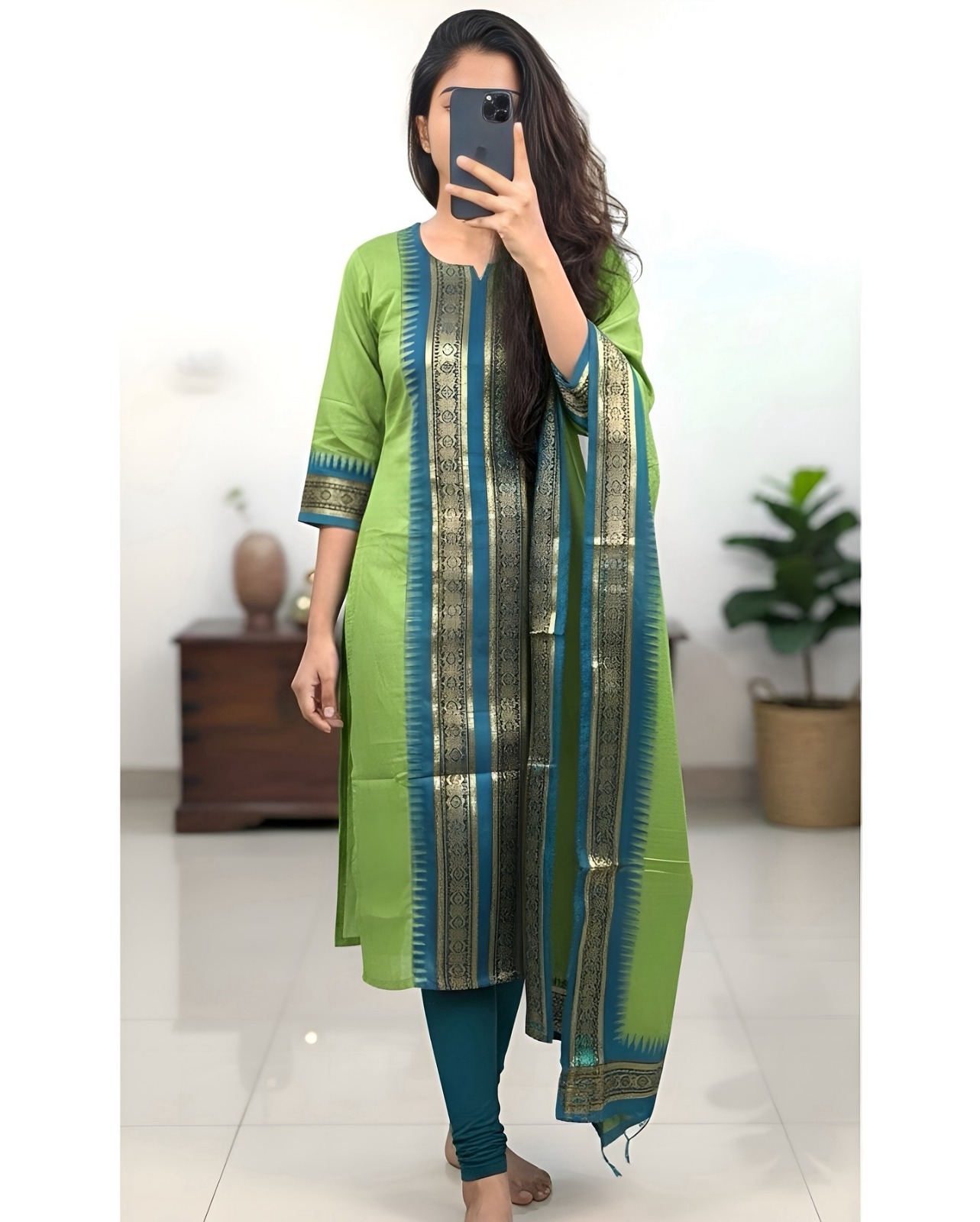
For balanced coverage, place one end over the opposite shoulder and allow the fabric to fall diagonally across the upper torso, then bring a narrow section over the outer arm if needed. Pinning the dupatta at the shoulder can prevent repeated adjustment, but tight pinning near the neck restricts movement and traps heat.
A broad, heavily embellished dupatta may weigh more than the kurti itself. Zari borders, dense sequins and multiple linings are attractive for ceremonies but can create pressure on the shoulder after several hours. For a daytime Haldi ceremony, a breathable cotton or lightly woven option is usually easier to manage than a fully sequinned overlay, especially during outdoor heat.
Regional styling can provide ideas without requiring a costume-like look. Maharashtra Paithani Inspired Salwar Suits can suggest a richer border and jewel-toned accent, while Gujarat Bandhej Salwar Suits can inspire a lighter, patterned dupatta. Odisha Sambalpuri Salwar Suits and Kalamkari Print Salwar Suits (Copy) show how textile identity can remain visible through the dupatta or kurta body rather than through heavy sleeve decoration. Punjab Patiala Salwar Suits generally work best with enough sleeve and shoulder ease for movement because the overall styling is more relaxed.
Choosing Kurtis for Women Who Prefer Covered Arms Without Heavy Sleeves: matching the outfit to the occasion
The appropriate covered-arm kurti depends on climate, activity level and formality, not just on the desired sleeve length. A sleeve that feels comfortable for a two-hour dinner may be unsuitable for a full day outdoors.
Workwear and everyday use
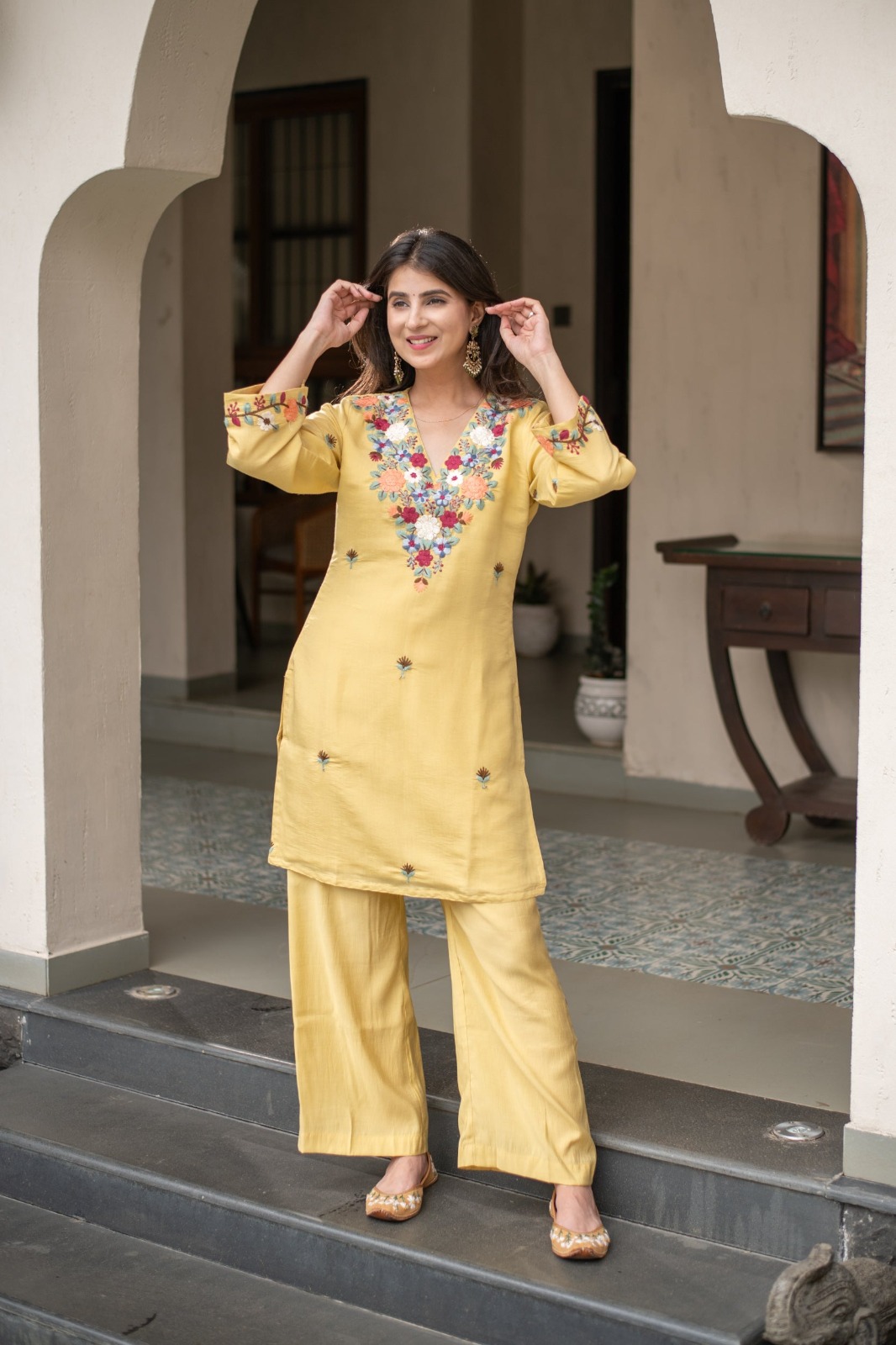
For office wear, cotton or a light Chanderi blend with a straight three-quarter sleeve is usually practical. Solid black, cream, beige, navy and muted pink can be repeated with different trousers and dupattas. Minimal zari at the neckline or border adds polish without turning the sleeve into the heaviest part of the outfit.
For daily use, look for machine-wash guidance, secure seams and a sleeve opening wide enough to roll or push back temporarily. A side slit and a breathable lining matter more than elaborate embroidery when the garment will be worn for six to eight hours.
Festive and family events
Festive salwar suits can use silk, Chanderi, zari or embroidery while keeping the sleeve narrow and unpadded. Sequence embroidery is more comfortable when concentrated on the bodice, neckline or dupatta rather than spread densely across both arms. A bracelet sleeve also allows bangles to remain visible without stacking fabric at the wrist.
For weddings or evening receptions, a neutral silk suit with a contrasting dupatta creates visual interest without requiring large sleeves. For a Haldi ceremony, washable cotton and lighter embroidery are safer choices because turmeric, sunlight and movement can quickly make high-maintenance garments difficult to manage.
Choosing Kurtis for Women Who Prefer Covered Arms Without Heavy Sleeves: a practical buying checklist
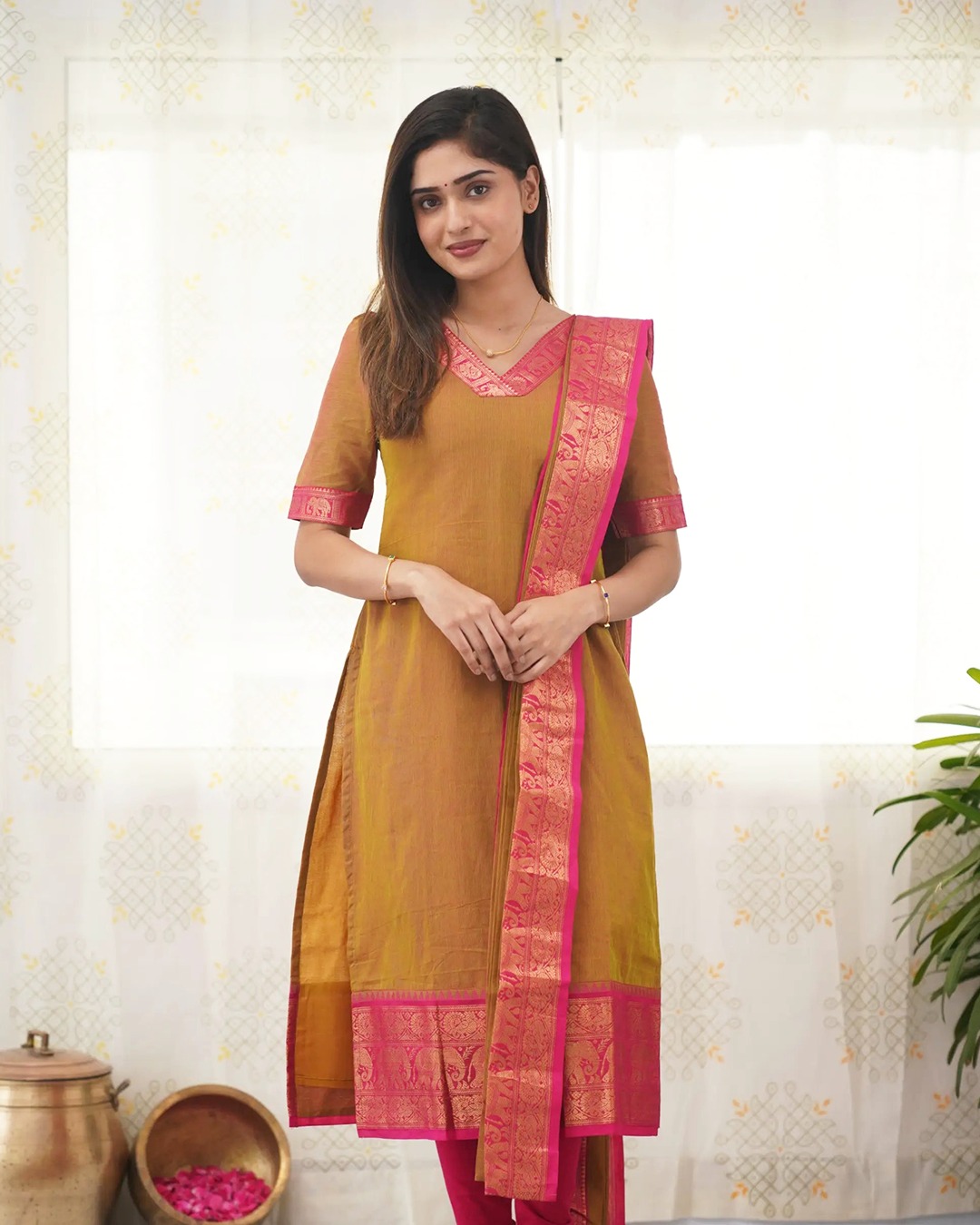
A successful purchase should meet four tests: the sleeve should cover the preferred area, the fabric should suit the temperature, the armhole should permit movement and the complete salwar suit should have balanced proportions.
- Check the sleeve measurement: confirm whether the stated length is measured from the shoulder or armhole, and compare it with your own arm length.
- Check the upper-arm ease: allow enough room to bend and reach without pulling, generally around 4 to 6 centimetres for comfortable everyday movement.
- Check the fabric weight: choose cotton for heat, Chanderi for light festive dressing and silk or crepe for cooler indoor events.
- Check the lining: a lined sleeve gives opacity but can feel warmer, so breathable lining matters in summer.
- Check the decoration: place dense zari, sequins or embroidery on the kurta body or dupatta when lightweight sleeves are important.
- Check the complete proportion: pair fitted sleeves with palazzos or a gentle flare, and pair a long straight kurti with a narrower bottom.
- Check care requirements: confirm whether the outfit needs dry cleaning, gentle handwashing or separate storage before buying it for frequent wear.
Covered arms don't require heavy sleeves, multiple layers or a compromise on style. A well-cut three-quarter or bracelet sleeve, a breathable named fabric and a proportionate salwar suit can provide modest coverage while preserving ease. The most reliable choice is the garment that remains comfortable when you sit, move, sweat, carry a bag and wear it for the full length of the planned occasion.
Common Questions About Choosing Light-Sleeve Kurtis With Arm Coverage
What sleeve length gives arm coverage without making a kurti feel heavy?
A three-quarter or bracelet sleeve usually provides substantial arm coverage without the weight of a wide full sleeve. A narrow full-length sleeve in cotton or Chanderi can also work when the fabric and lining are breathable.
Which fabric is best for a covered-arm kurti in hot weather?
Cotton is generally the most practical choice for hot weather because it absorbs perspiration and allows comfortable movement. Lightweight Chanderi can work for festive dressing, provided the lining is breathable and the garment is not heavily embroidered.
How much room should a kurti have around the upper arm?
A comfortable everyday kurti commonly needs about 4 to 6 centimetres of ease around the fullest part of the upper arm. The exact amount depends on the fabric, sleeve shape and whether the wearer wants a close or relaxed fit.
Can a dupatta provide arm coverage without making a salwar suit hot?
Yes, a cotton, fine woven or lightweight Chanderi dupatta can cover the shoulder and outer arm without the heat of a jacket or dense overlay. Avoid excessive zari, sequins and multiple linings when the outfit will be worn outdoors or for several hours.
Are full sleeves suitable for petite women?
Full sleeves can suit petite women when the sleeve is narrow, the shoulder fits correctly and the kurti has a clear vertical line. Avoid combining wide sleeves, a very broad dupatta and a long, heavily flared kurta because the layers can overwhelm a smaller frame.
How can someone test whether a covered sleeve is comfortable before buying?
Raise both arms, reach across the body, bend the elbows and sit down while wearing the kurti. Pulling at the underarm, a shifting shoulder seam or a tight wrist opening indicates that the garment may become uncomfortable during extended wear.