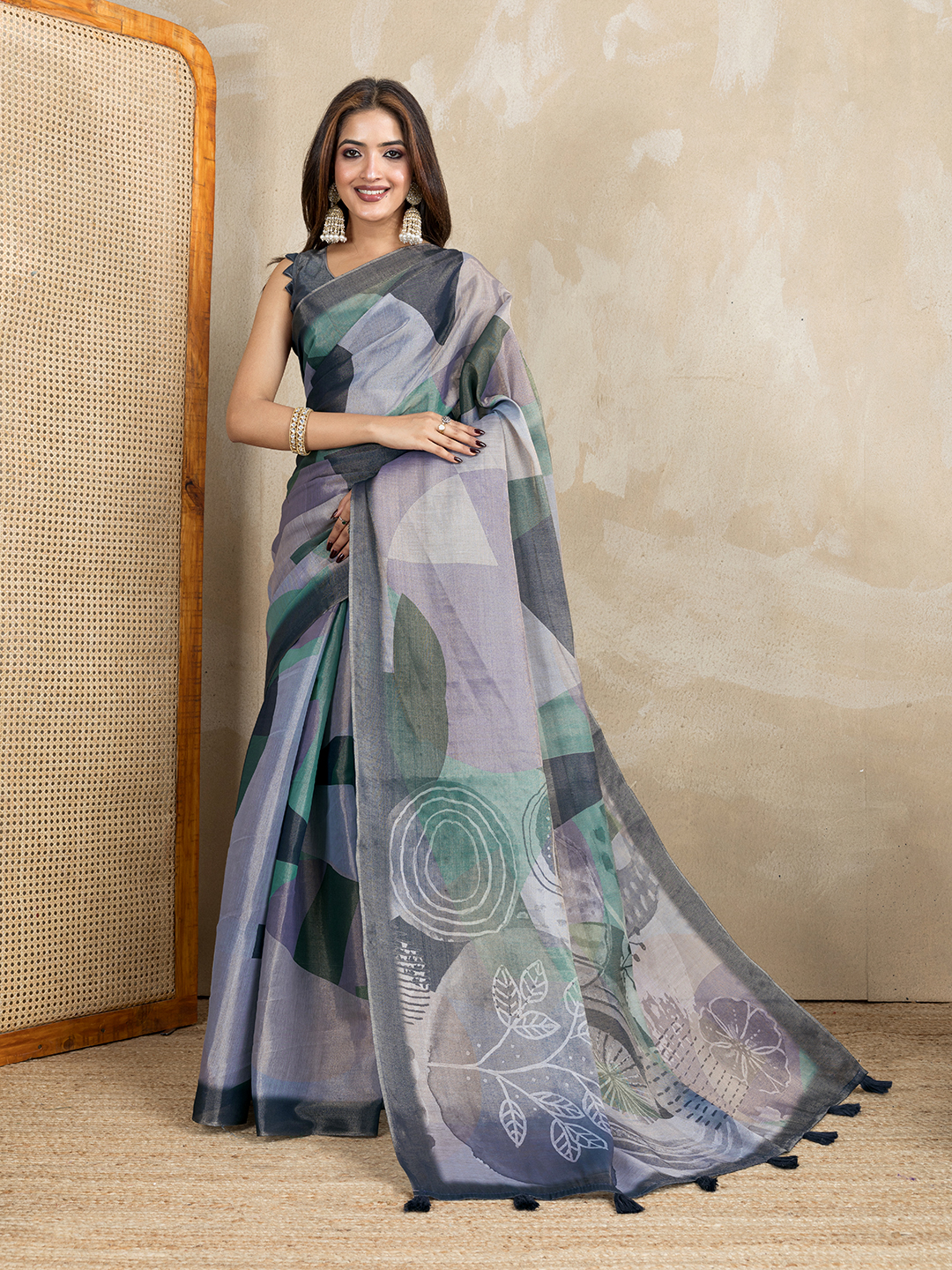
Choosing Indian Wear for Long Events Starts With Movement Not Decoration. A wedding, reception, festival or family celebration can involve six to twelve hours of standing, sitting, walking, eating, greeting guests and travelling between venues. Clothing that looks striking in a photograph may become tiring when a heavy hem catches under a chair, a blouse restricts the shoulders or a stiff waistband presses into the stomach. Comfort doesn't remove elegance; comfort determines whether elegance lasts beyond the first hour.
The most useful way to plan Indian occasion wear is to imagine the full event rather than a single photograph. Consider how far you'll walk, whether you'll sit on the floor, how often you'll use stairs, whether the venue is air-conditioned and when the outfit must be changed. Those answers point towards the right fabric, length, construction and accessories before colour or embellishment enters the decision.
Why movement should guide a long-event outfit
Movement should guide a long-event outfit because the body performs more actions at a celebration than a fitting-room mirror reveals. A guest may stand during a Haldi ceremony, bend to greet elders, sit cross-legged during a puja, climb stairs to a terrace and dance at the reception. Each action tests a different part of Indian wear.
A saree can restrict walking when the low pleats are too narrow or the underskirt is tied unevenly. A lehenga can find cumbersome when dense zari sits across the entire skirt instead of being concentrated at the border. A salwar suit can become uncomfortable when the trouser rise is too short or the kurta sleeves keep the arms from lifting. Even a beautiful blouse needs enough room across the back and underarm for unbleached movement.
Try the most demanding movements before an event. Walk briskly for five minutes, climb a flight of stairs, sit on a firm chair and raise both arms to shoulder height. A garment that remains secure during those tests is more likely to remain comfortable during a long celebration. Movement testing also reveals problems that a static mirror view hides, including a rising hem, shifting shoulder seam or slipping dupatta.
Choosing Indian Wear for Long Events Starts With Movement Not Decoration
Choosing Indian Wear for Long Events Starts With Movement Not Decoration means selecting a garment according to its relationship with the body, not according to the amount of visible work on its surface. Fabric weight, friction, stretch, ventilation and seam placement have a greater effect on endurance than the number of embroidered motifs.

Match the fabric to heat and duration
Breathable fabrics work best for outdoor or warm-weather events, while silk blends and structured fabrics can suit cooler indoor venues. Cotton, linen-cotton, Chanderi and lightweight crepe generally allow more airflow than heavily layered velvet or densely embellished net. Banarasi silk and Kanjeevaram provide ceremonial richness, but their heavier weaves may need simpler blouse construction and shorter event durations for comfortable wear.
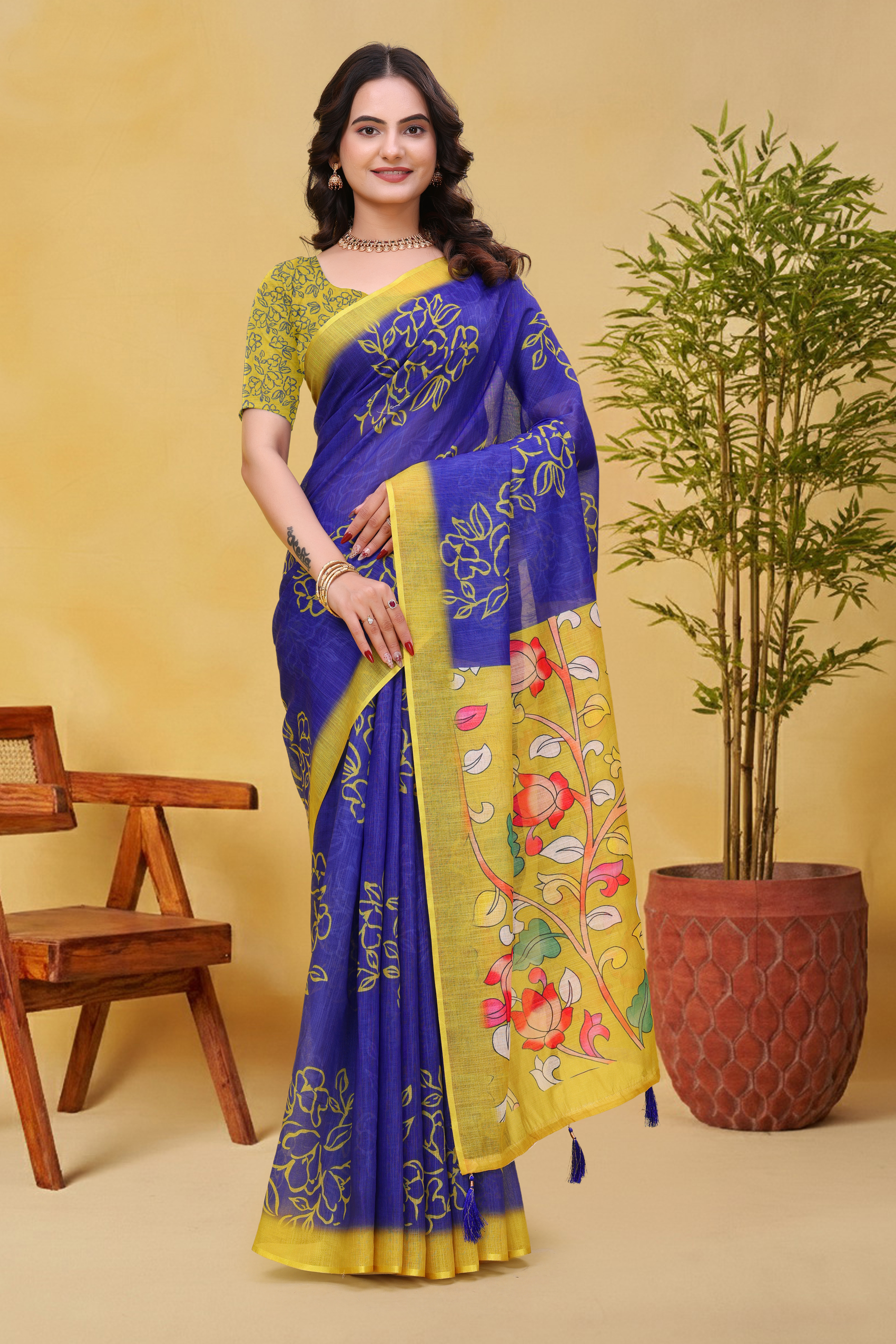
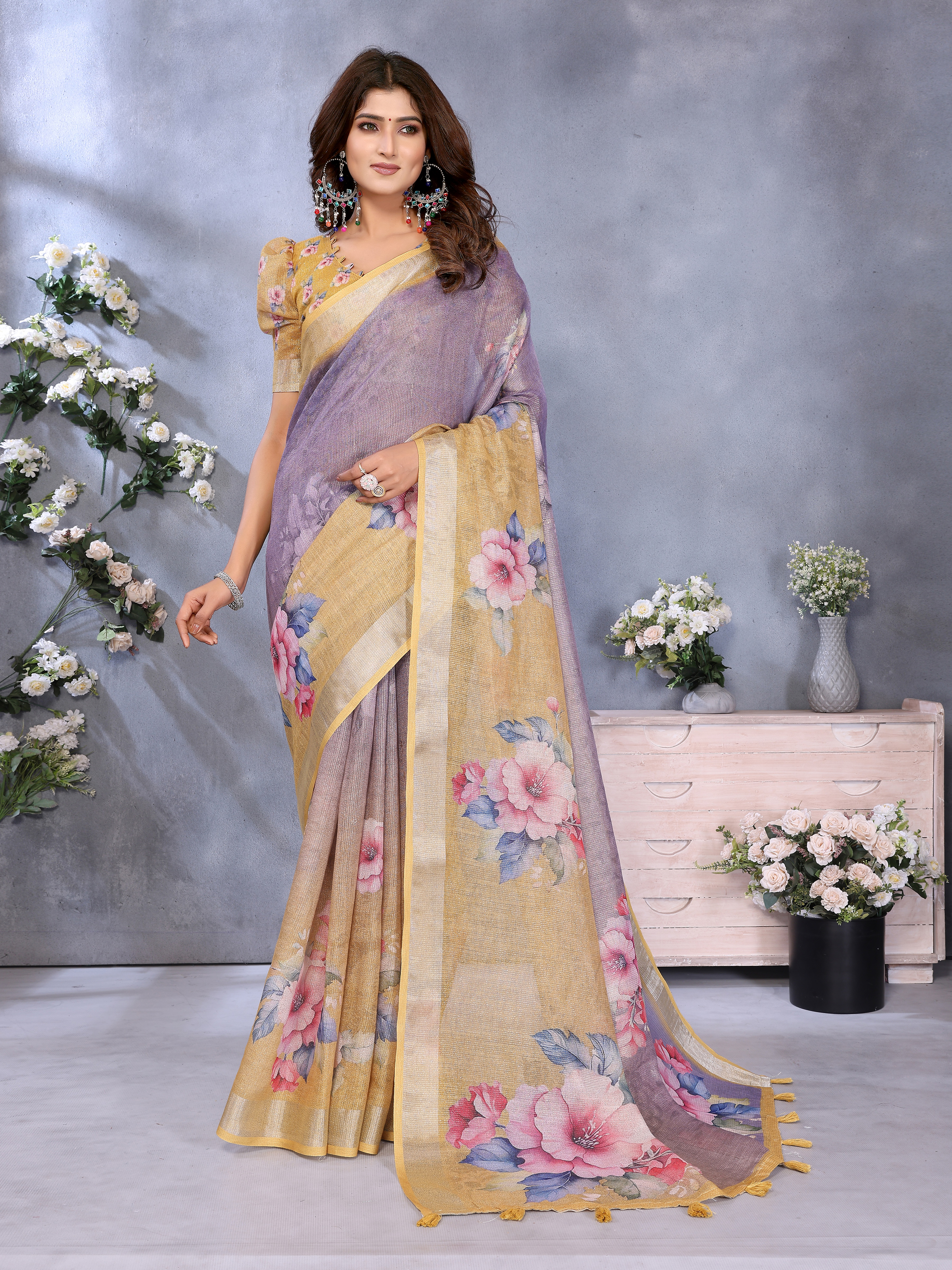
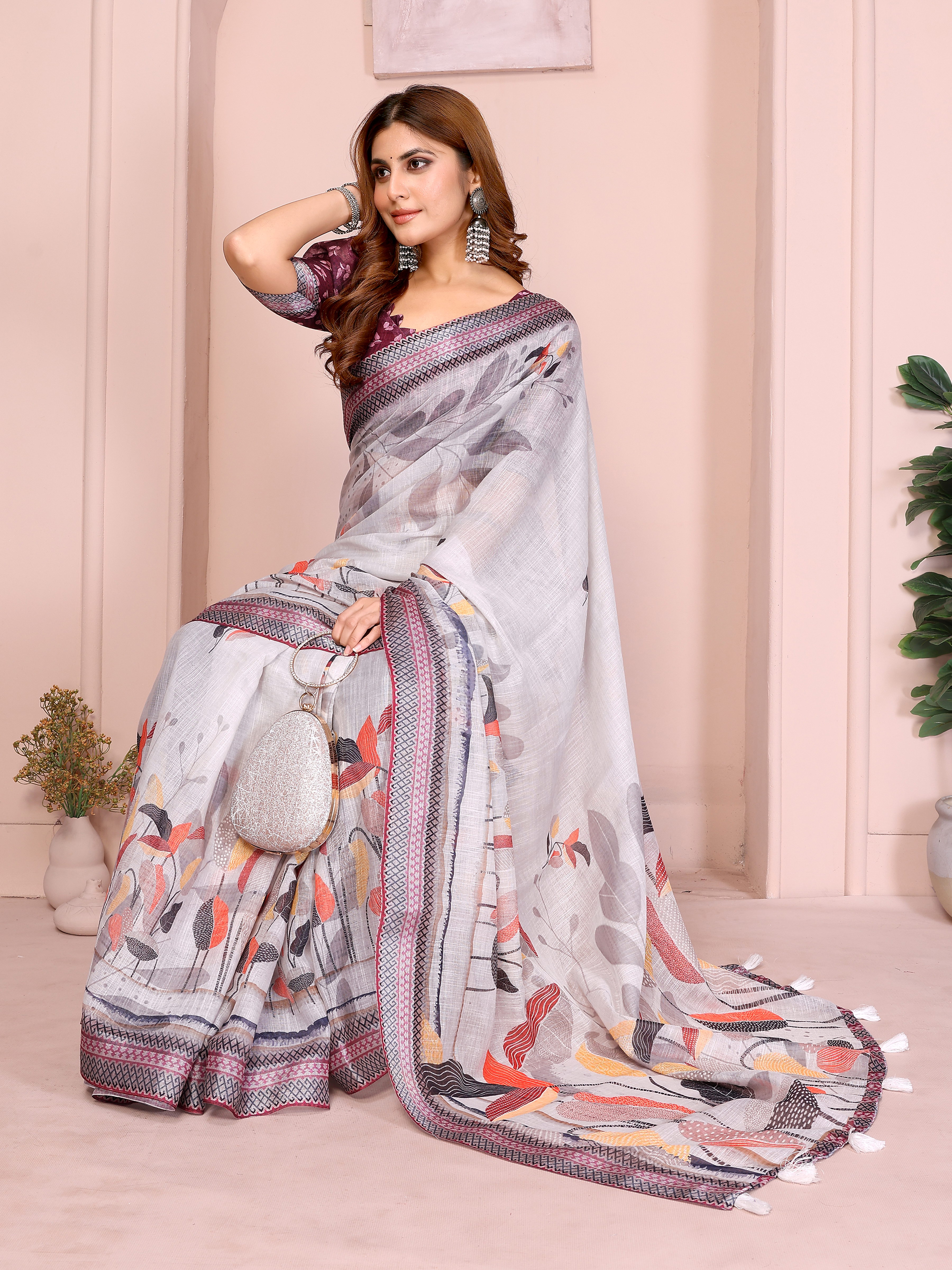
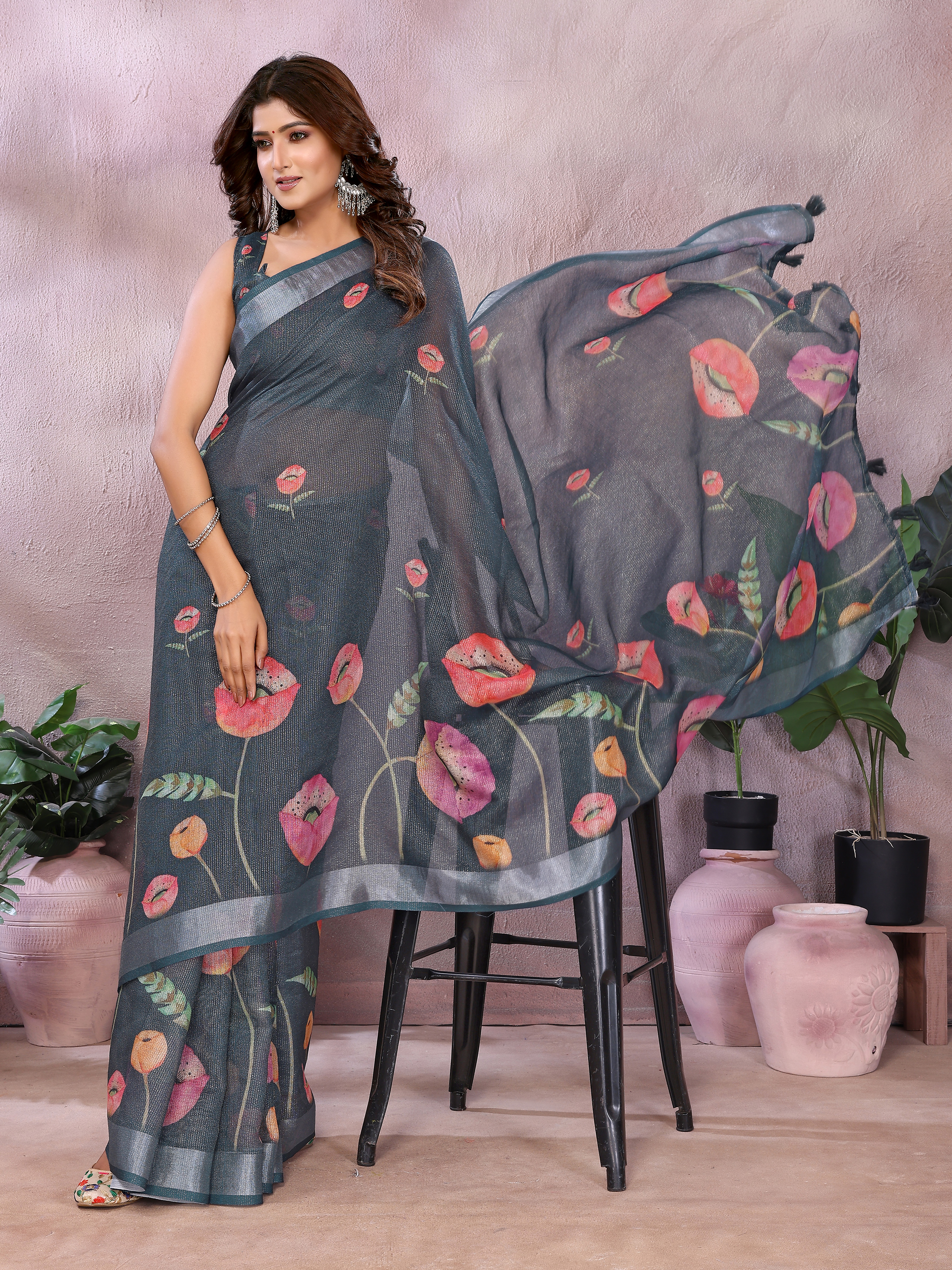
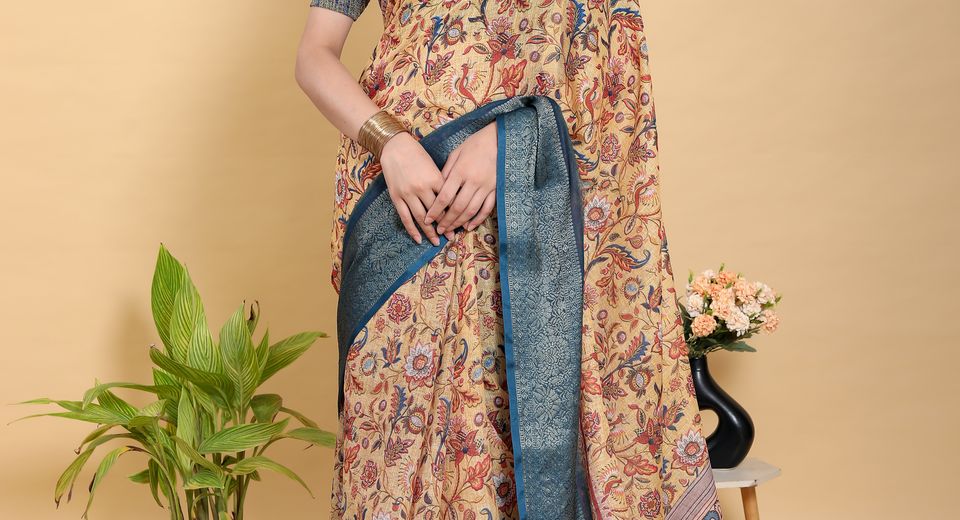
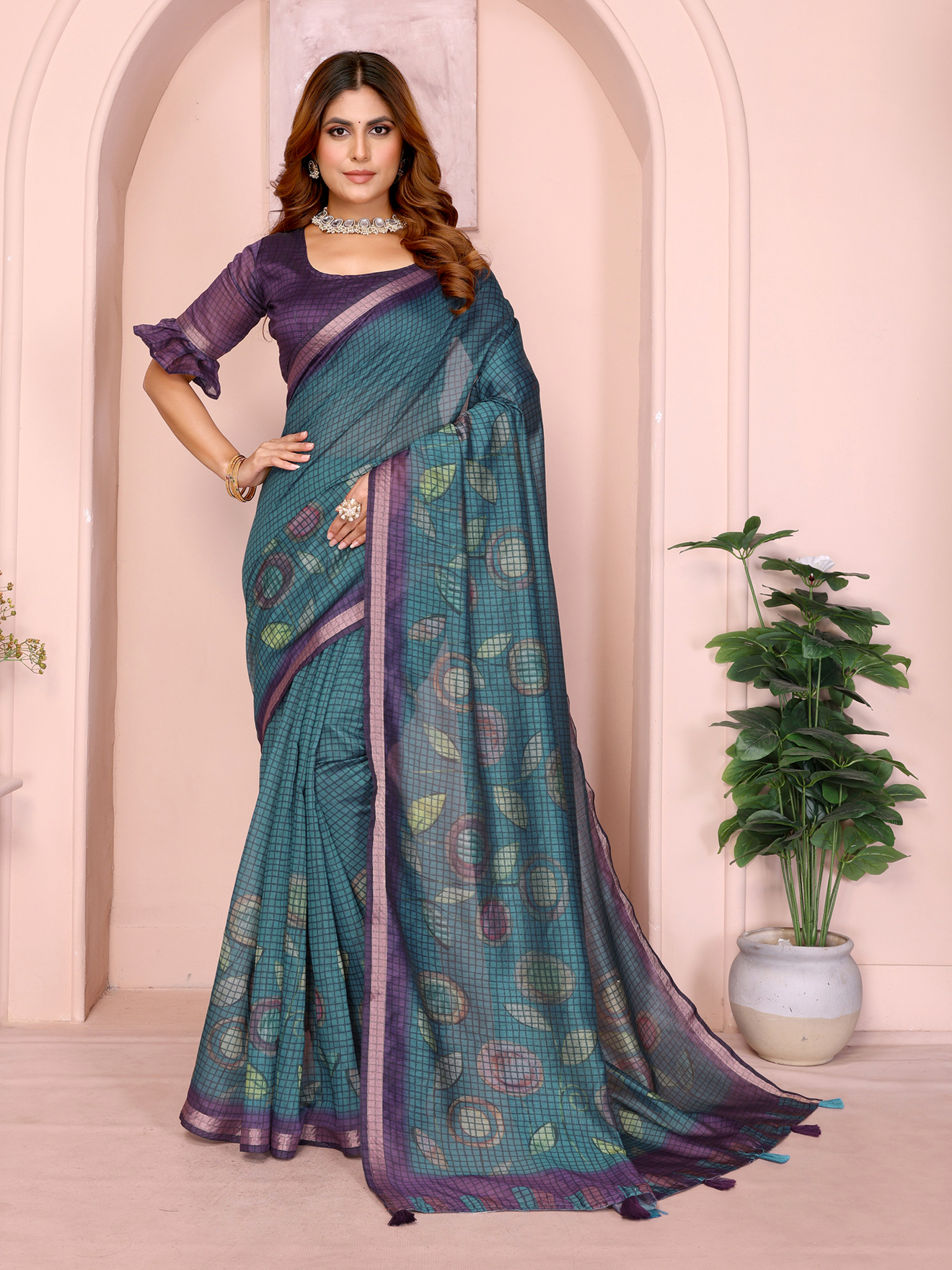
The Black Chanderi Cotton Saree with Contemporary Checked Weave illustrates how a woven pattern can create visual interest without requiring heavy surface embroidery. Chanderi cotton is light and relatively breathable, making it useful for daytime gatherings, cultural functions and events where walking matters. The Beige Floral Printed Linen Cotton Saree with Blue Border and the Wine Linen Cotton Floral Print Saree with Art Border offer similar practical lessons: printed linen-cotton creates detail without adding the weight of extensive embellishment.
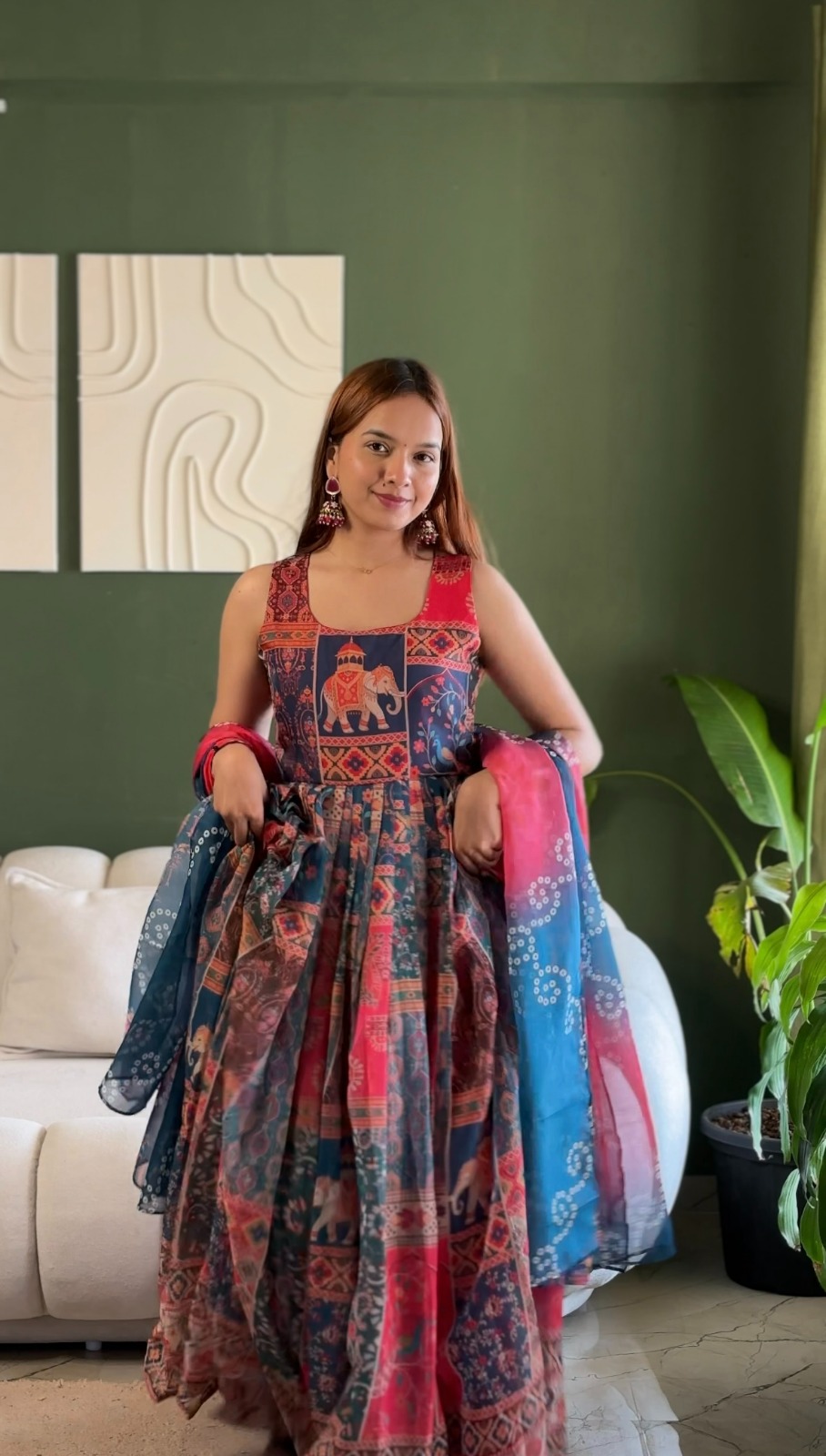
Crepe can be useful when fluid drape and a low-maintenance fall matter, although polyester-rich crepe may feel warmer than silk crepe in humid conditions. The Multicolor Embroidered Crepe Maxi Suit Set for Festive Wear demonstrates a practical balance: a long silhouette can look festive through embroidery while avoiding the multiple layers of a full lehenga. Check the lining before purchase, because a tight synthetic lining can reduce the breathability of an otherwise fluid outer fabric.
Measure weight across the whole outfit
Outfit weight matters because the body carries every layer for the entire event. A heavily embroidered dupatta, padded blouse, ornate belt and embellished footwear can collectively make more fatigue than one decorated garment. Hold the complete outfit, including lining and accessories, for a minute before buying when possible. An outfit that already feels tiring in the hand may become demanding after eight hours on the body.
Visual concentration is often more comfortable than uniform decoration. A plain or lightly woven body with a detailed border directs attention without covering every surface in beads or zari. Zari, sequins, mirror work and dense thread embroidery should sit where they won't rub against the underarm, neck or waist. Small construction decisions can preserve the festive effect while reducing friction.
How silhouettes affect sitting, walking and stairs
Silhouettes affect comfort through hem width, waistband pressure, sleeve volume and the amount of fabric around the legs. A garment that looks generous while standing may become restrictive when seated because folds compress around the knees and hips.
Sarees
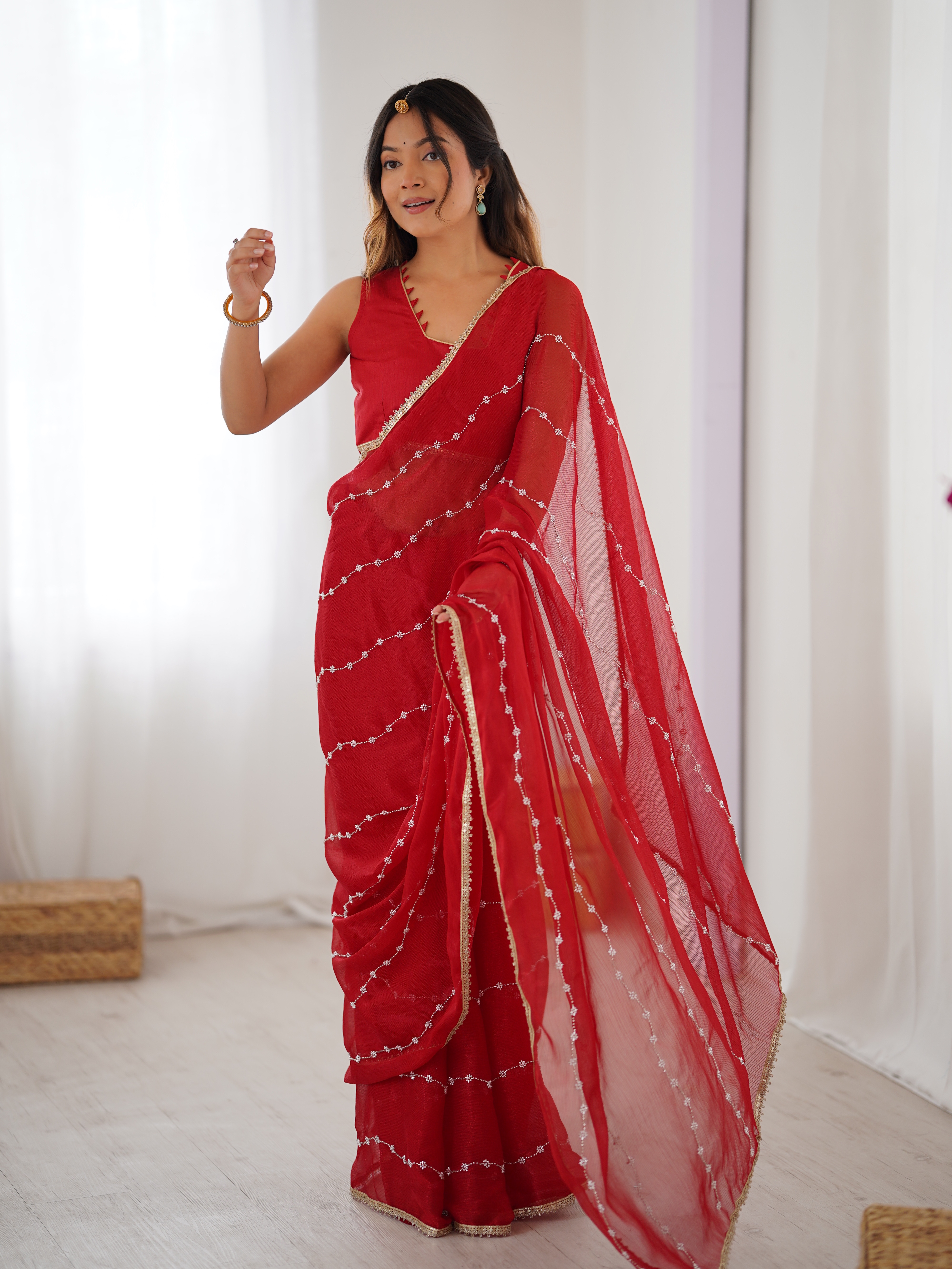
A saree becomes easier to manage when the petticoat or shapewear skirt supports the drape without gripping the waist too tightly. Make front pleats broad enough to permit a normal stride, then secure them with a discreet pin at the waist and, if needed, a second pin near the knee. Keep the pallu long enough for coverage but not so long that it trails near food, wheels or stair edges.
Test the saree with the blouse and footwear together. A blouse that ends well above the natural waist can pull upward when the arms move, while a petticoat tied too low can make the pleats drag. The Indigo Peach Satin Saree with Striped Pallu and Border Work shows why a defined pallu can provide visual structure; the wearer still needs a secure shoulder placement so the satin doesn't slide during repeated movement.
Kurta sets and co-ord sets
Kurta sets usually provide easier walking than narrow skirts because the side seams and trousers can be cut for a longer stride. The Elegant Beige Vichitra Silk Embroidered Kurta Set for Women offers an useful example of balancing a dressy textile with a separate lower garment. Vichitra silk can look polished, but the kurta should have enough ease at the armhole and hip for sitting and reaching.
The Elegant Pista Festive Wear Kurta Pant Set can work well for a daytime function when the pant opening, waistband and kurta length allow comfortable movement. Pants should not pull diagonally across the crotch while sitting. A practical fitting check is to sit with both feet on the floor for five minutes; horizontal strain lines indicate that the lower garment needs more room or a different rise.
A co-ord set can make transitions between venues simpler because the top and bottom remain aligned without constant draping. The Modern Taupe Vichitra Silk Embroidered Co-Ord Set for Women demonstrates how coordinated separates can retain a formal appearance while reducing the adjustments associated with a long dupatta or saree pallu. A removable dupatta gives the wearer another option for meals, dancing or travel.
Maxi and layered silhouettes
Maxi suits and long dresses need a hem that clears the floor by approximately 1 to 2 centimetres when worn with the intended shoes. A hem that brushes the floor can collect dust, catch under the heel and become dangerous on stairs. A very short hem can lose the graceful line associated with festive dressing and expose the ankle when sitting.
Layers should open rather than trap the legs. Side slits, moderate flare and a smooth lining allow a longer stride without making the outfit look casual. Avoid placing a heavy decorative border at a point where it repeatedly folds under the foot.
Blouse, sleeve and waistband details decide all-day comfort
Blouse, sleeve and waistband details decide all-day comfort because those areas receive continuous pressure and movement. A neckline can be visually modest yet uncomfortable if its finishing is rough or its depth pulls against the throat. Armholes that are cut too low may expose the bra, while armholes that are cut too high can pinch when the arms rise.
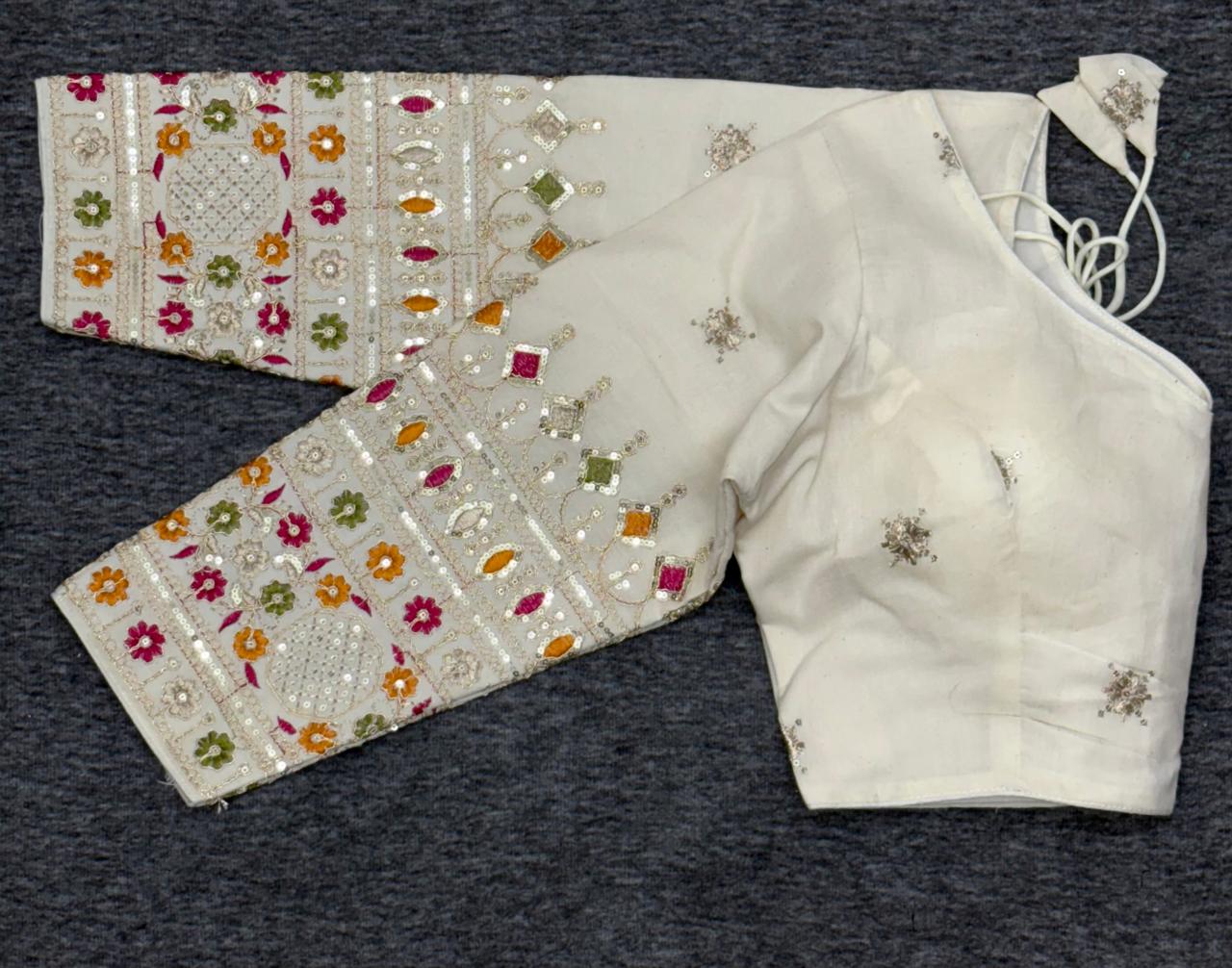
Ask for at least 2 to 3 centimetres of functional ease across the upper back when the blouse is structured and non-stretch. The exact amount depends on the fabric and construction, but the wearer should be able to bring both arms forward without the hooks pulling apart. Soft lining, covered seams and smooth hook placement reduce irritation during several hours of wear.
Short sleeves should not end at the widest point of the upper arm if the edge feels tight during movement. Three-quarter sleeves can offer coverage, but cuffs need enough circumference for the forearm to bend. For sleeveless designs, broad shoulder straps distribute pressure more comfortably than very narrow straps, especially under a dupatta or necklace.
Waistbands should hold the garment securely without leaving a deep mark after sitting. Elastic can improve flexibility, but a firm elastic strip may roll or press into the abdomen. A flat waistband with a side zip, hook and small allowance for adjustment often provides a better balance for long wear. Eat a normal meal during a fitting test if possible; clothing that only fits before lunch may not remain comfortable through a reception dinner.
Secure the drape before adding accessories
A secure drape reduces repeated adjustments and lets the wearer focus on the event. Use safety pins designed for fabric, place them from the underside where possible and avoid pinning through delicate zari or a visible embroidered motif. A brooch can decorate a shoulder, but a concealed pin usually brings more reliable support.
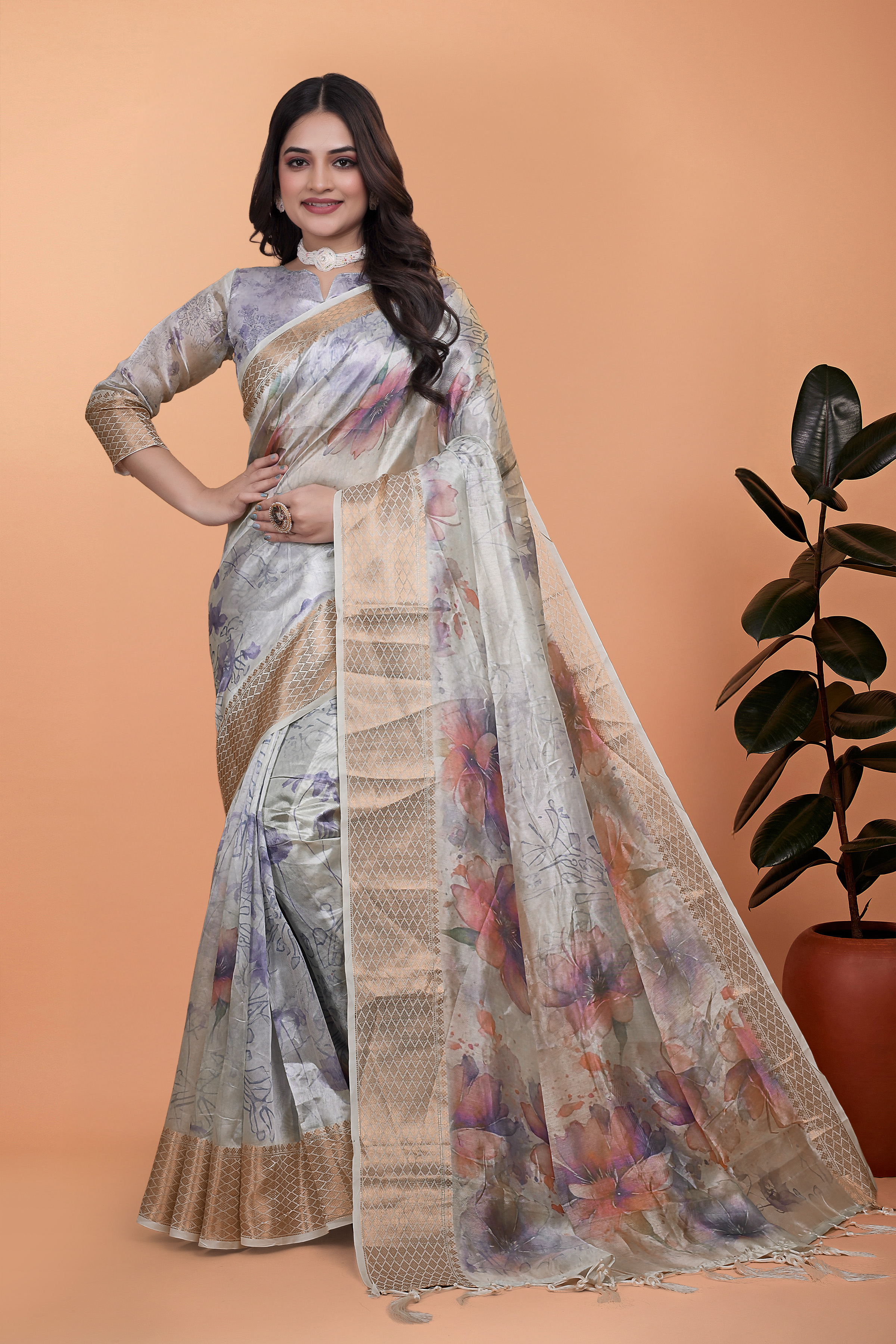
For a saree, secure the pallu at the shoulder and consider a second hidden point near the blouse side seam when the fabric is slippery. Satin and smooth silk require particular attention because the pallu can migrate with each arm movement. For a dupatta, anchor one shoulder and one side of the torso if the garment allows it; a single shoulder pin may not withstand dancing or repeated bending.
Choose a bag that doesn't interfere with the drape. A small crossbody strap can pull a pallu out of place, while a heavy shoulder bag can flatten embroidery and create pressure on one shoulder. A compact clutch or a lightweight wristlet is often more practical for long functions, provided essentials such as phone, tissues, medication and safety pins remain accessible.
Footwear and event logistics are part of the outfit
Footwear determines whether Indian wear remains wearable after several hours because feet absorb the impact of standing and walking. Block heels between 3 and 5 centimetres generally offer more stability than narrow stilettos on grass, uneven flooring and crowded dance areas. Flat juttis, padded sandals and low wedges can be equally dressy when their construction suits the venue.
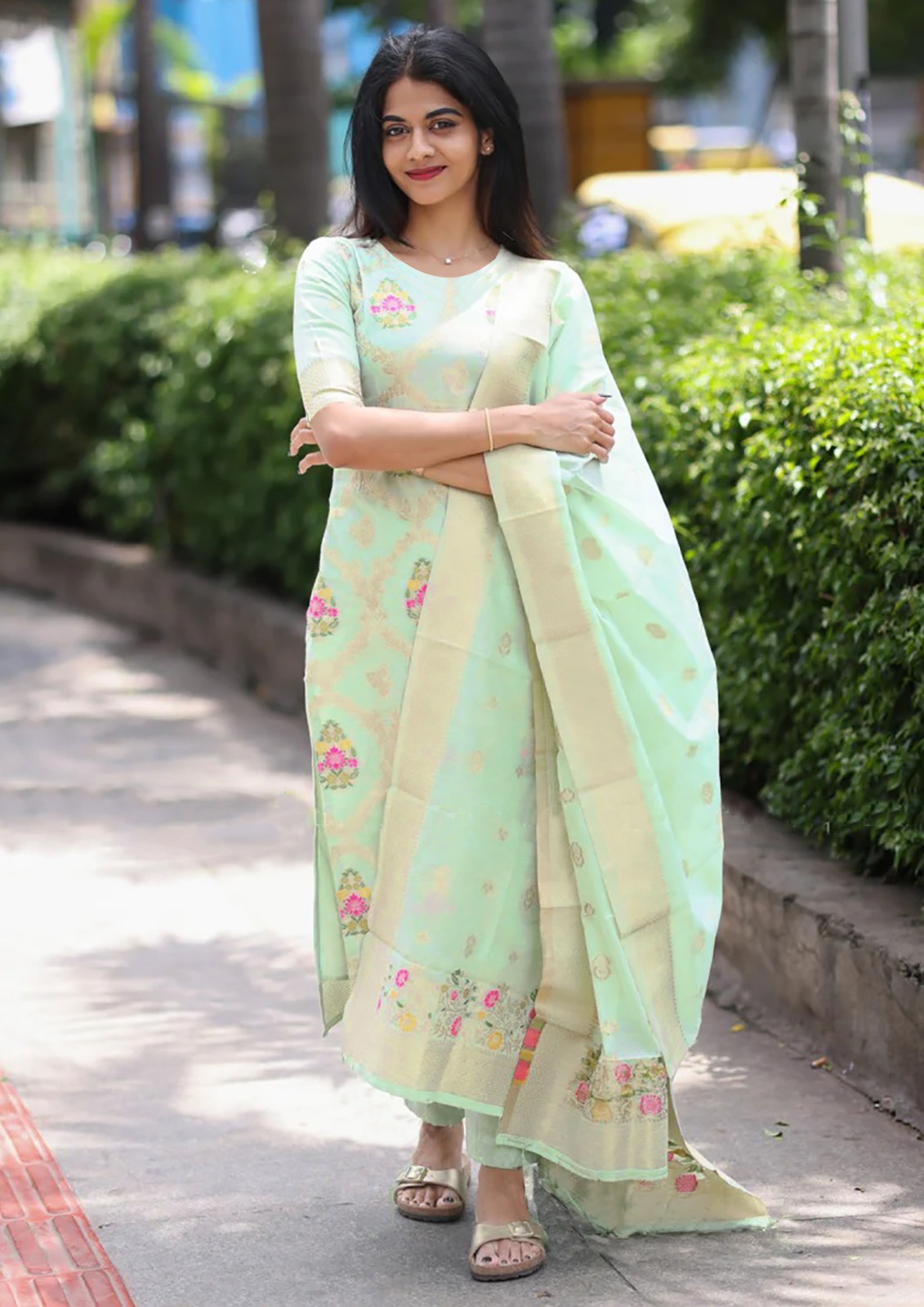
Wear the chosen shoes during the final hem fitting. A difference of even 2 centimetres can change whether a saree border or maxi hem catches on the floor. Test the shoes indoors for at least 30 minutes and check for rubbing at the heel, toes and straps. New footwear should not be introduced for the first time at a twelve-hour wedding.
Event logistics deserve the same attention as fabric selection. Carry a small repair kit with two safety pins, fashion tape, a needle, matching thread and a blister patch. Pack a lightweight stole or shawl for strongly air-conditioned halls. Keep a second pair of comfortable footwear in the car or at the venue when travel and dancing are both expected.
A practical fitting checklist for long celebrations
A practical fitting checklist can identify most comfort problems before the event. Perform the checks in the final outfit, not in separate pieces that behave differently when combined.
- Walk: Take twenty normal steps and ten faster steps. The hem should not catch beneath the toes.
- Sit: Use both a chair and a low seat. The waistband, knees and back should remain comfortable for at least five minutes.
- Reach: Raise both arms, reach forward and turn the shoulders. Sleeves, armholes and blouse hooks should stay secure.
- Bend: Lean forward as if picking up a phone. The neckline, pallu and dupatta should remain controlled.
- Stairs: Take several steps up and down while holding the handrail. Confirm that the hem can be lifted without exposing an unstable shoe.
- Eat: Sit after a normal meal or with a little room added at the waist. A long event includes food, and the outfit should allow it.
- Photograph: Check the outfit from the side and back. Loose hooks, visible pins and twisted pleats are easier to correct before leaving home.
Choosing Indian Wear for Long Events Starts With Movement Not Decoration also changes how embellishment should be evaluated. Embroidery, zari, prints and woven motifs remain important, but decoration works harder when the wearer can stand naturally, walk confidently and sit without constant correction. The best outfit supports the programme of the day from the first greeting to the final journey home.
Questions readers ask before choosing comfortable Indian wear
Long-event dressing becomes easier when comfort questions are answered before the purchase rather than after the first hour of wear. The following checks apply across sarees, kurta sets, co-ord sets and maxi silhouettes.
Common Questions About Comfortable Indian Wear for Long Events
What is the most comfortable Indian wear for a long wedding event?
A breathable saree, kurta set, co-ord set or lightly layered maxi suit can be comfortable for a long wedding when the fit permits walking and sitting. Linen-cotton, cotton, Chanderi cotton and lightweight crepe are useful choices for warm venues, while silk blends can work well indoors with moderate layering.
How can I sit comfortably in a saree for several hours?
Tie the petticoat or saree shapewear at the natural waist, keep the front pleats broad enough for a normal stride and secure the pleats discreetly. Practise sitting on a chair and a low seat before the event, and check that the blouse does not pull across the back when the arms move.
Are heavy embroidered outfits suitable for long events?
Heavy embroidery can suit a long event when the weight is concentrated at the border or bodice rather than spread across every layer. Dense zari, sequins and multiple embellished layers increase fatigue, so balance one decorated piece with lighter separates and supportive footwear.
Which fabric is best for Indian wear in hot weather?
Cotton, linen-cotton and Chanderi cotton are generally more breathable choices for hot weather than velvet or heavily lined synthetic fabrics. Check the lining as well as the outer fabric, because a dense polyester lining can make a lightweight-looking outfit feel warm.
How much ease should a festive blouse have?
A structured blouse usually needs approximately 2 to 3 centimetres of functional ease across the upper back, although the exact amount depends on the fabric and construction. The wearer should be able to bring both arms forward and raise them without the hooks, seams or armholes pulling.
What shoes work best with Indian wear for an all-day function?
Block heels of about 3 to 5 centimetres, padded sandals, low wedges and comfortable juttis are practical choices for all-day functions. Match the shoes during the final hem fitting, wear them indoors beforehand and carry a backup pair when the event includes extensive walking or dancing.