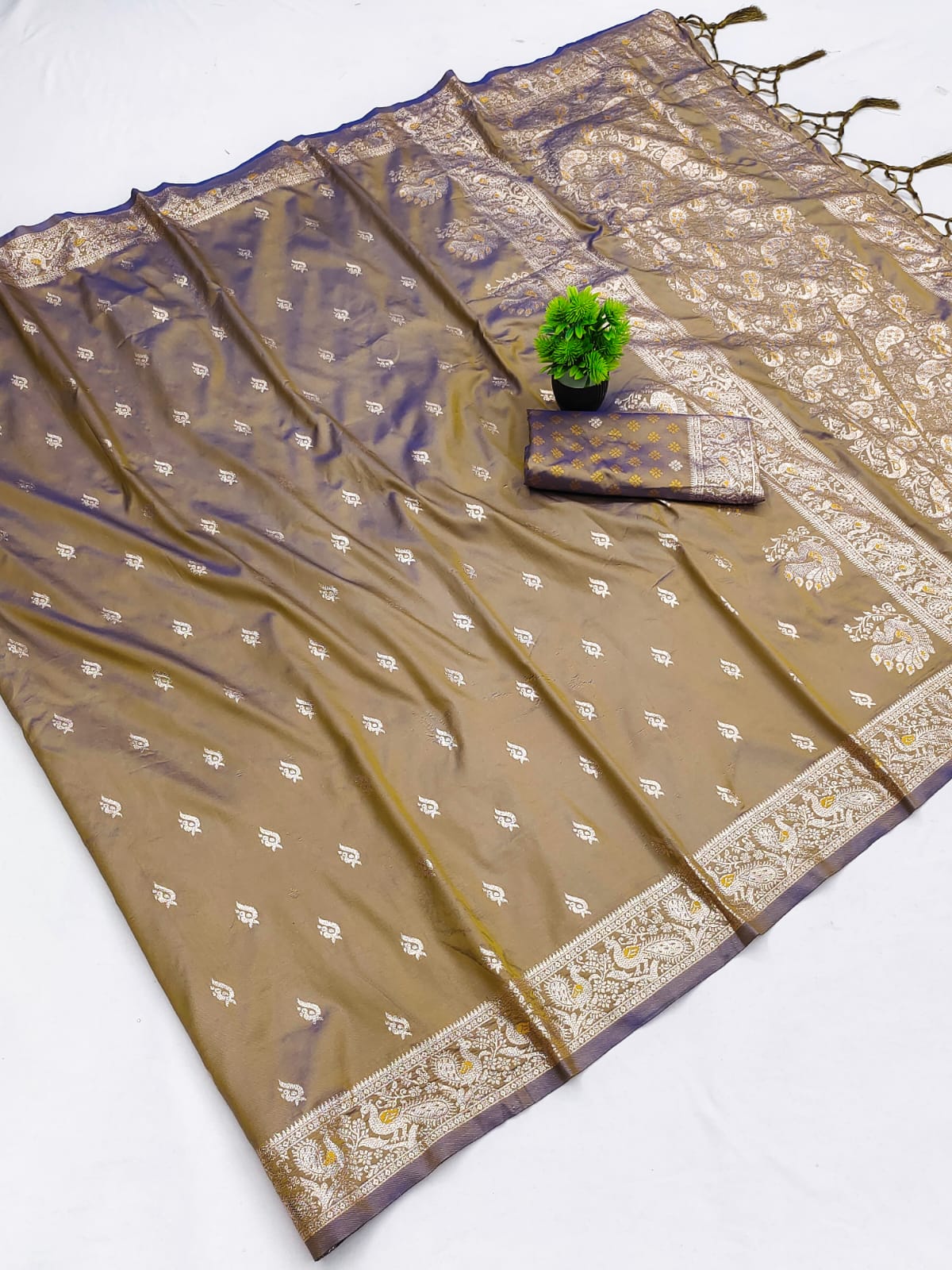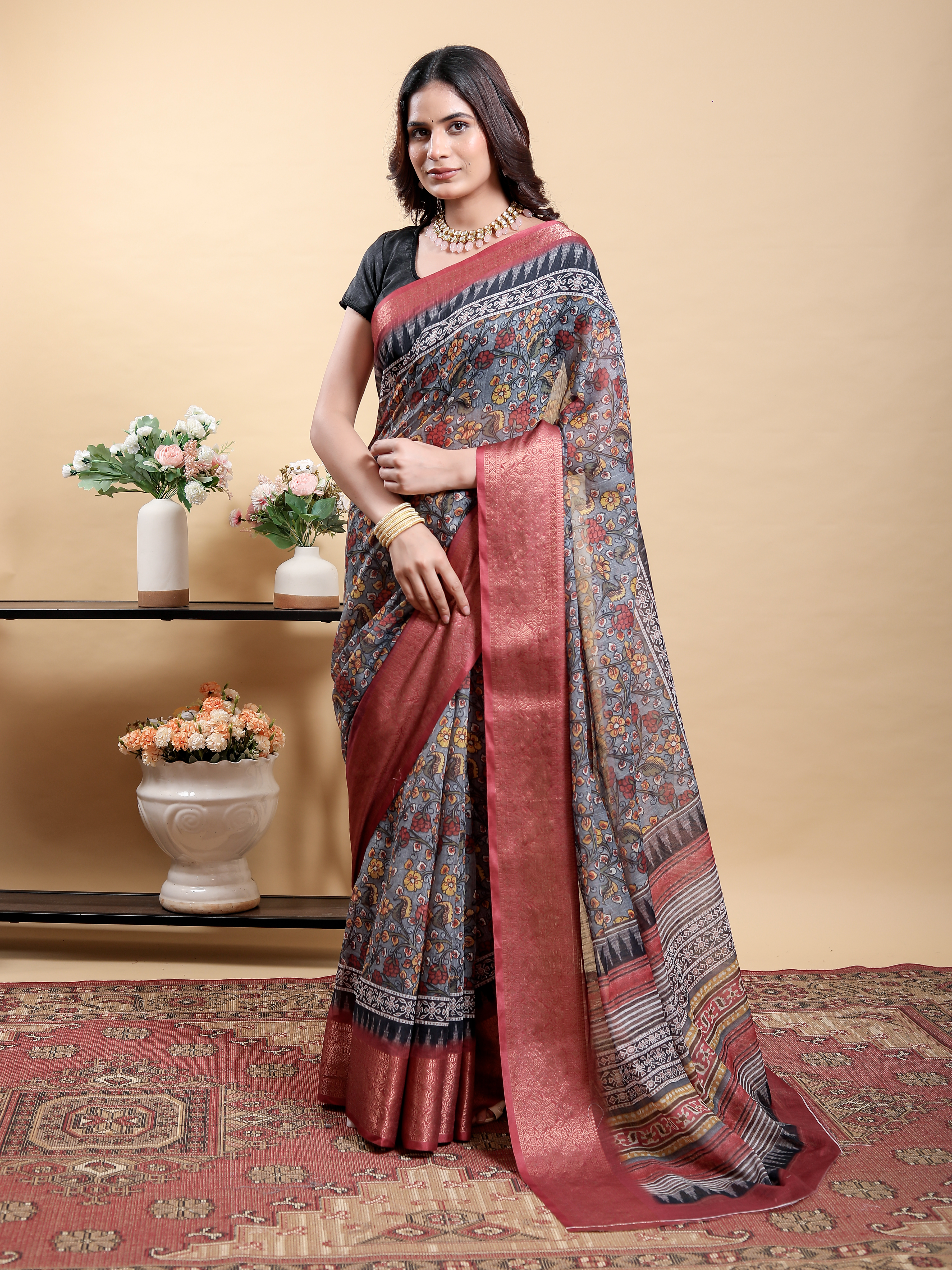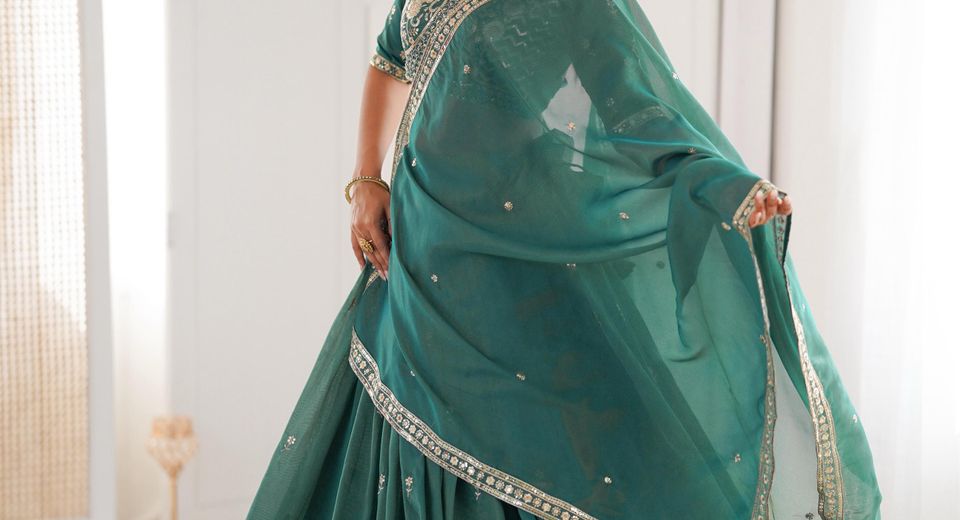
Choosing a Potli Bag That Will Not Snag an Embroidered Lehenga requires more than matching the bag to the blouse colour. Sequins, cutdana, zari, metallic thread, beadwork and raised floral embroidery can catch on rough fabric, exposed metal or a loose drawstring knot. The safest choice has a smooth outer surface, a protected closure, a short stable handle and no sharp decoration on the side that rests against the skirt.
A potli bag also needs to work practically. A wedding guest may carry a phone, cards, keys, compact powder and lipstick for four to six hours, often while moving through crowded entrances, dining areas and dance floors. The right bag protects the lehenga while keeping essentials accessible and preventing the dupatta from tangling with its handle.
Why can a potli bag damage embroidered lehenga fabric?
A potli bag can damage an embroidered lehenga when a projecting part catches a thread, sequin edge or net layer during movement. Snagging usually comes from friction and repeated pulling rather than from the bag's weight alone.
Embroidered lehengas contain different kinds of vulnerable surfaces. A sequined skirt has small overlapping discs that can hook into a rough weave or an exposed chain. A net lehenga can catch on a jagged clasp because net has open spaces and little resistance. A silk or satin skirt may not snag easily, but its smooth surface can show pressure marks, pulled threads or abrasion after a bag rubs against it for several hours.
The most common risk points are metal zippers, lobster clasps, decorative spikes, uncovered beaded tassels, frayed cords and rough embroidery on the bag itself. A heavy potli that swings against the thigh can drag across the same section of a skirt dozens of times. A long shoulder strap can create a second problem by crossing the dupatta, choli or sleeve embroidery.
Before buying or carrying a potli, run a clean cotton scarf over every closure, handle joint, bead cluster and underside. If the cotton catches, the bag needs a cover, a repair or a different use. This simple test is more reliable than judging a bag by its appearance online.
Choosing a Potli Bag That Will Not Snag an Embroidered Lehenga
Choosing a Potli Bag That Will Not Snag an Embroidered Lehenga starts with inspecting the contact points rather than choosing the most heavily embellished accessory. Smooth satin, silk, velvet with a short even pile and tightly woven brocade are generally safer outer materials than coarse jute, open crochet or unfinished metallic mesh.
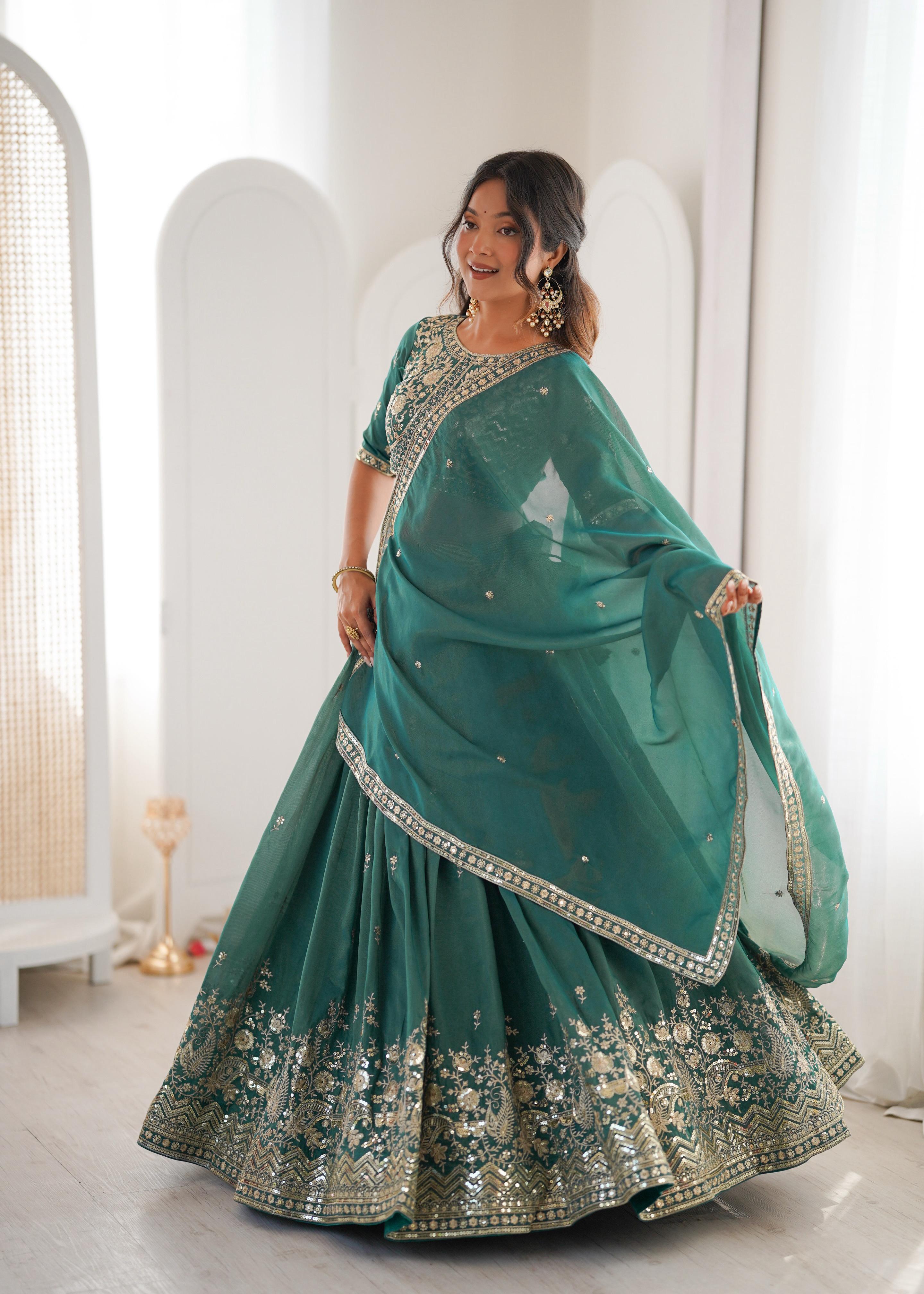
Which potli closure is safest?
A covered magnetic snap or a fully enclosed top frame is usually safer than an exposed metal zipper or a long drawstring with hard aglets. A magnetic snap sits inside the folded fabric and presents fewer edges to the lehenga. A frame closure is suitable when the frame has rounded corners and the inside seam is neatly covered.
Drawstring potlis can be safe when the cord is soft, the cord ends are fabric-covered and the knot stays inside the bag. A cord with metal caps, loose beads or stiff tassels should not rest against sequins or net. Test the closure several times before an event; a loose snap can expose the contents, while a stiff zipper may require force that makes the bag swing into the skirt.
What handle design reduces snagging?
A short, smooth handle attached with covered fabric tabs reduces snagging better than a long chain or an open metal ring. A handle between 15 and 25 centimetres allows the potli to stay close to the hand or forearm without repeatedly crossing the lehenga.
Chain handles are not automatically unsuitable, but every link and connector must be smooth. A chain can catch net, cutdana and loose threadwork at several points, especially when the bag is placed on a chair. If a chain is part of the design, carry the bag by the fabric section and tuck the chain inside during photographs or crowded movement.
Handle joints deserve special attention. A screw head, split ring or metal loop can be more dangerous than the visible handle. Choose a bag with stitched tabs, piping or a fabric sleeve over those joints. Avoid handles with sharp rectangular hardware, open jump rings or decorative hooks that can rotate towards the skirt.
How should the bag match the lehenga fabric and embroidery?
The safest match pairs the potli's surface with the lehenga's most delicate material, not merely its dominant colour. Net, tulle and fine mesh need the smoothest bag; satin needs a clean lining and a stable shape; dense silk can tolerate more texture but still benefits from covered hardware.
A net outfit such as the Pastel Grey Embroidered Butterfly Net Lehenga Set needs particular care because open net can catch on rough brocade, unfinished beadwork and metallic fringe. A plain satin potli with fabric-covered drawstrings creates contrast without adding another abrasive surface. The Lime Floral Embroidered Butterfly Net Lehenga Set can similarly be paired with a smooth ivory, pale gold or green potli rather than a coarse embroidered pouch.
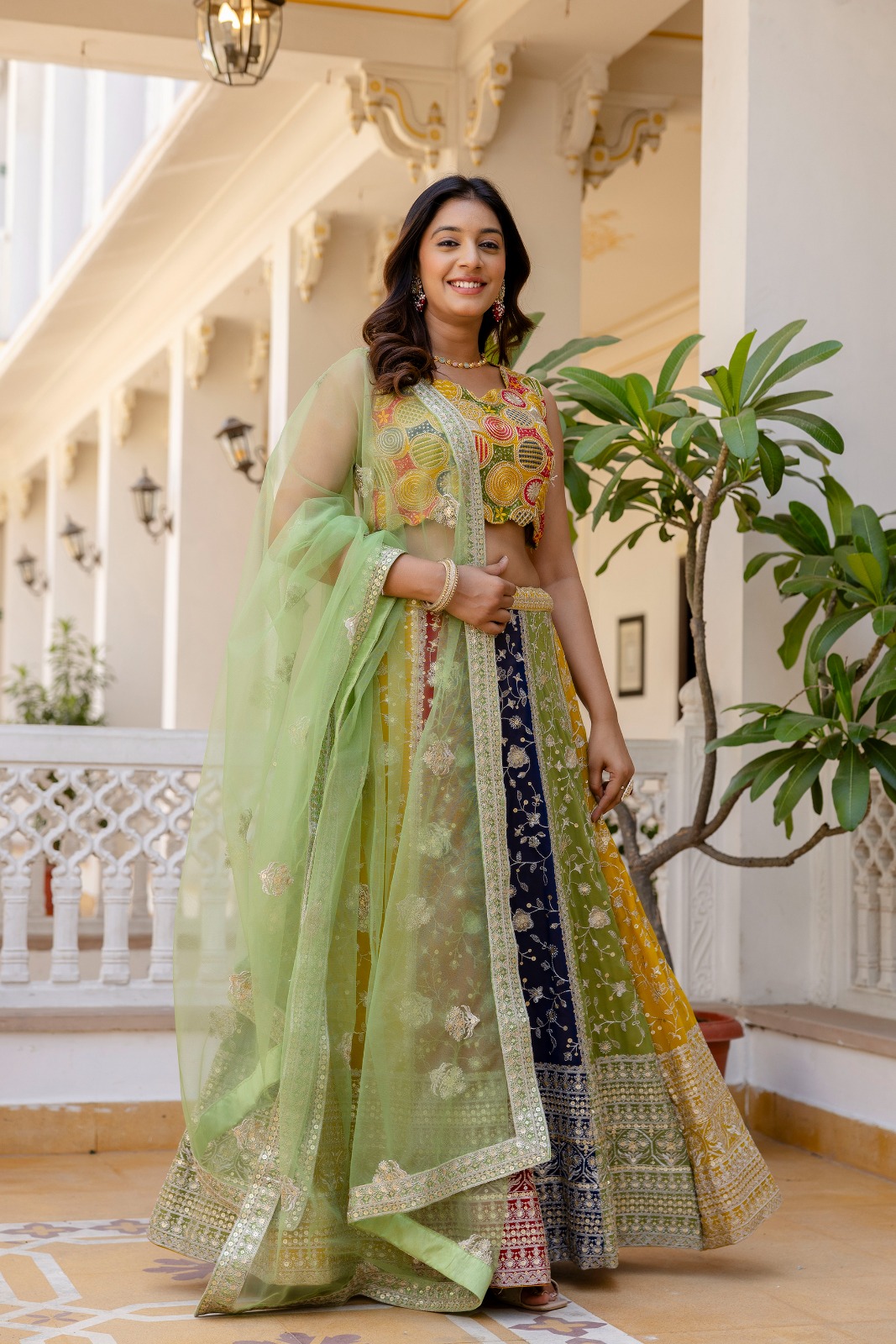
Sequins create a different concern. The Pink Sequins Embroidered Butterfly Net Lehenga Set may catch a loose cord or chain link when the bag rests against the skirt. Select a compact potli with a flat underside and keep the embellished face of the bag facing outward, away from the lehenga. A bag with beads sewn in regular rows is safer than one with irregular hanging elements.
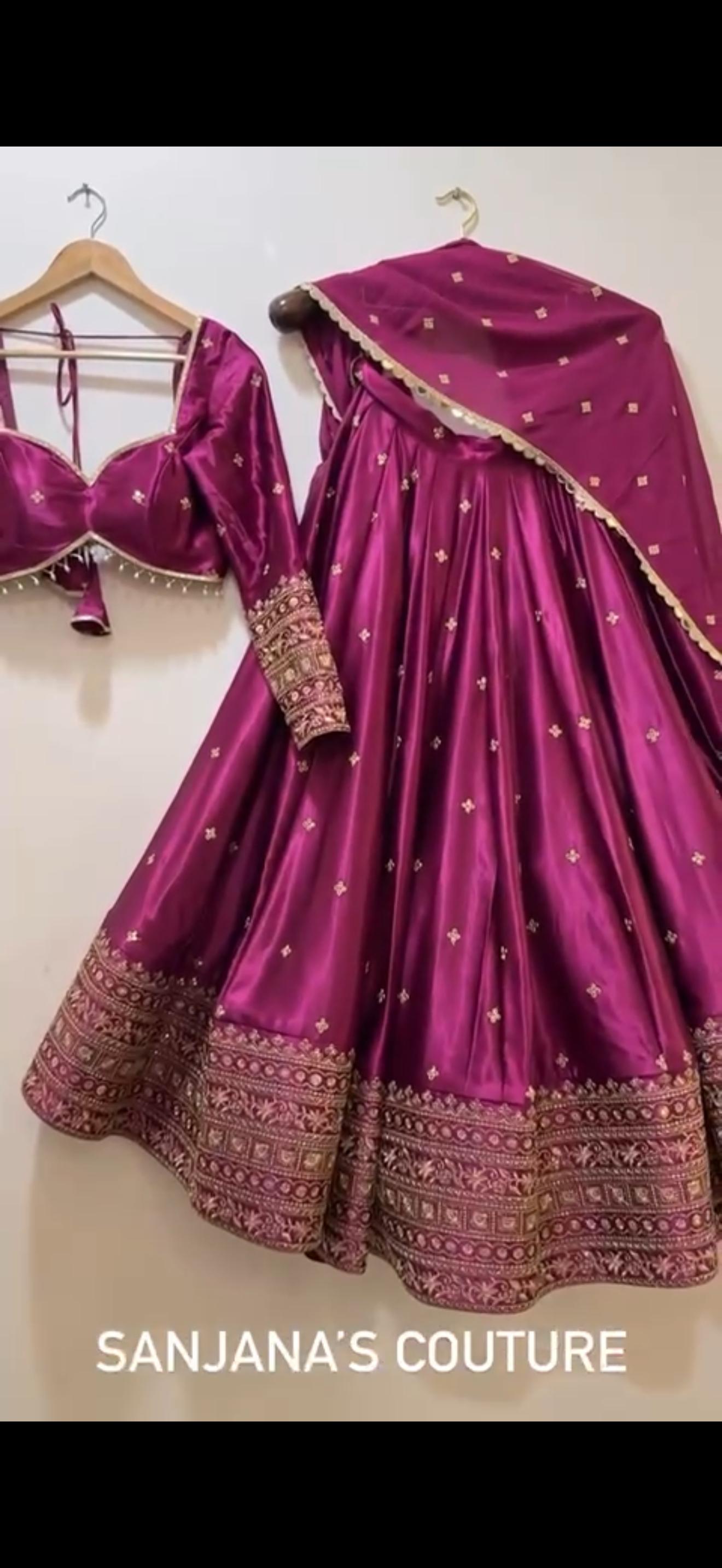
Raised threadwork and satin should be assessed for friction. The Designer Threadwork Silk Lehenga Choli Set with Dupatta has a richer, more structured surface than net, but thread loops can still catch on a rough bag edge. The Magenta Satin Embroidered Lehenga Set Online has a smooth base that can develop visible rub marks, so a lightweight bag with a soft lining and limited movement is more appropriate than a heavy metal potli.
Colour coordination can remain simple. A cream or gold potli works with many bridal and festive combinations, while a tone-on-tone green potli supports outfits selected from Green Lehengas. Bright yellow clothing from Yellow Lehengas can be balanced with muted gold, ivory or blush rather than another highly decorated accessory.
What should you check before buying a potli bag online?
Before buying a potli bag online, check its measurements, closure photographs, material description, handle construction and return conditions. Product images rarely show the underside or the sharpness of hardware, so those details deserve direct verification.
- Measure the usable interior: A practical wedding size is often about 18 to 22 centimetres wide and 15 to 18 centimetres high, depending on the phone and compact you carry. An oversized bag becomes heavier and swings more.
- Read the material description: Satin, silk, velvet and tightly woven fabric usually offer smoother contact than raw jute, open lace or unfinished crochet. "Embellished" alone does not indicate whether the decoration is safe.
- Inspect closure images: Look for covered snaps, rounded frames and fabric-covered cord ends. Ask for a close photograph if the listing does not show the top edge.
- Check the underside: A flat base without studs, exposed stitching or hard ornament is less likely to rub against a skirt when the bag hangs at the hip.
- Confirm the handle length: A short handle is easier to control. A detachable long chain needs a smooth connector and should not be the only carrying option.
- Consider the outfit construction: Fully stitched choli shopping is useful when a coordinated set is needed quickly, while a semi-stitched outfit allows more fitting adjustment but may require more planning for accessories and movement.
- Plan the bag capacity: Carry one phone, a slim card holder, keys and essential makeup rather than filling the pouch with hard objects that create pressure points.
Readymade lehenga sets make event dressing faster, but a ready-to-wear outfit does not automatically make every accessory suitable. A potli should be tested with the actual lehenga, dupatta and footwear at home. Bridal styling often involves heavier embroidery and longer wear, so the safest bag may be less ornate than the bag chosen for a short evening reception.
How can you test a potli with an embroidered lehenga at home?
You can test a potli at home by checking snagging, movement, weight and handle placement for at least 10 minutes before the event. The test should use the complete outfit rather than a separate fabric swatch.
- Put on the lehenga and secure the dupatta: Arrange the dupatta as you plan to wear it, because its edge may change where the bag sits.
- Load the potli realistically: Add the phone, cards, keys and makeup you will actually carry. A nearly empty bag behaves differently from a full one.
- Walk and sit: Walk across the room, climb a few steps and sit on a chair. Notice whether the bag swings into the skirt or presses against the embroidery.
- Turn and raise your arm: Dance, greet someone and adjust the dupatta. These movements reveal whether a handle catches threadwork or pulls the shoulder drape.
- Inspect the contact area: Look for loose threads, lifted sequins, flattened velvet or marks on satin. Stop using the bag if any damage appears.
- Repeat with the bag on the opposite hand: Switching hands may reduce friction when one side of the skirt has more embroidery or a heavier dupatta border.
A clean cotton scarf can provide an additional test. Place the scarf between the bag and lehenga, move for several minutes and inspect the scarf for pulled fibres. The scarf test will not replace a direct outfit test, but it can identify a rough closure before the event.
How should you carry and store a potli during a wedding?
Carry the potli by the hand or forearm on the side with less embroidery, and keep the bag upright when possible. Controlled carrying reduces swinging, which is the main cause of repeated rubbing against a lehenga.
Do not place the potli on a rough floor, wicker chair or sequined seat. Use a clean scarf or the inside of the dupatta as a temporary barrier. Avoid hanging a heavy potli from a lehenga waistband because the concentrated weight can distort the skirt and pull at the waist seam.
Keep the bag away from food, oil and perfume. A satin or silk potli can show stains quickly, and rubbing a stain may spread it across the surface. Blot liquid with a clean, dry cloth and follow the care instructions instead of applying water or detergent immediately.
After the event, empty the potli and inspect the lining, cord and handle joints. Store the bag upright or loosely filled with acid-free tissue so that it keeps its shape. Do not compress embellished potlis beneath heavy clothing; pressure can bend hardware and transfer colour or metallic residue to nearby garments.
The Cream Peacock Embroidered Net Lehenga Set for Women and the Red Butterfly Net Sequins Lehenga Set Wedding Wear both illustrate why delicate net and embellished surfaces need controlled accessories. A smooth potli, careful carrying position and a short home test protect the garment more effectively than simply choosing a matching colour.
Which potli details work for different lehenga occasions?
Daytime mehendi events suit lightweight potlis with soft handles, while evening wedding and bridal styling can accommodate richer fabric if the closure and underside remain smooth. Occasion, venue and wearing time should guide the design choice.
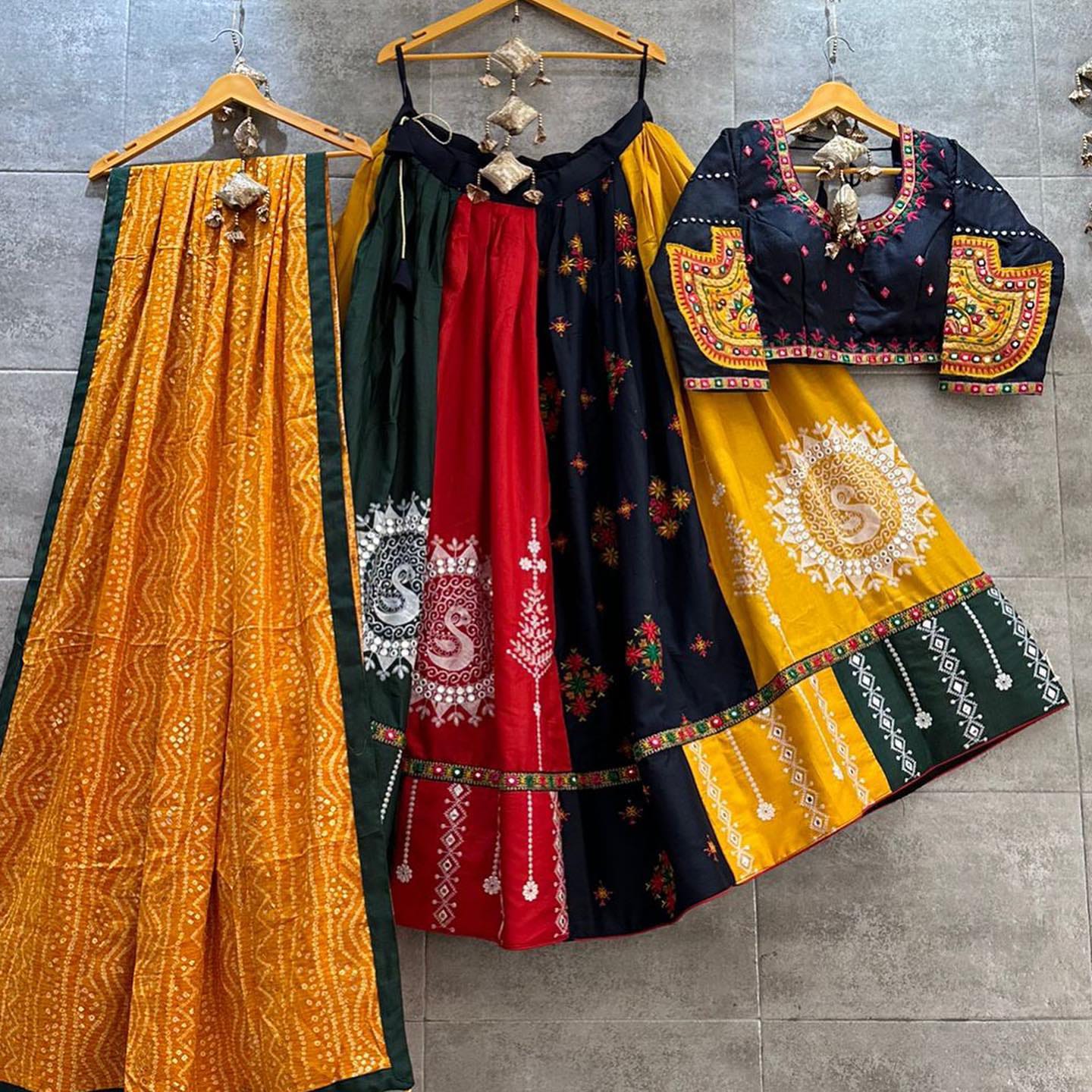
For Mehendi Lehengas, select a compact bag with a fabric handle because you may need both hands for rituals, photographs and food. Green Lehengas often work with ivory, antique gold or contrasting pink accessories, but the surface should remain restrained when the outfit already has floral embroidery.
For Yellow Lehengas, a pale gold or cream potli can create a festive combination without competing with haldi decorations. Avoid loose tassels during a Haldi ceremony because turmeric paste, water and repeated contact can stain both the tassels and the lehenga.
A Ready Made Lehenga is convenient for a short decision window, but accessory testing is still necessary. A Semi Stitched Lehengas Collection may allow more control over fit and skirt volume; that extra volume can change the bag's swing and make a shorter handle more useful.
For a designer or bridal lehenga, prioritise protection over ornament. A minimally decorated velvet or satin potli with a covered magnetic snap often performs better than a highly embellished bag with exposed metal. Matching one embroidery colour is enough to make the accessories feel intentional.
A potli should support the lehenga rather than compete with its construction. Smooth materials, covered closures, controlled movement and a realistic home test provide a dependable method for selecting an accessory that remains beautiful without risking pulled threads, damaged net or rubbed satin.
Common Questions About Pairing Potli Bags with Embroidered Lehengas
Which potli bag is safest for a sequined lehenga?
A smooth satin or tightly woven fabric potli with a covered snap and a short fabric handle is usually safest for a sequined lehenga. Avoid exposed zippers, rough embroidery, metal tassels and chains that can catch overlapping sequins.
Can I carry a chain potli with a net lehenga?
You can carry a chain potli with a net lehenga only when every link and connector is smooth and the chain can be tucked away. A fabric handle is generally safer because net can catch on small gaps in chain hardware.
How do I know whether a potli will snag my lehenga?
Run a clean cotton scarf over the potli's closure, handle joints, underside and decoration. Then test the loaded bag with the complete lehenga and dupatta by walking, sitting and turning for at least 10 minutes.
What size potli is practical for a wedding?
A potli about 18 to 22 centimetres wide and 15 to 18 centimetres high can usually hold a phone, cards, keys and compact makeup. Choose the smallest size that fits your essentials because a heavier, oversized bag swings more and creates more friction.
Is velvet or satin better for an embroidered lehenga?
Both can work when the surface is smooth and the hardware is covered. Satin has very low surface friction but can show rub marks, while short-pile velvet is forgiving but should not have loose fibres or rough embellishment on the contact side.
Should a bridal lehenga have a heavily embellished potli?
A bridal lehenga does not need a heavily embellished potli to look complete. A refined bag that repeats one colour from the zari, threadwork or blouse can look coordinated while reducing the risk of snags from metal, beads and raised decoration.