

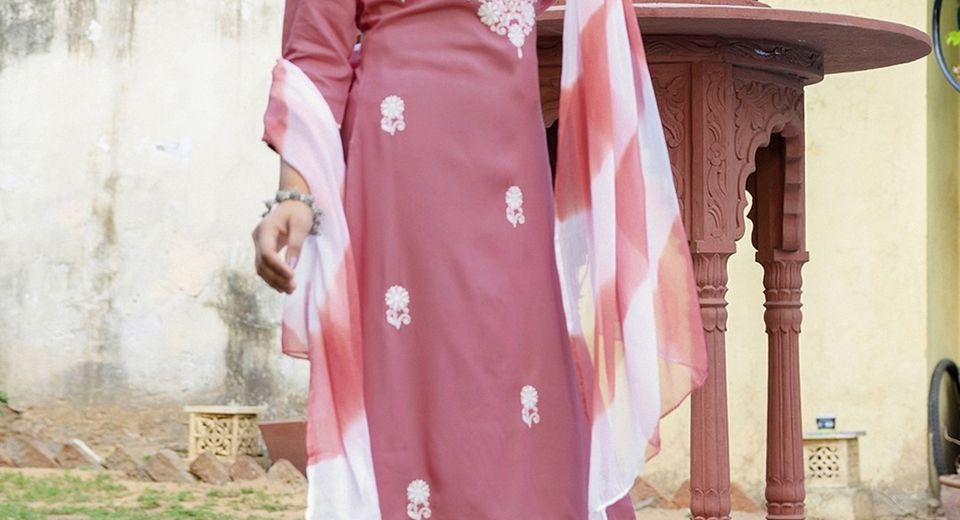
Cap Sleeve Kurtis for Better Proportion Comfort and Outfit Pairing offers a practical way to think about a salwar suit: sleeve length affects the shoulder line, fabric affects movement, and the lower garment determines whether the complete outfit looks balanced. A cap sleeve usually covers the shoulder and extends only a short distance down the upper arm, making it more structured than a sleeveless kurti and lighter than a three-quarter sleeve.
The right cap sleeve kurti can keep an outfit cool without making it look unfinished. The most successful combinations depend on four details: sleeve width, armhole comfort, kurti length and the volume of the trousers or palazzos. Once these details are considered together, cap sleeves work for daily cotton sets, printed festive suits and refined silk outfits.
Cap Sleeve Kurtis for Better Proportion Comfort and Outfit Pairing: understanding the silhouette
Cap sleeves make the upper body look visually lighter while keeping a defined shoulder line. The short sleeve creates a horizontal stopping point near the upper arm, so the eye reads the shoulders and neckline before moving down the length of the kurti.
A straight kurti benefits from this neat upper outline because the silhouette remains vertical from shoulder to hem. A wide palazzo or sharara needs similar restraint above, and a cap sleeve can prevent the outfit from appearing crowded around the arms and chest. A long anarkali, by contrast, may need a slightly broader cap sleeve or a modestly extended short sleeve to balance its flare.
Shoulder width also matters. A narrow cap sleeve that ends close to the shoulder seam can make broad shoulders appear more prominent. A sleeve with a soft, slightly dropped edge distributes that line more gently. For narrow shoulders, a clean sleeve cap with light embroidery or a structured seam can add definition without requiring padding.
Kurti length completes the proportion. A kurti ending around mid-thigh works well with slim pants because the short sleeve and narrow lower line create a continuous shape. A knee-length kurti can accommodate straight pants, cigarette trousers or a modest palazzo. A very flared lower garment is easier to balance when the kurti has controlled volume and the cap sleeve doesn't carry excessive decoration.
Useful sleeve measurements to check
A comfortable cap sleeve should leave roughly 2 to 4 centimetres of ease around the upper arm, depending on the fabric and sleeve cut. The armhole should allow the wearer to lift both arms without the kurti pulling across the bust or rising sharply at the waist.
Check the shoulder seam before judging the sleeve length. The seam should sit near the natural shoulder point rather than falling toward the upper arm. A sleeve that looks attractive in a photograph can feel restrictive when the armhole is too deep, too narrow or finished with stiff embroidery.
Cap Sleeve Kurtis for Better Proportion Comfort and Outfit Pairing in warm weather
Cap sleeves improve warm-weather comfort by covering the shoulder while leaving more of the upper arm open for airflow. The comfort advantage is strongest when the sleeve and body use breathable cotton, light Chanderi silk or another fabric that doesn't cling.
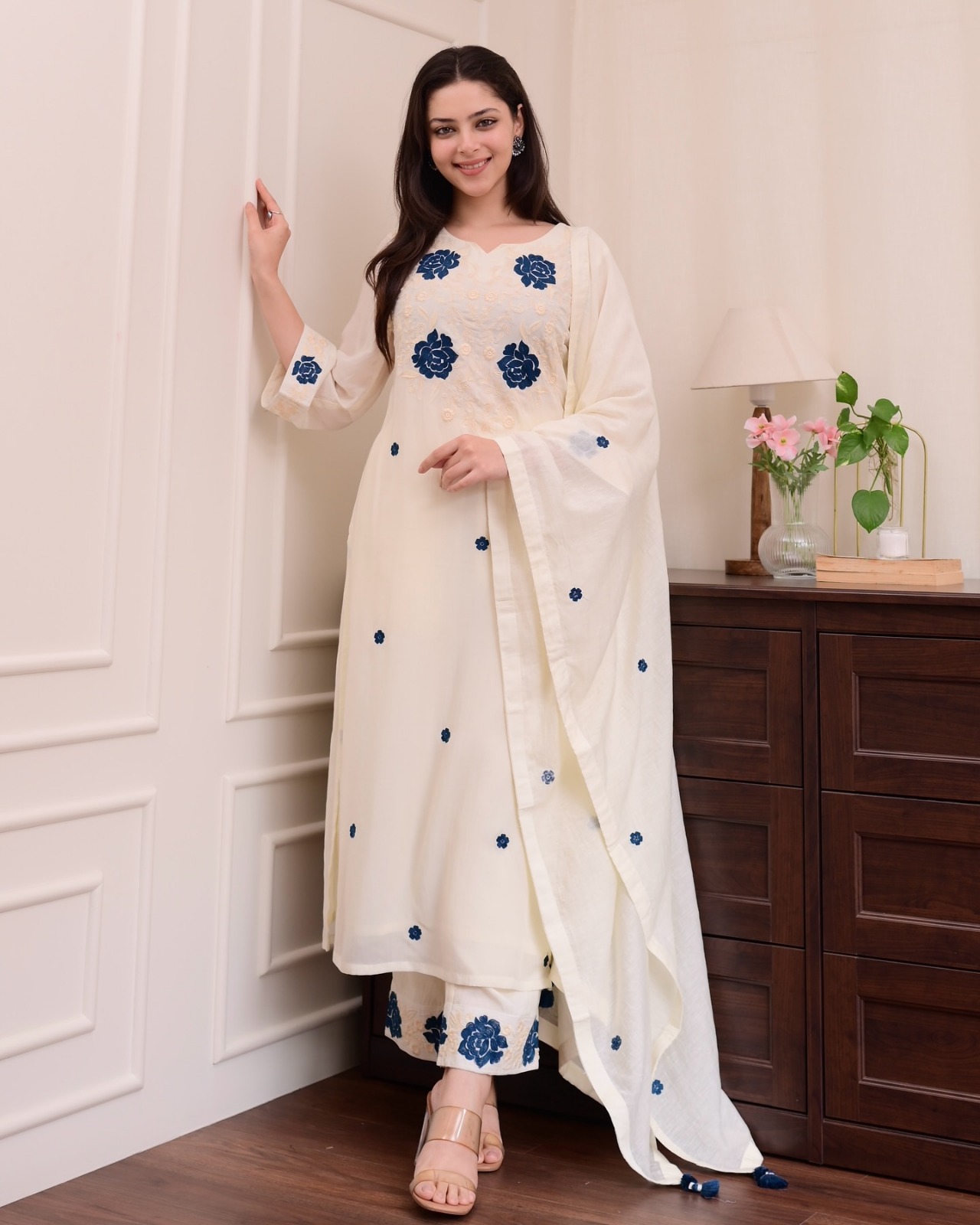
Cotton remains a dependable choice for commuting, errands and long family gatherings because it absorbs moisture and generally feels easier to wear in humid conditions. Pink Embroidered Cotton Kurti Pant Dupatta Set combines the practical appeal of cotton with enough surface detail for a polished daytime outfit. Cream Khadi Cotton Straight Kurta Set with Dupatta brings a more textured, airy direction for people who prefer an understated handloom-inspired appearance.
Khadi cotton can feel crisp at first and soften with use, but the weave may crease more visibly than a smooth blend. A cap sleeve reduces fabric around the arm, yet comfort still depends on the neckline, lining and trouser waistband. A well-ventilated sleeve can't compensate for a tight armhole or a non-breathable lining across the bodice.
Chanderi silk is useful when a wearer wants lightness with a slightly dressier surface. Cream Chanderi Silk Kurti Pant Dupatta Set for Women demonstrates how a pale, luminous fabric can keep a cap sleeve outfit graceful without adding heavy layers. Chanderi silk needs gentler handling than everyday cotton, so it's better suited to planned outings than rough daily use.
When cap sleeves become uncomfortable
Cap sleeves become uncomfortable when the sleeve opening cuts into the upper arm or when a close armhole restricts forward movement. Heavy mirror work, dense zari or scratchy seam finishing can also reduce comfort even when the sleeve length is short.
For extended wear, look for soft seam binding, enough bust ease and a sleeve edge that lies flat. A cotton set with a slightly relaxed cut is usually more forgiving than a fitted silk kurti. If the wearer frequently carries a child, drives or reaches overhead, practical armhole movement matters more than an extremely neat sleeve silhouette.
Cap Sleeve Kurtis for Better Proportion Comfort and Outfit Pairing with different bottoms
Straight pants, cigarette trousers, palazzos and Patiala salwars all pair with cap sleeve kurtis, but each lower shape creates a different visual proportion. The correct choice depends mainly on kurti length, hem width and the amount of detail at the shoulder.
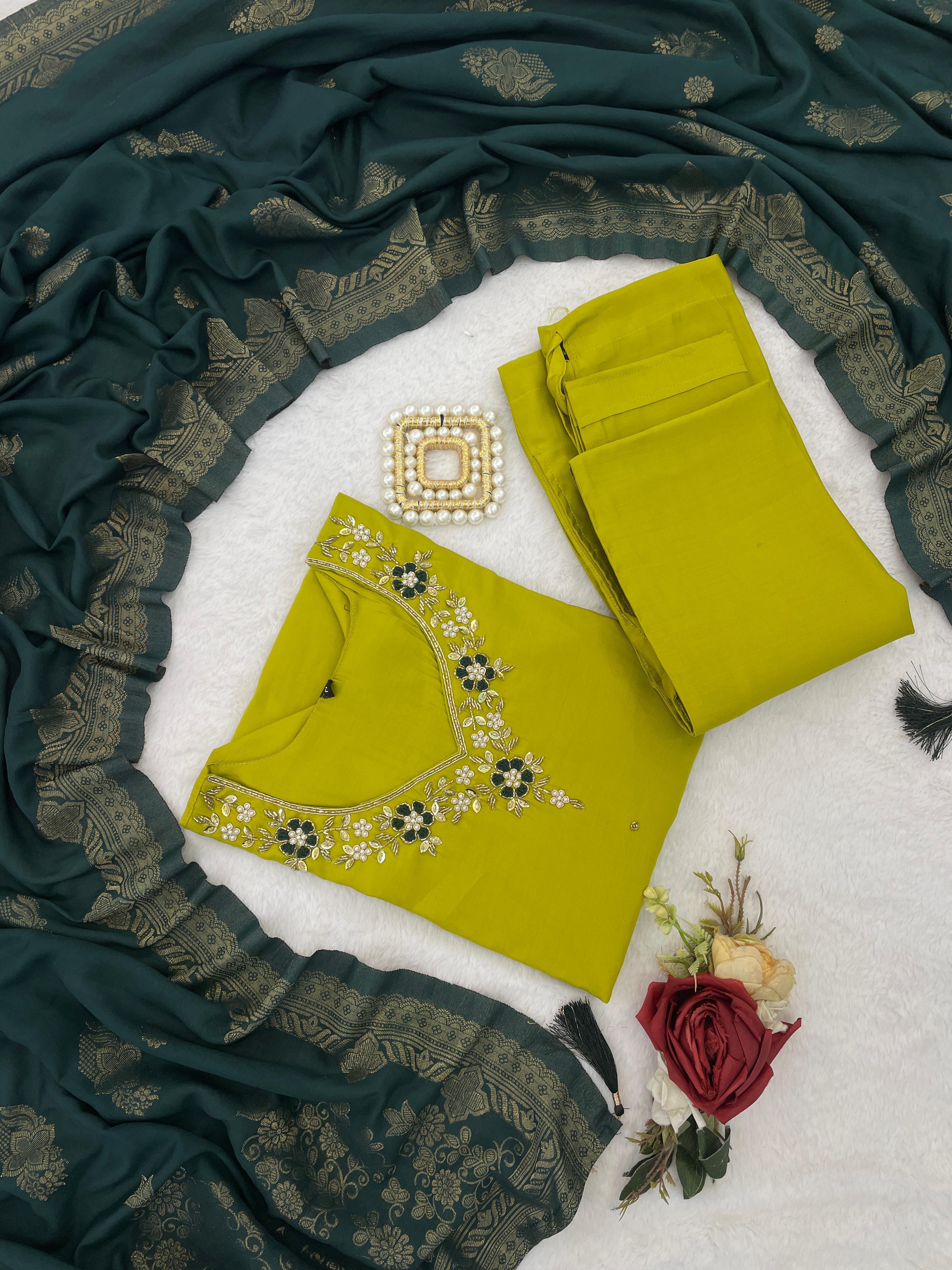
- Straight pants: Straight pants preserve a long vertical line and suit knee-length or mid-thigh kurtis. This pairing is reliable for office-friendly cotton suits and uncomplicated daily dressing.
- Cigarette trousers: Cigarette trousers create a sharper finish under a straight or slightly A-line kurti. They work especially well when the cap sleeve has a clean edge and the dupatta is worn close to the body.
- Palazzos: Palazzos add movement below the waist. Choose a kurti with moderate flare rather than pairing a voluminous palazzo with a heavily flared top and embellished sleeve.
- Patiala salwars: Patiala salwars introduce pleated volume around the hips and thighs. A shorter kurti and a controlled cap sleeve prevent the upper half from looking too heavy.
- Sharara trousers: Sharara trousers make the lower half the main feature. A simple cap sleeve, restrained neckline and shorter dupatta arrangement allow the flare to remain visible.
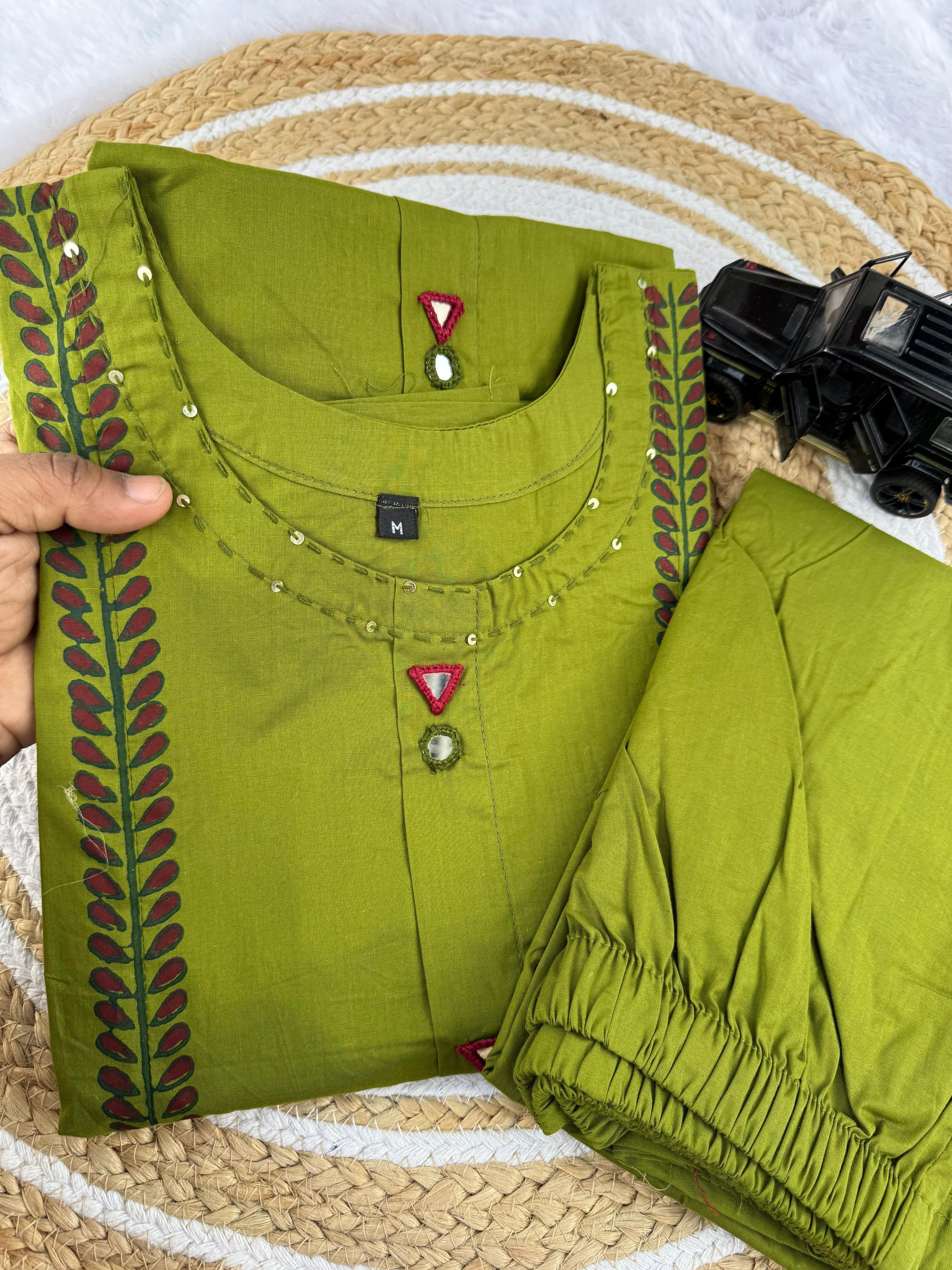
Designer Cotton A-Line Kurti Pant Set with Mirror Work shows why an A-line body needs careful balance. The gradual flare already creates movement below the bust, so straight pants keep the outfit composed while mirror work supplies the focal detail. A cap sleeve with modest embellishment prevents competing points of attention around the shoulders.
Elegant Pink Print Daily Wear Kurta Set can take a more relaxed approach. A printed kurta with cap sleeves and coordinated pants works for regular wear because the print supplies visual interest without requiring a dramatic lower silhouette. Keep footwear and accessories uncomplicated when the print is dense.
For a traditional, fuller lower line, Punjab Patiala Salwar Suits provide useful styling inspiration. Pairing a shorter cap sleeve kurti with Patiala pleats keeps the upper body visually clear and allows the gathered salwar to remain the main feature. This proportion suits casual gatherings, college wear and relaxed festive dressing.
Cap Sleeve Kurtis for Better Proportion Comfort and Outfit Pairing with a dupatta
The most flattering dupatta placement depends on whether the outfit needs more vertical length, more shoulder coverage or less visual volume. A narrow shoulder drape lengthens the front, while a spread dupatta softens the upper arm and creates a more layered appearance.
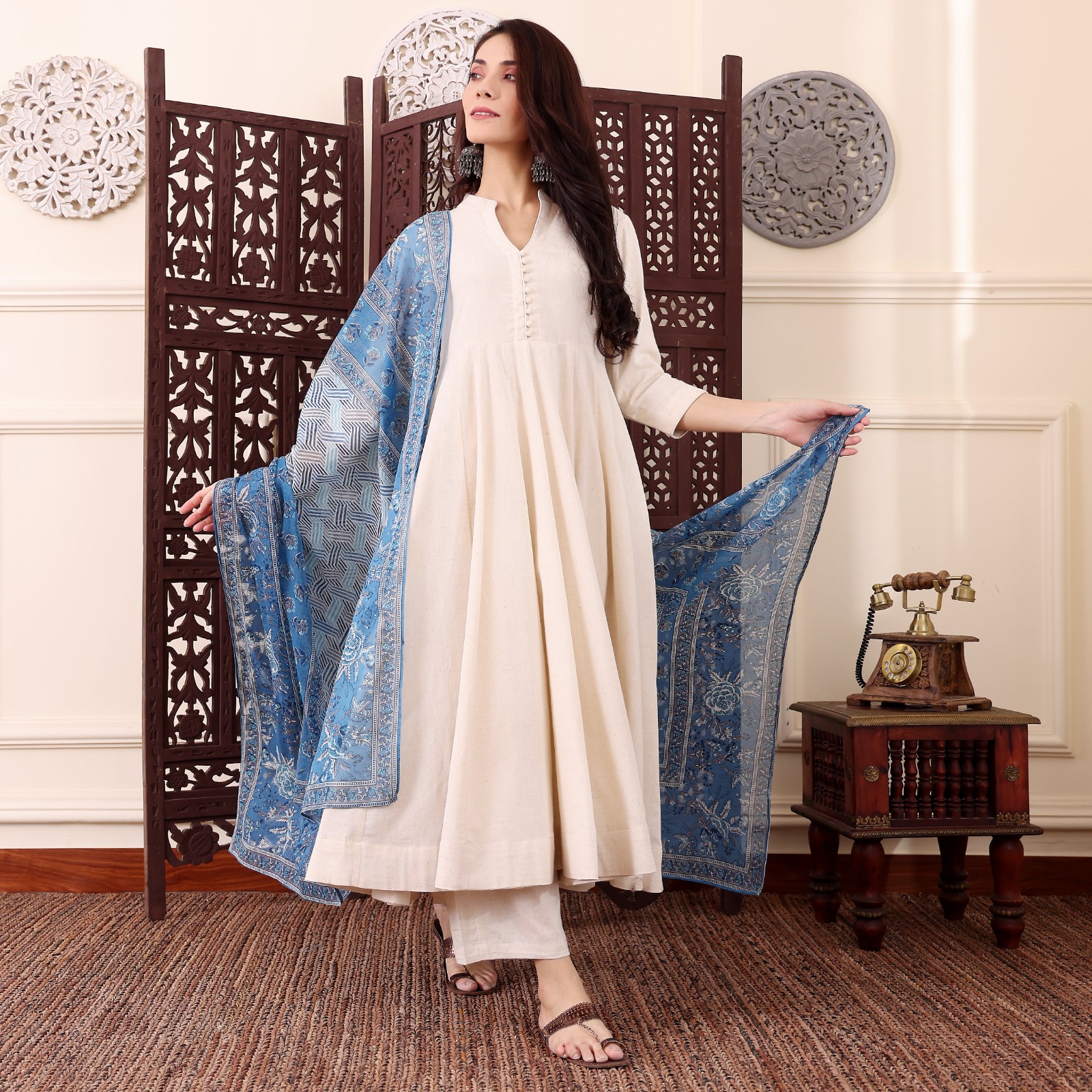
For a straight kurti and pants, place one end over the opposite shoulder and let the fabric fall in a narrow vertical panel. This arrangement preserves the clean line created by the cap sleeve and adds length through the centre of the outfit. Designer Cream Straight Kurti Set with Dupatta suits this controlled styling approach because a simple straight silhouette benefits from an orderly drape.
For a cap sleeve that feels too open at the shoulder, spread the dupatta across one shoulder and allow part of it to cover the upper arm. Avoid wrapping it tightly around both arms, because excessive folds can erase the lightness that makes cap sleeves useful.
Printed dupattas can introduce contrast without requiring a new colour in the kurti. Cream Silk Embroidered Kurti Pant with Printed Dupatta uses the dupatta as a separate visual layer, so a single-shoulder drape allows the print to remain visible while the embroidery stays concentrated on the kurti.
A dupatta with zari or a firm border needs a stable shoulder placement. Use a small hidden pin near the shoulder seam rather than pinning through a delicate embroidered area. For cotton, a relaxed drape often looks more natural than a perfectly pressed arrangement, especially during daytime events.
Collections with strong regional identities also benefit from deliberate draping. Kalamkari Print Salwar Suits can be worn with a narrow drape that leaves the print visible. Gujarat Bandhej Salwar Suits often look lively with the dupatta spread over one shoulder, while Maharashtra Paithani Inspired Salwar Suits can take a more formal pleated drape that showcases a decorative border.
Cap Sleeve Kurtis for Better Proportion Comfort and Outfit Pairing by fabric and detail
Fabric determines whether cap sleeves look casual, polished or festive, while surface detail determines where the eye settles. Smooth silk, textured khadi, breathable cotton and glossy zari each need a different level of styling restraint.
Banarasi silk and zari naturally create a dressier impression, so a short sleeve in those fabrics benefits from a clean neckline and limited jewellery. Chanderi can support delicate earrings and a light dupatta because its subtle sheen doesn't need dense embellishment. Cotton allows more freedom with prints, practical bags and everyday footwear.
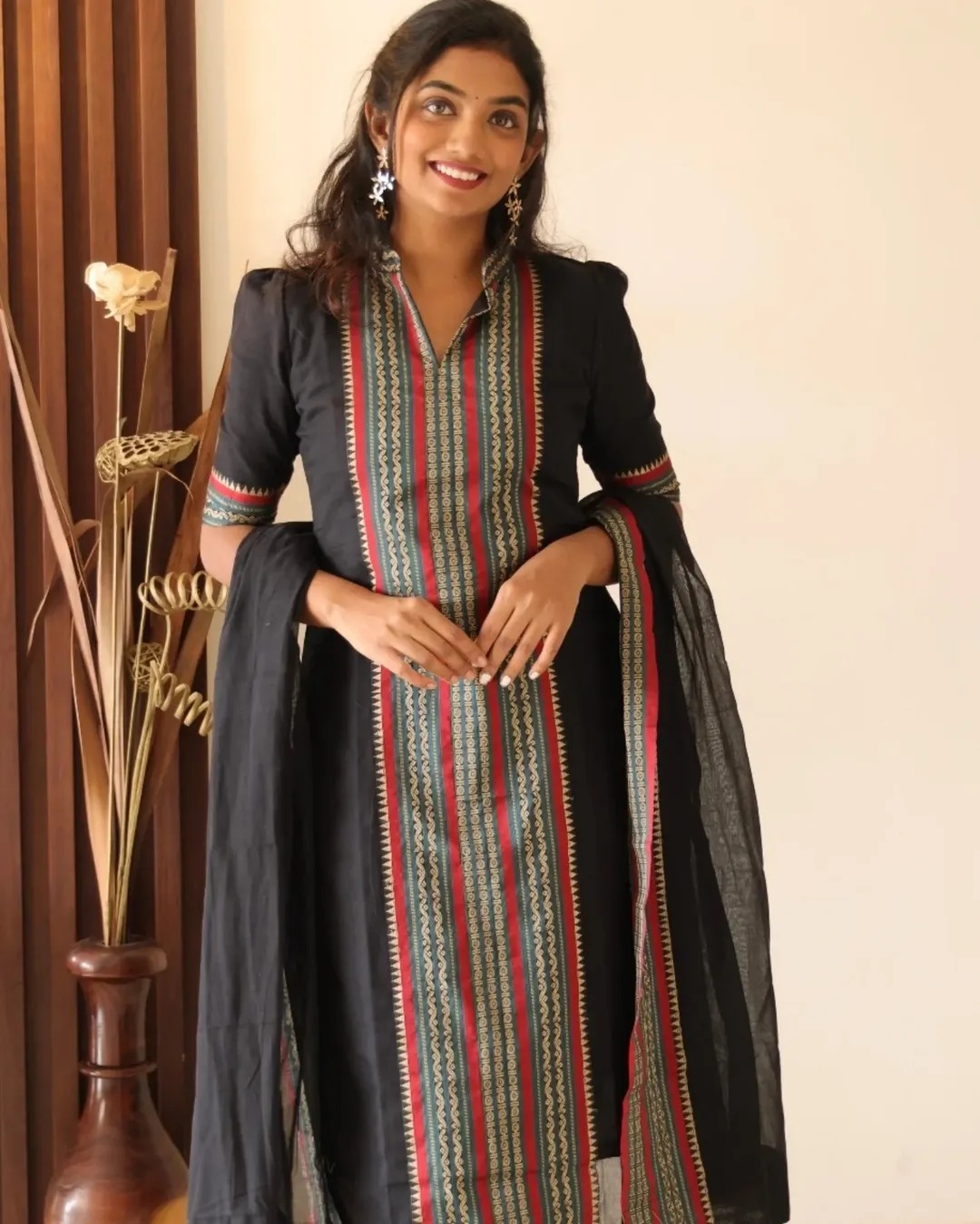
Black Kanchi Cotton Kurti Dupatta Set for Women illustrates the power of colour and weave. Black creates a strong vertical base, while a cap sleeve keeps the silhouette from becoming visually dense around the arms. Pair the set with metallic earrings for an evening gathering or with simple flats for daily use.
Embroidery and mirror work should be considered in relation to sleeve placement. Detail near the shoulder widens the upper line, while detail concentrated near the hem draws attention downward. If a wearer wants a longer, leaner appearance, a relatively plain cap sleeve with a decorated hem or dupatta border usually creates a clearer vertical path.
Odisha Sambalpuri Salwar Suits bring a patterned, textile-led character to the outfit. When the weave or print already carries visual complexity, a plain cap sleeve and uncomplicated jewellery help preserve clarity. A printed salwar suit doesn't need additional statement elements at the neckline, sleeves and dupatta at the same time.
Cap Sleeve Kurtis for Better Proportion Comfort and Outfit Pairing across occasions
Cap sleeve kurtis can suit daily wear, work settings and festive gatherings when fabric weight, embellishment and accessories are adjusted to the setting. The same sleeve shape can look informal in a light printed cotton and occasion-ready in silk with embroidery.
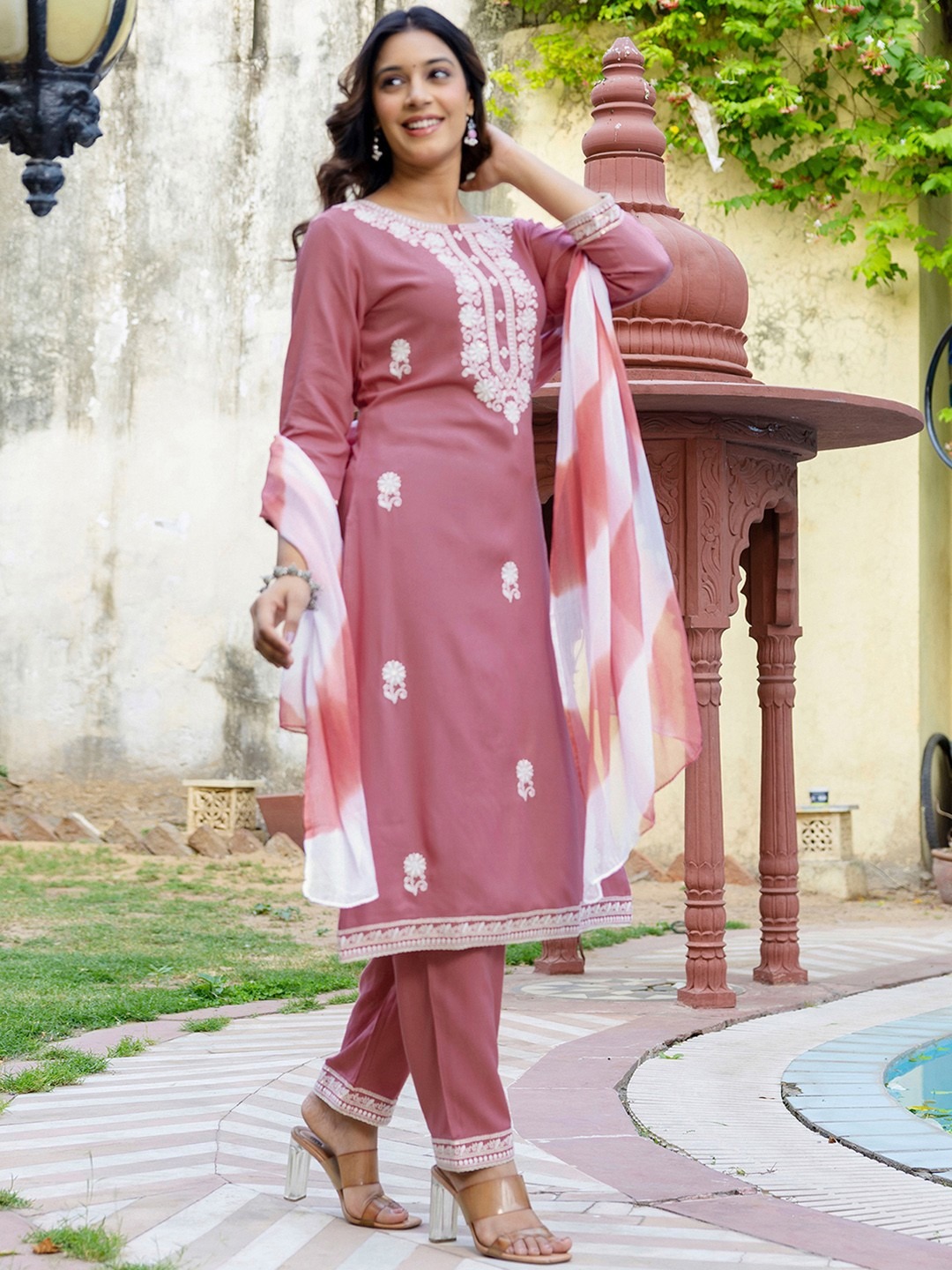
For daily wear, choose cotton, khadi cotton or a light printed weave with straight pants. Elegant Pink Print Daily Wear Kurta Set works with flat sandals, a medium tote and small earrings. Keep the dupatta loosely draped so the outfit remains practical for commuting and movement.
For a work setting, a solid or lightly patterned straight kurti with cigarette trousers creates a neat outline. Cream tones, black cotton and muted pinks are easy to coordinate with tan, black or metallic footwear. Avoid very wide sleeves, excessive tassels and heavy borders if the outfit must remain comfortable through several hours of sitting.
For a Haldi ceremony, bright cotton, mirror work and a light dupatta provide colour without the weight of heavily layered bridal clothing. Designer Cotton A-Line Kurti Pant Set with Mirror Work can be styled with jhumkas and flat sandals, while keeping the rest of the accessories restrained so the mirror work remains visible.
For a regional textile-inspired celebration, Gujarat Bandhej Salwar Suits, Odisha Sambalpuri Salwar Suits and Maharashtra Paithani Inspired Salwar Suits each offer a distinct visual language. Match the cap sleeve styling to the textile: use simpler jewellery with a busy Bandhej or Sambalpuri pattern, and allow a Paithani-inspired border to lead the look.
For a Punjabi-inspired gathering, Punjab Patiala Salwar Suits can be paired with a shorter kurti, a cap sleeve and a secure dupatta drape. The resulting silhouette has enough volume for movement but keeps the shoulder area controlled. Comfortable juttis or low wedges are more practical than narrow high heels when the salwar has pronounced pleats.
Cap Sleeve Kurtis for Better Proportion Comfort and Outfit Pairing: a practical fitting checklist
A successful cap sleeve outfit should pass a movement, proportion and fabric check before purchase. The most attractive colour or print can't compensate for an armhole that restricts movement or trousers that create unwanted volume.
- Check the shoulder seam: The seam should sit near the natural shoulder point and should not slide toward the upper arm.
- Raise both arms: The hem may lift slightly, but the bodice should not pull sharply across the bust or underarm.
- Measure the sleeve opening: Leave approximately 2 to 4 centimetres of upper-arm ease, with additional room for stiff or embroidered fabric.
- Compare kurti and trouser volume: A flared kurti needs a controlled lower garment, while wide trousers need a relatively clean upper silhouette.
- Inspect the lining: Cotton or smooth lining is more comfortable than rough synthetic lining during long wear.
- Plan the dupatta: Confirm that the dupatta can cover the shoulder, fall vertically or remain secure without constant adjustment.
Care instructions should follow the fabric rather than the sleeve shape. Cotton sets can generally be washed according to their care label, dried away from harsh direct sun and ironed while slightly damp. Chanderi silk, embroidered silk and zari details are safer with gentle cleaning, low heat and storage away from moisture. Fold embellished garments with soft tissue between decorated surfaces to reduce snagging.
Cap Sleeve Kurtis for Better Proportion Comfort and Outfit Pairing works best when styling decisions are made as a complete outfit rather than one garment at a time. Match the sleeve to the shoulder line, the kurti length to the bottom, the fabric to the weather and the dupatta to the amount of surface detail. That method produces a salwar suit that feels easier to wear and looks deliberately proportioned.
Common Questions About Cap Sleeve Kurtis and Salwar Suit Styling
Are cap sleeve kurtis comfortable for summer in India?
Cap sleeve kurtis can be comfortable in summer when the fabric is breathable and the armhole has enough ease. Cotton and light khadi cotton usually work well for warm weather, while a tight sleeve opening or synthetic lining can cause discomfort even with a short sleeve.
Which pants look best with a cap sleeve kurti?
Straight pants and cigarette trousers create the cleanest proportion with most cap sleeve kurtis. Palazzos, Patiala salwars and sharara trousers also work, but the kurti should have controlled volume so the upper and lower halves do not look equally crowded.
Can cap sleeve kurtis be worn with a dupatta?
Cap sleeve kurtis pair well with dupattas. A narrow single-shoulder drape adds vertical length, while a wider drape can provide extra upper-arm coverage. Avoid wrapping the dupatta tightly around both arms because that removes the airy quality of the short sleeve.
What sleeve length is best for broad shoulders?
A cap sleeve that extends slightly beyond the shoulder edge and has a soft, non-tight opening usually balances broad shoulders better than a very narrow sleeve cap. Avoid heavy horizontal decoration directly across the shoulder if the aim is to create a softer upper outline.
Are cap sleeve kurtis suitable for a Haldi ceremony?
Cap sleeve kurtis are suitable for a Haldi ceremony when made in breathable cotton with bright colour, mirror work or a lively print. Pair a shorter or knee-length kurti with comfortable pants, secure the dupatta and choose flat footwear for easy movement.
How should embroidered cap sleeve kurtis be washed?
Embroidered cap sleeve kurtis should be washed according to the garment care label, using gentle cleaning and low heat when ironing. Chanderi silk, zari and dense embroidery are safer with careful handling, shade drying and storage with soft tissue between embellished folds.


