Can You Trust One Size Saree Blouses for Every Body Type? The honest answer is no, not without checking the garment's measurements, fabric recovery, neckline and closure. An one-size saree blouse may fit several nearby measurements when the cut is forgiving, but it can't automatically accommodate every bust, shoulder, ribcage and arm shape. Understanding blouse construction helps you decide when readymade convenience is sensible and when customised tailoring is safer.
One-size sizing usually describes a range, not a universal body measurement. A blouse made from stretch cotton with adjustable hooks may cover more bodies than a rigid Banarasi silk blouse with a fixed seam. A padded blouse can also change the fit because the cups occupy space inside the bust area. The useful question isn't whether a label says "one size"; the useful question is whether the actual garment measurements match your body with enough ease for sitting, lifting your arms and wearing a saree securely.
Start With the Label
One size means that a manufacturer has designed one base pattern to fit a stated range of measurements. The label doesn't mean that the blouse will fit every bust size, shoulder width or torso length equally well.
Many one-size saree blouses rely on elastic fabric, a flexible back panel, hook-and-eye rows, side seams or generous ease. Some garments are effectively a small-to-medium or medium-to-large range, even when the listing doesn't use those exact terms. A blouse with a 34-inch finished bust can't become a comfortable 42-inch blouse simply because the fabric appears flexible.
Readymade blouses work best when your measurements fall near the middle of the stated range. A person at the smallest end may see gaping around the armhole or neckline, while a person at the largest end may experience pulling across the bust and strain on the hooks. Both problems affect appearance and garment life.
Before buying, record your full bust, underbust, shoulder width and upper-arm circumference. Measure the full bust over the bra you plan to wear, keeping the tape level and firm without compressing the body. Compare those numbers with the garment's finished measurements instead of comparing them only with a generic S, M or free-size label.
Proportions Matter
You can trust an one-size saree blouse for a particular body type only when its construction and measurements provide enough room for that body. A single size is most dependable for nearby measurements and less dependable across dramatically different bust, shoulder or arm proportions.
Why the same bust measurement can need a different pattern
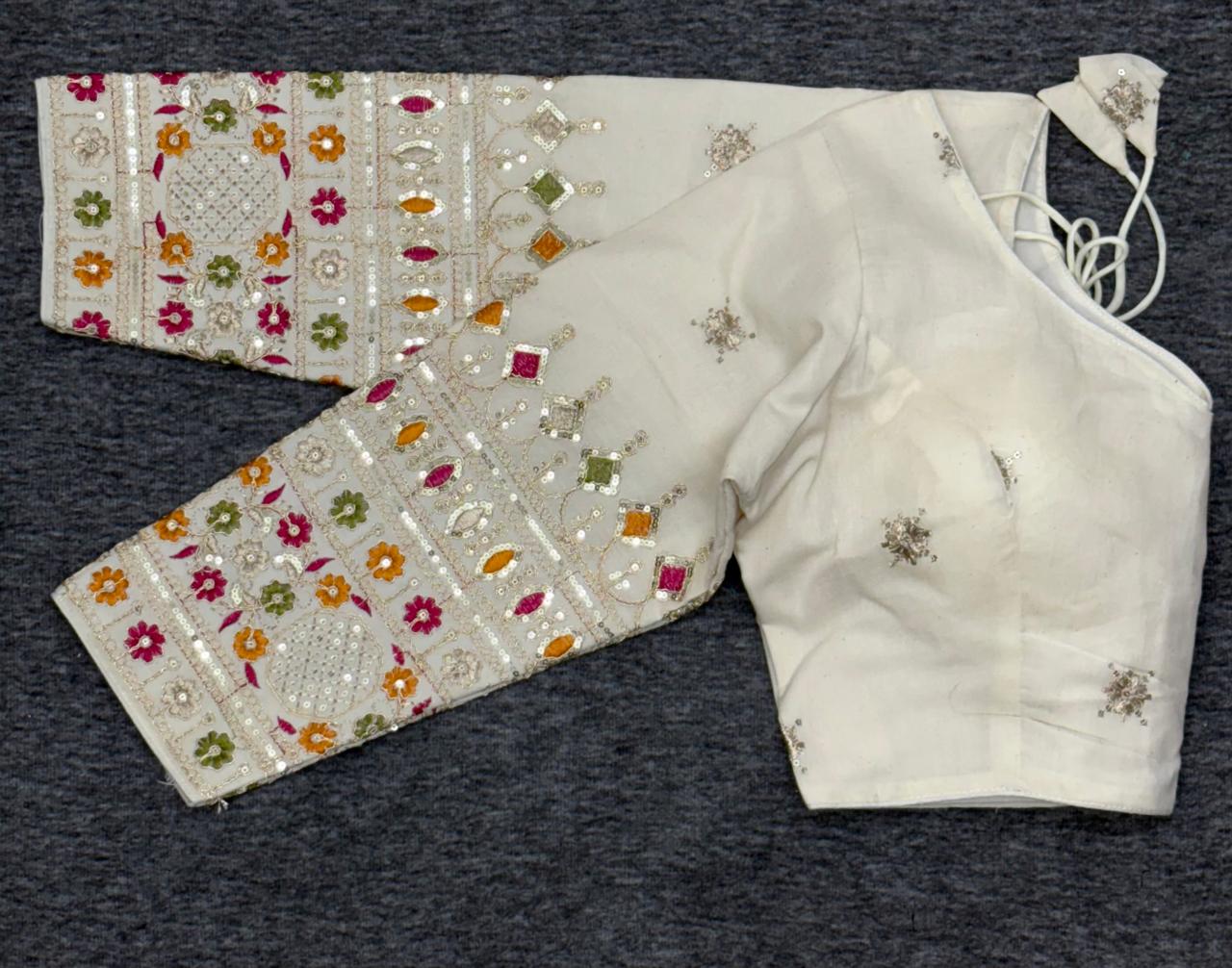
Two people with a 36-inch bust can need different blouse patterns. One person may have narrow shoulders and fuller bust projection, while another may have broader shoulders and a shallower bust. Both bodies share a circumference, but they don't require identical armholes, darts, cup placement or front length.
Fuller busts often need extra front length and stronger support at the hooks. Broad shoulders may need a wider yoke or a less restrictive sleeve opening. A long torso may find a short blouse hem uncomfortable, especially when the saree is tightly pleated. Petite frames may experience excess fabric at the side seam even when the bust measurement seems correct.
Body-shape labels such as pear, apple, hourglass or rectangle are less useful than direct measurements. Bust projection, underbust size, shoulder width and preferred coverage predict blouse comfort more accurately than a general body-shape category.
Check the Fabric
Stretch and fabric recovery determine how much an one-size blouse can adapt without losing shape or becoming uncomfortable. Soft stretch cotton usually offers more tolerance than non-stretch silk with heavy embellishment.
Cotton can be comfortable without being stretchy
Cotton blouses are breathable and practical for long daytime events, but ordinary Kalamkari cotton and Ikkat cotton don't necessarily stretch. Pure Kalamkari Cotton Padded Blouse for Women may feel comfortable because cotton is breathable and the pattern includes shaping, yet the fit still depends on bust and closure measurements. Kalamkari Cotton V Neck Collar Blouse for Women can create a longer visual line, but a V neckline doesn't compensate for a tight bust seam.
Ikkat Cotton Padded Blouse for Women Sleeveless, Cream Ikat Cotton Padded Blouse Sleeveless Trendy and Brown Ikat Cotton Padded Blouse Sleeveless Stylish illustrate another important point: sleeveless construction removes sleeve tightness, but it doesn't remove bust or armhole restrictions. A deep armhole can expose the bra or allow the blouse to shift during draping. Check armhole depth and strap placement before assuming that sleeveless means universally comfortable.
Silk needs closer measurement control
Silk usually has limited natural stretch, so a silk blouse needs more accurate measurements and better seam placement. Banarasi silk, raw silk and brocade may hold a beautiful shape, but stiff zari or dense weaving can make a small fitting error feel restrictive.
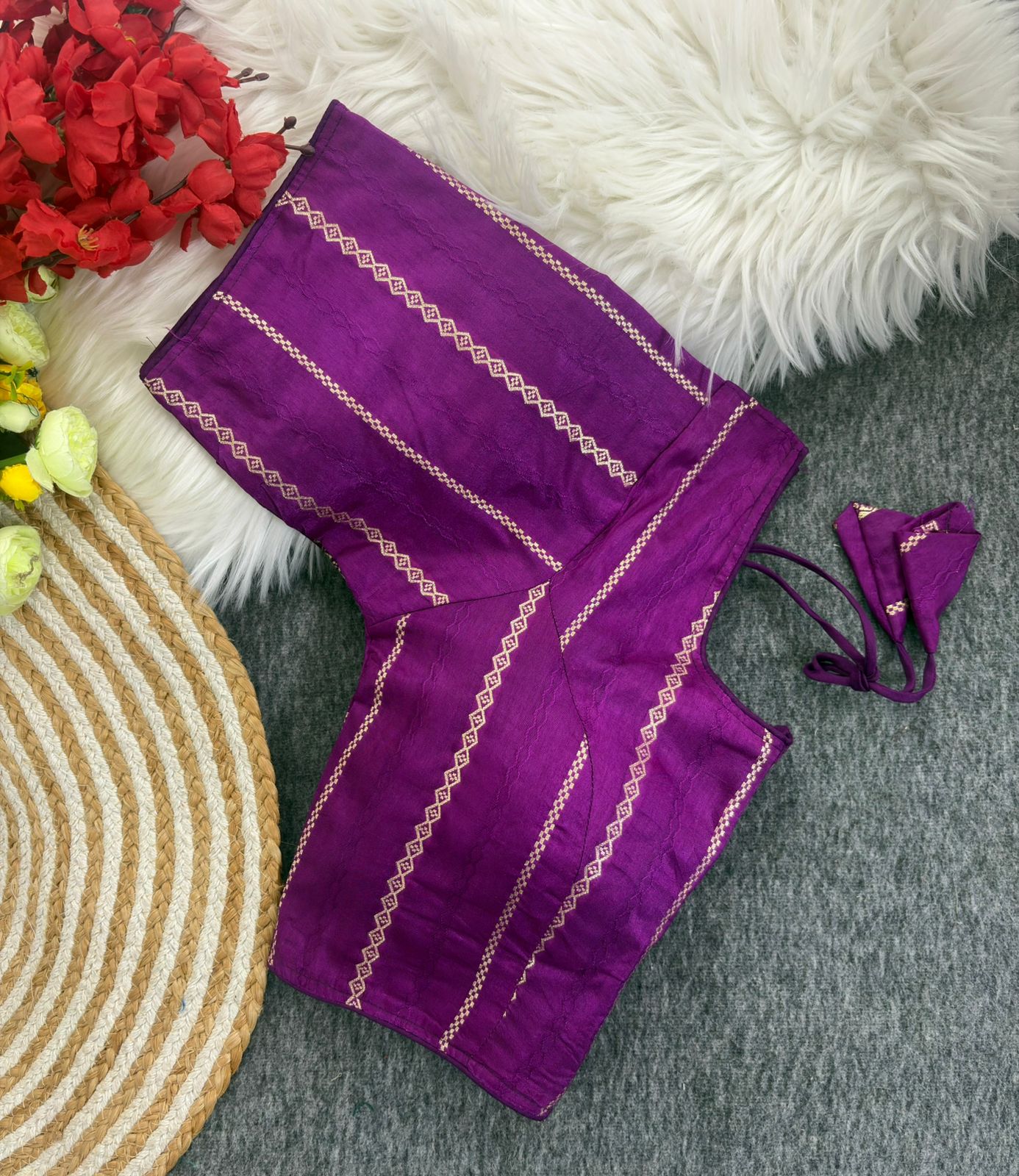
Banarasi Silk Golden Jari Padded Blouse for Women can suit a festive saree when bust and underbust measurements are close to the garment measurements. Padding should not be used as a substitute for the correct size.
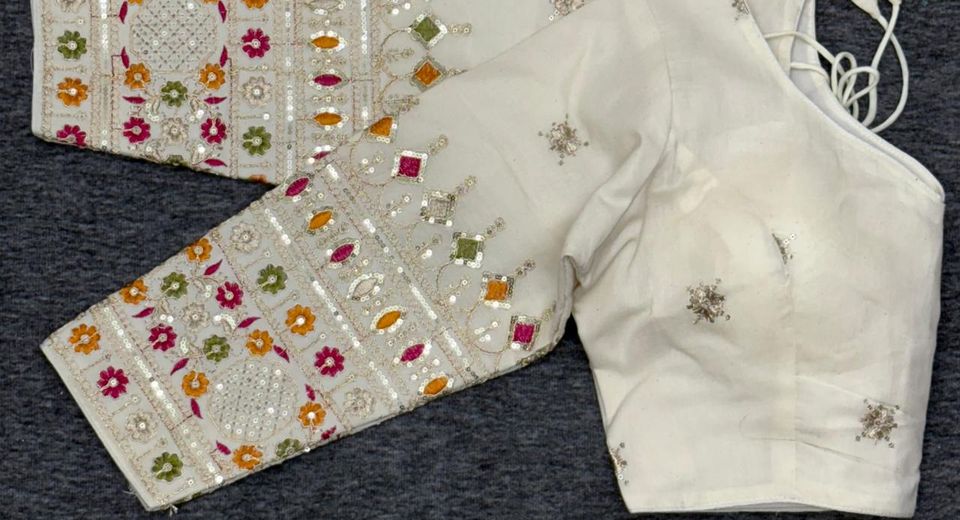
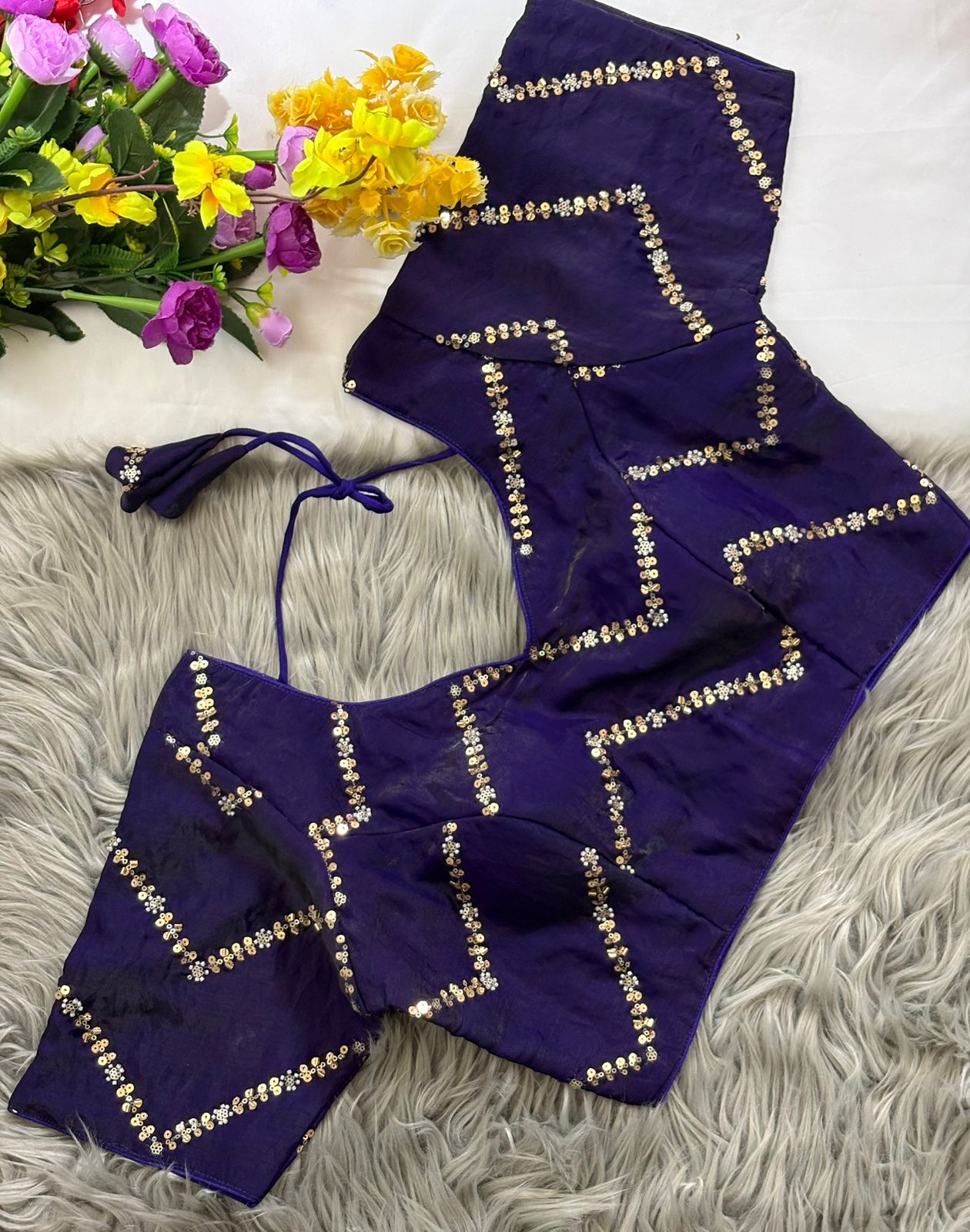
Fendy Silk Zigzag Moti Work Readymade Blouse has a decorative surface that deserves careful handling during fitting. Heavy moti work, zari or sequins can rub against the skin and may not tolerate repeated stretching at the hooks. A structured silk blouse is better treated as a near-measurement garment than as a genuinely universal one-size option.
Assess the Design
Neckline depth, cup construction and closure position can vary how a blouse fits even when two garments have identical bust measurements. Fit should therefore be assessed by the entire pattern, not by chest circumference alone.
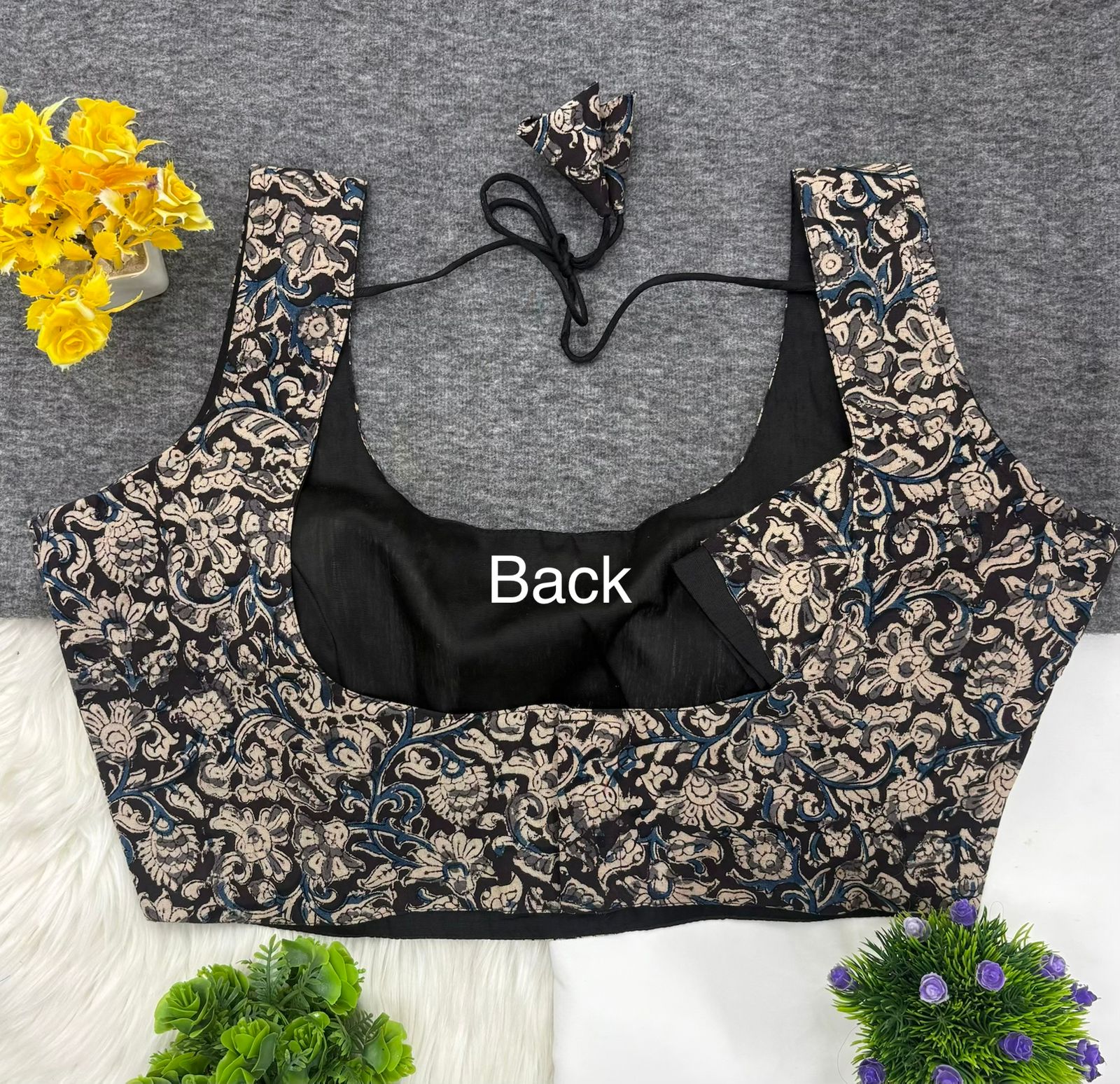
A V neck can visually lengthen the upper body and reduce the feeling of coverage around the collarbone. A high collar provides more coverage but can feel restrictive if the neck opening is small. A boat neck may sit comfortably on narrow shoulders yet slip outward on sloping shoulders. Sleeveless designs reduce sleeve circumference but make armhole finishing especially important.
Padded blouses require an additional check: the pad should sit beneath the bust rather than above it or toward the outer edge. Incorrect cup placement can create an unnatural contour, pressure points or unwanted gaps. Removable pads offer more adjustment than fixed foam, but removing a pad can leave excess volume inside the bust area.
Back hooks provide some adjustability when several rows are available. Front openings can be easier to fasten, while side zips often create a cleaner line but allow less adjustment. Tie-up backs offer the widest practical range, although the ties need secure stitching and can show beneath lightweight sarees. A single hook row gives very little tolerance when the body changes during the day.
Use This Fit Test
A reliable fitting check takes five minutes and requires the blouse, the intended bra and the saree or a similar drape. Trying the blouse over a different bra can give a misleading result.
Put on the bra you'll wear with the saree and fasten the blouse without forcing the hooks. The hooks should close flat, and the fabric should not form horizontal strain lines across the bust.
Raise both arms, bend forward slightly and sit down. A suitable blouse should stay anchored without cutting into the underbust or exposing the bra at the armhole.
Check the shoulder seam. The seam should rest close to the shoulder edge rather than sliding down the arm or pulling towards the neck.
Inspect the bust point and neckline. A cup or dart should follow the body without folding, and the neckline should remain stable when you move.
Wrap the intended saree and test the pallu over the shoulder. Saree weight can pull a loose blouse downward, while a short or tight blouse can ride up under the pleats.
Look at the closure after ten minutes. Open hooks, stretched elastic and red pressure marks indicate that the blouse is working beyond its comfortable range.
A good fit doesn't require the blouse to feel tight. The garment should provide enough ease for breathing and movement while remaining secure under saree pleats. If the blouse feels acceptable only when you stand still, the size or pattern isn't suitable for a long event.
Know When It Works
An one-size blouse is a sensible choice when your measurements sit within the maker's range and the fabric, closure and neckline offer practical ease. Convenience is especially valuable for last-minute styling and wardrobes built around several sarees.
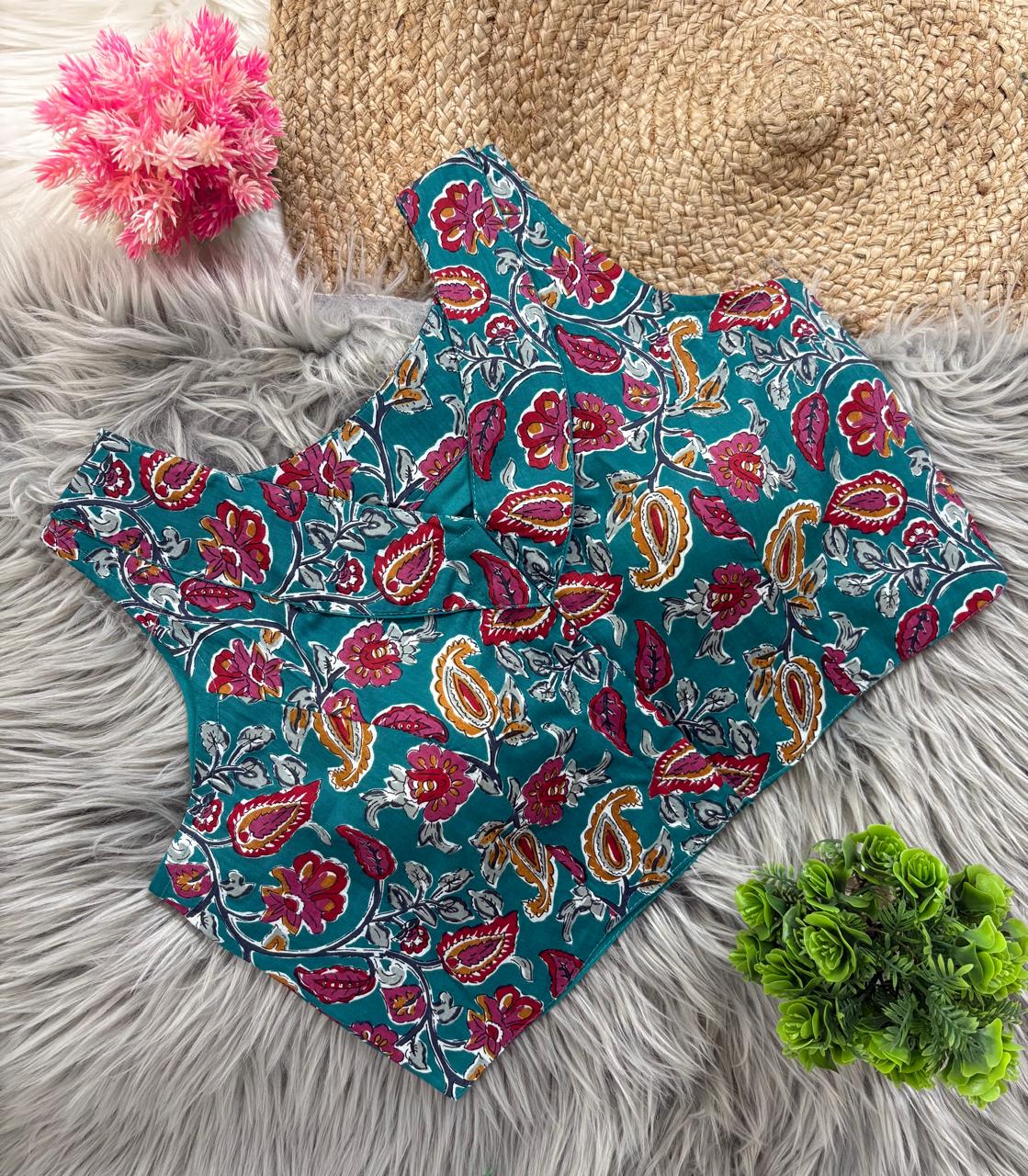
Classic Festive Wear Blouse for Stylish Saree Look can work as a versatile readymade option when its neckline and colour coordinate with multiple sarees. Versatility doesn't remove the need to check the shoulder and bust. A blouse worn for a two-hour family gathering can tolerate less adjustment than a blouse worn for a full wedding day involving travel, meals and dancing.
One-size designs are also useful when a blouse has adjustable hooks, tie-up detailing or a stretch panel. They can suit people whose measurements remain stable and who prefer a standard coverage level. A readymade blouse is often more practical than urgent tailoring when an event is close, provided the return and alteration conditions have been checked separately.
Know When to Alter
Custom sizing or alteration is the better option when the bust, shoulders and underbust fall into different size ranges or when the blouse must provide strong support for a long event. Alteration is also safer when the blouse has little stretch and heavy surface work.
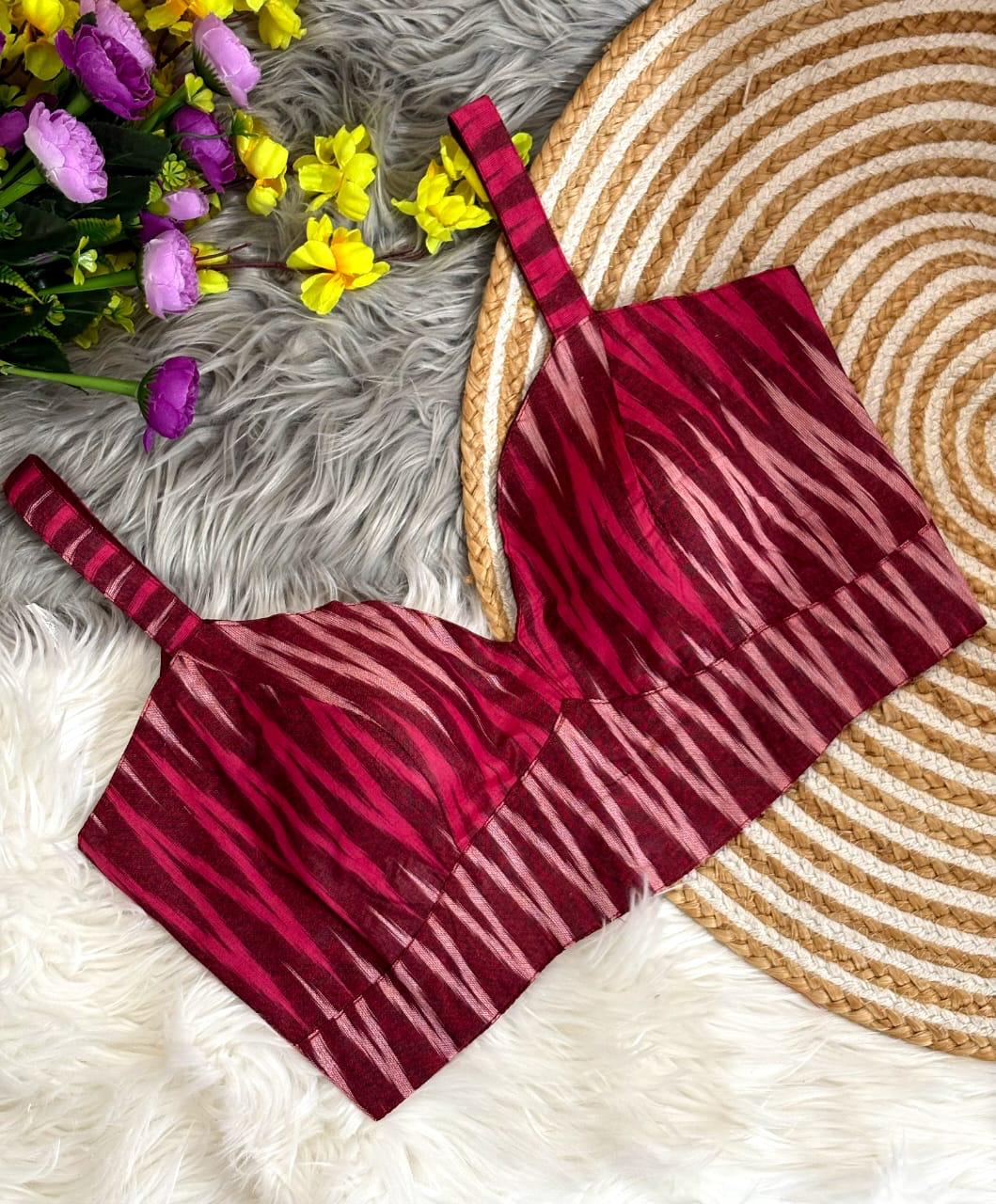
Minor alterations can solve some problems. A tailor may adjust side seams, shorten straps, move hooks, reduce a loose back or slightly alter the blouse hem. Major changes are less predictable when the blouse has fixed padding, a complicated neckline, princess seams, embroidery or zari close to the seam allowance.
don't buy a blouse several sizes too large with the expectation that every excess can be removed. Taking in the side seams may distort the bust cups, move the armholes inward and disturb the position of motifs. Letting out a blouse is possible only when the garment has sufficient seam allowance, and many readymade blouses have very little extra fabric.
For a designer readymade blouse, examine the finish before planning alterations. Dense embroidery, padded cups and decorative borders make custom changes more expensive and sometimes visibly uneven. A simpler cotton blouse usually gives a more practical alteration path than a heavily embellished silk blouse.
Make the Final Decision
You can make a dependable decision by comparing four details: finished garment measurements, fabric stretch, closure adjustability and your intended wearing time. If all four support your body and use case, one size may be a convenient choice; if two or more fail, choose a measured or tailored blouse.
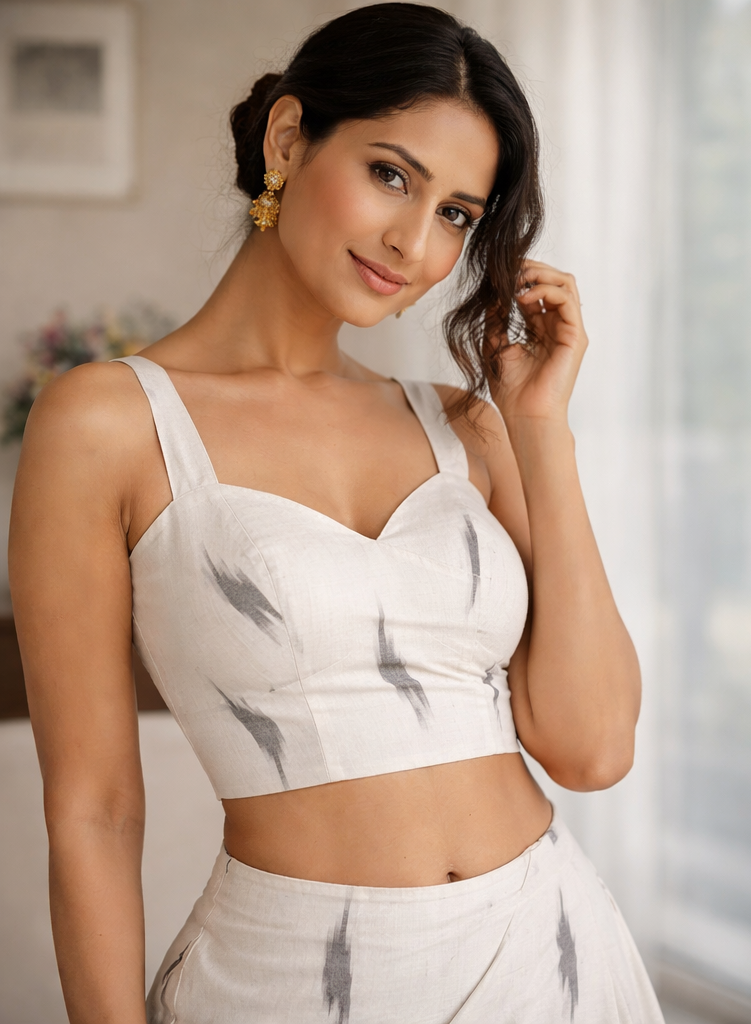
For cotton, prioritise breathable construction, armhole comfort and easy movement. For silk, Banarasi silk or zari work, prioritise exact bust and underbust measurements because the fabric usually brings limited recovery. For padded styles, prioritise cup placement and support instead of assuming padding will correct the fit.
Readymade saree blouses can save time and offer attractive styling, but the most flattering design is one that stays stable while you move. A well-fitting blouse supports the saree, keeps the neckline in place and avoids pressure marks after several hours. The size label is only the beginning of that assessment.
Common Questions About One Size Saree Blouse Fit
Can one-size saree blouses fit a larger bust?
One-size saree blouses can fit a larger bust only when the finished bust measurement, fabric stretch and closure provide sufficient room. A non-stretch silk blouse with a single hook row is unlikely to accommodate a significantly fuller bust comfortably.
Are padded readymade blouses better for every body type?
Padded readymade blouses are not automatically better for every body type. Padding can improve coverage and shape, but cup placement, underbust support and overall bust measurements still need to match the wearer.
Is cotton better than silk for a one-size saree blouse?
Cotton is often more forgiving for daytime comfort, especially when the fabric has some ease, but ordinary Kalamkari cotton and Ikkat cotton may not stretch. Silk usually needs more precise measurements because Banarasi silk and other structured weaves have limited flexibility.
How do I measure myself for a readymade saree blouse?
Measure the full bust over the bra you intend to wear, then measure the underbust, shoulder width and upper-arm circumference. Keep the tape level and compare your numbers with the blouse's finished measurements rather than relying only on S, M or free-size labels.
Can a tailor alter a one-size saree blouse?
A tailor can often make minor changes such as adjusting side seams, shortening straps or moving hooks. Major alterations are less predictable when a blouse has fixed padding, heavy zari, embroidery, a shaped neckline or very little seam allowance.
How should a saree blouse fit around the armhole?
The armhole should allow you to raise your arms without cutting into the underarm or exposing the bra. A deep armhole can cause shifting and gaping, while a narrow armhole can create pressure and horizontal pulling across the bust.