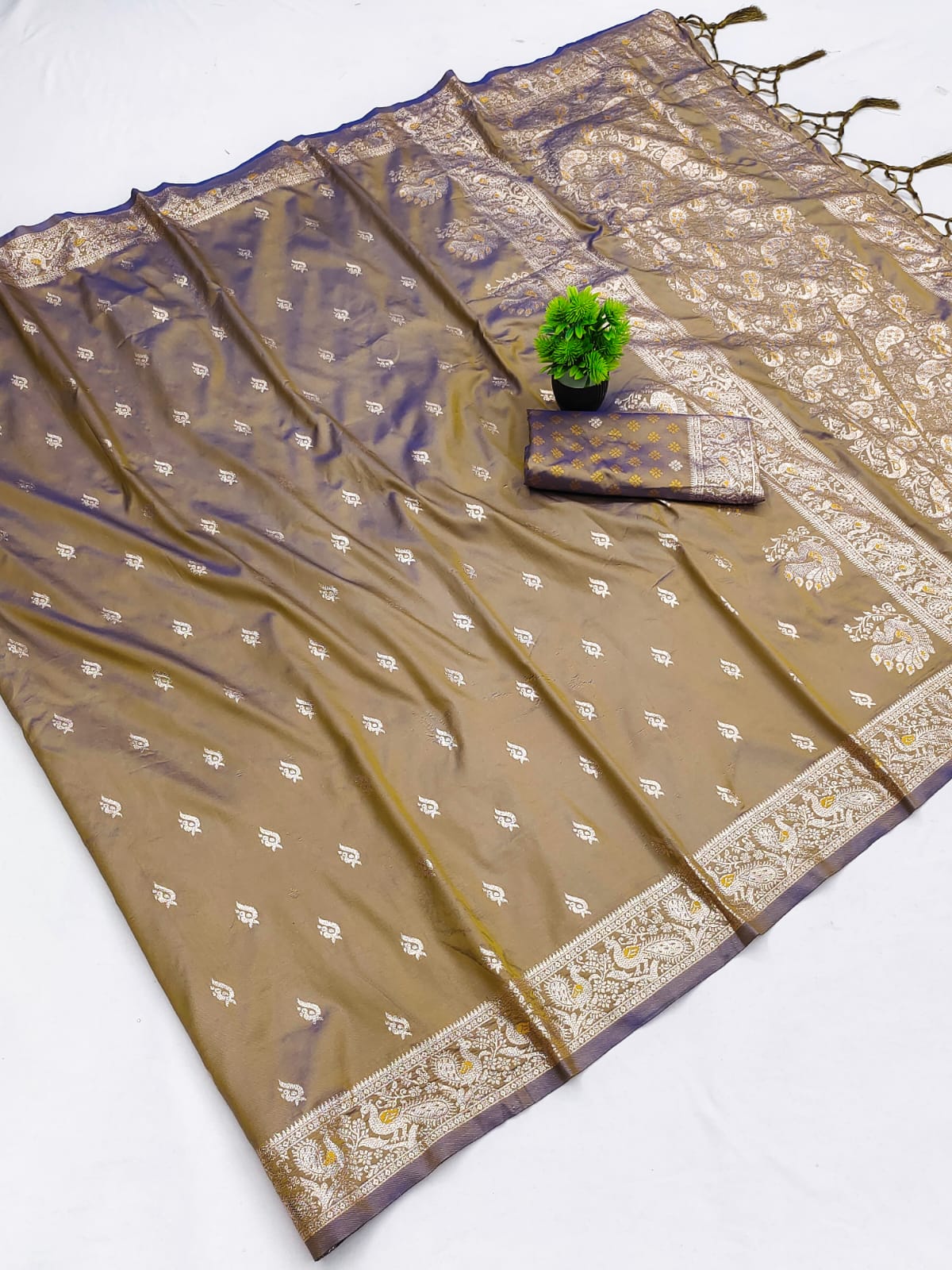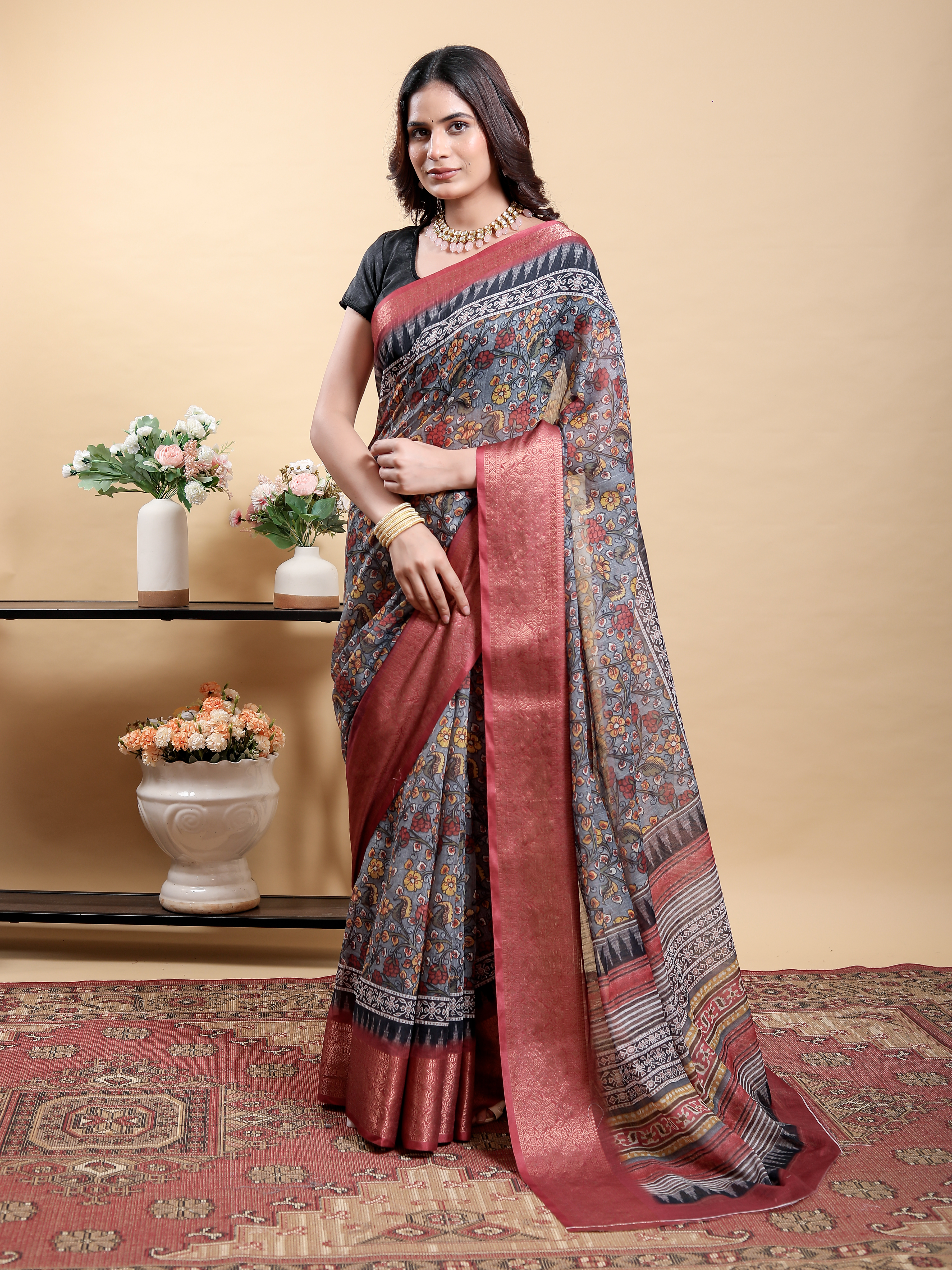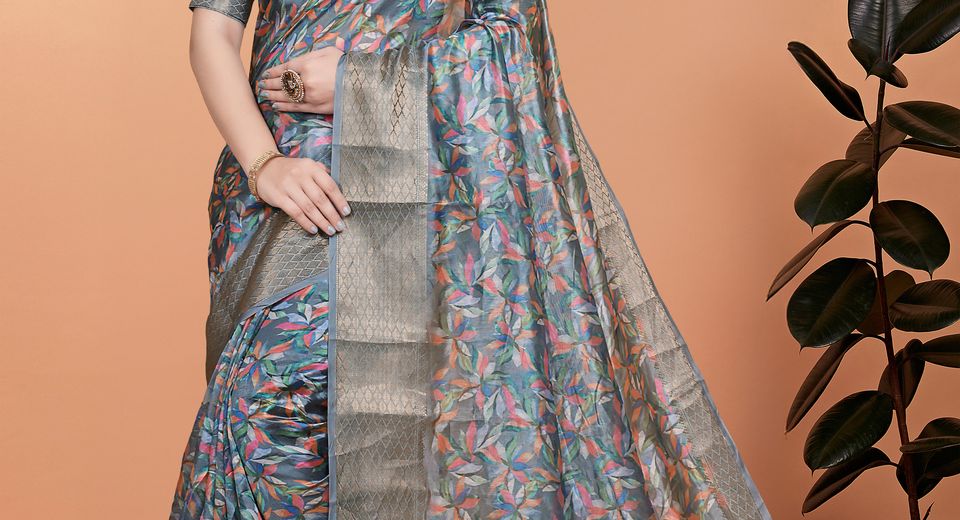
Can You Mix Pearls With Oxidised Silver Jewellery in Ethnic Wear? Yes, and the pairing can look refined when colour, scale and finish have a clear relationship. Pearls bring softness, lustre and a formal quality, while oxidised silver brings contrast, texture and a handcrafted character. Sarees make the combination especially easy to coordinate because a border, pallu, print or blouse can repeat one of the jewellery finishes.
The most reliable approach is to choose one dominant jewellery piece and let the second material support it. A pearl choker with large oxidised silver jhumkas creates a formal, high-contrast look. A small pearl stud with a slim oxidised silver bangle is better suited to daytime dressing. The pairing succeeds because the materials do different jobs instead of competing for attention.
Can You Mix Pearls With Oxidised Silver Jewellery in Ethnic Wear Successfully?
Yes, pearls and oxidised silver can be mixed successfully when their visual weight and undertones are balanced. White, ivory and blush pearls usually pair most easily with oxidised silver because the grey metal gives the pearl surface definition without overpowering its natural sheen.
Oxidised silver isn't simply dull silver. The darkened finish can include charcoal, pewter and blackened details that reveal engraving, filigree or hammered texture. Pearls reflect light smoothly, so placing an organic, glossy material beside a patinated metal creates useful contrast. The contrast feels deliberate when at least one element of the outfit repeats the pairing.
A silver zari border can echo the metal, an ivory ground can echo the pearls, and a charcoal or slate print can connect both materials. Slate Leaf Print Crystal Blend Saree with Silver Border demonstrates this principle clearly: the silver border gives oxidised silver a reason to appear, while a restrained pearl strand prevents the styling from becoming entirely rustic.
The most important decision isn't whether the jewellery belongs to one matching set. The important decision is whether the jewellery shares a visual story. Similar shapes, repeated colours or a common level of formality can connect pieces that have different surfaces.
Can You Mix Pearls With Oxidised Silver Jewellery in Ethnic Wear by Using Contrast?
Yes, contrast is one of the main reasons pearls and oxidised silver look effective together. Smooth pearls soften the heavier outline of oxidised silver, while darkened metal stops pearls from appearing too delicate or overly traditional.

Material contrast works best when the jewellery has related geometry. Round pearls with circular silver studs create a calm, coordinated effect. Baroque pearls with angular oxidised silver earrings create a more eclectic effect. A long pearl pendant and a broad silver torque can also work, but both pieces should be separated by enough space to remain readable.
Colour temperature affects the result as much as texture. Bright white pearls and cool grey silver produce a crisp combination. Cream pearls and charcoal oxidised silver create a softer, antique impression. Rose-toned pearls can work with oxidised silver when the saree includes wine, coral, pink or muted gold to connect the warmer colour.
Silver Grey Botanical Linen Cotton Saree with Olive Border suits a muted interpretation. Cream pearls soften the silver-grey field, while oxidised silver earrings reinforce the botanical and earthy character of the olive border. A highly polished rhodium necklace would create a sharper, more contemporary mood than the linen-cotton saree requires.
Can You Mix Pearls With Oxidised Silver Jewellery in Ethnic Wear Without Looking Overdressed?
Yes, you can avoid an overdressed appearance by controlling jewellery scale and assigning one focal area. Large oxidised silver earrings should generally be paired with a short pearl strand or pearl studs, not with a heavy multi-layered pearl necklace and an elaborate choker.

How should you combine necklaces?
Pair a broad oxidised silver necklace with a plain or low-detail blouse, and use a pearl necklace with a clean neckline and limited surface decoration. When two necklaces are worn together, keep one close to the collarbone and let the second sit lower, with about 3 to 5 centimetres of visible separation.
A five-strand pearl necklace can dominate a delicate blouse, so reserve it for a simple neckline. A single pearl pendant can supply enough softness beside a carved silver torque. Avoid placing a large silver pendant directly over a dense pearl collar because both pieces will compete in the same visual zone.
How should you combine earrings and bangles?
Let oxidised silver jhumkas or chandbalis carry the face area, then use pearl bangles or a pearl bracelet as the quieter companion. If pearl drop earrings are the focal point, choose a narrow oxidised silver bangle, ring or anklet to introduce texture without crowding the face.
Delicate odd-numbered groupings can look natural: one pearl bracelet, one oxidised silver bangle and one slim watch create three different lines without appearing like a matched jewellery set. For a formal look, repeat two finishes and avoid adding gold, colourful enamel, mirror work and heavy embroidery unless the saree already contains those details.
Can You Mix Pearls With Oxidised Silver Jewellery in Ethnic Wear Across Saree Colours?
Yes, the combination is easiest with ivory, silver-grey, slate, teal, wine and muted earth tones because these colours give one or both materials a clear visual anchor.
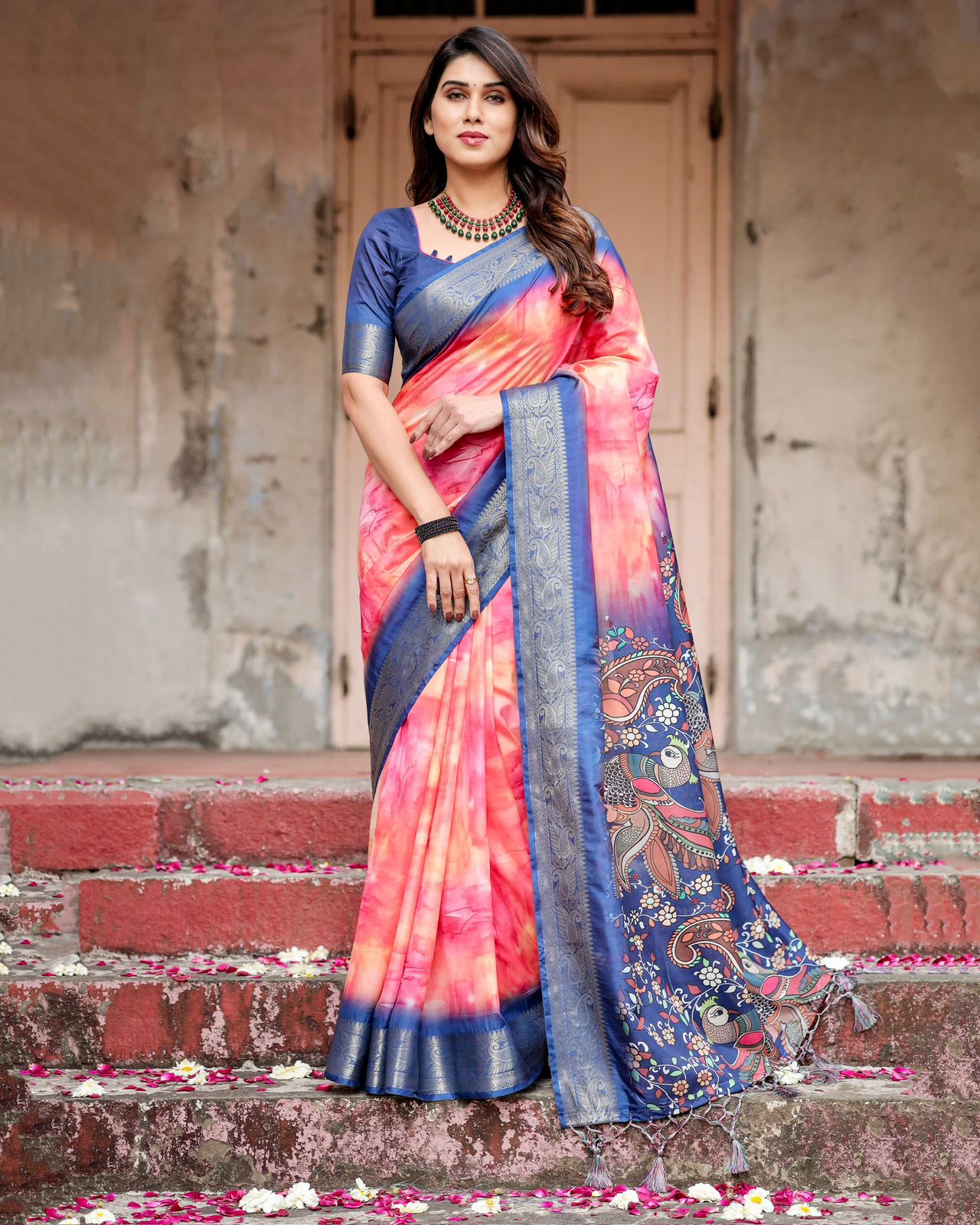
- Ivory and cream: Ivory and cream sarees blend naturally with white or champagne pearls and allow oxidised silver to become the contrasting outline. Ivory Floral Crystal Blend Saree with Rose Gold Border can support pearls, but the rose gold border means a small warm-toned detail should be repeated rather than introducing a large, unrelated silver-and-gold mix.
- Silver grey: Silver-grey clothing creates a tonal foundation for oxidised silver. Pearls prevent the outfit from looking flat or overly matte. Silver Grey Printed Linen Cotton Saree with Geometric Pallu works with a round pearl necklace and angular oxidised silver earrings because the jewellery echoes the pallu's difference in shape.
- Teal and blue-green: Teal makes white pearls look brighter and gives grey metal a cooler, more graphic presence. Teal Silk Saree with Silver Zari and Contrast Border already contains a silver cue, so oxidised silver earrings can be substantial while the pearl element stays close to the neck or wrist.
- Wine and plum: Deep red-purple shades provide enough contrast for pale pearls to show clearly. Wine Purple Saree with White Floral Motifs and Pink Border can take a pearl necklace, but oxidised silver should remain in one or two pieces so the pink border doesn't become visually disconnected.
- Rust, terracotta and ochre: Earthy colours make oxidised silver feel artisanal, while pearls add refinement to the rustic metal. Rust Orange Crystal Blend Printed Saree with Woven Border benefits from smaller cream pearls rather than a stark, oversized white pearl collar.
- Multicolour prints: Select one print colour and match the pearl undertone or metal detail to that colour. Artistic Multicolor Crystal Blend Saree with Golden Borders requires restraint because the golden border already establishes warmth. Use oxidised silver earrings with ivory pearls only when the blouse or print includes a cooler shade.
Can You Mix Pearls With Oxidised Silver Jewellery in Ethnic Wear for Different Occasions?
Yes, the pairing can work for daytime dressing, a Haldi ceremony, festive dinners and wedding receptions when the amount of jewellery matches the formality and practical demands of the event.
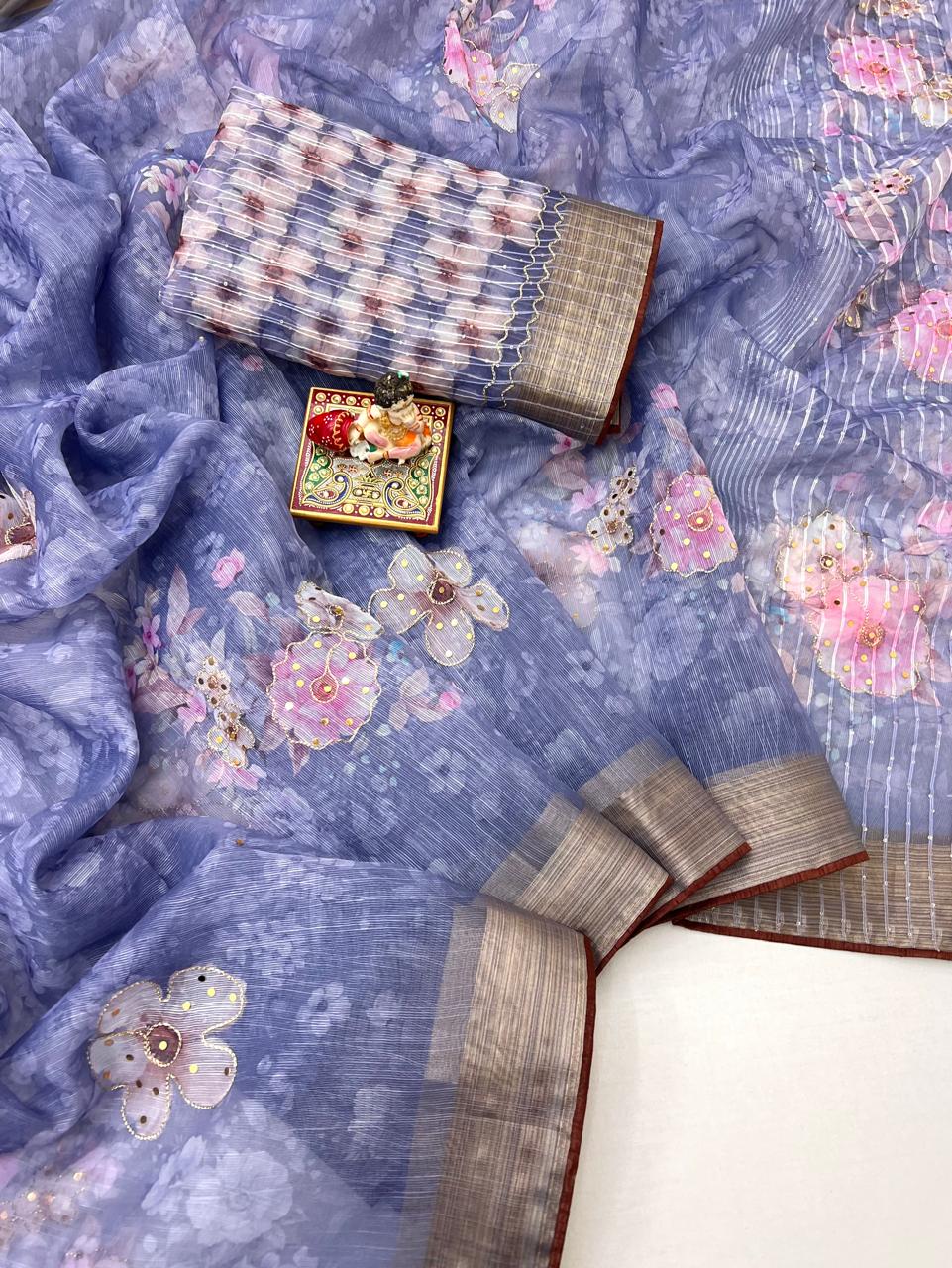
For daytime ethnic wear, keep the jewellery light and place the materials in separate zones. A pearl stud, small oxidised silver hoops and two slim bangles suit a family lunch, office celebration or casual puja because the combination remains visible without feeling ceremonial.
For a Haldi ceremony, choose secure pieces that tolerate movement and avoid long necklaces or delicate pearl drops that may snag on embroidery. Small pearl earrings with oxidised silver bangles work well with yellow, green or printed cotton outfits. Jewellery worn near the hands should be protected from turmeric paste, floral décor and repeated handwashing because moisture and pigments can affect plated surfaces and thread-based pearl strands.
For a festive dinner, increase contrast through one statement piece. A pearl choker with medium oxidised silver earrings frames a silk saree, while a carved oxidised silver necklace with pearl studs creates a stronger craft-led look. Teal Silk Saree with Silver Zari and Contrast Border is suitable for the first approach because silk and zari support a polished finish.
For a wedding reception, graduated and evenly matched pearls can look formal. Pair a structured pearl necklace with oxidised silver only when the silver has a refined surface rather than heavily distressed black patches. Ivory Floral Crystal Blend Saree with Rose Gold Border needs particular care: pearl jewellery can harmonise with the ivory ground, but oxidised silver should be limited to one sculptural element or balanced with a small rose-gold detail.
Can You Mix Pearls With Oxidised Silver Jewellery in Ethnic Wear Without Common Styling Mistakes?
Yes, common mistakes can be avoided by limiting focal points, checking the blouse and repeating at least one colour. A successful mixed-material look usually contains one statement area, one supporting area and enough plain fabric for the eye to rest.
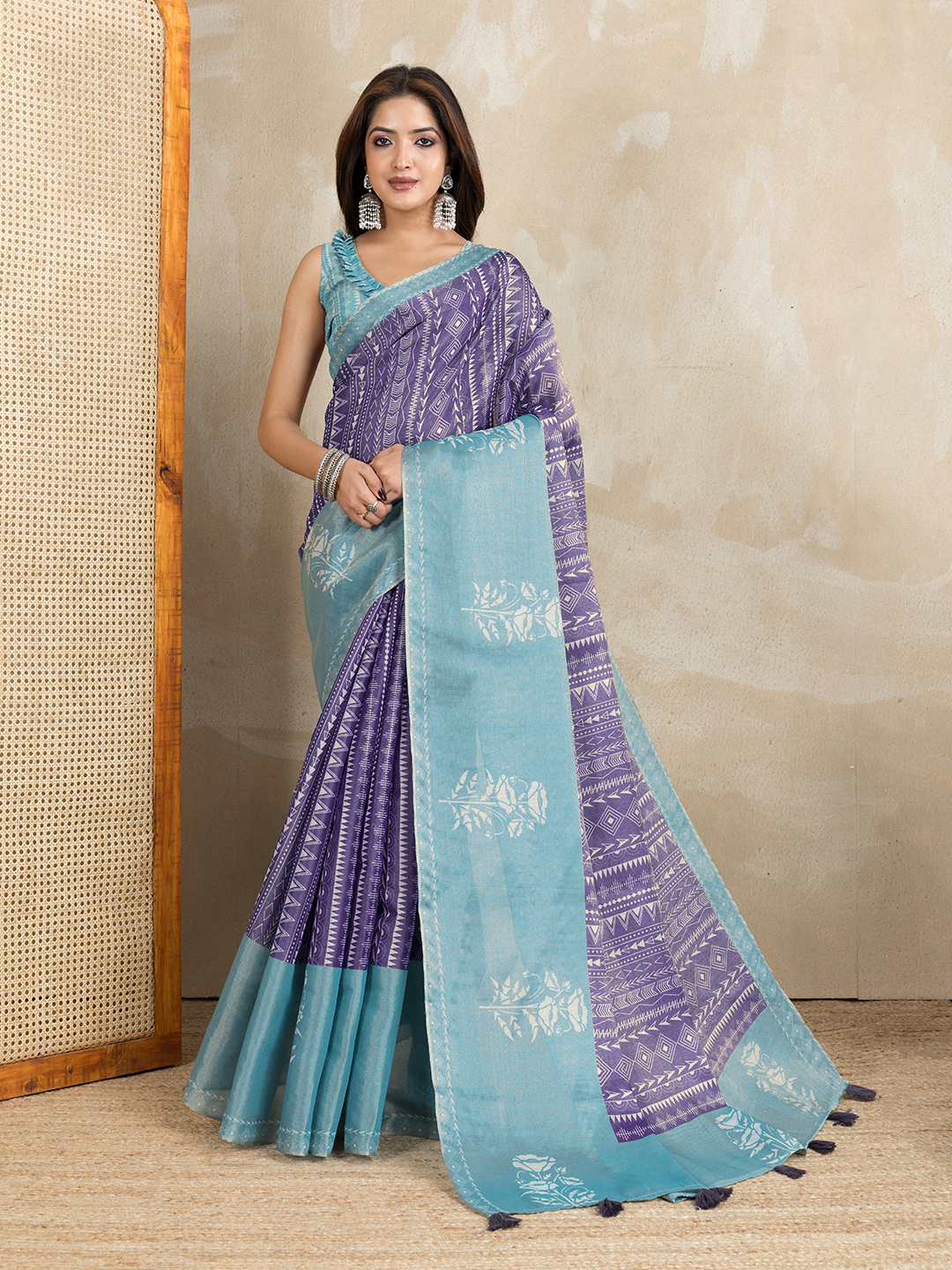
Avoid combining large statement pieces in both materials because equal visual weight can make the outfit appear crowded. A large pearl collar, oversized silver chandbalis, stacked cuffs and a prominent nose ring create several focal points before the saree has a chance to read. Remove one major piece first if the outfit feels busy.
don't ignore the blouse. A heavily embroidered gold blouse can make oxidised silver and pearls look accidental unless the saree print or border introduces a cooler bridge. A plain blouse in charcoal, ivory, teal or deep wine generally makes mixed jewellery feel more deliberate.
don't mix very distressed oxidised silver with extremely uniform, bridal-quality pearls unless the saree has enough texture to bridge the difference. A linen-cotton weave, handloom-inspired border or botanical print can support a more rustic combination. A sleek crystal blend saree may need cleaner silver forms and smaller pearl pieces.
Check the length of every hanging element before leaving home. Earrings, necklace pendants and saree pallu embellishments should not all end at the same point because repeated horizontal lines can make the upper body look congested. Varying lengths by several centimetres creates separation and movement.
Finally, photograph the complete outfit in natural daylight. Oxidised silver can look softer indoors and much darker outdoors, while pearls can appear cream, white or pink depending on nearby colours. A daylight check reveals whether the jewellery supports the saree or competes with its border.
Can You Mix Pearls With Oxidised Silver Jewellery in Ethnic Wear and Care for Both Materials?
Yes, both materials can be maintained together, but pearls and oxidised silver require different care routines. Pearls are porous and sensitive to chemicals, while oxidised silver can lose or change its darkened surface through polishing and moisture.
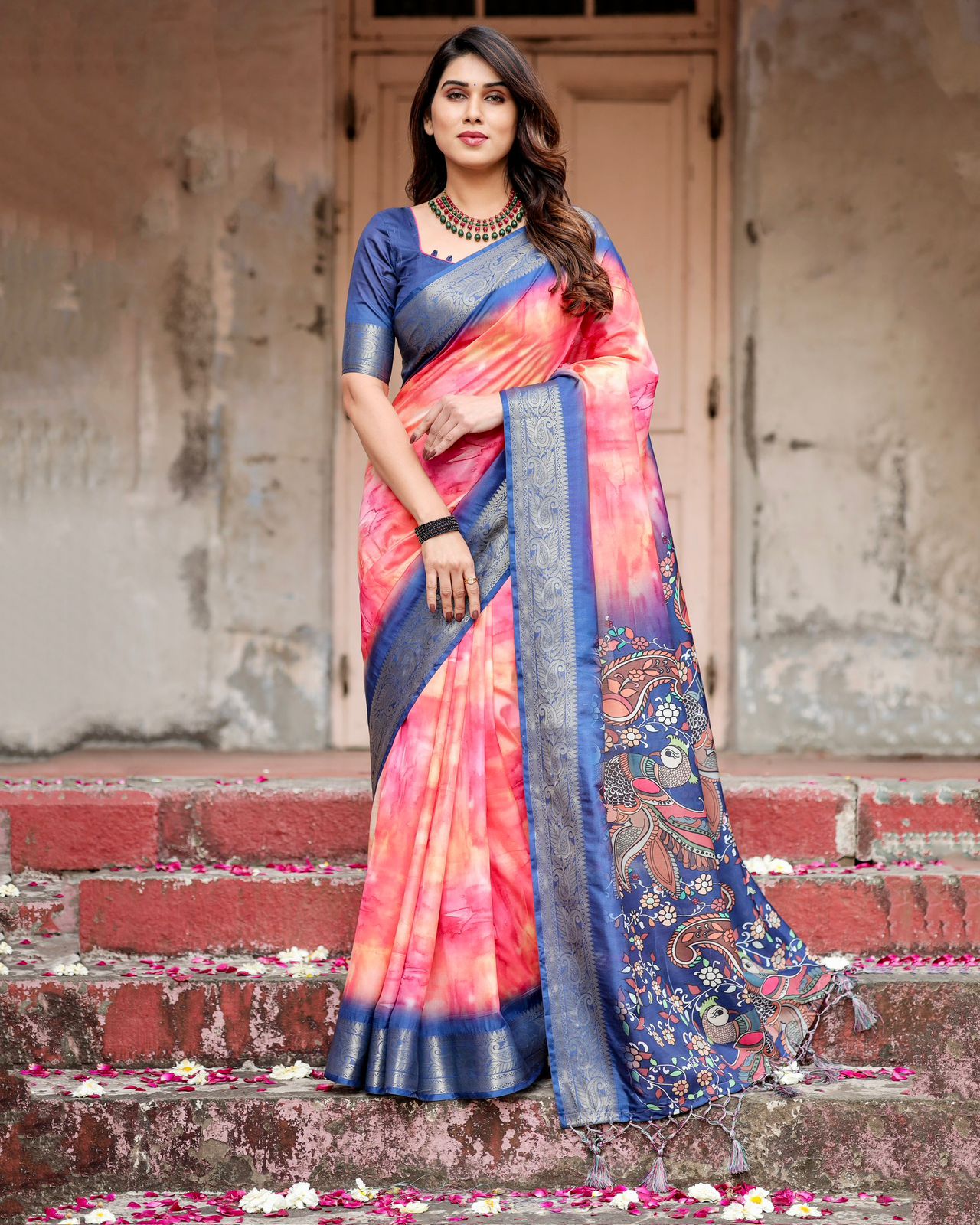
Wipe pearls with a soft, slightly damp cloth after wearing them, then allow them to dry fully before storage. Keep pearls away from perfume, hairspray, moisturiser, sunscreen and household cleaners because acids and solvents can dull their surface or weaken the thread. Store pearl strands flat or in a soft pouch rather than in a sealed plastic bag exposed to heat.
Wipe oxidised silver with a dry, soft cloth and avoid aggressive silver-polishing dips. Strong polishing can remove the intentionally darkened finish from engraved recesses and make the jewellery look uneven. Keep oxidised silver dry, especially after a Haldi ceremony or a humid outdoor event, and store it separately from damp fabric.
don't place pearls and oxidised silver loose together in one jewellery box. The metal edges can scratch pearl surfaces, and tarnish residue can transfer to lighter materials. Separate pouches or compartments preserve both finishes and reduce tangling.
When dressing, put on perfume and skincare first, wait until the products have dried, and add jewellery afterwards. Remove both pearl and oxidised silver pieces before bathing, swimming or exercising. These simple intervals protect the jewellery more effectively than occasional intensive cleaning.
Practical Final Checklist
Yes, the pairing is a dependable choice when the outfit has a bridge between the two materials. Before leaving home, check the jewellery against five details: saree colour, border finish, blouse decoration, statement-piece size and event formality.

- Choose the lead material: Decide whether pearls or oxidised silver should attract attention first.
- Repeat a colour: Use ivory, silver grey, charcoal, teal, wine or a border shade to connect the jewellery with the saree.
- Separate focal areas: Avoid placing large pearls and large oxidised silver pieces together around the face and neckline.
- Check the blouse: Reduce jewellery when the blouse already contains dense embroidery, zari or sequins.
- Match the occasion: Choose lightweight, secure pieces for daytime events and more structured pieces for receptions.
- Protect the materials: Keep pearls away from chemicals and clean oxidised silver without stripping its patina.
When these checks are met, pearls and oxidised silver stop looking like unrelated accessories. The pearls provide light, the metal supplies definition, and the saree gives both materials a shared setting. That balance makes the combination suitable for contemporary ethnic wear without losing its heritage character.
Common Questions About Mixing Pearls With Oxidised Silver in Ethnic Wear
Can you wear a pearl necklace with oxidised silver earrings?
Yes, a pearl necklace can be worn with oxidised silver earrings when one piece is noticeably quieter than the other. A pearl choker with medium silver earrings works for a formal look, while a simple pearl pendant with large jhumkas keeps the proportions balanced.
What colour saree looks best with pearls and oxidised silver jewellery?
Silver-grey, ivory, teal, slate, wine and muted earthy sarees are especially easy to style with pearls and oxidised silver. These colours either repeat the metal, echo the pearls or provide enough contrast for both finishes to remain visible.
Can I wear oxidised silver jewellery with a silk saree?
Yes, oxidised silver can work with a silk saree when the jewellery has a refined finish and the silk includes a related colour or zari detail. Keep the rest of the accessories controlled so the contrast between polished silk and textured metal looks intentional.
Are pearls suitable for a Haldi ceremony?
Pearls are suitable for a Haldi ceremony when they are worn in secure, simple designs away from direct turmeric paste and water. Small pearl earrings or a short pearl strand are safer than delicate long drops or heavily layered pieces.
How do I stop mixed pearl and silver jewellery from looking mismatched?
Use one dominant statement piece, repeat a saree colour and keep the jewellery within the same level of formality. Similar shapes, such as round pearls with circular silver details, also make the mixed materials appear coordinated.
How should I store pearls and oxidised silver jewellery together?
Store pearls and oxidised silver in separate soft pouches or compartments because metal edges can scratch pearls and tarnish residue can transfer to pale surfaces. Keep both materials dry, and avoid strong silver-polishing products on oxidised finishes.