

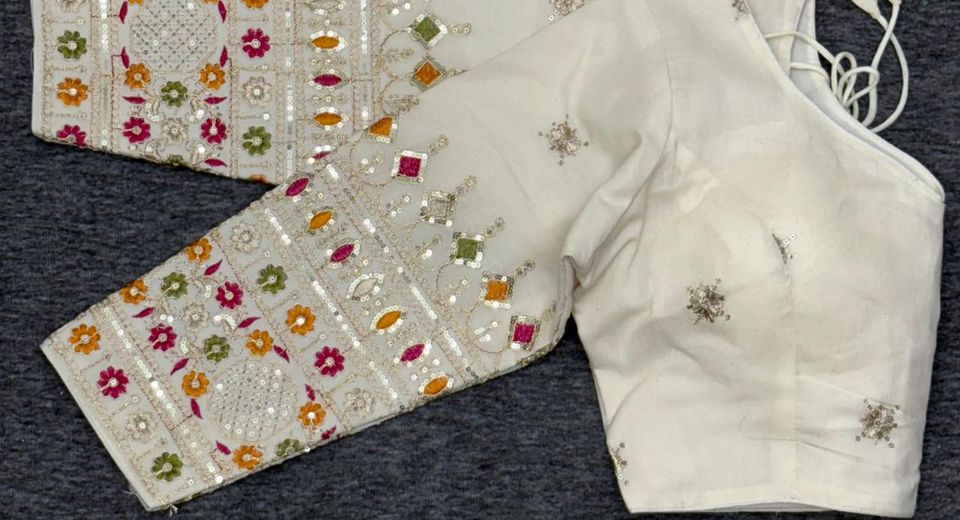
Blouse Riding Up at the Back? How to Diagnose the Fit Problem starts with observing when the fabric moves, rather than immediately choosing a larger size. A blouse can climb toward the shoulder blades because of a tight bust, shallow armhole, sloping shoulders, insufficient back length or slippery fabric. Each cause leaves a different visual clue, so the correct correction depends on what the blouse does while you stand, sit and lift your arms.
A well-fitting saree blouse should stay broadly level around the waist and under-bust while allowing normal breathing and arm movement. The garment doesn't need to feel loose, but the back should not form a horizontal ridge, the side seams should not swing forward and the neckline should not pull away from the body. These checks work for cotton blouses, silk blouses, padded readymade blouses and designer saree blouses.
How to Diagnose the Fit Problem First
A blouse riding up at the back usually indicates that the garment needs more length or width somewhere above the waist. The fabric moves upward to release tension created at the bust, armhole, shoulder or upper back. A blouse that's simply too short can also ride up even when the chest measurement is correct.
Begin with a standing test. Wear the blouse over the bra that you normally use with the saree, fasten every hook or tie and place both arms loosely by your sides. Notice the lower edge in a mirror. Then raise both arms to shoulder height and lower them again. If the hem lifts immediately and remains high, the blouse is probably short or tight through the upper body. If the hem settles but the back develops folds, shoulder or armhole balance needs closer attention.
- Horizontal folds below the shoulder blades: the back may be too short, or the upper back may need more room.
- Diagonal folds from the side seam toward the back: the bust or armhole may be restricting movement.
- Neckline pulling backward: the shoulder slope, back-neck depth or upper-back width may be incorrect.
- Side seams moving toward the front: the front may be too tight across the bust, or the bust point may be positioned incorrectly.
- Only one side rising: uneven shoulders, posture or a slightly higher hip may be affecting the balance.
Take a photograph from the side and back while standing naturally, not while holding the body stiffly. A second photograph while seated can reveal whether the blouse is being pulled upward by the waist, bust or posture. Fit problems are easier to diagnose when the garment is observed in movement rather than judged from one front-facing mirror view.
How to Diagnose the Fit Problem Across the Bust
A bust-related fit problem usually shows as strain across the fullest part of the chest, with front closures pulling apart or side seams shifting forward. The back hem rises because the blouse uses its available circumference to accommodate the bust instead of maintaining its intended length.
Check the blouse while sitting and breathing normally. If the hooks gape, the fabric between the bust and waist looks stretched, or princess seams point away from the bust point, the garment lacks usable bust ease. A padded blouse can create the same issue when the padding adds volume that was not included in the garment measurements. Increasing the size may solve chest strain but make the shoulders and neckline too loose, so a bust adjustment can be more accurate than moving up one size.
For a readymade blouse, compare the garment's bust measurement with your body measurement while wearing the intended bra. A practical starting point is approximately 2 to 4 inches of total ease for a structured blouse, although the correct amount depends on fabric, padding, closure and personal comfort. A fitted silk blouse with hooks may need less ease than a cotton blouse worn for several hours in warm weather.
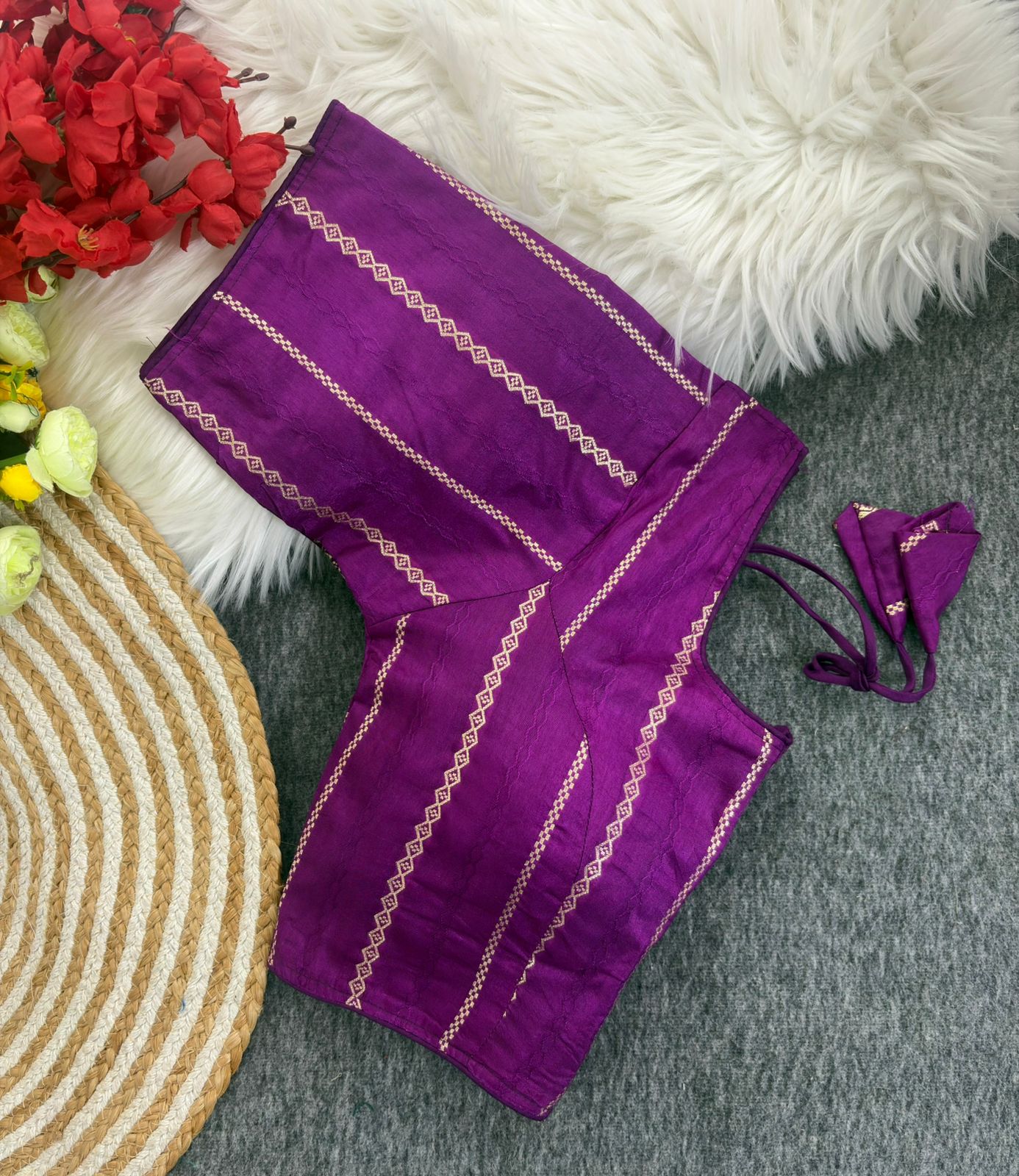
Measure over the lingerie and padding combination that you'll actually wear. The Banarasi Silk Golden Jari Padded Blouse for Women demonstrates why measurement context matters: Banarasi silk and zari details can give a blouse a structured shape, while padded construction changes the internal space around the bust. Measuring over a bare body can make a padded readymade blouse appear larger than it will feel when styled.
A larger size isn't always the best solution for a full bust. A tailor may instead release side seams, reposition darts, add a small bust panel or alter the closure placement. Such changes preserve the shoulder fit and neckline while giving the chest the space it needs. A blouse that rides up only when the wearer sits often needs bust or waist ease rather than a longer hem.
How to Diagnose the Fit Problem at the Shoulders
Shoulder slope and armhole depth can make the back hem rise even when the bust measurement appears correct. A shoulder seam that sits too far outward or an armhole that cuts into the underarm prevents the blouse from hanging vertically.
Look at the shoulder seam in a mirror. The seam should finish near the natural shoulder edge rather than drooping down the upper arm or sitting several centimetres toward the neck. A sloping shoulder can create excess fabric near the neck and tension near the armhole. Pulling the blouse down repeatedly won't solve the problem because the shoulder angle remains unbalanced.
Slide two fingers between the armhole and the underarm. Two fingers should fit without painful pressure in a close-fitting blouse. A deep armhole isn't automatically more comfortable: a low cut can allow the blouse to lift whenever the arm moves because the garment loses anchoring at the underarm. A high, correctly shaped armhole often gives better mobility than a large, loose armhole.
Try moving one arm forward as though reaching for a phone. If the back rises sharply on the moving side, the armhole or upper-back width is probably restricting movement. Tailoring may require reshaping the armhole, adding a small back-width adjustment or correcting the shoulder slope. Shortening the blouse hem won't fix a movement restriction.
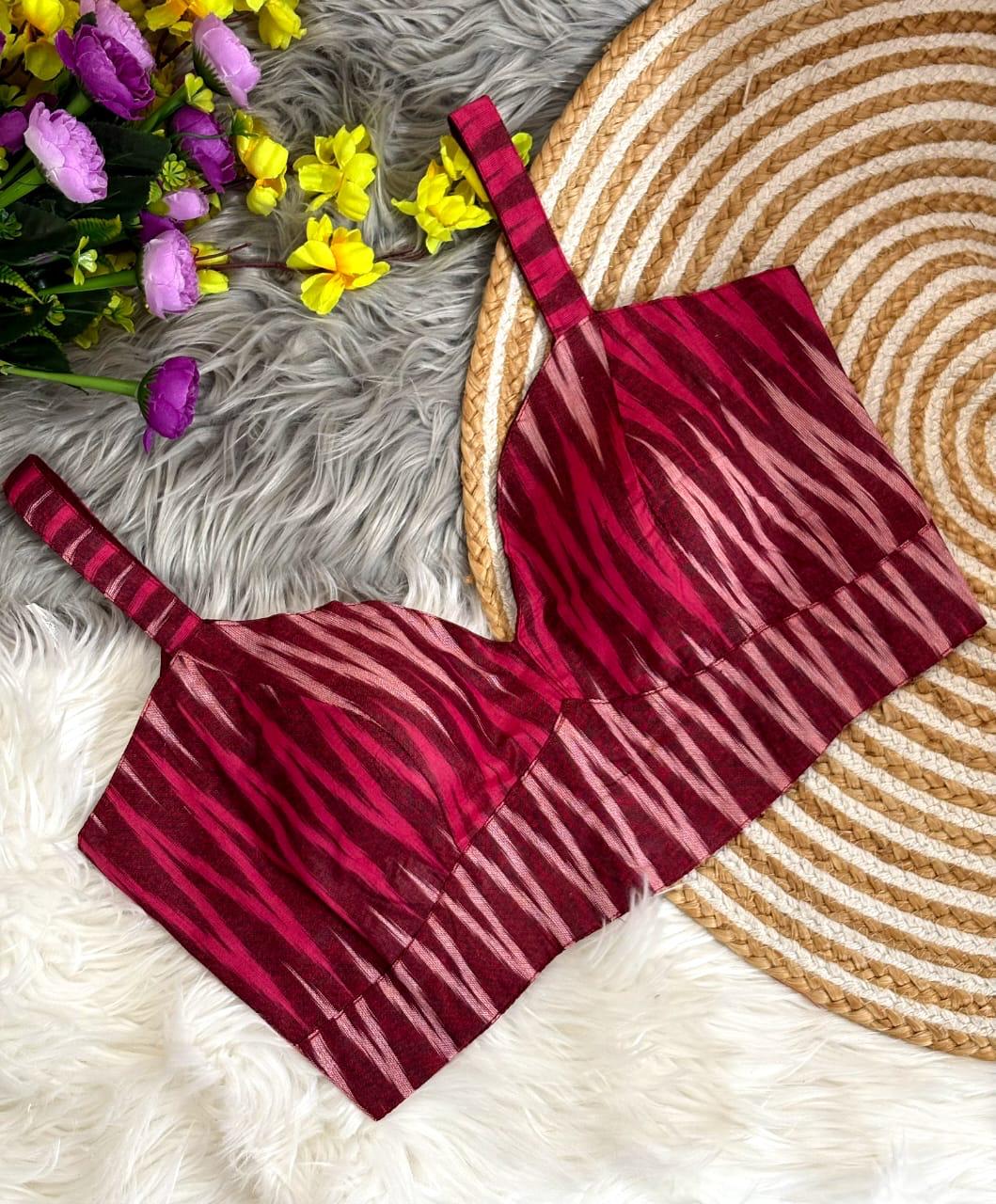
A sleeveless cotton style such as Brown Ikat Cotton Padded Blouse Sleeveless Stylish makes armhole balance especially noticeable because there's no sleeve head to disguise tension. Cotton Ikat also has limited stretch compared with knitted fabric, so accurate shoulder and armhole measurements matter from the beginning.
How to Diagnose the Fit Problem in the Length
A blouse is simply too short when the lower edge remains above the intended waist position after the bust, shoulders and armholes sit smoothly. A back-waist balance problem occurs when the hem is correct at the front but rises at the back because the torso is longer or more curved behind.

Measure from the high point of the shoulder, close to the neck, down to the waistline at the front and back. The difference between those measurements helps explain why a standard readymade blouse may fit the bust but not the torso. A prominent upper back, fuller shoulder blades or a swayback posture can all require additional back length without requiring a larger overall size.
Place a narrow elastic around your natural waist and tuck the blouse into it temporarily. If the front hem reaches the elastic while the back hem sits several centimetres above it, ask a tailor about adding back length or correcting the back-waist seam. If both hems sit high, the entire blouse may need a longer pattern or a different size.
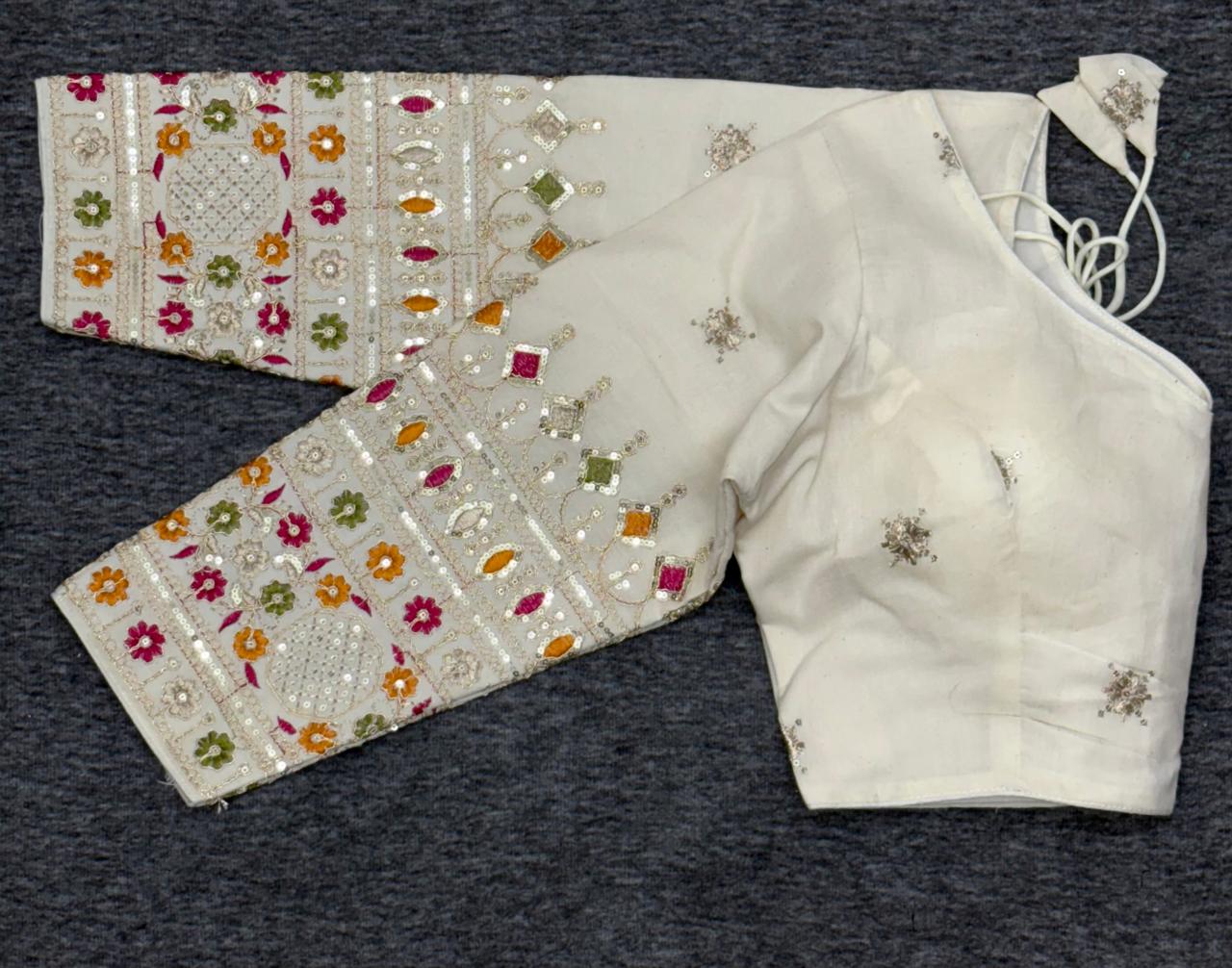
The Classic Festive Wear Blouse for Stylish Saree Look can be assessed with the waistline test before a festive event. A blouse worn for a wedding reception must remain stable through sitting, dining and greeting guests, not only look even for a few seconds in a standing photograph. Do not depend on saree pleats to hide a hem that continually moves upward, because repeated tension can distort hooks and seams.
Back length also needs to be judged against the saree drape. A blouse ending at the natural waist may work with a high-waisted drape, while a lower drape can expose a gap or make the blouse appear to climb. Decide the intended waist position before asking for an alteration. Adding length at the bottom is useful only when the upper-body balance is already correct.
How to Diagnose the Fit Problem by Fabric
Fabric changes how strongly a blouse reveals or masks a fitting fault, but fabric can't compensate for incorrect measurements. Cotton usually exposes tension through visible creases, while silk may slide upward and make a moderate fit problem appear worse. Padded readymade blouses add another variable because lining, cups and outer fabric may not move together.
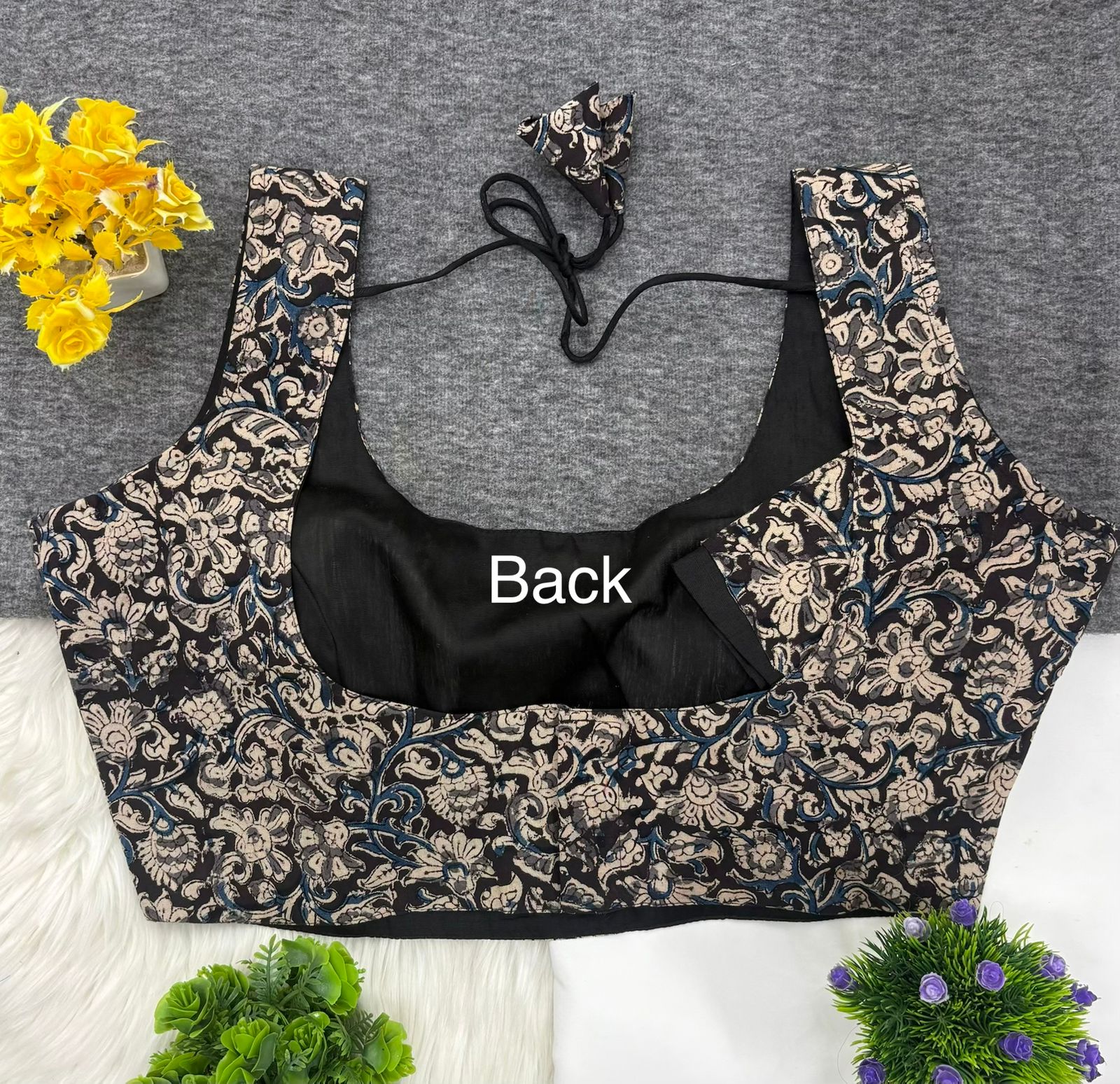
Cotton blouses can feel tighter after several hours because body heat, perspiration, posture and repeated arm movement reduce comfort in a firm woven fabric. Cotton Ikat and Kalamkari cotton generally have limited mechanical stretch unless the garment includes a stretch component. Check the blouse after wearing it for 20 to 30 minutes rather than judging it immediately after dressing.
The Ikkat Cotton Padded Blouse for Women Sleeveless and Cream Ikat Cotton Padded Blouse Sleeveless Trendy should be evaluated with enough ease for sitting and arm movement, particularly during a long daytime function. Look for pressure marks at the underarm, flattened bust darts and a back hem that has migrated upward. A blouse can appear comfortable for a quick photograph but become restrictive after repeated movement.
Silk can appear to ride up more easily because a smooth surface slides against the saree, lining or blouse. Silk doesn't necessarily indicate poor tailoring, but a slippery Banarasi silk or silk-woven blouse benefits from a stable waist edge, correctly placed hooks and a length suited to the saree drape.
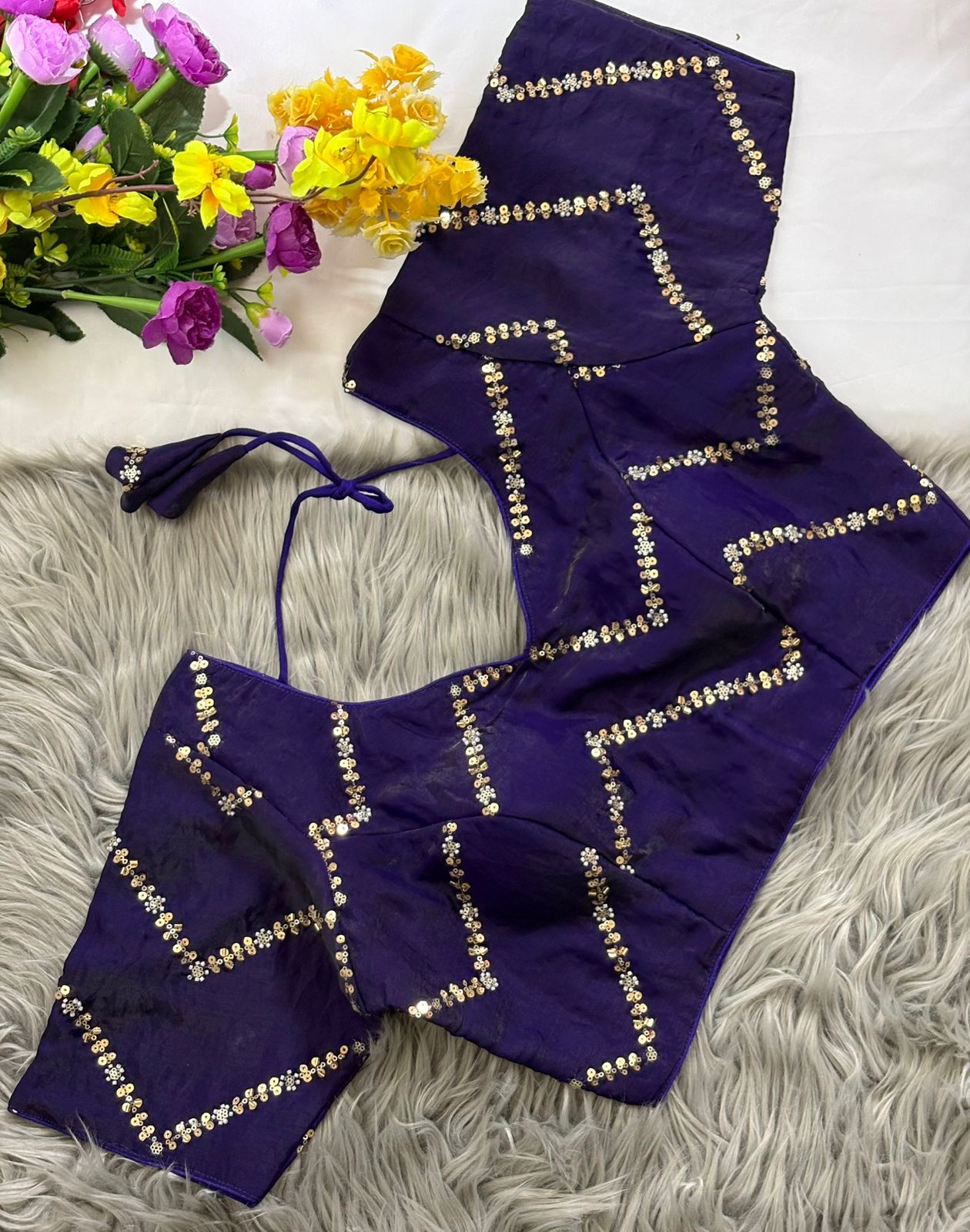
Test a silk blouse with the actual saree fabric whenever possible. A silk blouse under a smooth georgette saree may move differently from the same blouse under a cotton saree. Fendy Silk Zigzag Moti Work Readymade Blouse should sit securely at the shoulder and under-bust without relying on heavy jewellery or tight saree wrapping to hold it down. Avoid pinning through delicate silk simply to suppress a fit problem, because concentrated tension can leave permanent marks.
How to Diagnose the Fit Problem Before Buying Readymade
The most useful readymade blouse measurements are bust, under-bust, shoulder, armhole, front length and back length. Sleeve length, upper-arm circumference and neck depth also matter when the design isn't sleeveless.

- Bust: measure around the fullest point without pulling the tape tight.
- Under-bust: measure directly below the bust, where a blouse band or lower edge may sit.
- Shoulder: measure from one shoulder bone to the other across the back.
- Armhole: measure around the armhole area while keeping the arm relaxed.
- Front and back length: measure from the shoulder near the neck to the intended waistline.
- Upper arm: measure the fullest part if the blouse has sleeves.
Use the size chart for the specific blouse rather than assuming that a small, medium or large means the same thing across every seller. Readymade blouses can differ by several centimetres in bust ease, padding thickness, shoulder width and length. Designer readymade construction may use a more structured lining, while a soft cotton blouse may be cut for easier movement.
Compare your measurements with the garment measurements, not only the body-size label. If your bust matches one size but your shoulder matches another, choose the size that protects movement and ask whether tailoring is possible. A blouse that's slightly generous at the waist is easier to alter than a blouse that's tight across the bust or armhole.
Check the closure before buying. Back hooks allow some alteration, while a fixed side zip offers less flexibility if the bust or waist measurement is borderline. Tie-back designs can accommodate small changes, but very loose ties may pull the back neckline upward. Padded styles require an especially careful comparison because the cup shape affects both bust projection and neckline position.
How to Diagnose the Fit Problem Before Altering It
The safest alteration begins by identifying whether the problem is width, length, shoulder balance or movement. A tailor should inspect the blouse while you wear it with the correct bra and saree, because removing fabric without diagnosing the cause can make the garment less wearable.
Ask for a temporary basting adjustment before permanent stitching. Basting can test whether adding 1 to 2 centimetres at the side seam, back seam or hem changes the riding-up behaviour. If the hem stays level after extra width is added, the original garment was restrictive. If the hem still climbs, the issue is more likely shoulder slope, armhole depth or back-waist length.
don't add length to the bottom when the entire blouse is being pulled upward by a tight bust. The added strip may create a longer blouse at rest while the original strain remains during movement. Do not widen the shoulder when the shoulder seam already sits beyond the natural shoulder edge. Every alteration should correct the location of the tension rather than hide its symptom.
Inspect hooks, eyelets and seams after wearing the blouse for an hour. Loose hooks, stretched thread, puckered darts and shiny pressure lines show that the garment is under continuing stress. A small adjustment before a wedding or Haldi ceremony is safer than waiting until a hook breaks during the event.
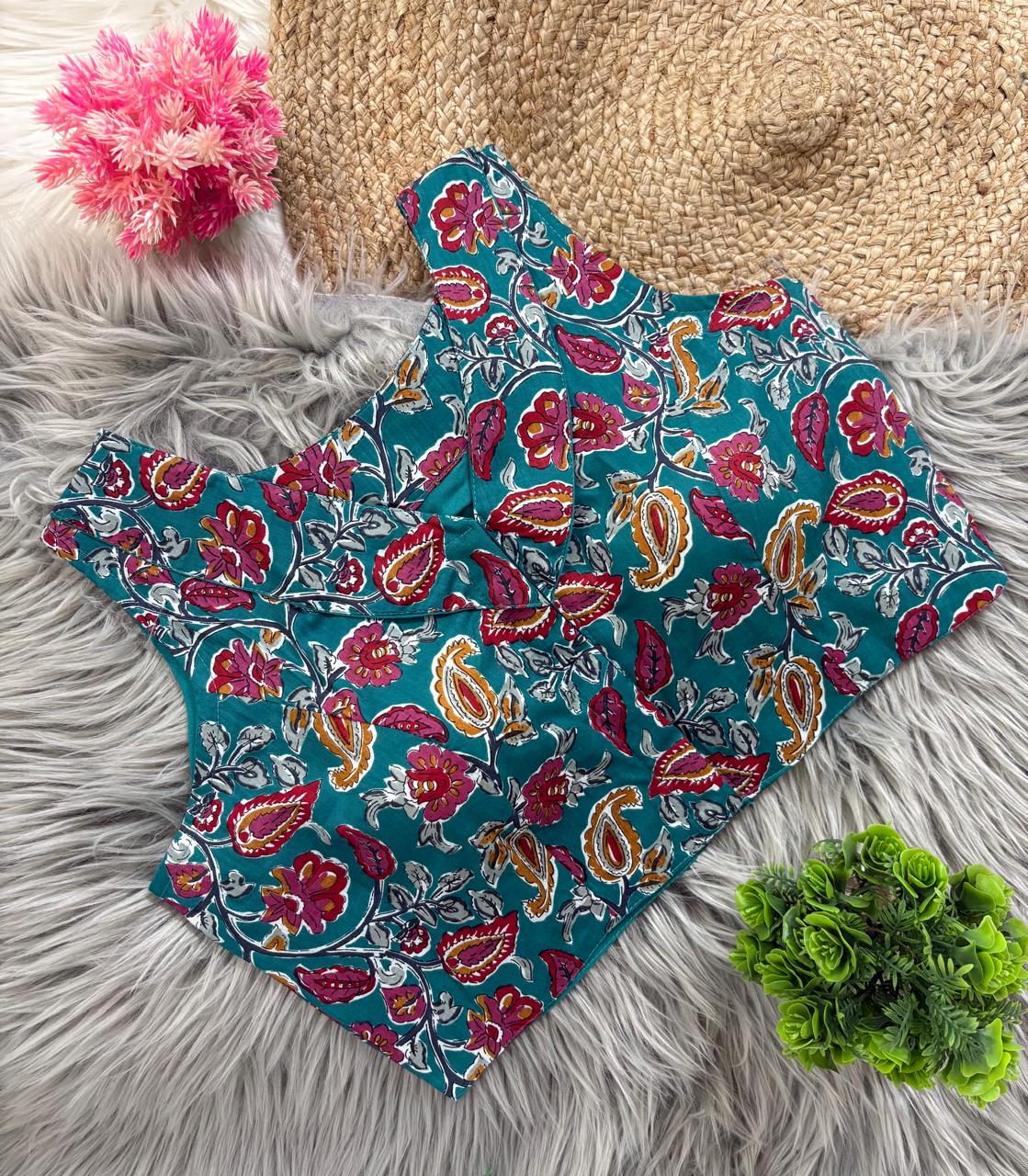
Pure Kalamkari Cotton Padded Blouse for Women and Kalamkari Cotton V Neck Collar Blouse for Women can be compared through the same movement checks. A V neck may make neckline strain easier to see, while padding can change the bust balance. The important question isn't whether a blouse looks attractive while stationary, but whether the neckline, shoulder, armhole and hem remain in place as the body moves.
How to Diagnose the Fit Problem for Different Saree Looks
The best blouse fit depends partly on how the saree will be draped, but no saree style should require painful tightness to keep a blouse in place. A designer saree with a low drape, a formal silk saree and a lightweight daily saree place different demands on length, grip and movement.
For a formal silk saree, check the blouse with the saree tucked at the intended waist and with the pallu placed over the shoulder. Zari, Banarasi silk and heavier borders can add weight to the shoulder, so a blouse with a weak shoulder fit may shift more during wear. A secure shoulder seam and stable under-bust edge are more useful than excessive tightness.
For a cotton saree, allow enough ease for sitting and bending. Cotton-on-cotton combinations can create friction that holds a blouse in place, but a firm cotton blouse may still ride up if the armhole is shallow. For a slippery silk or synthetic saree, test the blouse with a lining or a discreet blouse strap only after confirming that the underlying fit is correct.
For a designer saree look, photograph the blouse from the front, side and back before finalising the outfit. The photograph should show whether the neckline remains centred, whether the shoulder seam stays on the shoulder and whether the back hem follows the waist. These three views reveal more about fit than a close-up of embroidery or neckline design.
A blouse that rises by less than a centimetre after normal arm movement may be acceptable for some wearers, especially with a cropped silhouette. A blouse that rises several centimetres, exposes the waist unexpectedly or creates pain isn't behaving as a fitted garment should. Comfort, stability and the intended drape should guide the final decision.
How to Diagnose the Fit Problem With a Final Checklist
The final diagnosis should connect the visible wrinkle with the body movement that creates it. A repeatable checklist prevents an expensive silk or embellished blouse from being altered in the wrong place.
- Wear the intended bra, padding and saree drape.
- Check the blouse standing naturally with arms down.
- Raise both arms, reach forward and sit for five minutes.
- Observe the neckline, shoulder seams, side seams and back hem after each movement.
- Identify whether the tension is at the bust, underarm, shoulder, upper back, waist or hem.
- Test a temporary alteration before cutting or permanently stitching.
- Recheck the blouse after 20 to 30 minutes of actual wear.
Choose a different size when the garment is tight in several connected areas, especially the bust, armhole and upper back. Choose tailoring when one area needs adjustment but the shoulders, neckline and fabric quality are otherwise right. Replace the blouse when the required alteration would change the design, distort heavy zari or leave too little seam allowance.
Accurate diagnosis saves more than appearance. It protects hooks, seams, padding and delicate fabric while making a saree blouse easier to wear for long hours. When the cause is clear, a readymade blouse can often be corrected with a focused alteration instead of being abandoned after one uncomfortable outing.
Common Questions About a Blouse Riding Up at the Back
Why does my blouse ride up at the back when I raise my arms?
A blouse usually rides up during arm movement because the armhole, shoulder slope or upper-back width restricts movement. A low or tight armhole can pull the entire garment upward, even when the bust measurement appears correct. Check the blouse while reaching forward and ask a tailor to assess the armhole before adding length to the hem.
Should I buy a larger size if my saree blouse keeps riding up?
Buy a larger size only when the bust, armhole and upper back all feel tight. If the shoulders and neckline already fit, a larger size may create drooping and require more alterations. A targeted bust, back-length or armhole adjustment is often better than increasing the complete size.
Can a tight bust make the back of a blouse rise?
A tight bust can make the back hem rise because the fabric moves upward to release tension across the chest. Gaping hooks, forward-moving side seams and stretched fabric over the bust are common clues. Compare the blouse measurement over the bra and padding that you will actually wear.
Why does my silk blouse slide up more than my cotton blouse?
A silk blouse can slide upward because smooth silk moves against the saree, lining or skin more easily than many cotton fabrics. The problem can become more noticeable under a smooth georgette or silk saree. Test the blouse with the actual saree and correct the fit before using pins or tighter draping.
How much ease should a readymade saree blouse have?
A structured readymade blouse commonly needs about 2 to 4 inches of total bust ease, depending on the fabric, padding, closure and preferred fit. Cotton styles used for long functions may need more comfort than a closely fitted silk blouse. Always compare the seller's garment measurements with your body measurements rather than relying on the size label alone.
Can a tailor fix a blouse that rides up at the back?
A tailor can often fix the problem when the cause is a seam, shoulder, bust, armhole or back-length imbalance. Temporary basting should be used before permanent stitching to confirm the correct alteration. Adding length at the hem will not solve a tight bust or restricted armhole.


