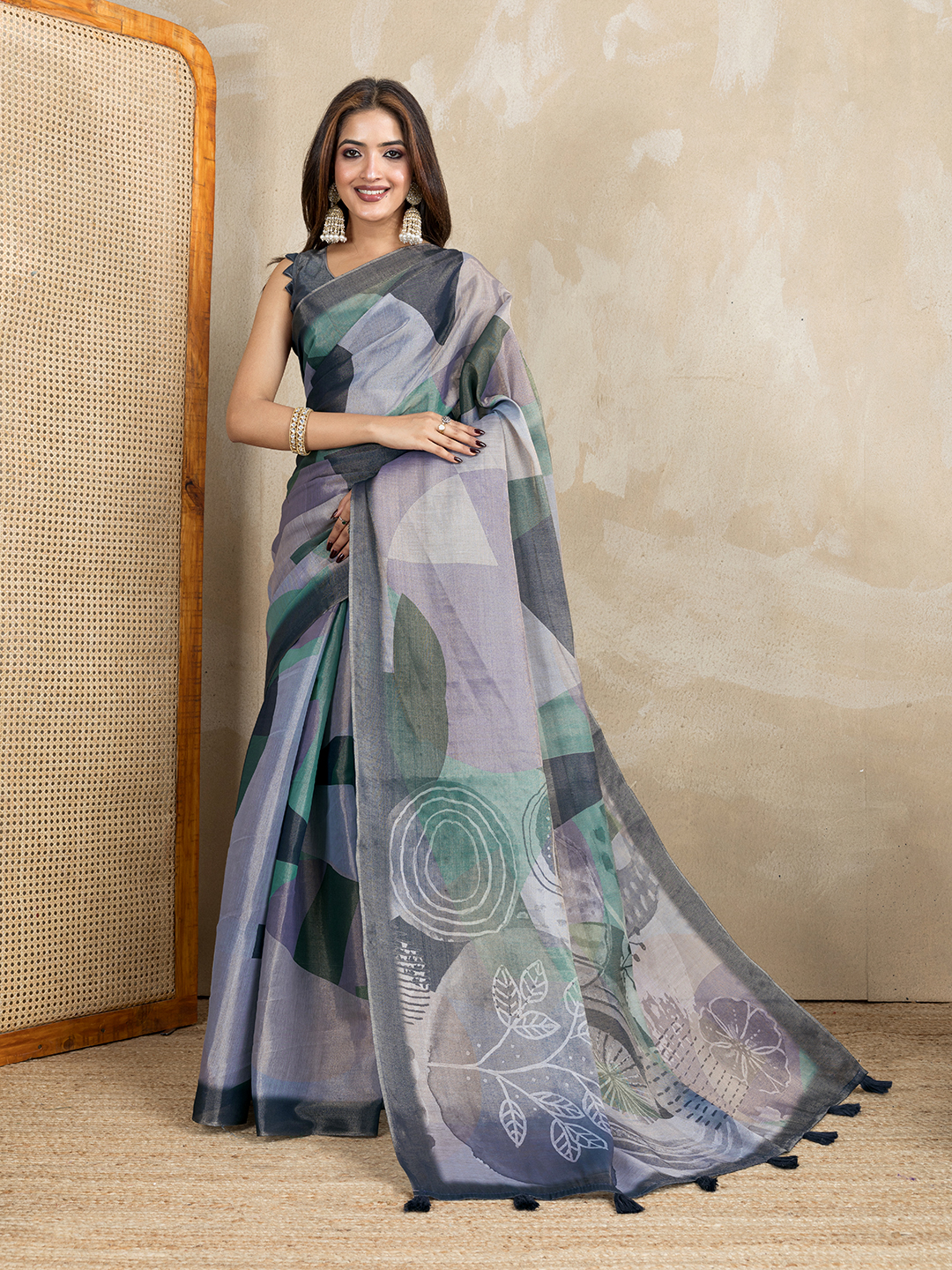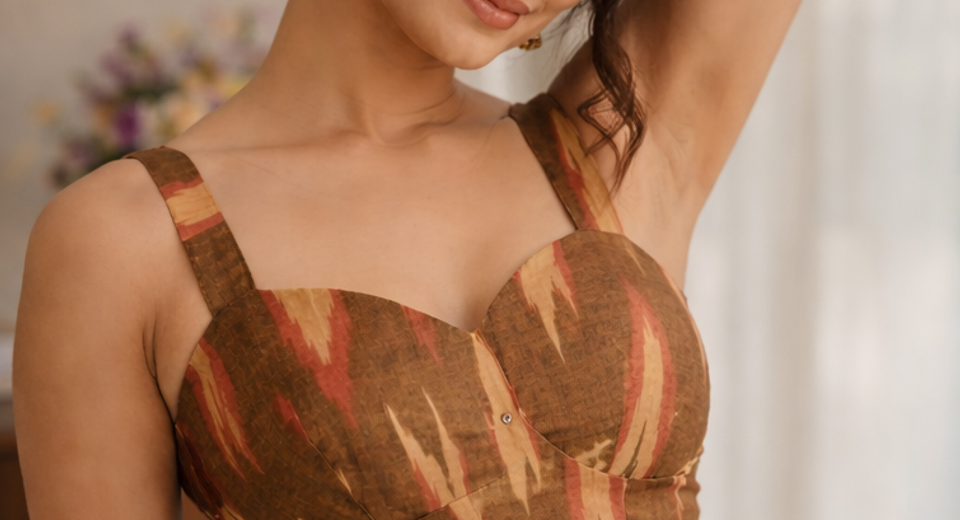
Blouse Hook Spacing Matters More Than the Number of Hooks when a saree blouse needs to sit smoothly across the bust and back. Six closely packed hooks may create more pulling than four evenly distributed hooks, while widely spaced closures can leave gaps and make dressing difficult. The useful question isn't simply how many hooks a blouse has; the useful question is whether every hook shares the tension comfortably.
Hook placement affects three practical things: how the blouse supports the bust, how the neckline and armhole hold their shape, and how easily the blouse accommodates normal movement. These details matter in a cotton day saree blouse, a Banarasi silk festive blouse and a designer readymade blouse alike. Understanding the mechanics helps you judge fit before wearing a blouse for a wedding, Haldi ceremony or long evening event.
Why Blouse Hook Spacing Matters More Than the Number of Hooks
Evenly distributed hook spacing gives a blouse more stable tension than simply adding extra hooks. Each closure should hold a corresponding section of the opening without forcing one area to carry the strain for the rest.
Imagine a blouse back measuring approximately 24 centimetres from neckline to lower edge. Four hooks placed about 6 centimetres apart can distribute closure points from the upper back to the waist. Six hooks placed within only 12 centimetres may look secure, but the lower back can remain unsupported while the upper section becomes crowded. The result may be puckering, a hard ridge or hooks that pull open during movement.
Hook spacing also changes the line of the saree. A blouse that gaps at the middle back can push the saree pleats outward and create an uneven fall. A blouse that pulls tightly near the shoulder blades can make the pallu sit too high or drag against the neckline. Good closure placement keeps the fabric panel flat, allowing the saree to move independently over it.
Closures work best when hook-and-eye pairs are aligned with strong areas of the blouse, such as reinforced seam lines or a properly finished back placket. Hooks sewn into a flimsy edge can distort the fabric regardless of their number.
How Many Hooks Should a Saree Blouse Have?
A typical saree blouse needs about three to six hook-and-eye pairs, depending on the back length, opening design, fabric weight and amount of support required. A short blouse with a narrow opening may need three or four pairs, while a longer blouse or a heavily embellished design may need five or six.
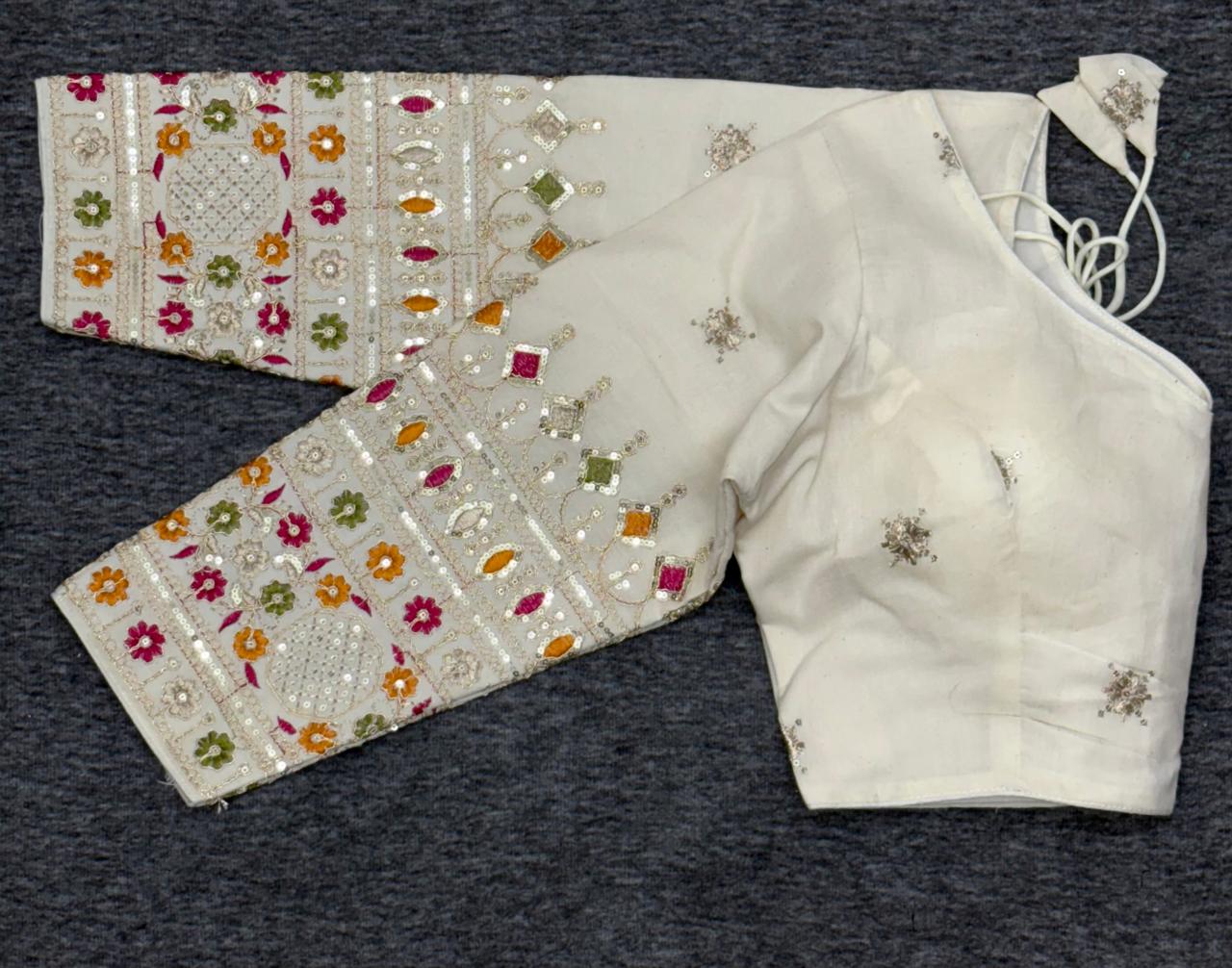
Hook count is only a starting point because blouse proportions differ. A deep U-back exposes less fabric to closure tension than a high-back blouse, but the remaining side sections may need stronger reinforcement. A blouse with a back opening extending nearly to the waist generally benefits from closure points placed from the upper back to the lower edge rather than concentrated near the neckline.
- Three hooks: suitable for a short, lightly structured blouse with a small back opening.
- Four hooks: a practical arrangement for many everyday cotton and printed blouses.
- Five hooks: useful for a longer back opening, moderate bust support or a slightly heavier fabric.
- Six hooks: appropriate when the opening is long or the blouse carries substantial embroidery, zari or layered finishing.
These numbers are not fixed rules. A broad back may require greater vertical spacing rather than more closures. A narrow back may need fewer, carefully positioned hooks to avoid uncomfortable pressure. The correct arrangement is the one that keeps the opening closed without creating horizontal wrinkles.
Where Should Blouse Hooks Be Placed?
Blouse hooks should be placed along the back opening at equal or deliberately graduated intervals, with the first hook far enough below the neckline to avoid rubbing and the last hook close enough to the lower edge to prevent gaping.
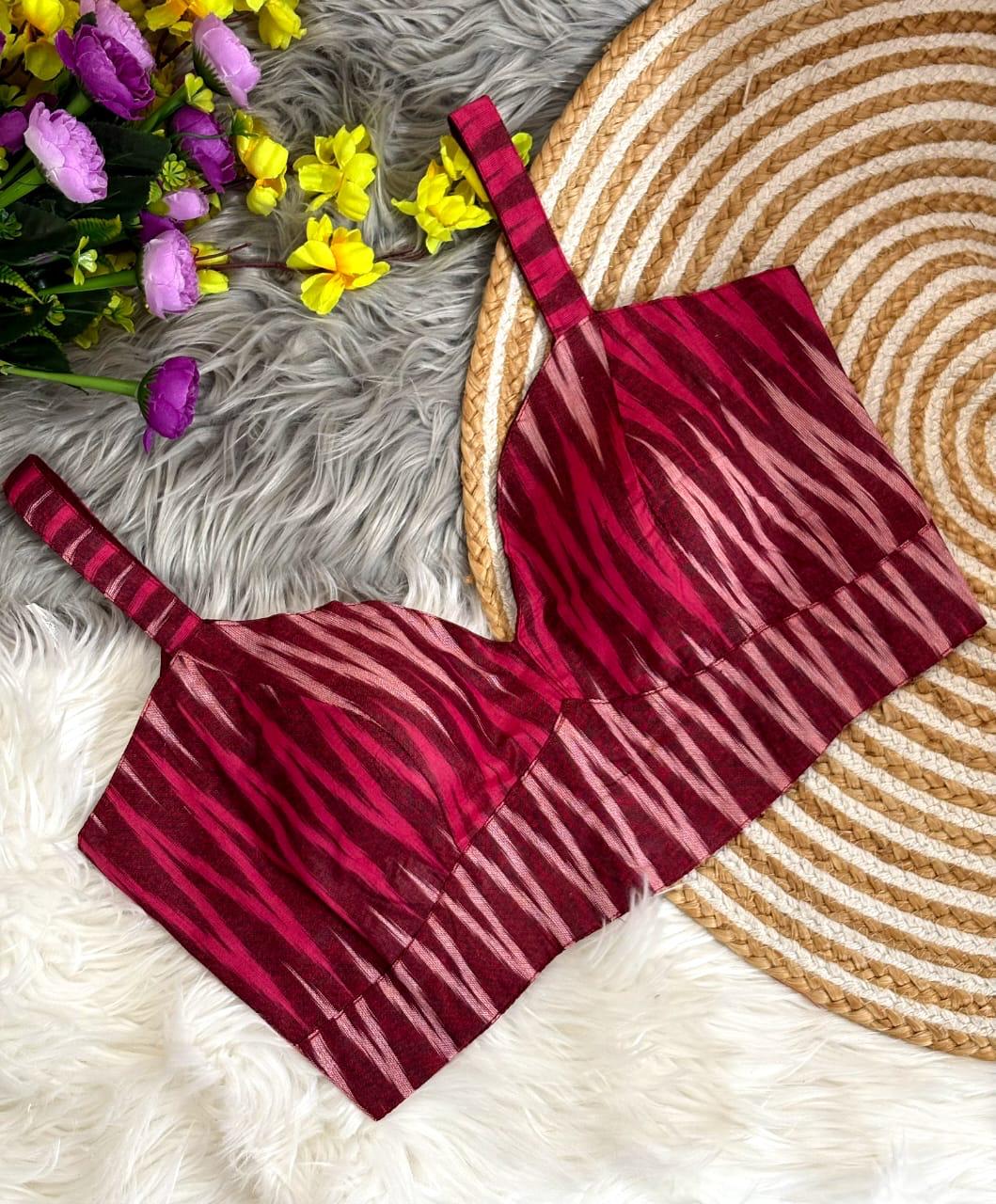
For many blouses, a gap of roughly 4 to 6 centimetres between hook centres works as a useful starting measurement. The exact distance depends on the length of the opening. A 16-centimetre opening may suit three or four closures, while a 25-centimetre opening may need five. The top and bottom gaps should not be dramatically larger than the spaces between the middle hooks.
The uppermost hook should not sit directly against the neck edge. Leaving approximately 2 to 3 centimetres below a high neckline can reduce rubbing and prevent the neckline from being pulled backward. The lowest hook should sit near the point where the back opening tends to spread, but it should not be so close to the hem that the seam becomes bulky.
What does incorrect spacing look like?
Incorrect spacing usually appears as horizontal ripples, diagonal drag lines, a visible gap between two hooks or a lower back that opens when the wearer raises an arm. A blouse may feel tight at the top and loose at the bottom when the upper closures are clustered together.
Ask someone to inspect the back while you sit, lift both arms and bend slightly forward. A closure arrangement that looks smooth while standing may reveal strain during movement. The blouse should remain closed without the hooks visibly tilting, twisting or pulling the placket away from the body.
How Fabric Changes Hook Placement
Fabric weight and recovery determine how much reinforcement and spacing a blouse requires. Cotton, silk, brocade and embellished textiles respond differently to the same hook arrangement.
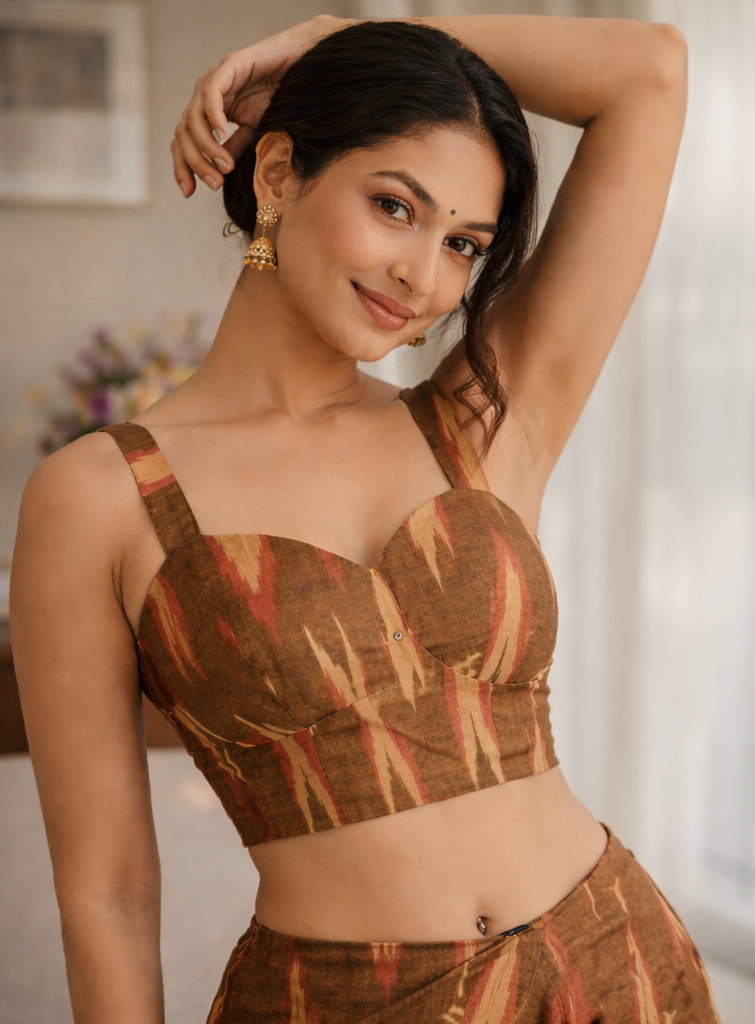
Cotton blouses usually tolerate clear, moderate hook spacing because cotton has a stable hand and doesn't shift as easily as a fluid textile. Brown Ikat Cotton Padded Blouse Sleeveless and Ikkat Cotton Padded Blouse for Women Sleeveless illustrate why a structured cotton blouse can feel secure with a modest number of well-positioned closures. Cotton still needs a firm placket because repeated washing can soften the fabric around the hooks.
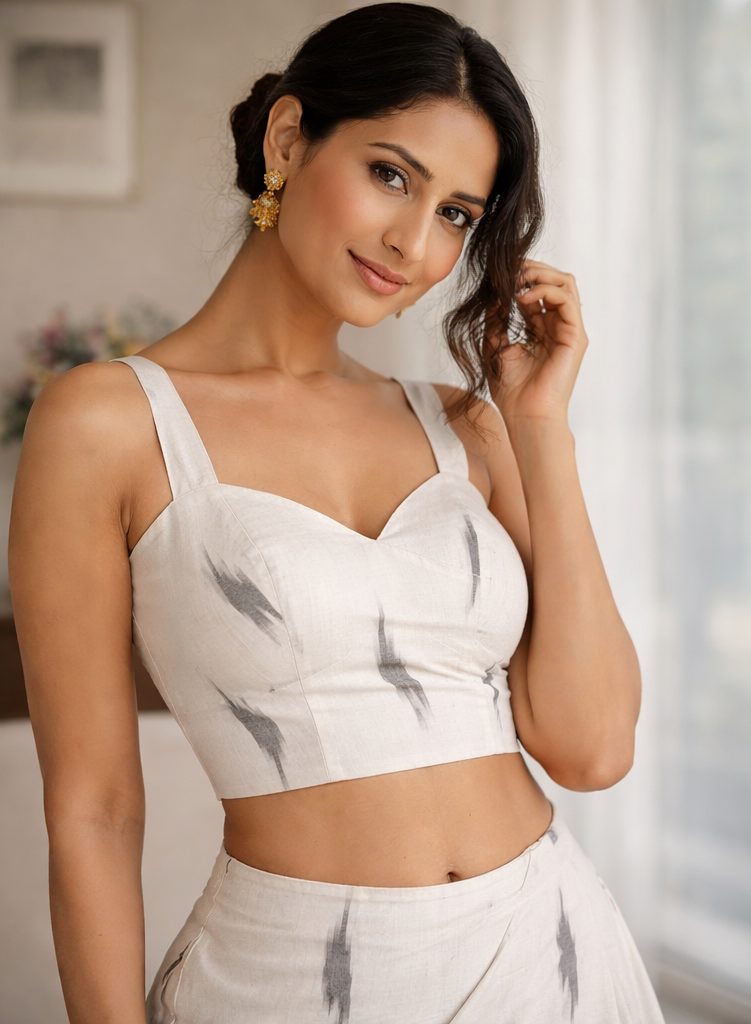
Cream Ikat Cotton Padded Blouse Sleeveless Trendy can work particularly well under a lighter saree when the back remains flat rather than overloaded with closures. Padded cotton blouses need enough space for the padding and lining to sit without hooks compressing the bust area. Closures placed too close to the armhole can also create a hard spot near the shoulder blade.
Silk and Banarasi silk require careful handling because the outer weave can show every pull mark. Banarasi Silk Golden Jari Padded Blouse for Women needs a reinforced inner placket so the zari surface doesn't carry the closure tension directly. Hook spacing of about 4 to 5 centimetres may be suitable for a moderate opening, but the lined garment should be tested before final stitching.
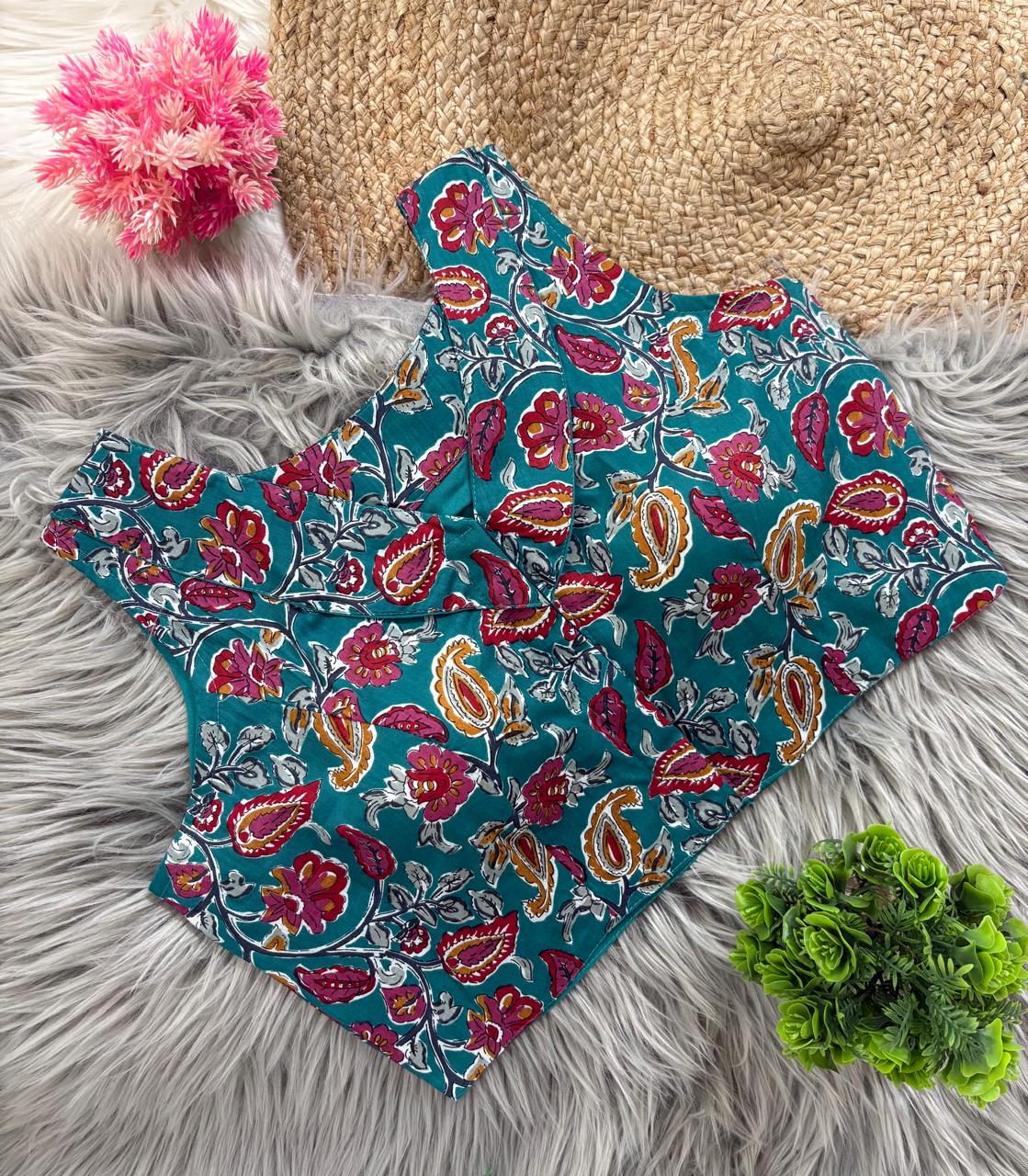
Kalamkari cotton has a printed surface, but the cotton base still needs the same attention to seam strength. Pure Kalamkari Cotton Padded Blouse for Women may be comfortable for a daytime saree when its hook tape is supported by lining. Kalamkari Cotton V Neck Collar Blouse for Women benefits from keeping the upper hook away from the V-neck transition, where excess tension can distort the collar points.
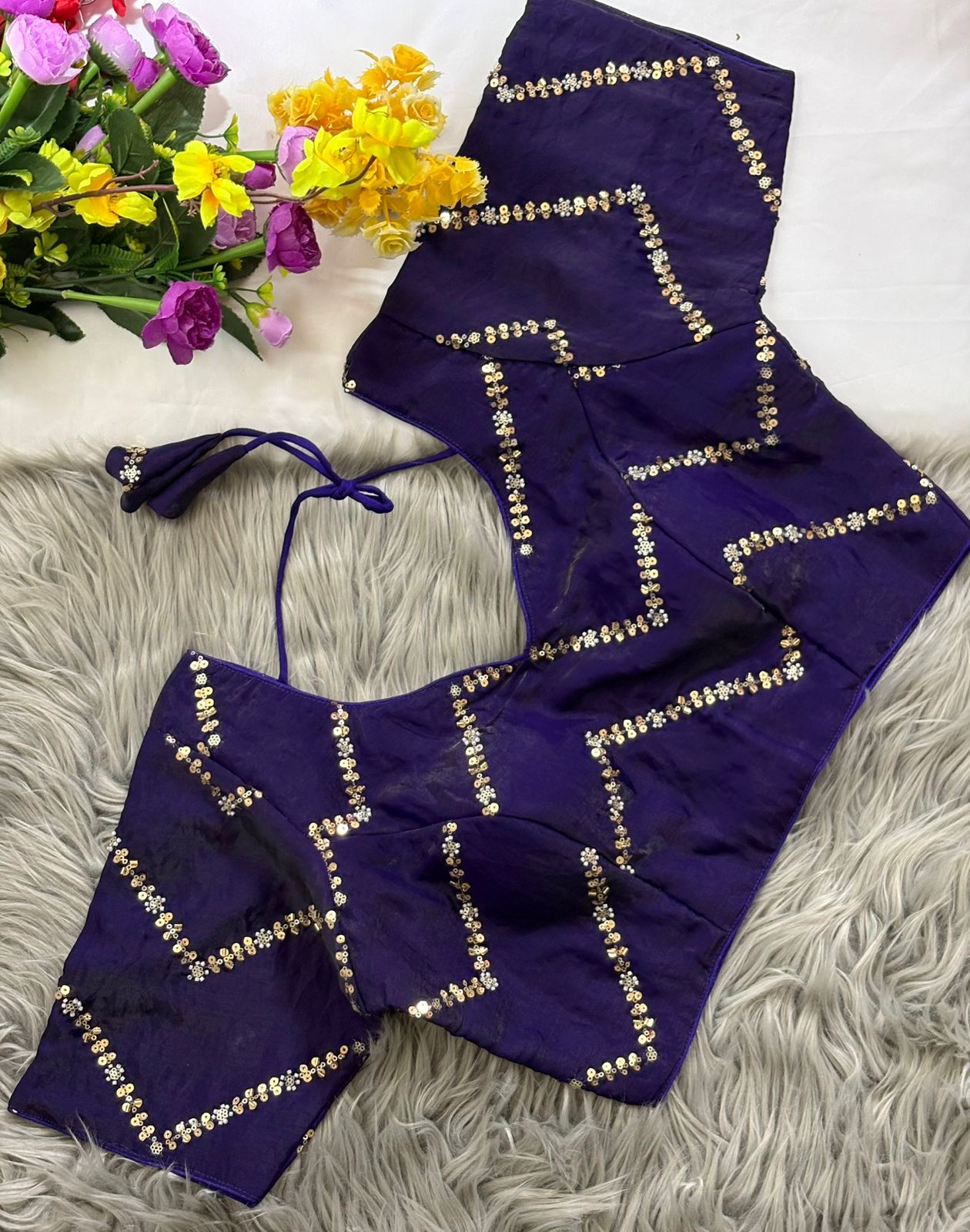
Embellished fabrics need testing rather than assumptions. Fendy Silk Zigzag Moti Work Readymade Blouse can carry decorative weight around the neckline and front, but the back placket must still lie flat. Beads, zari and dense embroidery can make a blouse feel tighter than its measurement suggests because the surface has less flexibility.
Readymade Blouses: How to Check Hook Fit Before Buying
A readymade blouse fits correctly when the bust, shoulder, armhole and closure line remain comfortable at the same time. Checking only the chest measurement can miss a poorly placed hook line.
- Check the bust line: the fabric should touch the body without horizontal strain lines or a gap beneath the bust.
- Inspect the hook placket: the edges should meet evenly from top to bottom, not overlap heavily at one end.
- Test movement: raise both arms, sit down and rotate the shoulders to see whether the hooks pull apart.
- Feel the inside: the hook backs should be covered or smoothly finished so they don't scratch the skin.
- Examine the shoulder position: a shoulder seam that falls too far forward or backward can make the hook line appear wrong even when the bust size is close.
Padding can change the fit of a readymade blouse by adding volume without adding much visible width. A padded blouse may need a slightly more generous bust measurement, but increasing hook count won't solve a small bust panel. When a blouse closes only by force, a tailor should assess the side seams or back width instead of moving the hooks closer together.
Classic Festive Wear Blouse for Stylish Saree Look can be evaluated in the same way as a more casual cotton design. Festive styling doesn't remove the need for a balanced closure. The blouse should support a saree drape during sitting, greeting guests and lifting the arms for photographs.
When Should a Tailor Alter Blouse Hooks?
A tailor should alter blouse hooks when the closure line gaps, pulls, rubs or leaves an uneven back edge despite the main bust measurement being correct.
Moving hooks is a small alteration when the placket has enough fabric and seam allowance. A tailor may shift an entire hook tape by 0.5 to 1 centimetre, redistribute the pairs across the opening or add a concealed fabric extension. Altering the side seams is usually more appropriate when the bust or waist is genuinely too tight.
don't ask for hooks to be added automatically. Extra closures can make a blouse harder to close, create pressure points and add bulk under a saree. A tailor should first mark the bust line, waist line and widest part of the opening while the wearer stands naturally.
A practical fitting test is to close the blouse, place one finger between the edge and the body, and then move both arms forward. The blouse should not pinch, gape or shift upward. If the hook tape rolls outward, the placket may need reinforcement rather than more hooks. If only one section gaps, moving one hook pair may solve the problem without changing the entire garment.
How Hook Spacing Supports Saree Styling
Balanced hook spacing helps a saree blouse create a smoother foundation for pleats, a pallu and jewellery. The benefit becomes especially visible with fitted designer sarees, slippery silk and lightweight drapes.
A blouse that sits flat allows the saree pallu to cross the shoulder without catching on a raised placket. Banarasi silk, Kanjeevaram and zari-rich sarees can be heavy enough to expose small fit problems during several hours of wear. A stable blouse reduces the need to keep adjusting the pallu or pulling the saree back into position.
Neckline design also interacts with closure placement. A high-neck blouse needs a comfortable upper gap so the neckline doesn't ride toward the throat. A V-neck blouse needs enough distance from the first hook to preserve the V shape. A sleeveless blouse needs particular care around the armhole because tight hook placement can restrict shoulder movement.
Hook spacing is also relevant when pairing a readymade blouse with more than one saree. A neutral cotton blouse may suit printed cotton sarees and lighter Chanderi drapes, while a silk blouse may accompany festive sarees. In both cases, a smooth, correctly supported back makes the blouse more versatile than a design with excessive but poorly placed closures.
Simple Rules for Choosing a Better Blouse
Choose a blouse by checking closure alignment, fabric support and movement rather than counting hooks from a product photograph. The best blouse combines a correctly sized bust panel with a placket that distributes tension from top to bottom.
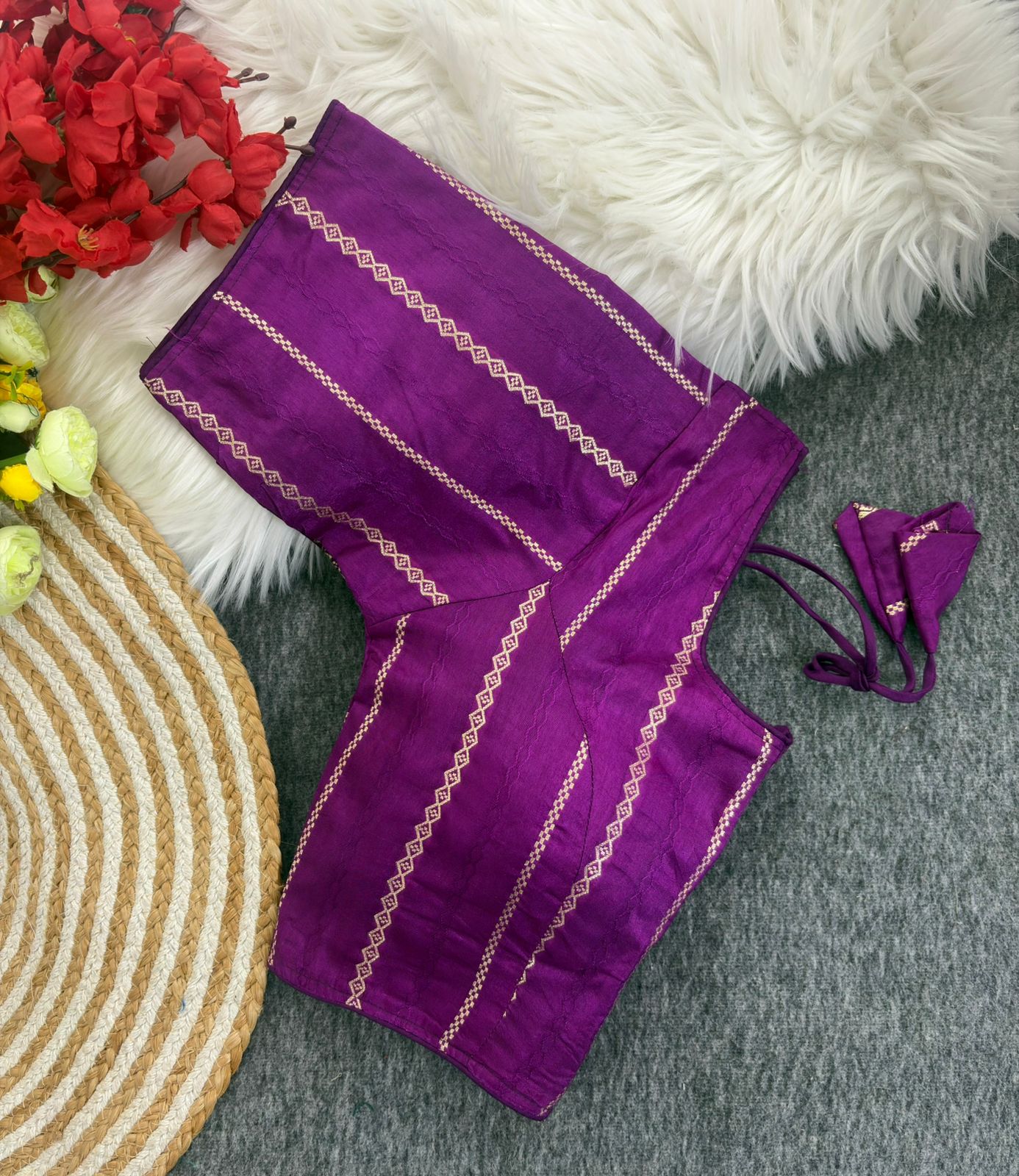
- Measure the bust, underbust and shoulder width before choosing a readymade size.
- Compare the back-opening length with the number and spacing of hook pairs.
- Prefer reinforced plackets for Banarasi silk, zari, beadwork and padded designs.
- Reject a blouse that closes only when the body is held unnaturally straight.
- Wear the blouse with the intended saree before deciding whether the pallu sits correctly.
- Use a tailor for local hook adjustments instead of adding closures without checking the underlying fit.
The most reliable sign of a well-made blouse is quiet performance: the hooks close without force, the fabric lies flat, the armholes allow movement and the saree remains in place. That result comes from proportionate spacing, appropriate reinforcement and accurate measurement-not from the largest possible number of hooks.
Common Questions About Saree Blouse Hook Spacing
How many hooks are usually needed on a saree blouse?
Most saree blouses use three to six hook-and-eye pairs. The correct number depends on the length of the back opening, fabric weight, blouse structure and required support, so hook placement matters more than a fixed count.
What is the ideal distance between blouse hooks?
A spacing of about 4 to 6 centimetres between hook centres is a useful starting point for many blouses. The spacing should be adjusted to the opening length, with no unusually large gap at the top or bottom.
Why does my blouse gape between the hooks?
A blouse usually gaps because the hooks are poorly distributed, the placket lacks reinforcement or the back width is too small. Adding more hooks may not help if the underlying bust or back measurement is incorrect.
Are closely spaced hooks better for a padded blouse?
Closely spaced hooks are not automatically better for a padded blouse. Padding requires sufficient bust and lining space, while the hook tape needs even support; excessive closures can create pressure and visible ridges.
Can a tailor change the position of blouse hooks?
A tailor can usually move a hook tape by about 0.5 to 1 centimetre, redistribute hook pairs or add a concealed extension when enough seam allowance is available. Side-seam alteration is better when the blouse is fundamentally tight across the bust or waist.
How can I test a readymade blouse before wearing it with a saree?
Close the blouse, raise both arms, sit down and rotate the shoulders. The hooks should stay closed, the placket should remain flat, and the neckline, armholes and bust should feel comfortable without rubbing or pulling.