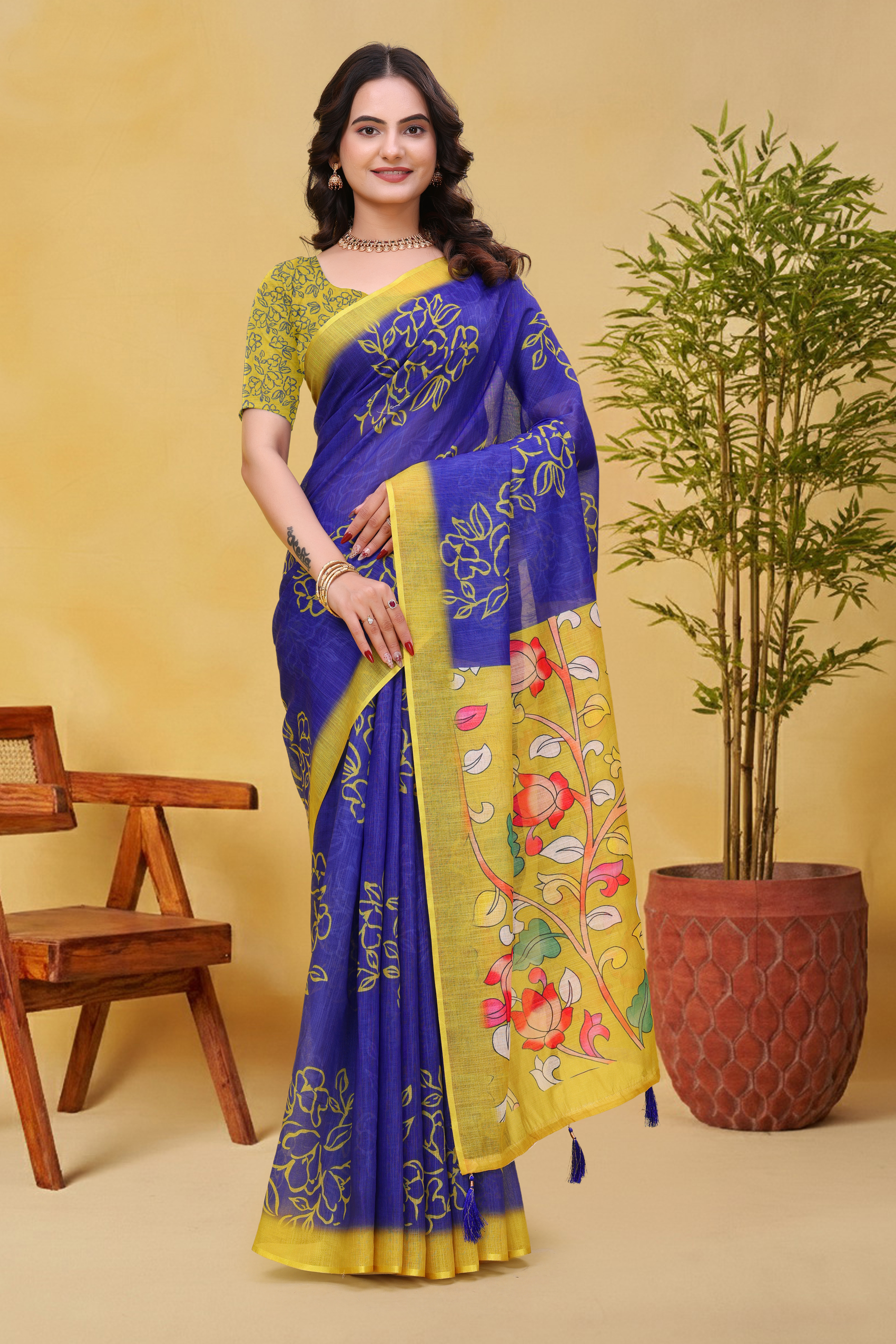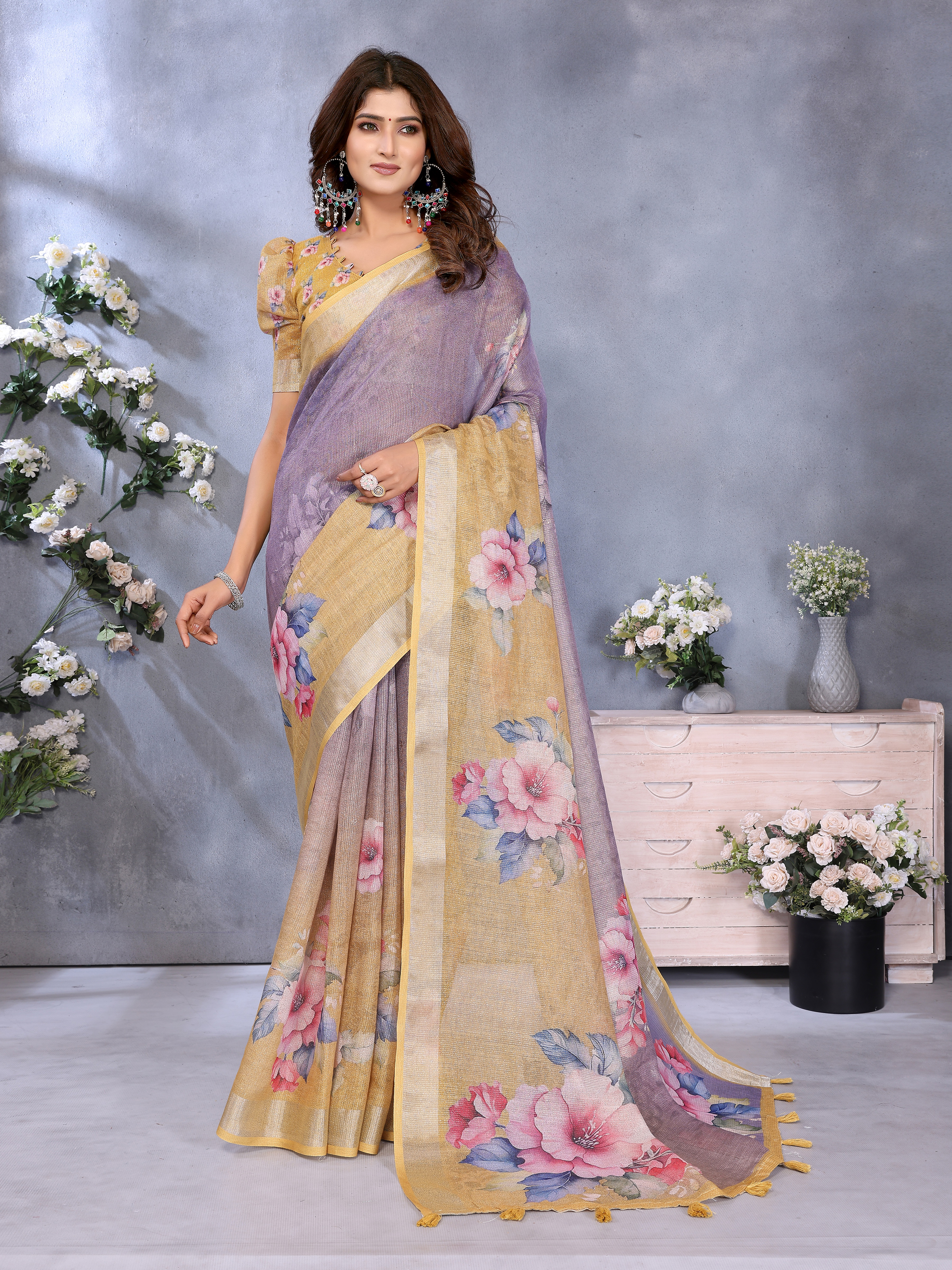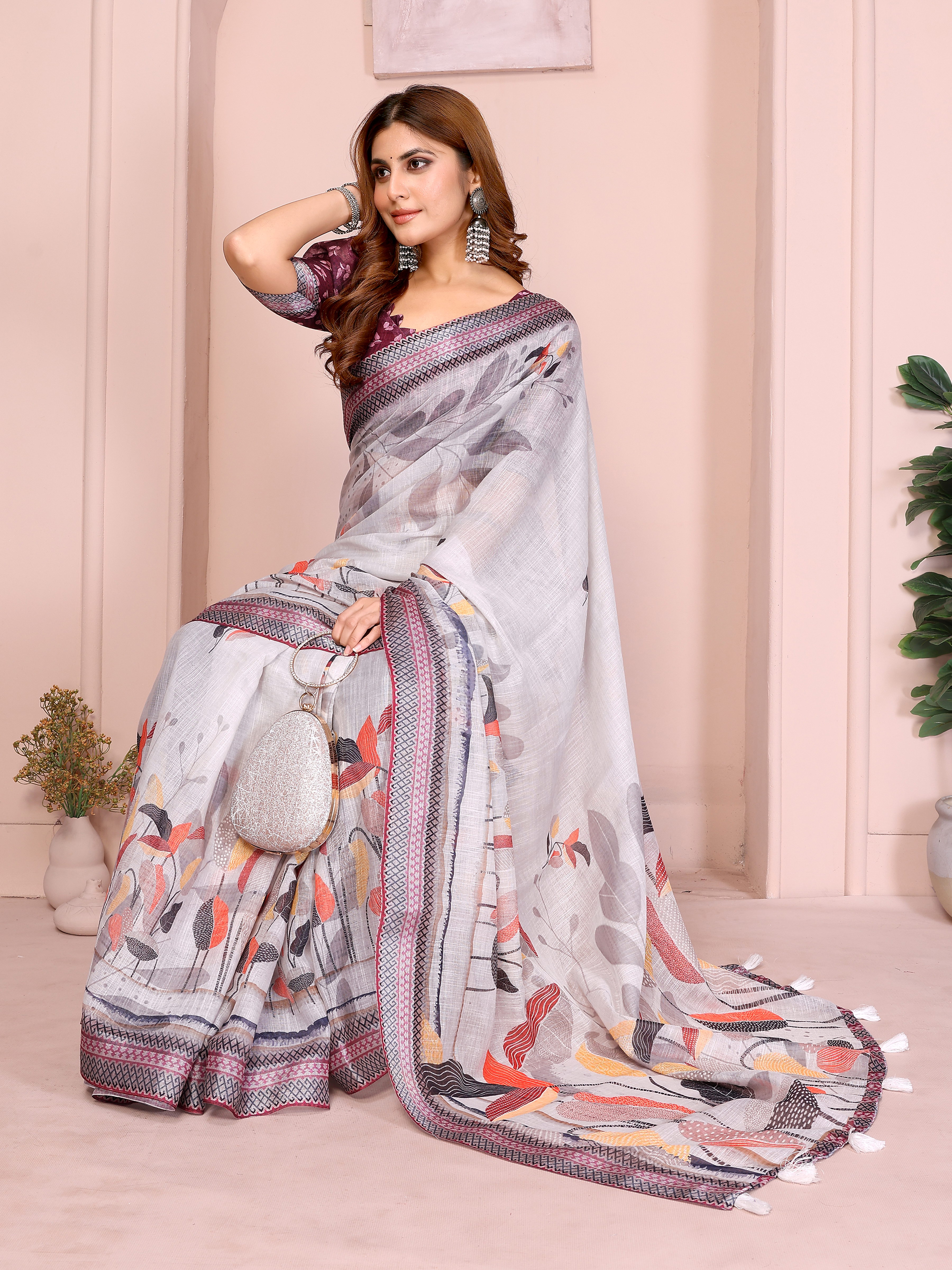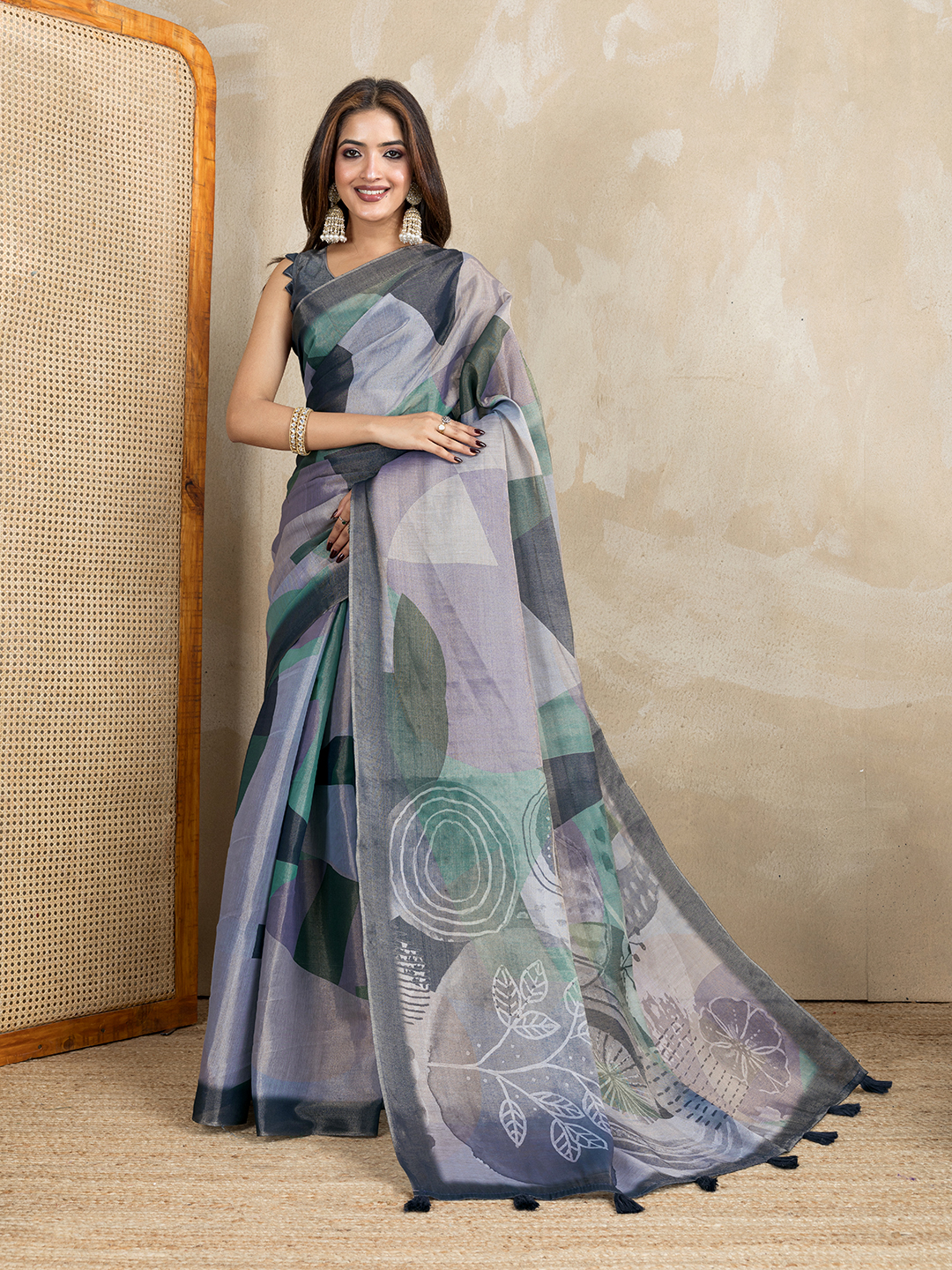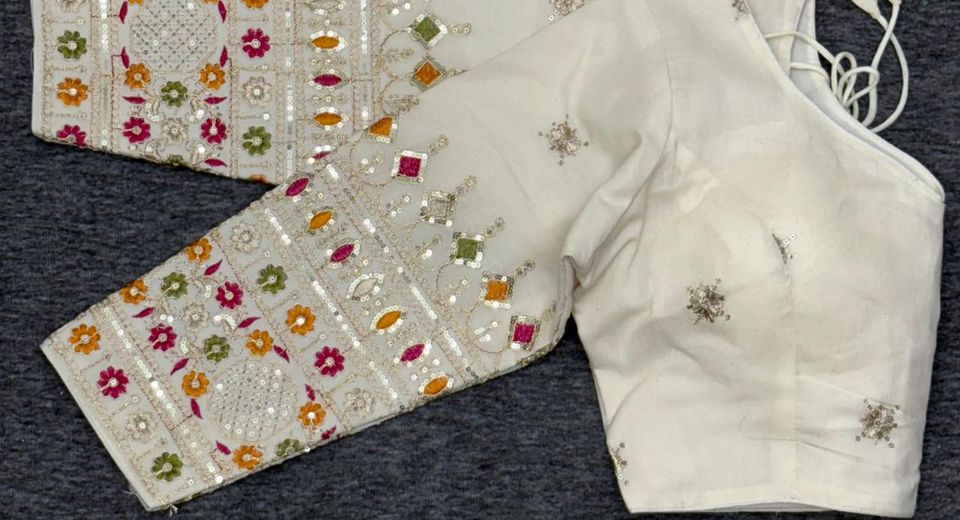
Blouse Dart Points Should Shape the Bust Without Creating a Sharp Tip, and that result depends on more than choosing the right cup size. Dart length, apex distance, fabric weight, lining, padding and bust measurements all influence whether a saree blouse lies smoothly or projects into an artificial cone. A well-shaped blouse follows the body without pulling across the bust or leaving excess fabric near the armhole.
The same fitting principle applies to a tailored silk blouse, a cotton blouse and a readymade padded blouse. Understanding the construction helps you judge a blouse accurately, explain alterations to a tailor and decide when a seam issue can be corrected without changing the entire garment.
Why Blouse Dart Points Should Shape the Bust Without Creating a Sharp Tip
A dart removes excess fabric and redirects that fabric around the fullest part of the bust, but the dart should end before the bust apex. The bust apex is the point that corresponds approximately to the fullest projection of the bust, usually near the centre of the nipple, although the exact position varies from person to person.
When a dart ends directly at the apex, the seam pushes fabric toward one concentrated point. That pressure creates a visible peak, especially in firm Banarasi silk, brocade, satin-backed fabrics or a heavily padded blouse. When the dart ends too far away, the blouse may look loose, develop a bubble between the dart and the bust, or fail to control diagonal wrinkles.
Blouse Dart Points Should Shape the Bust Without Creating a Sharp Tip because a dart is a shaping device, not an outline of the bust itself. The desired silhouette is a gradual curve. The dart should blend into the surrounding cloth over several centimetres instead of stopping abruptly at the fullest point.
What distance should a blouse dart point stop from the bust apex?
A blouse dart point should generally stop about 2.5 to 4 centimetres before the bust apex, depending on bust size, fabric structure and dart width. A fuller bust may need a longer, wider dart, but the dart point still needs a smooth transition rather than reaching the apex.
Many sewing professionals use the apex-to-point distance as a starting measurement and then adjust it during a fitting. Thin cotton may tolerate a slightly longer dart with careful pressing, while stiff silk or padded construction usually needs a more conservative point and softer shaping.
How dart placement changes the fit of a saree blouse
Dart placement determines which part of the blouse absorbs excess fabric and how the bust curve appears from the front and side. Common placements include waist darts, bust darts from the side seam, French darts that begin lower on the side seam, and darts concealed within princess seams.
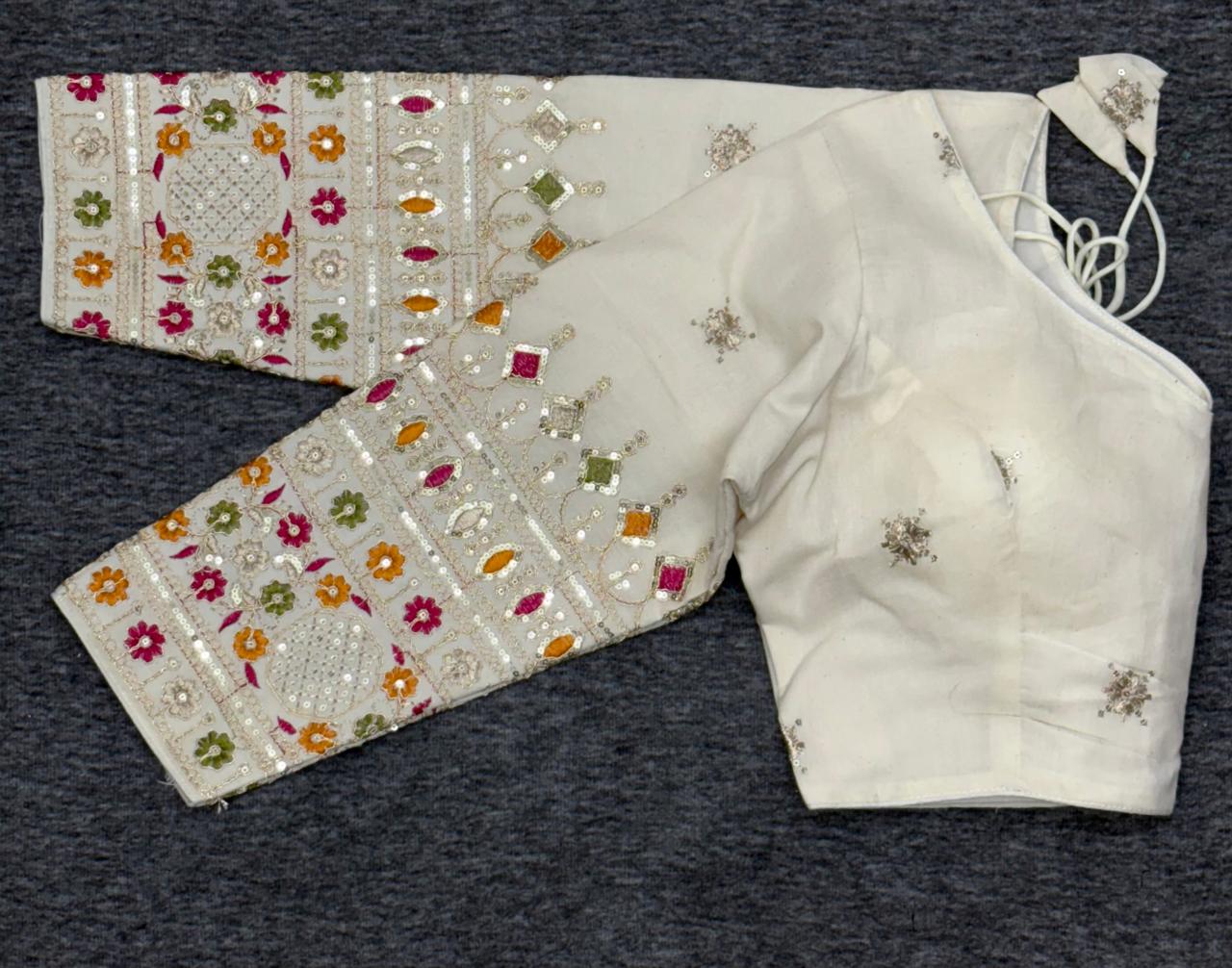
A waist dart points upward from the lower edge of the blouse and can create controlled shaping without adding a visible horizontal line across the bust. A side bust dart travels inward from the armhole or side seam and is useful when the blouse needs more room across the chest. A princess seam distributes shaping over a longer vertical line, often producing a softer result than a short, wide dart.
Blouse Dart Points Should Shape the Bust Without Creating a Sharp Tip when the dart is positioned for the wearer rather than copied from a standard chart. Bust apex height, bust separation, underbust depth and shoulder slope differ between bodies. Two people wearing the same blouse size may need different dart positions even when their bust circumference is similar.
Signs that the dart is in the wrong place
- A pointed projection appears exactly where the dart ends.
- Horizontal drag lines run from the side seam toward the bust.
- The armhole gapes while the centre front pulls tight.
- The dart points upward or downward instead of aiming toward the bust fullness.
- The blouse hem lifts at the front because the bust needs more length.
- The dart seam opens when the wearer raises both arms.
These signs should be evaluated while standing naturally, not only while sitting or posing. A saree blouse must accommodate breathing, arm movement and the tension created by pleats pinned over one shoulder.
Measurements that prevent a pointed bust in a blouse
Accurate bust, underbust and apex measurements prevent most dart-placement errors before cutting begins. Bust circumference alone can't tell a tailor where the fullest point sits or how much length the front bodice requires.
Measure the full bust around the fullest part while wearing the bra intended for the blouse. Keep the tape parallel to the floor and avoid pulling it tight. Measure the underbust directly below the bust, then measure from the shoulder point near the neck over the bust apex to the waistline. This shoulder-to-waist front length reveals whether the blouse needs more front length than the back.
Measure the horizontal distance from the centre front to each bust apex when possible. That measurement helps position separate darts correctly. A centre-front distance that's too narrow can push both darts inward, while a distance that's too wide can leave fullness near the centre front.
How much ease does a blouse need around the bust?
A close-fitting blouse commonly needs around 2 to 5 centimetres of total bust ease, depending on fabric stretch, lining and the intended silhouette. A non-stretch silk blouse usually needs more practical ease than a knit or lightly elasticated design.
Ease should not be confused with looseness. Excess ease can create folds above the bust and make the dart appear ineffective, while insufficient ease makes the dart tip sharper because the entire front panel is under tension. A tailor should check the finished garment on the body before deciding whether the dart alone needs alteration.
Padding, lining and fabric: why the same dart behaves differently
Padding changes the surface beneath the fabric, so a padded blouse needs dart shaping that follows the pad rather than competing with it. Thin foam pads create a smoother, more stable curve when their upper edge is blended into the lining instead of ending abruptly under the bust.

A Banarasi Silk Golden Jari Padded Blouse for Women illustrates why fabric structure matters. Zari-rich silk has body and a firm visual surface, so a small dart point or an uneven pad edge can remain visible. The blouse should be checked from several angles under natural light before the final alteration.
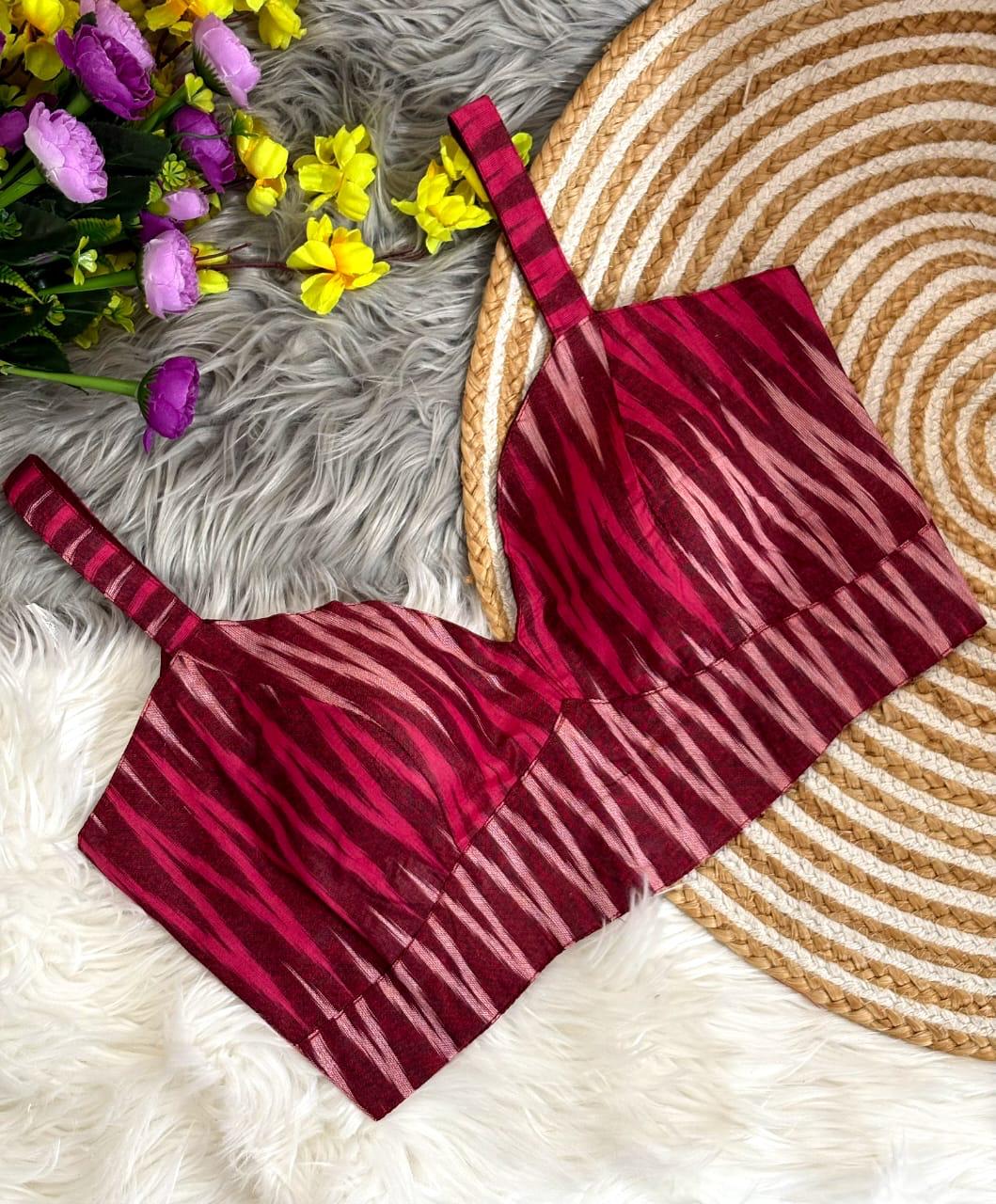
Cotton absorbs moisture and may soften with wear, but crisp ikat cotton can resist a tight curve. An Ikkat Cotton Padded Blouse for Women Sleeveless and a Cream Ikat Cotton Padded Blouse Sleeveless Trendy should be assessed for both pad placement and armhole comfort because sleeveless cuts place more visual attention on the bust and side seam.
Soft fabrics such as lightweight silk may require a shorter dart, finer thread and careful pressing. A structured fabric may need a wider seam allowance or a split dart to distribute shaping. The dart should never be forced flat with excessive heat, because pressing can flatten one side of the bust and exaggerate the point on the other.
Can padding hide an incorrectly placed dart?
Padding can soften a minor unevenness, but padding can't reliably correct a dart that ends at the bust apex or sits several centimetres away from the fullest point. A badly placed dart will continue to create drag, a peak or an unstable neckline.
Padding should support the shape from inside the lining, while the outer dart should control the fabric. If the pad shifts during movement, the wearer may see changing bust contours even when the blouse looks smooth while standing still.
Readymade blouse fitting: what to check before keeping the garment
A readymade blouse should be tested with the bra, saree and movement pattern planned for the event. Trying on a blouse over a different bra can make the dart appear correctly placed when the final bust height will actually sit higher or lower.
- Fasten every hook, zip or tie without forcing the closure.
- Stand sideways and inspect whether the bust forms a gradual curve.
- Raise both arms to shoulder height and check for armhole cutting.
- Lean forward slightly to see whether the neckline gaps.
- Sit down and check whether the front hem rides upward.
- Look at the dart end under direct and indirect light.
A Classic Festive Wear Blouse for Stylish Saree Look can work well when the neckline and shoulder fit are correct, but a suitable style name doesn't guarantee a suitable dart position. A Brown Ikat Cotton Padded Blouse Sleeveless Stylish may require a different fitting assessment from a silk blouse because cotton and sleeveless armholes respond differently to movement.
Check the bust point in relation to the dart, not merely the seam length. If the dart points toward the bust but ends 3 centimetres short of the apex and the fabric remains smooth, the construction is likely doing its job. If the dart ends at the apex and creates a peak, request an alteration even when the shoulder and waist feel comfortable.
Alterations that soften a sharp dart point
The most effective correction is usually shortening and tapering the dart, followed by reshaping the seam allowance and pressing the new line. A tailor may mark the true bust apex on the inside, move the dart point back by 2.5 to 4 centimetres, and redistribute the removed intake along the dart legs.

When a dart is too wide, reducing its intake can remove the cone effect, but the excess fabric must go somewhere. The tailor may release the side seam, add a second smaller dart, or convert the shaping into a princess seam. Simply trimming the dart point without redistributing fullness can leave a bubble or make the bust circumference too large.
For a pointed bust caused by a pad, the pad may need to be rotated, trimmed at its edge or resewn inside the lining. Do not cut the outer silk or zari fabric before testing the pad adjustment. A temporary basting stitch allows the tailor to compare the curve before permanent stitching.
A high armhole can also make a dart look sharper because the side seam is pulling upward. In that case, lowering the armhole slightly or releasing the side seam may solve more of the problem than shortening the dart alone. Alterations should be made in small stages, with a fitting after each change.
Matching dart construction to blouse fabric and design
Fabric choice affects how visibly a dart reads, but a good dart can be used across cotton, silk and embellished blouse styles. The construction should match the fabric's weight, weave and surface decoration.
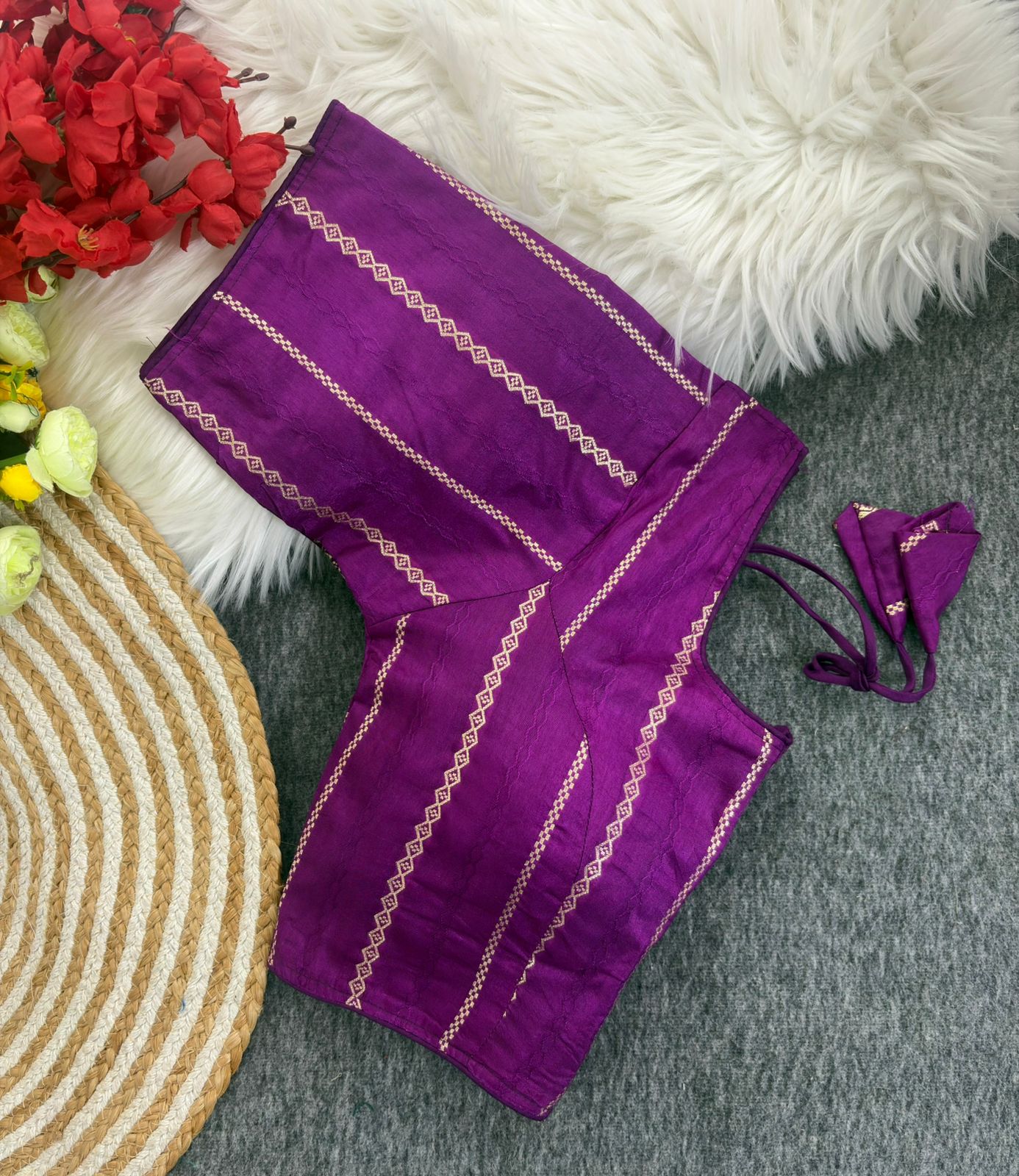
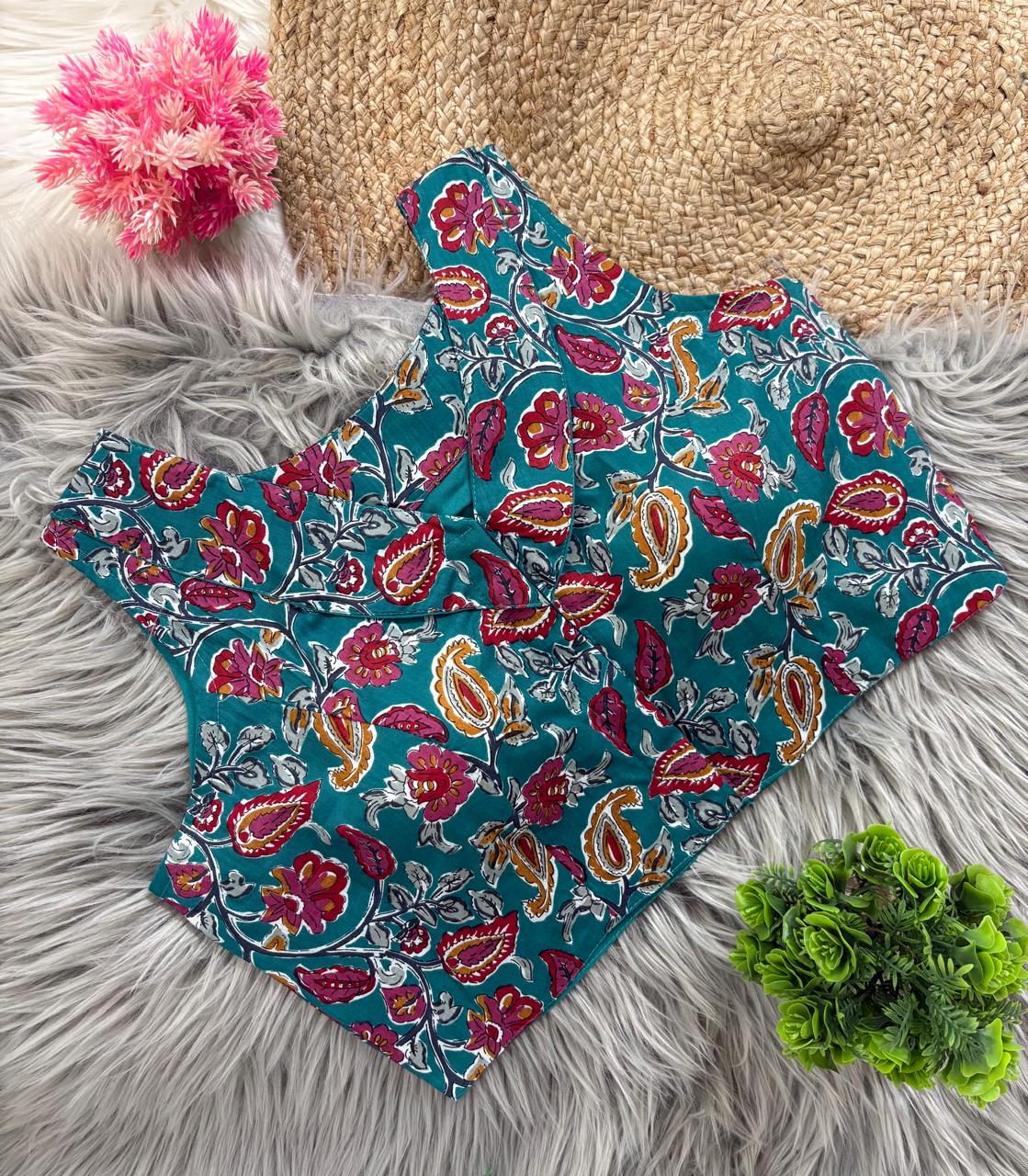
For cotton, a pressed dart with a clean narrow point often gives enough shaping. Pure Kalamkari Cotton Padded Blouse for Women and Kalamkari Cotton V Neck Collar Blouse for Women demonstrate why printed cotton needs controlled construction: a distorted dart can interrupt the print direction and make the front appear uneven even when the fit is close.
For silk, press darts over a rounded tailor's ham rather than flattening them on a straight ironing board. Banarasi silk and zari surfaces should be protected with a pressing cloth and moderate heat. Test the iron on a hidden seam allowance first, because heat and moisture can alter the finish.
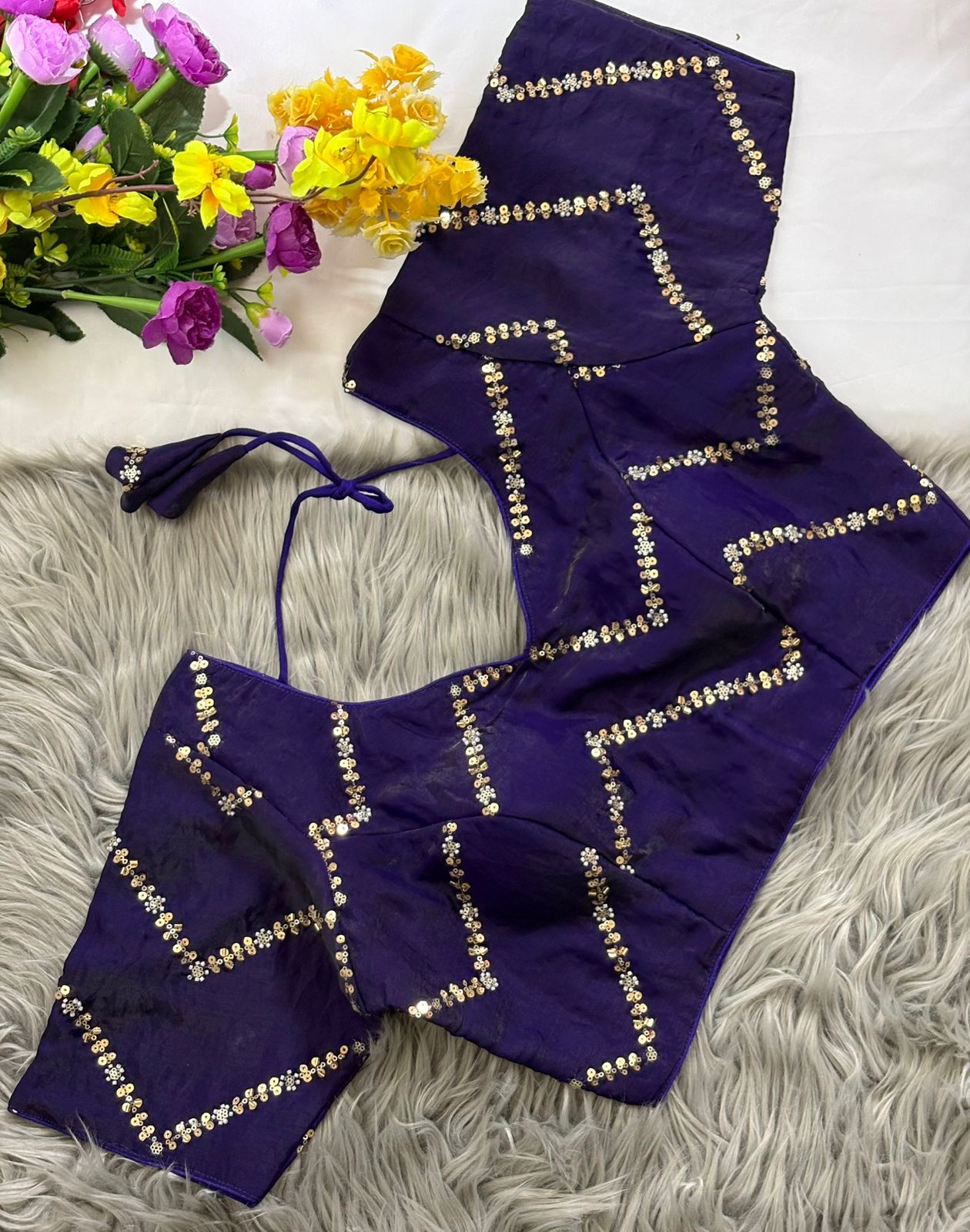
For embellished styles, avoid placing a heavy motif directly over the dart point if the decoration prevents the seam from relaxing. A Fendy Silk Zigzag Moti Work Readymade Blouse may need an inside-out fitting check so that beadwork doesn't disguise a hard ridge or create pressure against the bust.
A practical fitting checklist for a smooth bust curve
Blouse Dart Points Should Shape the Bust Without Creating a Sharp Tip when the garment passes three checks: the dart ends before the apex, the front fabric lies smoothly without drag, and the wearer can move without the neckline or armhole shifting.
- Front view: the dart legs should look balanced, and the bust should not appear divided into two pointed sections.
- Side view: the curve should move gradually from chest to fullest point and back toward the waist.
- Three-quarter view: the dart should not create a ridge, hollow or diagonal fold.
- Movement: lifting the arms, sitting and turning should not pull the dart open.
- Closure: hooks and zips should remain flat instead of bending around the bust.
- Under a saree: pinned pleats should not press the blouse into an unnatural peak.
Documenting the final measurements is useful for future designer readymade purchases. Record bust circumference, underbust, shoulder-to-waist front length, apex height and centre-front-to-apex distance. These details provide a better starting point than relying on a general small, medium or large label.
The best blouse fit isn't the one with the tightest waist or the most dramatic neckline. A well-balanced dart gives the saree blouse a clean front, supports the bust without compression and lets the fabric retain its intended character. Blouse Dart Points Should Shape the Bust Without Creating a Sharp Tip remains a practical fitting rule whether the garment is a cotton everyday blouse, a padded sleeveless design or an embellished silk blouse reserved for a wedding.
Common Questions About Smoothing Bust Darts in Saree Blouses
How far should a blouse dart end from the bust point?
A blouse dart usually ends about 2.5 to 4 centimetres before the bust apex. The exact distance depends on bust fullness, dart width, padding and fabric stiffness, so the finished garment should be checked on the body.
Why does my saree blouse have a pointed bust?
A saree blouse often develops a pointed bust when the dart ends at the apex, the dart is too wide, or the pad edge is too firm. Excessive tightness across the bust and an incorrect bust-point position can create the same effect.
Can a tailor fix a sharp dart point on a readymade blouse?
A tailor can often soften a sharp dart by shortening the dart point, reducing its intake or redistributing the shaping into a side seam or princess seam. The garment should be basted and tried on before the final cut, especially when the blouse has silk, zari or heavy embellishment.
Does a padded blouse need darts?
A padded blouse may still need darts because padding supports the bust while darts shape the outer fabric. Padding can reduce the amount of dart intake, but it cannot replace accurate bust-point placement or correct front-bodice length.
Are cotton blouses easier to fit than silk blouses?
Cotton blouses are often easier to alter because the fabric is stable and less slippery, but crisp ikat cotton can resist curved shaping. Silk blouses require more careful pressing and handling because dart ridges, needle marks and heat damage can remain visible.
How can I check a blouse fit before wearing it with a saree?
Wear the bra intended for the outfit and test the blouse while standing, raising both arms, sitting and turning sideways. Check the dart end, neckline, armhole, closure and front hem under the same padding and saree drape planned for the event.