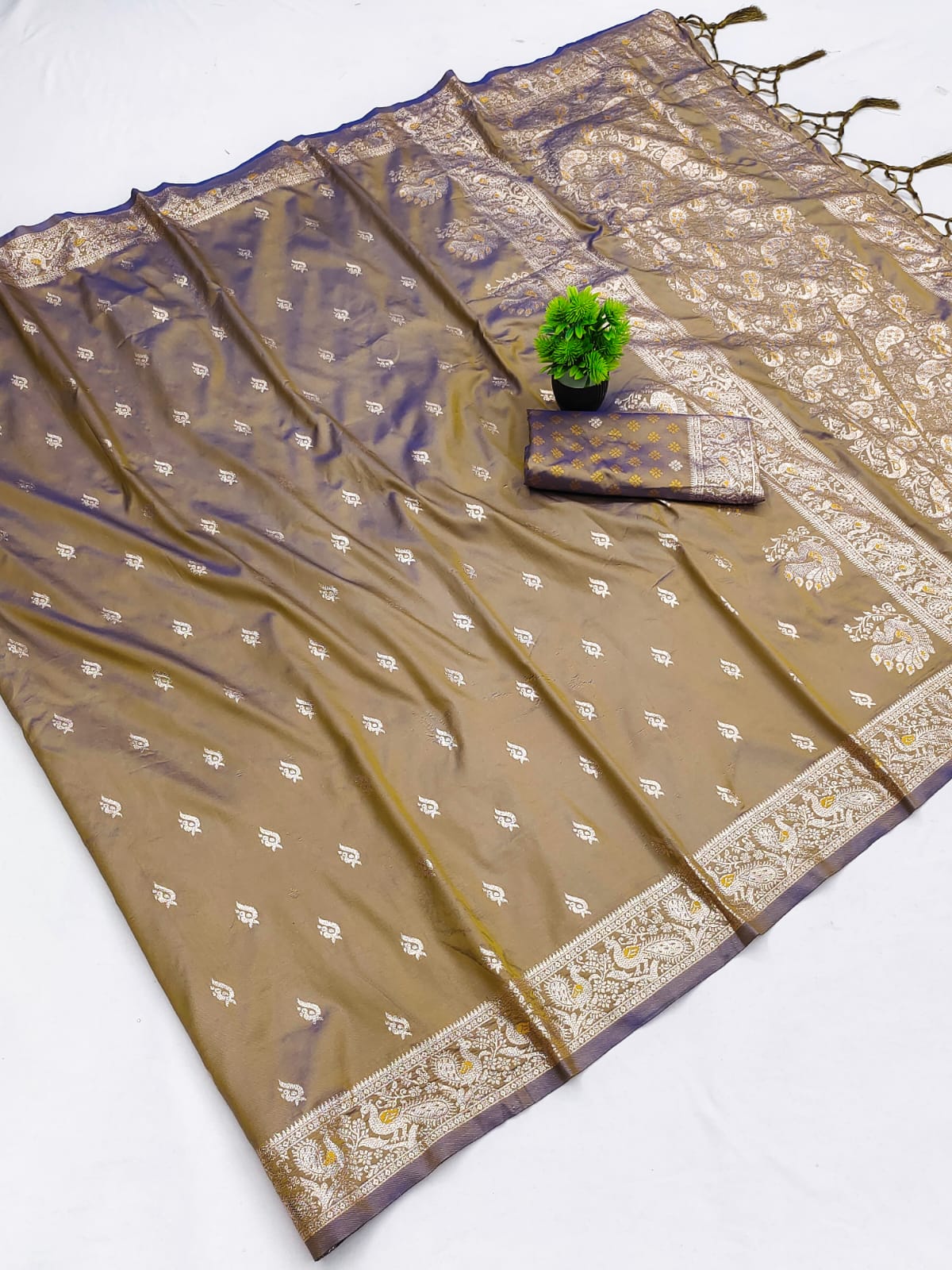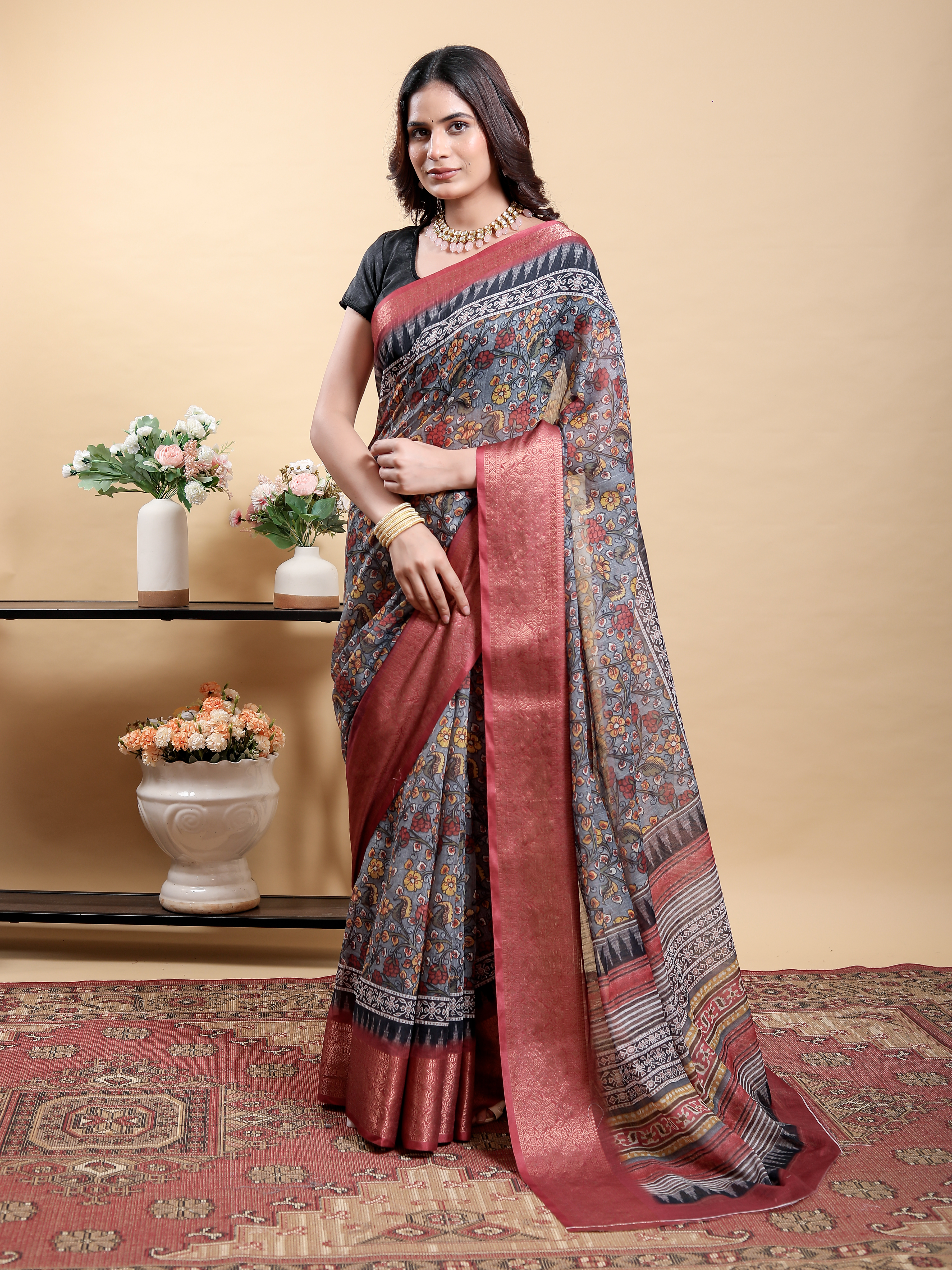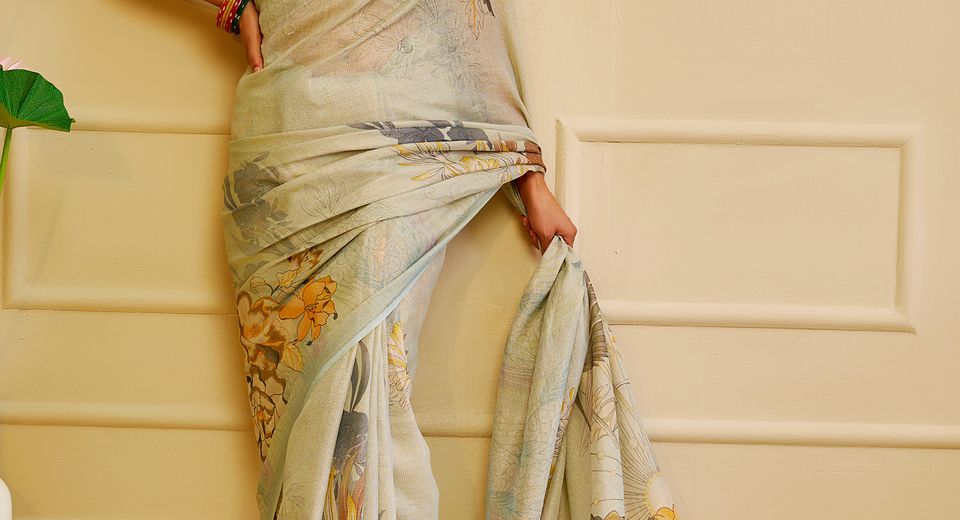
In Bhubaneswar, Raja Parba arrives with swings, pithas, visits to relatives and the anticipation of wearing something new. Bhubaneswar Raja Festival Dressing With Odia Handloom works especially well because cotton textures, floral colour stories and regional weaving traditions suit both the cultural mood and Odisha's humid June weather. The most successful outfit isn't simply ornate; it allows easy movement, survives a sudden shower and still looks considered in photographs.
Raja is a three-day festival associated with the earth's fertility and the arrival of the monsoon. Pahili Raja begins the celebration, Mithuna Sankranti marks the middle day, and Bhudaaha or Basi Raja closes the main observance; some families also observe Vasumati Snana on the fourth day. Clothing choices can acknowledge that rhythm through new garments, cheerful colours, floral motifs and handloom fabrics without turning the outfit into a costume.
What makes Raja dressing in Bhubaneswar different?
Raja dressing in Bhubaneswar combines festive newness with breathable clothing that can handle heat, humidity and rain. Women commonly choose sarees, salwar suits or lehengas in bright shades, while styling often includes flowers, bangles, bindis and comfortable traditional jewellery.
The festival has a distinctly social character. A Raja outfit may need to work for a morning visit to a family home, an afternoon spent near a swing, and an evening gathering where photographs are taken. Bhubaneswar's June weather makes heavy velvet, thick brocade and multiple stiff layers less practical than cotton, tissue cotton, light silk or a cotton-silk blend.
Odia handloom gives the clothing a stronger cultural connection than a generic festive print. Sambalpuri ikat is recognised for resist-dyed yarn patterns, Khandua is associated with Odisha's silk weaving tradition, Bomkai is known for detailed woven motifs, and Berhampuri silk has a distinctive regional identity. A saree doesn't need to carry every regional technique to feel appropriate; one Odia textile detail, such as an ikat blouse, a heritage border or a handwoven stole, can establish the connection.
How should you choose an Odia handloom saree for Raja?
Choose an Odia handloom saree for Raja according to breathability, weight, drape stability, colour and the amount of time you'll spend outdoors. A lightweight cotton or tissue handloom cotton saree is generally more comfortable than a dense silk saree during a humid festival day.
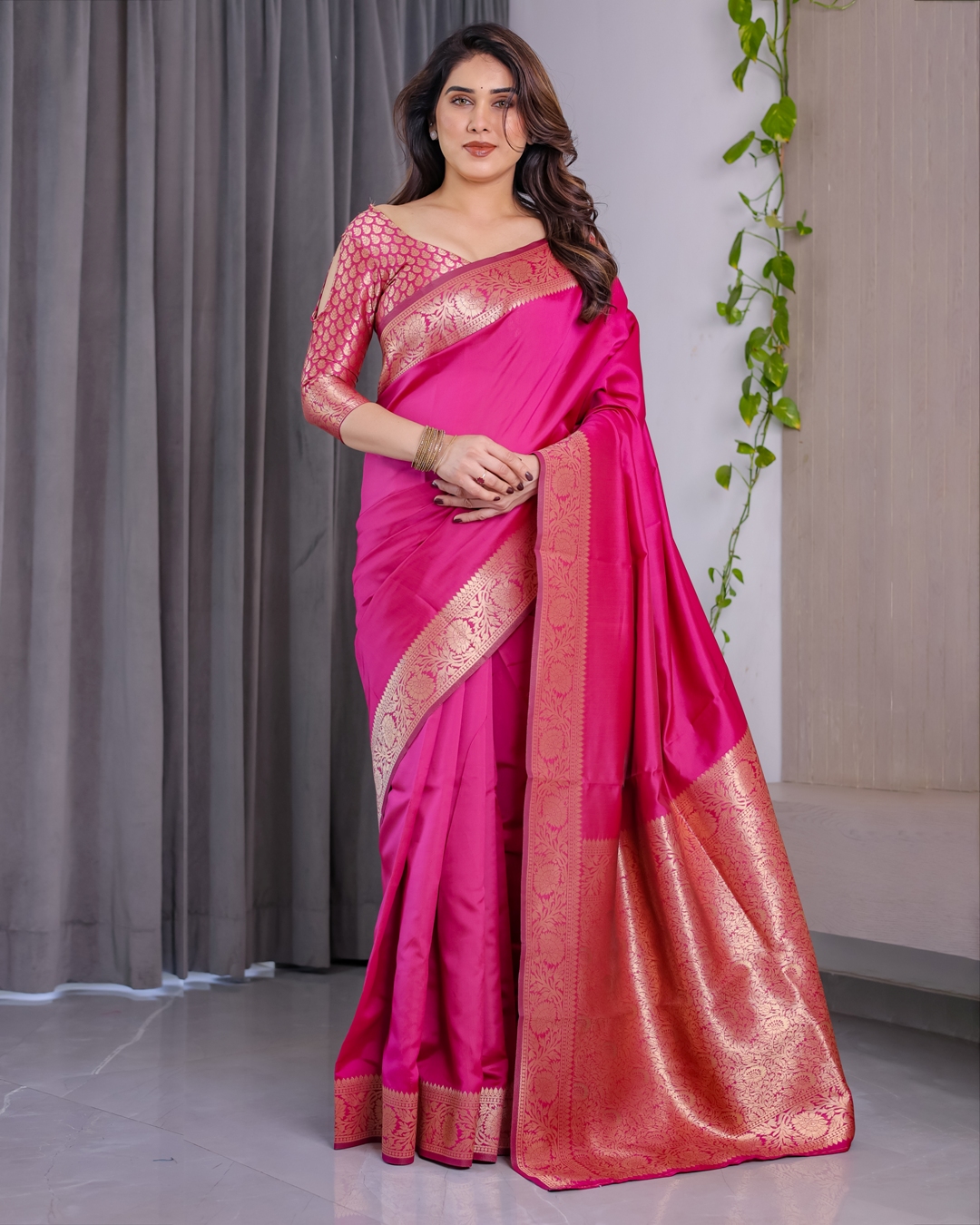
Start with the fabric weight
Handloom cotton absorbs perspiration and usually feels more comfortable in Bhubaneswar's monsoon humidity. Tissue cotton adds a mild sheen and allows zari details to show without the weight of a heavily embellished weave. Banarasi silk and Kanjeevaram can create a grander appearance, but both may feel warmer and require more careful handling when rain is likely.
A saree with a firm selvedge and a manageable fall is useful for walking on wet pavements. Ask whether the saree is pure cotton, tissue cotton, cotton-silk or silk before buying, because fibre composition affects drying time, crease behaviour and comfort. A six-yard saree with a narrow or medium border is also easier to pleat than an especially broad-border design.
Use colour to reflect the festival
Raja colours can be lively without being limited to a single time-honoured palette. Green suggests new vegetation, red brings festive energy, yellow recalls turmeric and marigolds, while blue and cream create a cooler visual balance for humid weather.
Floral prints are particularly suitable because Raja takes place during the first monsoon period, when gardens and greenery become part of the visual setting. Olive Green Tissue Handloom Cotton Saree With Floral Prints offers a grounded colour story for daytime gatherings. Emerald Green Tissue Cotton Saree With Digital Floral Print creates a more saturated look for a family lunch or evening celebration.
Which saree details create an Odia-inspired Raja look?
An Odia-inspired Raja look comes from combining a regionally meaningful textile, a restrained festive border, natural-looking flowers and practical classic accessories. Motifs and material choices matter more than adding every available ornament.

Sambalpuri-style geometric forms, shankha or conch references, chakra-inspired shapes, flowers, fish and stylised vines can be introduced through a blouse, stole, handbag or jewellery. A Khandua-inspired border can also provide a cultural reference, although a printed motif should not be described as handwoven Khandua. Accurate textile language respects the artisans and helps buyers understand what they're purchasing.
Zari can be effective in small doses. A gold or silver zari edge catches light during evening photographs, while too much metallic work can make a cotton saree look formal and become uncomfortable in damp weather. Pastel Floral Tissue Handloom Cotton Saree with Zari Weaves demonstrates how soft floral colour and a festive metallic accent can work together without overpowering the handloom texture.
For a cooler, more understated option, Sea Green Tissue Handloom Cotton Saree With Floral Patterns suits daytime celebrations. Cream Floral Tissue Handloom Cotton Saree with Zari Weaving gives a neutral base for a bright blouse, red bangles or a cluster of jasmine flowers. Neutral sarees are useful when the blouse and accessories carry the stronger Raja colour.
How can you style a Raja saree for Bhubaneswar weather?
Style a Raja saree for Bhubaneswar weather with a secure waist tuck, a breathable blouse, light accessories and footwear that can manage wet ground. The goal is to keep the silhouette festive while reducing avoidable discomfort.

Make the drape stable
Wear a cotton or cotton-blend petticoat with a firm drawstring, and tie the drawstring slightly above the natural waist if that makes the pleats sit more securely. Five to seven front pleats usually create a balanced fall; narrower pleats can open more easily when walking. Use two small safety pins inside the pleats and one at the shoulder, placing the pins horizontally so they don't distort the fabric.
A regular Nivi drape is practical for visiting homes and sitting on swings. Keep the pallu moderately short and pleated rather than leaving a long loose trail near puddles. A belt worn over the saree can secure the waist for an evening event, but the belt should be lightweight and smooth enough not to snag tissue cotton.
Select the blouse carefully
A blouse with cotton lining, short sleeves or elbow-length sleeves and a comfortable armhole is better suited to humid weather than a heavily padded, fully synthetic design. A contrast blouse can bring in Odia colour references: deep red with green, turmeric yellow with cream, or indigo with a floral saree.
Blouse fabric can introduce handloom character even when the saree has a digital print. Sambalpuri ikat, plain handloom cotton, or a small Khandua-inspired border on the sleeve can add interest. Avoid pairing a busy floral saree with an equally busy woven blouse unless the colours share one clear common tone.
Finish with useful accessories
Jasmine gajra, a red bindi, glass bangles and small gold-toned earrings provide recognisable festive detail without adding much weight. Silver jewellery can look especially effective with blue, sea green and cream sarees. A compact fabric potli or crossbody bag protects a phone and essentials while leaving both hands free for prasad, shopping or photographs.
Choose low block heels, embellished flats or sandals with textured soles instead of delicate stilettos. Bhubaneswar rain can make polished stone and tiled courtyards slippery. Carry a transparent rain cover for the handbag and avoid storing a damp saree in a closed plastic bag after returning home.
Which saree colours work for different Raja celebrations?
Green, red, yellow, blue and cream all work for Raja, but the best choice depends on the time of day, the setting and the desired level of contrast.
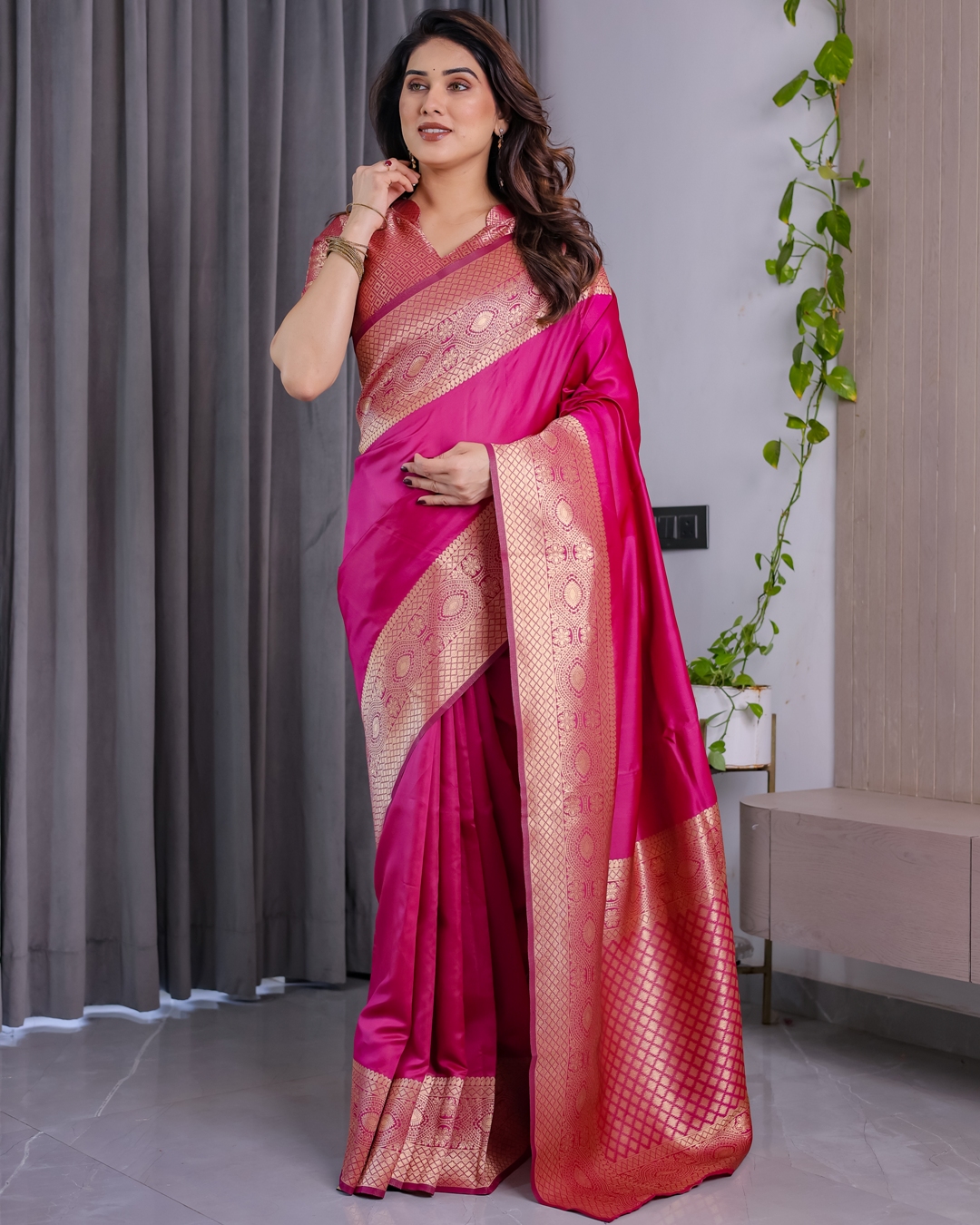
- For a daytime family visit: Choose sea green, olive green, cream or a soft floral pastel with minimal jewellery and a cotton blouse.
- For a swing gathering: Select a medium-weight saree with a secure border, cheerful floral motifs and a pallu that won't drag while sitting or moving.
- For an evening event: Use emerald, deep blue or red with restrained zari and slightly more defined eye makeup.
- For a first-time handloom purchase: Pick a versatile floral saree with a manageable border rather than an extremely elaborate silk weave.
Blue Tissue Handloom Cotton Saree With Zari | Varnavi's pairs a cooler base with a festive metallic finish and can be styled with silver jewellery or a contrasting crimson blouse. Tissue Handloom Cotton Saree with Zari Weave & Floral Print is another option when the outfit needs both a visible border and a floral surface pattern. Blue Tissue Handloom Cotton Saree with Zari Floral Print keeps the palette bright while maintaining the practical feel of a cotton-based saree.
Can you wear a salwar suit or lehenga for Raja?
Yes, a salwar suit, sharara or lightweight lehenga is suitable for Raja when the fabric is breathable and the hem is short enough to avoid wet ground. Sarees are culturally familiar for many festive gatherings, but comfort and personal mobility should guide the final choice.

A straight kurta with cotton trousers works well for someone travelling by auto-rickshaw or spending several hours outside. A palazzo suit gives movement and airflow, while a sharara creates a more celebratory shape without requiring pleating. Choose cotton, Chanderi, tissue cotton or a light georgette with a breathable lining, and keep heavy net layers for indoor evening functions.
Lehengas should have a secure waistband and a blouse that allows the arms to move freely. A skirt length that sits about 2 to 3 centimetres above the floor reduces the risk of collecting water and mud. A lightweight dupatta can be pinned at both shoulders or worn over one shoulder with a discreet brooch instead of being left loose near crowded pathways.
How should you care for handloom clothing after Raja?
Care for handloom clothing after Raja by drying moisture quickly, separating colours and following the fibre-specific washing instructions. Immediate care prevents mildew, colour transfer and permanent creasing.

- Air the garment first: Hang a damp saree indoors in moving air, away from harsh direct sunlight, until it's completely dry.
- Separate zari: Keep zari-bordered sarees away from rough jewellery, Velcro and textured bags that can pull the metallic yarn.
- Wash cautiously: Hand-wash colourfast cotton in cool water with a mild detergent only when the care label permits it. Do not soak zari or unknown dyes for long periods.
- Dry flat or supported: Support the full saree on a broad drying line or clean surface so the wet weight doesn't stretch the border.
- Store folded: Refold the saree along different lines every few months and place soft muslin between zari-heavy sections.
Rainwater and perspiration should never be trapped inside a suitcase or sealed plastic cover. Tissue cotton may develop sharp creases if compressed while damp, so rolling the saree loosely for travel and pressing it on the reverse side at low heat is safer than ironing the zari directly.
How can you make Bhubaneswar Raja Festival Dressing With Odia Handloom feel personal?
Bhubaneswar Raja Festival Dressing With Odia Handloom feels personal when one meaningful regional detail is balanced with the wearer's comfort, colour preferences and family customs. Personalisation can come from a blouse, heirloom jewellery, a flower arrangement or the way the saree is draped.

Someone who prefers minimal dressing might choose a cream floral saree, a plain blouse, one pair of silver earrings and jasmine in a low bun. Someone who enjoys colour could combine an emerald saree with a red blouse, green bangles and a small bindi. A wearer who wants a contemporary look can add a slim belt, a structured blouse and flat sandals while keeping the handloom texture visible.
Responsible styling also means describing textiles honestly. A digitally printed floral design isn't the same as a handwoven motif, and zari may be metallic yarn rather than solid precious metal. Reading the fabric composition, checking the border construction and asking about wash care are practical ways to support informed festive dressing.
The strongest Raja outfit leaves room for the festival itself: sitting on a swing, sharing poda pitha, visiting relatives, watching the rain and moving comfortably through Bhubaneswar. A breathable saree, a secure drape and one or two recognisably Odia details can achieve that balance more successfully than excessive embellishment.
Questions Readers Ask About Raja Dressing in Bhubaneswar
What should I wear for Raja festival in Bhubaneswar?
A lightweight cotton, tissue cotton or breathable handloom saree is a practical choice for Raja festival in Bhubaneswar. You can also wear a cotton salwar suit, sharara or light lehenga if you prefer easier movement in humid and rainy weather.
Which colours are considered suitable for Raja Parba?
Green, red, yellow, blue, cream and floral pastels are all suitable for Raja Parba. Green reflects monsoon vegetation, while red and yellow add the cheerful festive contrast commonly associated with celebration.
Is Sambalpuri saree appropriate for Raja festival?
Yes, a Sambalpuri saree is highly appropriate for Raja because it connects the outfit with Odisha's handloom heritage. Choose a lighter cotton or cotton-blend version if you expect heat, humidity or outdoor movement.
How do I keep a saree secure during a Raja swing gathering?
Use a firm petticoat, make five to seven neat pleats, pin the pleats discreetly and secure the pallu at the shoulder. A shorter pleated pallu or a lightweight saree belt can prevent the fabric from dragging or catching while sitting and moving.
Can I wear zari during the rainy Raja season?
You can wear zari during Raja, but smaller zari borders or tissue cotton with zari are easier to manage than heavily embellished silk. Keep zari away from rain, dry the garment fully after use and follow the garment's specific wash-care instructions.
How should I care for an Odia handloom saree after a humid festival day?
Air the saree indoors until completely dry before folding or storing it. Separate zari sections from rough surfaces, avoid sealing damp fabric in plastic and hand-wash only when the care label allows it.