

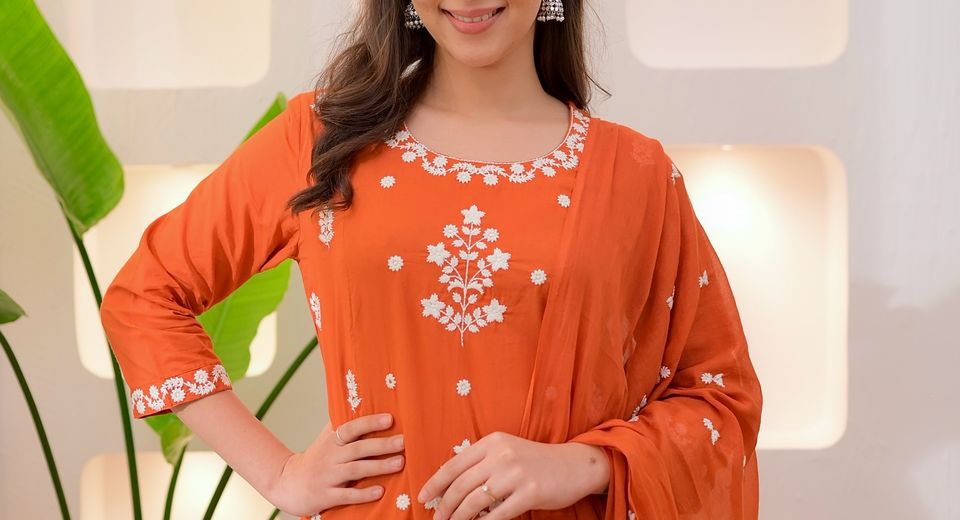
Choosing the Best Fabrics Cuts and Colours for Salwar Suits for College becomes easier when you judge an outfit against a real campus day: a morning commute, several hours of sitting, walks between buildings and perhaps an event after class. A useful suit should be breathable, easy to move in, simple to wash and polished enough for a presentation or society meeting. Fabric, cut and colour matter more than heavy decoration because comfort determines how often a salwar suit leaves the wardrobe.
Best Fabrics Cuts and Colours for Salwar Suits for College: What Should a College Suit Feel Like?
A college salwar suit should feel comfortable across the shoulders, bust, waist and hips for at least six hours of movement. The garment should allow normal walking, sitting, climbing stairs, carrying a backpack and raising an arm without pulling at the armhole.
Campus dressing usually rewards balance rather than maximum embellishment. A straight kurta with trousers or a narrow palazzo creates a neat outline, while a salwar or Patiala gives more room through the leg. A dupatta should remain manageable; medium-width designs, light fabrics and secure shoulder drapes are generally easier than long, heavy or slippery layers.
Check garment measurements instead of relying only on a familiar size label. Measure a well-fitting kurta across the bust, shoulder and full length, then compare those numbers with the size chart. Around 2 to 4 inches of wearing ease at the bust is often comfortable for an everyday kurta, although personal preference, fabric stretch and climate should guide the final choice.
Construction details affect daily comfort. Sleeves should not cut into the upper arm, side slits should permit a full stride and seams should lie comfortably under a backpack strap. A lining can improve opacity in a pale suit, but a thick synthetic lining may feel warm in humid weather. One understated embroidered suit can handle presentations, while printed or lightly detailed suits can cover ordinary classes.
Best Fabrics Cuts and Colours for Salwar Suits for College: Which Fabrics Work?
Cotton, rayon, cotton blends, Chanderi and light synthetic blends can all work for college, but the best choice depends on climate, commute and washing habits. Compare breathability, drying time, opacity, crease behaviour and drape together rather than choosing a fabric by appearance alone.
Why does cotton suit everyday campus wear?
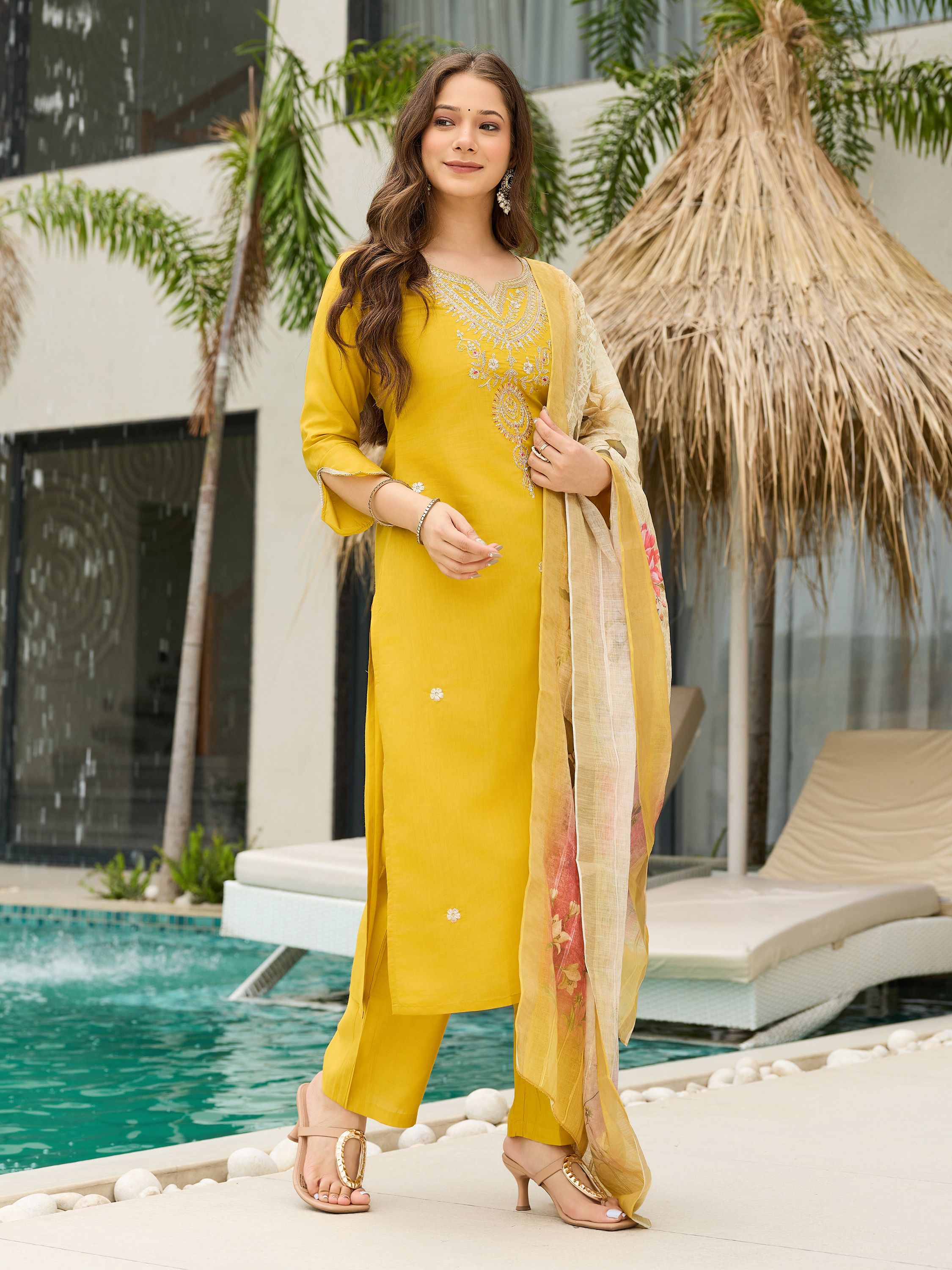
Cotton suits are useful for college because cotton absorbs moisture, allows airflow and feels comfortable during long daytime wear. Cotton salwar suits are especially practical in hot climates and for students who wash clothes frequently.
The main trade-off is creasing. A crisp cotton kurta may need ironing after washing, and dark cotton colours can fade if dried harshly in direct midday sun. Voile, handloom-style cotton and lighter cotton blends generally feel easier in warm weather than dense, heavily starched fabrics. A cotton suit with a small print or restrained threadwork can look finished without complicated styling.
When should you choose rayon?
Rayon is a strong choice when a college salwar suit needs soft drape, colour depth and a smoother appearance than many cotton weaves. Rayon usually falls close to the body, making it suitable for straight kurtas, relaxed A-line shapes and palazzo combinations.
Rayon can take longer to dry and may need gentle handling because wet fibres are more vulnerable to stretching. Follow the care label, avoid wringing and dry rayon away from prolonged strong sunlight. Cream Pink Printed Rayon Readymade Salwar Suit shows why printed rayon can work for regular wear: the colour combination adds interest while the fabric supports a fluid silhouette.
Teal Rayon Threadwork Salwar Suit offers another useful wardrobe direction. Teal is more distinctive than basic navy or grey, while threadwork adds detail without the weight of dense metallic embellishment. A teal rayon suit can move from an ordinary college day to a society presentation with a change of footwear and bag.
How should Chanderi and organza be used?
Chanderi and organza are best used for a dressier college outfit when the construction is light and the weather is suitable. Chanderi can give a kurta or dupatta a delicate sheen and structured drape, while organza is commonly chosen for a crisp, airy-looking dupatta.
These fabrics need more care than casual cotton or rayon. Chanderi may snag against rough surfaces, and an organza dupatta can crease or catch around backpack hardware. Elegant White Chanderi Threadwork Suit with Dupatta is better suited to presentations, cultural programmes or formal campus gatherings than to a crowded daily commute.
Threadwork Salwar Suit with Pure Organza Dupatta illustrates how a refined dupatta can elevate a simple base. A pure organza dupatta should be folded carefully and kept away from sharp jewellery, rough desk edges and exposed backpack fasteners.
Are slub fabrics suitable for students?
Slub fabrics can suit college when a student likes visible texture and a relaxed, less formal finish. Slub yarns create deliberate variations across the surface, so minor irregularities may be part of the fabric character rather than a defect.
Purple SlubCharm Embroidered Salwar Suit demonstrates how textured fabric and embroidery can create interest without relying on a large print. Purple works well with neutral accessories such as tan, black, cream or silver-toned footwear. Inspect embroidery and washing instructions before purchase because raised threadwork may need gentler treatment than a plain suit.
Best Fabrics Cuts and Colours for Salwar Suits for College: Which Cuts Are Practical?
Straight, A-line, relaxed-fit and short-kurta silhouettes are the most practical cuts for college because they support movement without looking overly formal. The right silhouette depends on how much walking you do, whether you prefer trousers or salwars and how often you carry a backpack.
Why is the straight cut reliable?
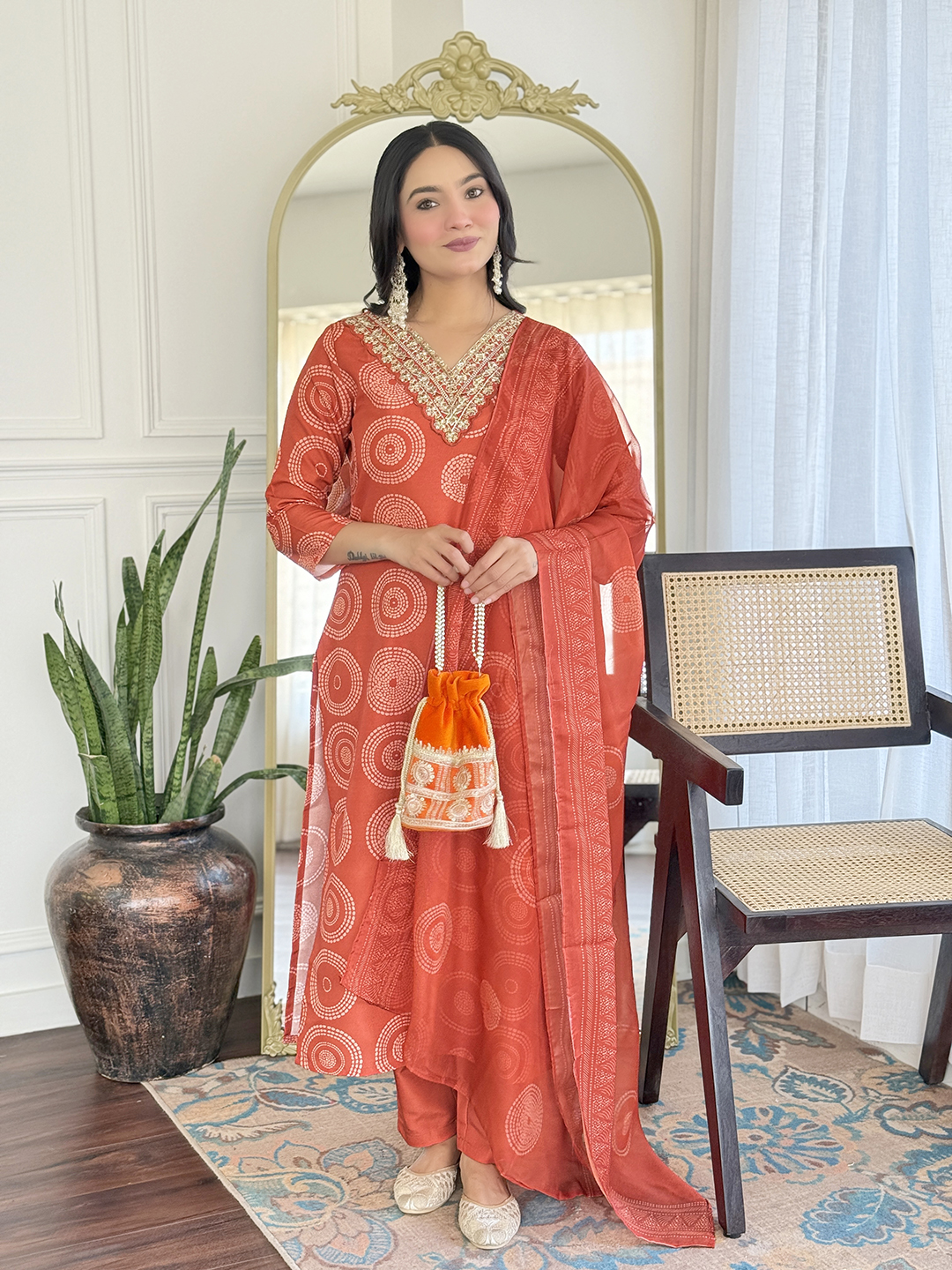
A straight-cut kurta is reliable for college because it creates a clean vertical line, works with trousers or narrow palazzos and is easy to style repeatedly. Side slits improve stride, while a moderate hemline reduces the chance of stepping on the garment.
A straight suit looks sharper when the shoulder seam sits at the shoulder edge and the sleeve opening allows comfortable arm movement. Avoid an extremely narrow bottom merely for a sleek appearance; a trouser that restricts the calf can become uncomfortable on stairs and long walks. Embroidered Salwar Suit Set for Women shows how embroidery can add structure to a straightforward set without changing its practical shape.
When does an A-line or flared cut make sense?
An A-line or gently flared kurta makes sense when you want more room around the hips and thighs without the volume of a full Anarkali. The shape balances well with straight pants, cigarette trousers or leggings, depending on the garment design.
A moderate flare is easier for campus movement than a very wide hem, particularly when using public transport or sitting in a classroom. Smaller prints and vertically arranged motifs can preserve a streamlined effect. SunsetCharm Ethnic Suit can inspire a brighter A-line styling approach when paired with simple accessories and practical footwear.
Should you choose a Patiala, salwar or palazzo bottom?
Choose a Patiala or traditional salwar for maximum ease, a straight trouser for a tidy low-maintenance profile and a palazzo for a relaxed contemporary silhouette. Each bottom changes the balance of the kurta and the amount of fabric you manage during the day.
Patiala bottoms create volume and suit shorter or medium-length kurtas, but their pleats may feel bulky during a long commute or under a backpack. Straight trousers are easier to combine across multiple kurtas and usually need less adjustment. Palazzos provide airflow and leg room, although very wide hems can brush against wet floors or bicycle pedals.
Punjab Patiala Salwar Suits is a useful collection reference for students who prefer a visibly heritage-inspired, roomy silhouette. A shorter kurta balances the volume of a Patiala, while a longer kurta generally works more easily with a slim trouser or palazzo.
Best Fabrics Cuts and Colours for Salwar Suits for College: Which Colours Are Easiest?
Mid-tone blues, teal, rust, berry, olive, mustard, mauve, cream and controlled pastels are among the easiest college colours because they offer personality without making every accessory difficult to match. Colour choice should account for climate, dust, washing frequency and whether the suit will be worn during daytime or evening events.
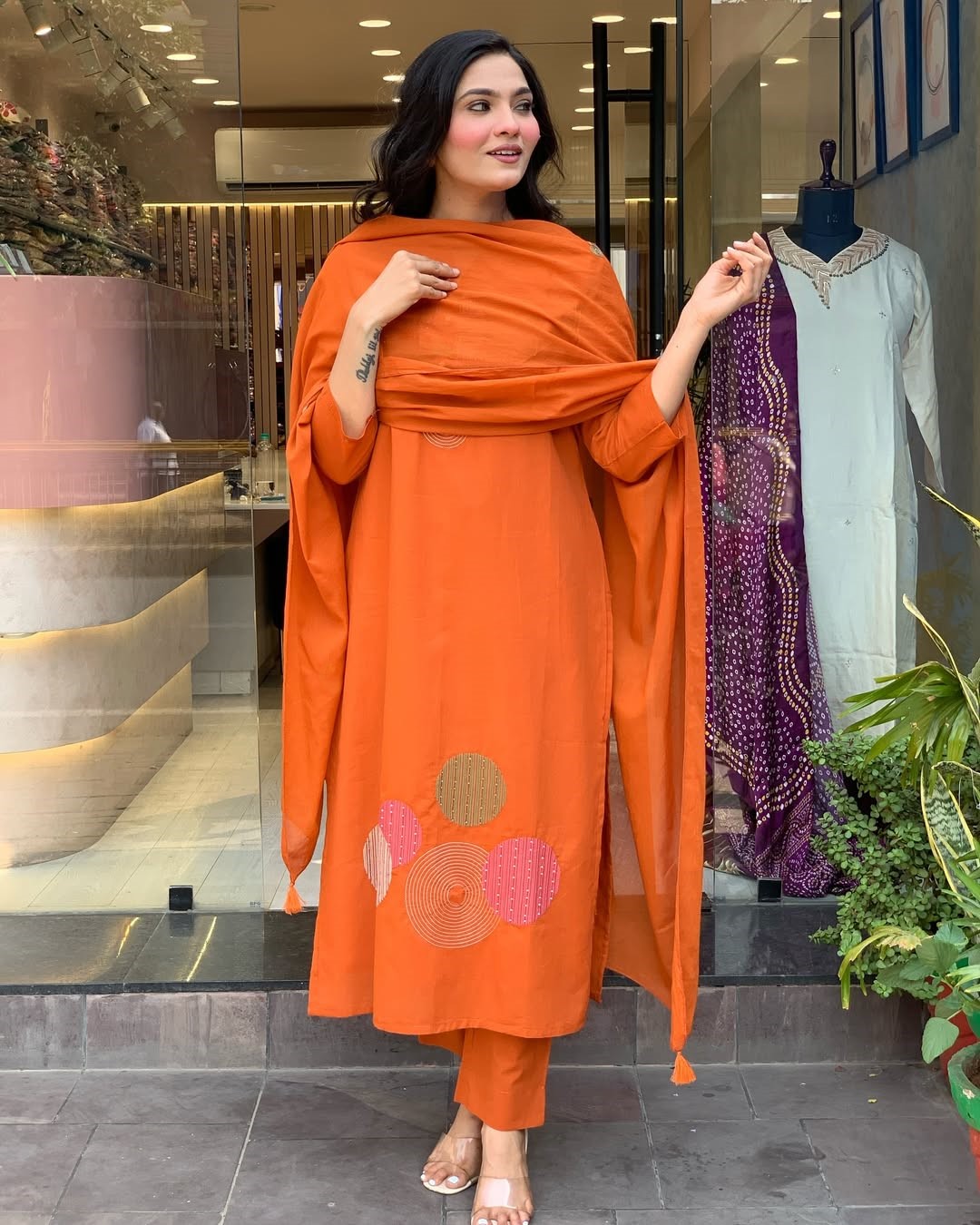
Teal and indigo pair well with tan, black, silver and off-white. Rust, mustard and maroon complement cream, brown and antique-gold accents. Mauve, lilac and dusty pink work with white, grey and rose-gold details. Cream and white look fresh but show stains quickly, so they're more practical for shorter commutes, indoor events or students comfortable with prompt washing.
Black is versatile and visually forgiving, but a completely dark outfit can feel warm in intense sun and may show lint. Midnight Black Blossom Salwar Suit can be styled with a light dupatta or tan footwear to soften the contrast. A white or cream kurta with a colourful dupatta provides brightness without requiring a fully vivid suit.
Small or medium prints are easier to repeat through a college week than dramatic motifs. Kalamkari Print Salwar Suits (Copy) can guide students towards story-rich prints, while Gujarat Bandhej Salwar Suits and Odisha Sambalpuri Salwar Suits offer distinct regional pattern directions. Maharashtra Paithani Inspired Salwar Suits can provide richer colour and woven-looking visual interest for cultural events, presentations or festive college programmes.
Best Fabrics Cuts and Colours for Salwar Suits for College: How Should You Build Outfits?
A useful college wardrobe can begin with three reliable bases: one breathable light-coloured suit, one mid-tone printed suit and one darker or more detailed suit for presentations and events. These three options create variety without requiring a large number of garments.
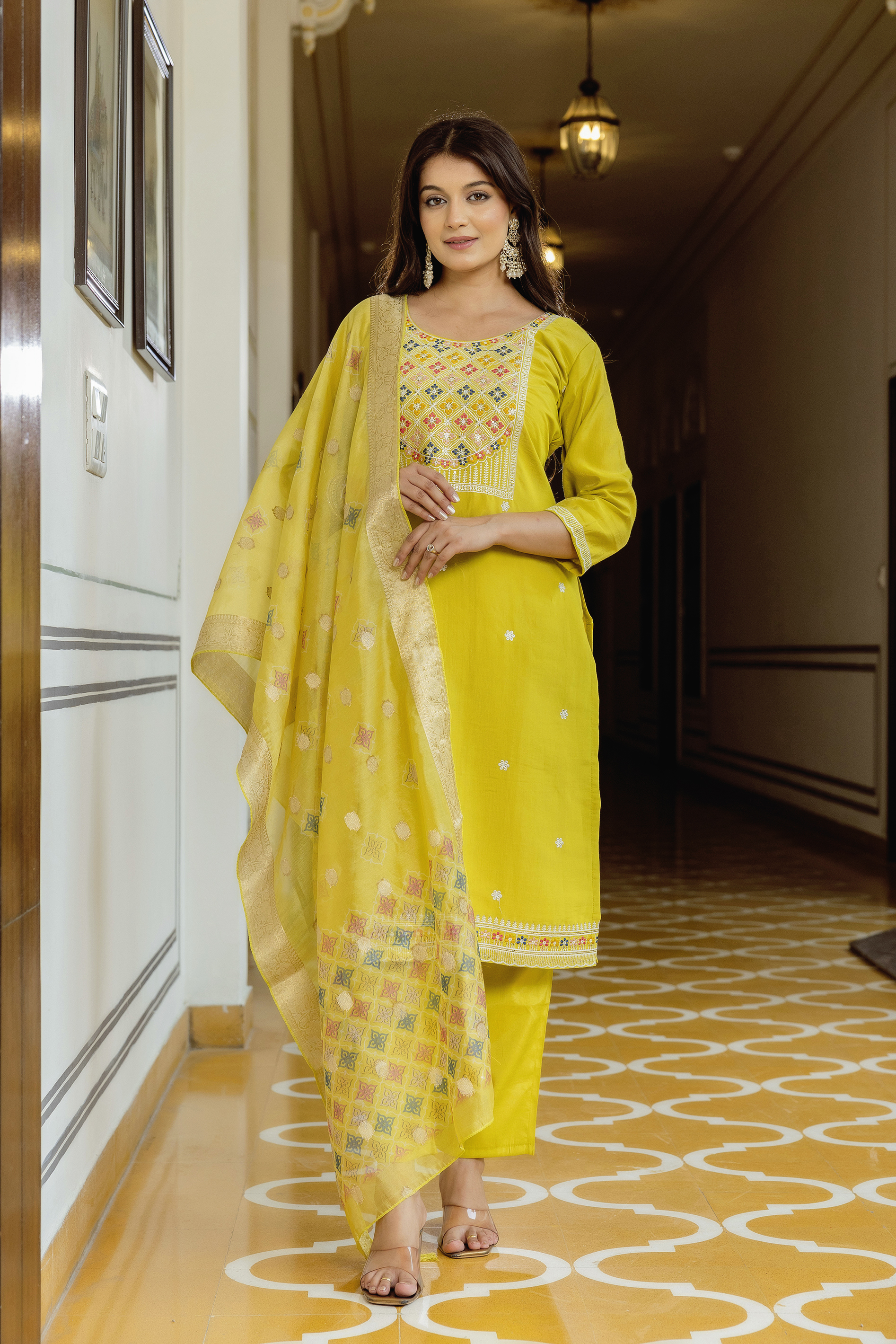
Pair a printed rayon suit with plain footwear and a single-colour bag so the outfit doesn't look visually crowded. Use a solid or lightly embroidered kurta with a printed dupatta when you want to change the appearance of a repeated base. A contrasting dupatta works best when one colour is repeated in the kurta, footwear or accessories.
Jewellery should follow the fabric and campus schedule. Small hoops, studs, a slim watch and one ring are comfortable for ordinary classes. Lightweight jhumkas or a narrow bracelet can dress up a suit for a presentation, but heavy bangles may interfere with writing, computer work and backpack straps.
Footwear should be chosen for the commute rather than only for the outfit photograph. Flat sandals, cushioned slip-ons, low wedges and clean sneakers can work with many straight, rayon and cotton salwar suits. A dupatta can be worn in a secure shoulder drape, looped once around the neck or pinned lightly near the shoulder when cycling, walking quickly or using crowded transport.
Best Fabrics Cuts and Colours for Salwar Suits for College: What Care Extends Wear?
Following the garment care label, washing similar colours together and drying delicate fabrics away from harsh sunlight will extend the life of a college salwar suit. Care matters because frequent campus wear exposes clothing to sweat, dust, friction and repeated washing.
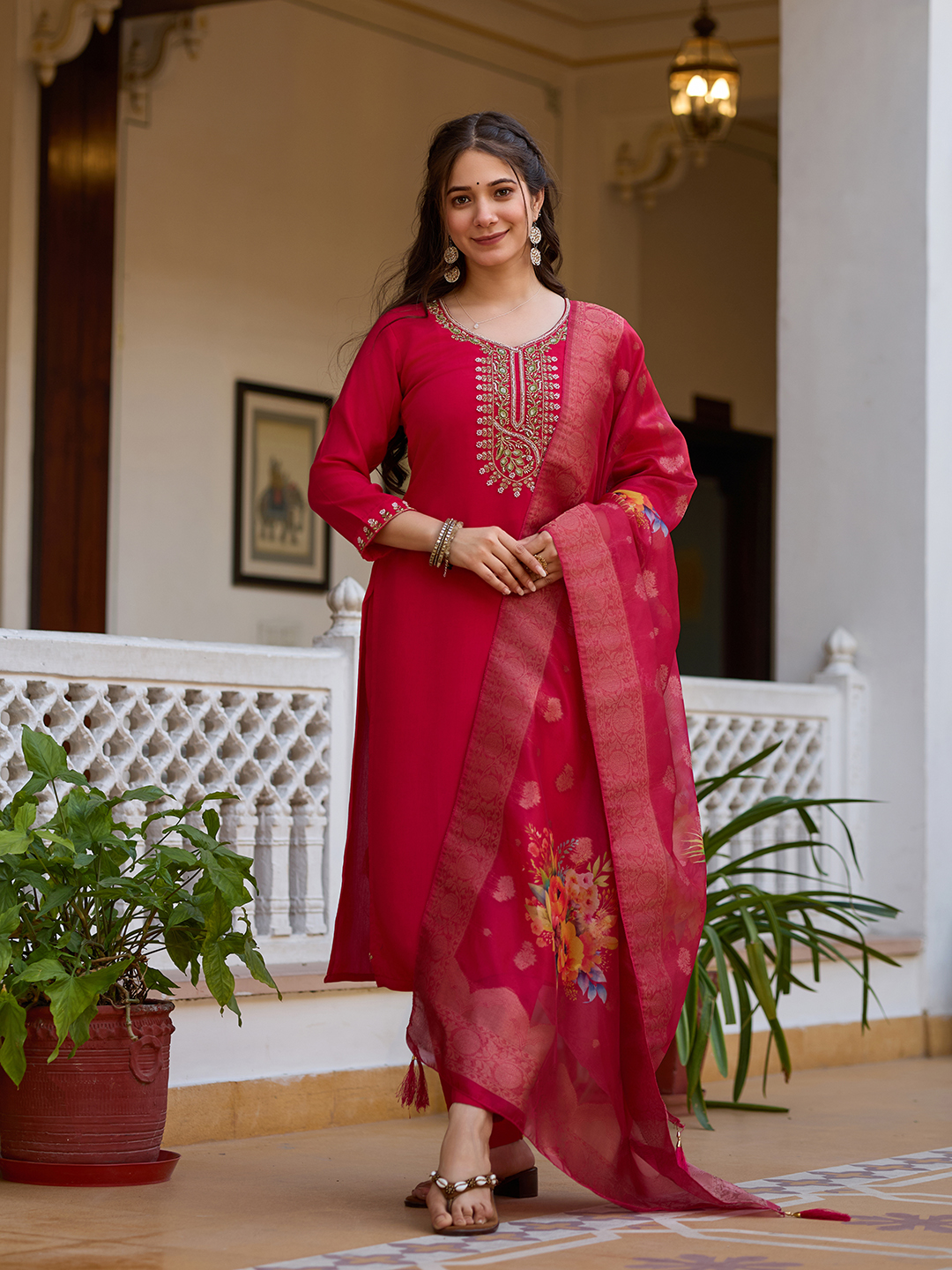
Wash cotton according to its care label and separate dark colours during the first few washes. Turn embroidered garments inside out, use a mild detergent and avoid scrubbing directly over threadwork. Rayon should not be wrung; press out excess water gently and reshape the garment while damp.
Organza dupattas should be folded rather than crushed at the bottom of a bag. Store Chanderi away from rough hooks and heavy embellishments that can pull the weave. Empty pockets, remove detachable accessories and close hooks before washing so that hardware doesn't catch the fabric.
Before buying, ordering whether the kurta is lined, whether the dupatta is included, how much shrinkage is possible and whether the colour requires special washing. A five-minute inspection of seams, armholes, side slits and embroidery can keep many fit and durability problems. The best campus suit is finally the one that remains comfortable, presentable and easy to maintain after repeated use.
Common Questions About Choosing College Salwar Suits
Which fabric is most comfortable for a salwar suit in college?
Cotton is usually the most comfortable choice in hot weather because it allows airflow and absorbs moisture. Rayon is useful when you prefer a softer drape, while Chanderi and organza are better reserved for dressier days and require gentler care.
Is rayon suitable for everyday college wear?
Rayon is suitable for everyday college wear when the garment has a comfortable fit and the care instructions are followed. Rayon drapes well and feels smooth, but it should not be wrung and may take longer to dry than lightweight cotton.
Which salwar suit cut is easiest to wear on campus?
A straight-cut kurta with a comfortable trouser is usually the easiest campus option because it supports walking, sitting and repeated styling. A relaxed A-line cut offers more room, while a Patiala or palazzo is useful when you prefer additional leg ease.
Which colours are best for college salwar suits?
Teal, indigo, olive, rust, mauve, berry, mustard and mid-tone blue are versatile college colours. Cream and white look fresh but require quicker stain treatment, while black is easy to coordinate but may show lint and feel warmer in strong sun.
How can a student style an embroidered salwar suit without looking overdressed?
Pair an embroidered salwar suit with plain footwear, a simple bag and minimal jewellery. A light dupatta and restrained makeup keep the outfit suitable for a presentation, society meeting or cultural event without making it feel like heavy occasion wear.
How many salwar suits does a college wardrobe need?
Three to five well-fitting salwar suits can cover most college routines when the fabrics and colours are varied. Include a breathable everyday option, a printed or coloured suit, a darker versatile suit and one more detailed outfit for presentations or campus celebrations.


