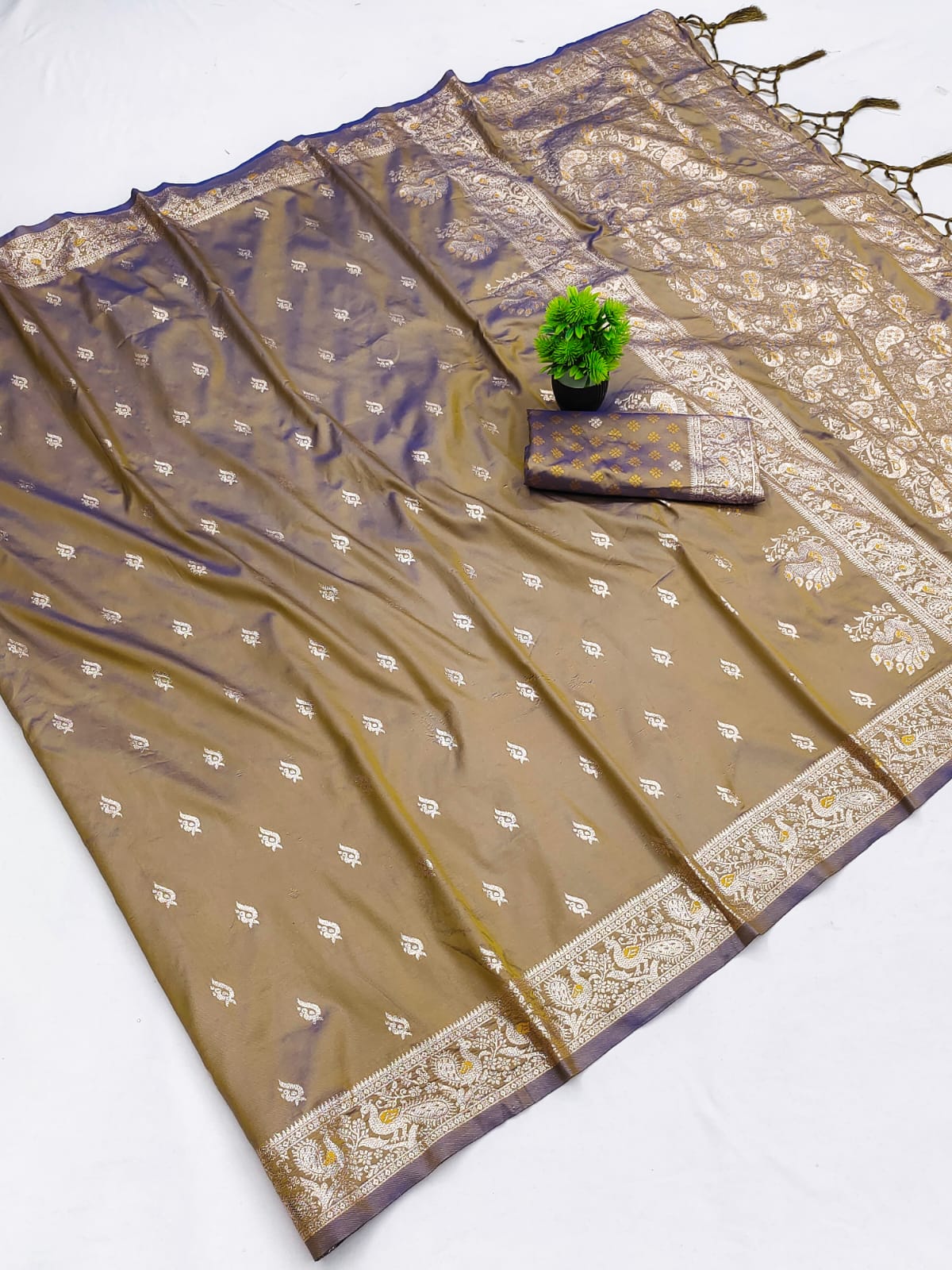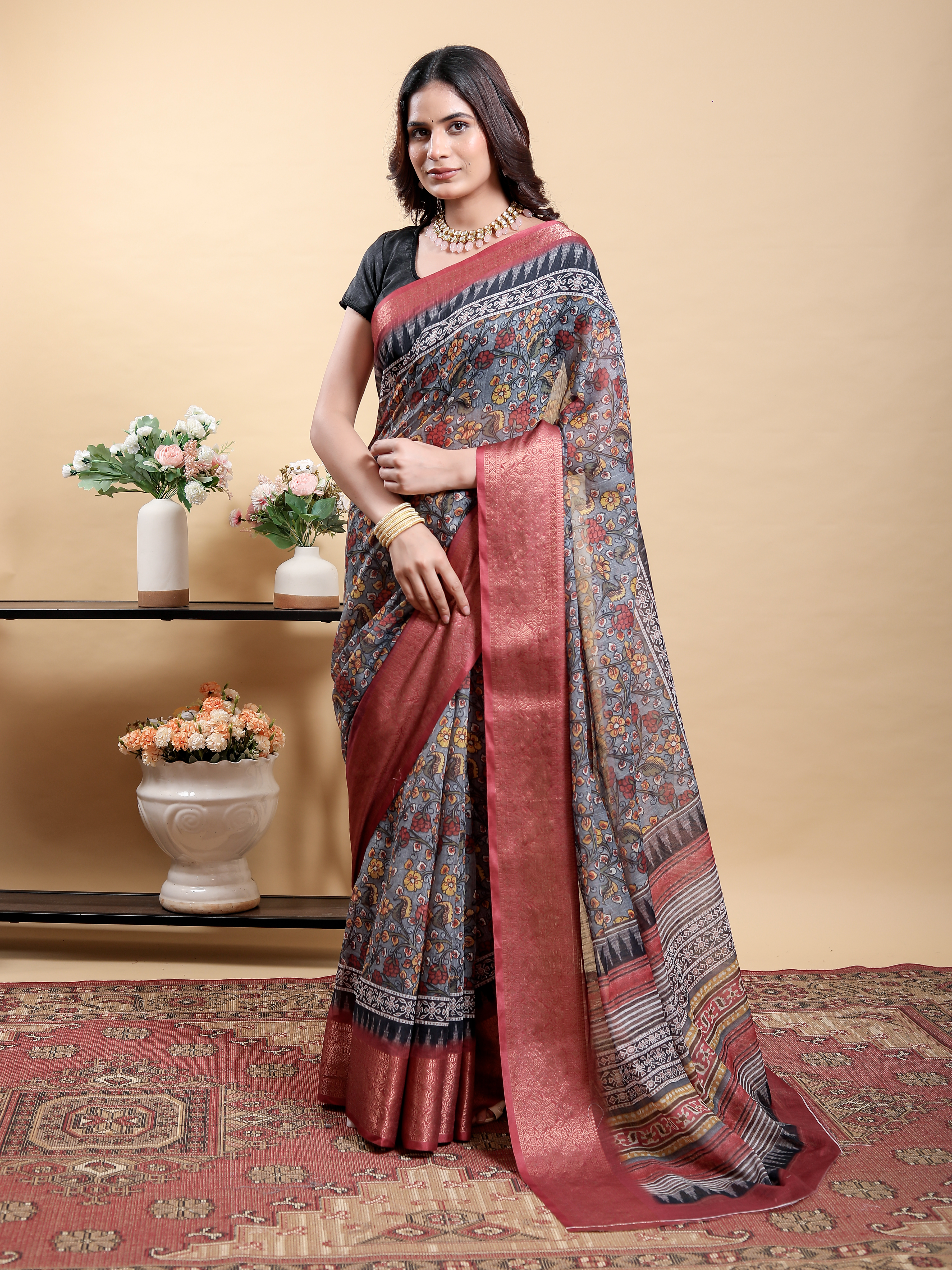
A Bengaluru Temple Wedding Outfit for Changing Weather has to handle cool early hours, bright afternoon sunshine and the possibility of a sudden shower. The most reliable approach combines a breathable traditional base, a removable layer, secure draping and footwear that can manage temple floors without compromising elegance.
Bengaluru sits at roughly 900 metres above sea level, so wedding guests may experience noticeably different conditions within one day. Winter mornings can feel cool at around 15°C, sunny afternoons may move into the mid-to-high 20s, and monsoon showers can arrive with little warning. A silk saree, lightweight shawl or structured salwar suit can therefore be more useful than a single heavy outfit.
How should a Bengaluru Temple Wedding Outfit for Changing Weather be planned?
A practical Bengaluru Temple Wedding Outfit for Changing Weather should begin with a breathable base and add one removable layer for temperature changes. Choose a fabric that remains comfortable indoors, outdoors and during long periods of standing, then adapt the styling around the ceremony schedule.
Temple weddings often involve several transitions: waiting outside the entrance, removing footwear, walking across stone or tiled floors, sitting through rituals and moving to a reception space. An outfit that looks beautiful for photographs but needs constant adjustment can become uncomfortable quickly. Secure pleats, a manageable pallu and a blouse with dependable coverage matter as much as colour and embroidery.
Check the forecast the evening before, but don't rely on the forecast alone during Bengaluru's rainy months. Carry a compact umbrella, protect your phone and cosmetics in a waterproof pouch, and use a garment bag that covers the lower half of a saree or suit while travelling. A spare pair of dry socks or simple foldable flats can be valuable when the venue has wet outdoor paths.
Which fabrics work best in Bengaluru's shifting temperatures?
Silk blends, Chanderi cotton, lightweight Banarasi silk and soft Pashmina layers work well because they provide ceremony-appropriate polish without making the wearer feel trapped in one temperature range.
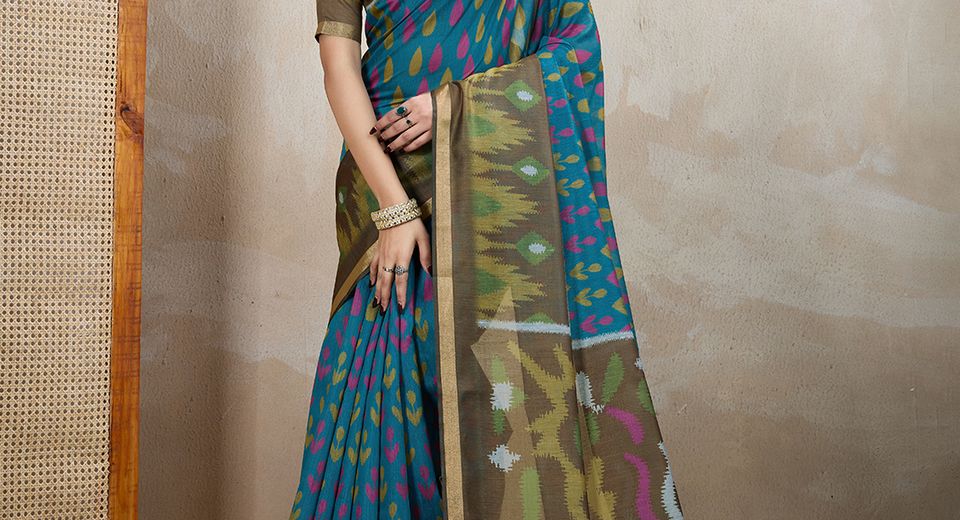
For warm afternoons and crowded mandaps
Chanderi cotton is a strong choice for a daytime temple wedding because it's airy, light and visually refined. The Teal Blue Chanderi Cotton Saree with Artistic Woven Pattern demonstrates how a woven design can create occasion presence without depending on dense embellishment. A cotton or cotton-silk saree also dries more comfortably than a heavily padded or fully velvet outfit if humidity rises.
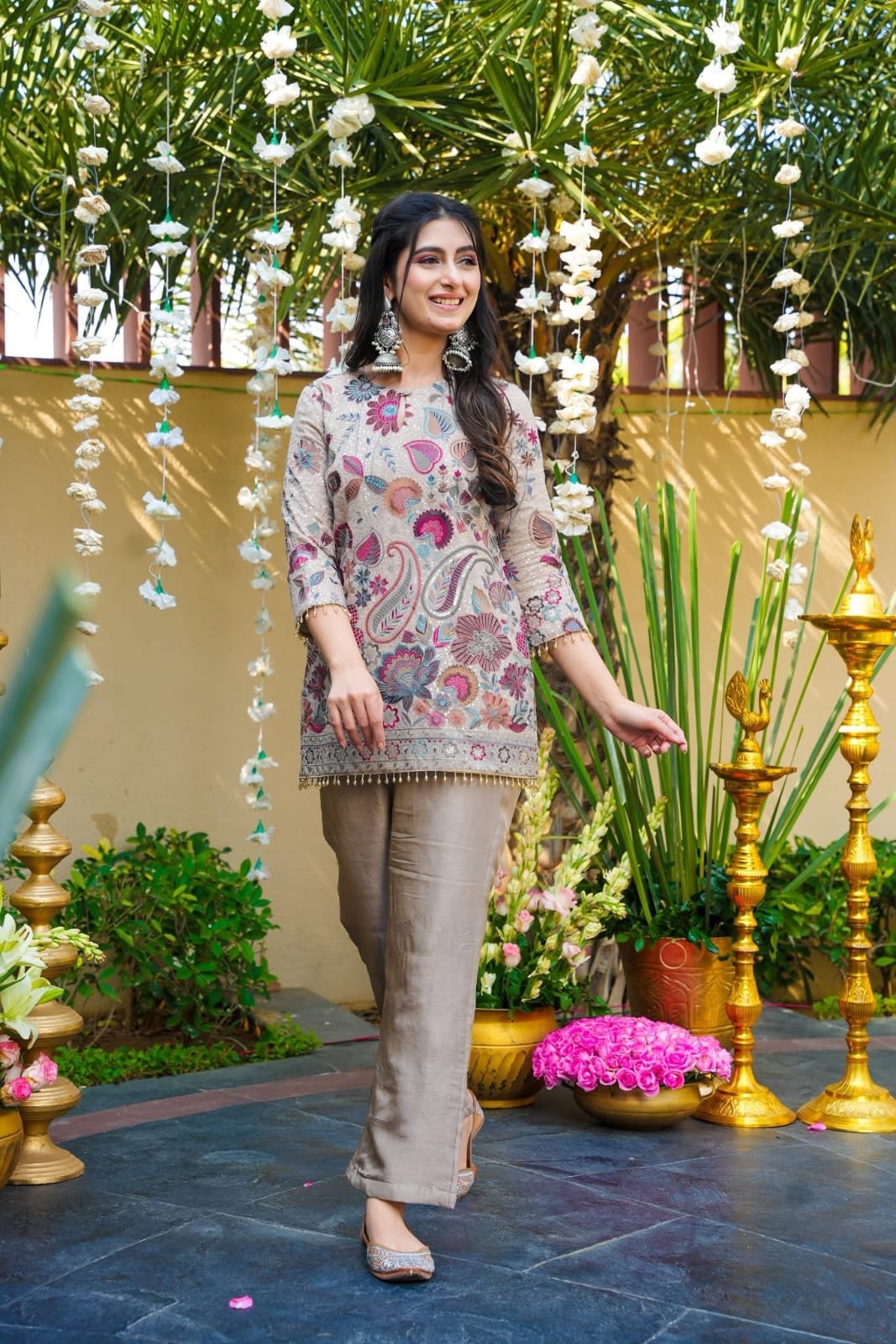
Vichitra silk has a fluid surface and a dressier appearance, making it useful when the invitation calls for festive clothing but the event isn't strictly formal. The Modern Taupe Vichitra Silk Embroidered Co-Ord Set for Women offers a coordinated silhouette that's easier to manage than a long trailing skirt during travel. Taupe, beige and muted metallic embroidery also suit the warm stone, wood and brass details commonly seen around temple venues.
For cool mornings and breezy evenings
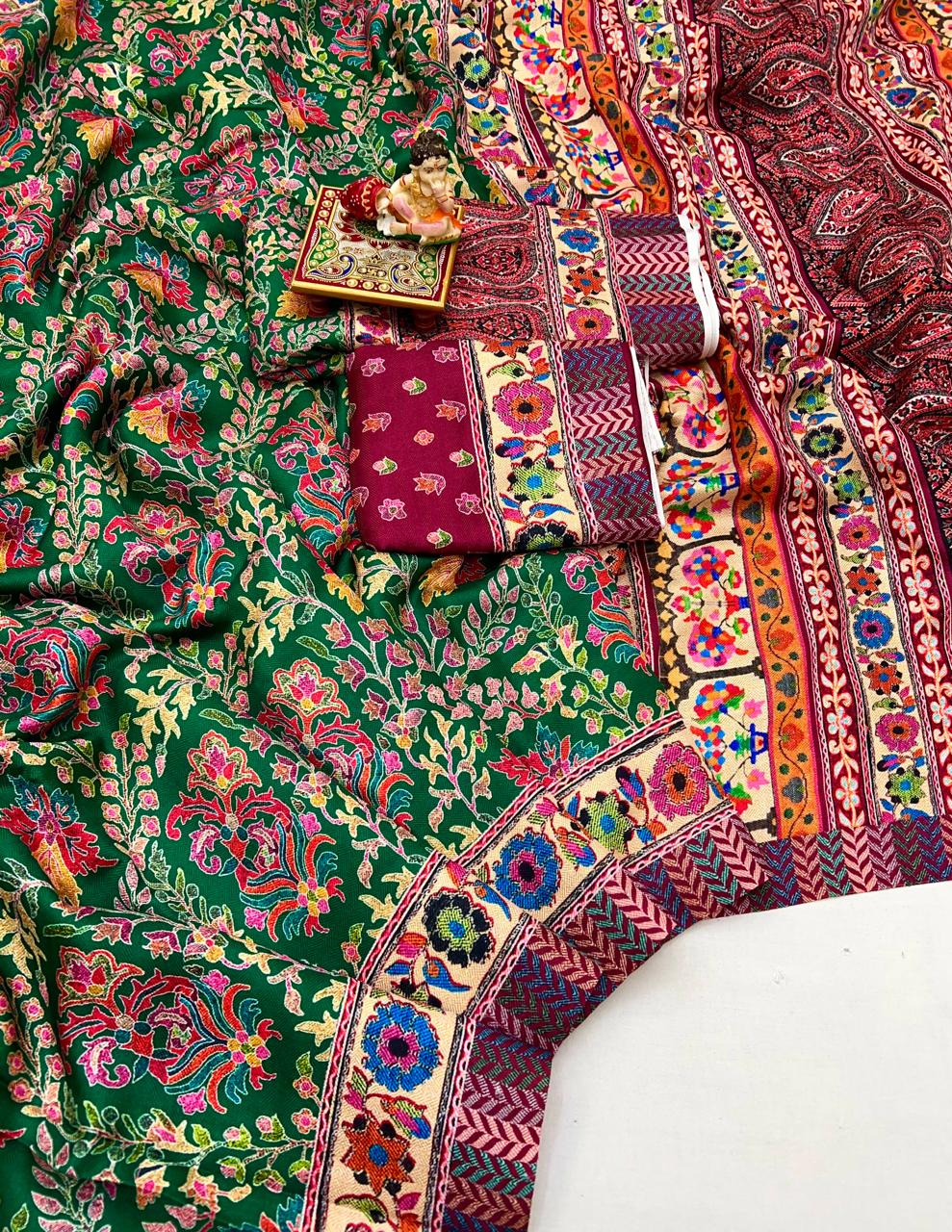
Pashmina is most useful as a removable layer rather than as a complete head-to-toe winter look in Bengaluru. The Traditional Blue Pashmina Saree With Shawl For Weddings pairs a warmer textile with an immediately useful shawl, while the Green Floral Pashmina Saree With Shawl & Blouse Piece provides a more botanical colour direction for daytime celebrations.
A Pashmina shawl can rest over the shoulders during an early muhurat and fold into a medium-sized handbag or car pouch later. Choose a shawl with enough width to cover the upper arms but avoid excessively long fringes, which can catch on jewellery, chair arms and temple railings.
Which outfit silhouettes are easiest to manage at a temple wedding?
Sarees with controlled drapes, ankle-friendly salwar suits and streamlined gown sets are generally easiest to manage at a temple wedding because each silhouette can provide coverage without excessive fabric at the feet.
Sarees for traditional ceremonies
A saree works especially well when the ceremony has a South Indian visual language, but the drape should be secured for walking. Pin the pleats at the waist, use one discreet pin at the shoulder and consider a second pin beneath the pallu if the venue is windy. A traditional saree doesn't need an elaborate cascade to look ceremonial.
The Traditional Teal Banarasi Saree for Festive Wear is an example of how the weave itself can carry the outfit. Banarasi silk and zari catch temple lighting beautifully, so jewellery can remain restrained. A pair of small jhumkas, a slim bangle stack and a low bun may be more comfortable than multiple long necklaces during a lengthy ritual.
When the event includes a long journey or uncertain weather, keep the saree's lower edge slightly above the floor rather than allowing it to sweep across wet ground. The adjustment should be subtle: excessive shortening can disturb the proportions of the pleats and change the fall of the fabric.
Salwar suits and palazzo sets for movement
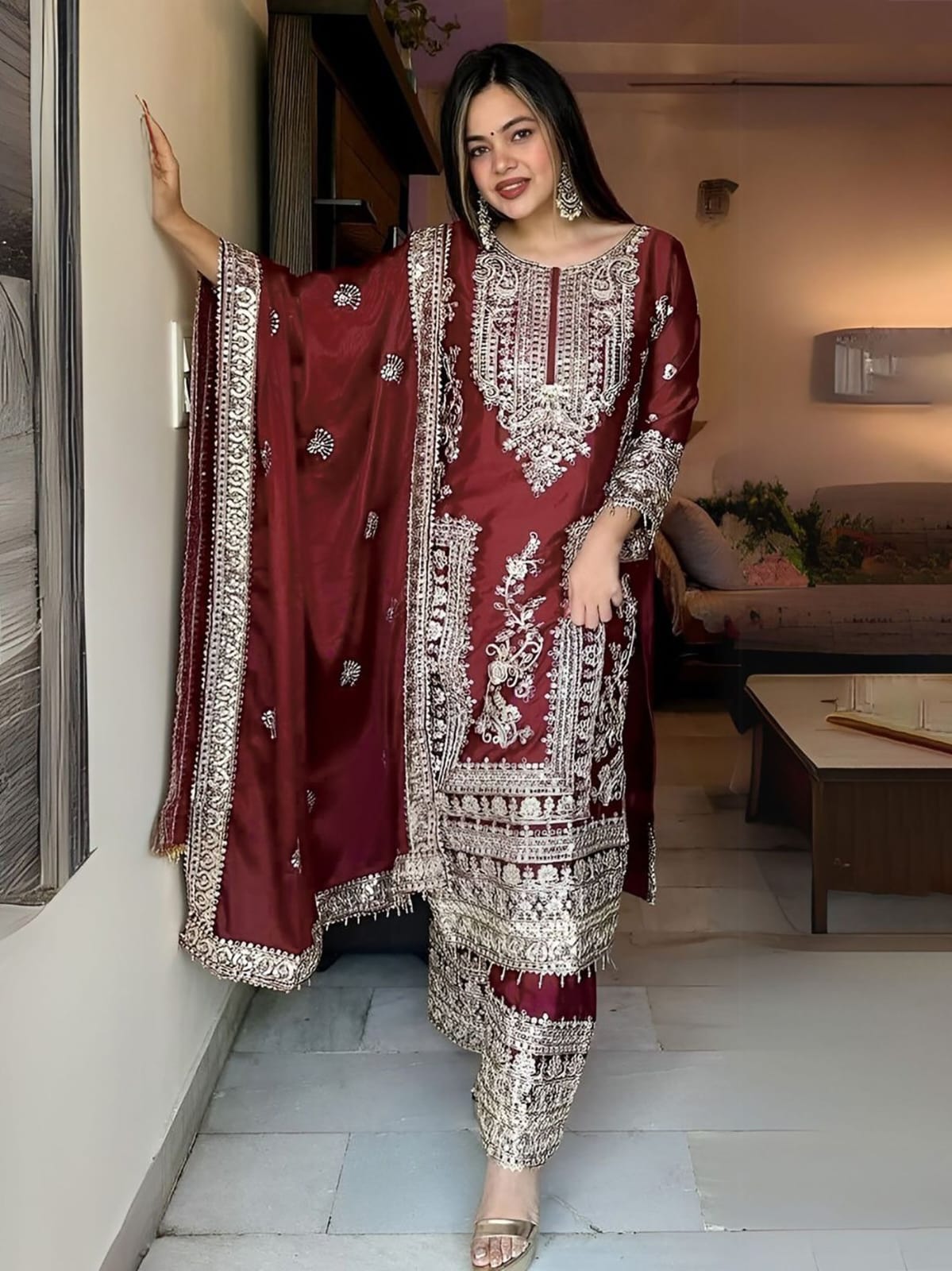
A salwar suit or palazzo suit is practical when the guest expects to walk between venues, sit on the floor or manage children and luggage. The Maroon Wedding Wear Embroidered Palazzo Suit Set gives the visual richness expected at a wedding while giving the legs more freedom than a heavily layered lehenga.
Choose a palazzo hem that clears the ground by at least 2 to 3 centimetres when worn with the intended footwear. A damp hem takes longer to dry and can pick up dust from temple courtyards. A longer kurta can provide graceful coverage, but it should not drag near steps or oil lamps.
Gown sets for a reception after the ceremony
A gown set suits a reception or evening gathering when the dress code is festive and movement is mostly on level indoor flooring. The Teal Blue Vichitra Silk Embroidered Gown Set Online Copy Title and the Taupe Beige Vichitra Silk Embroidered Gown Set Online show two ways to use coordinated embroidery without adding a separate dupatta that may become difficult to control.
Gown sets are less convenient for ceremonies that require sitting low, climbing uneven steps or walking through wet courtyards. If the invitation combines a temple ritual with a later reception, wear a saree or suit for the first part and reserve the gown silhouette for the indoor celebration, unless the venue specifically permits it.
How can you make a wedding saree temple-appropriate?
A wedding saree becomes temple-appropriate through modest coverage, secure styling, manageable length and jewellery that doesn't interfere with movement.
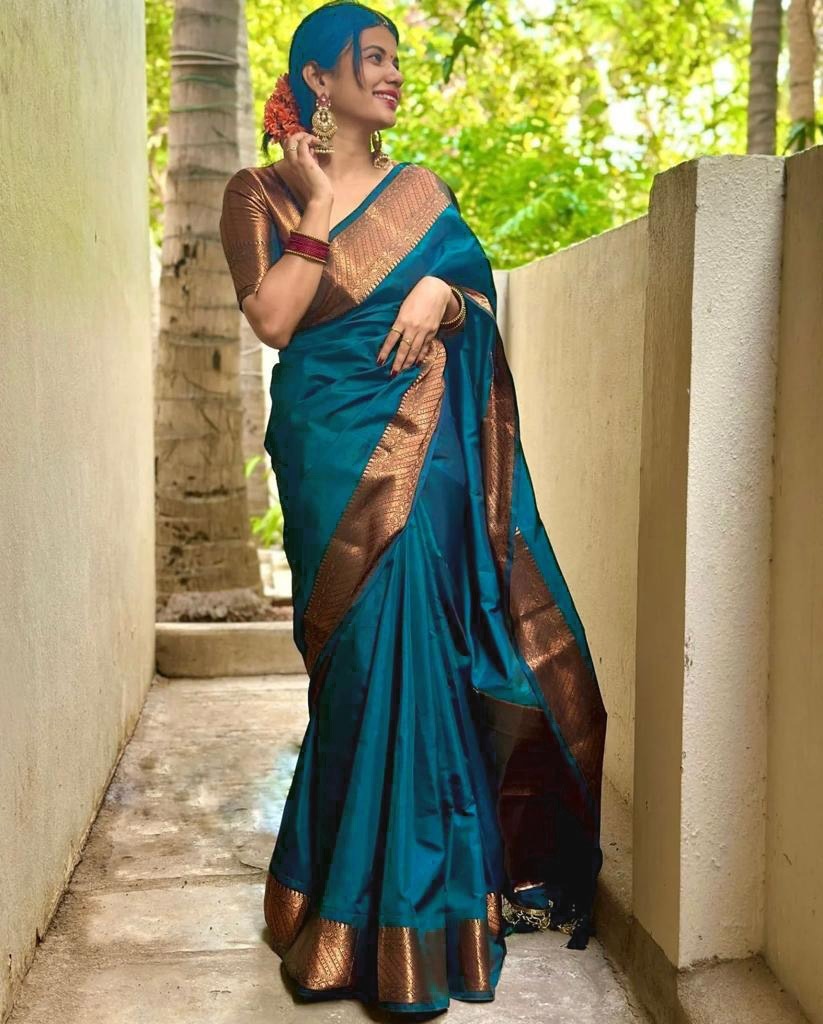
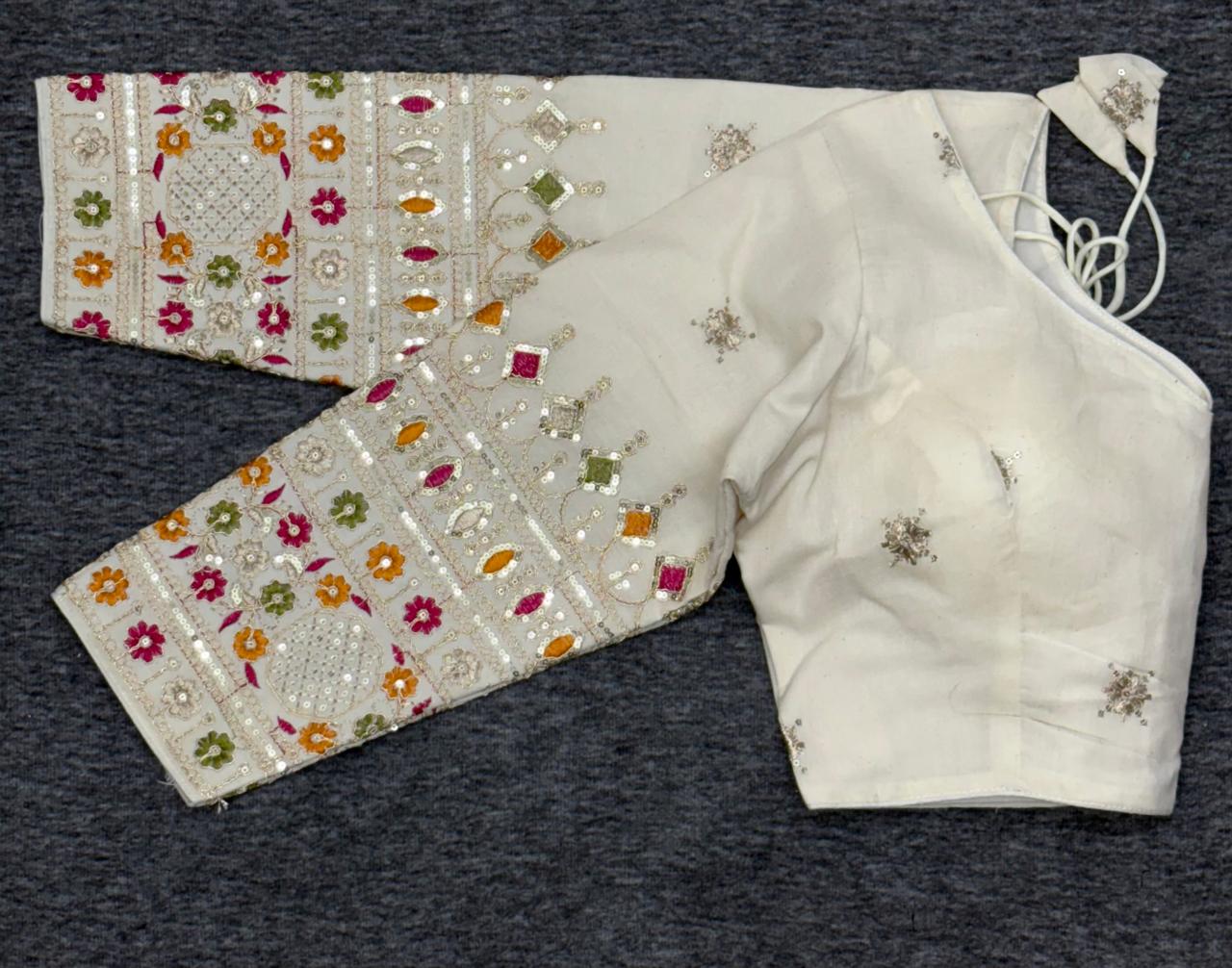
Blouses with capped, elbow-length or three-quarter sleeves are dependable choices for a traditional temple setting. A higher neckline, a well-fitted back and opaque lining create comfort without making the outfit feel severe. Very deep backs, fragile tie strings and long dangling tassels can be inconvenient when sitting, bowing or moving through a crowded entrance.
The pallu should cover the shoulder securely and remain comfortable when the wearer folds her hands or sits. A brooch can anchor a silk pallu, but test the brooch on a spare section first because heavy metal pieces may leave holes in fine Banarasi silk or Chanderi fabric.
Temple etiquette varies by region and family, so the invitation or hosts should guide decisions about head covering, sleeve length and footwear. Carry a light dupatta or shawl if the ceremony is likely to include a specific covering tradition. A plain, breathable layer is more versatile than a highly embellished one.
What colours and accessories suit a Bengaluru temple wedding?
Jewel tones, softened neutrals, leaf greens, teal, maroon and traditional gold accents suit temple weddings while remaining easy to adapt from daylight to evening.
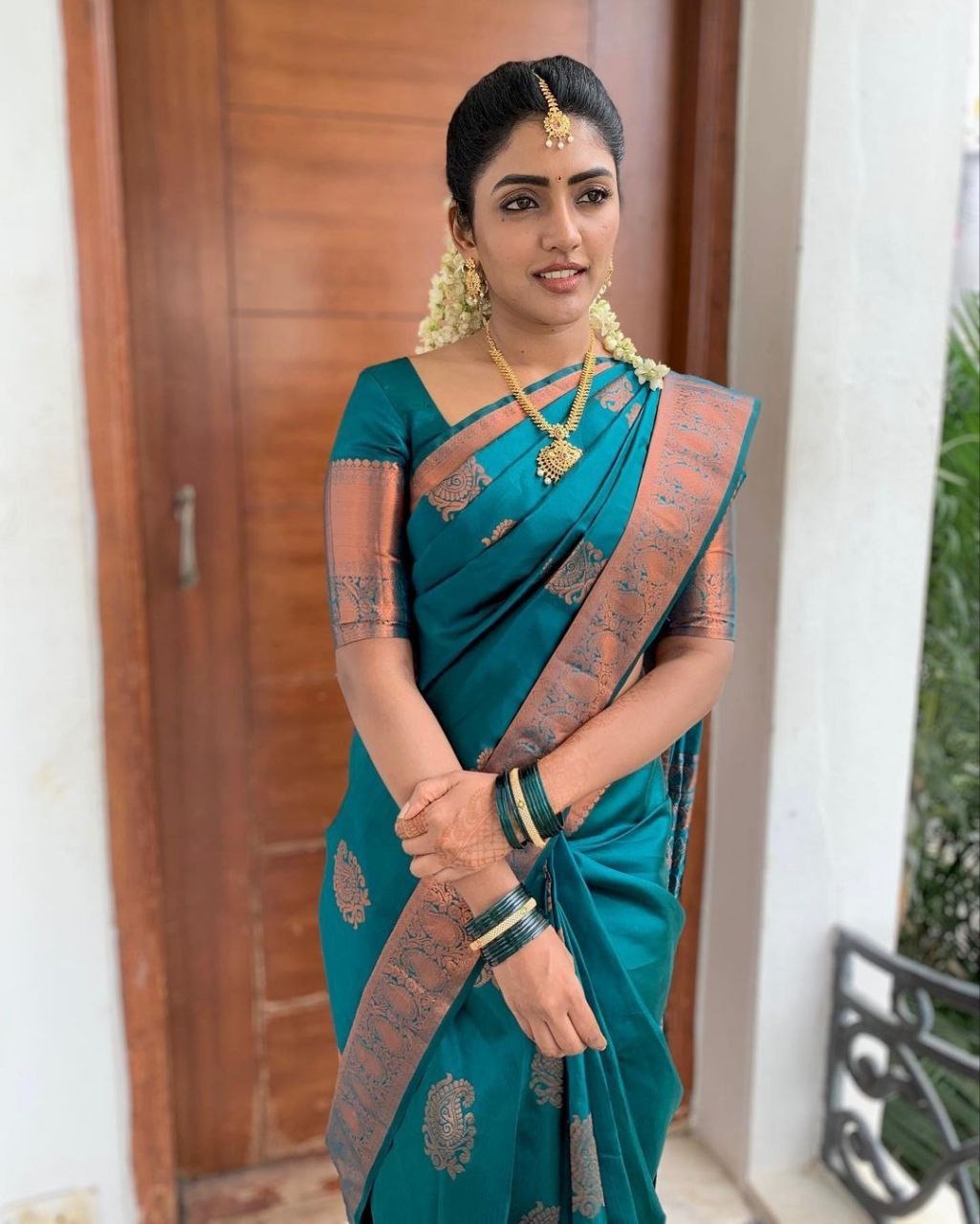
Teal blue works well under both natural daylight and warm indoor lighting because it has enough depth for photographs without becoming as visually heavy as black. Maroon and green complement floral decoration, brass lamps and wooden temple details. Taupe and beige provide a quieter base for gold jewellery, embroidered footwear or a coloured shawl.
Gold zari doesn't require a full gold jewellery set to look complete. One pair of earrings, a necklace or a bangle stack can echo the zari while keeping the neckline and wrists comfortable. If the saree has a strong woven pattern, select one focal accessory rather than adding competing stones, beads and metallic textures.
Hair should be secured for humidity and movement. A low bun decorated with fresh jasmine is traditional, but a braided bun or low braid can be more resilient during travel. Use a small amount of anti-frizz cream before styling, and carry spare hairpins because humid air can loosen fine strands.
Which footwear and weather precautions make the outfit practical?
Low block heels, embellished flats and cushioned sandals with a secure back strap are safer than delicate stilettos for a Bengaluru temple wedding.
Many temple venues require footwear to be removed, so choose shoes that slip on and off easily and don't rely on complex lacing. A block heel of approximately 2 to 4 centimetres can improve saree fall without creating instability on stone floors. Rubber or textured soles are preferable to smooth leather soles when rain has made outdoor surfaces slippery.
Keep a separate cloth bag for footwear and a small towel for damp hems. A transparent rain cover for the handbag prevents moisture from reaching silk accessories, invitation cards and electronics. Avoid placing a wet saree directly inside a sealed plastic bag for more than a short journey, because trapped moisture can encourage odour and colour transfer.
If rain is likely, select darker or medium-depth colours for the lower half of the outfit and avoid very delicate trailing borders. This isn't a rule against pale clothing; it's a practical way to reduce the visibility of splashes during travel. The upper half can remain lighter through a cream blouse, pearl earrings or a soft beige shawl.
How should each outfit be packed and cared for after the wedding?
Wedding clothing should be aired immediately after use, separated from damp accessories and stored according to its fibre and embellishment.
Remove pins before folding a saree or shawl. Hang silk and Vichitra silk garments in a shaded, ventilated room for several hours, then fold them along broad lines rather than compressing them into a small suitcase. Wrap zari-rich pieces in a clean cotton or muslin cloth instead of placing them directly against plastic, which can trap humidity.
Chanderi cotton can often be aired more easily than heavier silk, but embroidery and woven borders still need gentle handling. Do not scrub a muddy hem or apply household stain remover without checking the care label. Professional dry cleaning is safer for Pashmina, Banarasi silk, zari and heavily embroidered garments, particularly when oil, turmeric or coloured cosmetics have touched the fabric.
Store a shawl flat or with a broad fold, away from direct sunlight. Sun exposure can gradually alter deep teal, green and maroon dyes, while prolonged compression can flatten surface texture. Refolding a stored silk or Pashmina piece every few months helps prevent a permanent crease along one line.
A thoughtful outfit plan makes changing weather far less stressful. Select the base according to the ceremony, add a layer according to the forecast, and keep footwear and packing materials practical enough for real Bengaluru travel.
Common Questions About Dressing for a Bengaluru Temple Wedding
What should I wear to a temple wedding in Bengaluru?
A saree, salwar suit or modest gown set with secure styling is suitable for a Bengaluru temple wedding. Choose breathable silk, Chanderi cotton or a lighter Vichitra silk base, and add a shawl if the ceremony begins in a cool morning.
Which saree fabric is best for Bengaluru weather?
Chanderi cotton is comfortable for warm daytime events, while lightweight Banarasi silk and Vichitra silk suit dressier ceremonies. Pashmina works best as a removable shawl or cooler-weather layer rather than as the only fabric for a sunny afternoon.
How can I keep my saree dry during Bengaluru monsoon showers?
Use a covered garment bag, carry a compact umbrella and keep the lower hem slightly above the floor. If the saree becomes damp, air it in a shaded room and avoid sealing it in plastic for an extended period.
What footwear is practical for a temple wedding?
Secure flats, cushioned sandals and low block heels are practical choices. Footwear should be easy to remove, comfortable for standing and fitted with a textured sole for potentially wet stone or tiled surfaces.
Can I wear a gown set to a Bengaluru temple wedding?
A gown set can work for an indoor reception or a venue with level flooring, provided the neckline, back and overall coverage suit the ceremony. A saree or palazzo suit is usually easier for uneven paths, floor seating and rituals that require frequent movement.
What should I carry with a changing-weather wedding outfit?
Carry a light shawl, compact umbrella, waterproof pouch, spare hairpins and a cloth bag for footwear. A small towel and foldable flats are also useful when rain or long periods of standing are expected.