An Heirloom Dupatta Passed Between Generations for Family Events carries more than colour and embroidery: it can hold the memory of a grandmother's wedding, a sibling's naming ceremony or a festive gathering where several generations stood together for a photograph. The most meaningful heirloom dupattas are not always the most expensive pieces. Their value often comes from repeated wearing, careful preservation and the stories attached to their borders, motifs and folds.
A family heirloom can remain part of present-day dressing without being treated as a museum object. The key is to identify its fibre and construction, repair weak areas before they tear, store it without pressure or moisture, and style it with garments that support rather than compete with its design. A thoughtful record of its history makes the dupatta easier to pass on when the next family celebration arrives.
Why An Heirloom Dupatta Passed Between Generations for Family Events Matters
An heirloom dupatta matters because it turns clothing into a visible record of family relationships, rituals and changing personal style. A dupatta may have travelled from a mother's trousseau to a daughter's engagement wardrobe and then to a granddaughter's festive outfit, gathering meaning through each use.
Textiles also preserve details that photographs often can't show. A zari edge may reveal the handwork available in a particular period, while a slightly softened silk surface can show how frequently a garment was worn. A small repaired seam may point to the celebration where the dupatta was caught on a chair or jewellery clasp. These signs are evidence of use, not flaws to erase automatically.
Family functions give heirlooms a natural setting because Indian celebrations often bring different generations together. A wedding, Diwali gathering, Haldi ceremony, anniversary or naming ceremony allows an inherited textile to appear beside contemporary sarees, salwar suits and lehengas without looking out of place.
An heirloom becomes more useful when the family permits it to be worn, photographed and remembered instead of keeping it permanently sealed away.
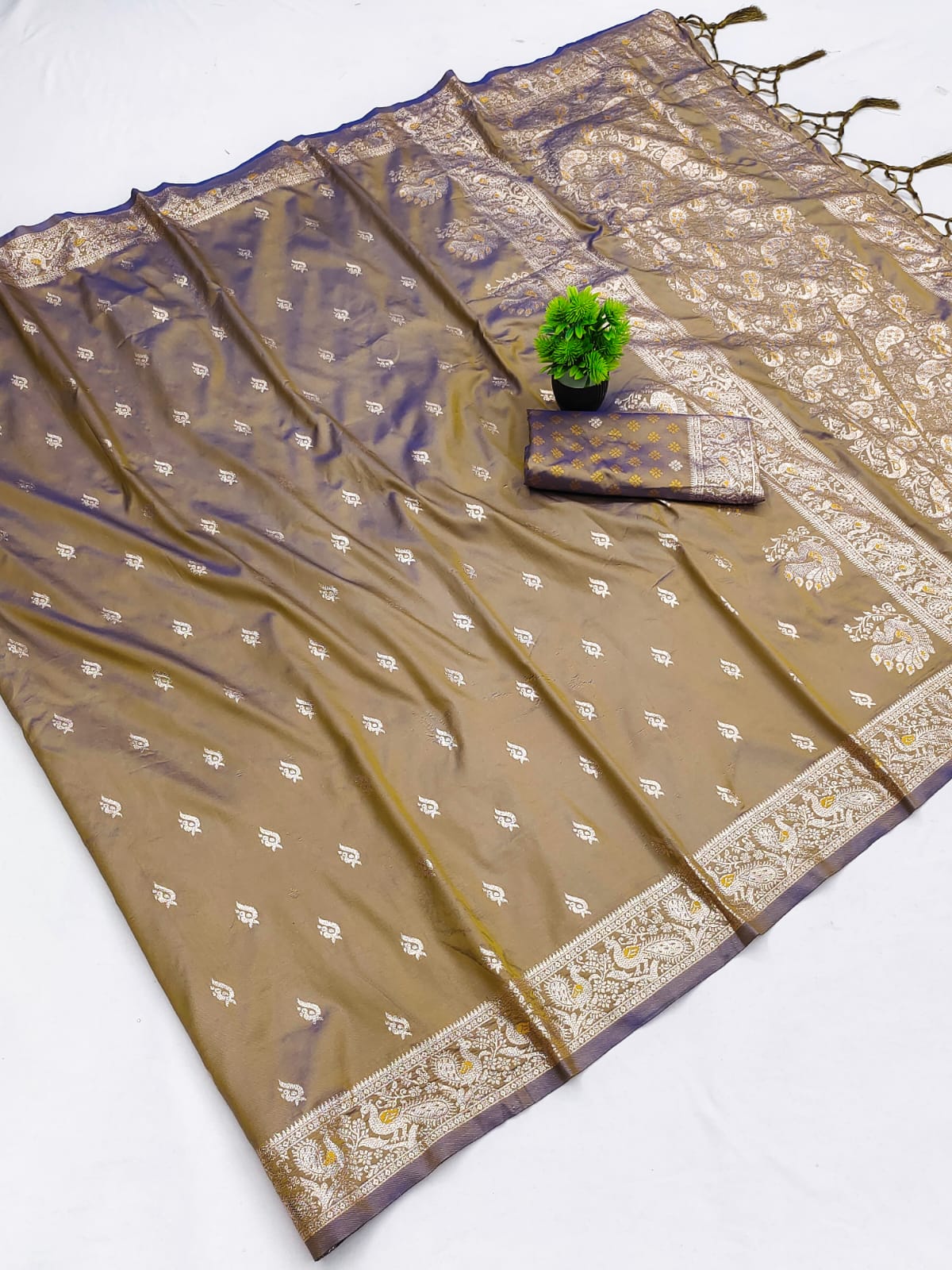
Passing down a dupatta also creates an opportunity to discuss regional craft. The textile may use Banarasi silk, Chanderi, cotton, tissue, satin, Kanjeevaram-inspired motifs or hand-applied zari. Naming the material and technique gives younger family members a concrete connection to Indian textile traditions.
How to Identify the Fabric Before Wearing or Cleaning It
Identify the fibre, embellishment and colour-fastness before cleaning an heirloom dupatta, because silk, cotton, tissue and synthetic satin require different handling.

Check the fibre and surface
Look for a fabric label first, then examine the weave under natural light. Banarasi silk usually has a smooth, luminous surface with woven metallic or silk motifs. Chanderi often feels light and slightly crisp, with a delicate transparency. Cotton tends to absorb moisture quickly and may show a more matte surface, while tissue can crease sharply and snag against rough jewellery.
don't rely on a flame test at home. Burning a textile can damage an irreplaceable dupatta and may release unpleasant fumes. A qualified textile conservator or experienced dry cleaner can assess fibre content more safely.
Inspect zari, embroidery and edging
Examine zari, sequins, thread embroidery, tassels and border joins before the first wear. Loose metallic threads should be secured by a professional rather than pulled through the fabric. Older zari may be silver-gilt, imitation metallic thread or a modern synthetic material, and each type reacts differently to moisture and abrasion.
Check for powdery residue, pale brown spots, insect damage, brittle folds and weakened corners. A dupatta with active mould, a strong musty smell or spreading stains should be isolated from other textiles until a conservator gives advice. Storing a contaminated heirloom beside clean sarees can spread pests or spores.
How Should You Store a Family Heirloom Dupatta?
Store a family heirloom dupatta flat or loosely rolled in acid-free tissue, away from sunlight, humidity, perfume and pressure from heavy garments.
Wash and fully dry your hands before handling an old textile. Remove brooches, safety pins and heavy jewellery before folding the dupatta. Place a sheet of unbuffered acid-free tissue between embroidered surfaces so metallic thread and sequins don't rub against one another.
Fold the textile along different lines each time it's stored. Permanent creases can weaken silk and cotton, especially when a zari border sits directly on a sharp fold. For a large or fragile dupatta, rolling it around a wide, archival-quality tube covered with acid-free tissue can reduce stress.
Use a breathable cotton cloth bag or an archival textile box rather than a sealed plastic bag. Plastic can trap humidity and encourage mildew when the storage area experiences temperature changes. Keep the box on a shelf above the floor, away from bathrooms, kitchens and exterior walls that may become damp.
Inspect the dupatta every three to six months. Look for silverfish, insect droppings, new stains and changes in odour. Cedar blocks, mothballs and strongly scented products can transfer chemicals or odours to delicate textiles, so clean storage and regular inspection are safer first steps.
Photograph the dupatta before storage, including the border, reverse side, tassels and any existing repair. A dated image helps the family distinguish old wear from new damage and provides a useful record if restoration becomes necessary.
What Repairs Make an Heirloom Safe to Wear?
Small, reversible repairs make an heirloom safer to wear when they stabilise weak areas without disguising the textile's history.

A textile conservator can mend an open seam, support a thinning corner with compatible fabric or secure detached embroidery using fine thread. A professional should handle brittle silk, extensive staining, missing sections, extensive zari loss and fabric affected by mould. Machine stitching across an old handwoven textile can create a rigid line that tears the surrounding cloth.
don't iron directly over zari, sequins, velvet, painted motifs or fragile embroidery. If pressing is essential, place a clean cotton cloth over the reverse side and use the lowest suitable temperature, but professional steaming or conservation advice is safer for valuable pieces. Never apply starch to an heirloom without testing, because starch can attract insects and make aged fibres brittle.
When a border is loose, avoid adhesive tape, fabric glue and iron-on patches. Adhesives can stain, harden or permanently alter the weave. A skilled embroiderer may stabilise the edge with discreet hand stitches that match the original construction.
Repair doesn't mean making every mark disappear. A small colour variation or carefully documented darn can remain part of the dupatta's story. The goal is structural safety and continued use, not an artificial appearance of newness.
How Can You Style an Heirloom Dupatta for a Family Function?
Style an heirloom dupatta with a simple base garment, controlled colour repetition and lightweight jewellery so the inherited textile remains the visual focus.
A richly woven or embroidered dupatta can transform a plain kurta and palazzo, an understated salwar suit or a solid lehenga. Match one secondary colour from the dupatta rather than copying every shade. For example, a deep pink thread in the border can reappear in bangles or footwear while the main outfit stays ivory, beige or muted green.
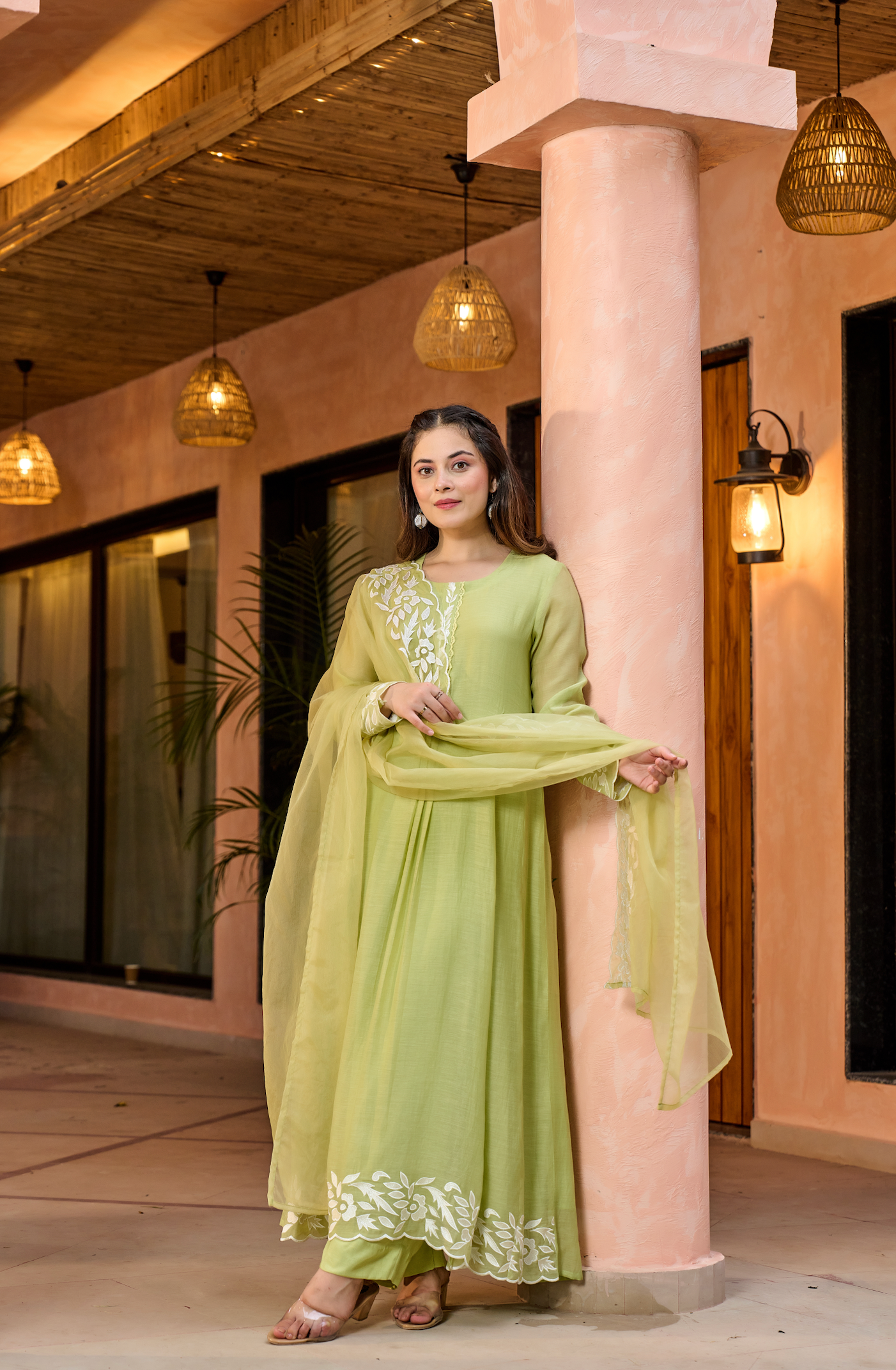
A Chanderi dupatta works well with fabrics that have some visual restraint. The Pista Green Embroidered Chanderi Kurta Dupatta Set demonstrates how a light, airy surface can suit a daytime gathering without requiring heavy ornamentation. An inherited Chanderi or cotton dupatta can also soften a structured silk kurta for a family lunch.
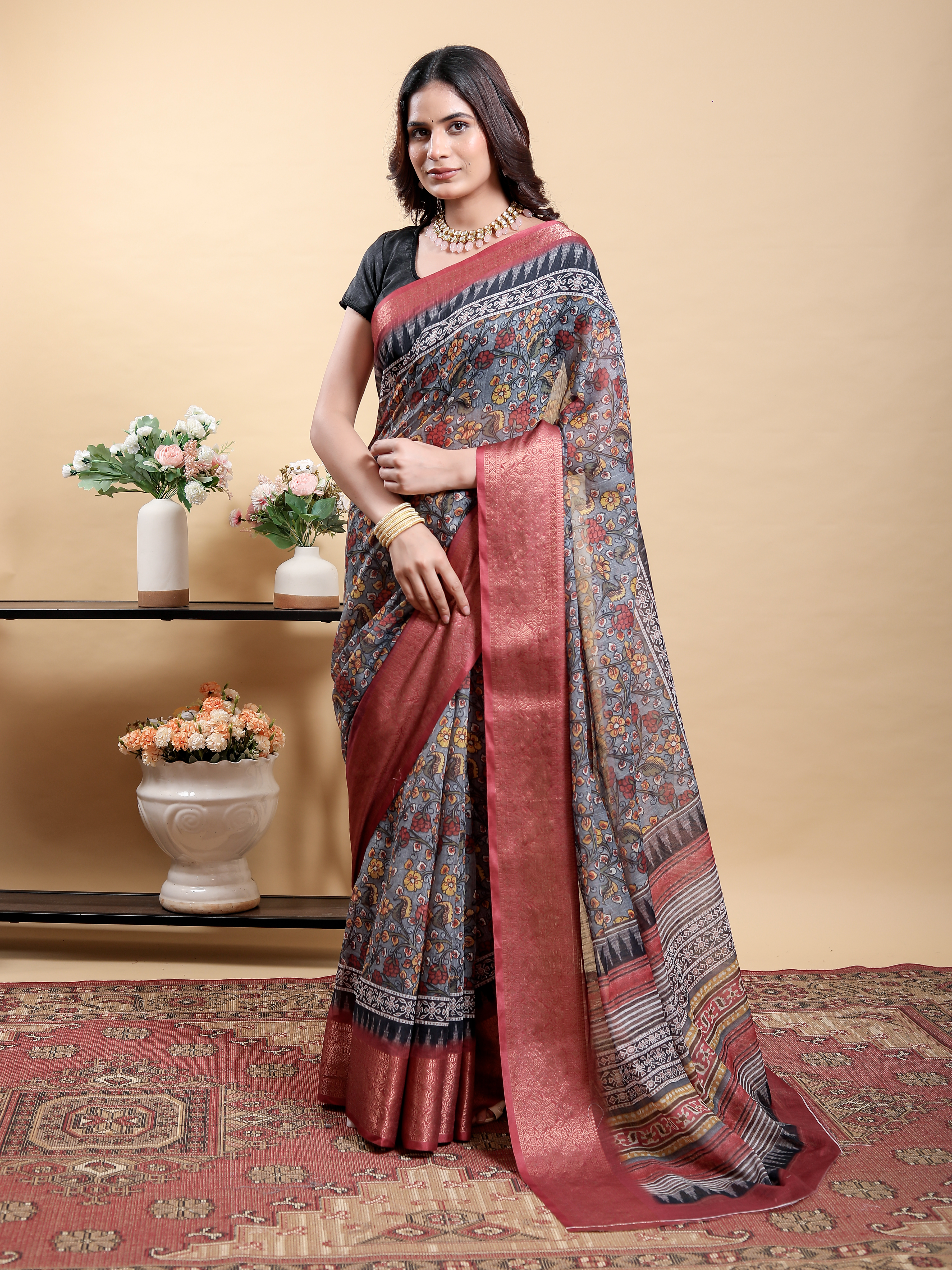
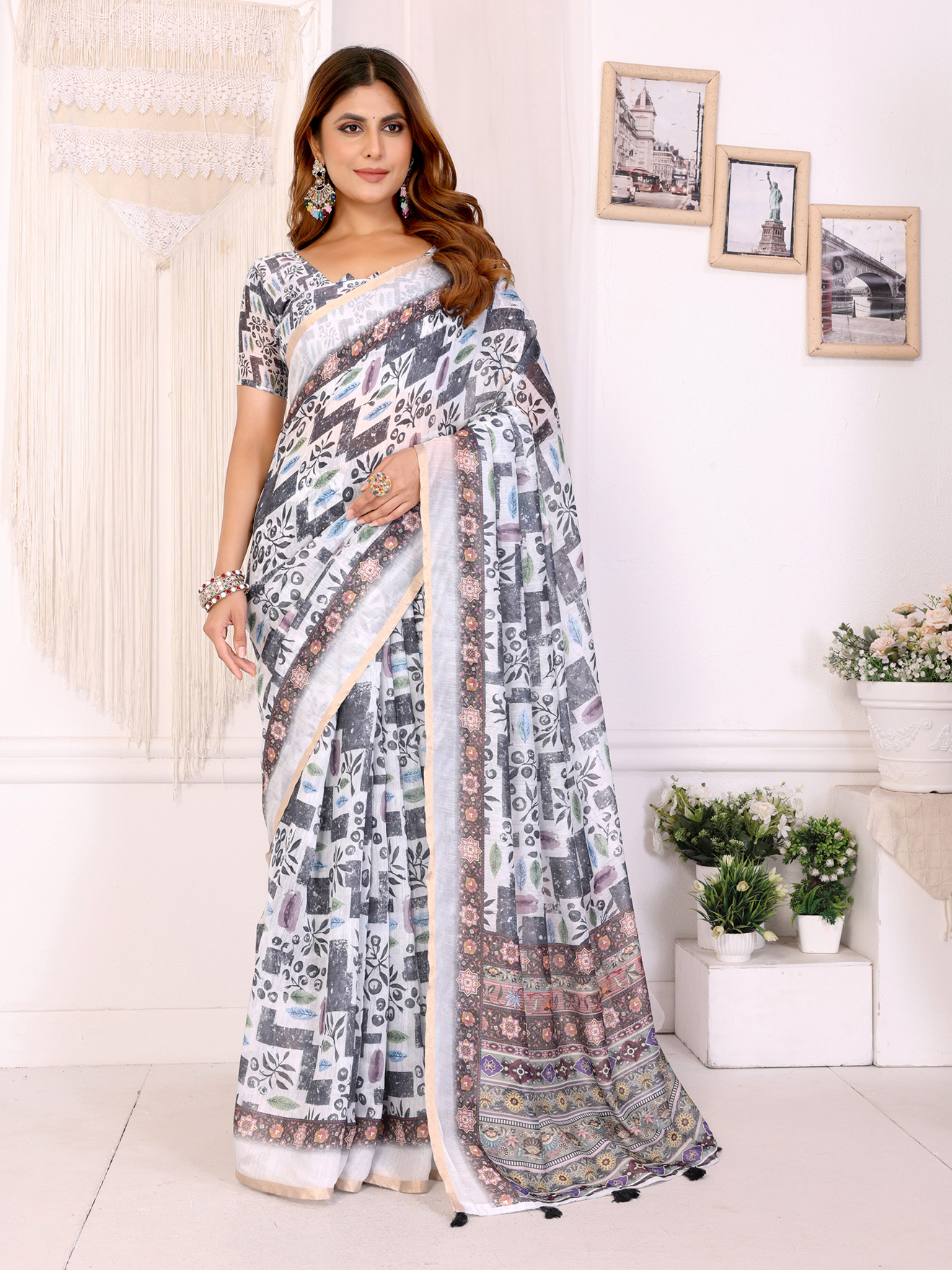
For saree wearers, a family heirloom dupatta can be draped over one shoulder with a plain saree when the dupatta is wide enough and the fabric isn't too fragile. A White Chanderi Cotton Printed Saree with Elegant Border gives a useful example of pairing a delicate, patterned base with an inherited textile that has stronger sentimental or decorative value.
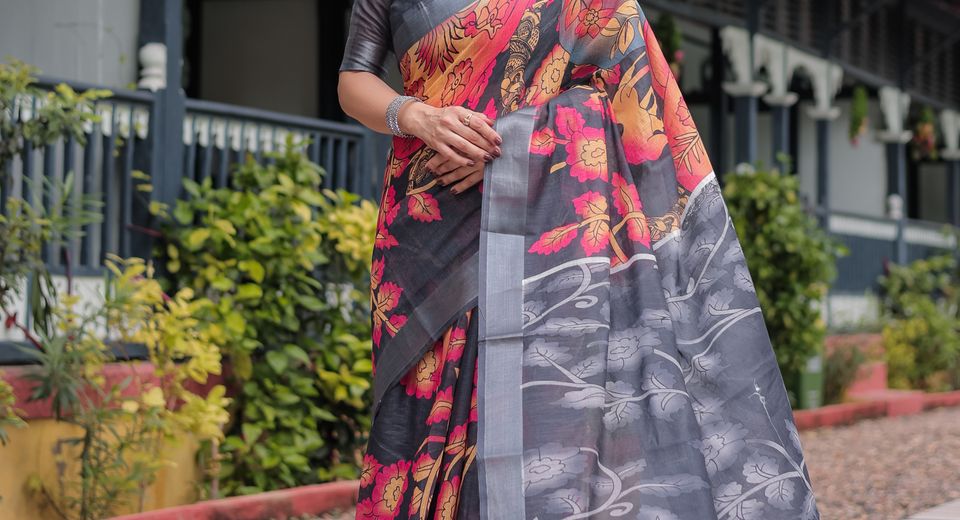
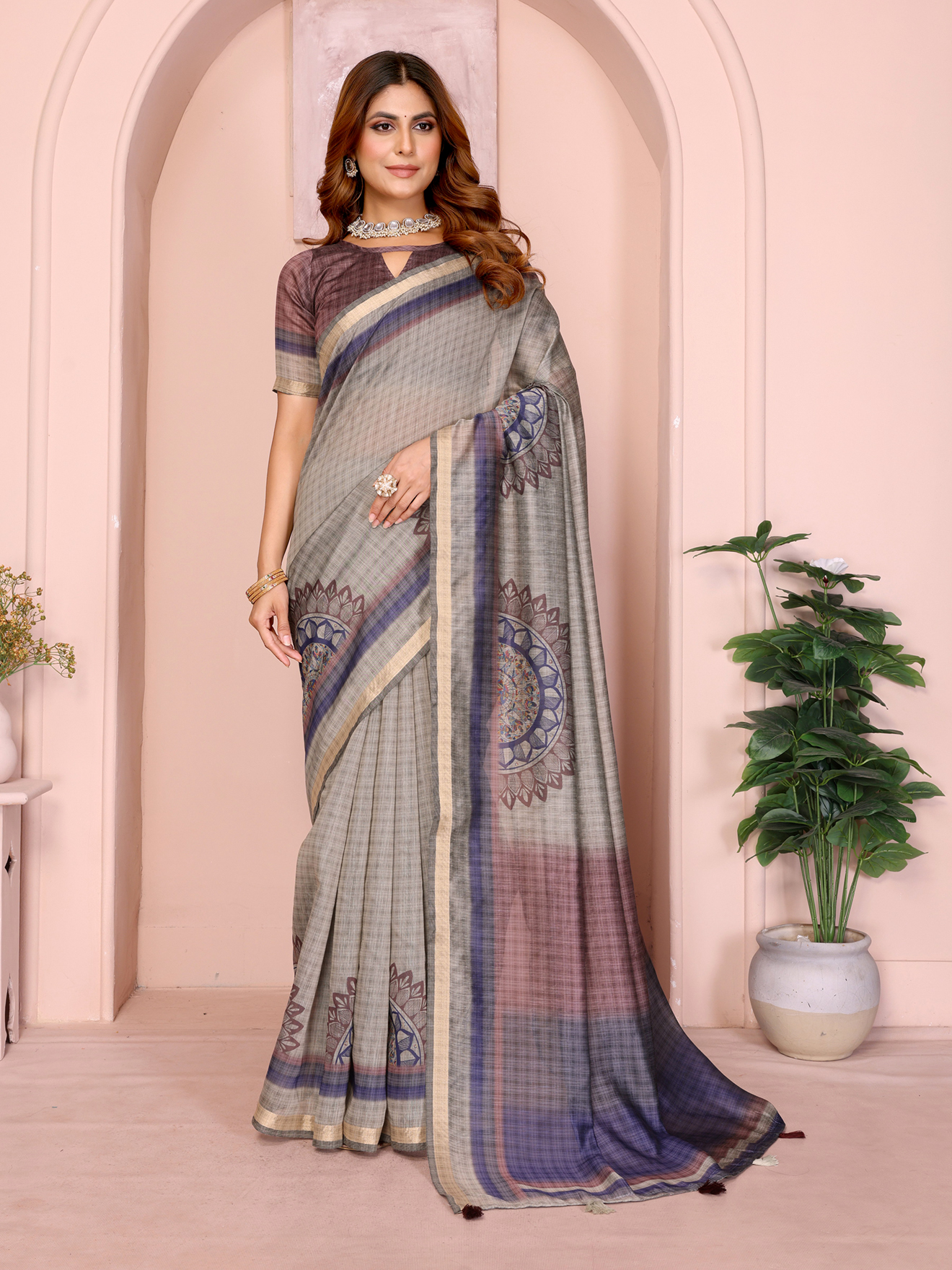
Printed and textured sarees offer other practical combinations. A Charcoal Floral Printed Linen Cotton Saree With Blouse can balance a brightly coloured dupatta, while a Taupe Chanderi Cotton Saree with Botanical Border Detailing can support a vintage piece with floral, beige or muted gold elements.
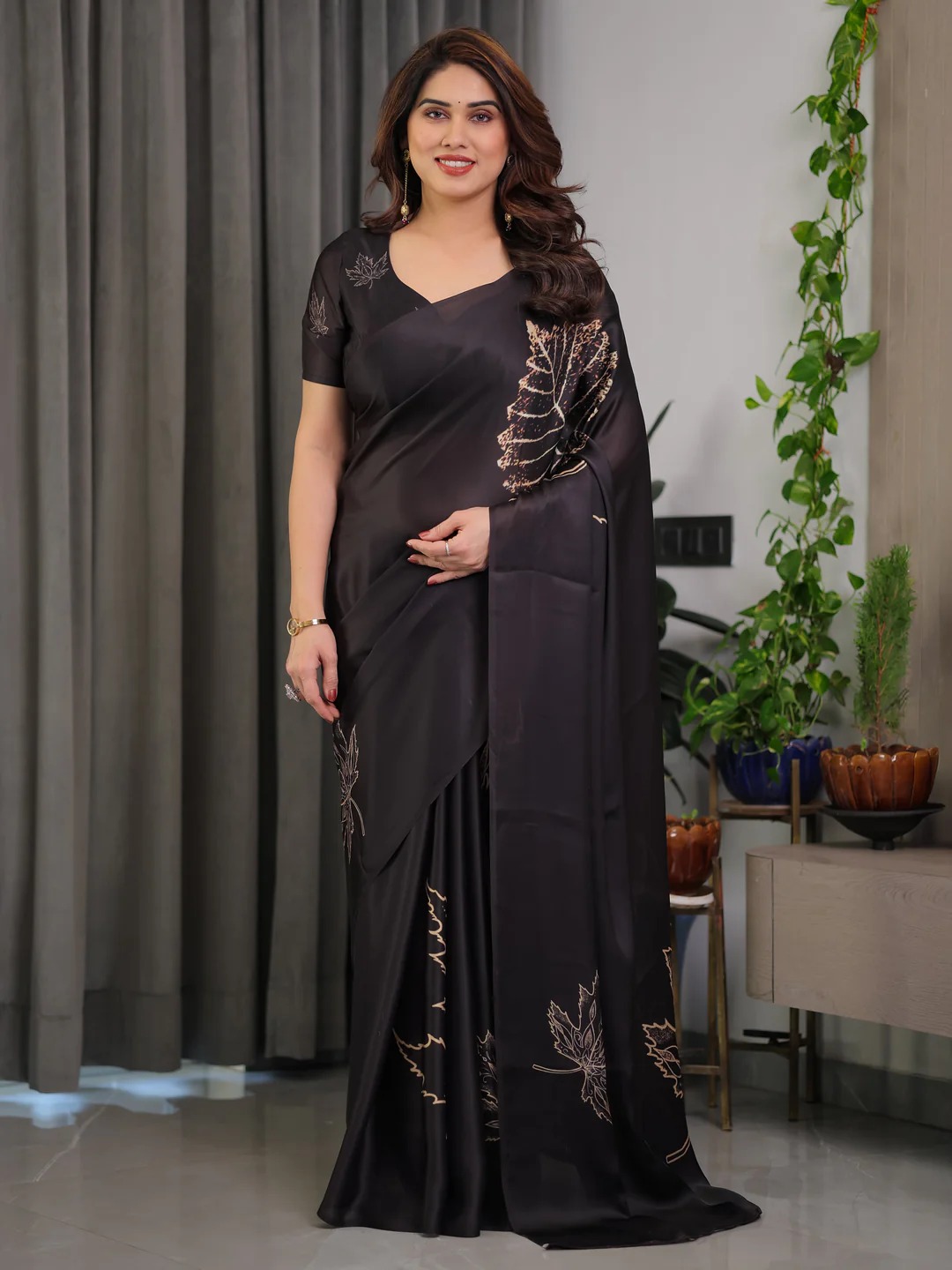
For an evening family function, satin can create contrast with an old woven dupatta, but the two surfaces should not rub repeatedly. The Black Satin Saree with Leaf Print & Blouse and the Coral Floral Satin Saree with Unstitched Blouse Varnavi show how a smoother base can frame a textured border. Use a secure, lightweight brooch only after confirming that the pin won't pierce fragile fabric.
A pale heirloom dupatta can look especially graceful with a light festive outfit. The Cream Floral Satin Saree with Unstitched Blouse Varnavi or the Pastel Floral Tissue Handloom Cotton Saree with Zari Weaves can provide a soft backdrop, provided the dupatta's metallic work is protected from snagging.
Choose the drape according to the event. For a Haldi ceremony, pin the dupatta securely and keep its hem away from turmeric paste, flower petals and wet floors. For a wedding reception, a relaxed shoulder drape may show the border more clearly. For a puja or anniversary lunch, a neatly folded front drape can look elegant while reducing contact with food and furniture.
How Can a Family Record the Dupatta's Story?
Record the dupatta's story through names, dates, places, photographs and material details before memory becomes uncertain.

Write down who first owned the textile, when it was purchased or received, which celebrations included it, and who repaired or altered it. Include regional information when known, such as Banarasi silk weaving, Chanderi production or zari embroidery from a particular market or town.
Ask older relatives open questions instead of asking only for a date. They may remember the colour of the outfit worn with the dupatta, the person who gifted it, the wedding venue or a family journey connected to its purchase. These details give future wearers a reason to care for the textile.
Keep a paper note with the storage box and save a digital copy in a shared family folder. Photograph the full dupatta, close-ups of motifs and any repairs. If the dupatta has a known maker, workshop, region or fibre, record that information even when it has not been formally verified.
Never sew a permanent name label into fragile fabric. A removable cotton tag attached to the storage wrap can identify the owner without damaging the textile. A simple inventory number can also help a large family track several inherited sarees, shawls and dupattas.
When Should the Dupatta Be Passed to the Next Generation?
Pass the dupatta to the next generation when the recipient understands its care requirements and genuinely wants to wear or preserve it.
Age alone should not determine ownership. A younger family member who asks about the textile, learns how to store it and chooses an appropriate occasion may be a more responsible custodian than someone who receives it only because of birth order.
Explain the handling rules at the time of handover: clean hands, no direct perfume, no rough jewellery, no washing without advice and no long-term plastic storage. Demonstrate how to fold or roll the dupatta and show the recipient the existing weak points.
Consider a shared arrangement if several relatives value the textile. One person can keep the dupatta while others borrow it for documented family events. A written record of loans, dates and condition protects relationships and makes it easier to identify damage early.
Passing down an heirloom doesn't require preserving one fixed style of dressing. A recipient may wear the dupatta with a kurta, saree, sharara or contemporary separates. Respect for the textile comes from responsible use, not from reproducing the exact outfit worn by the previous owner.
Making the Next Family Celebration Part of the Heirloom's History
An heirloom dupatta gains another chapter whenever it's worn safely at a meaningful family gathering. Before the event, inspect the textile, choose a secure drape and prepare a clean place to set it aside during meals or dancing.
After the celebration, air the dupatta away from direct sunlight before returning it to storage. Check for makeup, oil, food, moisture and pulled threads. Record the event in the family note and add a photograph if the wearer agrees.
The strongest tradition isn't simply handing down an old garment. The stronger tradition is teaching each new custodian why the garment matters, how its materials behave and how careful use can keep it available for another wedding, Haldi ceremony, anniversary or family function.
Questions Families Ask About Preserving and Wearing Heirloom Dupattas
How do you preserve an old heirloom dupatta?
Store an old heirloom dupatta clean and completely dry, wrapped in acid-free tissue inside a breathable cotton bag or archival box. Keep it away from sunlight, humidity, perfume, plastic and heavy items, and inspect it every three to six months.
Can an heirloom dupatta be dry-cleaned?
An heirloom dupatta should be assessed before dry-cleaning because silk, zari, tissue, embroidery and old dyes may react unpredictably. Use a cleaner experienced with heritage textiles, and never wash or spot-treat an irreplaceable piece without professional advice.
How should you style a family heirloom dupatta for a wedding?
Style a family heirloom dupatta with a simpler saree, kurta, salwar suit or lehenga so its border and workmanship remain visible. Repeat one colour from the dupatta in jewellery or footwear, and avoid heavy pins or rough accessories that can snag fragile fabric.
How do you repair a torn or fragile dupatta?
A textile conservator or skilled hand embroiderer should repair a torn or fragile dupatta using reversible, compatible stitches. Avoid fabric glue, adhesive tape, iron-on patches and machine stitching across weakened antique fabric.
How do you know whether a dupatta is made of silk or cotton?
A label and close inspection under natural light provide the safest initial clues, but they cannot always confirm fibre content. Banarasi silk generally has a smooth lustre, while cotton often looks more matte; a professional should identify valuable or uncertain textiles rather than using a flame test at home.
What should be recorded when a dupatta is passed to another family member?
Record the previous owners, approximate dates, important celebrations, known region or technique, repairs and storage instructions. Add photographs of the full textile and its details so future family members can distinguish original wear from later damage.