

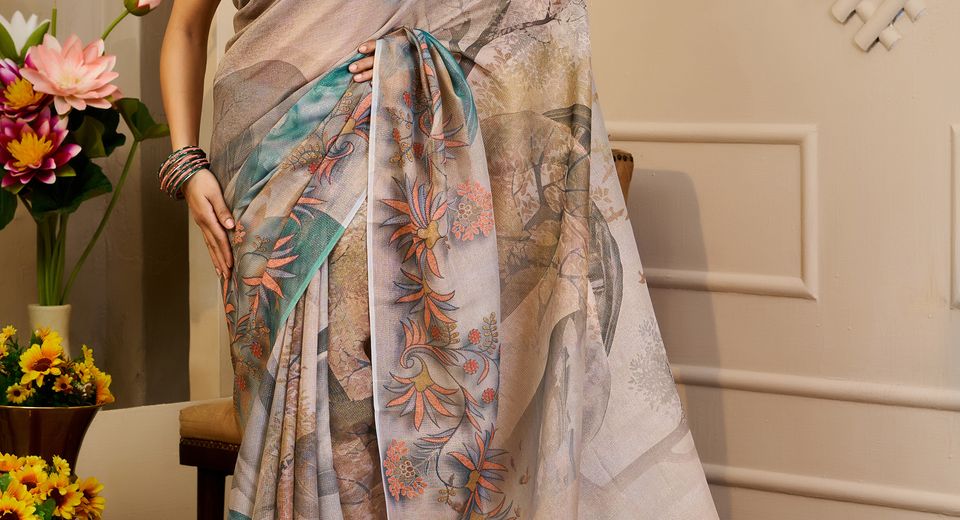
Airing Out Ethnic Wear Before It Goes Back Into Storage for After the Wedding protects garments from trapped perspiration, perfume, food odours and humidity. A saree can appear dry after a long wedding day while still holding moisture inside its folds, especially around the blouse, pallu, waist pleats and zari border. Controlled airflow before folding reduces the risk of mildew, permanent odours, colour transfer and tarnished zari.
The safest routine is straightforward: empty every pocket, separate damp pieces, air garments in shade for several hours, inspect them under bright light and store them only when completely dry. Banarasi silk, pashmina, tissue cotton, printed cotton and zari borders need different handling, so one drying method should not be applied to every wedding garment.
Airing Out Ethnic Wear Before It Goes Back Into Storage for After the Wedding: Why It Matters
Airing wedding clothes matters because folded fabric traps the small amount of moisture left by body heat, perspiration, steam and humid air. A sealed storage box then creates a dark, poorly ventilated environment where mildew spores can multiply and odours can become difficult to remove.
Wedding clothing is exposed to more than visible dirt. Perspiration contains salts that can weaken fibres over time, while perfume, sunscreen and hair products may leave oily deposits near the neckline, shoulder and pallu. Food splashes, makeup, turmeric and floral water can also oxidise into darker marks after several weeks in storage.
Zari needs additional care because metallic threads can lose brightness when exposed to moisture, acidity and chemicals. Airflow removes residual humidity, but direct sunlight can heat metallic thread and fade surrounding dyes. The objective is ventilation, not aggressive drying.
Begin the care routine within 24 hours of wearing a garment, particularly after a monsoon wedding or a celebration held in a humid venue. Garments left in a laundry basket for two or three days are more likely to develop a stale smell than garments hung promptly in a shaded, ventilated room.
Airing Out Ethnic Wear Before It Goes Back Into Storage for After the Wedding: Which Fabrics Need Care?
Banarasi silk, pashmina and tissue fabrics need the gentlest airflow, while cotton can usually tolerate longer ventilation if the colour is stable. Fabric type, embellishment, dye and lining determine how long a garment should remain out and whether professional cleaning is advisable.

Banarasi silk, silk and zari
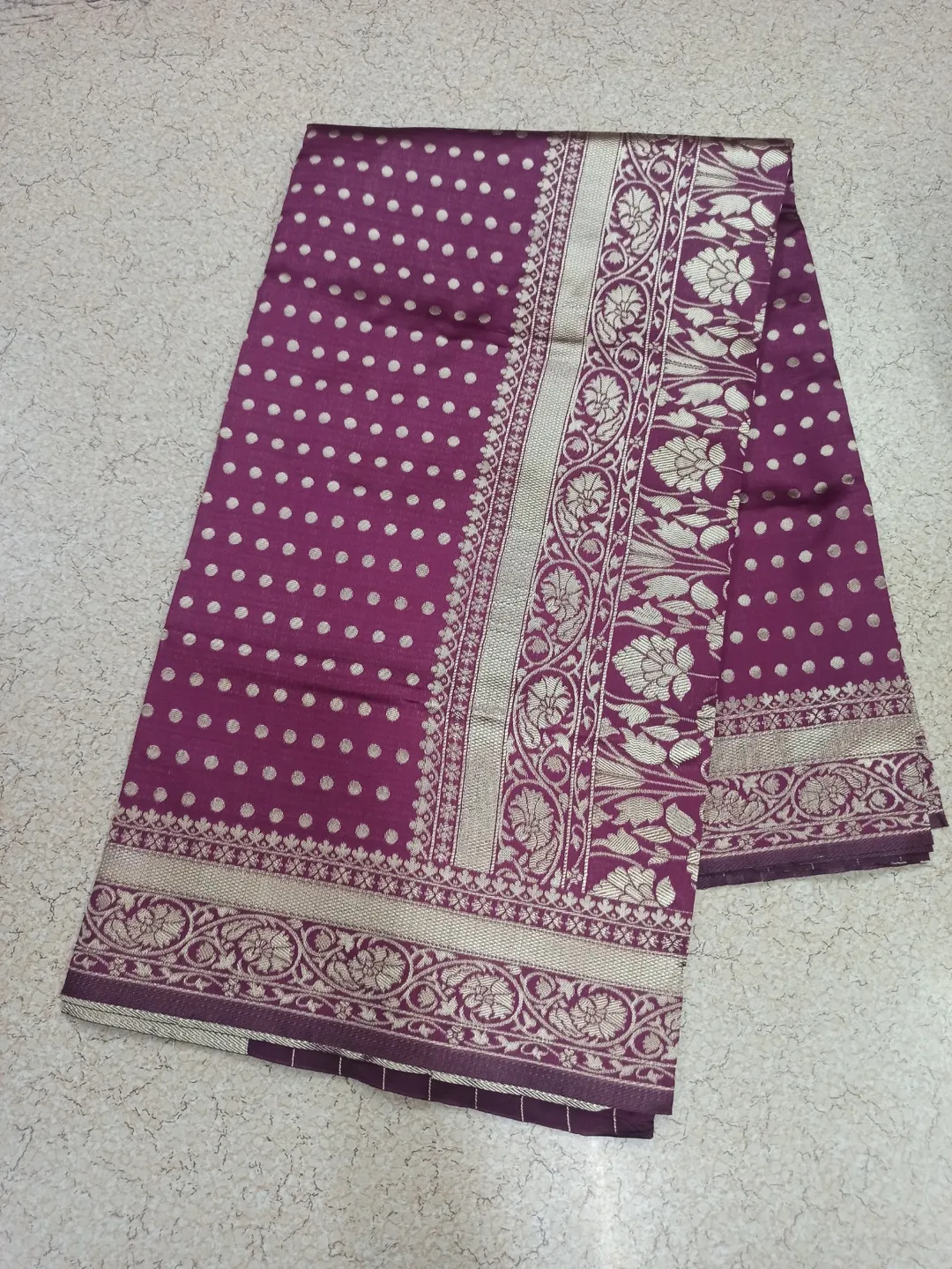
Banarasi silk should be aired flat or on a broad padded hanger in shade for four to six hours. Wedding Special Purple Banarasi Silk Saree for Women should not be wrung, brushed vigorously or placed in harsh afternoon sun because silk fibres and rich dyes can suffer from heat and abrasion.
Heavy zari borders should be supported rather than allowed to hang from one narrow point. Fold a saree loosely over a wide rod or spread it across a clean cotton sheet, turning it once halfway through the airing period. If zari feels tacky, smells metallic or shows greenish discolouration, stop home treatment and consult a textile specialist.
Pashmina and silk blends
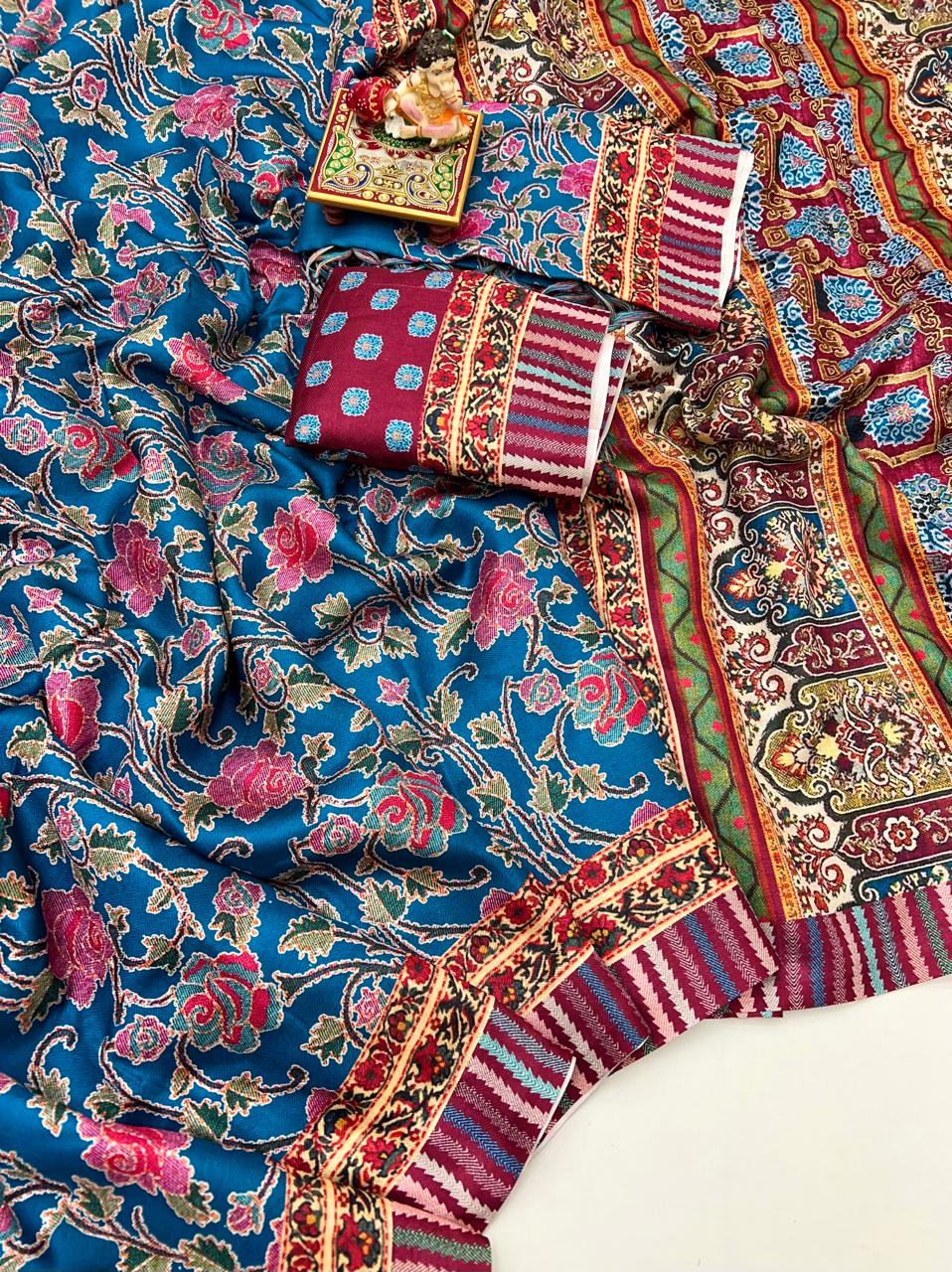
Pashmina should be aired flat on a clean, dry surface for two to four hours, away from a fan operating at maximum speed. Traditional Blue Pashmina Saree With Shawl For Weddings and Red Patola Border Pashmina Silk Saree With Printed Pallu benefit from gentle ventilation because fine fibres can stretch when wet or under uneven weight.
Keep pashmina away from rough walls, exposed Velcro and jewellery hooks during airing. A breathable cotton cover is suitable after the garment has cooled and dried, but plastic should not touch pashmina during storage.
Cotton and tissue cotton
Cotton sarees generally need three to five hours of shaded airflow, although thick borders and tissue surfaces may require longer. Maroon Cotton Saree with Zari Work for Wedding and Blue Zari Work Cotton Saree for Wedding should be checked at the border, blouse fold and waist area because those sections often retain perspiration.
Tissue cotton can crease easily and may have a slightly crisp structure that's damaged by forceful folding. Olive Green Tissue Handloom Cotton Saree With Floral Prints and Sea Green Tissue Handloom Cotton Saree With Floral Patterns should be supported across their width instead of hanging from a thin metal hanger.
Blouses and lined garments
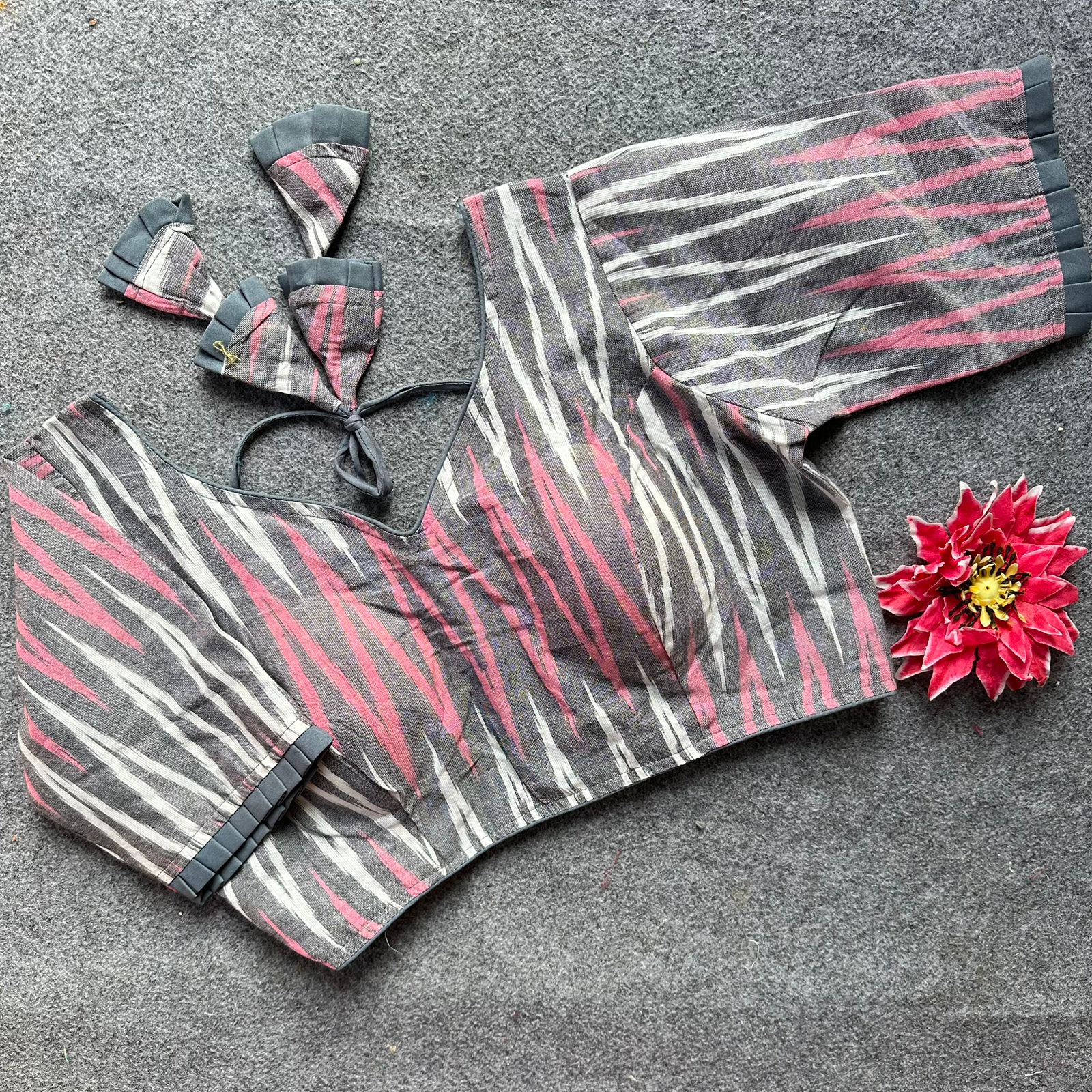
Blouses should be aired inside out for two to three hours because the lining and underarm seams hold more moisture than the outer surface. Classic Festive Wear Blouse for Stylish Saree Look should be stored only after the lining, hooks and seam allowances feel dry to the touch.
Remove detachable pads, brooches and heavy accessories before airing. Metal hooks and decorative pieces can leave pressure marks or rust stains if moisture remains trapped underneath them.
Airing Out Ethnic Wear Before It Goes Back Into Storage for After the Wedding: What Is the Safe Method?
The safe method uses shaded ventilation, broad support and gently opened folds rather than direct heat. Most sarees need four to six hours of airflow, while humid conditions may require overnight ventilation before inspection.
- Empty and separate the garment. Remove safety pins, receipts, jewellery, flowers and accessories. Separate the saree, blouse, underskirt and shawl so damp layers don't keep one another wet.
- Check for obvious marks. Look for oil, turmeric, food, foundation, lipstick and drink stains. Do not rub a stain aggressively, because rubbing can spread colour and push residue deeper into silk or zari.
- Choose a clean airing area. Use a shaded balcony, a well-ventilated room or an indoor drying stand. Keep the garment away from cooking smoke, incense, dusty windowsills and freshly painted surfaces.
- Support the fabric broadly. Use a padded hanger for a lighter saree or fold a heavy saree over a clean cotton sheet. Avoid thin wire hangers, which create sharp pressure lines.
- Open the folds. Leave pleats gently loosened rather than tightly stacked. Turn the pallu outward so both sides receive airflow without placing the decorative surface against a rough wall.
- Air until fully dry. Four to six hours is a practical starting point, but a humid room may require overnight ventilation. Do not rely on a clock alone; touch the waist fold, border, lining and pallu before packing.
- Inspect before storage. Check for odour, dampness, insect activity, colour transfer and loose embellishment. Garments with persistent stains or a musty smell should be cleaned before storage rather than sealed in a box.
A clean white cotton sheet is useful when airing a dark or richly dyed garment because it makes colour transfer easier to notice. Place the sheet beneath the saree, not directly over a damp garment, and replace it if the sheet becomes humid or marked.
Airing Out Ethnic Wear Before It Goes Back Into Storage for After the Wedding: Can Silk Be Sun-Dried?
Silk sarees and zari garments should not be sun-dried for long periods because strong ultraviolet light can fade dyes, weaken silk and reduce the brightness of metallic thread. Gentle morning light for 10 to 15 minutes may suit a colourfast cotton garment, but shade remains safer for Banarasi silk, pashmina and richly dyed textiles.
Direct heat also creates uneven drying. A border can become hot while the folded body remains humid, and repeated temperature changes may encourage brittleness in delicate fibres. An open window or moderate ceiling fan provides better ventilation than placing a wedding saree on a terrace at midday.
Hairdryers, heaters and steam irons should not replace natural airing. Concentrated heat can set a stain, flatten texture, distort adhesive embellishment or create a shiny patch on silk. If pressing is necessary, use a low-temperature setting with a clean cotton cloth between the iron and the garment, and press only after the fabric is completely dry.
High-speed fans should also be used cautiously. Strong airflow can move a lightweight pallu across a dusty floor, catch embellishments on nearby objects or create uneven stretching at the hanger. Gentle circulation in a clean room is more useful than forceful air directed at one section.
Airing Out Ethnic Wear Before It Goes Back Into Storage for After the Wedding: How Should Stains Be Handled?
Stains and persistent odours should be assessed before storage, not hidden with perfume or sealed inside a cover. A fresh dry mark is usually easier to treat than an old mark that has oxidised during months of storage.

Small fresh stains
Blot a fresh liquid stain with a white, absorbent cloth and stop before the mark spreads. Do not apply lemon juice, baking soda, detergent or perfume to silk, zari, pashmina or a garment with uncertain colourfastness.
For cotton, test any mild cleaning solution on an inner seam first and wait until the test area is completely dry. Red dyes, dark blues and strong greens can bleed even when the fabric appears washable, so professional cleaning is safer for valuable or multicoloured sarees.
Musty smells
A musty smell usually indicates retained moisture or early microbial activity rather than a need for more fragrance. Air the garment in shade for several hours, then inspect seams and folds; a smell that returns after airing signals the need for specialist cleaning or a storage-area check.
don't spray deodorant, room freshener or essential oil directly on ethnic wear. Fragrance oils can stain fabric, and alcohol-based sprays may affect dyes, finishes and metallic thread.
Wet garments
Wet garments should be laid flat or supported across a broad surface until dry, rather than folded or placed in a closed suitcase. If a saree is visibly wet from rain, perspiration or a spill, separate the layers immediately and seek professional advice for silk, pashmina and heavily embellished clothing.
Airing Out Ethnic Wear Before It Goes Back Into Storage for After the Wedding: How Should It Be Packed?
Ethnic wear should be folded along existing crease lines with clean, uncoloured tissue or soft cotton between vulnerable surfaces. Correct folding reduces pressure on zari, prevents dark colour transfer and makes the next wearing easier.
Place acid-free tissue between zari borders and the main body of the saree when the border is likely to rub against a contrasting colour. Avoid newspaper because printing ink can transfer, and avoid coloured tissue because dyes can migrate during humid weather.
Fold silk sarees with the zari facing inward when the metallic surface is clean and dry, but don't compress the fold tightly. Refold a stored silk saree every three to six months so the same crease doesn't remain under pressure for a full year.
Store each saree in a breathable muslin or cotton cover. A plastic garment bag may trap humidity, especially in coastal cities, during the monsoon or inside a cupboard against an exterior wall. If a storage box is necessary, choose a clean, dry box with enough space to prevent crushing.
Keep storage off the floor and away from bathroom walls, kitchen steam, direct sunlight and damp corners. Leave a little space between garment bundles so air can circulate when the cupboard is opened.
Neem leaves and cedar blocks may help discourage some insects, but they should not touch the garment directly. Avoid naphthalene balls near silk, pashmina and zari because their strong vapours can affect delicate textiles and leave a persistent smell.
Record the cleaning date and fabric type on a paper label outside the cover. A simple note such as "Banarasi silk, aired, no stain, folded on 28 September" prevents guesswork when the garment is needed for a future wedding or festival.
Airing Out Ethnic Wear Before It Goes Back Into Storage for After the Wedding: When Is Professional Cleaning Needed?
Professional cleaning is needed when a garment has a persistent stain, visible mildew, strong odour, dye transfer, heavy embroidery or uncertain care instructions. Home airing removes moisture but doesn't safely remove every residue left by food, makeup, perspiration or rain.

Take photographs of stains and loose embellishments before sending an expensive garment for cleaning. Tell the cleaner whether the garment contains zari, Banarasi silk, pashmina, tissue, hand-painted details, sequins or adhesive work, because different finishes respond differently to solvents and moisture.
don't seal a garment with visible mildew until it has been assessed. Keep an affected piece separate from clean ethnic wear, ventilate the storage cupboard and wash or replace the cotton cover. Mildew can spread through contact and may leave permanent marks even after the smell disappears.
Regular inspection is more practical than waiting for the next wedding. Open stored garments every three to six months, check for insects and dampness, and repeat short shaded airing sessions when the weather is dry. A five-minute inspection can prevent a small storage problem from becoming expensive restoration work.
Wedding wear remains in better condition when the post-event routine is treated as part of garment care rather than an afterthought. Air first, inspect second, clean when necessary, and pack only completely dry fabric in breathable materials.
Common Questions About Airing Wedding Ethnic Wear Before Storage
How long should I air a saree after wearing it to a wedding?
A saree usually needs four to six hours of shaded airflow after a wedding. Humid weather, thick zari borders, pashmina and damp blouse linings may require overnight ventilation, but the garment should be stored only when every fold feels dry.
Can I put a wedding saree back in its plastic cover after airing?
Plastic covers should generally be avoided for long-term saree storage because they trap humidity. Use a breathable muslin or cotton cover after the saree has cooled, dried and been checked for stains and odours.
Should Banarasi silk be kept in sunlight to remove smell?
Banarasi silk should not be placed in strong sunlight to remove smell because ultraviolet light and heat can fade dyes and affect zari. Air Banarasi silk in shade, and arrange professional cleaning if the odour returns after ventilation.
How should I store a pashmina saree after a wedding?
Store a pashmina saree only after airing it flat in shade for two to four hours or until completely dry. Fold it loosely with clean tissue or soft cotton, place it in a breathable cover and keep it away from rough surfaces and direct heat.
What should I do if my wedding saree smells musty after airing?
A musty smell that returns after airing usually indicates retained moisture, mildew or residue that ventilation alone cannot remove. Keep the saree separate from clean garments and consult a textile specialist or experienced cleaner before sealing it again.
Can I use perfume or room freshener on ethnic wear before storage?
Perfume and room freshener should not be sprayed directly on ethnic wear before storage. Fragrance oils and alcohol can stain fabric or affect dyes, silk finishes and metallic zari, while a recurring smell should be investigated instead of covered.


