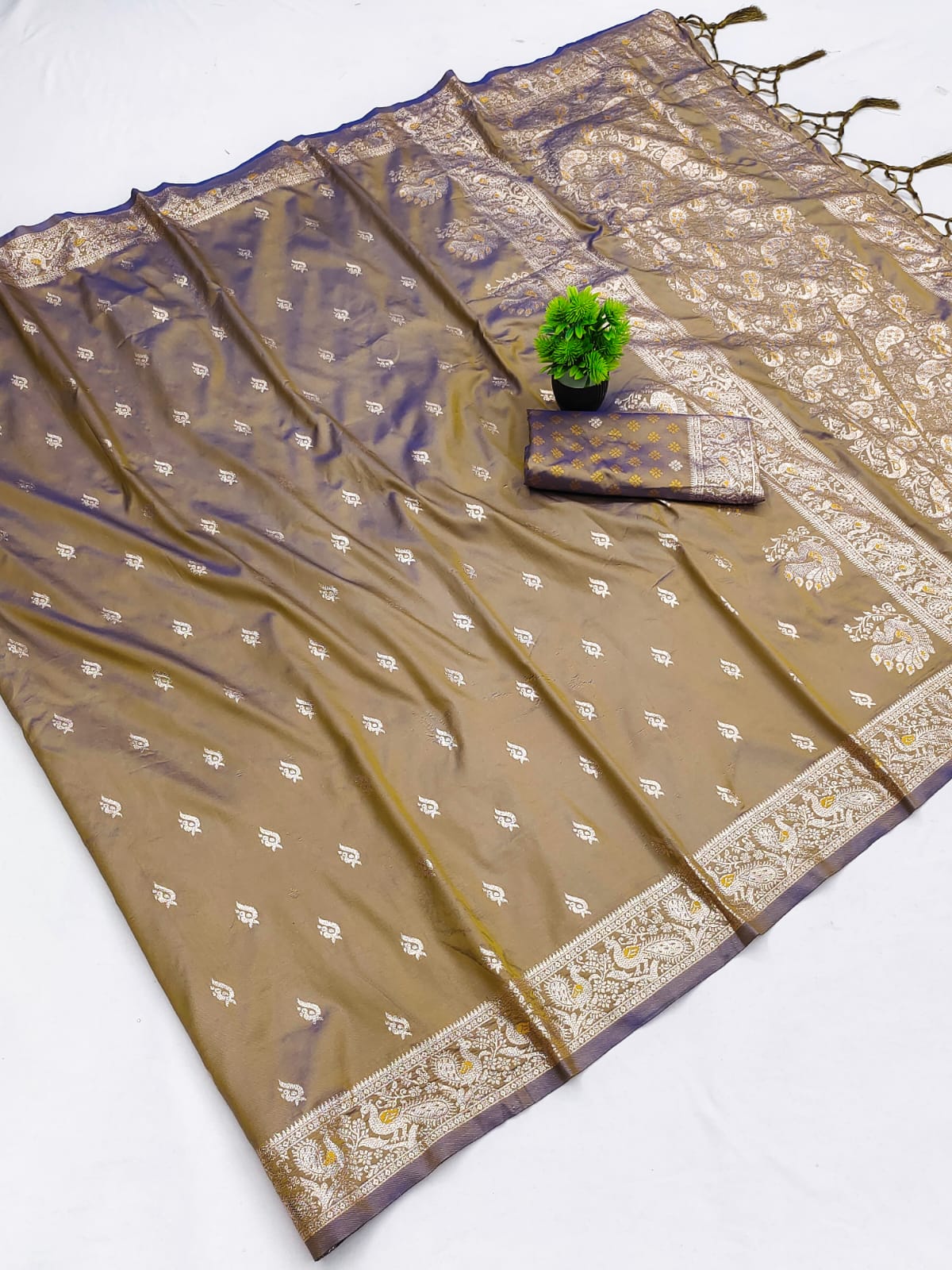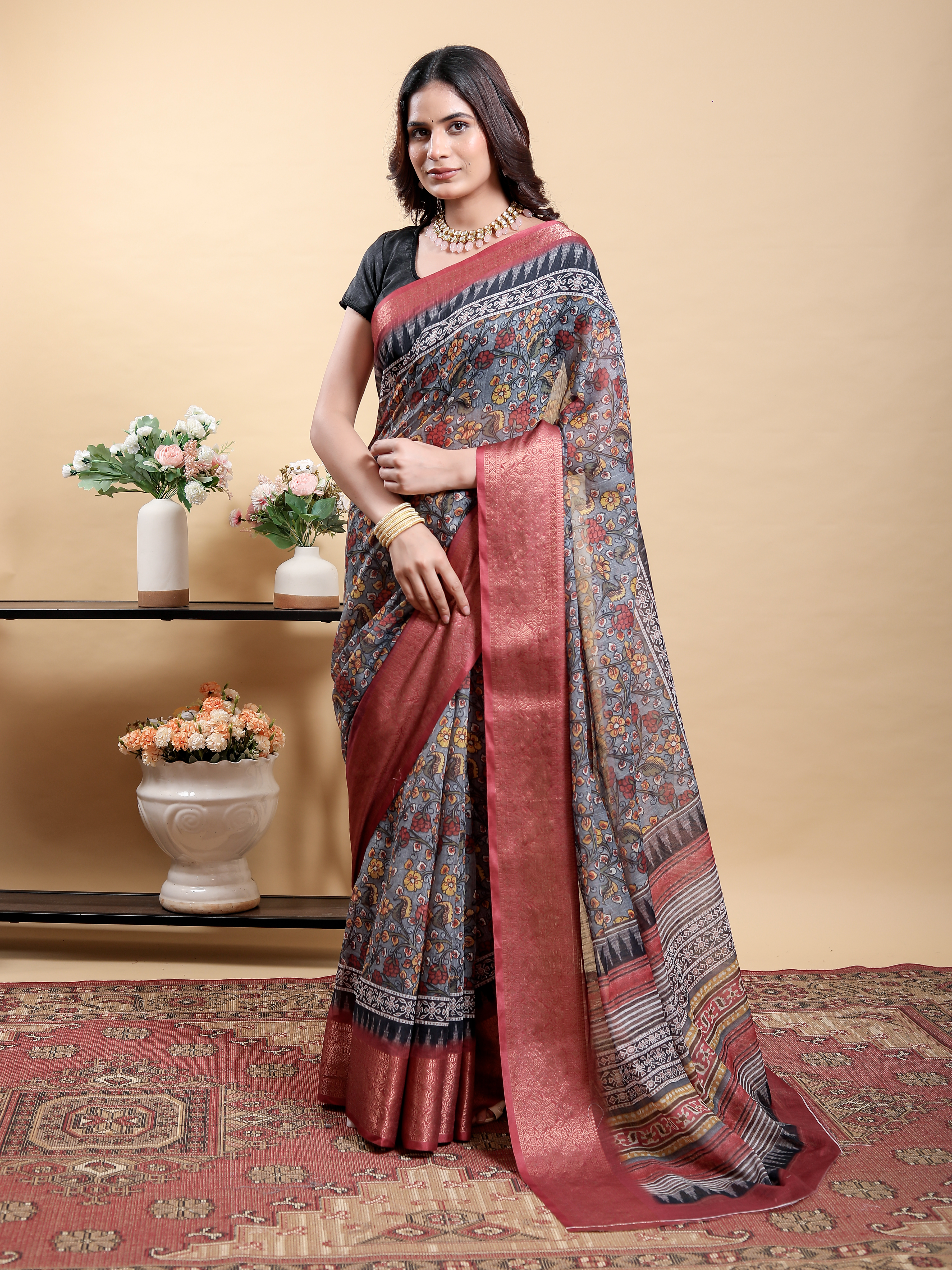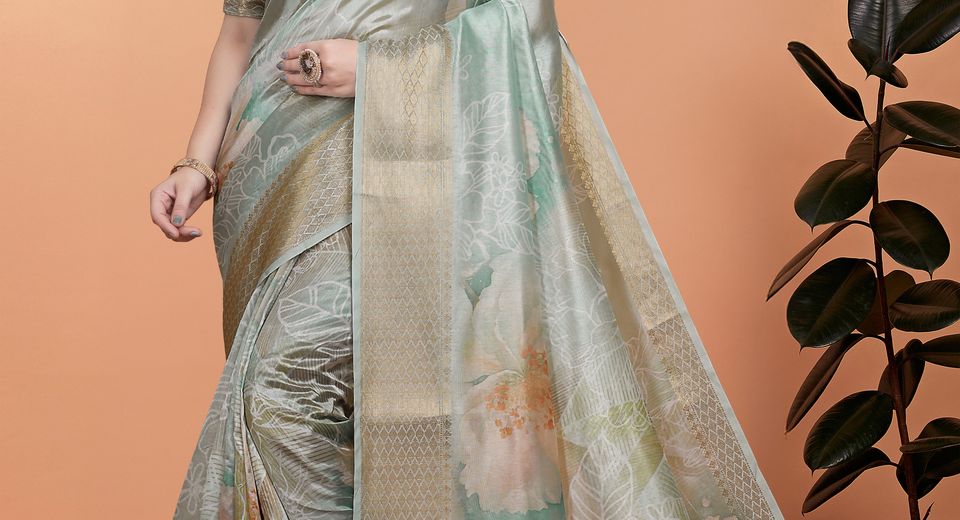
A saree outfit for festival cooking without a loose trailing pallu needs to balance secure movement, heat-aware fabric choices and enough festive detail for family gatherings. A well-pinned pallu, a comfortable underskirt and a blouse with stable sleeves can make food preparation, serving and rituals easier without abandoning traditional dressing.
Festival cooking usually involves repeated bending, reaching, standing near hot oil and moving between the kitchen and dining area. Those movements expose weaknesses in a conventional drape: a pallu can dip into a pan, pleats can loosen at the waist and heavy embellishment can become uncomfortable after several hours. A deliberate drape solves these problems more effectively than simply choosing a more expensive saree.
Why a secure pallu matters while cooking
A secure pallu matters because loose fabric can catch on cookware, brush against flames or fall into prepared food. Pinning the pallu at two points and shortening its visible length reduces those risks while preserving the saree's shape.
The first attachment should sit on the shoulder, close to the blouse seam. The second should connect the pallu to the blouse near the upper chest or underarm, depending on the neckline and sleeve design. Two medium-length safety pins placed horizontally are generally more stable than one large pin pulling downward from the shoulder.
Keep the pallu end around hip level or slightly below the waist while actively cooking. A pallu that falls to the knee may look graceful during a ceremony, but the extra length becomes a hazard around burners, drawers and wet floors. When guests arrive, the lower pin can be released so the pallu gains a softer, more formal fall.
Choose pins with covered heads and test them on a concealed section of the blouse before dressing fully. Sharp or oversized pins can snag silk, satin and delicate zari borders. A small brooch can secure the outer layer, but a brooch should not replace a strong inner pin because its weight may pull the pallu out of position.
A Saree Outfit for Festival Cooking Without a Loose Trailing Pallu: the reliable drape
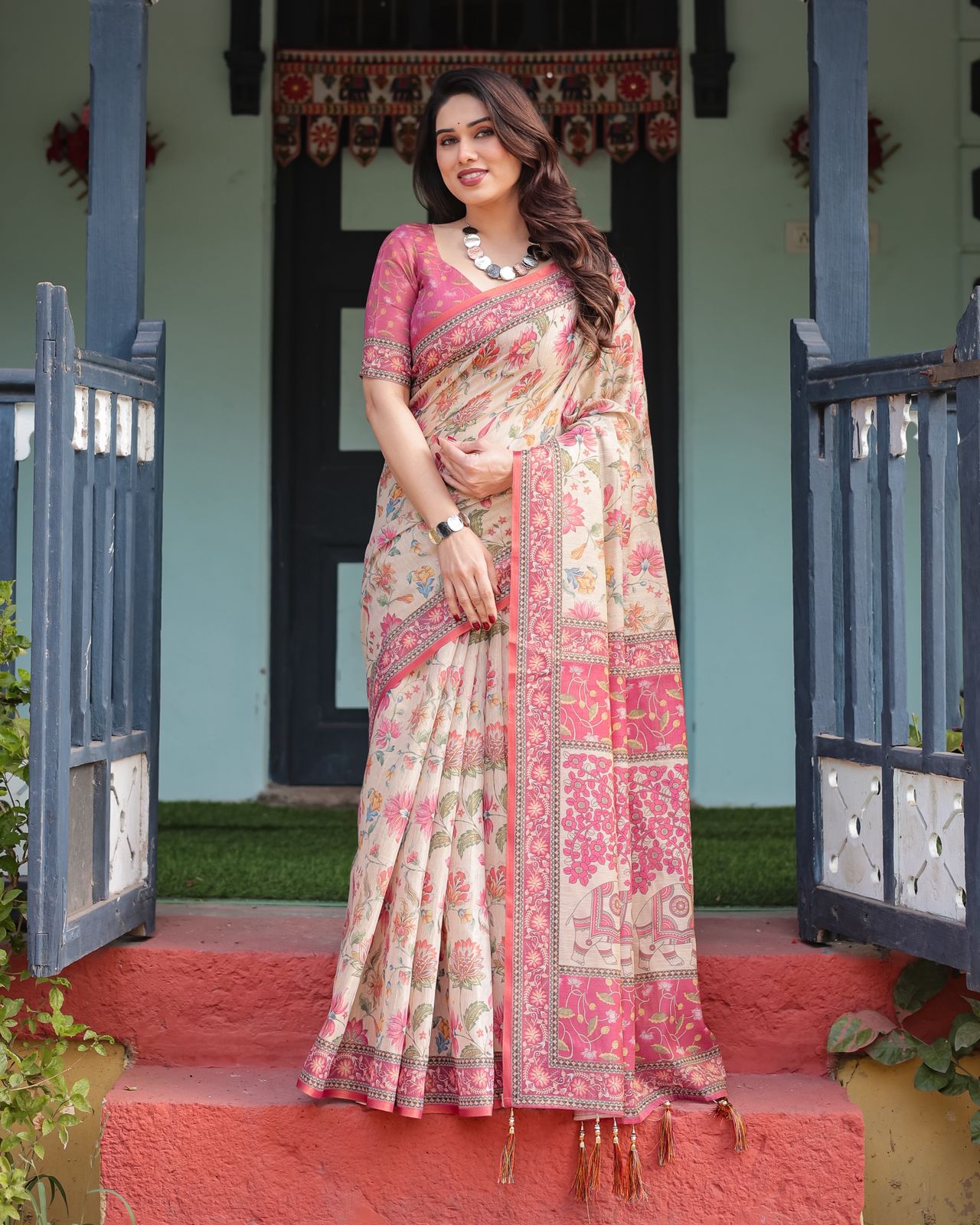
The most reliable drape for festival cooking is a regular Nivi drape with compact front pleats, a firmly tucked waist and a double-pinned pallu worn close to the torso.
Build the base before making pleats
A well-fitted petticoat or saree underskirt should support the saree without sliding when you bend or sit. A cotton-blend petticoat works well for cotton sarees, while a smoother underskirt helps satin and silk sarees glide into place.
Place the waist tuck slightly above the hip bone rather than directly across the widest point of the abdomen. This position gives the pleats room to open when you walk and helps stop the saree from dragging. Tuck the first wrap securely, but leave enough ease for three deep breaths and a comfortable seated position.
Make compact pleats
Make five to seven front pleats, each approximately 10 to 12 centimetres wide, instead of very narrow show pleats. Compact, even pleats are less likely to fan out when you reach forward. Align the pleats so that the lower edges touch the floor lightly or sit one to two centimetres above it when barefoot.
Secure the pleats with one hidden pin at the waist before tucking them in. The hidden pin prevents the pleats from spreading while you lift a serving bowl or climb a low step. Avoid pinning through heavy zari if the saree has a delicate weave; pin through the plain body or an inner fold instead.
Shorten and anchor the pallu
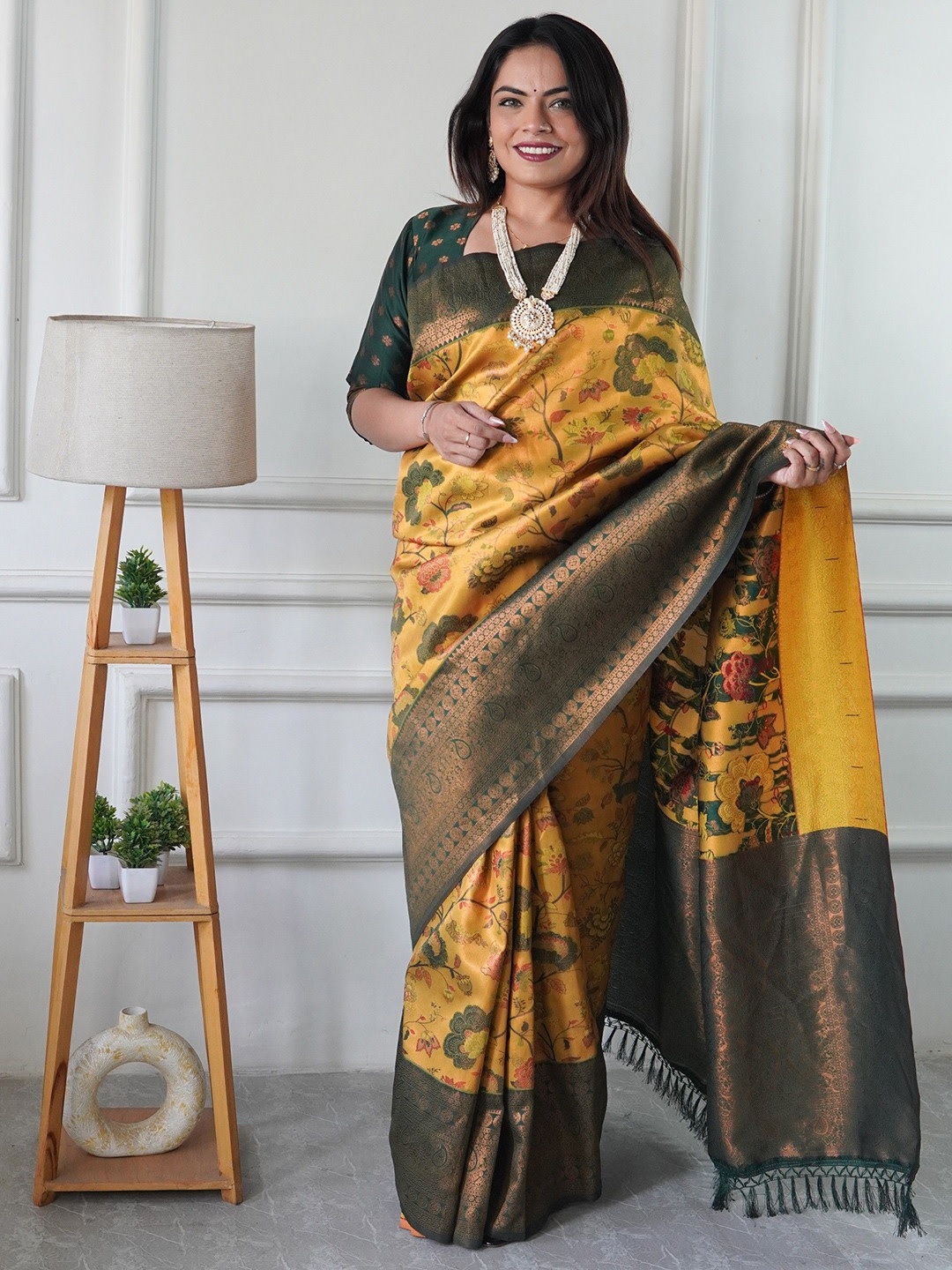
Bring the pallu over the left shoulder with the decorative side facing outward, then fold the upper edge inward by five to eight centimetres. The fold creates a cleaner line and removes excess length near the shoulder. Pin the folded edge to the blouse shoulder and add a second pin near the bust line.
A pallu belt or discreet waist chain can provide an additional anchor for longer cooking sessions. The belt should sit over the saree at the back or side, never directly across a hot cooking area. This method keeps the pallu close without forcing the fabric tightly against the body.
Which fabrics work best for festival kitchen work?
Cotton handloom, lightweight maslin silk and moderate-weight satin are practical choices for festival kitchen work because they offer different combinations of grip, breathability and drape.
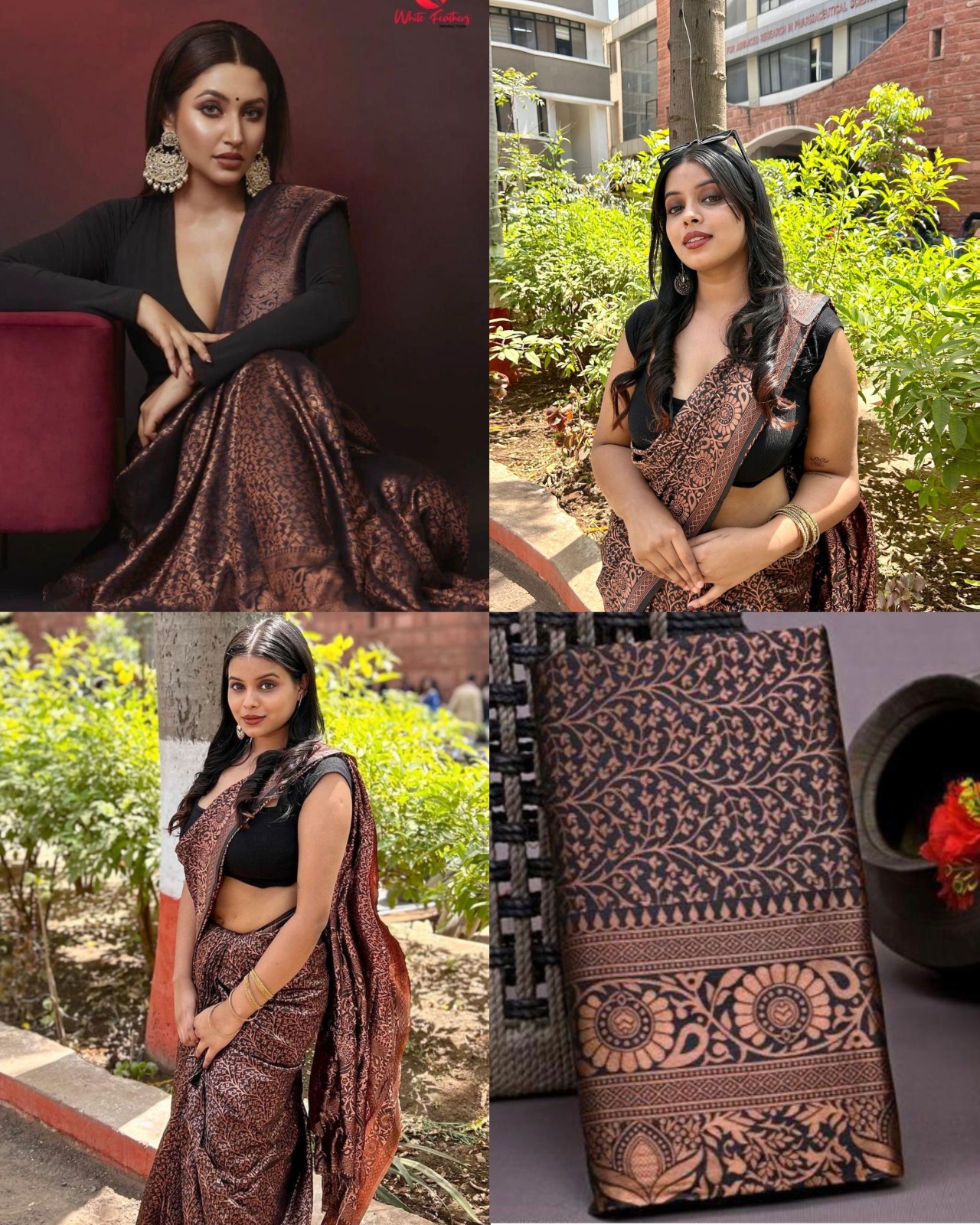
Cotton sarees usually stay in place better than very slippery synthetic fabrics, making them dependable for bending and serving. Green Pink Erode Cotton Abstract Saree with Artistic Border is an example of a cotton-based festive direction that can look distinctive without requiring a high-volume drape. Cotton may crease during a long cooking session, but those creases are generally less noticeable in prints and textured weaves.
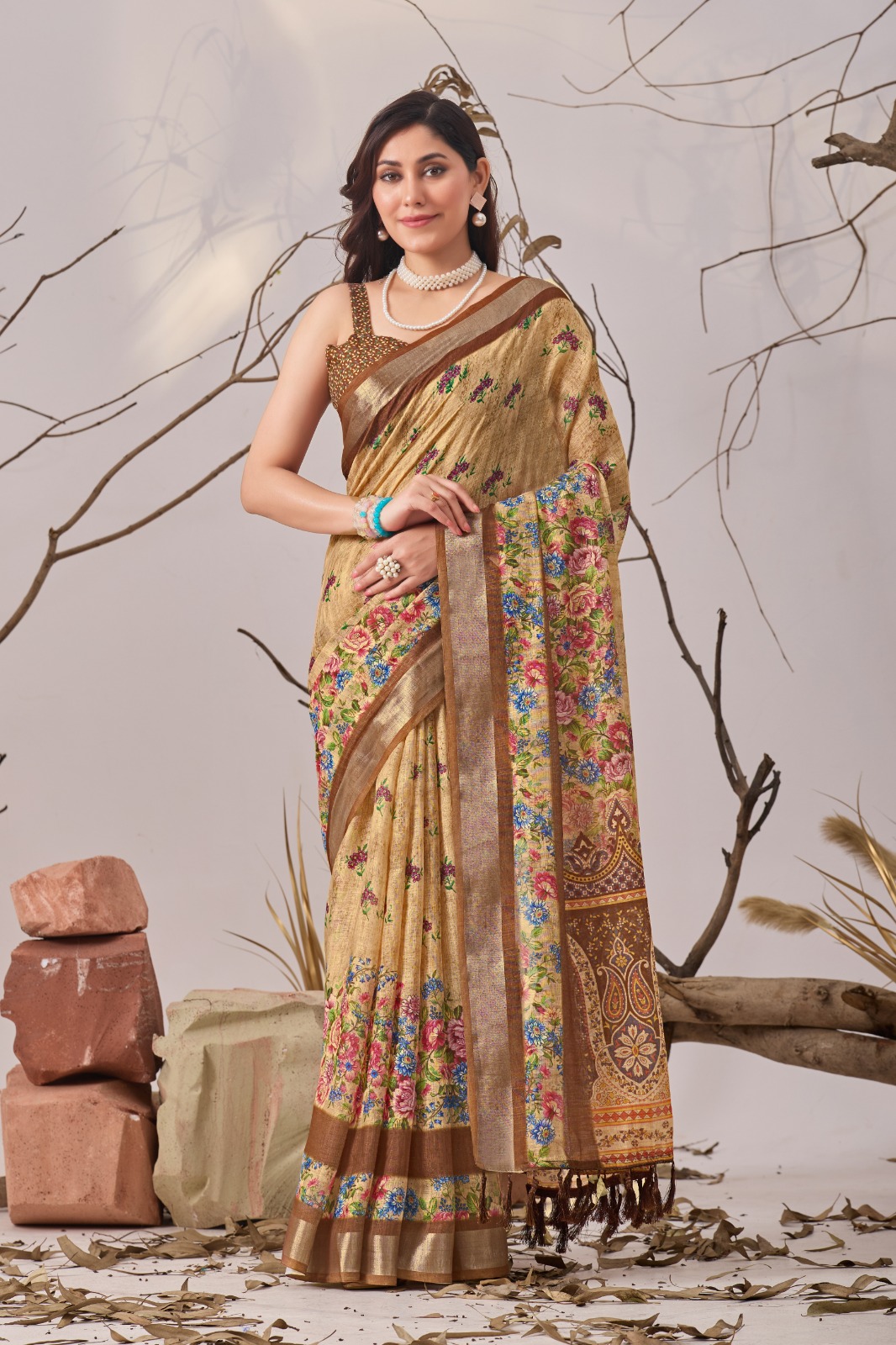
Maslin silk gives a softer festive fall while remaining lighter than many heavily woven silk sarees. Festive Maroon Maslin Silk Saree with Rich Pallu can work for a family celebration when the pallu is folded and pinned rather than left fully extended. Maslin silk should be kept away from splashes of oil, turmeric and coloured syrups because stains can spread quickly across a smooth surface.
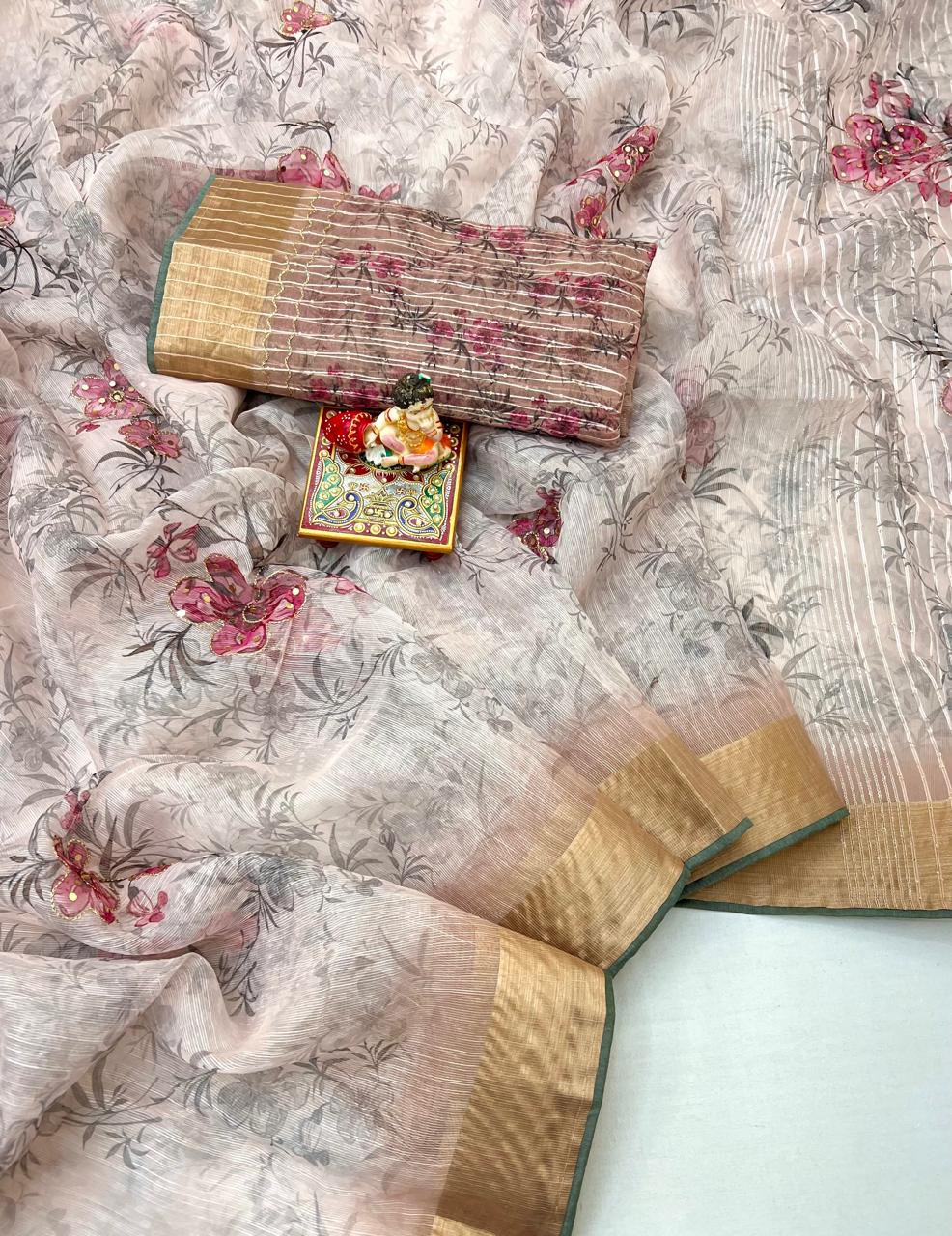
Satin offers a fluid silhouette, but its smooth surface can shift if the waist tuck is loose. Buy Mauve Floral Printed Satin Saree With Woven Border needs a firm underskirt and an extra hidden pleat pin to remain stable during active movement. Satin is better suited to serving, decorating and light preparation than to deep-frying or extended work beside a burner.
Handloom sarees with visible texture can be useful because the weave creates mild friction between layers. Ivory Cream Floral Handloom Saree with Heritage Pallu and Caramel Brown Floral Handloom Saree with Printed Pallu show how floral detail and a structured border can deliver a festive appearance without relying on excessive sparkle.
Very heavy zari, dense sequins and stiff brocade can make the waist and shoulder tiring after several hours. Banarasi silk, Kanjeevaram and other rich silk sarees remain excellent for rituals and dining, but a lighter saree is often the more sensible choice when the wearer will prepare every dish personally.
How should the blouse and accessories support movement?
The blouse should keep the shoulders covered, the armholes secure and the neckline comfortable when you bend over a counter.
Elbow-length sleeves or fitted short sleeves provide more coverage than thin shoulder straps near heat and steam. A blouse with a stable back closure prevents the pallu pins from carrying all the tension. Stretch panels can improve comfort, but the fabric should not be so loose that the blouse shifts when you lift a serving bowl.
Choose a neckline that doesn't press against the throat when the pallu is pinned high. A modest round, square or shallow V-neck usually accommodates a secure shoulder pin neatly. Heavy tassels, long tie strings and dangling sleeve ornaments should be removed before cooking because they can catch on cabinet handles or touch food.
Keep jewellery deliberately light during kitchen work. Small studs, a close-fitting bangle set and a short chain are safer than long earrings, multiple loose bangles or a necklace that swings forward. Glass bangles can also break if they strike a counter, so metal or lightweight resin options are more practical for preparation tasks.
Flat sandals with a non-slip sole are preferable to narrow heels on floors where water, flour or oil may be present. Footwear should be tested with the final saree length because a change in heel height alters the position of the front pleats.
Festive colour and print choices that hide practical wear
Mid-depth colours, small prints and textured borders conceal minor creases and tiny dry splashes more effectively than plain pale satin or highly reflective surfaces.
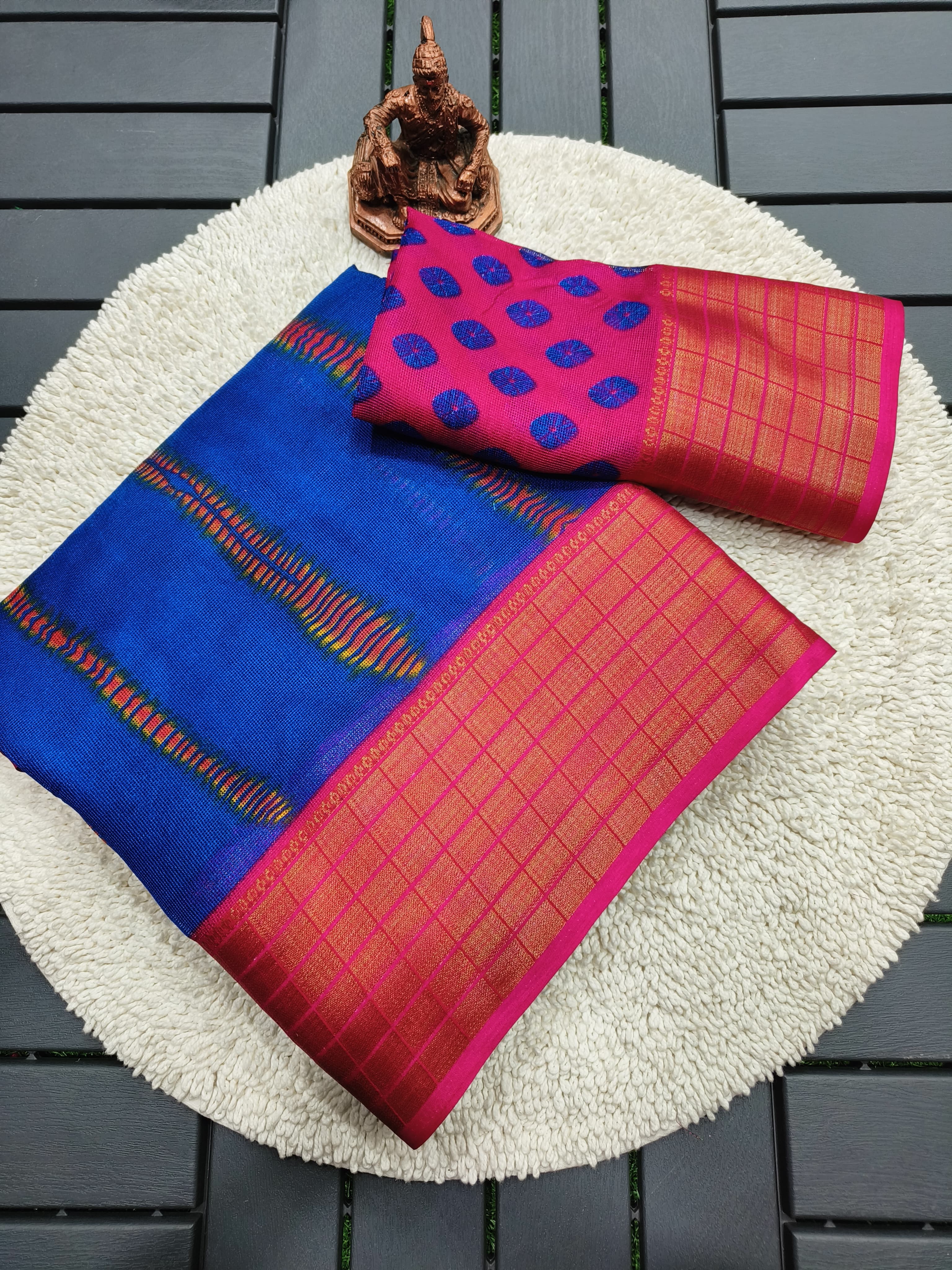
Red, maroon, rust, caramel and deep pink create a festive impression while remaining forgiving during several hours of hosting. Designer Red Patola Print Pashmina Silk Festive Saree and Designer Rani Pink Patola Print Pashmina Silk Festive Saree illustrate how an all-over print can provide visual richness even when the pallu is folded close to the body.
Ivory can still work if cooking is completed before the saree is worn or if kitchen tasks are limited to serving and arranging. Ivory Rust Handloom Floral Saree with Storytelling Pallu pairs a lighter ground with stronger printed detail, but an ivory saree should be protected with a washable apron during messy preparation.
Contrasting borders help the eye read the drape after the pallu has been shortened. A border also makes the front pleats appear more intentional, especially when the saree is worn with a tucked or waist-anchored pallu.
Colour choice can also reflect the level of activity. A deep maroon or printed red works well for frying and chopping, while a pale ivory or delicate pink is better saved for puja, serving and photographs after the kitchen work is complete. A collection such as Party Wear Sarees can provide styling inspiration for the second phase of the day, when comfort and presentation need to coexist.
How to adapt the look for different festival activities
Adapt the saree after identifying whether the day involves cooking, prayer, serving, outdoor errands or extended sitting.
For preparation and frying
For preparation and frying, use the shortest secure pallu position, a tucked waist and a washable apron over the saree. Keep the pallu away from the front of the body and turn pot handles inward so fabric can't catch them.
For puja and family rituals
For puja and family rituals, release the lower pallu pin after cooking and allow the border to show over the shoulder. A small brooch at the shoulder can replace the plain safety pin for the ritual portion, provided the pallu remains away from lamp flames.
For serving and hosting
For serving and hosting, keep one discreet pin at the shoulder and let the pallu end fall to the hip. This adjustment gives the saree a more relaxed appearance while keeping the fabric clear of plates, bowls and serving spoons. Pink Georgette Sarees may offer a softer visual reference for hosting, but georgette should receive extra waist support because its light, smooth fall can shift during movement.
For outdoor errands
For outdoor errands, secure the pallu at the shoulder and waist, choose closed or firmly strapped footwear and keep the saree hem above the ground. A crossbody bag is usually less convenient than a small wristlet because a strap can pull against the pallu and disturb the shoulder pin.
A practical dressing sequence before guests arrive
A 10-minute dressing check can prevent most saree problems during festival cooking.
Wear the blouse, underskirt and footwear first, then confirm that the underskirt waist feels secure without restricting breathing.
Wrap the saree once, check the hem while standing and adjust the tuck before making pleats.
Create five to seven even pleats, place one hidden pin through an inner fold and tuck the pleats firmly.
Fold the pallu edge inward, pin it at the shoulder and add a second pin near the bust line.
Bend forward, raise both arms and sit briefly to test whether the saree pulls, loosens or exposes the waist.
Walk through the kitchen without lighting the stove and check that the hem, pallu and jewellery clear drawers, handles and counters.
Online browsing can also be organised around the day's practical needs. Silk Sarees Under 3000 With Discount may suit shoppers comparing lighter festive options, while Gray Color Sarees Under 1000 can be useful for examining budget-friendly neutral styling. Price should never be the only filter; fabric weight, weave, border stiffness and care requirements determine whether a saree will work for active cooking.
The right outfit doesn't ask the wearer to choose between safety and celebration. A secure Nivi drape, a shortened pallu, sensible fabric and low-profile accessories create a saree look that can move from preparation to puja and then to the family meal with only small adjustments.
Common Questions About Wearing a Saree While Cooking for Festivals
How do I keep my saree pallu from falling while cooking?
Pin the pallu at the shoulder and near the bust or underarm, then fold the upper edge inward by five to eight centimetres. Keep the pallu end near hip level while cooking and release the lower pin later for a more relaxed festive drape.
Which saree fabric is safest and most comfortable for festival cooking?
Cotton handloom is usually the most stable and breathable choice for active cooking. Lightweight maslin silk can work for shorter kitchen tasks, while satin needs stronger waist tucking because its smooth surface may shift.
How many pleats should I make for a saree used during kitchen work?
Five to seven pleats measuring about 10 to 12 centimetres wide usually provide a stable front drape. A hidden pin through an inner fold helps stop the pleats from spreading when you bend or reach forward.
Can I wear a silk saree while preparing festive food?
You can wear a lightweight silk saree for limited preparation, serving or rituals, but heavy zari and delicate silk are less practical beside hot oil and steam. Use a washable apron and keep the pallu firmly secured.
What blouse design is easiest to wear while cooking in a saree?
A fitted blouse with short or elbow-length sleeves, a secure back closure and a comfortable round, square or shallow V-neck is usually easiest. Avoid loose tie strings, long tassels and dangling embellishments that can catch on kitchen fixtures.
How can I make a festive saree look neat after shortening the pallu?
Fold the pallu edge inward, align the border with the shoulder and use a small brooch over a concealed safety pin. Matching the blouse to a colour in the saree border also makes the shortened drape look intentional rather than improvised.