

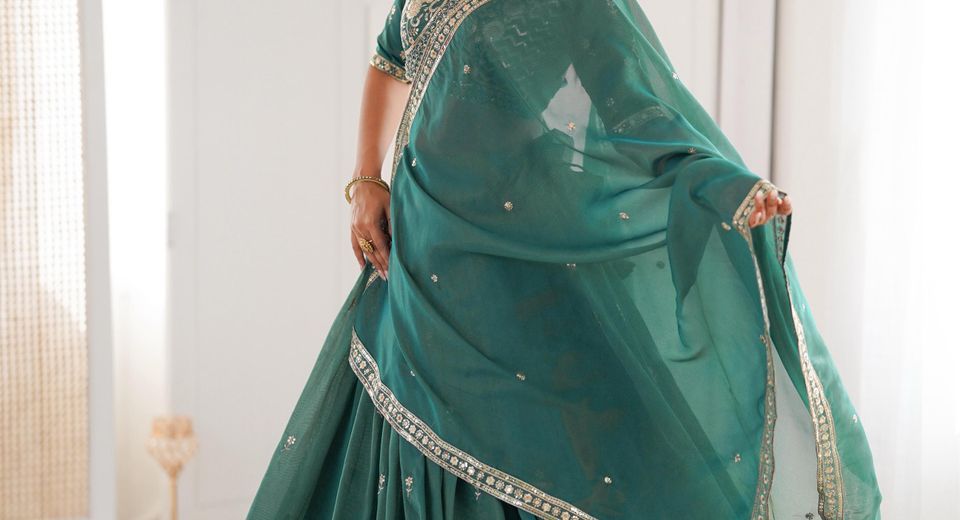
A Practical Rewear Idea Using Bridal Lehenga Skirt With a Simple Kurta can make an expensive wedding outfit useful long after the pheras. The key is to treat the skirt as a statement separate, then let the kurta control the volume, shine and level of formality. A plain silk, cotton-silk or georgette kurta often creates a more wearable combination than the original matching choli.
Bridal lehenga skirts usually carry their visual weight through embroidery, sequins, zari, threadwork, a broad hem or a very full flare. Rewearing the skirt successfully therefore requires more than choosing a contrasting top. You need to check the waistband, hemline, colour temperature, fabric weight and sitting comfort before planning the second look.
Why a Bridal Lehenga Skirt Works With a Simple Kurta
A simple kurta works with a bridal lehenga skirt because the kurta creates visual breathing space above an ornate, voluminous lower half. A heavily decorated skirt already supplies the focal point, so a quieter top prevents the outfit from becoming crowded.
Many bridal lehenga choli sets are designed with a short blouse, deep neckline and matching dupatta. Those elements make the original outfit look ceremonial, but they're not essential to the skirt. A straight kurta, short A-line kurta or minimally embroidered angrakha can change the outfit's message from bridal wear to guest attire without altering the skirt itself.
Proportion matters most. A very flared skirt generally looks balanced with a kurta that ends around the high hip, mid-thigh or just above the widest point of the flare. A long kurta may also work, but the side slits should reveal enough of the skirt for the embroidery and movement to remain visible.
- For a wide bridal skirt: choose a relatively straight kurta with clean side lines.
- For a narrow or panelled skirt: an A-line or lightly flared kurta can add movement without competing with the hem.
- For a shorter wearer: use a kurta ending above the widest hip area and keep the footwear close to the skirt colour.
- For a taller wearer: a longer kurta with side slits can create a graceful layered silhouette.
How to Choose the Right Kurta for a Bridal Lehenga Skirt
The right kurta should repeat one colour from the skirt, provide a deliberate contrast or introduce a neutral that calms the embroidery. A kurta in an unrelated bright colour can make the combination look accidental, especially when the skirt includes several thread or sequin shades.
Use the skirt's secondary colour
The skirt's secondary colour is usually the safest kurta colour because it connects the separates without copying the complete bridal set. A red skirt with gold embroidery can take an ivory, champagne or muted blush kurta. A pink skirt with silver work can pair with dusty rose, pearl grey or soft ivory.
Metallic details also guide the choice. Gold zari, antique-gold thread and warm champagne sequins tend to sit comfortably with cream, beige, rust, maroon and warm pink. Silver zari and cooler sequins usually suit white, lilac, icy blue, mauve and charcoal. A neutral kurta doesn't have to be plain white; ecru, mushroom, stone and pale taupe often look more sophisticated with bridal embellishment.
Match fabric weight before colour
Fabric weight should be matched before colour because a flimsy kurta can look unfinished beside a structured bridal skirt. Silk, raw silk, cotton-silk, viscose brocade and substantial georgette are useful choices for a skirt with dense embroidery. Lightweight cotton, mulmul and very soft rayon work better with a less embellished skirt or a daytime styling plan.
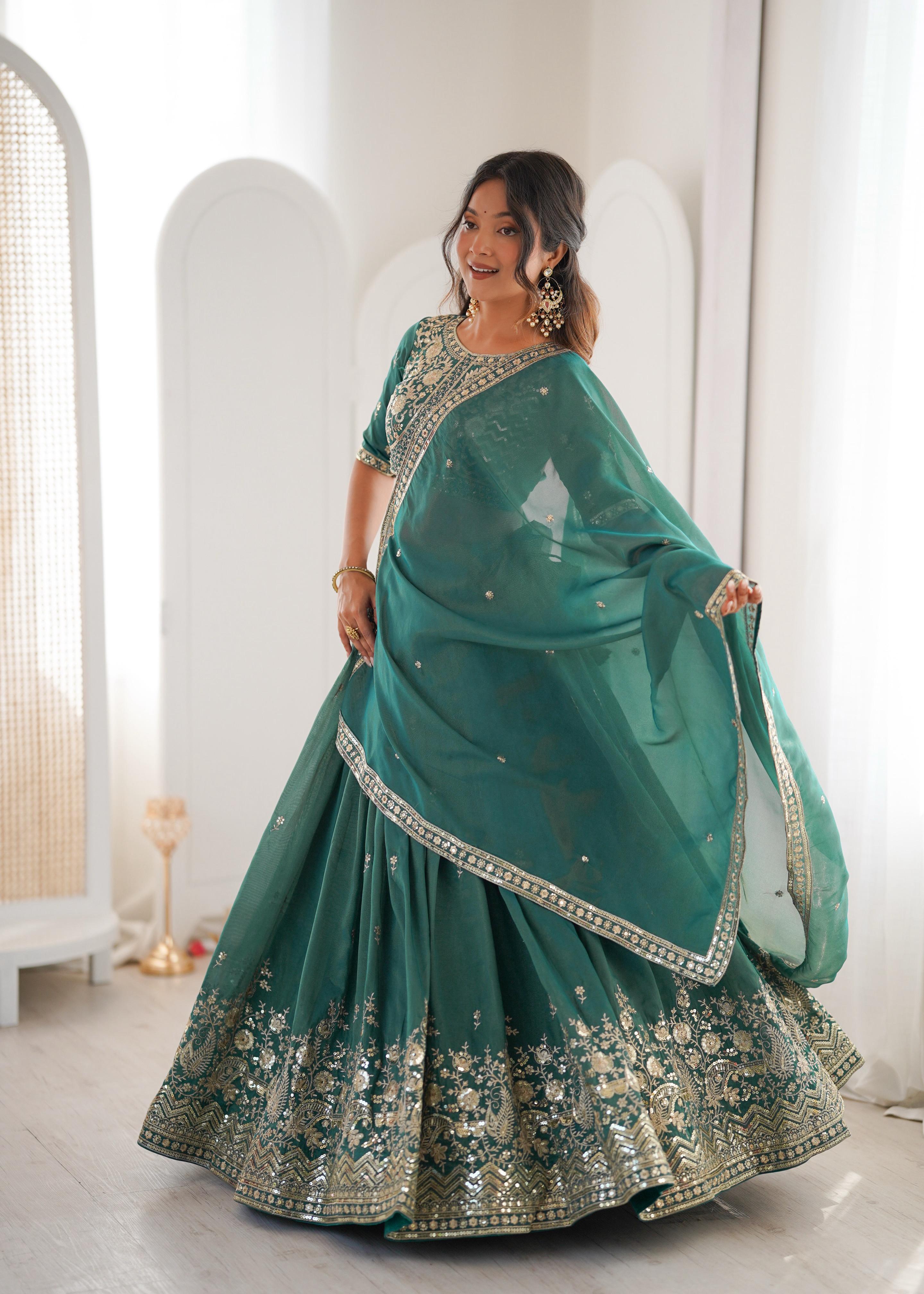
Designer Threadwork Silk Lehenga Choli Set with Dupatta demonstrates why fabric balance matters: a silk-based skirt with threadwork can accept a matte silk or cotton-silk kurta without losing its shape. A simple kurta doesn't mean a thin or casual-looking kurta; it means controlled decoration and a clear silhouette.
A Practical Rewear Idea Using Bridal Lehenga Skirt With a Simple Kurta
A practical rewear formula uses one ornate skirt, one calm kurta, one restrained dupatta and accessories that are less bridal than the original set. The formula creates three useful levels of dressing: a wedding guest look, a festive family-event look and a lighter evening look.
- Start with the skirt. Remove the original choli and place the skirt on a flat surface. Note the dominant colour, metallic finish, hem width and flare. Check whether the waistband sits securely without the original blouse providing support.
- Select a kurta with one connecting detail. The connecting detail may be the kurta colour, a narrow gota border, a matching thread colour or a similar neckline shape. Avoid repeating every motif from the skirt.
- Control the dupatta. Use a plain organza, chiffon or soft silk dupatta when the skirt is heavily decorated. Drape the dupatta over one shoulder or wear it as a narrow front fall instead of reproducing the elaborate bridal drape.
- Reduce bridal accessories. Replace a matha patti, layered rani haar and large bridal nath with one pair of jhumkas, a slim bracelet and a small potli or structured clutch.
- Finish with grounded footwear. Metallic juttis, low block heels or embellished sandals can support the look without adding another heavily decorated element.
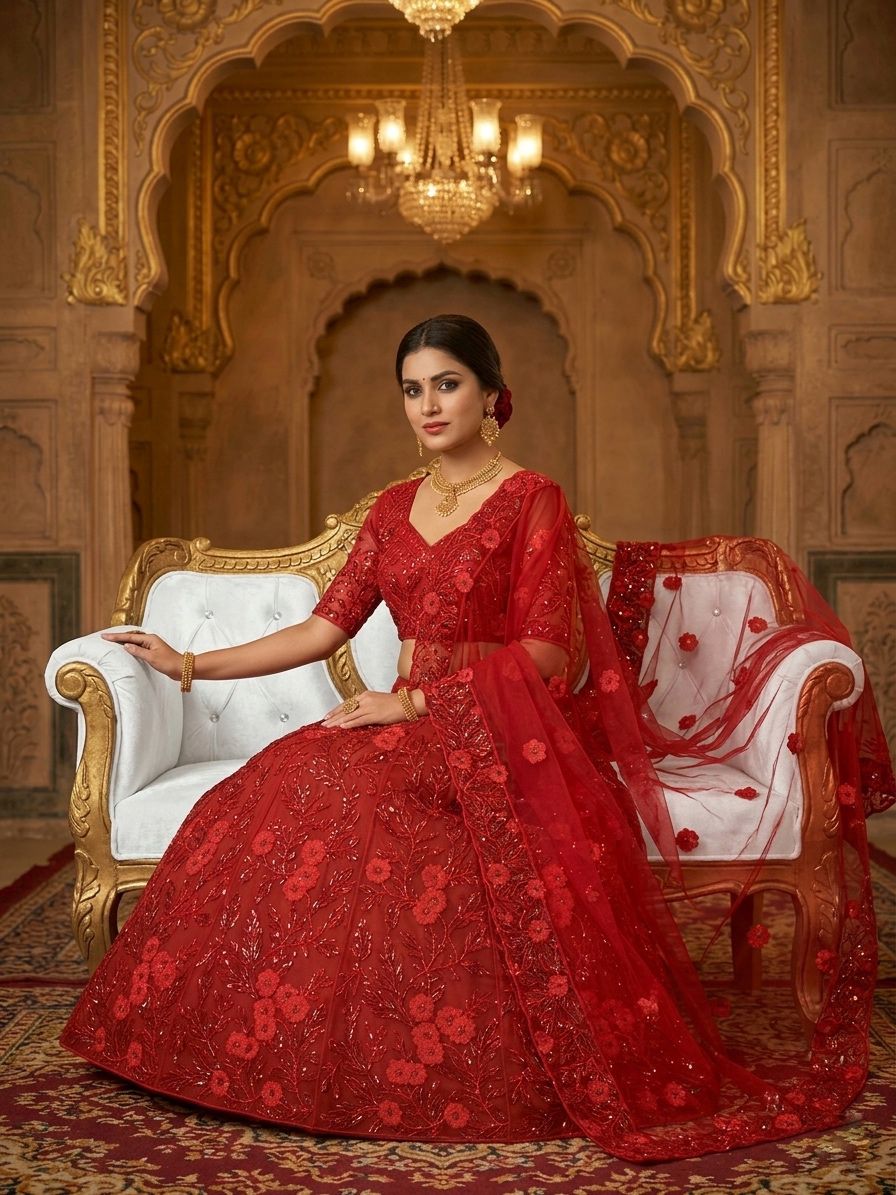
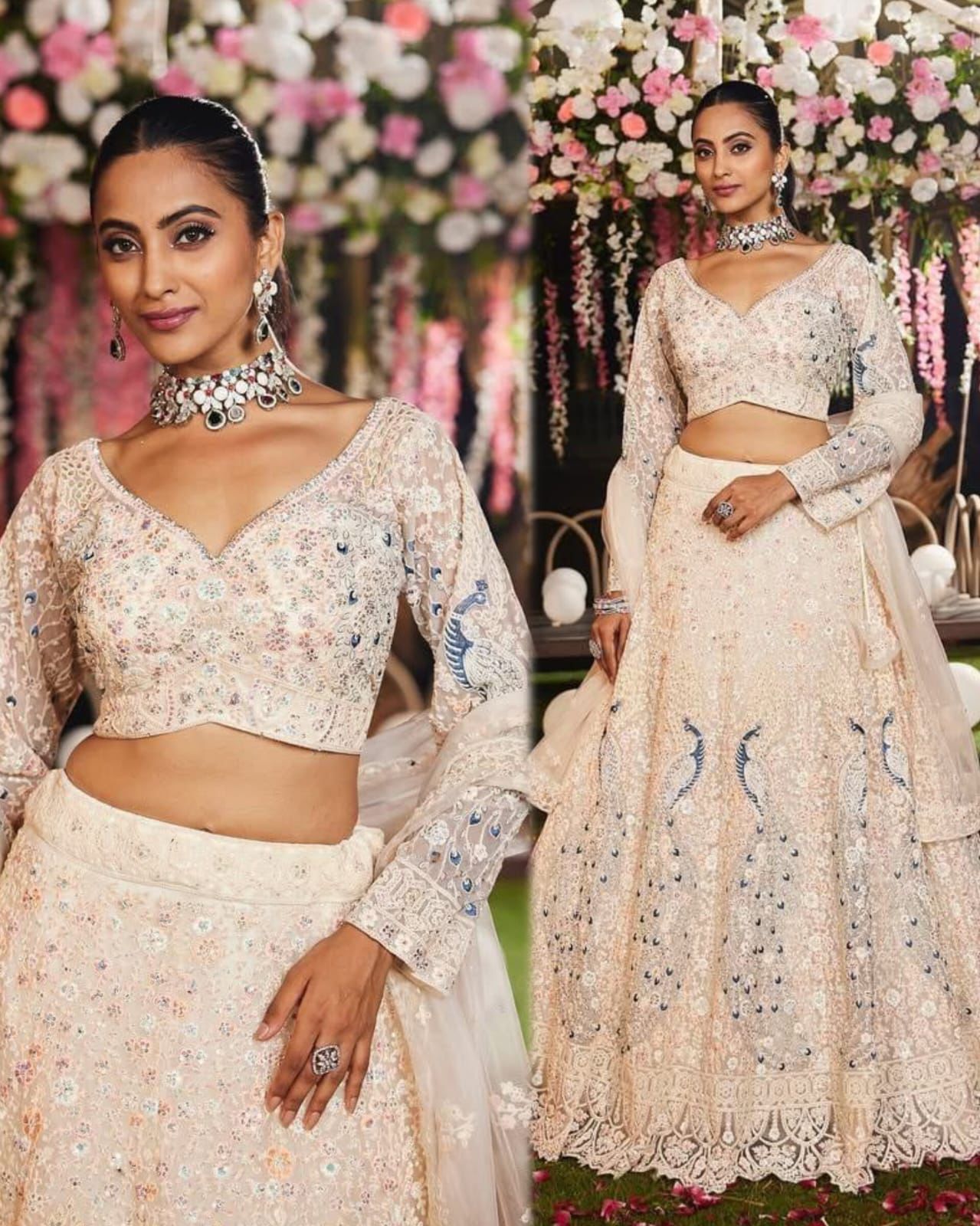
The same method works across different levels of embellishment. Cream Peacock Embroidered Net Lehenga Set for Women can be softened with a plain cream or muted sage kurta and antique-gold earrings. Red Butterfly Net Sequins Lehenga Set Wedding Wear can move away from bridal styling with an ivory kurta, a narrow gold belt and neutral footwear.
Three Kurta Silhouettes That Change the Mood
Straight kurta for the clearest contrast
A straight kurta creates the cleanest contrast with a full bridal skirt. The silhouette is especially useful when the skirt has a wide circular flare, large motifs or a stiff net layer. Choose a kurta with a simple round, boat or modest V-neck and avoid a heavily flared hem.
A side-slit straight kurta also helps the outfit move comfortably. The slit should not begin so high that the skirt waistband becomes visible while walking. A length between mid-thigh and just above the knee is often practical, but the correct length depends on the wearer's height and the skirt's waistband position.
Short kurta for a contemporary festive outfit
A short kurta makes the lehenga skirt look more like a coordinated festive separate than a reused bridal set. A peplum-free, lightly tailored kurta ending at the upper hip works particularly well when the skirt has an attractive waistband or a wide embroidered border.
Keep the short kurta relatively clean around the hem. A narrow piping detail is enough when the skirt already contains sequins, appliqué or dense zari. This pairing suits sangeet gatherings, engagement dinners and festive evenings where movement matters.
Long side-slit kurta for more coverage
A long side-slit kurta provides more coverage while allowing the bridal skirt to show through in motion. The style suits wearers who prefer a less fitted outfit or who want to use the skirt for a family celebration rather than a fashion-forward party.
The kurta should not be so long that it conceals the skirt's entire front. A visible border, a glimpse of the flare or a clear contrast at the lower edge helps the outfit read as intentional. A high-low hem can also reveal the skirt without requiring a short top.
How to Rewear Different Bridal Skirt Fabrics
Fabric determines how much alteration, support and ventilation a bridal skirt needs. Net, silk, satin-backed fabrics and layered tulle each behave differently when paired with a separate kurta.
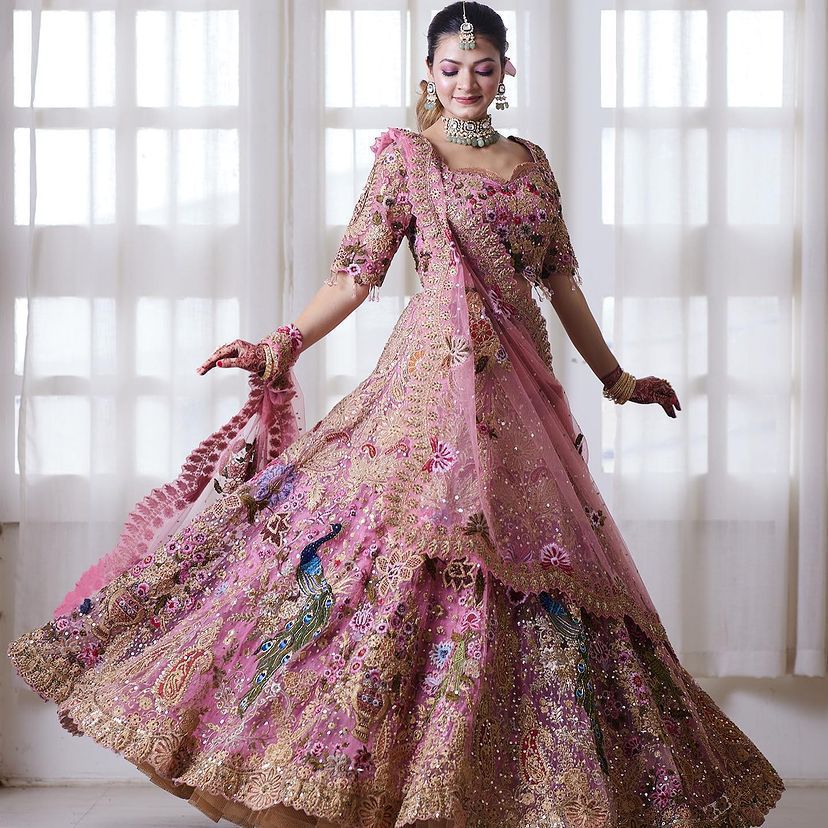
- Net and tulle: check the lining, inner can-can and seam strength before wearing the skirt for several hours. A firm waistband and a comfortable underskirt prevent scratchiness and help the flare hold its shape.
- Silk: silk skirts pair well with silk-blend or cotton-silk kurtas because both fabrics have enough body. Keep the jewellery lighter if the silk has zari or metallic thread.
- Sequins: sequined skirts can catch on delicate dupattas and handbags. Choose a smooth lining, avoid loose knits and inspect the inner seams before a long event.
- Heavy embroidery: dense embroidery may pull on the waistband. Test the skirt with the intended kurta for ten minutes while sitting, walking and climbing stairs.
Pink Bridal Sequins Lehenga Set with Heavy Flare illustrates the importance of testing comfort before styling. A heavy-flare sequined skirt may look beautiful with a simple ivory kurta, but the wearer should confirm that the waistband remains stable and that the hem doesn't catch on footwear.
How to Make the Rewear Look Less Bridal
The rewear look becomes less bridal when styling removes visual signals associated with the wedding ceremony. Jewellery, hair, makeup, dupatta placement and footwear usually make a larger difference than the skirt itself.
Choose open hair, a low bun or a simple braid instead of a bridal updo. Select a small bindi, soft kajal and a single lip colour rather than high-intensity bridal makeup. Wear earrings without a matching necklace when the kurta neckline is clean. A fabric potli can preserve the festive mood, while a box clutch or sling bag makes the outfit feel more suitable for a later event.
Dupatta treatment is equally important. A bridal drape that covers the head or crosses the torso signals ceremony. A relaxed shoulder drape, a one-sided pleat or no dupatta at all creates a more contemporary outfit. If the skirt waistband needs coverage, a narrow dupatta belt or a short stole can solve the problem without recreating the original lehenga styling.
Colour also changes the perceived formality. Pair a bright red or fuchsia skirt with an ivory kurta and muted accessories for a balanced guest outfit. Pair a pastel skirt with a tonal kurta, pearl earrings and metallic flats for a daytime celebration. A dark kurta can make a light skirt suitable for an evening reception, but the contrast should be repeated in only one accessory.
Alterations That Make Bridal Lehenga Rewear Easier
Small alterations can make a bridal skirt more comfortable and more independent from its original blouse. Alterations should be completed by an experienced tailor because net layers, zari borders and sequins can be damaged by careless stitching.
Add a sturdy hook-and-eye closure or concealed side zip if the waistband shifts while walking. A waist extension of 2 to 4 centimetres can improve comfort without changing the appearance of the skirt. If the lehenga has an excessively long hem, shorten the lining and outer layers together so the flare remains even.
Remove or reduce can-can only when the skirt feels too stiff for the intended event. A full reduction can change the fall and may affect the embroidered border, so test the skirt with one removable layer first. A tailor can also add discreet loops inside the waistband if a slim belt will help stabilise the skirt.
don't cut the original bridal skirt into separate panels merely to create a new outfit unless the embroidery, lining and seam placement have been assessed. A reversible alteration, such as changing the fastening or adding a removable underskirt, protects the skirt's future styling options.
Where to Shop by Budget and Occasion
A rewear plan is easier when the original purchase suits the number of times you expect to use the skirt. Budget-focused shoppers can compare Pink Lehengas Under 4000 with 50% Discount and Silk Lehengas Under 3000 when looking for a festive skirt that doesn't require elaborate accessories to appear complete.
For wedding guests and family members, Bridesmaid Lehengas Under 5500 offers a useful reference point because bridesmaid clothing often needs to work across more than one function. Net Lehengas Under 4500 with 51% Discount may suit shoppers who want a lighter, more dramatic flare, while Haldi Lehengas Under 5500 is relevant when the same rewear principle is being applied to yellow, green or floral festive clothing.
Price should not be the only comparison. Check whether the skirt has a lined interior, a reliable waistband, manageable flare and a hem that can be worn with practical footwear. A less expensive skirt that needs major alterations may cost more overall than a better-constructed skirt that works immediately with a simple kurta.
Care, Storage and Final Styling Check
Store a bridal lehenga skirt clean, dry and supported so that rewearing remains practical. Sequined and embroidered skirts should be folded with soft cotton or acid-free tissue between heavy layers, while very full skirts benefit from a wide hanger if the waistband is strong enough.
Never leave a damp skirt in a garment bag after a wedding. Air the skirt in shade, remove surface dust with a soft brush and follow the care label before storing it. Dry cleaning is safer for many heavily embellished skirts, but repeated cleaning can stress sequins, adhesive work and delicate net, so cleaning should be based on actual marks rather than habit.
Before leaving for an event, complete a ten-minute movement test. Sit on a chair, walk up several steps, lift the dupatta, check the waistband and confirm that the hem doesn't touch the heel. A bridal skirt paired with a simple kurta succeeds when the wearer can move, eat, sit and travel comfortably while the outfit still looks deliberately styled.
Common Questions About Rewearing a Bridal Lehenga Skirt With a Simple Kurta
Can I wear a bridal lehenga skirt with a simple kurta?
Yes, a bridal lehenga skirt can be paired with a simple kurta when the kurta balances the skirt's flare, fabric weight and colour. Choose a relatively quiet neckline and use restrained accessories so the outfit looks festive rather than identical to the original bridal set.
Which kurta colour works with a red bridal lehenga skirt?
Ivory, cream, champagne, blush and muted gold usually work well with a red bridal lehenga skirt. Choose the kurta according to the skirt's embroidery: warm gold zari suits cream and beige, while cooler silver work can take pearl grey or soft pink.
What length kurta should I wear with a flared lehenga skirt?
A mid-thigh kurta or a long side-slit kurta usually works with a flared lehenga skirt. The kurta should reveal enough of the skirt's border and movement, and the wearer should test the combination while walking and sitting.
How can I make a reused bridal lehenga look less bridal?
Use a plain or lightly detailed kurta, reduce the jewellery, choose relaxed hair and replace a ceremonial dupatta drape with a shoulder drape or no dupatta. Neutral footwear and a structured clutch also make the outfit more suitable for a later wedding or festive gathering.
Can a heavy-flare sequined lehenga skirt be comfortable with a kurta?
A heavy-flare sequined lehenga skirt can be comfortable with a kurta if the waistband is secure, the lining is smooth and the hem clears the footwear. Test the outfit for at least ten minutes before the event and consider a lighter underskirt if the flare feels restrictive.
Should I alter a bridal lehenga skirt before rewearing it?
Alterations are useful when the waistband shifts, the hem is too long or the flare is unnecessarily stiff. A tailor can adjust the fastening, add a small waist extension or modify a removable can-can layer without cutting away valuable embroidery.


