Outdoor celebrations bring sunlight, photographs and fresh air, but a sudden gust can turn a carefully arranged dupatta into a constant distraction. A Dupatta Choice for Outdoor Wind Without Constant Pins depends on four practical details: fabric weight, surface texture, dupatta width and how the fabric is anchored to the outfit. The right combination can keep the shoulder covered and the hands free during a Haldi ceremony, garden wedding or travel day.
Many shoppers focus on colour first and fabric second. Wind makes that order risky. A slippery satin-like surface, very light organza or narrow scarf can lift and slide even when the garment looks elegant indoors. A medium-weight dupatta with a textured weave, a defined border and a deliberate drape usually performs better outside.
A Dupatta Choice for Outdoor Wind Without Constant Pins starts with fabric
A dupatta stays more reliably in outdoor wind when it has moderate weight, enough width to create a stable fold and a surface that generates friction against the kurta or blouse.
Wind affects loose fabric according to its shape. A dupatta spread fully across both shoulders behaves like a small sail, while a narrow, neatly folded panel presents less surface area. Long trailing ends also catch more air than short ends tucked near the waist. Reducing loose fabric is therefore as important as choosing a richer material.
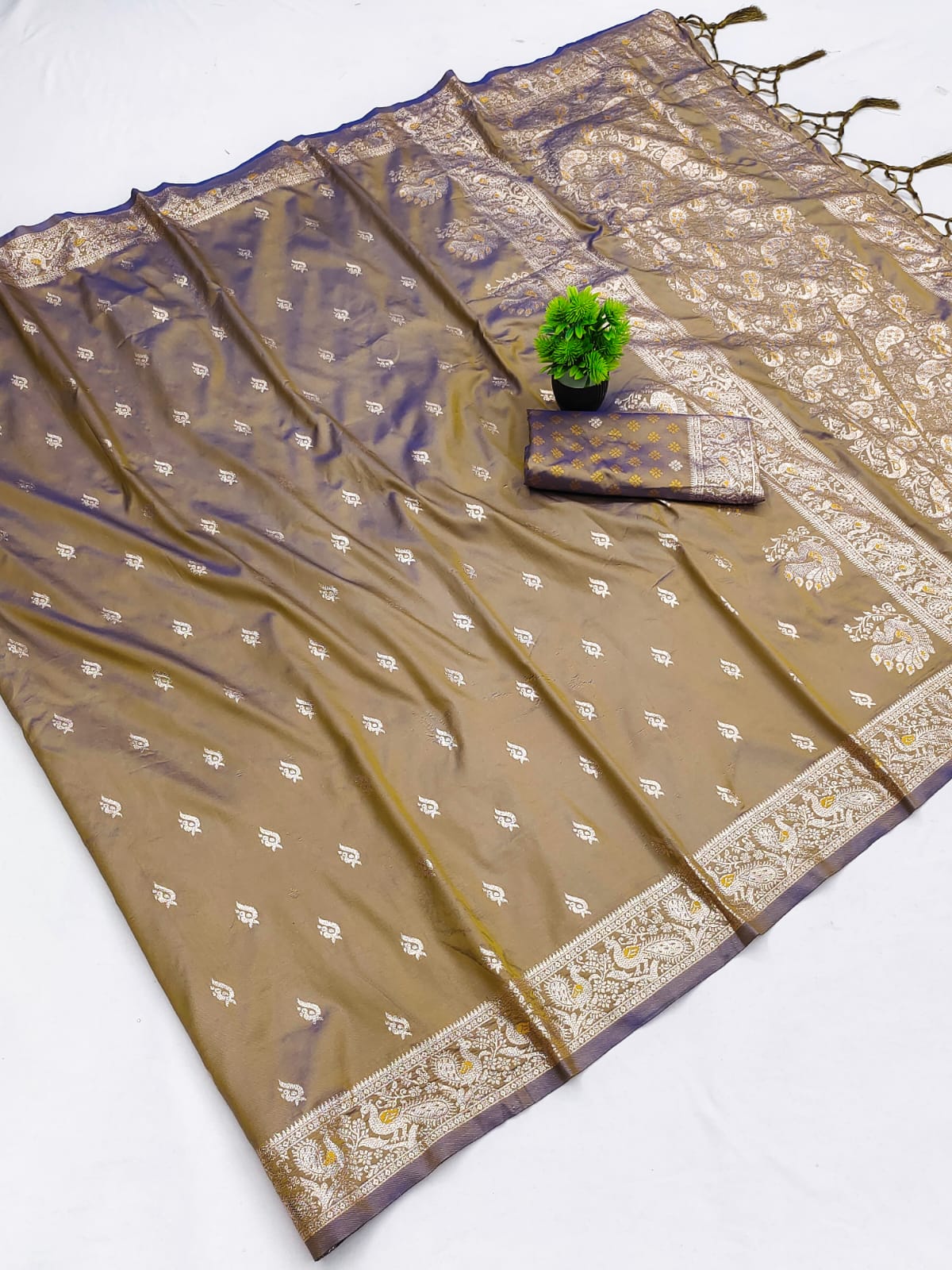
Texture helps because a woven or slightly grainy surface is less likely to slide across silk, satin or polished synthetic fabric. Banarasi silk, cotton-silk blends and many Chanderi weaves can offer useful structure, although the exact result depends on the thickness and finish of each fabric. A highly glossy finish may still move more readily than a matte weave of similar weight.
Border construction matters as well. A narrow zari border adds a little weight at the edge and helps a folded dupatta hold a line. A broad, heavily embellished border can improve stability, but the border may pull the fabric off the shoulder if it's much heavier than the centre panel. A balanced border is usually more comfortable for several hours outdoors.
How A Dupatta Choice for Outdoor Wind Without Constant Pins compares by fabric
Medium-weight cotton-silk, viscose Chanderi, silk blends and structured cotton dupattas generally work best for windy outdoor events because they combine drape with enough body to resist sudden movement.
Cotton and cotton-blend dupattas
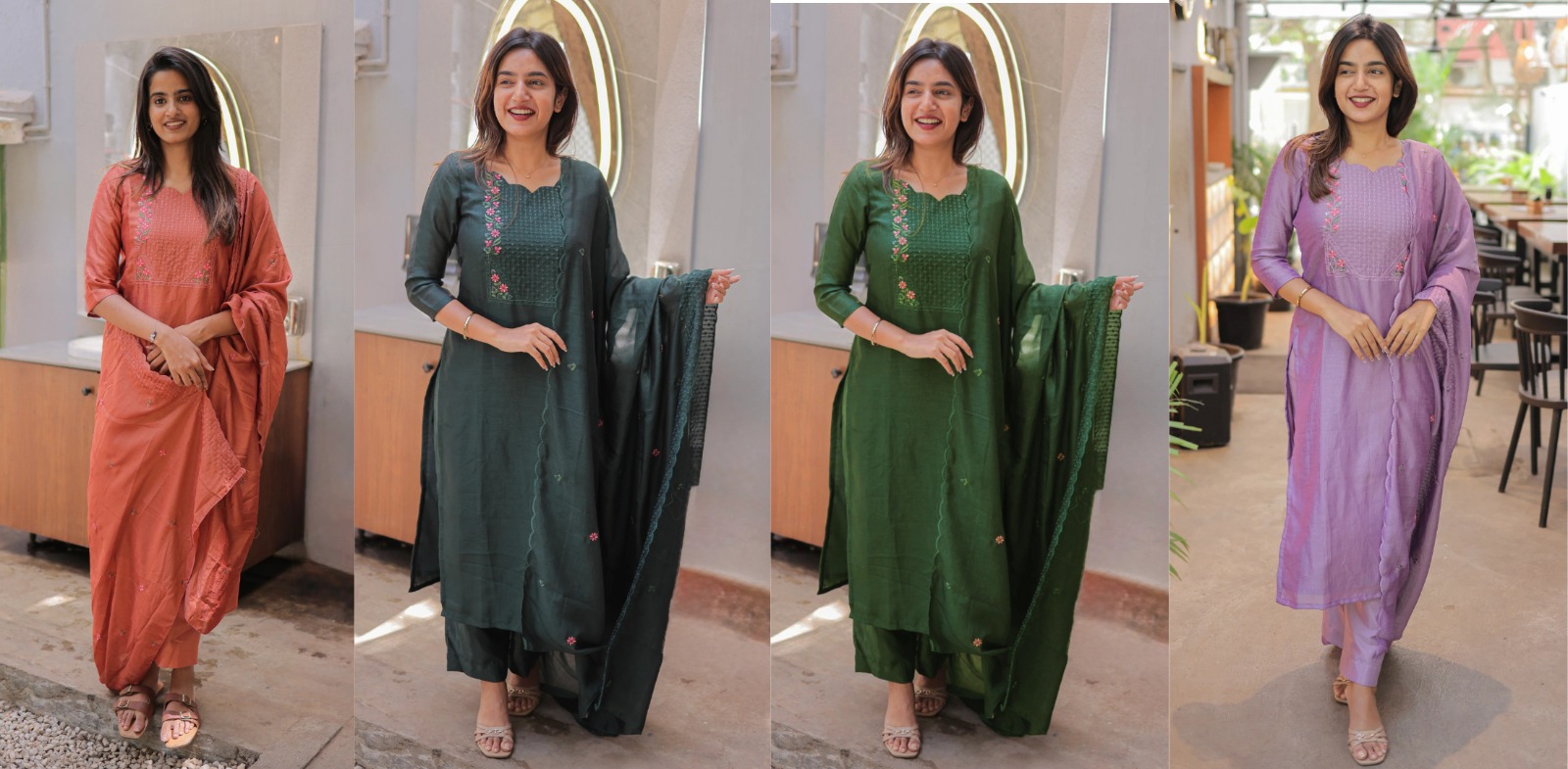
Cotton provides surface grip and breathability, which makes it practical for daytime functions. A cotton dupatta may crease more than organza, but a few creases are less troublesome than fabric repeatedly sliding off the shoulder. Cotton is especially useful for a garden lunch, a daytime Haldi ceremony or an event involving frequent walking.
A cotton blend can offer a smoother fall without becoming as slippery as very light synthetic fabric. The Vertical Cotton Straight Kurta Set with Dupatta illustrates the practical appeal of a cotton-based outfit: the straight silhouette gives the dupatta a relatively stable base, while the fabric suits warm outdoor conditions.
Chanderi and viscose Chanderi
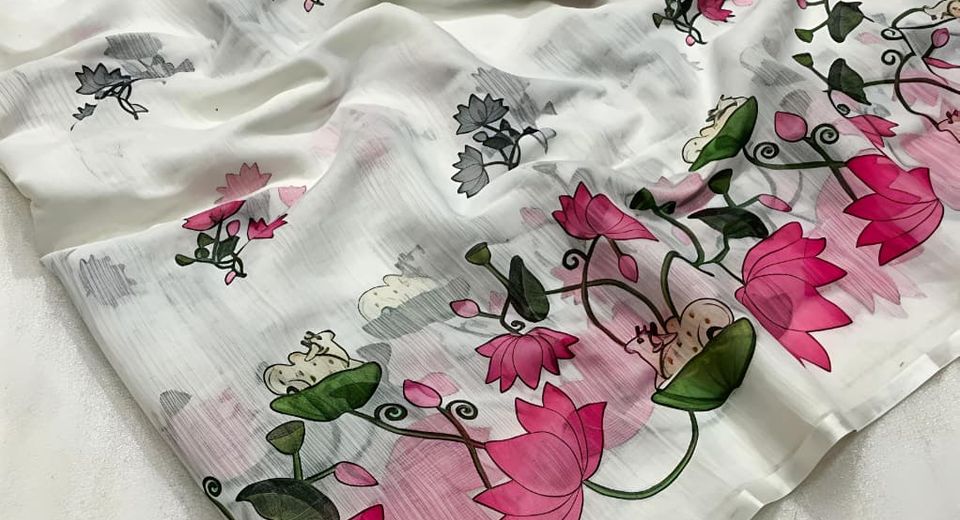
Chanderi gives a dressy appearance without the dense weight of heavy brocade, but a very sheer Chanderi dupatta may still need a controlled drape in strong wind. Viscose Chanderi often has a softer fall and can be easier to fold into a compact shoulder panel.
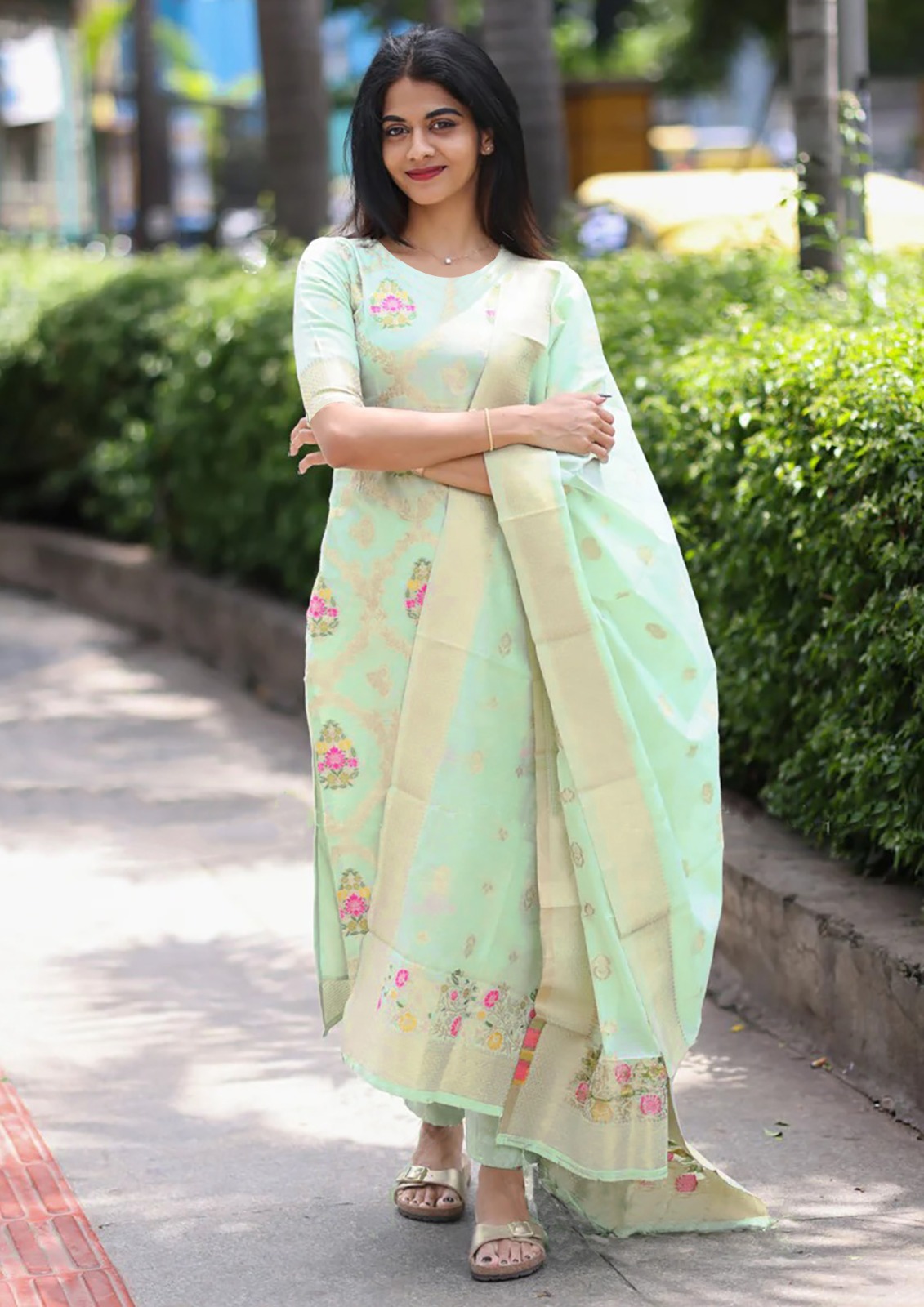
The Pista Green Chanderi Kurta Set with Organza Dupatta is better suited to light wind when the organza dupatta is folded into a narrow panel rather than spread wide. The Mustard Viscose Chanderi Kurta Set with Sequence Embroidery can be a more forgiving choice when a slightly fluid but structured drape is preferred. Sequence embroidery may add weight, so check whether the embellishment is concentrated at the border or distributed across the entire fabric.
Silk blends and zari fabrics
Silk blends can provide a polished festive finish while retaining more body than very light chiffon. Banarasi silk and zari-rich fabrics may be stable in a breeze because woven metallic motifs add weight, but dense fabric can become warm during a long afternoon.
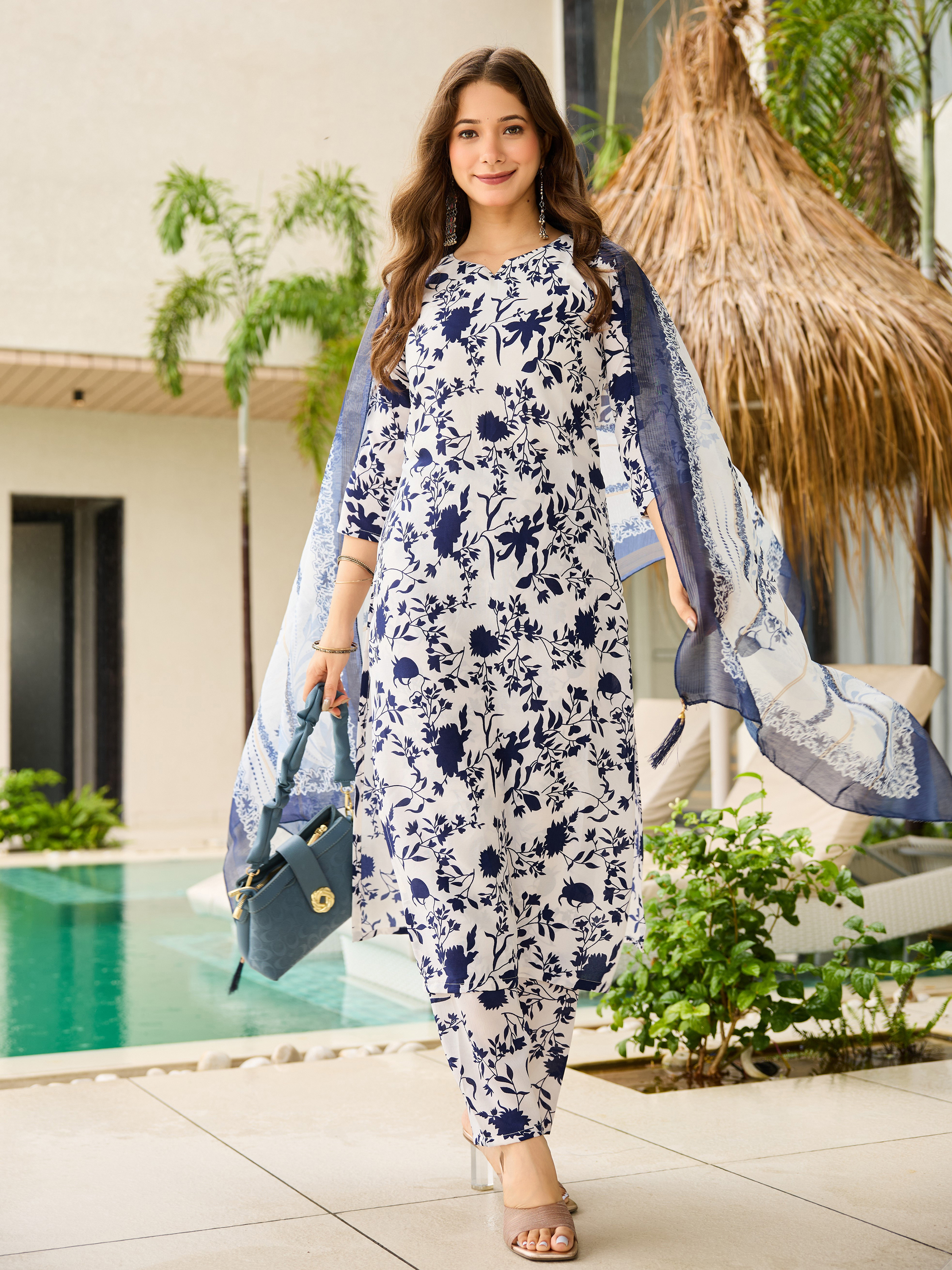
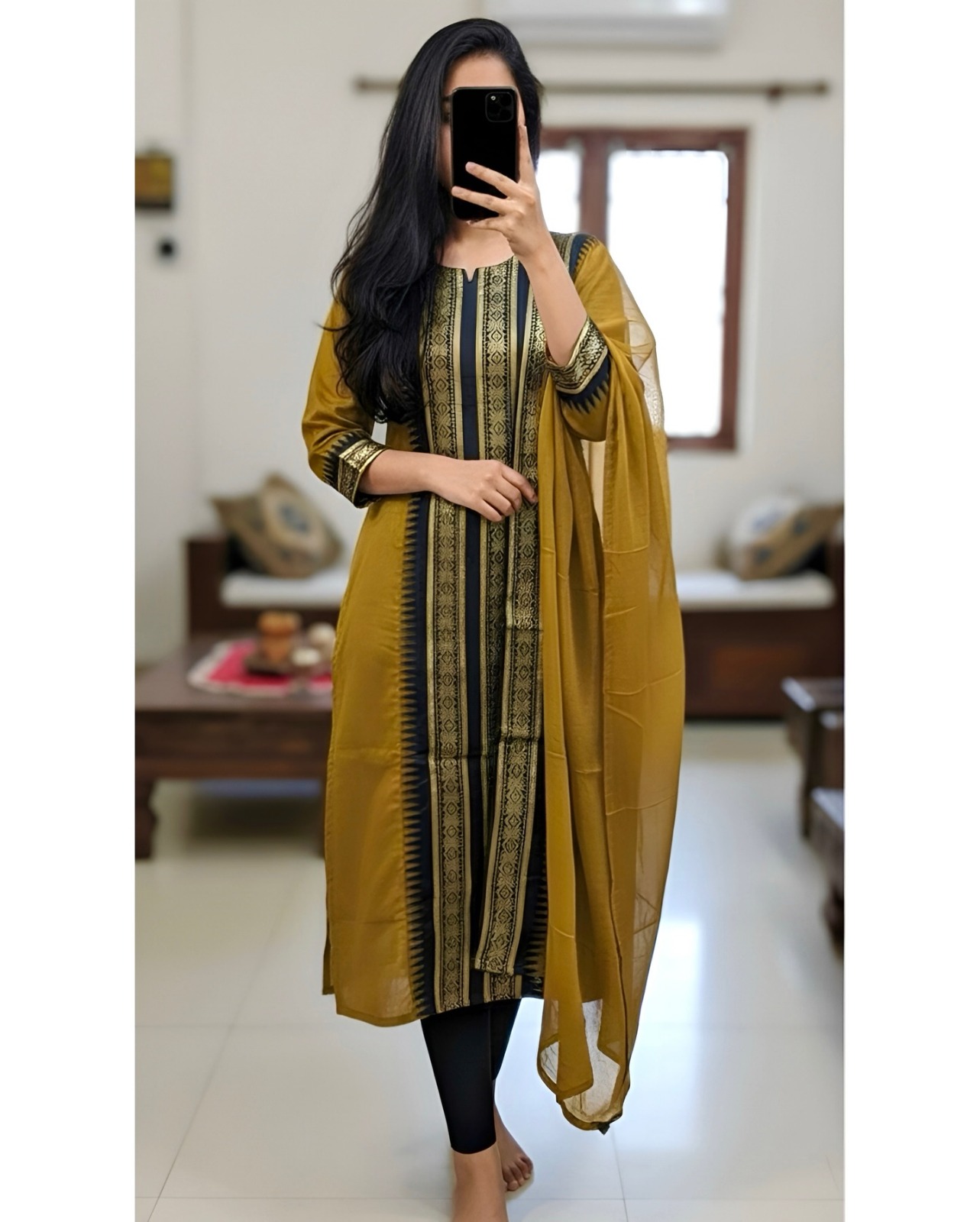
The Women's Mustard Silk Blend Kurta Set with Dupatta gives an useful example of a dressy silk-blend direction for outdoor celebrations. The Stylish Navy Floral Silk Kurta Pant Dupatta Set offers a darker printed option where the print can disguise minor creasing after movement. Silk content alone doesn't guarantee a no-slip drape, so the fabric still needs a deliberate fold and anchor.
How to wear A Dupatta Choice for Outdoor Wind Without Constant Pins
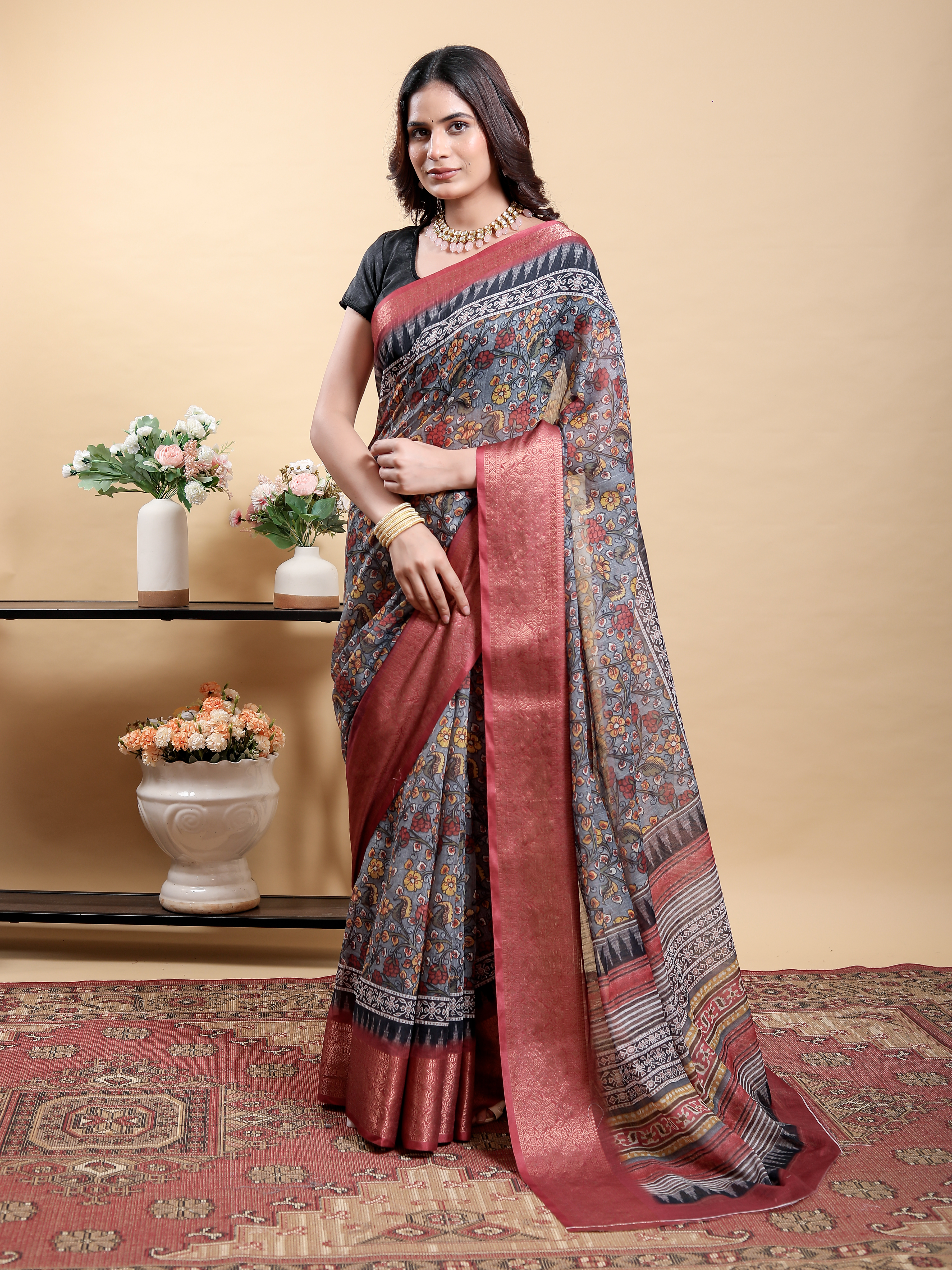
The most secure no-pin drape uses a folded shoulder panel, a short front section and a longer section brought across the torso before being tucked at the opposite side.
- Fold the dupatta lengthwise. Create a panel approximately 25 to 35 centimetres wide. A narrower fold reduces the amount of fabric exposed to wind and creates a thicker shoulder section.
- Place the centre point on the shoulder. Position the midpoint slightly behind the shoulder seam rather than directly on the outer arm. The shoulder seam gives the fabric a natural stopping point.
- Keep the front end short. Let the front section reach around the waist or upper hip. A very long front tail can catch air while you walk.
- Cross the longer end diagonally. Bring the longer end across the chest and under the opposite arm. Keep the diagonal smooth, with no loose loop around the neck.
- Tuck at the side seam or waistband. Insert the end into the waistband, under a belt or into the side fold of the kurta. A tuck gives downward tension without visible pins.
A belt can provide a discreet anchor when the outfit allows one. Choose a narrow fabric belt, braided tie or matching waist sash rather than a rigid belt that changes the shape of the kurta. The anchor should sit at the natural waist or slightly above it, where the dupatta can be tucked without pulling across the bust.
A pre-folded dupatta can save time before leaving home. Fold the fabric, press the folds on a low heat setting if the care label allows, and place the folded panel over the shoulder. Do not iron zari, sequins or delicate organza directly; use a pressing cloth and follow the garment-care instructions.
Which A Dupatta Choice for Outdoor Wind Without Constant Pins suits each event?
A shoulder-panel drape suits active daytime events, while a controlled cross-body drape works better for photographs, walking and ceremonies where the hands need to remain free.
For a Haldi ceremony
A short, tucked drape is the safest choice for a Haldi ceremony because turmeric paste, water and crowd movement can disturb a long trailing end. Fold the dupatta to keep the centre panel close to the body and tuck one end at the waist. Cotton, cotton blends and washable viscose are generally easier to manage than delicate tissue fabrics.
The Elegant Pista Festive Wear Kurta Pant Set can be styled with the dupatta gathered over one shoulder and secured under the opposite arm. A compact drape also keeps the fabric away from guests applying Haldi and reduces the chance of the border dragging across the floor.
For a garden wedding
A garden wedding calls for a diagonal cross-body drape or a narrow shoulder pleat because grass, walking paths and changing wind directions make a floor-length loose drape impractical. A medium-width panel preserves the festive appearance without exposing the full fabric to every gust.
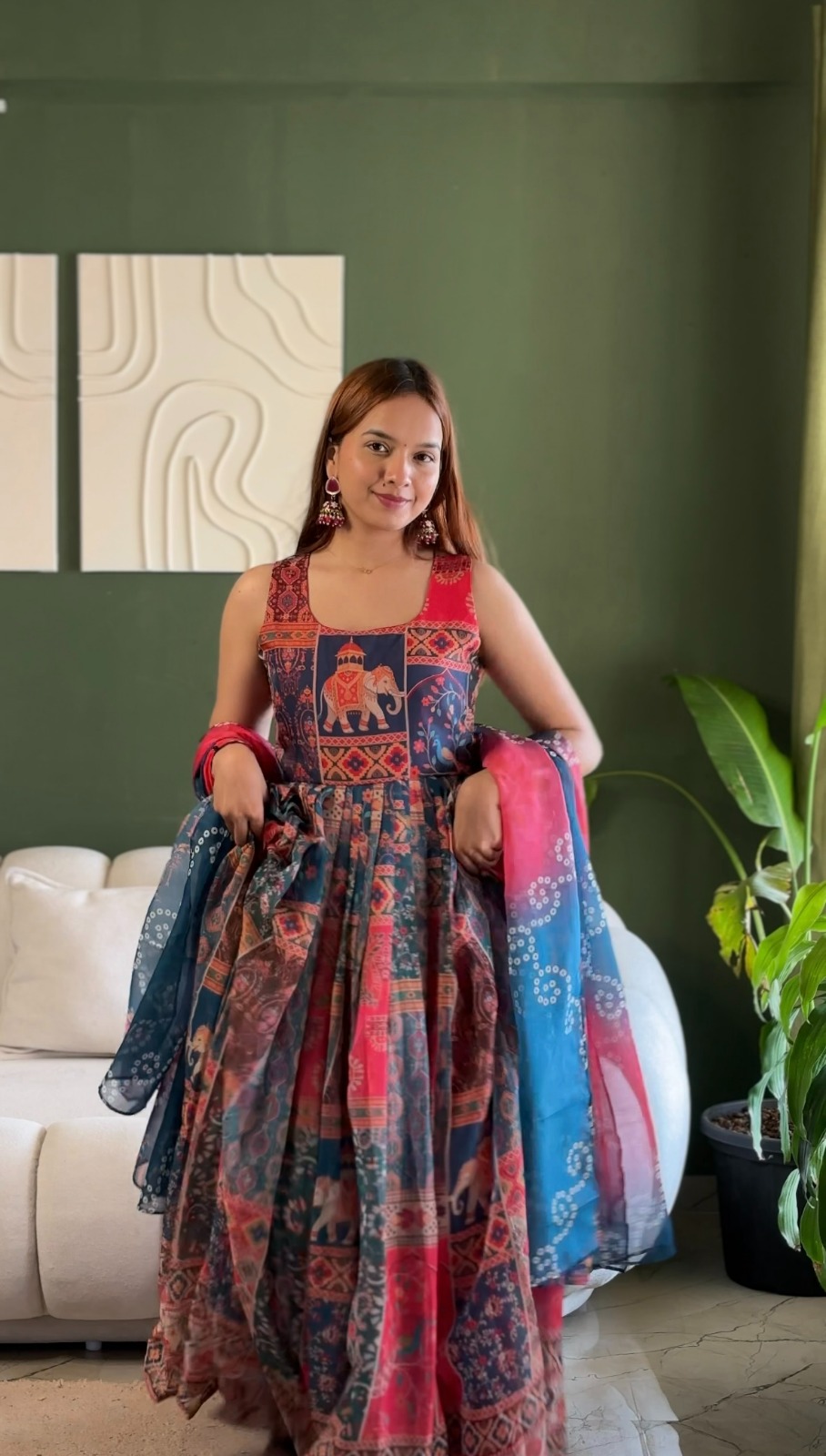
The Royal Patola Printed Designer Gown with Elegant Dupatta can work outdoors when the dupatta is placed over one shoulder and crossed lightly at the waist. Patola-inspired prints provide visual interest, so the fabric doesn't need to be spread fully to make an impact. Keep the gown hem and dupatta edge away from wet grass by shortening the front fall.
For an evening reception
An evening reception permits a more decorative drape, but the safest arrangement still keeps one anchor point at the waist or opposite side. A broad pleated shoulder panel paired with a restrained cross-body fall photographs well and remains manageable when guests move between indoor and outdoor spaces.
The Navy Blended Silk Zari Kurti Pant Dupatta Set combines a darker colour with zari detail, making a neat, folded drape visually effective. A darker silk-blend outfit can also conceal small signs of handling better than a pale, highly sheer dupatta.
What measurements make A Dupatta Choice for Outdoor Wind Without Constant Pins practical?
A dupatta around 2.25 to 2.5 metres long and approximately 0.9 to 1.1 metres wide gives enough fabric for a cross-body drape without creating excessive wind resistance for many adult wearers.
Shorter dupattas are easier to control, but a length below approximately 2 metres may not provide enough coverage for a diagonal drape over a long kurta. Very long dupattas create elegance when stationary but require extra tucking outdoors. Height, garment length and desired coverage should determine the final choice.
Width affects both comfort and movement. A wide dupatta can cover the bust and both shoulders, but the additional surface area catches wind. Folding a wide dupatta lengthwise solves part of the problem while retaining the option to open it briefly for photographs.
The outfit silhouette matters as well. A straight kurta gives a relatively even surface for a tucked panel. A flared gown may need a waist anchor because the fabric beneath the dupatta moves more freely. A palazzo suit usually allows a comfortable side tuck, while a close-fitting kurta may need a shorter diagonal fold to avoid pulling across the chest.
Before an event, test the complete outfit for five minutes outdoors. Walk at normal speed, turn your shoulders, raise both arms and sit on a chair. If the dupatta slips during any of those movements, change the fold or anchor before adding more pins. A short trial reveals more than checking the outfit while standing still in front of a mirror.
How can A Dupatta Choice for Outdoor Wind Without Constant Pins stay comfortable?
Comfort improves when the anchor controls the dupatta without restricting the neck, shoulders or arms.
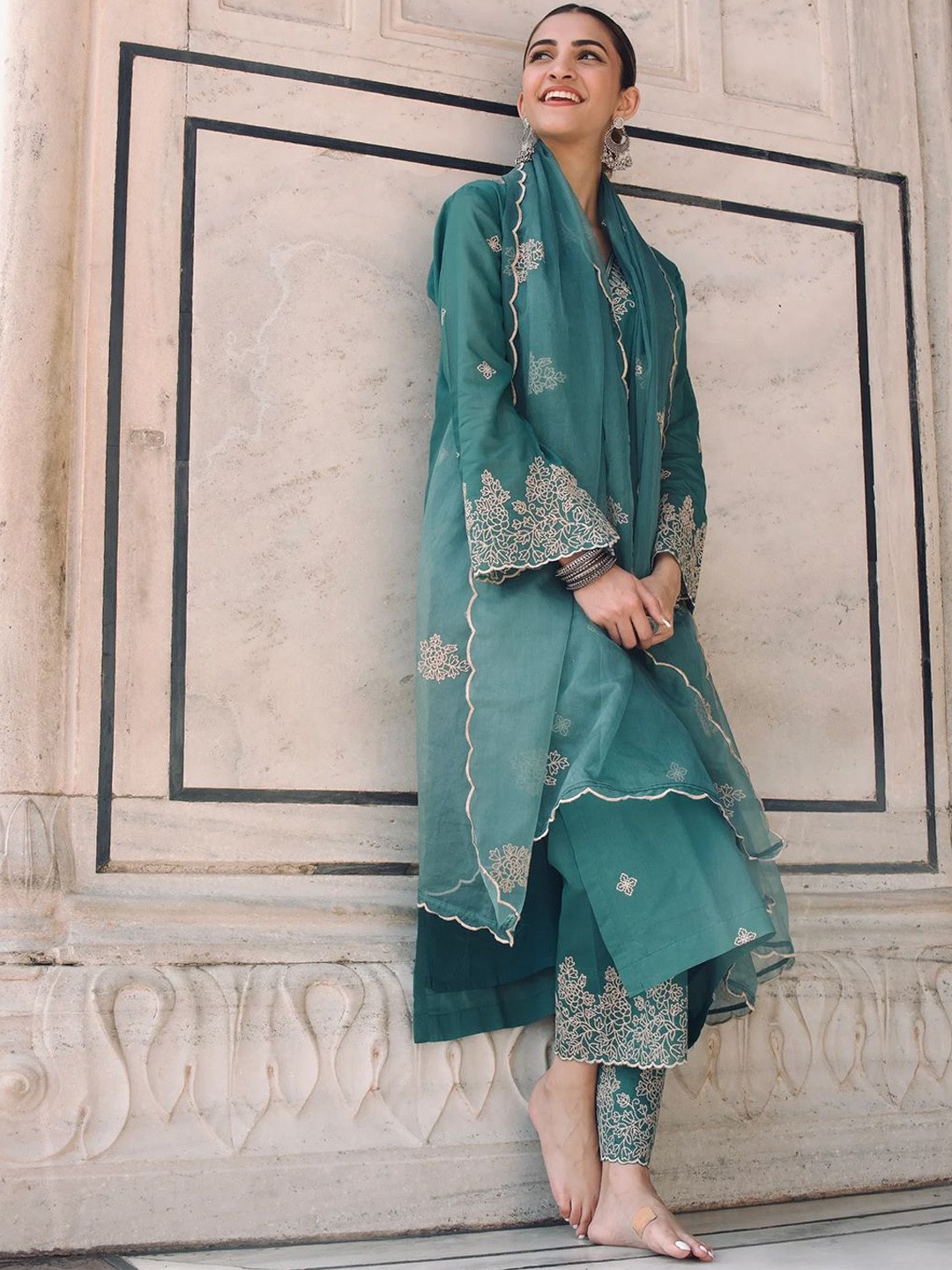
Avoid wrapping a heavy dupatta tightly around the neck to stop movement. Neck wrapping can create pressure, disturb makeup and make it difficult to turn the head. A shoulder-to-waist diagonal distributes tension more comfortably and leaves the neck open.
Keep embellishment away from areas that rub against the skin. Dense sequins or rough zari on the inner shoulder can become irritating during a long function. Turn the embellished side outward where possible, and place a soft lining or the least abrasive section against the neck and arm.
Weather should influence the fabric choice. Cotton and cotton blends are more comfortable in heat, while silk blends and zari fabrics suit cooler evenings. Humidity can make some polished fabrics feel clammy and increase slippage. A breathable kurta with a medium-weight dupatta is often more practical than a heavily layered look for daytime outdoor events.
The Stylish Navy Floral Silk Kurta Pant Dupatta Set can suit a cooler evening when the cross-body fold is kept compact. The Women's Mustard Silk Blend Kurta Set with Dupatta is more versatile for a dressy setting, but the same principle applies: use the shoulder seam and waist tuck rather than relying on repeated adjustments.
How should you test A Dupatta Choice for Outdoor Wind Without Constant Pins?
A reliable test involves a controlled indoor check followed by a short outdoor walk in the complete outfit.
First, inspect the shoulder placement after standing, sitting and raising both arms. The fabric should remain close to the shoulder without cutting into the neck. Next, walk for five minutes in the direction of the wind, then become and walk against it. A steady drape should move slightly but should not uncover the shoulder or pull the waist tuck loose.
Check the ends after the test. Ends that reach below the knee are more likely to brush against chairs, plants and footwear. Trimmed styling isn't always necessary, but folding the end upward and tucking it at the side can prevent avoidable dragging.
Examine the care label before using heat, double-sided fashion tape or adhesive products. Fashion tape may work on some smooth garment surfaces, but it should be tested on an inconspicuous area first. Avoid placing adhesive directly on delicate organza, zari or sequined work because residue can damage the finish.
The best result isn't a completely motionless dupatta. A good outdoor drape allows natural movement while staying within the intended shoulder, chest and waist areas. That balance keeps the outfit graceful, reduces adjustments and leaves the wearer free to greet guests, walk, eat and pose for photographs.
Common Questions About Choosing a Wind-Resistant Dupatta
Which dupatta fabric is best for a windy outdoor wedding?
Medium-weight cotton-silk, cotton blends, viscose Chanderi and structured silk blends are practical choices for a windy outdoor wedding. These fabrics generally provide more grip and body than very light organza, chiffon or highly polished synthetic fabric.
How do you keep a dupatta in place without pins?
Fold the dupatta lengthwise into a 25 to 35 centimetre panel, place the centre slightly behind the shoulder seam and cross the longer end diagonally under the opposite arm. Tucking the end into the waistband or a soft waist sash adds downward tension without visible pins.
Is Chanderi suitable for an outdoor Haldi ceremony?
Chanderi can suit an outdoor Haldi ceremony when the dupatta is folded into a compact shoulder panel and kept away from wet ground. Viscose Chanderi may be easier to manage than very sheer Chanderi or organza, while cotton remains the most practical option for heavy activity and possible stains.
What dupatta length works best for windy weather?
A length of approximately 2.25 to 2.5 metres usually provides enough fabric for a cross-body drape without creating excessive loose material. A dupatta shorter than 2 metres may not provide sufficient coverage, while a much longer dupatta needs more tucking.
How should you drape a dupatta for a garden wedding?
Use a folded shoulder panel with the longer end crossed diagonally and tucked near the opposite waist. This arrangement reduces contact with grass and walking paths while keeping enough coverage for photographs and movement between outdoor areas.
Can zari or embellished dupattas work in outdoor wind?
Zari and embellishment can add useful weight, but dense borders may pull a dupatta off the shoulder and heavy fabrics can feel warm. Use a balanced border, keep the drape compact and test the complete outfit outdoors before the event.