

A 10-Piece Indian Ethnic Wardrobe That Creates Far More Than 10 Looks doesn't depend on owning ten heavily embellished outfits. The useful formula combines repeatable separates, two dependable colour families and fabrics suited to different levels of formality. With the right proportions, ten core pieces can produce workwear, weekend, puja, festive and wedding-guest combinations without making every outfit look identical.
The count in this guide refers to ten wardrobe anchors, not necessarily ten single garments bought separately. A coordinated kurta-pant set can contribute a kurta, a pair of trousers and a dupatta to the wider wardrobe when each component also works with other pieces. Versatility comes from interchangeability, not from the number of packets in a shopping bag.
What belongs in a 10-Piece Indian Ethnic Wardrobe That Creates Far More Than 10 Looks?
A versatile 10-Piece Indian Ethnic Wardrobe That Creates Far More Than 10 Looks needs three useful tops, two bottoms, two dupattas, one saree, one festive statement piece and one adaptable neutral layer. The ten pieces should cover at least three levels of formality: breathable daily wear, polished daytime dressing and embellished evening wear.
- A white, ivory or cream kurta: Cream Embroidered Silk Kurta Pant Ethnic Co-ord Set supplies a dressier example, while a plain cotton kurta can handle frequent use.
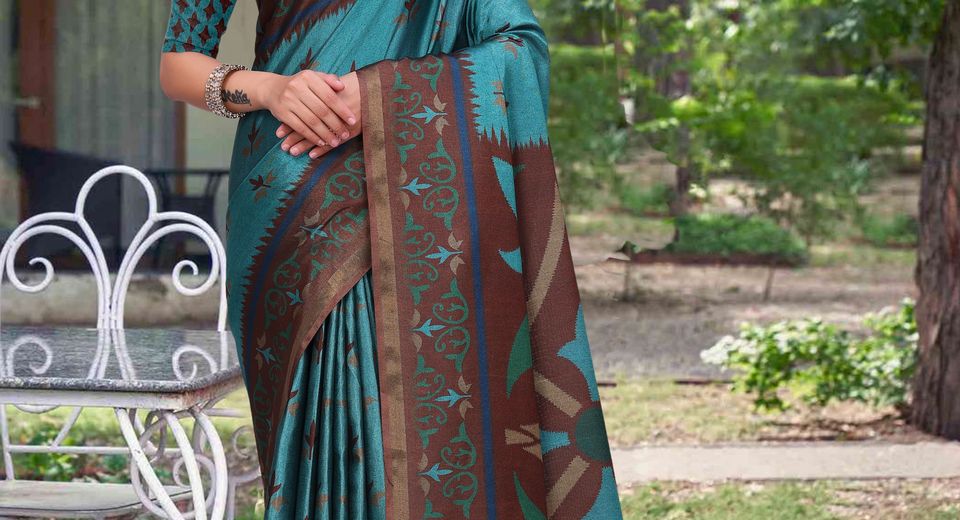
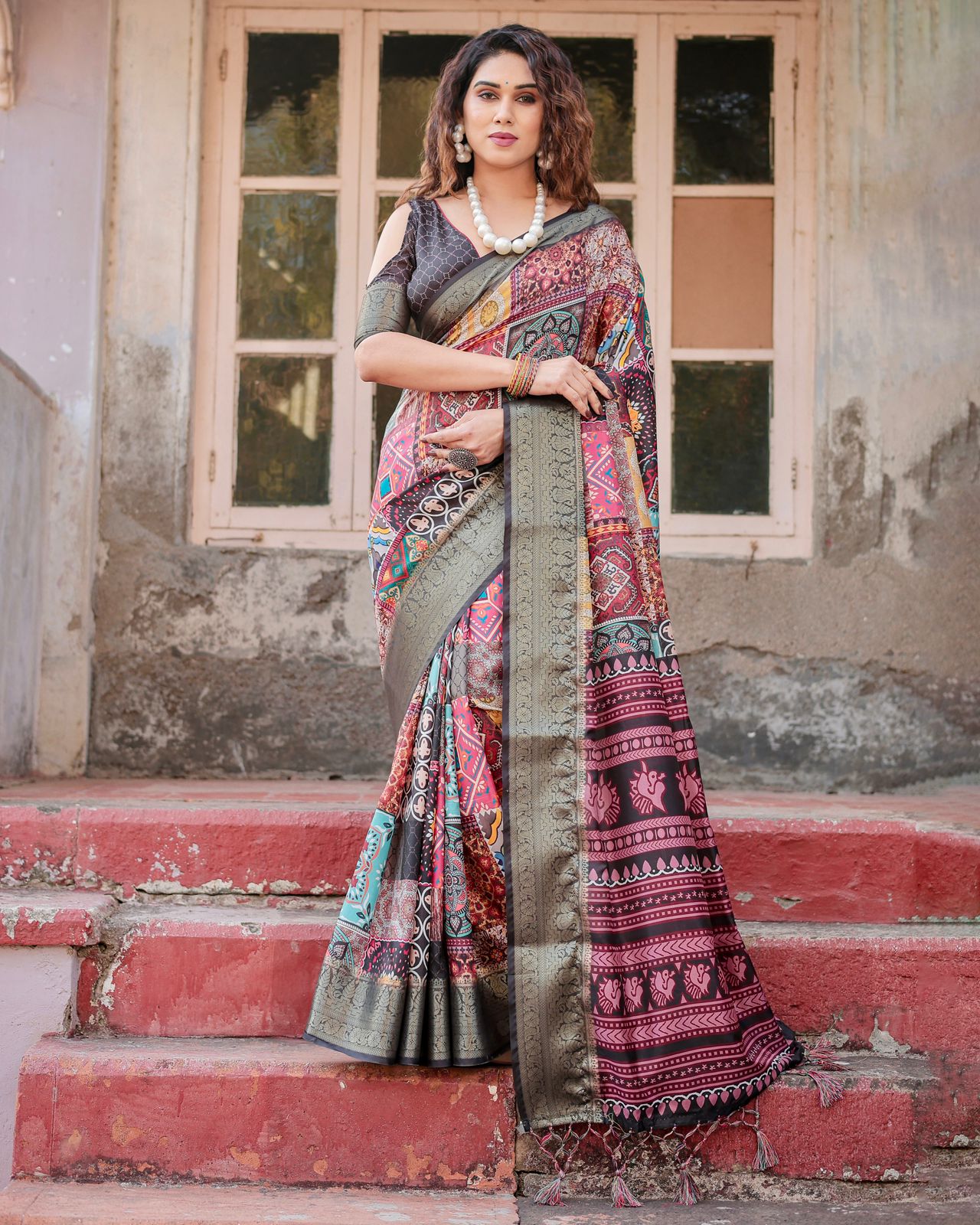
- A black or deep-coloured piece: Black Chanderi Cotton Saree with Contemporary Checked Weave shows how black can remain festive when texture and weave provide visual interest.
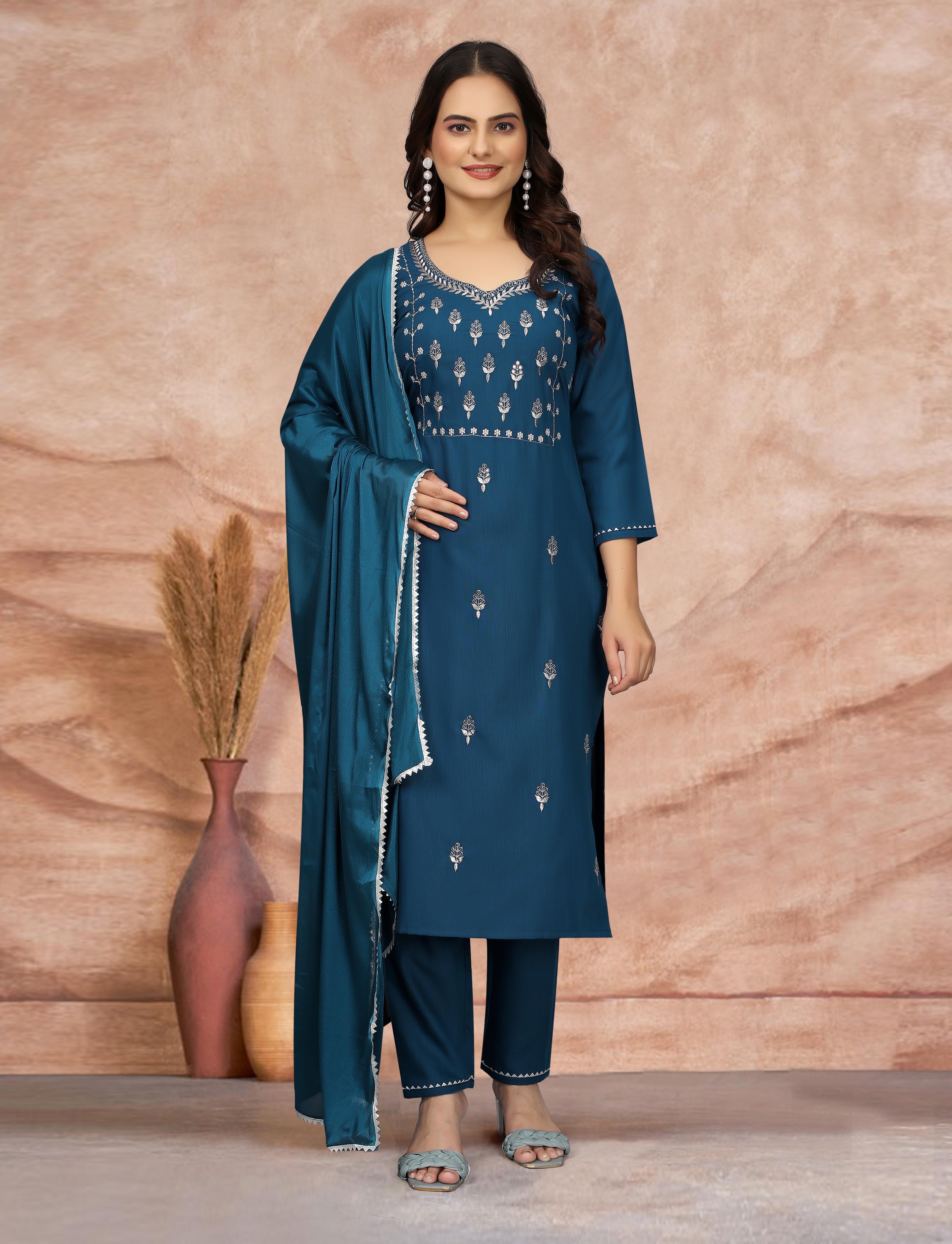
- A coloured kurta: Elegant Teal Embroidered Kurta Pant Dupatta Set adds a jewel tone that works with neutral trousers and gold accessories.
- A straight cotton kurta set: Vertical Cotton Straight Kurta Set with Dupatta represents an easy office or daytime silhouette.
- Neutral straight trousers: Choose ivory, black, beige or taupe in a fabric that doesn't become transparent under bright light.
- A second bottom in a contrasting neutral: Wide-leg palazzos or softly tapered pants change the proportion of the same kurta.
- A light dupatta: Cotton, Kota or Chanderi adds colour without making a daily outfit cumbersome.
- A richer dupatta: Silk, tissue or zari detailing raises a simple kurta to festive level.
- An adaptable saree: A checked, striped or small-buti weave is easier to repeat than a highly occasion-specific bridal design.
- An evening statement piece: Multicolor Embroidered Crepe Maxi Suit Set for Festive Wear can serve as the high-impact option for celebrations.
The exact colours can change, but the architecture should remain balanced. Three tops with different necklines, two bottoms with different widths and two dupattas with different weights create more visible variation than five similar embroidered suits.
How does colour make a 10-Piece Indian Ethnic Wardrobe That Creates Far More Than 10 Looks?
Colour multiplication works when every major piece matches at least three other pieces in the wardrobe. An effective capsule palette contains two neutrals, two accent colours and one metallic or dark anchor rather than ten unrelated shades.
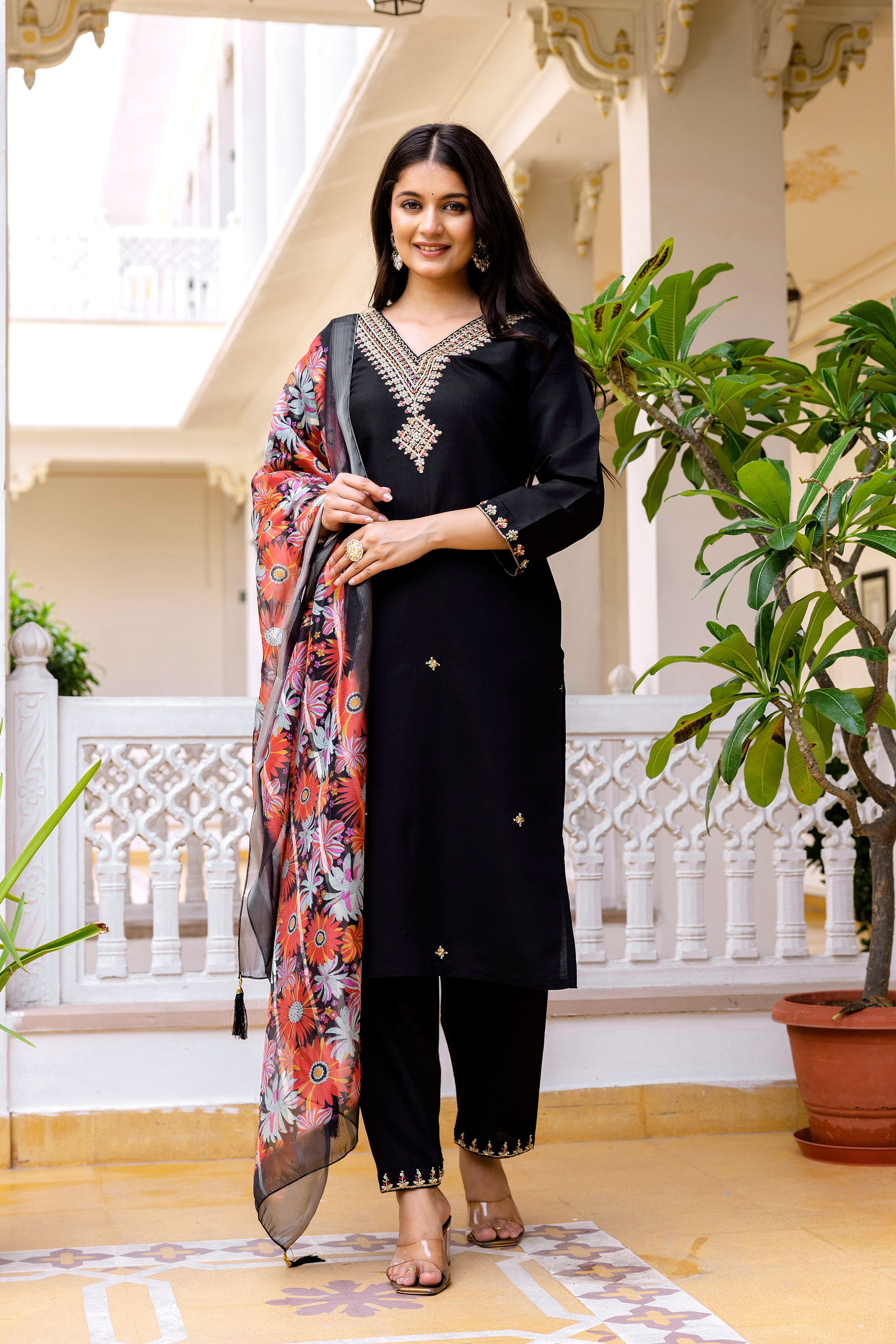
Black, cream and taupe form a reliable base because each shade supports bright embroidery. Modern Taupe Vichitra Silk Embroidered Co-Ord Set for Women demonstrates how taupe can function as a softer neutral than black while still looking refined at dinner. Cream Embroidered Silk Kurta Pant Ethnic Co-ord Set can pair with a black dupatta, teal earrings or a multicolour stole without creating a harsh contrast.
Teal, rust, wine, emerald and mustard can act as accent colours. Elegant Teal Embroidered Kurta Pant Dupatta Set is useful as a complete look, but a teal kurta can also work with cream trousers and a neutral dupatta. Brown Embroidered Cotton Kurta Pant Dupatta Set Women shows the value of an earthy mid-tone for daytime dressing, especially with ivory, beige or antique-gold accessories.
Use a simple pairing test before buying any piece. Place the new garment beside three existing items and ask whether each combination has a clear purpose. A teal kurta with cream trousers, a teal kurta with black trousers and a teal kurta with a printed dupatta already create three distinct visual directions. A garment that works only with its original matching bottom adds one outfit rather than a flexible component.
Which fabrics strengthen a 10-Piece Indian Ethnic Wardrobe That Creates Far More Than 10 Looks?
A practical 10-Piece Indian Ethnic Wardrobe That Creates Far More Than 10 Looks should include breathable cotton, textured daytime silk or silk blends, fluid crepe and one structured or sheer fabric for occasion layering. Fabric variety prevents the same colour combination from looking repetitive and keeps clothing comfortable across Indian weather conditions.
Why does cotton matter in an Indian ethnic wardrobe?
Cotton is the strongest choice for frequent wear in warm or humid weather because cotton absorbs moisture and usually tolerates regular washing better than embellished synthetics. Vertical Cotton Straight Kurta Set with Dupatta and Brown Embroidered Cotton Kurta Pant Dupatta Set Women represent the everyday end of the wardrobe, where comfort and easy movement matter more than high shine.
Check the care label before assuming that every cotton garment is machine washable. Embroidery, colour bleeding and attached trims can require a gentle cycle, cold water or hand washing. Cotton also wrinkles more readily than crepe, so a five-minute steaming or ironing routine should be part of the wardrobe plan.
Why are Chanderi and silk useful choices?
Chanderi contributes lightness, subtle sheen and a distinctive woven surface without the weight of heavily brocaded silk. Black Chanderi Cotton Saree with Contemporary Checked Weave offers an example of how a contemporary check can make a dark saree feel less formal and more repeatable. Black Embroidered Chanderi Kurti Pant Dupatta Set brings similar texture into a structured suit format.
Banarasi silk and Kanjeevaram are valuable additions for people who attend frequent weddings, but neither fabric needs to occupy the core ten-piece count unless ceremonial dressing is a regular requirement. Banarasi silk usually brings dense zari and a more formal shine, while Kanjeevaram is known for a firm silk body and traditional contrast borders. Both fabrics need careful folding and protection from direct moisture.
When should you choose crepe or vichitra silk?
Crepe falls close to the body and resists the bulky appearance that can come from several layers. Multicolor Embroidered Crepe Maxi Suit Set for Festive Wear uses the fluid quality of crepe to create impact without requiring a separate saree drape. Vichitra silk generally brings a richer surface and more body, making Modern Taupe Vichitra Silk Embroidered Co-Ord Set for Women suitable for dinners and polished festive gatherings.
Fabric weight should guide the order of layers. A light cotton dupatta can sit over a silk kurta in warm weather, while a heavy zari dupatta is more comfortable over a simple base in an air-conditioned venue or evening setting. Combining two heavily embellished surfaces often makes an outfit look crowded and increases maintenance.
How can a 10-Piece Indian Ethnic Wardrobe That Creates Far More Than 10 Looks work for offices?
A 10-Piece Indian Ethnic Wardrobe That Creates Far More Than 10 Looks becomes practical workwear when the first outfit layer remains comfortable, the embroidery is controlled and the colour contrast is easy to read from a distance. Straight kurtas, ankle-length trousers and lightweight dupattas usually make reliable office combinations.
Start with the cotton straight kurta and neutral trousers for a Monday outfit. Wear the same trousers with a teal or brown kurta on another day, changing only the earrings and footwear. A cream kurta with a narrow printed or woven dupatta gives a third combination, while a black kurta with cream trousers creates a sharper fourth look.
For a contemporary office silhouette, separate the pieces of a co-ord set. Wear the taupe top with black trousers, then wear the matching taupe trousers with a plain cream kurta. The two outfits will look different because the eye reads the top half, hemline and colour balance before recognising that one component is repeated.
Keep dupattas manageable for commuting. A 2 to 2.5 metre cotton or lightweight Chanderi dupatta is easier to pin securely than a very wide, heavily decorated piece. For desk work, place one shoulder pin near the collarbone and one discreet pin at the waist so the fabric doesn't drag across a keyboard or chair arm.
How can a 10-Piece Indian Ethnic Wardrobe That Creates Far More Than 10 Looks handle festivals?
A festive wardrobe needs one strong surface feature, one intentional accessory decision and a change in drape or proportion. The strongest surface feature may be zari, embroidery, lustrous silk, vivid colour or a distinctive weave; using all five at once is rarely necessary.
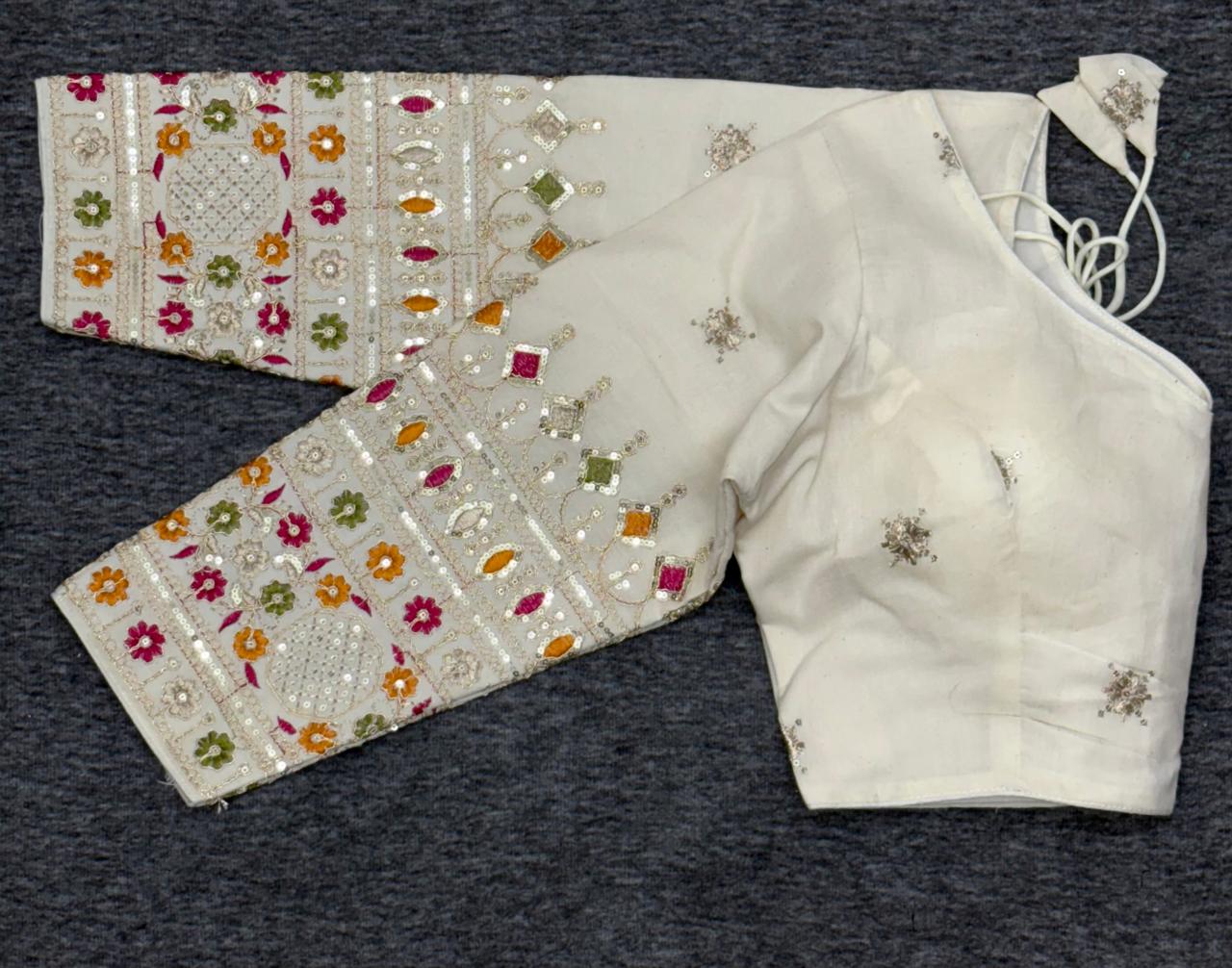
For a Haldi ceremony, pair a cream or brown base with yellow, marigold or green accessories and choose cotton or a light silk blend that allows movement. For a Diwali dinner, a taupe or black base with metallic earrings and a richer dupatta creates polish without requiring a full bridal look. For a family puja, Black Chanderi Cotton Saree with Contemporary Checked Weave can feel ceremonial with a zari blouse, gold-toned jewellery and a neat pleated pallu.
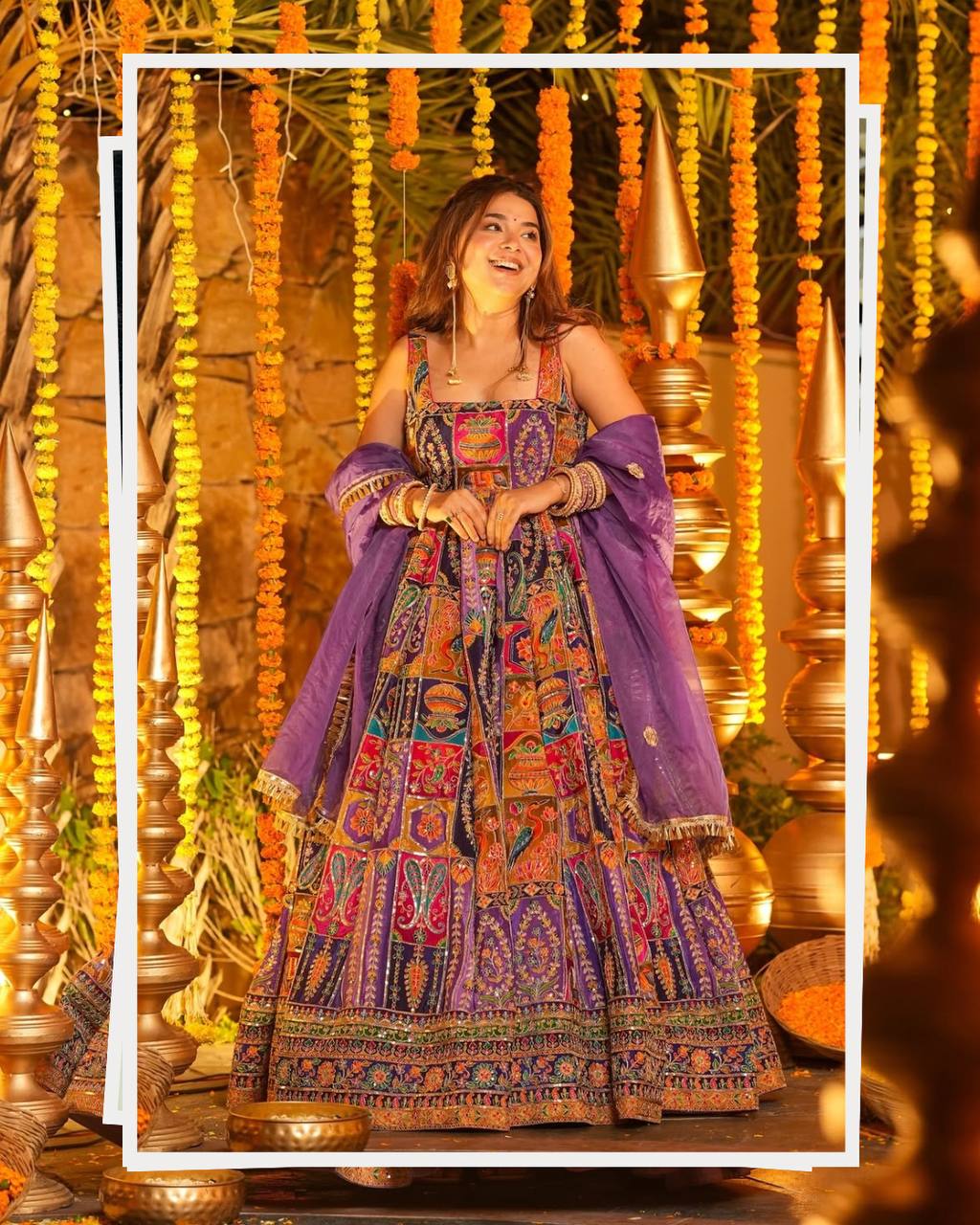
A wedding reception permits more shine and movement. Multicolor Embroidered Crepe Maxi Suit Set for Festive Wear can be worn with restrained jewellery because the embroidery already provides visual impact. Elegant Teal Embroidered Kurta Pant Dupatta Set can move from a daytime engagement to an evening dinner when paired with a structured potli, metallic sandals and a more formal hairstyle.
An useful rule is to change two visible variables between repeat wears. Change the dupatta and footwear for one version, then the jewellery and hairstyle for another. A repeated kurta will appear substantially different when the neckline, shoulder line, hem proportion and accessory colour change together.
How should you plan a 10-Piece Indian Ethnic Wardrobe That Creates Far More Than 10 Looks?
Plan the wardrobe by recording combinations before buying the next garment. A simple wardrobe grid can show whether a new item creates genuine variety or merely duplicates an existing outfit.
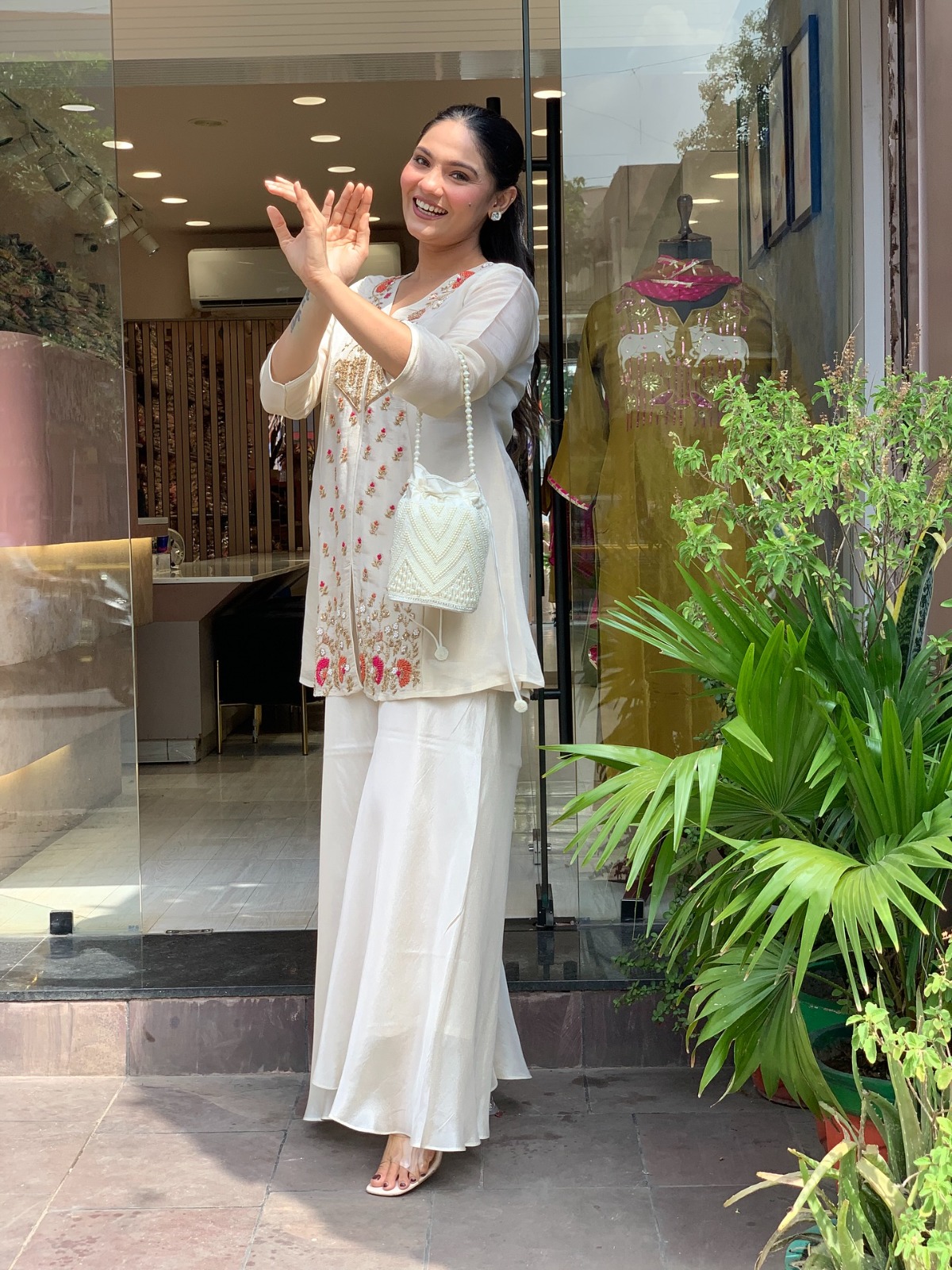
List the ten pieces across the top of a page and write possible pairings underneath each kurta, bottom and dupatta. Aim for at least three pairings per major top and two pairings per bottom. If a proposed purchase creates fewer than three useful combinations, delay it until the rest of the palette supports it.
Separate the wardrobe into three use categories: repeatable, elevated and statement. Repeatable pieces include cotton kurtas and neutral trousers. Elevated pieces include Chanderi, silk and controlled embroidery. Statement pieces include strong multicolour embroidery, dramatic silhouettes and thick zari. A healthy ten-piece wardrobe should carry more repeatable pieces than statement pieces.
Storage also affects how often clothing gets worn. Fold embellished garments with soft cotton or muslin between dense embroidery and avoid hanging heavy silk for months because shoulder pressure can distort the fabric. Store clean, completely dry garments away from direct sunlight, and refold silk and zari pieces every few months to reduce permanent crease marks.
With careful buying, ten pieces can support more than thirty combinations: three tops paired with two bottoms already create six looks, two dupattas can alter those six looks into twelve, and one saree, one co-ord and one statement suit add several distinct silhouettes. The result isn't a smaller wardrobe for its own sake; it's a wardrobe in which colour, fabric and proportion do more of the work.
Common Questions About a 10-Piece Indian Ethnic Wardrobe That Creates Far More Than 10 Looks
How many clothes should an Indian ethnic capsule wardrobe contain?
An Indian ethnic capsule wardrobe can begin with ten adaptable wardrobe anchors. The most useful mix includes repeatable kurtas, two neutral bottoms, two dupattas, one saree and a small number of elevated festive pieces.
Can a saree be part of a small ethnic wardrobe?
A saree can be part of a small ethnic wardrobe when its colour and weave work beyond one ceremony. Checked, striped, small-buti and medium-weight Chanderi sarees are generally easier to restyle than heavily bridal designs.
Which colours mix most easily in Indian ethnic wear?
Black, cream, ivory, taupe, beige and navy are dependable neutrals for Indian ethnic wear. Teal, rust, emerald, mustard and wine provide accents that can be repeated through dupattas, jewellery, footwear and embroidery.
How can one kurta look different on repeated wears?
Change at least two visible elements, such as the bottom, dupatta, jewellery, footwear, hairstyle or drape. A straight kurta with narrow trousers and a cotton dupatta creates a different proportion from the same kurta with wide palazzos and a silk dupatta.
Is Chanderi suitable for everyday wear?
Chanderi is suitable for light everyday or daytime festive wear when the garment has limited embellishment and the wearer follows the care label. Chanderi cotton is generally more practical for regular use than a delicate silk Chanderi piece with dense zari.
What should be bought first for a flexible ethnic wardrobe?
Buy the most repeatable neutral bottom and a comfortable cotton kurta first, then add a second neutral, one accent kurta and two contrasting dupattas. Statement silk, crepe and heavily embroidered pieces should come after the basic colour combinations work together.
Common Questions About a 10-Piece Indian Ethnic Wardrobe That Creates Far More Than 10 Looks
How many clothes should an Indian ethnic capsule wardrobe contain?
An Indian ethnic capsule wardrobe can begin with ten versatile wardrobe anchors. The most useful mix includes repeatable kurtas, two neutral bottoms, two dupattas, one saree and a small number of elevated festive pieces.
Can a saree be part of a small ethnic wardrobe?
A saree can be part of a small ethnic wardrobe when its colour and weave work beyond one ceremony. Checked, striped, small-buti and medium-weight Chanderi sarees are generally easier to restyle than heavily bridal designs.
Which colours mix most easily in Indian ethnic wear?
Black, cream, ivory, taupe, beige and navy are dependable neutrals for Indian ethnic wear. Teal, rust, emerald, mustard and wine provide accents that can be repeated through dupattas, jewellery, footwear and embroidery.
How can one kurta look different on repeated wears?
Change at least two visible elements, such as the bottom, dupatta, jewellery, footwear, hairstyle or drape. A straight kurta with narrow trousers and a cotton dupatta creates a different proportion from the same kurta with wide palazzos and a silk dupatta.
Is Chanderi suitable for everyday wear?
Chanderi is suitable for light everyday or daytime festive wear when the garment has limited embellishment and the wearer follows the care label. Chanderi cotton is generally more practical for regular use than a delicate silk Chanderi piece with dense zari.
What should be bought first for a versatile ethnic wardrobe?
Buy the most repeatable neutral bottom and a comfortable cotton kurta first, then add a second neutral, one accent kurta and two contrasting dupattas. Statement silk, crepe and heavily embroidered pieces should come after the basic colour combinations work together.


